













You are using an outdated browser. Most of this website should still work, but after upgrading your browser it will look and perform better.
MA Illustration (Online) Welcome Guide : Preparing for your course
We're delighted that you've chosen to join our creative community at Arts University Bournemouth. We can't wait to see what you'll create.

Welcome to the MA Illustration (Online) course
This welcome pack is designed to give you an idea of what to expect during the first weeks of your course. Please take the time to read it carefully and take particular note of the pre-course preparation. We hope that you'll enjoy a happy and productive time with us, and we look forward to meeting you.
A message from your Programme Leader
Welcome to MA Illustration (Online), we are excited to help guide and support you on this next step in your creative career as a postgraduate student. On our course, you will explore the discipline of Illustration, make connections with other areas of art and design and engage in wider discourses and debates relating to Illustration within a contemporary and historical context.
Our course welcomes students from all around the world, so the cultural and social diversity of our student cohorts enriches the sharing of ideas and experience so we are excited to meet you all over the first few weeks of the course.
All the best!
– Mark Pavey and the MA Illustration (Online) course team
Before you join us
As a new student, there will be lots to read and to do this week. Some of this will be in the form of content to read and to watch in your own time as well as there being some scheduled live welcomes from AUB to watch. The course is designed to be asynchronous, which means you can read and watch these at your own pace and at times that are suited to you. Live content is recorded and made available shortly after it takes place.
You’ll find information on the following pages about the various software that you have access to as an AUB student. On the MA Illustration (Online) course you will regularly use Microsoft Teams to join in our weekly optional live seminars and Canvas, our VLE, to engage in the weekly course content and forum discussions. We recommend installing Teams on your devices and becoming comfortable with how it runs before the first seminar.
As an AUB student, you have access to LinkedIn Learning, a valuable and extensive resource of video materials detailing how to make full use of the various professional tools and programs available to you.
Your first unit is called Introduction and Exploration, and content for this will be available on Canvas from 12.00 on 19 September. New content and discussions are released each Friday at 12.00. Unit specific information is delivered by announcements in the unit on Canvas. You’ll also find other course specific information on the MA Illustration course hub on Canvas.
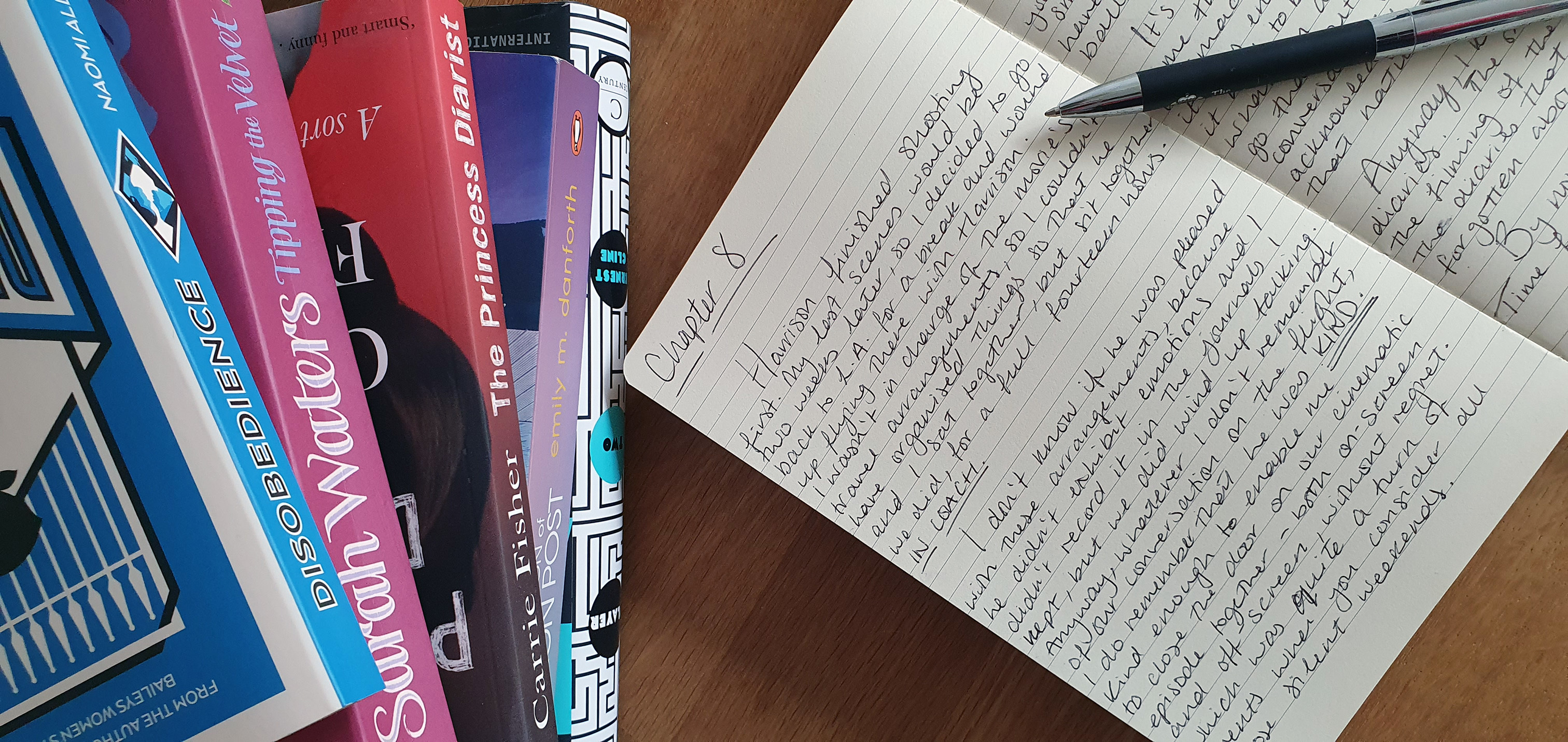
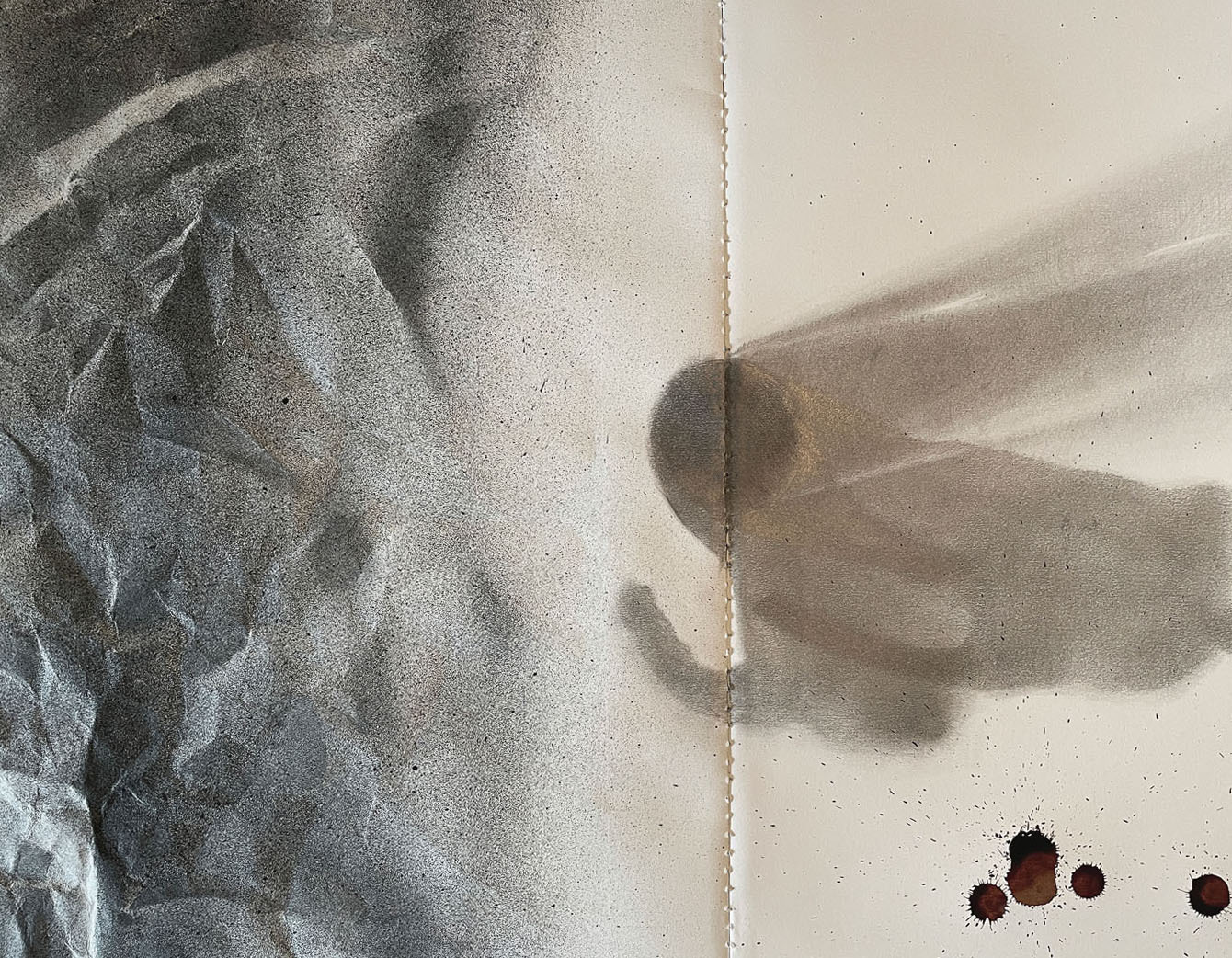
Each week of the course, there'll be discussions to be involved in, texts to read and challenges to guide you towards producing your assignments for each unit. Throughout the course we recommend you collate your thoughts, notes, research and drawings into a reflective journal. Your journals are part sketchbook, part notebook. Though they're not assessed formally, we recommend using edited parts of them to inform your assessed work. They can be digital or physical – whichever works best for you – but we recommend having easy access to them as a resource for regular documentation, reflection and thinking. You’ll find more information about these in the first unit, but instilling in yourself a regular and productive use of your journal as a space for unedited creation and thinking on the page can be key to a successful creative practice. Illustrator and author Austin Kleon makes good use of his sketchbooks in a similar way.
For unit specific information and asking questions related to the course we recommend using the various discussion forums available to you on Canvas, where the MA Illustration course team can provide help.
Programme Leader Mark Pavey can also be contacted via email at mpavey@aub.ac.uk – we recommend using your student email to do so, as personal emails can be caught in spam filters.
On the course you will be expected to explore your own skills in illustration alongside analysing and evaluating the cultural, social and political impact of the discipline. To prepare you for research at this level each unit has a bespoke reading list of ebooks that will be available to you alongside other recorded audio and video content. These ebooks are provided via your AUB student login.
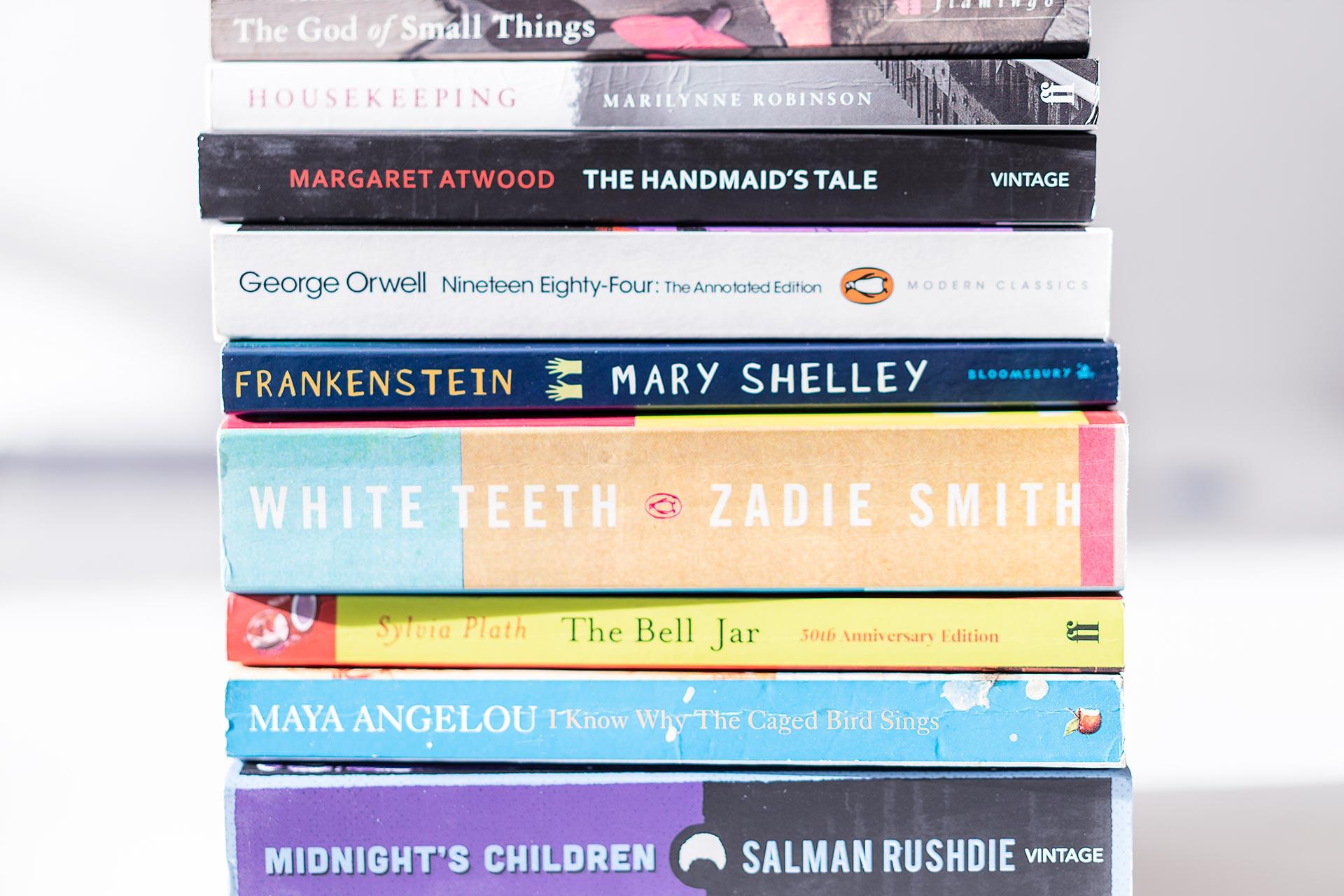
To support and supplement this we also recommend reading the following book as it provides an excellent core of theory to be able to understand and discuss not just comics, but illustration and visual culture as a whole:
- McCloud, S. (1994). Understanding comics. New York: William Morrow, an imprint of HarperCollins Publishers, HarperPerennial.
To prepare you for seeing how illustration features within contemporary culture, we recommend looking at the following sites:
Your first classes
We'll be interacting with you via the discussion forums on Canvas from Monday 22 September. These forums can be accessed either via the Canvas Student app on your devices, or the browser-based version of Canvas accessed via my.aub.ac.uk.
Your first seminar for Introduction and Exploration will take place on Microsoft Teams at:
Friday 26 September 12.00–13.00 (BST)
A link to this will be available on the seminar page of the Week 1 content for the unit as well as being sent via an announcement.
After this, we'll take a poll for when future seminars will take place based on student numbers and locations. You'll find information about what to prepare for this in the Week 1 content.