Research impact
Discover AUB’s Impact Case Studies submitted to REF 2021
Study Acting at Arts University Bournemouth. Find out about the course, fees, how to apply, and Open Days.
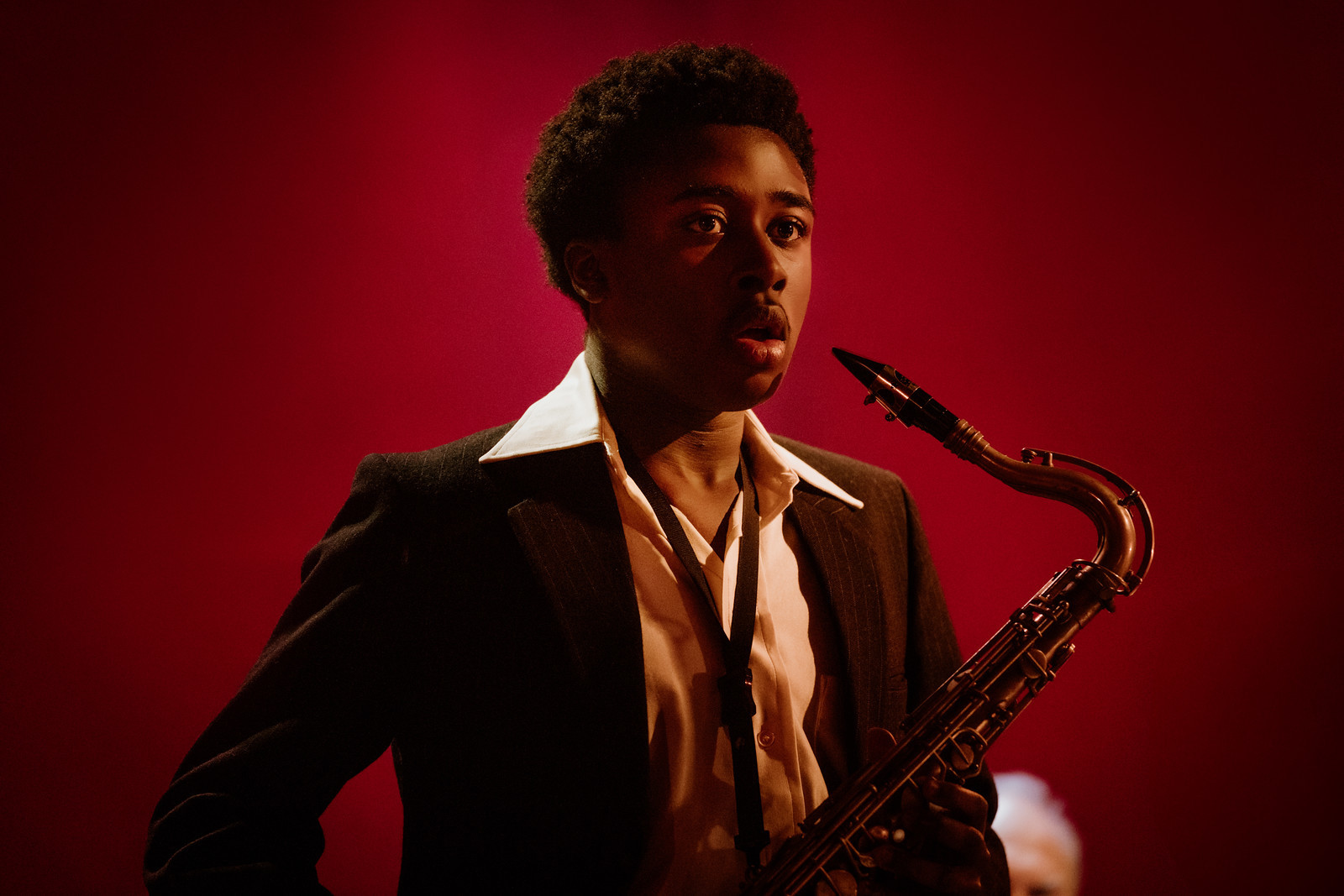
Study Acting for Screen at Arts University Bournemouth. Find out about the course, fees, how to apply, and Open Days.
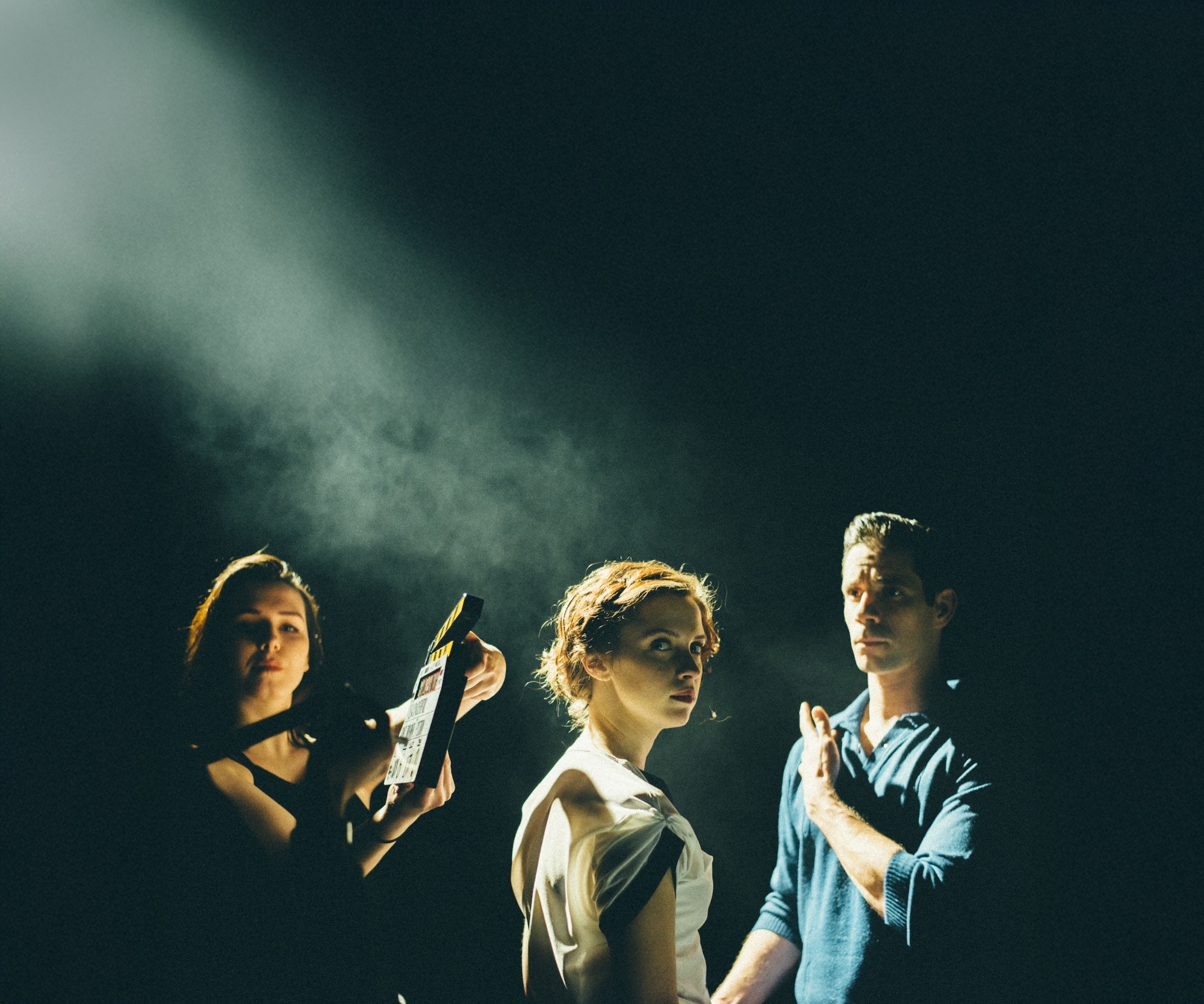
Our Animation Production course explores the whole production process, and techniques from traditional 2D drawn animation to stop motion.
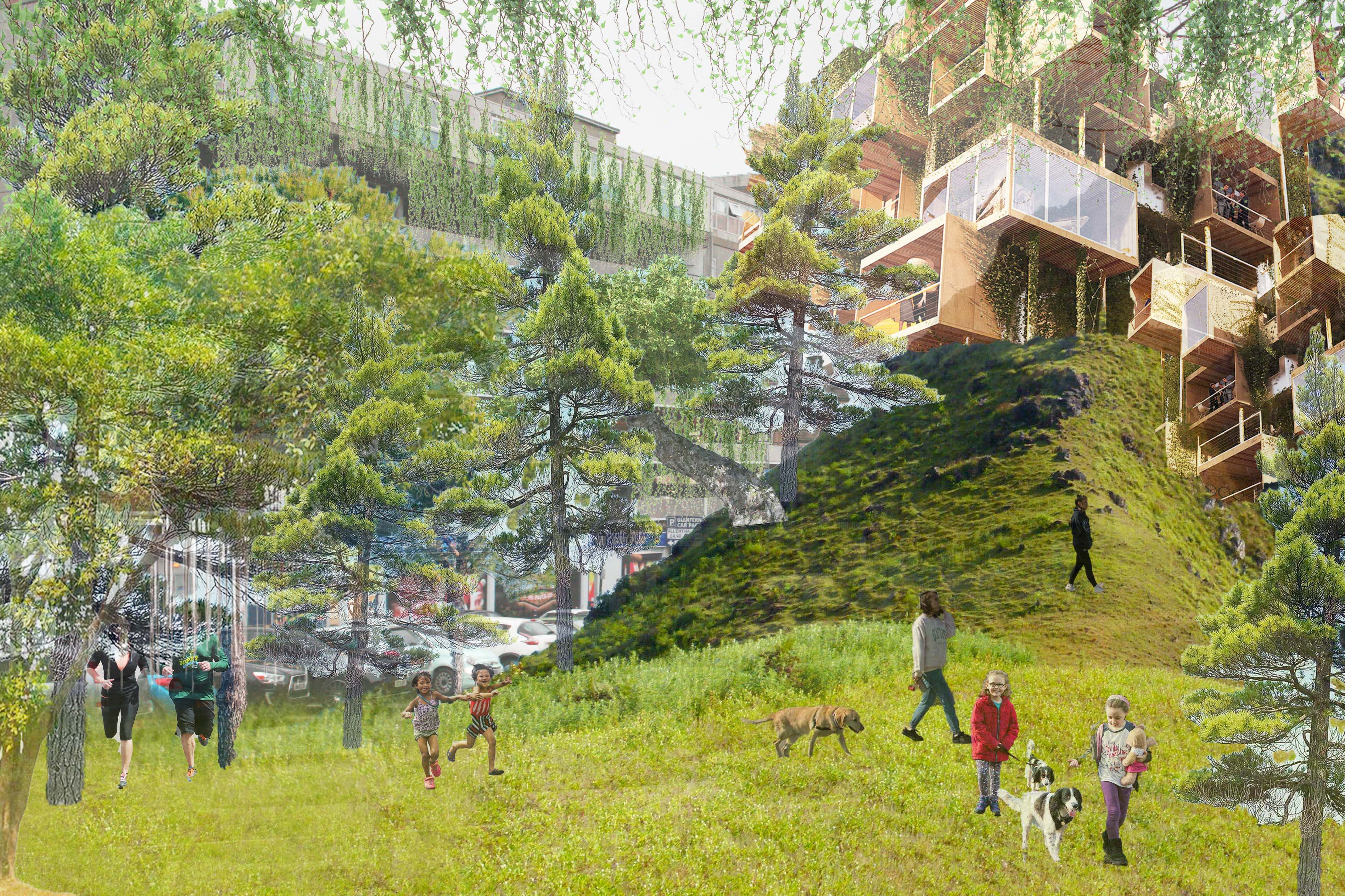
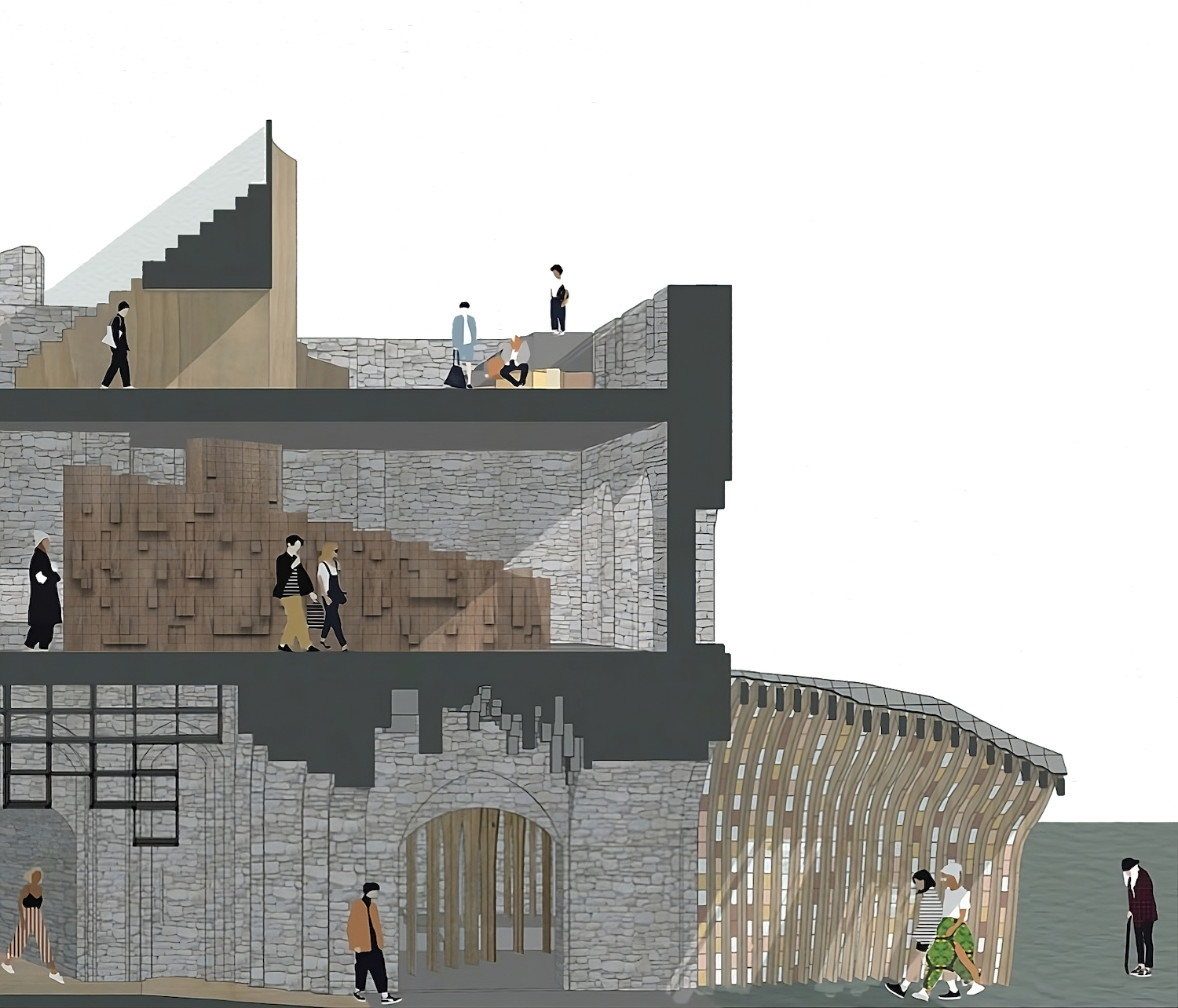
Study BA (Hons) Architecture at Arts University Bournemouth. Find out about the course, fees, how to apply, and Open Days.
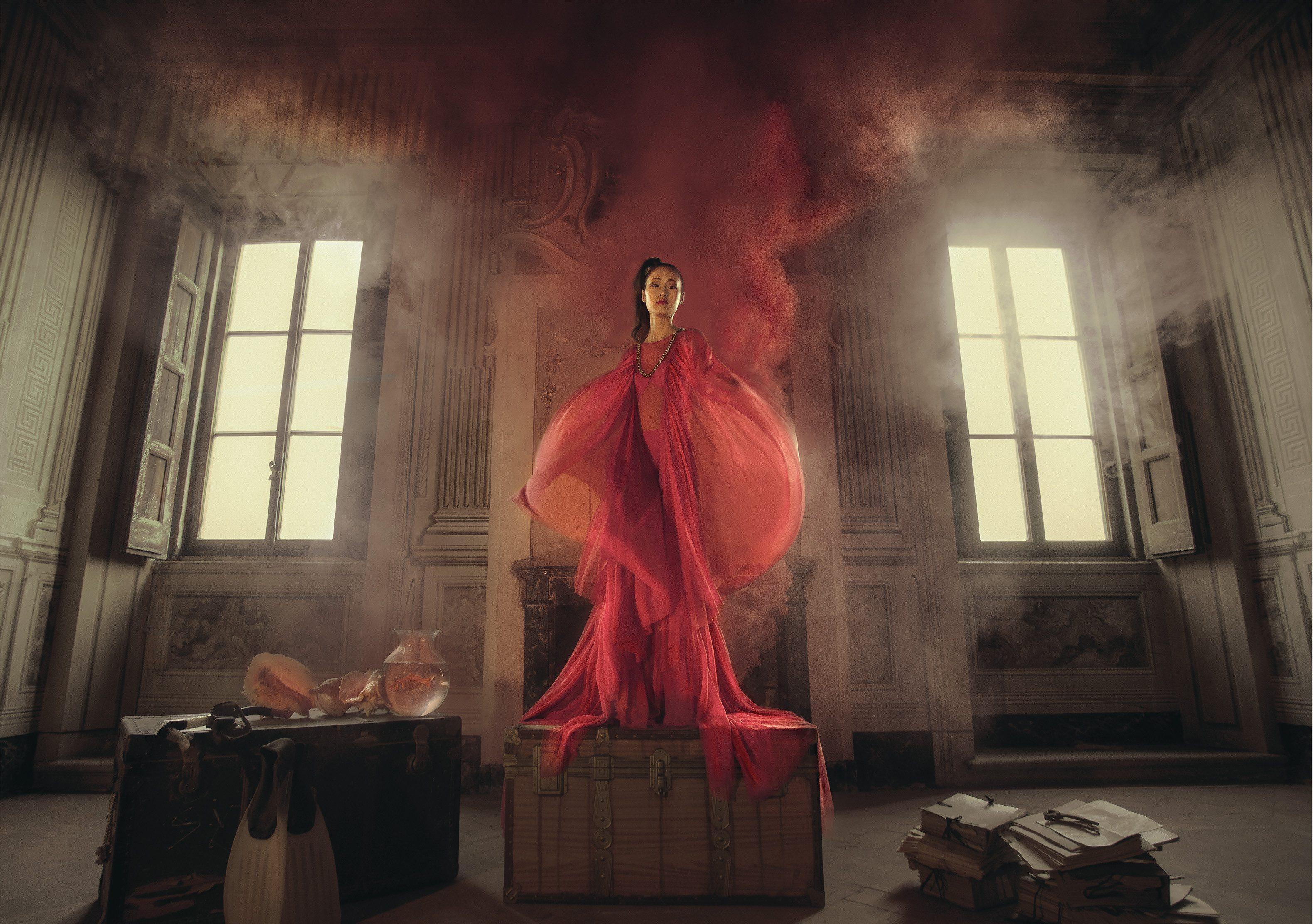
Study Commercial Photography at Arts University Bournemouth. Find out about the course, fees, how to apply, and open days
Study Communication Design and Strategy at Arts University Bournemouth. Find out about the course, fees, how to apply, and Open Days...
Study Content Creation with Marketing at Arts University Bournemouth. Find out about the course, fees, how to apply, and open days

Master the skills you need to become a professional maker, tailor and costume supervisor for the film, theatre and events industries
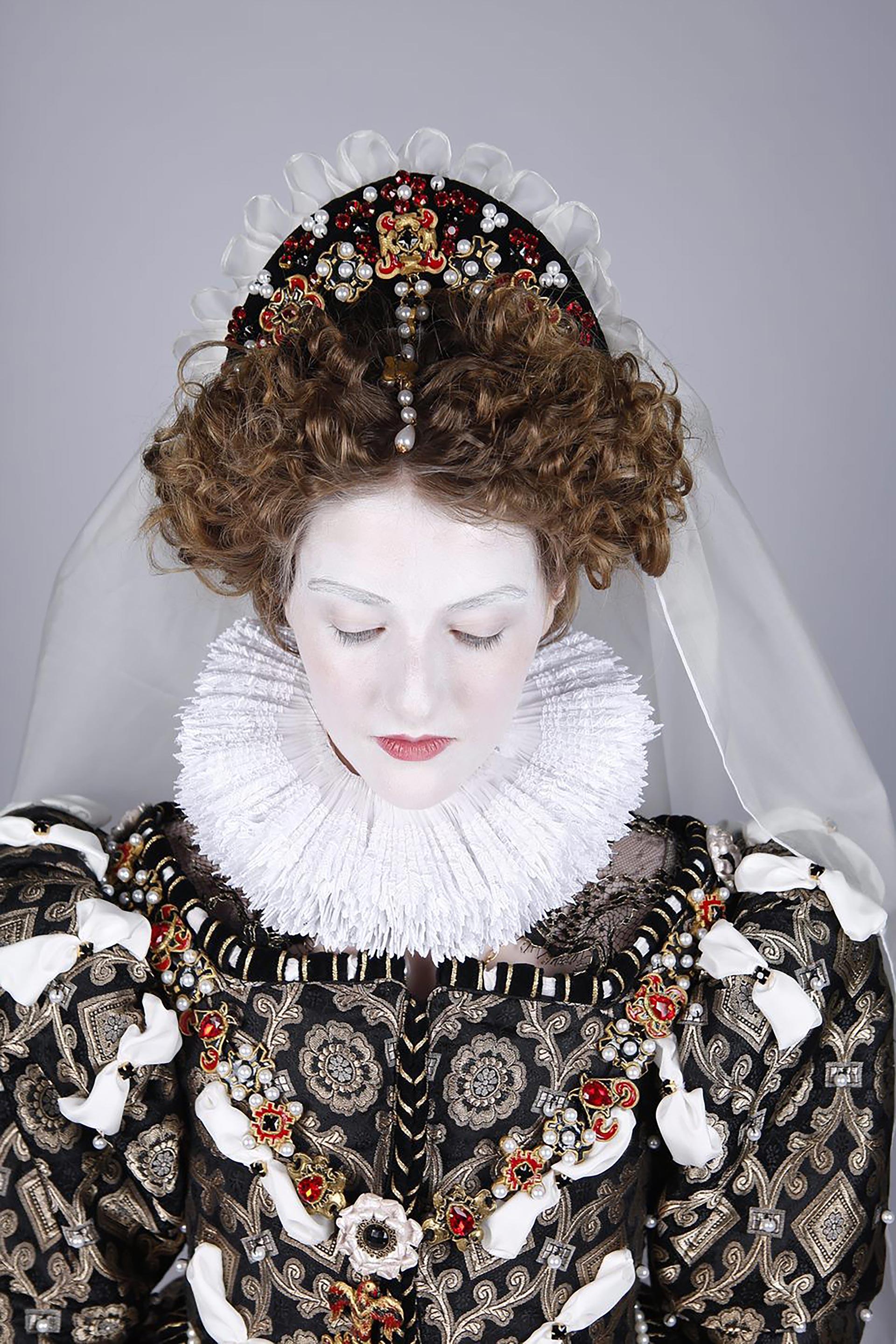
Study Costume for Film at Arts University Bournemouth. Find out about the course, fees, how to apply, and Open Days.
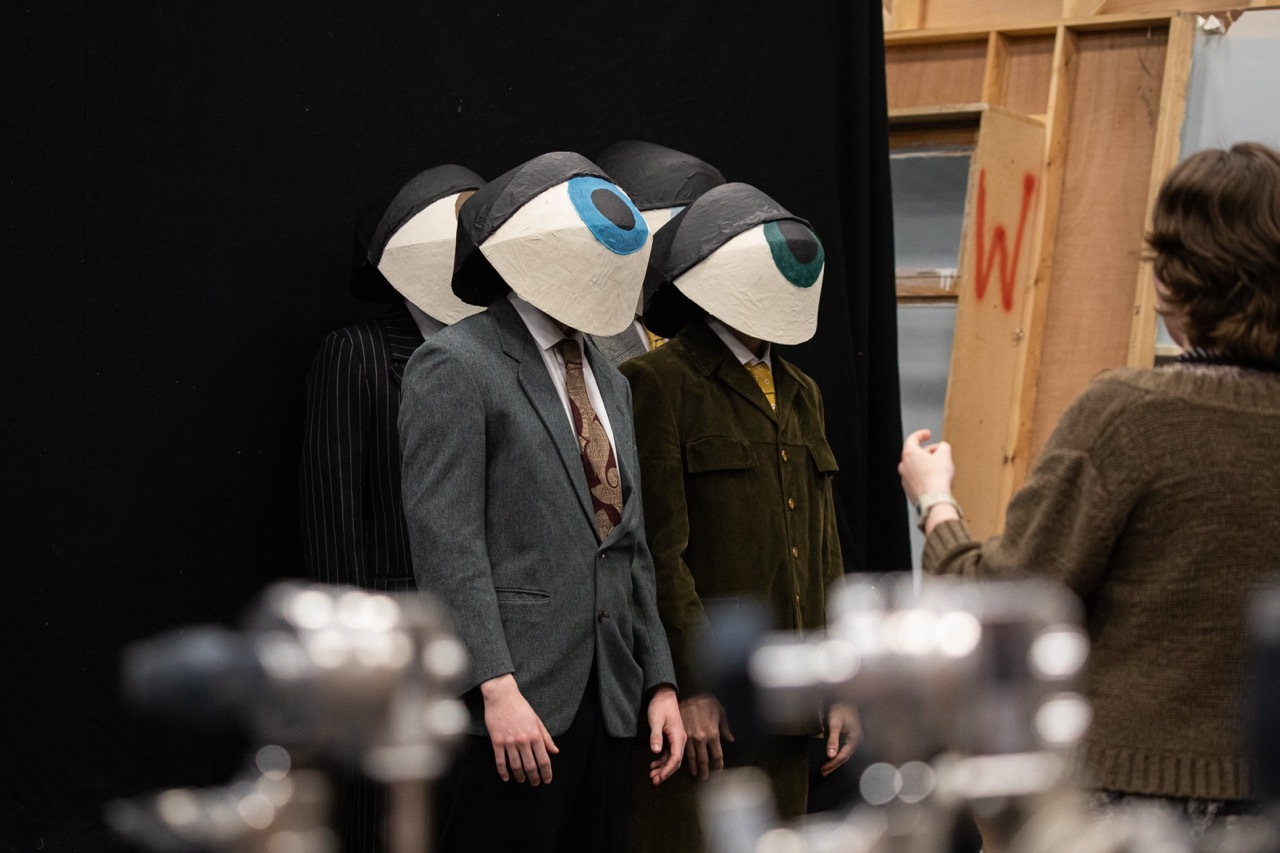
Study Creative Direction at Arts University Bournemouth. Find out about the course, fees, how to apply, and open days...
Study Creative Writing at Arts University Bournemouth. Find out about the course, fees, how to apply, and Open Days...
Study Creative Writing for Film at Arts University Bournemouth. Find out about the course, fees, how to apply, and Open Days...

Study Fashion at Arts University Bournemouth. Find out about the course, fees, how to apply, and Open Days...

Study Fashion Communication at Arts University Bournemouth. Find out about the course, fees, how to apply, and Open Days...

Study Film Production at Arts University Bournemouth. Find out about the course, fees, how to apply, and Open Days...
BA (Hons) Fine Art at AUB is an exciting, multidiscipline course, set within our dynamic culture of making in our purpose-built studios...
Study Games Art and Design at Arts University Bournemouth. Find out about the course, fees, how to apply, and Open Days...
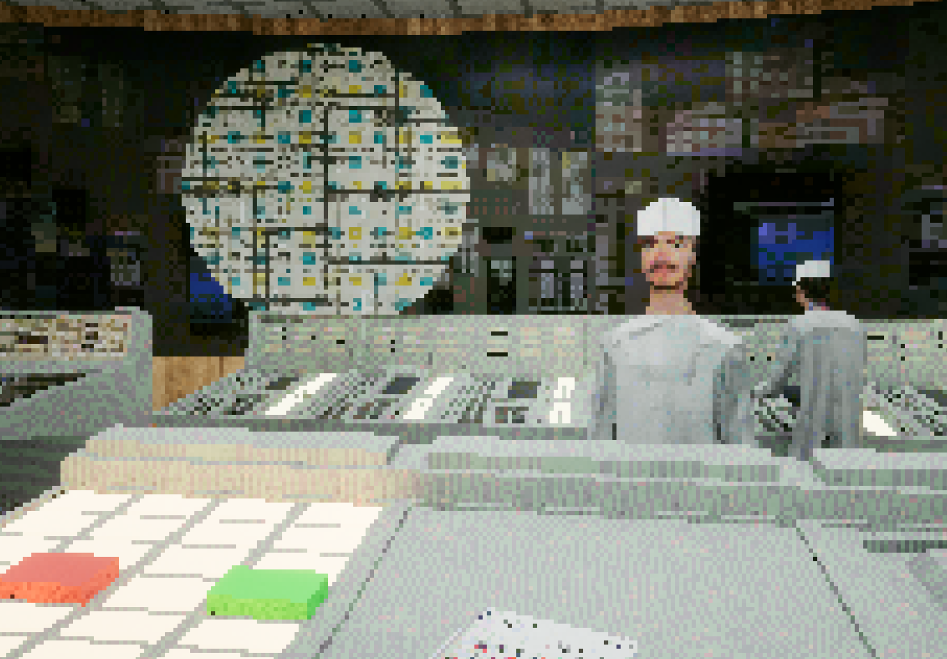
Study Graphic Design at Arts University Bournemouth. Find out about the course, fees, how to apply, and Open Days.
Study Illustration at Arts University Bournemouth. Find out about the course, fees, how to apply, and Open Days.

Study Interior Architecture and Design at Arts University Bournemouth. Find out about the course, fees, how to apply, and Open Days...
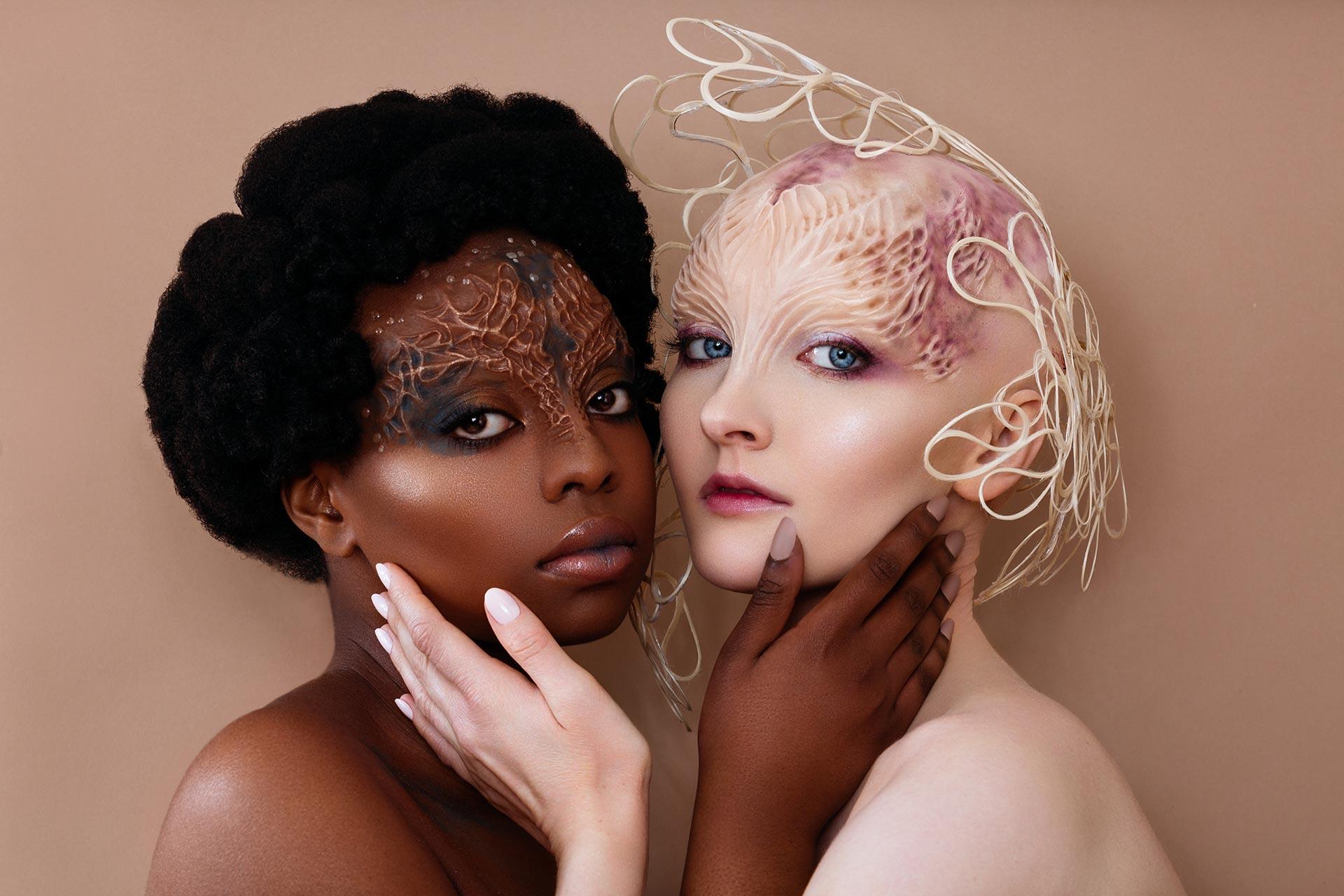
Study Makeup, Hair and Prosthetics at Arts University Bournemouth. Find out about the course, fees, how to apply, and Open Days...
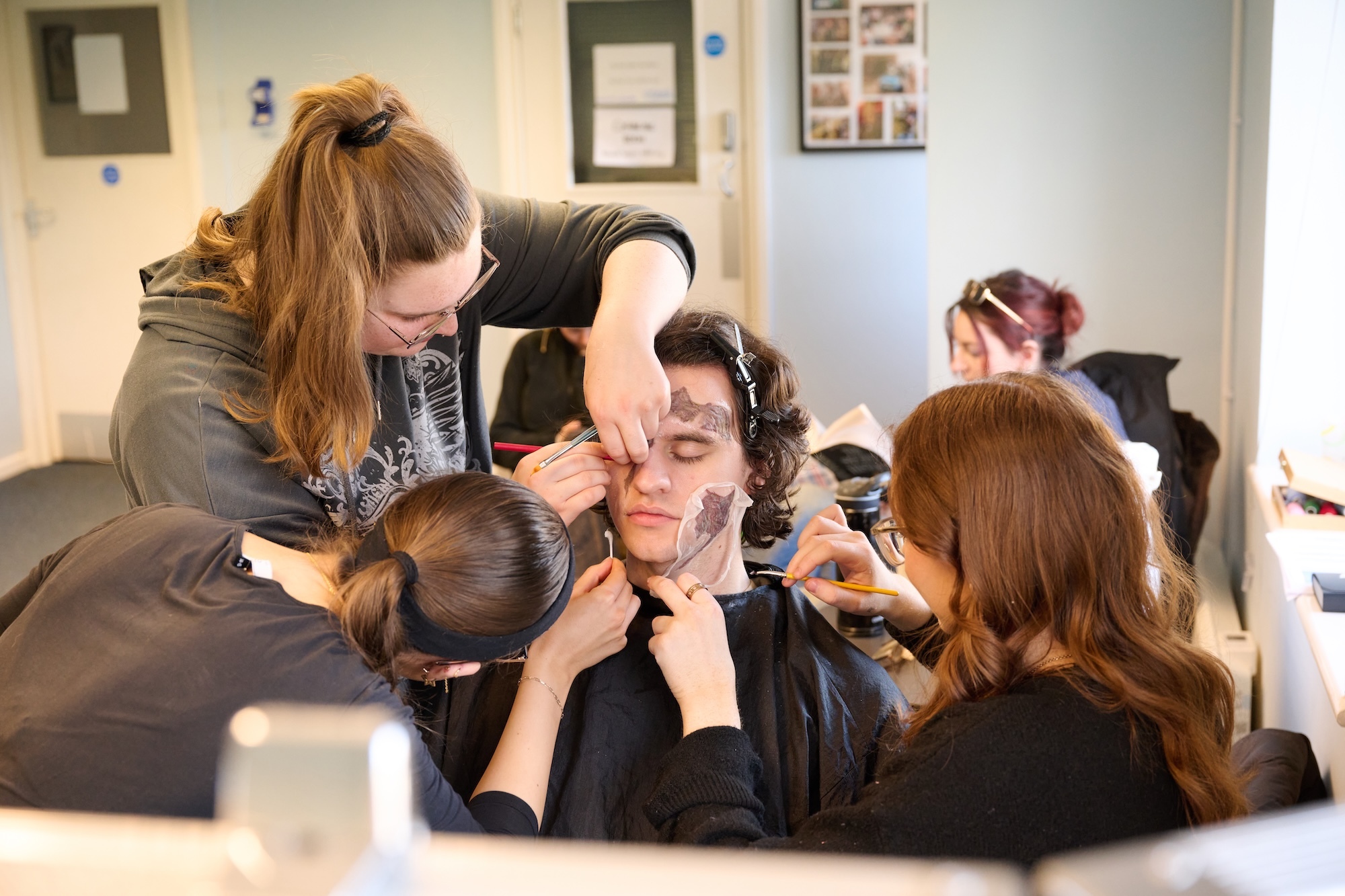
Study Makeup, Hair and Prosthetics for Film at Arts University Bournemouth. Find out about the course, fees, how to apply, and Open Days...
Study Media, Marketing and Advertising at Arts University Bournemouth. Find out about the course, fees, how to apply, and Open Days...
Study Modelmaking at Arts University Bournemouth. Find out about the course, fees, how to apply, and Open Days...
The BA (Hons) Modelmaking for Industry degree apprenticeship will introduce apprentices to all avenues of the modelmaking disciplines.

Study Music and Sound for Film, TV and Games at Arts University Bournemouth. Find out about the course, fees, how to apply, and Open Days.
Study Photography at Arts University Bournemouth. Find out about the course, fees, how to apply, and Open Days...

Study Textiles Design at Arts University Bournemouth. Find out about the course, fees, how to apply, and open days

Study Arts, Media and Creative Industries Management at Arts University Bournemouth. Find out about the course, fees, and...
Study Fashion Management and Strategy at Arts University Bournemouth. Find out about the course, fees, how to apply, and Open Days...

At Arts University Bournemouth, you’ll have the option to undertake a specialised Foundation year in a subject area you’re interested in...
The MA Animation Production course focuses on practice, theory and professionalism and the ‘critical dialogue’ between them.
MA Creative Teaching and Learning Design prepares you to be a learning professional with the knowledge and skills to design, deliver...
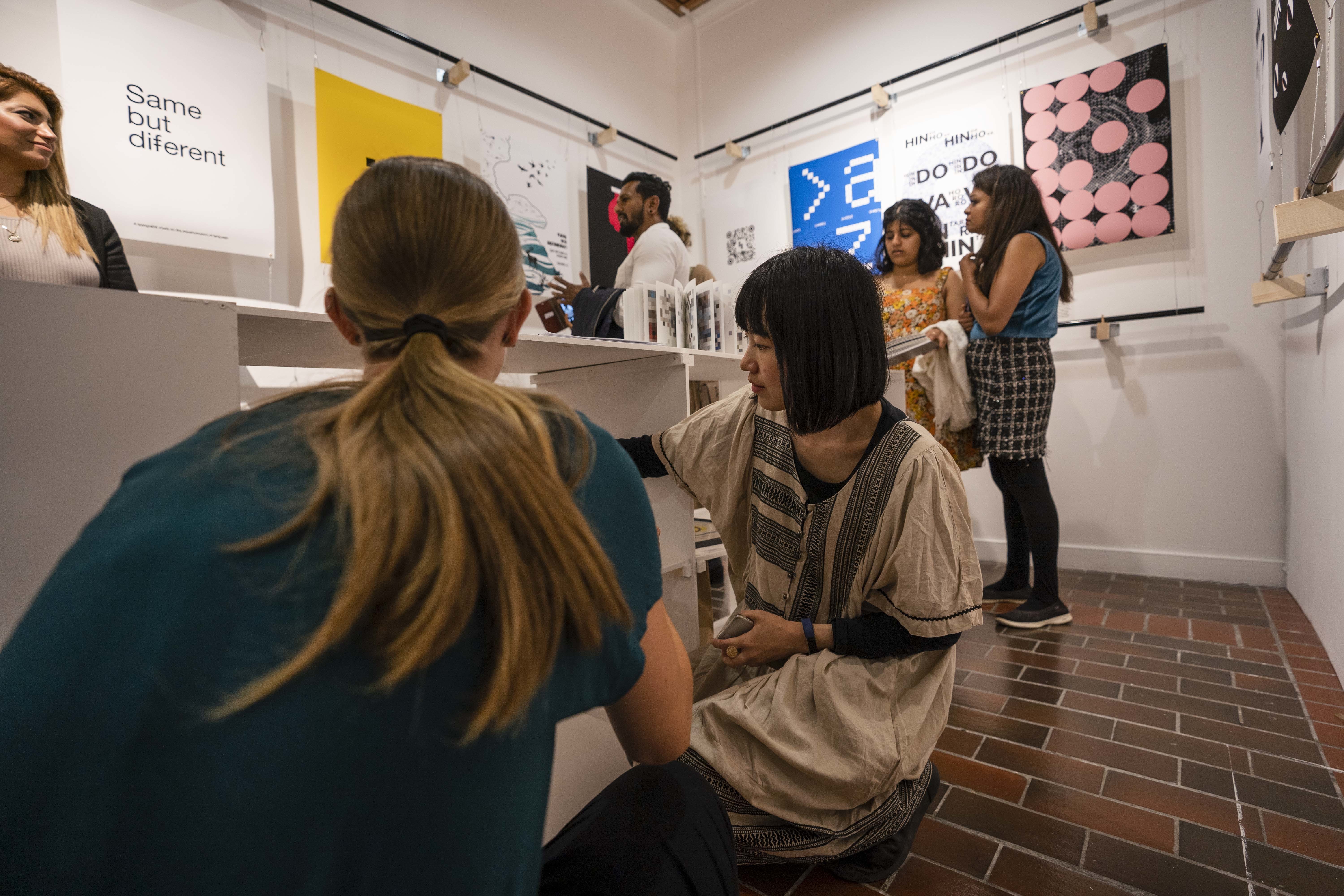
Our MA Creative Writing (Online) course will help you develop an array of transferable skills and elevate your skills as a writer...
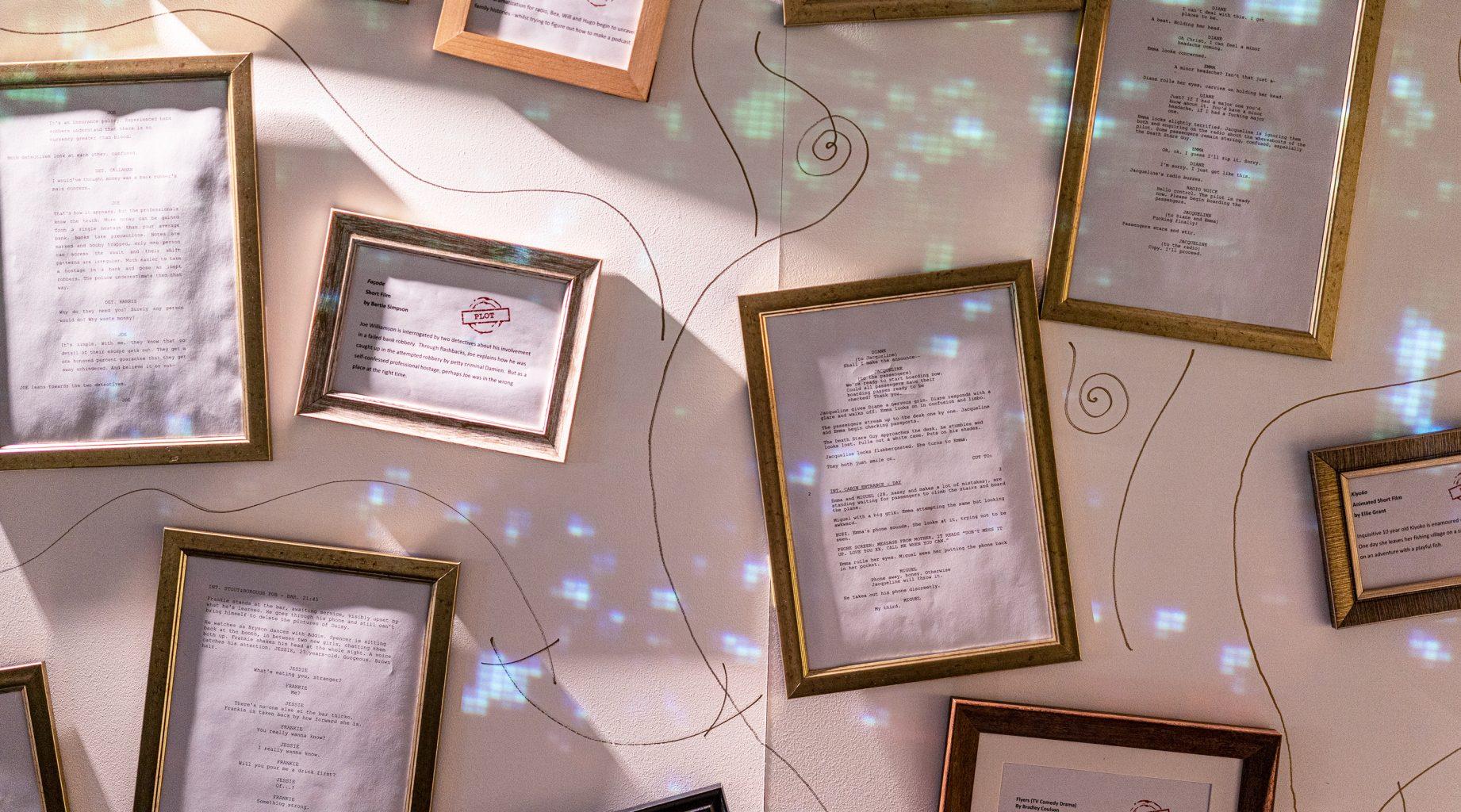
Take your professional creative writing practice to the next level on the MA Creative Writing course at Arts University Bournemouth.
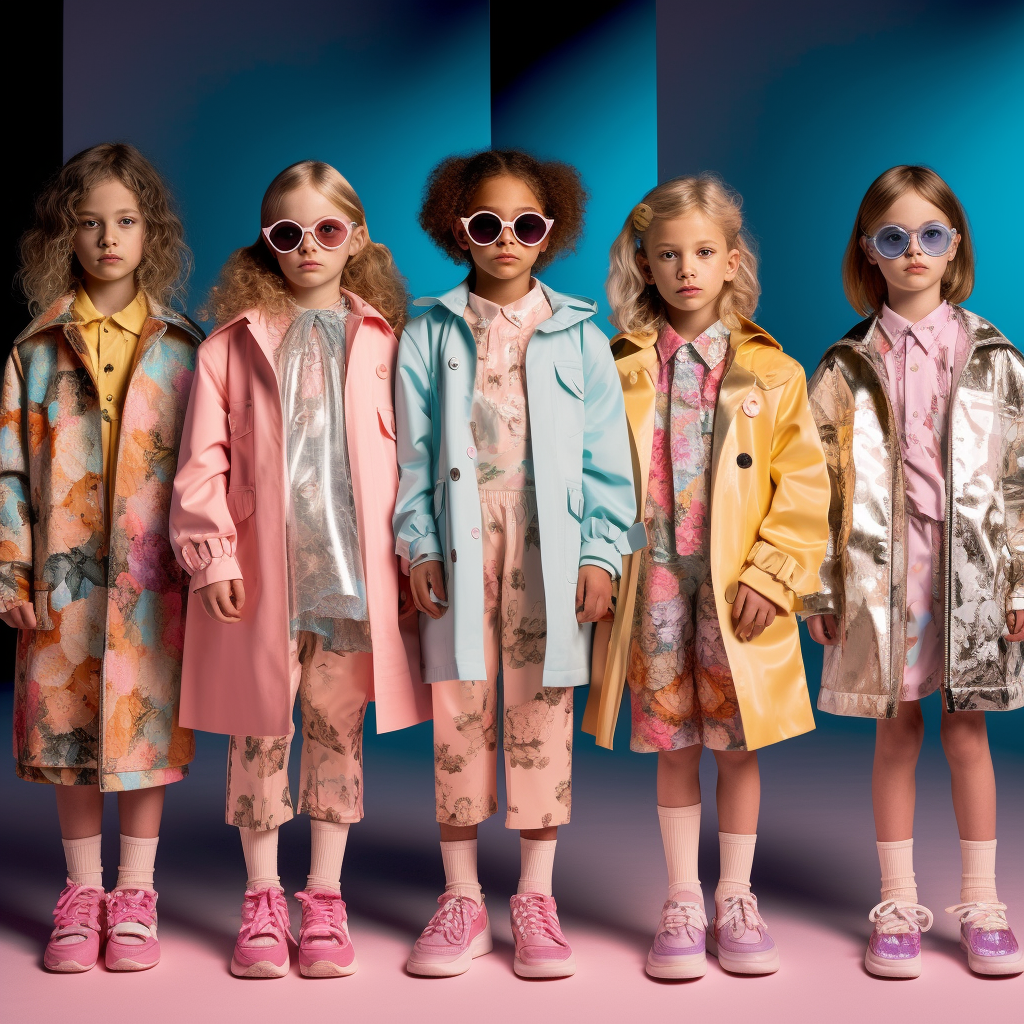
Our MA Fashion Innovation course challenges creative boundaries while embracing advanced digital technologies across multiple disciplines...
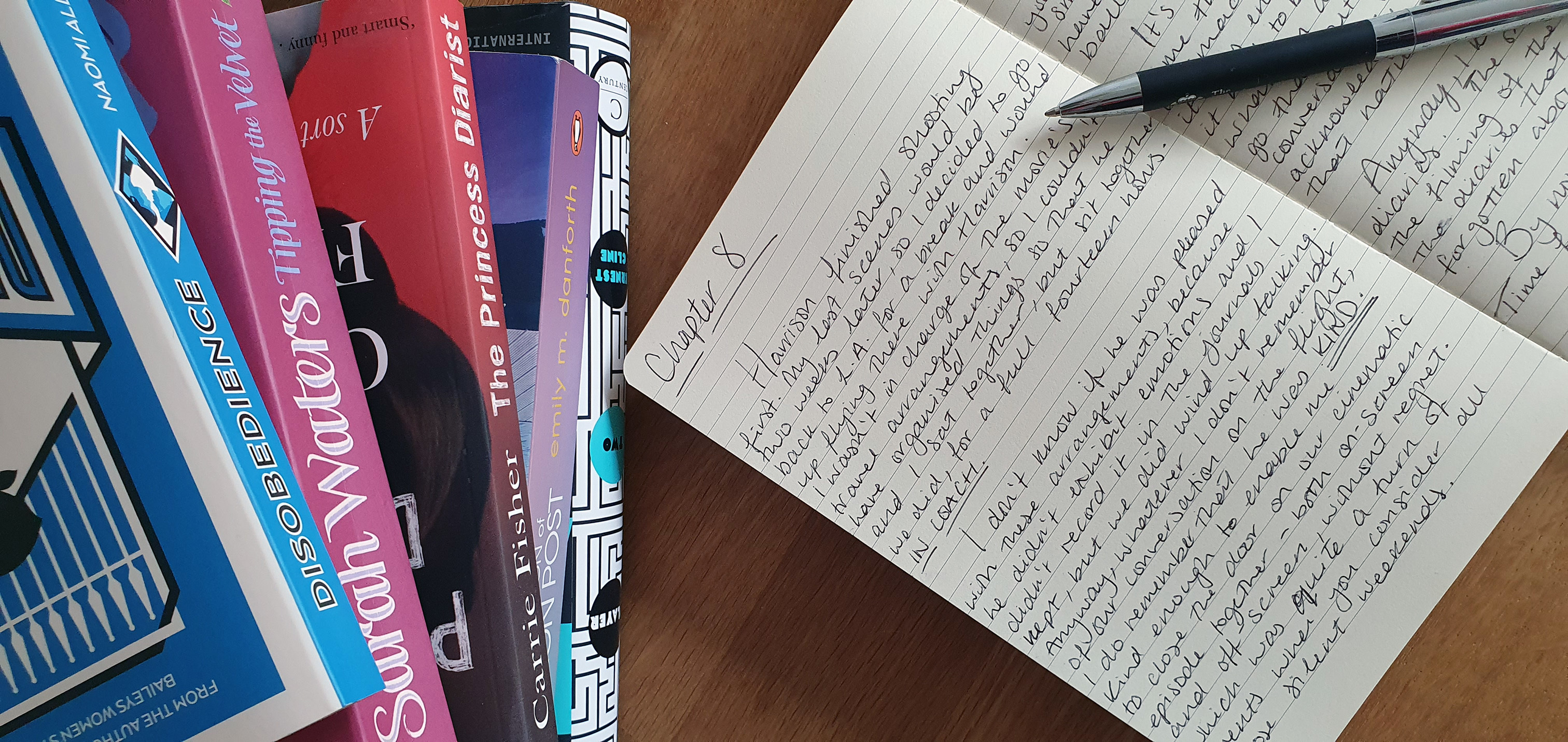
Our MA Film Practice (Online) course allows you to explore the possibilities of contemporary film and moving image practice...
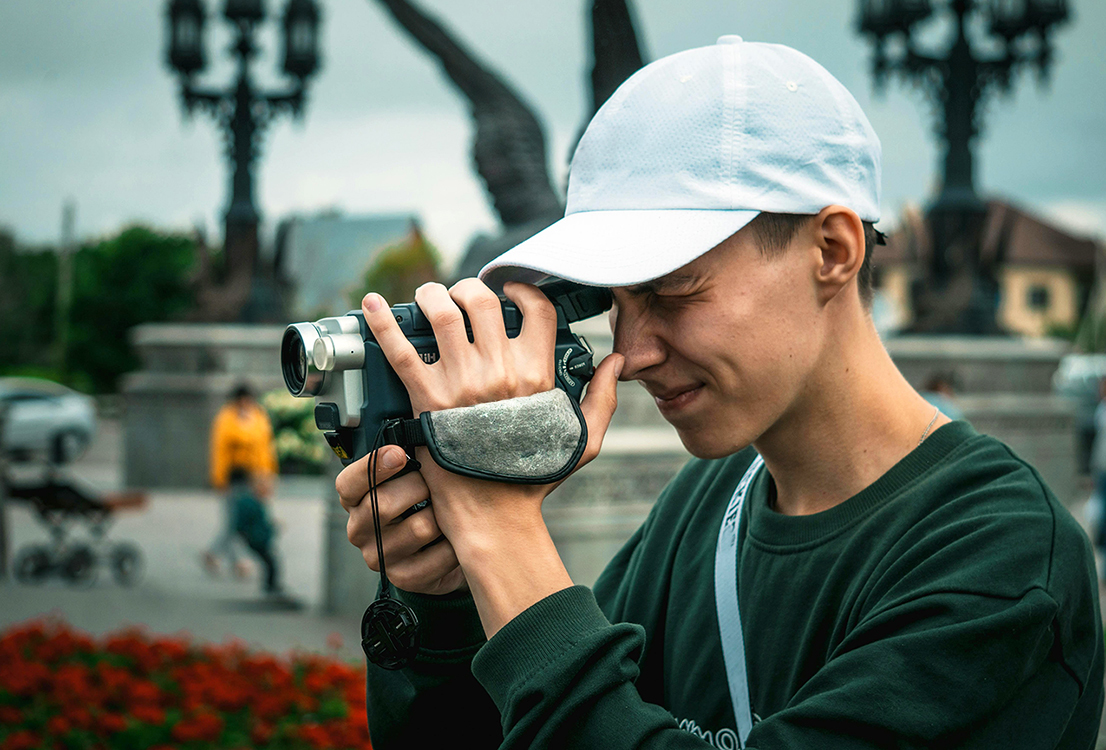
Learn to navigate global film environments and markets on the MA Film course at Arts University Bournemouth...

MA Fine Art offers a distinct focus and reassessment of autobiography and the familiar, through differing understandings of creativity.
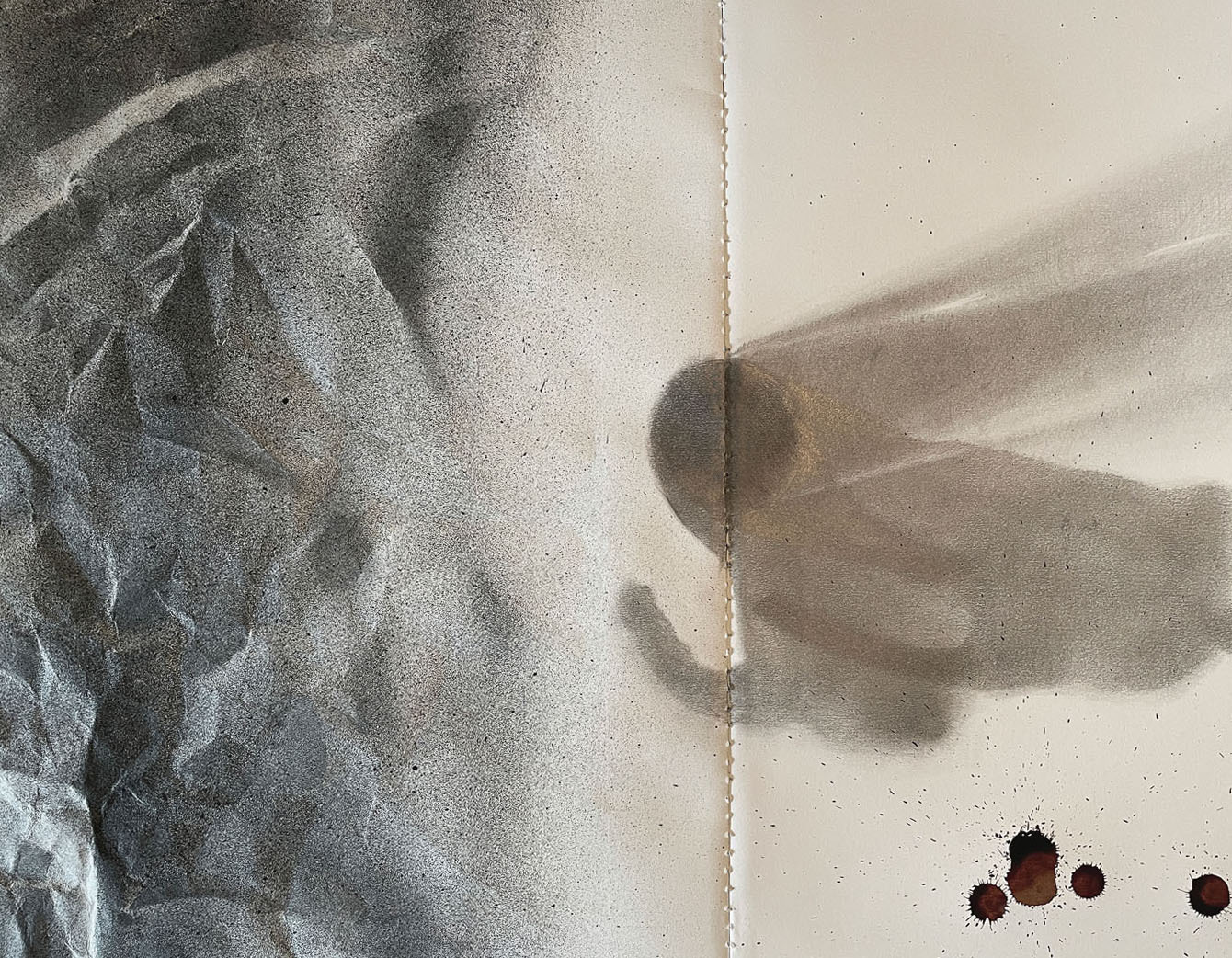
MA Graphic Design encourages designers to explore ways of developing understanding between co-communicators.

MA Graphic Design (Online) at Arts University Bournemouth gives you the freedom to develop innovative and future-facing projects...
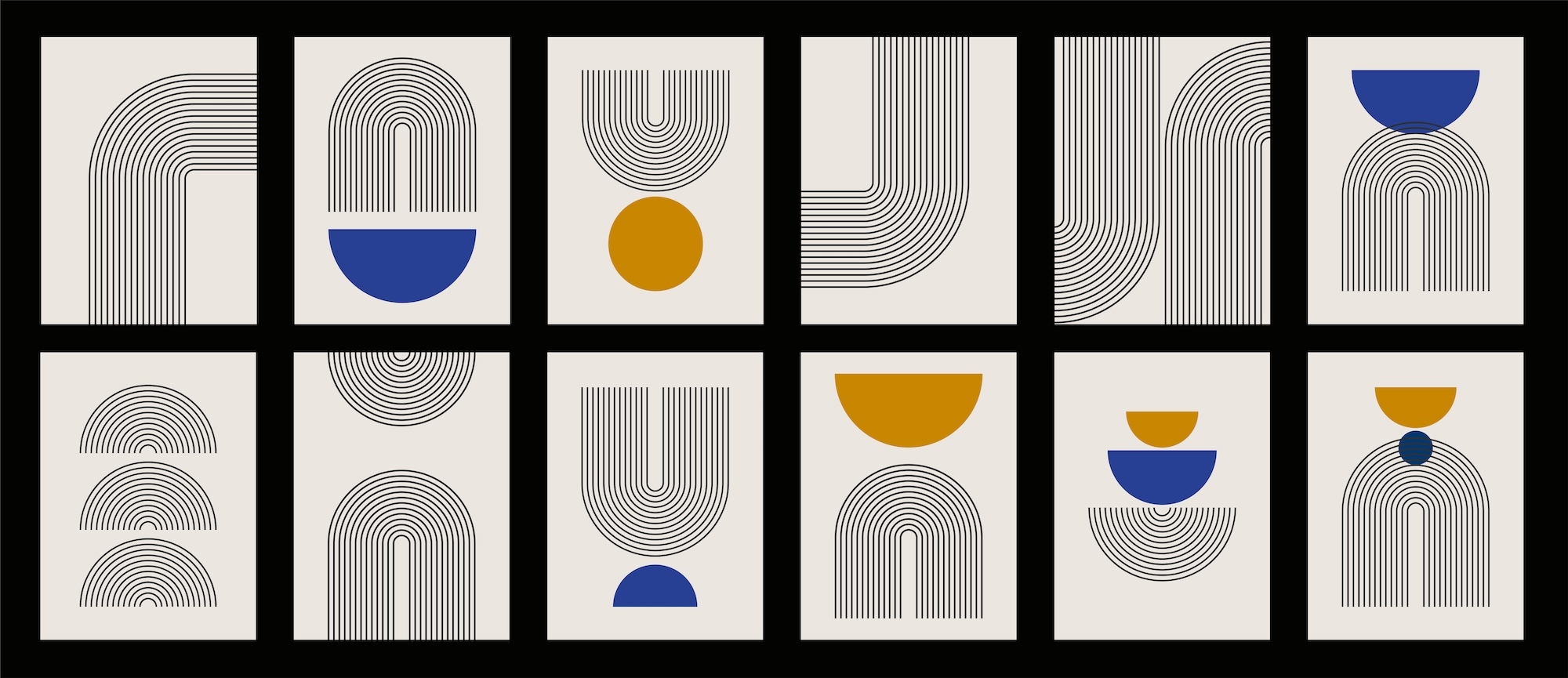
Historical Costume supports and develops advanced practitioners who have the ambition to explore, challenge and redefine the relationship...

Our MA Illustration course encourages you to question the nature of your practice and its context and position relative to the creative...
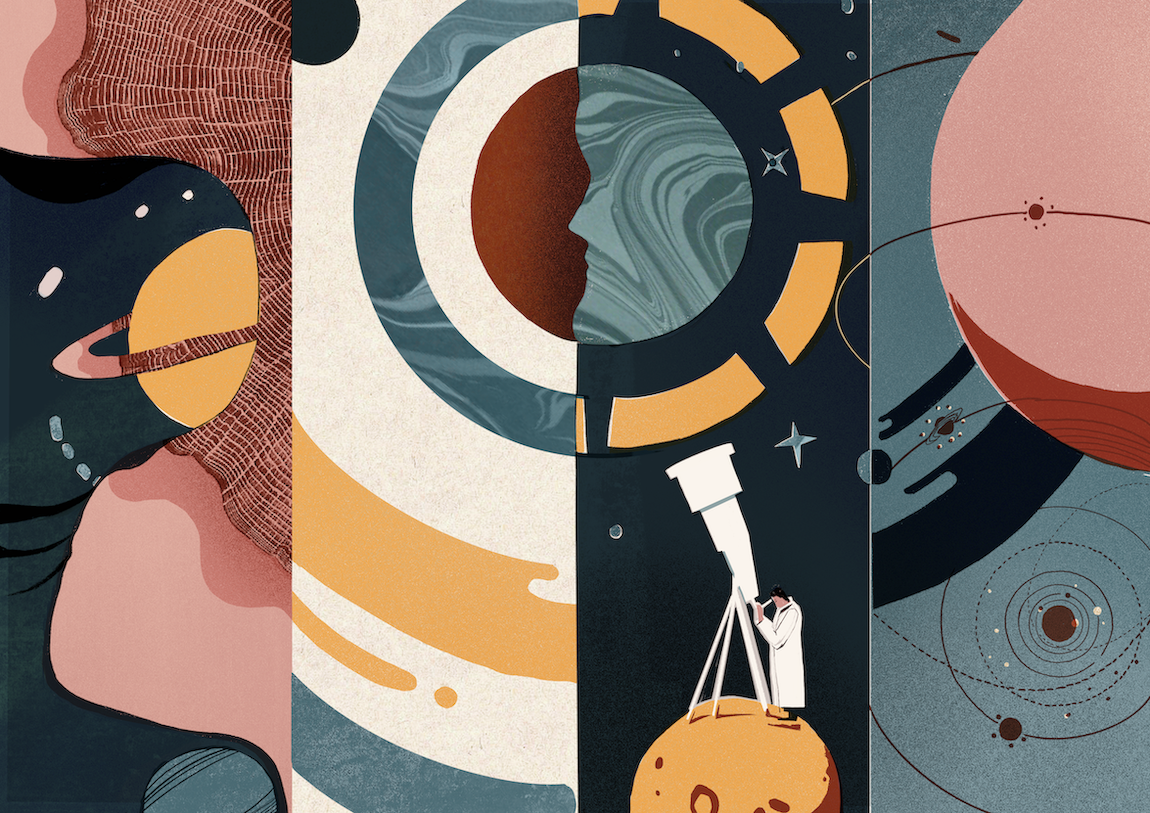
MA Illustration (Online) at Arts University Bournemouth enables you to explore, refine and reflect on the practical aspects of your craft...

MA Innovation and Creative Entrepreneurship is for people who want to make a change; to found their own business, be part of a start-up...

Our MA Interior Design (Online) course will empower you to rise to the needs of contemporary living.
MA Landscape Architecture Studies (Online) at Arts University Bournemouth enables you to create inspiring places with a positive impact...
MA Painting will explore this innovative and expansive territory in depth, dedicating itself to specialist study at postgraduate level.
The MA Photography course is the perfect springboard for ambitious photographers wishing to become practitioners at the forefront...
MA Photography (Online) at Arts University Bournemouth equips you with an informed professional portfolio and online presence...
MA Transformative Learning offers a distinctive approach to postgraduate study, drawing on the tradition of holistic science to reimagine...

Strengthen your understanding of user-centred design with MA User Experience (UX/UI) at Arts University Bournemouth.

MA Visual Effects and Photorealistic Computer Graphics is designed to help you master the entire visual effects production pipeline...
The Master of Architecture course explores new approaches to architectural practice, through making, innovation and collaboration.

On PGCert Creative Teaching and Learning Design, you'll acquire the core knowledge and skills required to design engaging learning...

PGDip Learning Design Methods equips you with advanced skills for a career in the fast-moving world of learning design...
If you aspire to know your subject in greater depth or make a significant academic contribution, a research degree could be the answer.
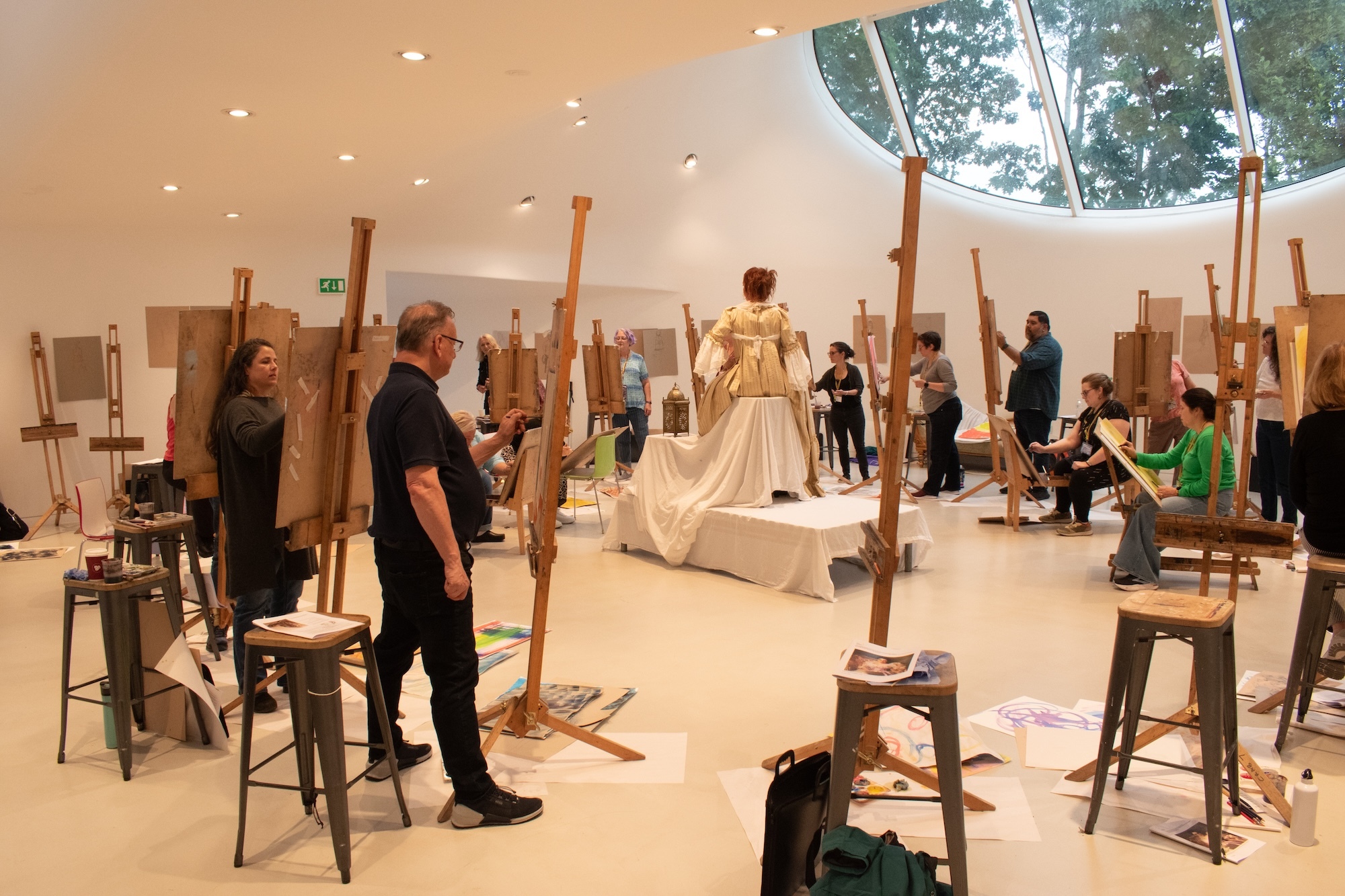
We offer over 50 part-time courses that are delivered on-campus in the evenings and/or Saturdays – great for learning a new hobby.
Choosing a bespoke summer programme at AUB will provide a unique, inspirational and memorable learning experience.
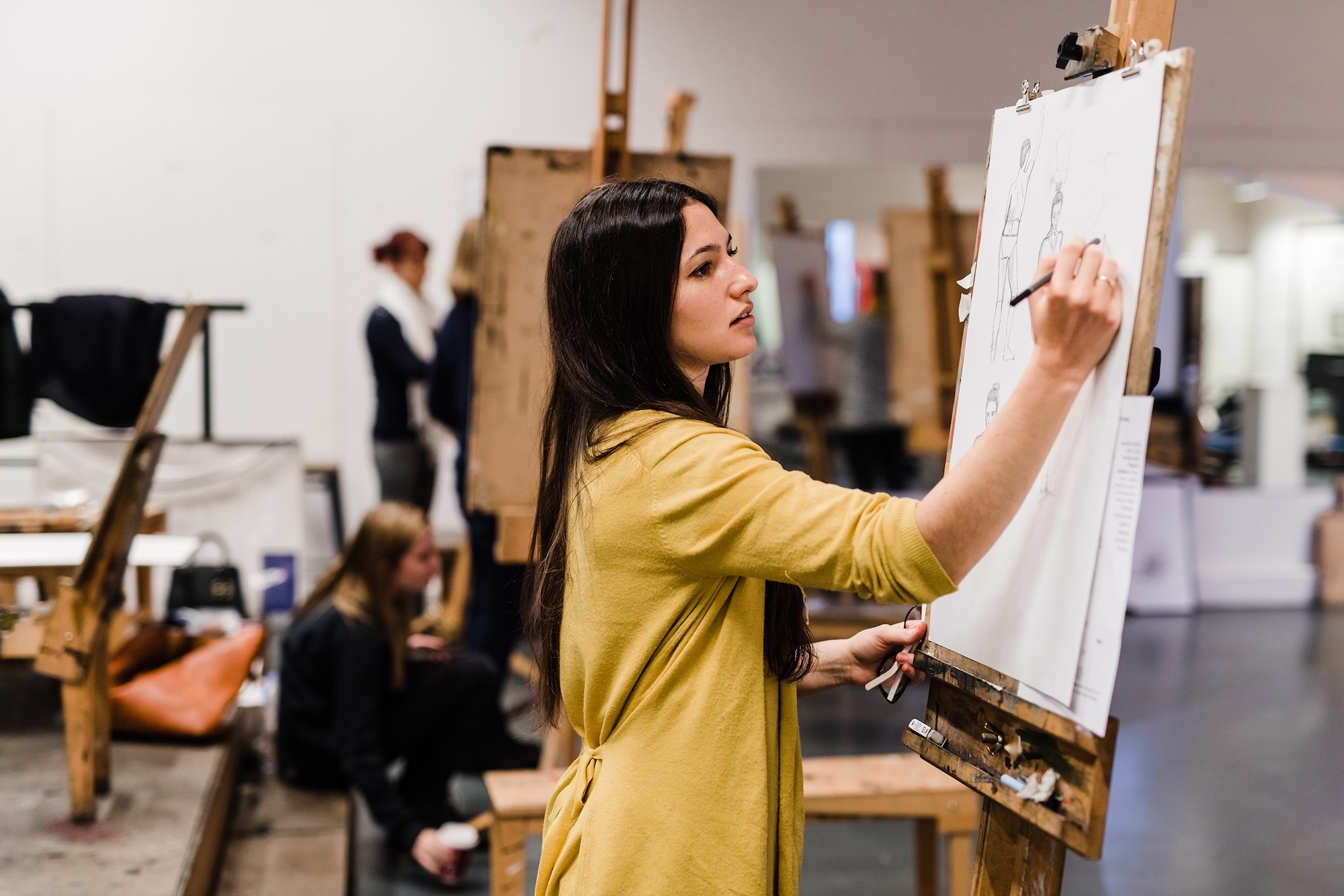
Our five-day inclusive, supportive, and vibrant courses for young learners encourage them find their creative voices.

Across 30 weeks, National Saturday Club will introduce you to a variety of art and design disciplines, setting you up...
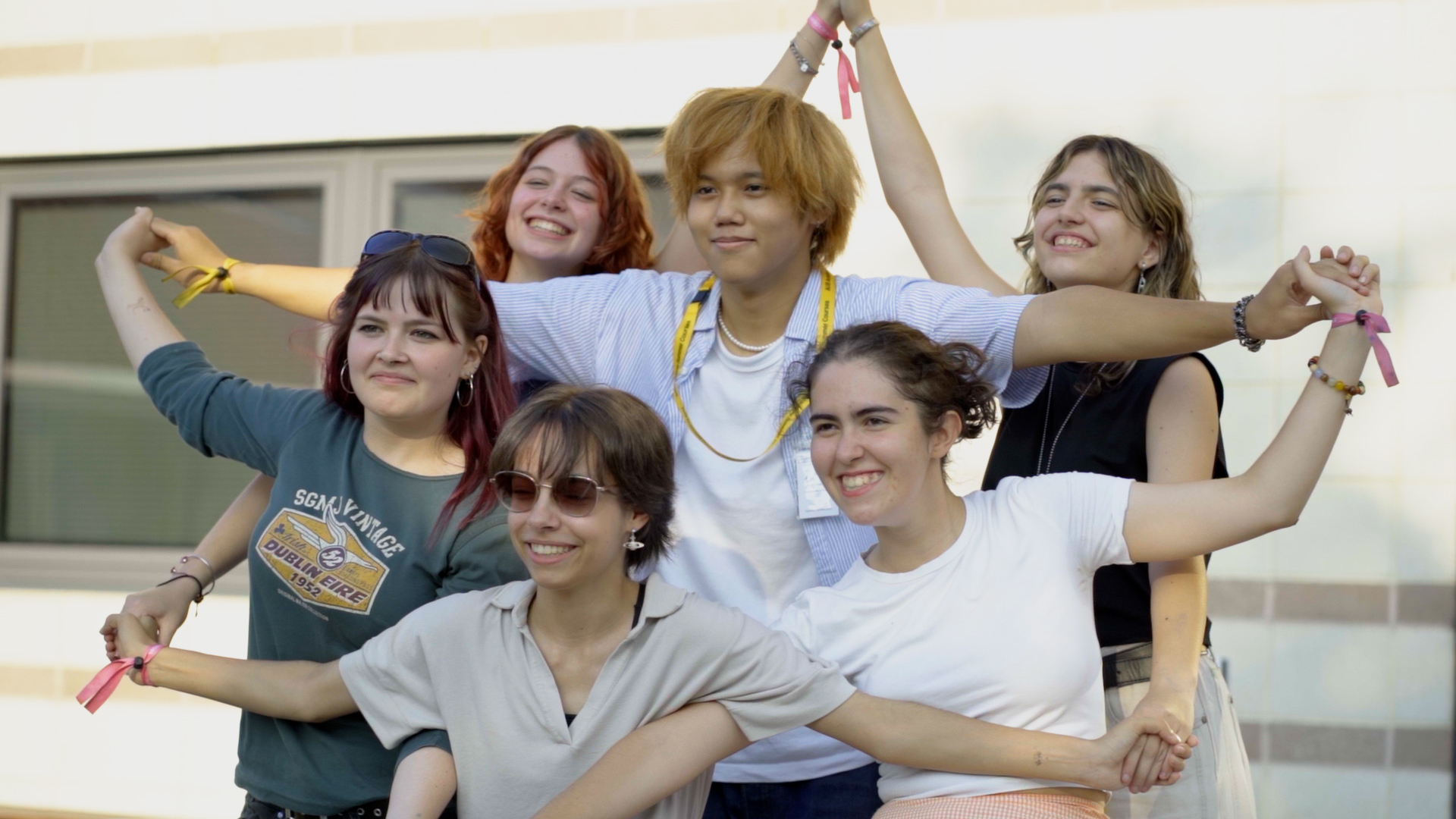
Our Saturday Art School courses are designed to inspire and enable the creators of tomorrow – explore our full list of courses.

Our summer courses are a great way to polish your portfolio, experiment and learn new skills or simply have fun with your creativity.
If you feel like one of our creative courses is the right fit for you, you can start making your application.
Visit our campus and see creativity in action.
Experience a campus built for creativity and collaboration.
You are using an outdated browser. Most of this website should still work, but after upgrading your browser it will look and perform better.
Our flourishing research and scholarship culture celebrates and enables original investigation; extending knowledge fields and developing new understanding within the arts.

Arts University Bournemouth's research impacts positively on society, industry and our stakeholders.
AUB’s outstanding results gained from REF 2021 demonstrate our continued desire to grow our research output, showcasing how work from across the creative sectors can have a huge impact on the world; from works of cultural and industrial significance, to that of work protecting and raising awareness for minority and under-represented groups in society.
More than 12% of the AUB’s research has now been classed as ‘world-leading’ with a further 42% being classed ‘internationally excellent’, according to REF 2021.
The University’s research activity includes online and digital work, as well as exhibitions, photography, museum curation and published work, and represents research across areas of art and design, performing arts, and film and screen studies.
Through its Research and Knowledge Exchange Plan, AUB will expand and deepen research with relevant aligned professions and industries in the UK and overseas. Our international renown in the application of specialist technical knowledge in modelmaking, future fashion technologies and diverse modern materials will be developed through adventurous schemes of knowledge transfer and exchange. Drawing on our unique archives and collections in materials such as plastics, we'll accelerate interaction with material scientists, environmentalists and industrial designers.
Drawing on our unique assets as a maker culture, underpinned by high-end, high-impact infrastructure and equipment, and informed by the disruptive possibilities of Industry 4.0, we'll create a Lab 4 Creative Technologies (L4CT) that physically and conceptually fuses our workshop expertise and other spatial assets with the ERDF Innovation Studio to create a Creative Technologies House, which will aim to accelerate our collaborative works across design, innovation and technology.

Our Research Network brings together a range of researchers, staff, postdoctoral and graduate students develop their common interests...
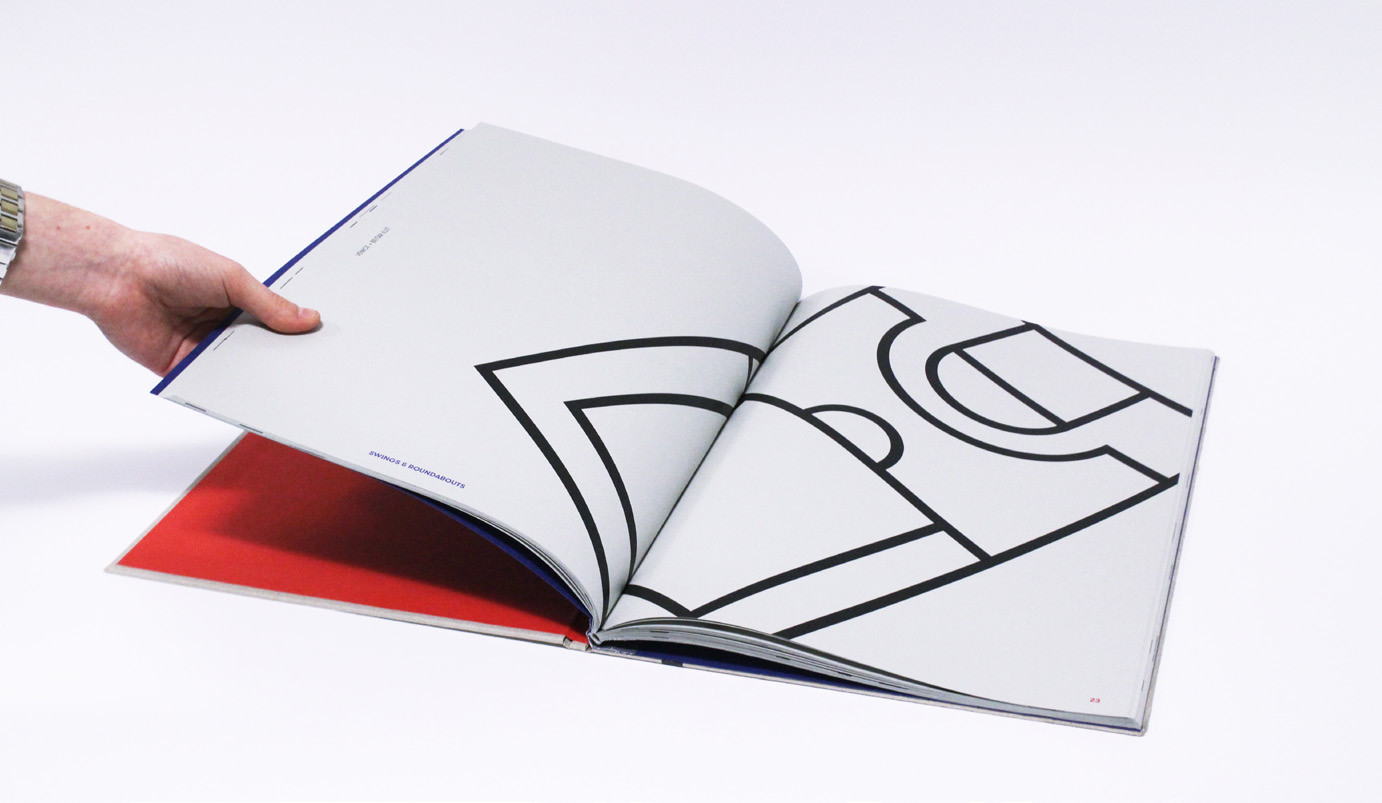
Our Research Ethics Policy and Procedure document sets out the guiding principles for the development and conduct of research

If you aspire to know your subject in greater depth or make a significant academic contribution, a research degree could be the answer

AUB is home to special collections which support our research and teaching and are accessible to the public
AUB has a thriving and exciting research environment. Through prioritised research projects AUB is committed to creating deep collaborations, networks and partnerships and to engaging with diverse communities.
Our Research Plan which supports AUB’s Strategy 2030 aims to expand and deepen research with aligned professions and industries. It aims to:
The University hosts a number of Research Groups that support areas of research and innovation strengths.
The University also runs a regular series of research and knowledge exchange seminars alongside an annual research conference.
A REF Code of Practice (CoP), covering the institution's application of fair and transparent processes in relation to REF decisions, is required by all submitting higher education institutions (HEIs).
AUB’s REF 2029 CoP was endorsed by its Senior Leadership Team and approved by the Academic Board, and submitted to Research England on 15 May 2026. This was approved on 13 August 2026.
AUB's Code of Practice is as follows:
Underpinned by principles of robustness, transparency, equity and inclusion, our Code of Practice outlines how the University will make key decisions about its submission to the exercise. These decisions include identifying contracts that contribute to the REF volume measure, research independence, allocation of contracts to units of assessment and the selection of research outputs for submission to the REF.
Research England CoP guidance can be found on the REF 2029 website.
Discover AUB’s Impact Case Studies submitted to REF 2021
Our Research Network brings together a range of researchers, staff, postdoctoral and graduate students develop their common interests...
Our Research Ethics Policy and Procedure document sets out the guiding principles for the development and conduct of research
If you aspire to know your subject in greater depth or make a significant academic contribution, a research degree could be the answer
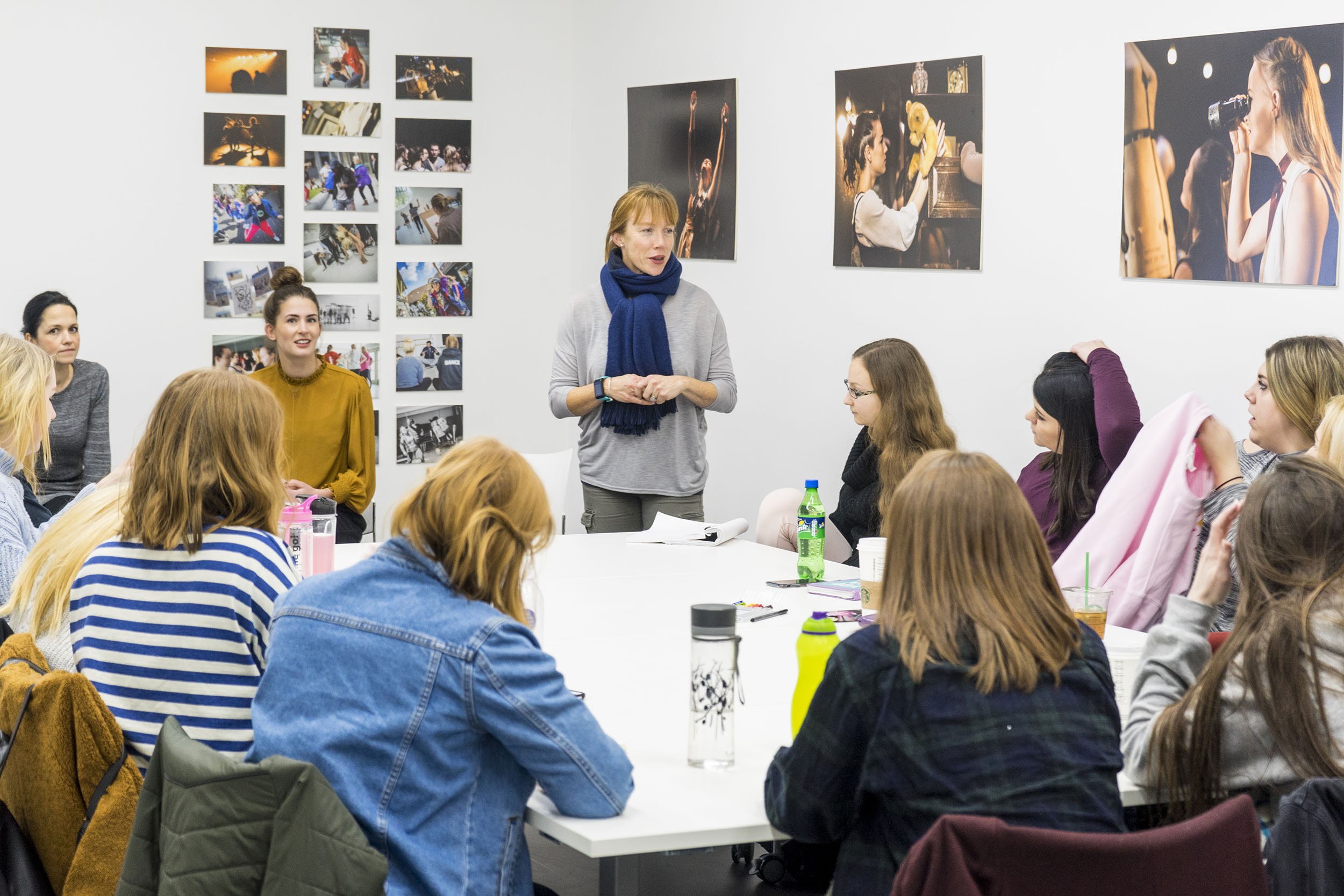
AUBREI – Arts University Bournemouth Research Excellence and Impact repository
AUB is home to special collections which support our research and teaching and are accessible to the public