

































You are using an outdated browser. Most of this website should still work, but after upgrading your browser it will look and perform better.
- Home
- Postgraduate Courses
- Master of Architecture (Part 2 RIBA/ARB)
Master of Architecture (Part 2 RIBA/ARB)
- Mode of study: Full-time
- Study location: AUB Campus
- How to apply: Apply directly to us
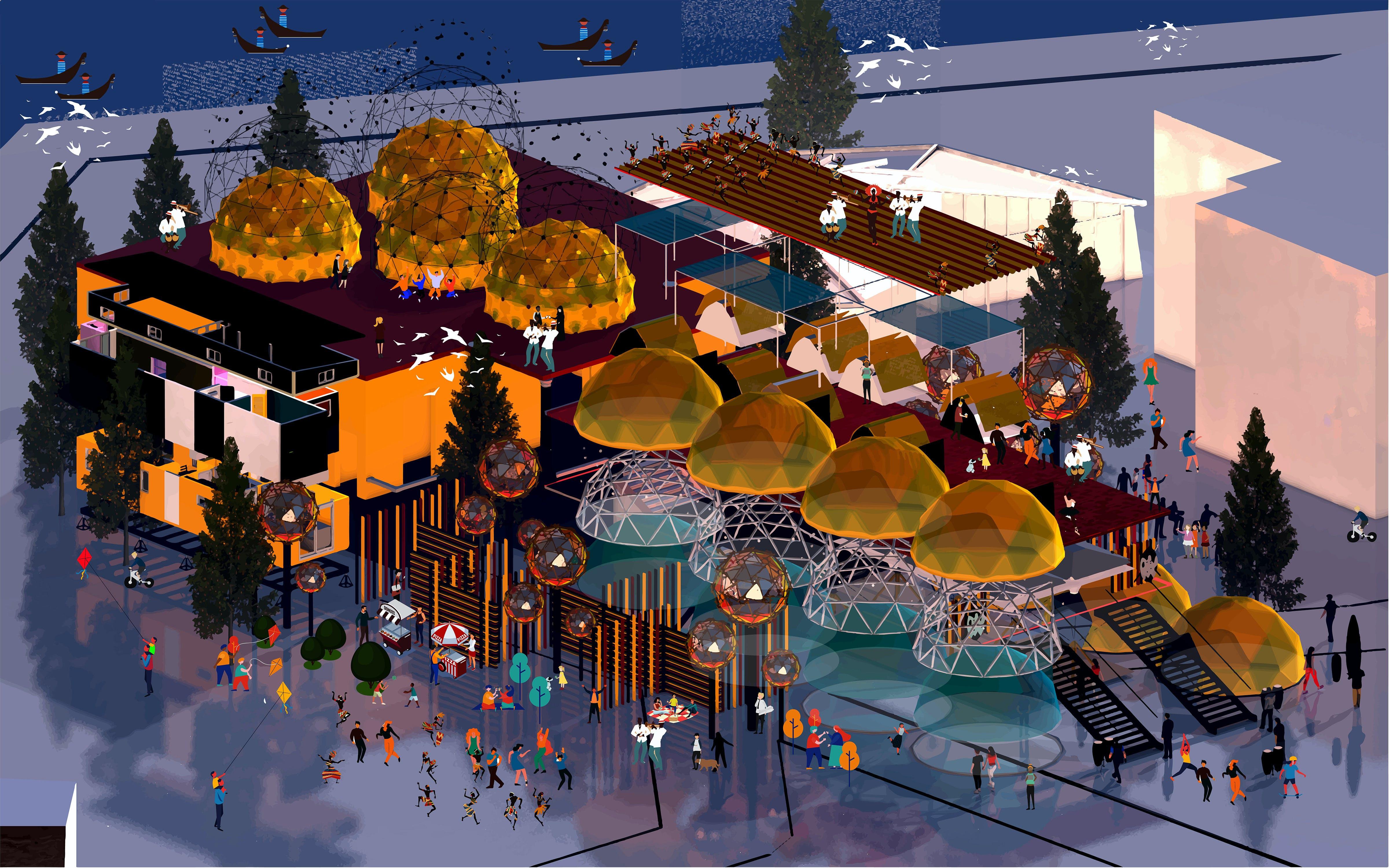
Overview
The Master of Architecture explores new approaches to architectural practice, through making, innovation and collaboration.
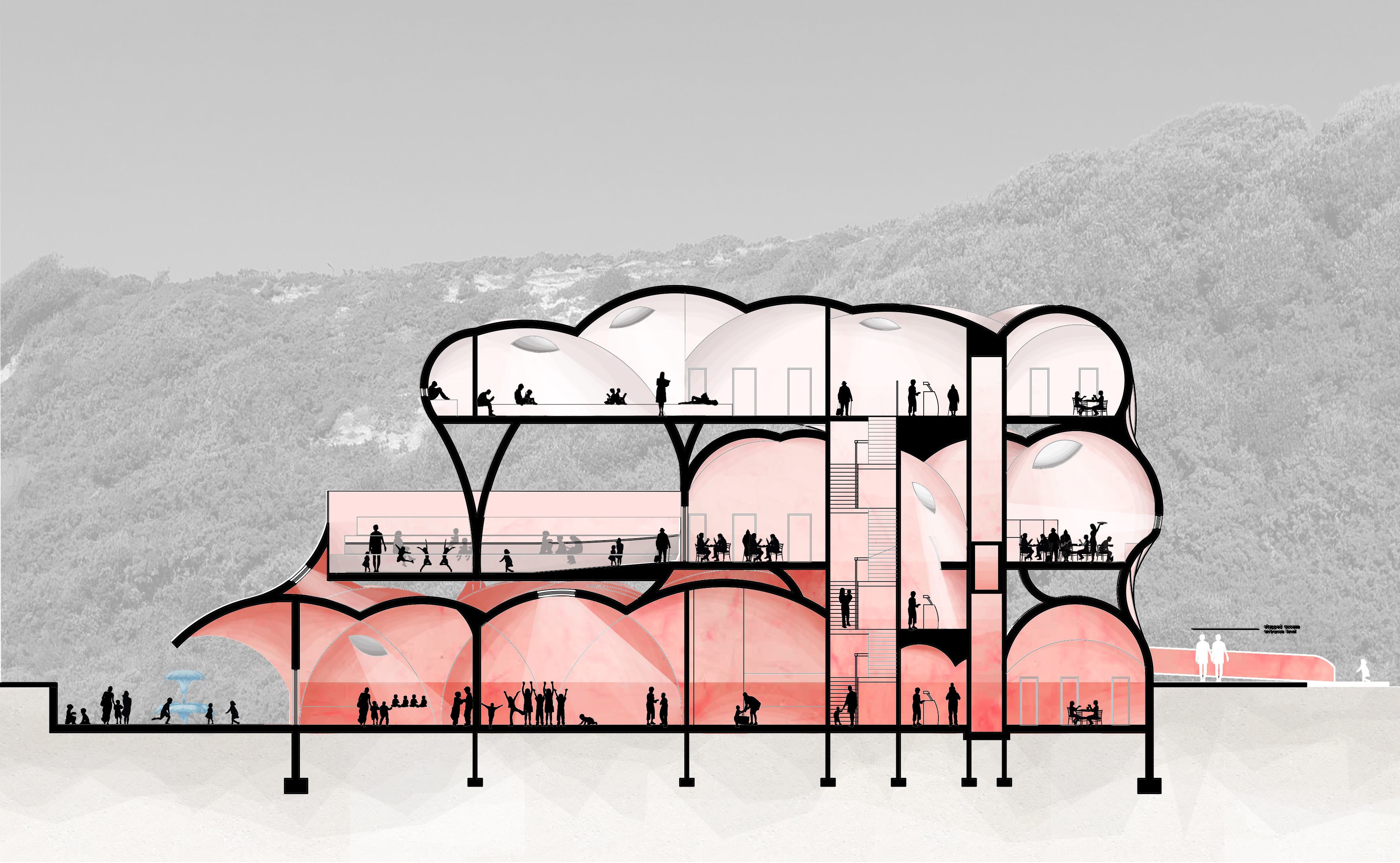
Two years. Full-time. Studio-based.
This is the second of the three-part qualification in becoming an architect. This part of the accreditation is two-years full-time and based in our studios on campus.
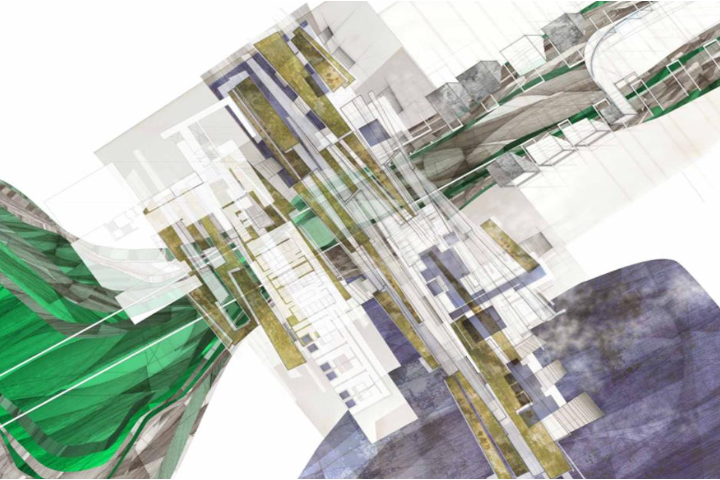
We're professionally accredited.
This professional qualification is accredited by the Royal Institute of British Architects (RIBA) and the Architects Registration Board (ARB).
Course videos
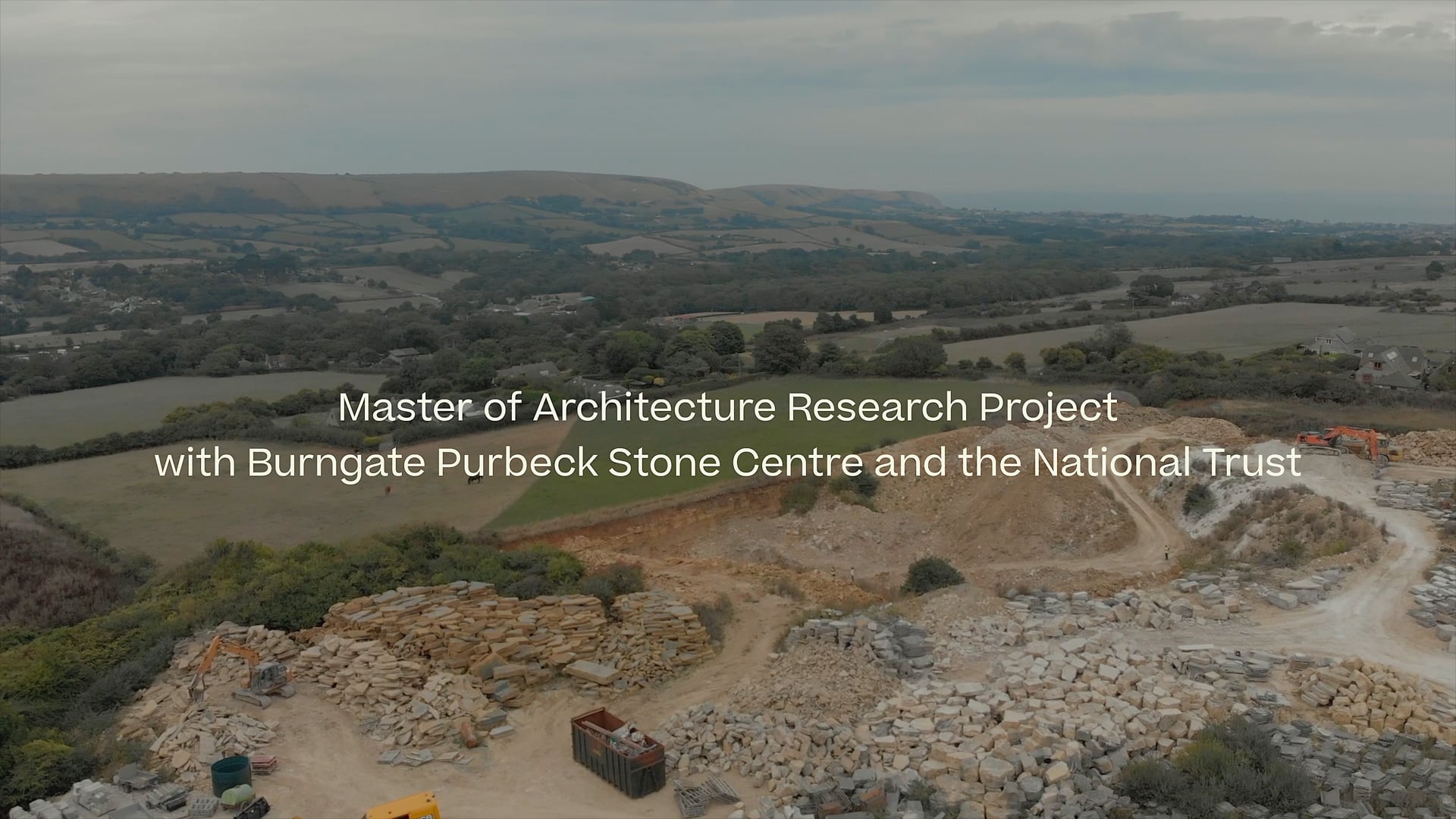
Find out more about a recent Master of Architecture Research Project in collaboration with Burngate Purbeck Stone Centre and National Trust.
This content can't be displayed, please accept marketing, statistics cookies to view
Accept to viewCourse gallery
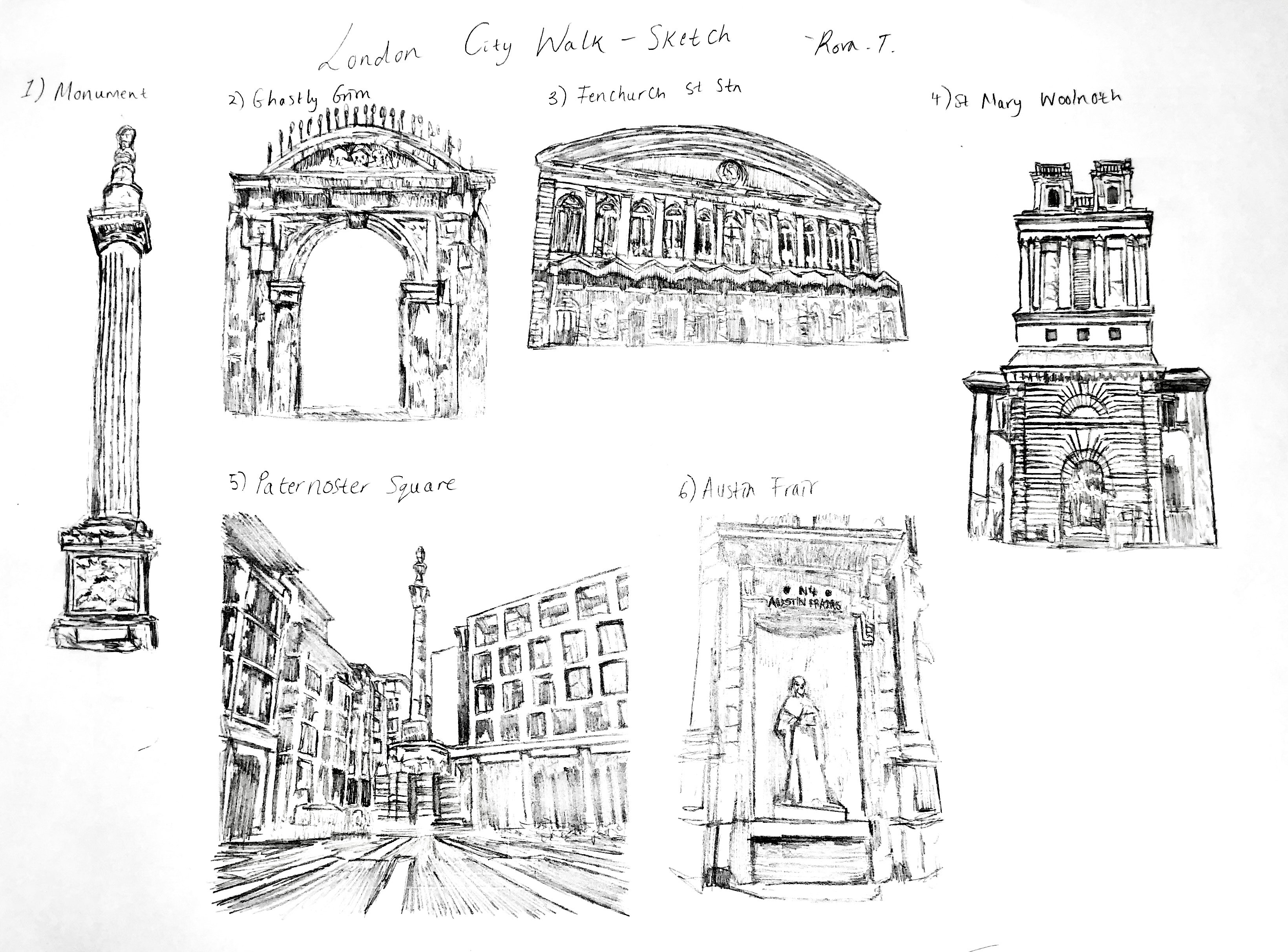
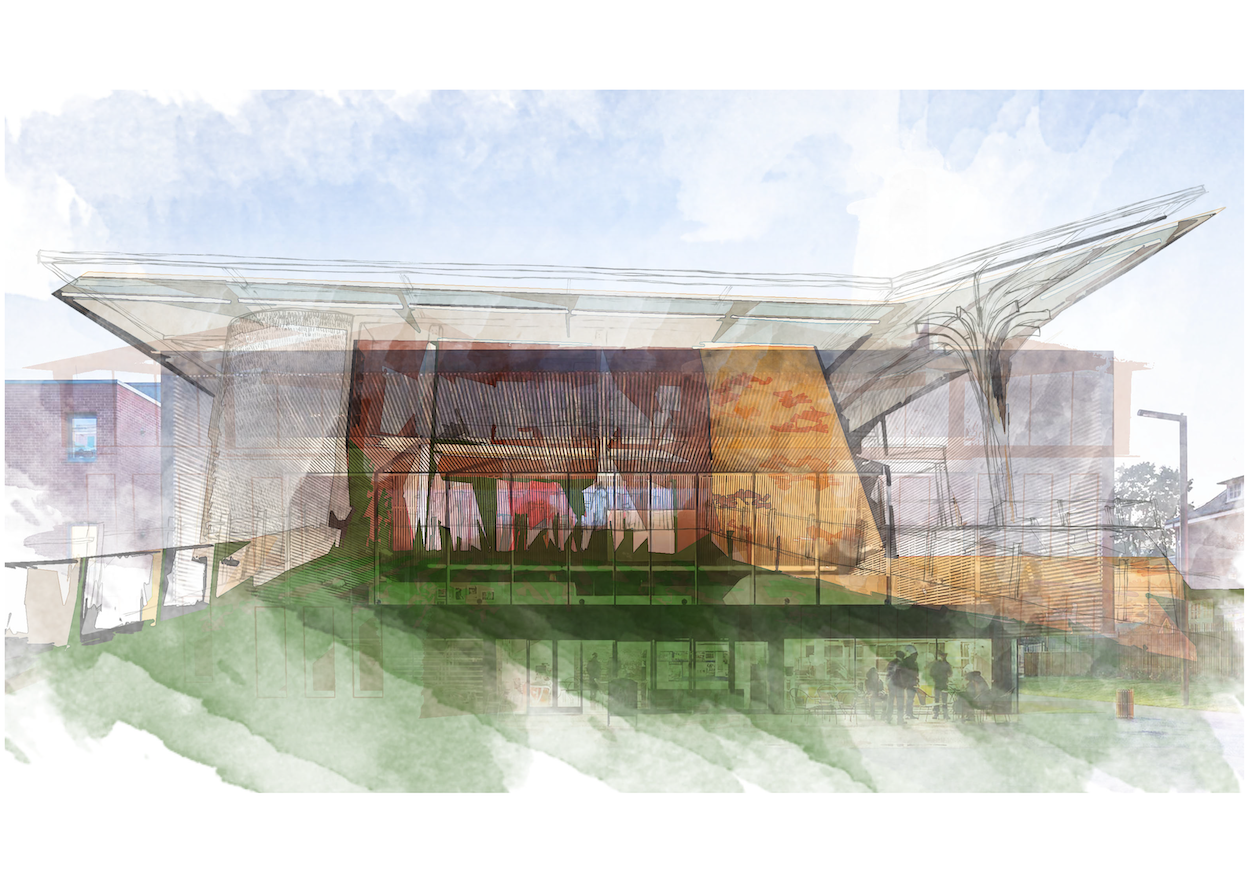
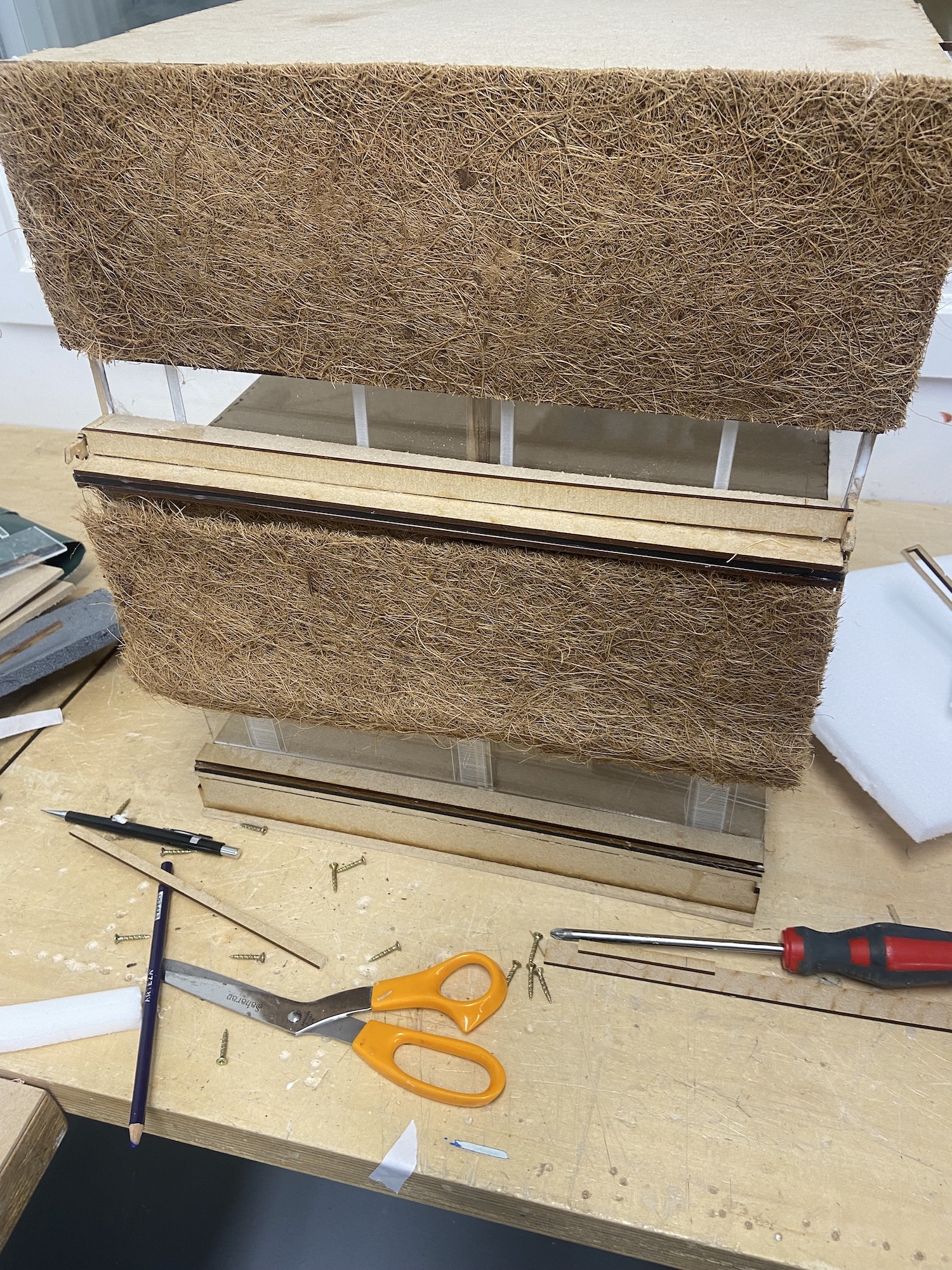
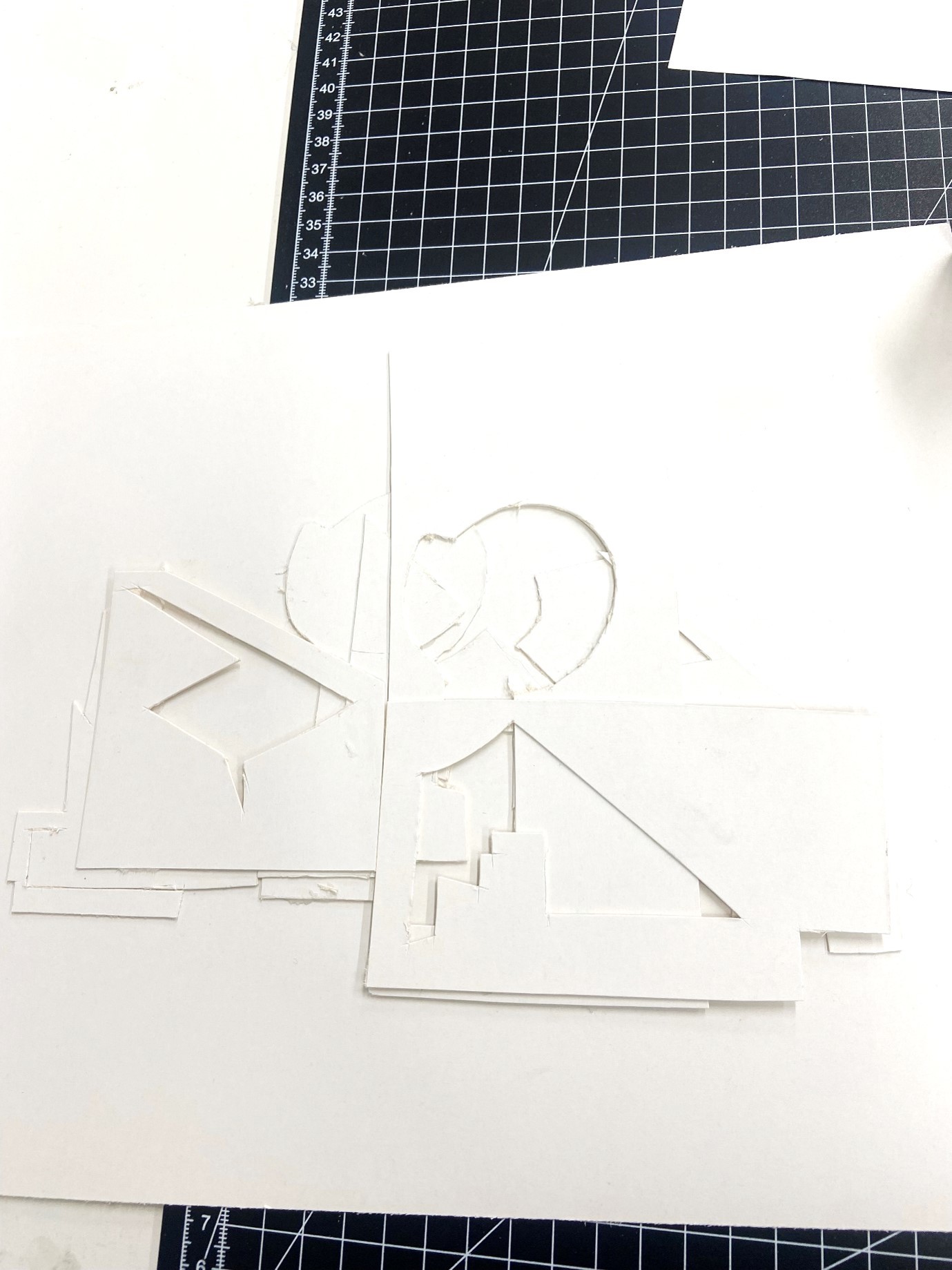
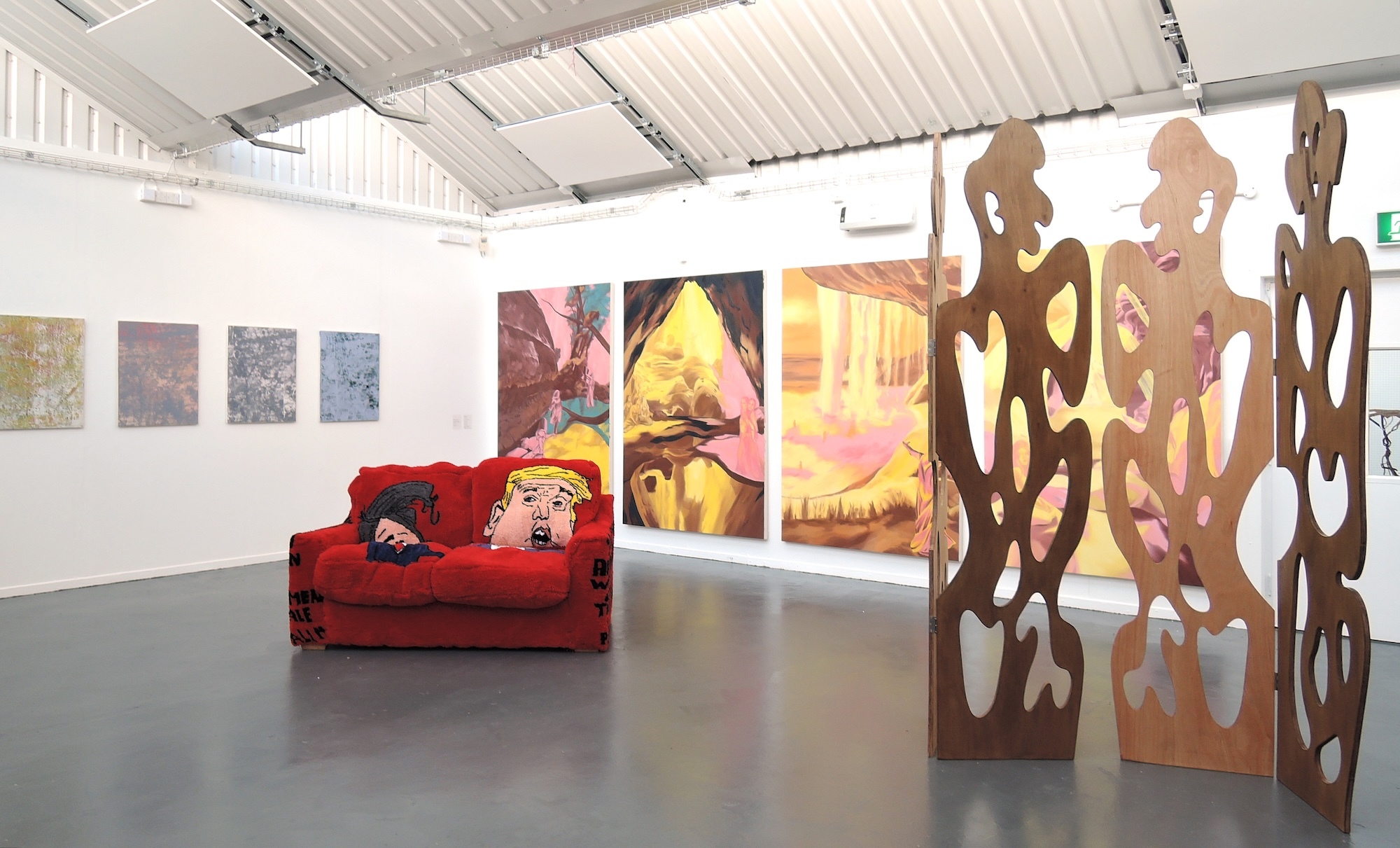
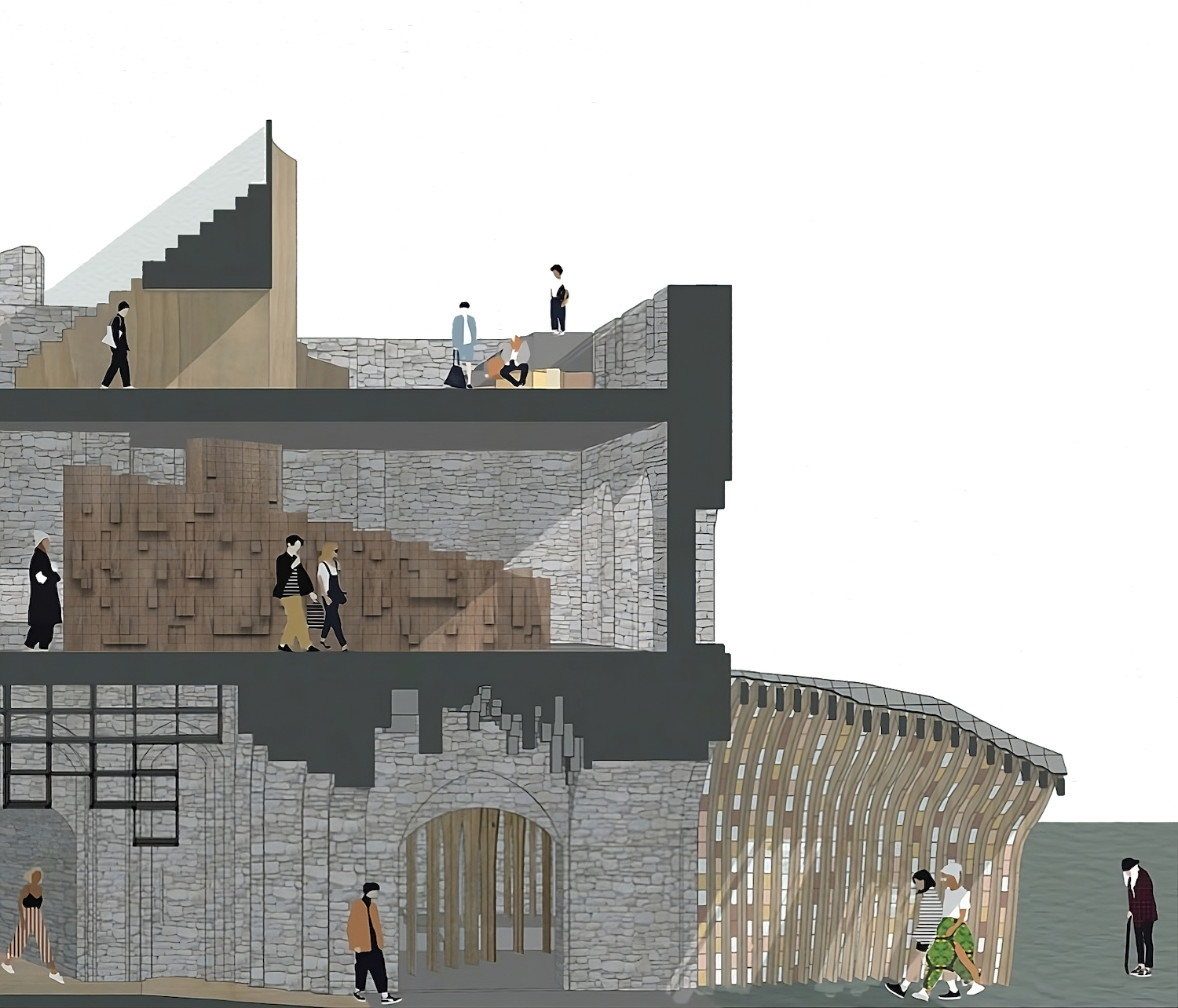
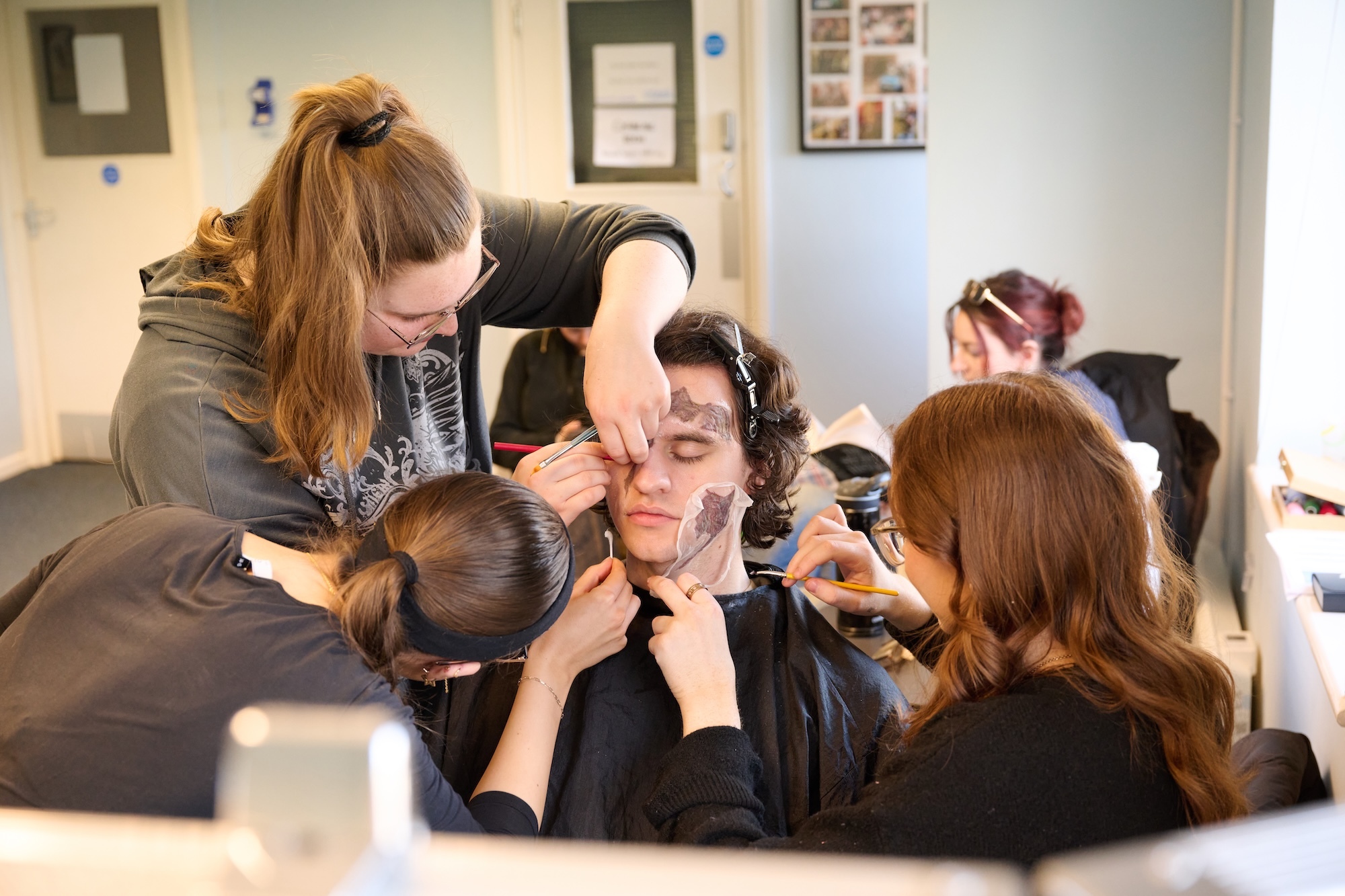
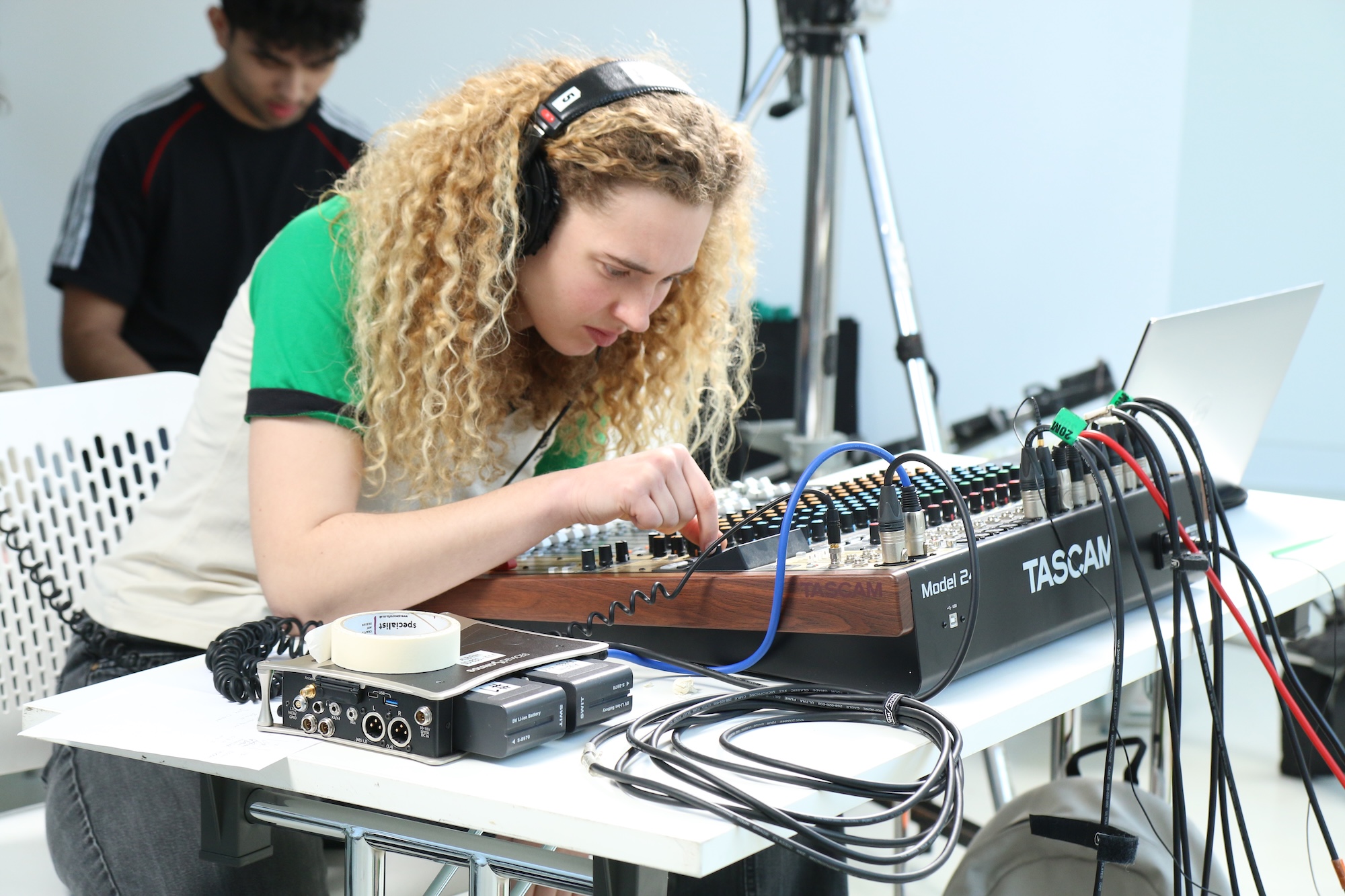
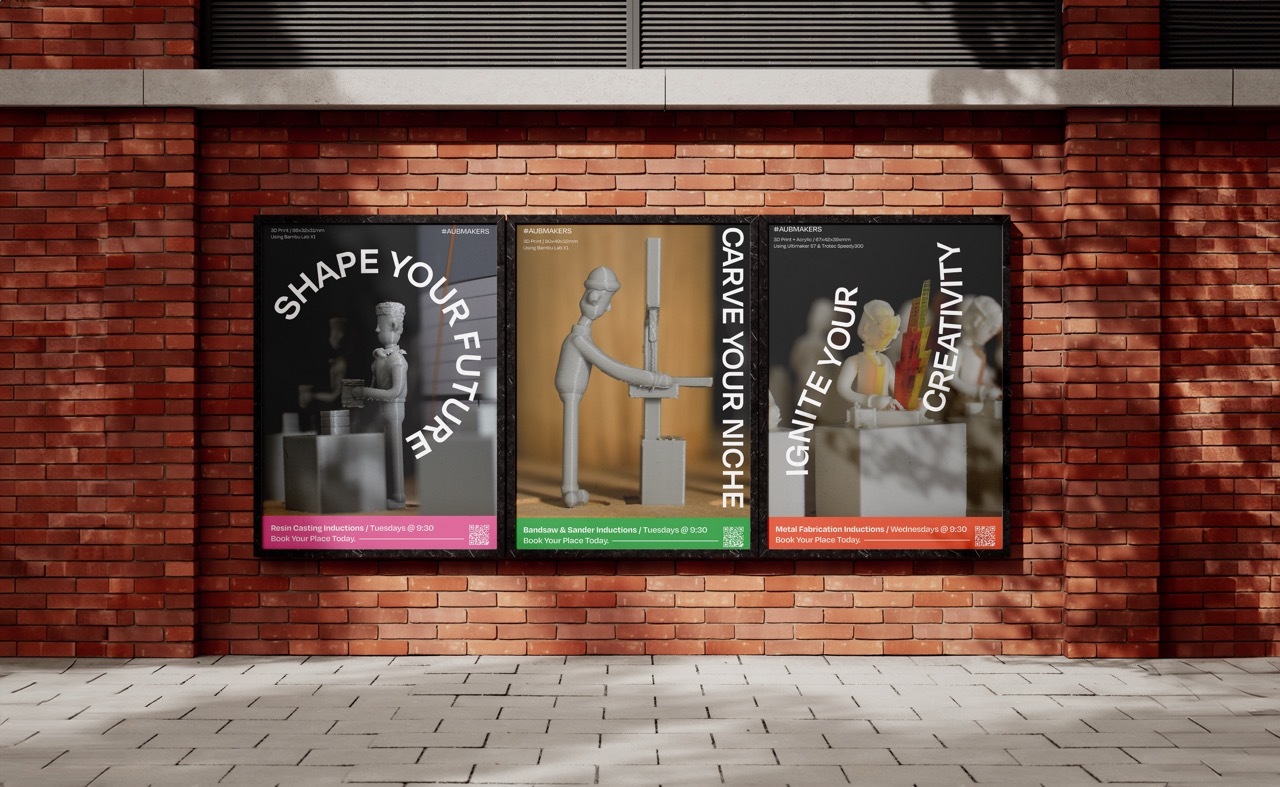
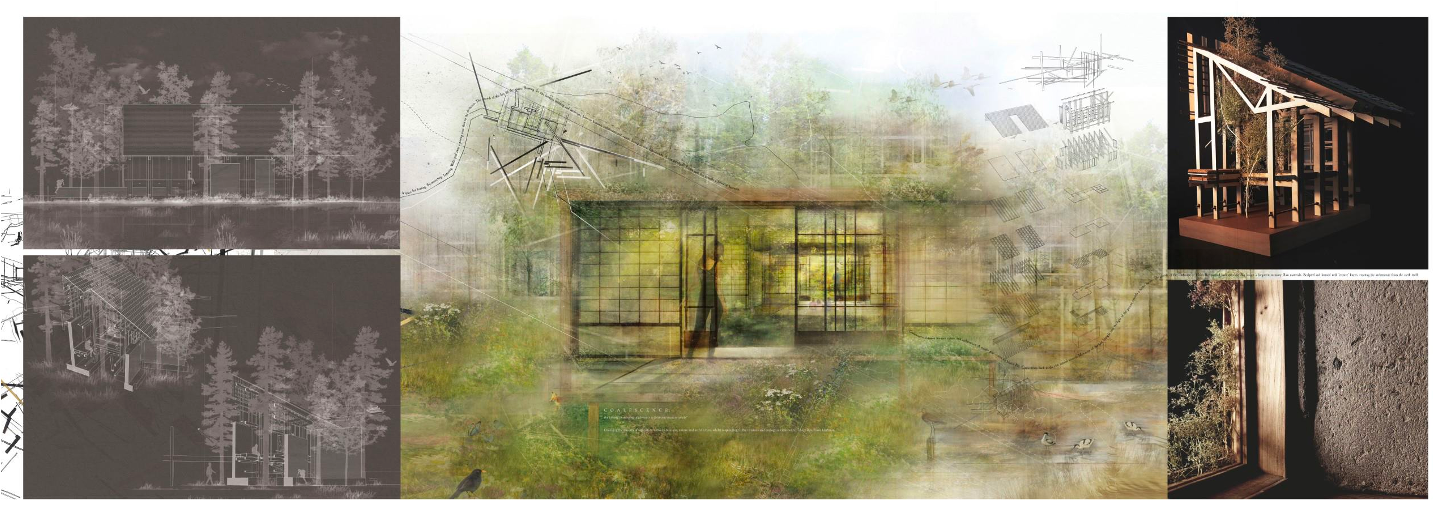
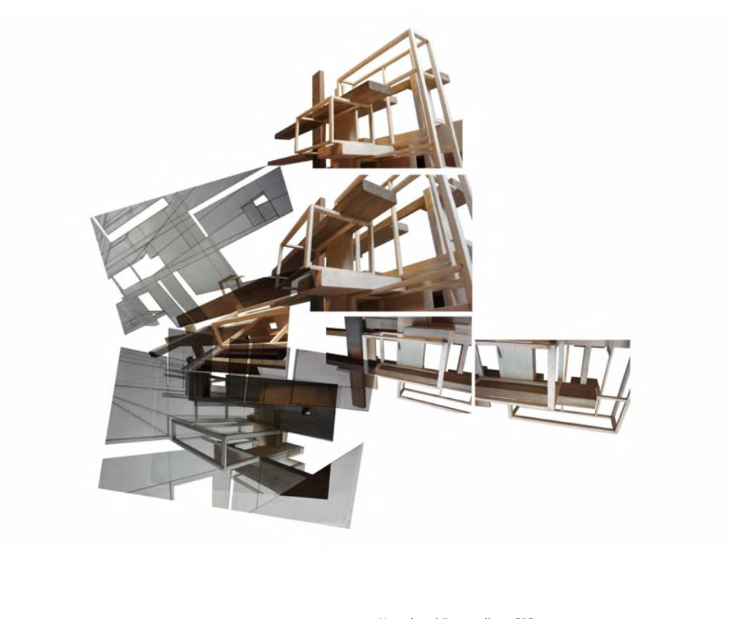
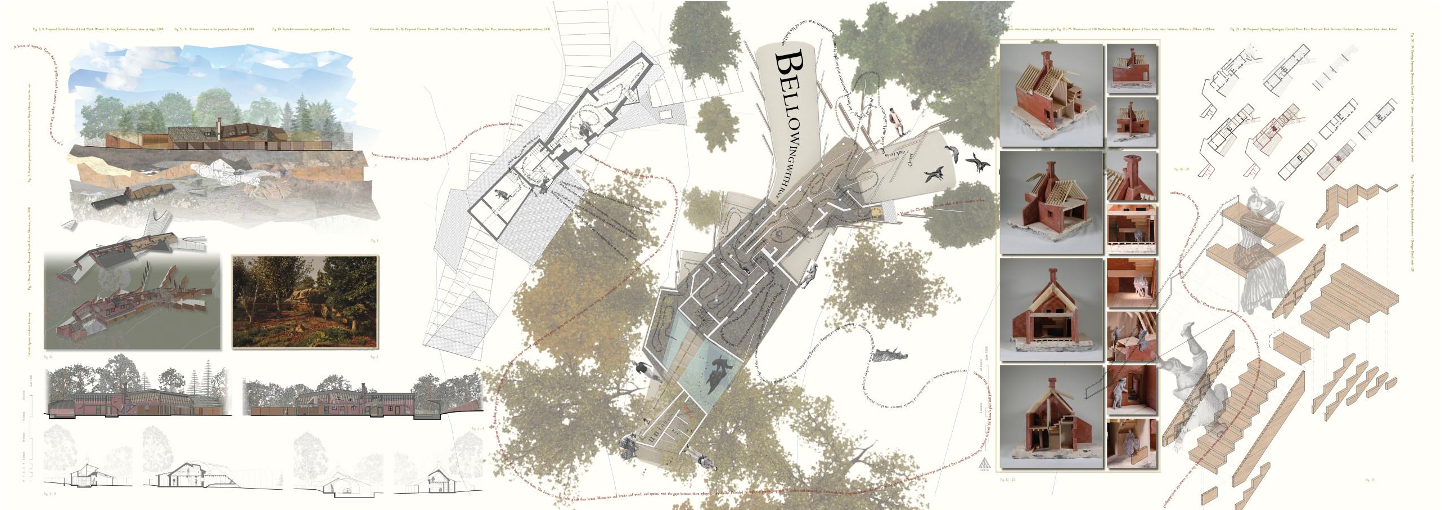
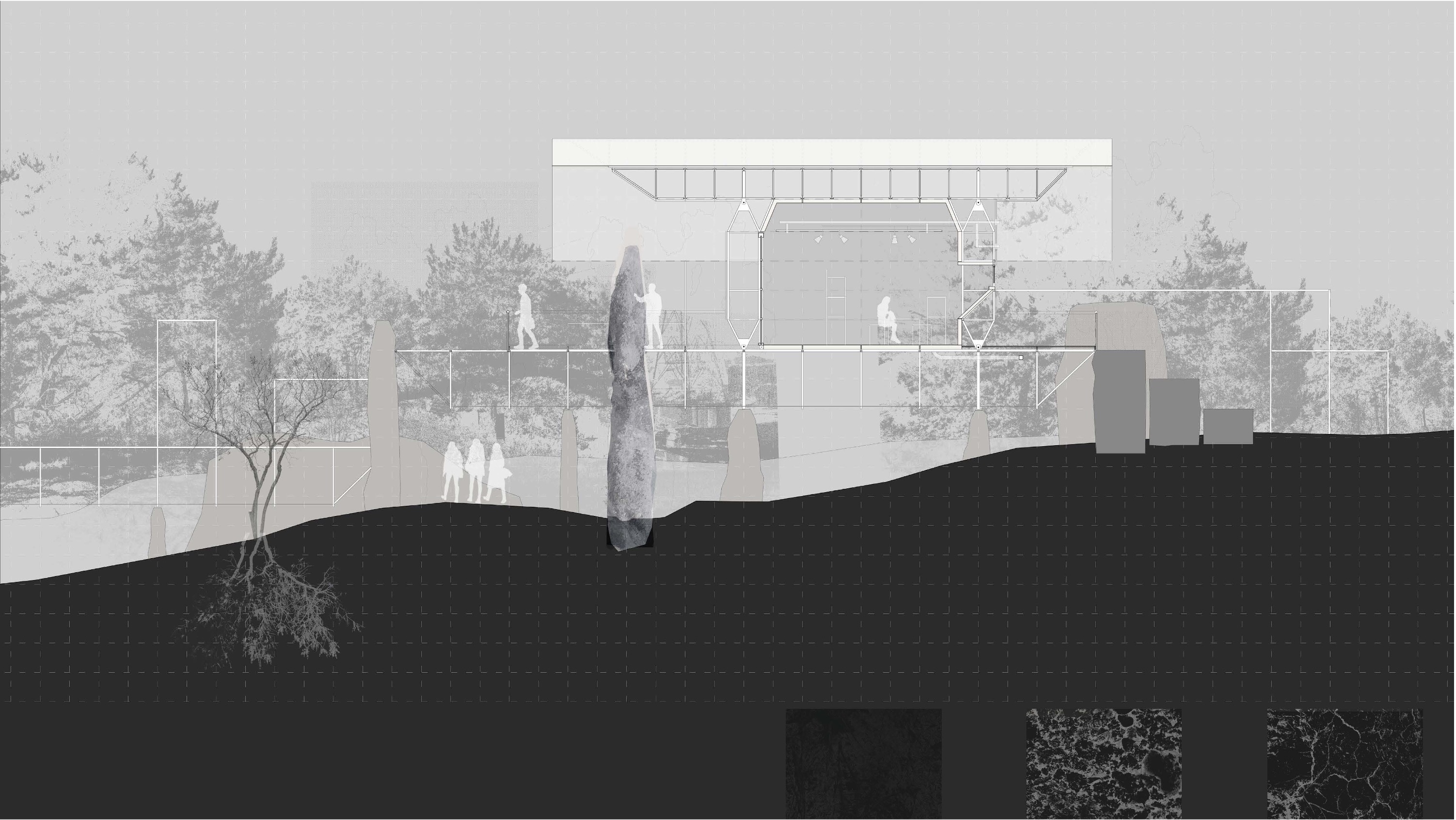
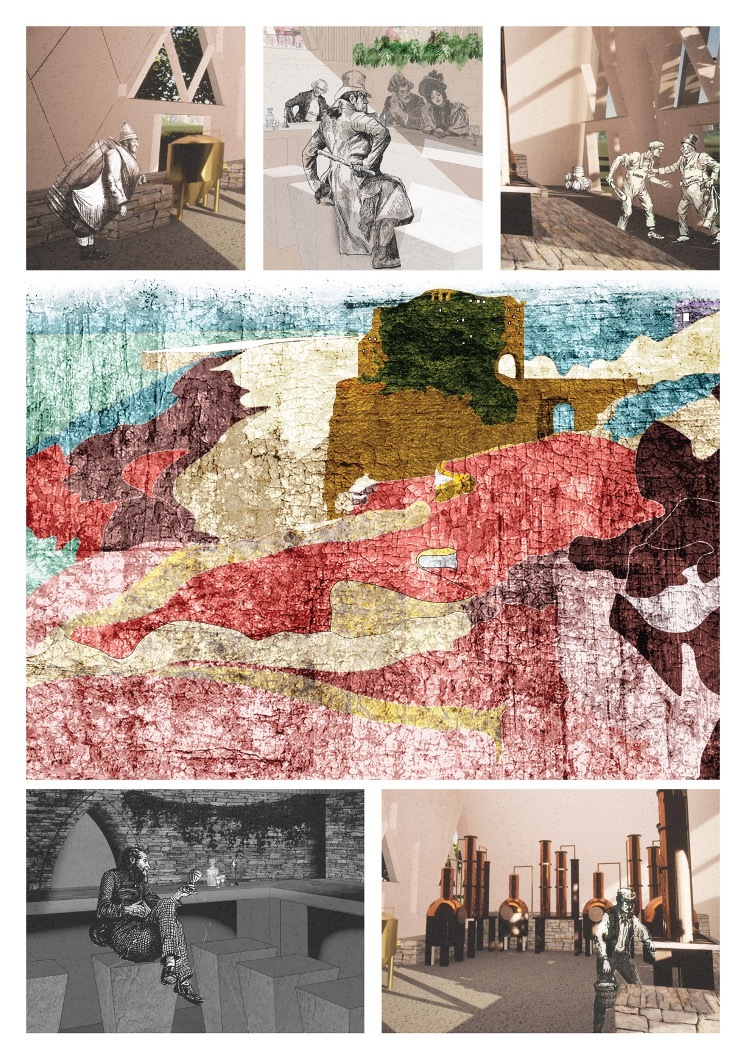
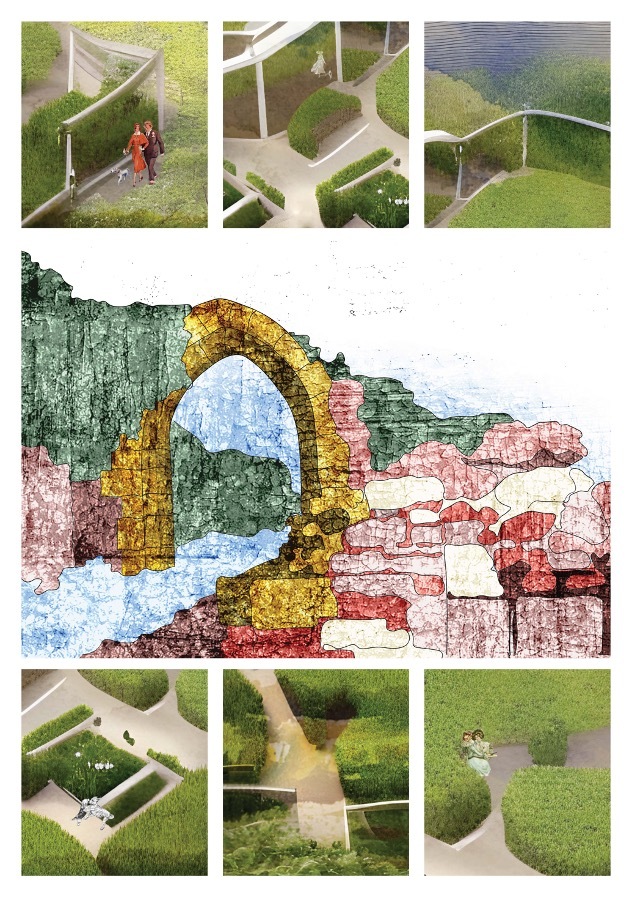
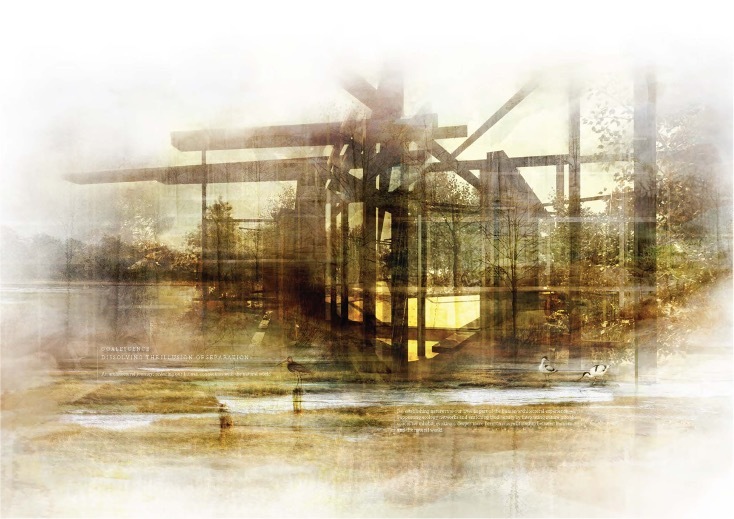
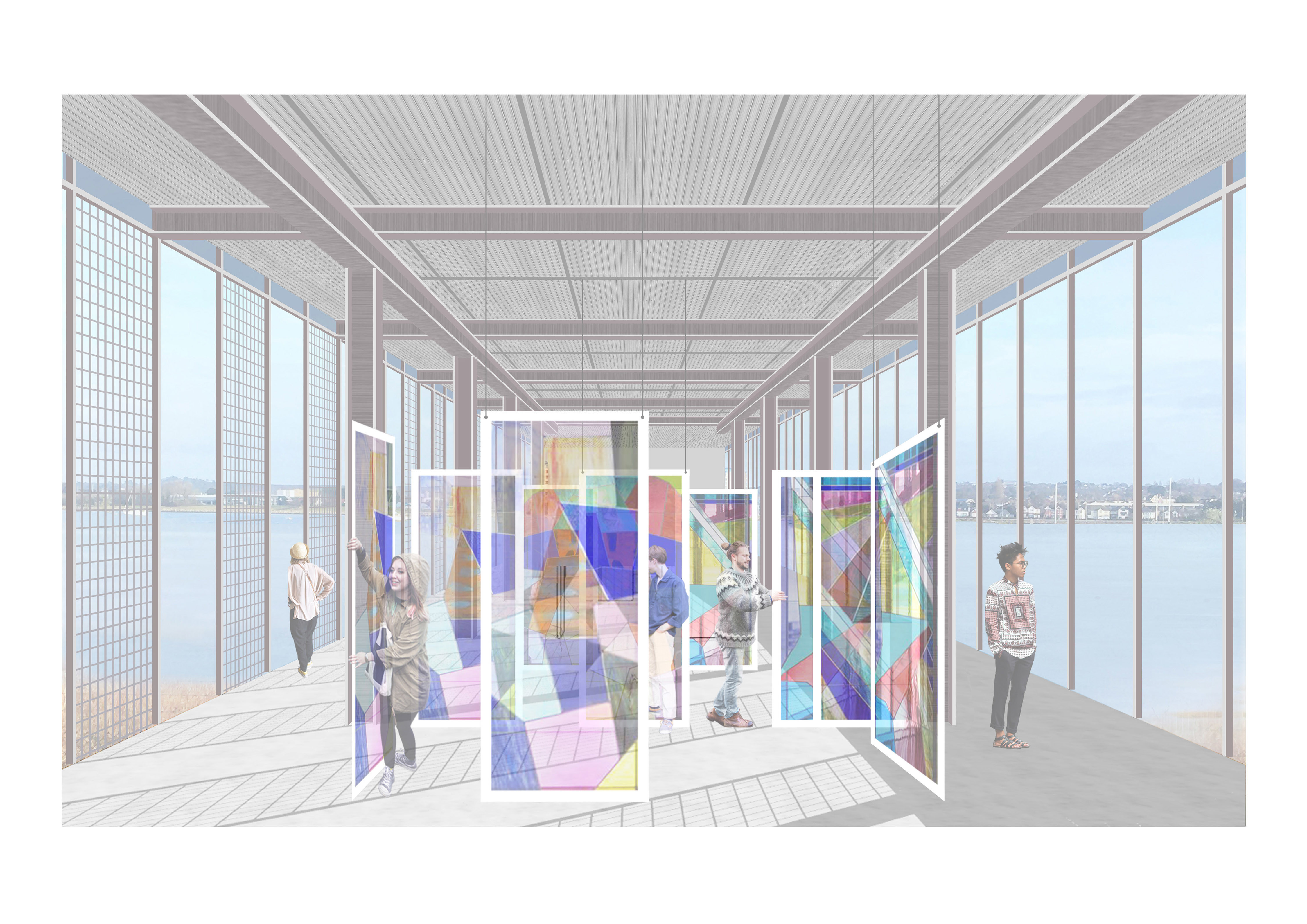
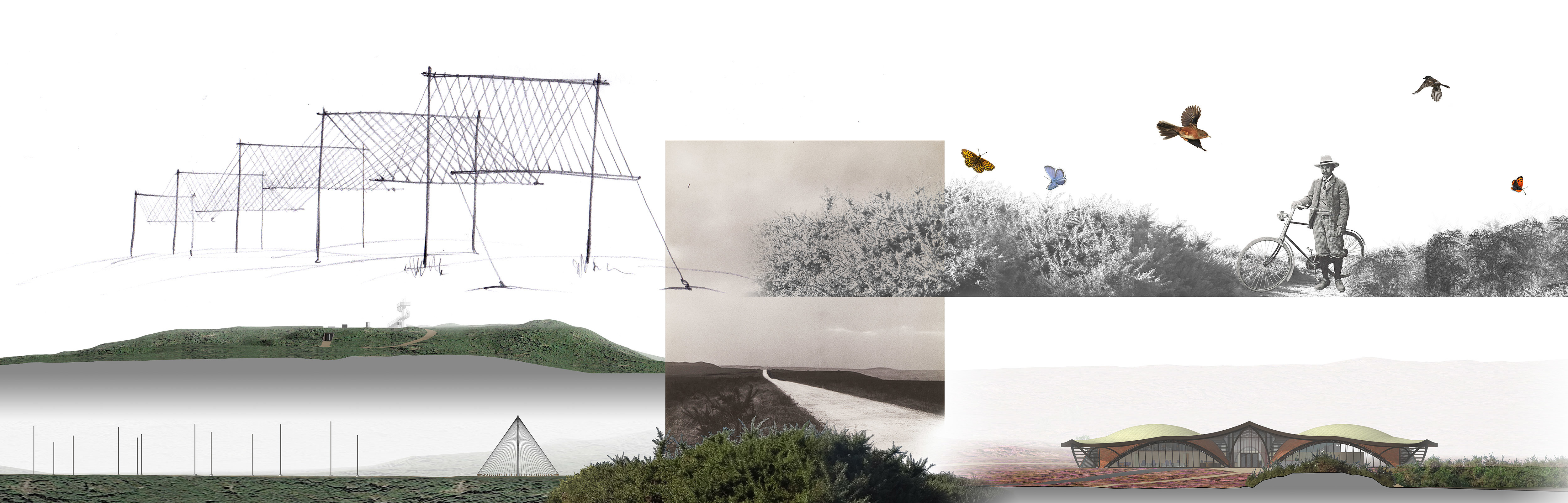
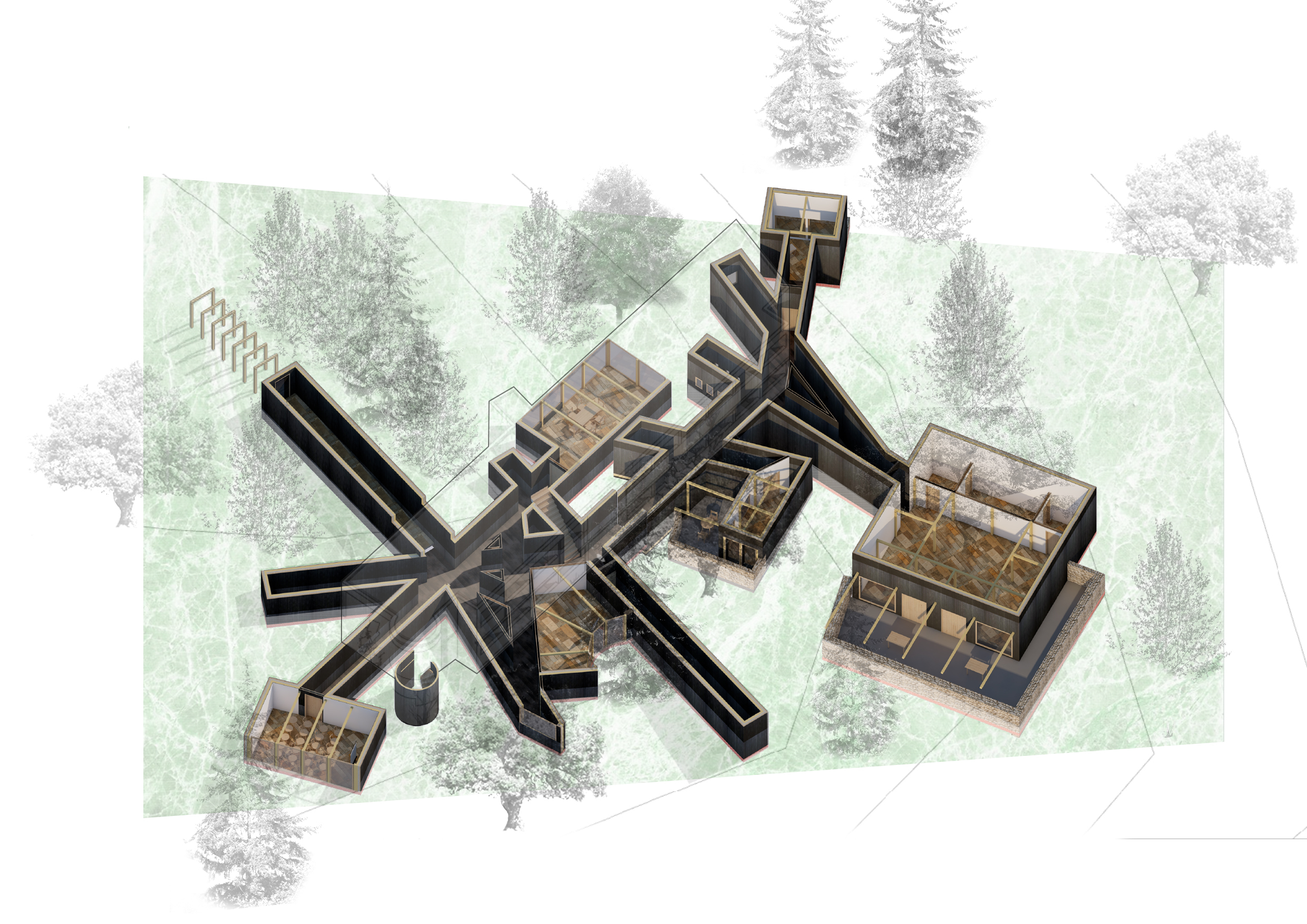
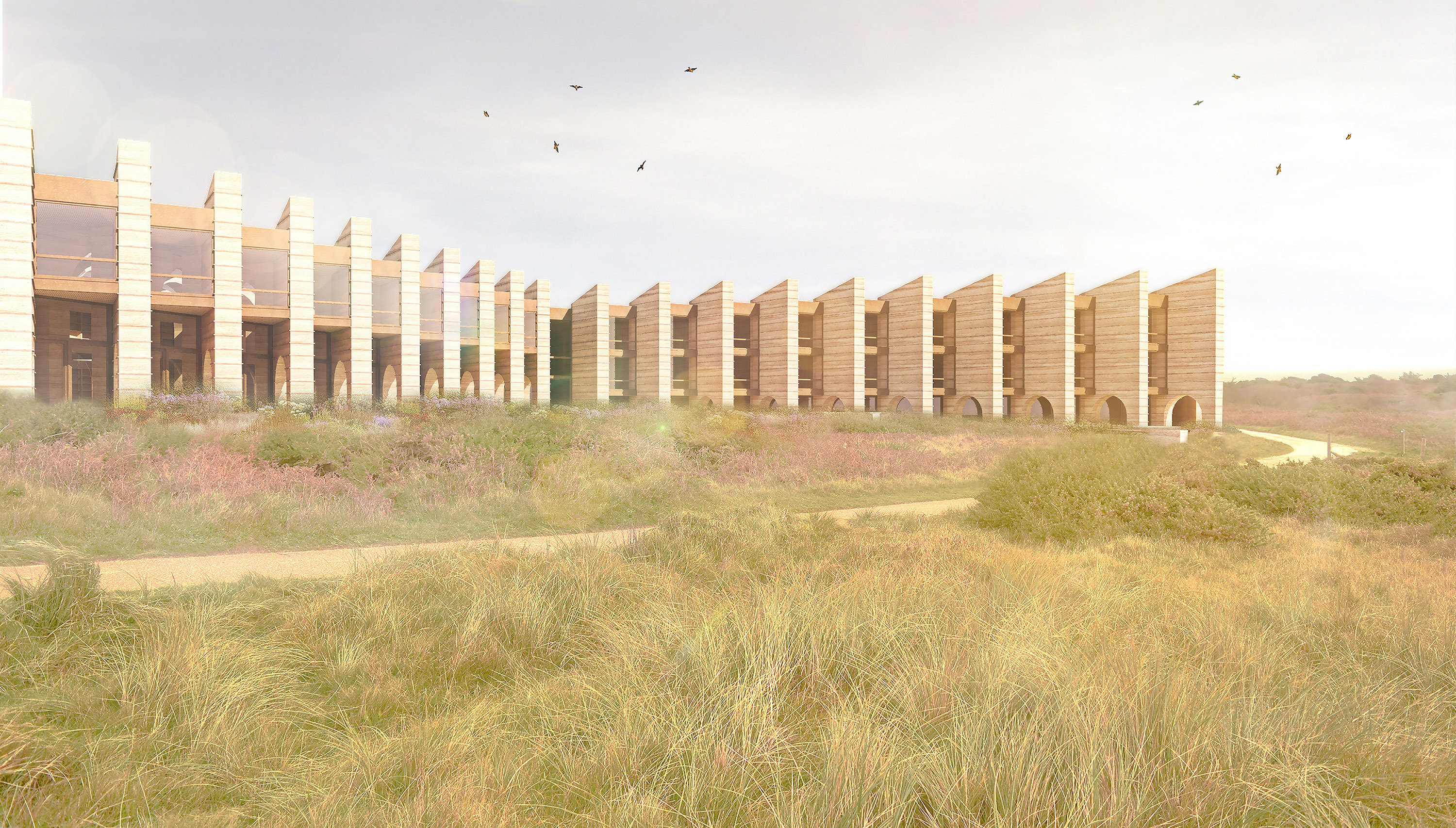
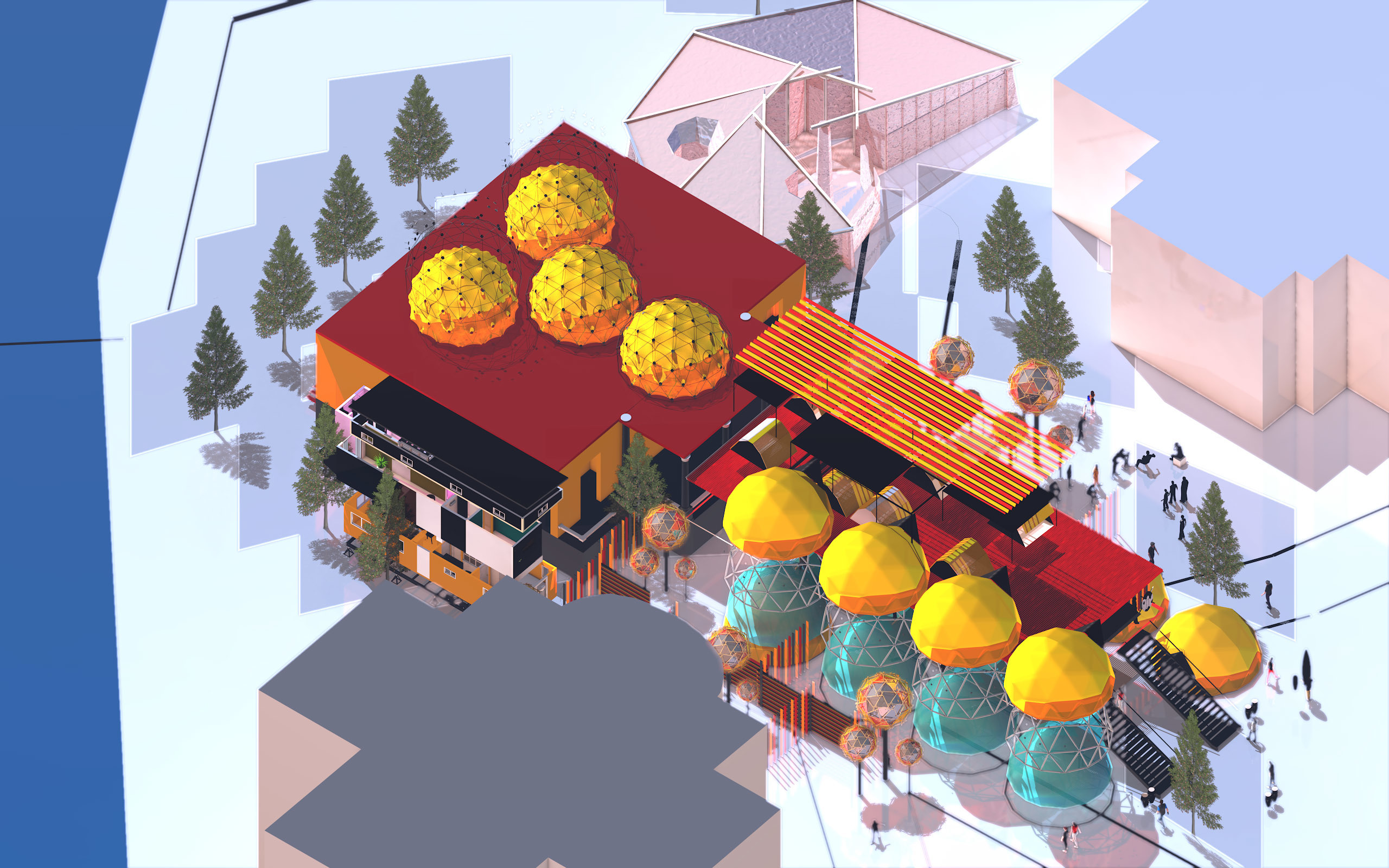
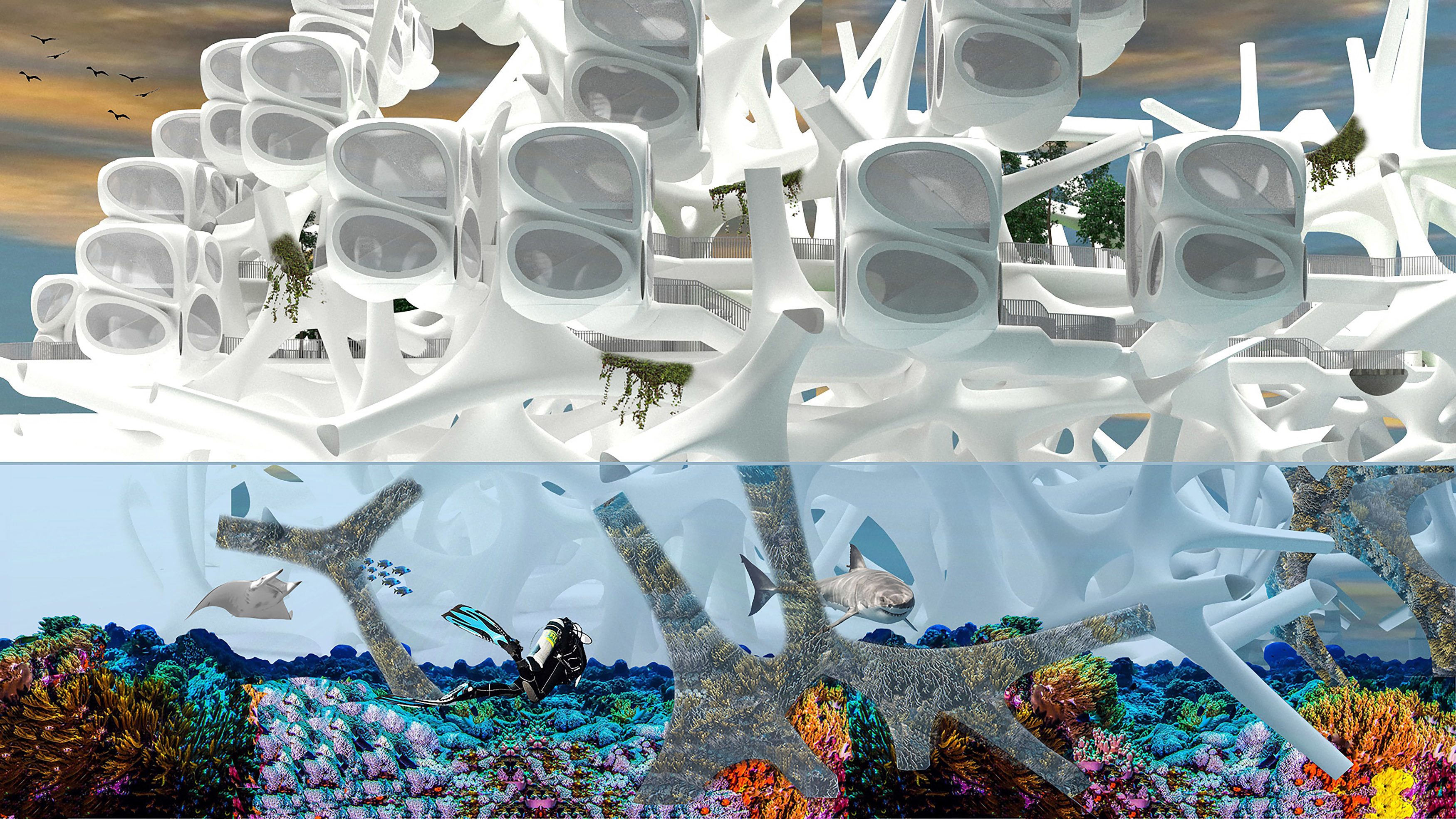
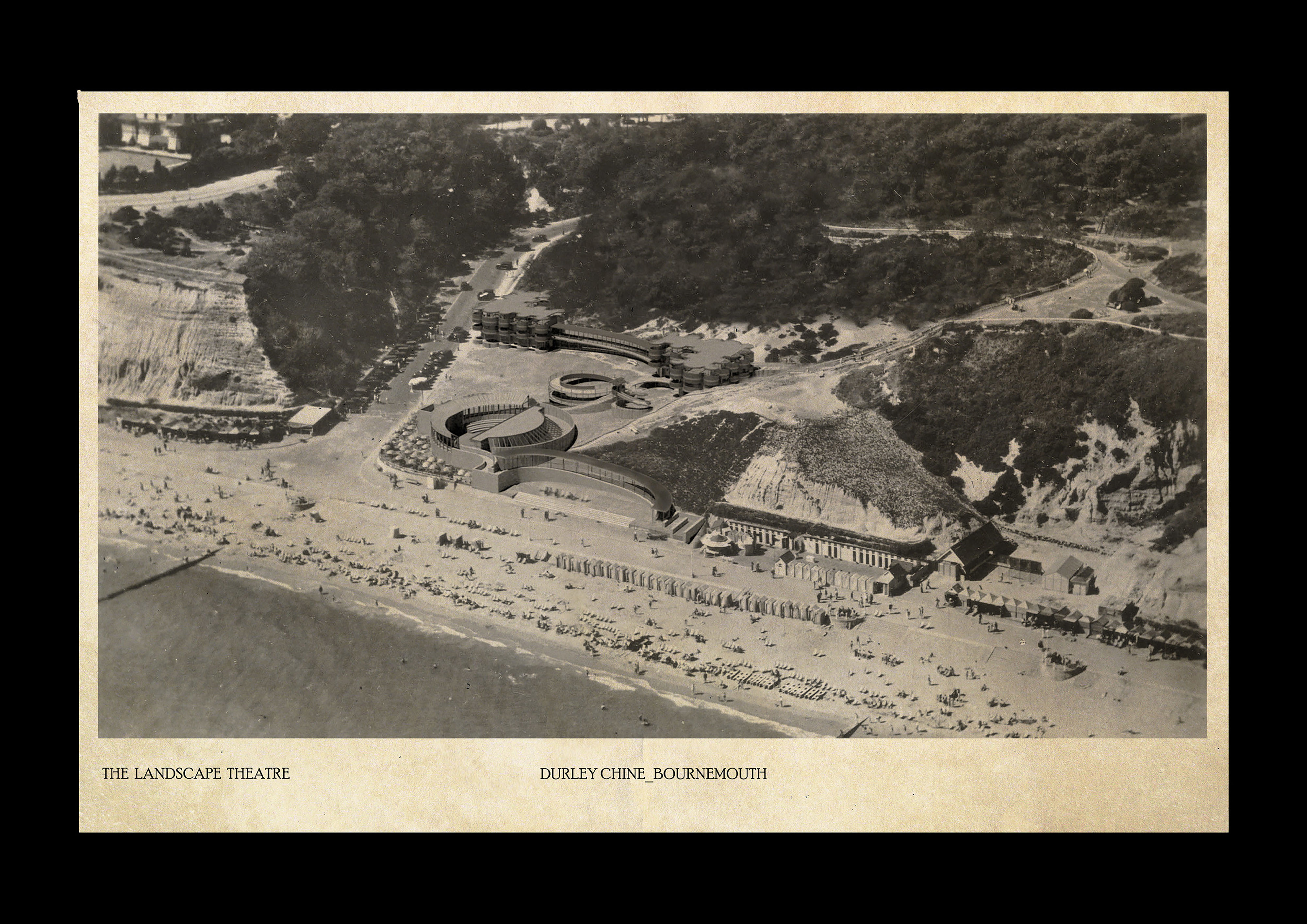
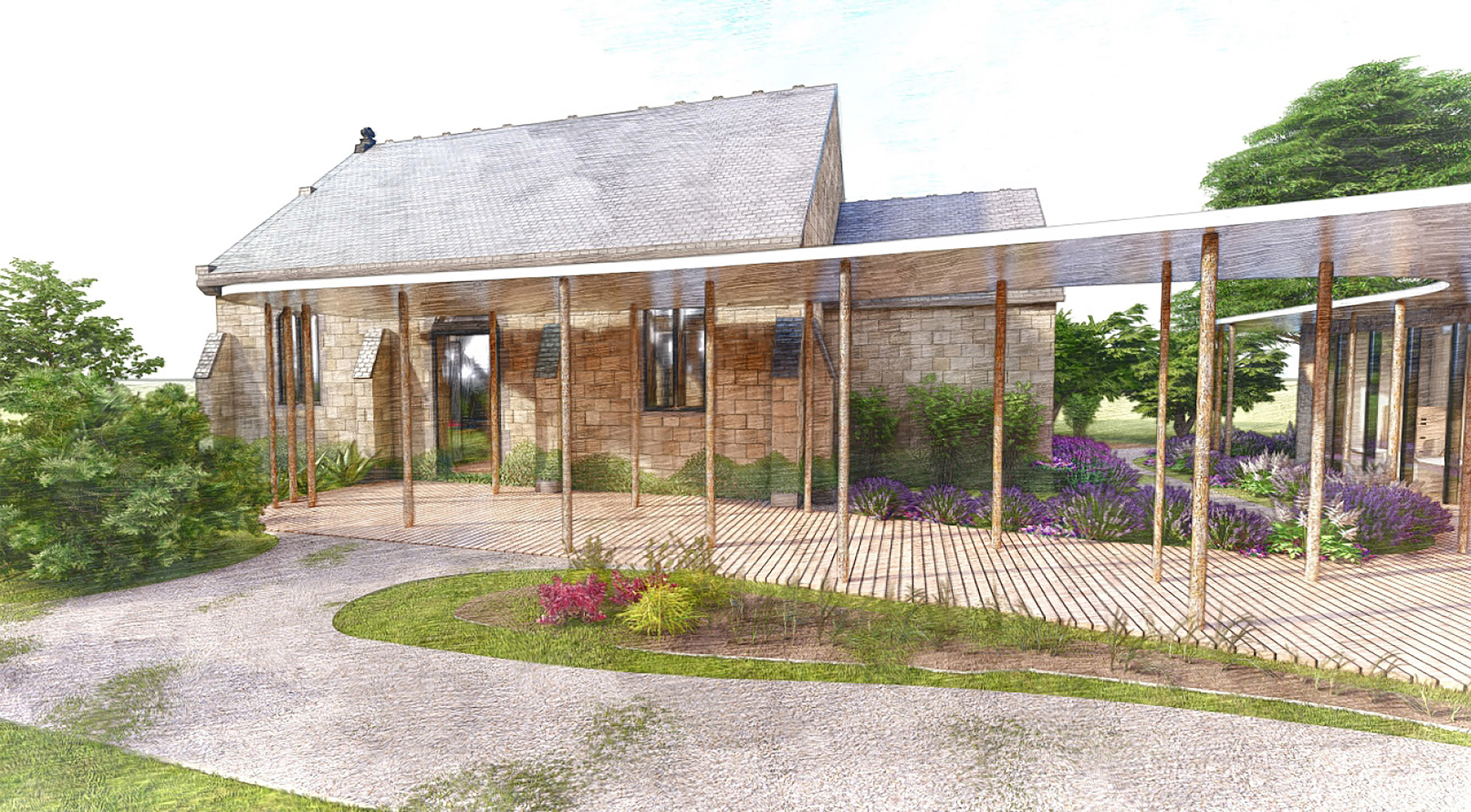
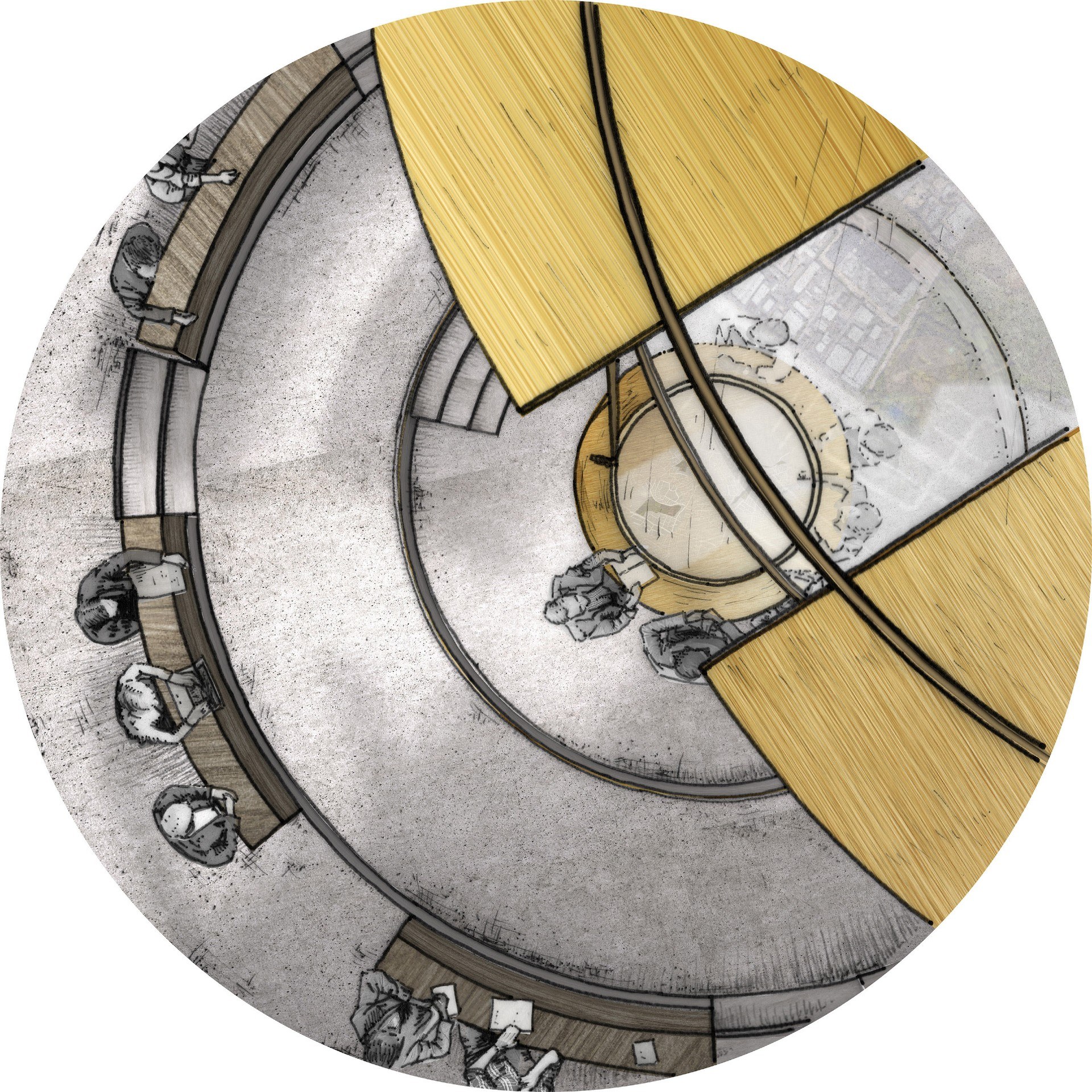
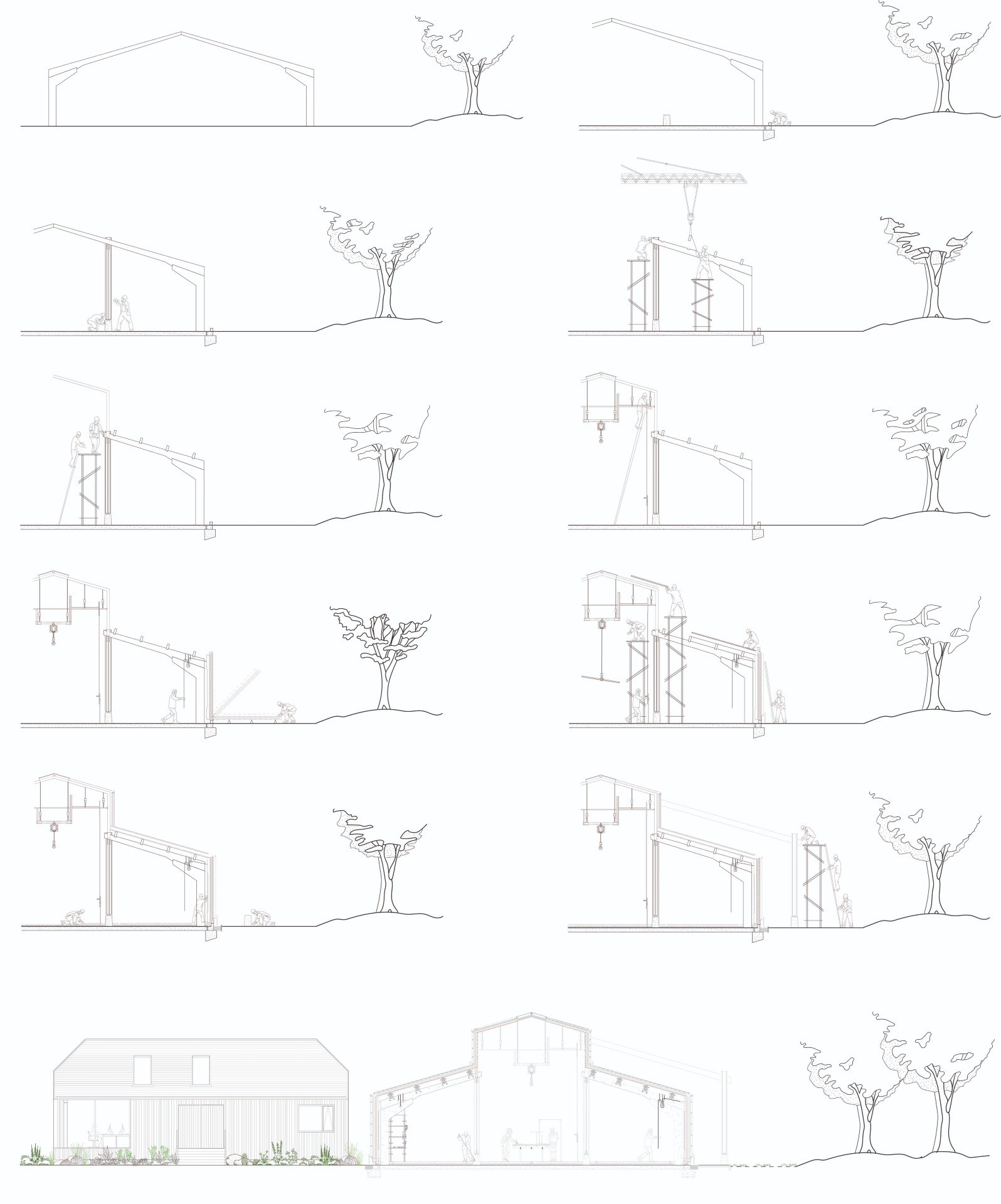
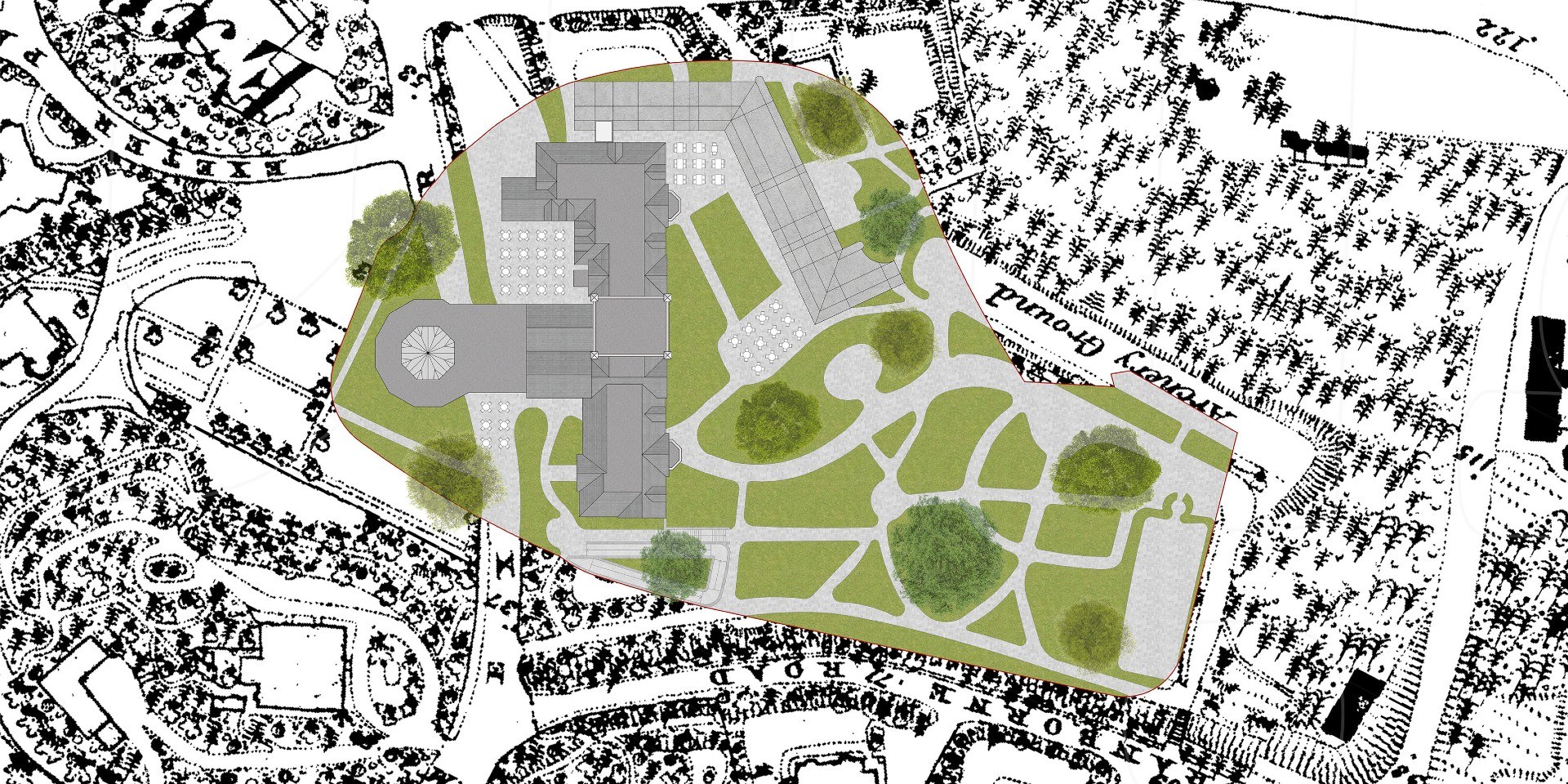
Looking to be inspired? Explore some of the work produced by our students and alumni, and discover what you could achieve.

Chat to a student
Our student ambassadors are here to answer any questions you might have on university life, our courses and all things AUB.
Chat on UnibuddyStudent Stories