



Overview
Whether you're applying for a Foundation, Undergraduate or Postgraduate degree, we're here to help
















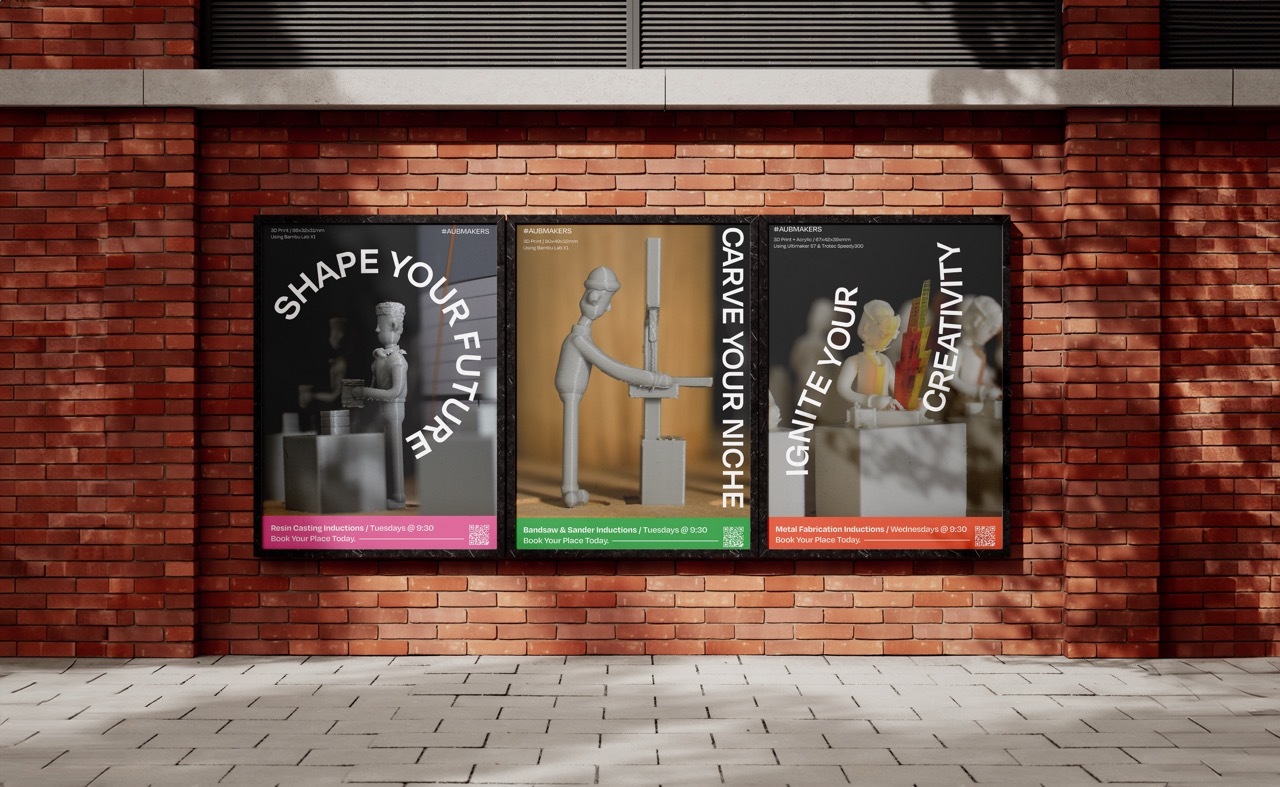
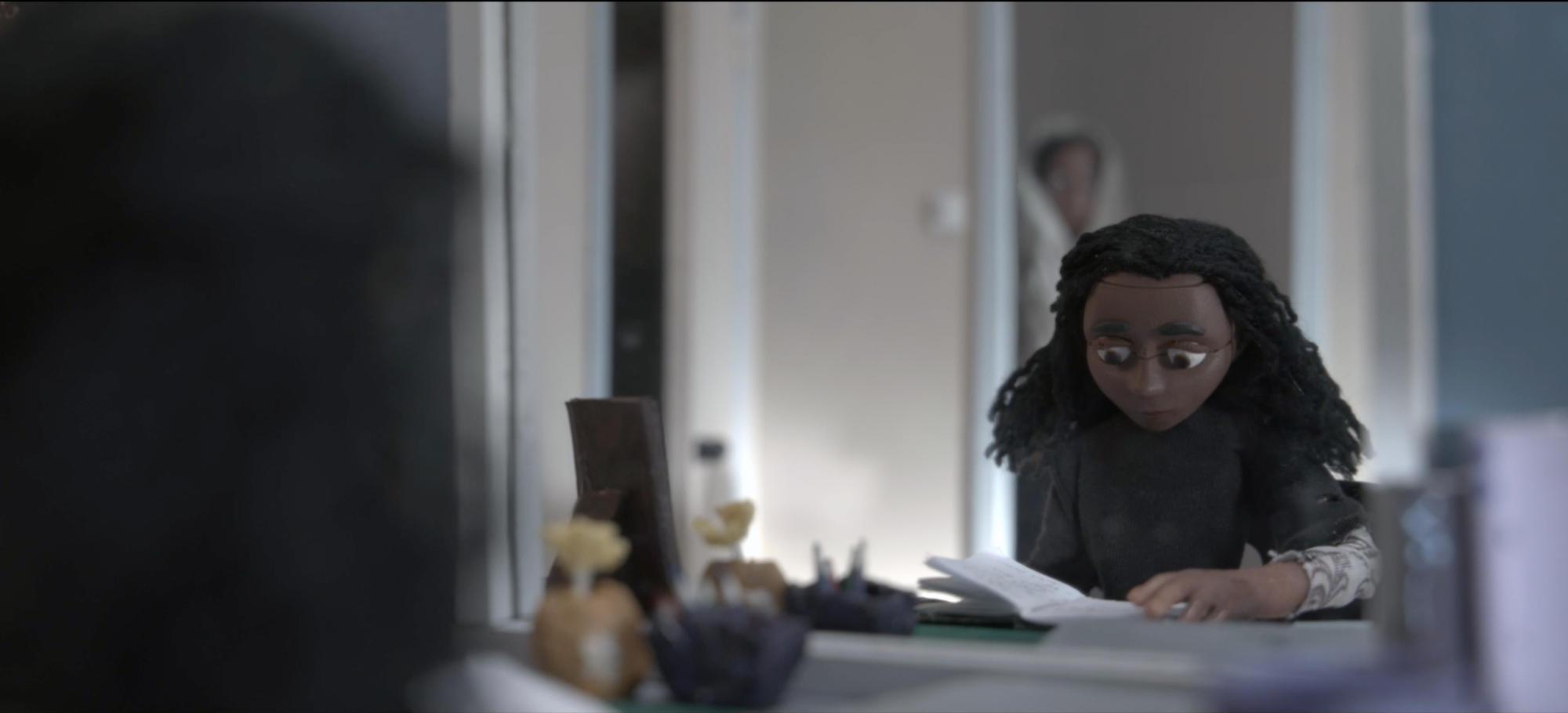
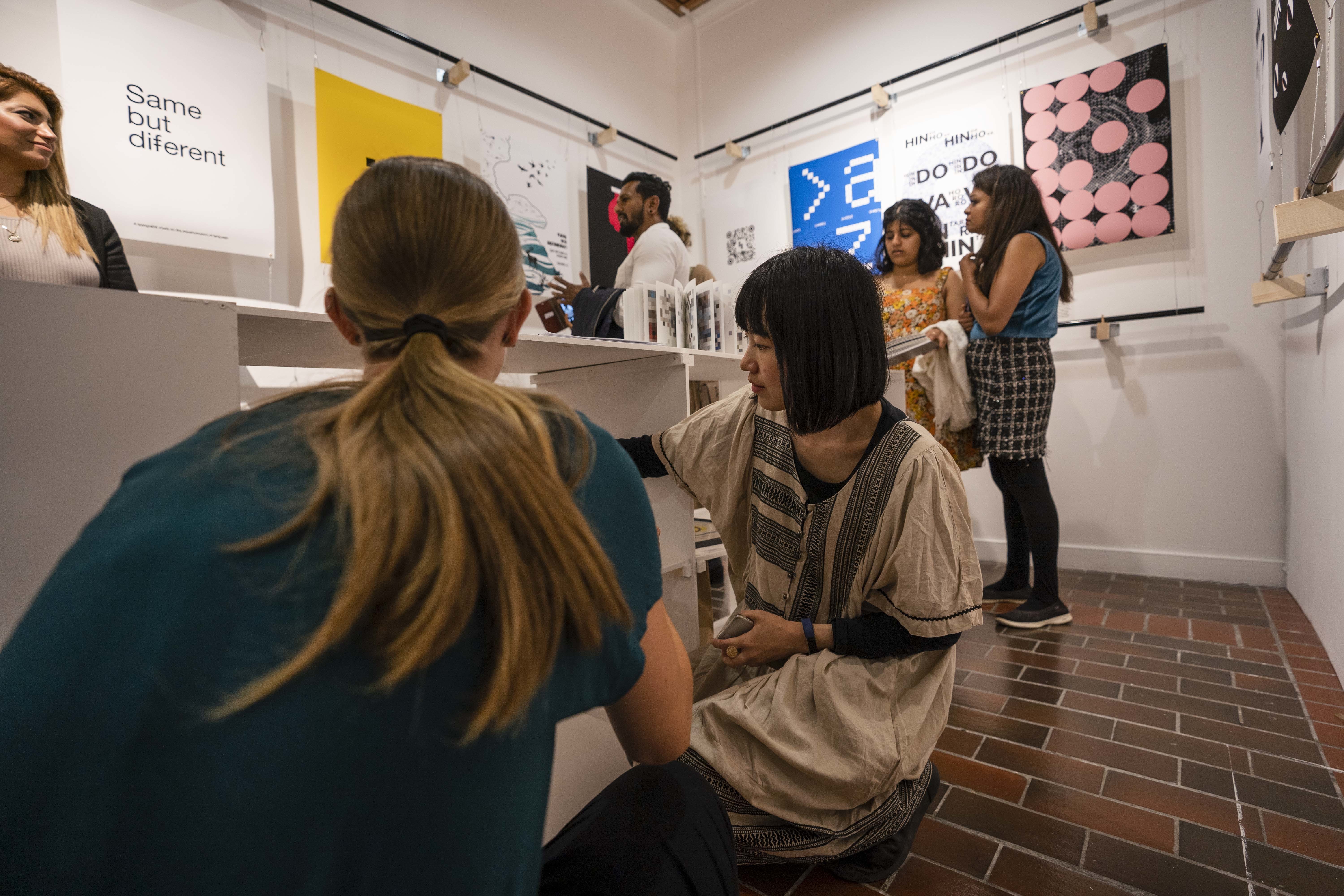

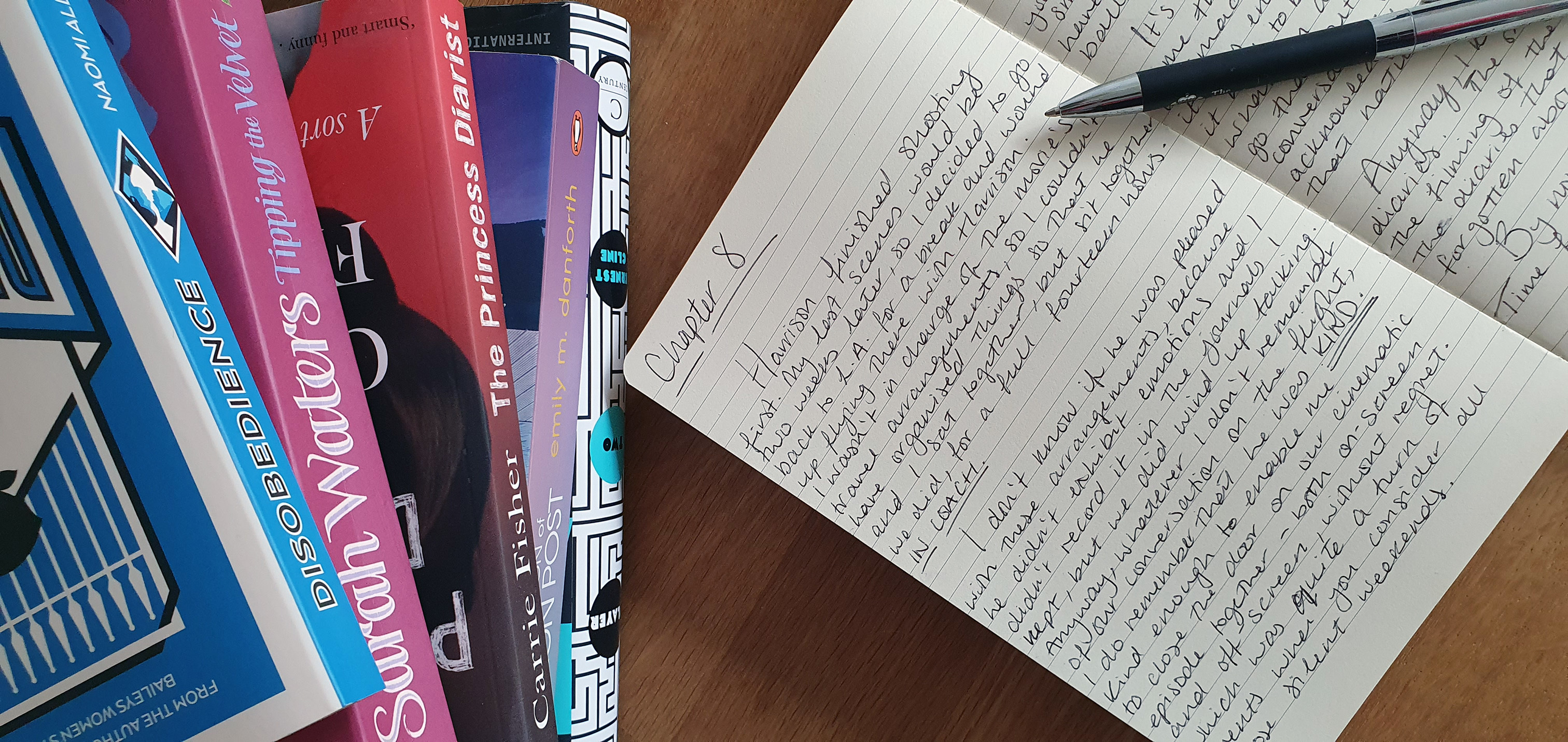









If you feel like one of our creative courses is the right fit for you, you can start making your application.
Visit our campus and see creativity in action.
Experience a campus built for creativity and collaboration.
You are using an outdated browser. Most of this website should still work, but after upgrading your browser it will look and perform better.
Found a course that you'd like to apply for? Here are the next steps:
Applications for September 2026 entry are now closed. For September 2027 entry, applications will open on 1 November 2026.
Applications for online courses commencing in early 2027 remain open.
We encourage you to apply early so that you have time to organise accommodation and to arrange for a visa (if required) before you enrol.
To continue an unfinished AUB application, you need to go to our Application System.
Applications for September 2026 entry are now closed. For September 2027 entry, applications will open on 1 November 2026.
Applications for online courses commencing in early 2027 remain open.
When we receive your application, we’ll email you that includes your login details for the AUB applicant portal. You can use this to monitor the progress of your application.
We'll contact you via here if we need any further information and to arrange an online interview or request a digital portfolio.
We realise that it may not be possible for some applicants to attend an interview, especially if you don’t live in the UK. If this is the case, we’ll ask you to send us a link to your online portfolio instead. We’ll send you instructions on how to submit this – you don’t need to do so unless we have requested this.
You’ll have 30 days to submit your portfolio, but please do contact us if you need more time or if you have any questions.
We may also invite you to an online interview.
If you need any help with your portfolio, we've created specific portfolio guidelines for each of our courses.
You can view and accept your offer via the AUB Applicant Portal. We ask you to respond as soon as you can and we’ll expect a reply before the end of the Summer Term.
If your offer is conditional, you can accept it before you meet any conditions. We’ll then be in regular contact by email and the AUB applicant portal to give you information about accommodation, your visa application (if applicable) and your arrival.
Once you receive your results, you’ll need to email a copy of your official results (a scan, photocopy or image is fine) to our Admissions team. We’ll send you a reminder nearer the time.
Once your place at AUB is confirmed, we’ll send you your confirmation letter and a Welcome Guide, with all the information you need to start the course.
If you're joining us from outside the UK, the international team will be in touch to help you prepare for your arrival.
If you change your mind about studying for an MA course, you can cancel your acceptance within the cancellation period of 14 days.
Whether you're applying for a Foundation, Undergraduate or Postgraduate degree, we're here to help
Here's everything you need to know to apply to one of AUB's foundation courses
Here's everything you need to know to apply to one of our Undergraduate courses

Here's everything you need to know to apply to one of AUB's postgraduate courses

Here's everything you need to know about applying for an MPhil or PhD

Portfolios should show examples of your work – both finished and work in progress – that demonstrate your interests and skills
If you’ve found a short course that you’d like to study, you can find out how to apply here.

Here's everything you need to know about applying to transfer onto to one of AUB's undergraduate courses...