



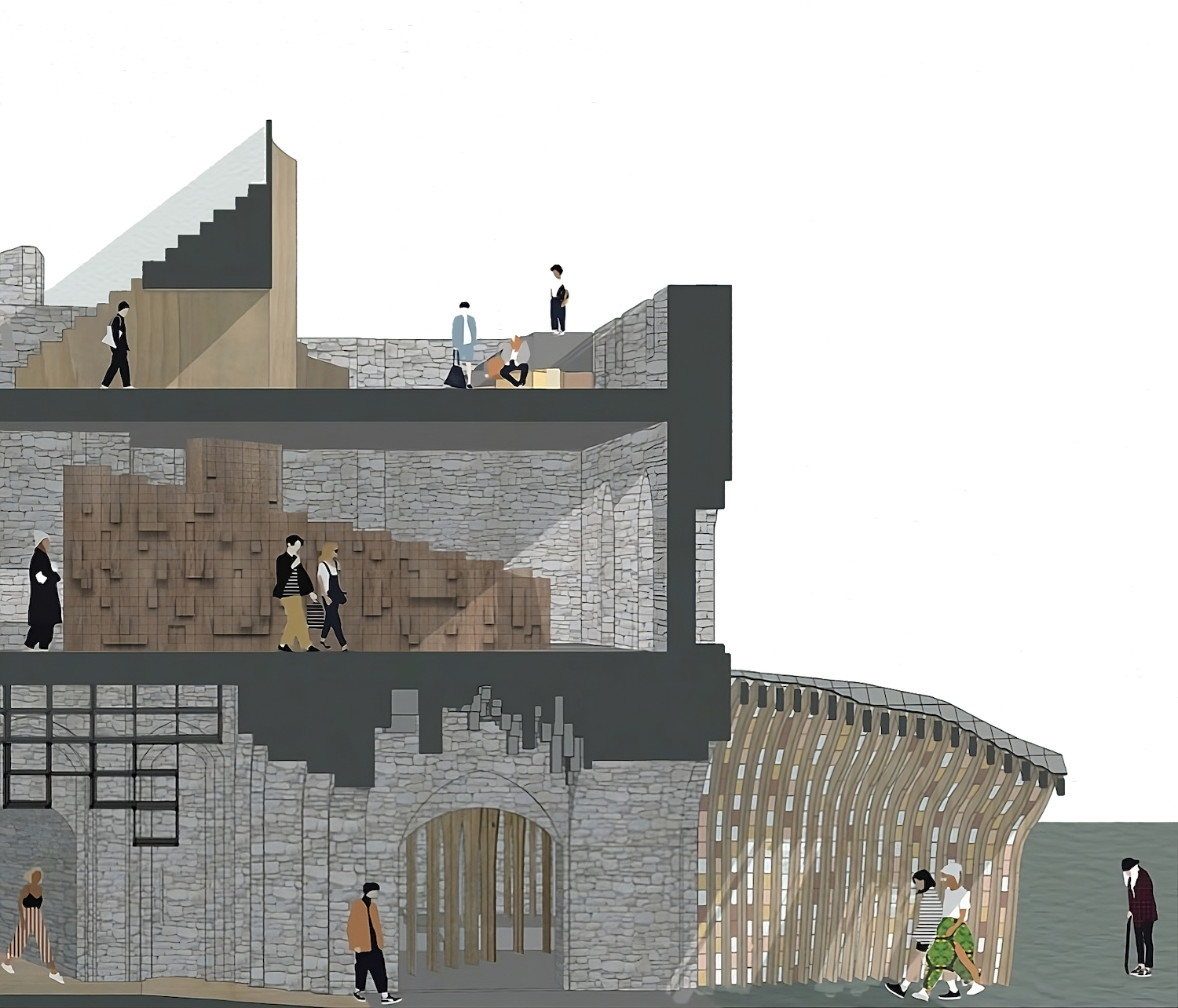







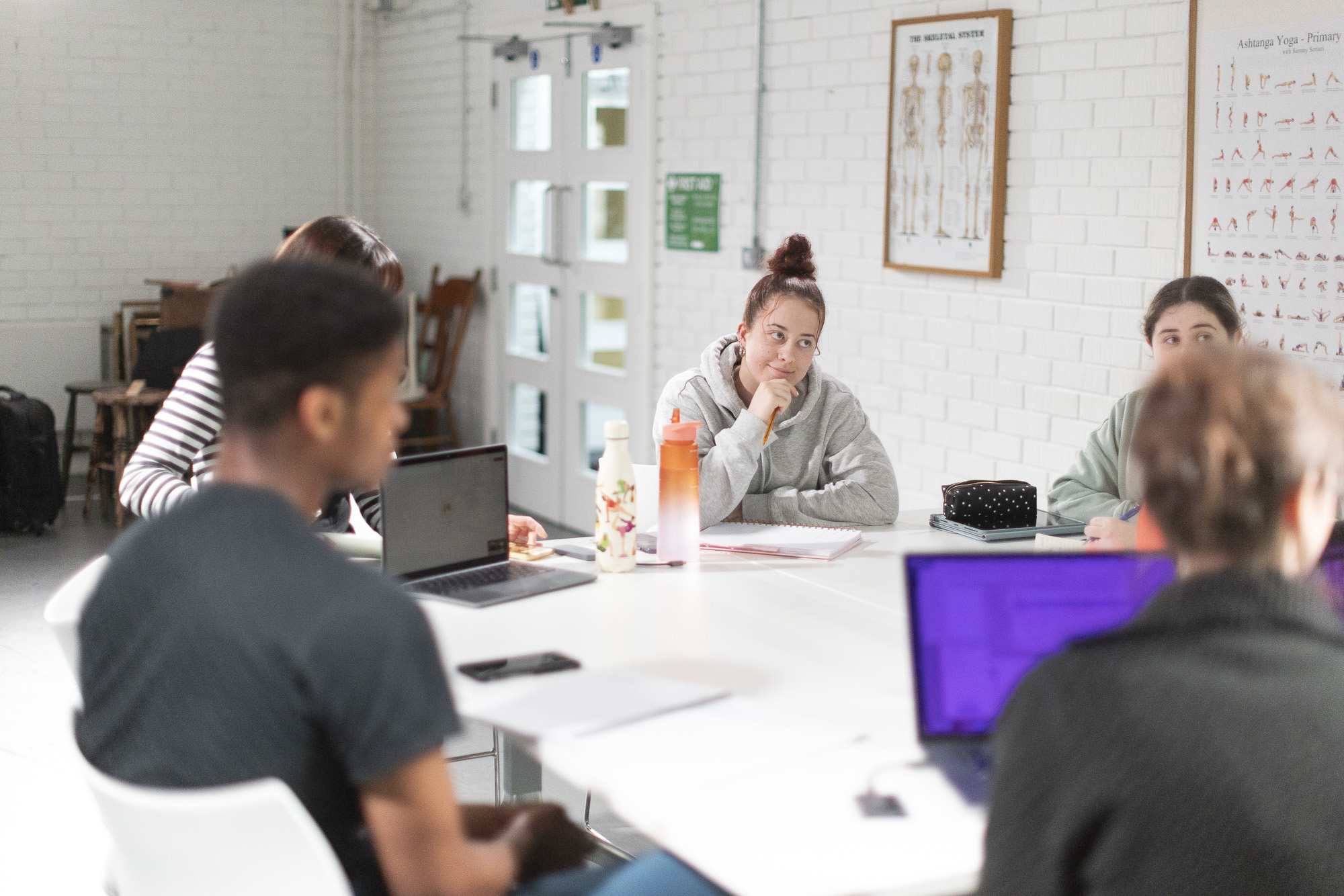

My journey in first year on BA (Hons) Interior Architecture and Design was coming to an end, and what better way to sign off than with a final project about designing a library!
I was tasked with creating a unique library in Bournemouth town centre, on the site of the River Island store, that reflected my design style and utilised software such as AutoCAD, InDesign, SketchUp, and more.
The challenges were that there was a public library already in the town centre. However, researching it further, I discovered that it specialised in a large local heritage section.
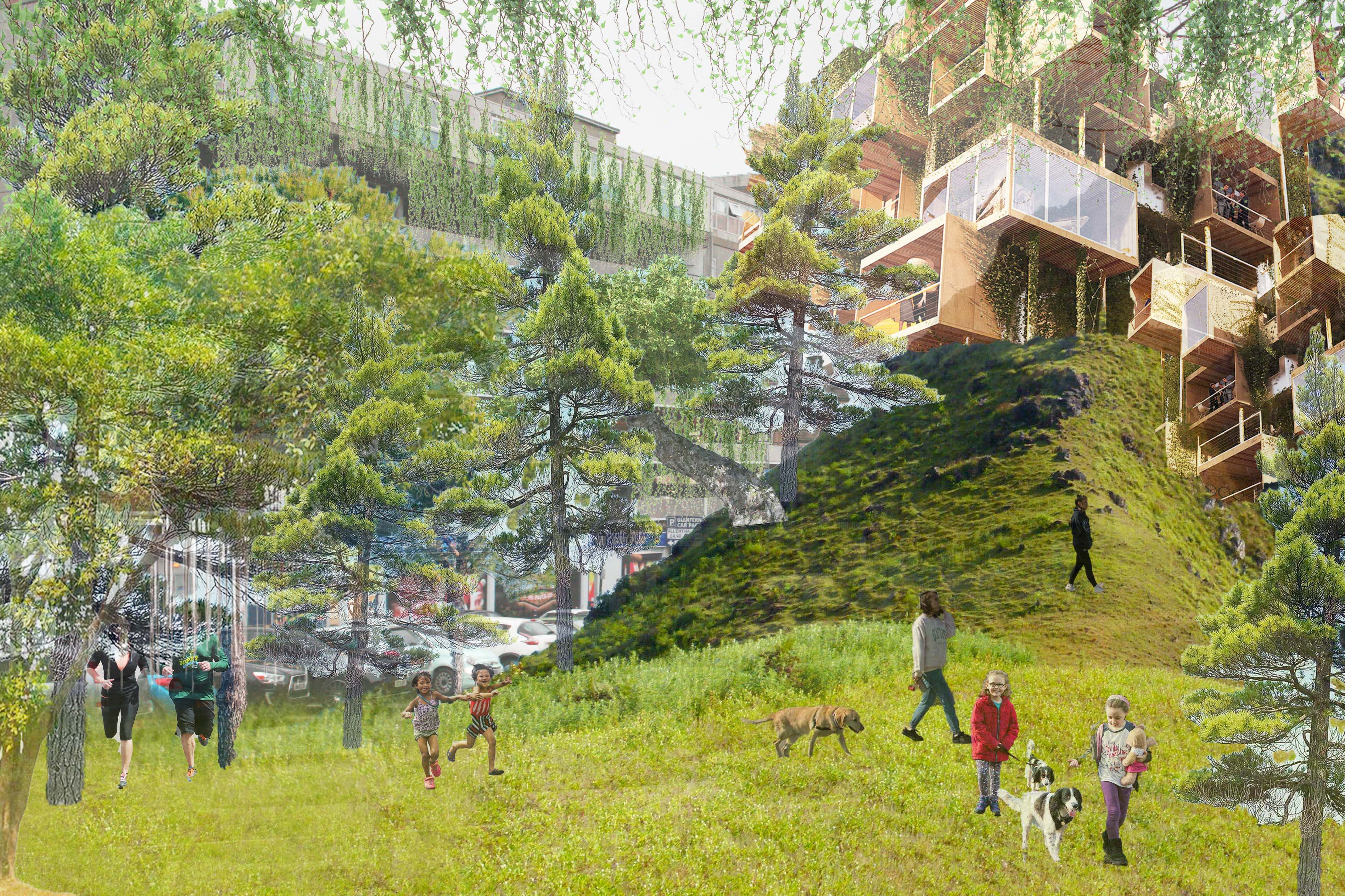
For my design, I aimed to steer clear of this specialism and focus on the unique selling point of it being designated to creative studies and natural influences. I wanted it to be a comfortable and warm space for any user, but one that utilised technology for the betterment of future studies.
I chose a dark academia-inspired colour palette as for me, libraries always echoed the mystery and age of elite libraries like Oxford and Cambridge. However, I wanted this design to subconsciously echo that beautifully designed libraries such as these should not be just for the ‘elite’ – that anyone who wishes to seek refuge in a book, or gain higher intelligence on subjects they may not be able to study, can access it. And that was how The Kindling Library was sparked – a place that carries the nostalgia of old libraries but takes this ready for the future as we know it.
Development
The unit was called Integrating Technologies and Graduate Futures, encouraging us to begin thinking like second-years, and working reflectively.
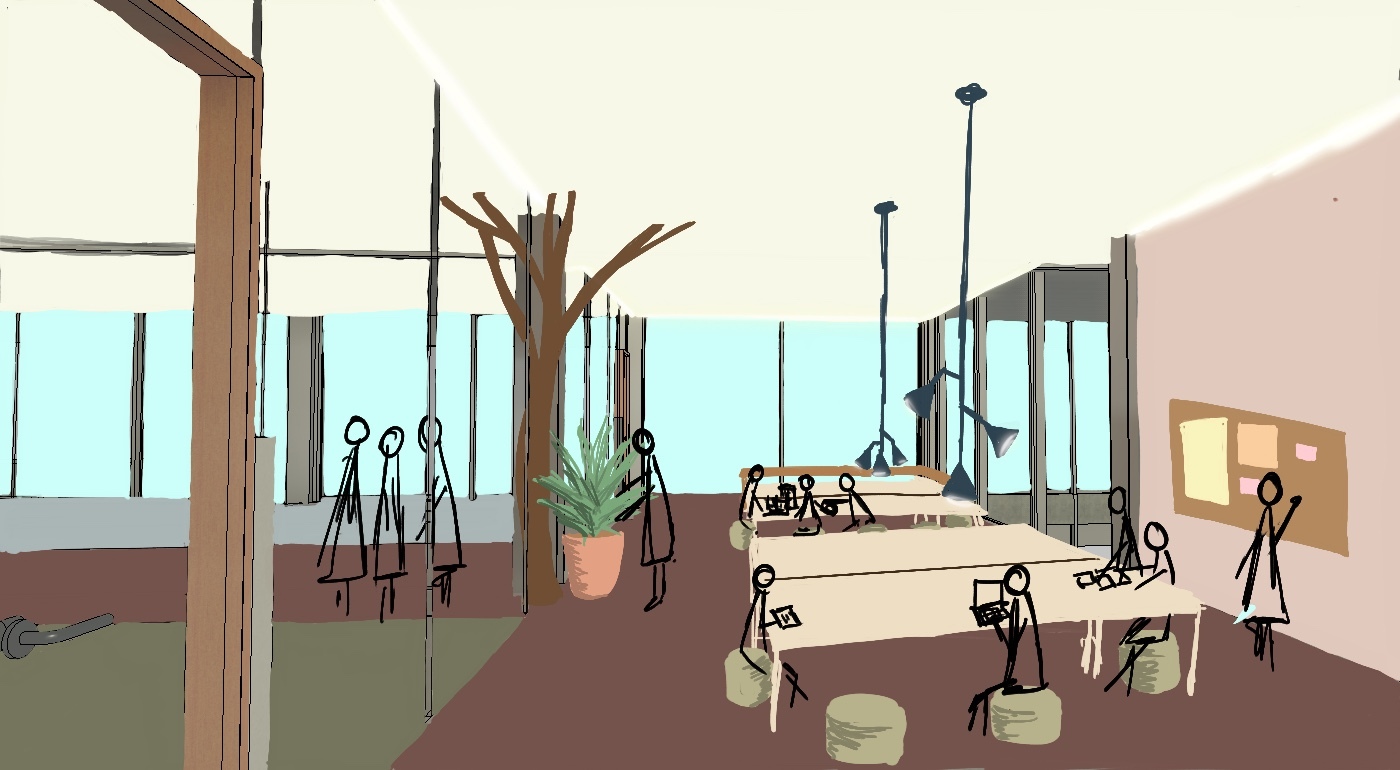
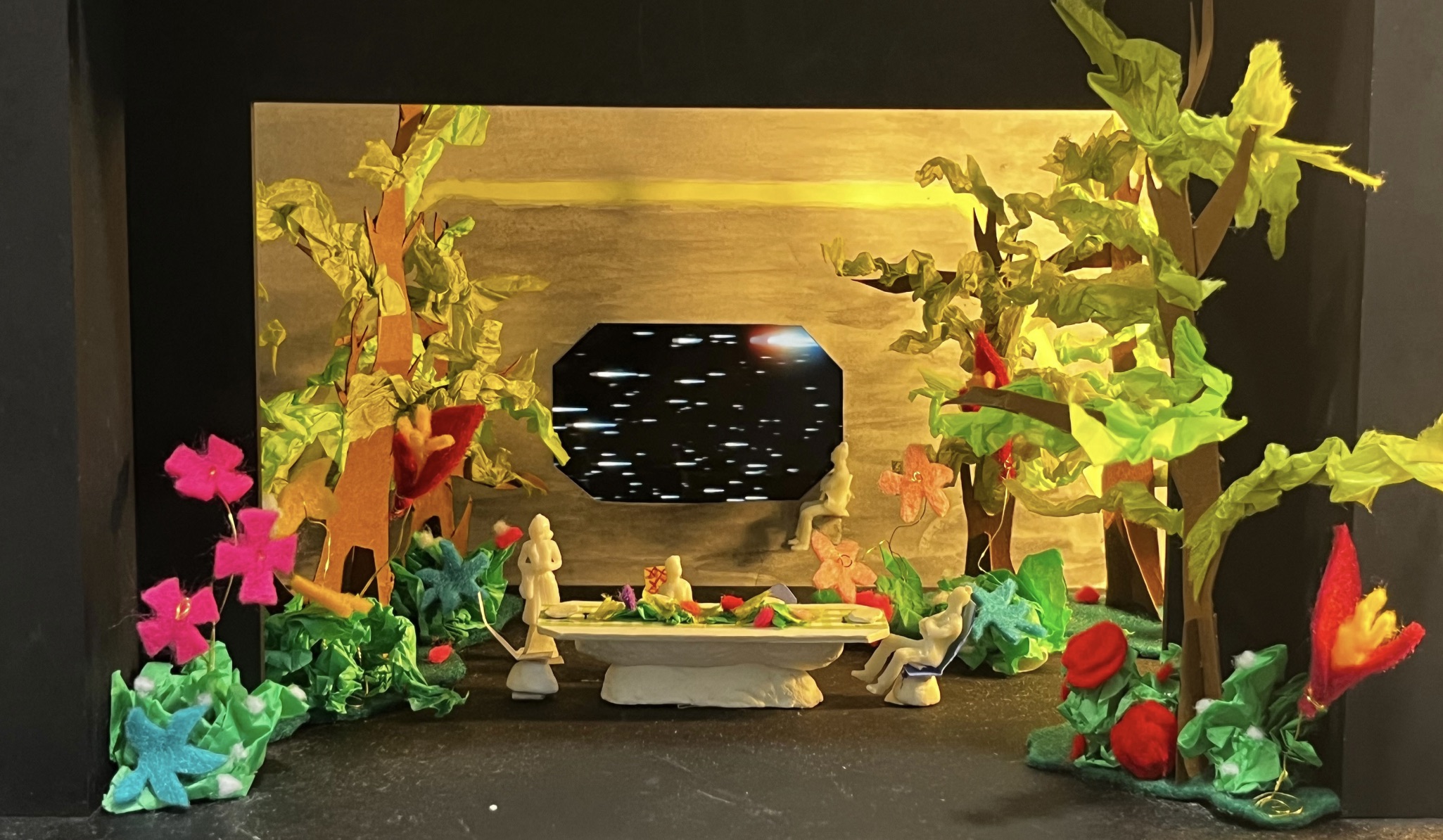
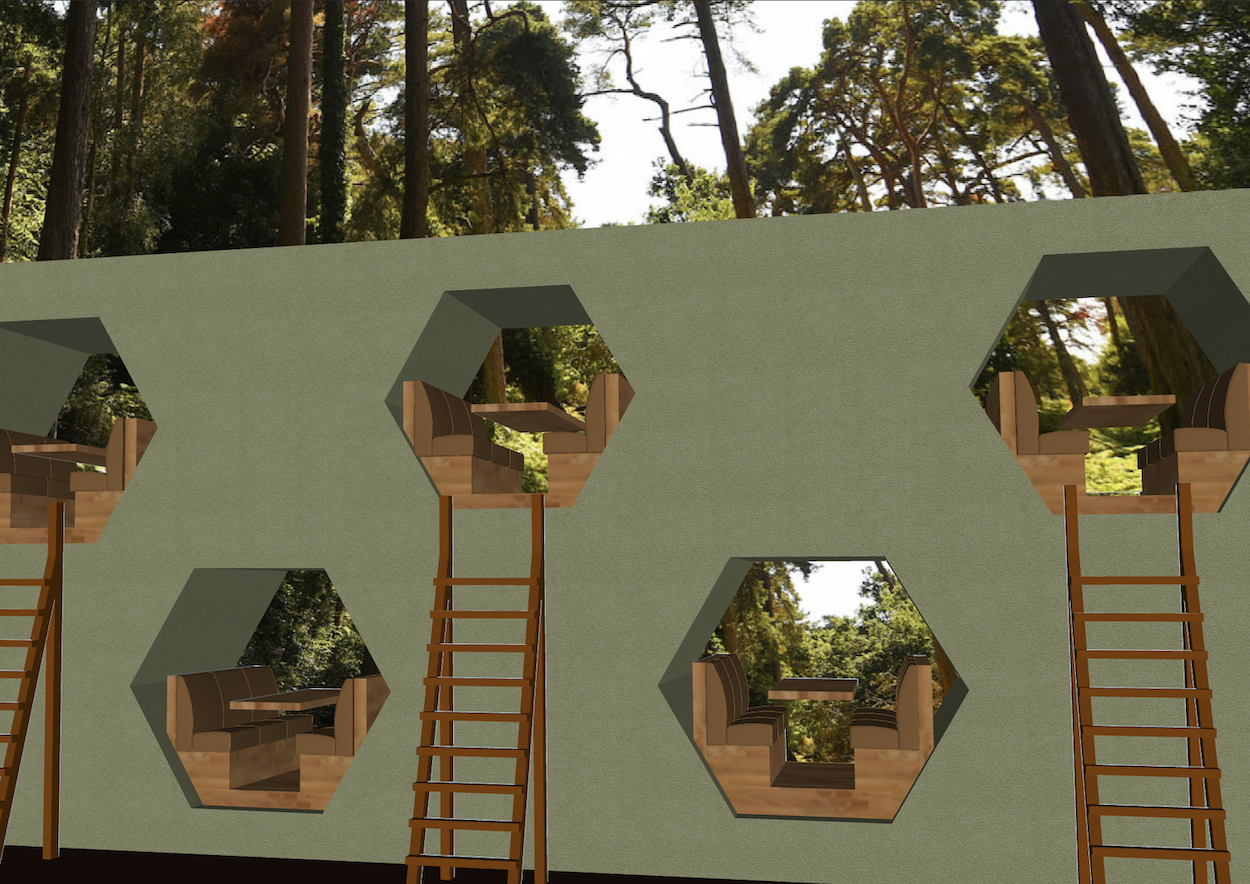
My project included lots of technology, new and advanced, to ensure the design had longevity, such as a large projection screen inside and outside the facade, to replicate views of the New Forest, the local national park that inspired much of my design. This was mainly because as a designer, I wouldn't want my users to see Bournemouth High Street as their view – I wanted to create a sense of escapism and transport them somewhere else, to aid focus and relaxation.
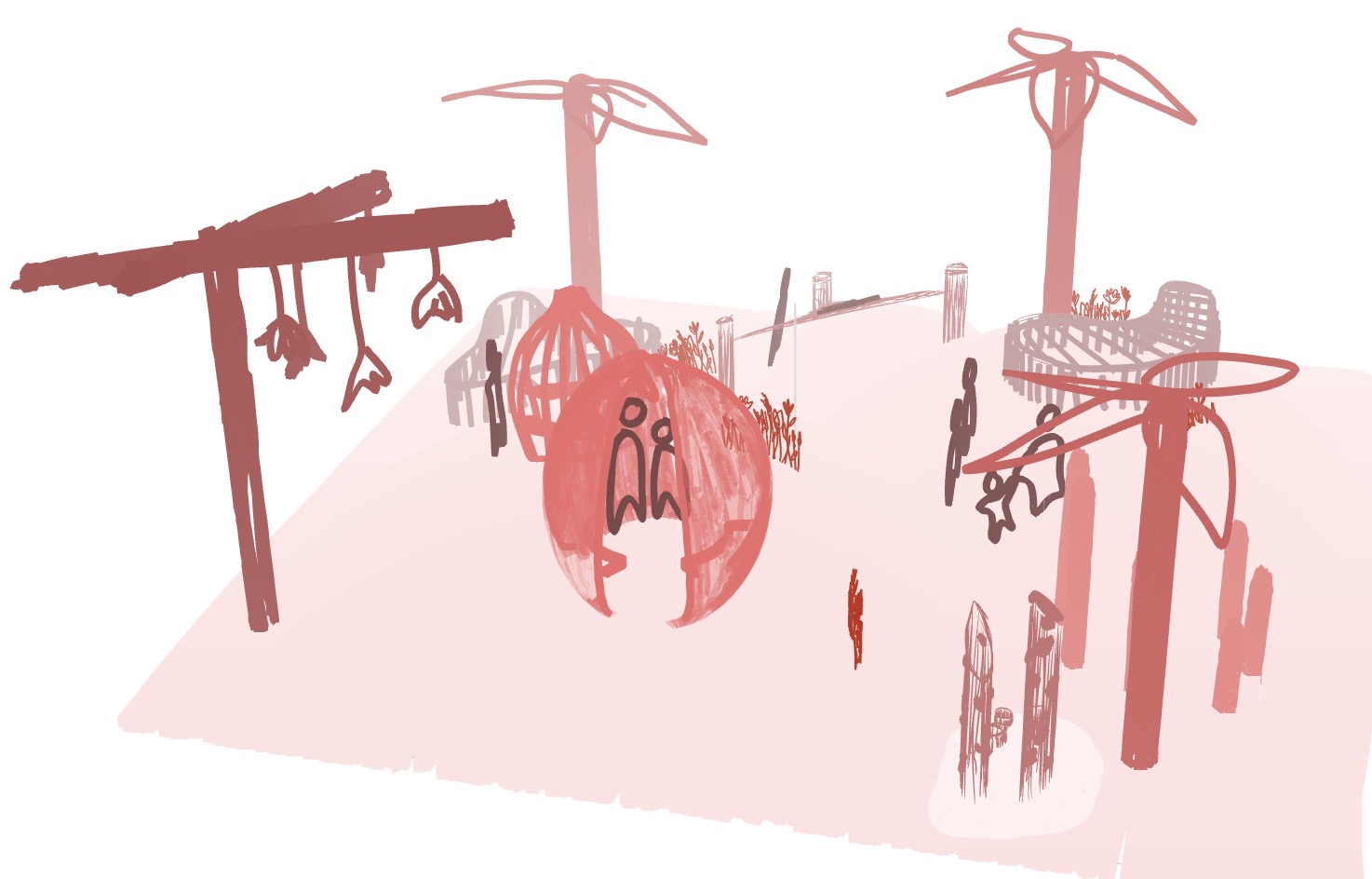
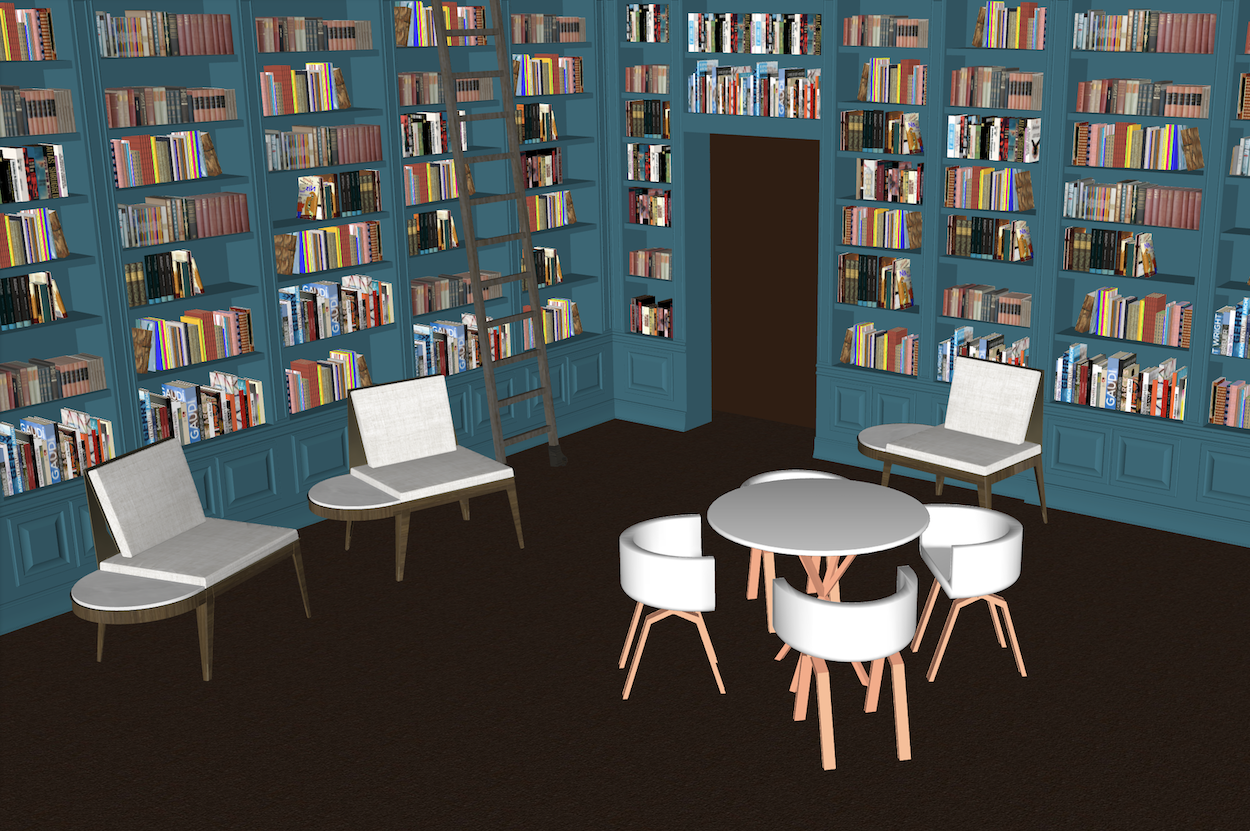
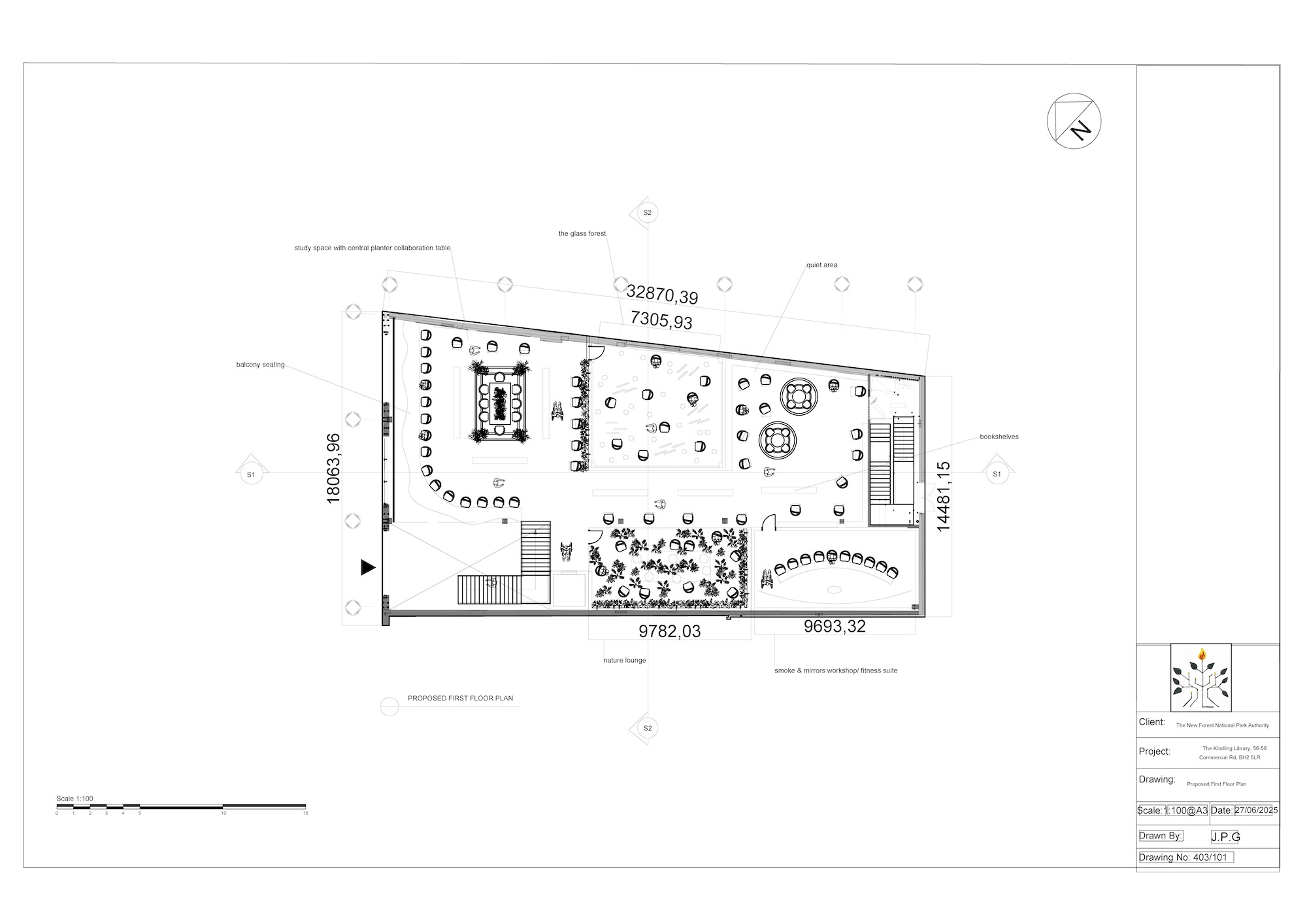
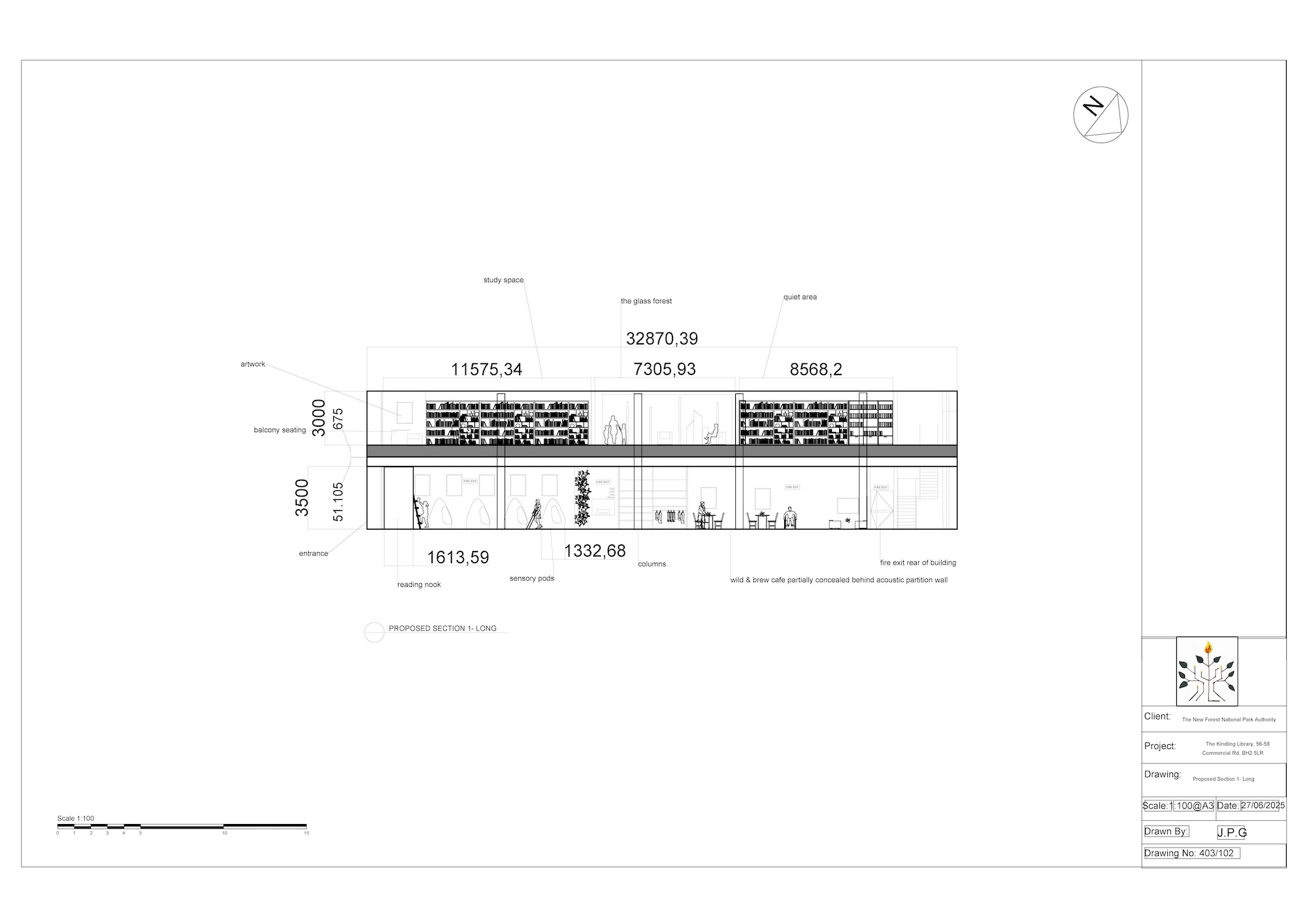
There were also many reading rooms I included that replicated a digital forest through projections, plants, birdsong and rain sounds, and scent. My main project ideas and features included a beehive-inspired seating area, where users could use small ladders to reach the slightly higher seats, sensory pods for users who needed silent study areas, and a café specialising in artisan foods at an affordable price.
Throughout first year, it was challenging trying to get the hang of Adobe Suite, given that some software was new to me, but after practising through each unit, the work I produced using any Adobe software improved. The best time to learn these industry-utilised softwares is during university, while it is free for all students to access – that way you can decide when graduating which ones you'll use most and if you’ll pay for a license to use them.
Production
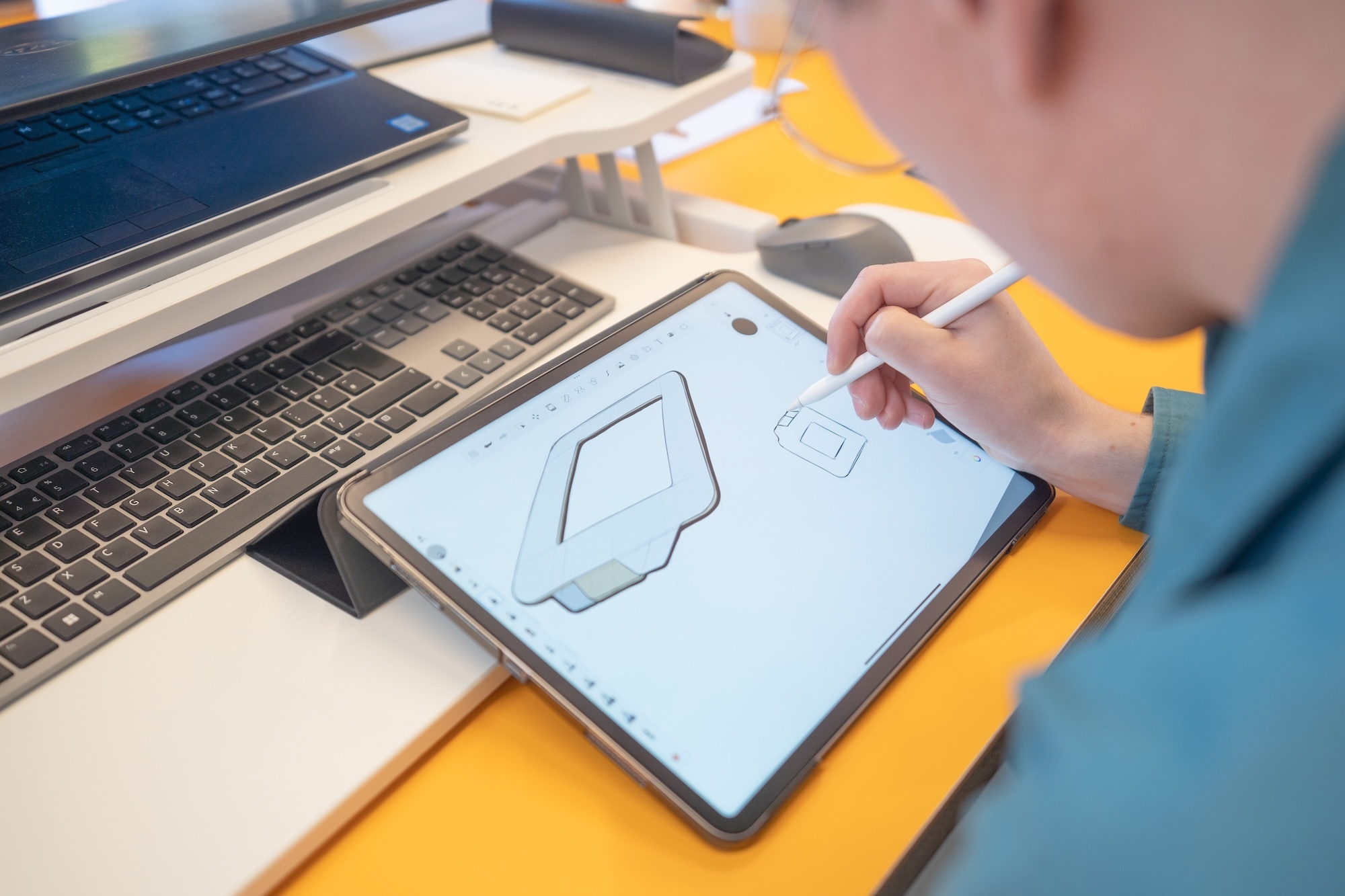
Speaking of software, for this unit, I used SketchUp, and AutoCAD mainly for the production process. Learning both of these was admittedly hard for me, but while it is scary at first, and looks really complex, it can be broken down through practice. It is the best way to learn.
I chose to specialise and focus on rendering certain corners of my SketchUp model to save time and pay more attention to the parts that mattered most. Lessons in the Interior Architecture and Design IT Suite were useful for this project, especially in getting to understand SketchUp and AutoCAD.
Final project
The final outcome was impressive and I was incredibly proud of how it looked, given it was my last work of Level 4. I knew that moving forward there was much to learn, such as Photoshop and Illustrator, but also improving my sketches, writing less on my portfolio, and trying more modelmaking for conceptual ideas.
These were skills I aimed to practice over the summer to prepare for Level 5, which is where each unit counts to the final grade. Each unit on Interior Architecture and Design, we are encouraged to think with professionalism, and lay out our work as if we had a real client and a real project to complete, so it is more likely to be clear and aligned with the brief.
By the end of Level 4, I was stimulated by all the work I had produced, and how I was eagerly looking forward to future projects and learning more about my discipline. As a new Level 5 student, I look back on the work I produced with pride, given it was a challenging year, and look ahead with excitement.