





























The Interior Architecture and Design (IAD) Studio is the space on AUB Campus where these days, you’re most likely to find me. Not just because of my coursework, but because of what it can provide creatives such as myself, budding interior architects and designers, on our academic journeys – not to mention the inspiration I get here.
The space feels full of it, growing in the minds of every creative that passes through, ready to join the next generation of designers. That is part of what makes it so unique to me. It’s not just a classroom, though most students may see it this way – it can be so much more, just like any space, when you use it to its potential.
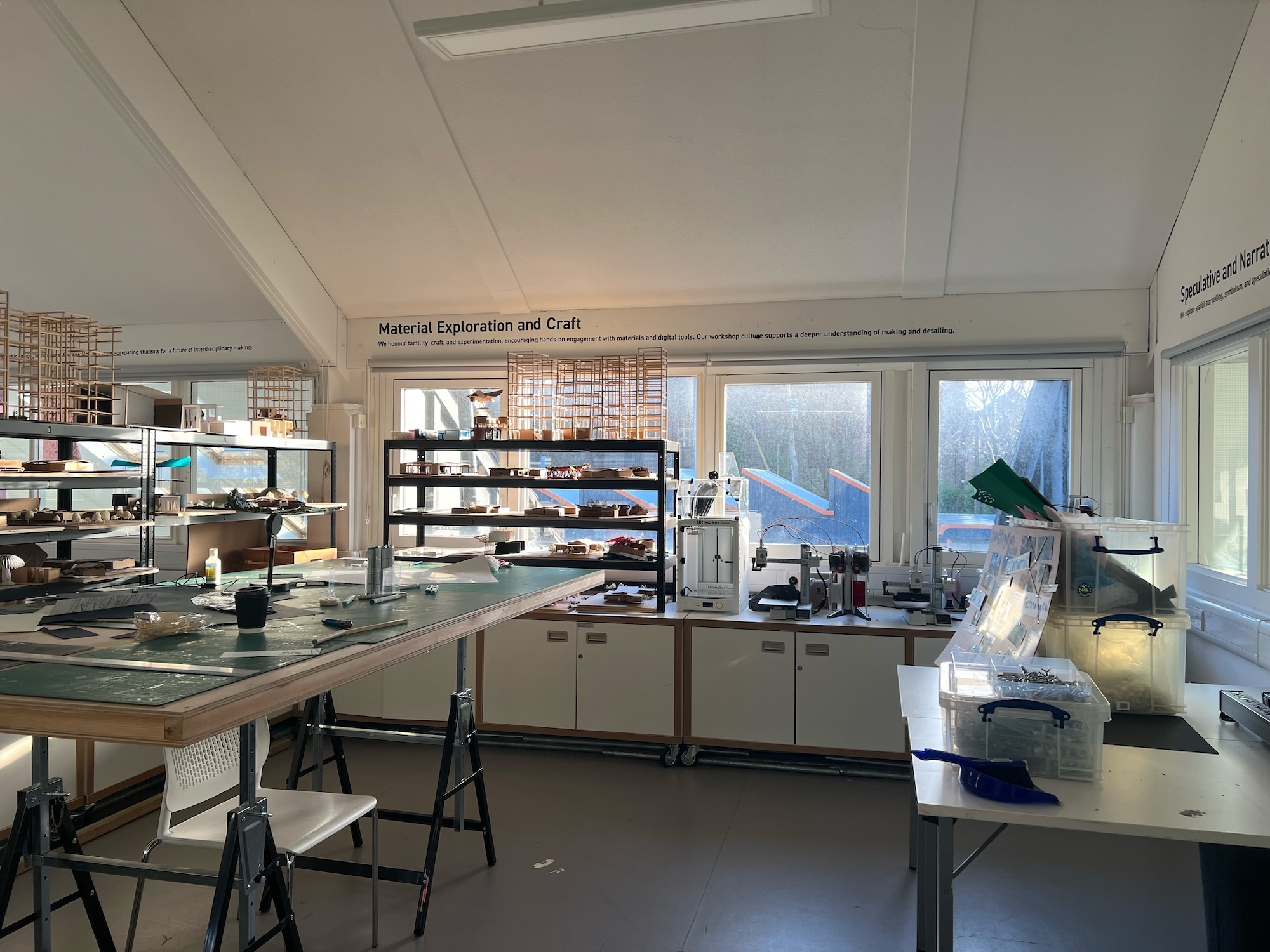
The main space
Of course, I cannot mention the IAD Studios being unique without introducing the main space, where all the learning begins.
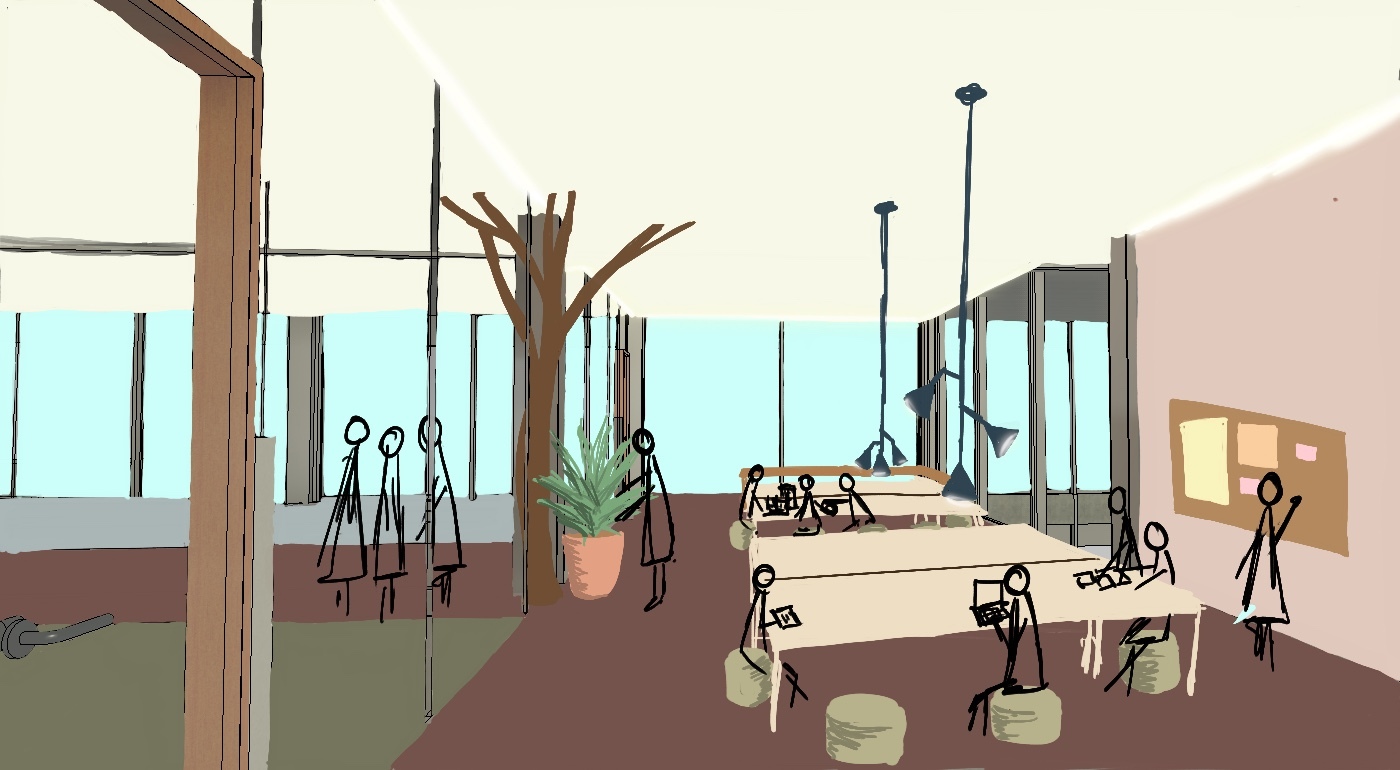
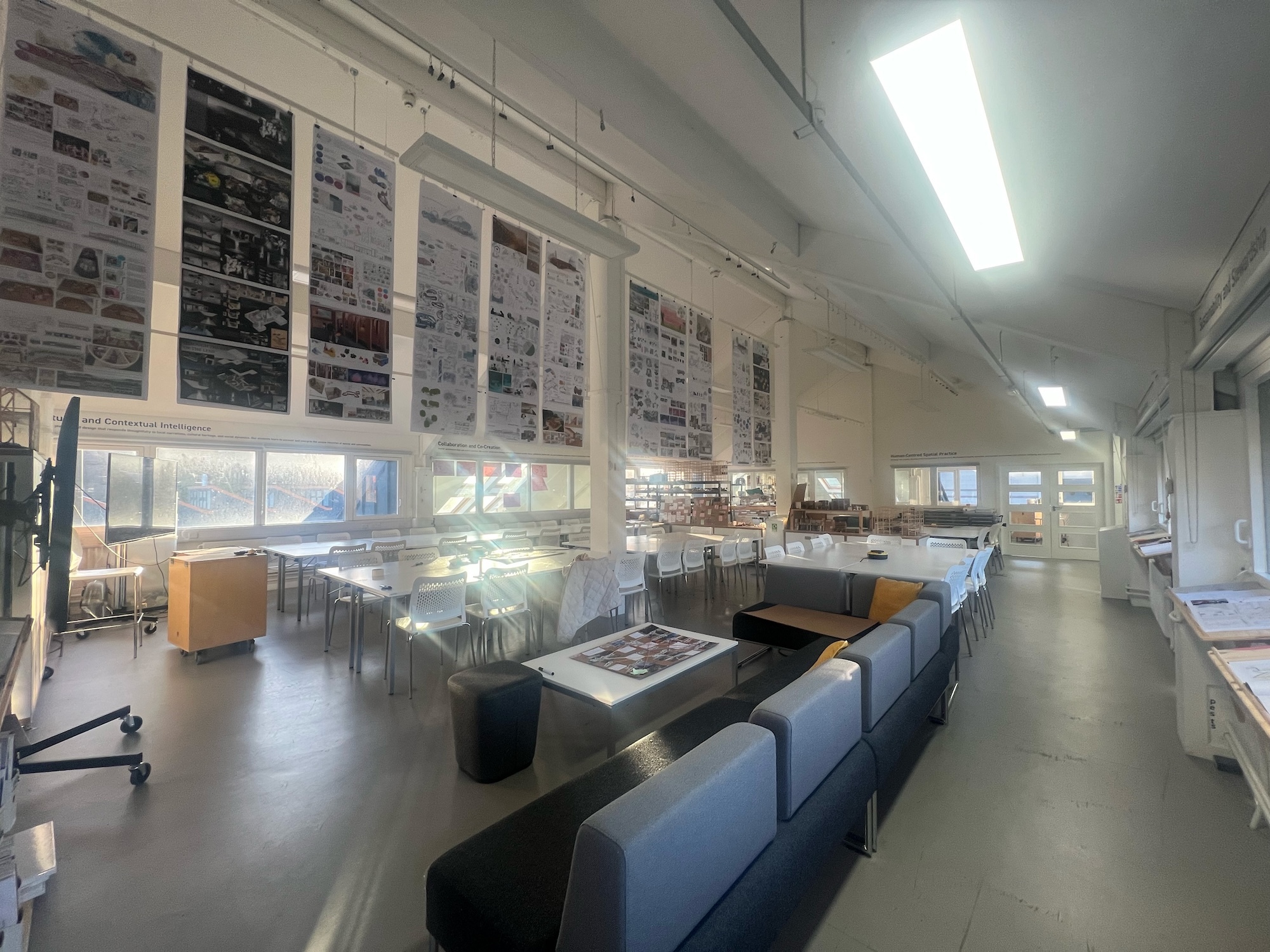
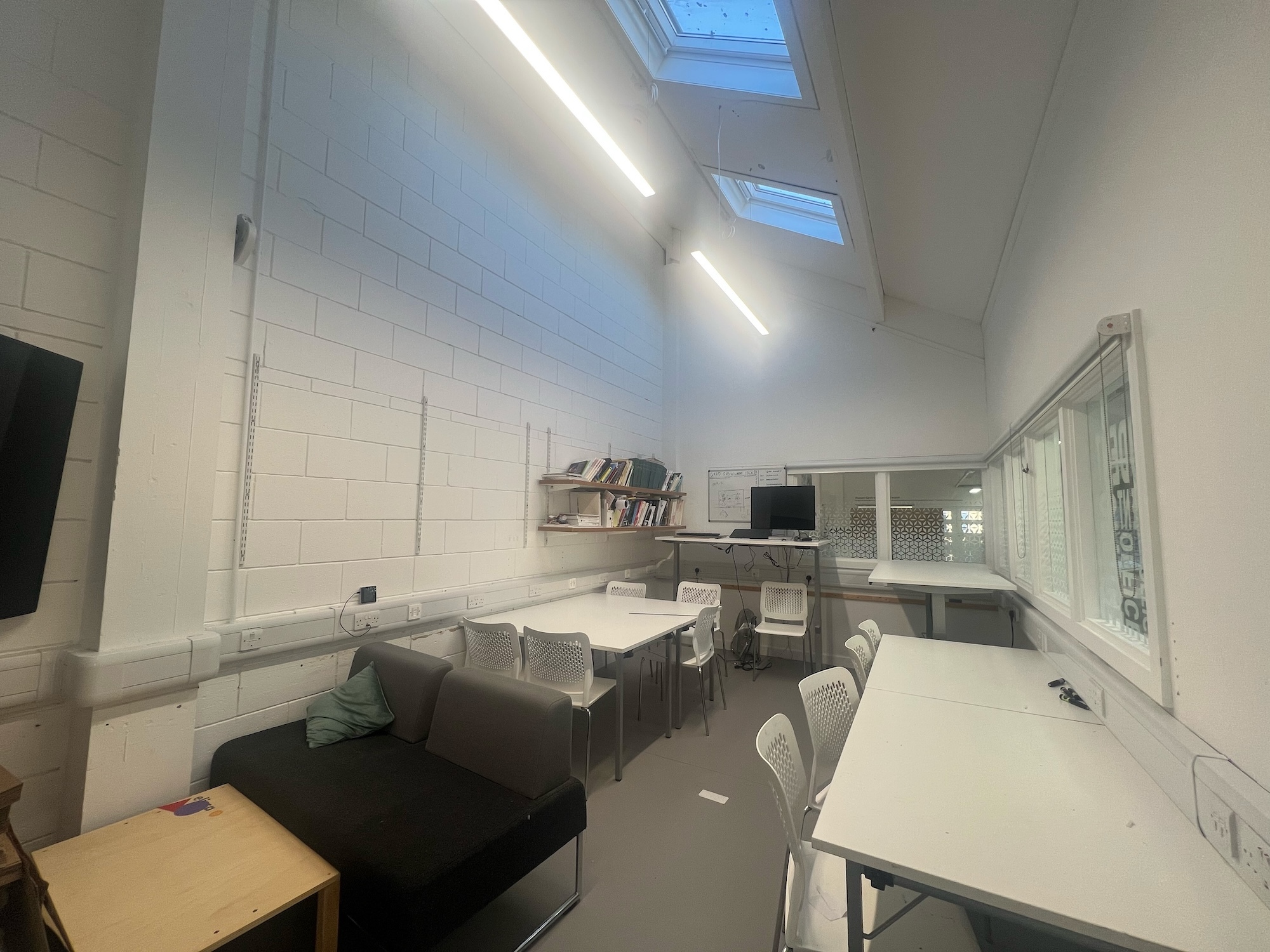
Instead of a typical classroom or lecture hall layout, BA (Hons) Interior Architecture and Design students get the pleasure of learning in a space with collaborative tables, large enough for many drawings and plans, and perhaps my favourite – the sofas. They used to reside in the student break room until last year, when things shifted and they were moved to the studio space. They serve as a reminder that the studio space holds creative potential without the clinical office setting.
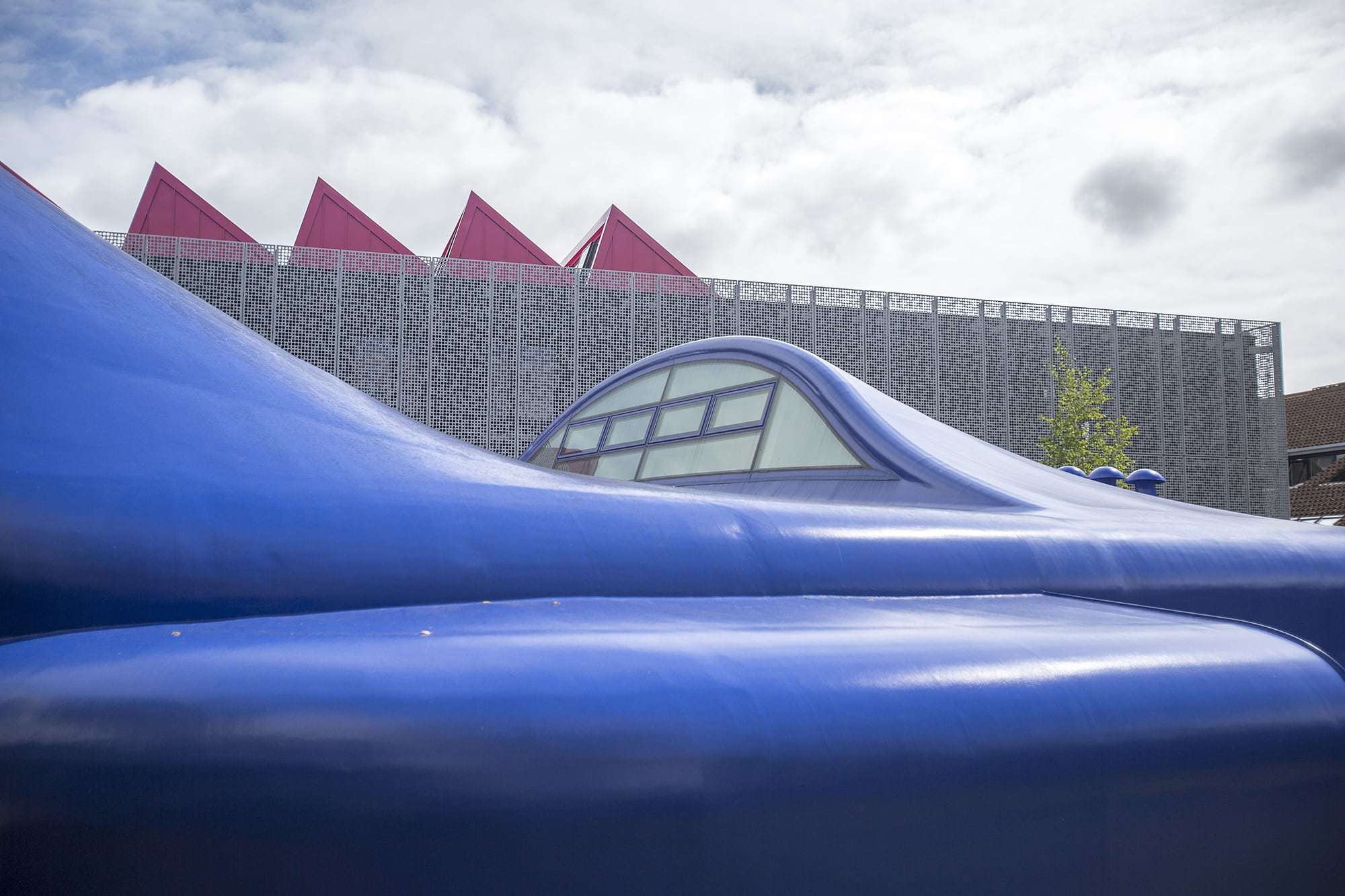
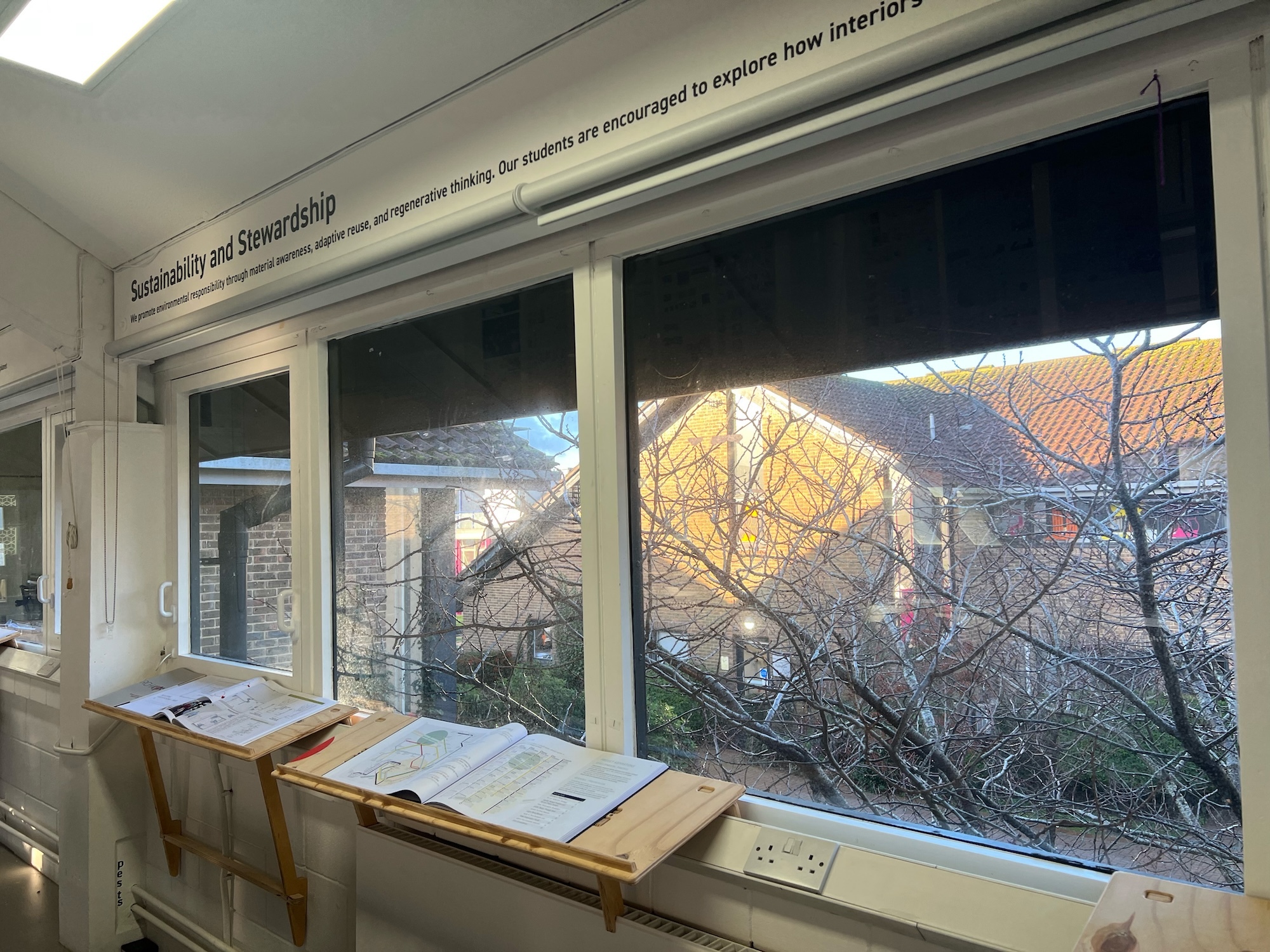
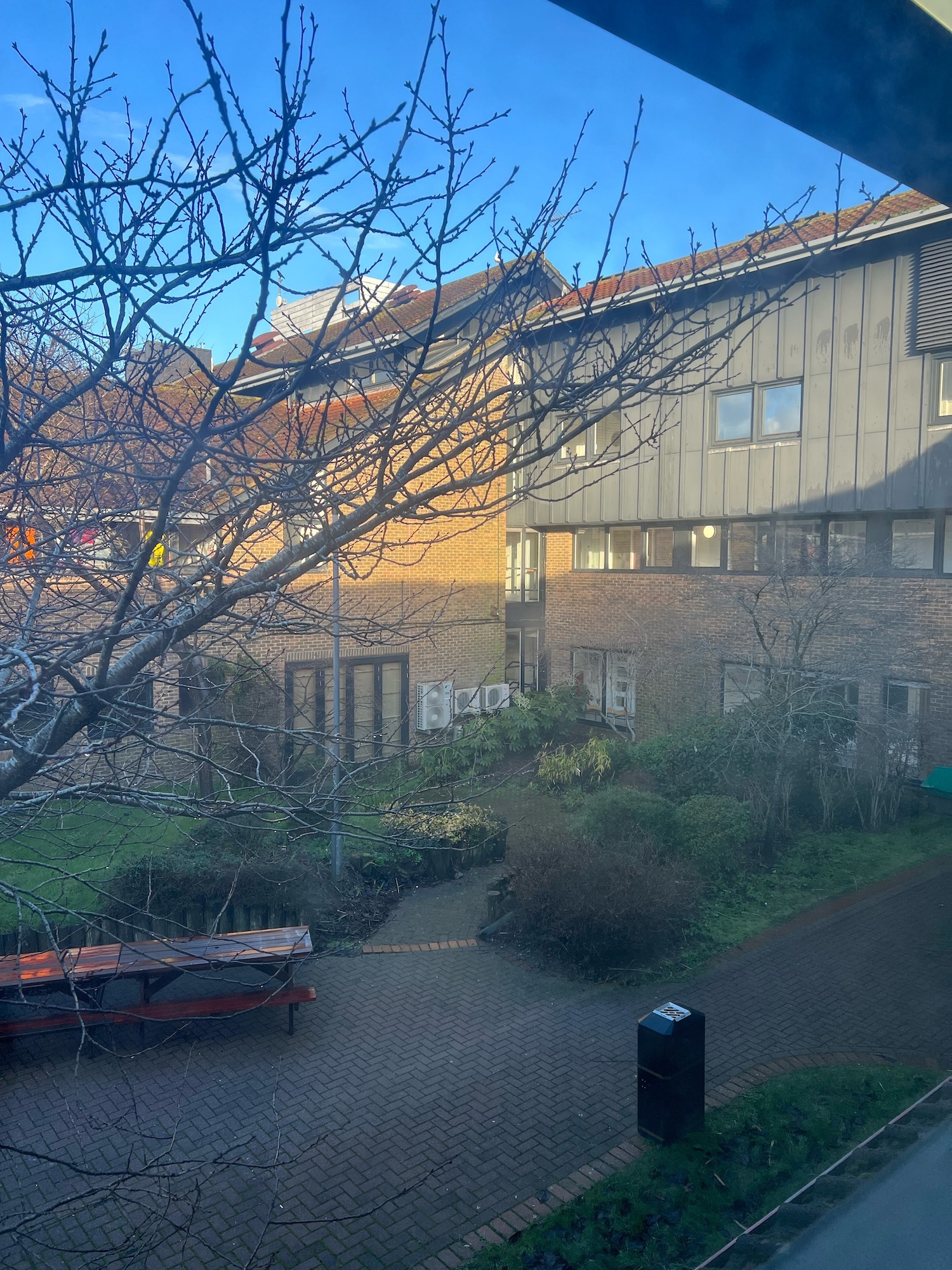
The windows provide views on either side of the space that allow me to take visual breaks, too – and remind me that there is a world outside it! Seeing other creative departments in the North Building from here, and the differing architecture of other facilities on campus, reminds me that part of being an AUB student is collaboration – an important creative skill that can be learned here, even through simply seeing other parts of campus. It can remind us to venture out of what we know and learn from those around us.
As a bonus to studying here, in the spring term just before Easter break, you might be lucky enough to meet the newborn baby seagulls that sit on the roof outside one of the windows in the studio! Sometimes surprises like this, however little, become perks to the academic experience, like when the sun shines through every gap it can find, illuminating the studio even on a winter’s day. Seeing the remnants of a hard day’s work strewn across the tables. Or beginning a conversation with your tutor about how you're doing. It’s not always about work, work, work – sometimes while we’re so focused, we miss the little beauties of everyday life, that still makes its way into the study space. But they’re very much there!
The IAD values
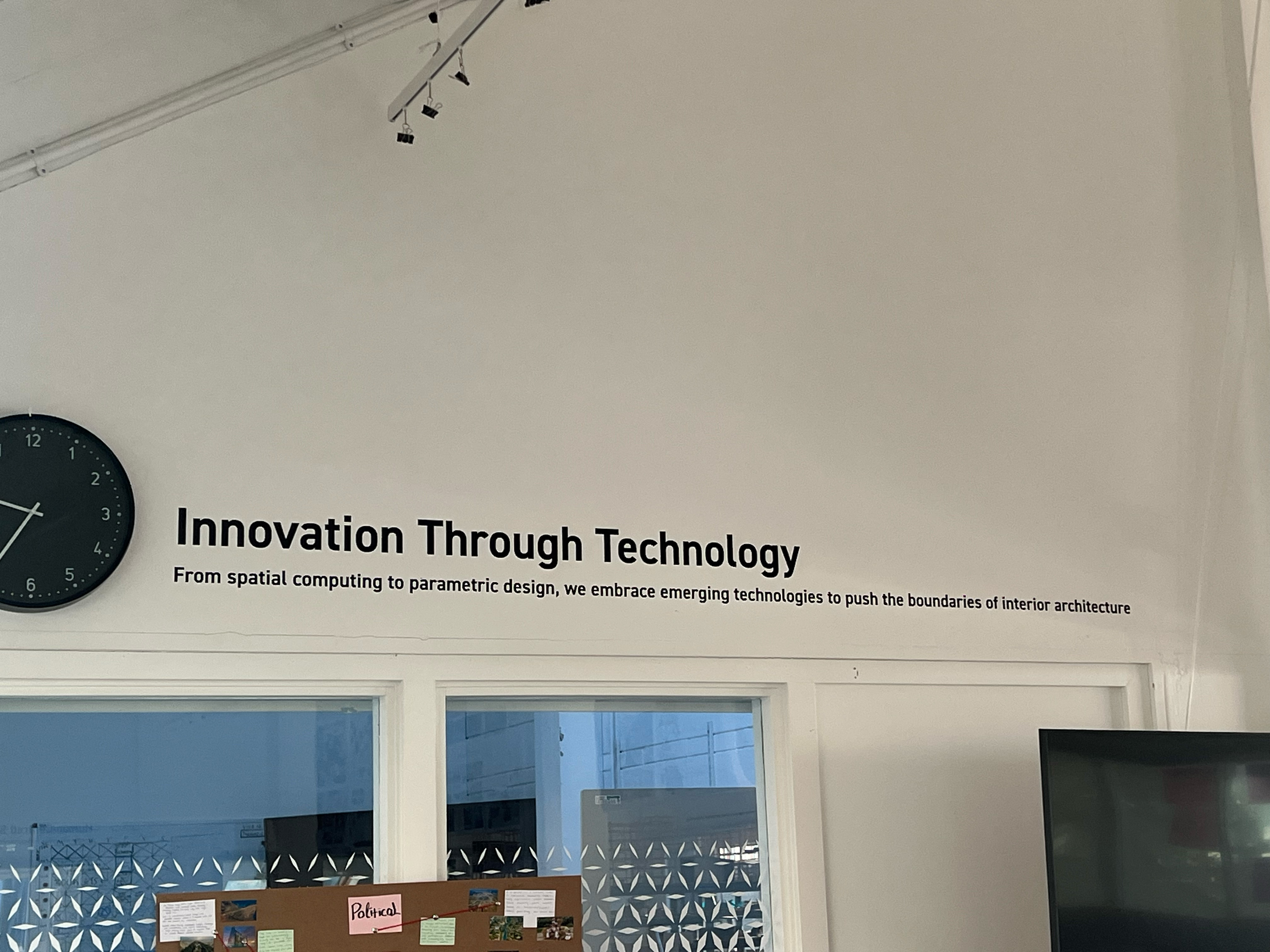
Innovation through technology, ethical and reflective practice… these are just a few of the IAD values you’re likely to see on the walls of our studio. Seeing them and their meanings displayed in a space of working can be gentle reminders about what it means to not just be a student in this discipline, but also a future interior architect or designer, and what qualities would make us so good at what we do.

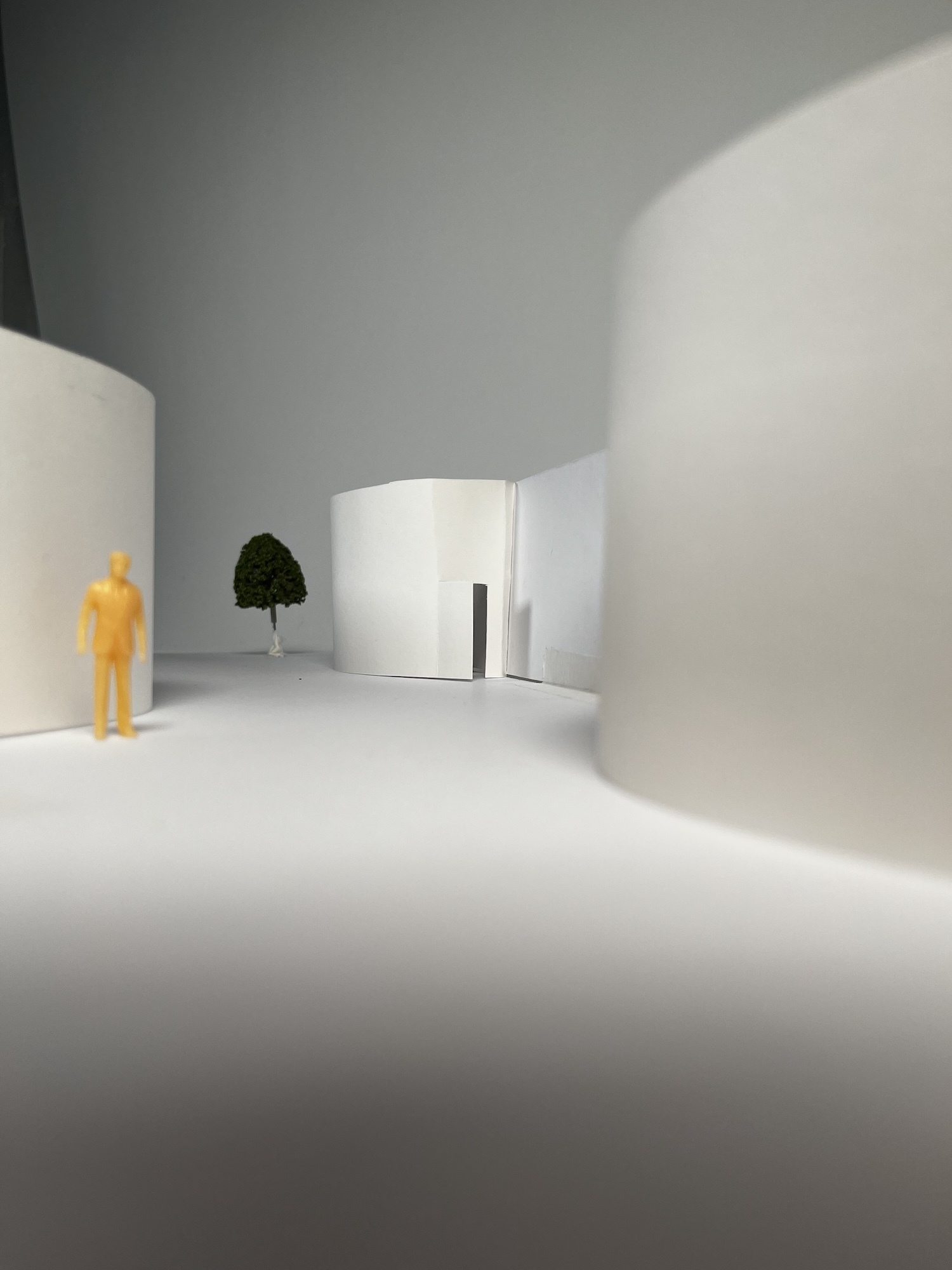
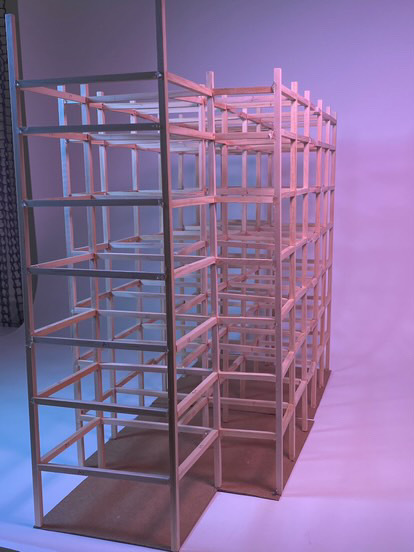
The photography space
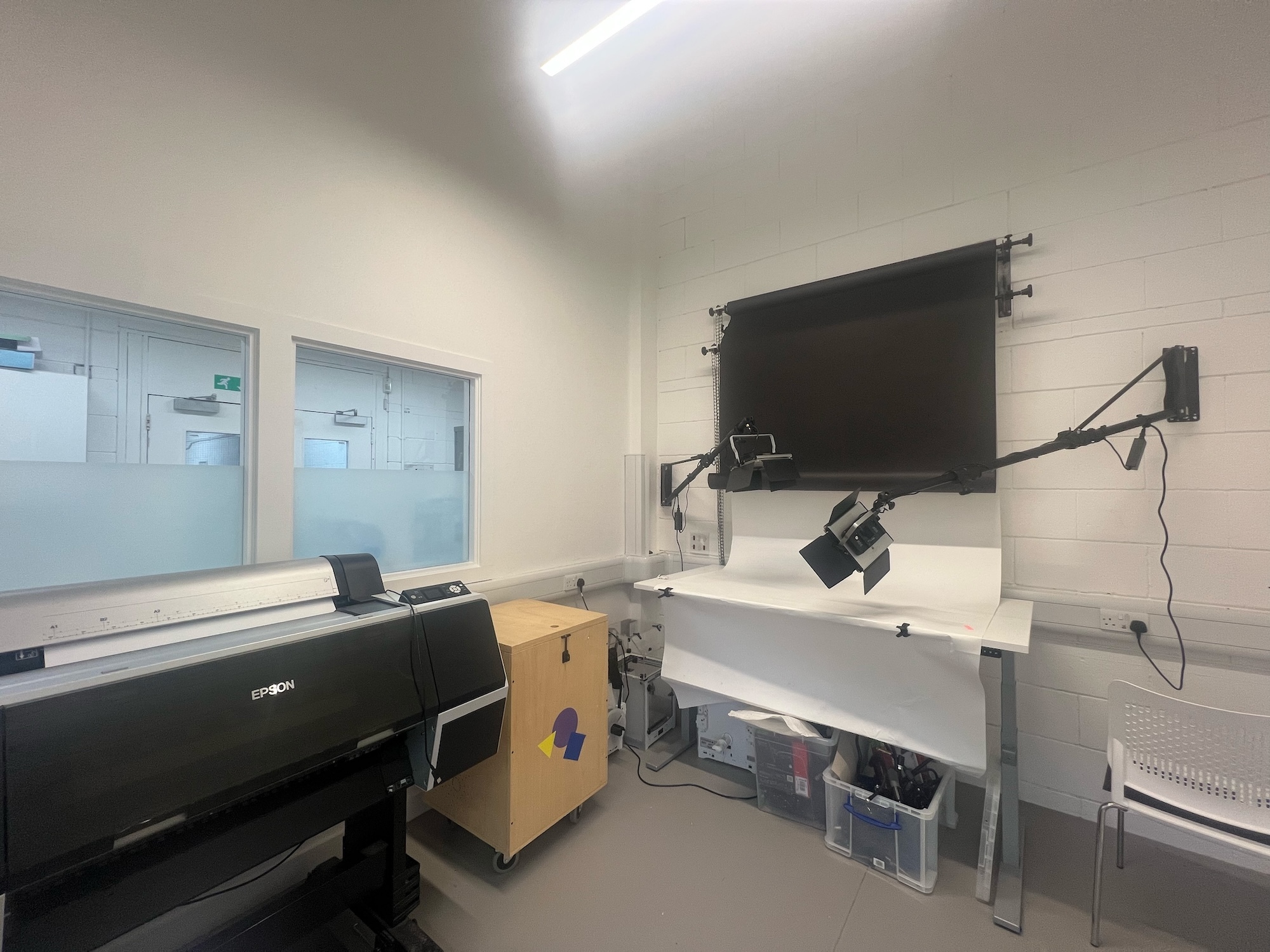
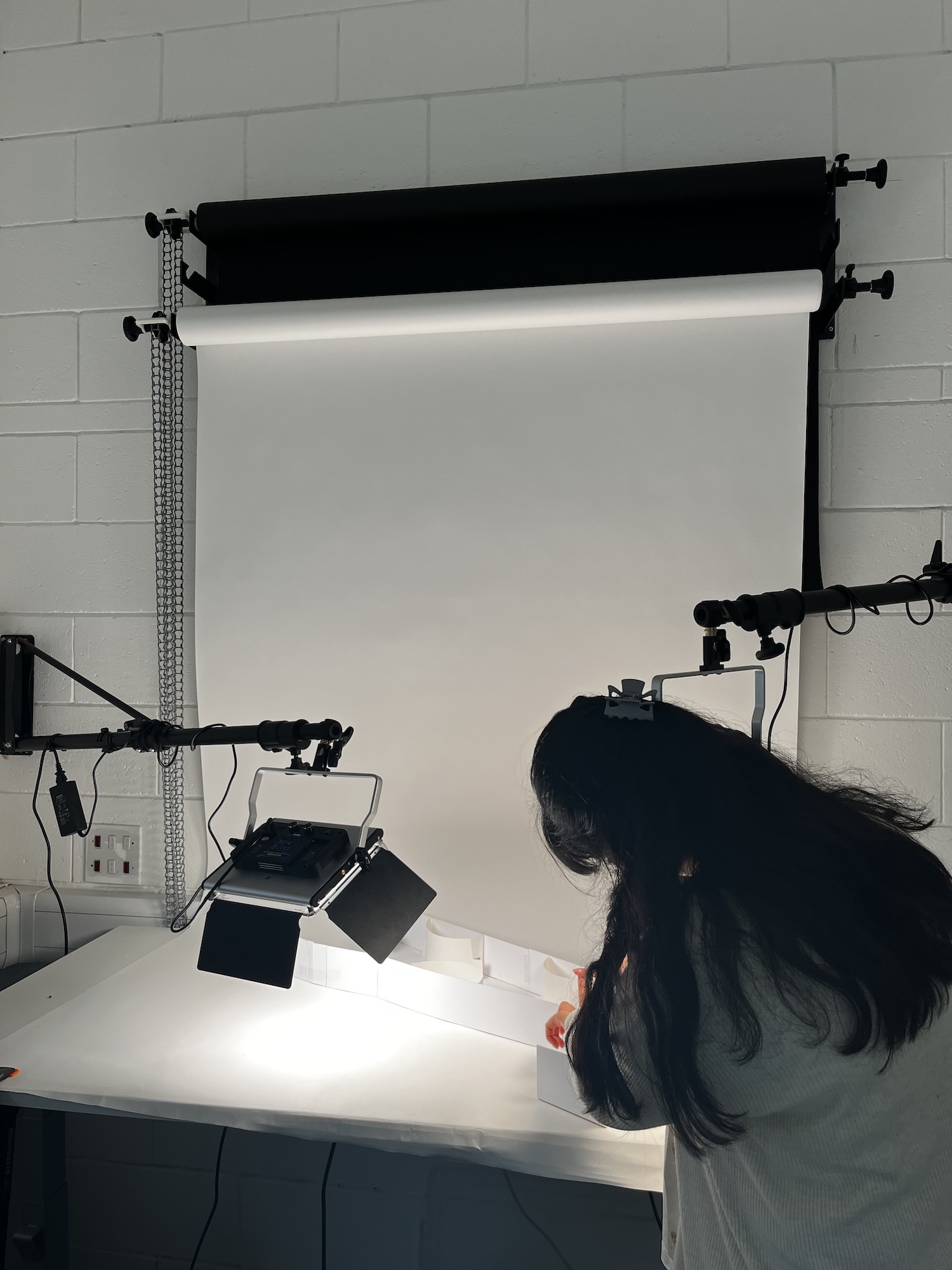
This space may be small, but it is mighty in capability. The possibilities are vast here for photographing models in scale, using lights, different colours, and angles to take photos as if you’re in the model itself. Whatever style you prefer, this space is great for taking shots for your portfolios that capture the best of your work.
The breakout study space
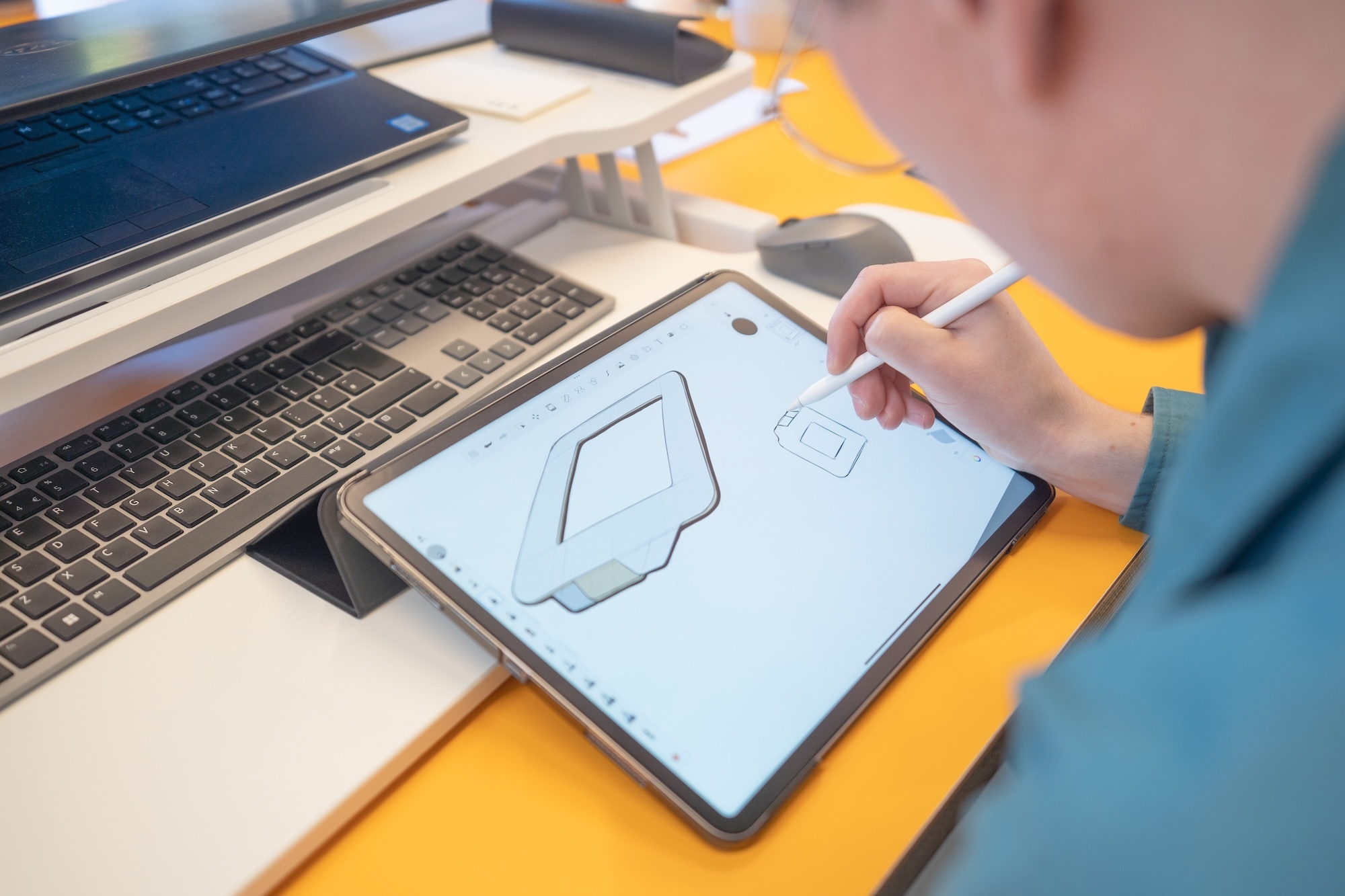
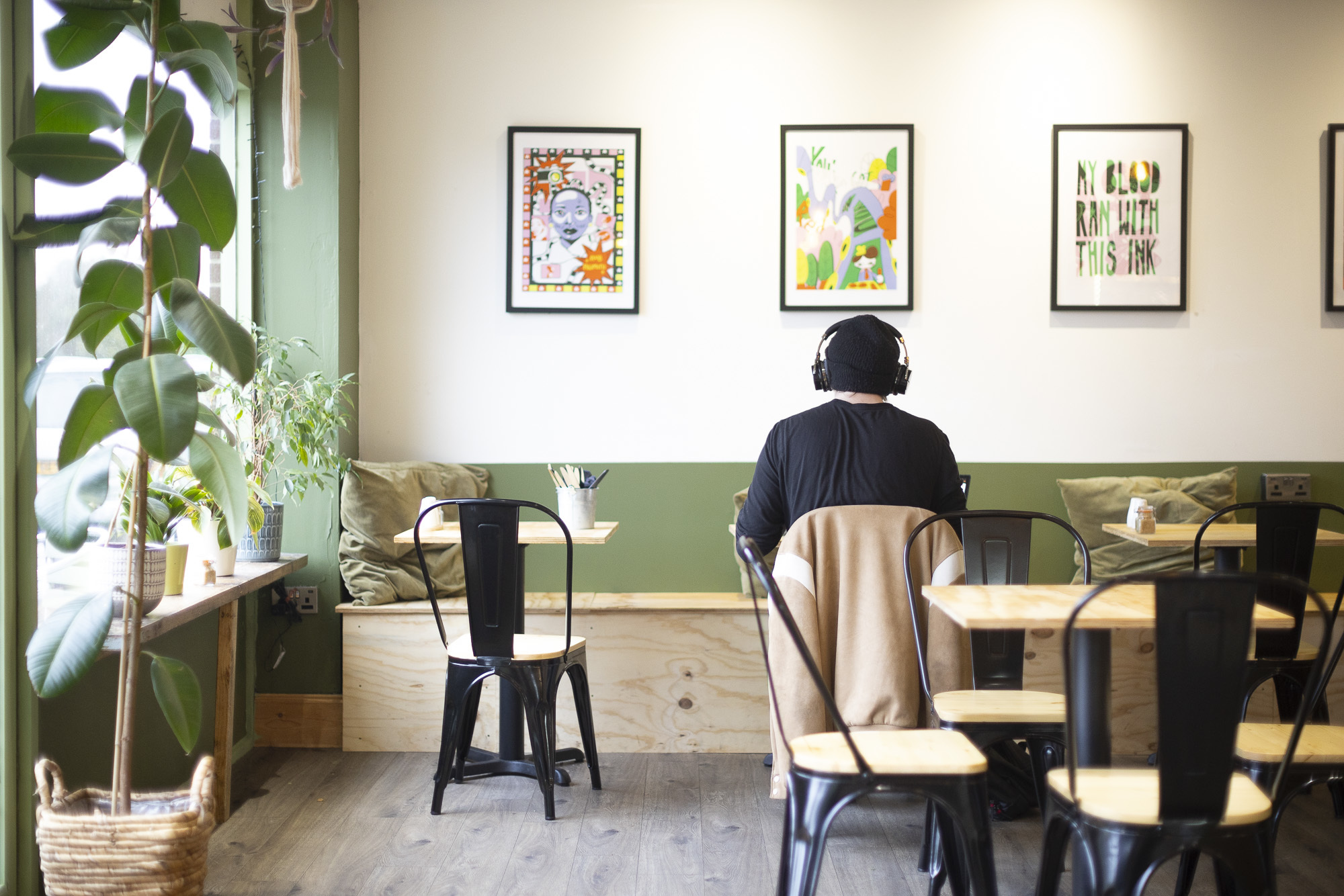
If you're looking for a space that is quieter, but not completely secluded from class, look no further than the Student Office, a breakout study space for group work and individual independent study. I often use this space with my friends to work on group research or just to chill in between classes. The whiteboards are useful to write ideas, as well as several adjustable height desks, Wacom tablets for sketching, and a TV for presenting ideas. It’s a really useful space to have, regardless of your intentions within it.
The computer suite
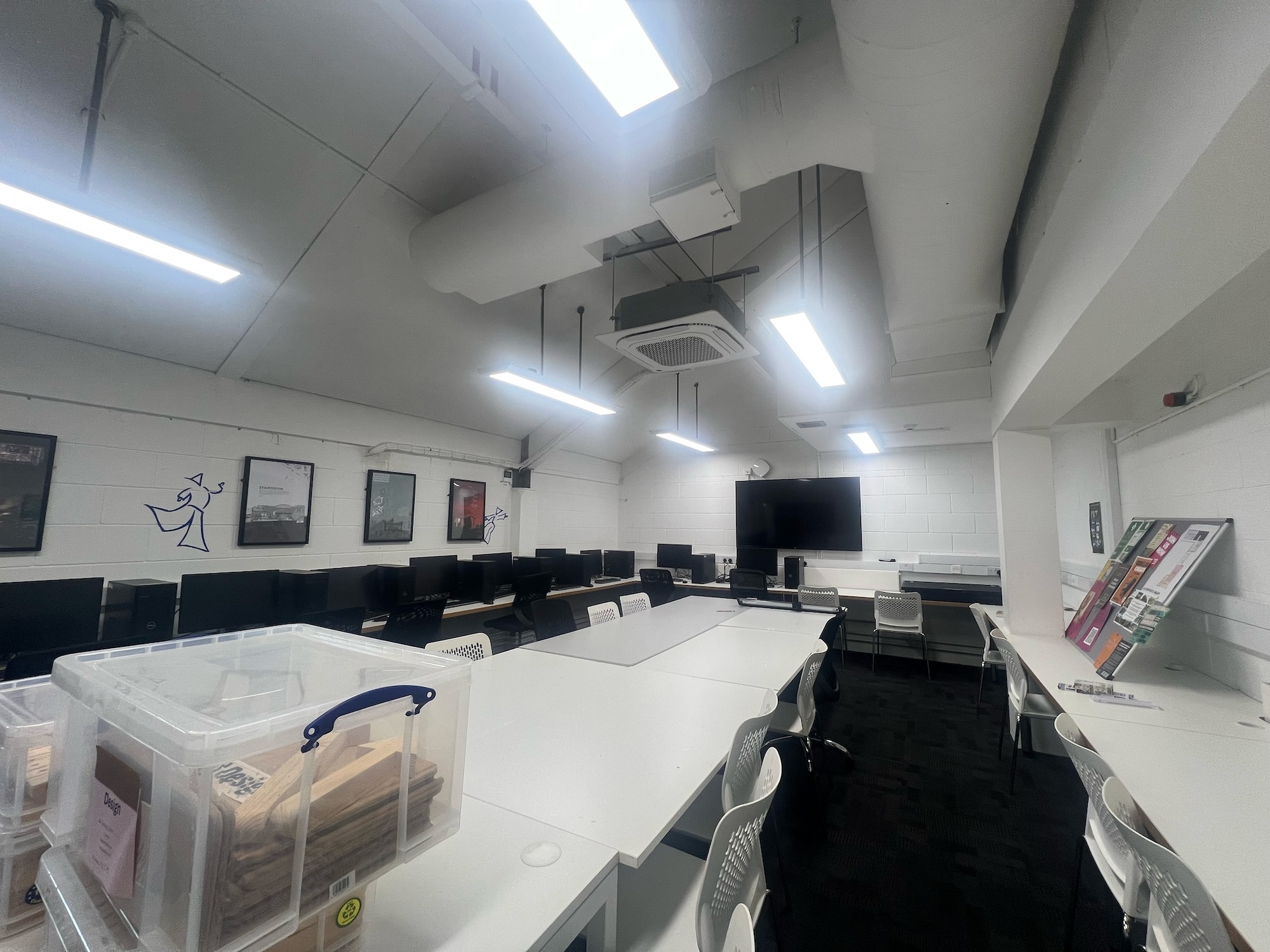
While it is smaller than the one we share with BA (Hons) Architecture, the interior architecture computer suite is really crucial to have for another focused computer space in the department. It’s near the printer, useful for printing pin-ups, floor plans and concept boards. I will probably be making use of the A1 paper scanner in there soon too, which is great for those larger printouts needed to fully capture the detailed visuals we create, and models we photograph.
One final detail that I really love about this space, and what makes it unique to most computer suites out there, is the posters around the walls, just a glance away from the screen, that show design inspirations and different styles of rendering and presenting our work, yet another reminder of the incredible things we can create from our skills learned at AUB.
The journey isn’t over quite yet – in fact, it has only just begun. Wherever you call headquarters on your course, for mine, the IAD Studio is right where I want to be when I want to learn, and a place I’d be proud to say I began my journey as a designer.
It’s full of inspiration, if you know where to look, and letting the creative mind traverse the way it was meant to – freely in a space that encourages it to flourish!