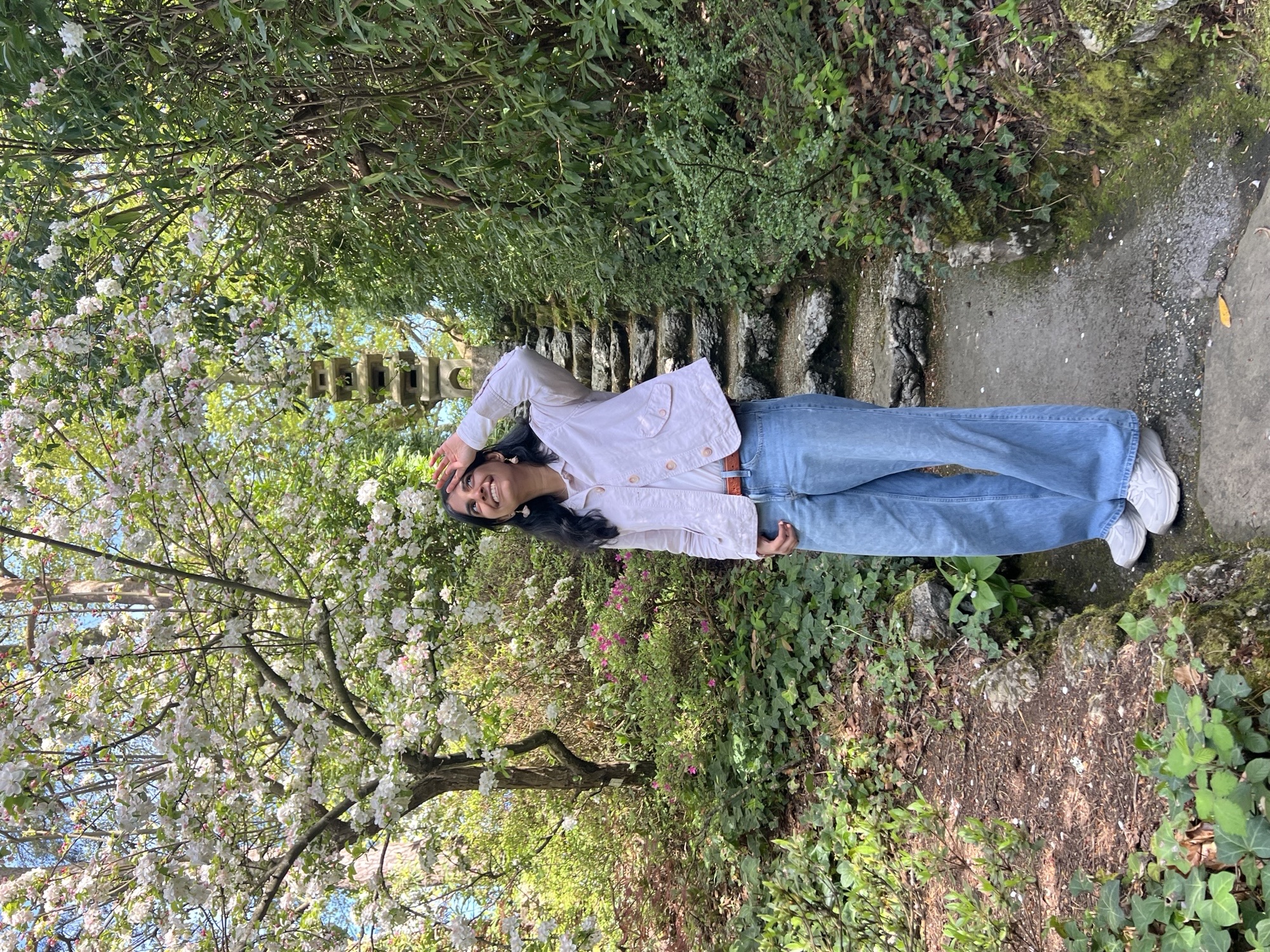







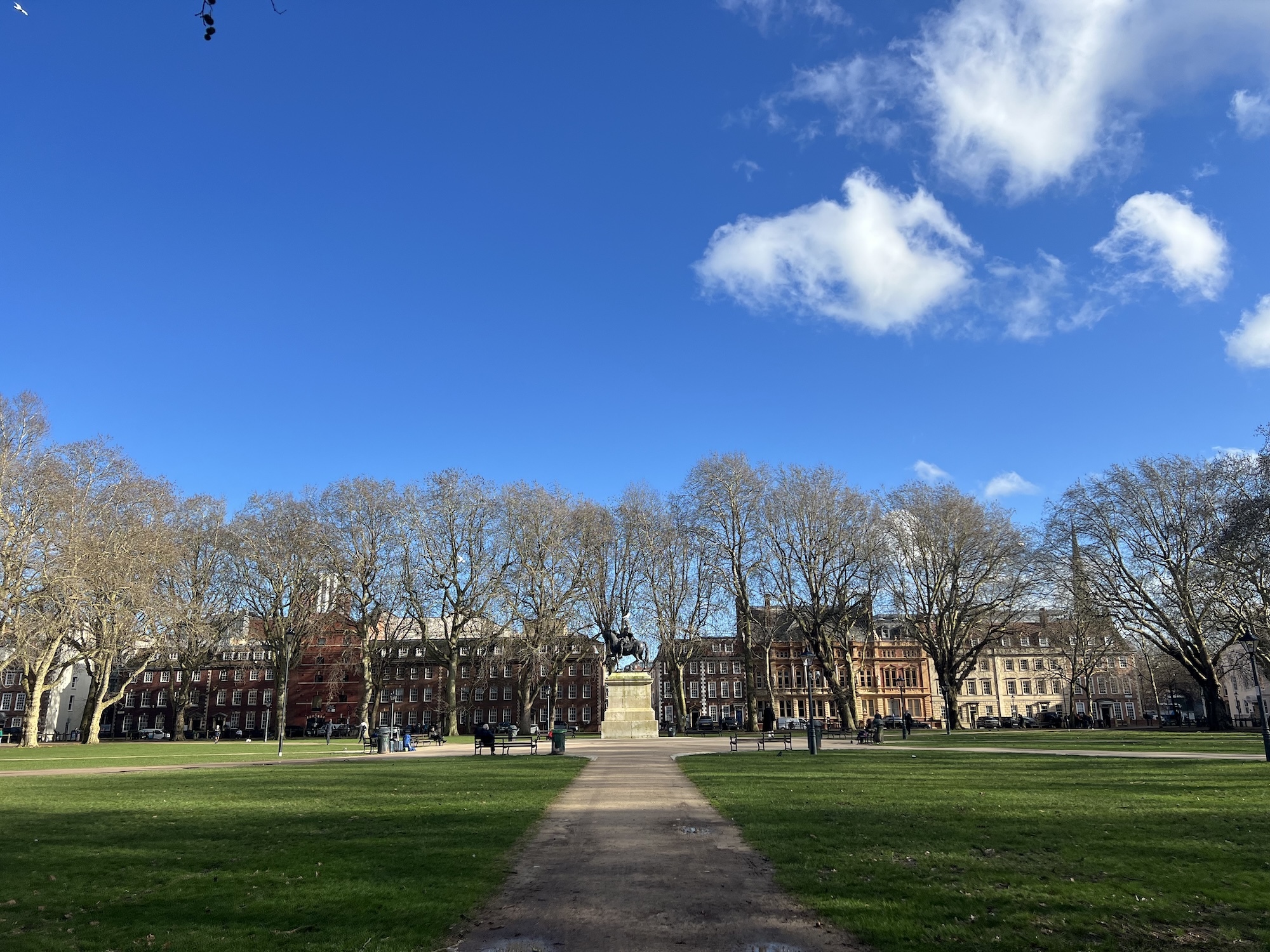
Solo travel is something I’ve not had many opportunities to do, mainly because of how daunting it felt to do it alone. However, on a course trip to Bristol this week, I had the incredible chance to rewrite this belief.
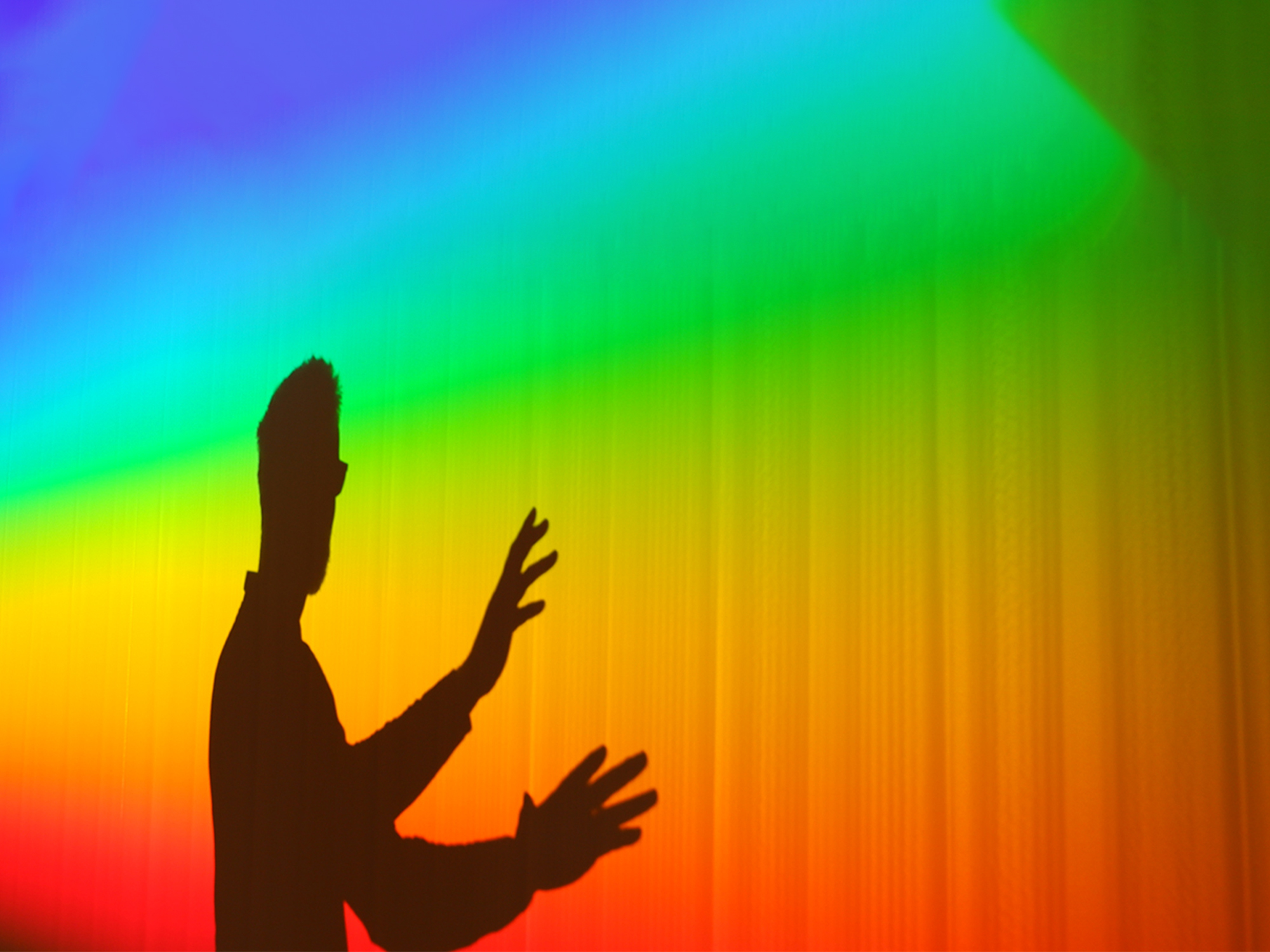
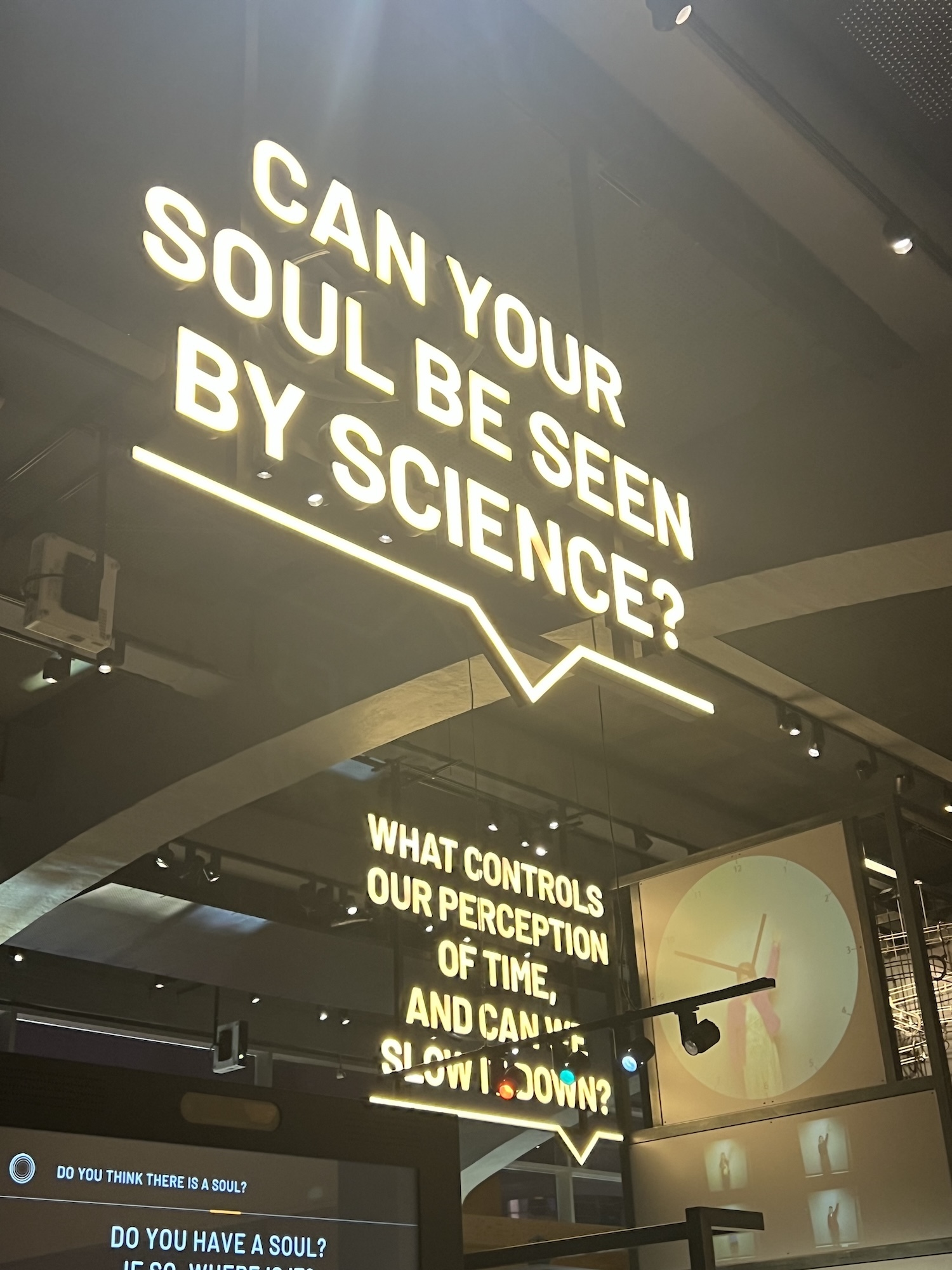
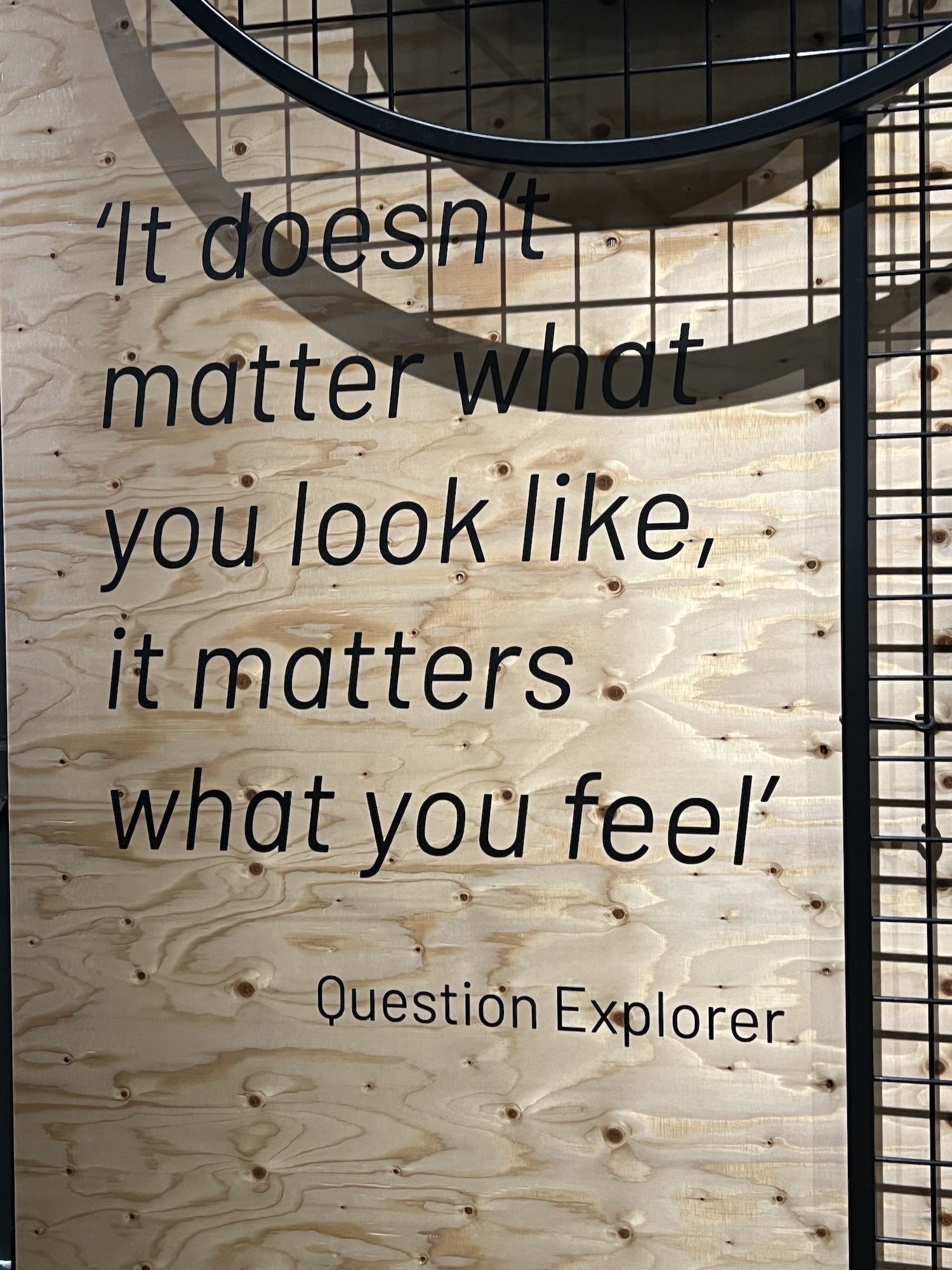
The BA (Hons) Interior Architecture and Design course had the chance to visit the famous We The Curious science museum, which surprised me with how invested I became in it. There were several questions the museum sought to answer in its space – unlike most dreary museums, that simply display artefacts and plaques with text that’s too small to read. Questions such as ‘can your soul be seen by science?’ and ‘what controls our perception of time, and can we slow it down?’ made the museum immersive for adults, as well as children, encouraging visitors to question and ponder greater things.
People often think that you can’t really have as much fun without friends – in my experience, it was so much more gratifying to go it alone. As a deep rooted and proud introvert, who admittedly recognised the tight-knit groups around me, I was able to explore the streets of Bristol and wander intuitively down every winding path that intrigued me, without the inevitable tug of a group wanting to do a myriad of things at once, the stress of negotiating each choice, and at times, neglecting what you were longing to do for the sake of the masses. I may be cynically romanticising just a bit, and many perspectives say that friends can bring benefits to a trip such as this. But to that I pose the question – if you can’t find true happiness in being alone, how can you find peace in yourself?
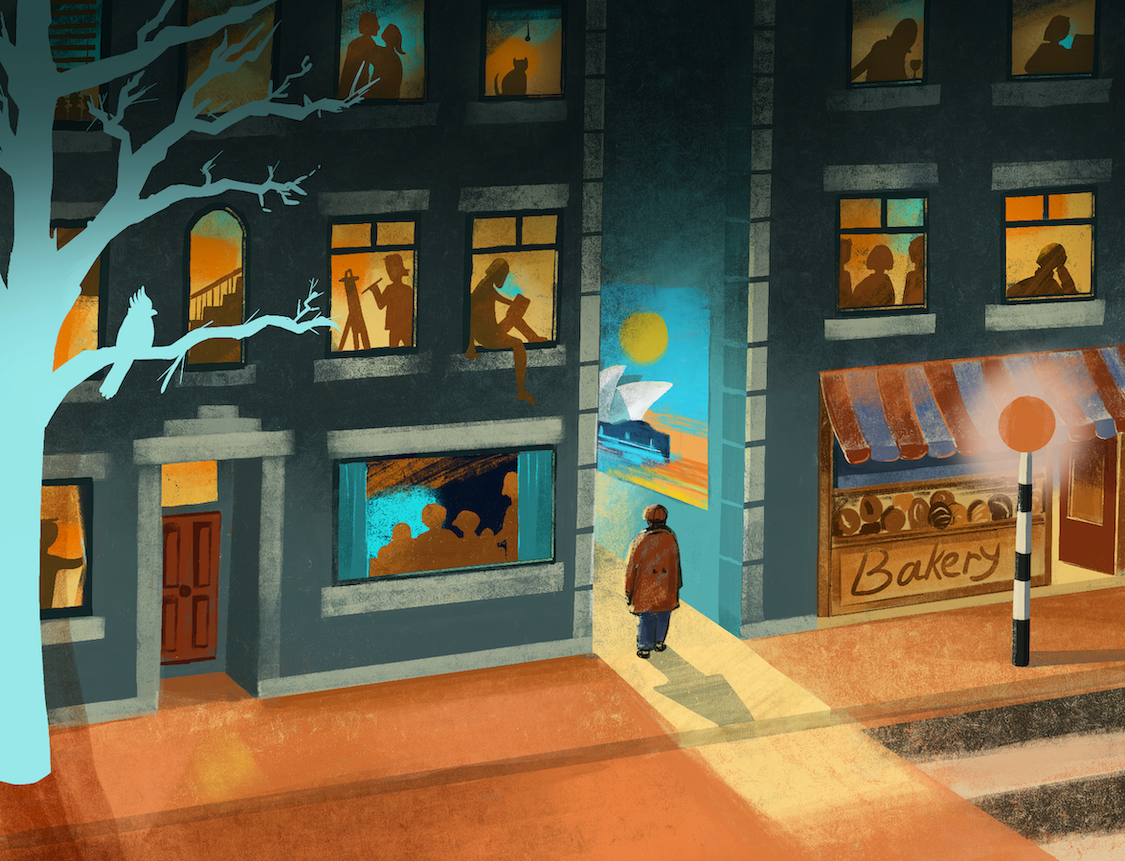
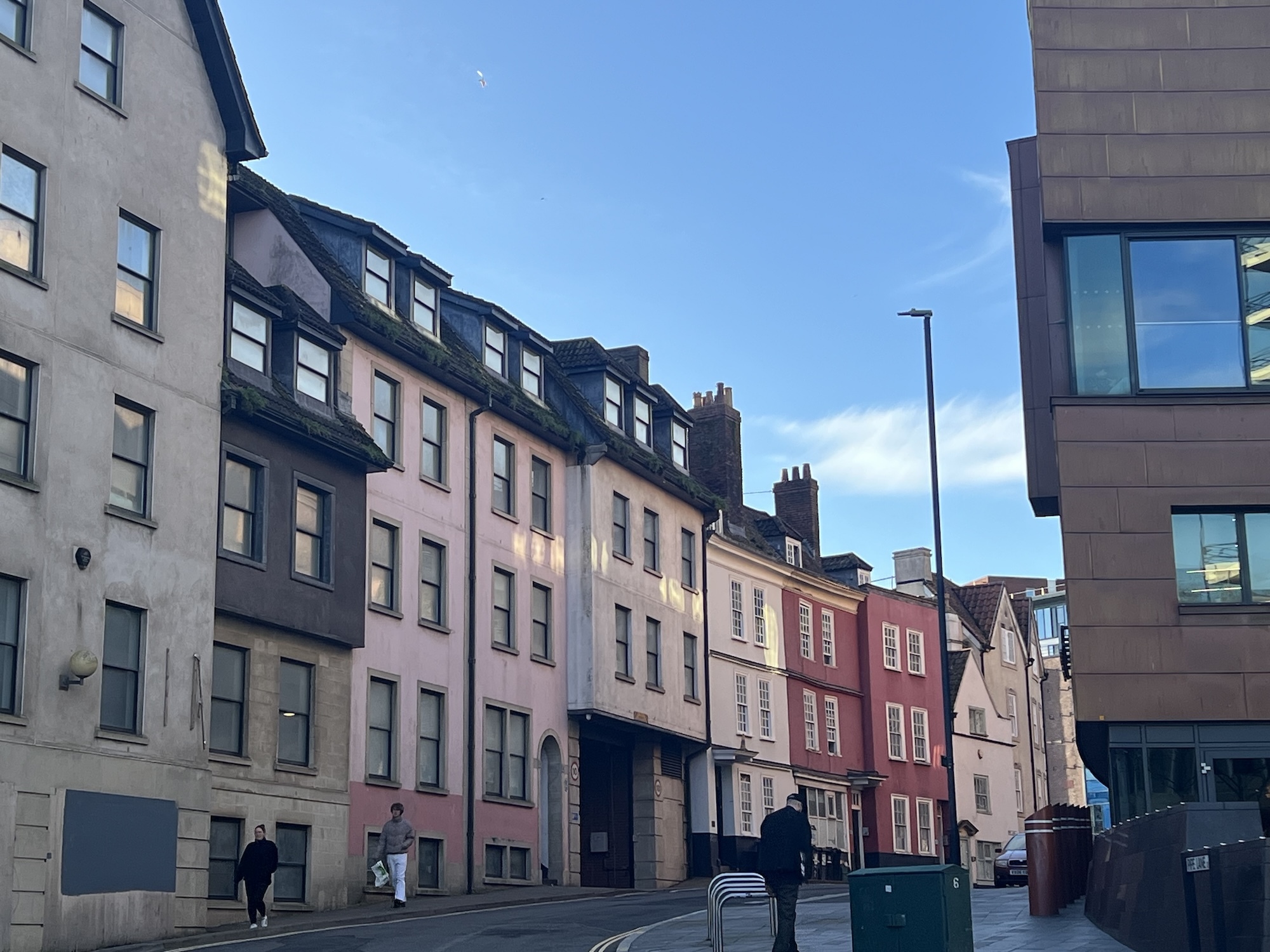
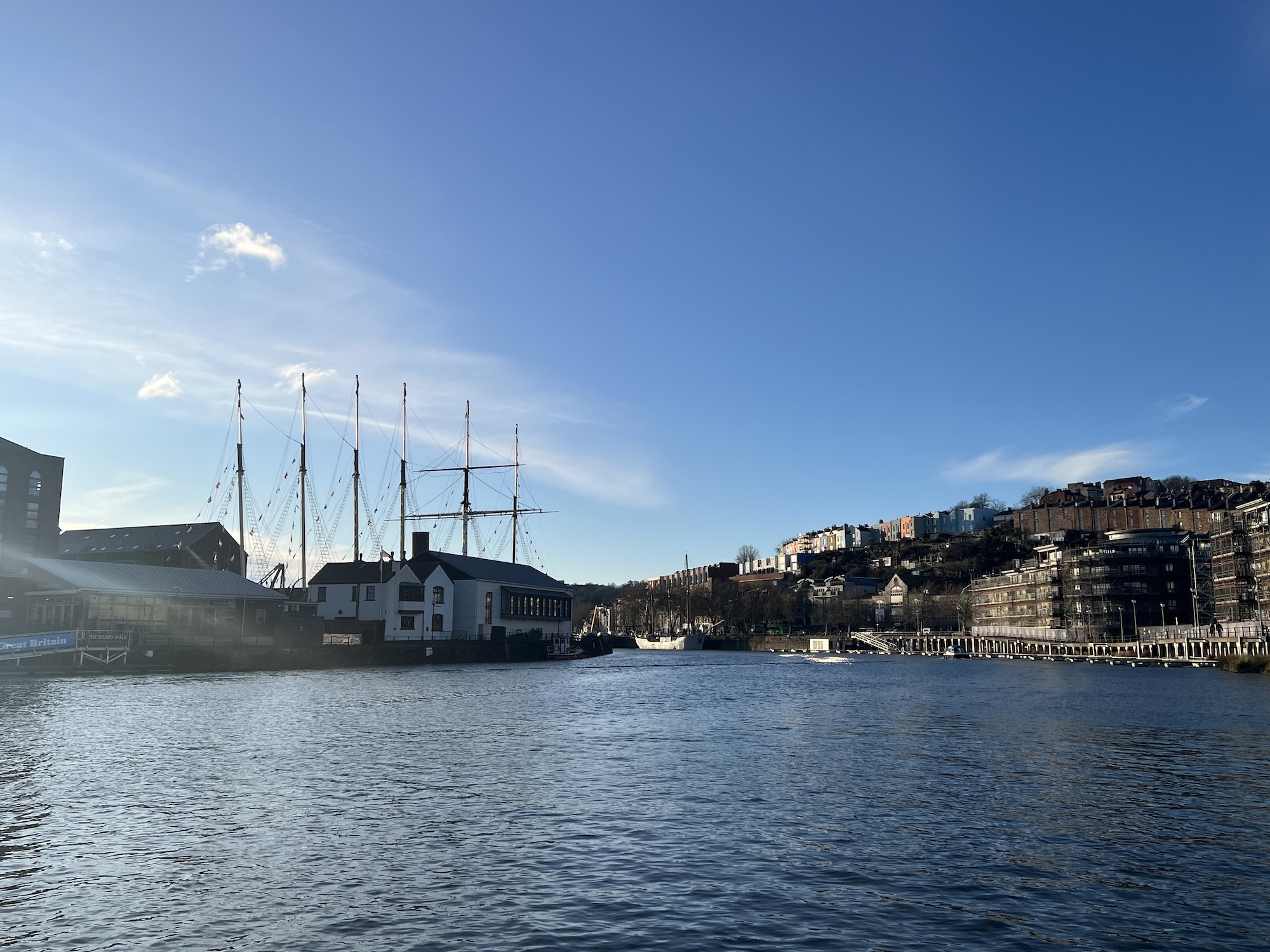
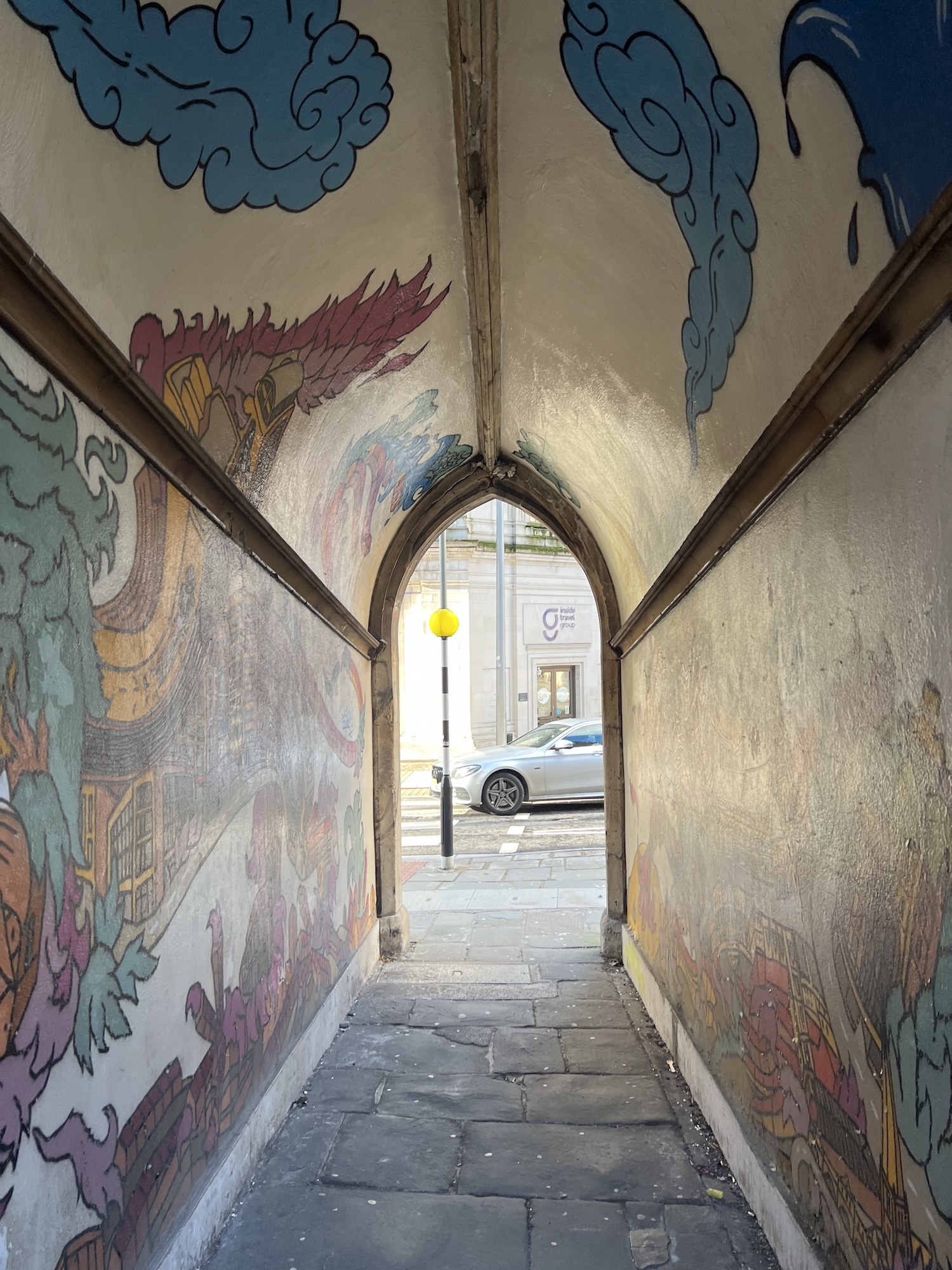
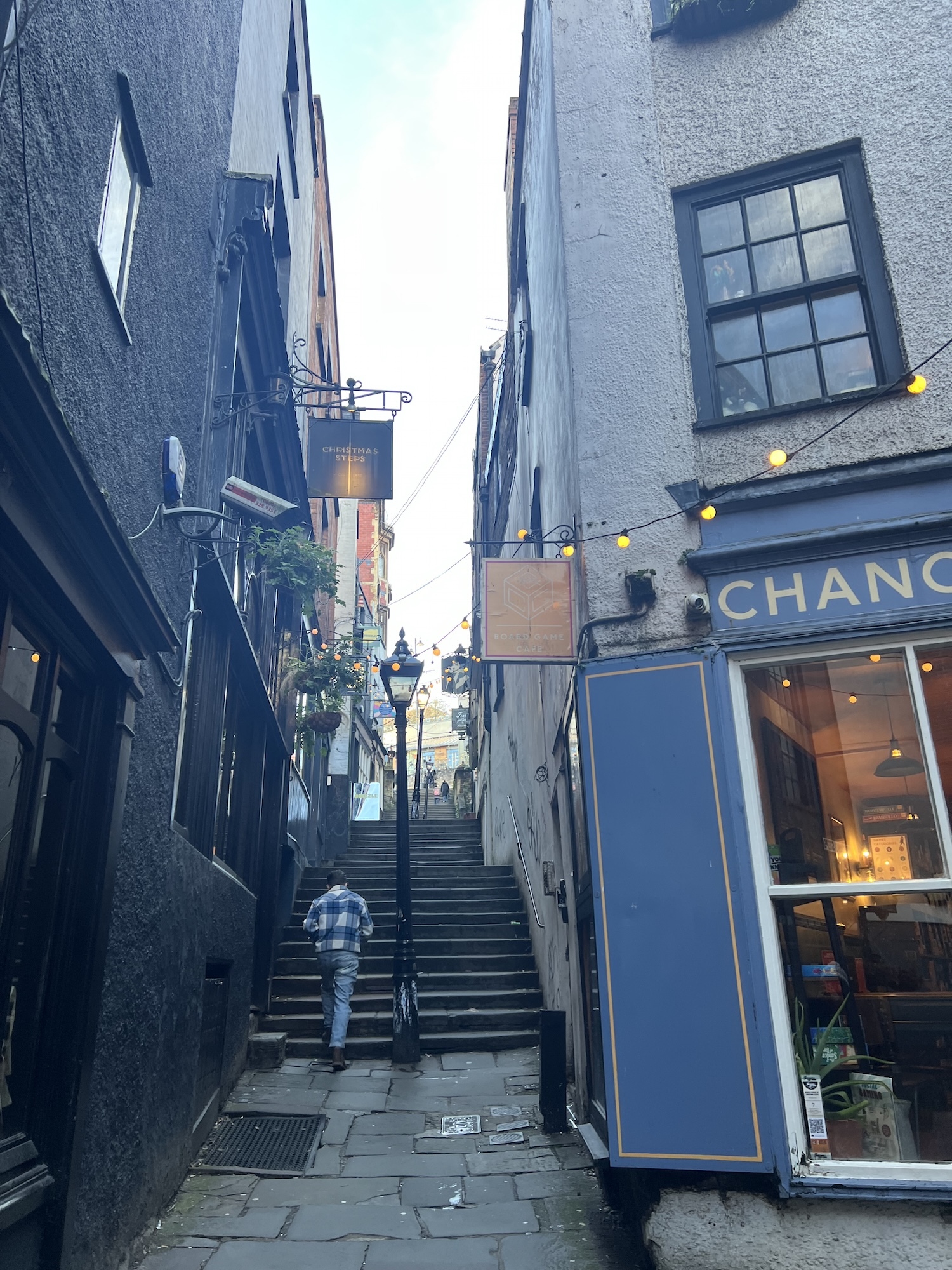
That was the very thing I discovered from spending hours exploring solo. The nagging social demand for constant connection went silent. I could finally look around me, and be seen, and witness the life buzzing in my periphery. I was able to appreciate the sonder depth of psychological nuance in the lives of each passer-by, people watching from the eyes of someone who has never truly been able to pay attention. And relevant to my course, I began to notice each architectural specialty in every building I passed or wove through. Paintings in medieval alleyways, Banksy’s art, as well as carvings, plaques, and spires. Observing it, undisturbed, as if each building was witnessing everything just like I was, felt freeing. There was clarity in my experience, being fully immersed in the city sounds, the street food aroma changing as I walked, the glisten of the harbour. That clarity is true presence. Being able to embody the surroundings without being lost in thought or ‘what if’s’, and in societal drama, and instead exploring like a child. Not assuming. Not judging. Just being present.
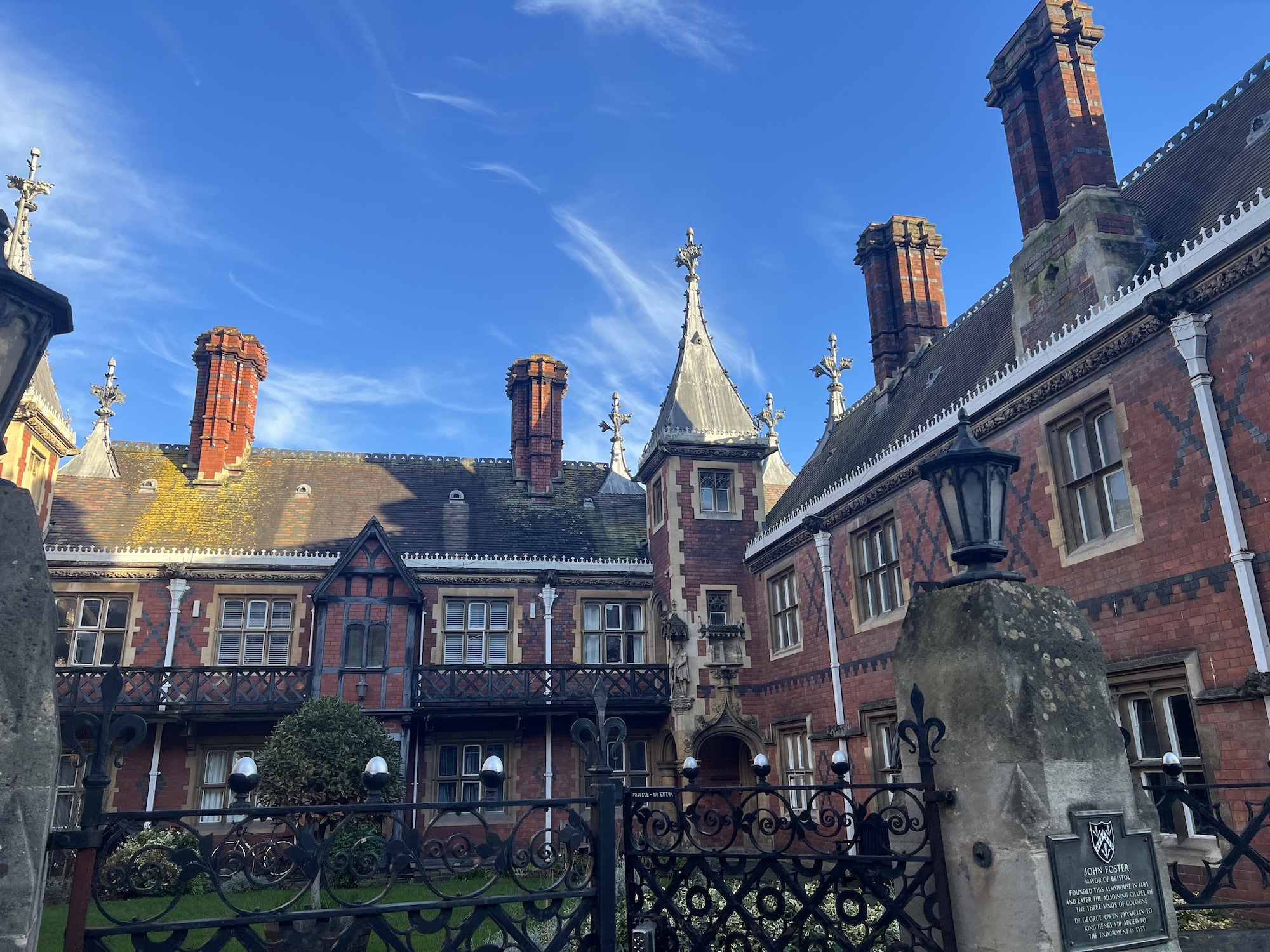
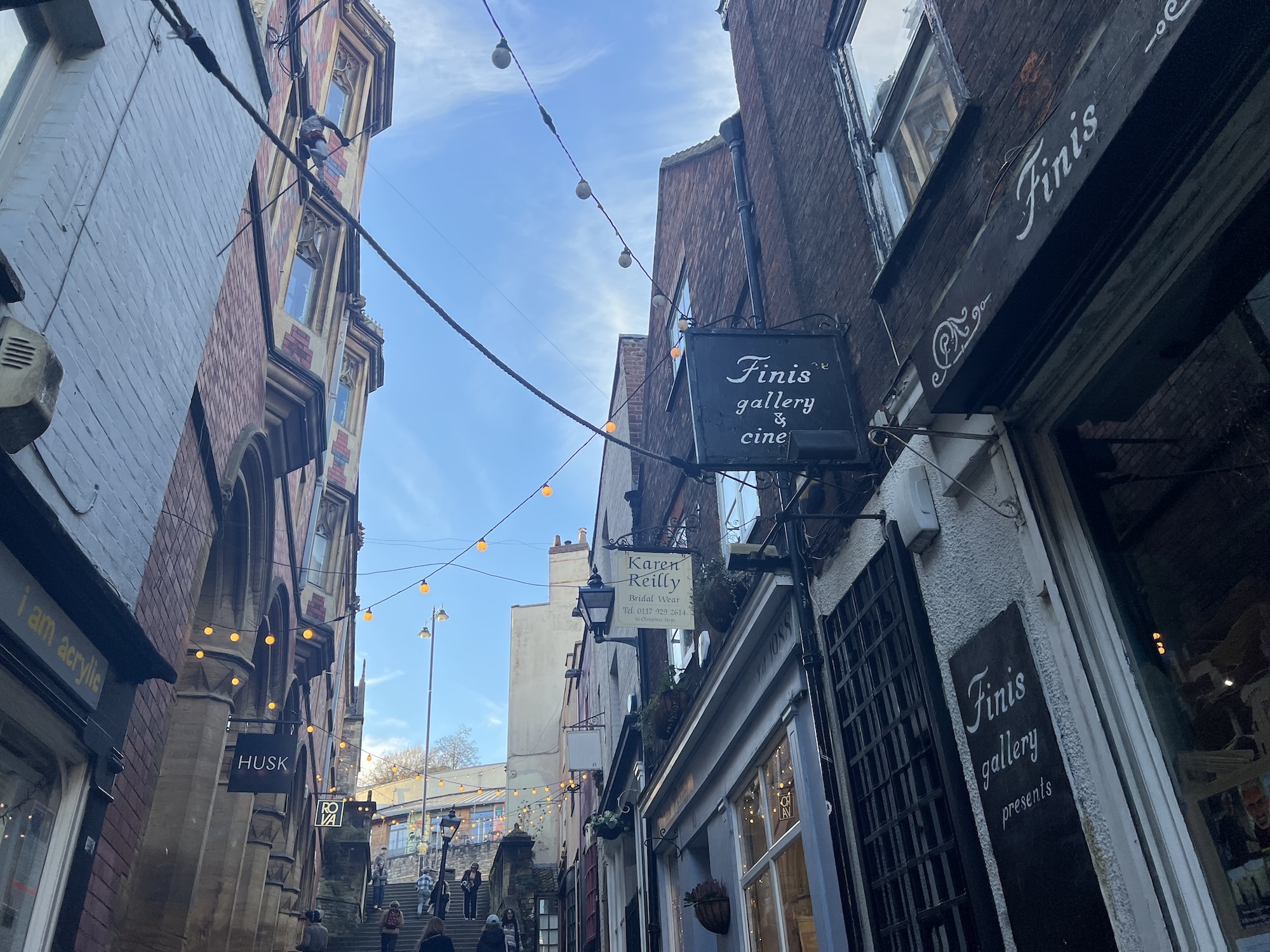
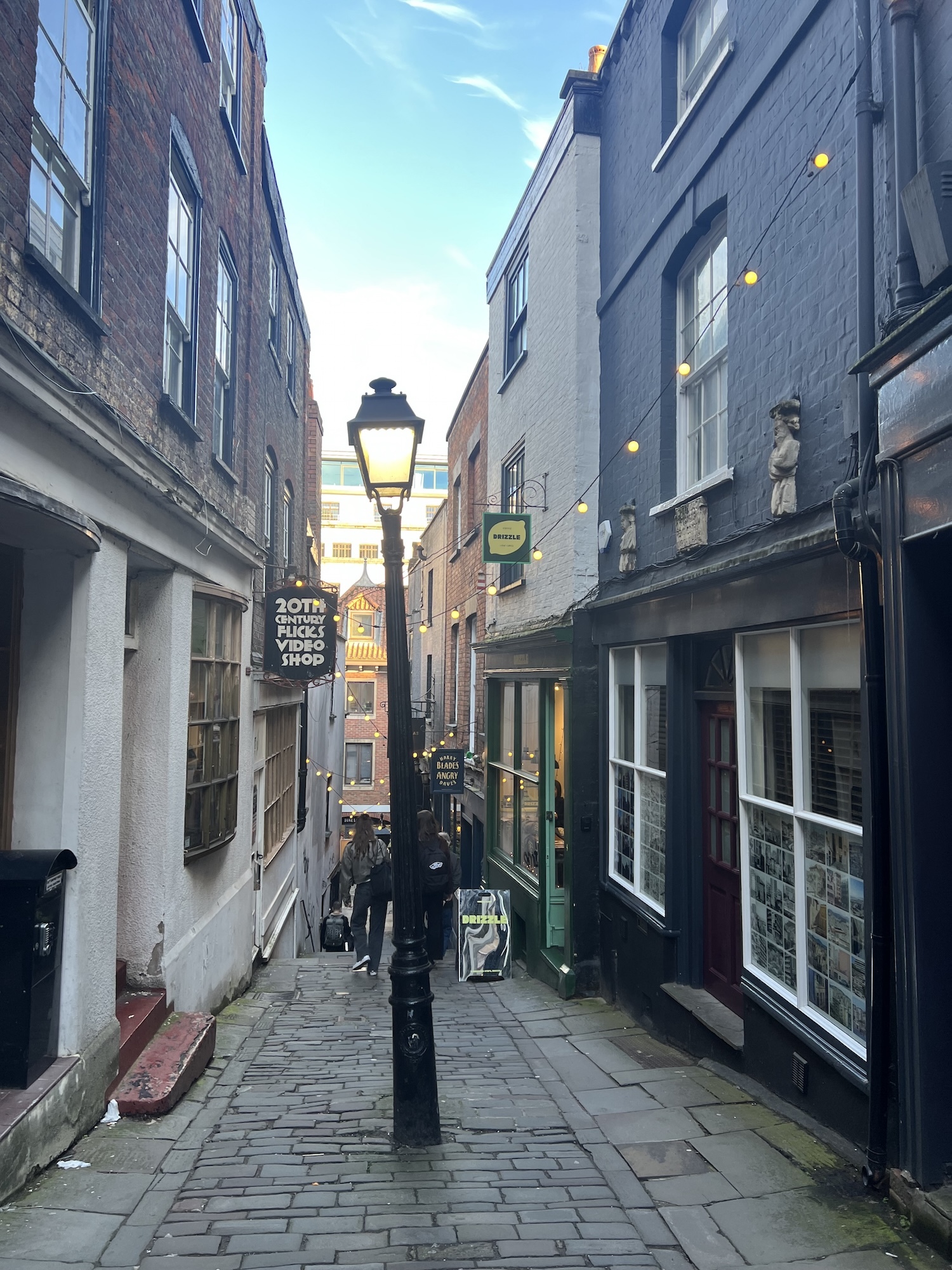
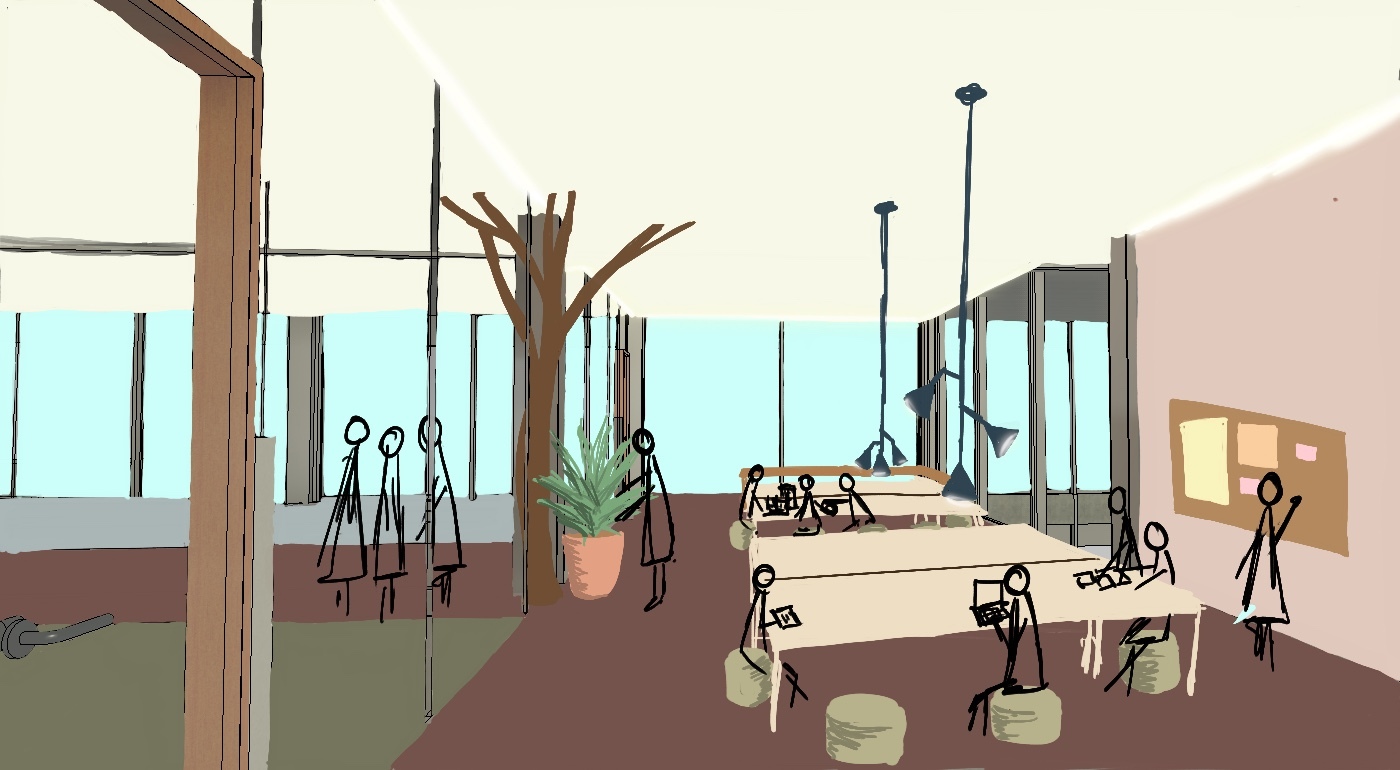
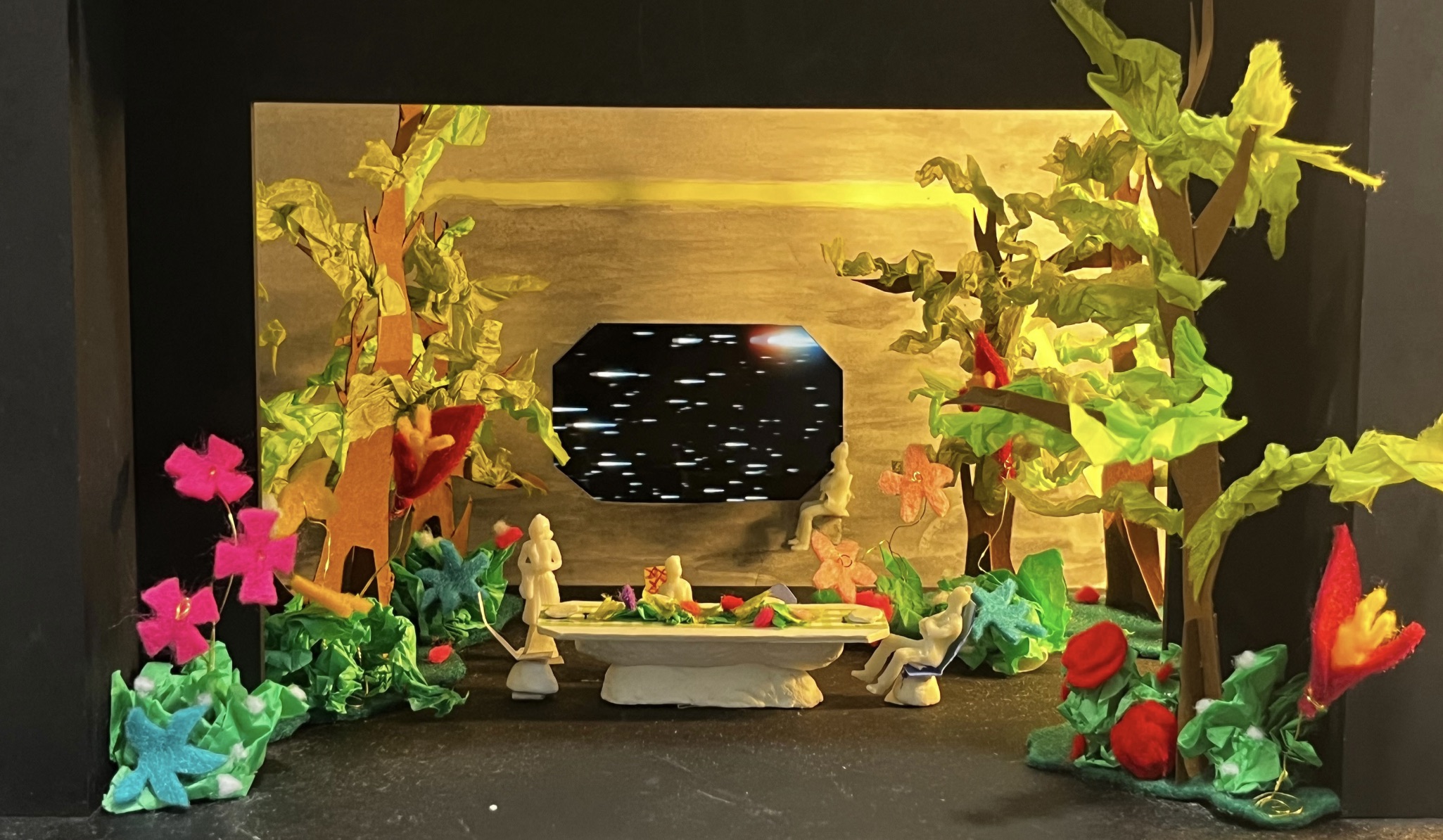
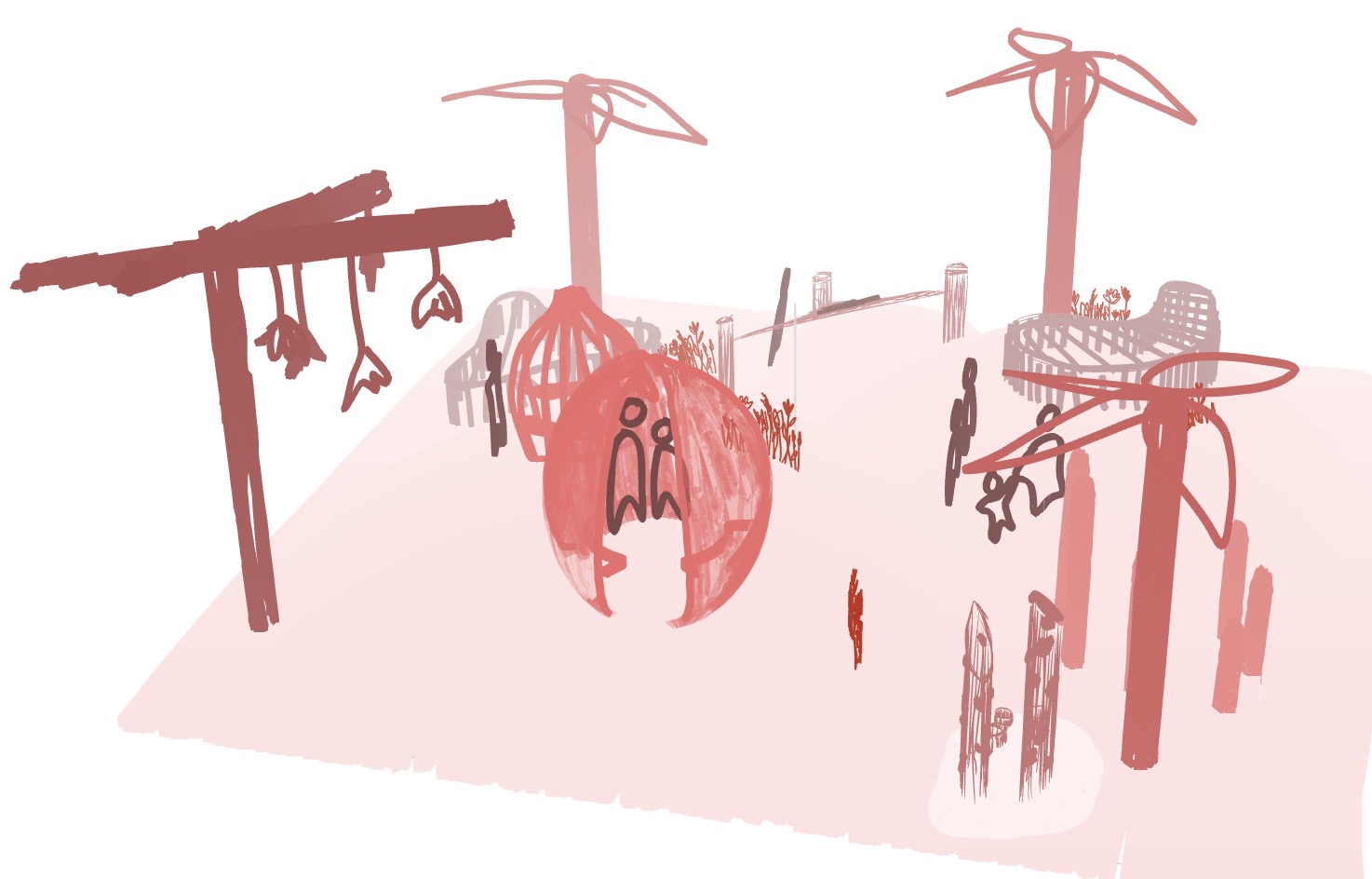
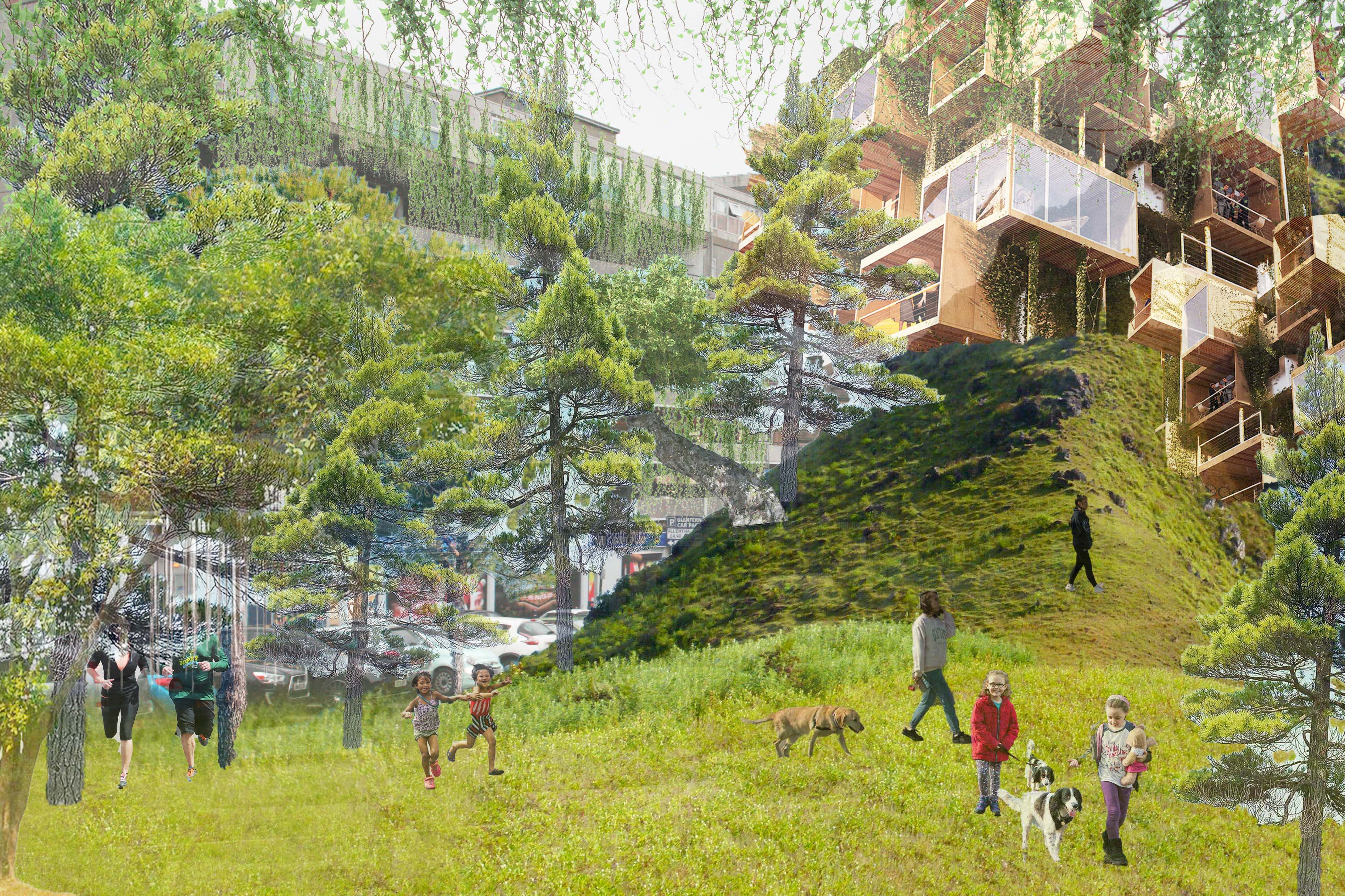
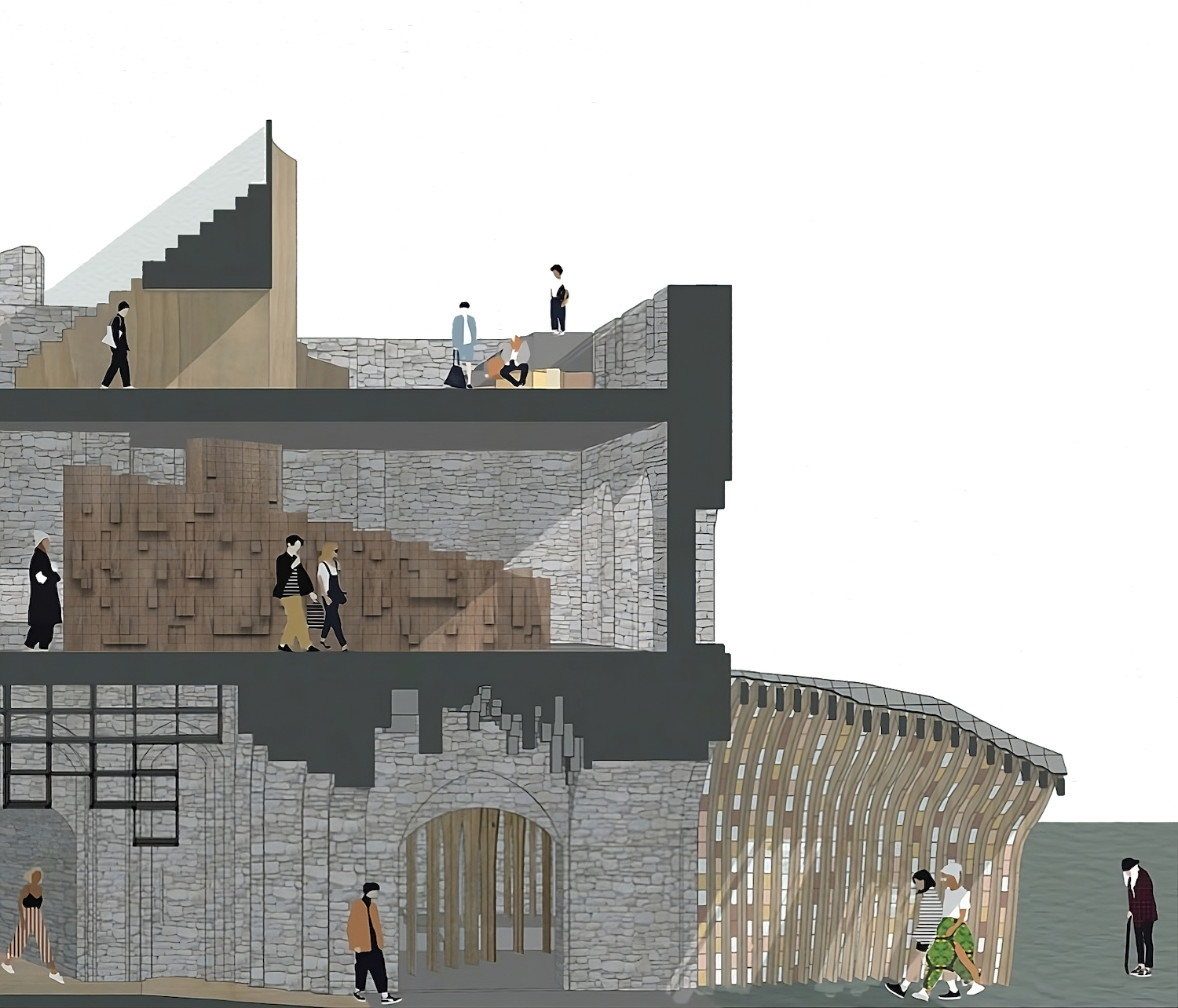
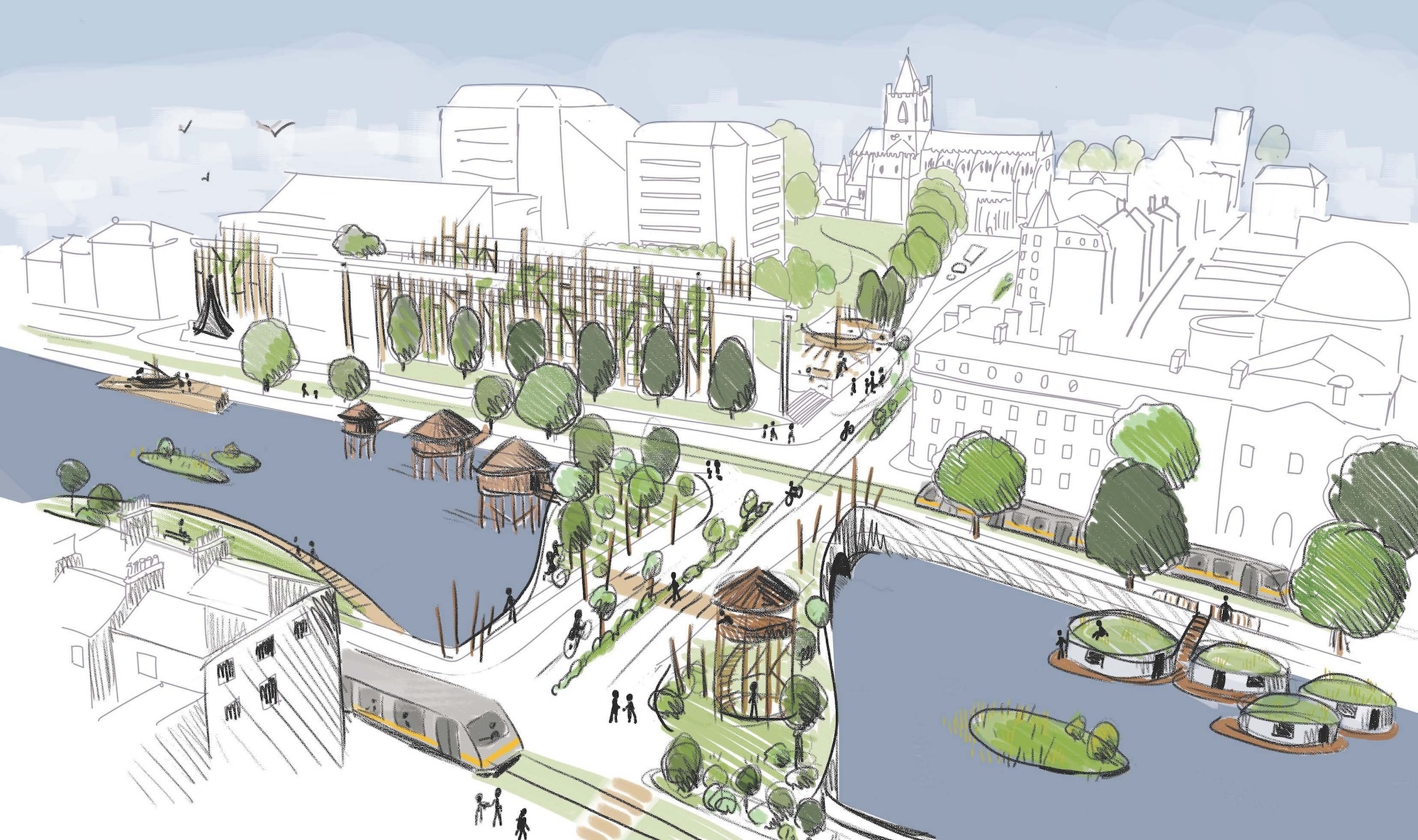
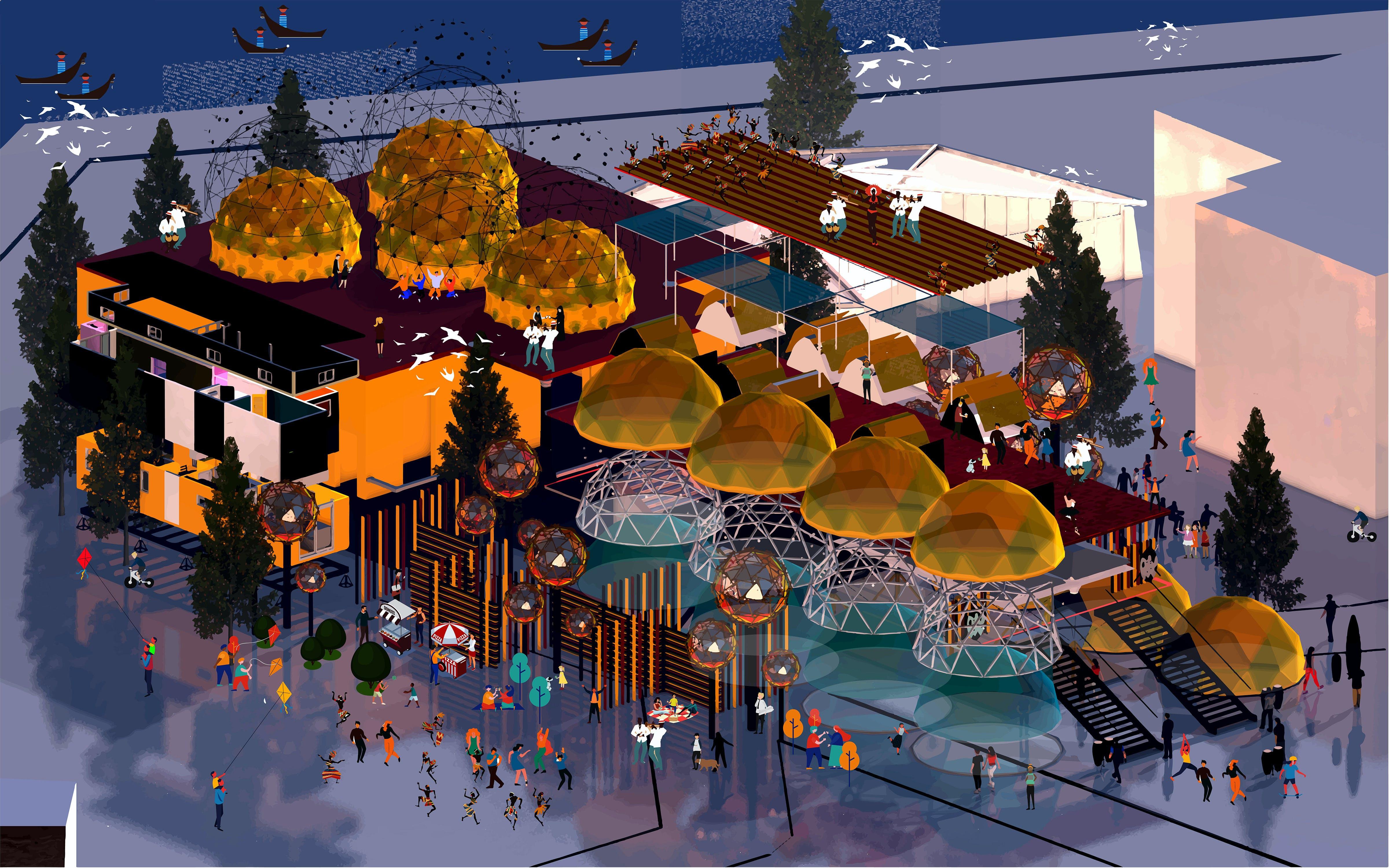
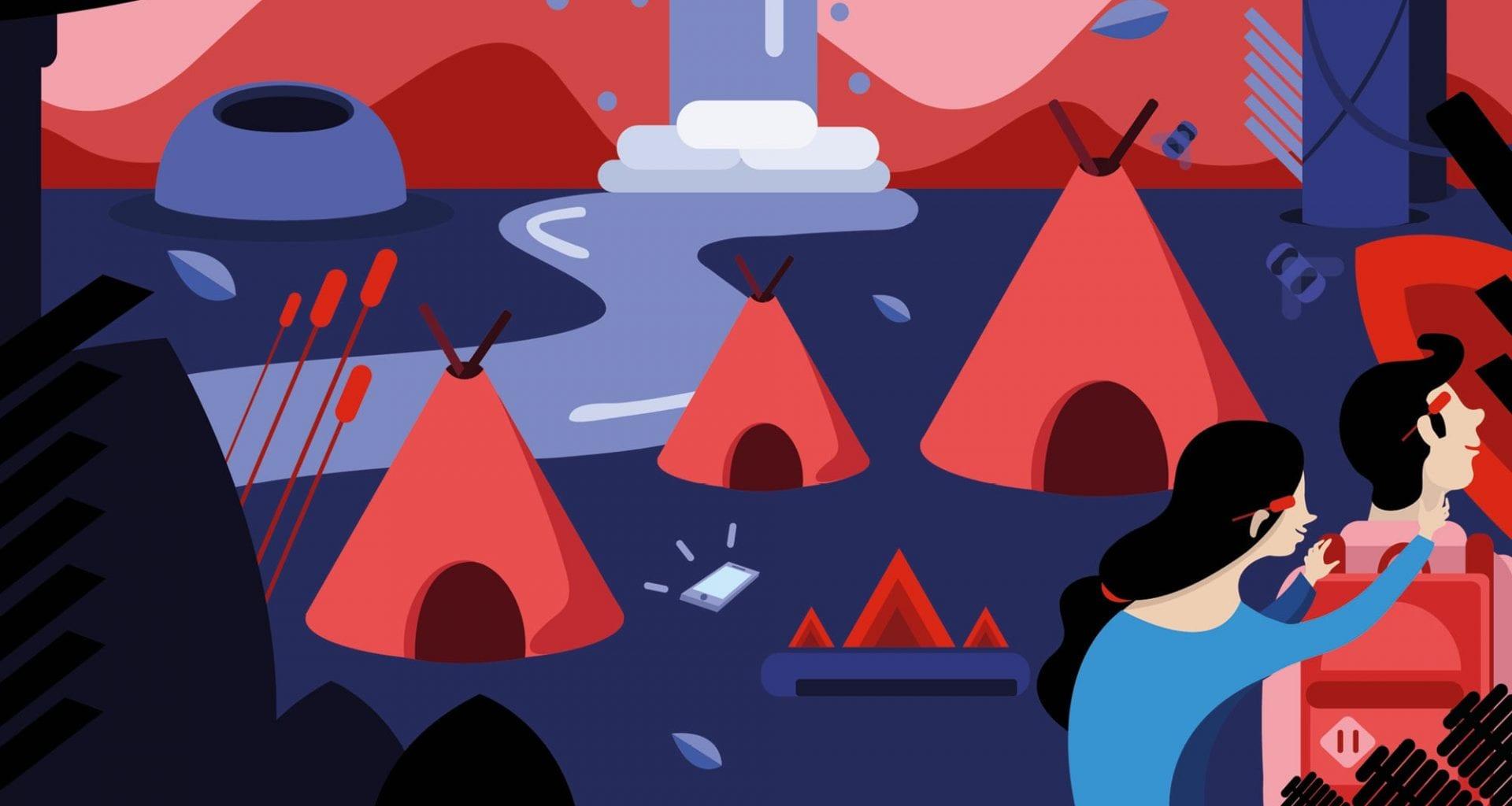
My project this term has been centred around creating my own micronation on Bournemouth Pier – hypothetically imagining I could seclude it and give it a humble retreat feel. This sense of embodiment in a place was already the foundations of my micronation, ‘Anemiare’, but this found further meaning through my own anecdotal experience on this trip.
Visiting Bristol felt like that much-needed escape to explore a city built around a harbour, where marine-related activities have been commonplace in its history, relevant to the project I’ve been undertaking. The seemingly easy-going vibrancy of the city, and the spontaneity of the whole experience, taught me a valuable piece of insight, as if I were a resident of my hypothetical micronation back in Bournemouth, and how I might want them to navigate their surroundings. I decided an intuitive approach, much like mine in Bristol, would be the best. Allowing users to navigate the space freely based on what draws them in, the sensory embodiment, is what my micronation thrives on. Inspired by my wanderings through Bristol, this was the key takeaway.
I think it would be apt to say that architecture has power to be both our humble servant, and a towering figure we long to conquer. It serves to work around us, and for us, but also against us at times. My time in Bristol proved this theory. As I meandered through its varying charactered streets, observed its structures and its lifestyle, and relived my own memories of Bristol from childhood, I absorbed the city from a whole new perspective. The architecture felt welcoming and kept me wondering how and why each street had a different feel, different paint colours, different altitudes. History can speak long after its time, through the buildings that stand from long ago. I urge you to explore, whenever you feel lacking in inspiration, to open your eyes. Sometimes you’ll find it where you least expect.