















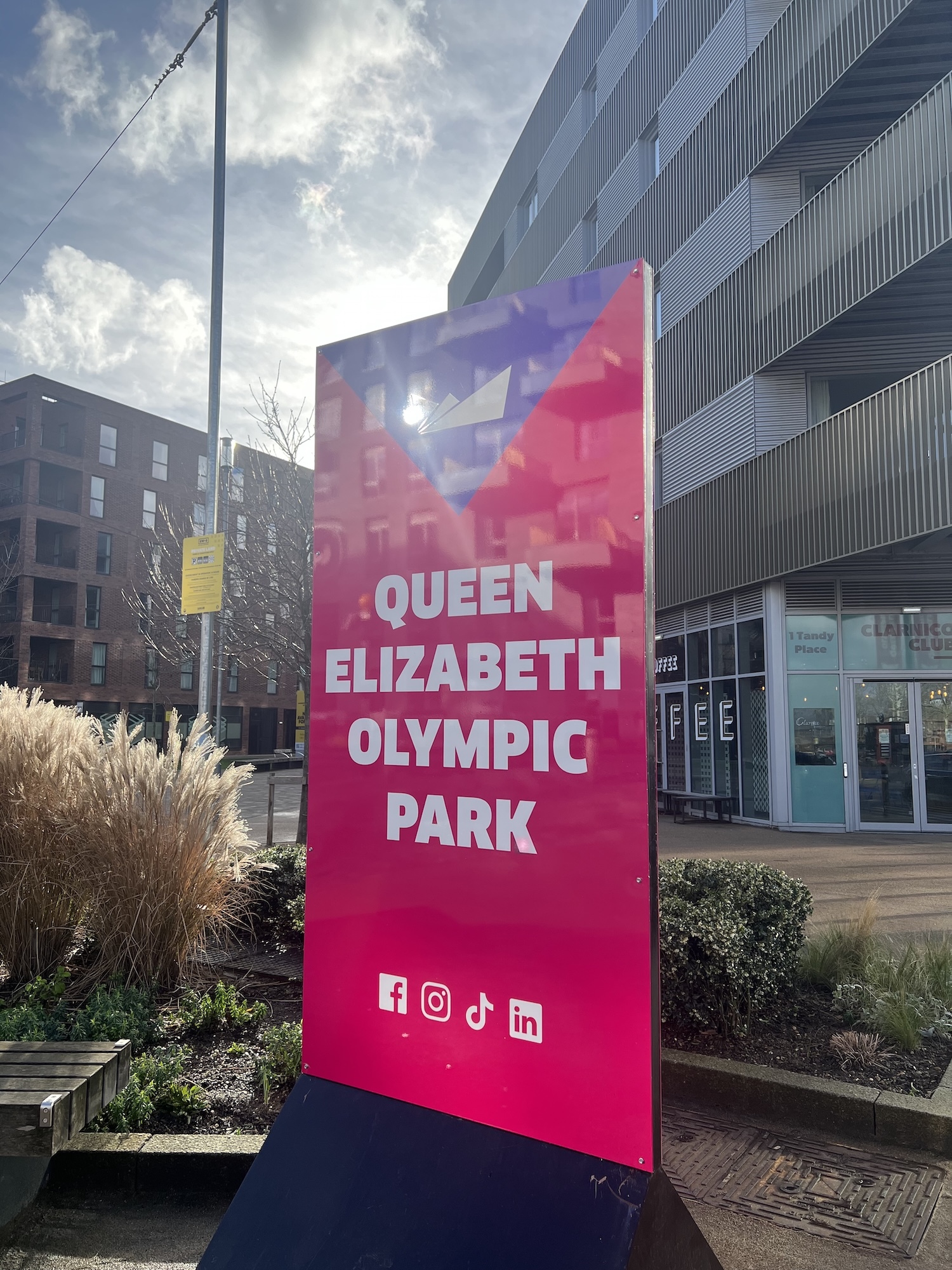
London Stratford is home to the world-famous Olympic Park. I felt glad to finally have the chance to see it, after countless school trips there got cancelled due to COVID-19.
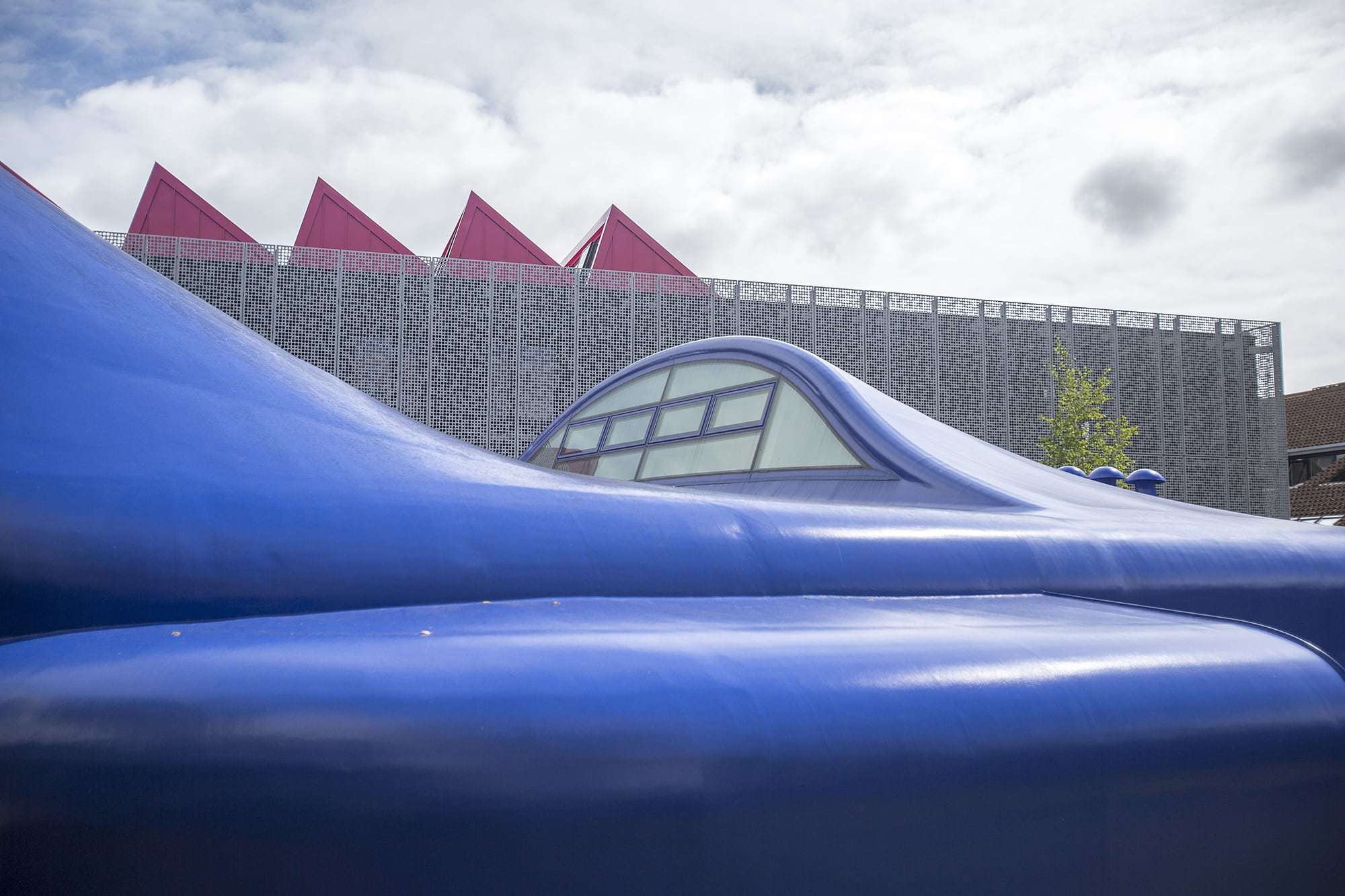
Despite the bitter cold, the architecture stood strong and felt monumental in the vast natural space. The velodrome building, designed by Hopkins Architects and Expedition Engineering, known for its pringle-shaped form, was peeking through the bare trees, not as an imposing structure over nature, but blending within it. The London Aquatics Centre was another extraordinary architectural inspiration, similarly inspired by curvature but designed by the world-famous Zaha Hadid Architects.
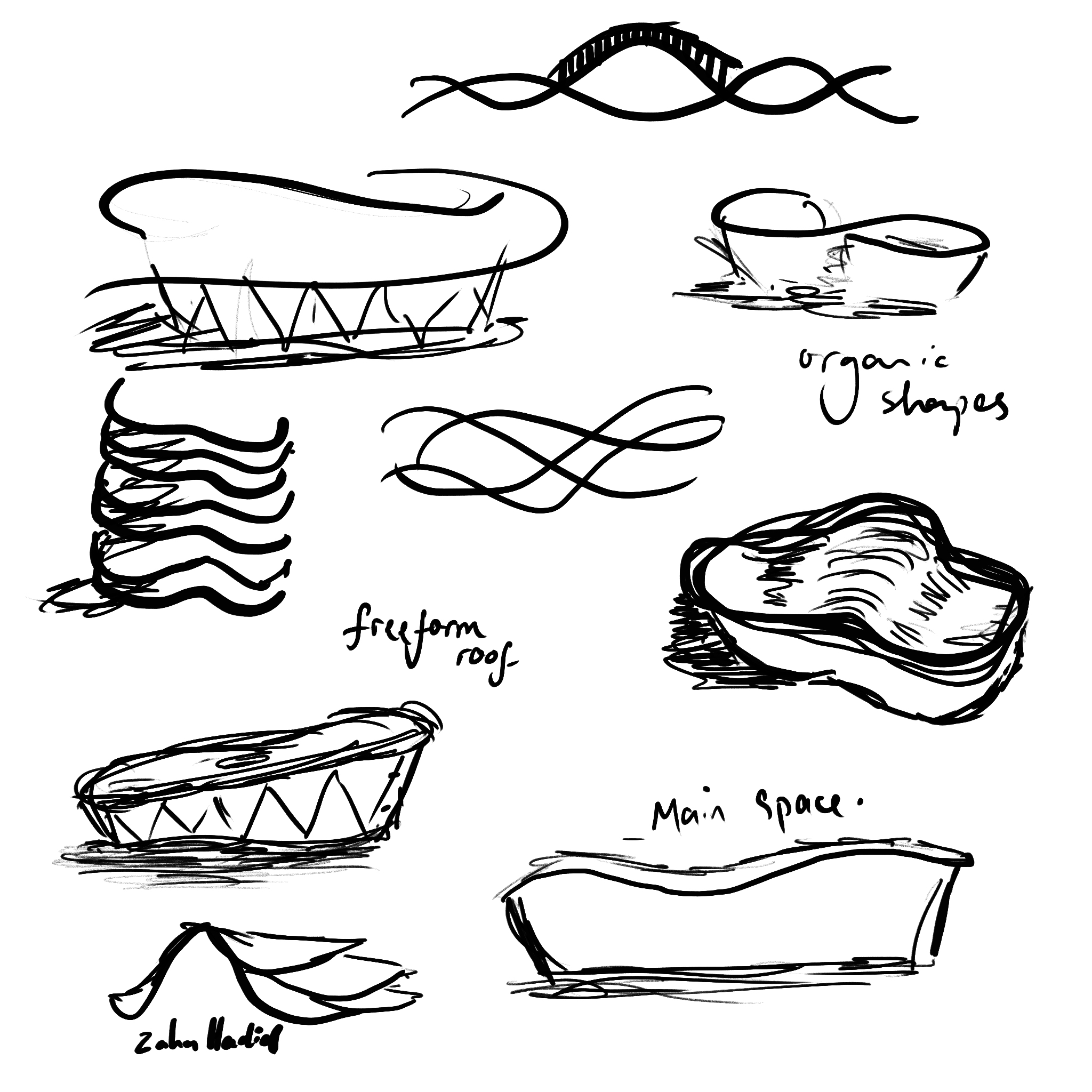
Zaha Hadid’s organic form structures were a large inspiration for me in designing the buildings in my current project. I never understood just how powerful radical design such as hers would be, until I had the chance to see it in person.
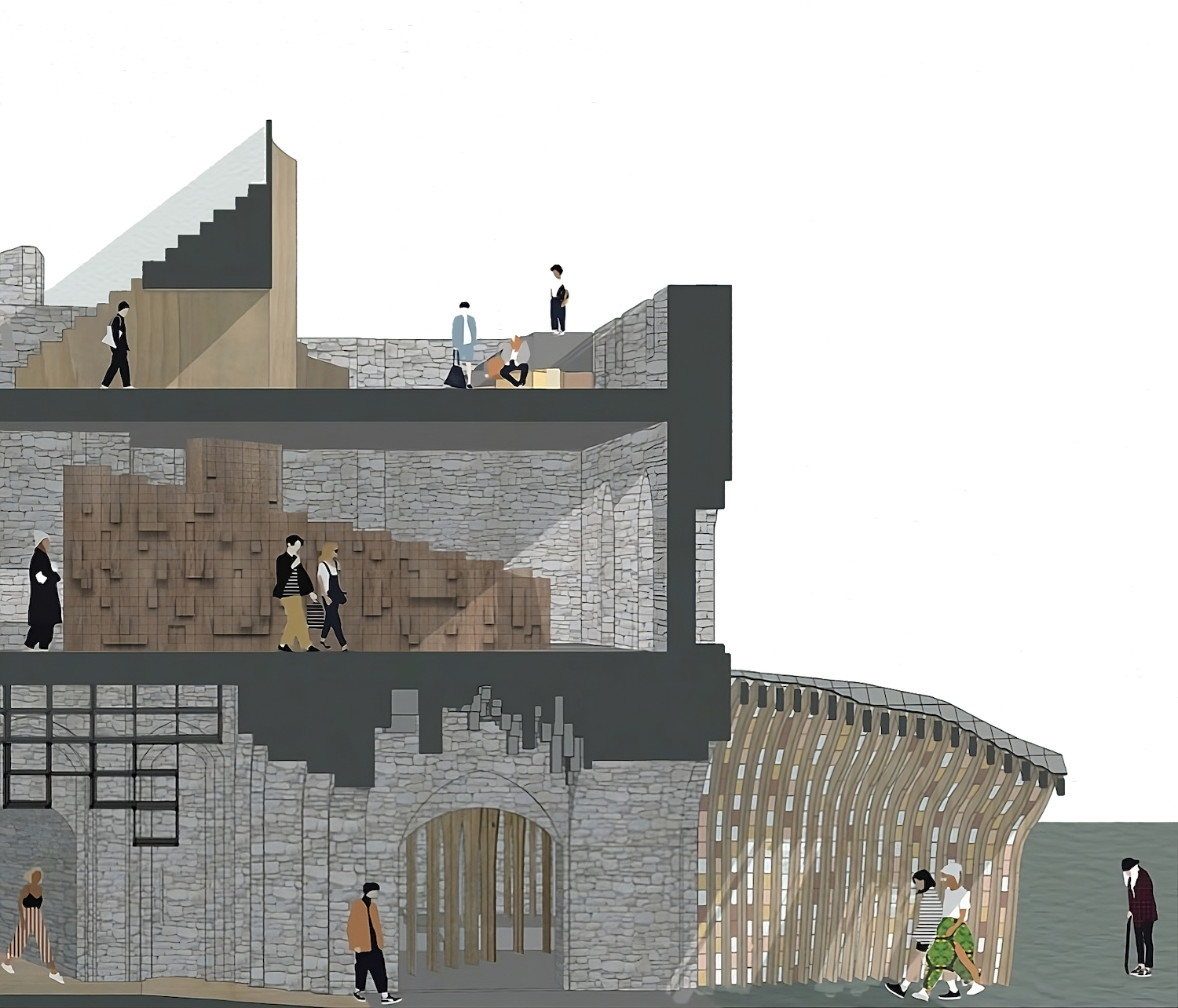
The project I’m currently doing involves Bournemouth Pier, and so the first organic source I thought of was water. The flow of it, the curvature of its representation in architecture, is what drew me to design structures with more fluidity, as if they were shaped by the incoming tides and placed on the pier. A common theme in Zaha Hadid’s work was the curves – some very prominent and almost enveloping in nature, and others gentler and more soothing to the eye. The velodrome roof, though designed by another architect, had the same features that inspired my own work.
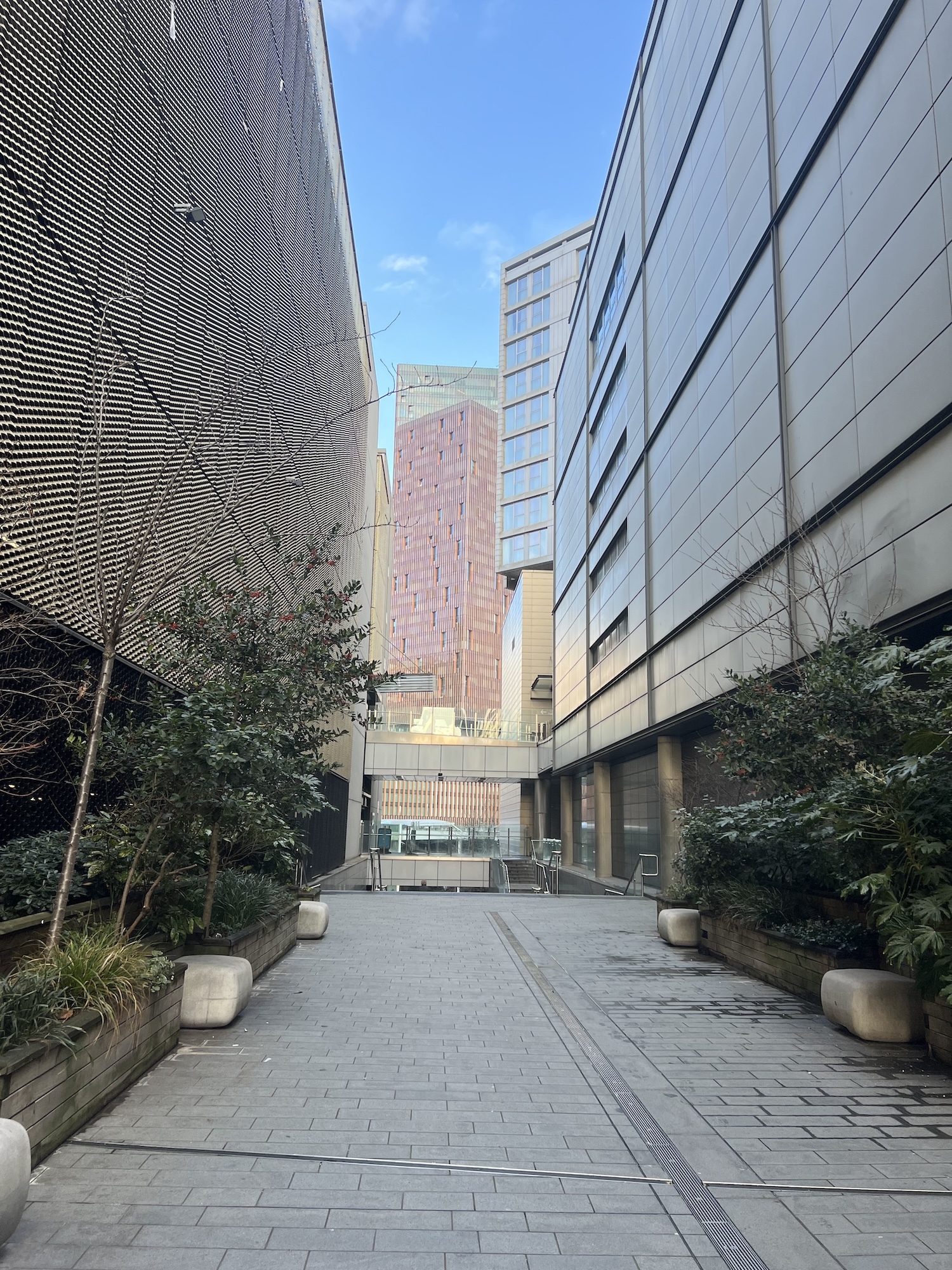
Architecture can’t be defined just by the structure that it is. It stands out more when its surroundings work in harmony with the design. The weather in my January visit meant that much of the surrounding greenery, including the cherry blossom garden, wasn’t in bloom. However, the space still felt like an open invitation of hope, for new beginnings when spring eventually rolls around.
Going on trips like this with the University has enabled me to expand my horizons. To see beyond the internet, beyond the design magazine and graduate portfolios, and through the lens of tangible, memorable experience. Seeing the architecture in person brought me to an avenue of thought I hadn’t considered before – in this case, the work of Zaha Hadid. Where I initially dismissed famous architects such as her for their trend-aligned design, I realised how ignorant my understanding was. Though unintentional, I had judged by the cover.
It taught me the valuable lesson any designer, and architect, would eventually learn to succeed with – to venture beyond the typical routes of understanding, and experience in an embodied state, the art around me. Now I have gained an unfettered appreciation not just for Hadid’s work, but for her struggle, for her dream, and for her legacy.
As university shapes us into thinking like designers, I wish to use my newfound appreciation for record-breaking structures to craft my own approach to design. Where I once thought of a room as a blank slate with four walls, a ceiling and a floor, I can now transform this basic hollow space with phenomenological understanding, and structural niche – the curves of Zaha Hadid’s signature style seek to break industry norms and create something that people can feel, and engage with, naturally.
Since she was inspired by organic form, and the natural way the earth works, from small movements such as the flow of water, I realised how much this aligned with my own approach. I have never seen interior architecture and design as a stagnant spectacle – rather, I have seen it through the lens of life, of natural rhythms, of the flow of human connection.
By taking inspiration from the quiet processes of nature, Hadid’s approach essentially proved to me that I too can create interiors that send people to the roots of humankind – the one thing that connects each human is nature, as we are all somewhat derived from it. So why not create something that speaks to the base of who we are, and therefore form architecture that supports our wellbeing, and our livelihoods – not some cookie-cutter design churned out purely to satisfy a growing population?