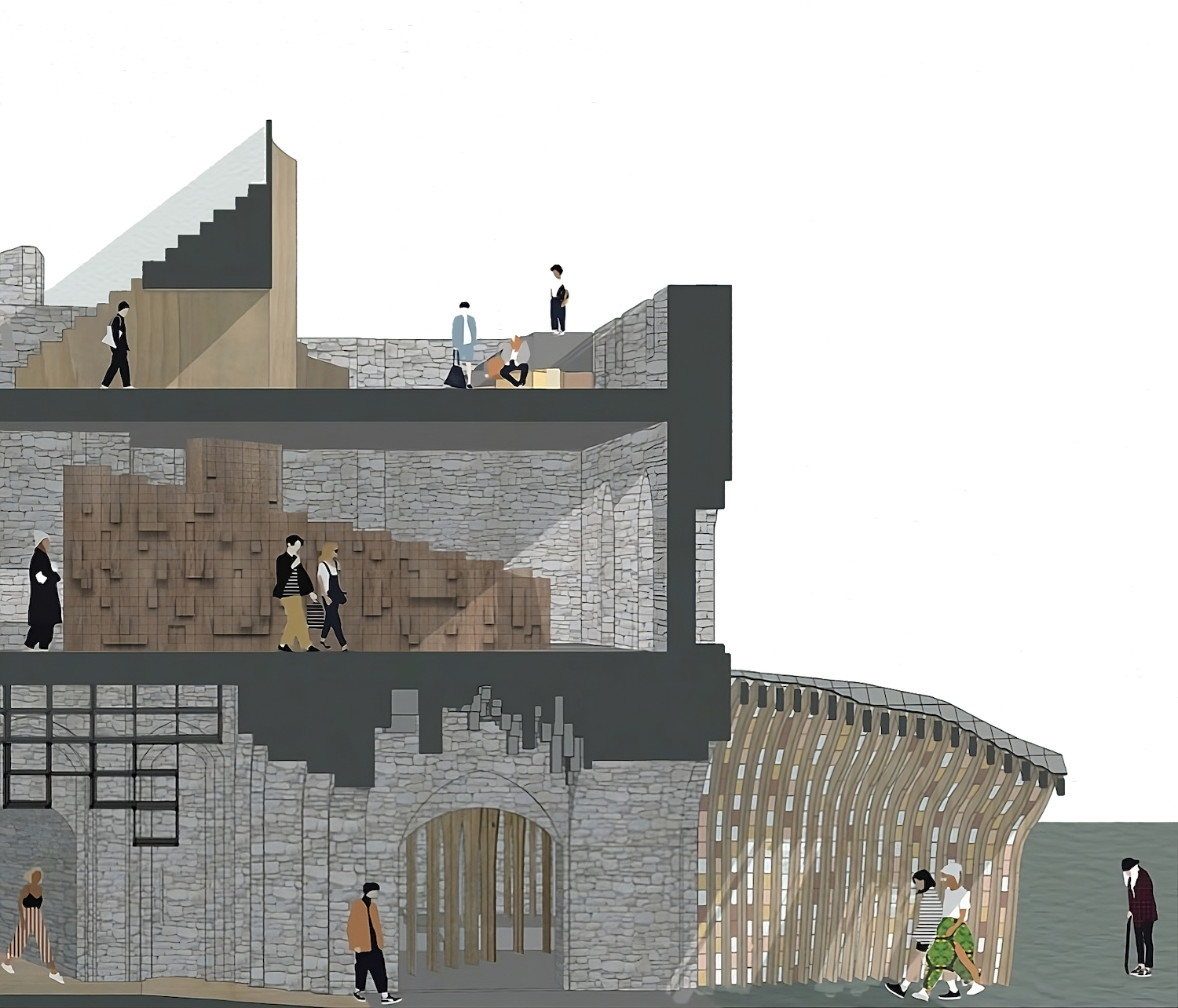
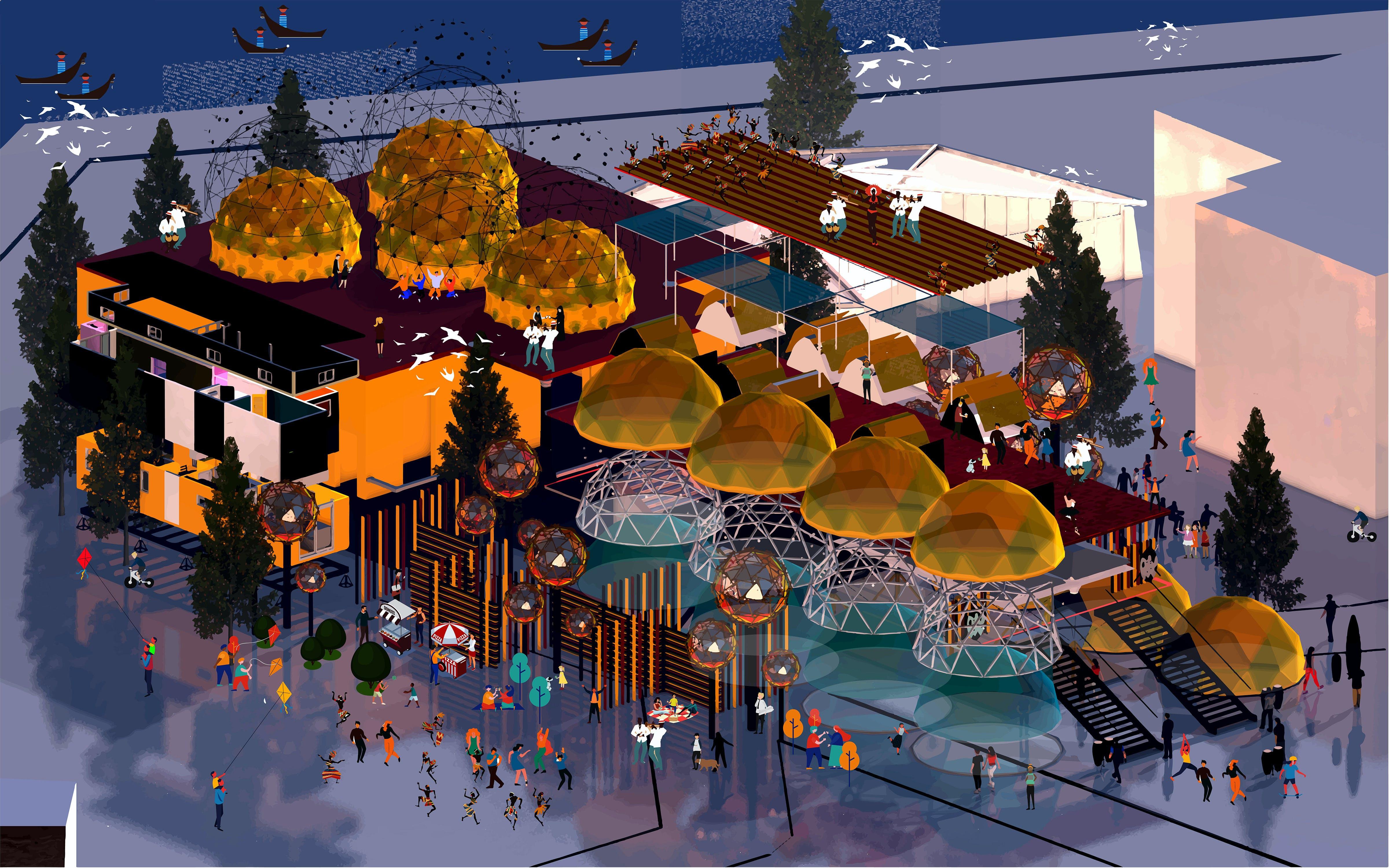
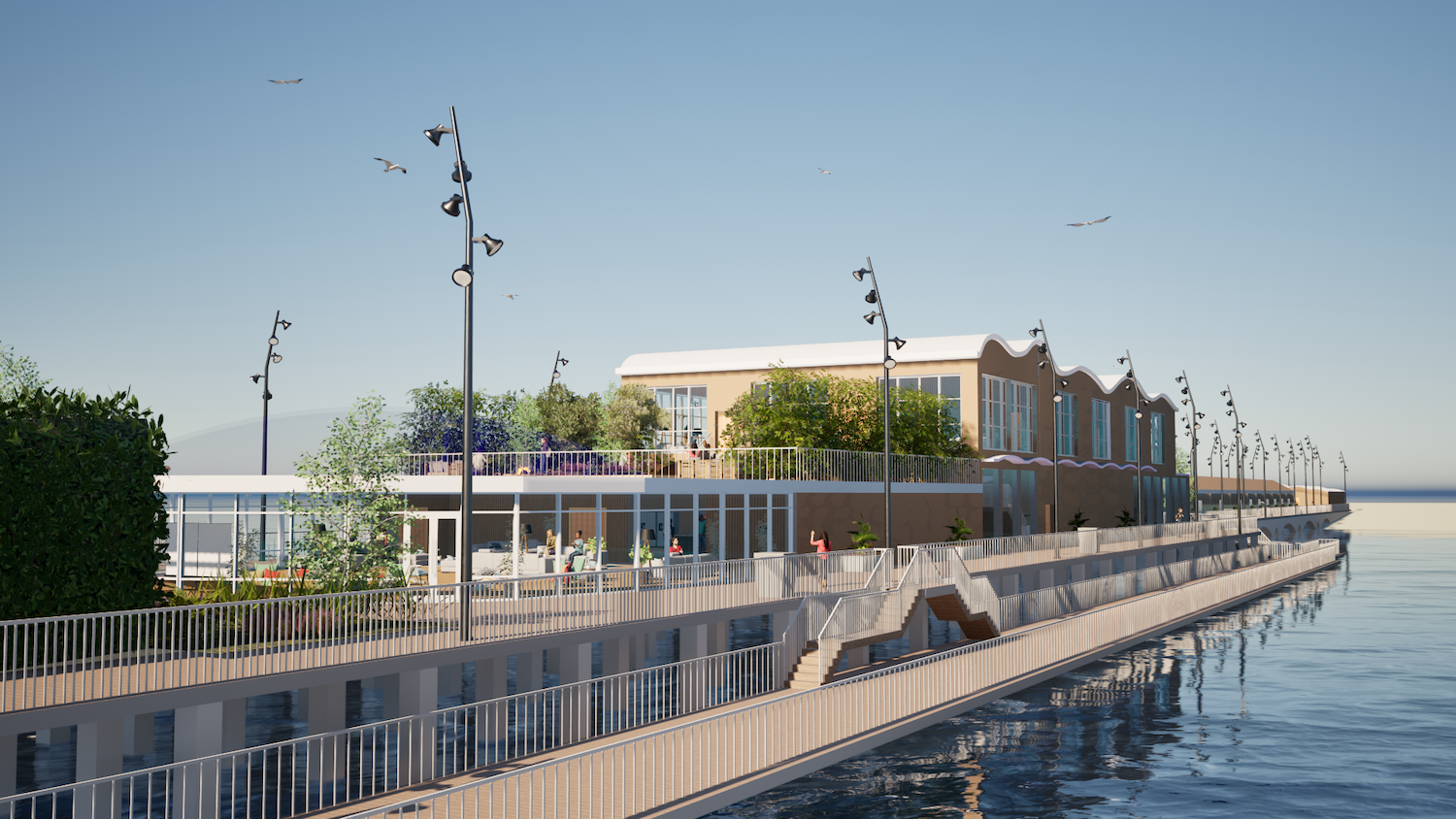
The challenge set to me in the spring term of second year, was to design a self-sustaining micro-nation on Bournemouth Pier, that fosters a unique way of life and ideology.
I was drawn to designing something more human, rooted in slower rhythms, face-to-face connection, reflective living, and a reverence for the simple joys of life – an approach that felt most like me, and what I wish for the world.
Anemiare was designed to be a reflection on how contemporary life should be slower and directed in self-growth rather than abundance and luxury. It’s my belief that humanity would genuinely be better if everyone worked on themselves, with kindness and with honesty, rather than chasing unrealistic ideals and feeling disappointed constantly when they can’t be met.
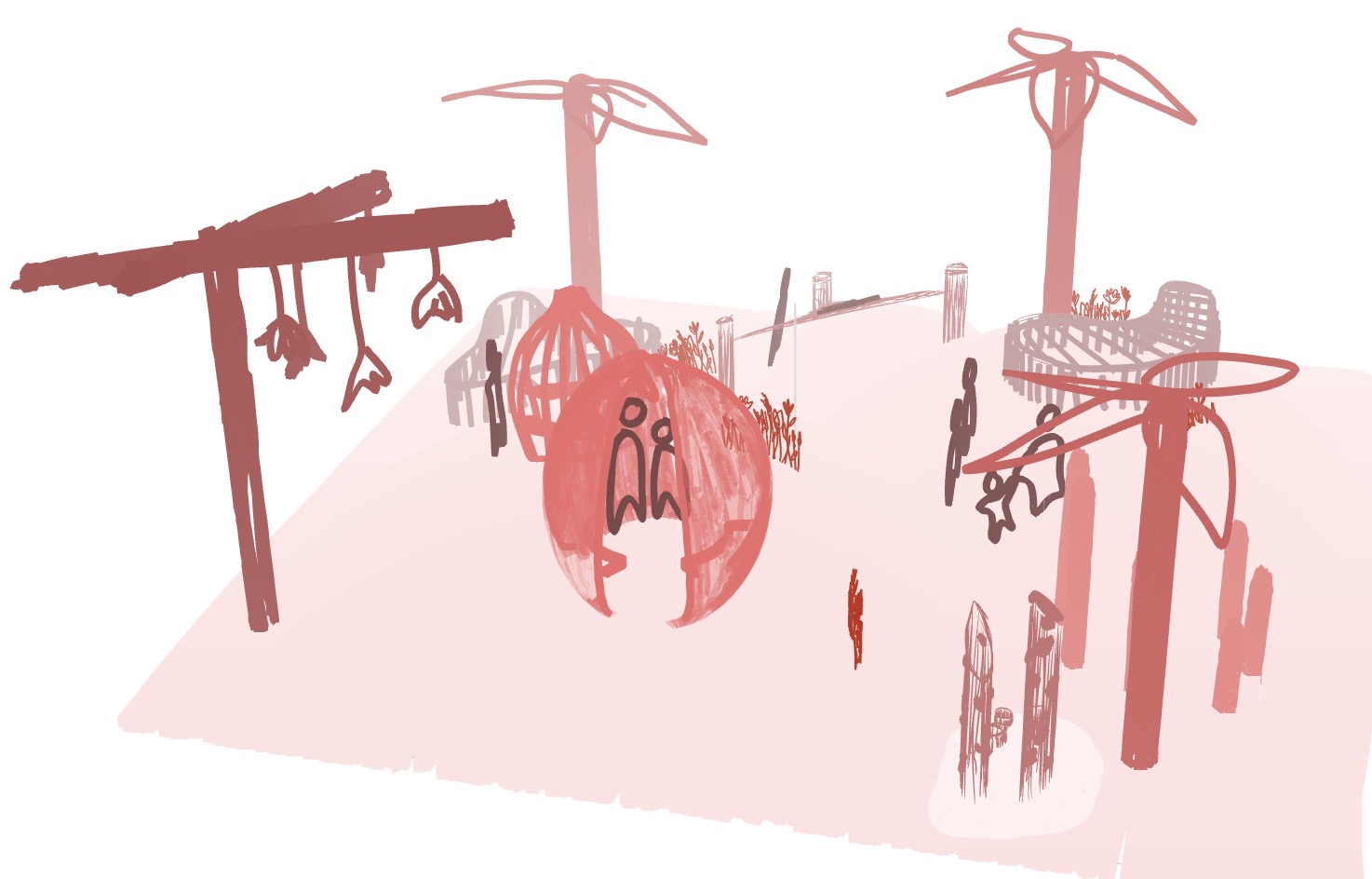
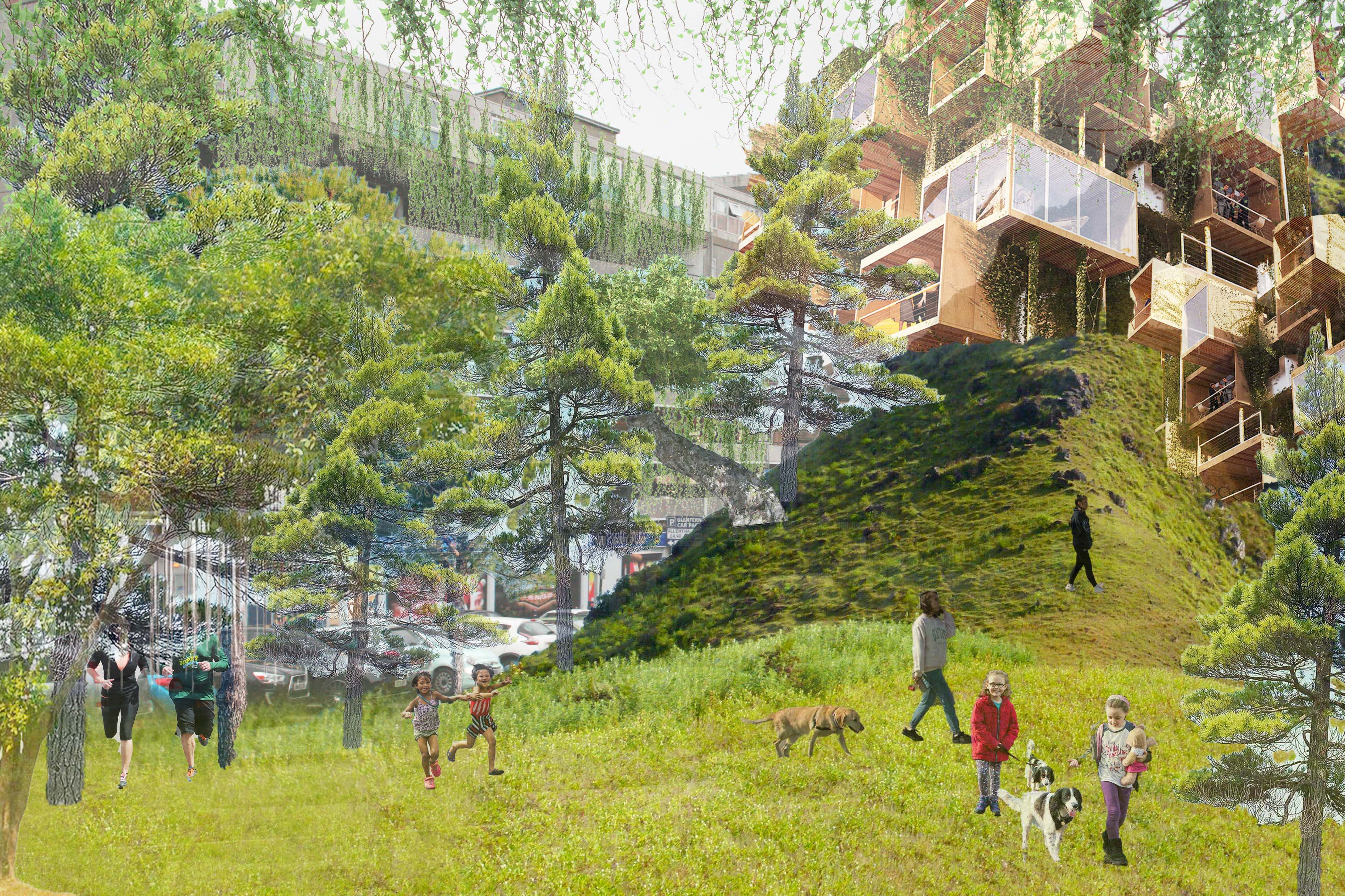
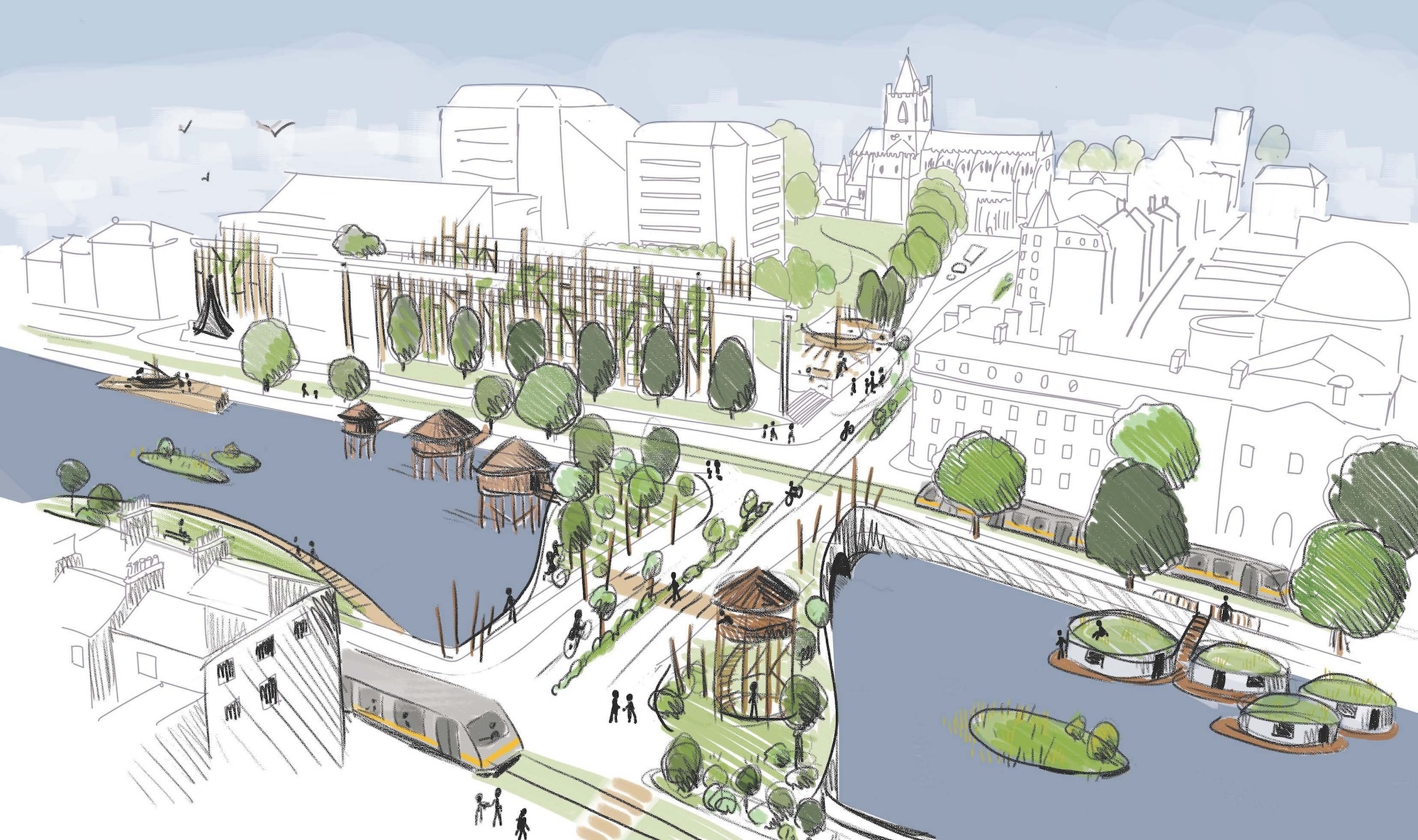
I explored how the cultural richness of Mediterranean and Indian traditions and architecture could encourage this mindful living pace for Anemiare’s residents. The aim was not to create some perfect utopian world, with unrealistic fantasy and glorified promises, but to create a place where people could feel safe, calm and connected to the natural world – giving a sense of logical utopia. The beauty of Anemiare is its ethereality – a place designed for temporary residence, rather than permanent stay. It would act like a beautiful memory, as well as become fortified as a way of life long after residents leave, keeping Anemiare alive in their hearts, minds and rhythms.
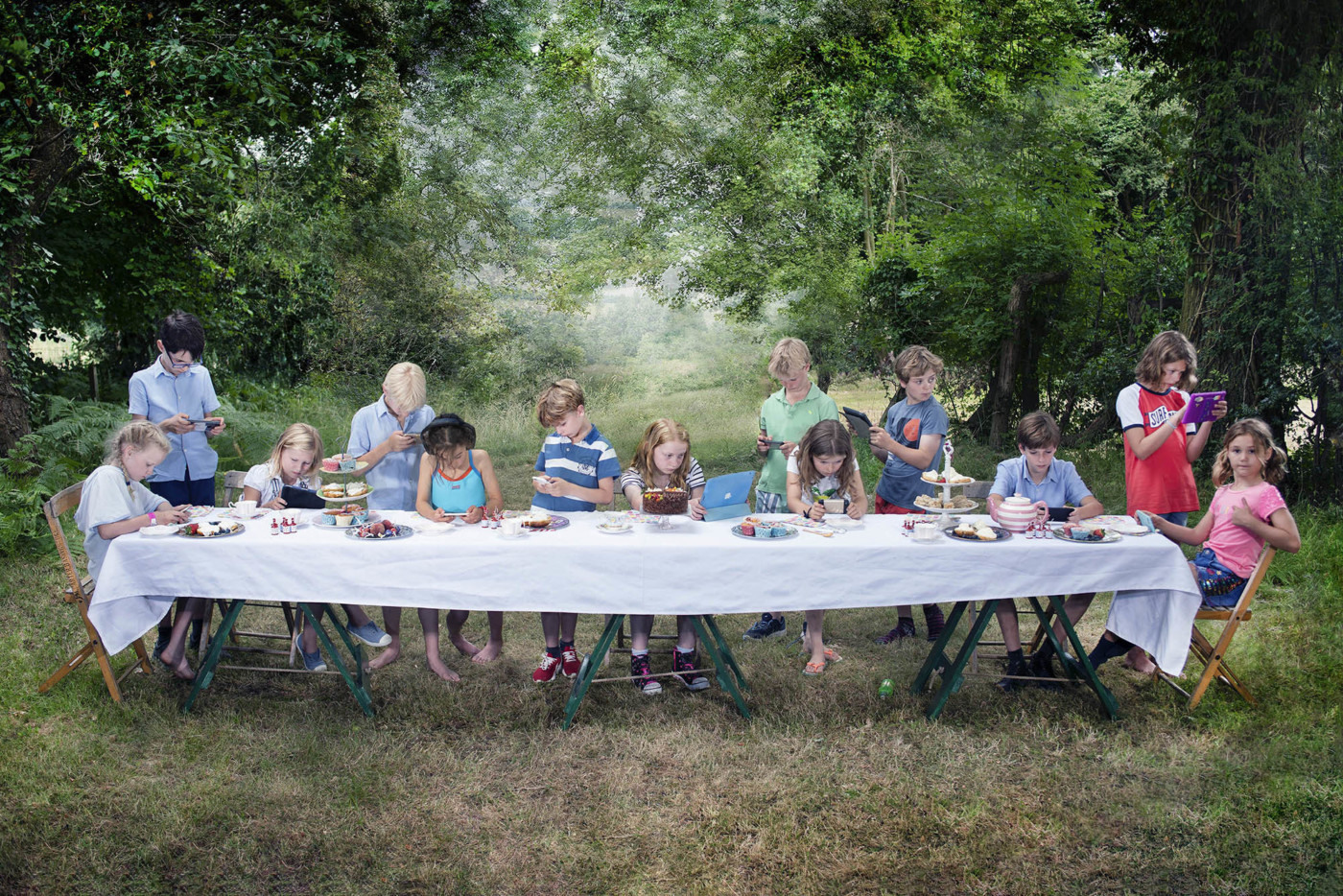
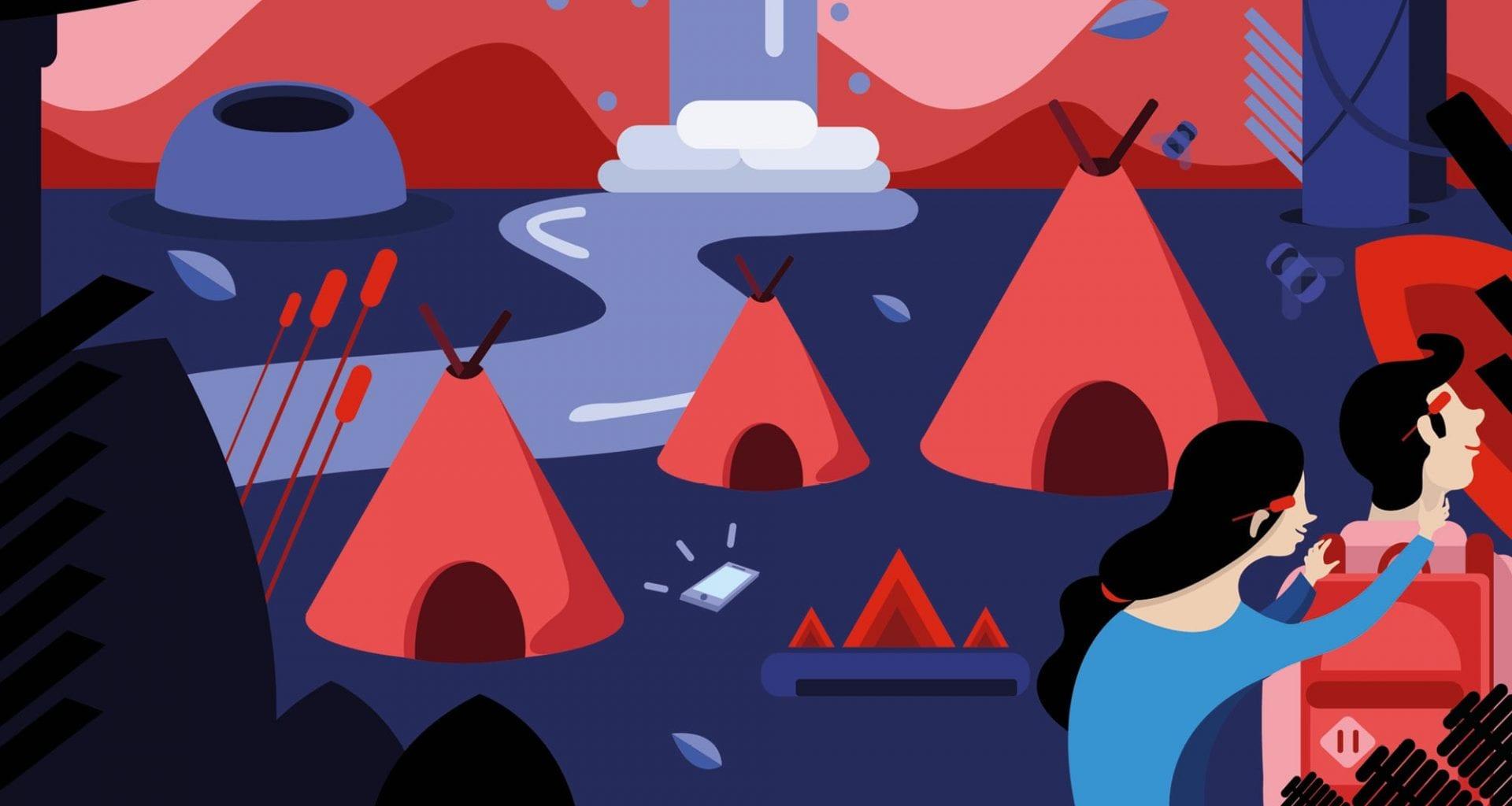
The target group was young people, given we are arguably the most affected by the rising risks of contemporary addictions and influences. In my research, I discovered shocking statistics, that many young people regret their relationship with the internet. It drove me to design a space that could indirectly reverse the negative effects of influencers, overconsumption and false information, by inviting residents and visitors to engage with reflective, self-awareness rituals and activities.
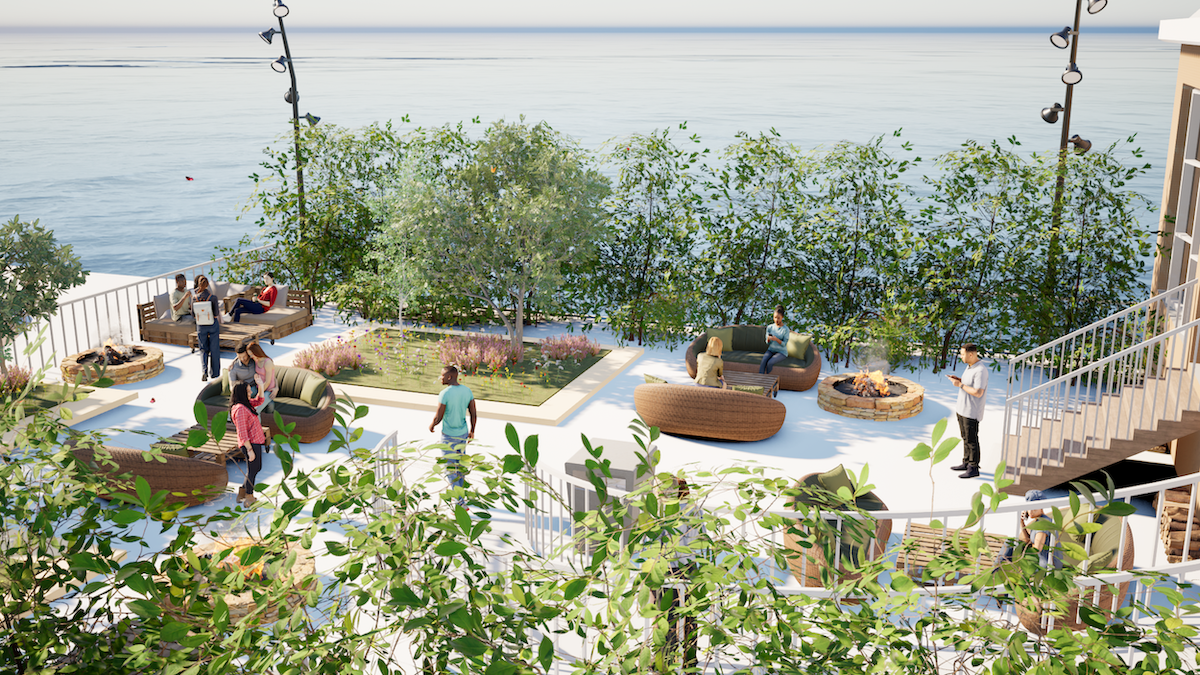
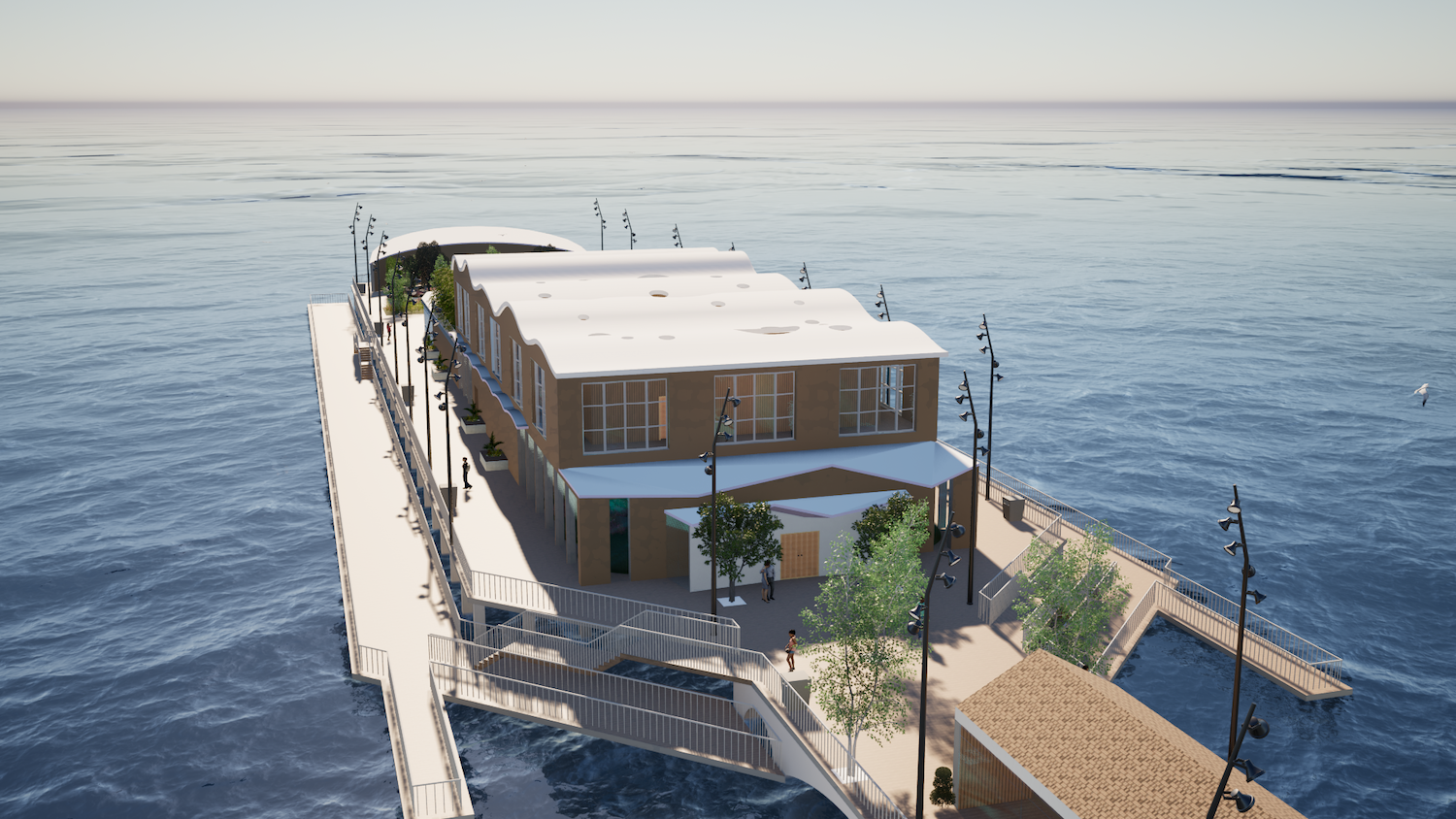
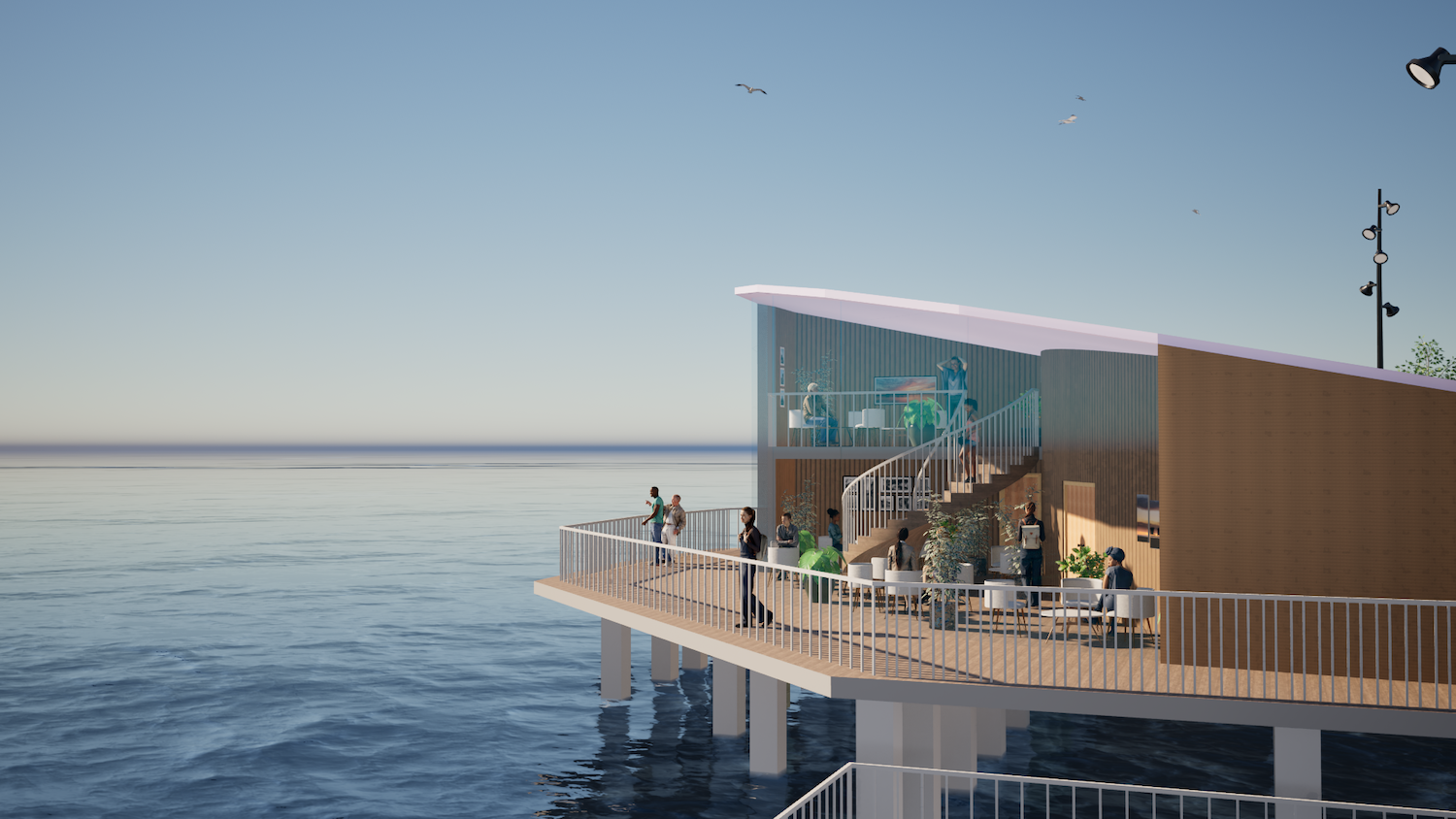
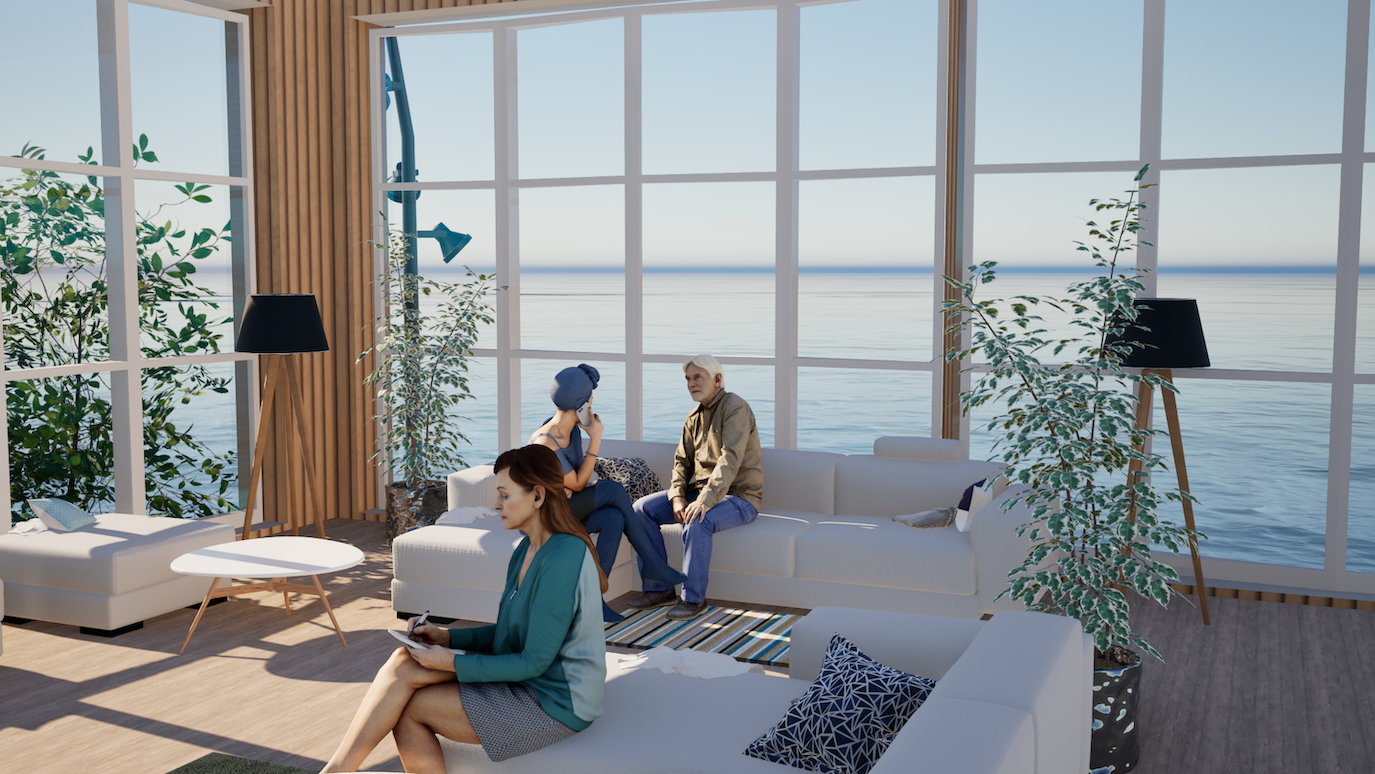
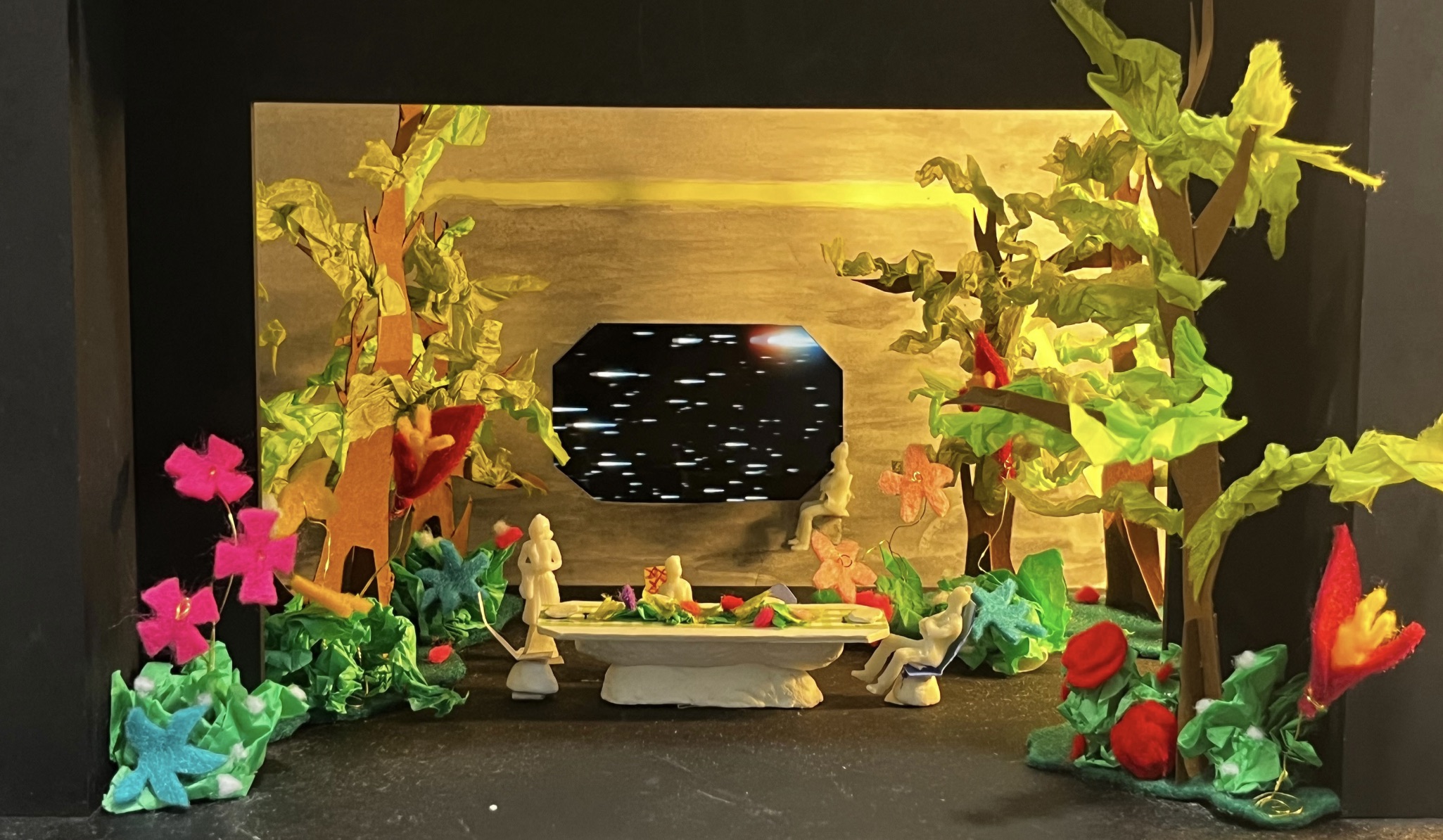
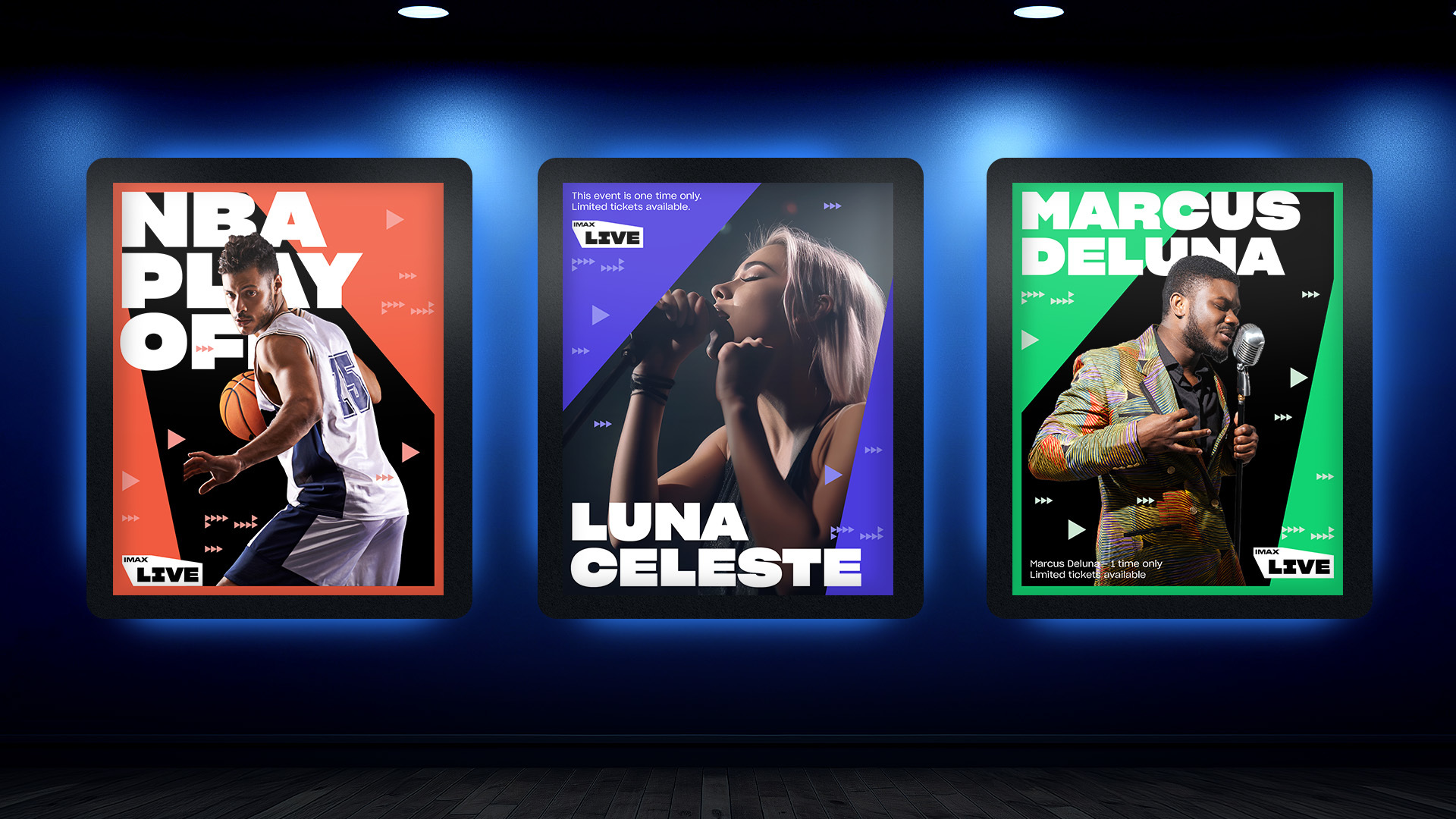
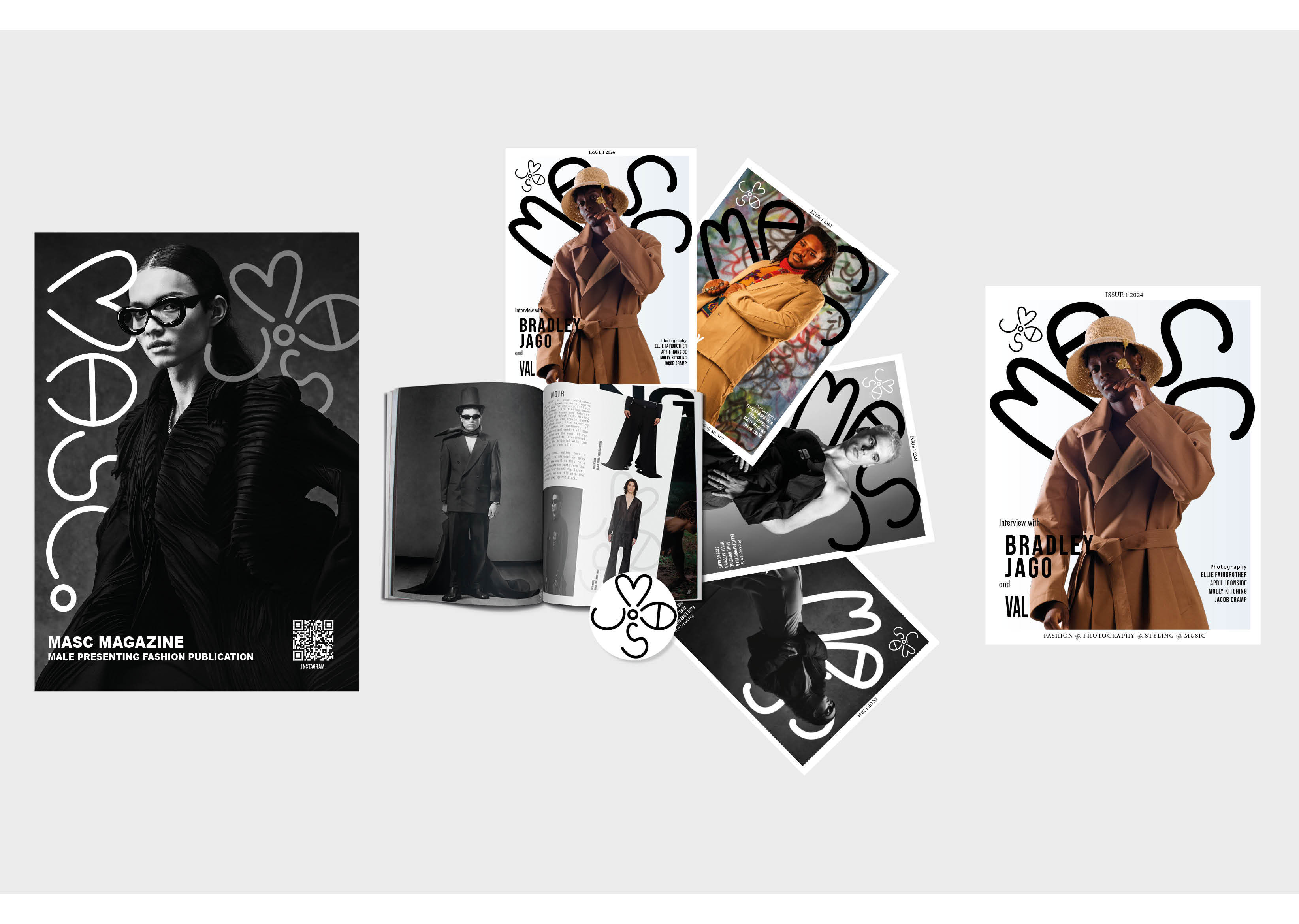
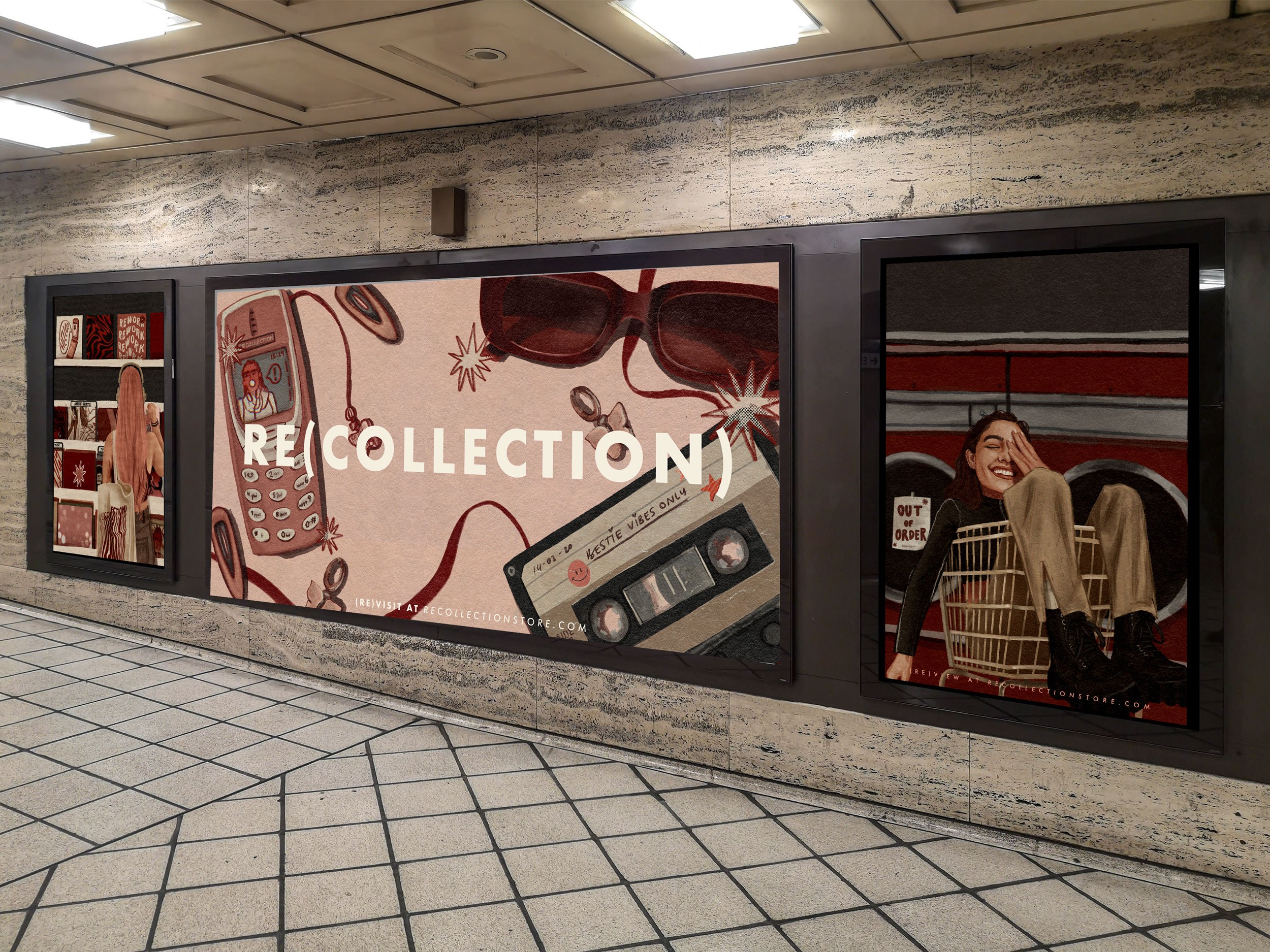
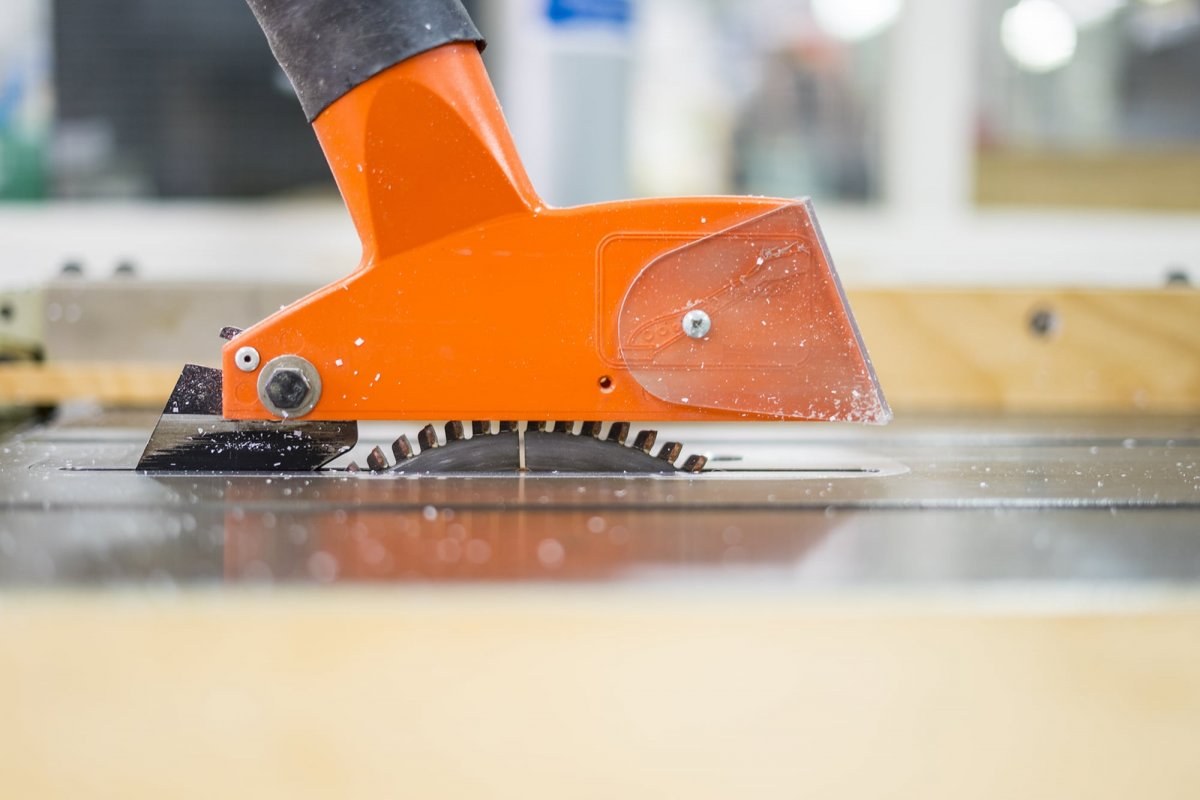
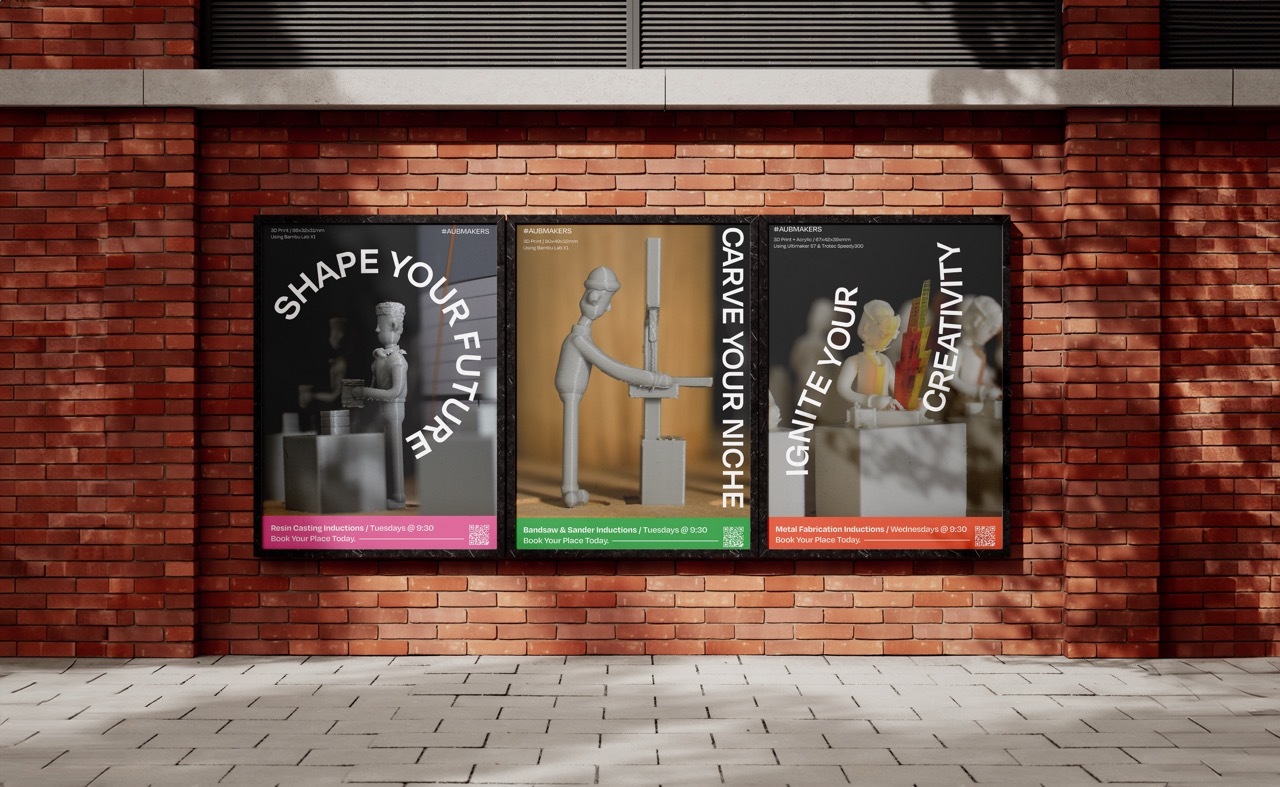
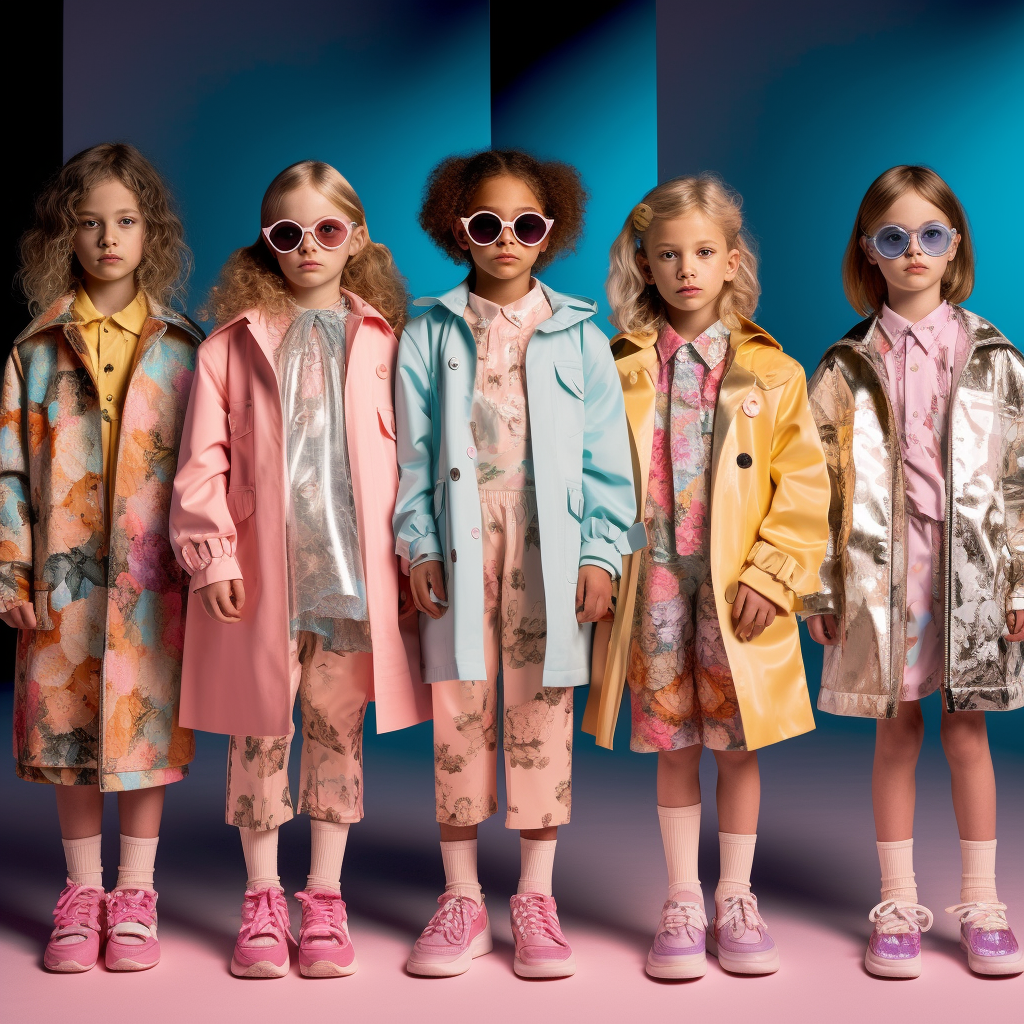
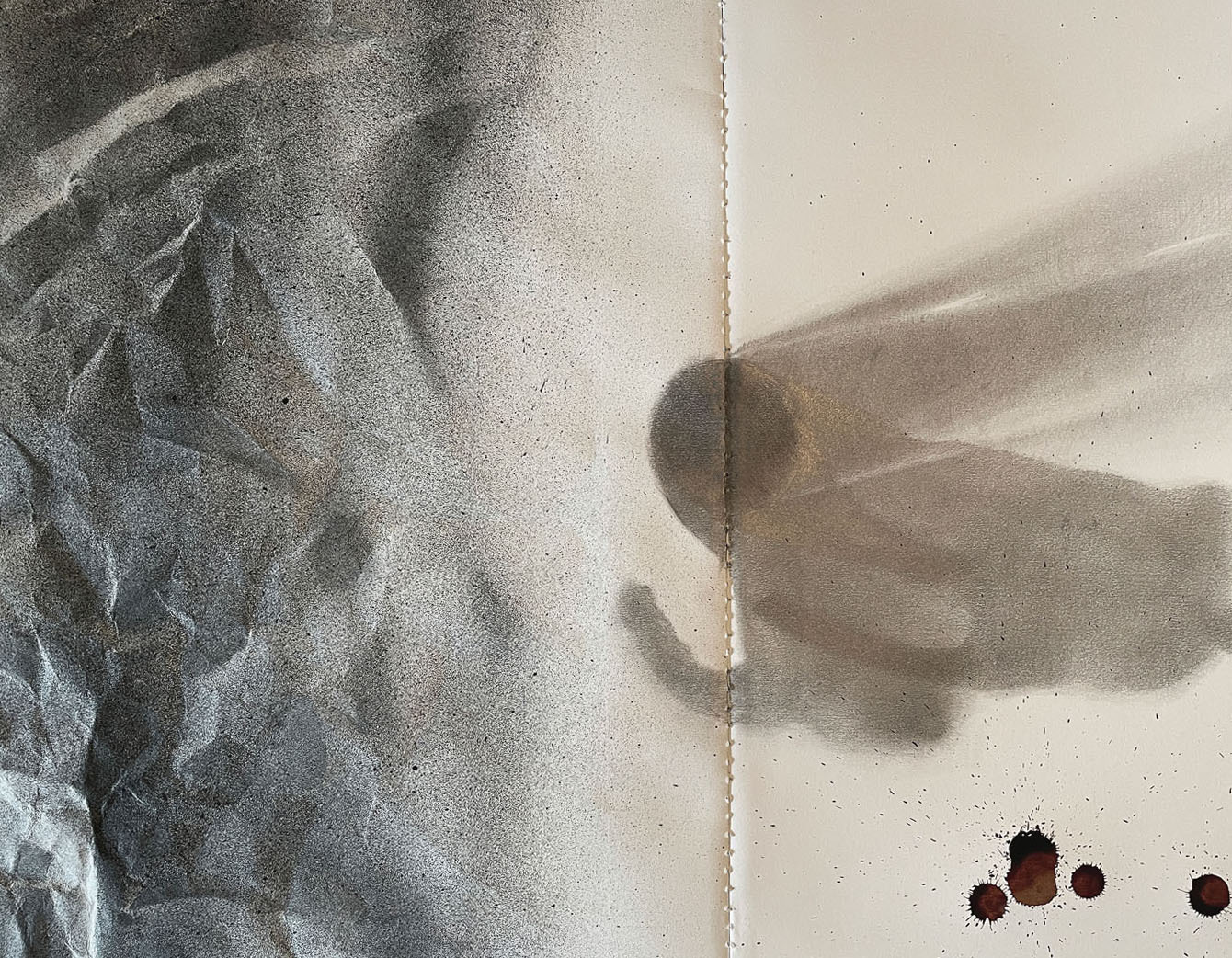
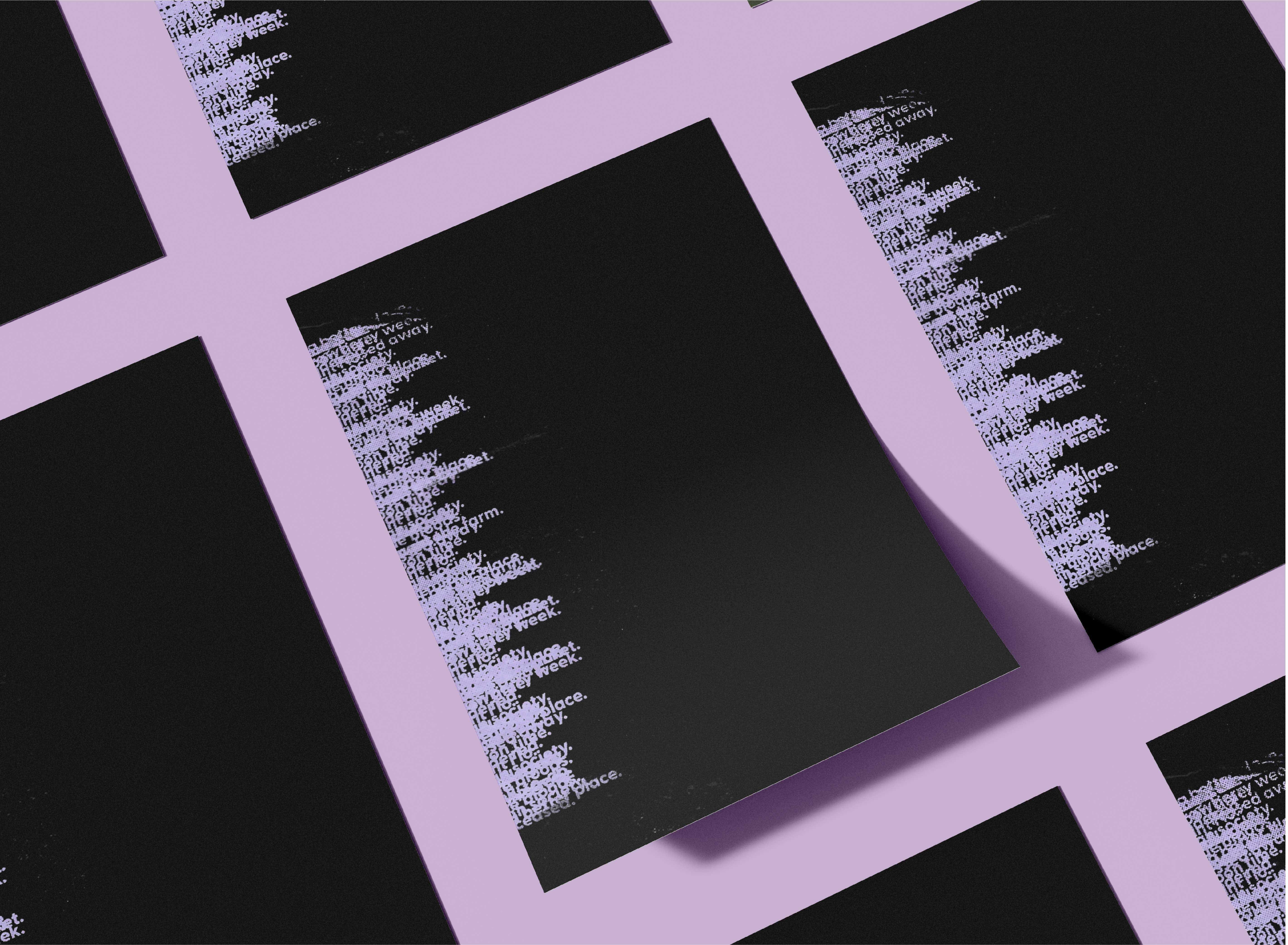
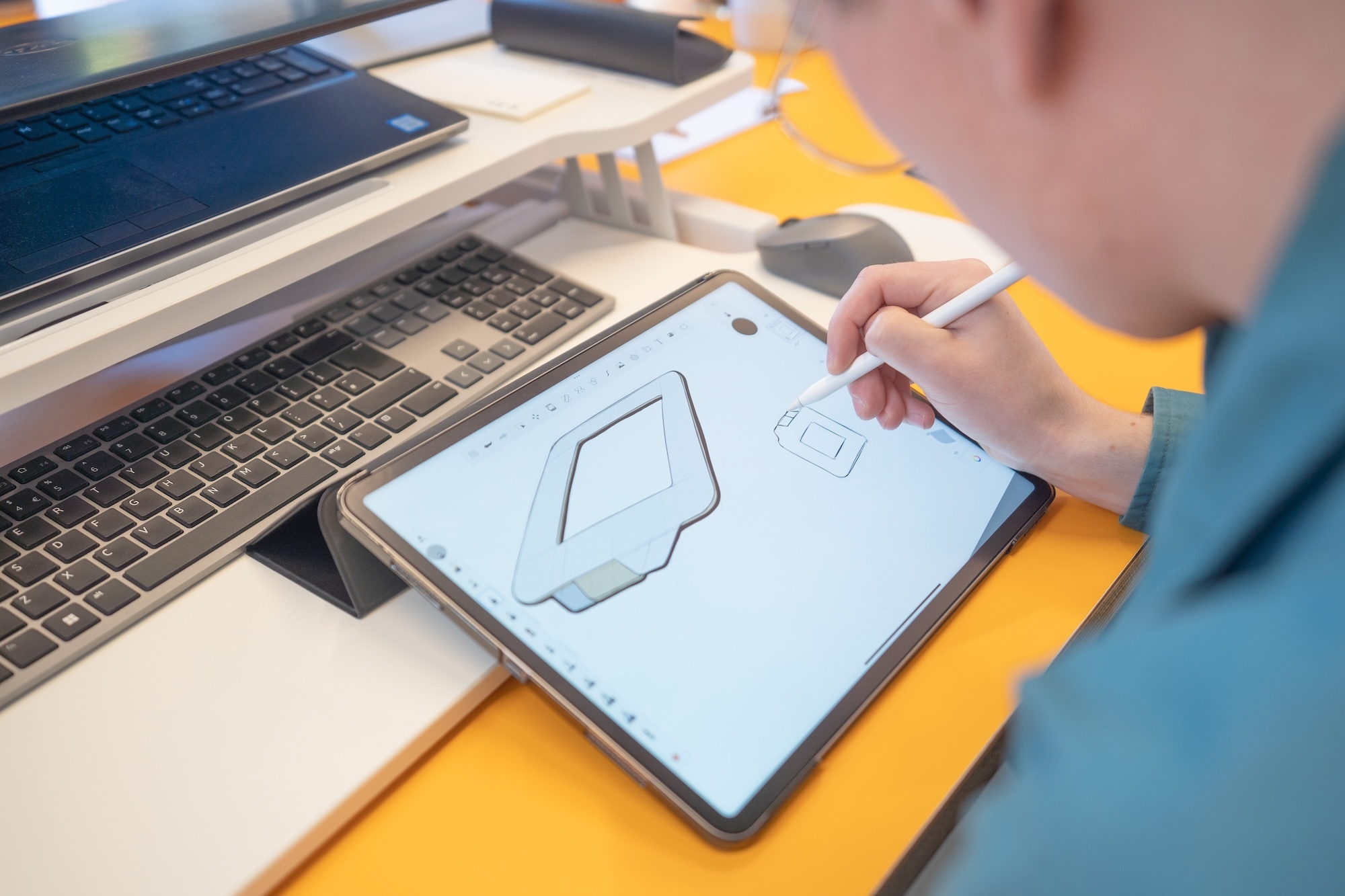
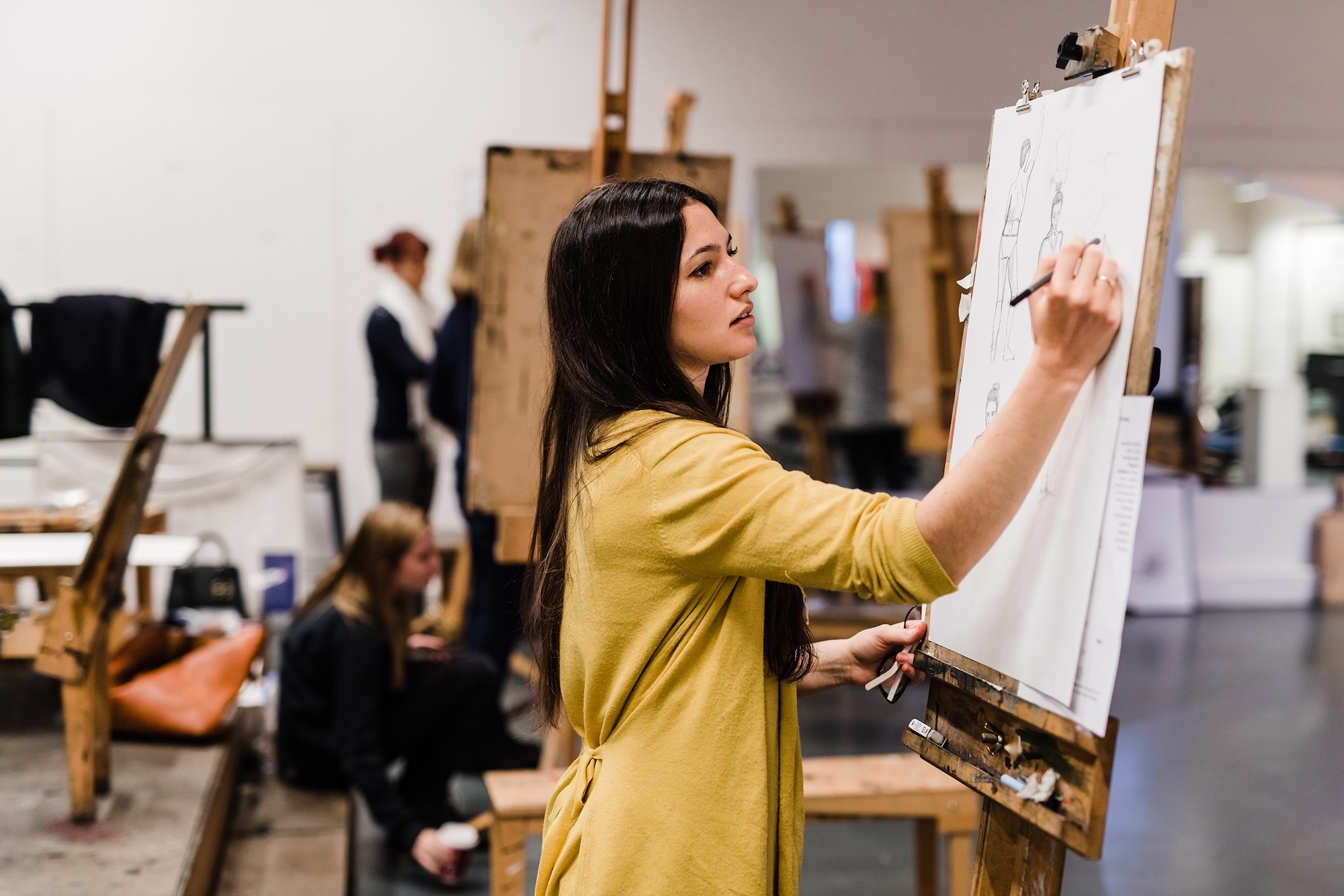
The design process itself was a mix of so many different things. Modelmaking was something I was keen to try, to help me understand the buildings I designed, especially wave-shaped roofing, and a particular building called The Crescent, which was shaped exactly as it implies. I was able to brush up on my Photoshop skills, trying mock-ups for advertising my micro-nation. I’ve always been a hands-on designer, preferring to go analogue with my process, and stick to software that feels familiar (like my beloved Procreate), but part of being a successful designer means pushing out of my comfort zone and trying things I would otherwise avoid!
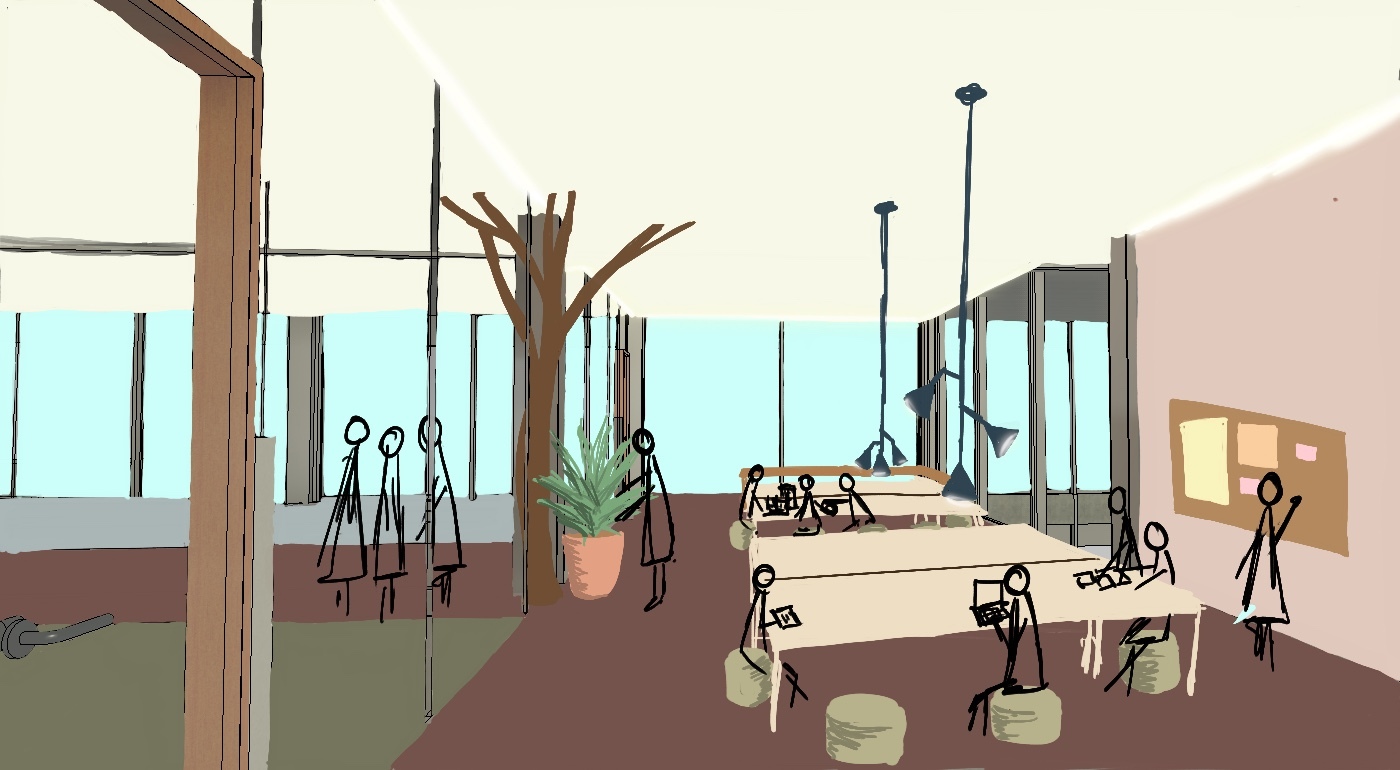
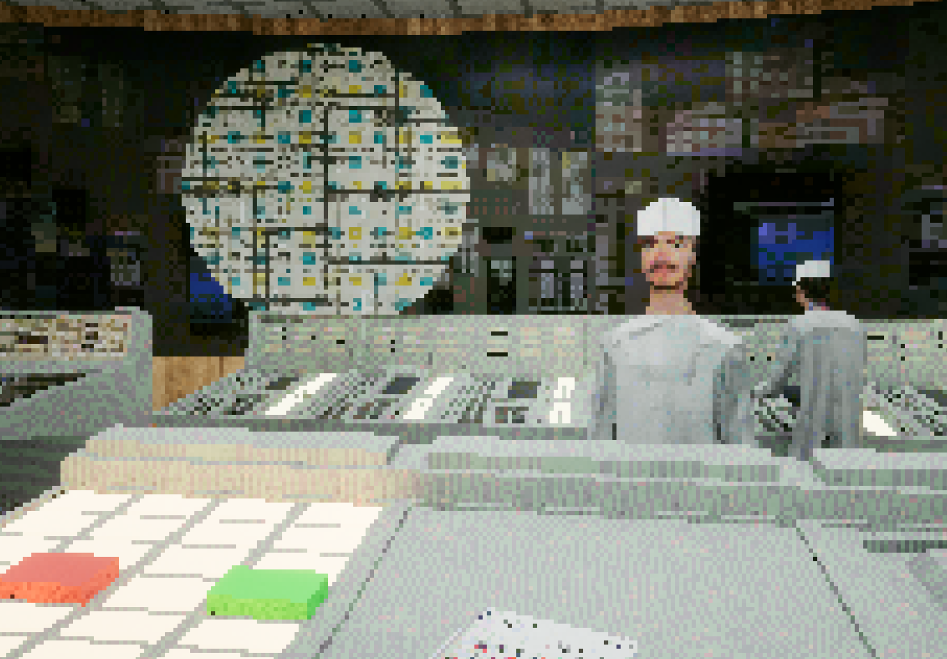
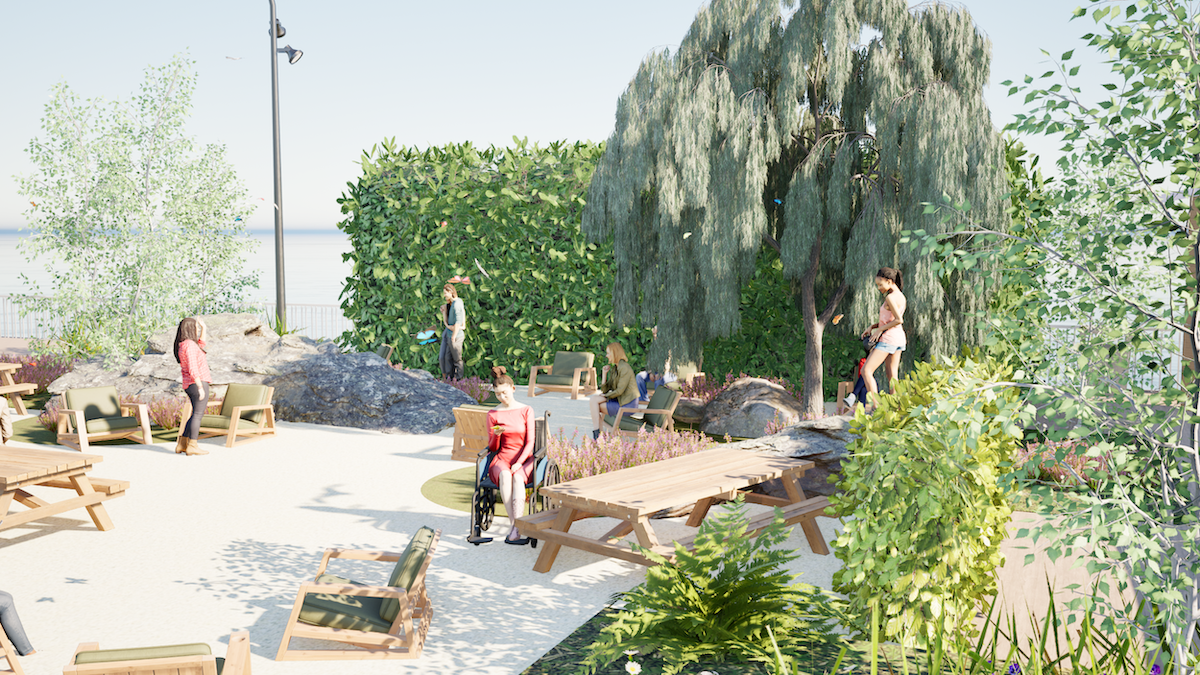
Twinmotion was perhaps my proudest example of this for this unit; being able to create a detailed final model, and walk through the space like a typical resident would, allowed me to embody the experience without needing to create it physically. Experimenting with many different approaches enabled me to appreciate the process of design, as well as the truth many of us designers neglect – that it’s okay not to have it all figured out in the beginning. A lot of the project came from just experimenting and trusting the direction I was naturally drawn to.
Over the course so far, I have begun to shape my professional identity in a beautiful, unexpected way. My style is niche, shaped by my life experiences and personal journey, and additionally my neurodivergence, which I’m learning is more of an addition to my abilities than a reduction. My sensitivity to environments has guided me towards designing spaces that are human-centric and accessible for everyone, calm, intentional and meaningful, prioritising feeling just as much as function. This project specifically opened my eyes to that ability and helped me trust that my intuitive style and sensory focus can be a strength to my professional identity.
Honestly, this project revealed a more personal undertone for me. It wasn’t just about following a brief and submitting something. It was the first project where I truly began to understand who I am becoming, respecting who I once was, and building an even more mature identity going forward. Trying to understand what people need, what society needs, and where I fit in as a designer of the future, is something to strive towards.
Student life has been overwhelming for me over the last two years, through grief, my health, and how I realised I’ve needed to grow up faster than most students through it all. But the most beautiful part is how I am finding my way through passion for my work and finally discovering what I was always meant to do, and that has kept me going. The chaos of everyday life throughout this project gave me more drive than ever to focus on myself, and my growth journey, both personally and professionally, and I am incredibly proud of what I achieved. I’ve proven that despite everything, I’m still putting in my best efforts. So to next term, I say: bring it on!