

















My projects at university over the last two years have challenged my understanding of what’s possible in my discipline of interior architecture and design.
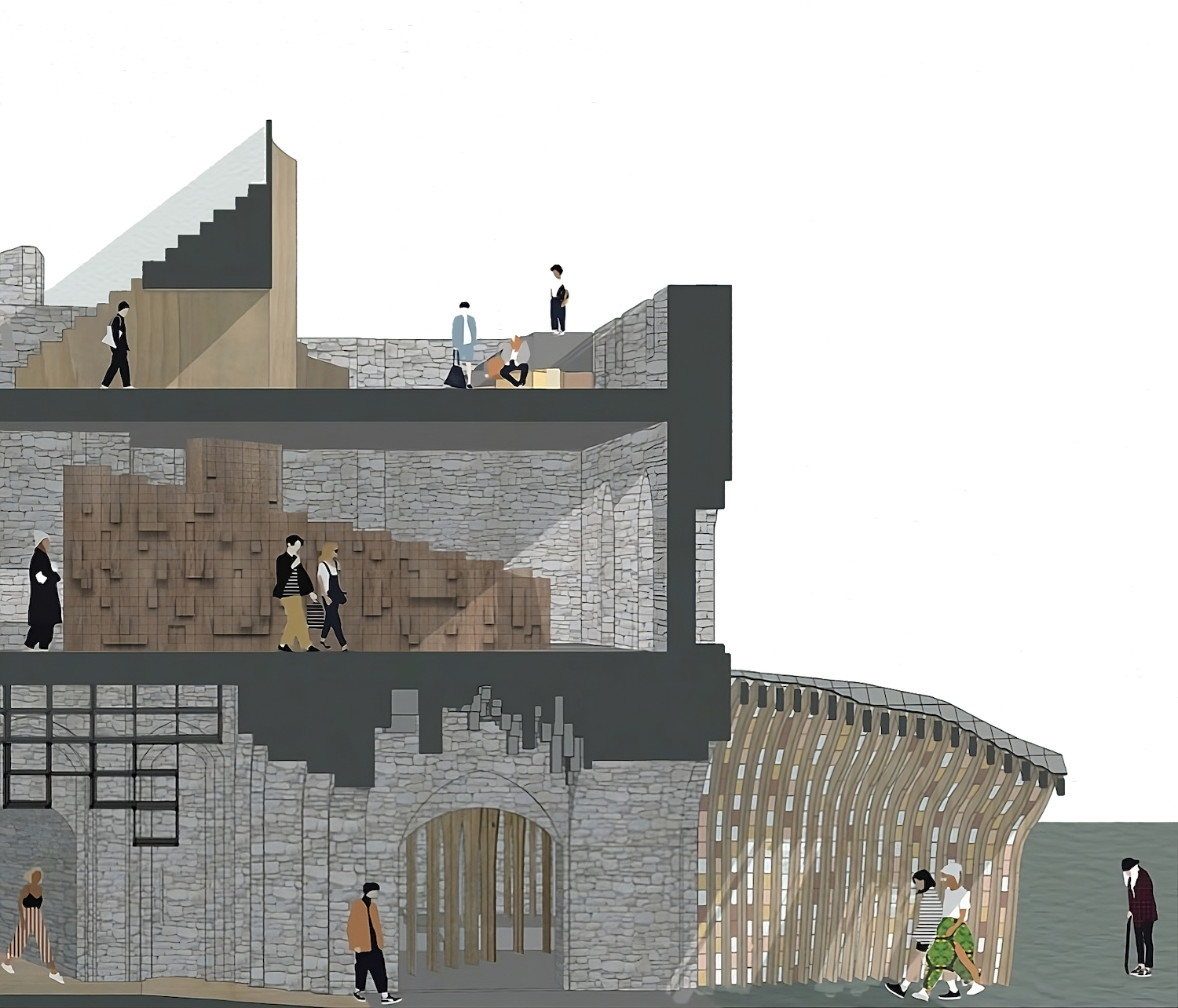
The introduction to software like AutoCAD, Revit and now Rhino3D has illuminated the kinds of ways I can present my ideas to clients in the future, as well as just in university projects. It has shifted not only how I design, but how I communicate design – something I’ve come to realise is just as important.
The advancements of modern technology have made it possible for technical drawings to be produced in ways that the humble pencil-to-paper methods would take far more time and effort to achieve. Things which, in the contemporary world, are used more sparingly. The ability to access these online from virtually anywhere, share and collaborate with others digitally, is part of what now makes digital software literacy a fundamental skill for graduates. And with the rise of AI, many original works are easily copied and produced at rapid rate, so authenticity and originality are more valued than ever.
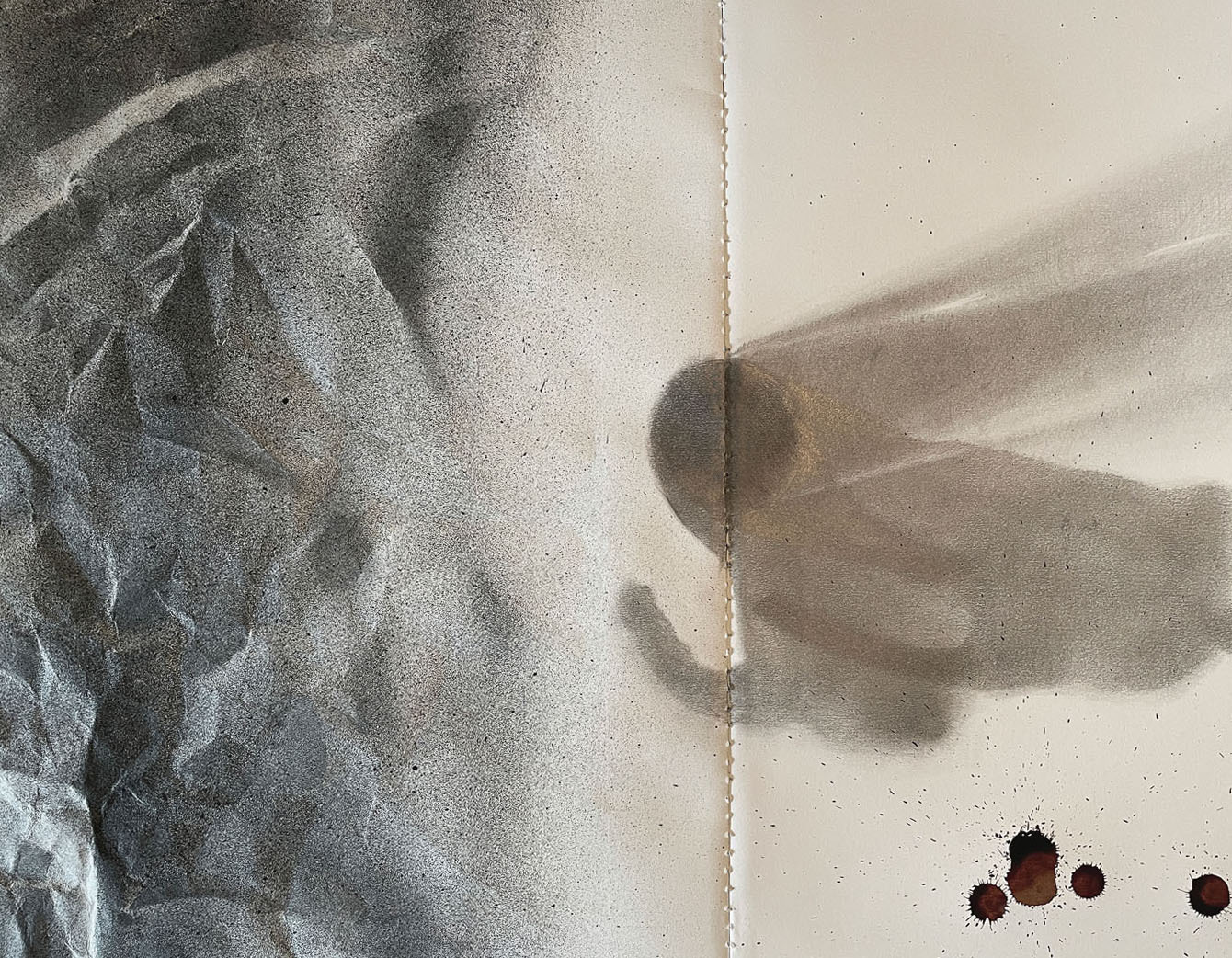
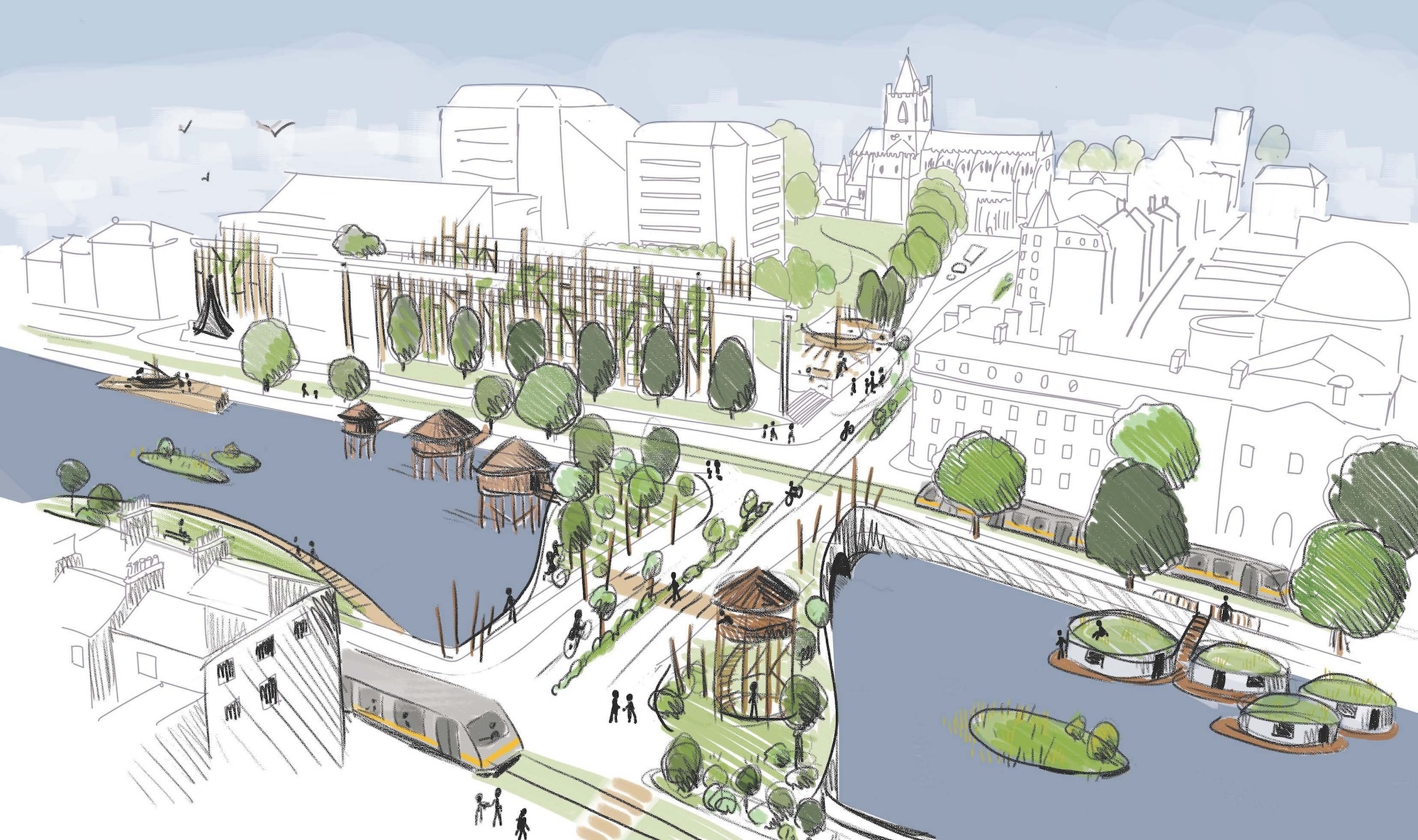
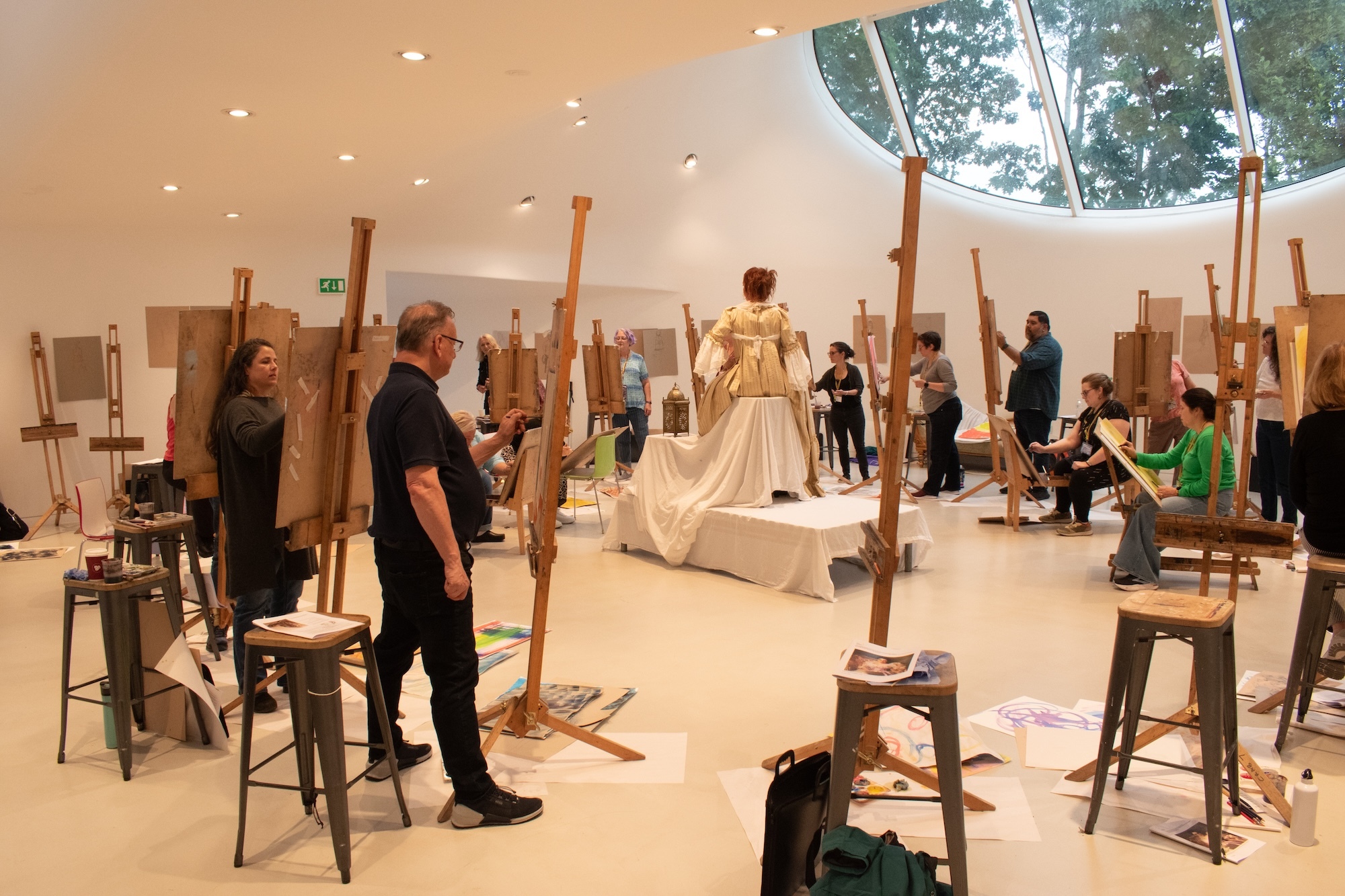
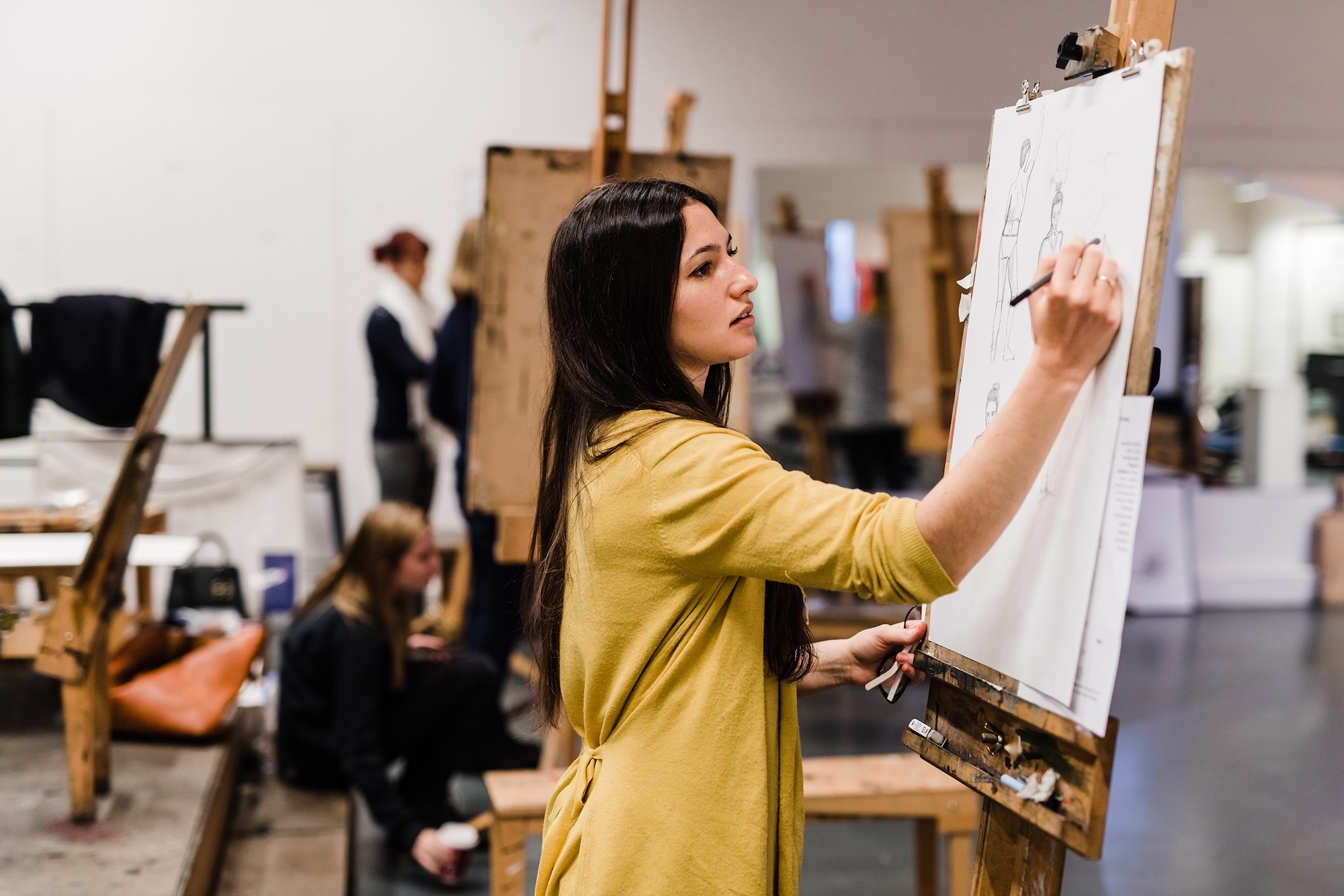
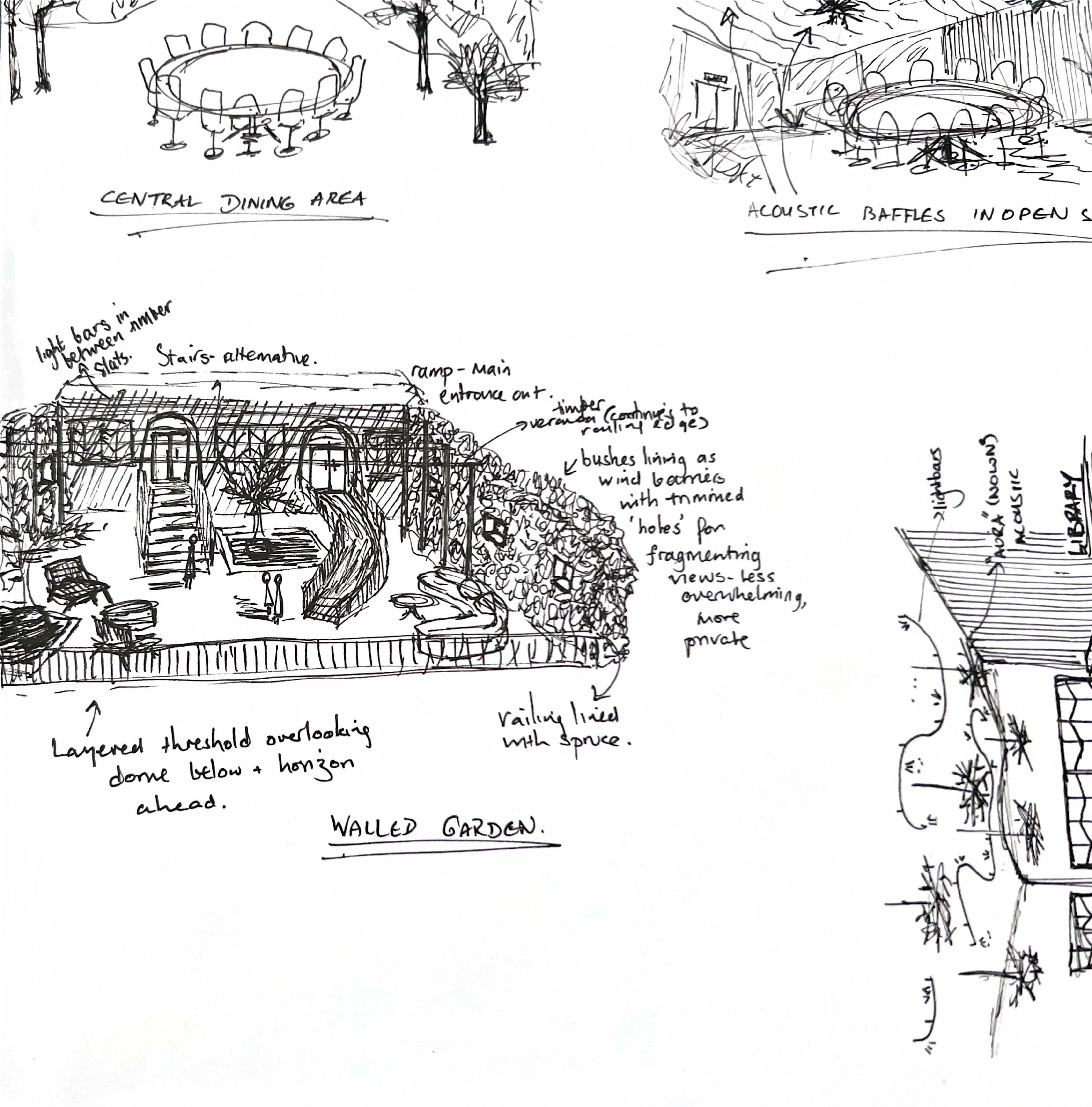
But then I find myself asking – what about the tranquil effects of drawing by hand? The quiet connection and natural flow that comes with sketching ideas in a physical medium is something I don’t think digital processes can fully replicate. The human imagination is unbeatable by any set of code, and the uniqueness of each design that can be created is powerful in this era of digital growth.
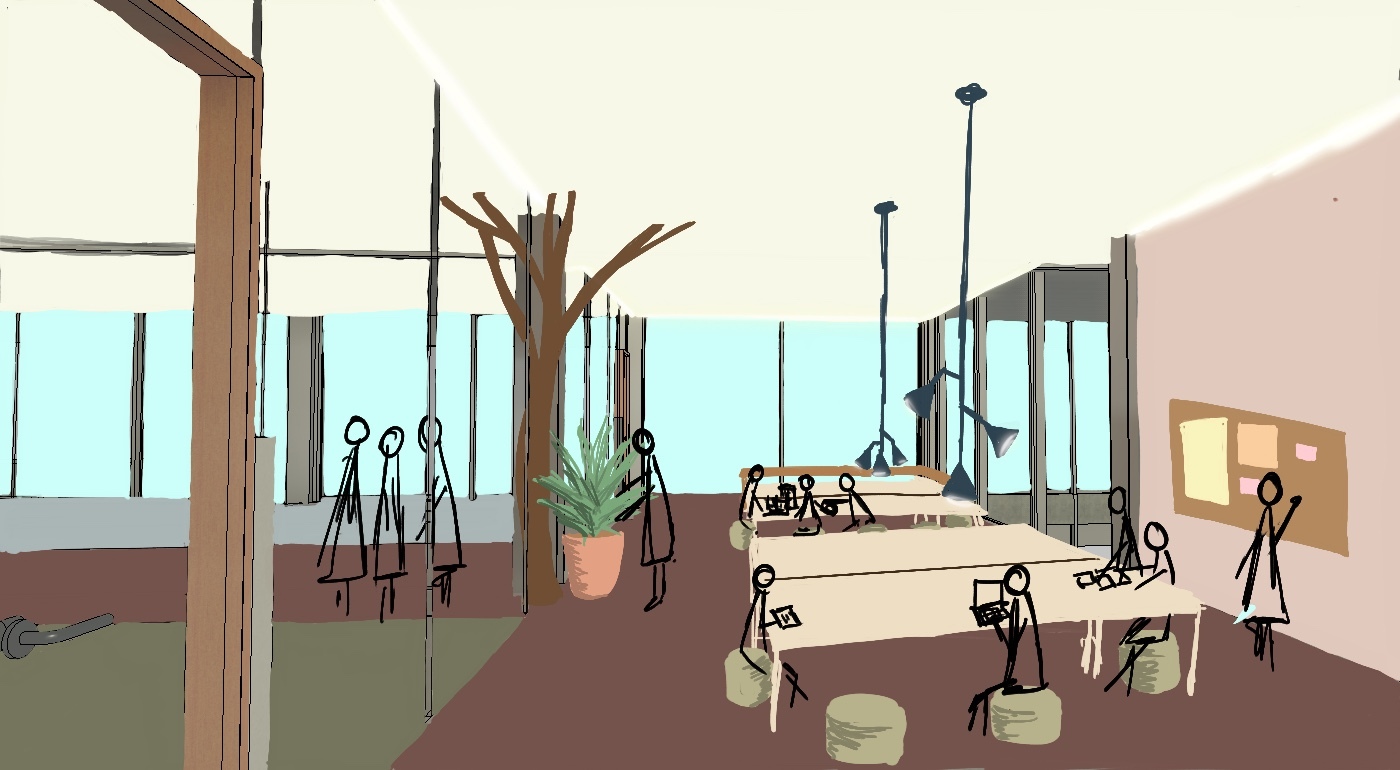
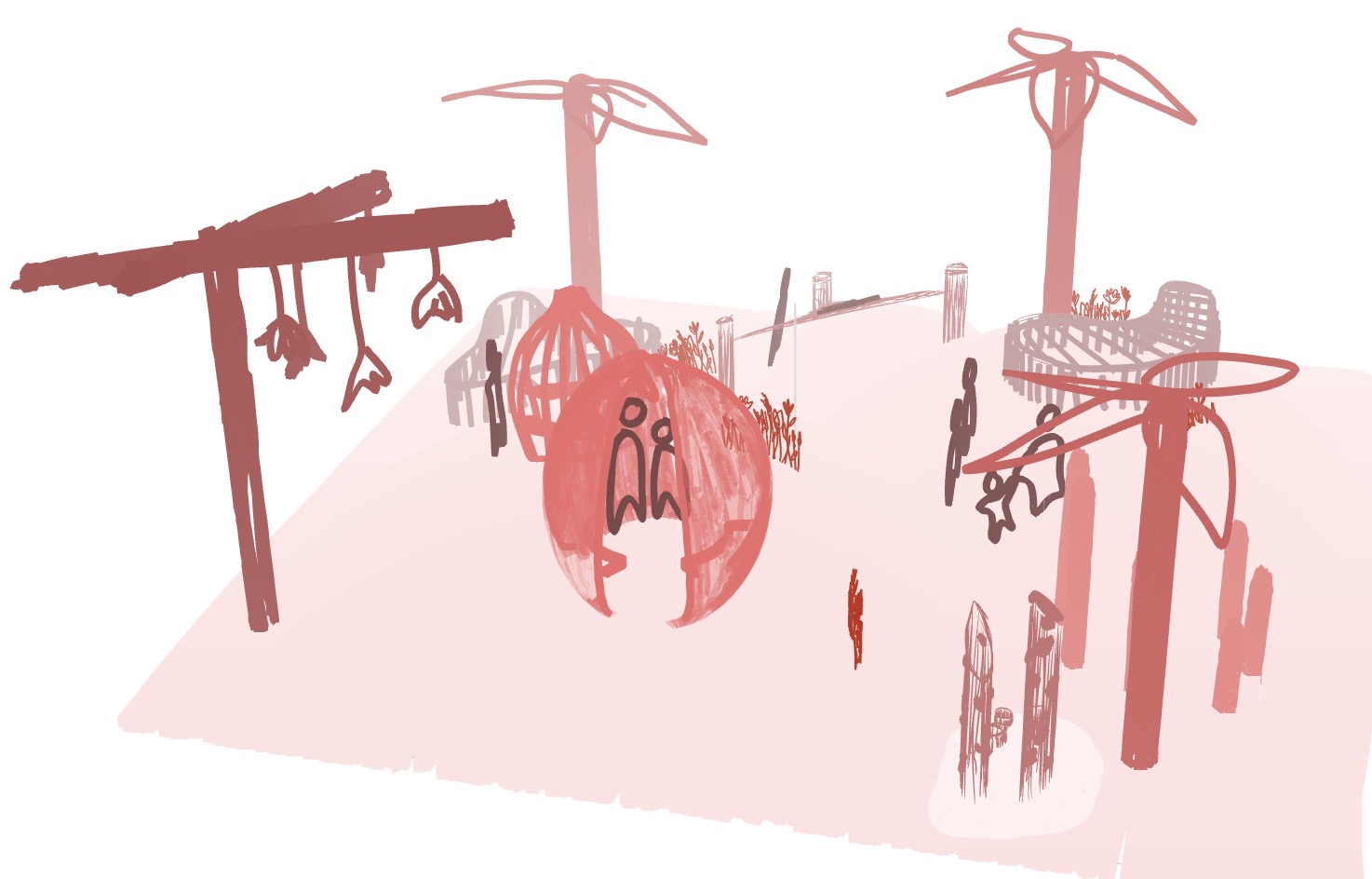
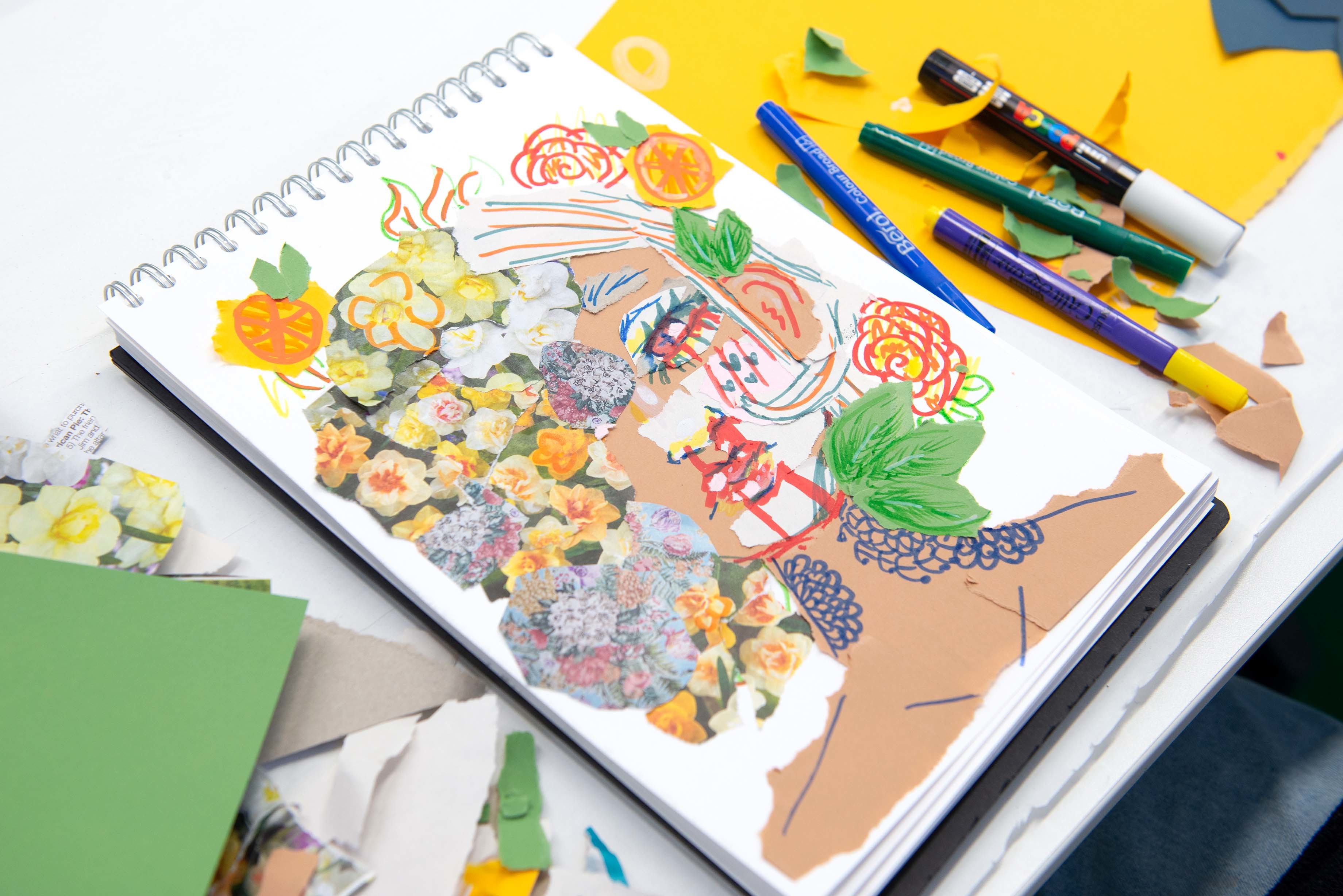
These are skills that BA (Hons) Interior Architecture and Design has taught me. To continue demonstrating throughout the ideation and development processes of each project, as the ability to sketch quickly, test ideas and experiment with different mediums, is necessary in conveying ideas. And luckily, as an architect, these sketches don’t have to be ‘perfect’ in the beginning; they just need to capture the essence of an idea as it begins to form. The digital software comes in later, when those ideas need to be translated into precise, technical drawings.
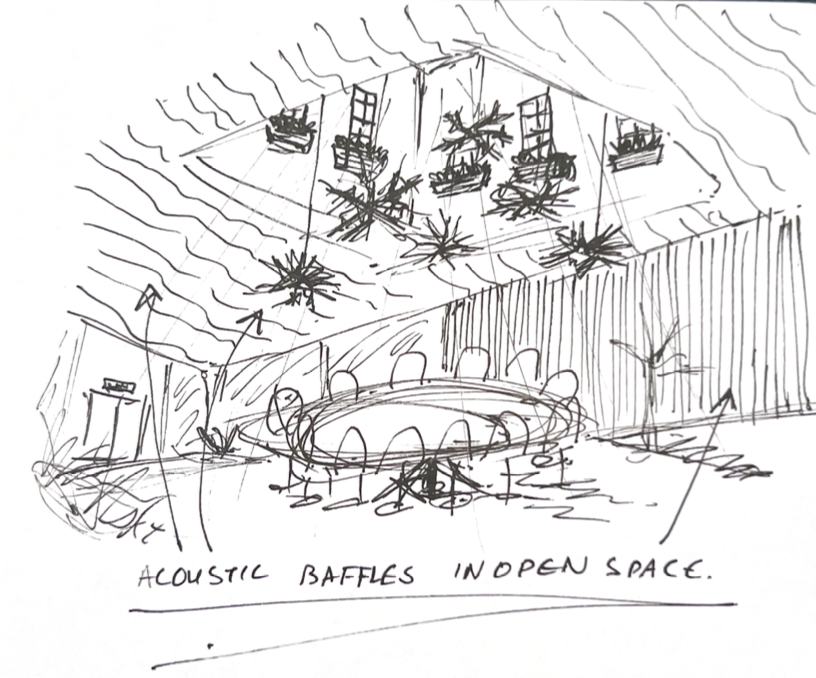
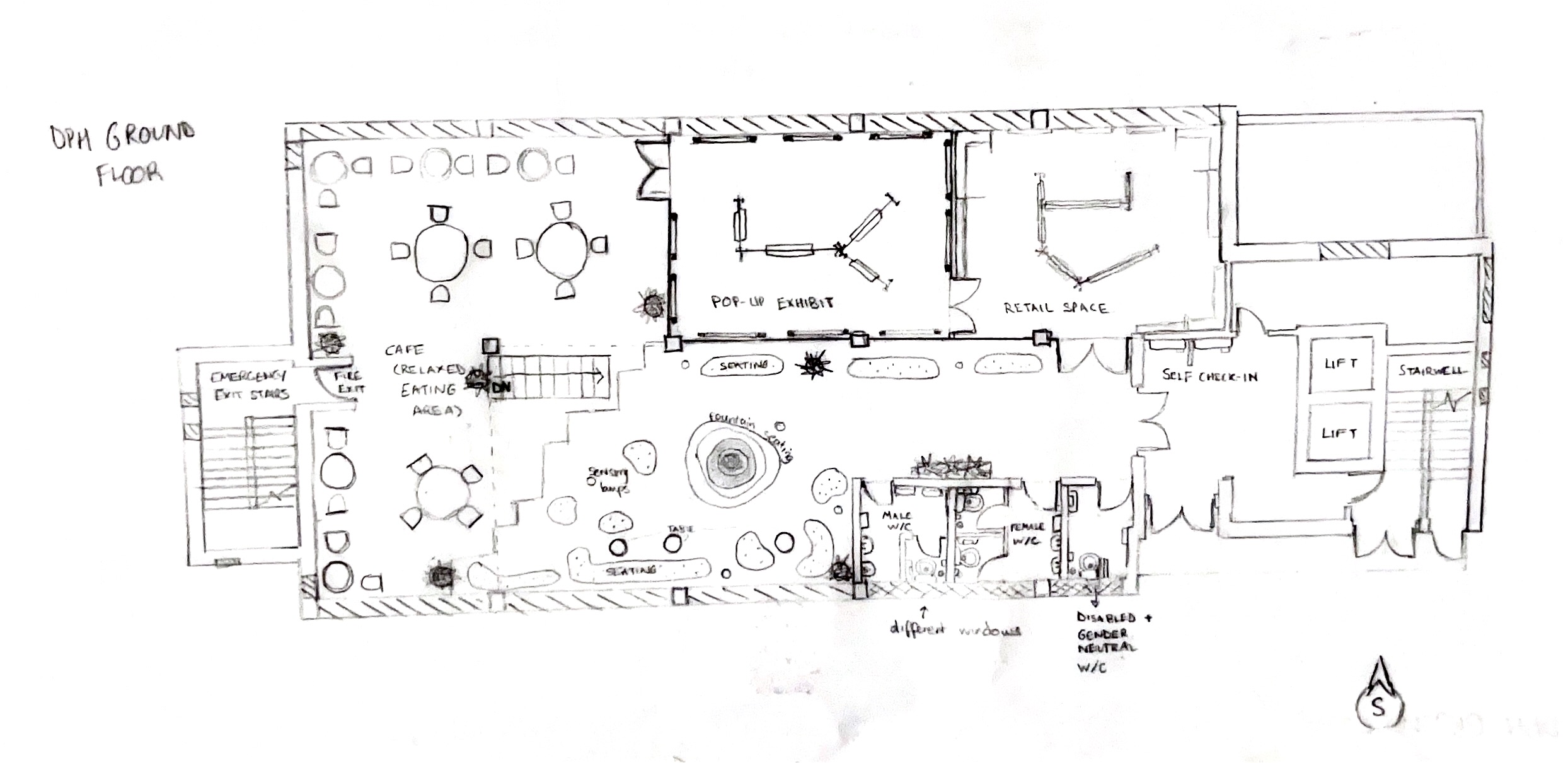
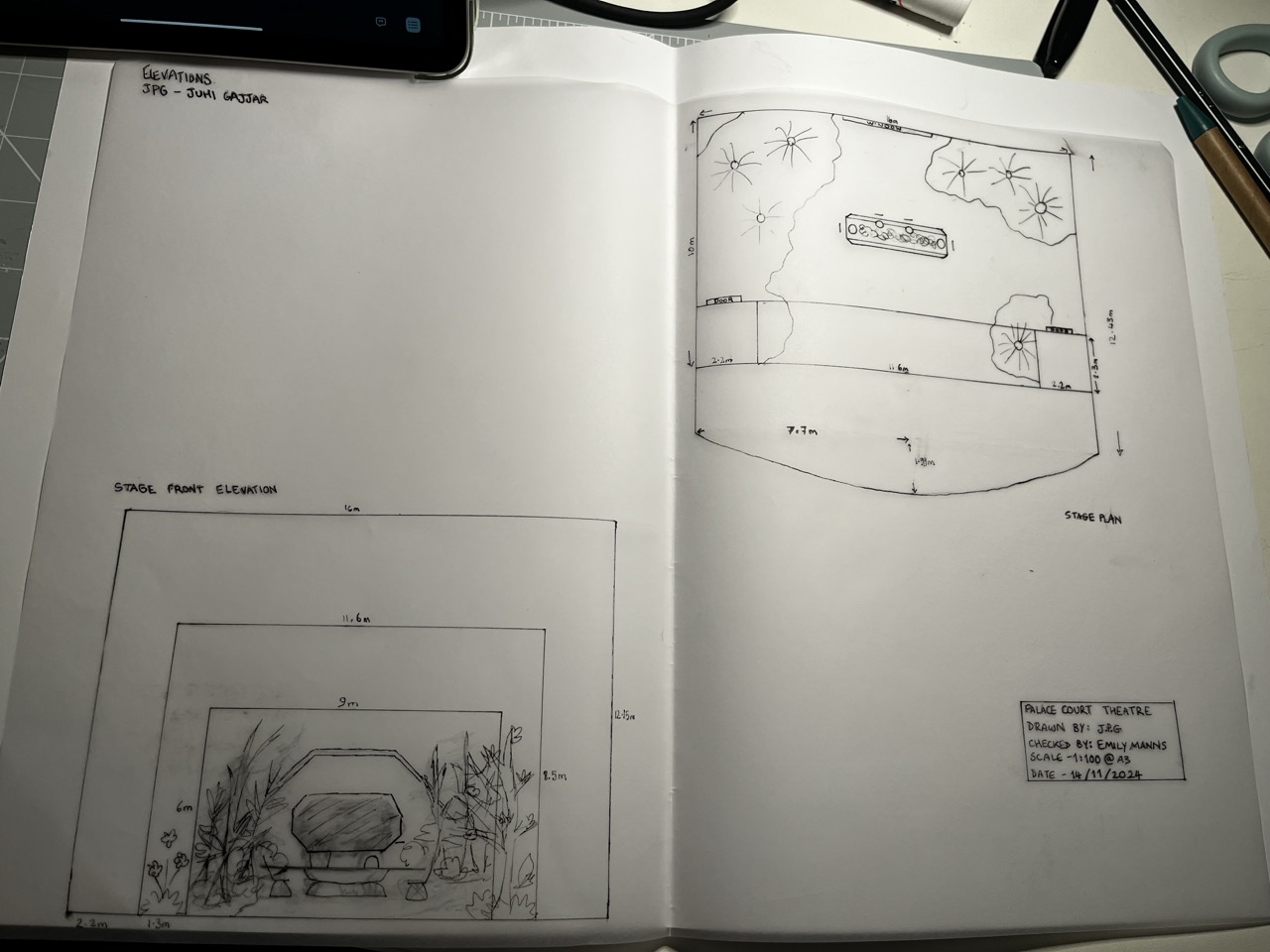

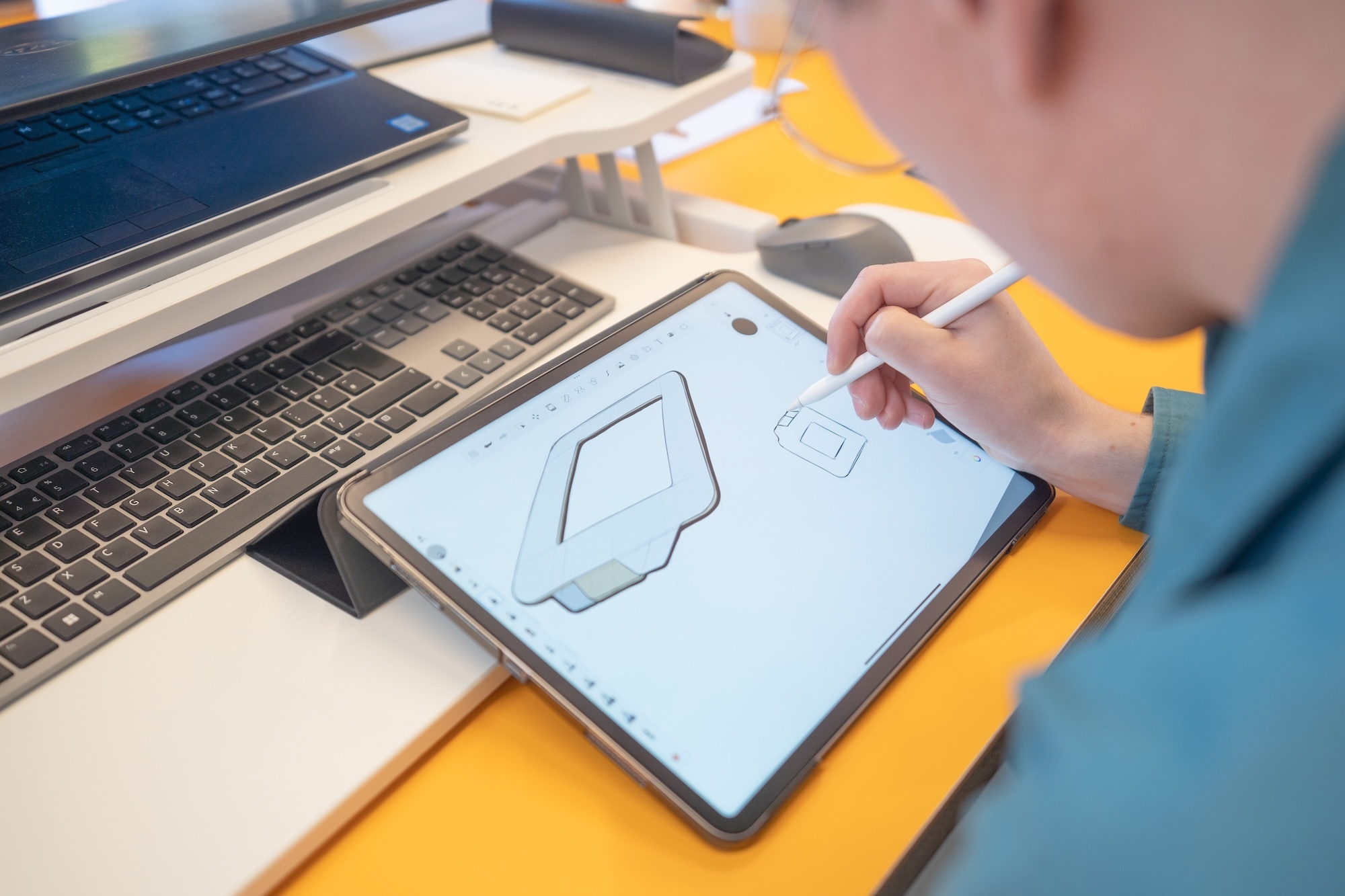
Through practice, I’m learning that in my discipline, both skills are not just preferred, but necessary for the strongest outcomes. That said, I’ve always been old school – an analogue worker. I study technical software experimentally and often revisit the basics when touching on it again. My comfort choice is to sketch by hand. Be it on paper or my iPad, it’s my way of working and it has worked strongly in my favour.
The most incredible thing is being able to blend the analogue with the digital and visualise how my analogue skill set has levelled up my digital projects. Analogue practice teaches muscle memory, precision without technical assistance, and immense patience when you have to rub things out and start again, instead of just clicking undo! So, I see it as a great base for learning any digital software.
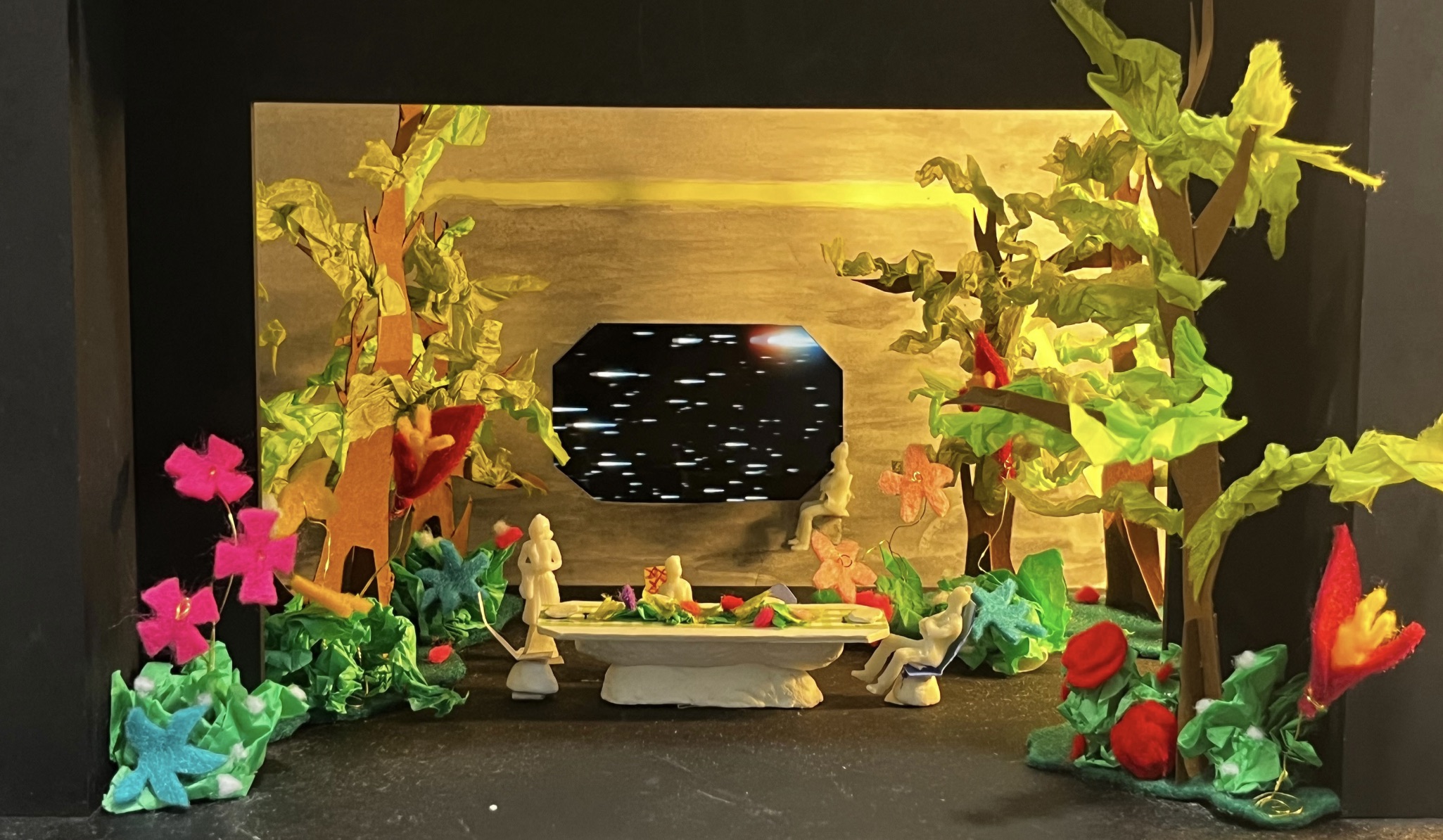
Overall, I would say my thoughts lean more in the favour of having confidence in the original methods – the analogue hand-sketching and modelmaking – before stepping fully into digital territory. That way, I have been able to trust in my ability to visualise an idea, such as a design concept or single feature of a space, through analogue methods, before providing the digital work as a final concept. And while I wish I could always do things the analogue way and try to be some rebel in this digitally simplified world, they work best together than apart.