








You are using an outdated browser. Most of this website should still work, but after upgrading your browser it will look and perform better.
- Home
- Undergraduate Courses
- BA (Hons) Fashion
- Course details
BA (Hons) Fashion
- Duration: 3–5 years full-time
- Placement year: Optional 1 year
- Course code: W230 (UCAS)
- Institution code: A66 (UCAS)
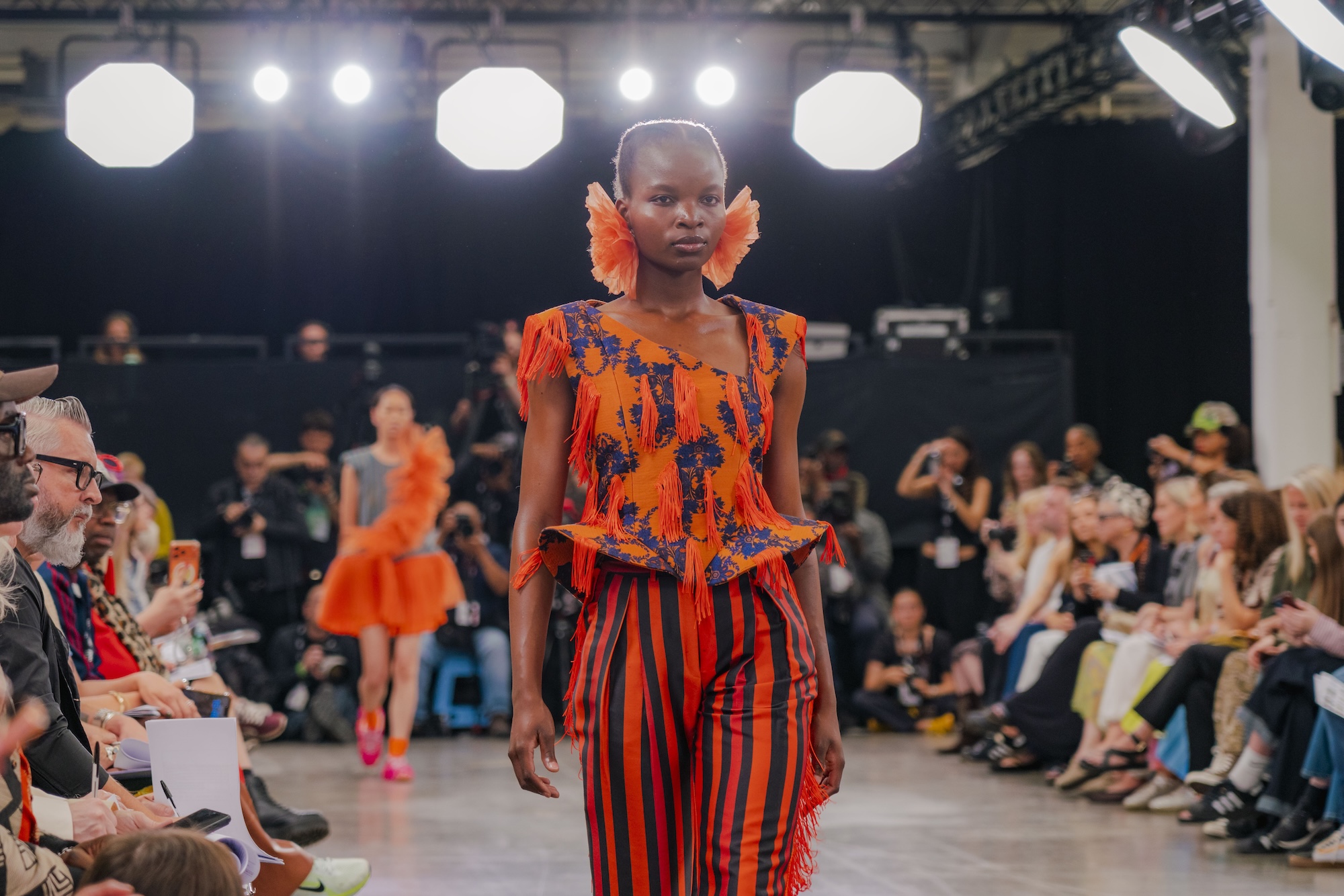
BA (Hons) Fashion course information
By joining Fashion at AUB, you'll join a community that supports experimentation, exploration and the application of traditional and contemporary techniques and methods, to inform creative solutions for a more considered fashion future.
On this course, you'll explore fashion from concept to realisation, experimenting, interrogating, and developing design practices that are appropriate to your individual design philosophies. Your creative journey will explore design practice, cutting-edge digital fashion technology, craftsmanship, product development and presentation. The course also allows you to discover connections between concepts of dress, fashion, and the body as a site for artistic expression.
The social, ethical and environmental contexts of fashion are critical forces – they're central to course debate and practice. How we understand fashion’s impact will inform creative solutions and help you become effective change-makers for a more sustainable and inclusive world. As award-winners in innovation, with a portfolio of student successes that are internationally recognised through graduate destination, exciting industry collaboration and inspirational speakers are integrated into the DNA of the course.
While you study at AUB, you'll construct a unique portfolio of skills to support your career launch or graduate outcomes. We celebrate your individuality and we'll help you realise a tailored path within the fashion industry and community at this critical time in history.
Three reasons to study BA (Hons) Fashion at AUB:
- We celebrate Individuality and creative expression. We'll help you find your own design handwriting and tailor projects to your individual approach, career ambitions and fashion goals! With named awards in Fashion, Fashion (Design), Fashion (Textiles), Fashion (Digital Innovation), and Fashion (Product Development). You really can create a bespoke portfolio of work, which will help you define your next steps after graduation.
- Collaborative partnerships with industry. BA (Hons) Fashion at AUB champions creative collaboration. With exciting live projects, inspirational guest speakers and genuine industrial partnerships we know we work best when we work together.
- We're award-winners in Innovation. BA (Hons) Fashion has a world-class reputation for pushing the capabilities of digital technology, and we have a proven track record of winning international and UK awards for creativity in fashion. We encourage experimentation and risk-taking and explore the limits of our creative expression through workshop delivery, personal work and discussions. This gives our BA (Hons) Fashion students a desirable set of skills when taking their next steps after graduation.
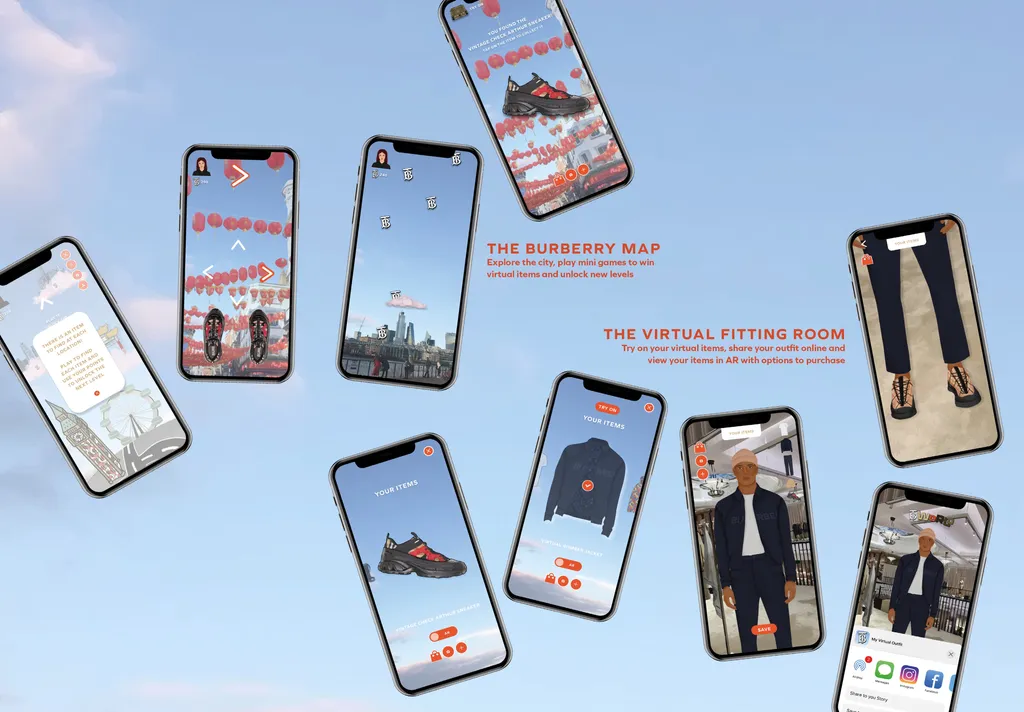
BA (Hons) Fashion students are pushing the boundaries of digital fashion. With a clear identified understanding of digital fashion software explored from Level 4, you'll innovate and develop new approaches to technological developments and how to align these to their developing practice in line with industry advancements throughout Levels 5 and 6.
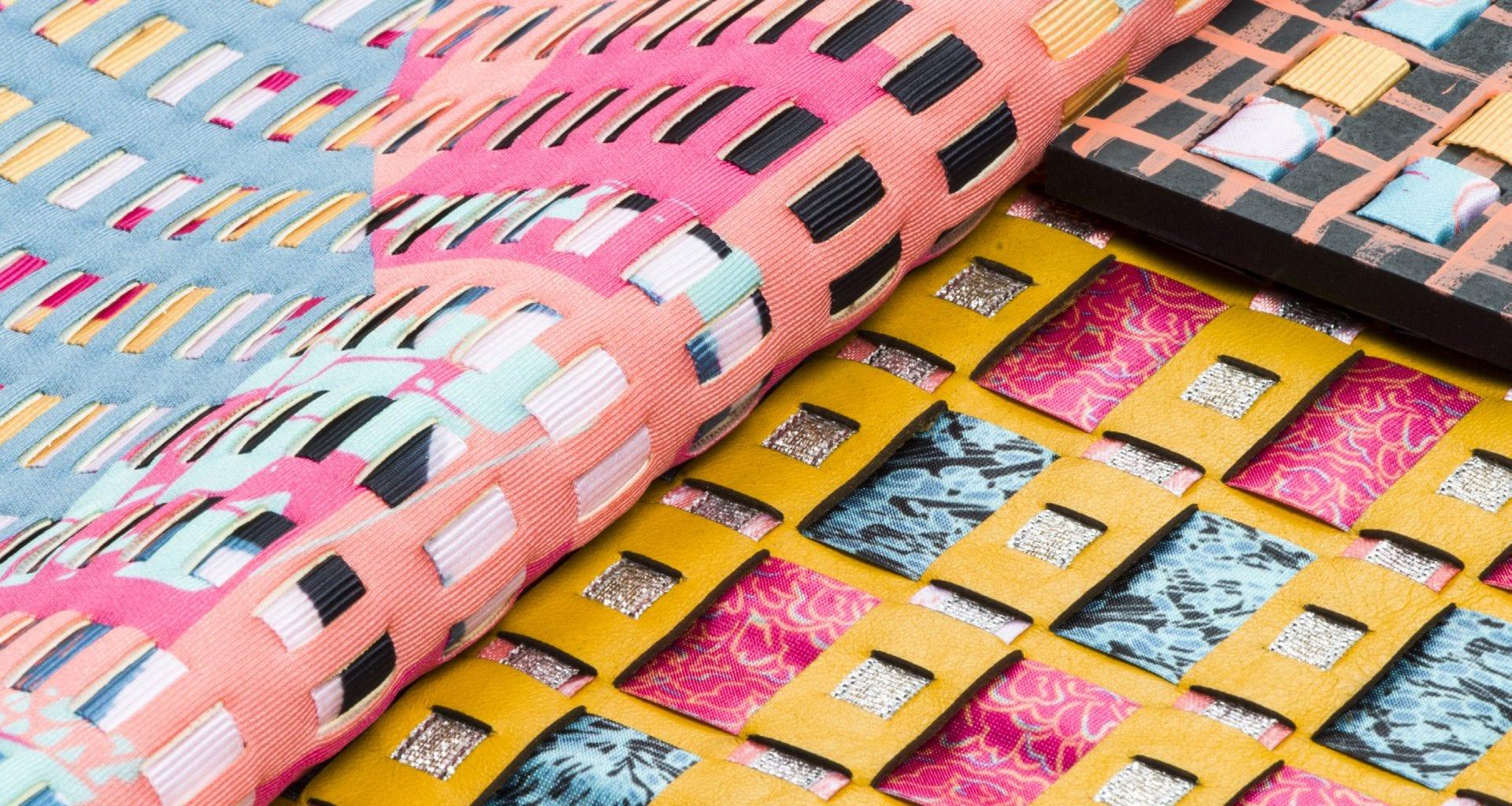
You'll all experience and explore the breadth of textile opportunities as part of your BA (Hons) Fashion journey; where possible, you'll work alongside students from both BA (Hons) Fashion Communication and BA (Hons) Textiles Design. From digital embroidery and digital print to wet dye processes such as screen print and dyeing, to constructed textiles alongside digital rendering of fabric textures for digital avatars and prototypes. This sets us apart in terms of fabrication giving you the opportunity to explore, personalise and develop truly unique approach to colour, pattern and texture as part of your fashion output.
BA (Hons) Fashion offers you the opportunity to gain a “named award” in one of a number of specialist areas, which have been developed to not only reflect areas of expertise on the course, but also, more importantly, reflect the nature of the global fashion industry into which our graduates will progress:
- BA (Hons) Fashion (Design)
- BA (Hons) Fashion (Textiles)
- BA (Hons) Fashion (Digital Innovation)
- BA (Hons) Fashion (Product Development)
Integrated Foundation Year
On BA (Hons) Fashion, you have the option to take a specialised Integrated Foundation Year, or Year 0.
The Integrated Foundation year allows you to explore and develop your skills and knowledge at an introductory level, gaining a better understanding of what the subject area has to offer before joining the degree.
Placement year
All undergraduate courses at AUB offer an optional placement year, to be taken between your second and third years of study.
If you’re unsure about this optional placement, you don’t need to decide now. Once you’re here and studying with us, the course team will discuss the placement options with you, so when the time comes, you can make a decision that’s right for you.
Exchange and international summer programmes
Students on BA (Hons) Fashion have the chance to broaden their horizons through exciting exchange and international summer programmes. These opportunities allow you to study abroad at one of our brilliant partner institutions, experience different cultures, and enhance your academic journey.
Level 4 (first year)
Your first year introduces creative exploration and skill set submersion, focusing on fundamental skills as an enriching foundation for the student journey.
It’s comprised of three skill-based units with intensive design development, pattern cutting, construction and fashion textiles sessions. It’s underpinned by contextual, social and ethical debates and an introduction to digital fashion software to support your sustainable practice.
As you immerse yourselves in university life, you're encouraged to explore your design individuality (DNA), develop confidence in technical problem-solving and identify strengths, interests, and areas of specialism.
With a strong sense of course and campus community, collaboration is encouraged. You'll work with peers from other year groups to expand your understanding and emerging practice. This allows you to engage with a broad range of experiences to support specialist decisions in the future.
Additionally, in line with Graduate Futures I, you'll be introduced to both course and Careers and Enterprise service activities appropriate to this level.
Level 5 (second year)
Level 5 prioritises innovation, market awareness and industry practice. Building on the knowledge of fundamental rules from Level 4, you'll now challenge them, critique the status quo, and innovate solutions to problematics within fashion industry and culture.
Fashion Engineering is a technical unit in which you'll discover the intricacies of tailoring, technical drawing, working with archives, and preparation for communicating with industry professionals. You're encouraged to question existing practices and look for new solutions, exploring diversity and emotionally considerate design as practice.
This is followed by 3D Innovation, offering a first opportunity to explore creative pattern cutting, develop knowledge of digital fashion software and presentation. You'll continue to explore your design ‘identity’, which is foundational to your unique design philosophy.
Level 5 concludes with the Industry Collaboration unit, offering the unique opportunity of participation in a ‘Live Project’ collaborating and designing for a high-end brand or design company. Recent collaborations have included Size?, ThruDark, Vivienne Westwood, COS and luxury British heritage brands.
Additionally, in line with Graduate Futures II, you'll continue to practise both course and Careers and Enterprise service activities appropriate to this Level.
Upon finishing Level 5, you may have the opportunity to undertake an industry placement year. The placement year will be recognised on the degree transcript and as you'll remain a registered student for the duration of the Placement Year, you'll retain access to all university support services. Recent placements have included Paco Rabanne, COS, Vivienne Westwood, Christopher Raeburn, Victoria Beckham, Florence and Fred, H&M, Coast and Clarkes. Placements often lead to a permanent role on graduation, providing a greater chance of success for graduates of this course.
The course also offers international student exchange opportunities, where Level 5 students can apply to complete a term at one of AUB’s international partner universities.
Level 6 (third year)
Level 6 consolidates the skills developed through previous levels in preparation for graduation and your career launch. It’s considered by graduates as the most challenging and exciting time of their university experience.
You'll focus on a specialist area of study; the Final Major Project is a self-determined body of industry-ready work aligned to a career plan, alongside portfolio development and a Research Project interrogating a topic relevant to individual practice.
The final unit is an opportunity to create and present a portfolio of creative work that demonstrates the specialist practice and unique skills you've developed during your time at AUB.
This unit helps you to effectively communicate your ambition, innovation and grasp of content and context through a professional portfolio, preparing them for the demands of future employment or further study.
Additionally, in line with Graduate Futures III, you'll engage with both course and Careers and Enterprise service activities appropriate to this Level and apply them to your chosen aspirations for after graduation.
APPLICATIONS ARE OPEN
It's not too late to apply! Now that you've found the perfect course, it's time to join our creative community.
Check out our handy 'how to apply' guide and our portfolio top tips.
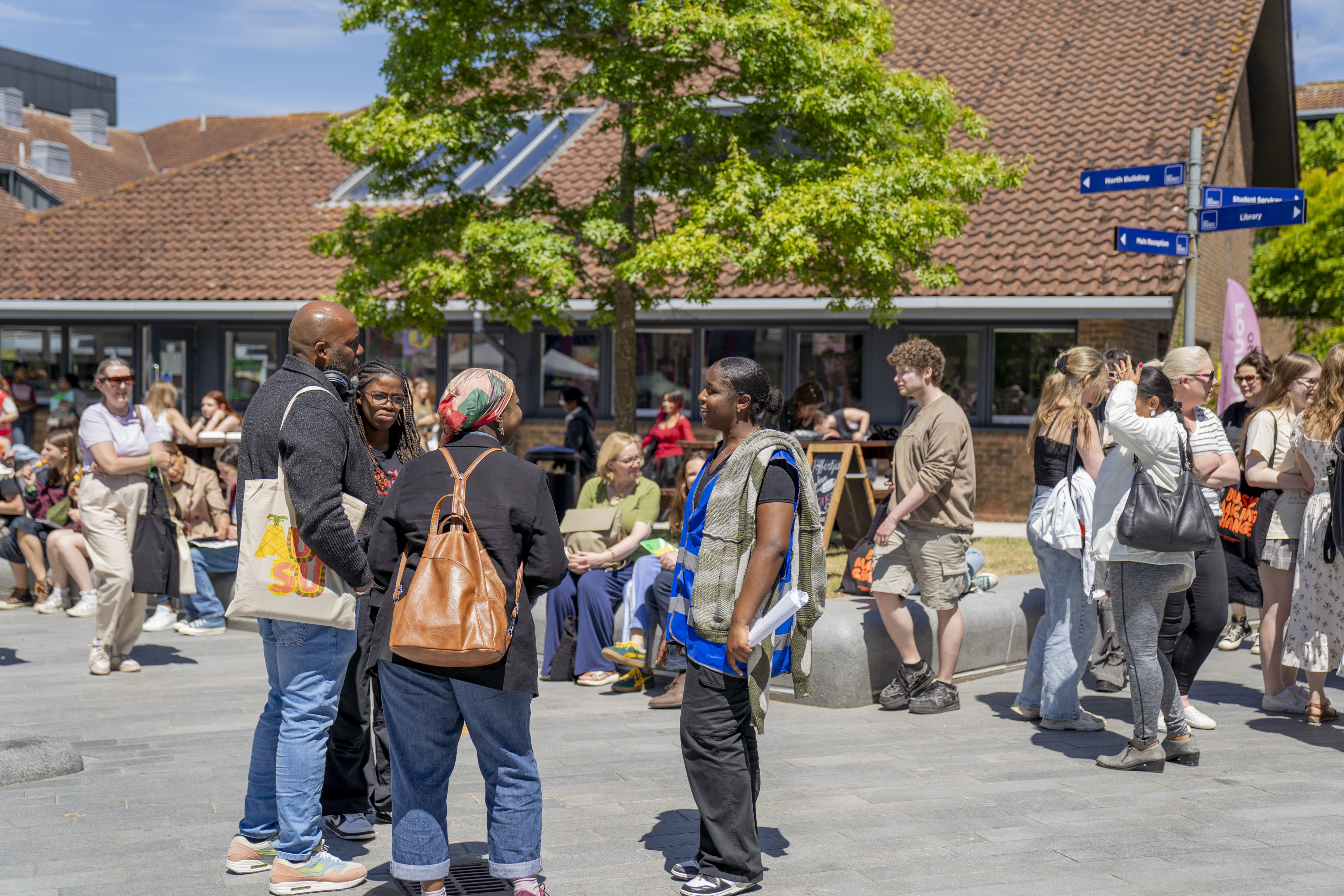
OPEN DAYS
Open Days are a great way to get a feel for undergraduate life at AUB. At an Open Day, you'll be able to explore the campus, talk to course teams and discover our industry-standard facilities.
Visit us on:
- 7 November
- 5 December

STEP INTO INDUSTRY
Your journey to the creative industries begins with us, while you're studying.
Whether it's on a placement, working on a live brief with your course Industry Patron, or even in a one-to-one with our careers and enterprise service, we equip you with the skills to enter the largest sector in terms of employment in the UK.
AUB SHOWCASE
We're proud of our alumni, and rightfully so.
Explore the incredible work of our graduates in our online AUB Showcase.
Browse work by course, student or theme.
Teaching, learning and assessment
The course combines both independent learning and taught sessions throughout all levels.
Each unit is assessed separately, and the assessment forms part of the unit. Assessment both provides a measure of your achievement, and also gives you regular feedback on how your learning is developing.
Taught sessions are designed to support, underpin and inform independent learning and are delivered in a variety of styles including a diverse range of ongoing practical workshops, demonstrations, lectures, group and individual tutorials, seminars, critiques, unit briefings and optional study visits. These are delivered by the course team and supplemented by visiting practitioners from the fashion industry.
Teaching is directed at supporting individual engagement in learning, although there are opportunities to work in teams to enable you to learn the value of peer cooperation. As members of the cohort, you're all active participants in learning and teaching and through this the sharing of good practice is established. Peer learning is facilitated through group critiques and feedback sessions, collaborative projects and more informally within the studio environment.
The course team has developed a variety of learning and teaching methods which support different learning styles, inclusivity and access to learning. The main focus for the learning and teaching methods is through the assignment(s) undertaken for each unit, which reflect the level of study.
The course team has developed team teaching opportunities, both within the core team and in collaboration with Visiting Tutors and industry professionals, to enhance learning opportunities and to further your knowledge and awareness of industry practices and expectations. The team also regularly attend new and updated training, seminars and conferences in order to keep delivery current and in line with industry requirements.
The study time allocated to each unit in the course incorporates a balance of formal teaching, tutorial support and independent learning. The course is structured progressively to provide increased opportunities for independent learning as you reach the later stages of the course. The progressive promotion of independent learning and self-reflection encourages anticipated maturity and allows you to direct learning towards individual goals. Emphasis is placed upon reflective practice where you'll be expected to progressively take personal responsibility for your learning.
Contact hours include all scheduled teaching sessions, but also supervised time in the workshop or studio. In line with national guidance, we include in our calculation of contact hours all the time which is scheduled in the studio for independent study which is also supported by staff (either academic staff, or technicians).
For every unit of your course, we'll inform you of what you are expected to learn, what you have to submit, how your work will be assessed, and the deadline for presenting your work for assessment. This is made available through Unit Information, which is on your course blog.
You'll receive a final mark for each unit in the form of a percentage, which will be recorded on your formal record of achievement (transcript). Each component of assessment is graded using a notched marking scale, whereby only certain marks are used within each grade. The only marks available within any ten-point band are *2, *5 and *8 (e.g. 62, 65, 68). These marks correspond to a low, mid, and high level of achievement within each grade band.
All learning outcomes must be passed to successfully complete the unit.
On successful completion of your Honours degree course, you'll be awarded a degree classification based on your unit marks. The final classification is determined using all unit marks at Levels 5 and 6 using two different algorithms, which are detailed in the HE Student Regulations. If the two algorithms produce different results, you'll be awarded the higher class of degree.
If you've joined Level 6 through either the Recognition of Prior Learning (RPL) route or having completed a Foundation Degree (FdA), the final classification is determined using only your unit marks at Level 6.
For further information on assessment, progression, awards and classifications, please visit viewpoint.aub.ac.uk.
Course costs
The fee you pay AUB provides the necessary equipment and training for you to complete your course.
In most cases, you don't need to buy any specific items of kit before you start the course. You may also choose to buy some items of personal equipment such as a laptop or tablet computer, but this isn't required – desktop and laptop computers are available for you to use in common study areas, including a loan system in the Library.
It isn't possible to be precise about the likely additional costs that you may incur, because this depends on the choices you make and the projects you undertake. The University provides some basic materials, and you'll be encouraged to work sustainably and to reuse materials where possible, but you should still expect to make some financial investment.
For more information, including costs relating to certain courses, visit our Course Costs page.