






























You are using an outdated browser. Most of this website should still work, but after upgrading your browser it will look and perform better.
- Home
- Undergraduate Courses
- BA (Hons) Architecture (Part 1 RIBA/ARB)
- Course details
BA (Hons) Architecture (Part 1 RIBA/ARB)
- Duration: 3 years full-time
- Course code: K100 (UCAS)
- Institution code: A66 (UCAS)
BA (Hons) Architecture (Part 1 RIBA/ARB) course information
The BA (Hons) Architecture degree will help you to prepare for professional practice (Part 1 RIBA/ARB) and investigate the ways we live in the world through material and spatial relationships. You'll develop skills that will form the foundation of your career in architecture: making, collaborating, designing and communicating. Integrating practice with theory is at the heart of professional architectural practice, so that’s exactly what you’ll do here.
You’ll explore, experiment and develop new solutions. Discussing and presenting your work you'll share ideas about architecture through making tangible propositions, mindful of how they might be realised.
This ‘research-by-making’ approach encourages risk-taking, innovation and entrepreneurship. Both inside and outside the studio, as well as in regular seminars, lectures and reviews, you’ll work on projects that require a creative balance of rigour and risk, informed by your design, technical and contextual knowledge.
At every stage in your degree, you’ll have opportunities to build on your own practice through collaborations with other courses. You’ll develop an understanding of the practice and theory of architecture, grounded in making, along with critical thinking and a familiarity with the material nature of architectural ideas. You’ll explore the practice of making thoughtful, tangible, inhabited places that mediate between the individual, the world we live in, and the others we live with.
Exchange and international summer programmes
Students on BA (Hons) Architecture have the chance to broaden their horizons through exciting exchange and international summer programmes. These opportunities allow you to study abroad at one of our brilliant partner institutions, experience different cultures, and enhance your academic journey.
Level 4 (first year)
In your first year, you'll gain a sound conceptual knowledge and skill base for the study of the subject.
You'll be introduced to the conceptual and practical skills and processes necessary for making an architectural proposition, the methodologies of analysing and communicating architectural proposition, and an understanding of theoretical aspects of architectural design.
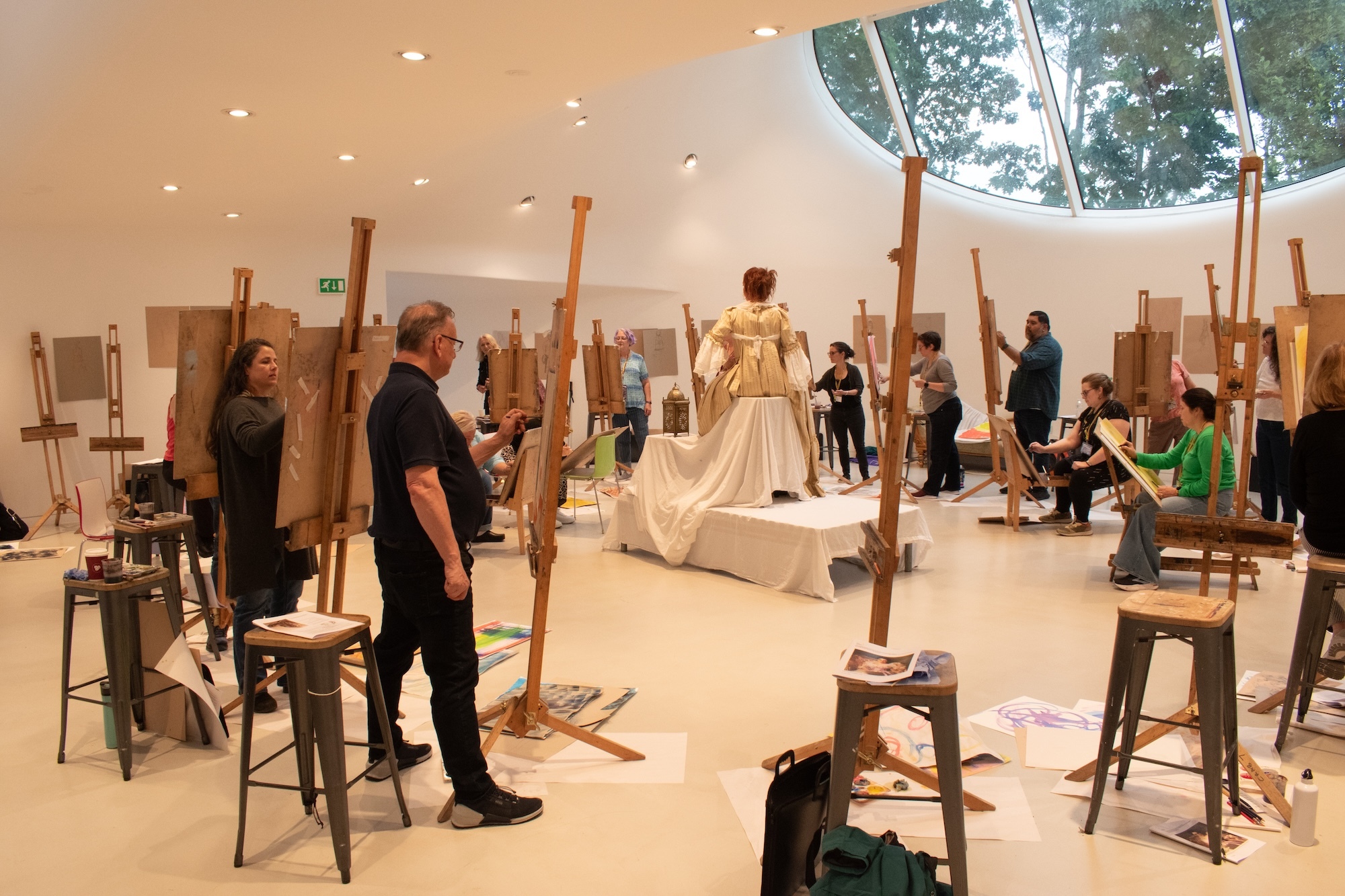
A programme of studio projects, lectures, seminars, visits, case studies, guided reading and tutorials will be used to disseminate information and concepts. You'll gain experience through practical studio-based experimentation and develop your creative design abilities through individual and group working opportunities.
Level 5 (second year)
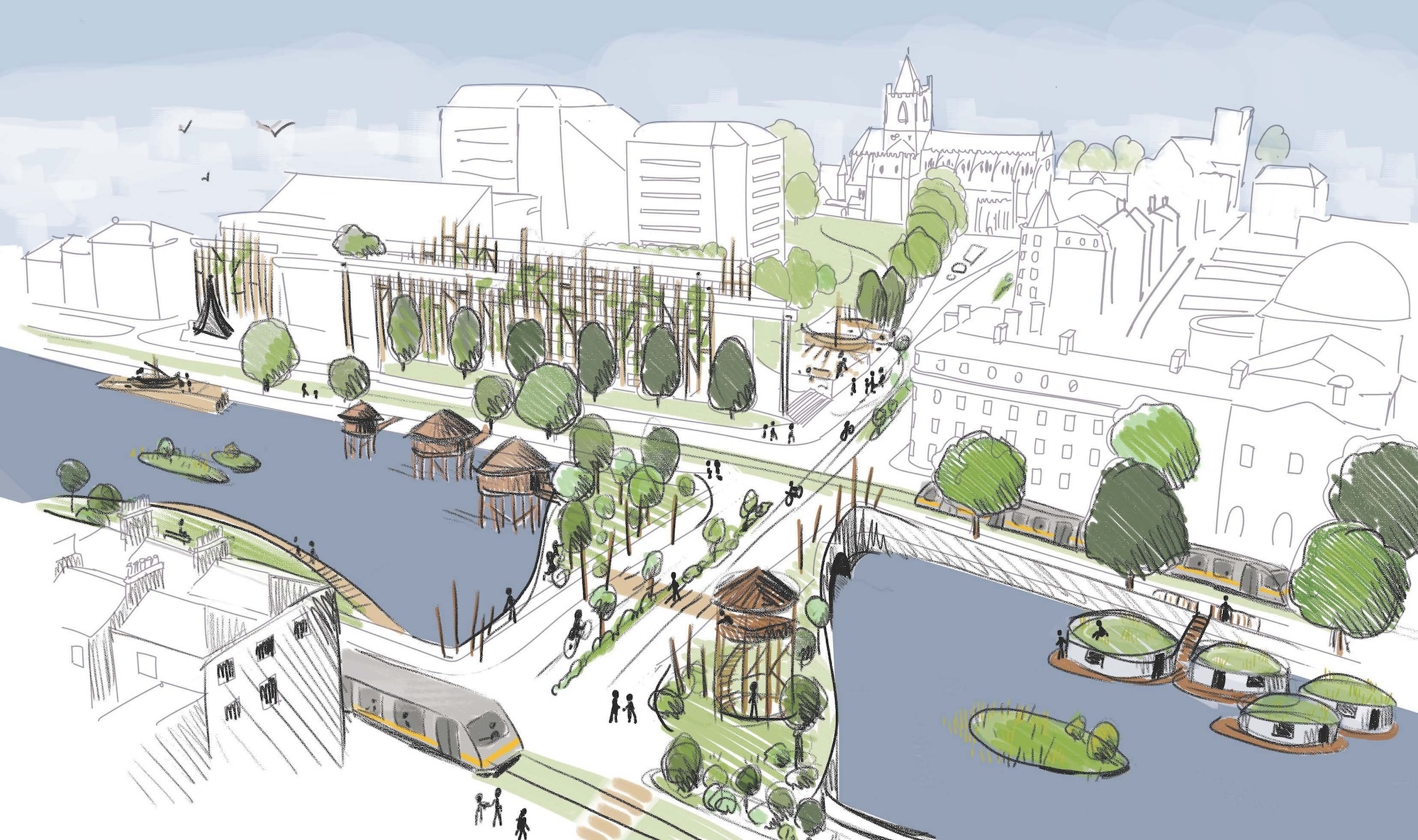
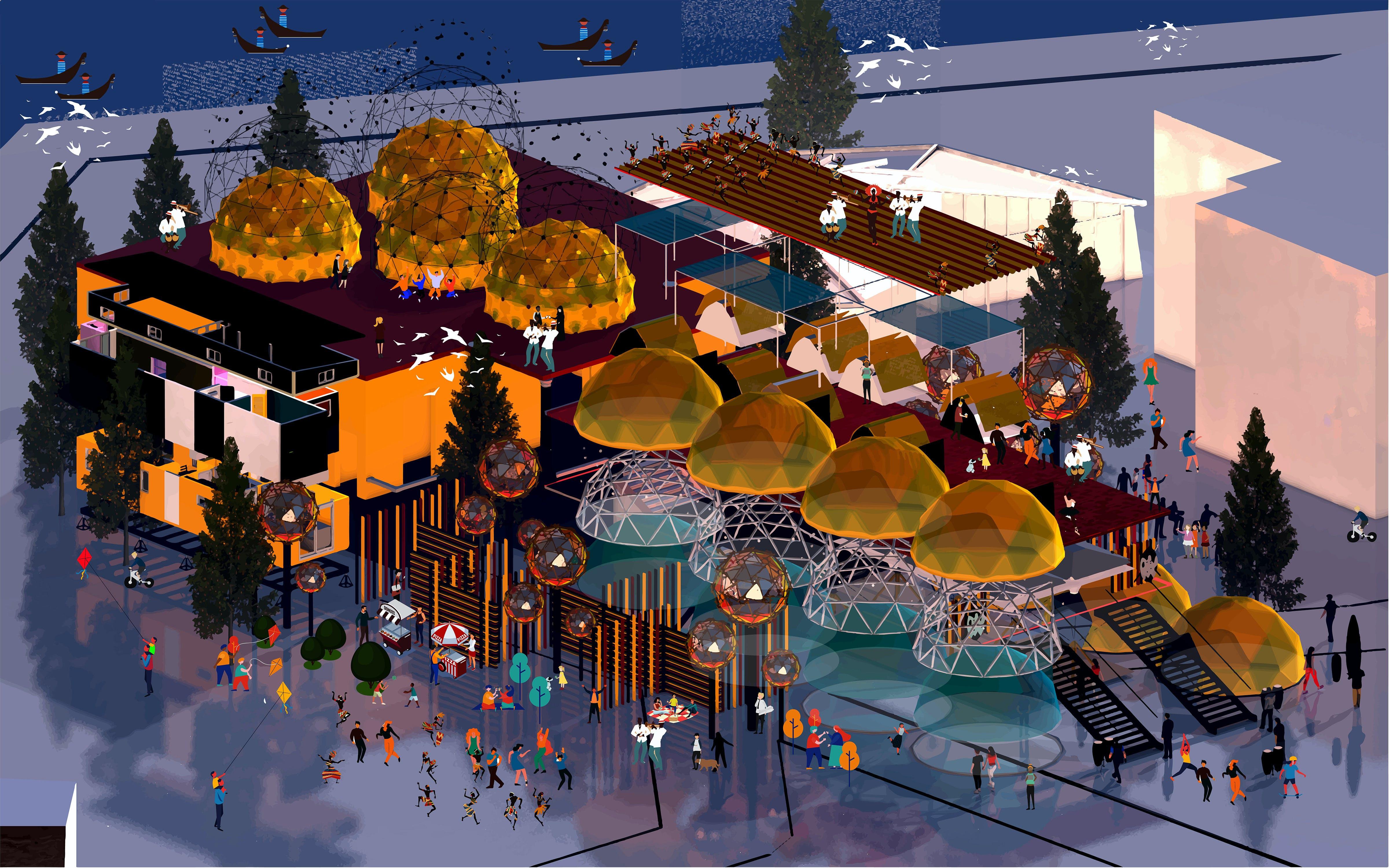
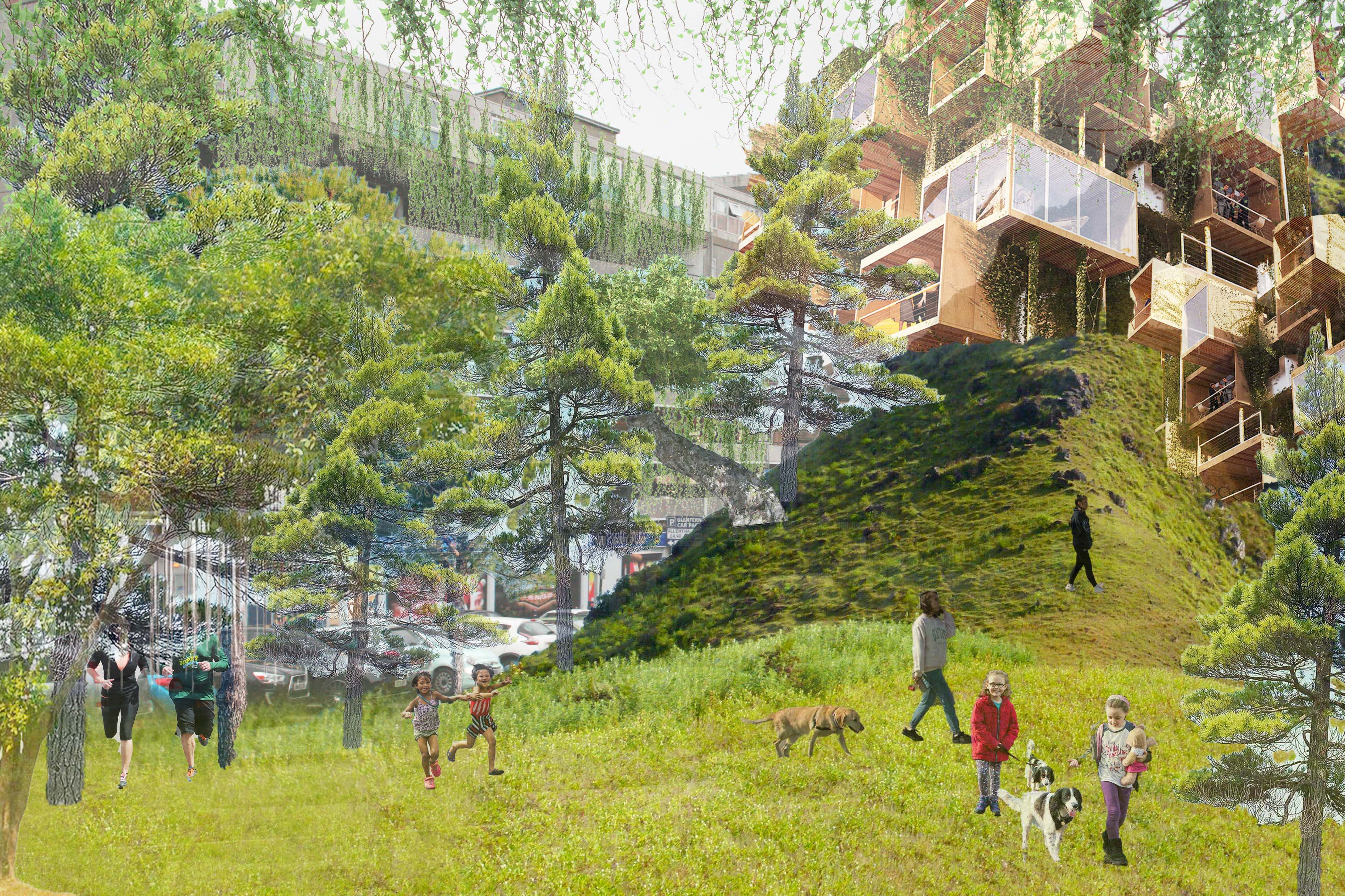
In your second year, you’ll explore issues around building in an urban context and future scenarios for architecture. You’ll propose innovative and thoughtful interventions and urban spaces to house public activities associated with the economic, sustainable and physical opportunities of the area.
Throughout the year, you’ll continue to increase your professional competence through the development of skills, knowledge and understanding. You’ll extend your knowledge through the study of construction, structure and environmental control.
Your communication skills will be applied to the design and development of an existing environment and the making of an architectural proposition. Visiting lecturers and subject specialists inclusive of professionals from industry will contribute their knowledge to your development.
Level 6 (third year)
Your third year begins with experimentation through design and research by making. You’ll further explore the ways that these ideas can inform architecture.
You’ll investigate architectural design as a way in which our built environment is conceived and perceived, focusing on contemporary issues. You’ll look at the role of the architect alongside the influence of clients, development, construction, planning, legal, regulation and wider social, ethical, economic and cultural values. You’ll demonstrate skills in models, drawings and digital media and produce a portfolio of work to prepare you for employment or postgraduate study.

APPLICATIONS ARE OPEN
It's not too late to apply! Now that you've found the perfect course, it's time to join our creative community.
Check out our handy 'how to apply' guide and our portfolio top tips.
OPEN DAYS
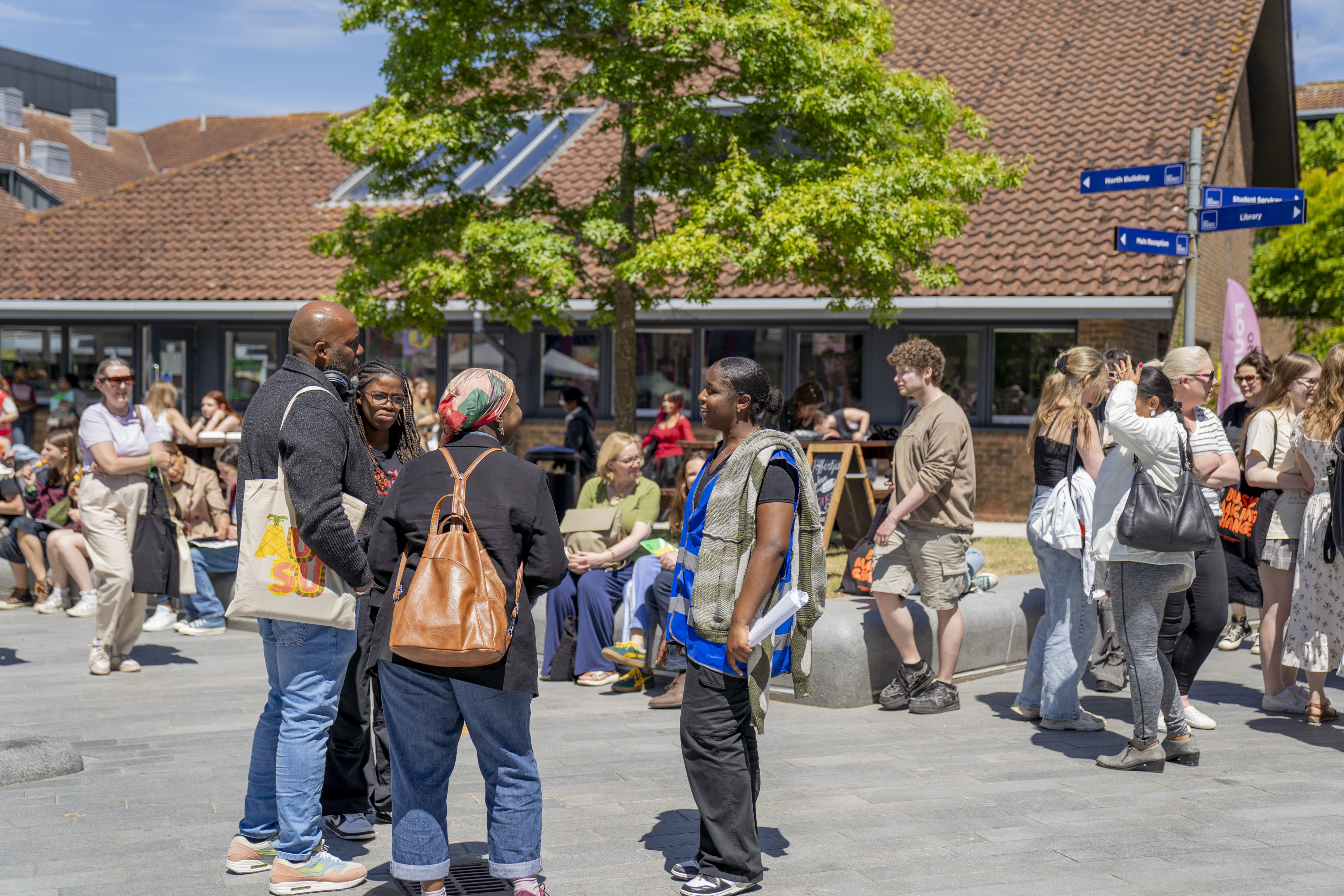
Open Days are a great way to get a feel for undergraduate life at AUB. At an Open Day, you'll be able to explore the campus, talk to course teams and discover our industry-standard facilities.
Visit us on:
- 7 November
- 5 December

STEP INTO INDUSTRY
Your journey to the creative industries begins with us, while you're studying.
Whether it's on a placement, working on a live brief with your course Industry Patron, or even in a one-to-one with our careers and enterprise service, we equip you with the skills to enter the largest sector in terms of employment in the UK.

AUB SHOWCASE
We're proud of our alumni, and rightfully so.
Explore the incredible work of our graduates in our online AUB Showcase.
Browse work by course, student or theme.
Teaching, learning and assessment
A wide range of delivery methods will be used during the course.
Each unit is assessed separately, and the assessment forms part of the unit. Assessment both provides a measure of your achievement, and also gives you regular feedback on how your learning is developing.
Throughout the BA (Hons) courses, directed learning will be complemented by allocated private study. As you progress through the course, the balance of studies shifts from an emphasis on taught learning to self-directed study. Student-initiated study forms a substantial part of Level 5 and Level 6 units.
Contact hours include all scheduled teaching sessions, but also supervised time in the workshop or studio. In line with national guidance, we include in our calculation of contact hours all the time that's scheduled in the studio for independent study which is also supported by staff (either academic staff, or technicians).
The information provided below gives the proportion of your study time, which constitutes contact hours. Where there are optional routes through the course, we've used the figures for the most popular option.
For every unit of your course, we'll inform you of what you are expected to learn, what you have to submit, how your work will be assessed, and the deadline for presenting your work for assessment. This is made available through Unit Information, which is on your course blog.
You'll receive a final mark for each unit in the form of a percentage, which will be recorded on your formal record of achievement (transcript). Each component of assessment is graded using a notched marking scale, whereby only certain marks are used within each grade. The only marks available within any 10-point band are *2, *5 and *8 (e.g. 62, 65, 68). These marks correspond to a low, mid, and high level of achievement within each grade band.
All learning outcomes must be passed to successfully complete the unit.
On successful completion of your Honours degree course, you will be awarded a degree classification based on your unit marks. The final classification is determined using all unit marks at Levels 5 and 6 using two different algorithms, which are detailed in the HE Student Regulations. If the two algorithms produce different results, you'll be awarded the higher class of degree.
If you've joined Level 6 through either the Recognition of Prior Learning (RPL) route or having completed a Foundation Degree (FdA), the final classification is determined using only your unit marks at Level 6.
For further information on assessment, progression, awards and classifications, please visit viewpoint.aub.ac.uk.
Course costs
The fee you pay AUB provides the necessary equipment and training for you to complete your course.
In most cases, you don't need to buy any specific items of kit before you start the course. You may also choose to buy some items of personal equipment such as a laptop or tablet computer, but this isn't required – desktop and laptop computers are available for you to use in common study areas, including a loan system in the Library.
It isn't possible to be precise about the likely additional costs that you may incur, because this depends on the choices you make and the projects you undertake. The University provides some basic materials, and you'll be encouraged to work sustainably and to reuse materials where possible, but you should still expect to make some financial investment.
For more information, including costs relating to certain courses, visit our Course Costs page.