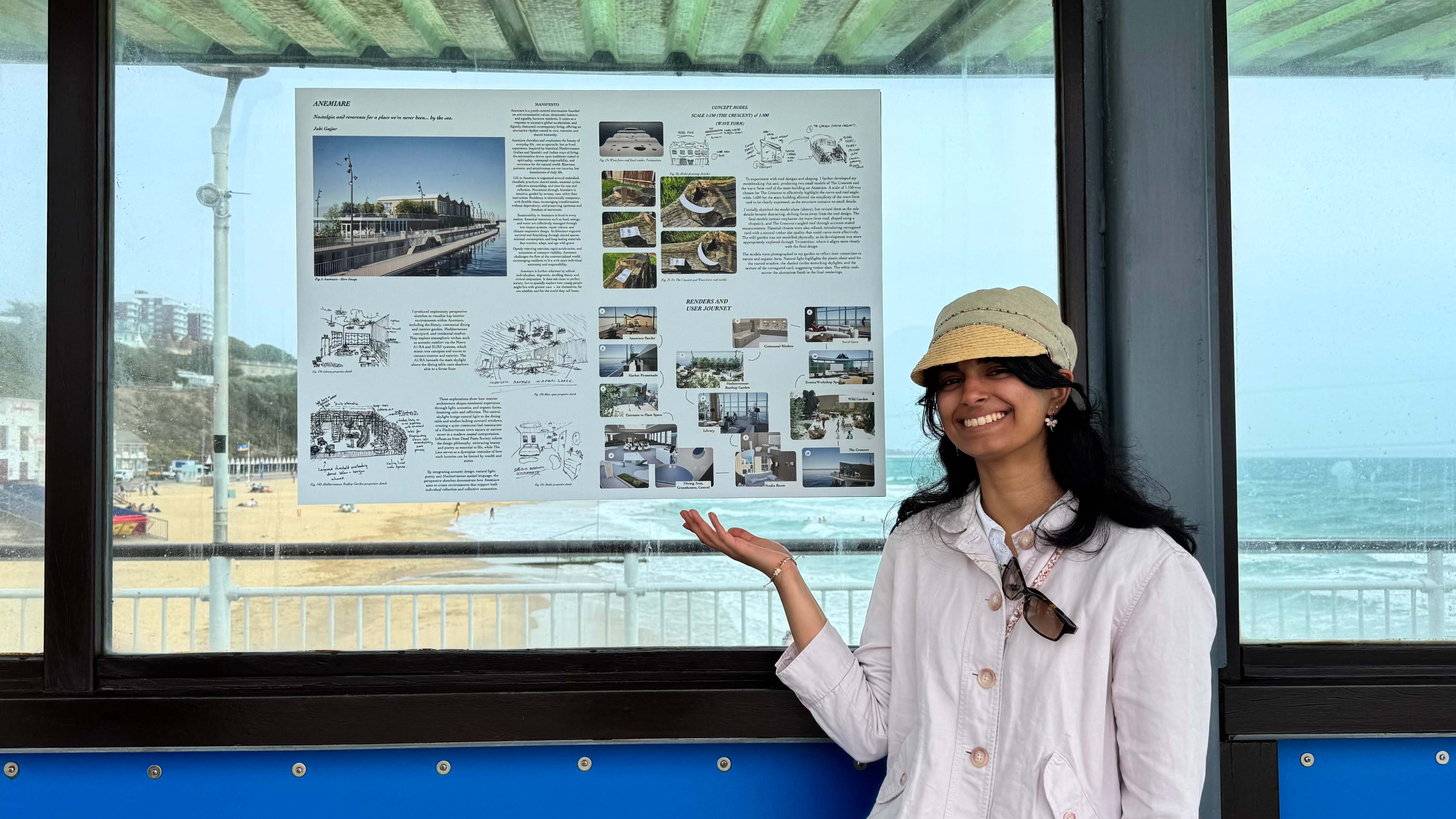

For my final project of Level 5, I needed something special that stood out from the masses. Something that was even more refined as a signature of my designer identity. And maybe, a bit of social skills refinement, too.
Finding the inspiration
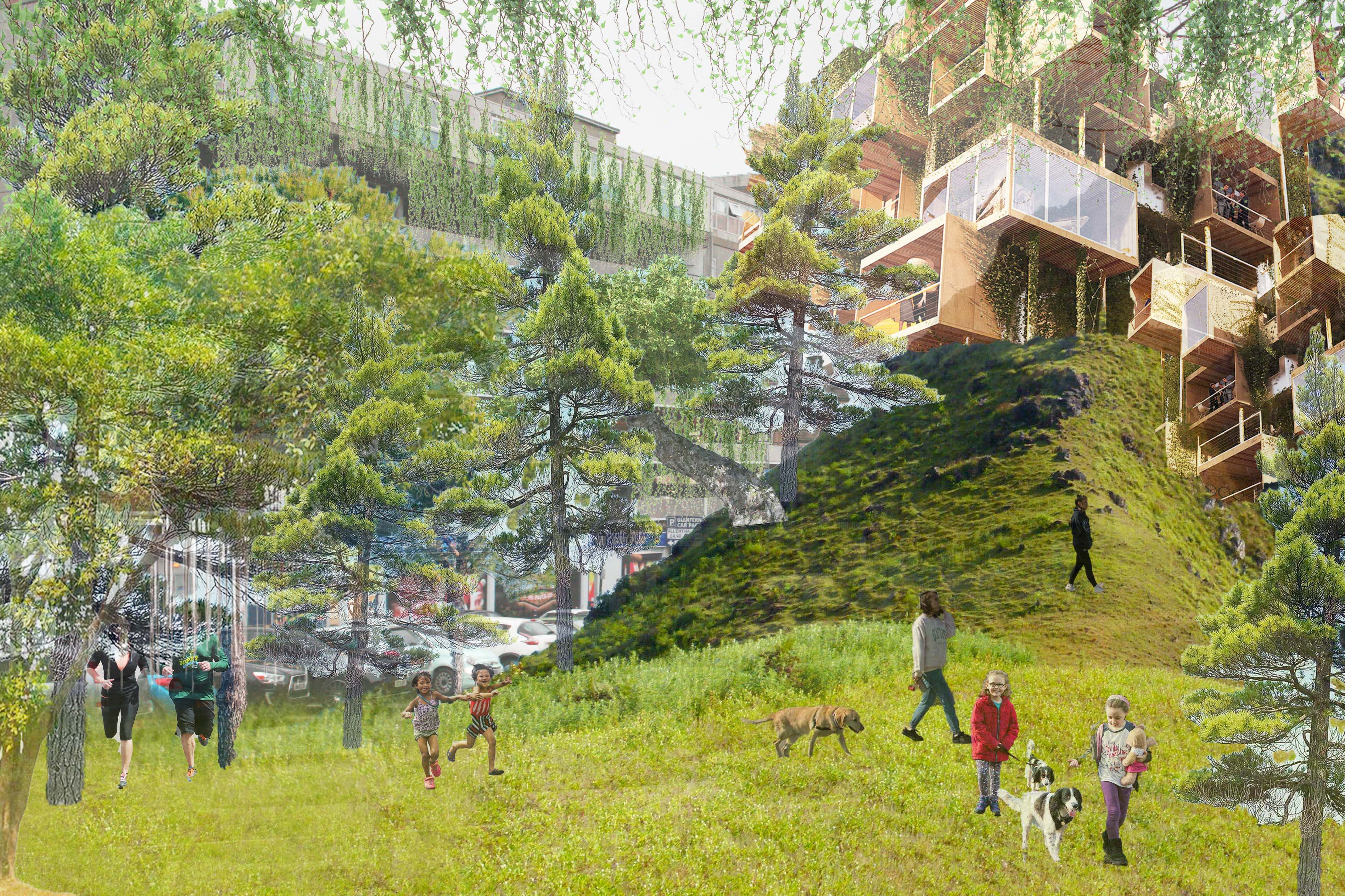
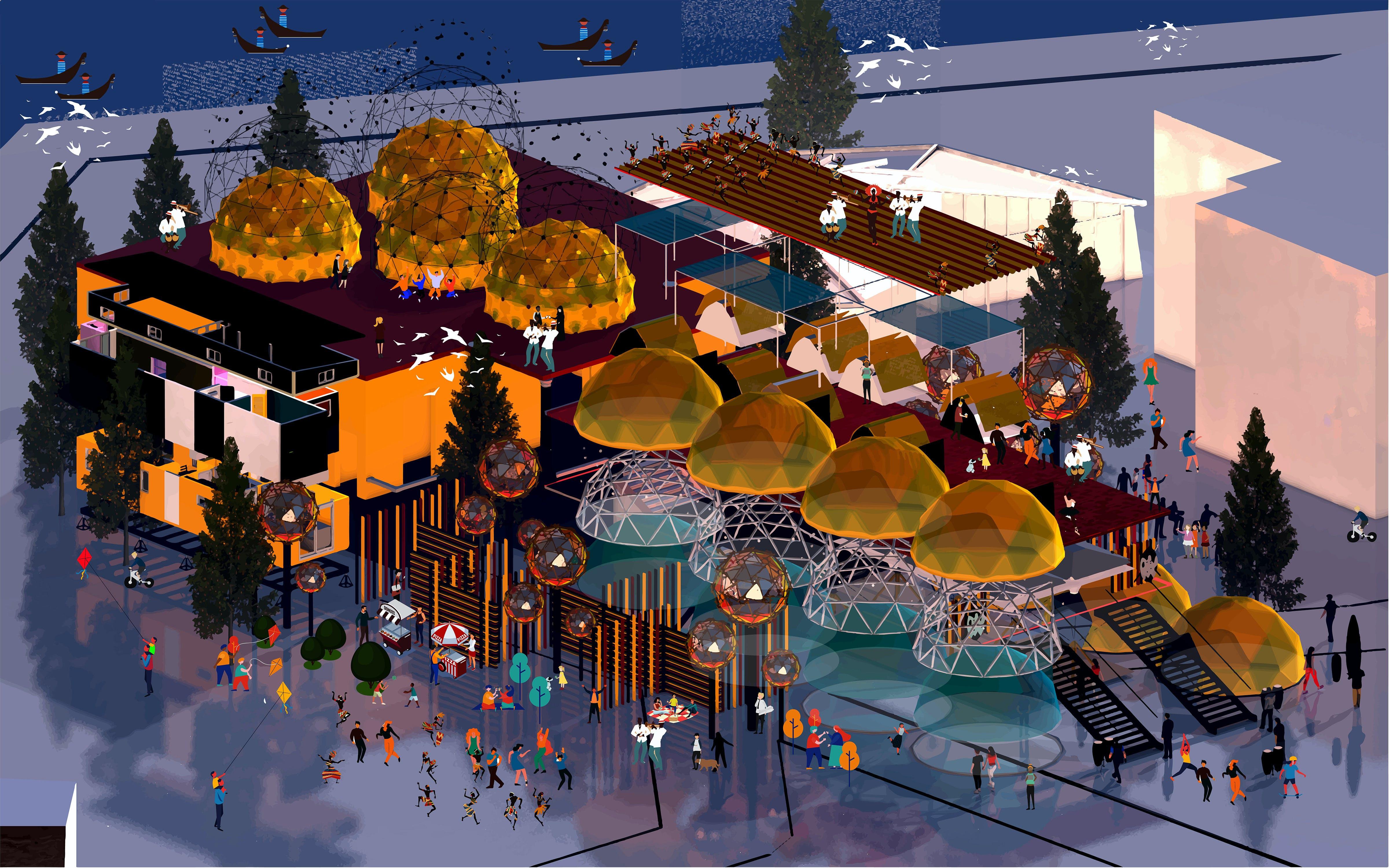
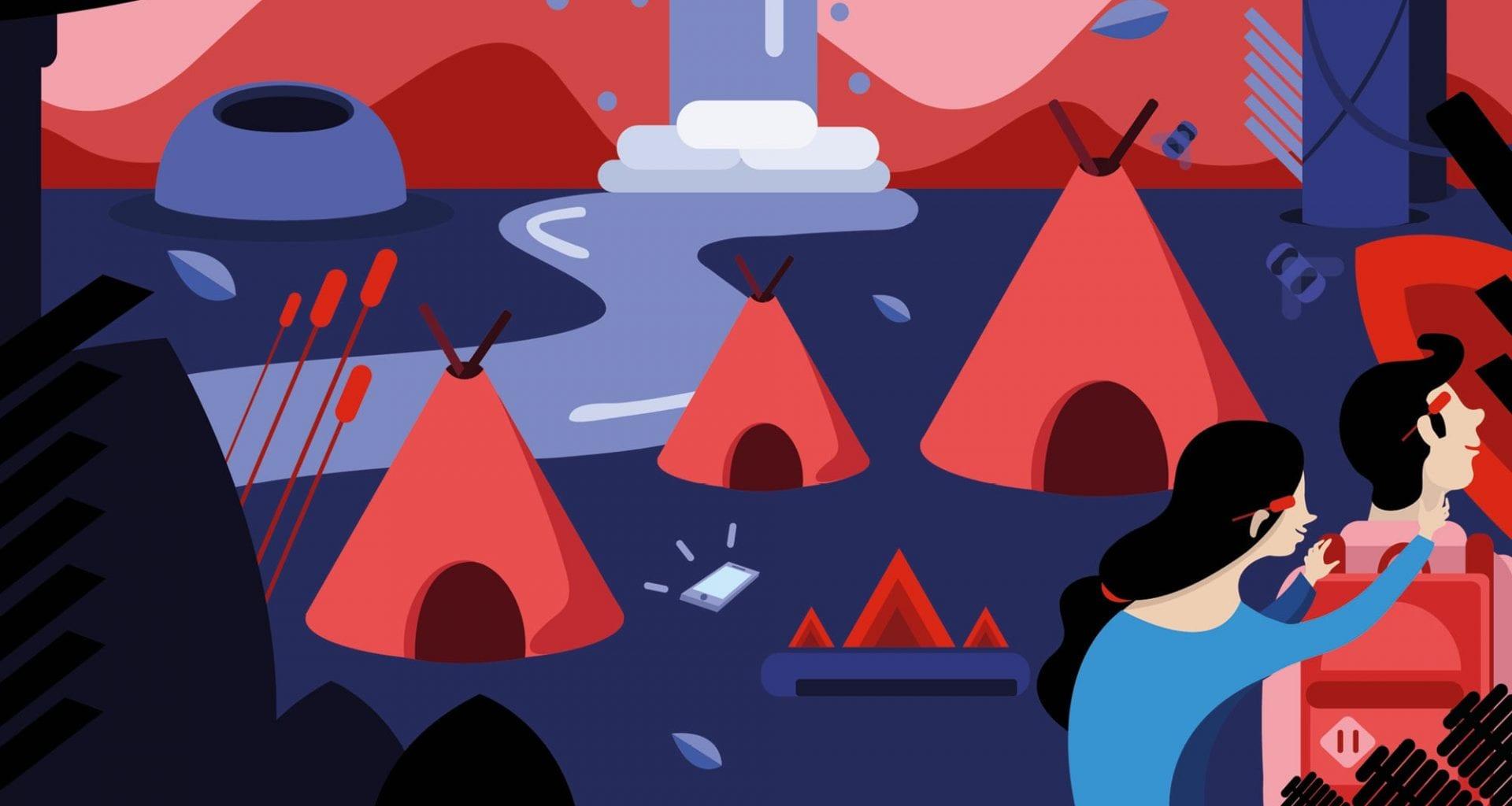
My project proposal, 'Wildlight', encapsulated some core themes. M83's ‘Outro’, a popularised song on social media about childhood nostalgia and magic worlds, began as the roots of the project. I knew Wildlight needed to be stable in achieving a sense of wonderment and sensory engagement with users, in what was currently a blank slate at King’s Park in Bournemouth that had let the community down with vandalism and anti-social behaviour.
Having BCP Council as my client ensured that the project remained realistic, and the greatest challenge when starting was, “how do I create an otherworldly, magical place that can encourage healthy interaction, and ward off anti-social behaviours for good?”
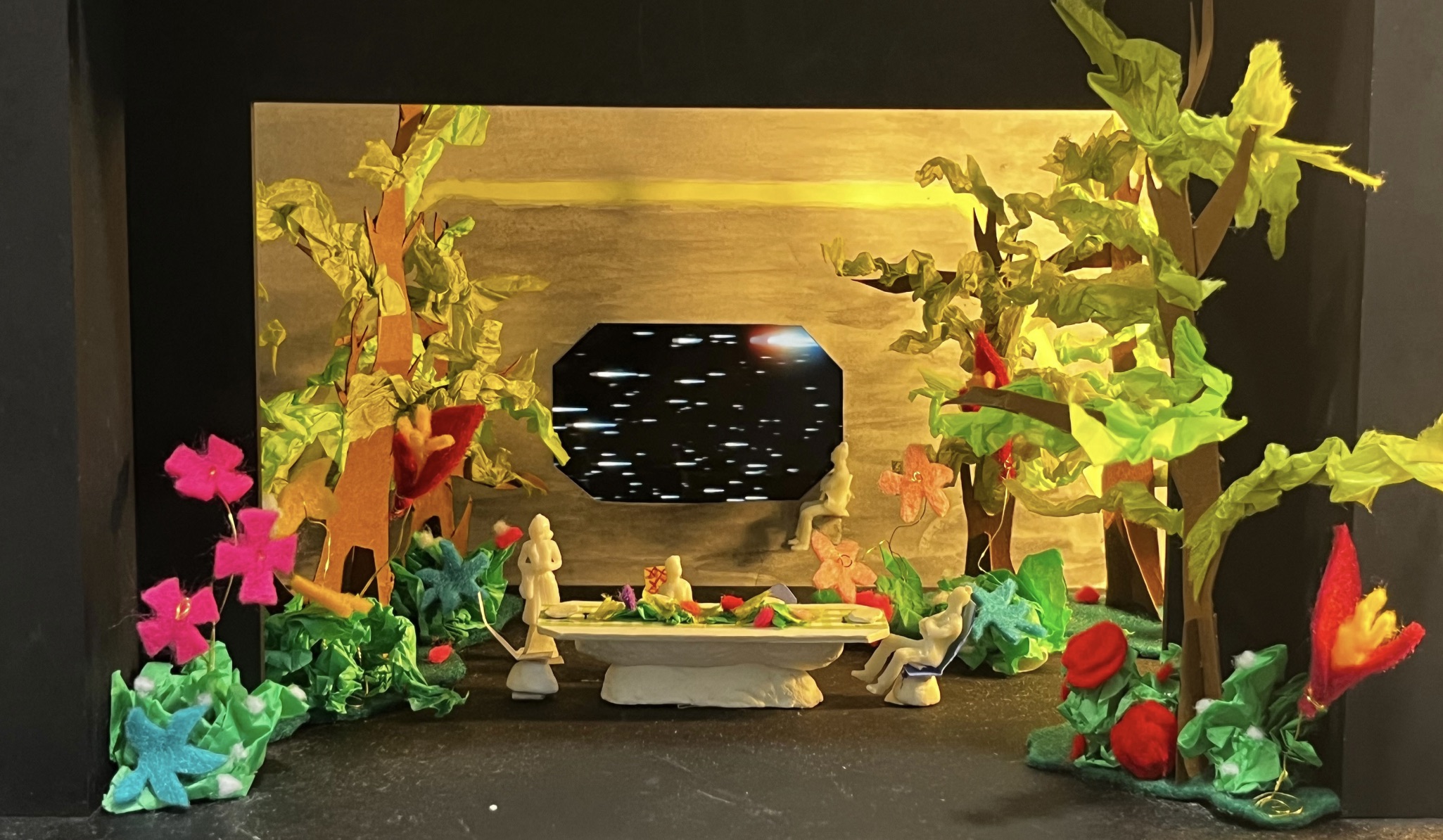
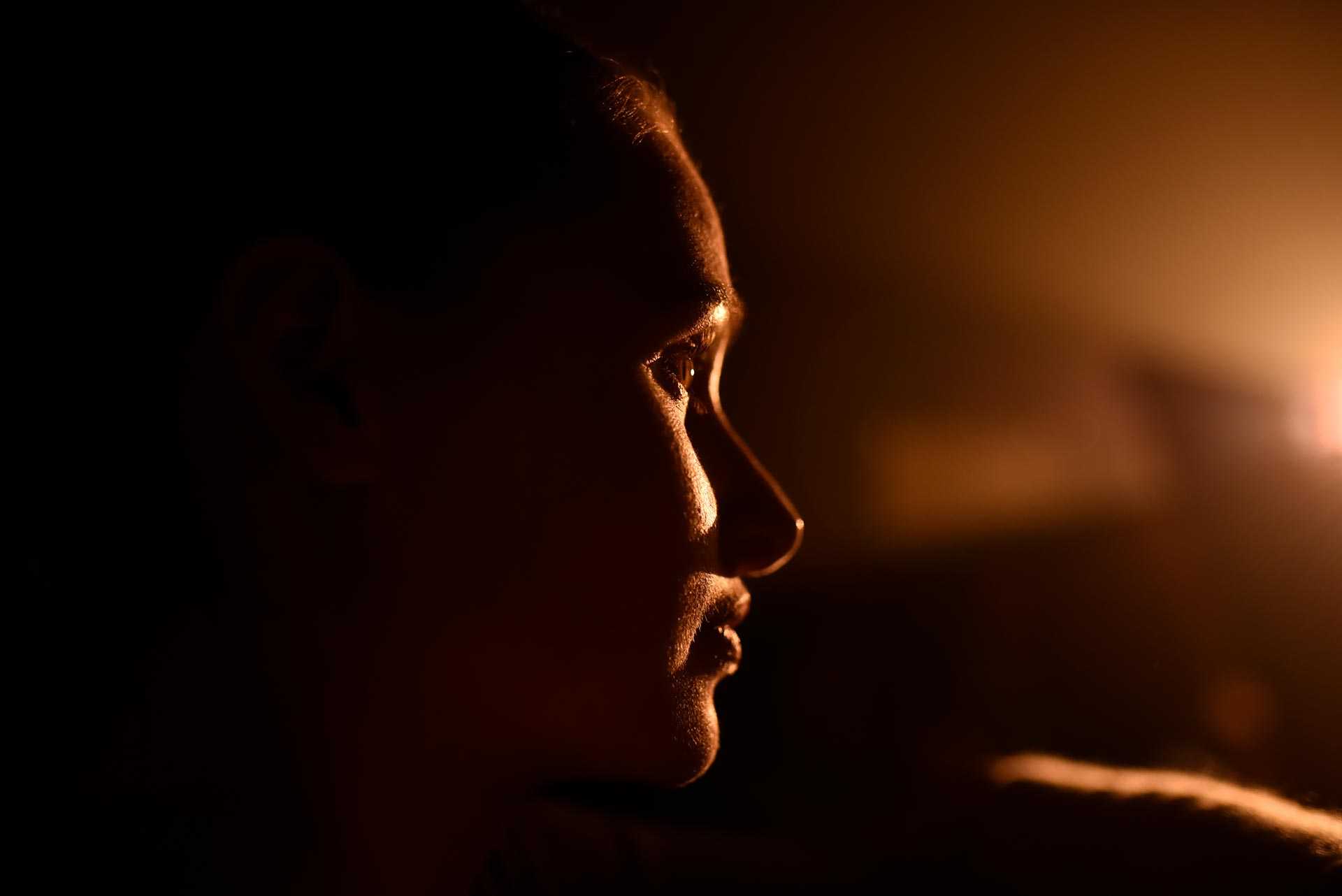
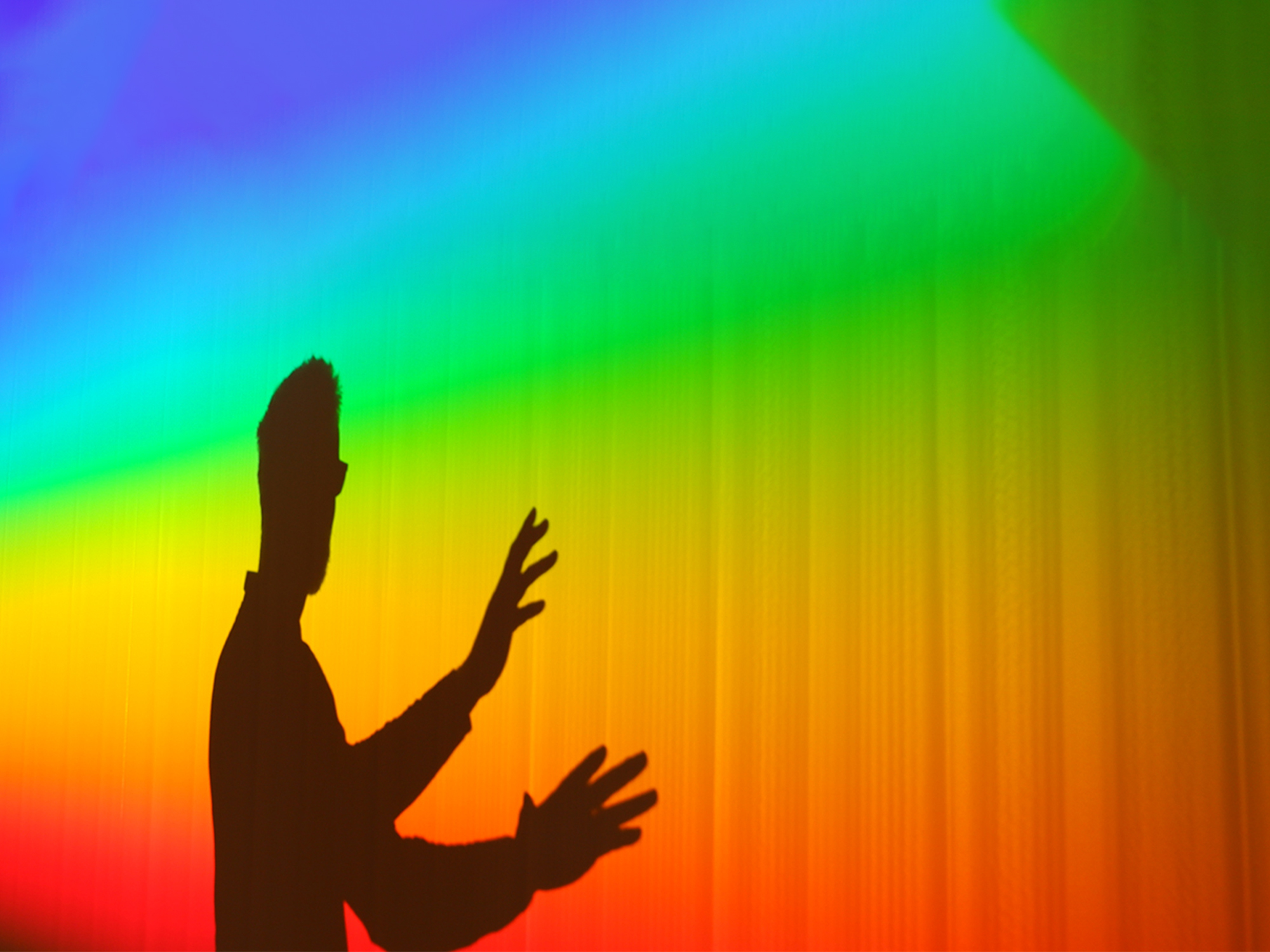
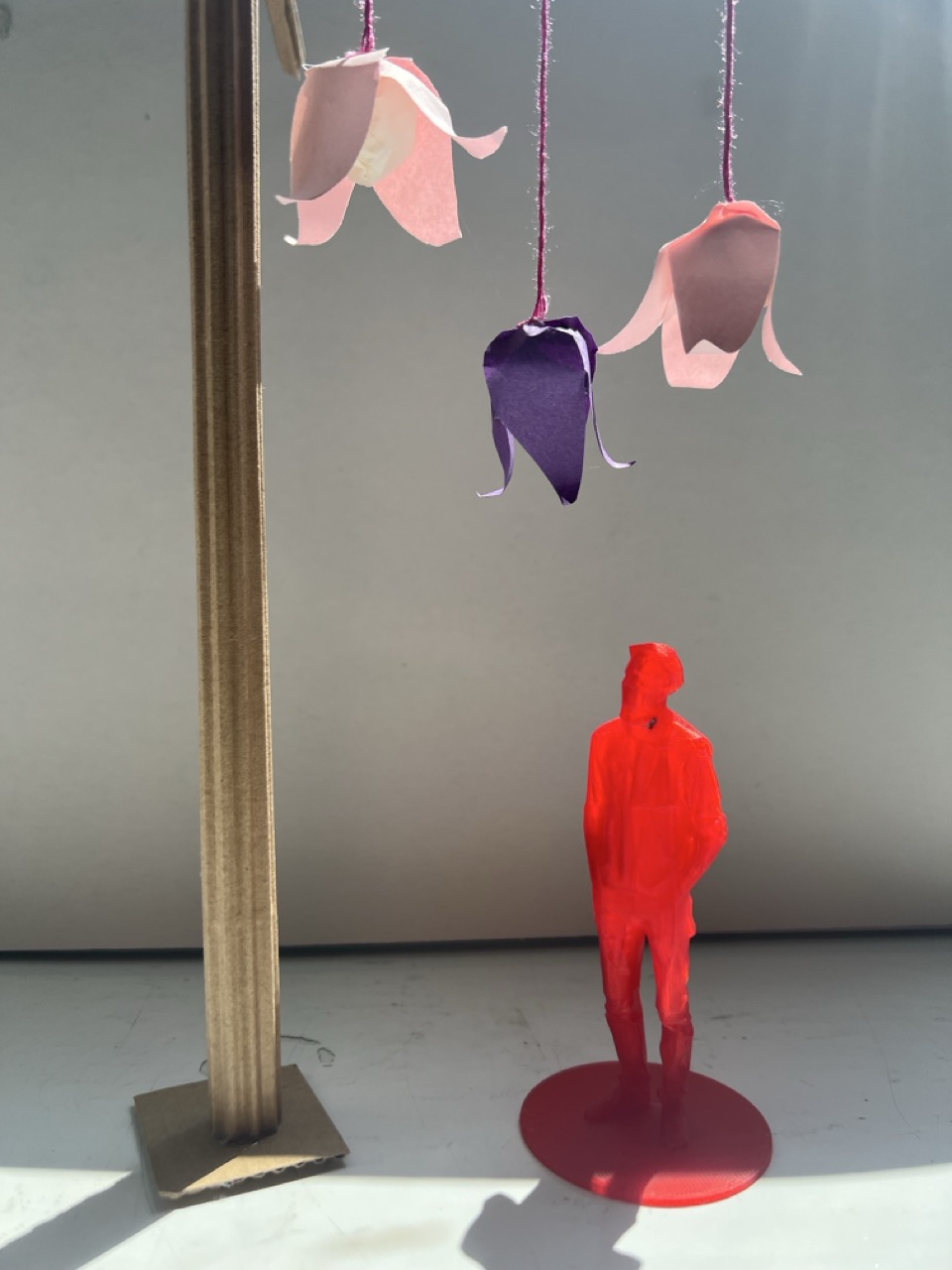
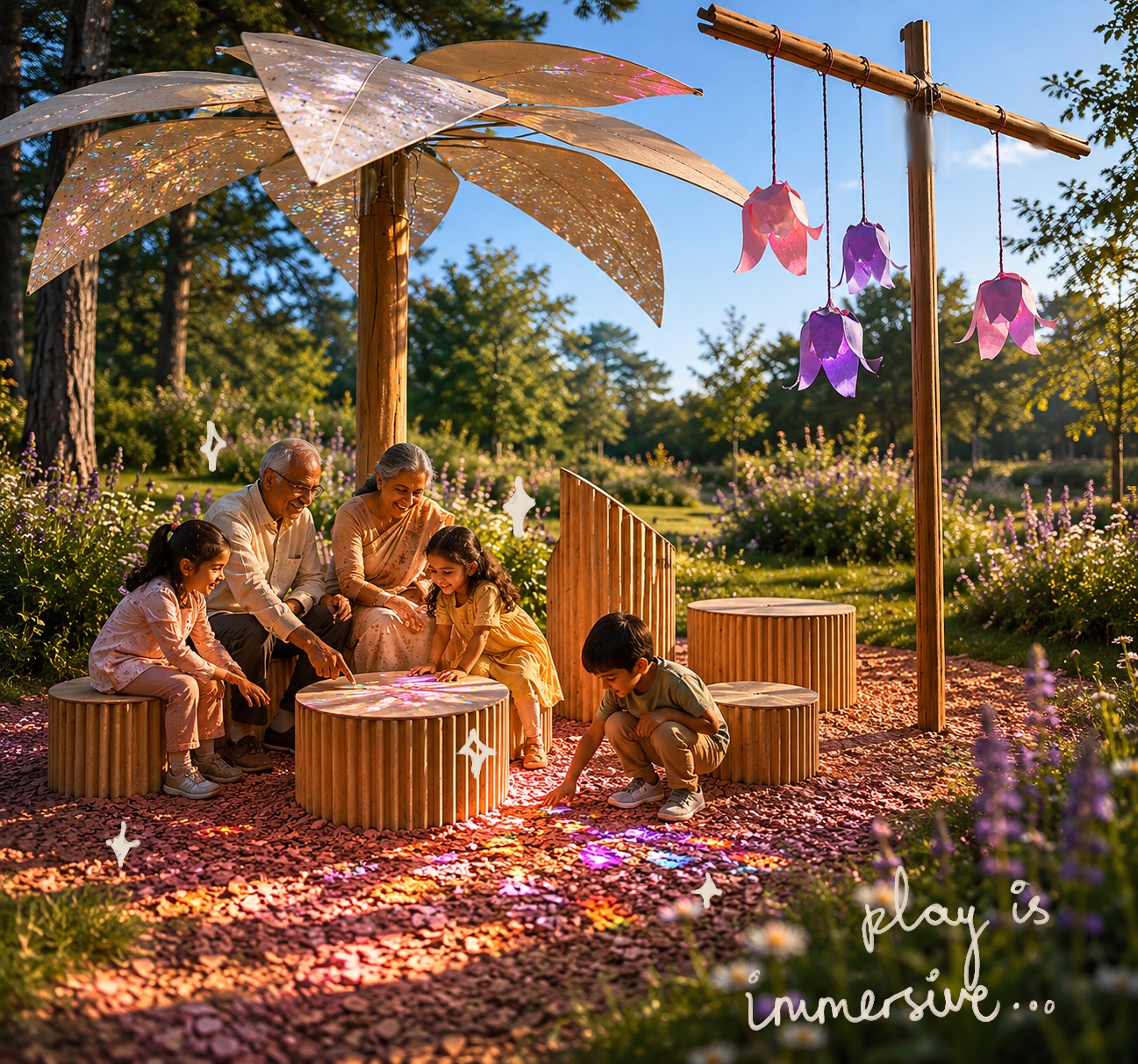
Another core theme of the project was the immersive aspect. Inspired by Moment Factory's work and an experience I went to in the Alps, ‘Alta Lumina’, I designed several lighting, sound and colour schemes to ensure immersion was a key part of Wildlight's aesthetic and practical form. I developed an Immersion Plan through this, using modelmaking to test the safety of hanging lighting in relation to preventing vandalism and designing for areas with fierce coastal winds. The aim was to create a space that united nature with people once more, using the sounds of birdsong, waves and ambient music from local artists to immerse users into the locality and beauty of the site. King's Park is home to large, towering Dorset pines, and I wanted Wildlight to embrace this in a complementary way.
Designing for more than play
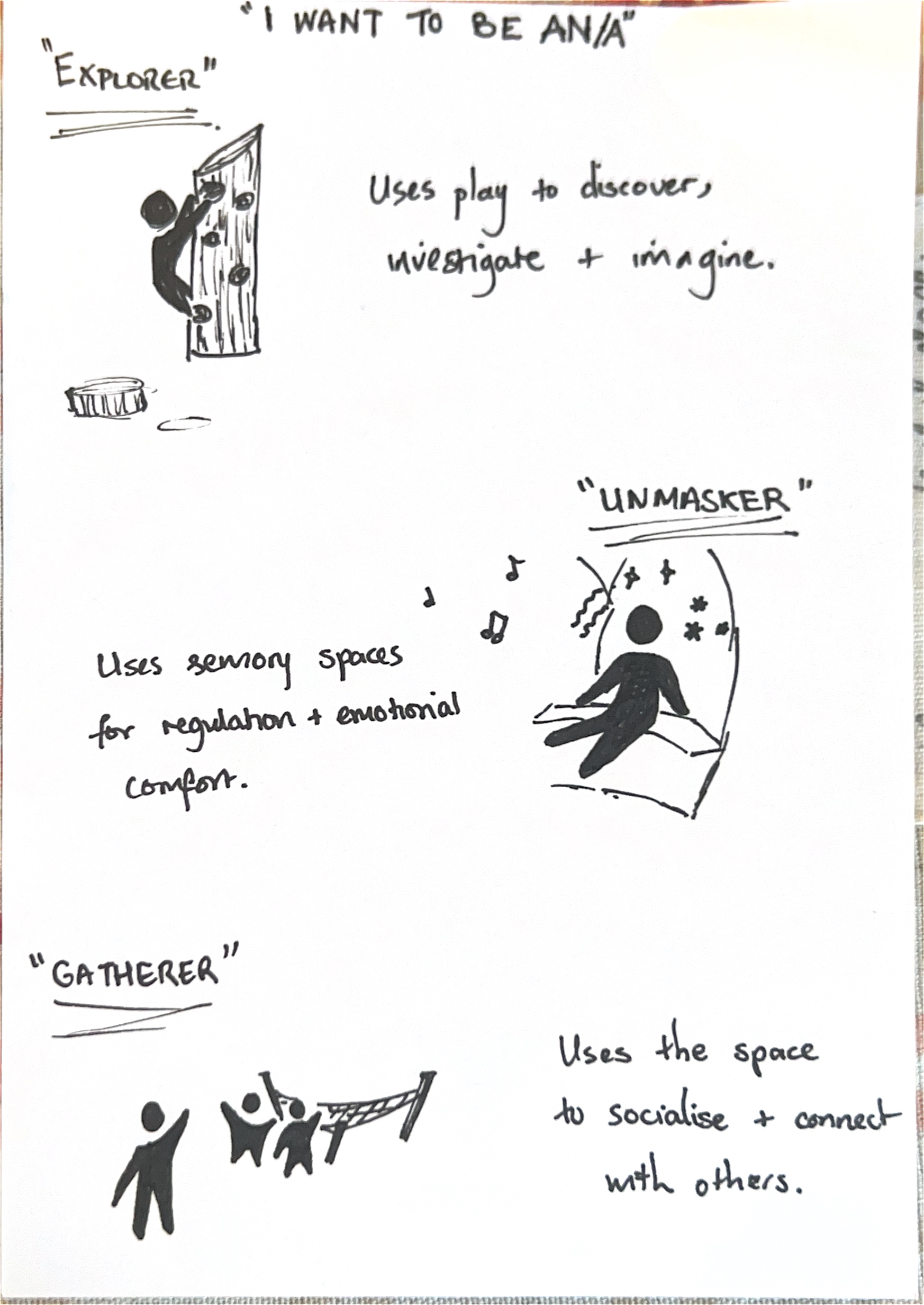
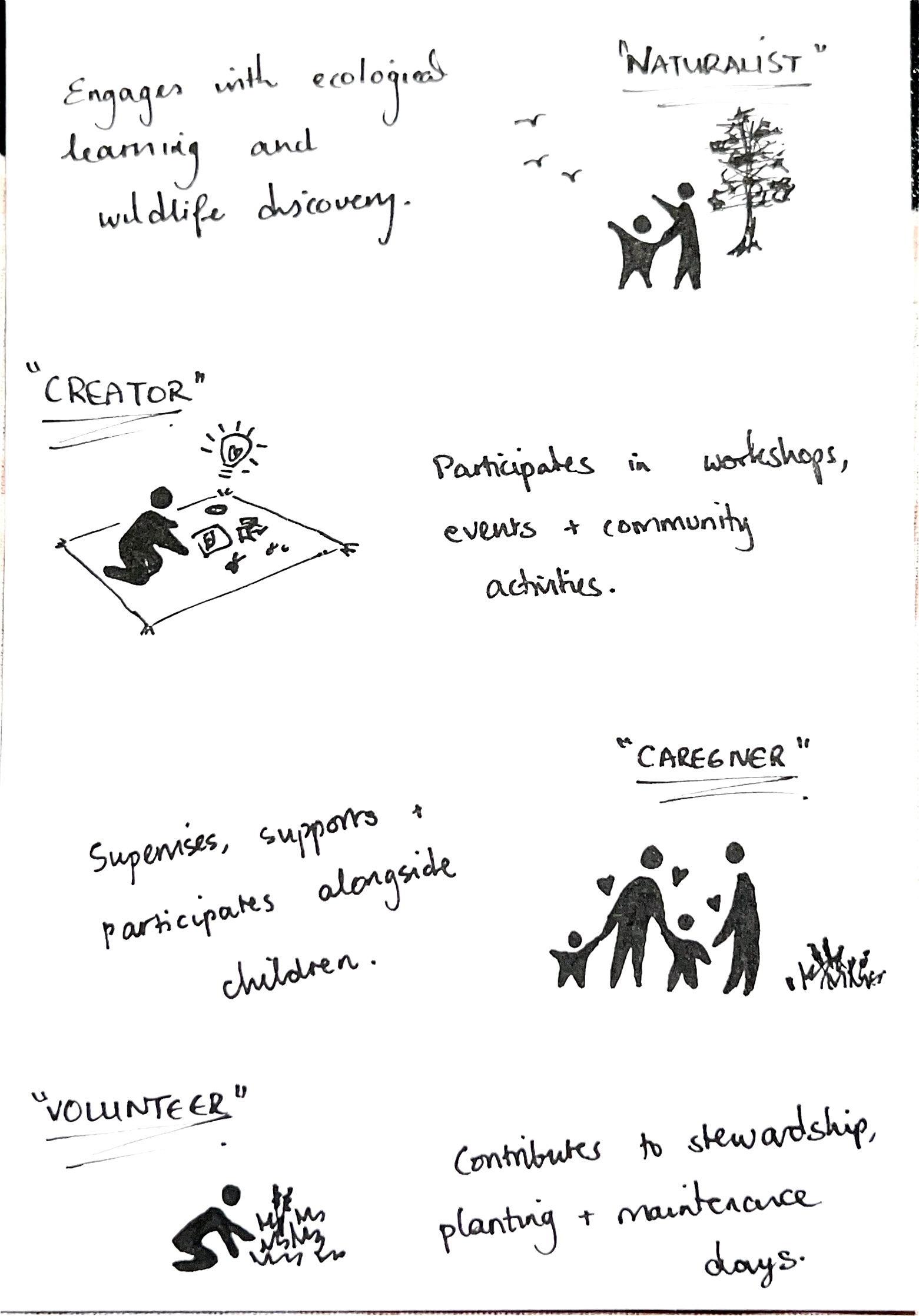
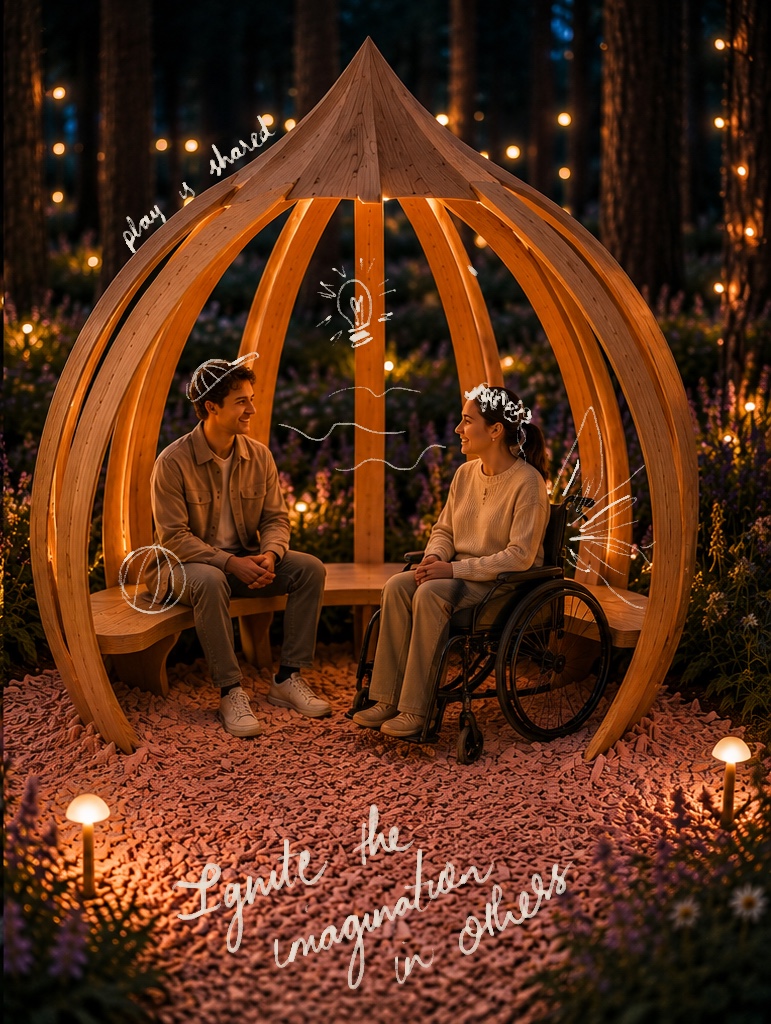
Through my research, I discovered that the joy of play can (and should) be broadened to entire communities, rather than just children. Play is intergenerational – I wanted to explore the psychology behind play, from young children to teenagers, then adults to the elderly. I discovered that each generation, no matter their age, approach play in different ways, either through curiosity, communication or memory.
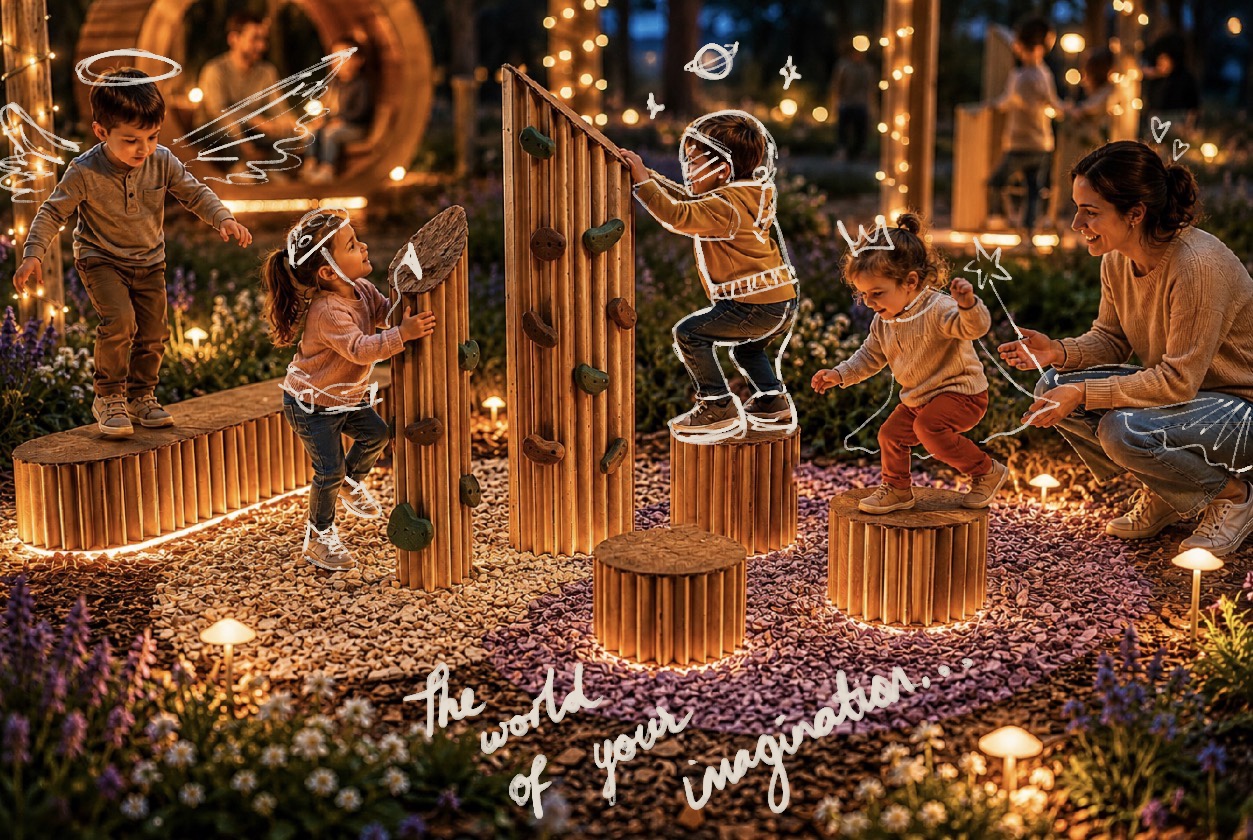
Play is also a necessity for connection, emotional regulation and for neurodiverse users, with being able to feel comfortable with environments of noise, constant visual stimulation and sensory input without being overwhelmed. As a neurodiverse designer, I considered my younger self and her typical experience of play. I was full of imagination and often felt restricted by prescriptive playground design – there wasn't enough inspiration around. But in contrast, the school field in my countryside village was brimming with flowers, willows and odd-shaped forestry that I could climb, hide in and play imaginary games within. This, to me, is real play, and through my research I realised just how many others feel the same – how play has become restrictive and bland, and how using simple equipment designs in Wildlight could inspire a variety of interpretations of what it could be in the user's imagination.
Ecological education became another important focus, with features such as wildlife learning points, sensory experiences and opportunities for visitors to engage with information about local biodiversity. These became key considerations for Wildlight's design development.
Bringing the project to life
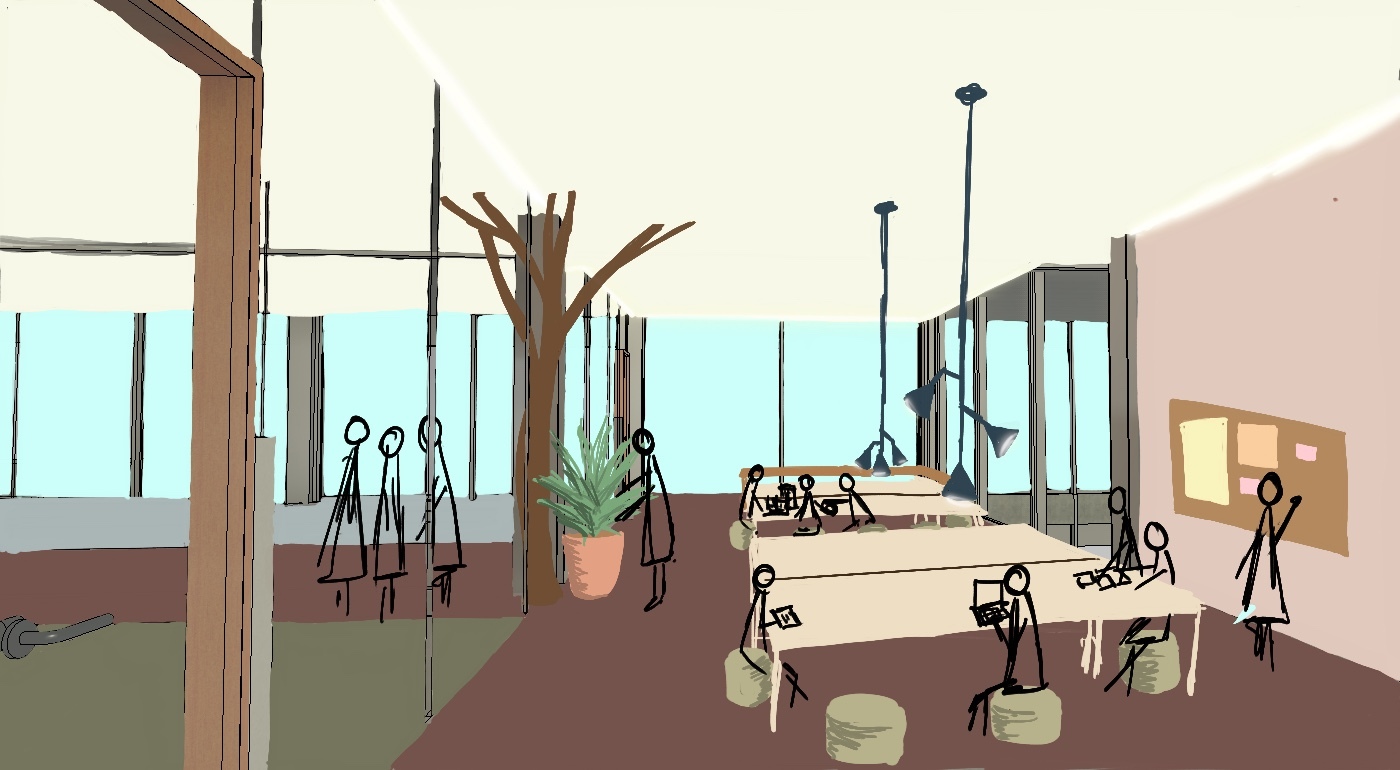
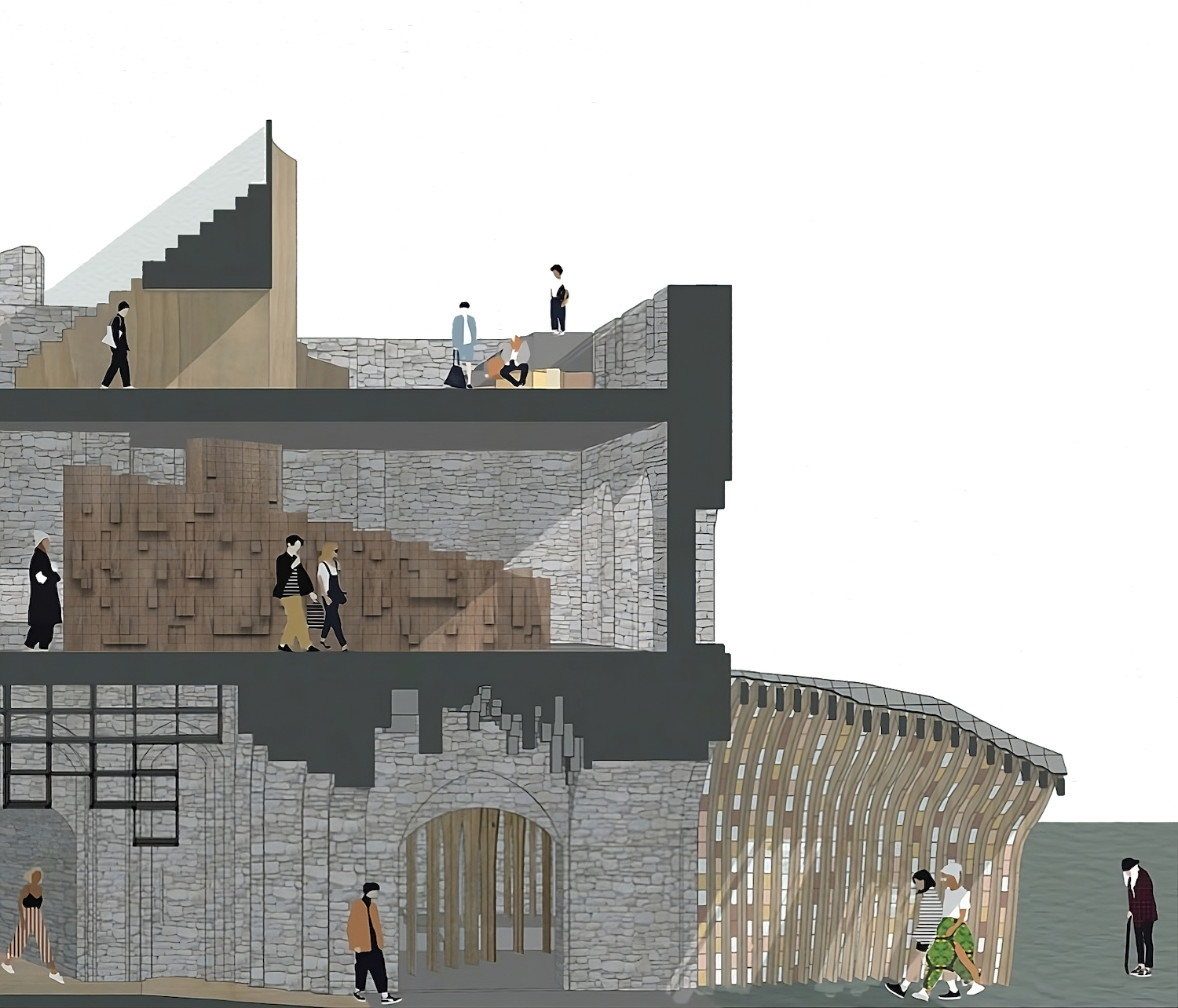
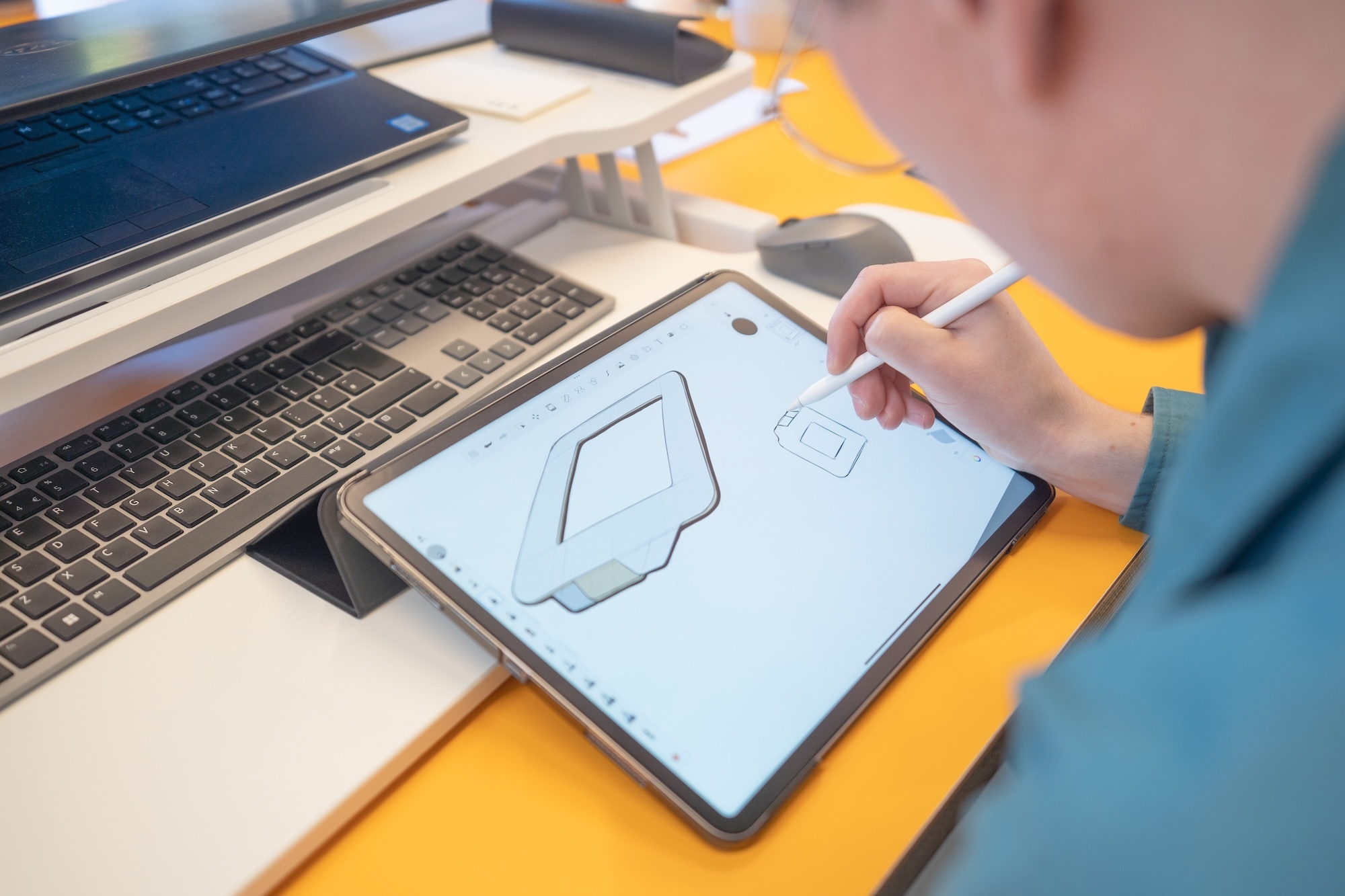
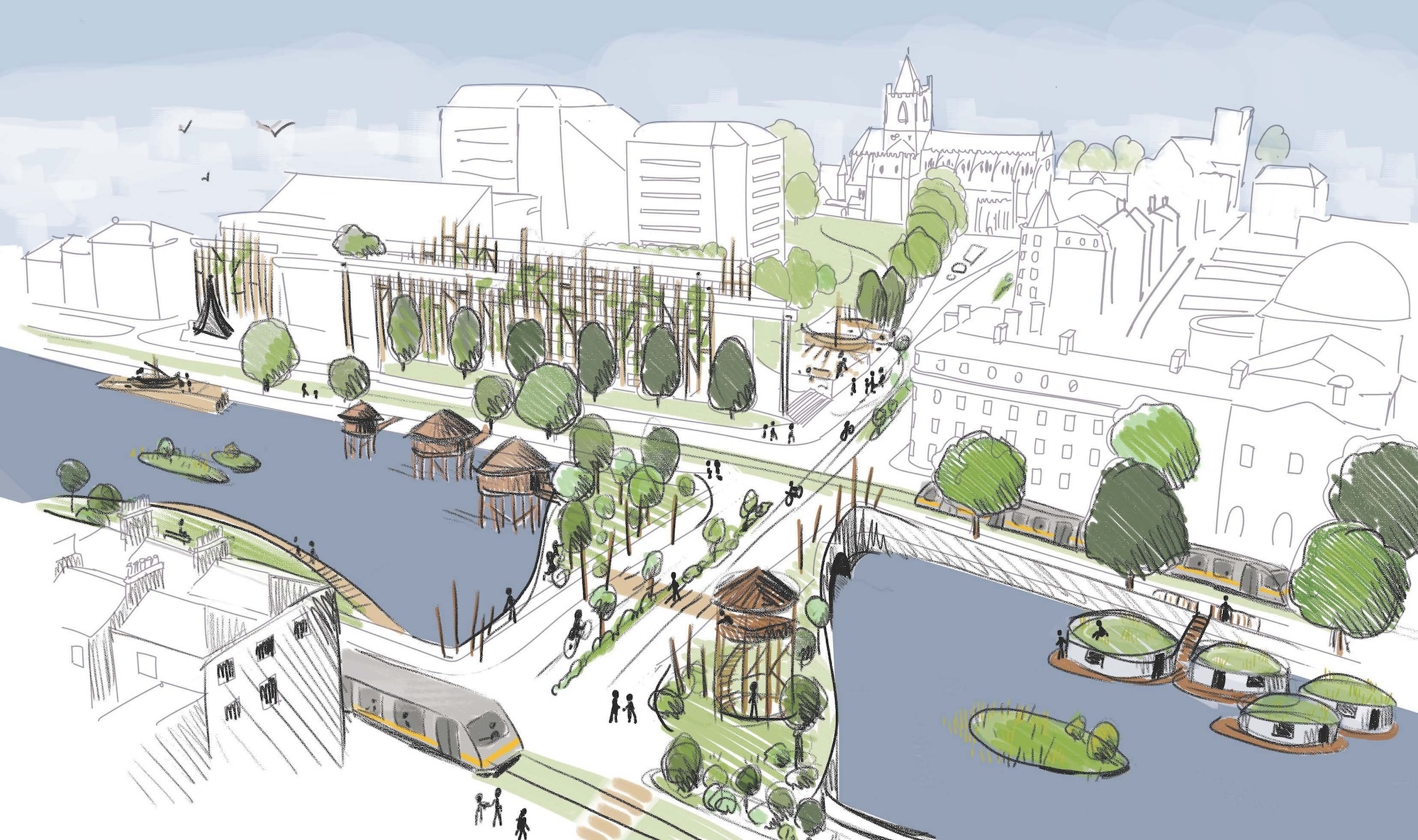
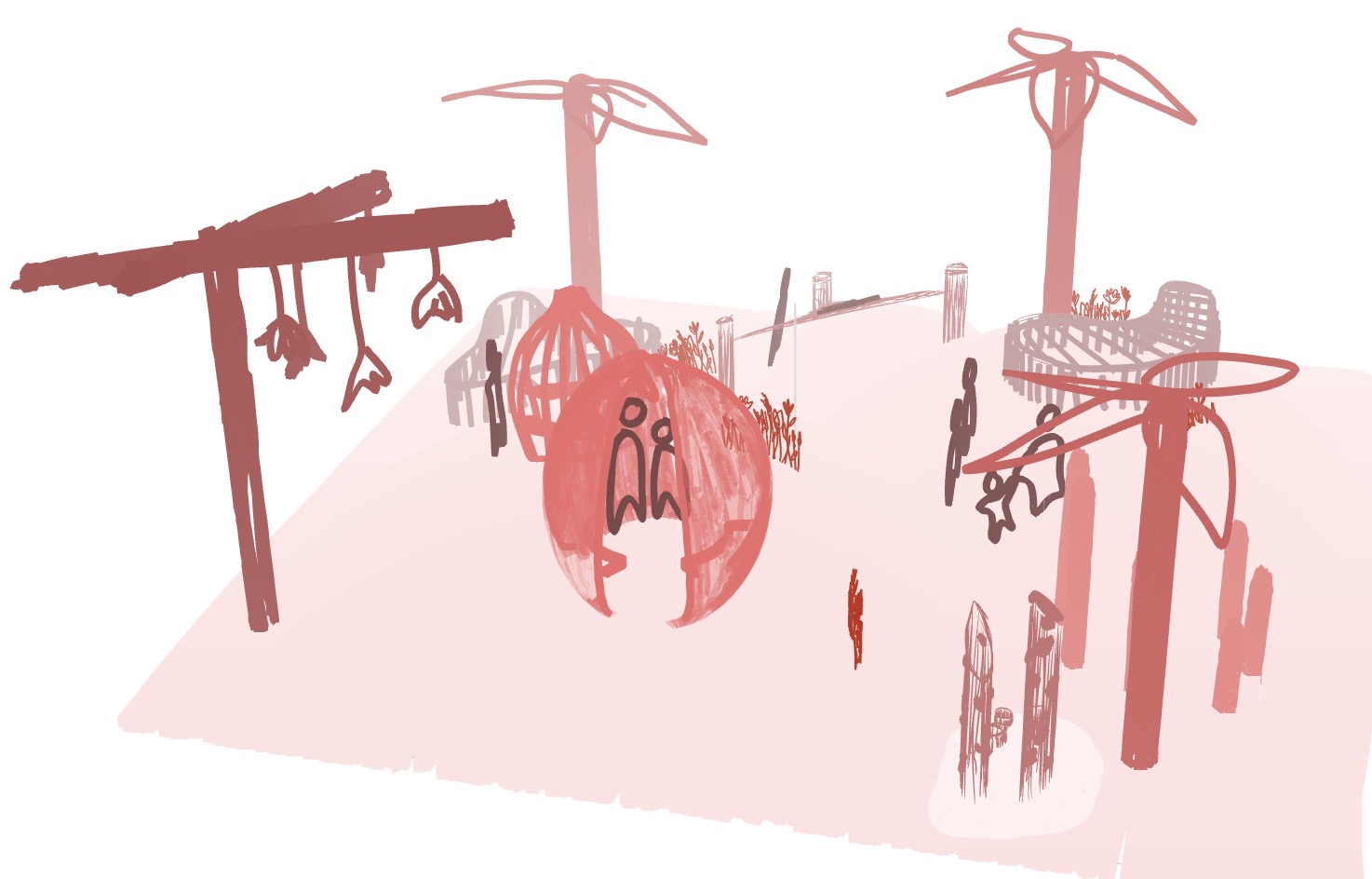
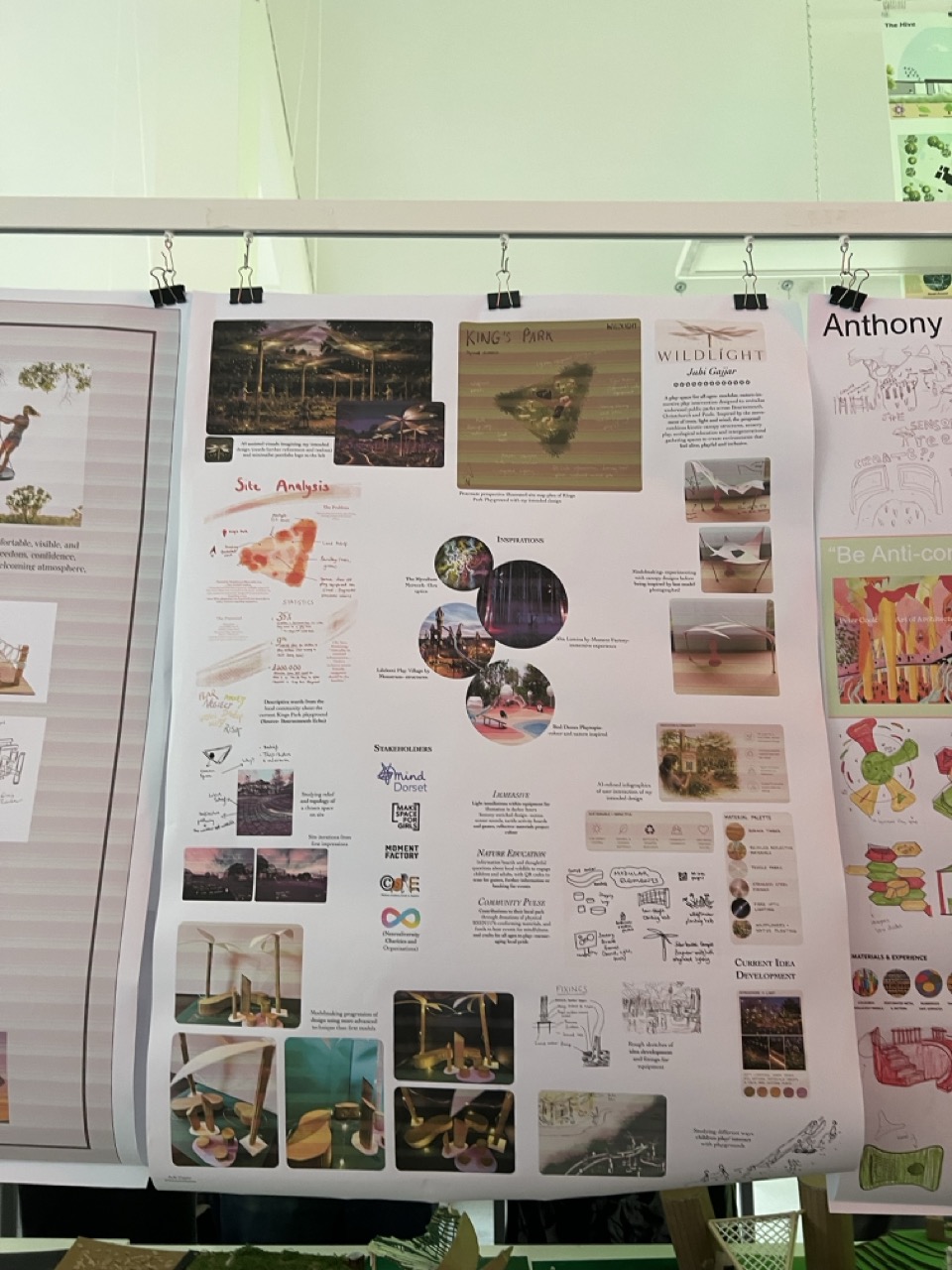
Perhaps one of the most rewarding aspects of Wildlight was seeing the project develop from initial sketches into a fully-realised design proposal. Throughout the process, I explored ideas through hand sketching, modelmaking, digital visualisation and iterative design development. I also embraced the use of AI to generate complex diagrams and enhance my final visuals, where I used extensive prompting and correcting to personalise it further.
This project brought a unique alteration in my usual style of producing final visuals. Having been encouraged not to make 3D models the usual way (rendered on Twinmotion, for example), I instead used my handmade physical models to Photoshop landscapes behind. I spent a long time putting it into AI and developing it between this and Photoshop and finally using Procreate (my ride-or-die buddy throughout the course) to personalise and tweak the visuals. I often found myself reiterating and changing these visuals from feedback, but what resulted was a much stronger design proposal.
What I learned
As mentioned earlier, this project tested my social skills and gave me a myriad of opportunities for refinement. Since the unit involved collaborative practice and graduate futures development, I approached collaboration (group tasks) and professional communication (presentations) in my own way. I often find this part challenging, so I ensured my project was collaborating with multiple relevant partners and stakeholders (Dorset Wildlife Trust, Make Space for Girls) to cover all bases.
I also attended AUB Futures sessions to improve my ability to pitch my project confidently, giving myself key points to keep people hooked. I realised by the end of the project that the greatest strength in my development was that regardless of some of the incredible work my peers produced, I was going to keep my focus on how I could improve in my own ways. But also, how I could celebrate my individual approach. I didn't feel the need to compare my work at all, which was a huge boost for my confidence, as projects from the year before would have seen me overthinking: “did I do enough?”. There are always ways I can enhance my work – but getting all firsts so far is something I didn't often stop to acknowledge, until now.
It serves as a constant reminder that despite doubts, I am doing well, and am capable of working my best when there are hurdles to overcome.
Looking forward
Now that Wildlight is over, I know I have a whole summer to refine my skills, celebrate my successes and prepare for Level 6. Completing Wildlight has reinforced my passion for designing spaces that place people and experience at the centre of the design process. It has shown me the potential for design to encourage healthy interaction, support wellbeing and strengthen relationships between communities and the natural environment to prevent anti-social behaviour from returning.
As I continue my studies at AUB, I am excited to keep exploring how design can create whimsical experiences as well as being practical, and positively shape the way people interact with the world around them. Wildlight began as an exploration of imaginative play, but ultimately became a project about something much bigger: creating opportunities for people to reconnect with nature, with their communities and with one another.