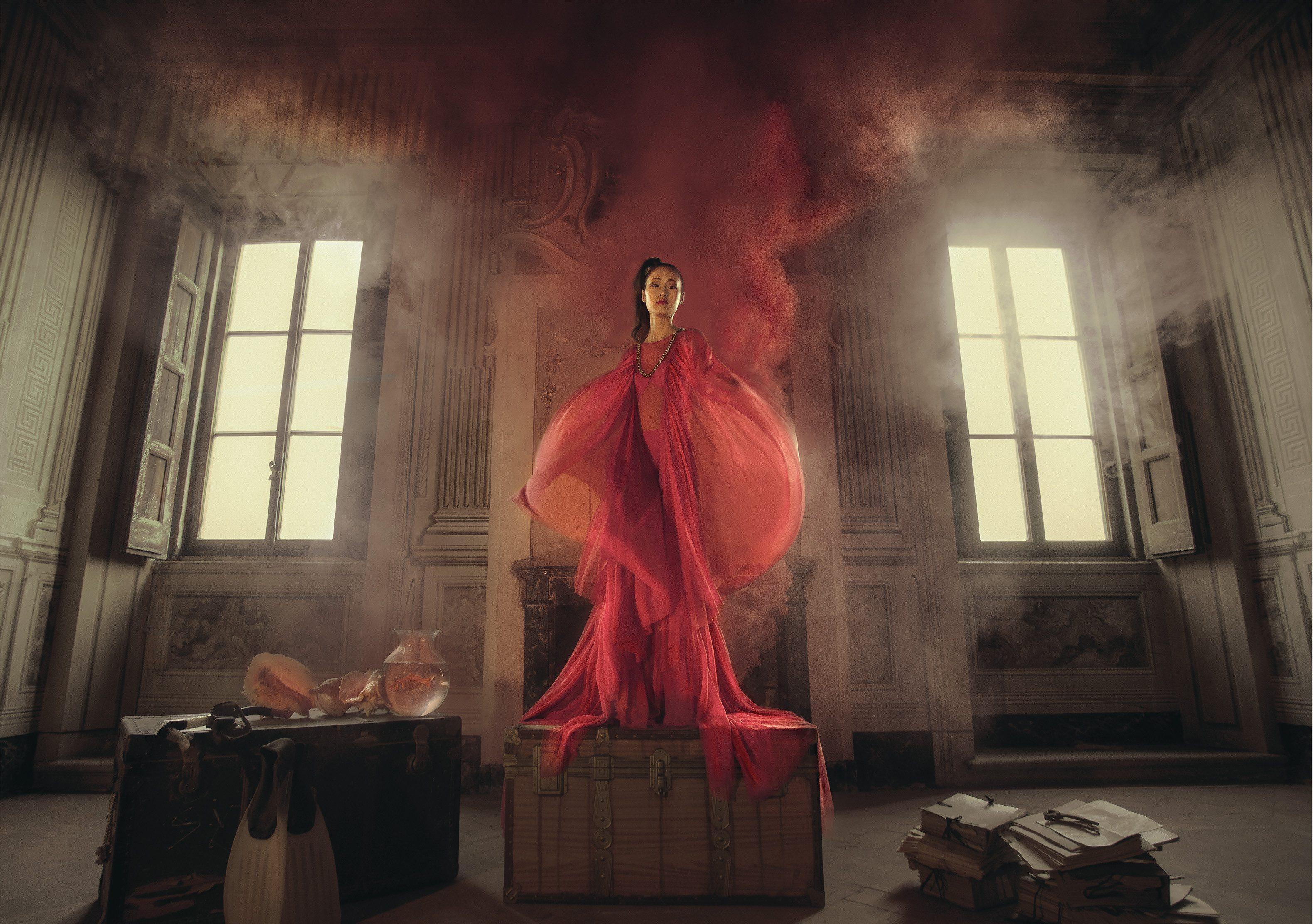
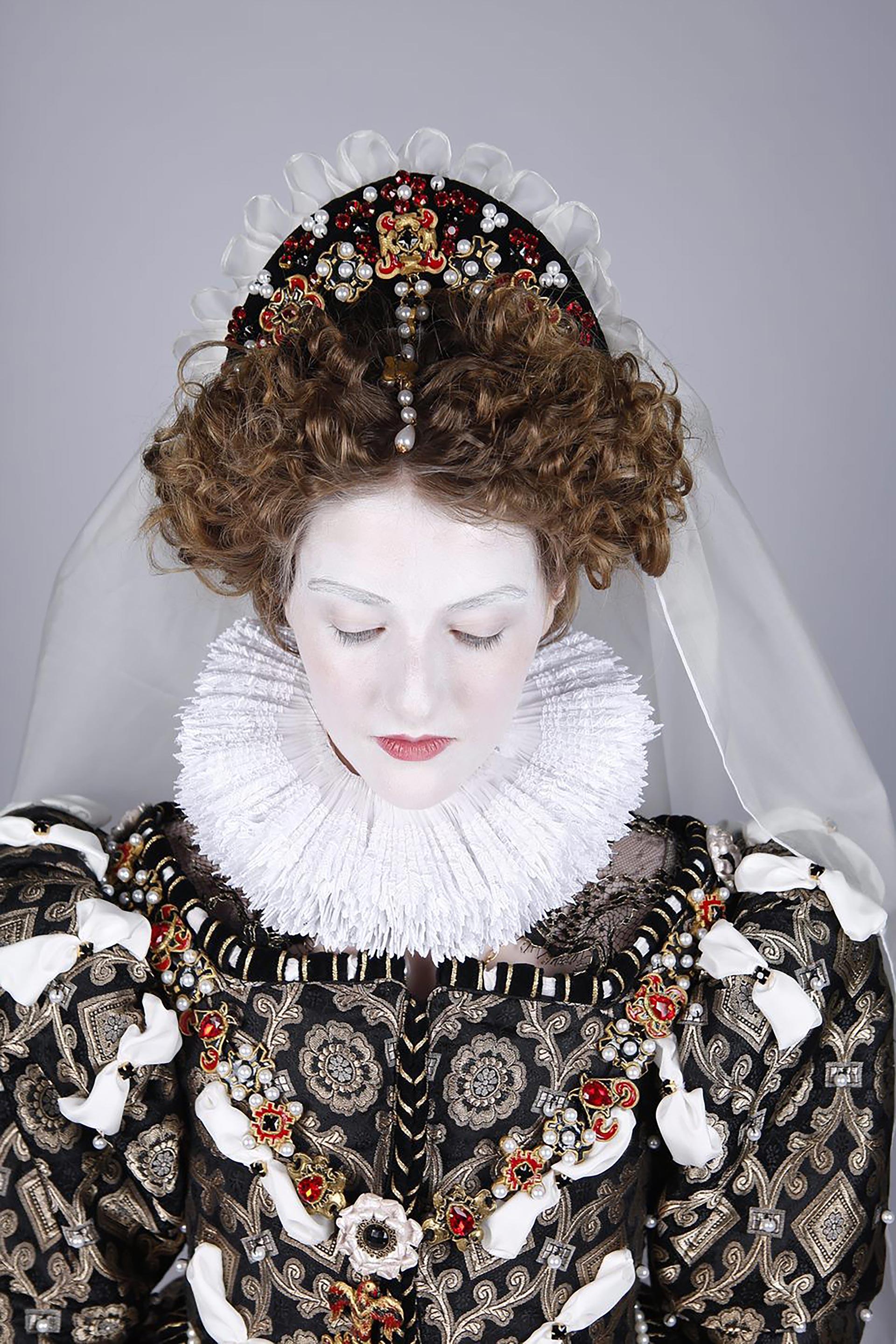
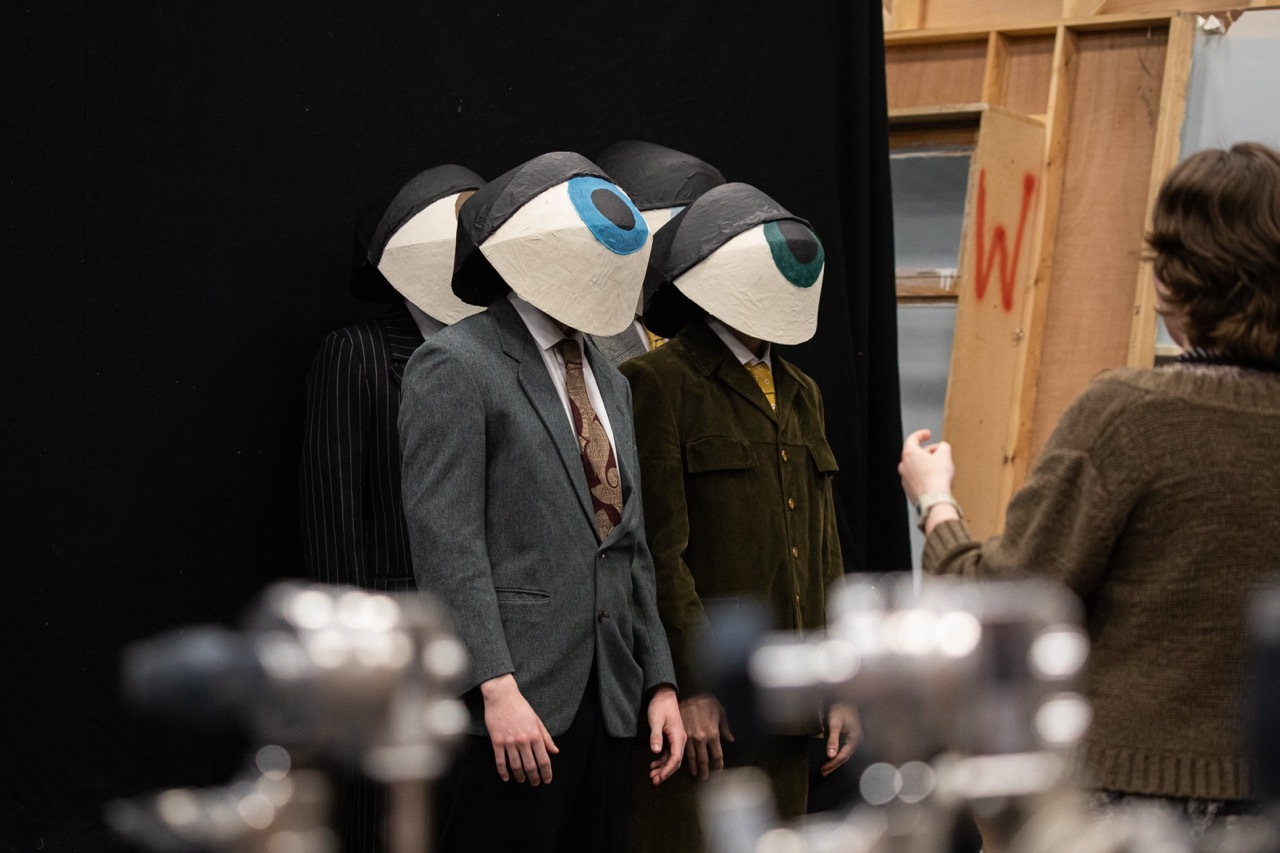

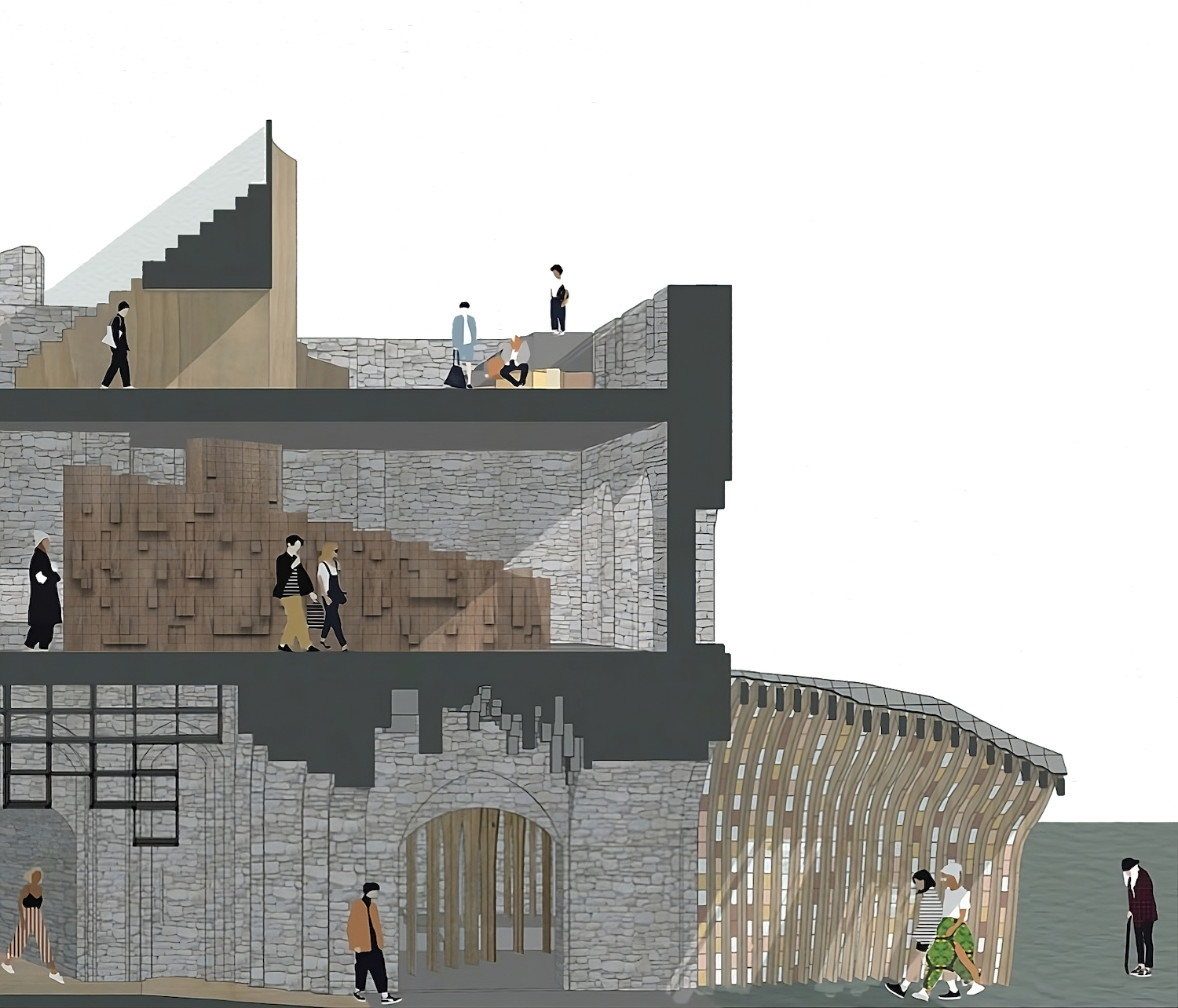




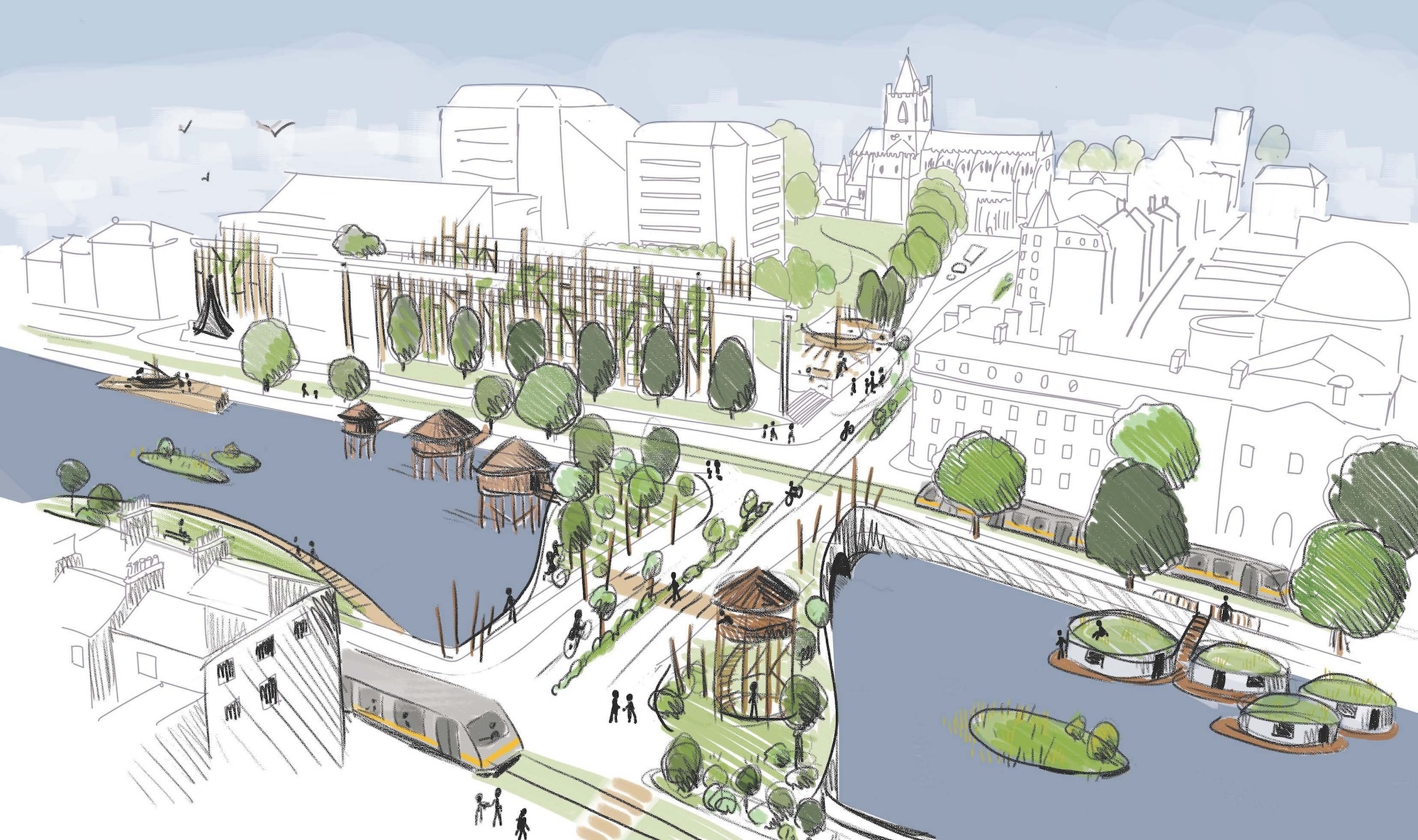
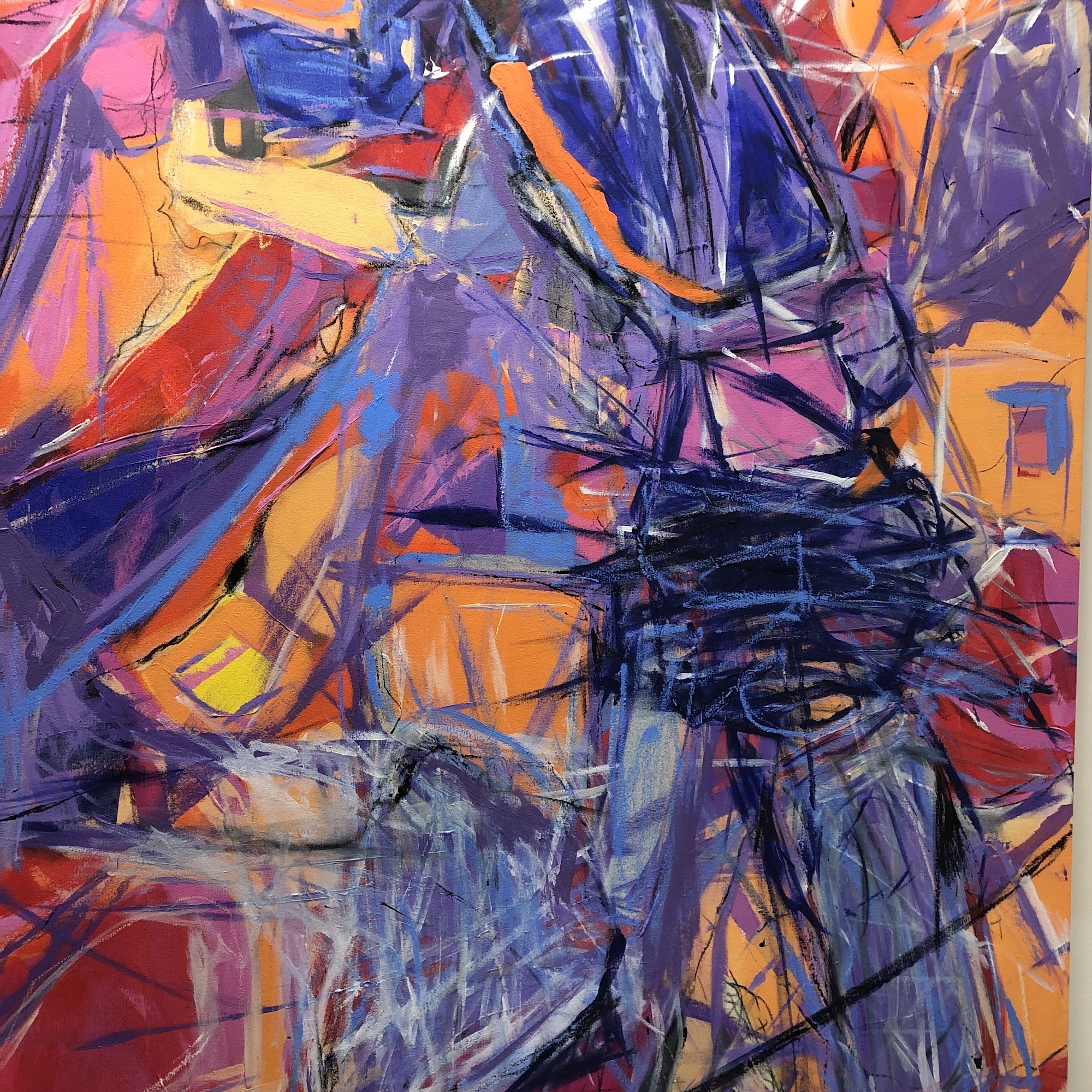
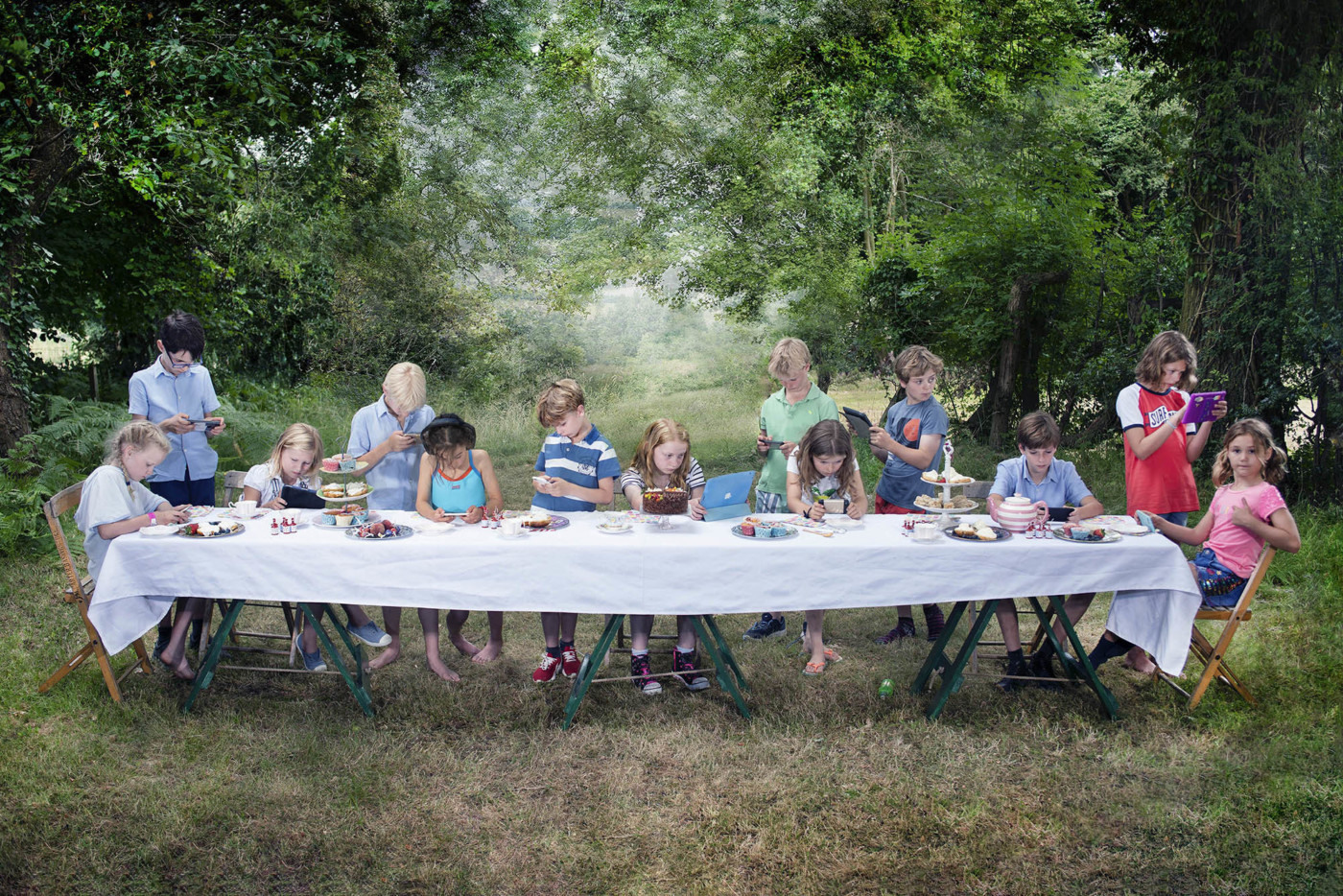

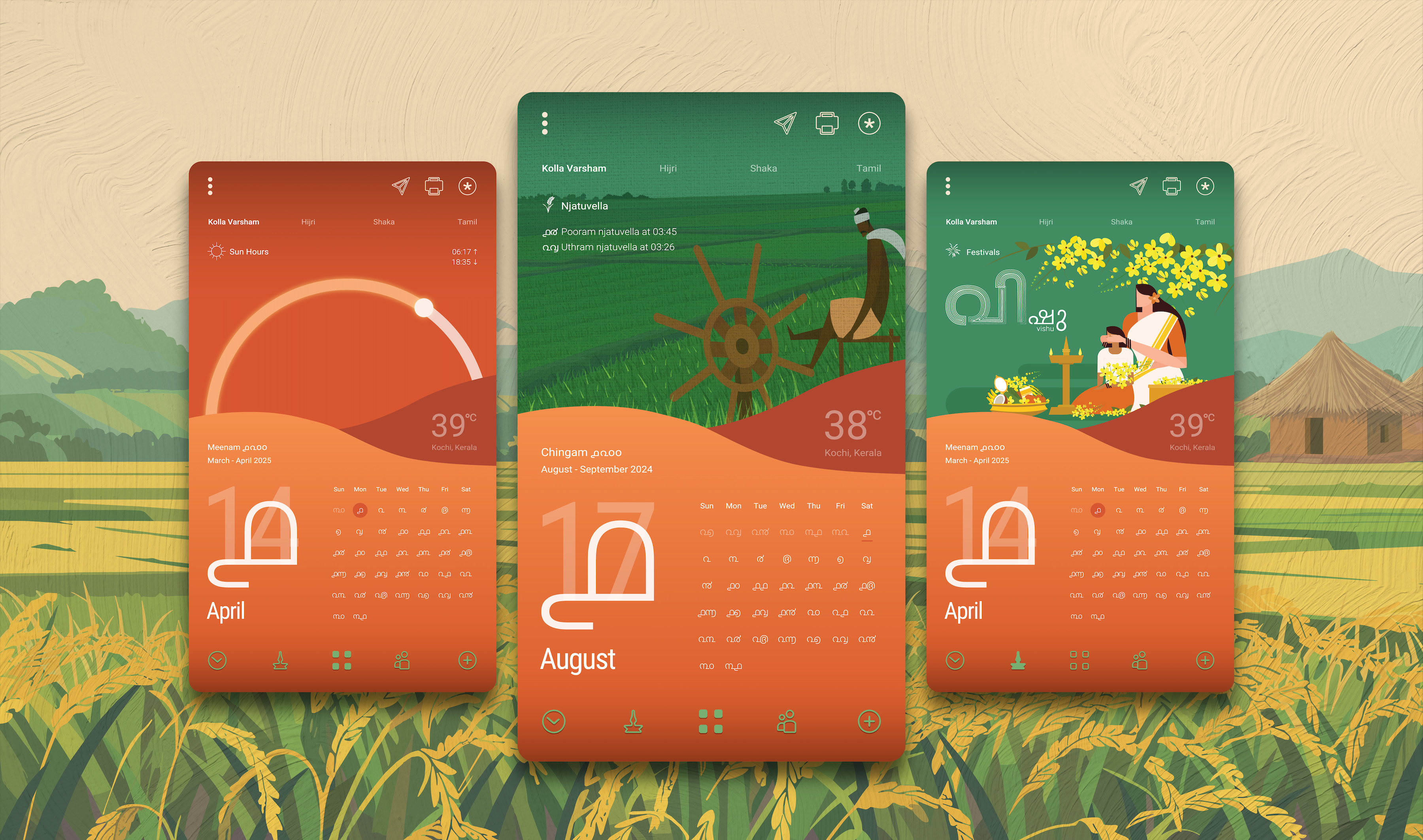
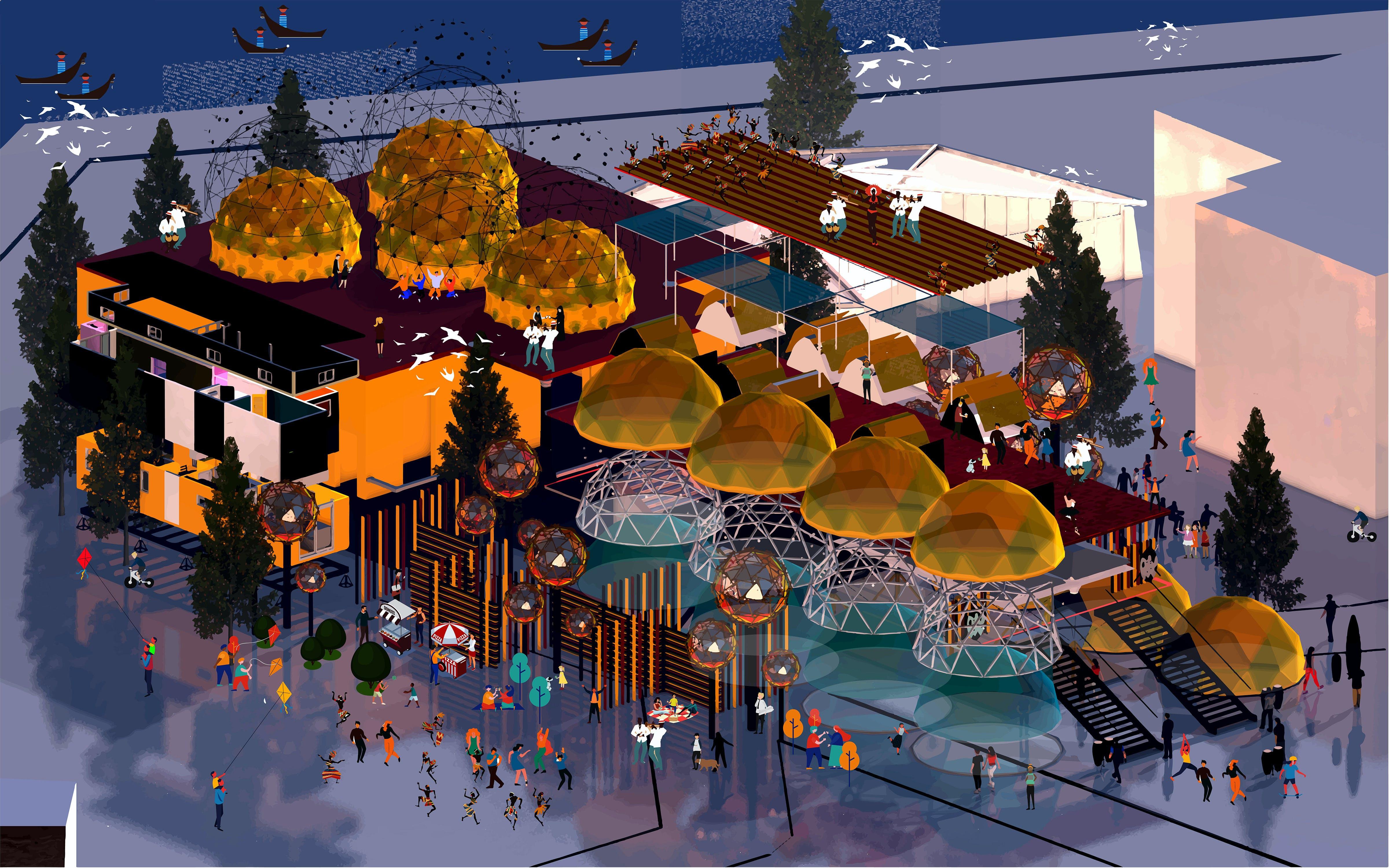

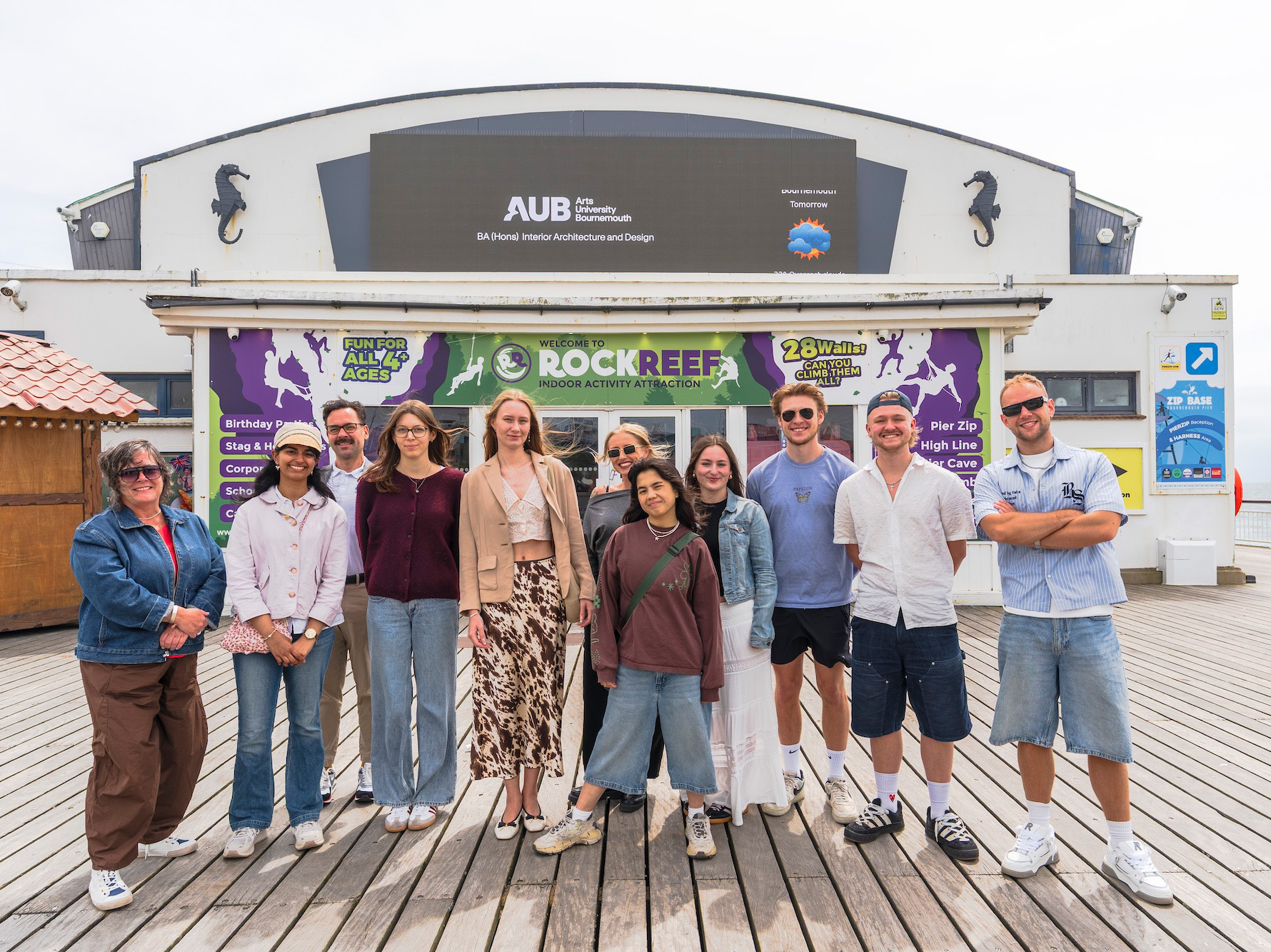
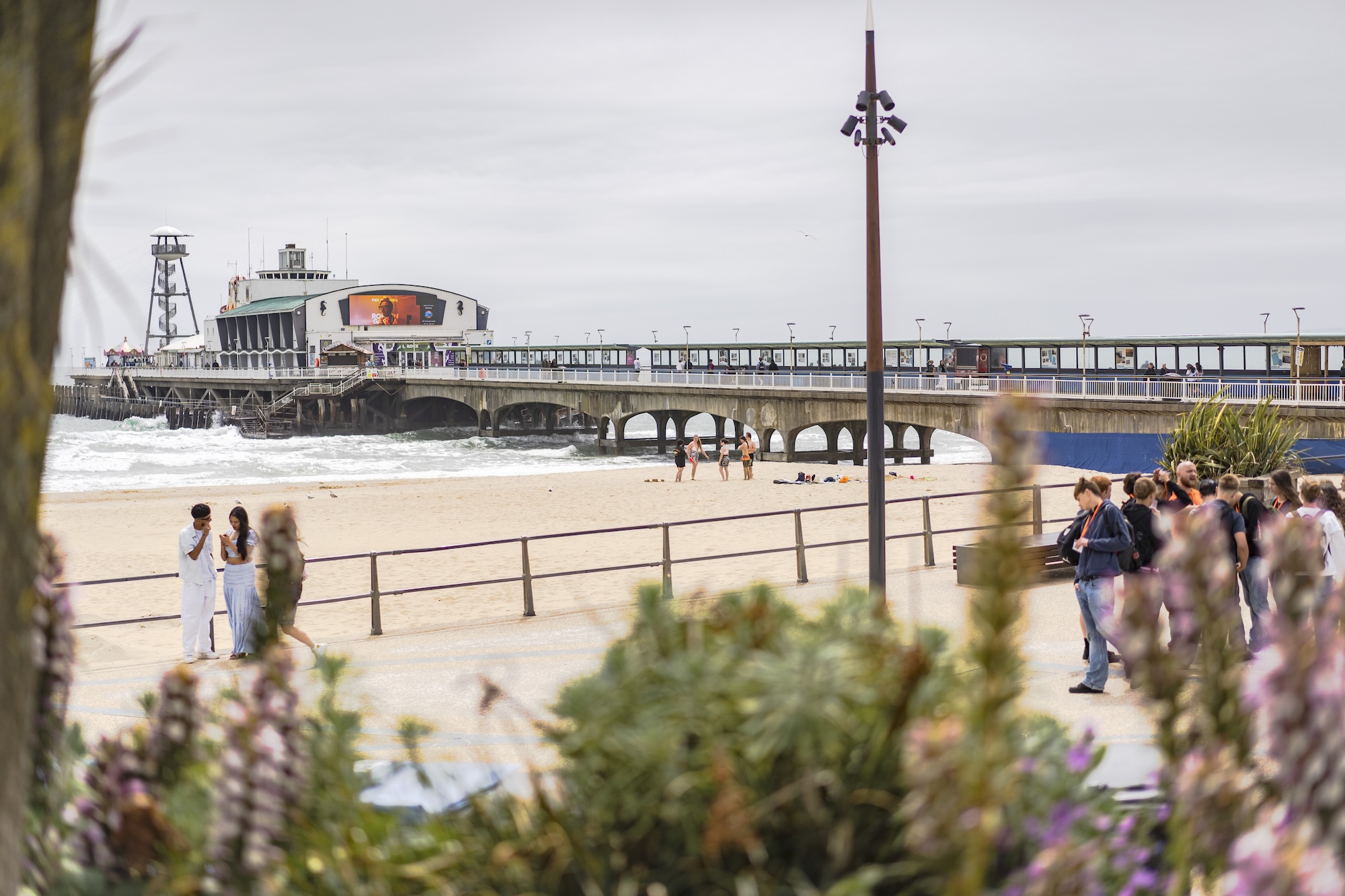
Bournemouth Pier has been transformed into a speculative ‘micronation’ showcasing the visionary work of BA (Hons) Interior Architecture and Design students from Arts University Bournemouth (AUB).
Running until Friday 26 June 2026, the interactive exhibition, Design for a Micronation, invites the public to view a series of spatial propositions that reimagine the pier as an autonomous territory, exploring how interior architecture can operate at the scale of infrastructure, landscape and governance.
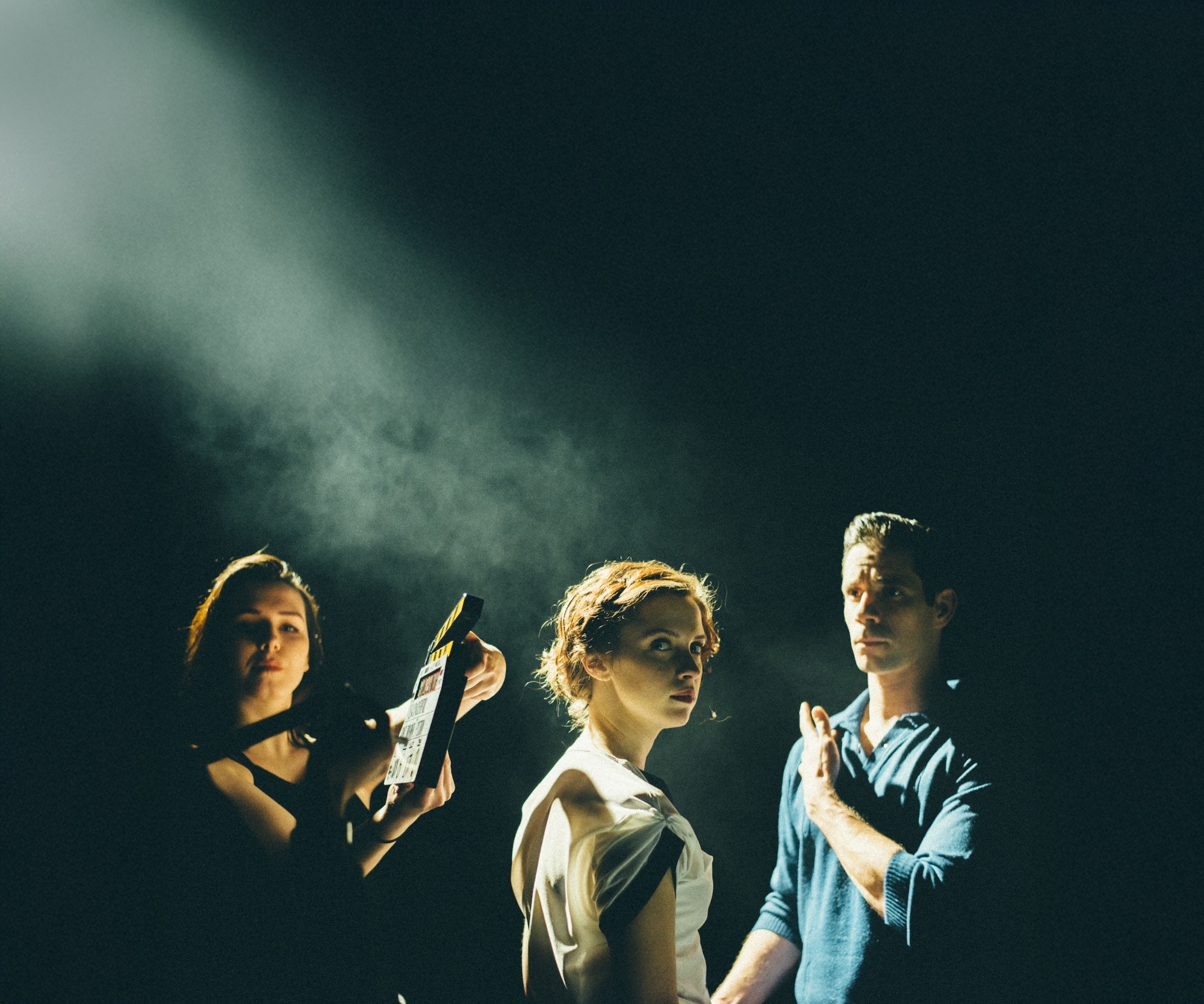
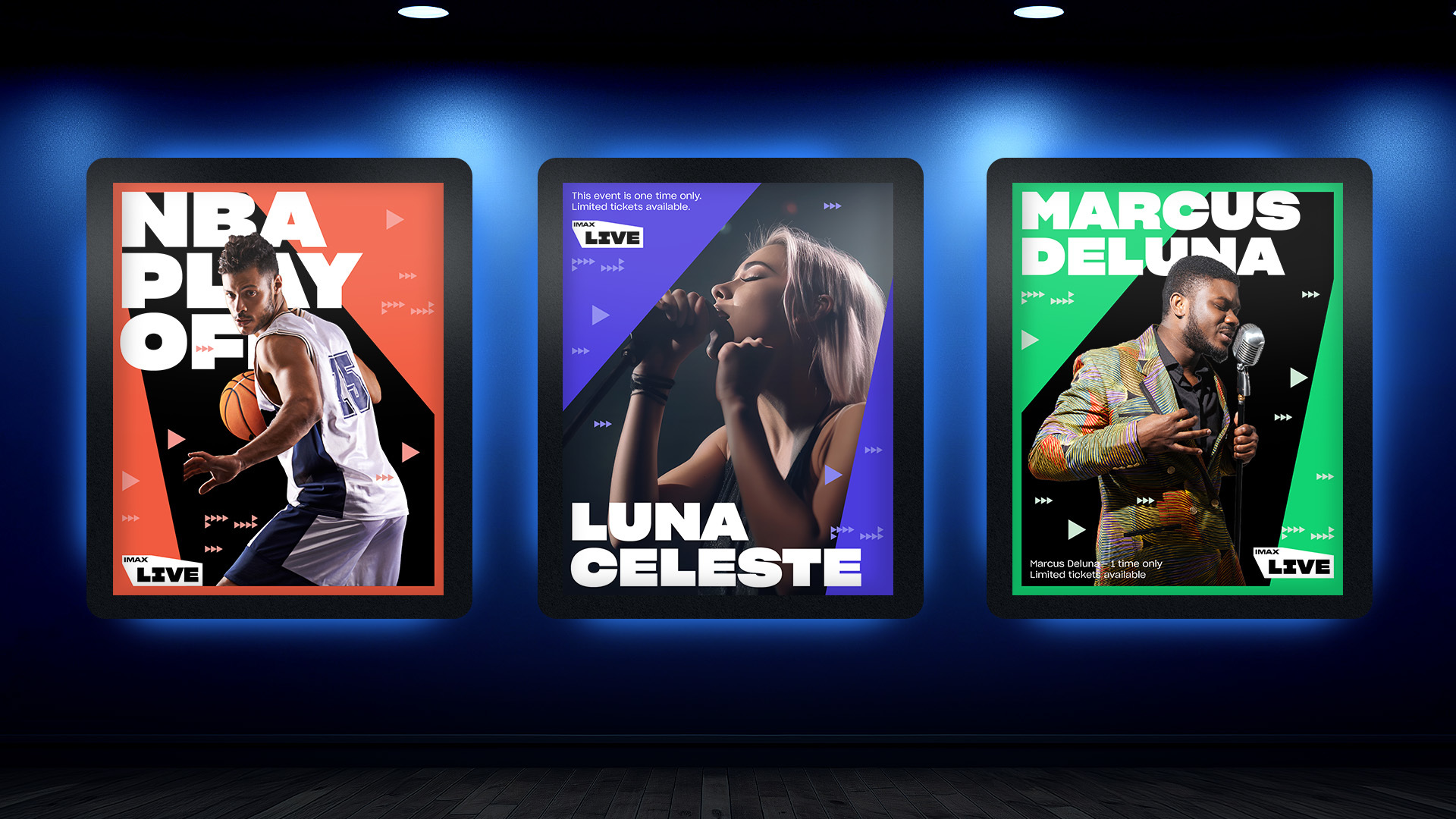
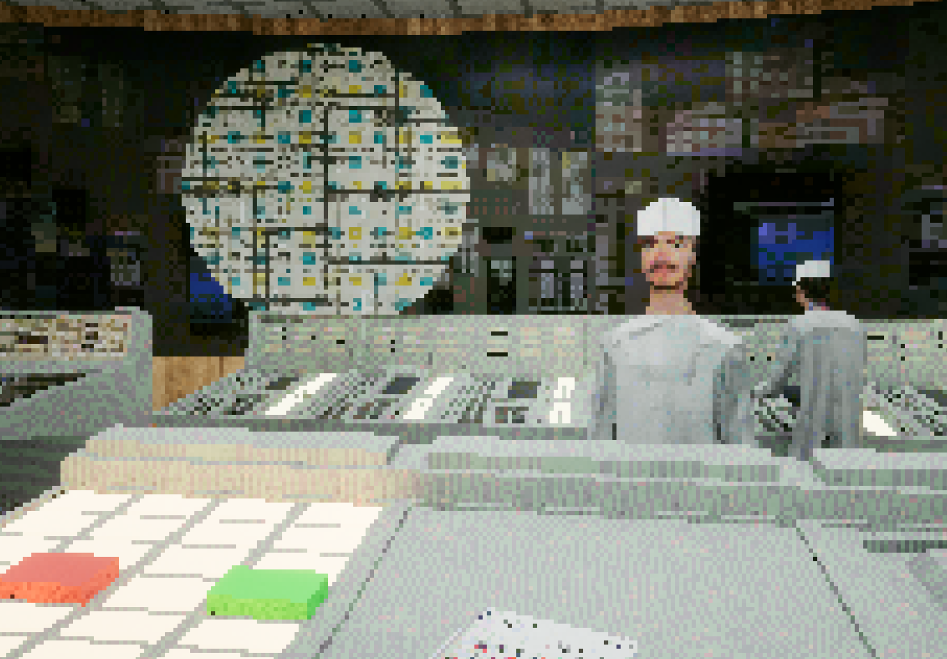
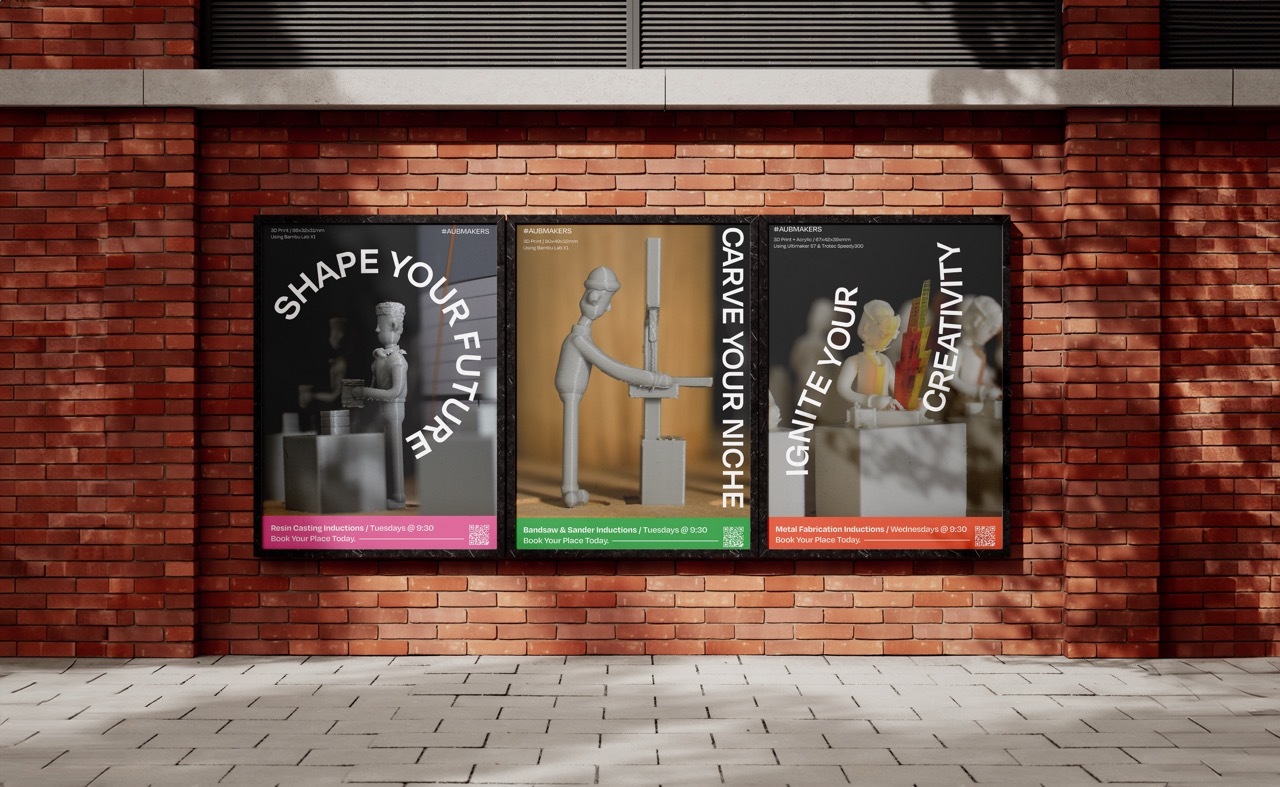
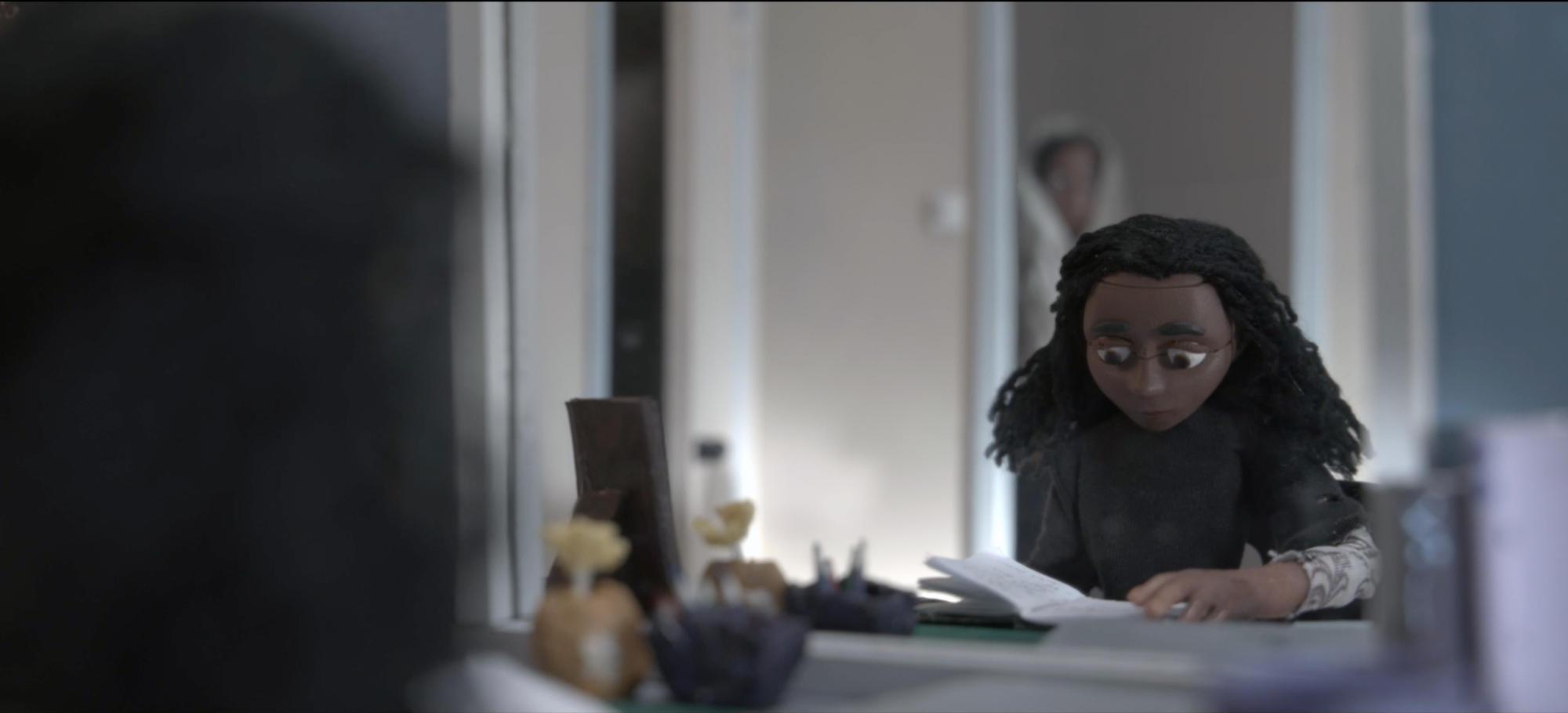
The project bridges the gap between speculative academic design and public art, offering a highly visual, self-guided experience for local residents and visitors walking the pier. Alongside the physical exhibition, visitors will be treated to a couple of dynamic, 10-second ‘Hollywood trailer’-style films created by the students. These cinematic snapshots of their design visions will be broadcast on the large LED screen at Rock Reef, courtesy of Adventure Attractions.
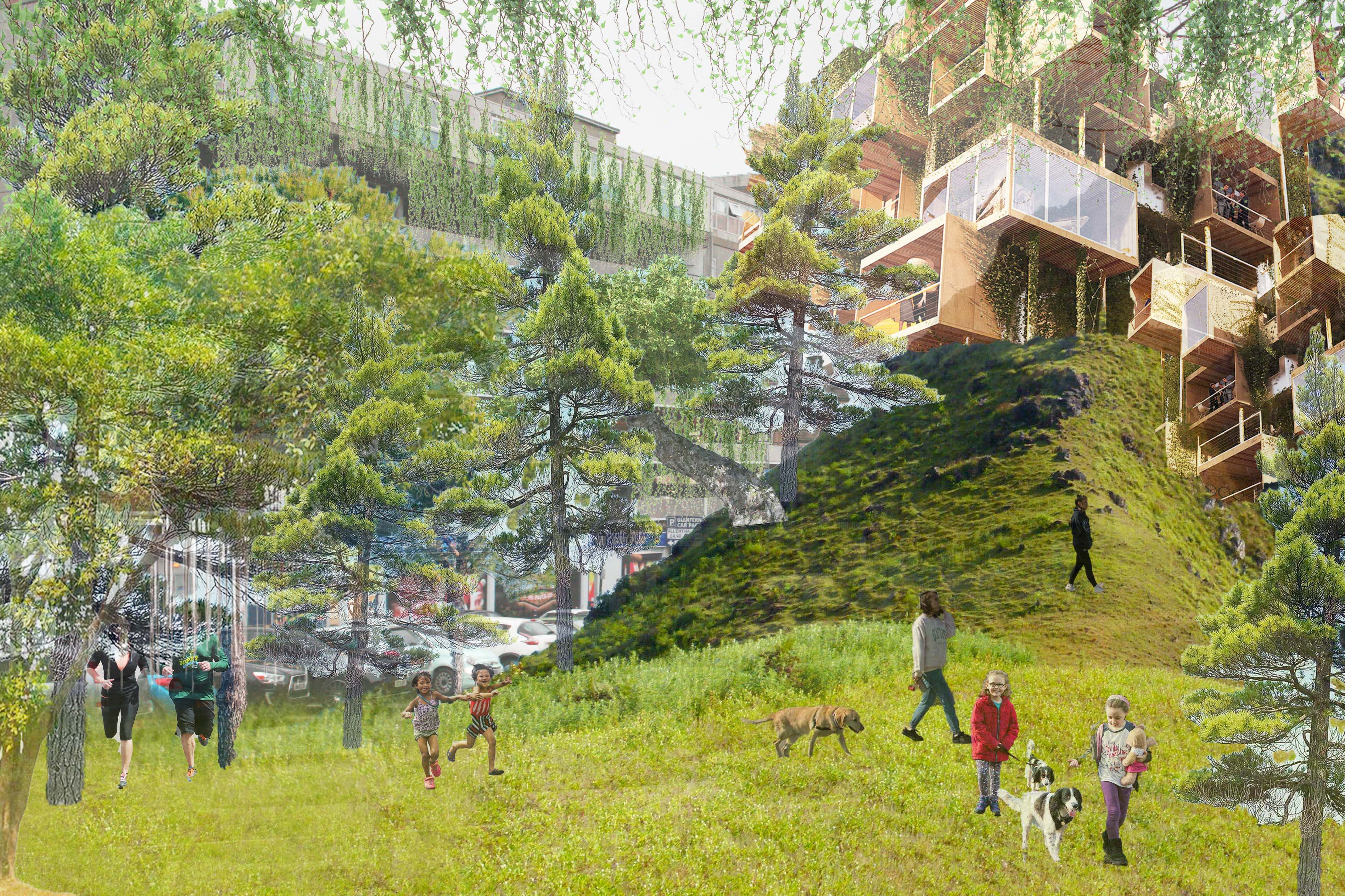
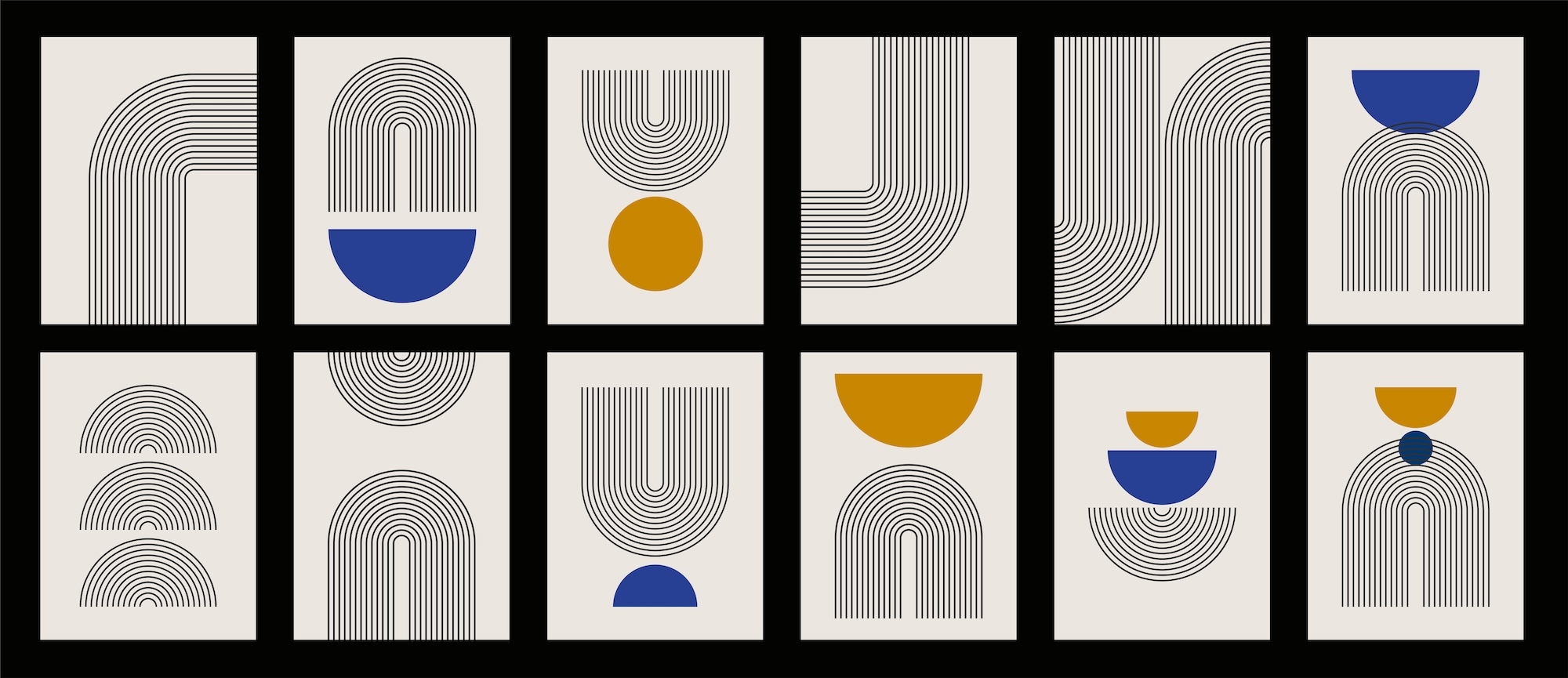
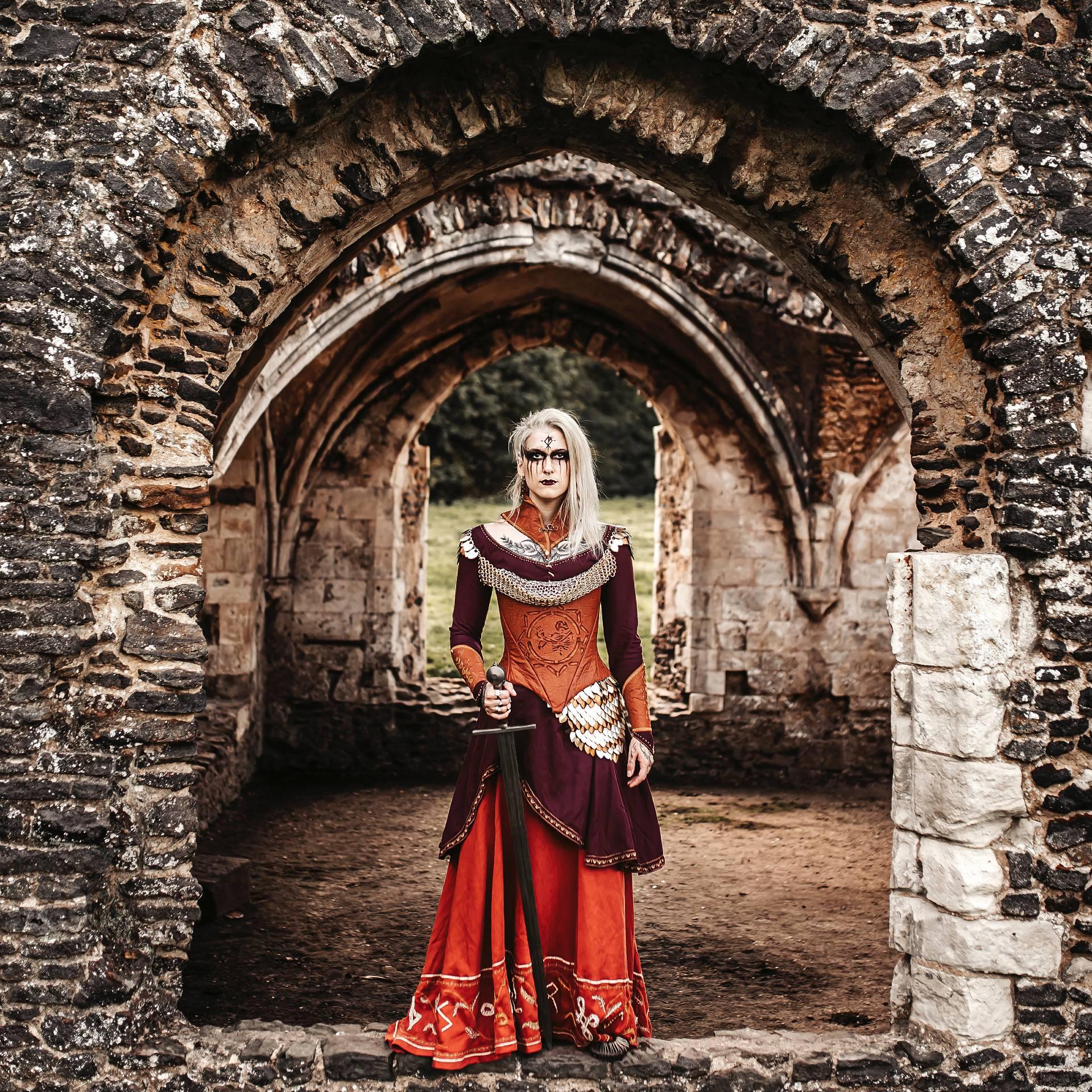
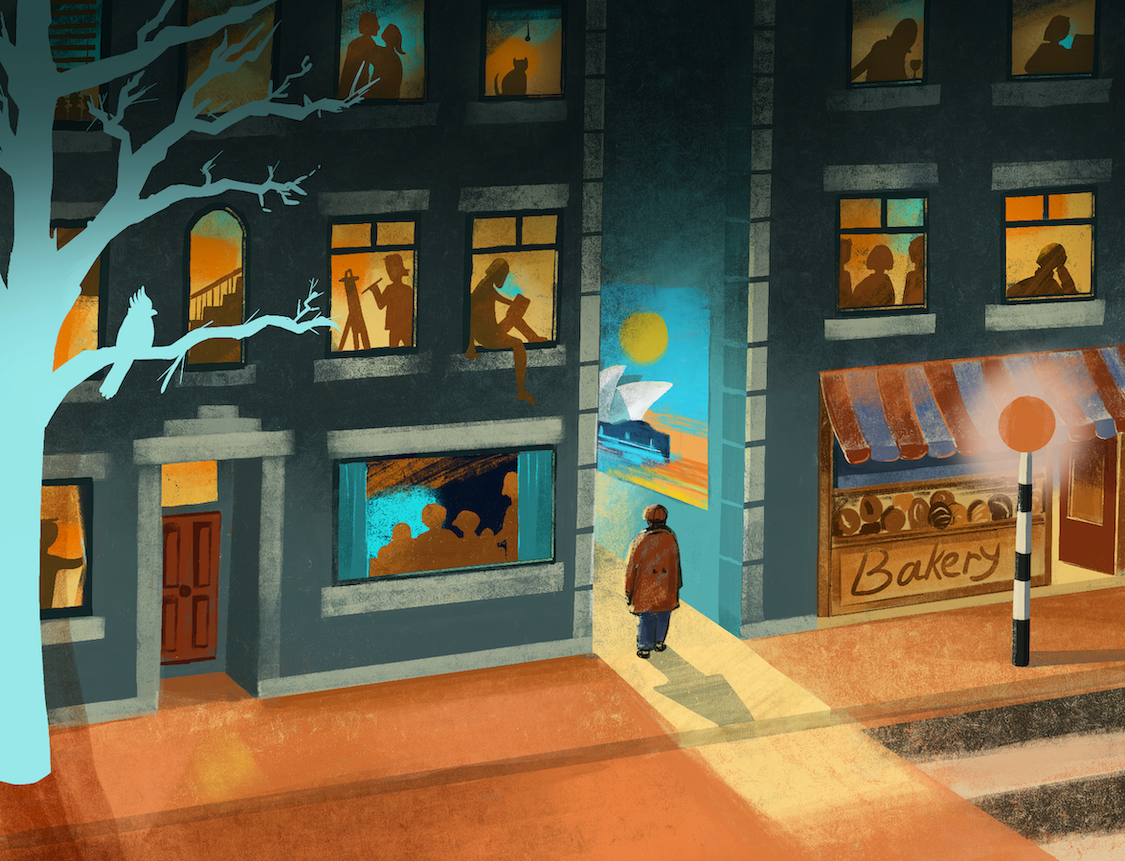
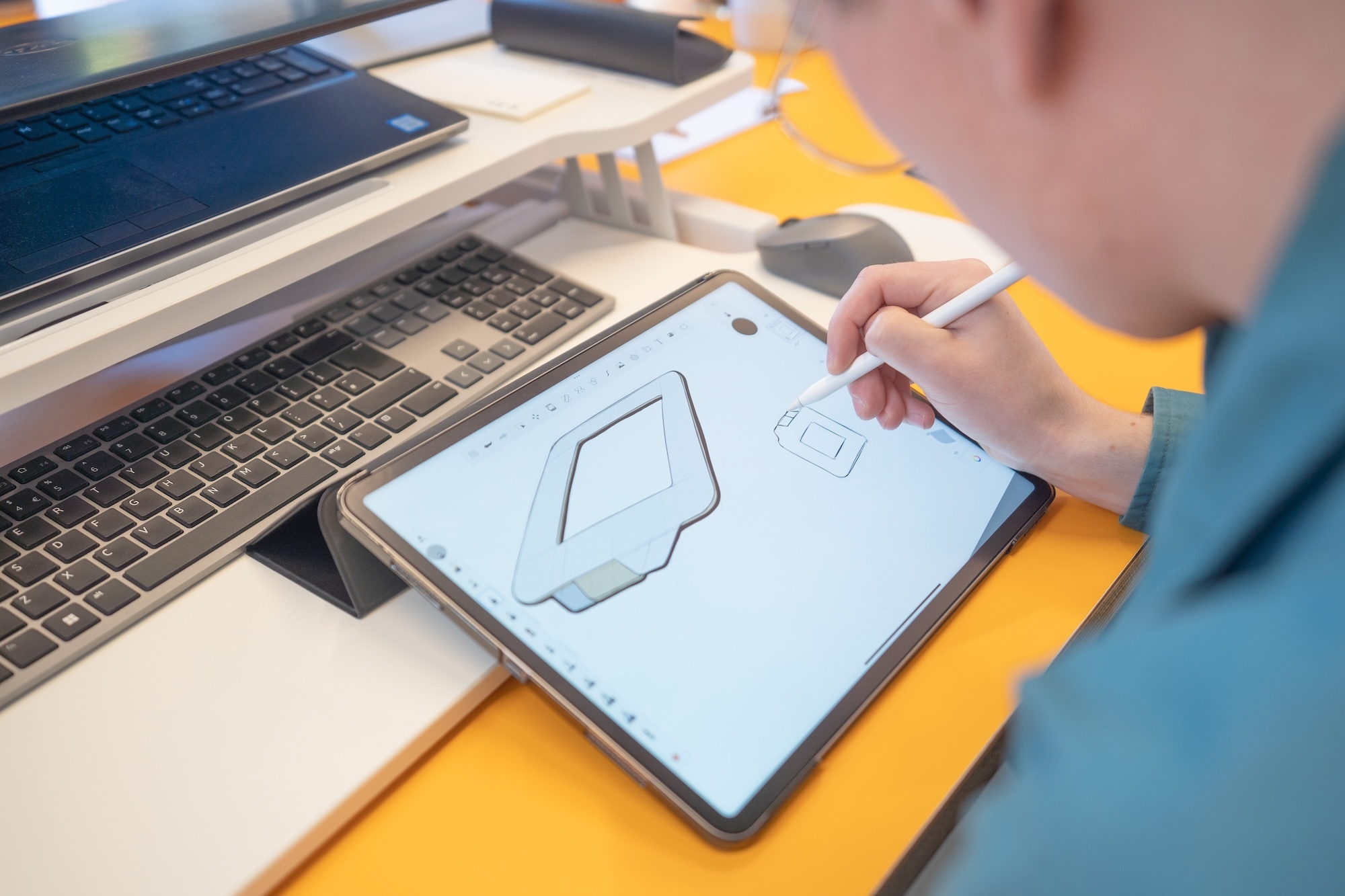
The exhibition features work from across the department, including contributions from current students Elizaveta Rimar, Keeley White, and Paula Janasiak. For second-year Elizaveta, who created both a physical vinyl display and a 10-second film snippet for the Rock Reef screen, the project was a unique opportunity to explore narrative-driven interior architecture and design. Third-year students like Keeley and Paula also contributed expansive vinyl designs that challenge how public, coastal spaces can be utilised in the modern era.
“My project, Solara, began as an exploration of sustainable living and ocean conservation," comments Keeley, "but throughout the project it evolved into something much more human; a joyful, bohemian community where people live in balance with nature and one another.
“My biggest challenge was creating a vision that felt aspirational rather than instructional, not simply another movement telling people to save the planet, but a place built on shared knowledge, meaningful work and the belief that caring for our environment can be deeply fulfilling. In many ways, Solara became a celebration of the idea that it truly 'takes a village'.
“Seeing my work exhibited on Bournemouth Pier is incredibly rewarding, as it brings these speculative ideas back to the place that inspired them and allows the public to engage with an alternative future for a familiar landmark.
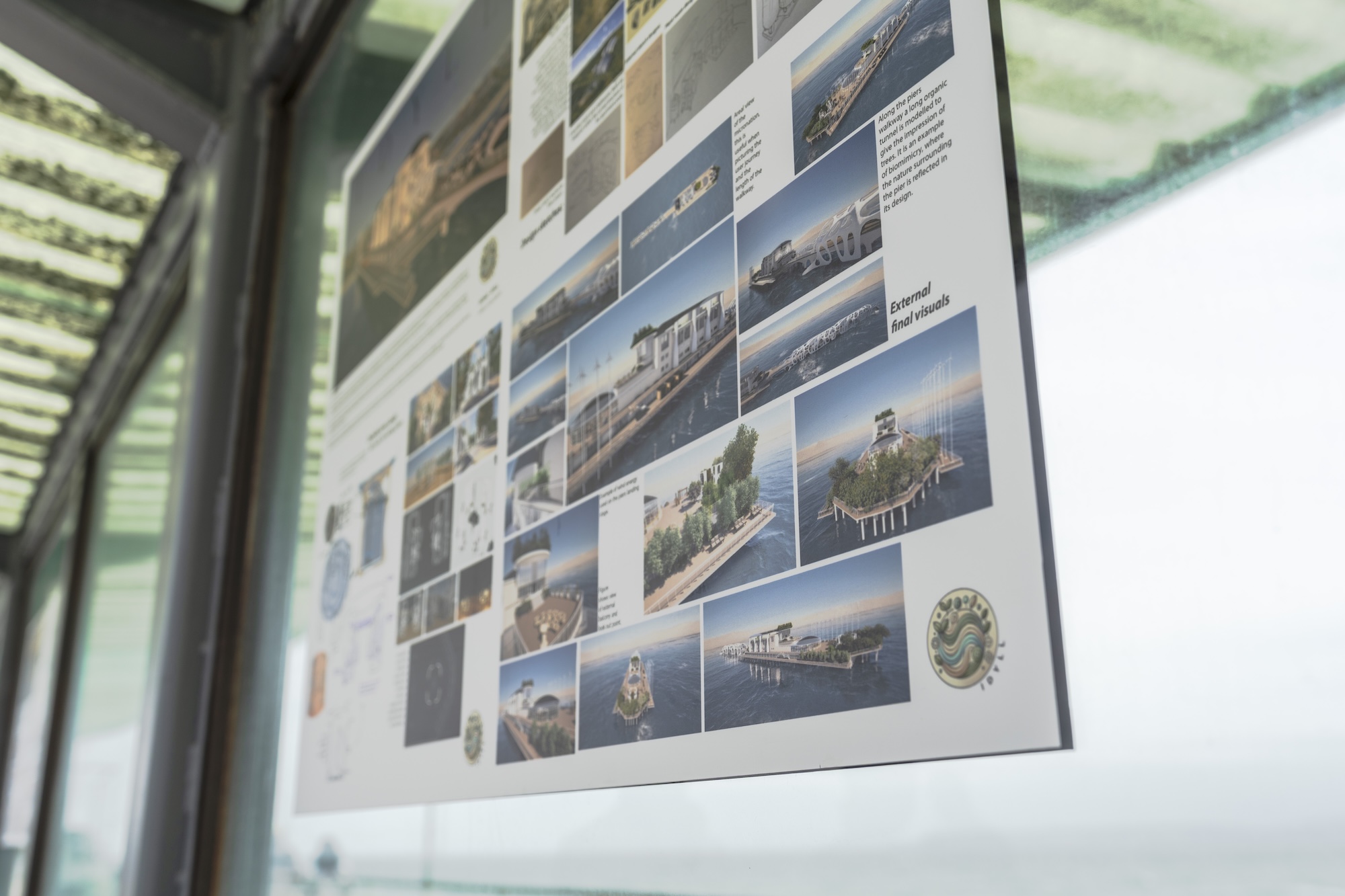
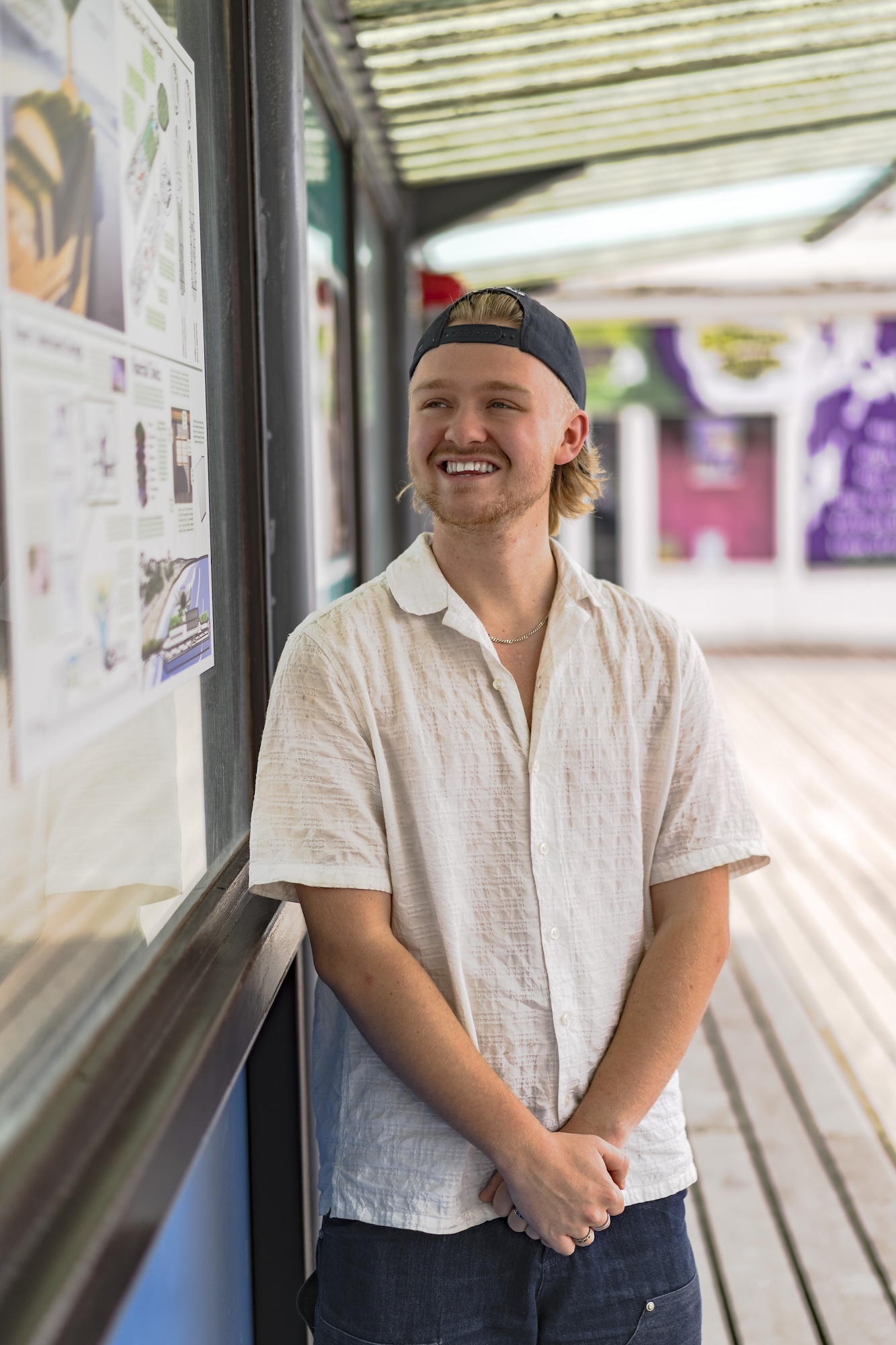
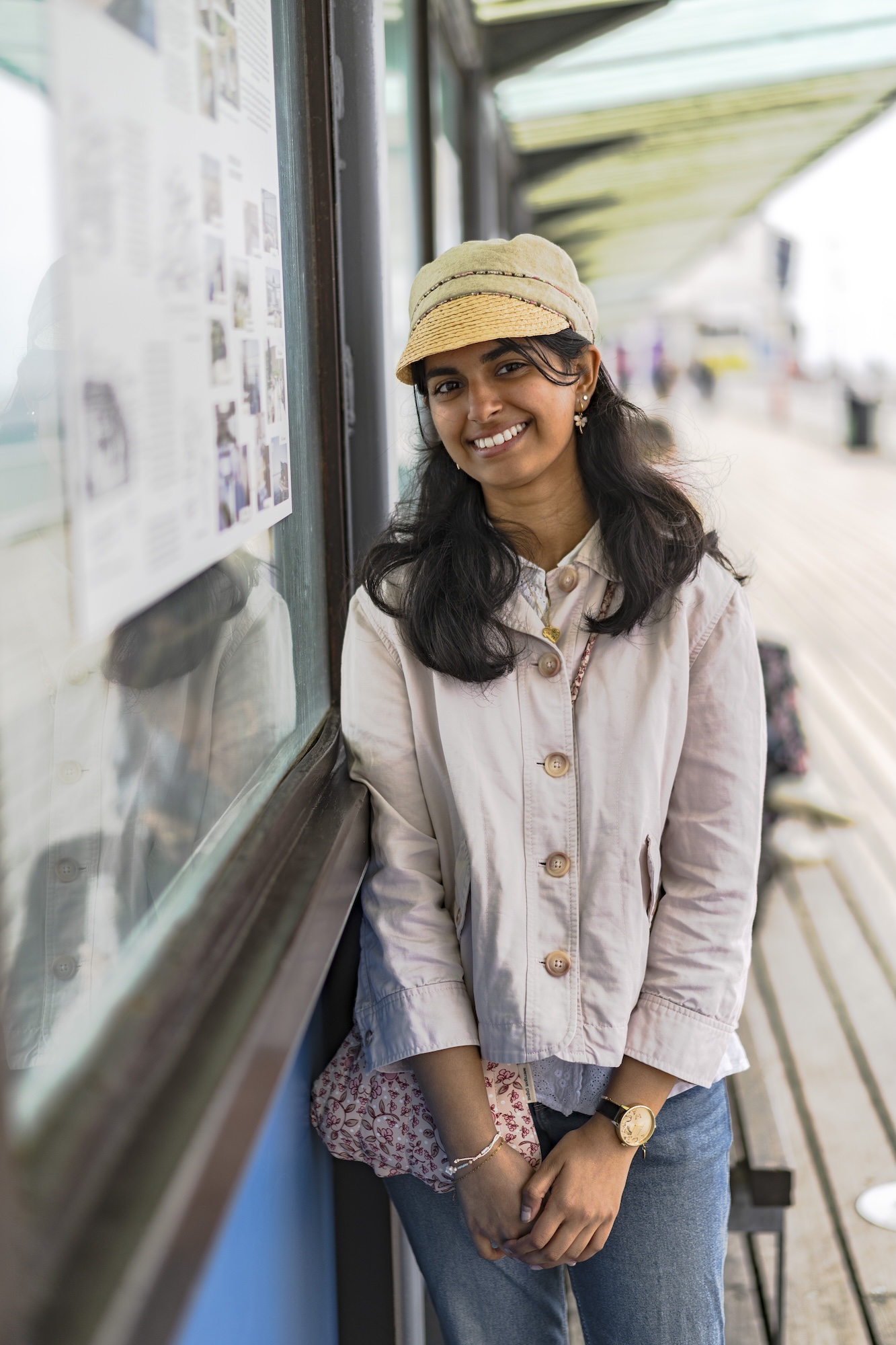
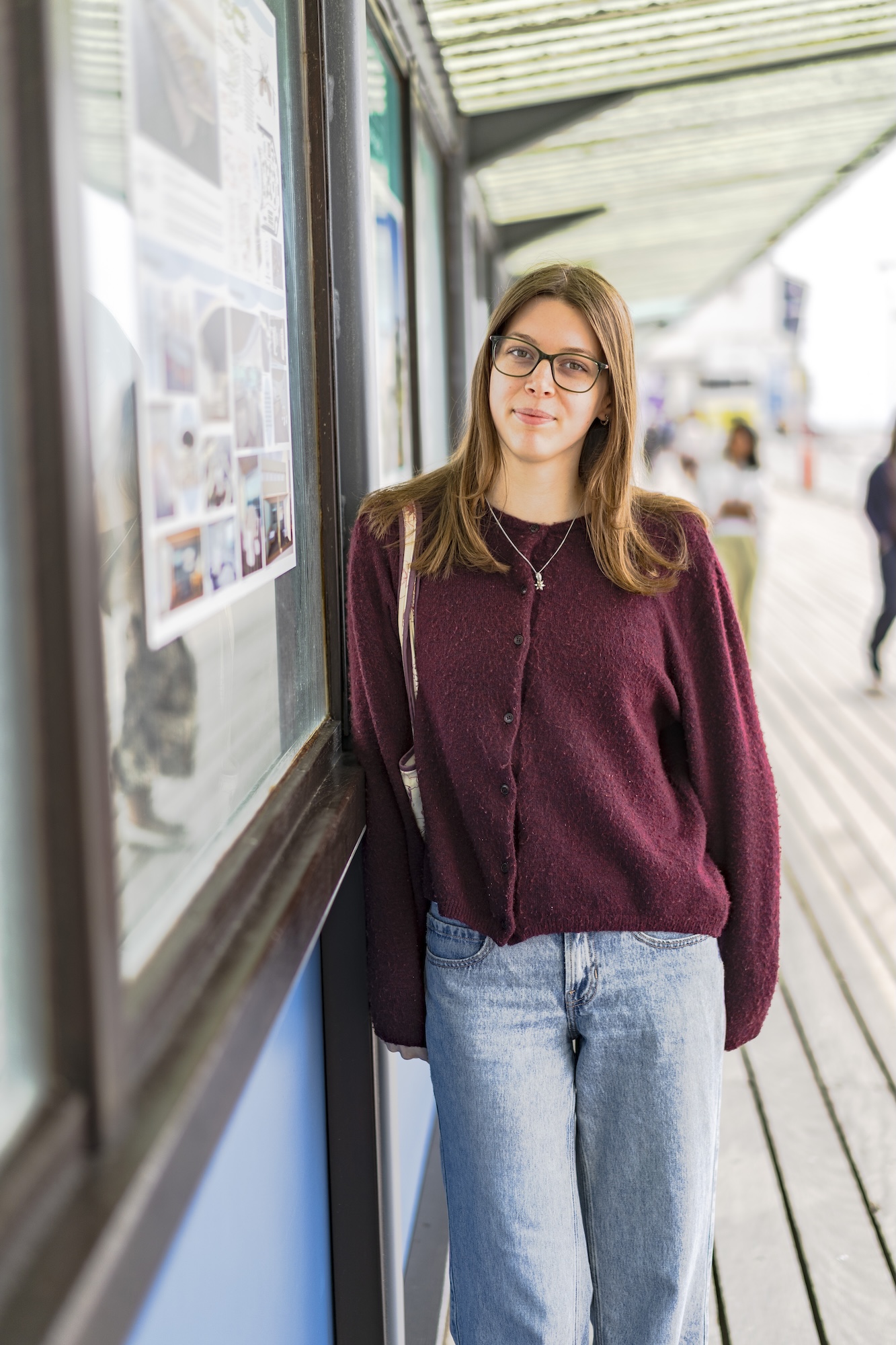
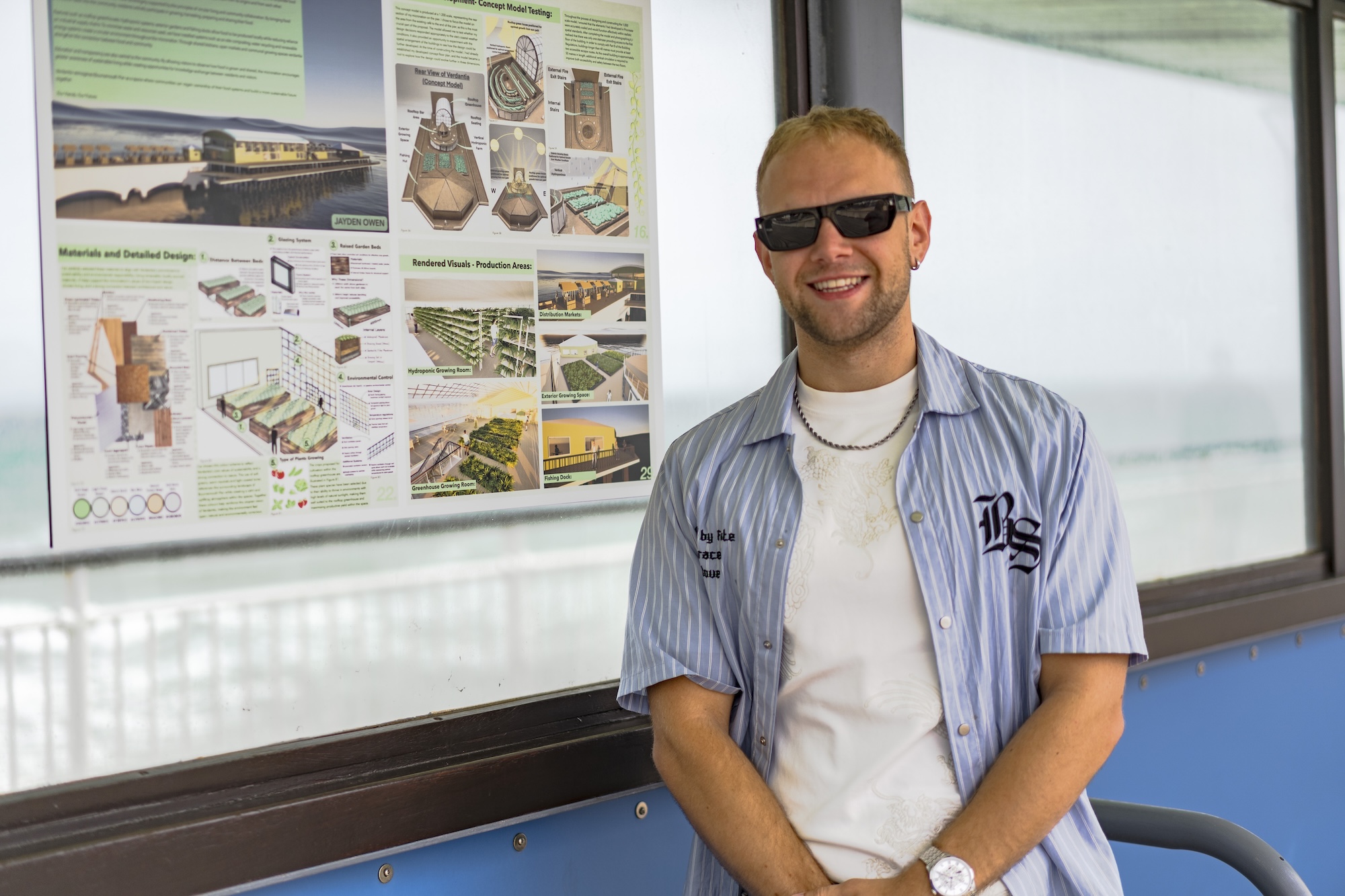
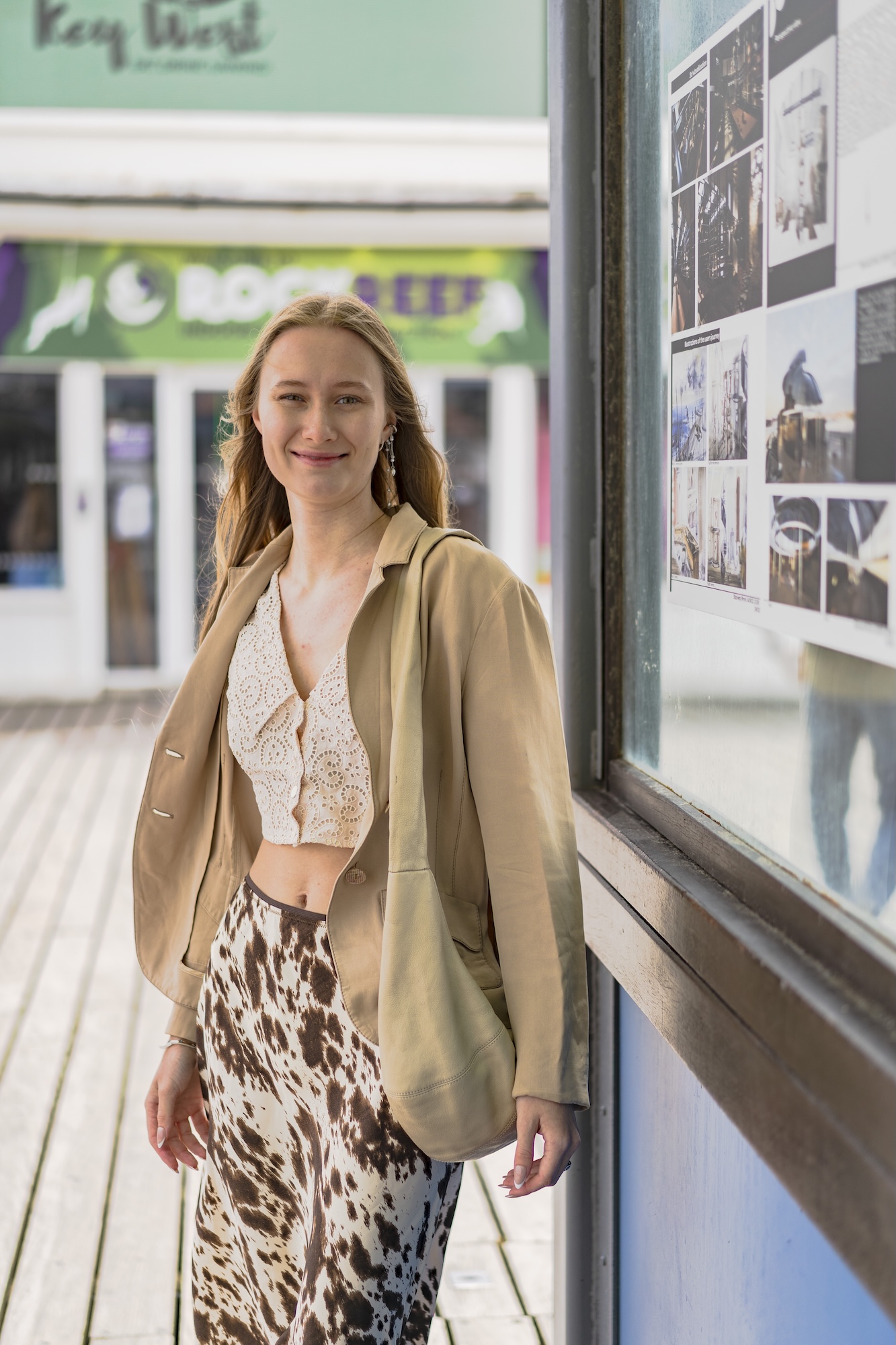
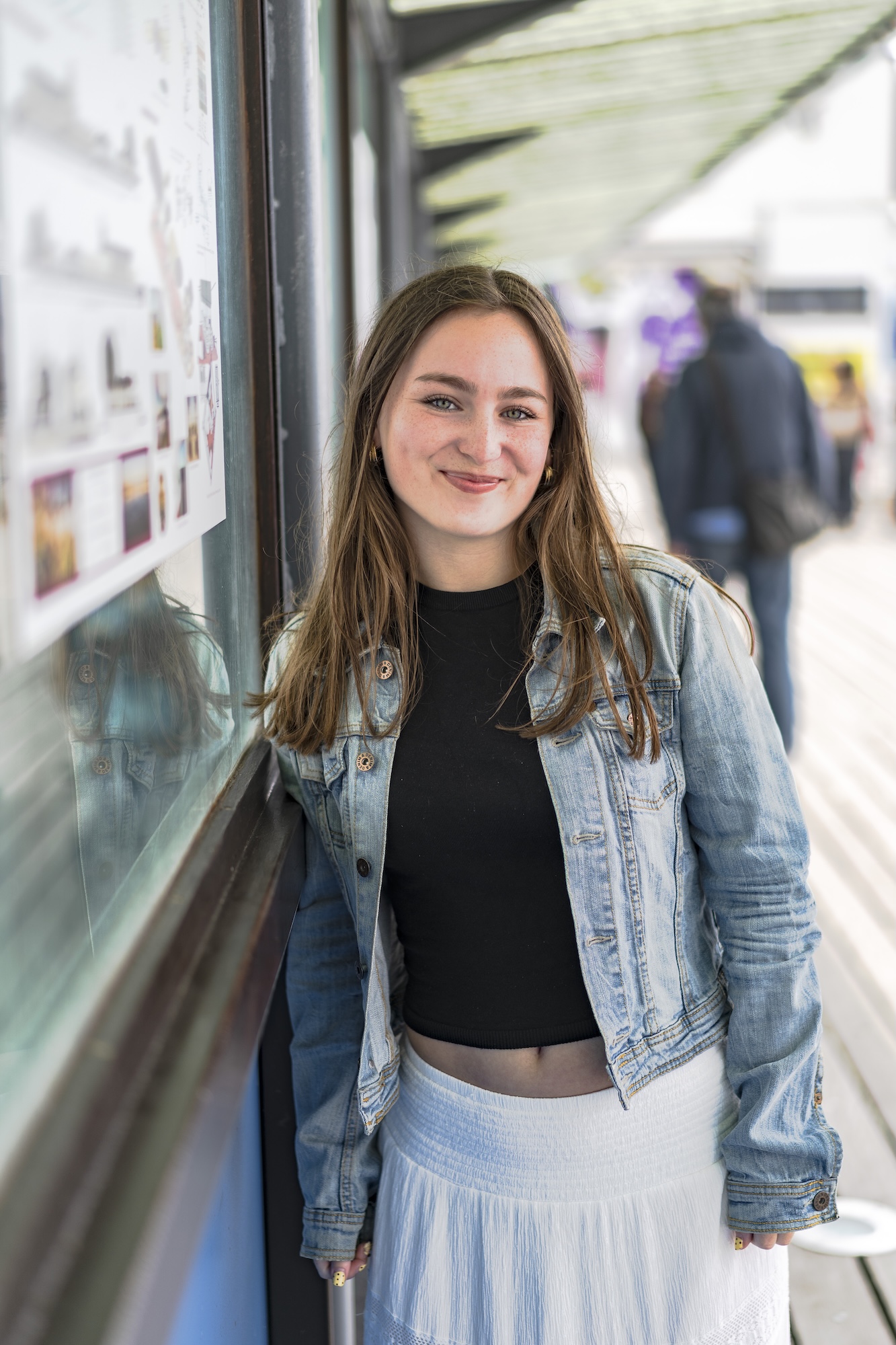
As part of the Contemporary Environments unit, students develop self-directed design briefs grounded in critical research, theory and site analysis. The project positions interior architecture beyond enclosed space, exploring its capacity to shape social, political and environmental systems through spatial intervention.
Responding to the pier’s unique condition, suspended between land and sea, the students have reimagined it as a site for new forms of community, resilience and self-sufficiency. Each proposal addresses global challenges such as climate adaptation, resource use and social cohesion through speculative spatial design.
Elizaveta says, “It’s been an interesting challenge for me. The work was incredibly diverse, from creating realistic users who could live on the pier, to detailing their daily lives, interior plans, and even everyday rituals.
“I wanted to build a dystopian state, but within the bounds of plausibility – not slipping entirely into pure dystopia but preserving the fragile line between fiction and reality. The artistic image and mood I sought to convey fit perfectly with the micronation's structure: its rigid division of labour, ascetic architecture, and almost religious attitude toward found objects.
“My role was to connect rigorous architectural site analysis with social imagination, to envision what a community might look like that not only survives at the edge of the land but consciously turns civilisation's waste into its primary resource and philosophy.”
Emily Manns, Senior Lecturer in BA (Hons) Interior Architecture and Design at AUB, comments, “The project encourages students to think beyond interiors as enclosed spaces, exploring how design can shape identity, respond to environmental challenges and imagine new ways of living.
“By situating their work on the pier itself, the projects move from concept to context, engaging directly with the public and the site that shaped them. Design for a Micronation demonstrates how interior architecture can operate as a creative and strategic practice, testing new ideas and possibilities for how we organise, inhabit and experience space.”
James Balcazar, Group Marketing Manager at Adventure Attractions, operator of Bournemouth Pier, says, “At Adventure Attractions, we believe in investing in our communities and supporting future talent. We're delighted to sponsor the BA (Hons) Interior Architecture and Design exhibition at AUB, giving students a platform to showcase their hard work, creativity and vision as they take the next step in their professional careers.”
Design for a Micronation opened on Monday 15 June, running until Friday 26 June 2026 on Bournemouth Pier. Members of the public can scan QR codes integrated into the exhibition information boards on the pier to learn about the course.