














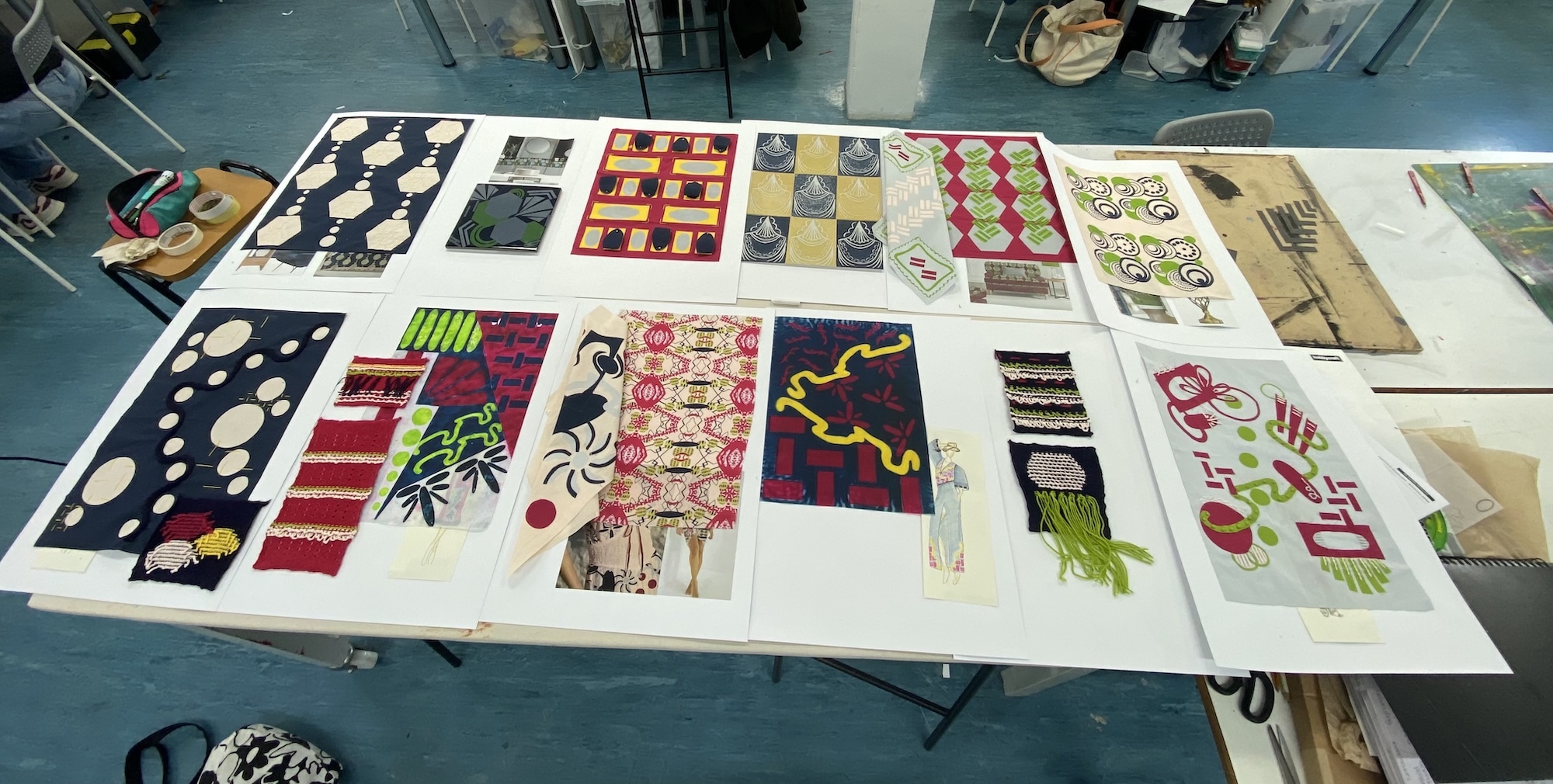
I completed a four-week work placement with a quilting and patchwork company in Berkshire called Makower UK, and I absolutely loved it. After applying to numerous other companies, Makower was about email number 10 that I had sent off. But the patience paid off, with a visit to the studio for a chat after my initial contact and some follow up emails for extra information to their questions my month-long internship was secured!
It was a really positive experience and I was able to see and learn a lot, which has enriched my studies. I’m going to give a little insight into what my placement looked like and what I learned from it.
My experience
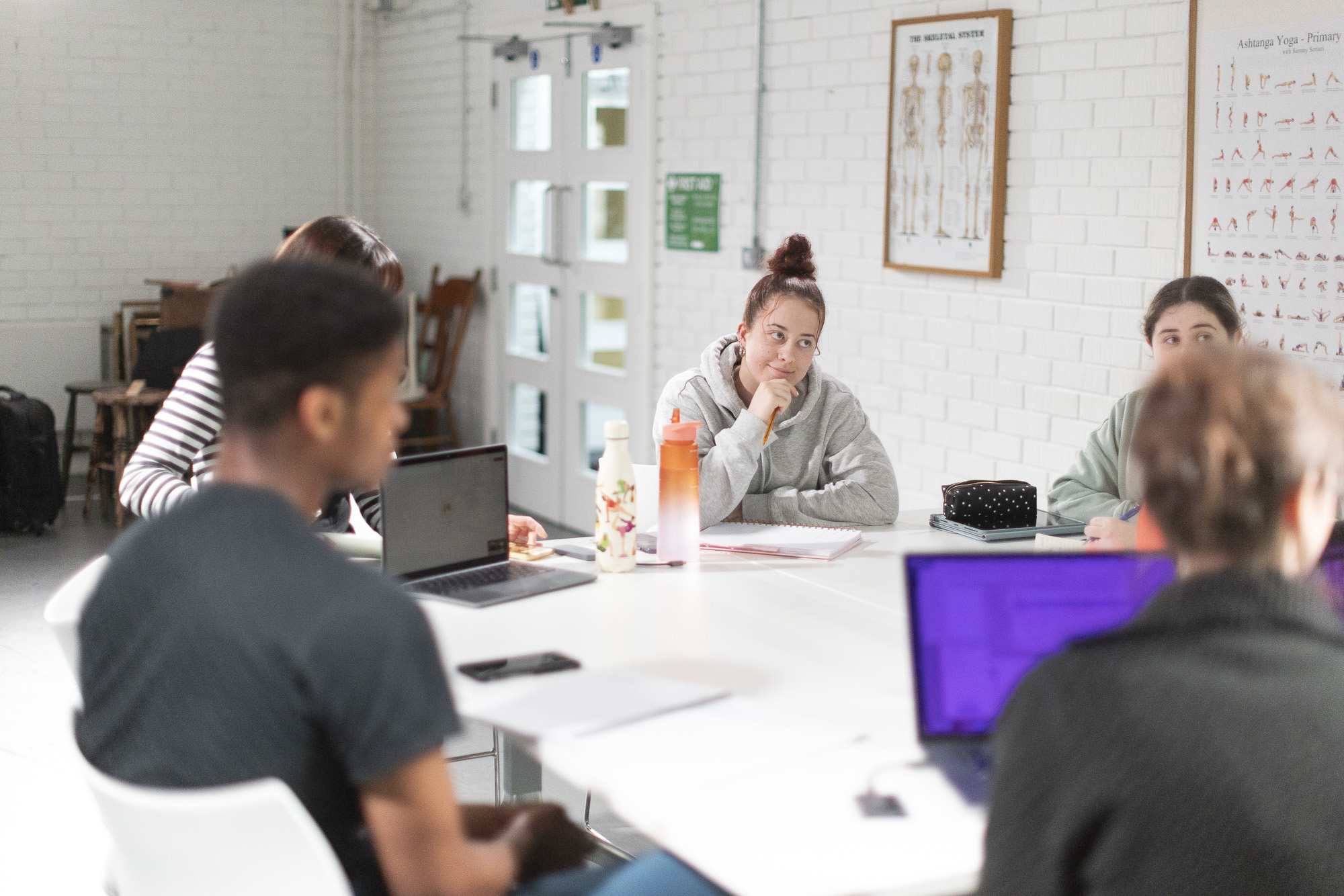
I worked three or four days a week for my placement company, usually two or three days in the office and one day working from home. This allowed me to try both studio work and independent work, plus communicating online. I found it really good to experience a hybrid style of work as it’s how I will most likely be working in the future. I preferred working in the studio as I had support around me when I needed it, and could ask questions more easily and quickly. But, I feel as I develop my skills and confidence more, working from home could be really productive and beneficial, as there are fewer distractions.
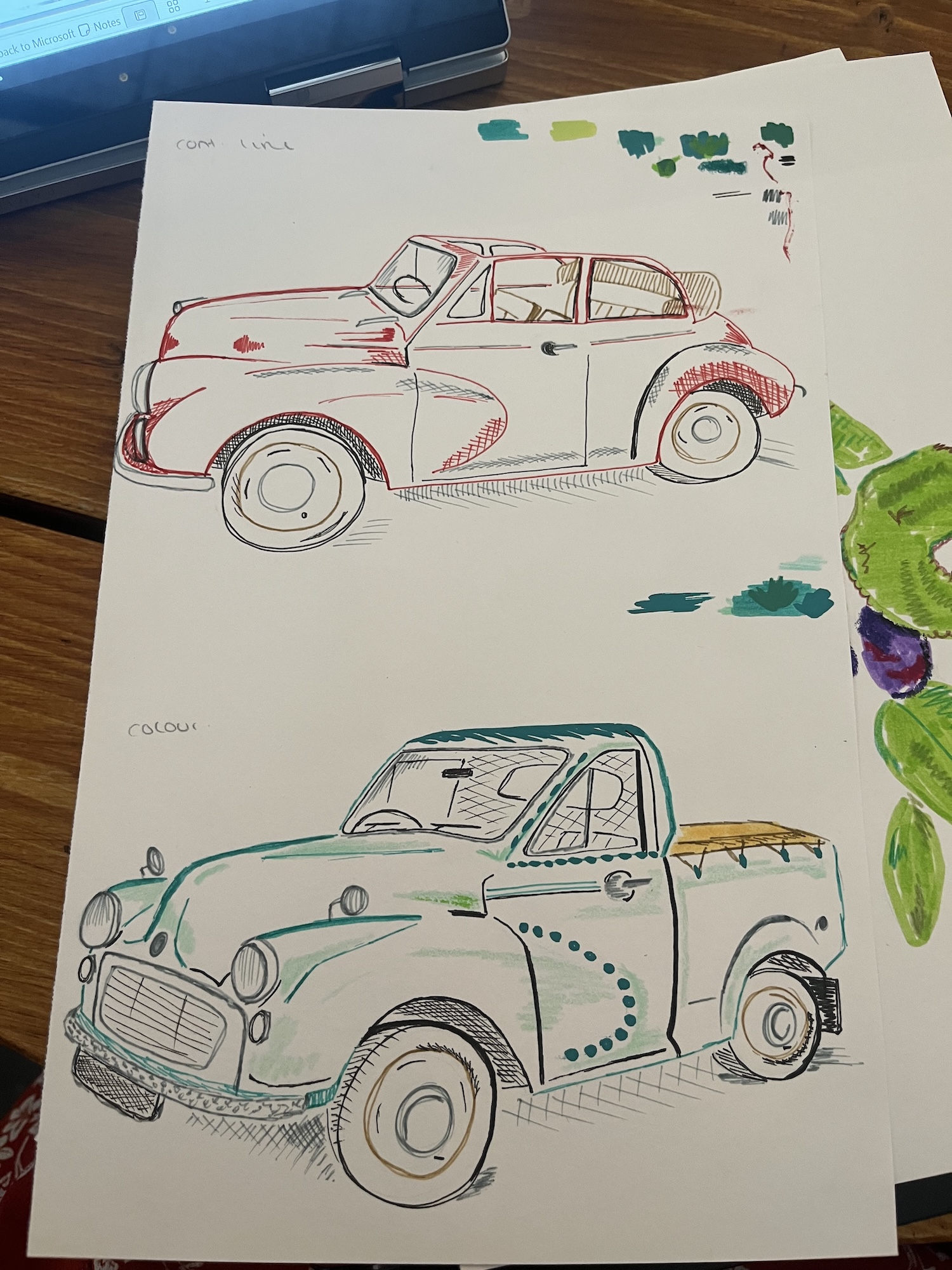
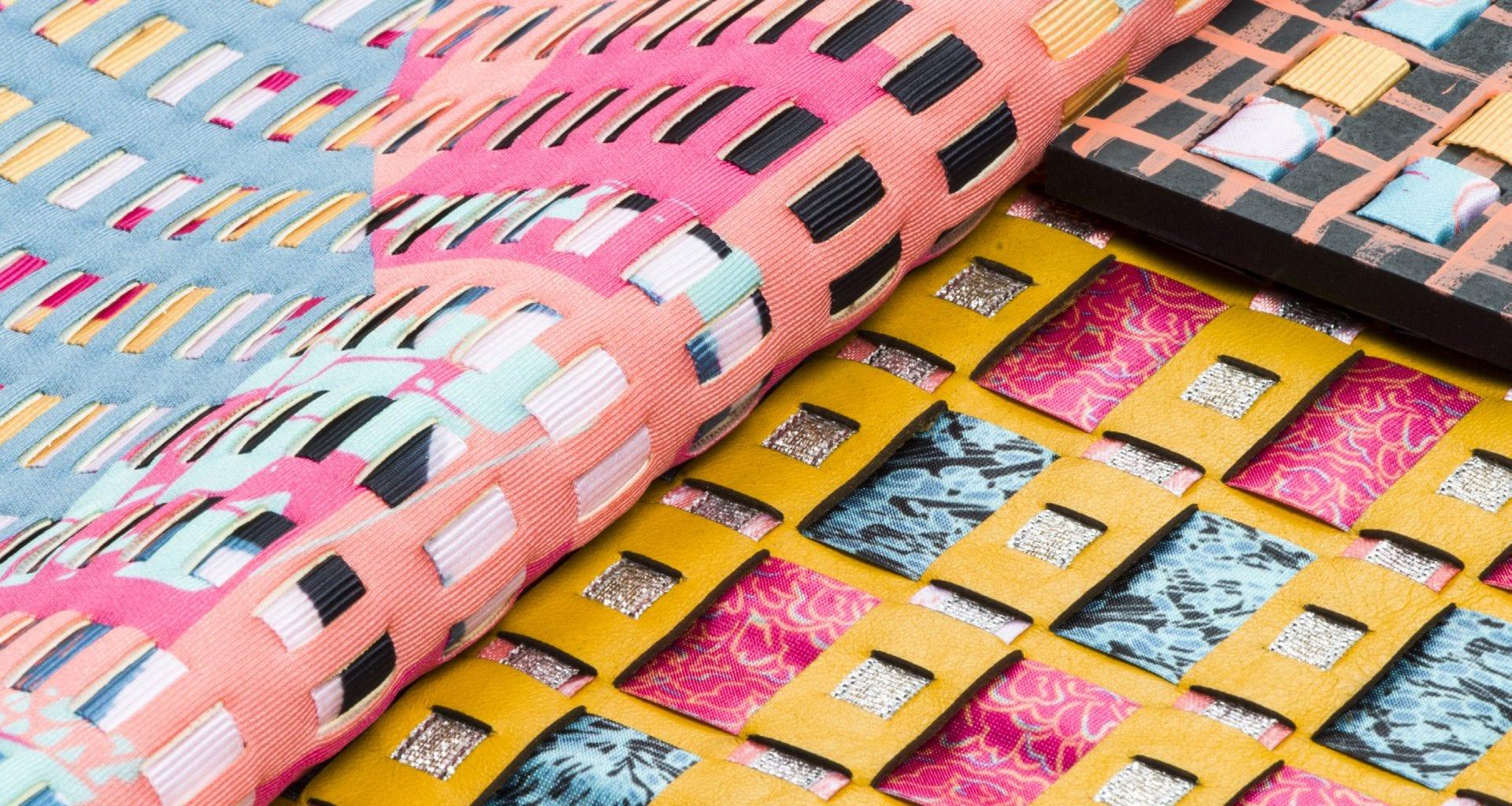
When I was in the studio, I would shadow the studio manager and work closely with her. Day-to-day activities involved creating boards with the various collections being developed to show an overall view of the group and how it sat together, looking at initial samples sent from the mill abroad (called strike-offs) and noting any amendments to send back to them, joining meetings with the other designers and managers as well as Photoshop editing and creating digital and hand-drawn designs.
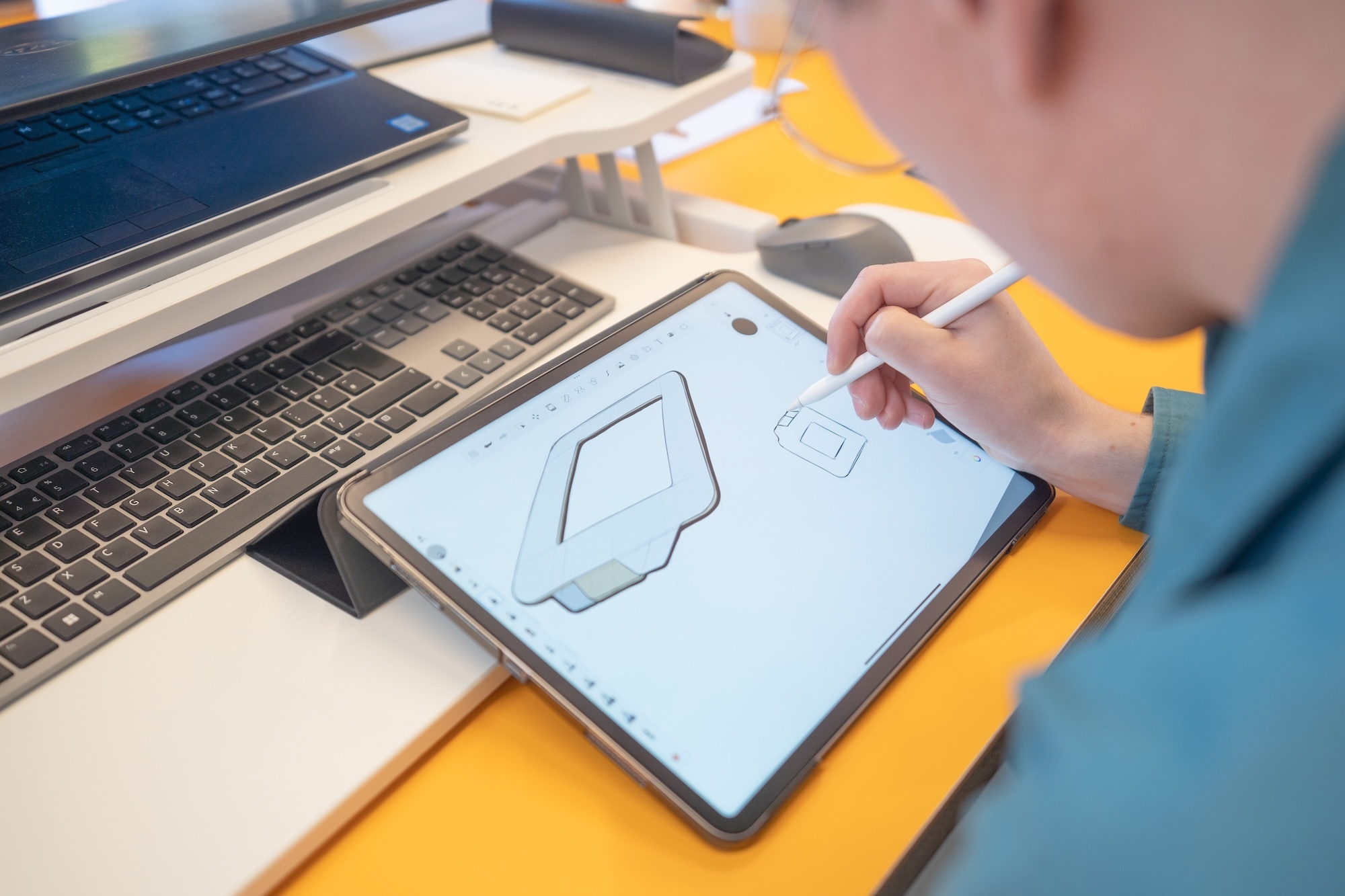
One of the key skills I wanted to develop whilst on placement was my Photoshop efficiency and confidence. My placement really helped me achieve this, as I was able to watch the designers work with Wacom tablets (touch tablets that work with a pen stylus rather than a mouse, to allow you to freehand draw on a digital document) and learn keyboard shortcuts from them. I was then able to practise what they had taught me and what I had observed through tasks they set me like editing motifs for Christmas prints, among others. This has encouraged me to carry on working in Photoshop over the summer so I don’t forget what I learnt going into my second year, and to continue seeing what is possible with the software. I found the Wacom tablets much more accurate than drawing with a mouse, and the keyboard shortcuts meant you could edit whilst still drawing, as you didn’t have to move the mouse away to the tool bar.
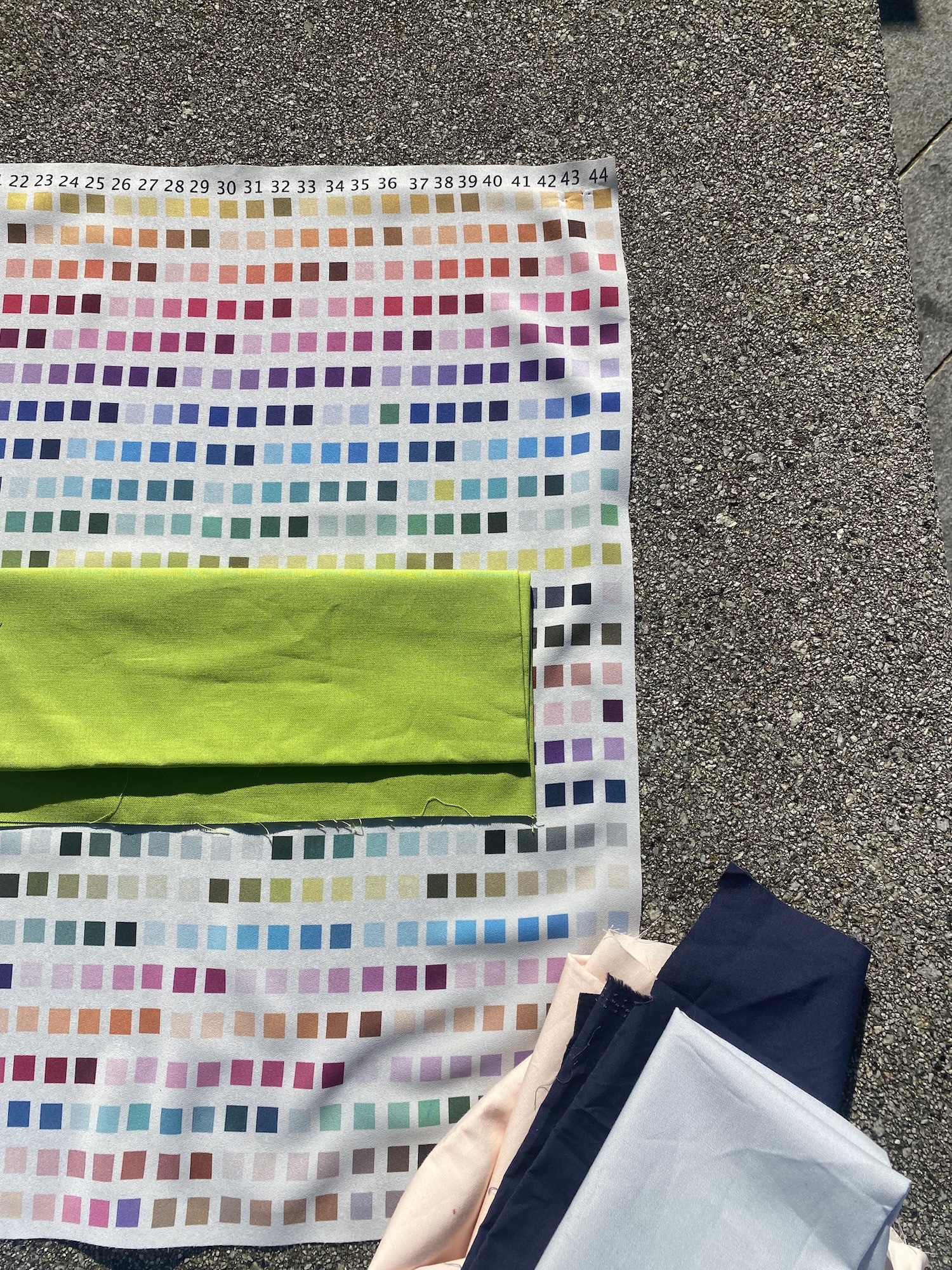
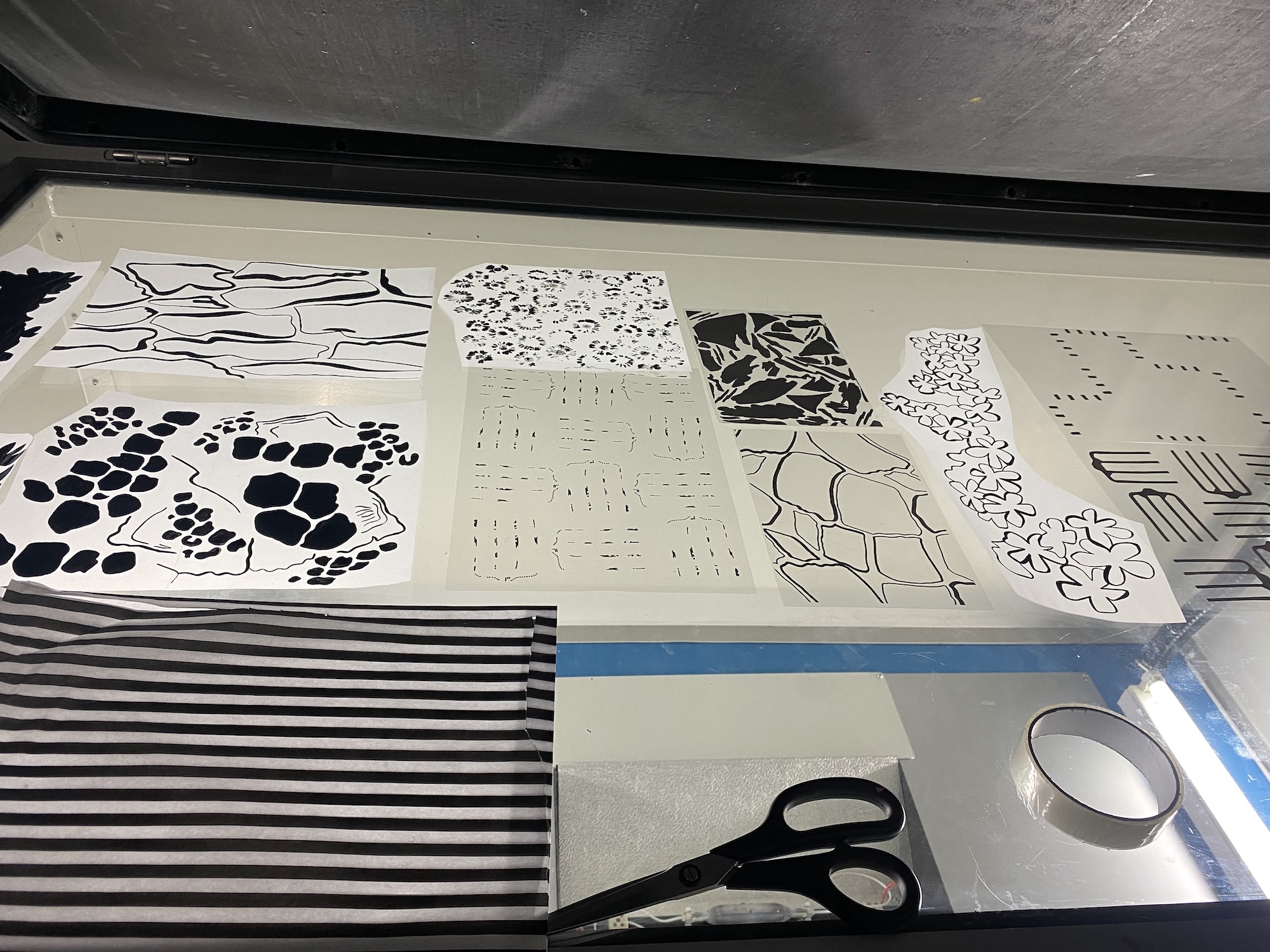
We also had frequent discussions and meetings about the progression of collections, editing ground colours and achieving the right level of detail for a motif. This was really interesting for learning about how the mill could interpret and screen print the work, and how fine the lines could be. I also got to see how they edited and refined hand-painted original artwork from freelance designers, adjusting the design to a level that could be realistically printed. For example, through scanning artwork for Photoshop, over 200 colours could be picked up (through all the shading), so we would have to trace the design, limiting it to the 18 colours allowed. Or, a design would have too much detail in the original art, such as detail in an animal's face or stripes, which are too thin and would bleed, so these parts would be edited out and redrawn.
It was really nice to be included in all the discussions and meetings. I could ask questions to understand the reasons behind decisions and how previous sales data informed the process. They were really open and patient with my questions, which was great for my learning as I got a better understanding of colour, composition and linking a collection together.
Additionally, I got to meet customers who came in for meetings, as well as a rep from the American part of the company. It was particularly good to hear conversations with customers as they also gave feedback on designs and insights into what customers preferred, rather than just the company's perspective. Meeting the American rep was really insightful too – she has had a great career working with some big American competitors and gave really progressive, useful comments based on her experience and what she has seen to be a success. This was mainly about making a design fit in a customer's home and giving them a reason to need the product, generally considering a customer's perspective on the range based on feedback she has received over the years.
What I learned
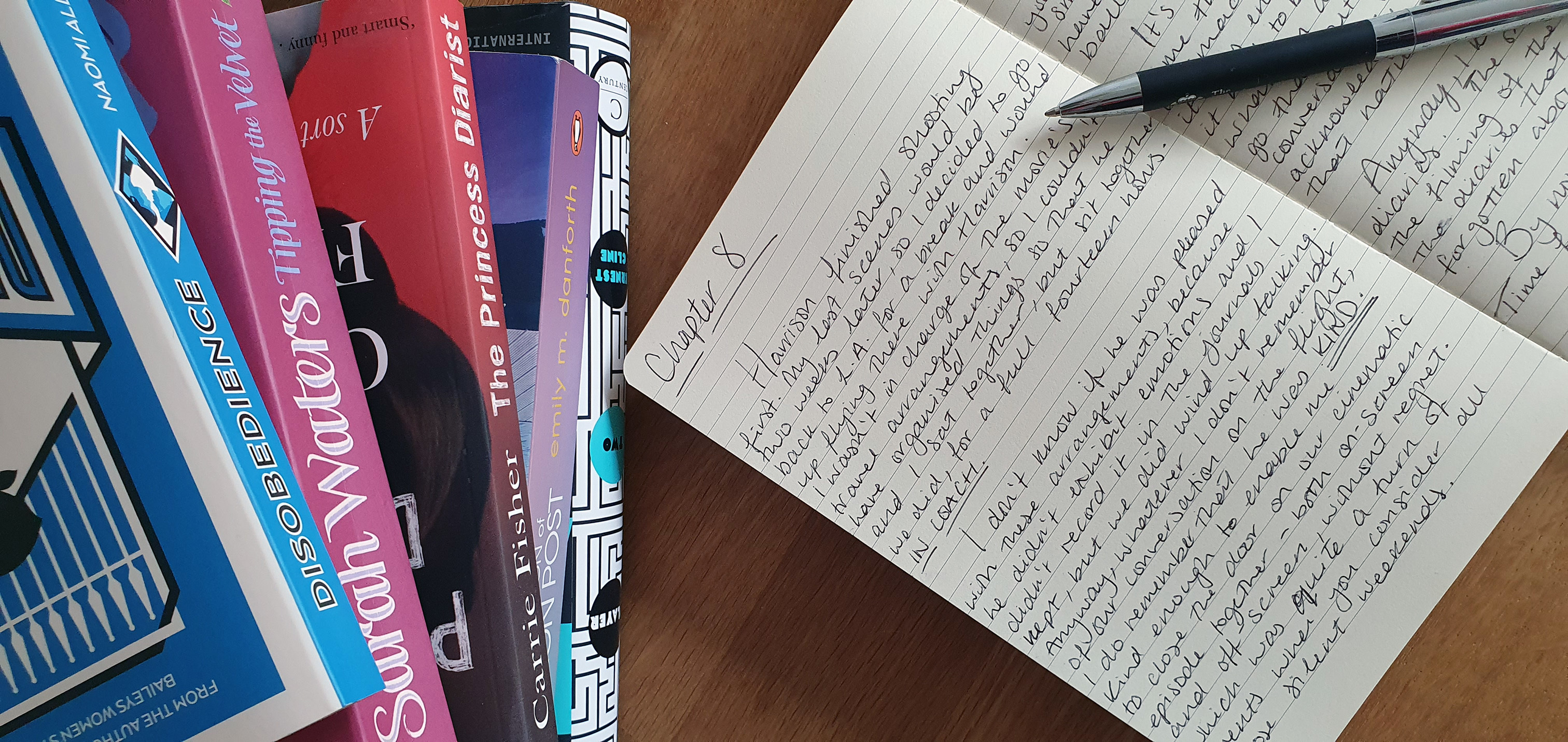
From my experience, I think it is so important to actively listen, observe constantly and record any notes in a notebook. Having a notebook shows you are very engaged and want to remember the experience, but it also helps you to remember any reflections they give you and advice to take forward.
Similarly, I also found it was important to ask questions or note down anything you weren’t sure about. This could have been about the task I was set, how the business operates or anything else I was interested in. It gave me a chance to fully grasp the business' operation and how this part of the industry works, especially as quilting is slightly different to fashion, which is trend-led usually. It’s important to be confident enough to ask questions, as you’re inquisitive and want to learn, but don’t be arrogant or entitled, as this comes across badly to an employer.
Lastly, a reflection I had after my placement is to try to make a lasting impression. Don’t make yourself disposable. By this I mean, if you’re always on hand when they need you, willing to join in wherever possible and happy to keep the teas topped up they will notice a difference once you have left, and this is what will open the door to you having a lasting relationship with that company. Look at your time with them as more than just the few weeks you’re there – it’s the bigger picture that’s more important.
Overall, my time on placement was great. I got to learn a significant amount from the company I worked with, and really enjoyed my time with them. I hope I get to complete more work placements in the future and even possibly work again with this company. It has opened up my thoughts to where I want to go in the industry, and I hope you can get as much as I did from a placement too!