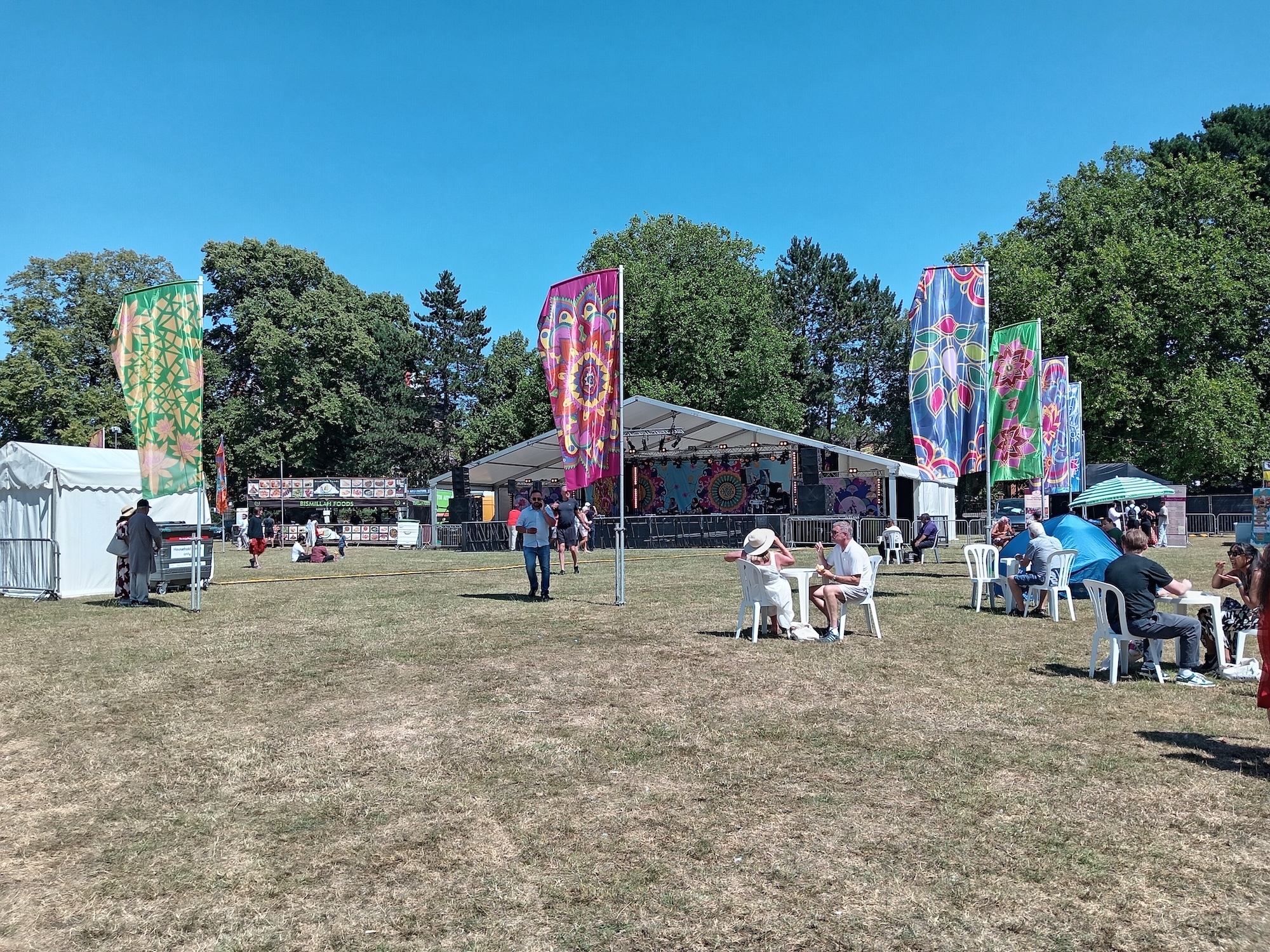
At the start of the final term, BA (Hons) Textiles Design students undertook a collaborative project with Art Asia for their annual MELA community festival in Southampton. This is an inclusive and free festival to celebrate the South Asian community. Our brief was to design stage backdrops (three different panels across the back, side and front walls) with their logo on for them to print and use.
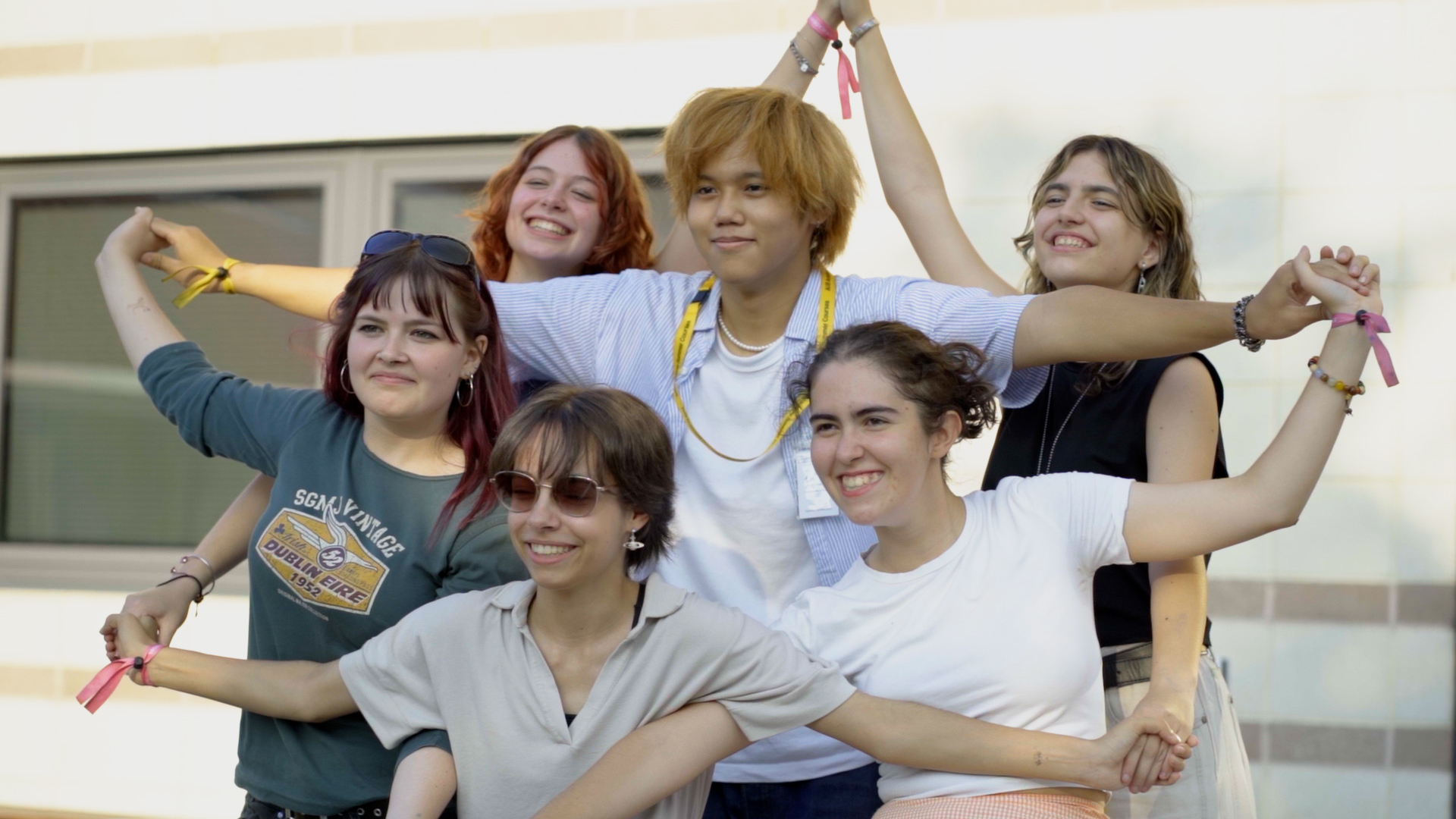
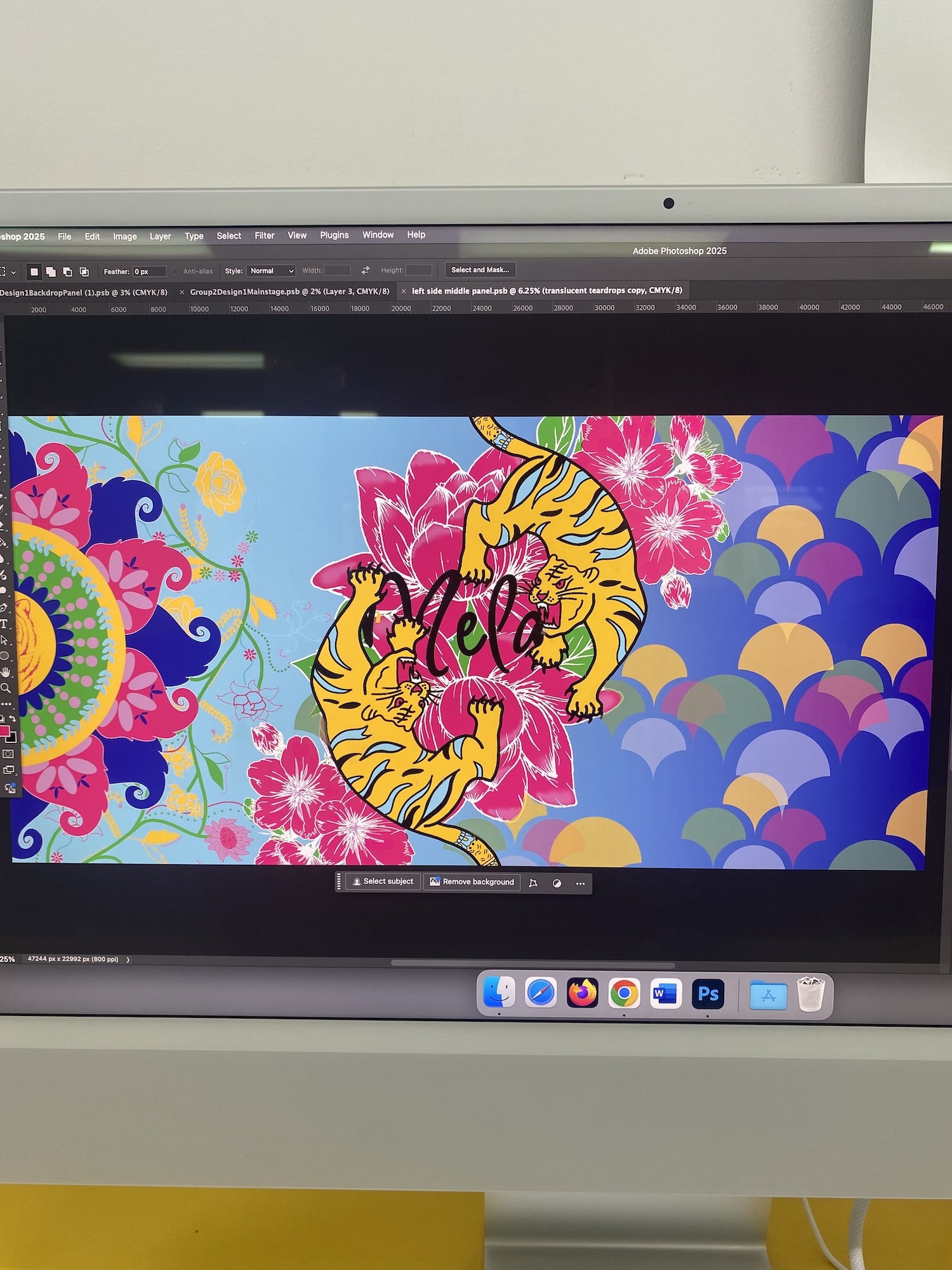
I was in a group of three, and amazingly, our backdrop designs won and got printed for the 2025 two-day event which was very exciting. We worked independently in our group to produce the designs and had a mid-point presentation with our peers and tutors and then a final presentation to the executive of Art Asia.
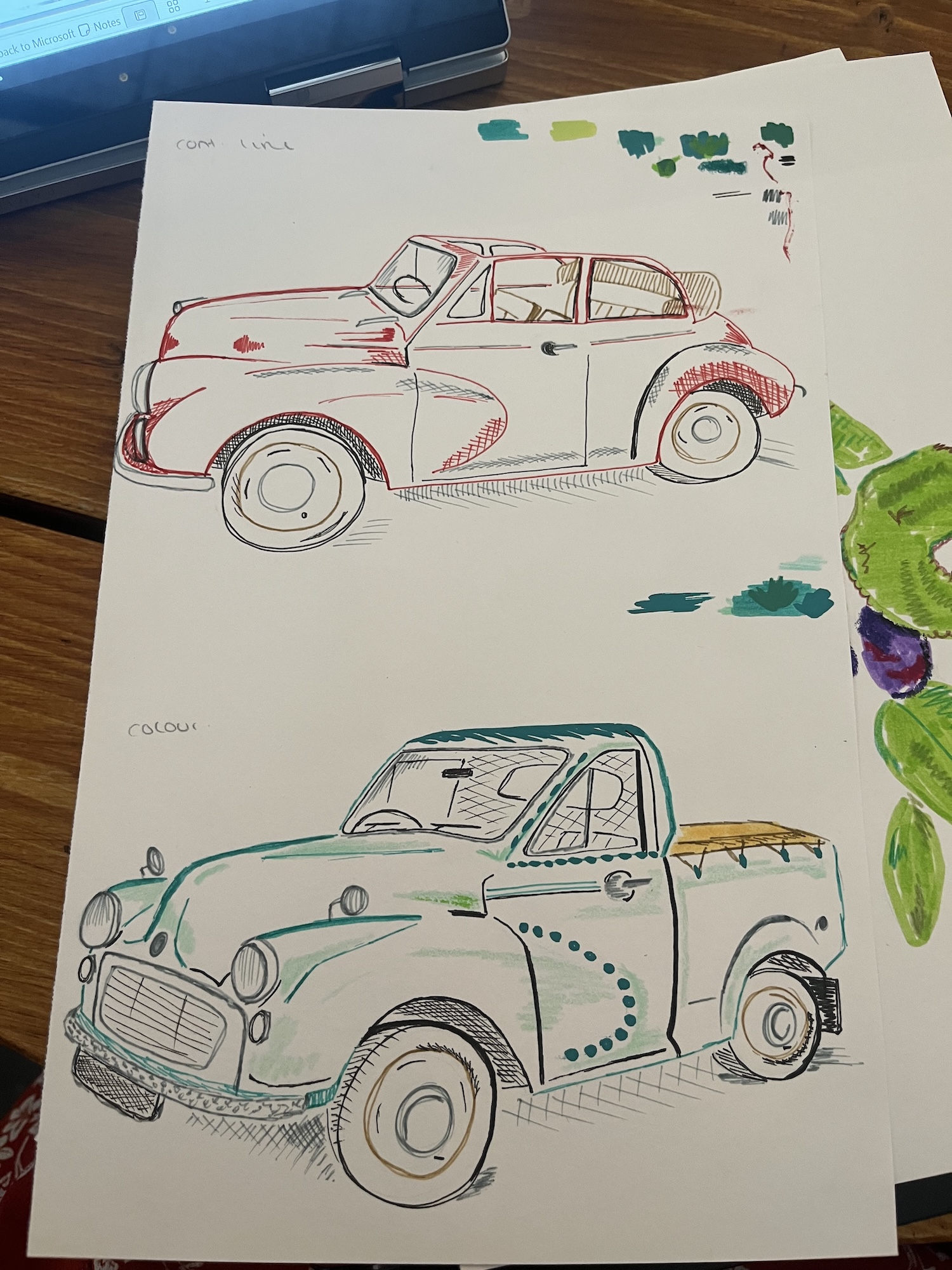
To start the project, we had to do some research and drawings over Easter. I took this opportunity to complete some secondary research about the South Asian community – I looked into concepts like henna, mandalas, places of interest such as temples, national flowers or native animals. I wanted to form a good concept of the culture, so that our designs would be familiar to the community.
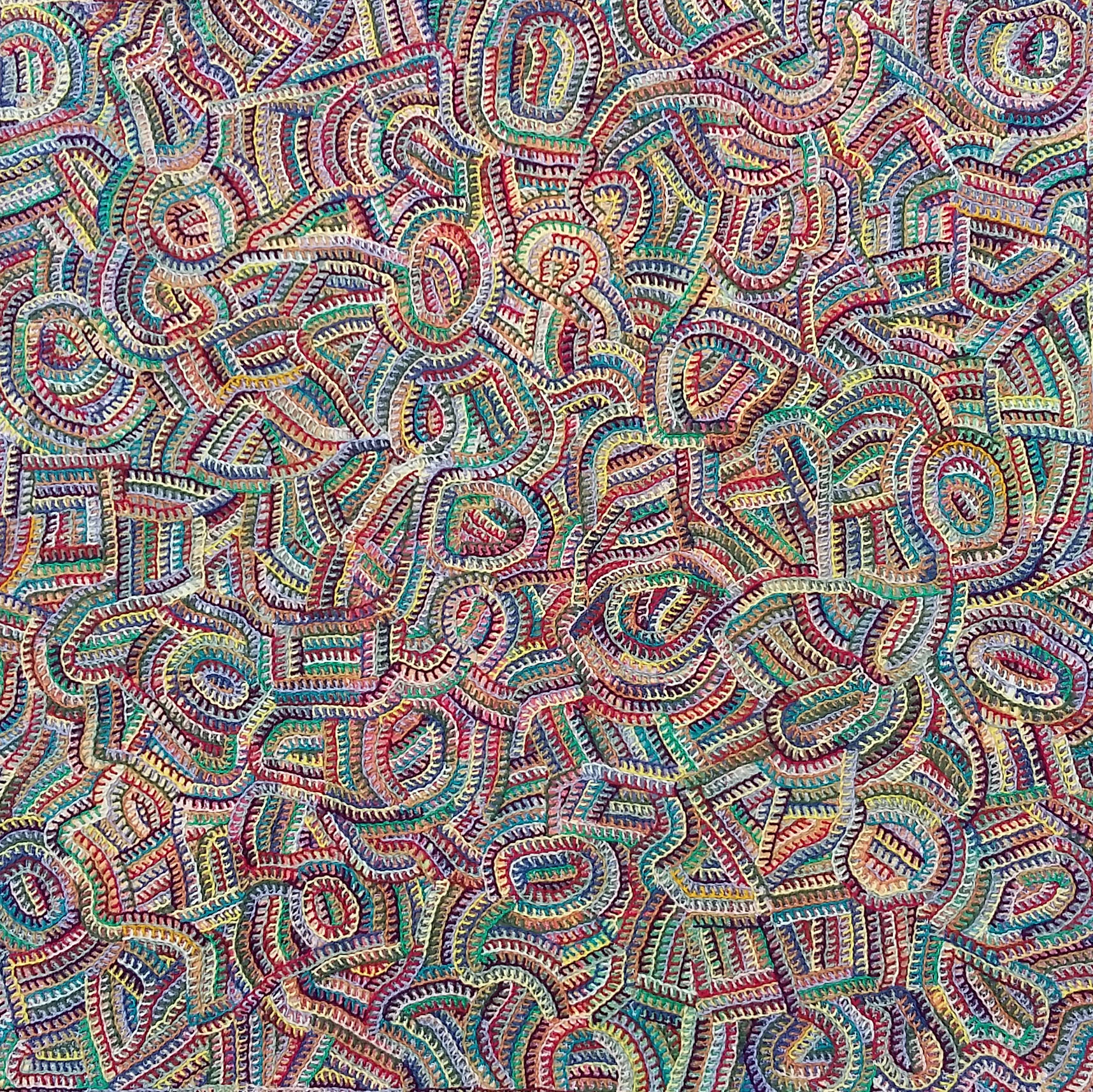
I also visited the Ashmolean Museum in Oxford to look at historic artefacts from different regions, focusing on the patterns/textures within them. It was nice to look back at older pieces to then reimagine them with the bold colours of the festival. I also looked at the festival website and their brand colour palette, to be inspired by their bright and energetic vibe, for my own colour ideas.
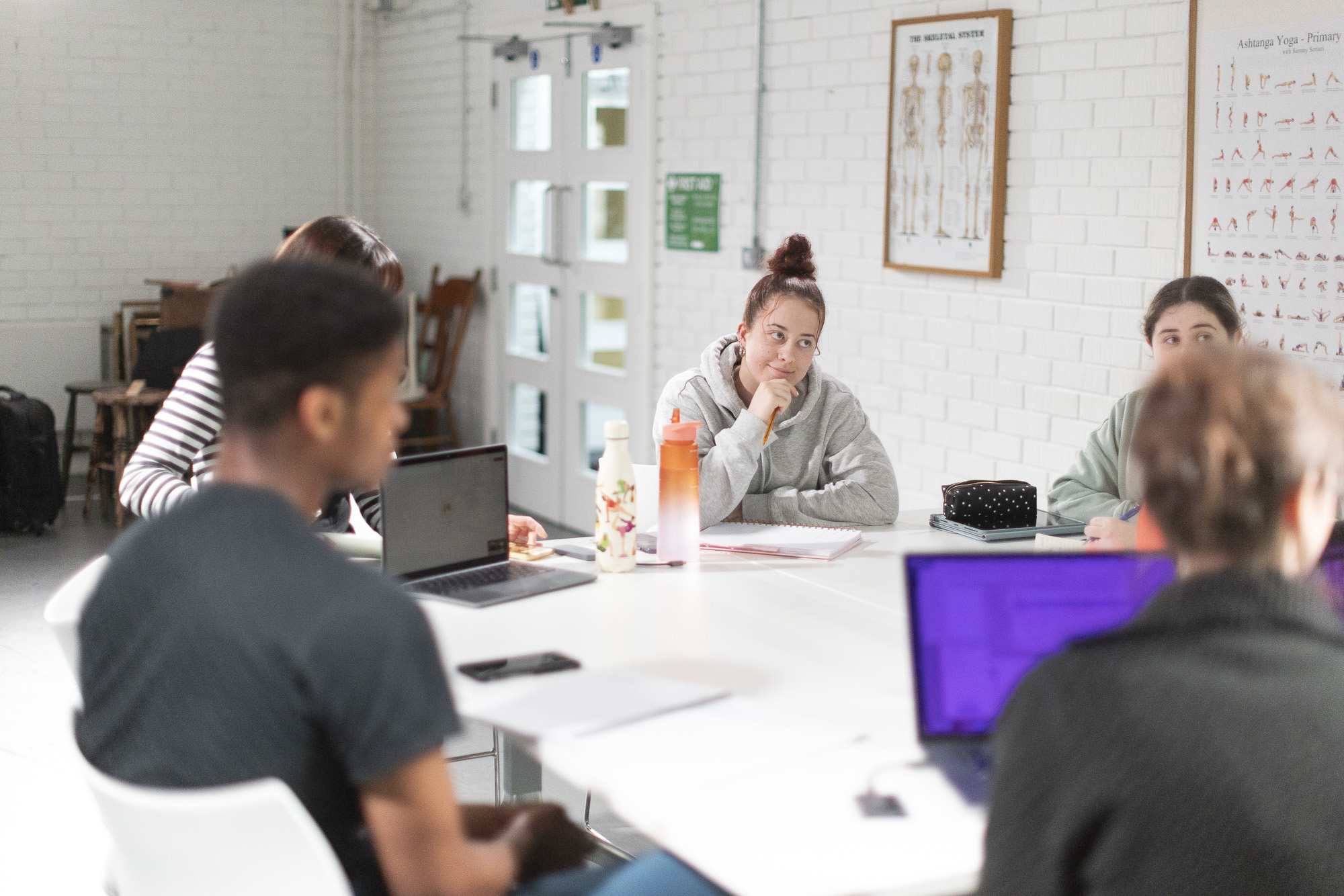
Once in our groups, our first action was to discuss our independent research. This was really fun for looking at new drawings, areas of inspiration and different primary research trips. For example, Sophia went to the V&A and took some lovely images of vines and floral designs. We all agreed we really liked the sense of flow and movement within the piece, so we decided to include those images in our mood board as inspiration for our own design creativity. This also developed our active listening skills – we were engaged in discussion, listening to each other’s ideas and responding with constructive feedback and new thoughts.
We decided to pick out our favourite pieces from everyone’s work and make a new, group mood board to give us a communal focus. I would highly recommend this as it ensured everyone had their work included, felt listened to and involved from the start. Additionally, it meant we had a clear focus from the beginning, so we could progress clearly and efficiently, which was great for our time management.
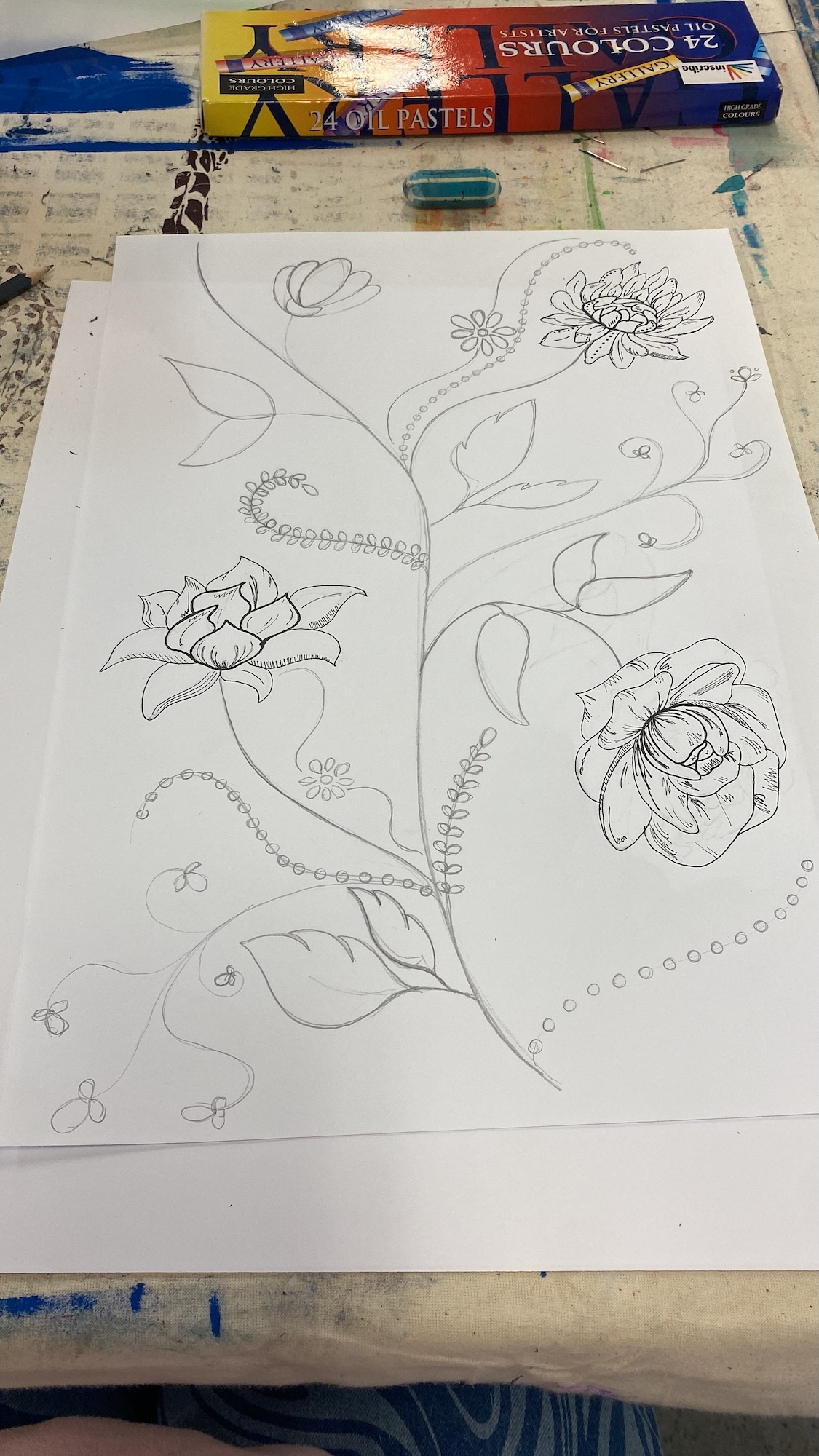
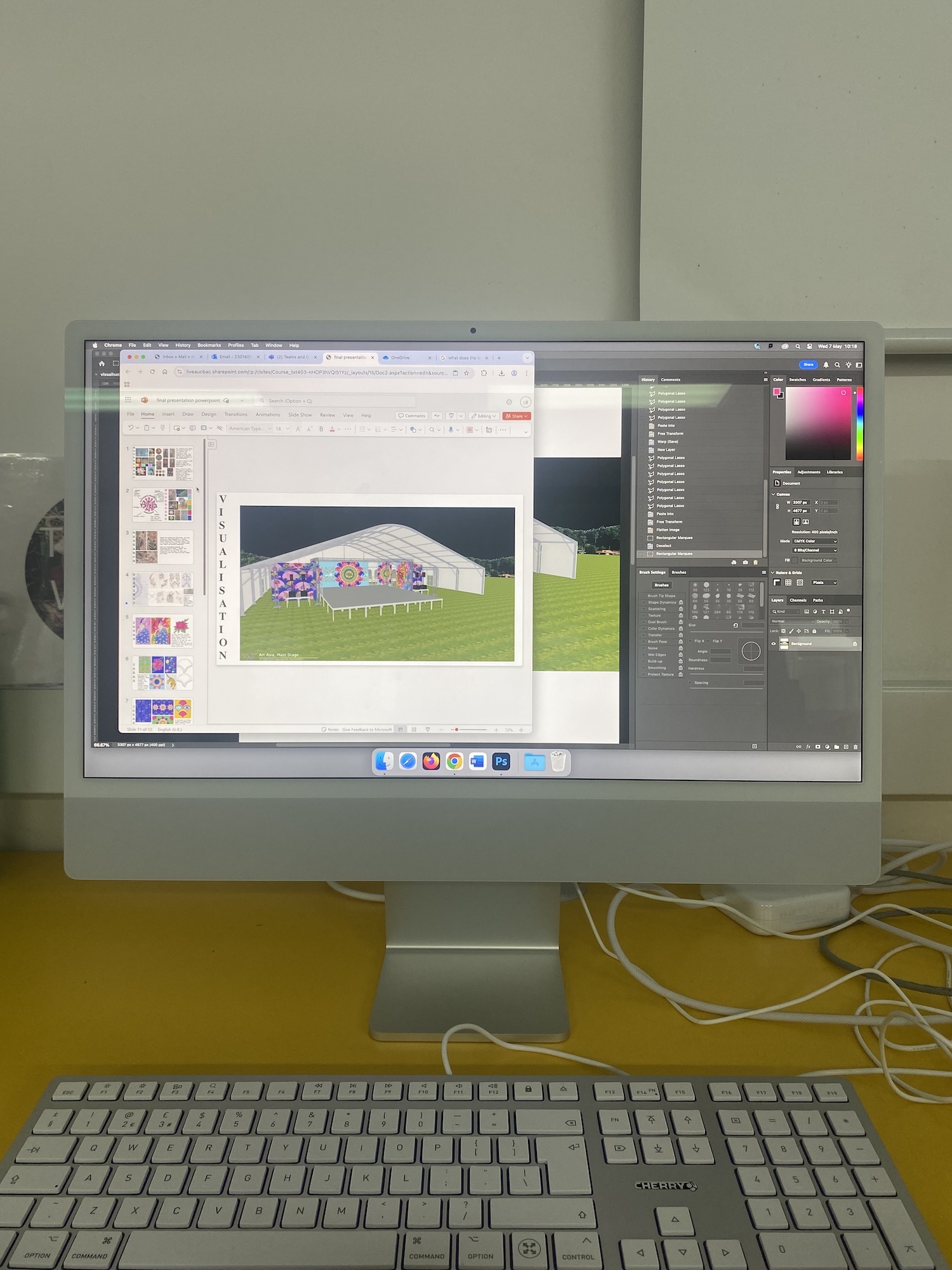
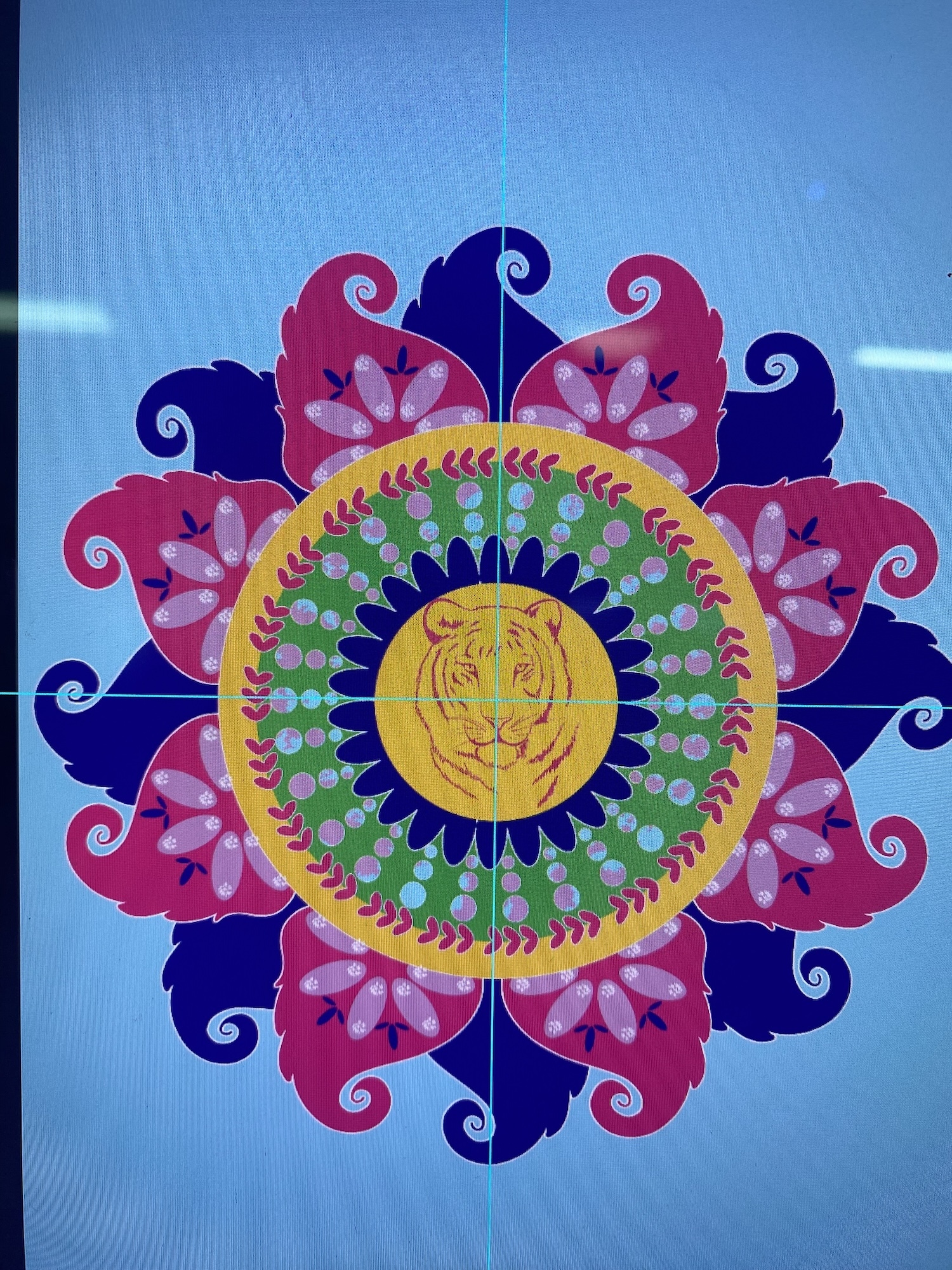
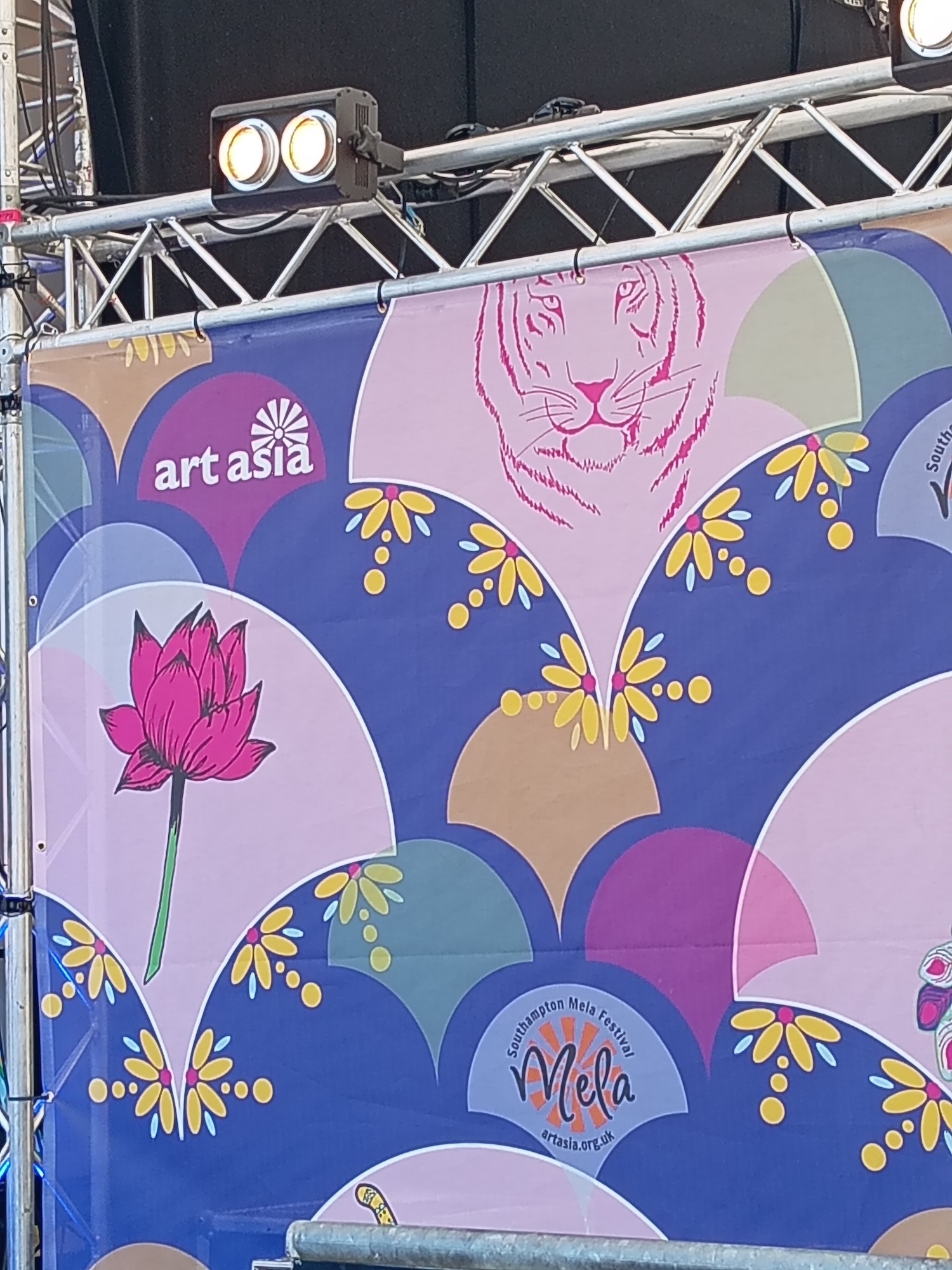
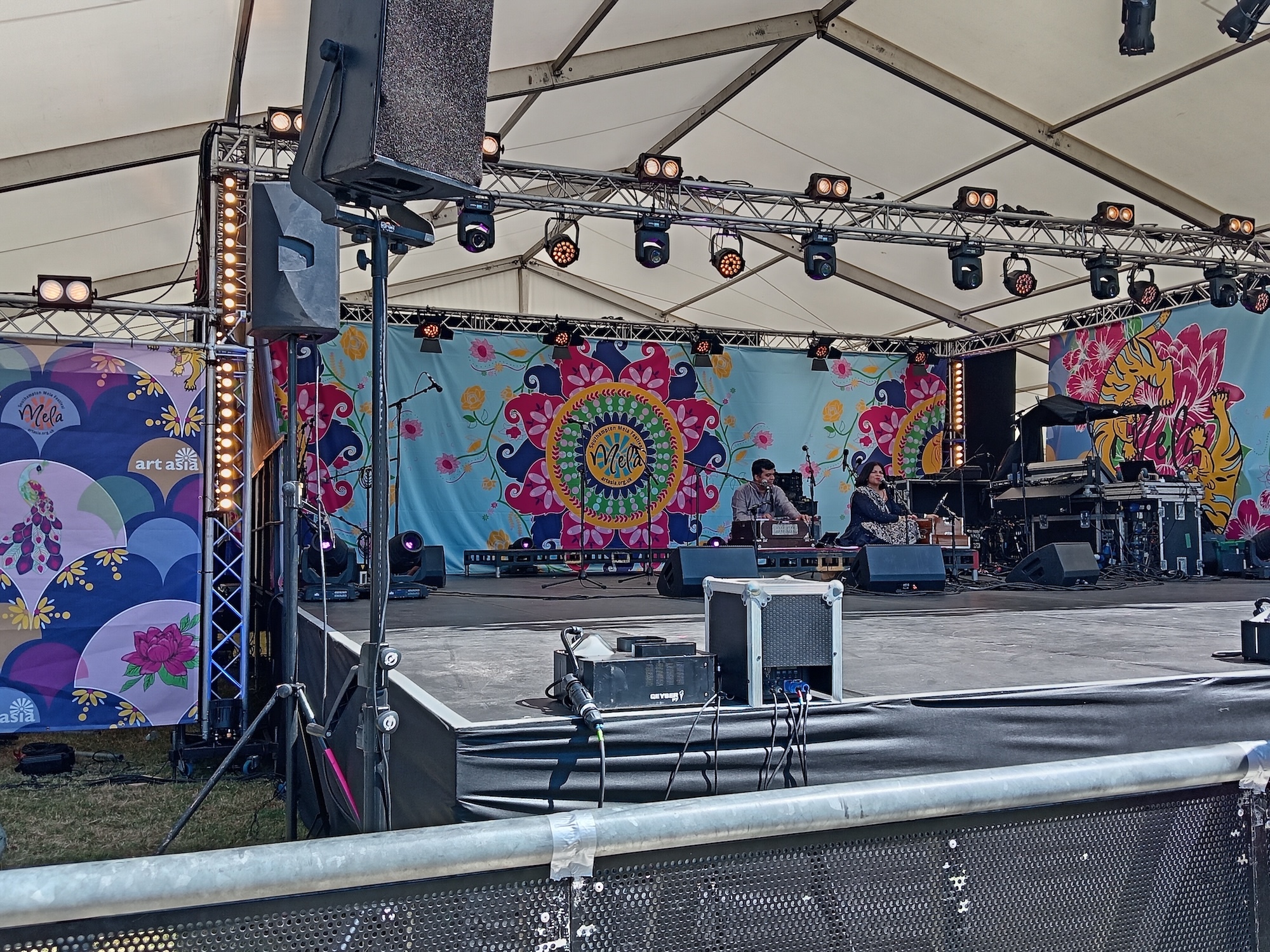
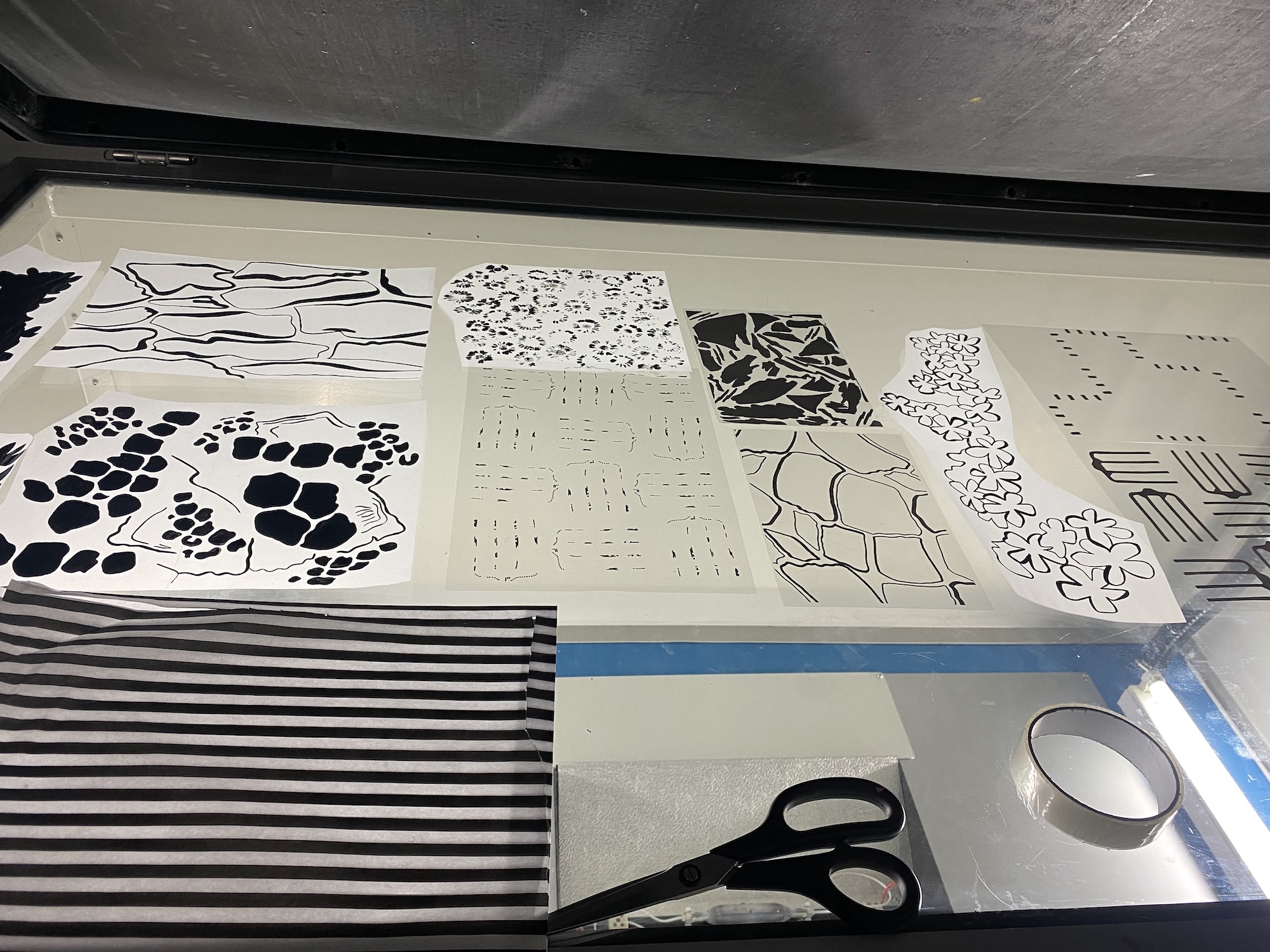
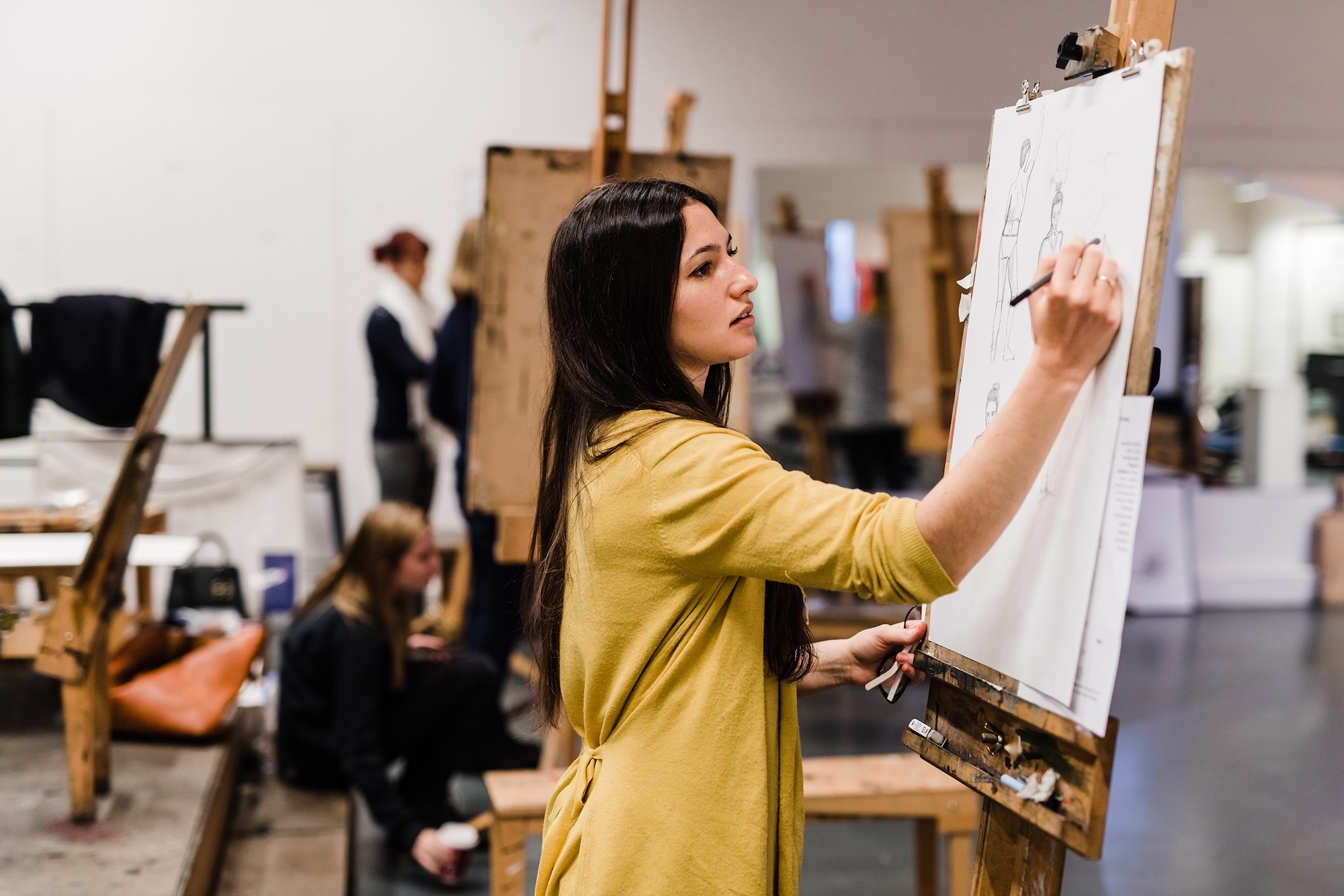
After this, we began drawing new designs, re-drawing our initial ideas so that they fit our new avenue and working through editing them on Photoshop. In this part of the live brief, it was super important that we scanned our drawings at high resolution so they were clear when we edited them. We also found it easiest to draw in black-and-white so that it was quick to select and refill areas digitally. It also saved time as we would colour it again on Photoshop to our colour palette anyway.
After digitally editing our drawn motifs, we could start organising the designs into final ideas. Although we had a very rough idea of how we wanted our design to flow across the three panels, we decided to just trial as many layouts before filtering out the least successful ones. This was good for keeping our ideas broad; we weren't limiting ourselves to our first idea, and we were willing to try new compositions to see what was most exciting and captivating.
This was also nice for our mid-point review, as we could show all the different ideas we had produced to receive feedback. We could get different opinions on which motifs to use where, how we could swap things around to improve the design or adjust compositions to make them more engaging and less rigid. After the presentation, we had a new sense of direction for the project, new priorities on what to finish first for the deadline and how we could improve our work to fit the brief better.
After three weeks, we brought together our project in a final presentation to our tutor, peers and the executive of Art Asia. This was great experience for presenting our work, explaining our ideas and reasons behind decisions. It also allowed us to show the development from our idea into a full concept and how our inspiration was visible in our work.
From this project, here are the top lessons I learnt:
- Be organised for the mid-way review! Be confident in the quality of your group's work. Take on board feedback and utilise having fresh eyes looking at your work with new ideas.
- Work to each other's strengths. In every group, there will be different roles and workers, and that’s so important. Play to this and lean into what people are good at. Managing this is all part of collaboration and something to develop personally.
Overall, this project was great fun to complete and a really good experience. Working in a group, to quite a short deadline, with skills we were still developing and learning, made it fast-paced, interesting and challenging. It was important to focus on the aim of the festival, matching their intention to be inclusive and fun, and follow the brief closely. Group projects aren’t for everyone, but I would recommend throwing your all at them because you can learn a lot along the way.