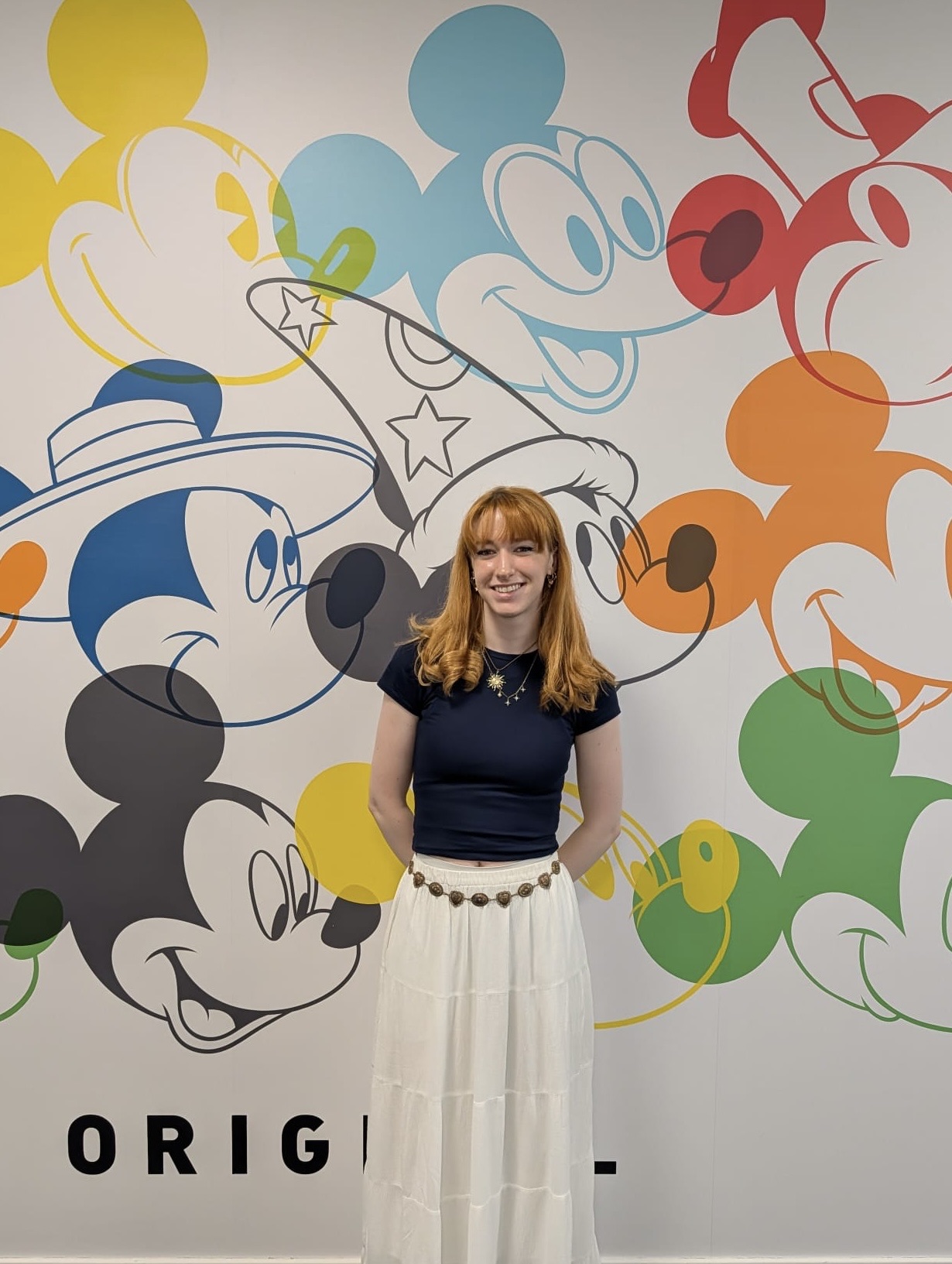

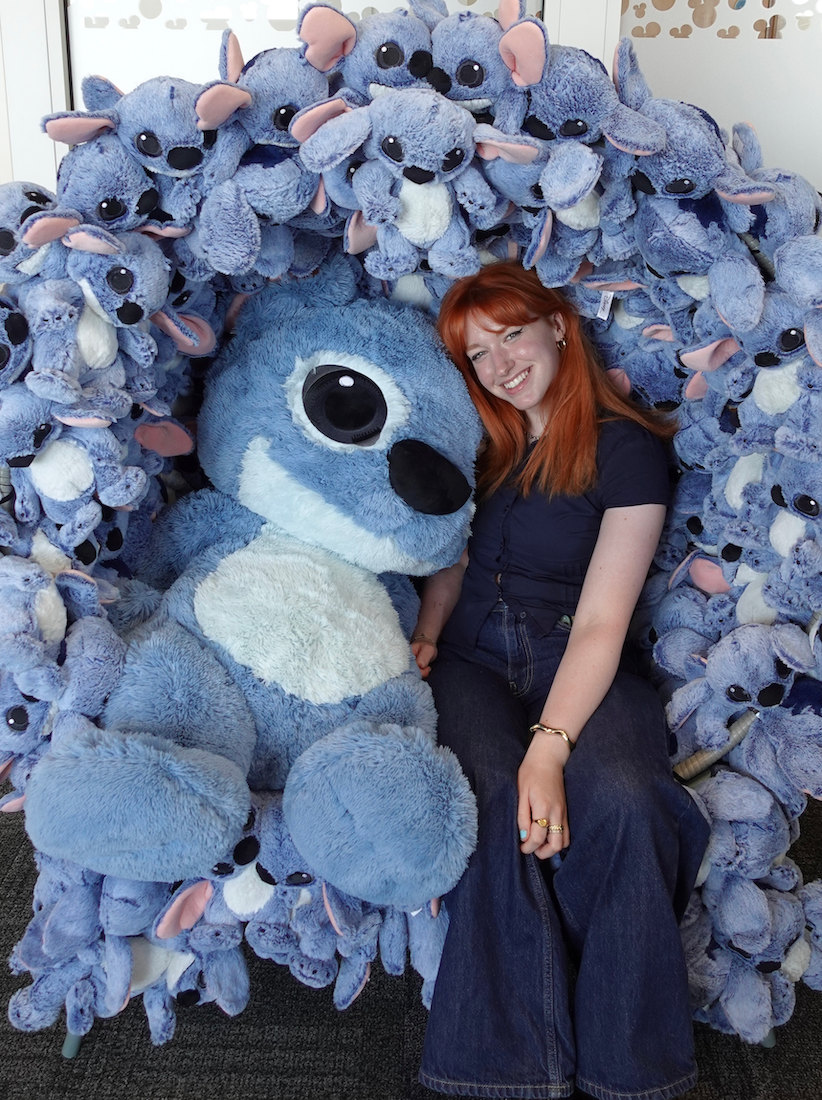
I’ve always been drawn to creativity, storytelling, and the power design has to inspire. That’s why stepping into my role as a Graphic Design Intern in the Creative Design team for Disney Consumer Products feels like such a natural fit for me.
As a long-time Disney fan, I knew about similar internships throughout the company through watching documentaries and researching, which made me curious to see if there was a role suited to me. The internship is a year-long placement between my second and third year, based at Disney’s EMEA Head Office in London.
My journey through the application maze
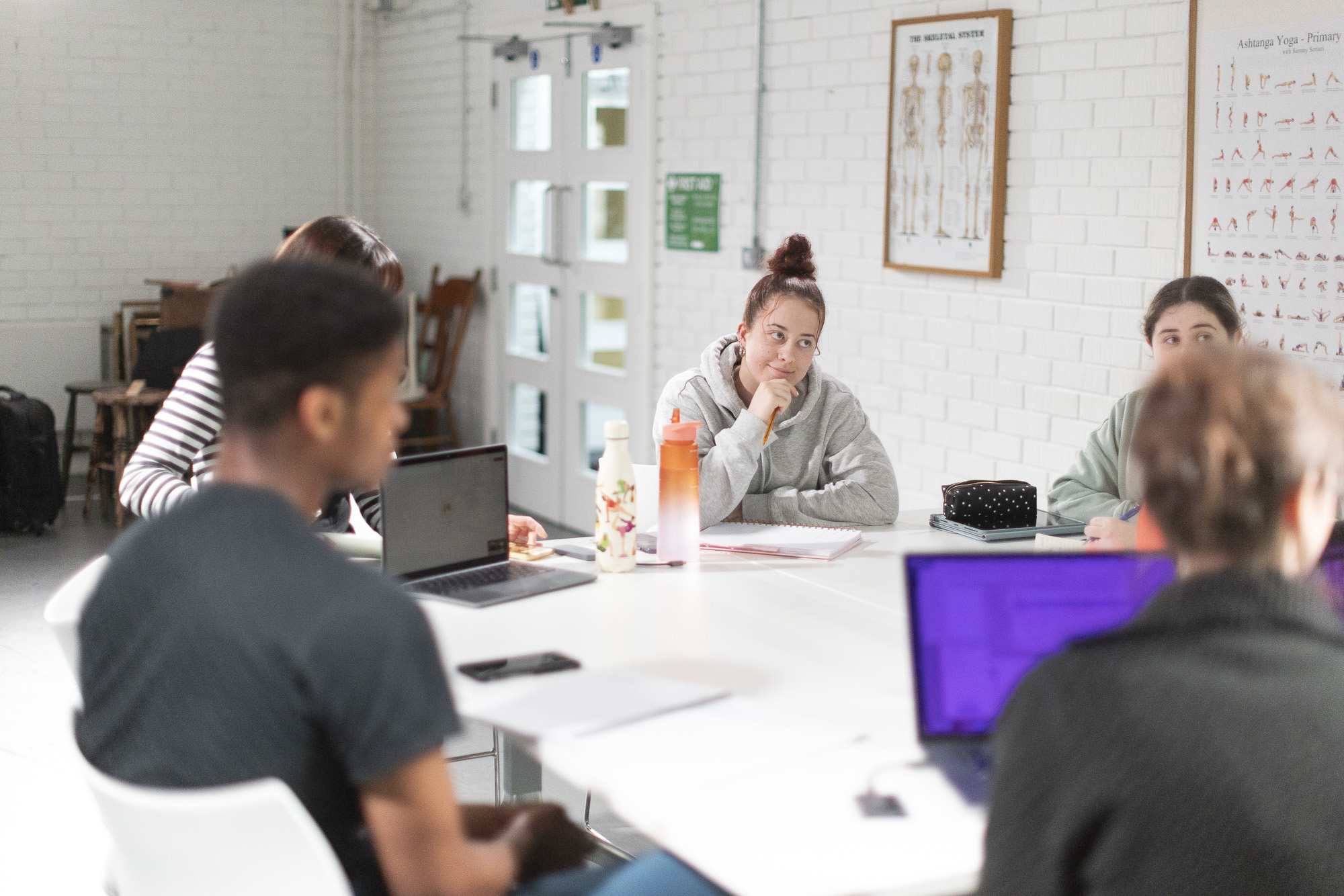
The process took about five or six months, which felt like forever at the time; however, in between, I leaned heavily on AUB workshops and portfolio sessions that boosted my confidence and taught me how to talk about my work effectively. I had picked up a lot of confidence and practical skills through my uni projects and workshops, including talks from AUB Futures on how to talk about your work effectively and portfolio advice. As part of the application process, it included submitting a CV, cover letter, and portfolio. I then had to complete a series of online assessments, including a personality questionnaire, verbal reasoning, and logical reasoning test, before attending the interview.
Building a portfolio that told my story
My portfolio became the key to securing my placement, showcasing my skills, creativity, and strong understanding of design, which I presented during my interview.
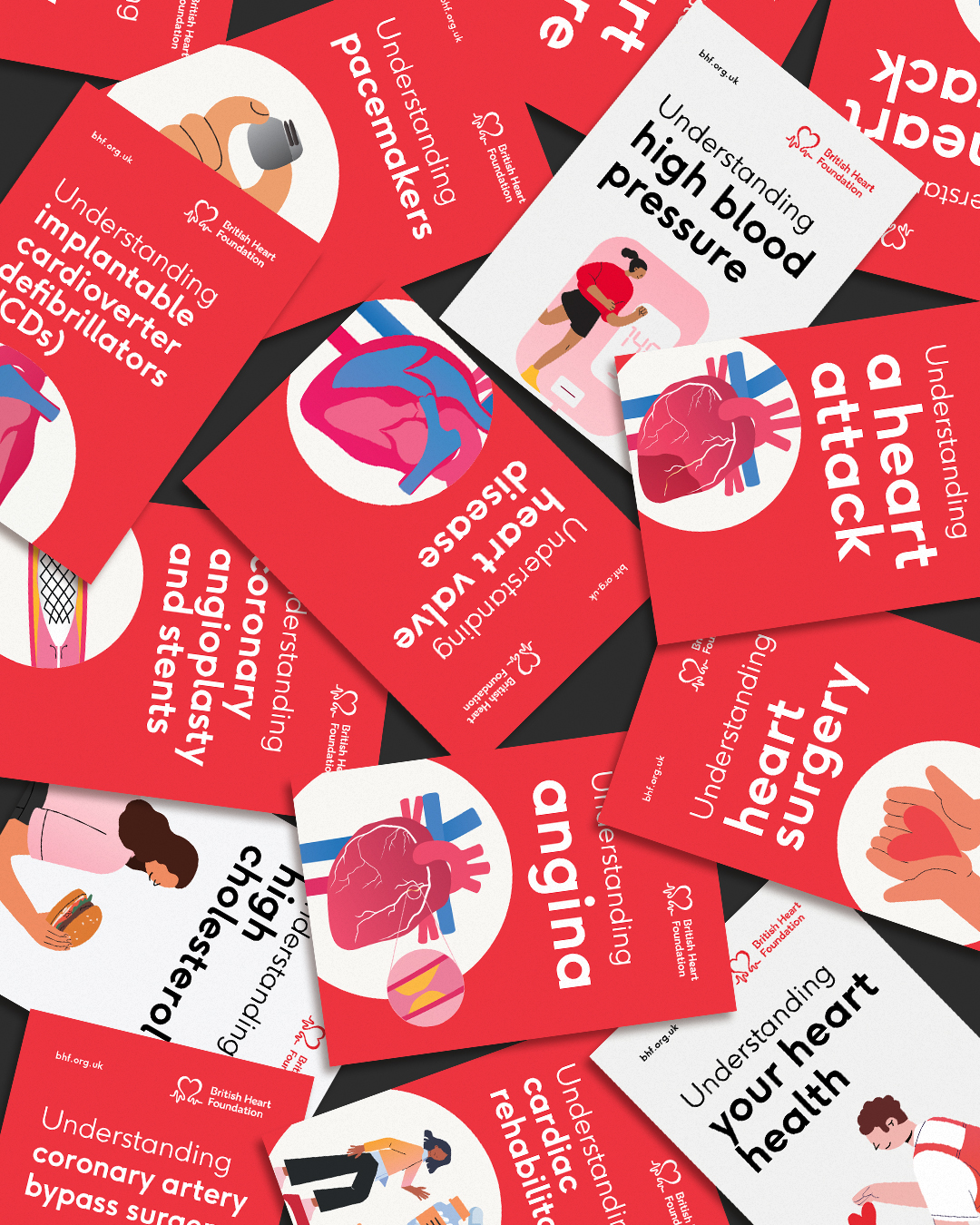
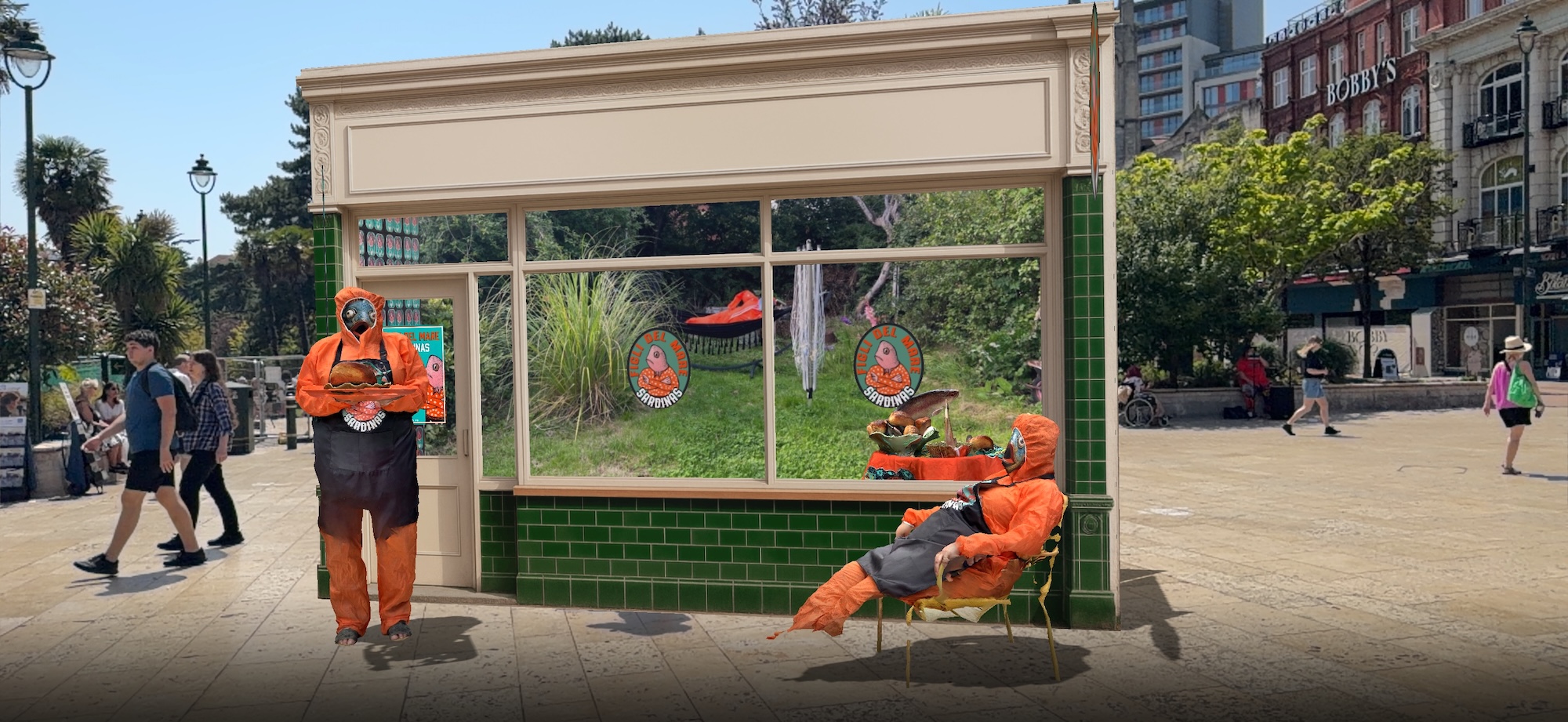
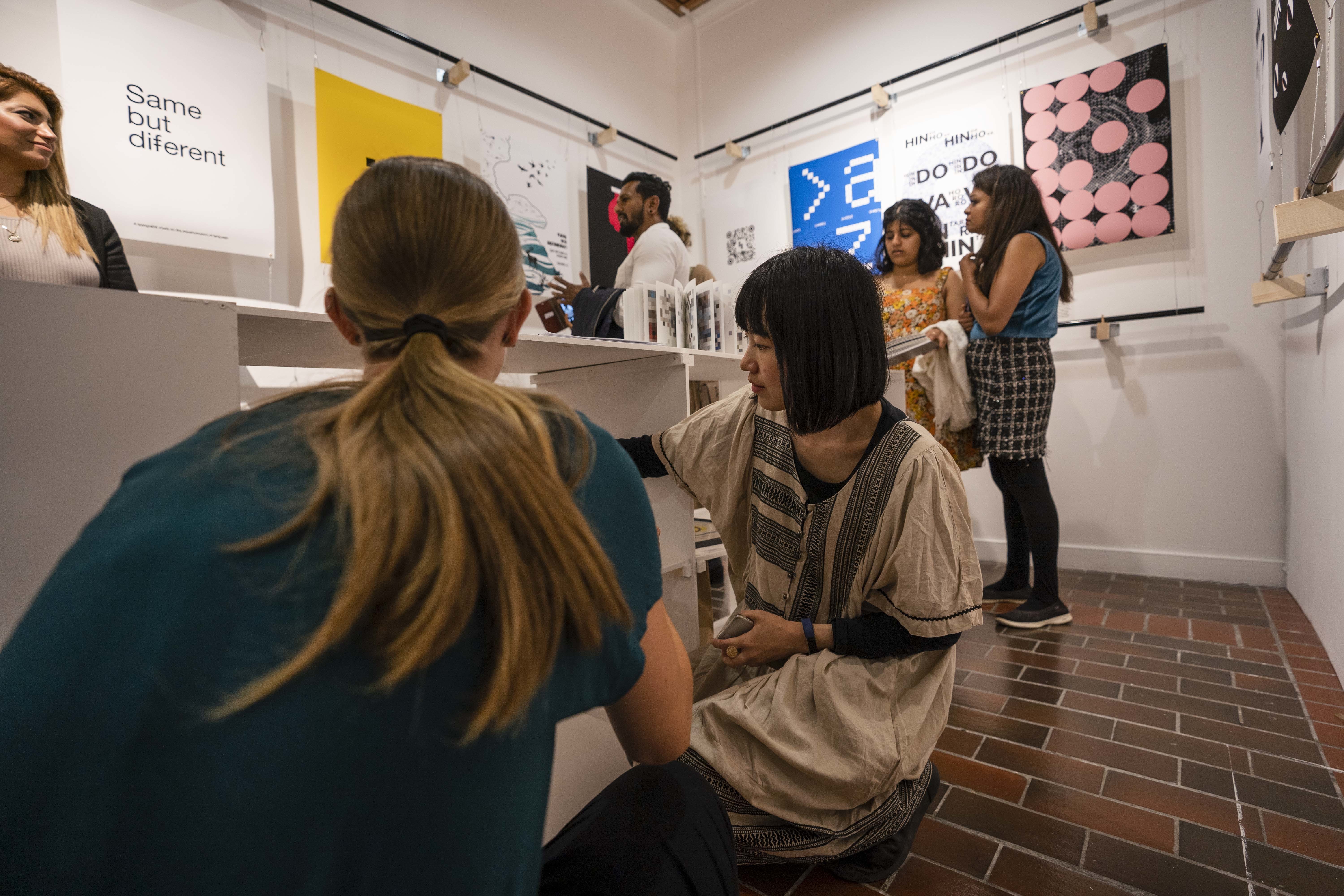
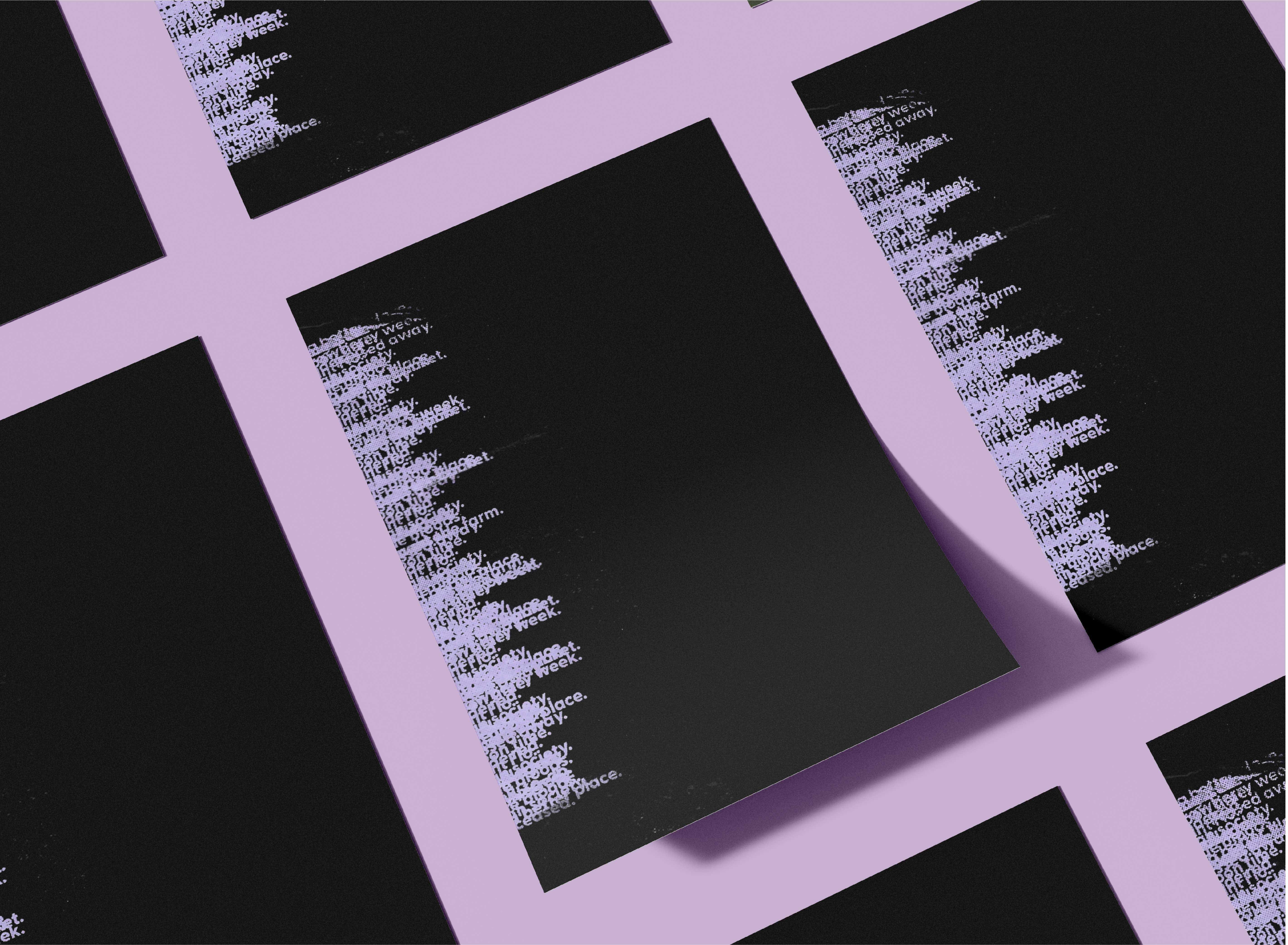
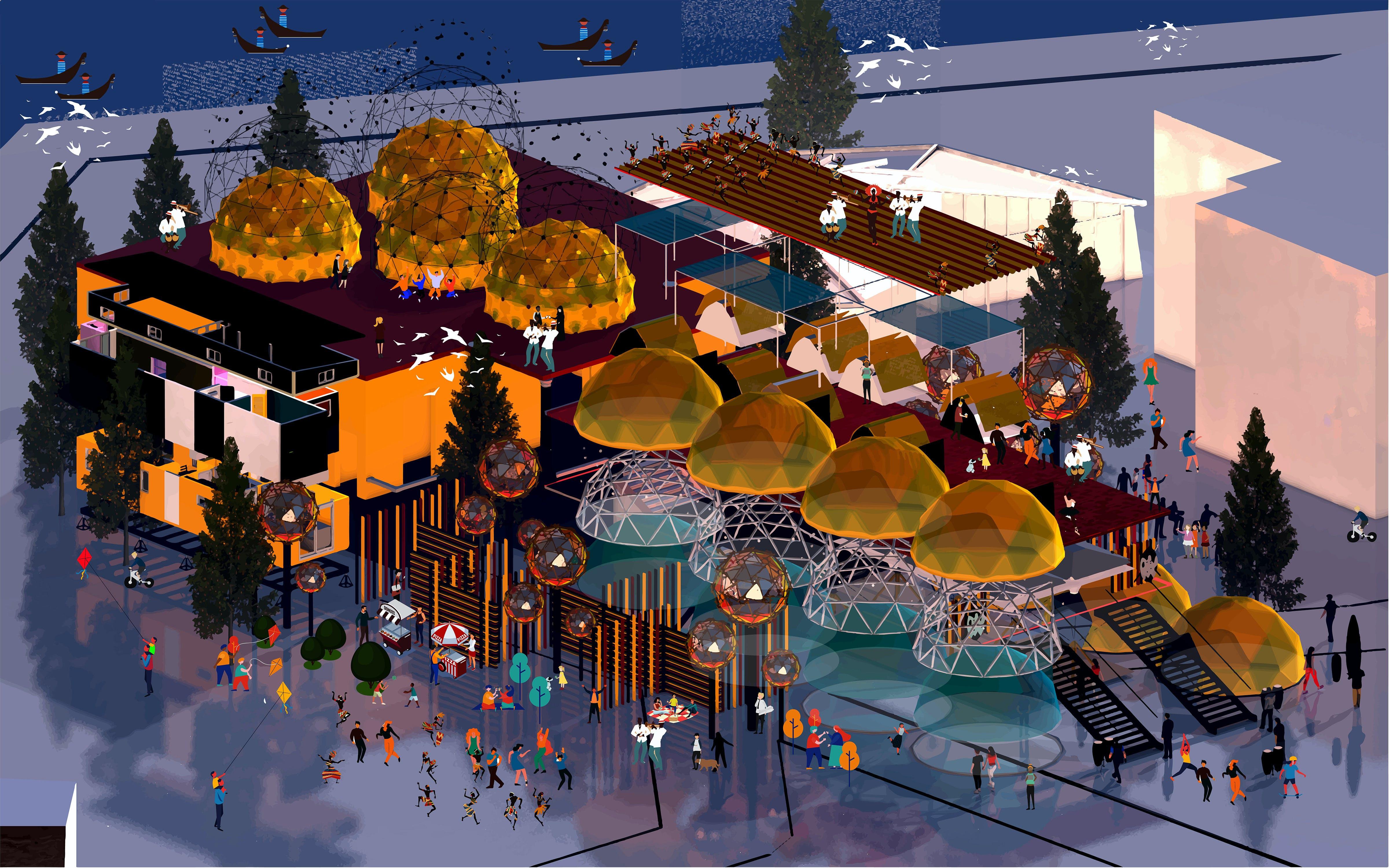
The variety of work I had produced at AUB, from speculative design to motion graphics, helped me stand out as a designer as well as showcase my ability to conduct research and develop concepts from initial idea to final execution, especially where my role involves conducting trend forecasting and consumer research. This was alongside my in-depth knowledge of the company.
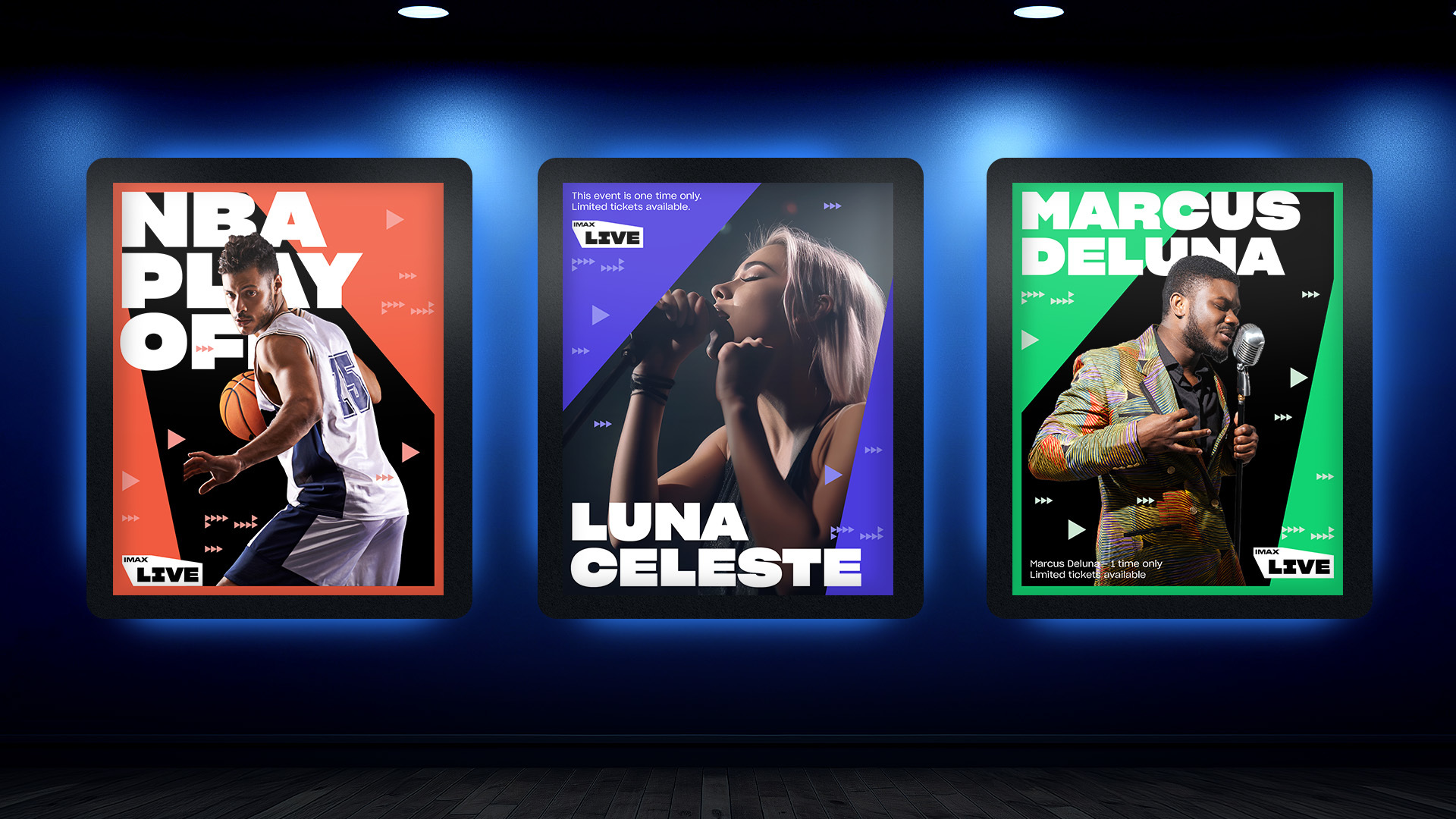
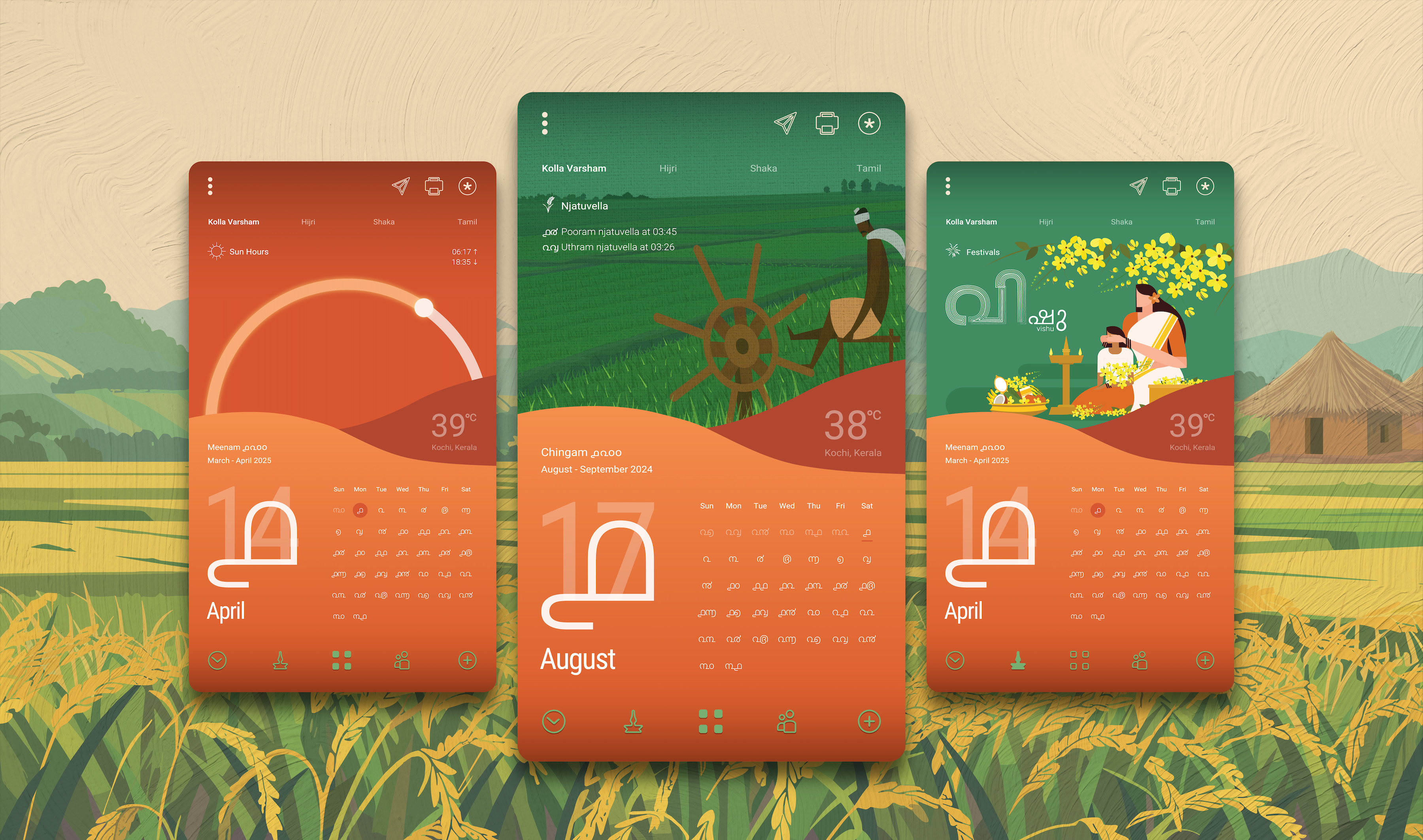
One project that really stood out in my interview was a set of Marvel movie posters I’d designed in my own time. This process involved analysing existing artwork, understanding character identities, experimenting with composition and colour, and ensuring each design conveyed the story effectively. This exercise not only strengthened my technical design skills but also honed my ability to work within specific creative guidelines and stand out in my interview for this role.
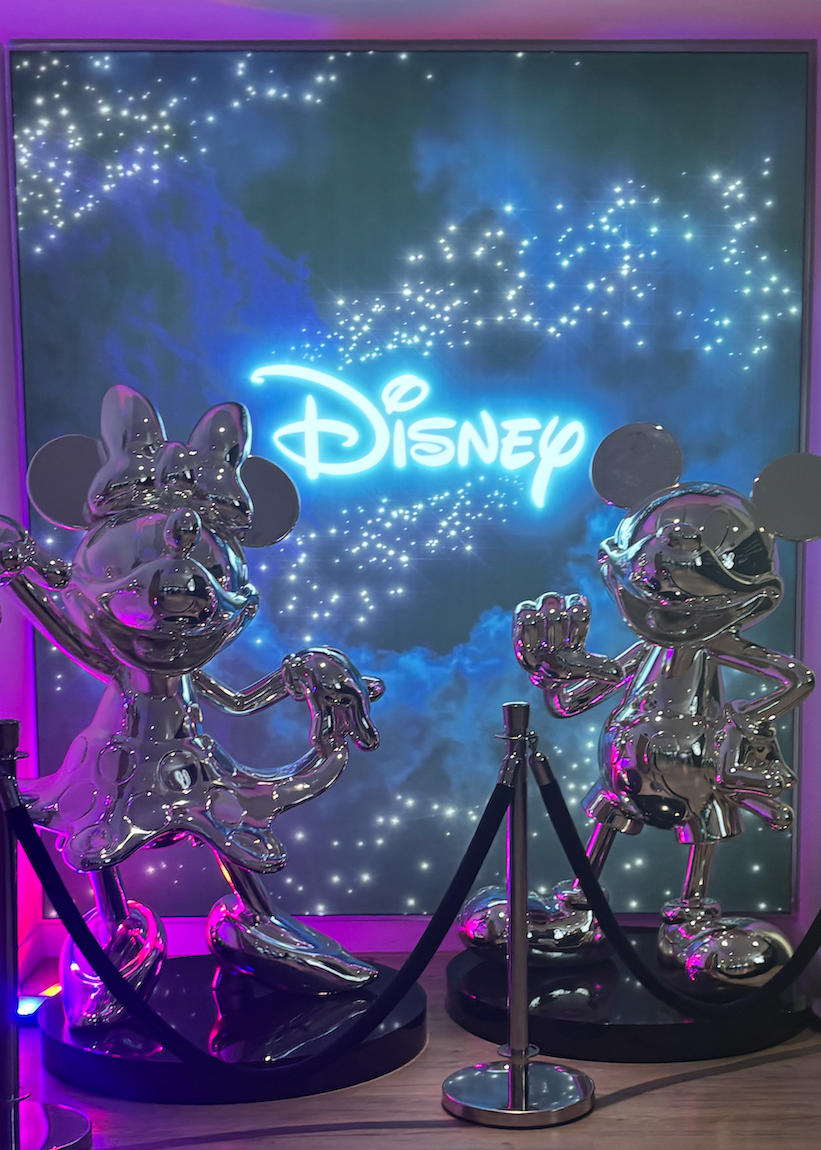
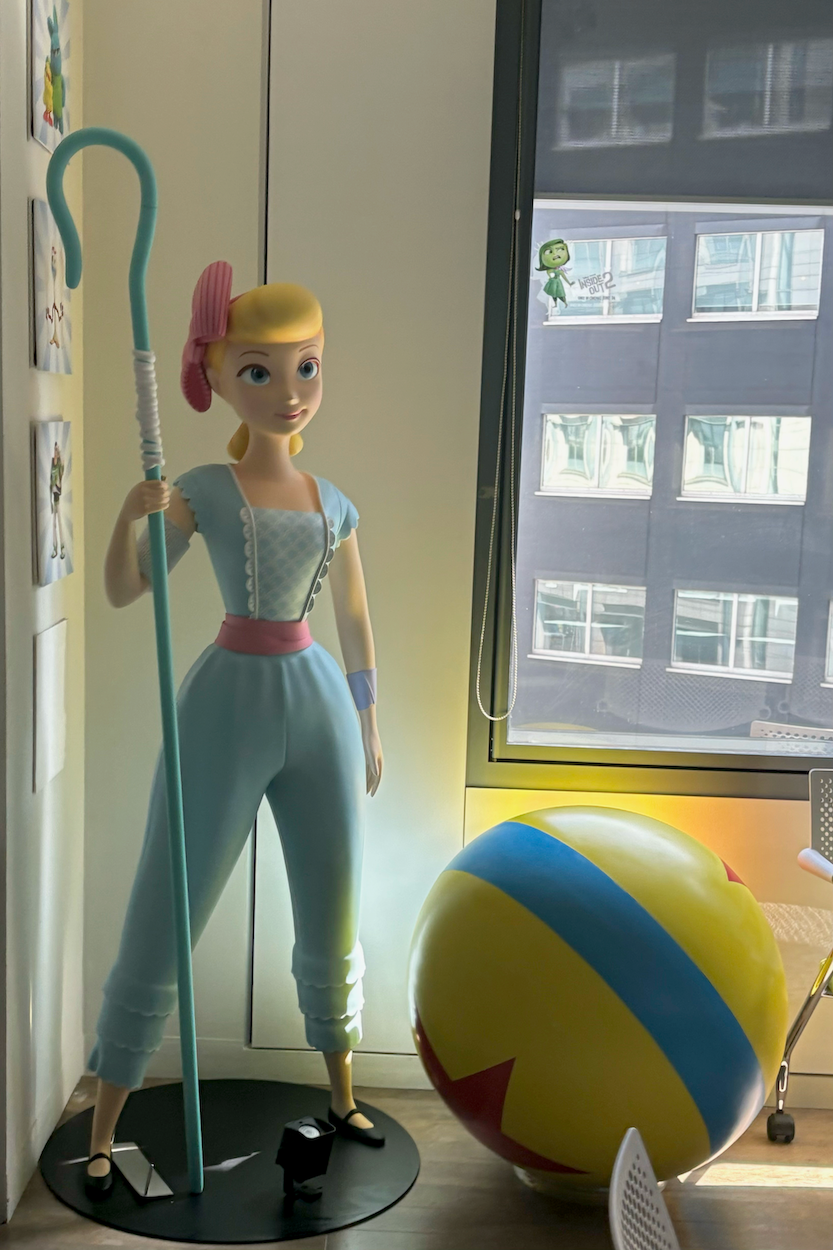
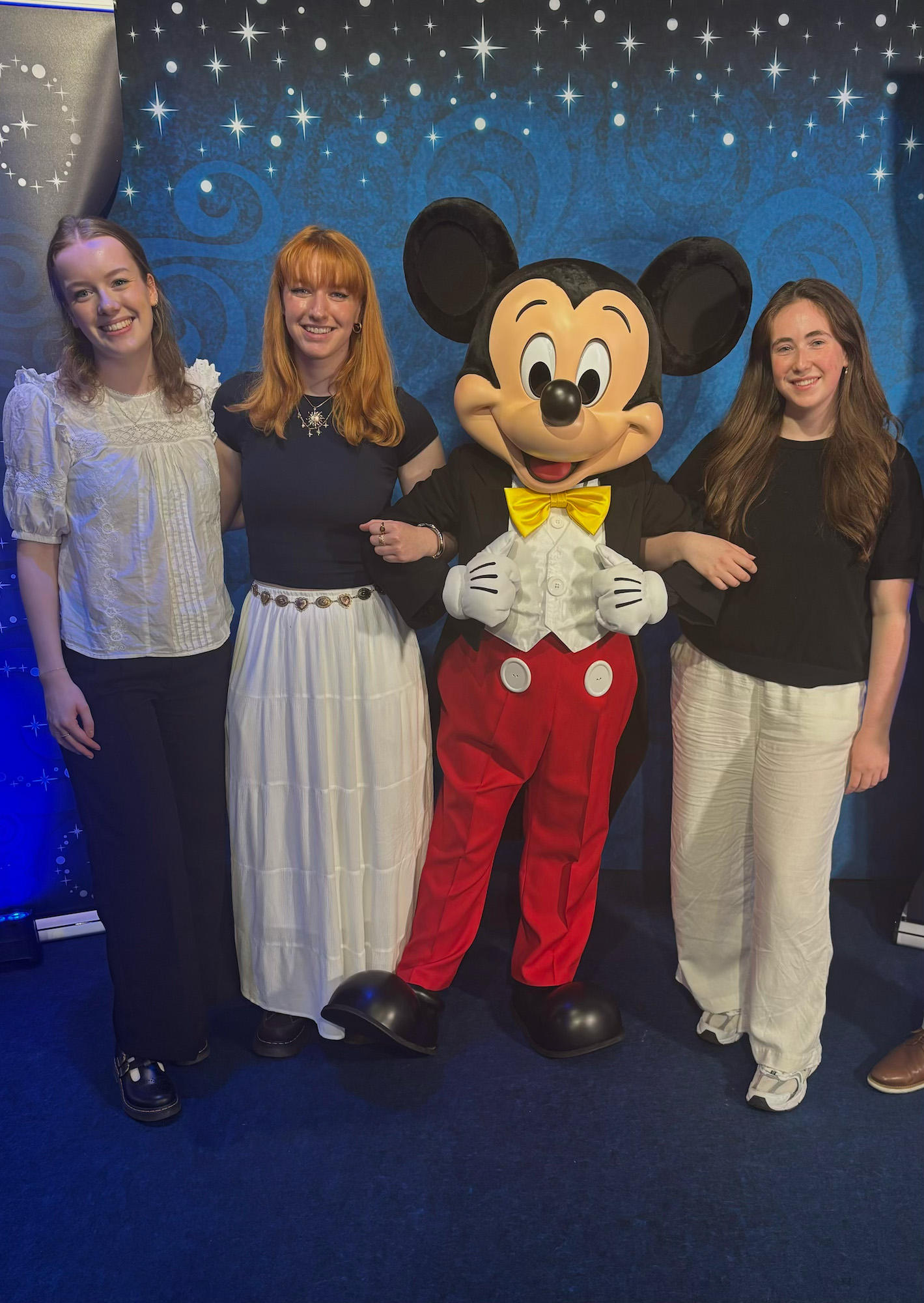
What exactly do I do as an intern at Disney?
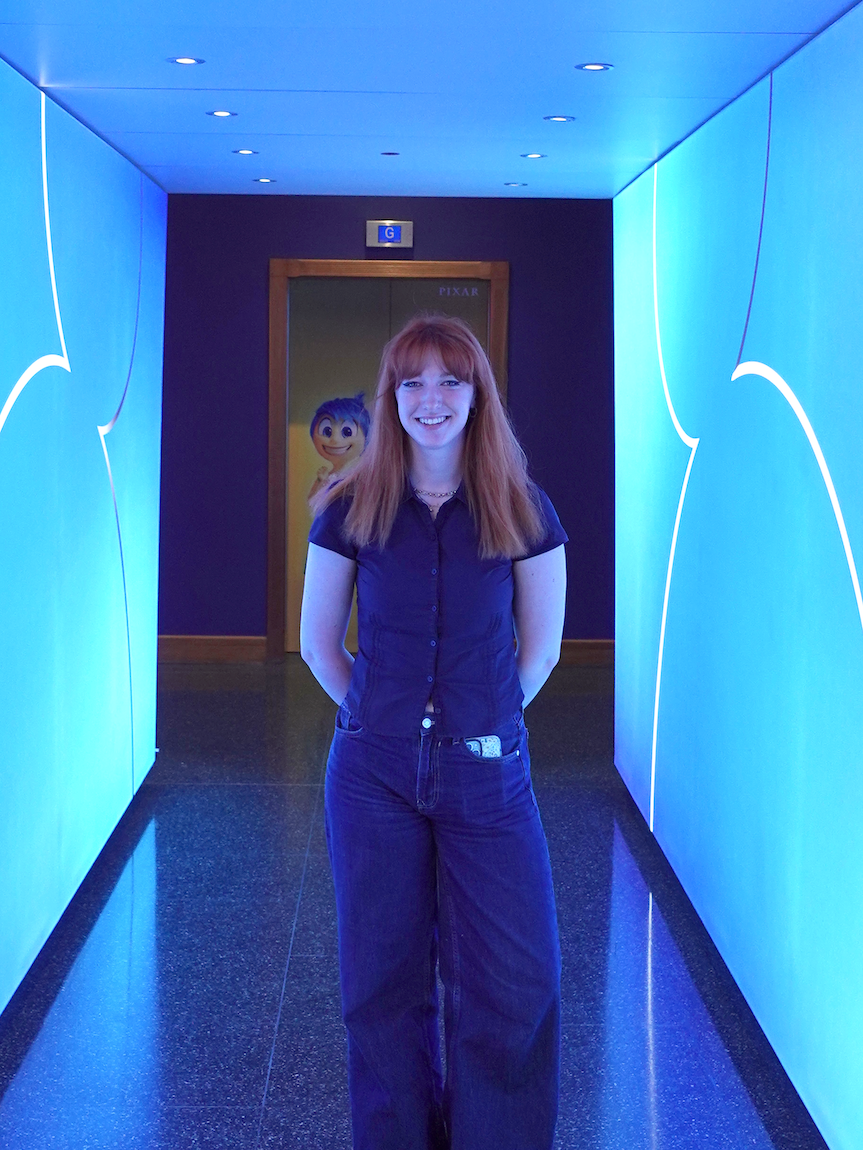
As a Graphic Design Intern at Disney, I have the opportunity to work on a diverse range of creative projects that bring the brand to life across global markets.
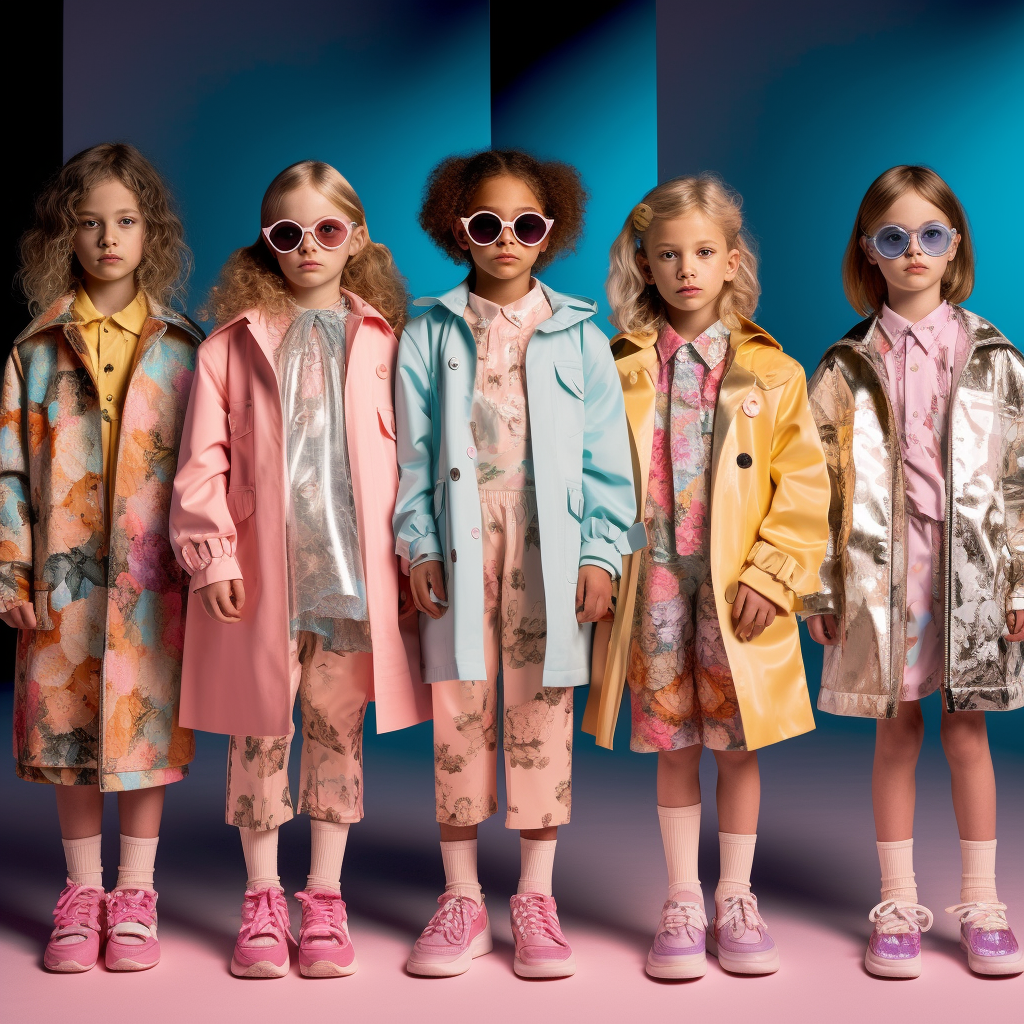
The main aspect of my role involves designing and developing style guides for apparel, home, and lifestyle products across multiple franchises like Disney, Pixar, and Marvel. These are tailored to regional and global asks across EMEA (Europe, the Middle East, and Africa) and North America. The process of these guides involves developing commercial foresight by researching trends and consumer insights, developing a design direction for the guide, and designing the main assets, focusing on typography, layouts, and illustrations to extend the Disney stories through products.
On top of this, I also get the opportunity to work on my own creative-led projects to showcase my individual creativity and storytelling, as well as attend design shows and exhibitions with the team. One of the things I love the most about my role is the unique opportunity to work with such a wide range of talented people from across the company, including the character artists, creative operations, and product development teams.
Practical tips for graphic design internships
If you're looking at taking on your first graphic design internship or placement, here are a few things I found helpful when preparing for mine:
Ask loads of questions. Seriously. People love sharing their experiences, and it’s the fastest way to learn. Being inquisitive is the best way to gain knowledge and find out more about different design studios and companies, and how they work. Ask questions about portfolios, what their creative process looks like, or even how they overcome a creative problem when working with clients. Use this curiosity to research the studio or company first, too.
What is their main ethos? Make use of the resources given to you! AUB Futures is amazing for this, with tips and tricks on how to nail your interview and become more confident at talking about your work.
Finally, build and refine your portfolio. As I’ve mentioned previously, your portfolio showcases you as both a designer and a problem-solver, such as problem-solving and your creative process. Tell a story within your process, explain the “why” behind the design by outlining the problem, your thought process, your approach, and the final outcome.