



























You are using an outdated browser. Most of this website should still work, but after upgrading your browser it will look and perform better.
- Home
- Postgraduate Courses
- PGDip Learning Design Methods (Online)
- Course details
PGDip Learning Design Methods (Online)
- Mode of study: Part-time
- How to apply: Apply directly to us
- Study location: Online
PGDip Learning Design Methods (Online) course information
The course emphasises practical application, from project management and user experience design to harnessing artificial intelligence in education. You'll learn to work as both an internal and external consultant, collaborating effectively with subject-matter experts across disciplines to design creative, inclusive, and effective learning experiences for diverse contexts.
During the PGDip, you'll strengthen your practical skills in designing learning experiences and develop your abilities as a researcher. This stage, delivered part-time over six months, allows you to balance advanced study with professional practice.
You'll develop a comprehensive toolkit of learning design techniques, preparing you for roles that bridge education and industry.
Our PGDip is founded on the belief that effective learning design can produce transformation in business and education. We support and enable designers to create learning experiences that are both invisible in their seamlessness and profound in their impact.
We view learning design as an interdisciplinary art form, blending insights from psychology, technology, and creative arts. This approach fosters a unique problem-solving mindset that sets our graduates apart. The course encourages you to cross disciplinary boundaries, combining insights from areas such as user experience design, creative education, and digital technologies with learning design principles.
Critical reflection is at the core of our philosophy. We challenge you to question assumptions, examine beliefs and assumptions about learning, and develop your distinctive voice as a designer. The PGDip cultivates your originality in tackling and solving problems, preparing you to act autonomously in planning and implementing tasks at a professional level.
While embracing emerging technologies like AI, we balance innovation with established learning theories and human-centred design principles. This ensures you have the knowledge and skills to navigate the rapidly evolving landscape of learning design, and prepared you to be a leader in learning-focused roles.
Our aim is to empower you to lead in the field of learning design. We develop confident professionals who can articulate the value of creative learning design across various sectors to produce innovation through transformative learning experiences.
PGDip Learning Design Methods consists of two core units:
Learning Design Toolkit (40 credits)
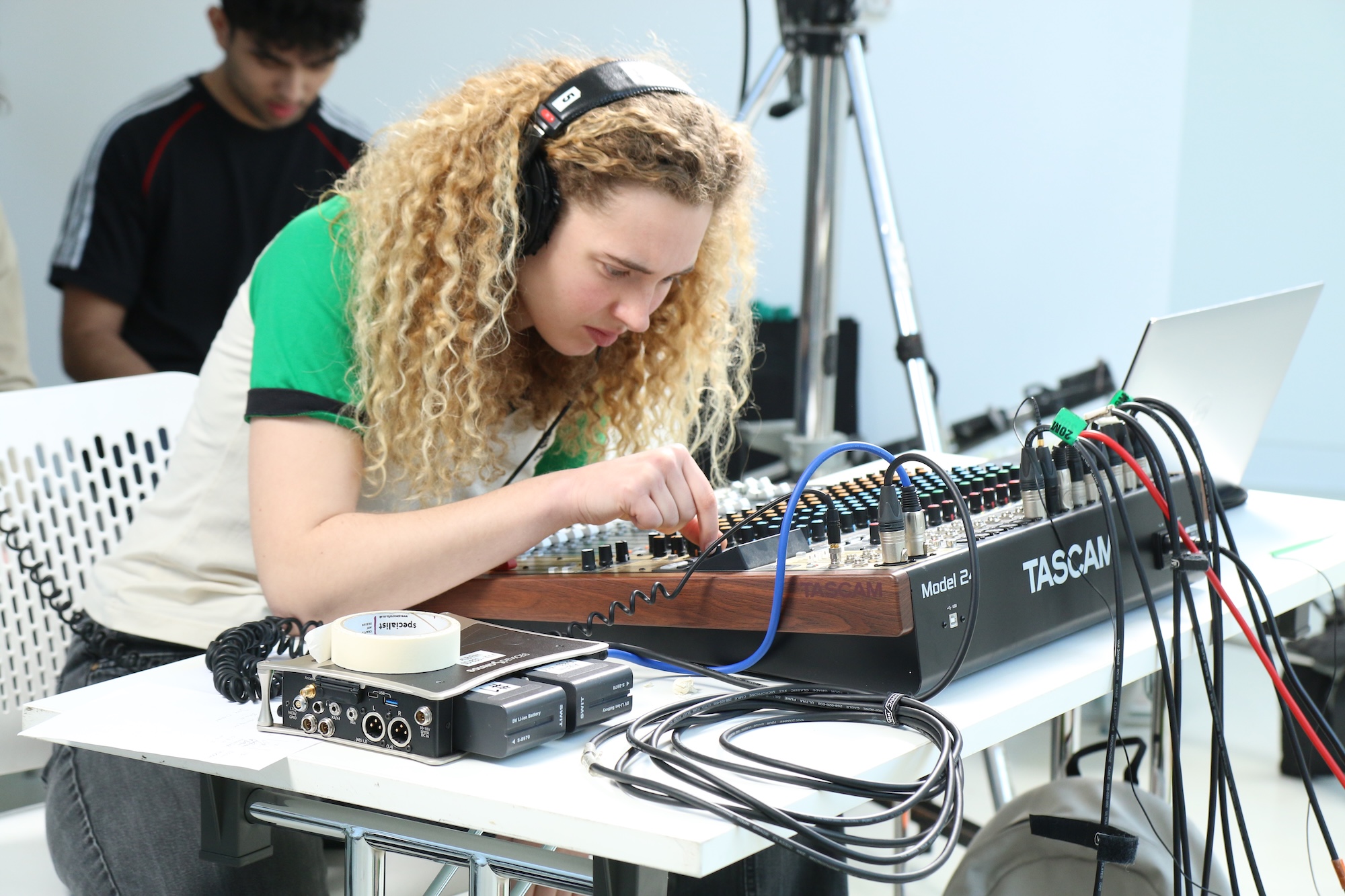
This unit strengthens your practical skills and develops essential competencies for successful learning design. You'll learn to work as both an internal and external consultant, collaborating with subject-matter experts across disciplines. You’ll explore topics including artificial intelligence, storytelling, learning product development, creative direction, video production, UX design, accessibility, project management, digital technologies, change management, and effective communication.
Learning Design in Context (20 credits)
This unit strengthens your ability to lead through research in creative teaching and learning design roles. Learning professionals regularly explore new and unfamiliar problems, and in this unit you’ll have the opportunity to investigate an area of interest related to your present or future work. You'll conduct a small-scale research project to build your confidence in research, decision-making and developing new insights.
Industry engagement
While PGDip Learning Design Methods is an online course, and you'll have opportunities to engage with industry leaders through guest lectures, workshops, and collaborative projects. These experiences provide insights into contemporary practices in teaching and learning design across sectors.
APPLICATIONS ARE OPEN
Time to take your studies to the next level.
Apply directly to us to begin your postgraduate journey at AUB.
WE'RE HERE TO HELP
Whether you have any burning questions or you just want to find out more about our courses, you can book a one-to-one call with our course team at any time.

AUB SHOWCASE
We're proud of our alumni, and rightfully so.
Explore the incredible work of our graduates in our online AUB Showcase.
Browse work by course, student or theme.
Course costs
The fee you pay AUB provides the necessary equipment and training for you to complete your course.
In most cases, you don't need to buy any specific items of kit before you start the course. You may also choose to buy some items of personal equipment such as a laptop or tablet computer, but this isn't required – desktop and laptop computers are available for you to use in common study areas, including a loan system in the Library.
It isn't possible to be precise about the likely additional costs that you may incur, because this depends on the choices you make and the projects you undertake. The University provides some basic materials, and you'll be encouraged to work sustainably and to reuse materials where possible, but you should still expect to make some financial investment.
For more information, including costs relating to certain courses, visit our Course Costs page.