





You are using an outdated browser. Most of this website should still work, but after upgrading your browser it will look and perform better.
- Home
- Postgraduate Courses
- MA Historical Costume
- Course details
MA Historical Costume
- Mode of study: Full-time
- Study location: AUB Campus
- How to apply: Apply directly to us
Course information
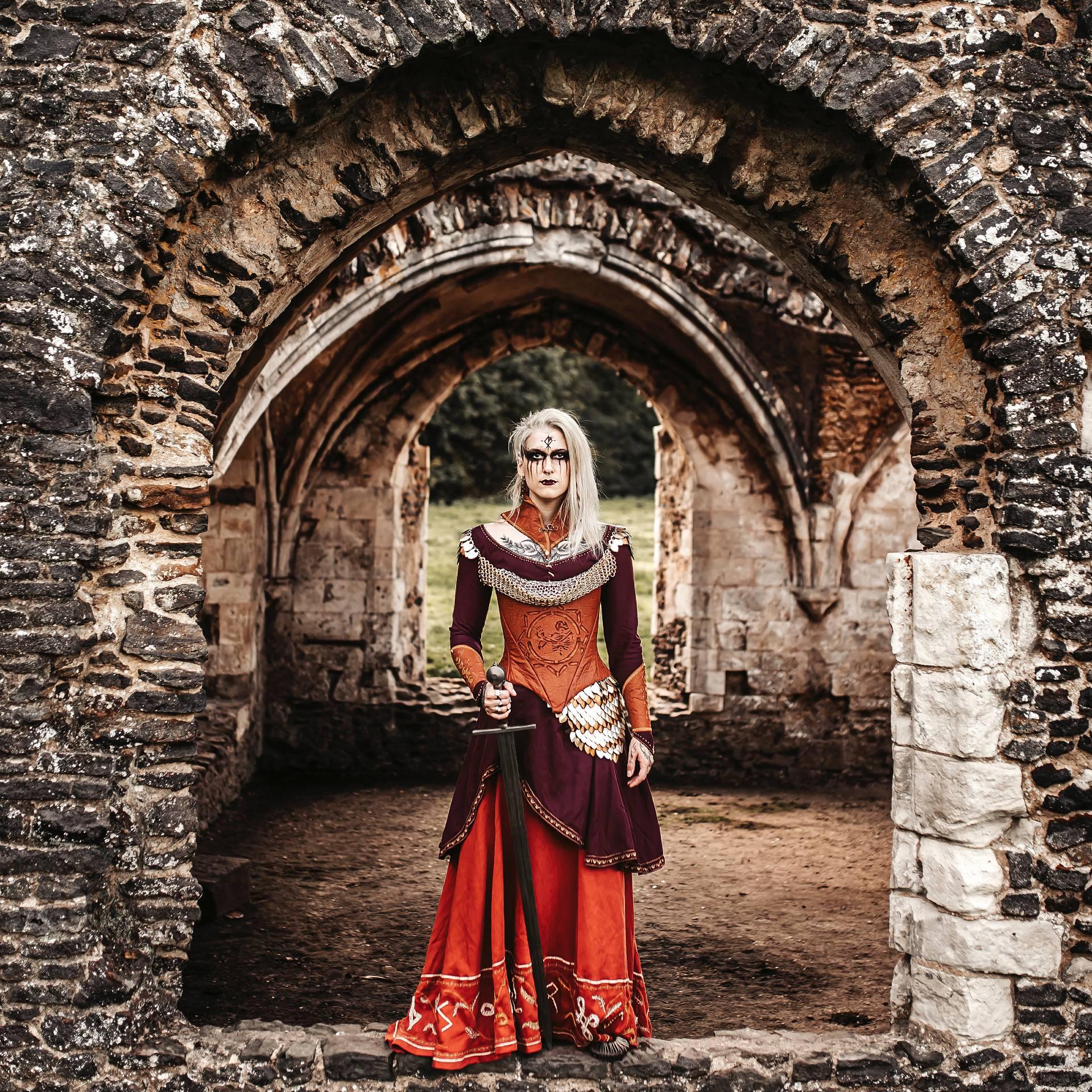
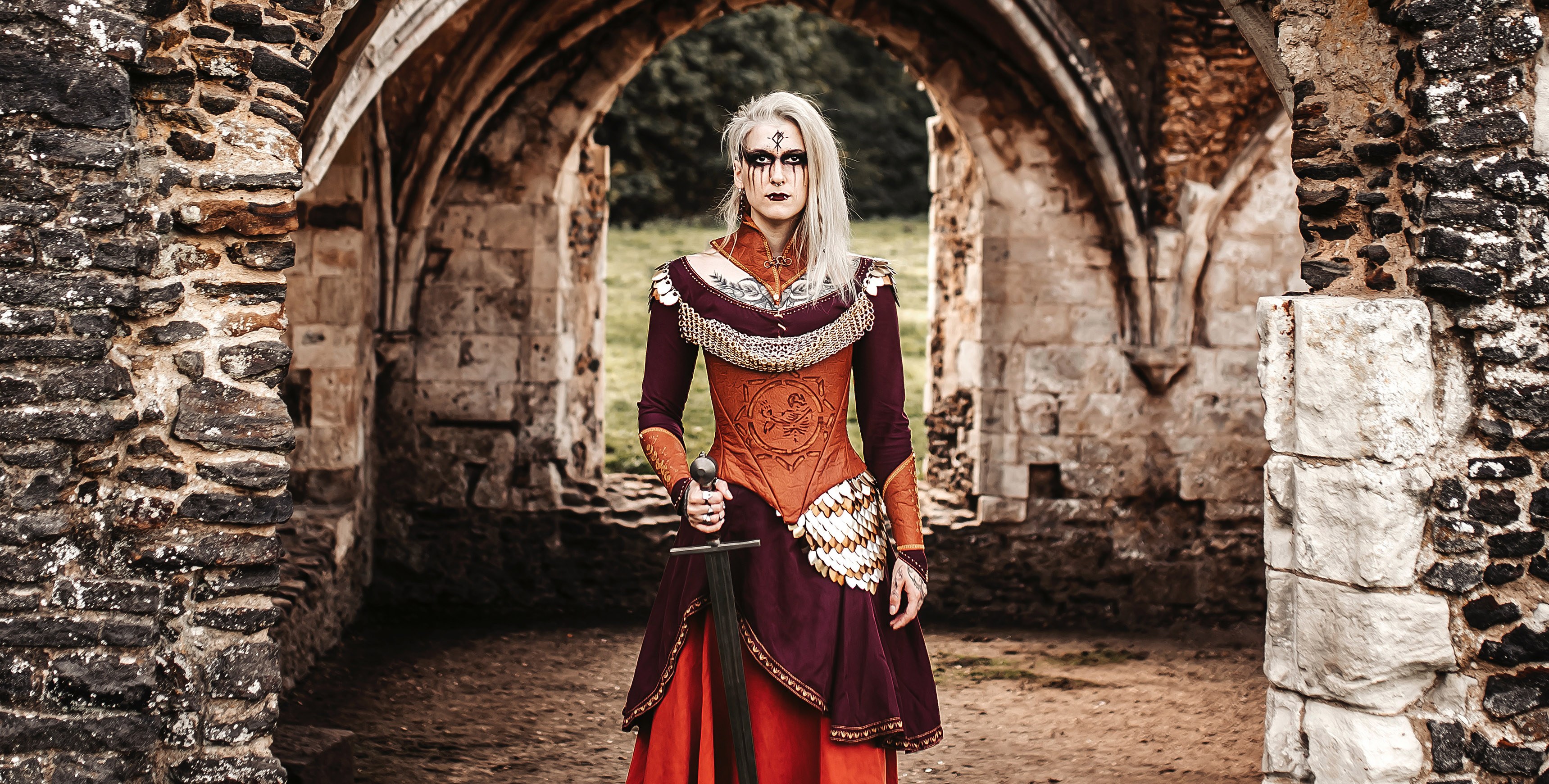
At the beginning of the MA Historical Costume course, you're given the opportunity to develop a grounding in different approaches to historical costume, including archival research, historical making and costume design and styling. You're then helped to develop individual research projects that tie together a specific element of costume with the opportunity to do detailed research into a specific historical period. You're encouraged to develop these projects with regard for diverse, ethical, and sustainable practice in the creative industries, and to consider the MA as a transformative step towards a future in costume.
Student projects and interests fall into the following types of creative direction:
- Costume for theatre or film: You're introduced to practical skills required for costume design in each discipline.
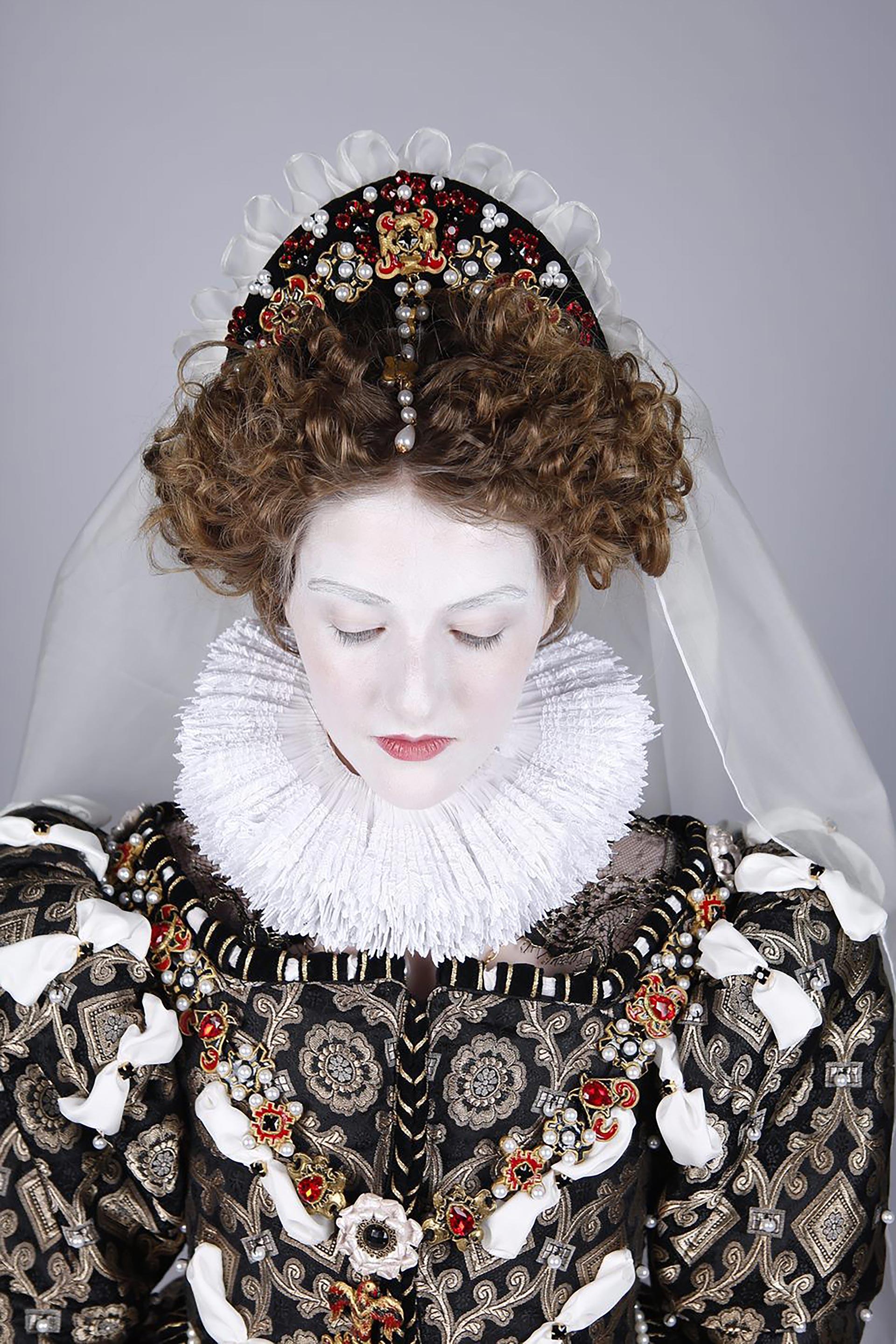
- Historical Costume making: Any area of historical dress may be investigated within a making context, which could include making projects connected with either performance or heritage.
- Costume curation and heritage: You're encouraged to engage with archival research in all projects but may also choose to specialise in costume within a heritage context.
- Theoretical study of a specific area of historical costume: You may use the course to develop your research interests in dress history to produce a portfolio of work.
The distinctive features of MA Historical Costume at AUB include:
- Range of historical costume directions supported by the programme: the integration of design, costume making, and heritage means students are given the opportunity to experience a wide range of historical costume research and to see how their own interests and costume outcomes can be located in the discipline.
- Diversity of staff research and expertise: students are given the opportunity to work with staff at the forefront of several historical costume disciplines, to foster interdisciplinary projects and outputs. Students are also encouraged to benefit from staff expertise on the Costume BA, with several collaboration opportunities.
- Ability to integrate live projects into Master's Level research: this provides students with a real-world experience of projects that will be invaluable to future career aspirations, and the opportunity to see how rigorous research can be integrated into live projects.
- Collaboration within the student cohort: students benefit from working directly alongside other Master's students with a diverse range of interests, often collaborating directly with one another.
The MA Historical Costume course is structured around three 60-credit units, as consecutive and equally weighted phases of study:
- Master's 1: Exploration
- Master's 2: Development
- Master's 3: Progression
Master's 1: Exploration
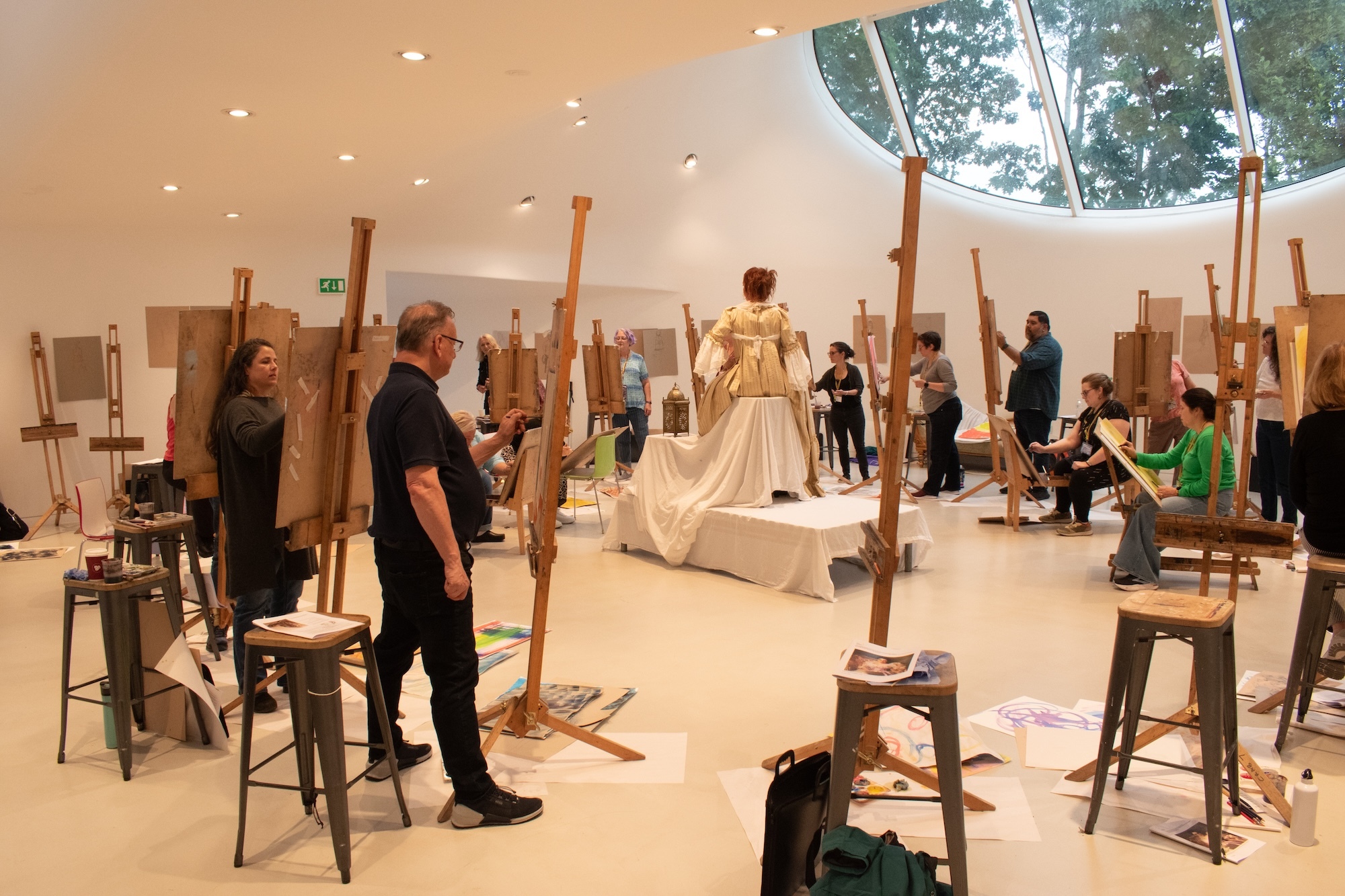
This unit exposes you to the sweep of different historical costume directions covered by the course. You'll be offered a lecture course outlining the basic shape of historical costume across a range of time periods and geographical contexts, and a variety of different workshops on subjects that may include archival research, basic sewing skills, fabric choice, pattern cutting, and design for film. To support the development of individual interests, you're asked to complete a series of short responses to set briefs in this unit, which will enable you to explore different areas of historical costume and experiment with different forms of costume practice. At the end of this unit, you're asked to think about developing a research area and project to carry forward into Master's 2: Development, and Master's 3: Progression.
Master's 2: Development
In this unit, you'll have identified a specific area of interest that's linked to a historical and geographical costume and will develop a research portfolio and creative response to this costume form based on one of the areas of historical costume encountered in Master's 1: Exploration. You'll also be expected to engage with academic literature surrounding your chosen area, and to engage with theoretical and contextual reading on costume in general; this is facilitated through seminar teaching. Using an individualised Learning Agreement, you'll establish an appropriate outcome for this module with tutors, which will normally comprise written research and some creative output.
Master's 3: Progression
For most students, this unit will follow the same research area as Master's 2: Development, with more emphasis on creative output and professional development. You're supported in this unit to link your projects to your future work in industry or to research, and to work on live projects as well as your own independent projects. As with the previous unit, students and tutors will make use of the individualised Learning Agreement to determine the desired outcomes from each project. At the conclusion of the Master's 3 unit, you'll have the opportunity to display or present your work in an appropriate professional context. For example, this could be an exhibition, website, show, screening, or publication.
Over the course of the three units, you should develop a body of work that'll establish yourself as an advanced, skilful, and reflective practitioner in historical costume, ready to proceed to a professional context or further research. In each unit, you'll develop a reflective written component alongside their body of creative work to aid their evaluation of their learning journeys and processes.

APPLICATIONS ARE OPEN
Time to take your studies to the next level.
Apply directly to us to begin your postgraduate journey at AUB.

WE'RE HERE TO HELP
Whether you have any burning questions or you just want to find out more about our courses, you can book a one-to-one call with our course team at any time.
AUB SHOWCASE
We're proud of our alumni, and rightfully so.
Explore the incredible work of our graduates in our online AUB Showcase.
Browse work by course, student or theme.
Course costs
The fee you pay AUB provides the necessary equipment and training for you to complete your course.
In most cases, you don't need to buy any specific items of kit before you start the course. You may also choose to buy some items of personal equipment such as a laptop or tablet computer, but this isn't required – desktop and laptop computers are available for you to use in common study areas, including a loan system in the Library.
It isn't possible to be precise about the likely additional costs that you may incur, because this depends on the choices you make and the projects you undertake. The University provides some basic materials, and you'll be encouraged to work sustainably and to reuse materials where possible, but you should still expect to make some financial investment.
For more information, including costs relating to certain courses, visit our Course Costs page.