







You are using an outdated browser. Most of this website should still work, but after upgrading your browser it will look and perform better.
- Home
- Undergraduate Courses
- BA (Hons) Graphic Design
- Course details
BA (Hons) Graphic Design
- Duration: 3–5 years full-time
- Placement year: Optional 1 year
- Course code: W210 (UCAS)
- Institution code: A66 (UCAS)
BA (Hons) Graphic Design course information
BA (Hons) Graphic Design provides a dynamic, student-centred learning experience, integrating specialist professional knowledge with theoretical academic understanding. Through project-based enquiry-led practice, sense-making activities, open-minded experimentation, robust critical thinking, and integrated writing output, you'll build your graphic design knowledge and understand its language and culture.
Thinking through making is central to the course. ‘Bringing ideas to life’ involves turning concepts into tangible realities through creativity, innovation, and craft. This approach promotes design practice as a conversation, encouraging students to work collaboratively on set and industry-led projects. This experience builds strong studio communities and networks, mirroring industry practice. Co-creation helps reframe ideas, challenge assumptions, and build trust and empathy for others' ideas and experiences.
The curriculum embraces innovative technologies and addresses design challenges from climate emergency, social injustice, economic inequality, and cultural development. You'll learn to respond ethically, with curiosity, and strategically to new challenges by identifying essential themes for each unit. The aim is to inspire responsible practitioners with core conceptual and technical skills, understanding graphic design's potential to influence and shape perceptions and behaviours.
A human, nature, and planet-centred approach nurtures positive, progressive interactions between the designer, the design output, and the end user. We aim to inspire future designers to become responsible practitioners, gain core skills, and understand graphic design's potential to influence and shape perceptions. The course connects with internal and external speakers through talks and workshops integrated into the AUB Human initiative.
You'll participate in study trips, events, set and ‘live’ projects, and designer-led workshops to integrate professional and transferable skills. This integration helps you to become confident, empathetic designers positioned within ‘design practice.’ Studio and cultural visits, attendance at the portfolio ‘Network Event,’ and placement options inform career ambitions and support the transition to industry or further study.
Integrated Foundation year
On BA (Hons) Graphic Design, you have the option to take a specialised Integrated Foundation Year, or Year 0.
The Integrated Foundation year allows you to explore and develop your skills and knowledge at an introductory level, gaining a better understanding of what the subject area has to offer before joining the degree.
Placement year
All undergraduate courses at AUB offer an optional placement year, to be taken between your second and third years of study.
If you’re unsure about this optional placement, you don’t need to decide now. Once you’re here and studying with us, the course team will discuss the placement options with you, so when the time comes, you can make a decision that’s right for you.
Exchange and international summer programmes
Students on BA (Hons) Graphic Design have the chance to broaden their horizons through exciting exchange and international summer programmes. These opportunities allow you to study abroad at one of our brilliant partner institutions, experience different cultures, and enhance your academic journey.
Level 4 (first year)
The first year provides you with opportunities to develop fundamental skills, principles, processes, and knowledge. These are considered core attributes encompassing the tasks and knowledge expected of all graphic designers. All Level 4 units are designed to provide experience in the studio and computer lab, to promote confidence in using digital processes, methods, and materials essential to the study of graphic design. Additionally, gaining a working knowledge of typography is a key goal for this year, enabling you to effectively structure and arrange information to enhance communication and expression.
This level of study also offers a broader contextual understanding of the subject. Theory and practice are seamlessly integrated across all units. Skills in research, critical analysis, evaluation and communication of interrelated practices and technologies, are delivered to enhance your creative potential.
You'll explore contemporary global themes and issues related to design practice, contributing to the creative dialogue between theory and practice. Alongside incorporating these concepts into their design work, you're encouraged to be curious, take risks, and engage in experimentation – fostering growth as creative individuals who formulate and communicate visual solutions, either independently or collaboratively.
Throughout the year, emphasis is placed on generating and developing ideas. Units such as Exploring Graphic Communication and Visual Thinking will help in developing your typographic skills, visual language, and to the ability to research, experiment and generate ideas tailored to specific audience needs. The final unit in the year, Purposeful Curiosity, serves as a bridge to Level 5. Here, you're introduced to fundamental animation and motion graphic skills while delivering designed solutions. The importance of team working is also recognised within all units and include elements of self-reflection and peer evaluation.
Level 5 (second year)
In the second year, you'll consolidate and expand your digital, technical, typographic, design thinking and making skills. You'll identify different perspectives, specialisms, and modes of critical design thinking, within the broader field of graphic design. Furthermore, you'll explore code, moving image and emerging technologies, engaging in individual or collaborative projects with real-world applications. To highlight and celebrate your work, you'll participate in an industry 'Network Event' during the summer term, providing you with opportunities to build your design networks and establish connections within the creative industry.
Units in this year encourage you to engage with the subject from different viewpoints. In Innovate, you're challenged to embrace critical design practice and become agents of change. In Narrative, the focus is on designing motion design sequences and web interactions; you'll explore methods of analysing, constructing, and accessing narratives.
In Experience, you'll be introduced to immersive design and the user-centred agenda, preparing you for Level 6 study and units such as Future Practice. In this way, the Level 5 experience provides a way of scoping different understandings, skills, and methods of working that can inform your thinking in relation to the more self-directed practice, and project-based learning occurring at Level 6.
Theoretical and contextual understanding is broadened and deepened in a variety of ways in Level 5. Ethical and sustainability issues are addressed in units such as Experience and Place where talks and lectures align and integrate with the University’s AUB Human initiative. The Place unit provides opportunities to explore and reflect on practice, in relation to themes and issues that might go on to become the focus of Level 6’s Critical Practice and Major Project as well as future career planning.
The 'Network Event' encourages and supports you to participate in industry placements during summer break, which may help with the start of a career planning process.
Level 6 (third year)
In your final year, you'll continue to expand the scope of your skills, delve deeper into critical enquiry, and confirm your personal creative aspirations. You'll develop a strategic approach that directs your individual graphic design practice towards future career destinations. In the units Future Practice and Major Project, a research-oriented approach underpins experimental, disruptive, and speculative methods. This encourages you to take the lead in shaping your own path, empowering your practice. Learning in these units is primarily project-based, emerging from the challenges and nuances of each project.
The Critical Practice unit offers opportunities for advanced independent research, which can complement the Major Project. The integration and consolidation of themes across Level 6 units support and enhance creative practice and career aspirations. Additionally, beyond academic writing, you're expected to use your writing skills for reflecting on and organising ideas and process, messaging, specification, copywriting and pitching ideas.
At Level 6, all units require you to define your study through Learning Agreements, which are negotiated with the teaching team. These agreements provide focus and enable you to demonstrate agency by integrating your own interests and passions into your learning.
The course emphasises an outward-facing perspective, evident through engagement with competition briefs and input from visiting speakers. Project briefs may be ‘ignited’ in workshops led by designers, providing a springboard for research and ideation.
APPLICATIONS ARE OPEN
It's not too late to apply! Now that you've found the perfect course, it's time to join our creative community.
Check out our handy 'how to apply' guide and our portfolio top tips.
OPEN DAYS
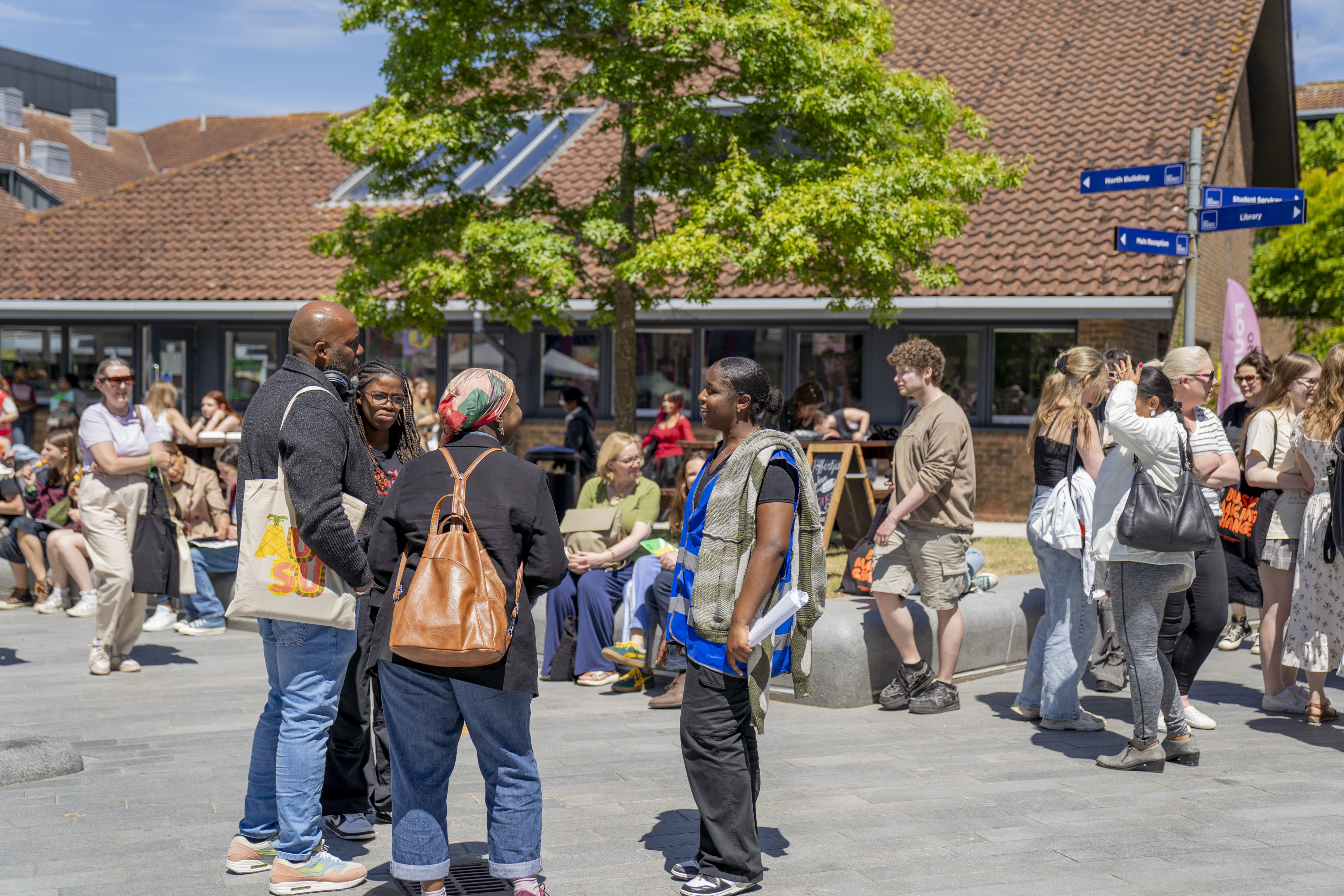
Open Days are a great way to get a feel for undergraduate life at AUB. At an Open Day, you'll be able to explore the campus, talk to course teams and discover our industry-standard facilities.
Visit us on:
- 7 November
- 5 December

STEP INTO INDUSTRY
Your journey to the creative industries begins with us, while you're studying.
Whether it's on a placement, working on a live brief with your course Industry Patron, or even in a one-to-one with our careers and enterprise service, we equip you with the skills to enter the largest sector in terms of employment in the UK.
AUB SHOWCASE
We're proud of our alumni, and rightfully so.
Explore the incredible work of our graduates in our online AUB Showcase.
Browse work by course, student or theme.
Teaching, learning and assessment
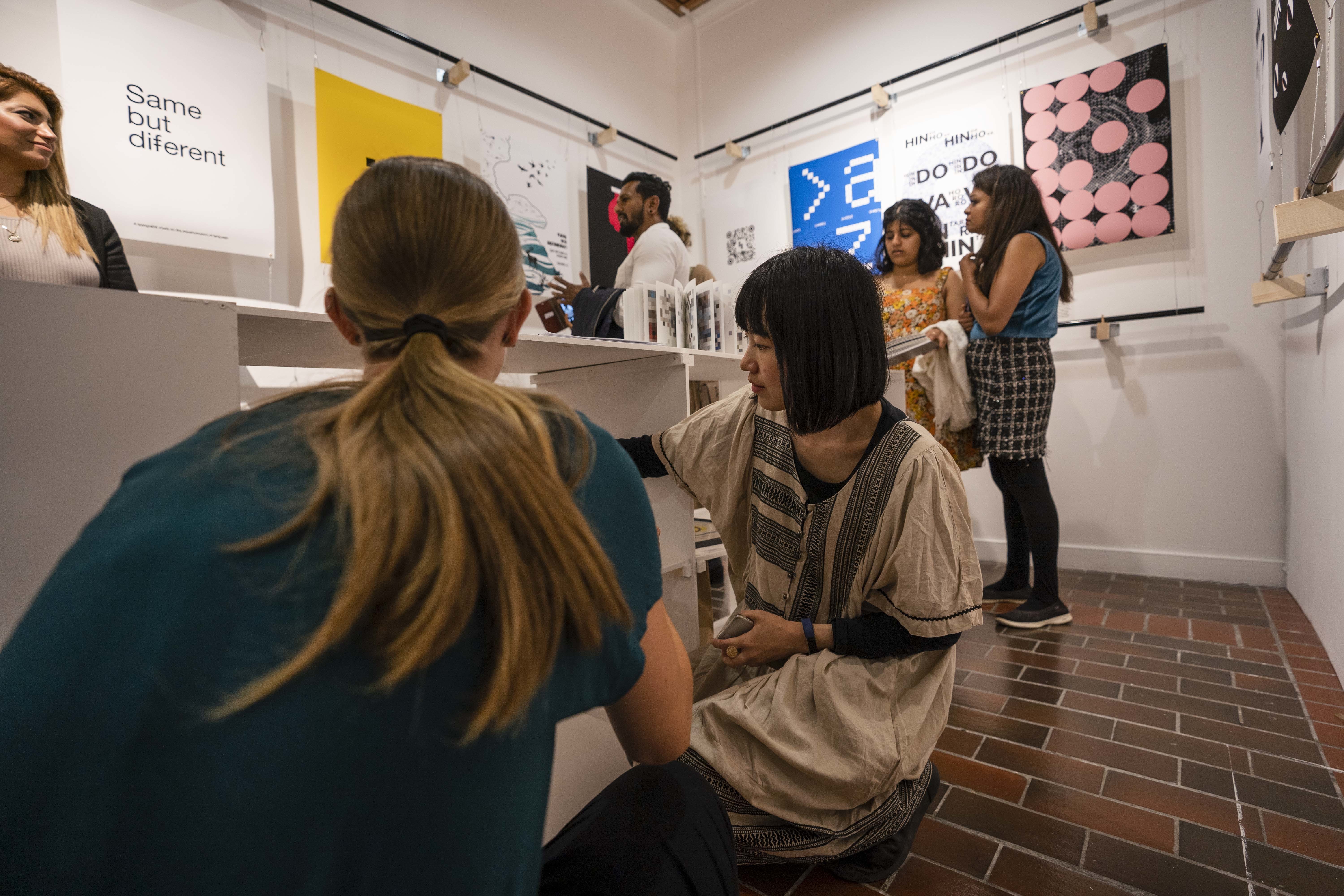
BA (Hons) Graphic Design is a practice-based course. The studio and a studio culture are central to the ethos of the course. The emphasis is on building creative skills, cognitive processes and methodologies. The diversity of the student group brings benefits of cross-disciplinary and cross-cultural experience.
The course objectives are met by structuring the learning progressively and by incorporating a wide variety of learning and teaching methods and experiences. Including: project-based learning, workshops, lectures, seminars, educational visits, group critiques and tutorials.
You'll develop creative cognitive skills, including research methodologies, critical analysis, problem-solving, communication and presentation as well as specialist technical skills.
You'll be encouraged to experiment, take risks, and try out new things. The moment when new-found skills and knowledge are connected to your existing skill set and understanding, is seen as an opportunity for insight, creativity and learning. Projects involve phases of research discovery, problem finding, insight gathering, problem-solving, and spotting opportunity for innovation.
Throughout, the programme integration of theory, critical thinking and practice is promoted. The learning experience emphasises the disciplines required of a creative practitioner and promotes the development of transferable skills, preparing you for a variety of employment routes and postgraduate study.
A team of staff that include professional Graphic Designers, researches and relevant visiting practitioners delivers the course. The course is outward facing and works closely with design agencies and other organisations at local, national and international levels.
Staff are responsible for co-ordinating individual units of study, and for selecting appropriate methods of delivery according to subject matter and student experience.
The study time allocated to each unit in the course incorporates a balance of formal teaching, tutorial support and independent learning.
Midway through the larger 40 credit units Formative Assessment will take place to help you keep on track, monitor your progress and support your achievement.
You'll have the opportunity to take part in major graphic design competitions, for example in second year, Creative Conscience, and in final year, the International Society of Typographic Designers Licentiate scheme that gives the opportunity to attain a specialist professional qualification and the Royal Society of Arts Student Design Awards as well as Design and Art Direction new Blood student awards offer opportunities to participate in industry-based briefs.
The course is structured progressively to provide increased opportunities for independent learning as you reach the final year of the course.
The tutor leading the unit will use a variety of methods of delivery in order to encourage your participation in the learning process. Progressively teaching is directed at providing you with the critical judgement necessary to take increasing responsibility for the management of your own learning towards individual goals. Throughout the units within a year and (year on year) across the course, you're encouraged to gradually become more autonomous, and to consider yourself as a professional designer.
Teaching is both directed at individual learning and working in teams to enable you to learn the value of peer collaboration.
Contact hours include all scheduled teaching sessions, but also supervised time in the workshop or studio.
Learning activities include: studio workshops, lectures, technical demonstrations, tutorials (individual and group), project reviews, presentations, independent study, field trips, AUB and London shows.
Typical contact hours can be found below:
Each unit is assessed separately, and the assessment forms part of the unit. Assessment both provides a measure of your achievement, and also gives you regular feedback on how your learning is developing.
For every unit of your course, we'll inform you of what you're expected to learn; what you have to submit; how your work will be assessed; and the deadline for presenting your work for assessment. This is made available through Unit Information, which is on your course blog.
You'll receive a final mark for each unit in the form of a percentage, which will be recorded on your formal record of achievement (transcript). Each component of assessment is graded using a notched marking scale, whereby only certain marks are used within each grade. The only marks available within any ten-point band are *2, *5 and *8 (e.g. 62, 65, 68). These marks correspond to a low, mid, and high level of achievement within each grade band.
All learning outcomes must be passed to successfully complete the unit.
On successful completion of your Honours degree course, you'll be awarded a degree classification based on your unit marks. The final classification is determined using all unit marks at Levels 5 and 6 using two different algorithms, which are detailed in the HE Student Regulations. If the two algorithms produce different results, you'll be awarded the higher class of degree.
If you have joined Level 6 through either the Recognition of Prior Learning (RPL) route or having completed a Foundation Degree (FdA), the final classification is determined using only your unit marks at Level 6.
For further information on assessment, progression, awards and classifications, please visit https://viewpoint.aub.ac.uk.
Course costs
The fee you pay AUB provides the necessary equipment and training for you to complete your course.
In most cases, you don't need to buy any specific items of kit before you start the course. You may also choose to buy some items of personal equipment such as a laptop or tablet computer, but this isn't required – desktop and laptop computers are available for you to use in common study areas, including a loan system in the Library.
It isn't possible to be precise about the likely additional costs that you may incur, because this depends on the choices you make and the projects you undertake. The University provides some basic materials, and you'll be encouraged to work sustainably and to reuse materials where possible, but you should still expect to make some financial investment.
For more information, including costs relating to certain courses, visit our Course Costs page.
AUB Human newspaper
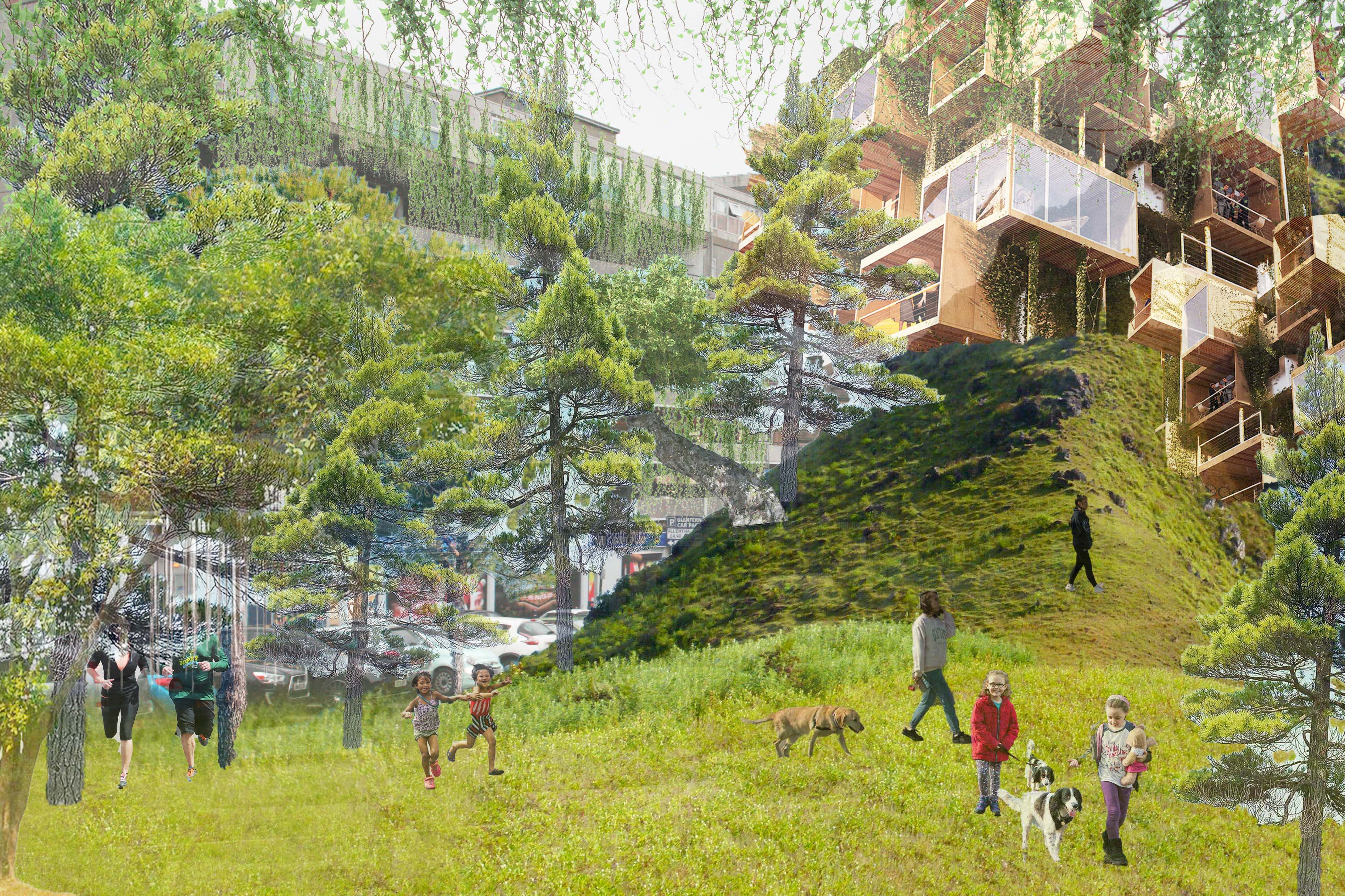
The AUB Human newspaper features AUB student and staff work from the Environmental Connection project with BA (Hons) Graphic Design and Interior Architecture and Design courses. The project was undertaken in collaboration with Activate Performing Arts, in relation to the Green Space Dark Skies project at Maiden Castle in June 2022.