













You are using an outdated browser. Most of this website should still work, but after upgrading your browser it will look and perform better.
- Home
- Undergraduate Courses
- BA (Hons) Costume
- Course details
BA (Hons) Costume
- Duration: 3–5 years full-time
- Placement year: Optional 1 year
- Course code: W452 (UCAS)
- Institution code: A66 (UCAS)
BA (Hons) Costume course information
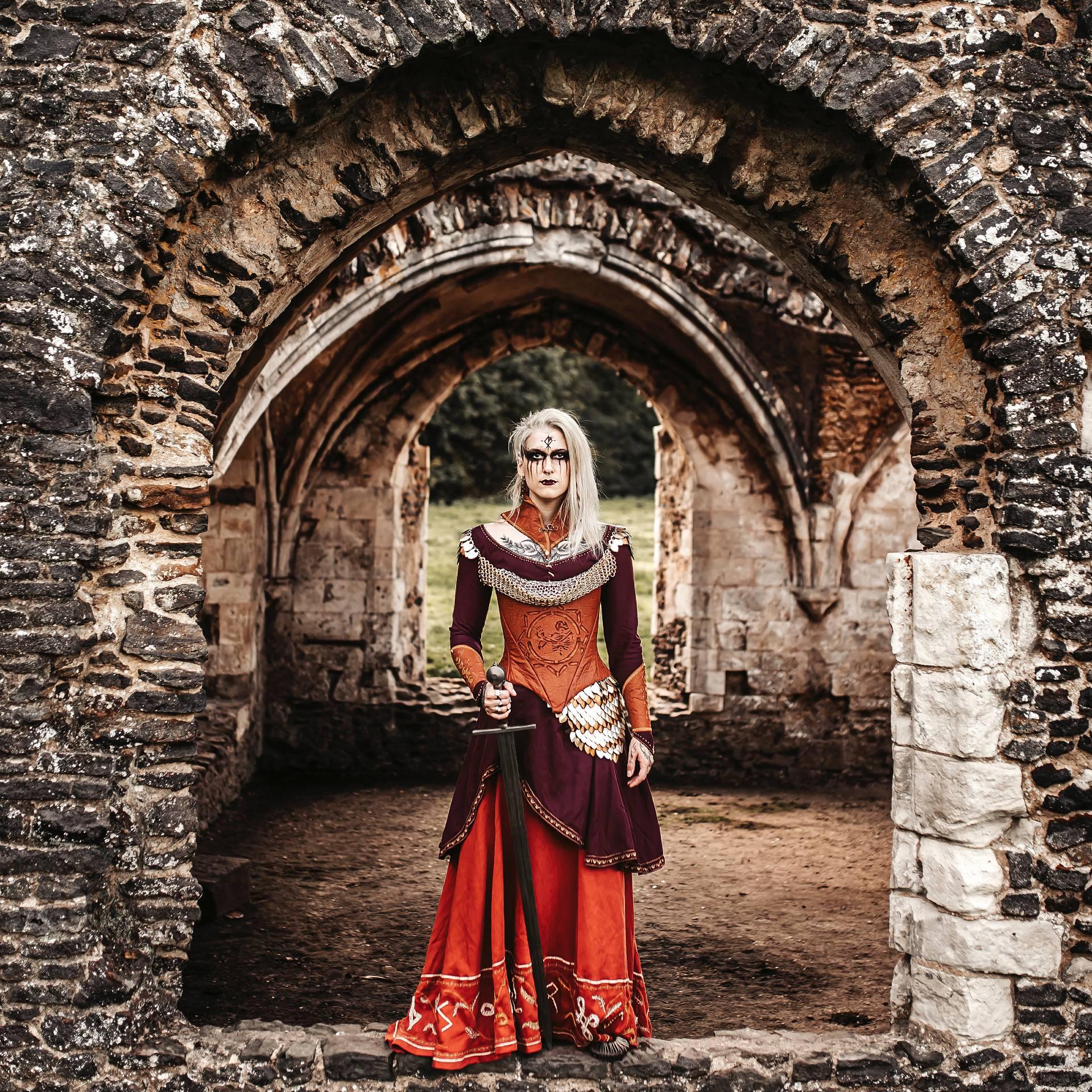
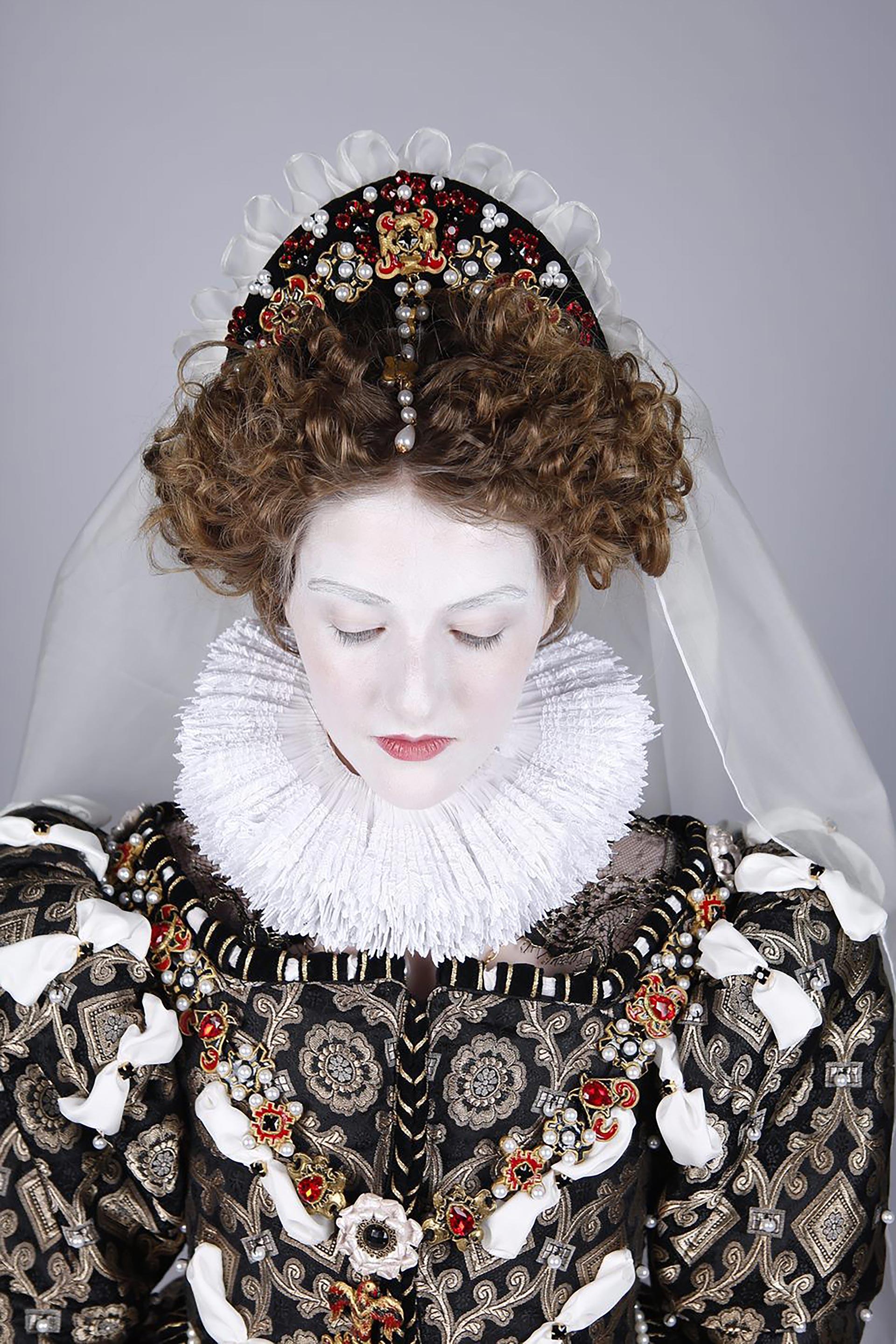
Costume is a vital and exciting part of the storytelling process within performance, from stage to screen and beyond. A costume subconsciously communicates social and cultural clues, backstory, and identity to an audience, aiding the performer in their delivery of a character.
This is the only costume course in the UK that combines theatrical and film projects throughout the degree, and allows you to specialise in such a range of costume jobs. Experience all avenues in film and performance costume before specialising in costume design, making or supervision. These different areas of specialism reflect the structure of costume roles within the creative industries, and allow you to graduate with a clear path into industry. The course also aligns with the developing role of the creative industries in the UK economy, and with the need identified by Skills England for flexible, modular learning approaches that combine practical experience with theoretical knowledge. and that establish clear professional development pathways.
You'll collaborate with your peers from the BA (Hons) Film Production, BA (Hons) Makeup, Hair and Prosthetics, and BA (Hons) Acting courses, as part of the esteemed Bournemouth Film School (BFS) (accredited by CILECT and Screenskills), and engage in stage productions in our two theatres. Enjoy exciting projects across multiple disciplines within a vibrant creative community. Throughout the course, you'll also network with distinguished alumni and industry tutors who can facilitate your career in costume design and production.
Integrated Foundation Year
On BA (Hons) Costume, you have the option to take a specialised Integrated Foundation Year, or Year 0.
The Integrated Foundation year allows you to explore and develop your skills and knowledge at an introductory level, gaining a better understanding of what the subject area has to offer before joining the degree.
Placement year
All undergraduate courses at AUB offer an optional placement year, to be taken between your second and third years of study.
If you’re unsure about this optional placement, you don’t need to decide now. Once you’re here and studying with us, the course team will discuss the placement options with you, so when the time comes, you can make a decision that’s right for you.
Exchange and international summer programmes
Students on BA (Hons) Costume have the chance to broaden their horizons through exciting exchange and international summer programmes. These opportunities allow you to study abroad at one of our brilliant partner institutions, experience different cultures, and enhance your academic journey.
Level 4 (first year)
The focus at this level is introducing you to the fundamental skills and behaviours required for the professional costume practitioner and for conceptual thinking and experimentation to develop as core skills are mastered and refined.
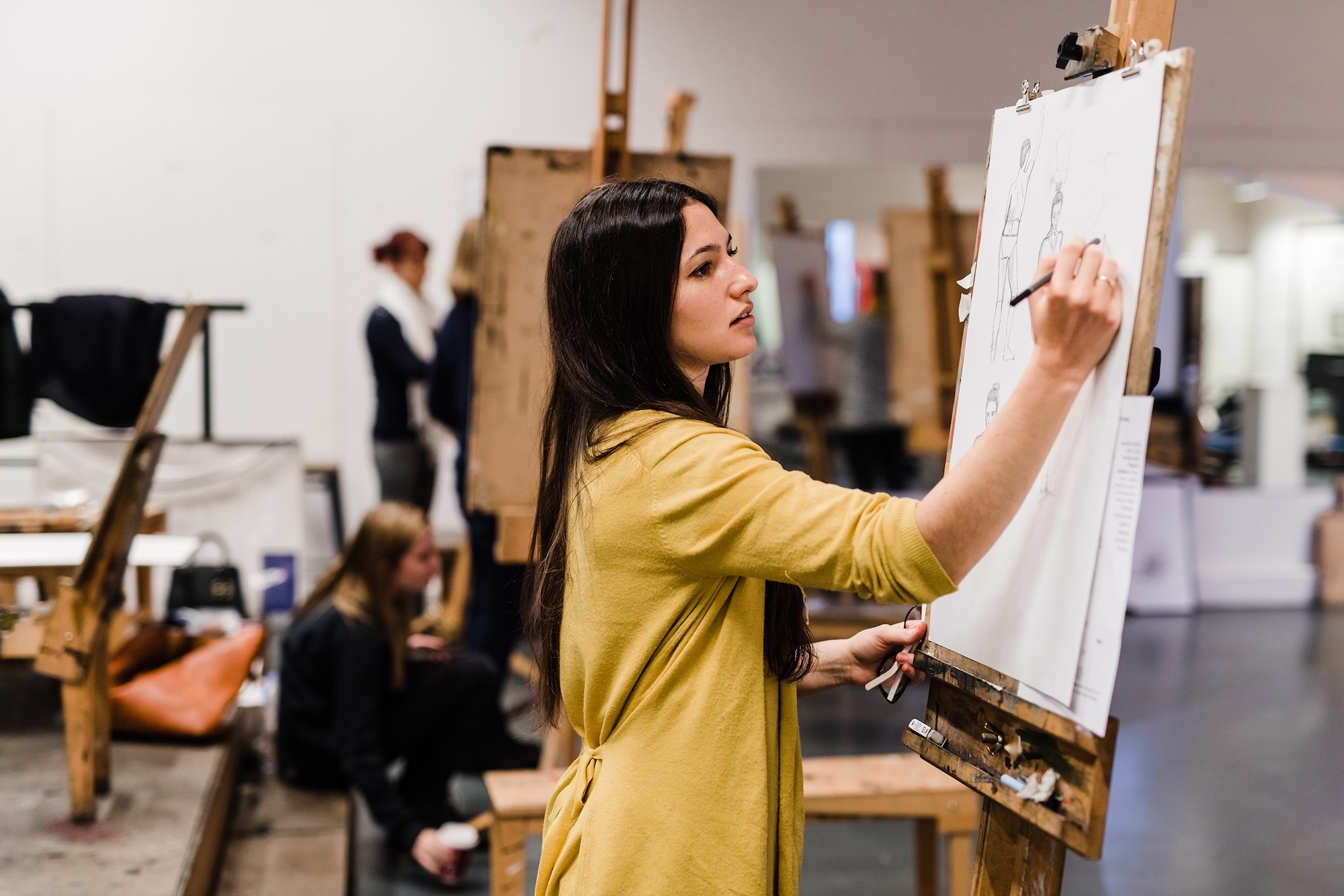
You're introduced to key costume design and production skills. In the first unit, you'll undertake technical sewing, drawing and digital processes, script breakdown, fabric identification skills, and dye room techniques. This will be supported by garment research, and will culminate in the production of design work and a technical file that'll form the basis of the next unit.
In the second unit of study, you'll be introduced to further making and styling skills, and to the problem-solving required to realise a two-dimensional design into a three-dimensional costume. This requires an understanding of character analysis, design aesthetics and fabric selection. You'll realise costumes from given designs using a developing knowledge of cut and construction, surface decoration and fabric manipulation. Alongside this, you'll start to gain an identity as sustainable costume practitioners, through researching sustainability in costume practice. They'll also gain a more detailed understanding of the role of costume in industry with introductions to the different departments within BFS.
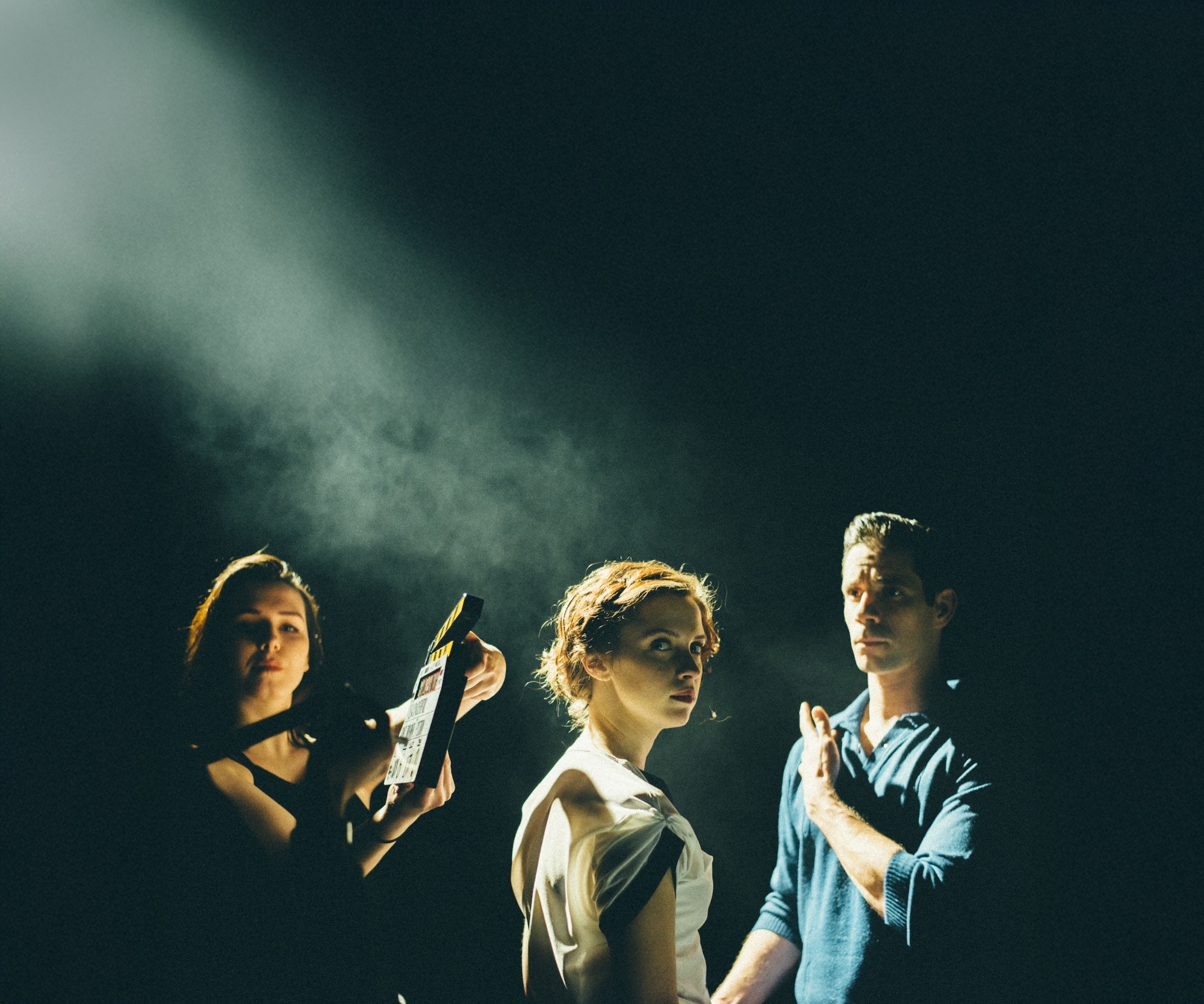
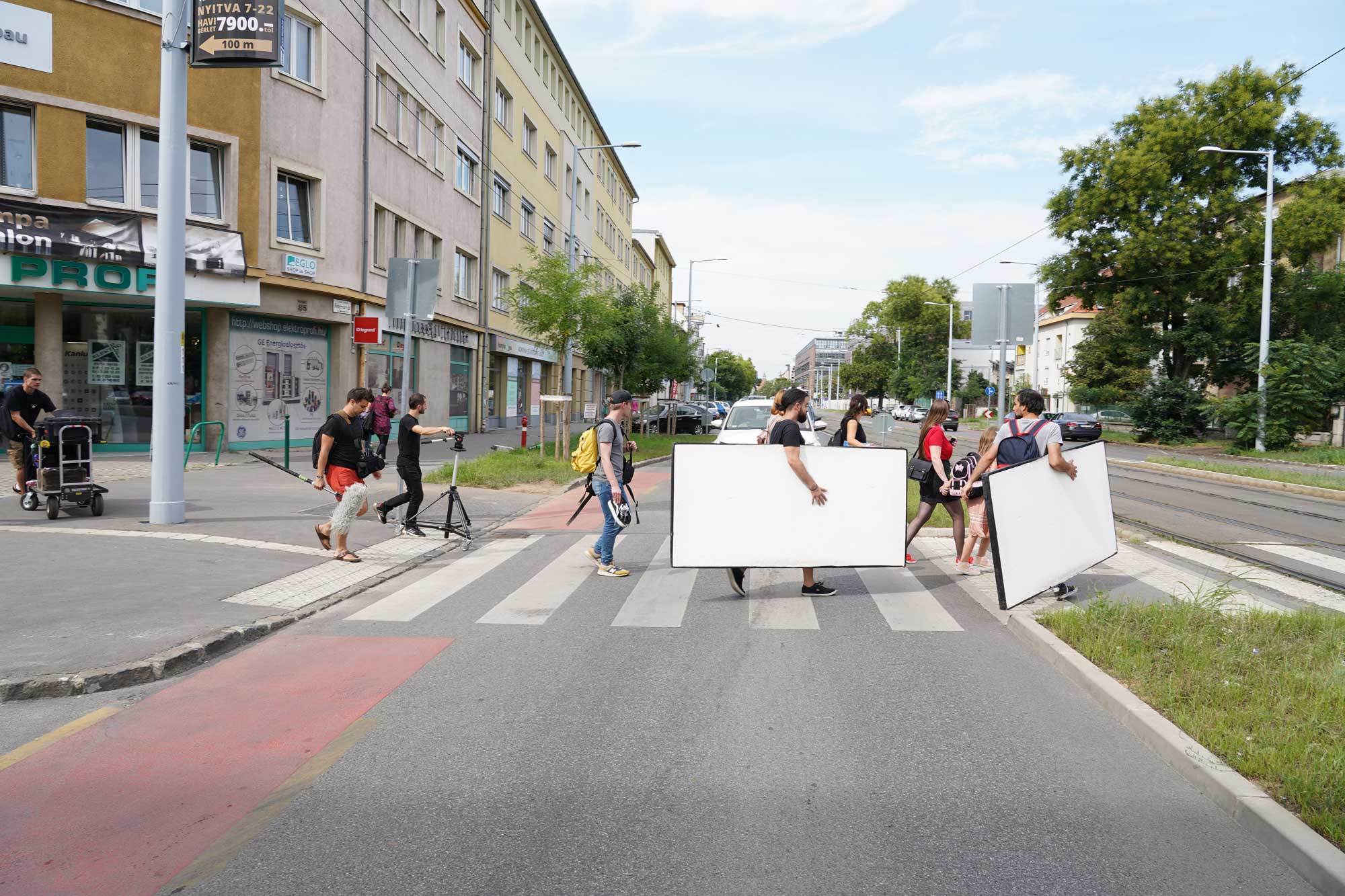
In the final unit, the focus is on costume for screen, working alongside other courses within BFS (BA (Hons) Acting, Creative Writing, Makeup, Hair and Prosthetics, and Film Production) to create a film to a live brief, and with a professional production setup. This will be complemented by a small project exploring specialist technical skills for film for both designers and makers during the post-production period and image-based analytical research into costume for film.
You'll start by looking at how technology has, is and will be driving innovation in fashion; how fashion has influenced the evolution of technologies and the role of technology within the fashion economy. You'll then start to look at the business of fashion through the understanding and ethics of sustainable practices: ethical sourcing and Fair-Trade practices. This will be followed by an introduction to socially responsible consumer behaviour and marketing practices and the cultural and ethical perspectives of fashion and textiles history.
Your first year will conclude by looking at the fundamentals of garment construction and zero-waste design, digital tools for fashion, such as Adobe suite and CLO3D, digital prototyping and reduction of textile waste and an introduction to sustainable textiles and alternatives, such as organic, recycled, vegan and bio-fabricated.
Level 5 (second year)
The focus of Level 5 is to develop specialist knowledge for an area of the costume discipline, which is then applied in an industry context through a live production/film project and a career development portfolio. All units connect film and theatre learning by synthesising creative and technical skills in the design, making and supervision specialisms.
You're introduced to costumes that draw inspiration from historical contexts in the first unit, allowing you the chance to delve into object-based study and to develop your own creative responses to particular historical period. You'll refine the technical skills learnt in Level 4 to include more sophisticated design realisations, pattern cutting and construction, styling and fabric sourcing for projects that draw inspiration from historical texts.
In the second term of Level 5, you're offered the opportunity to work on either a film or a live production. Working in collaboration with your peers from other courses across BFS, and gaining a certain measure of supported independence on a live project, will set you up to take on your own projects in Level 6, and give you the opportunity to articulate your ideas through your preferred professional contexts.
Alongside these two units runs a Career Development Portfolio, which prioritises the cultivation of graduate attributes, including critical thinking, teamwork and independent problem-solving alongside essential professional skills. You'll be offered the opportunity to choose from a suite of smaller projects, including ALBERT accreditation, personal promotional materials, software skills development, academic research, to tailor your skills to your desired career outcomes and fill in any skills gaps.
Towards the end of the year, part of the Career Development Portfolio will involve the opportunity for focused study in a specific area of your chosen discipline, including advanced making skills such as tailoring or millinery, the development of an ALBERT project, or speculative production design for a forthcoming live show.
Level 6 (third year)
In the final year, you'll have the opportunity to work in a live, collaborative context on costume projects. You're encouraged to focus on one specialism but to explore different roles within that, to situate you for an employment context.
The final year requires you to define the direction of your practice for the remainder of your studies. You're encouraged to refine your interpersonal skills and professional behaviours in a way that reflects industry expectations. The focus is on creating a professional portfolio of work in preparation for employment of further study, and you'll create your own Learning Agreements based on a selection of projects that'll provide you with a distinctive skill set in a competitive field. Opportunities are provided for the diverse range of roles graduates work in, including costume designers, makers and supervisors for theatre, film and TV; costume illustrators, dressers, running wardrobe, and film dailies. In addition, there may be the opportunities for these transferrable skills to be applied beyond the media and performance industries to a wide range of projects that could include teaching and educational workshops, marketing campaigns, arts administration, event production and museum curation.
The Research Projects unit completes your study – you'll conduct independent research on a topic relevant to your practice. This can take the form of an industry report or research file related to your Major Project, or for anyone interested in further study, a more traditional dissertation format.
APPLICATIONS ARE OPEN
It's not too late to apply! Now that you've found the perfect course, it's time to join our creative community.
Check out our handy 'how to apply' guide and our portfolio top tips.
OPEN DAYS
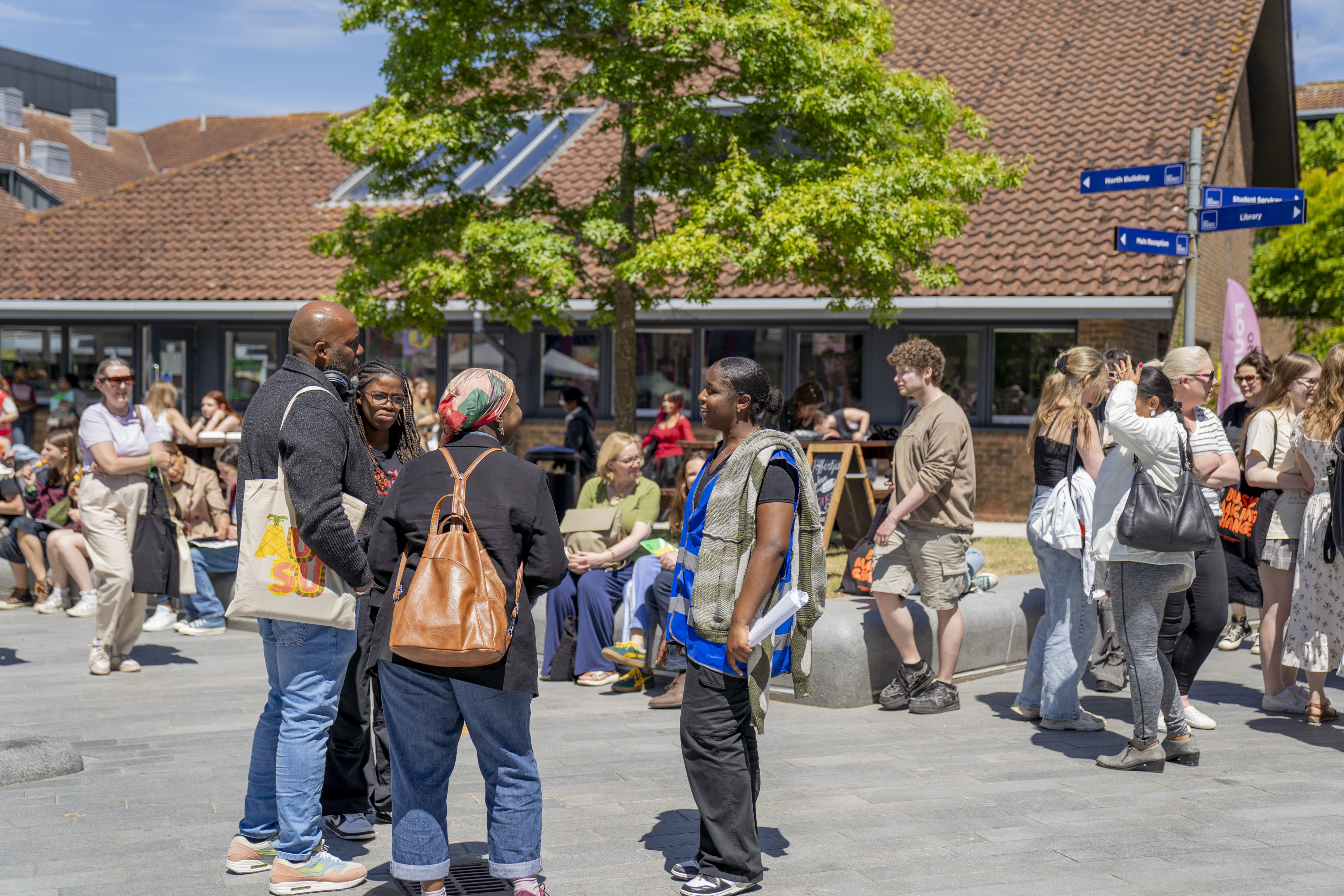
Open Days are a great way to get a feel for undergraduate life at AUB. At an Open Day, you'll be able to explore the campus, talk to course teams and discover our industry-standard facilities.
Visit us on:
- 7 November
- 5 December

STEP INTO INDUSTRY
Your journey to the creative industries begins with us, while you're studying.
Whether it's on a placement, working on a live brief with your course Industry Patron, or even in a one-to-one with our careers and enterprise service, we equip you with the skills to enter the largest sector in terms of employment in the UK.
AUB SHOWCASE
We're proud of our alumni, and rightfully so.
Explore the incredible work of our graduates in our online AUB Showcase.
Browse work by course, student or theme.
Teaching, learning and assessment
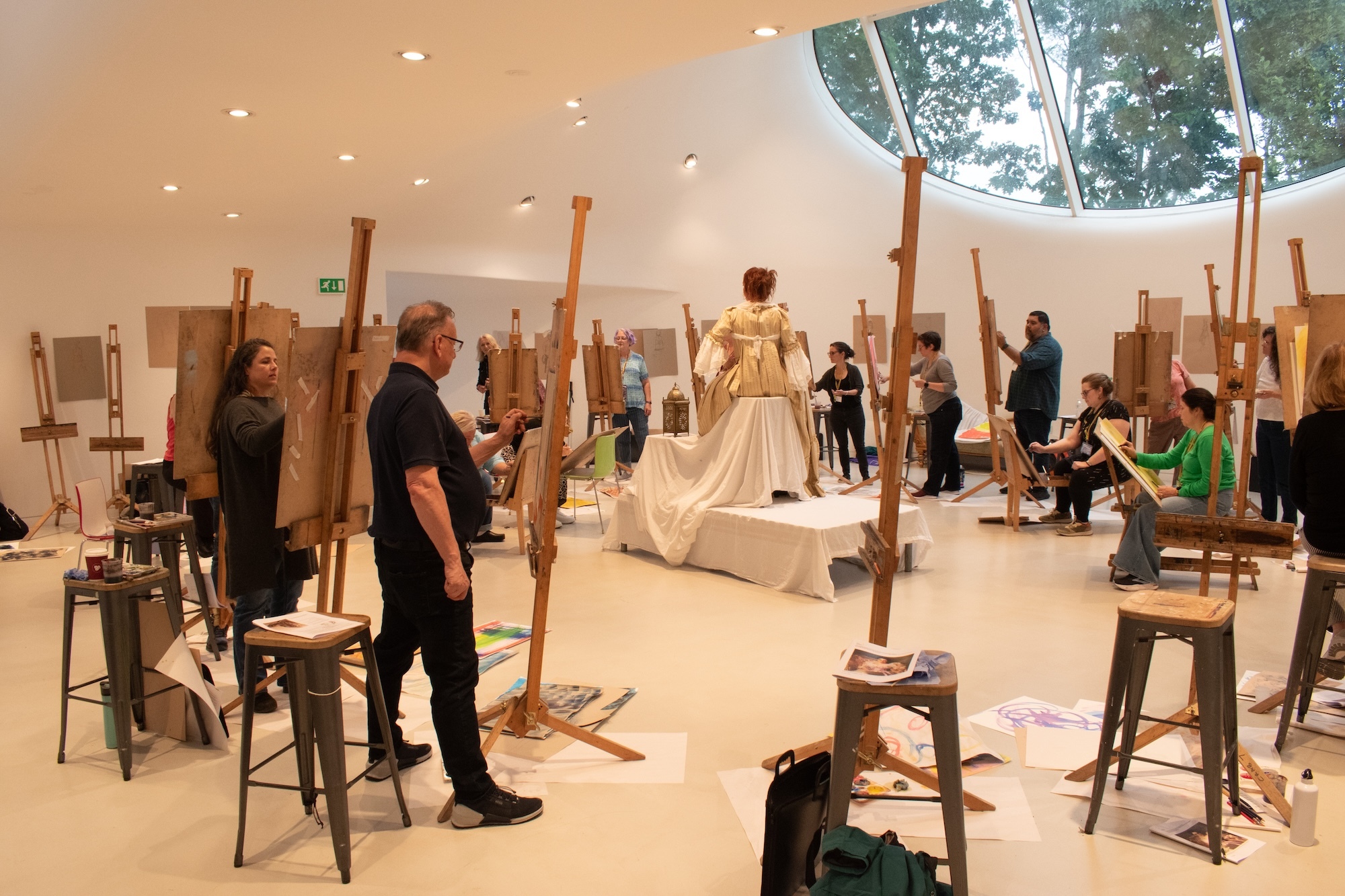
The BA (Hons) Costume course utilises a variety of teaching and learning methods, including lectures, tutorials, workshops, and studio-based practice, supported by guest lectures and educational visits. Emphasis is placed initially on hands-on learning, developing fundamental skills in costume making and supervision. Resources are designed to be inclusive and accessible to all. This includes in-person demonstrations supported by physical step-by-step samples and visual instructions, and a comprehensive digital resource hub in our Canvas platforms.
Academics are supported by Technician Demonstrators in sessions to ensure support can be delivered to groups and individuals. Regular feedback and feedforward from tutors ensure continuous improvement, through formal tutorials and informal appraisals in sessions.
Teaching is delivered by a diversely experienced team and a wide range of external contributors. The curriculum is designed to ensure currency and relevance of the skills and academic knowledge required of graduates through regular liaison with industry and alumni. Students will learn in specialist facilities equipped with industry standard resources.
Collaboration is a key aspect of the course, and an experiential model of learning is employed to encourage all students to test the boundaries of their ability to develop creative and pro-active responses through problem-solving and team working. The course provides students with demanding and exciting projects that demonstrates the breadth of the costume discipline. Working with courses within The Bournemouth Film School allows for a significant amount of collaboration, thereby producing exciting learning opportunities and an environment that acts as a microcosm of the creative industries. The course also engages with external professional theatre companies and museums regionally, nationally, and internationally, to provide live briefs for students. These projects enable students to extend their conceptual and creative ability, contextual knowledge, technical understanding, practical expertise and the development of transferable skills and AUB Graduate Attributes that prepare students for employment.
Teaching is delivered by a diversely experienced team and a wide range of external contributors. The curriculum is designed to ensure currency and relevance of the skills and academic knowledge required of graduates through regular liaison with industry and alumni. Students will learn in specialist facilities equipped with industry standard resources.
Each unit is assessed separately, and the assessment forms part of the unit. Assessment both provides a measure of student achievement and provides students with regular feedback on how their learning is developing.
For every unit of a course, we will inform students of what they are expected to learn; what they need to submit; how their work will be assessed; and the deadline for presenting work for assessment.
You'll receive a final mark for each unit in the form of a percentage, which will be recorded on your formal record of achievement (transcript). Each component of assessment is graded using a notched marking scale, whereby only certain marks are used within each grade. The only marks available within any 10-point band are *2, *5 and *8 (e.g. 62, 65, 68). These marks correspond to a low, mid, and high level of achievement within each grade band.
All learning outcomes must be passed to successfully complete the unit.
On successful completion of your Honours degree course, you'll be awarded a degree classification based on your unit marks. The final classification is determined using all unit marks at Levels 5 and 6 using two different algorithms, which are detailed in the HE Student Regulations. If the two algorithms produce different results, you'll be awarded the higher class of degree.
If you have joined Level 6 through either the Recognition of Prior Learning (RPL) route or having completed a Foundation Degree (FdA), the final classification is determined using only your unit marks at Level 6.
Course costs
The fee you pay AUB provides the necessary equipment and training for you to complete your course.
In most cases, you don't need to buy any specific items of kit before you start the course. You may also choose to buy some items of personal equipment such as a laptop or tablet computer, but this isn't required – desktop and laptop computers are available for you to use in common study areas, including a loan system in the Library.
It isn't possible to be precise about the likely additional costs that you may incur, because this depends on the choices you make and the projects you undertake. The University provides some basic materials, and you'll be encouraged to work sustainably and to reuse materials where possible, but you should still expect to make some financial investment.
For more information, including costs relating to certain courses, visit our Course Costs page.
Costume archive
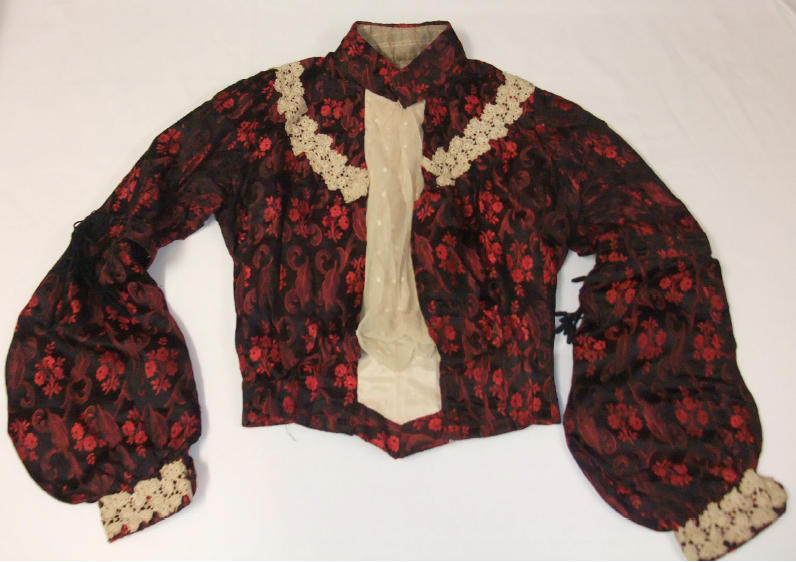
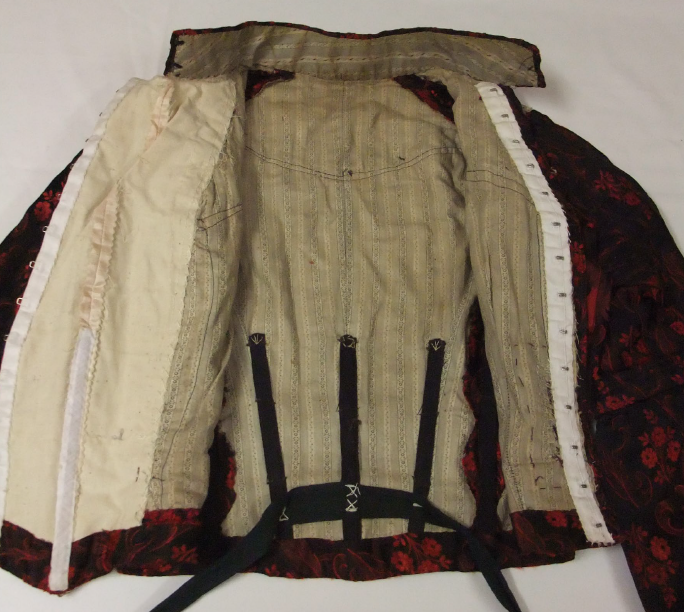
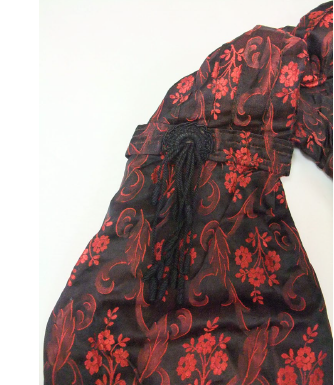
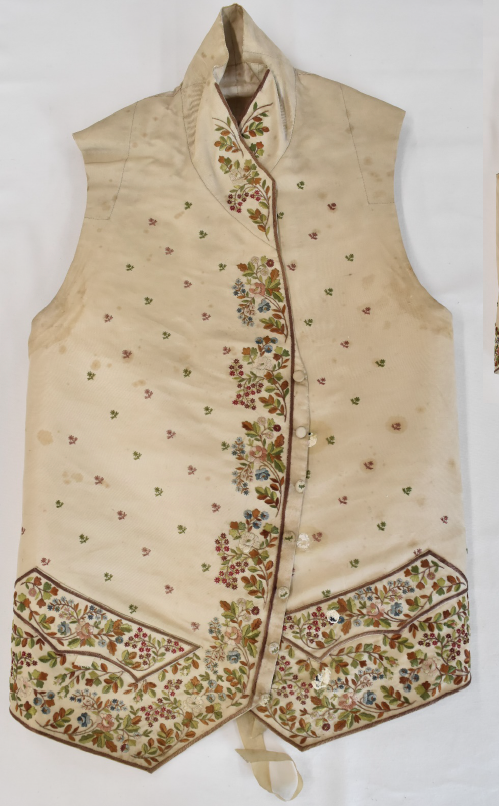
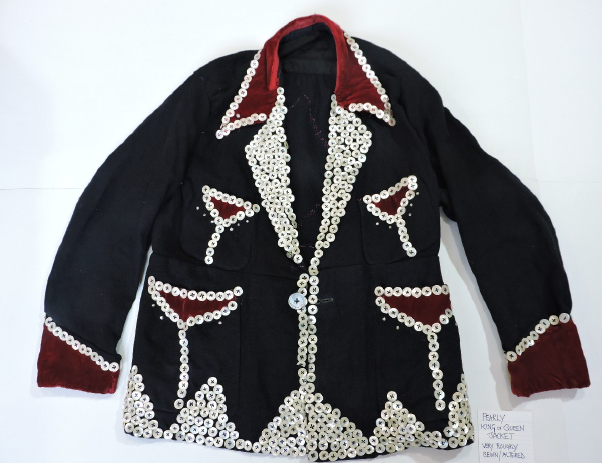
Use our extensive costume collection spanning 400 years to inform your knowledge of historical dress
The Costume Archive holds hundreds of historical extant garments from several significant collection donations to the course. These items are used regularly in teaching and support staff research, which informs teaching practice. Access to historical garments enables students to learn firsthand about cut, construction, specialist techniques and fabrics used in historical dress.