




Photography is built around principles, with these principles being the core of each genre and also the way you capture an image within photography.
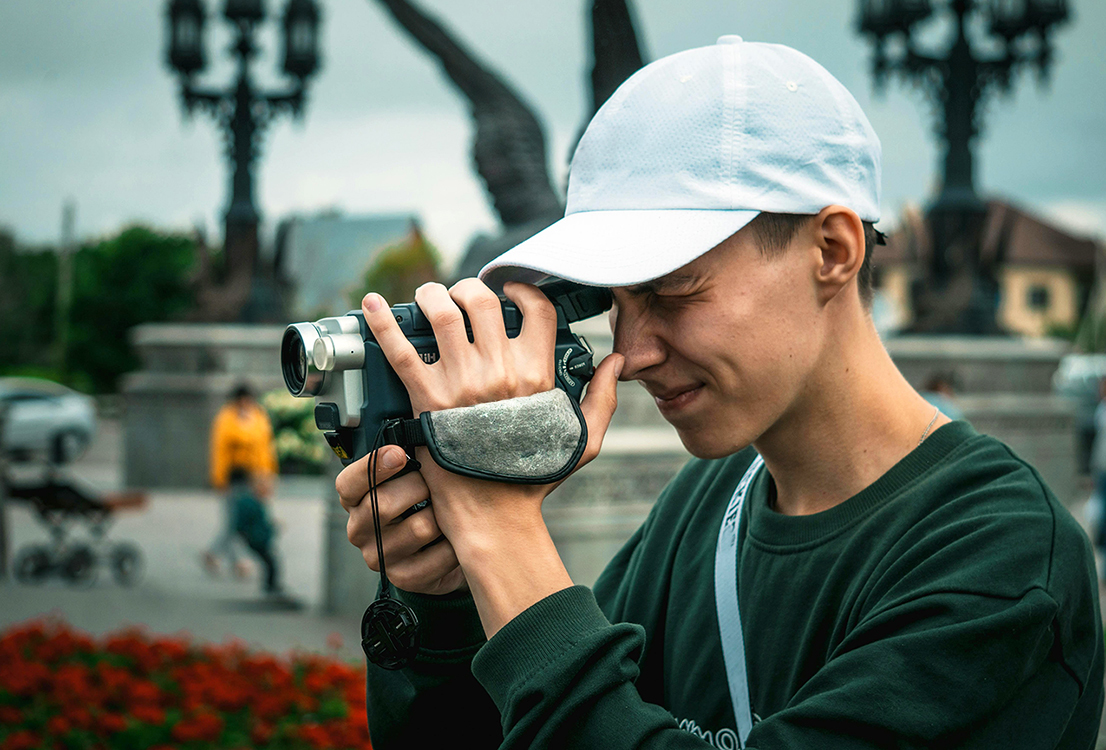
This ethos was instilled throughout my first steps into learning the ways of photography almost seven years ago. Very standard: you either shoot digital or you were edge, and you shot film, all bound by the camera.
Or so I thought; I started to become obsessed and driven by this new way of thinking about photography, something I discovered in my first couple of months of arriving at AUB. The realisation was that I no longer needed to be bound by the camera, but by the limitation of physics. This realisation came to me through three different avenues.
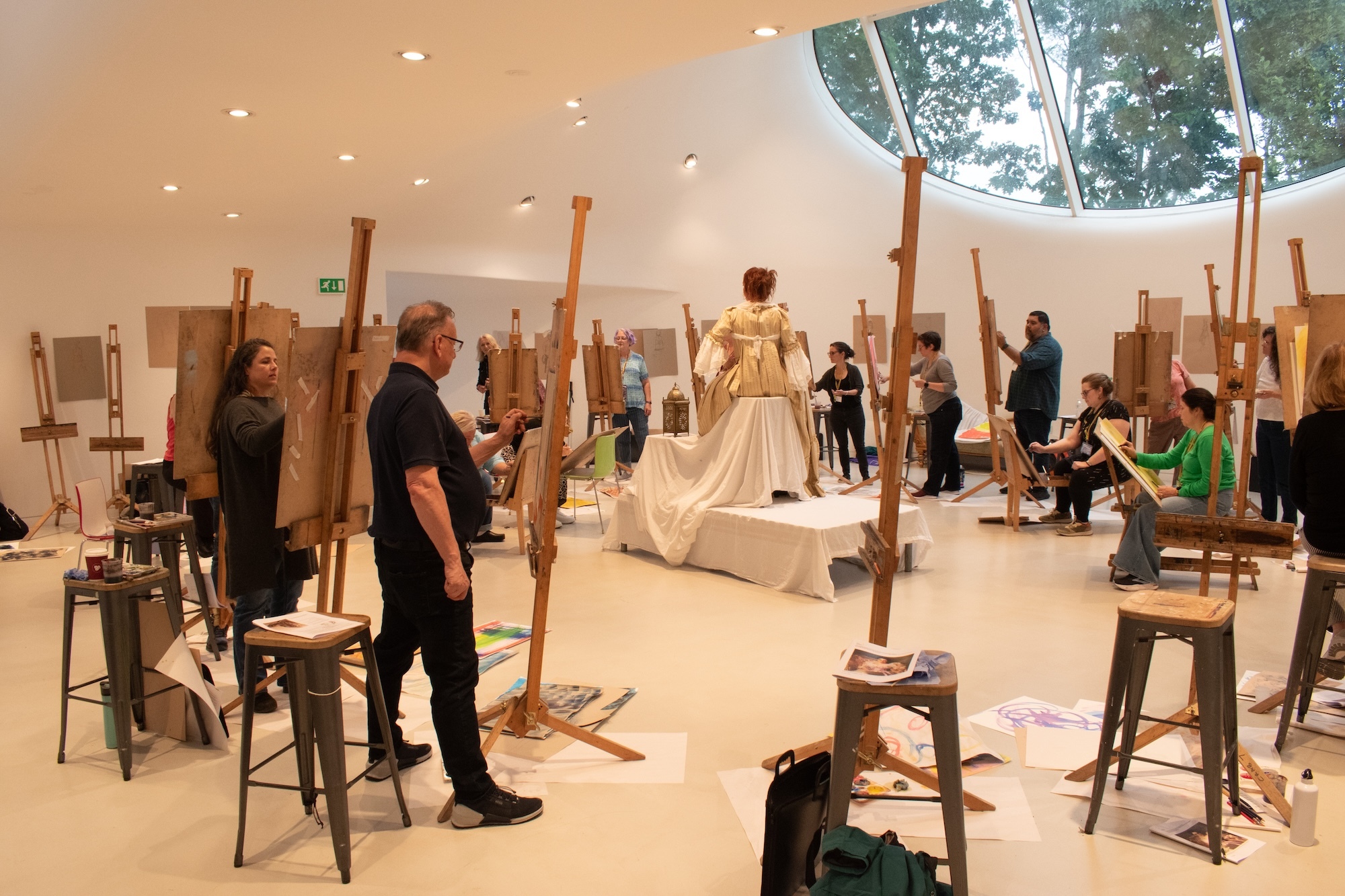
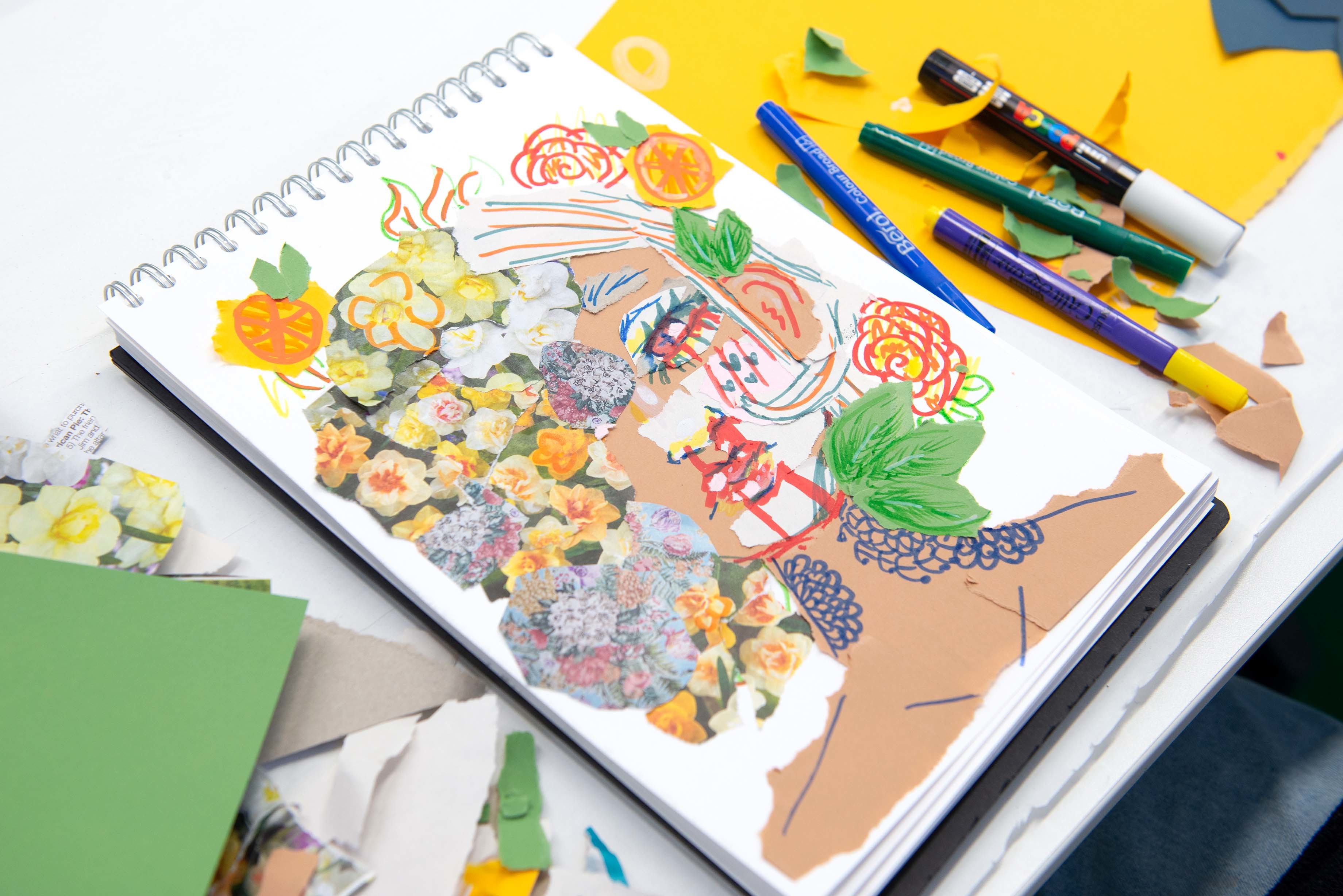
The access to facilities is unparalleled by anything I have ever seen before. Allowing for maximise process driven pieces, which couldn’t be achieved anywhere else. And taking part in workshops that allowed me to see past just the camera, with the introduction of learning the different processes around light-sensitive materiality, from processes such as Cyanotype, Lumin Printing and Photogram.
For the first time, I was physically able to see how photographic practice can move into a realm boundless by the lens and the frame, allowing me to push photographic practice to the max.
However, as much as I had at this point a low-level understanding of these complex photographic practices, it was a shallow victory. I couldn’t abstractly see how I could take these materials to their physical limits, beyond the process I had been shown. This was the case until I came across a work titled Hiroshi Sugimoto: Lightning Fields. At first, it seems like a lightning bolt striking the earth, but then you realise the photo was never captured – the surface of the photosensitive paper was scorched with 400,000 volts of electricity by the Van De Graaf generator, causing the catastrophic migration of current across the paper. Without seeing this artwork, I don’t believe my practice would be in the same place.
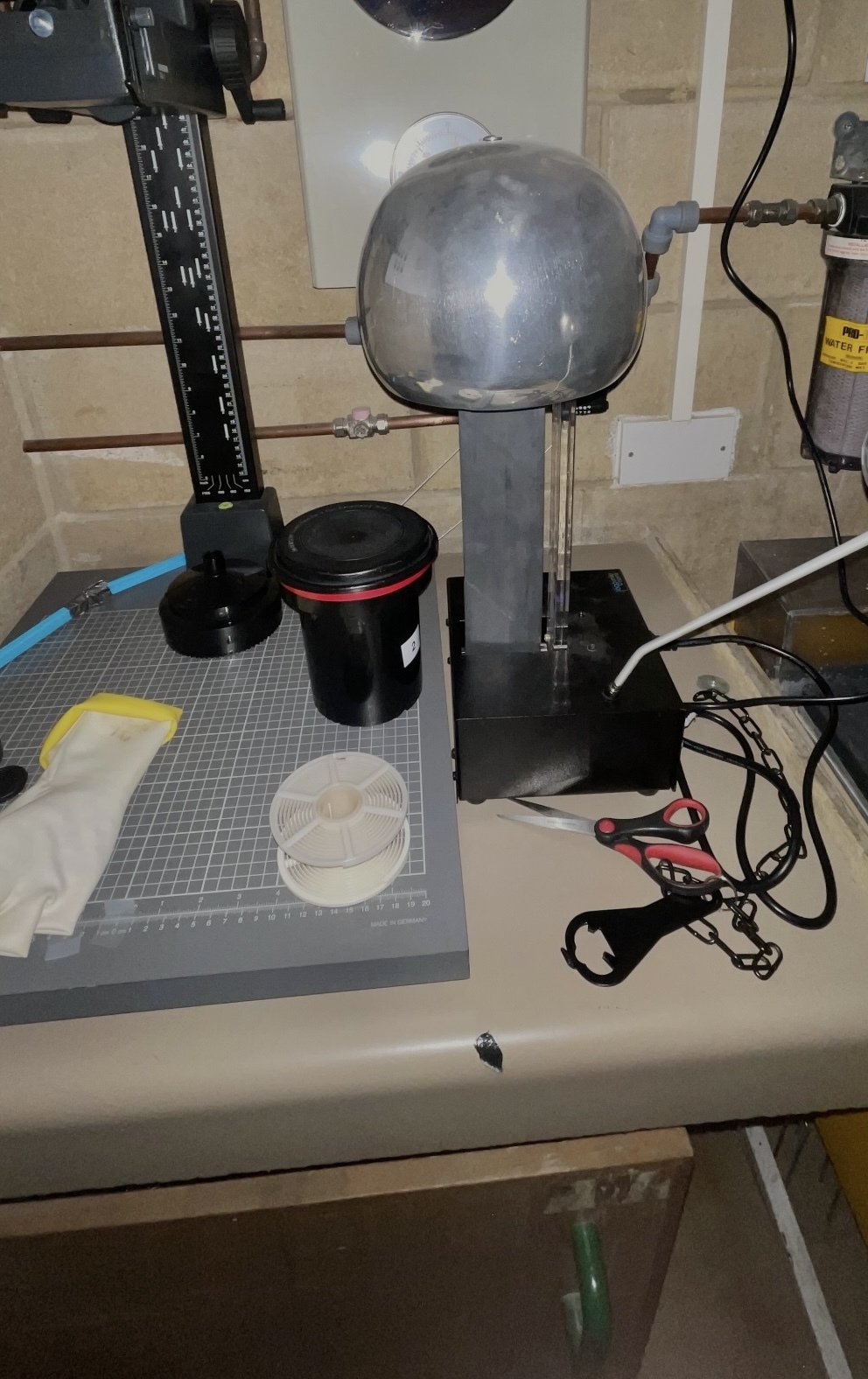
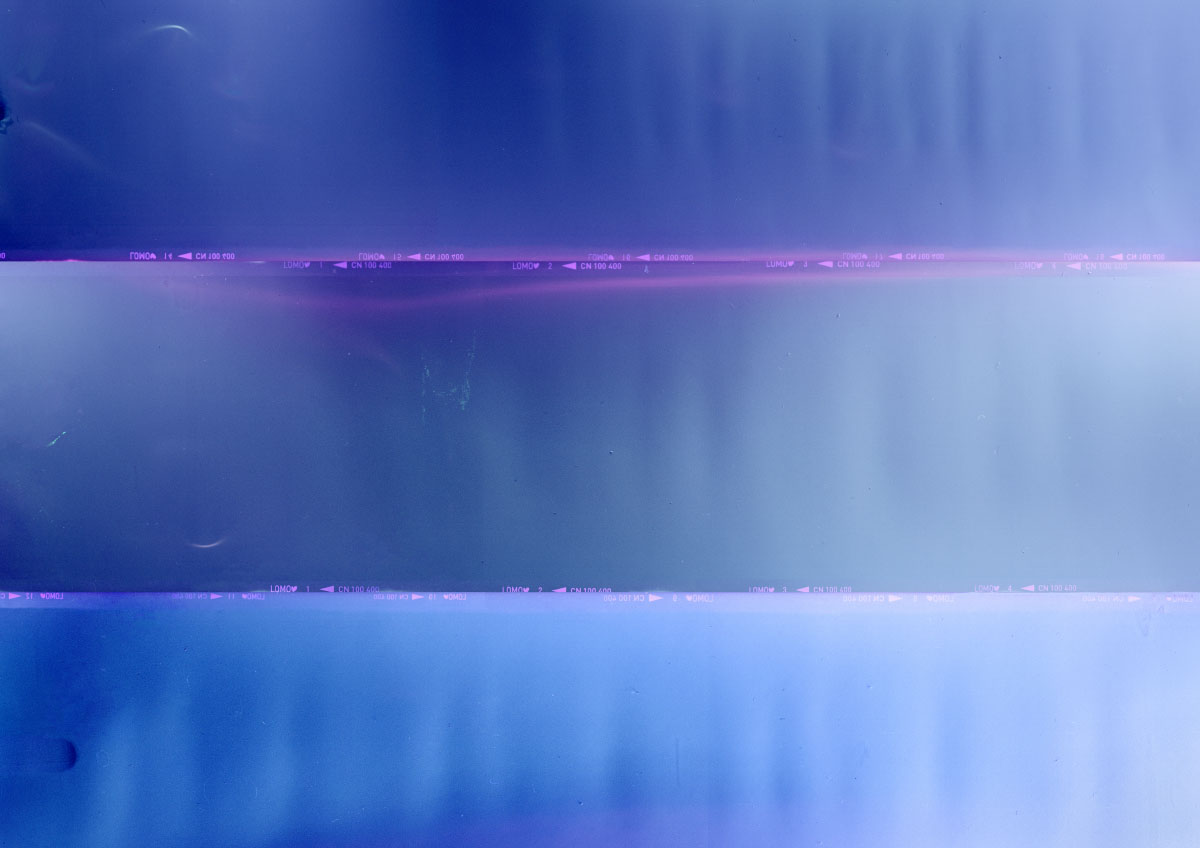
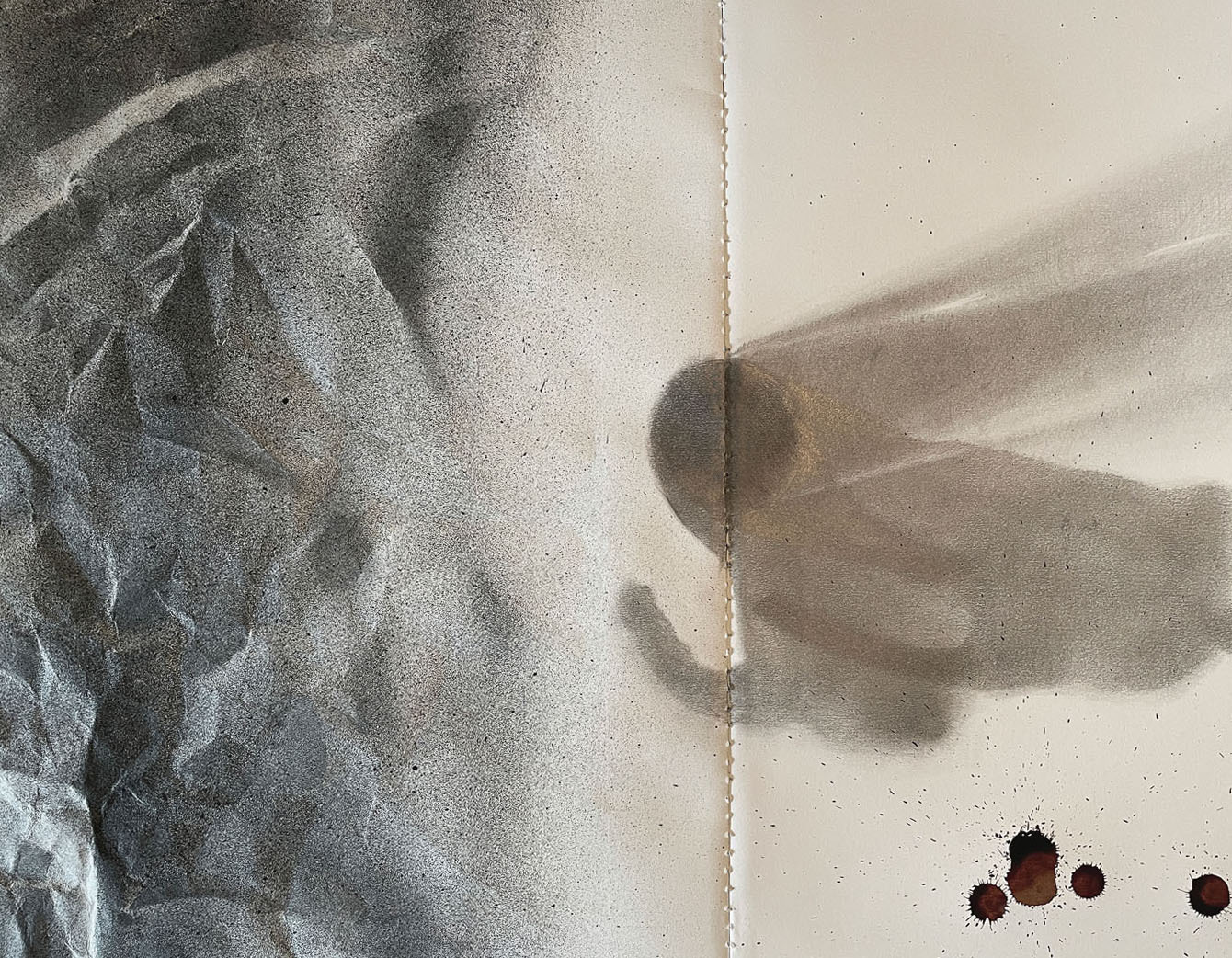
Now I had both process and vision, it unlocked a whole world of different ideas, starting with my first project titled Van De Graaf, where I shocked film using static electricity. First on photosensitive paper, which didn’t produce the exact results I wanted, with my vision being Hiroshi Sugimoto's work. Then I shocked film with an extremely high ISO. Finally, I shocked a 5x4 film with the Van De Graaf. The outcome is nowhere near what I first set out to do, but it made me realise that what defines abstraction is uniqueness.
However, much as this project did highlight the advantages of abstraction, it did reveal a much more concerning reality over whether something like this would make it outside the safety of university, this was fuelled by self-doubt and my peers' work leaning more towards traditional photography. So over the next three terms I experimented in different genres, such as documentary, which I didn’t enjoy as much.
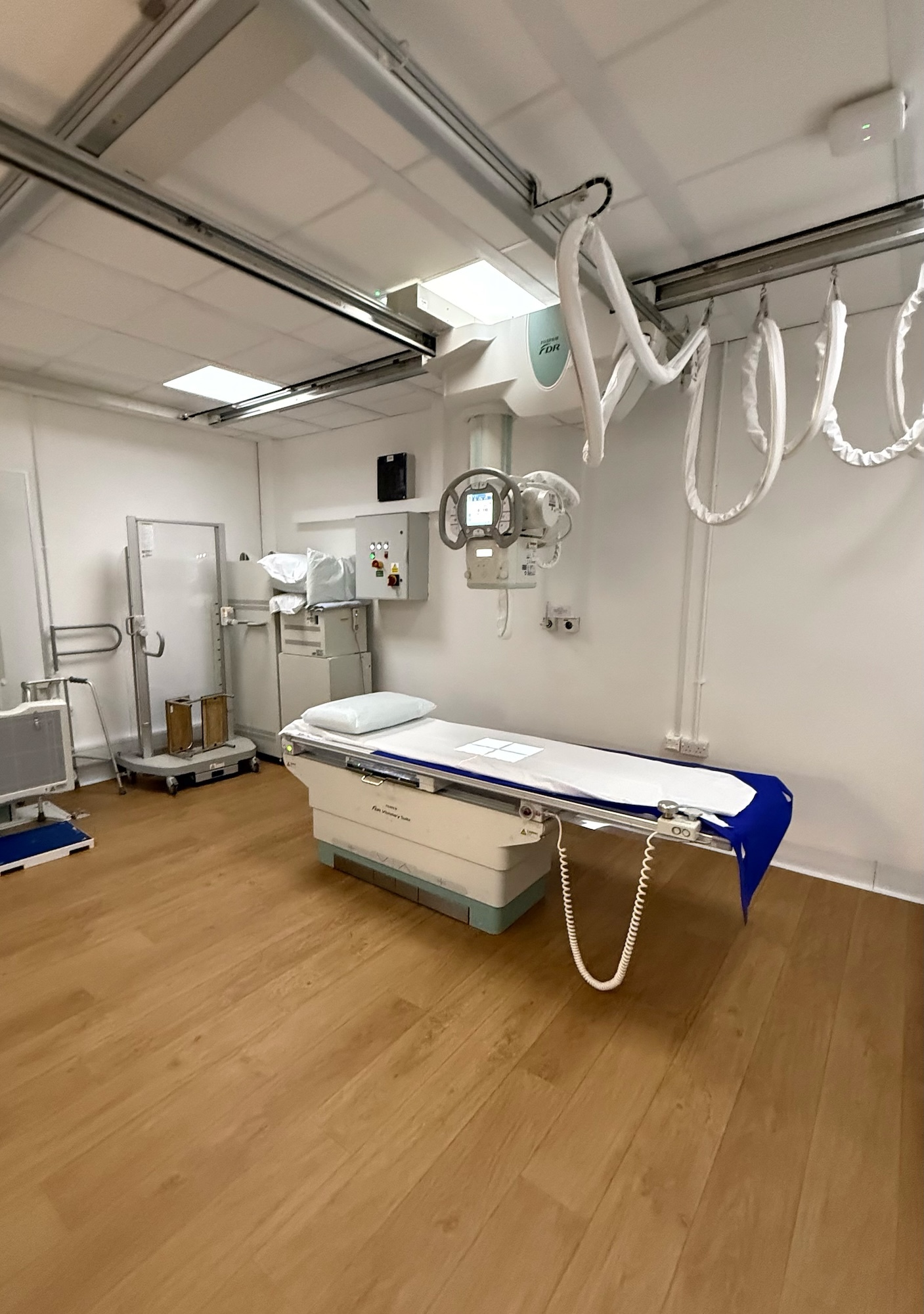
Midway through the second year, I evaluated all the work I had done and realised nothing was as strong, nor did anything come close to the passion I had for the Van De Graaf project, with me wanting to push past the levels of the Van De Graaf project, but I didn’t know how. I remember it was one evening when I posed the question of what would happen if you sent a negative of film into space. A question so wild I felt in the moment it wasn’t possible, but I couldn’t stop thinking about it. So I spent the next couple of months testing under first dental X-rays and then hospital X-rays. From this research, I could deduce which film I wanted to send to space, based on how well it handled radiation.
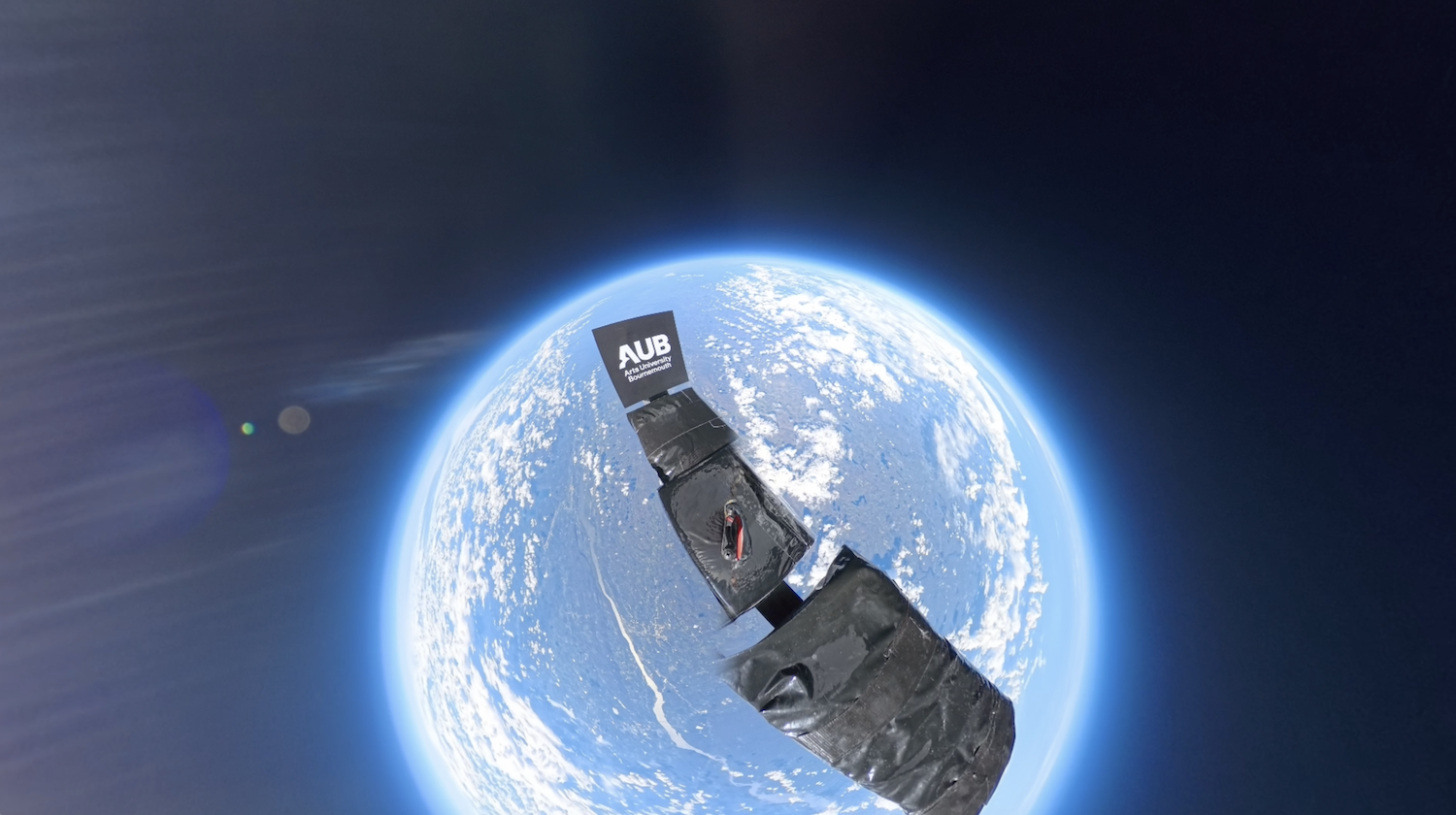
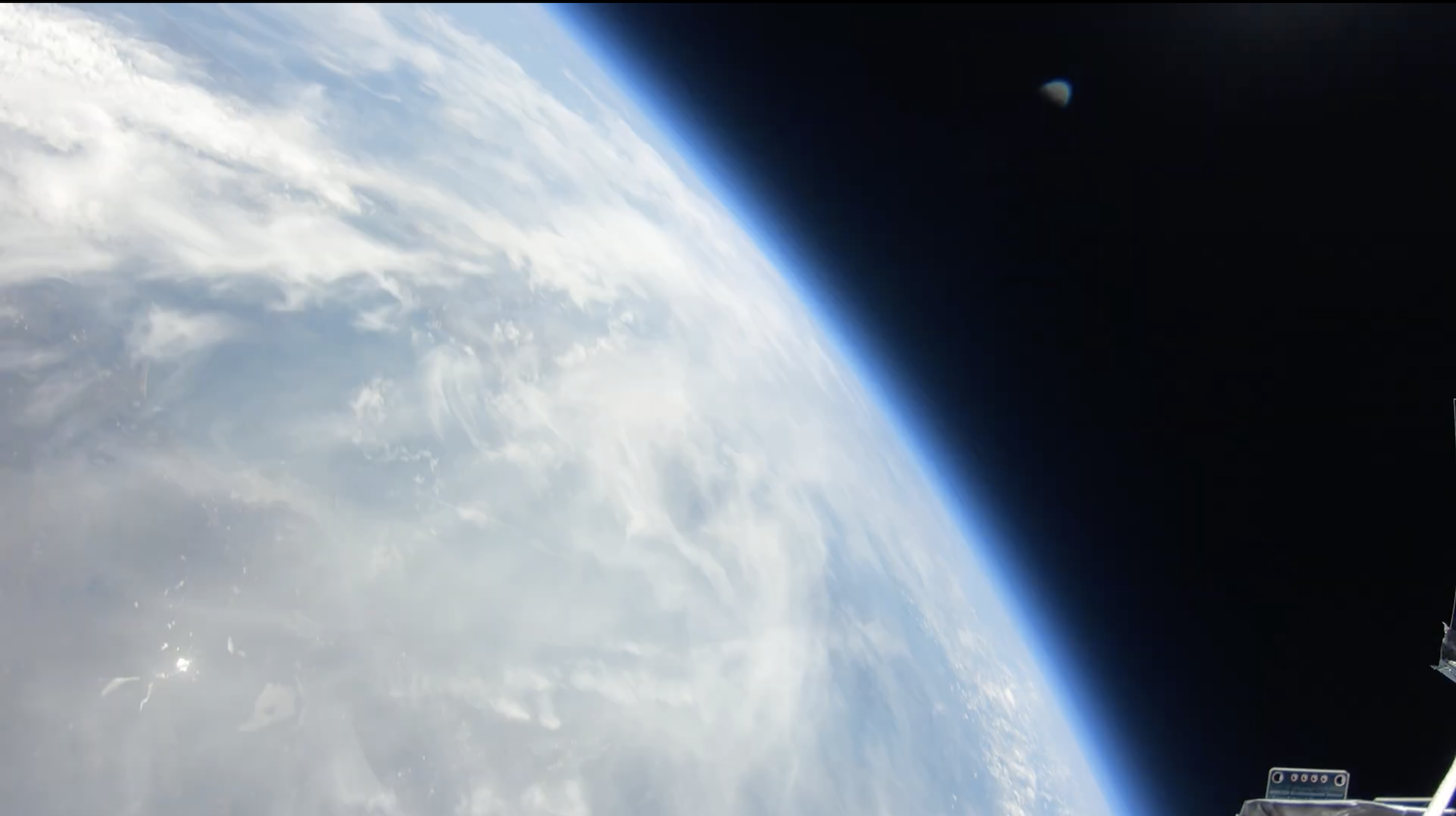
On 2 May 2025, after months of planning, a negative of film went 121,000 feet into the Earth's atmosphere, three times the height of what commercial airlines fly at. This was the first time in history, I believe, that a process like this has been achieved, with the image containing an amalgamation of highly charged particles, muons, and byproducts of black holes millions of light years away.
This process is one I hope to push further in the future. Right now, it's majorly informing my newest endeavour of creating a new photographic process and testing it in the deep ocean. I find it unbelievably fascinating to challenge the norms of photography – it leads to mass experimentation and randomness, and through this and AUB's facilities, I believe I am expanding the parameters of what can be defined as a photograph.
Want to see more of Tom's work?
Follow him on Instagram – @tomliggett_