





















A third-year BA (Hons) Photography student from Arts University Bournemouth (AUB) has achieved a world first by producing photographic images using cosmic radiation rather than light.
Tom Liggett’s groundbreaking project HELIOS involved sending analogue film negatives into the stratosphere via weather balloons to capture the invisible energy of the universe.
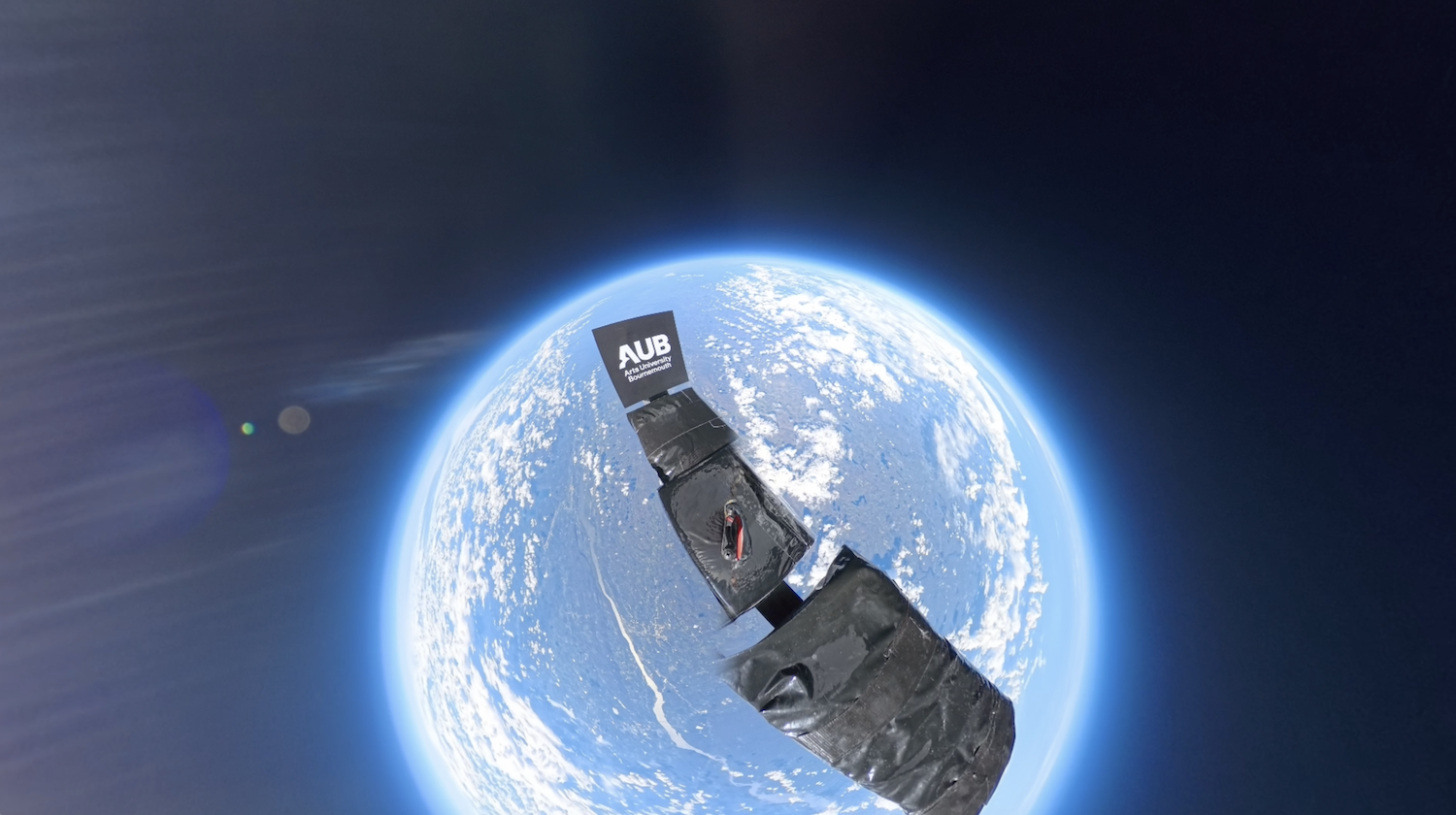
Partnering with US-based specialists, Filmed In Space, Tom launched a series of weather balloons reaching altitudes of over 121,000 feet – far above the protected layers of the Earth's atmosphere and three times higher than commercial aircraft.
To ensure the purity of the experiment, the negatives remained sealed in a ‘dark bag’, a lightproof container used in analogue practice. This ensured that any marks appearing on the developed film were the direct result of UV-C rays, muons, and high-energy particles physically striking the emulsion.
The project represents a significant leap in abstract photography, moving beyond traditional exposure methods to use the literal fabric of space as a medium.
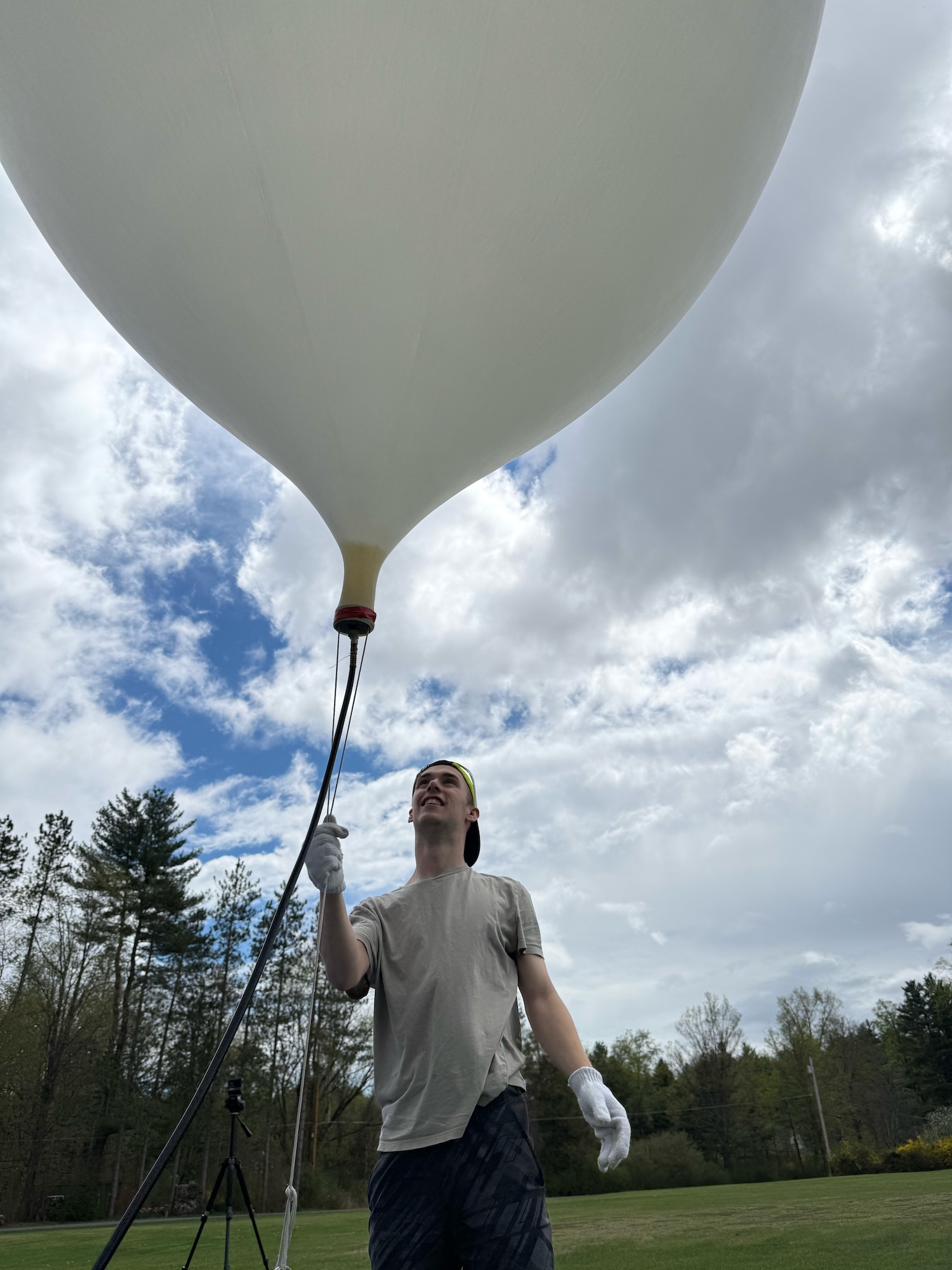
For his most recent launch on 16 April, Tom travelled to New York state to manage the mission in person. He worked closely with technicians to design a custom rig capable of carrying the film and tracking its descent. After the balloon burst at the edge of space, Tom successfully retrieved the rig over 50 miles away in the neighbouring state of Connecticut.
“Managing a launch in person was a massive logistical challenge, but it was essential for the project's evolution," he explains. "Building a custom rig that could withstand the ascent to the edge of space and then successfully tracking it across state lines into Connecticut was an incredible experience. Seeing the rig burst at 100,000 feet and then successfully retrieving the film 50 miles away made the entire journey worth it.”
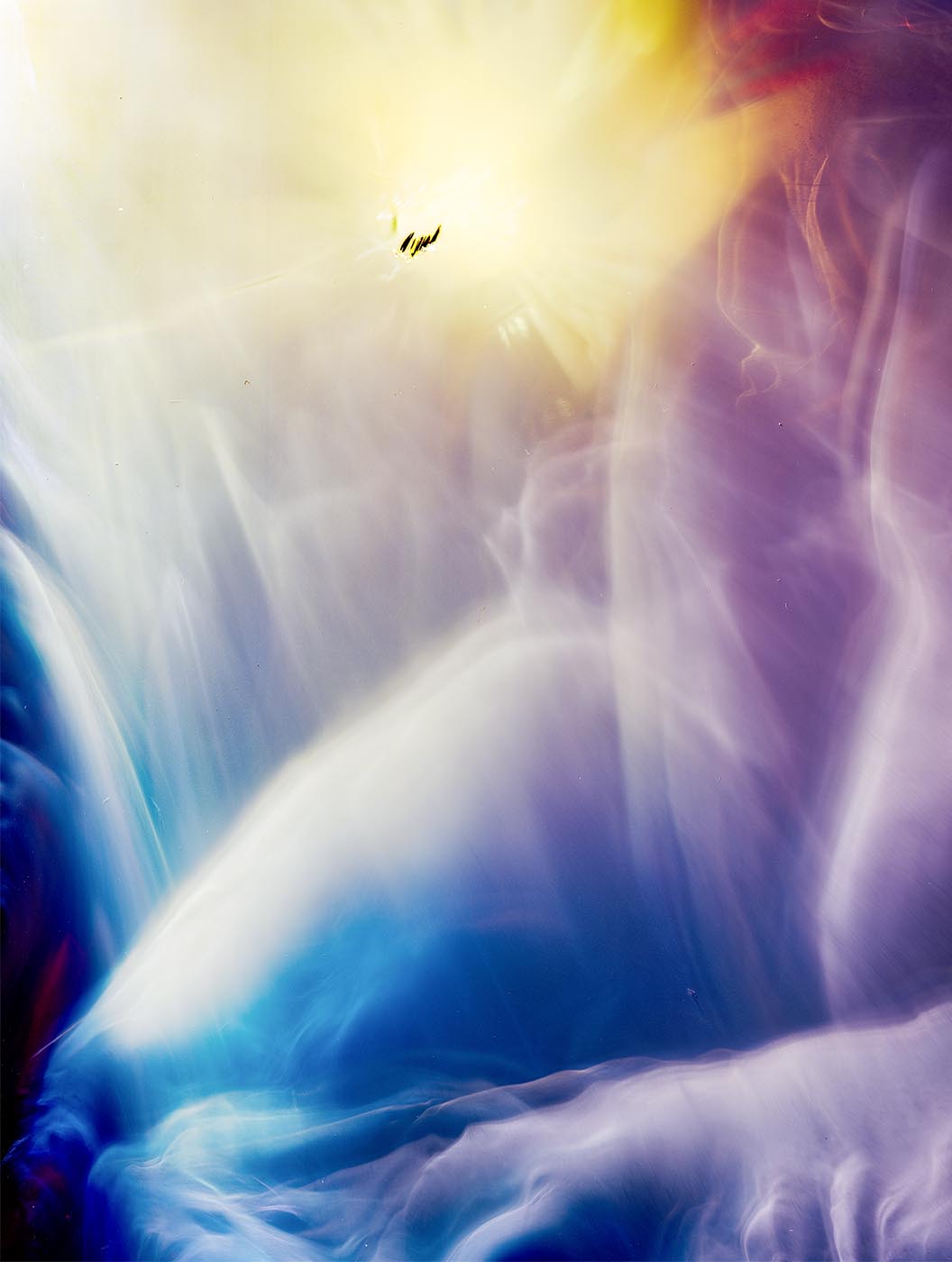

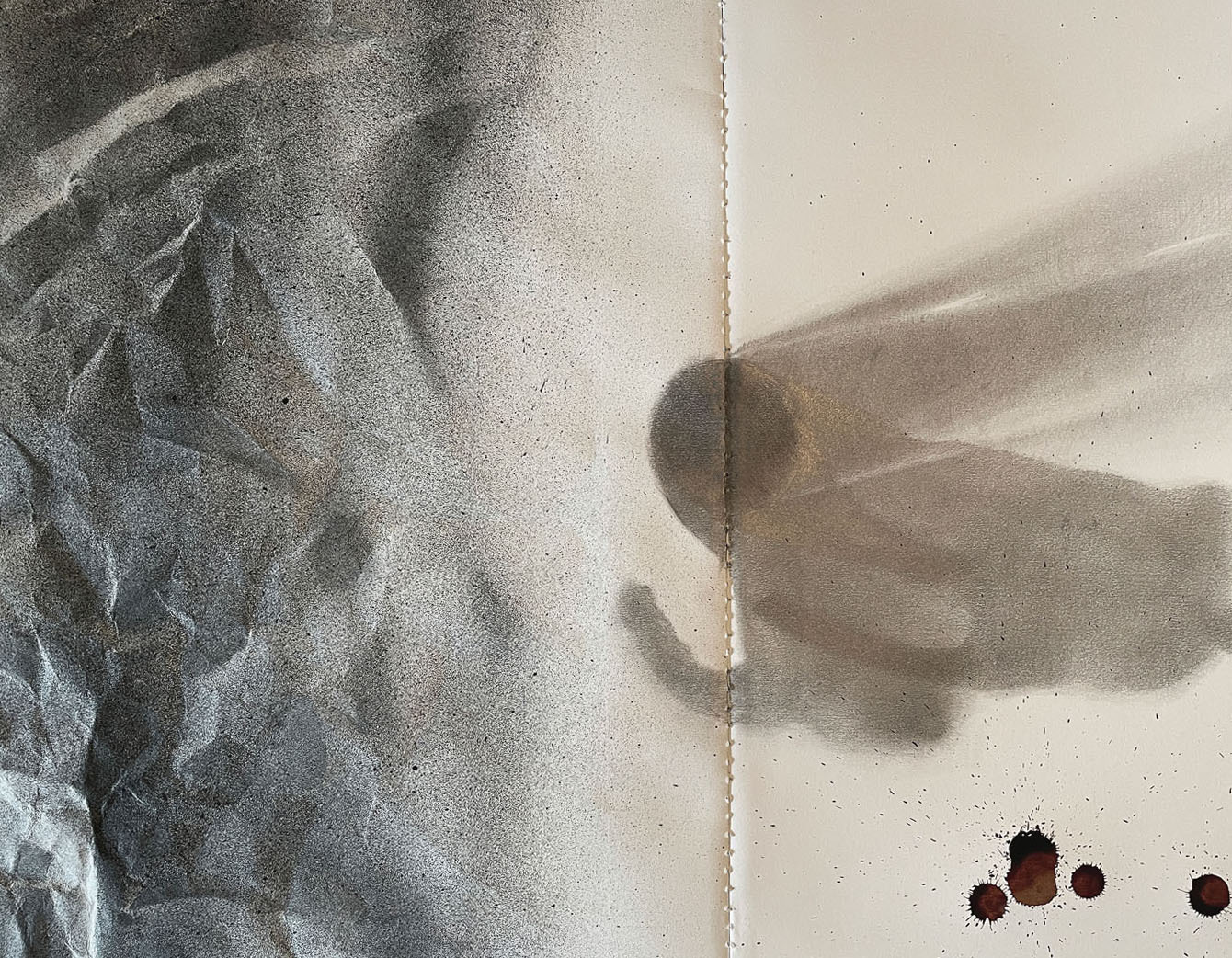
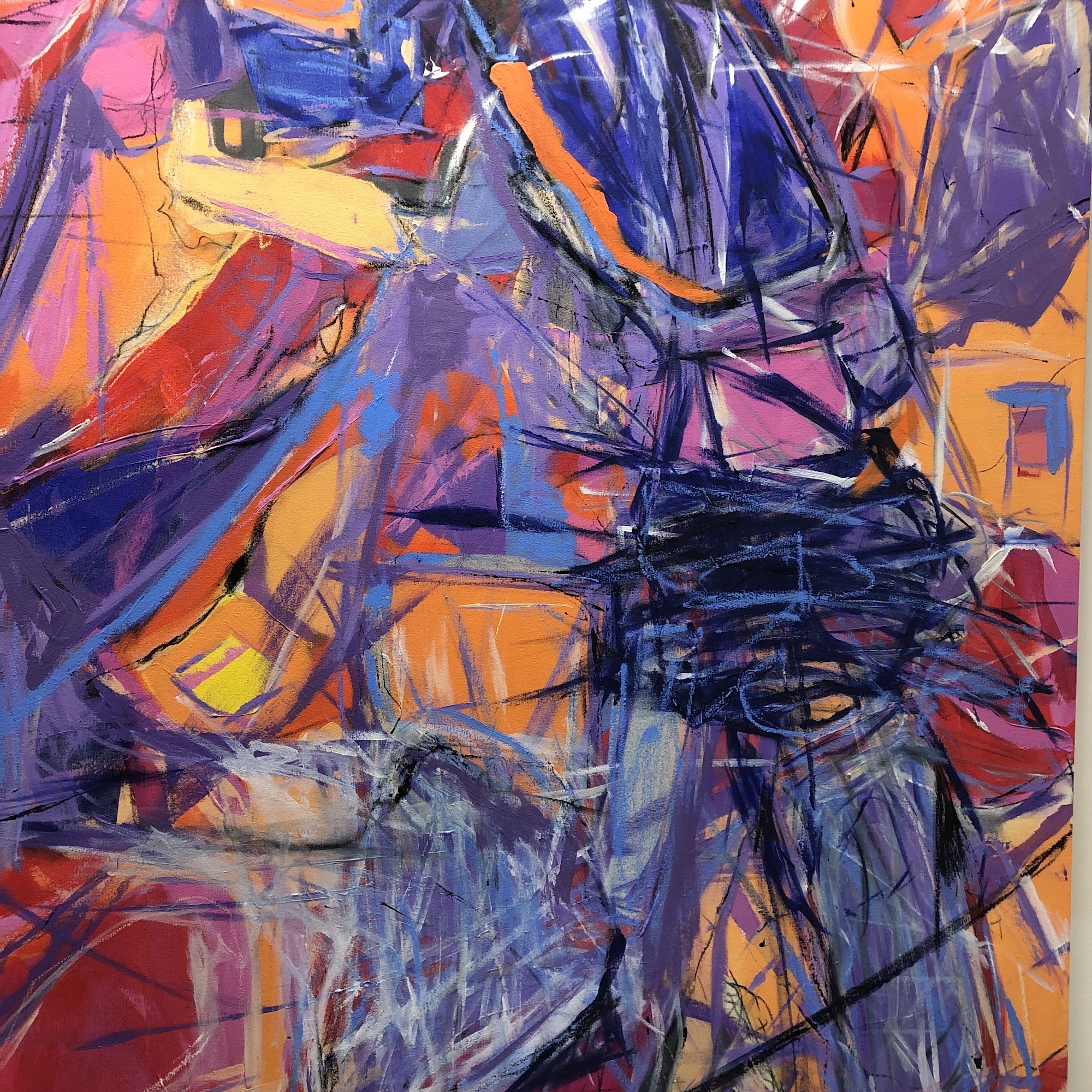
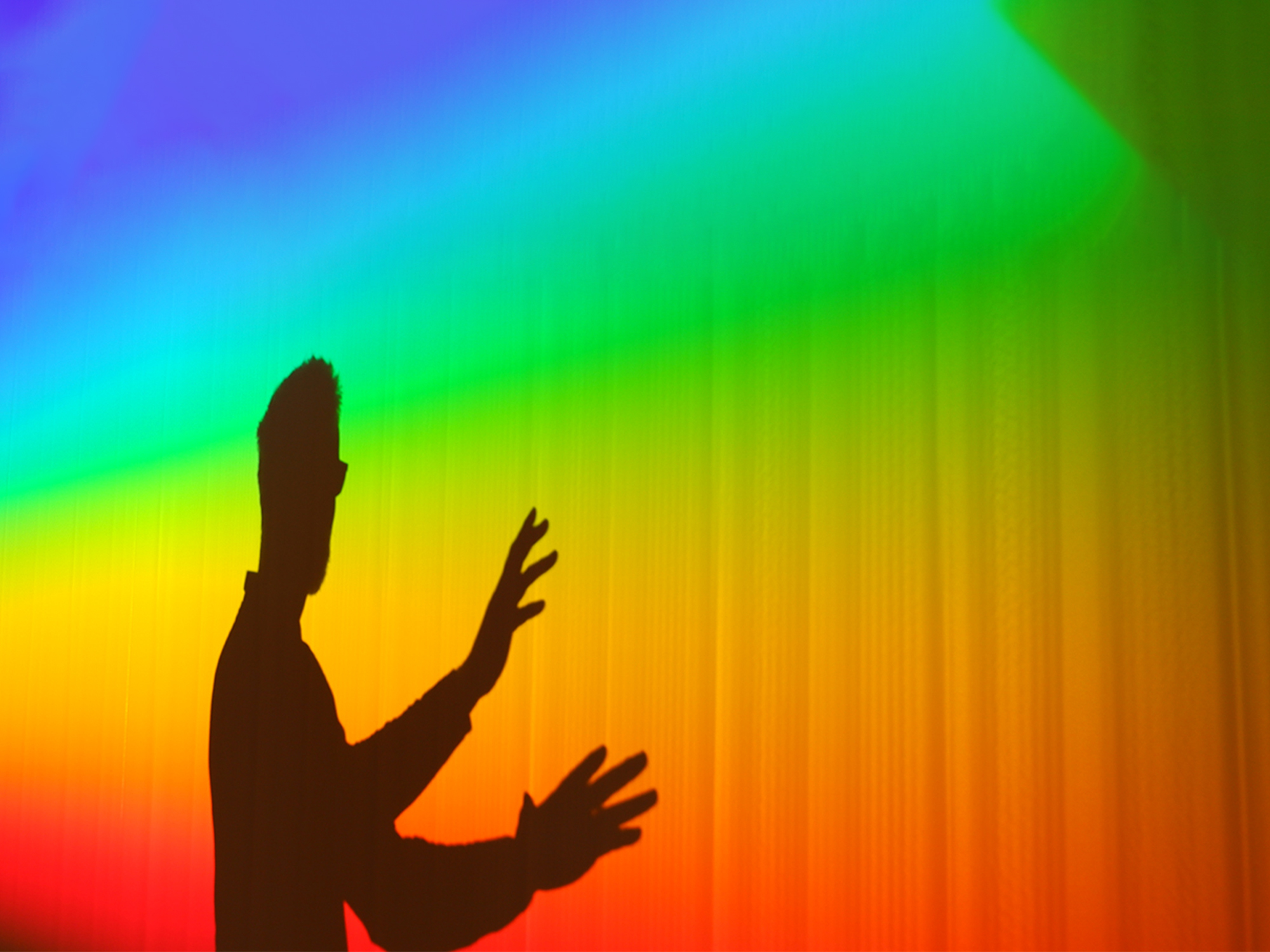
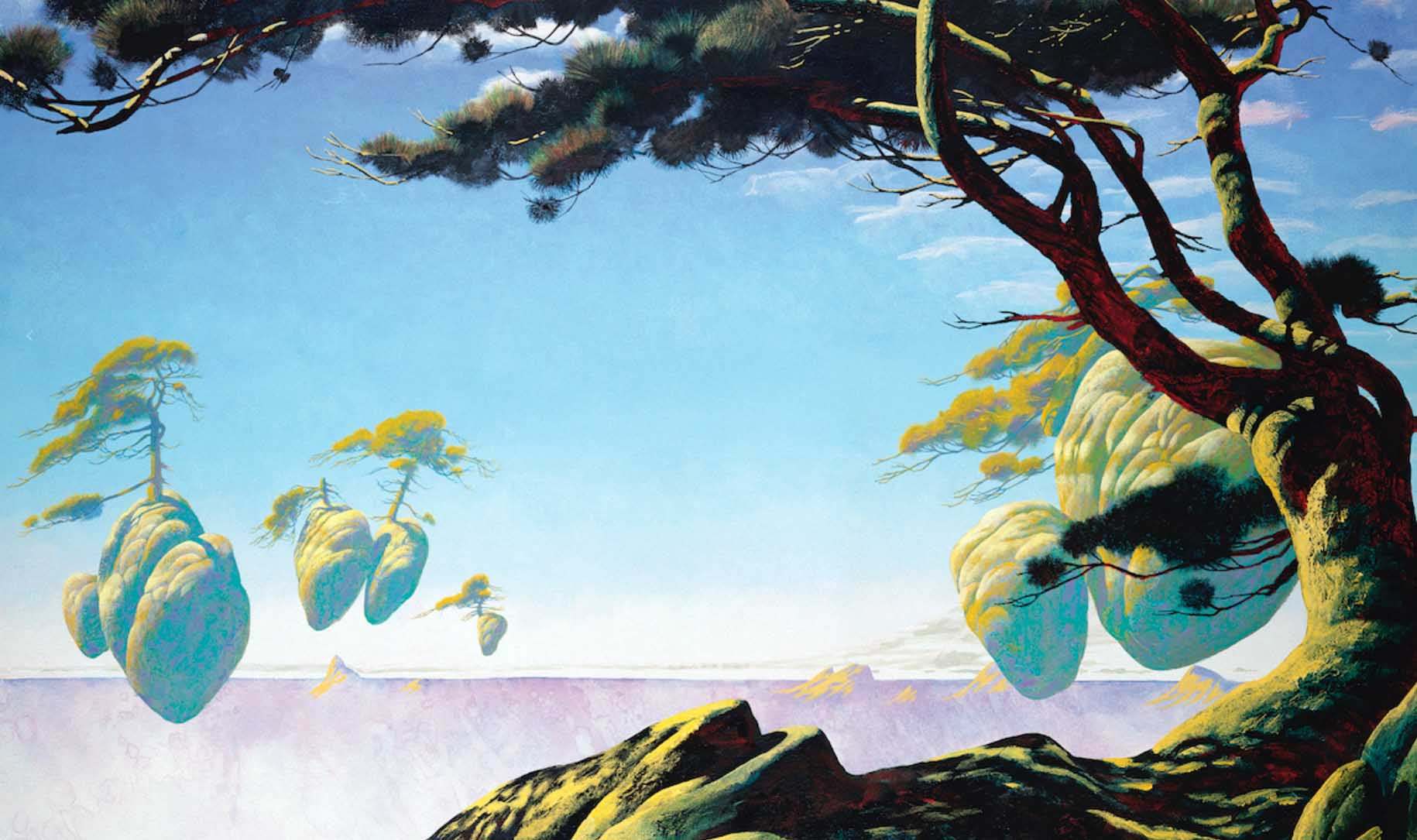
The resulting images from the HELIOS project depict space in a way never seen before. They offer a haunting, abstract look at the extreme invisible forces that surround our planet, blurring the lines between fine art and nuclear physics.
“Going into this, all I wanted was a speck of dust or something,” Tom says. “Even if it was a completely blank image with a tiny alteration in the film, I would have been happy. But to get these crazy abstract results, which are from black holes and sun radiation […] I was very shocked, but really happy. I’m really proud as well. I’ve done something that is like a dream and turned it into a reality.”
This all began as part of a module on the BA (Hons) Photography course, in which Tom had to take inspiration from past projects.
“I shocked film with electricity in my first year, first term, to see what that would do to the film emulsion. That was a successful project, so I thought ‘let’s see how else I can trace something.’
“I spent a whole term X-raying film emulsion with hospital X-rays to test what type of film would be best to go up to space, and from those tests, determined that colour worked the best."