






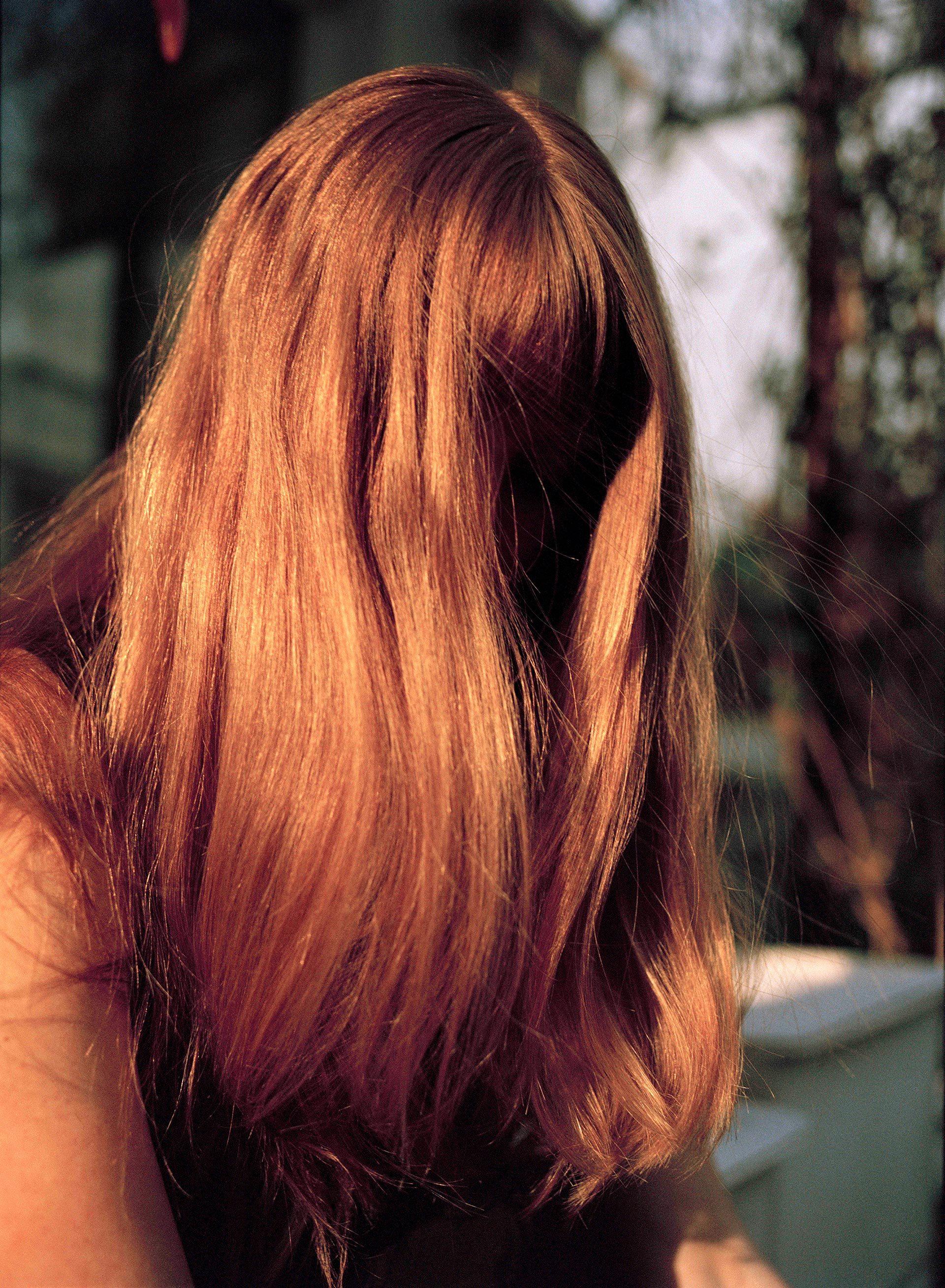
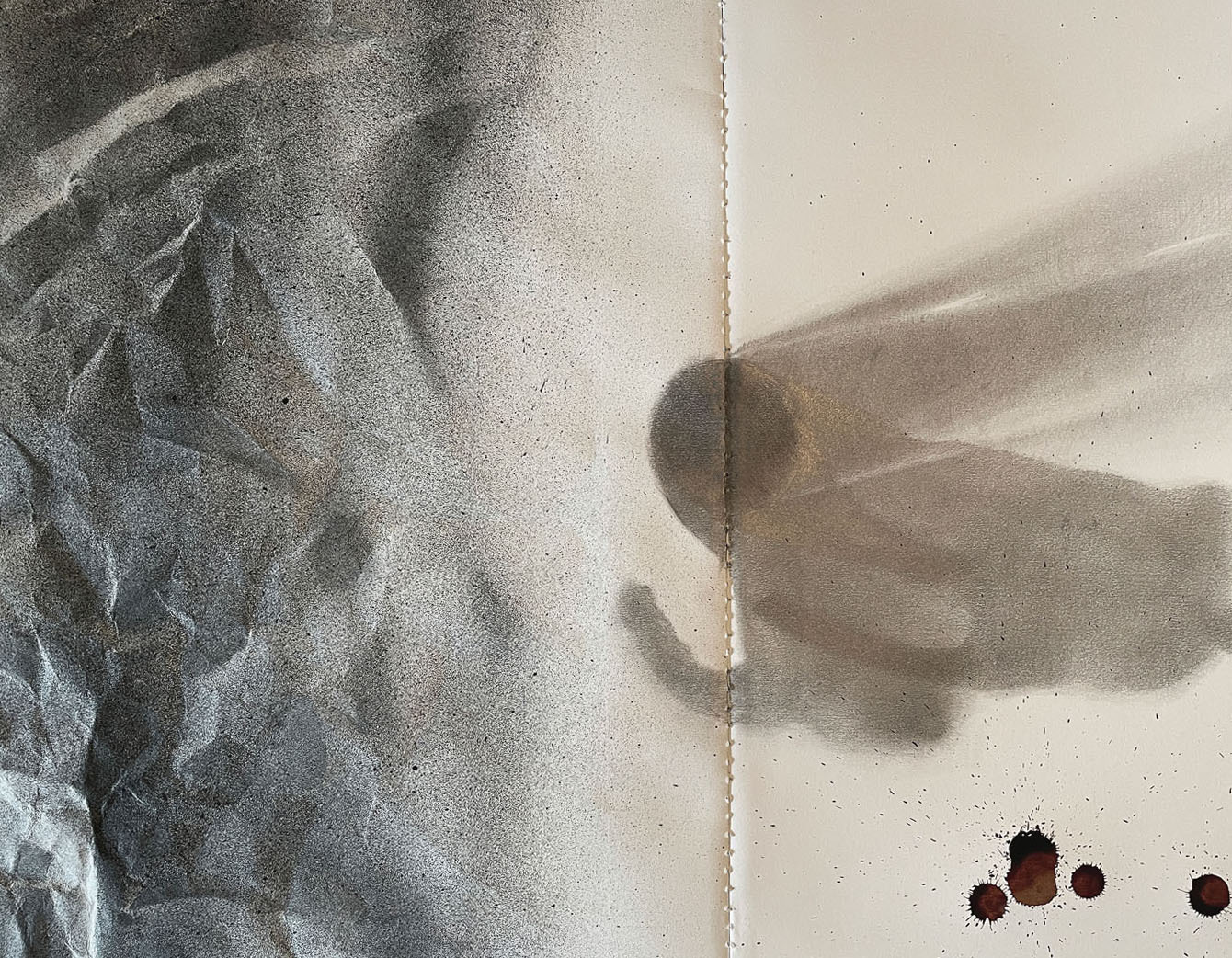

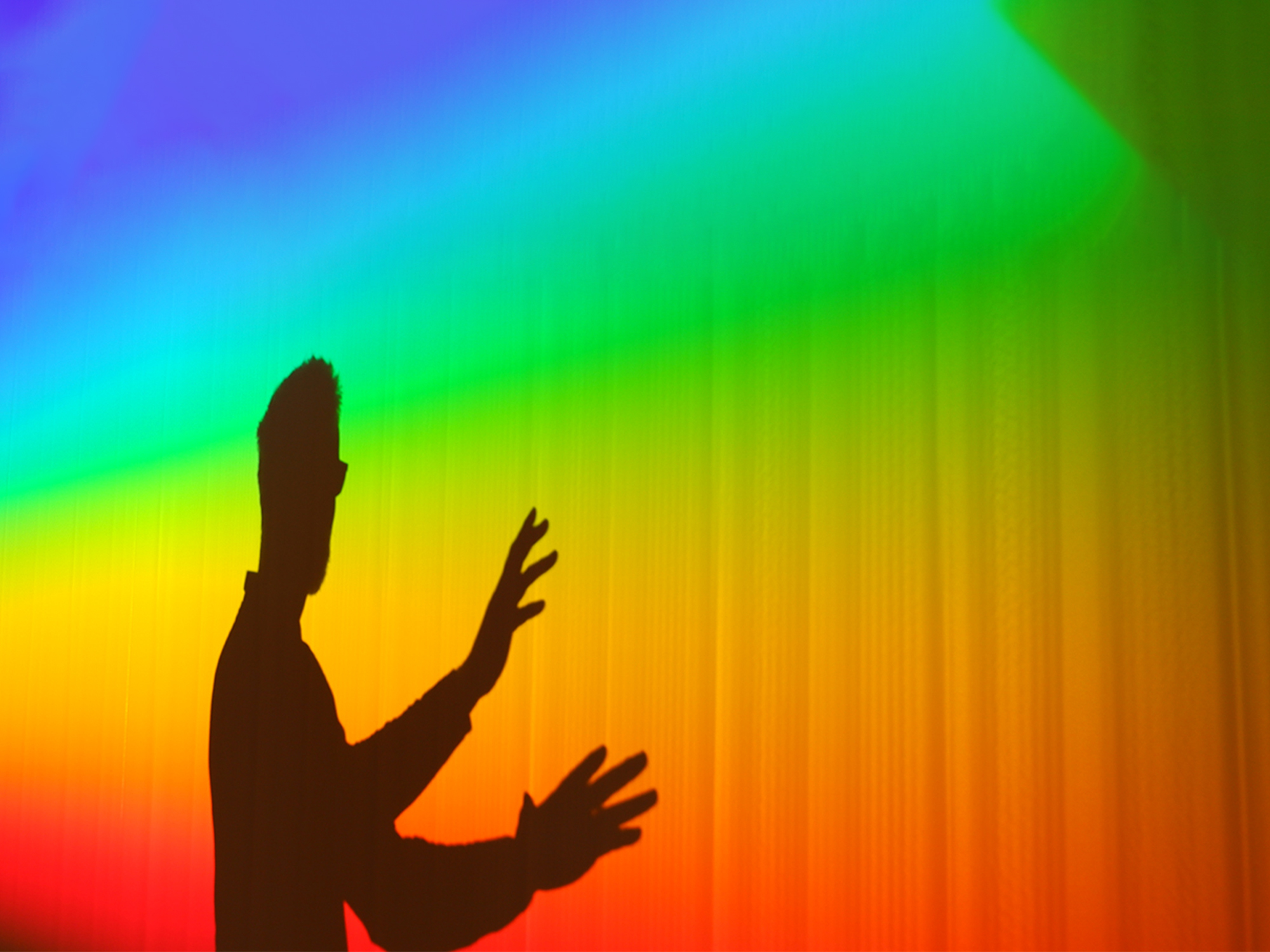



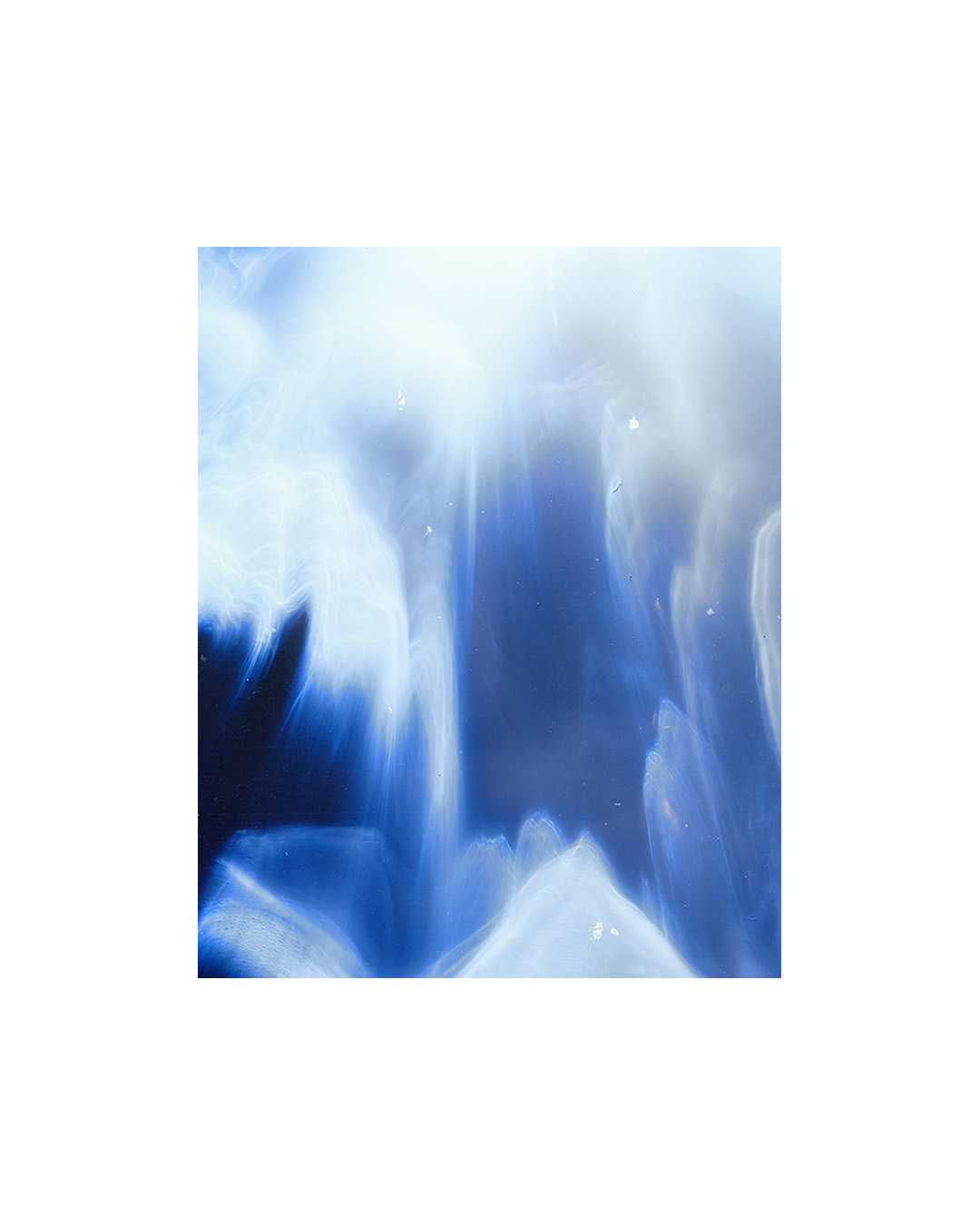
BA (Hons) Photography student Tom Liggett has sent unexposed sheets of colour film beyond Earth’s protective atmosphere.
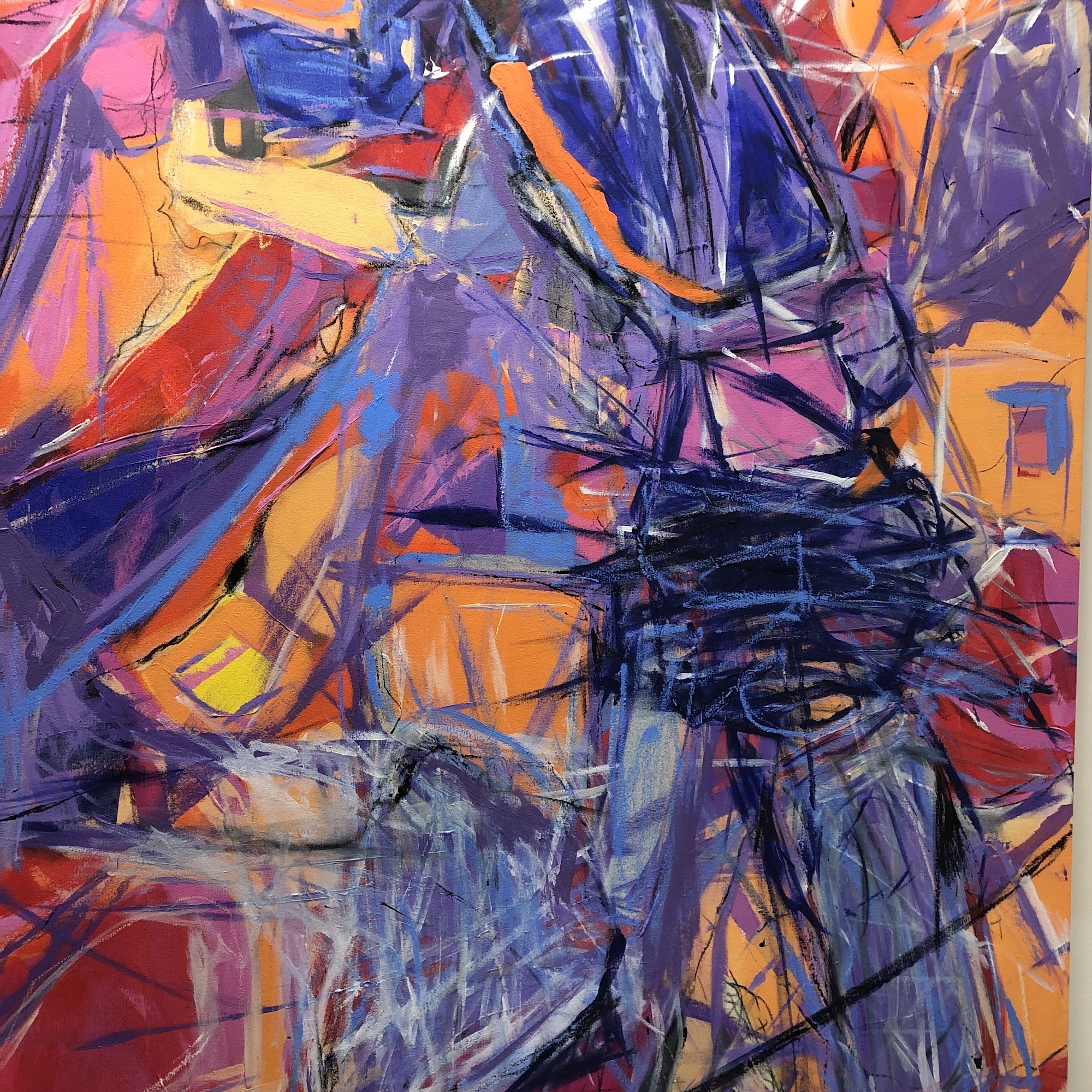
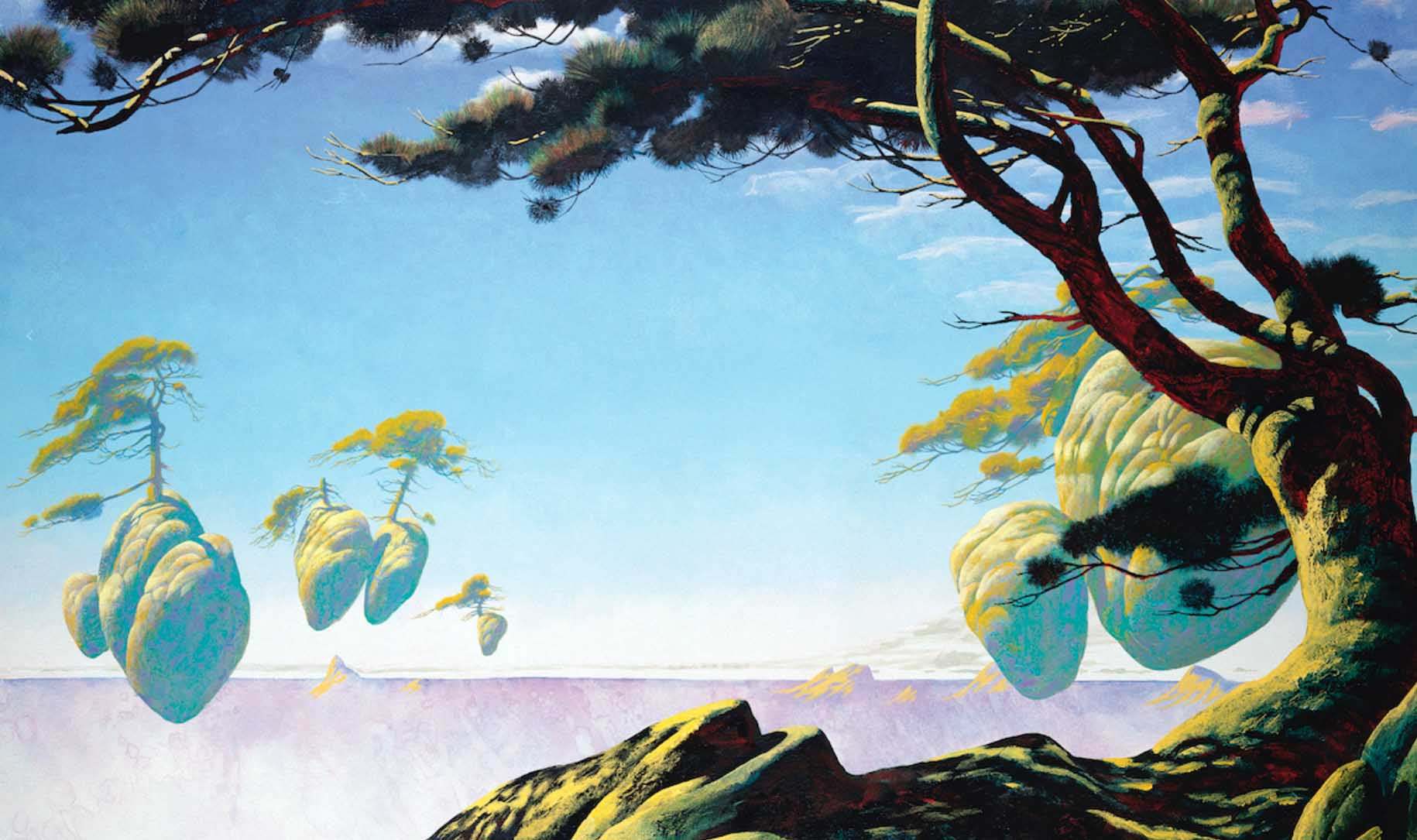
There, UV-C light, cosmic rays, and high-energy particles passed directly through the emulsion, producing vivid, celestial abstractions – expanding the tradition of cameraless photography into the realm of space, in what is believed to be the first project of its kind.
In his first year at AUB, Tom experimented with a Van de Graaff generator, applying high-voltage electrical charges directly to film emulsion.
In his second year, he moved into clinical settings – first collaborating with a dentist, then conducting controlled tests at a local hospital. By exposing sheets of film to medical X-rays, he was able to identify a colour film stock with the right balance of grain, UV sensitivity, and reciprocity latitude to take the project further.
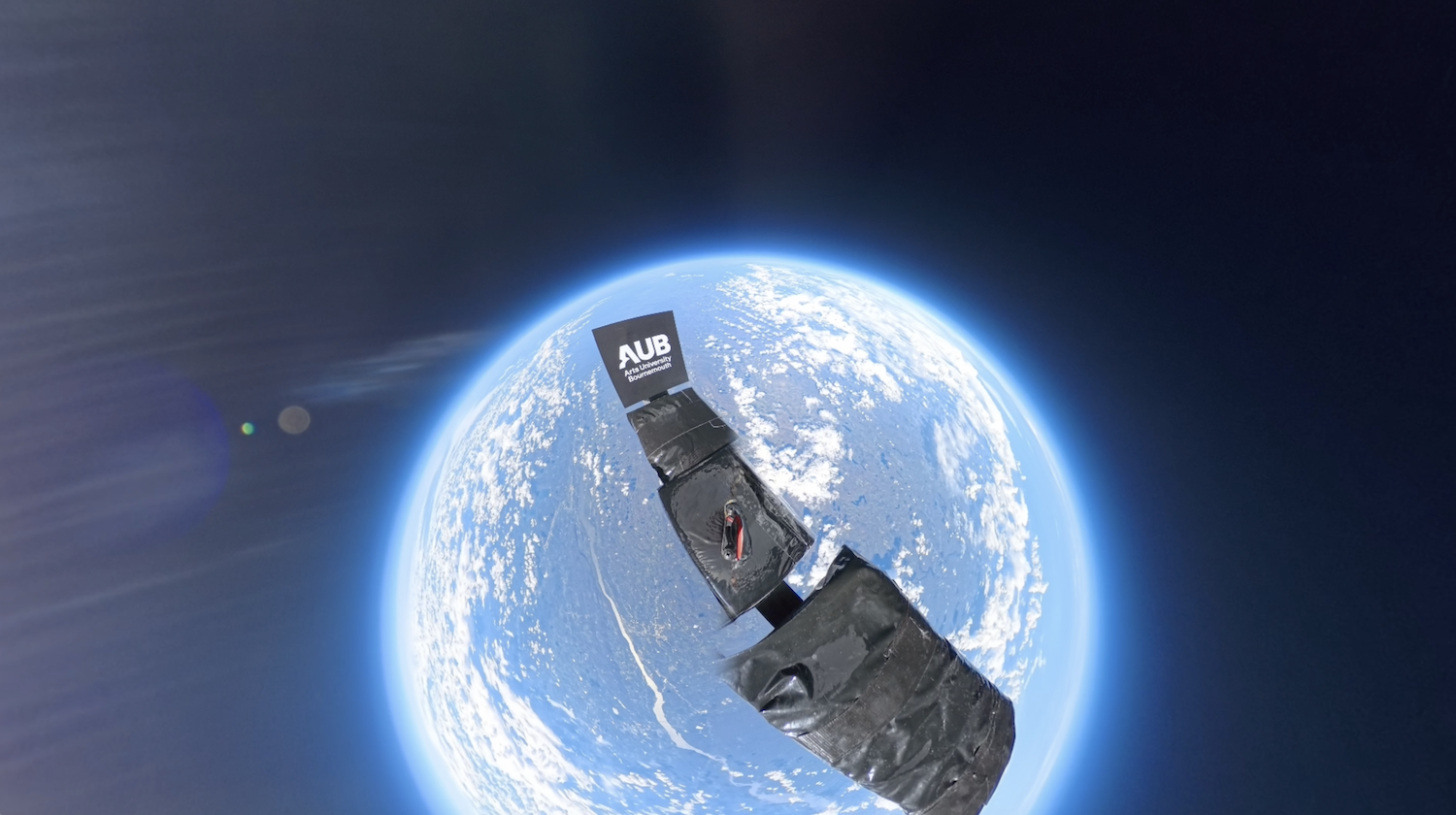
Collaborating with a specialist high-altitude launch team, Tom sent sealed sheets of film into near-space, reaching 121,000 feet. Above the atmosphere’s natural shielding, the emulsion was directly exposed to cosmic radiation and ultraviolet light.
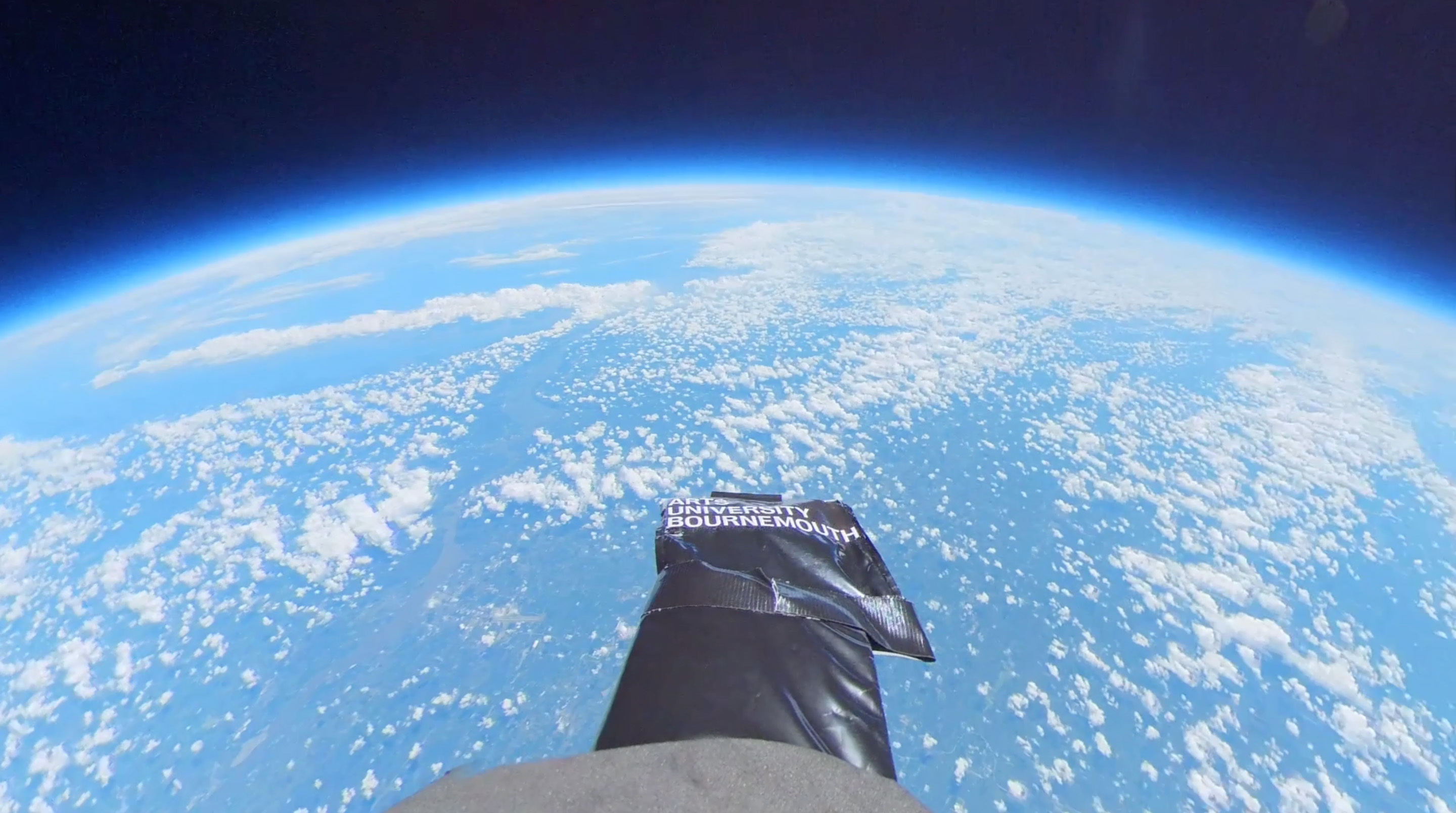
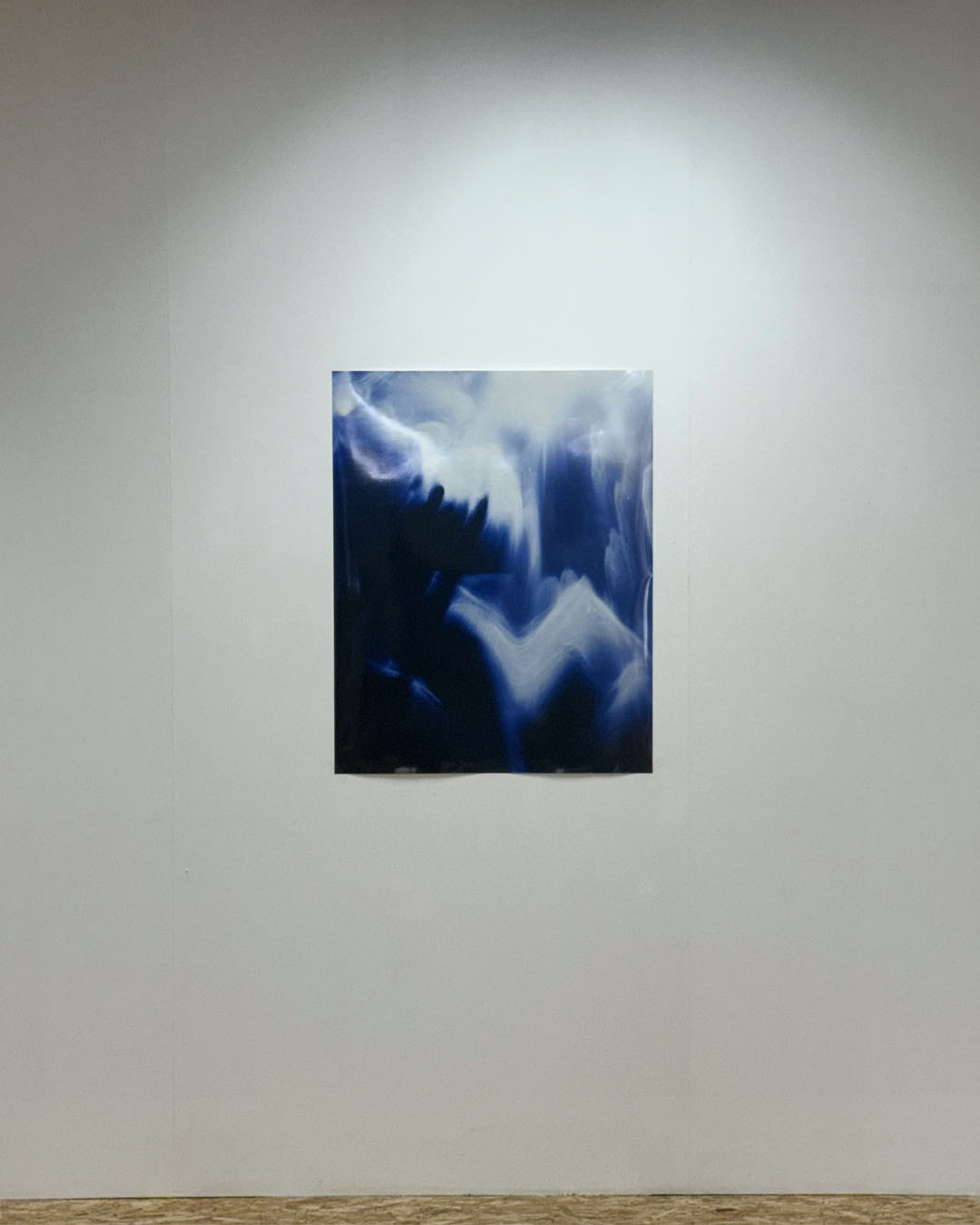
While film has been used in space before – from the Apollo missions to NASA’s radiation tests – those projects either relied on cameras to capture optical images or treated radiation marks as unwanted artefacts. Tom’s approach differs: the direct interaction of radiation with the film is the image.
Back on Earth, the negatives were processed in AUB’s colour darkroom, where Tom used traditional wet chemical techniques to create a large-format colour C-type print. This journey – from cosmic exposure to hand-crafted print – has resulted in a body of work that shifts between abstraction and representation.
“I was prepared for the possibility of seeing nothing at all,” says Tom. “Even a speck of alteration would have been a success. But instead, I got these astonishing results – direct traces of cosmic forces made visible. It feels like a dream turned into reality.”
Looking ahead, Tom plans to scale up with larger sheet formats, send film deeper into space, and explore collaborations with leading names in photography.
“The dream would be to work with Kodak or Ilford to help me send even bigger sheets of film into space. The sky’s the limit – or maybe not,” Tom says with a smile.
The BA (Hons) Photography course at AUB encourages collaboration, ambitious, research-led practice, and experimentation.
“I couldn’t be more complimentary of AUB and the BA (Hons) Photography course – I can’t recommend it enough. The technicians and lecturers, the amount of work they put in and how influential that is on people. I’ve learnt more in two years than in the previous 20 – knowledge that will be massively impactful beyond university,” says Tom.