
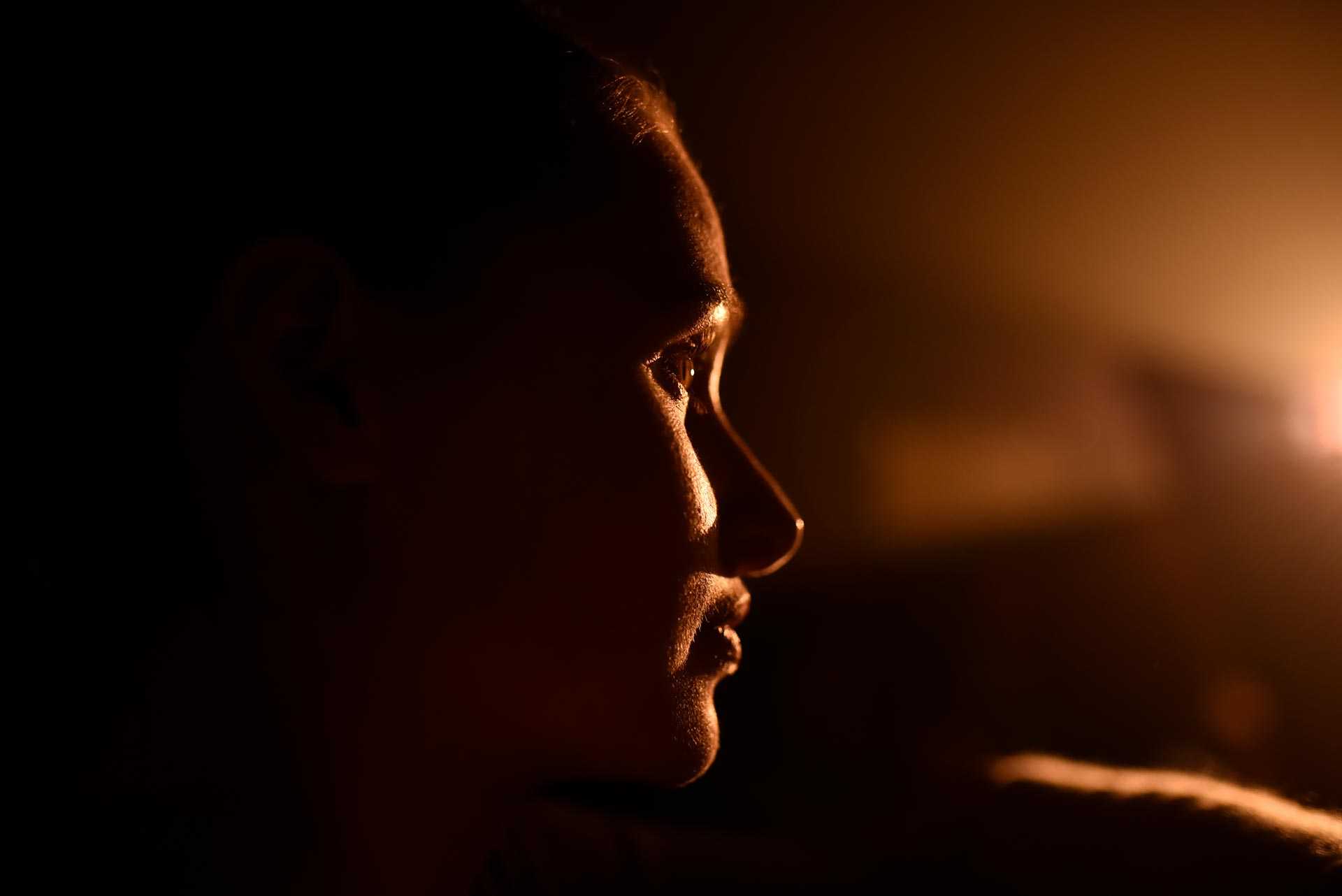


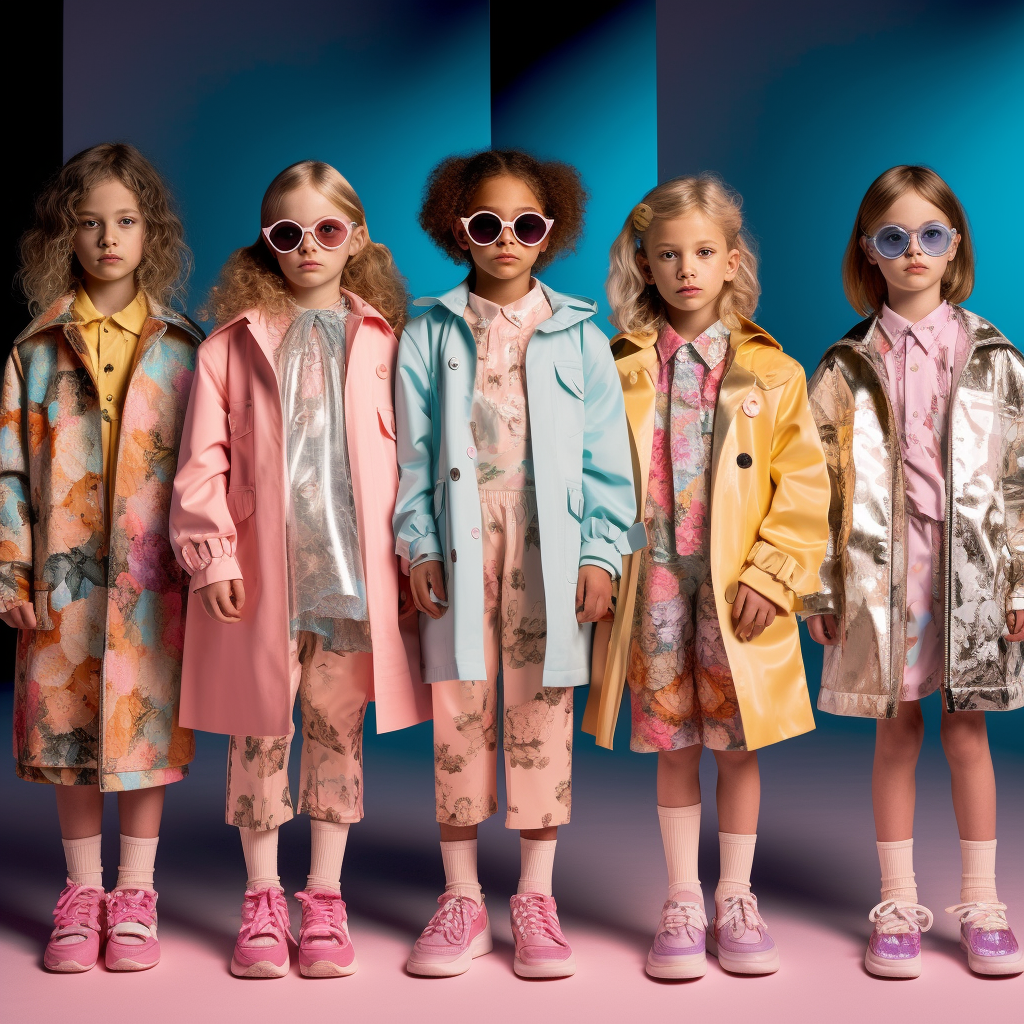
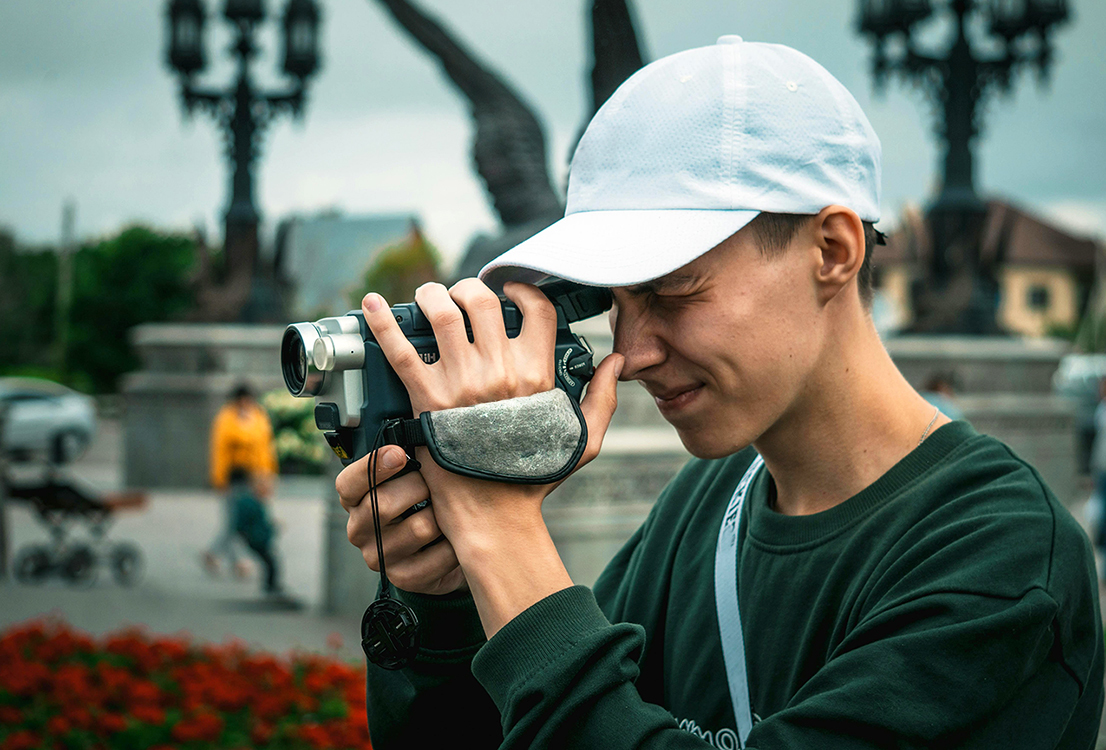
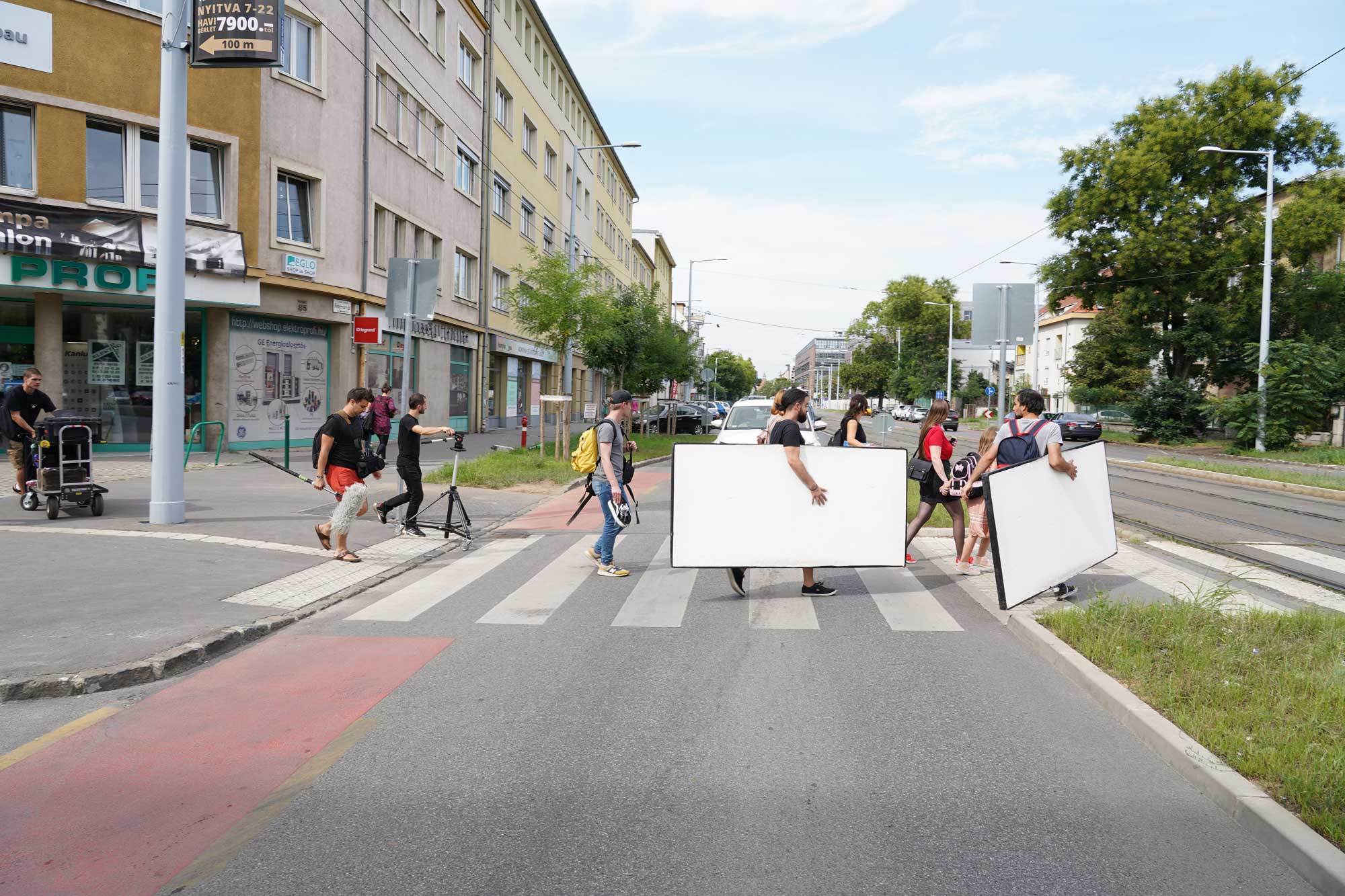
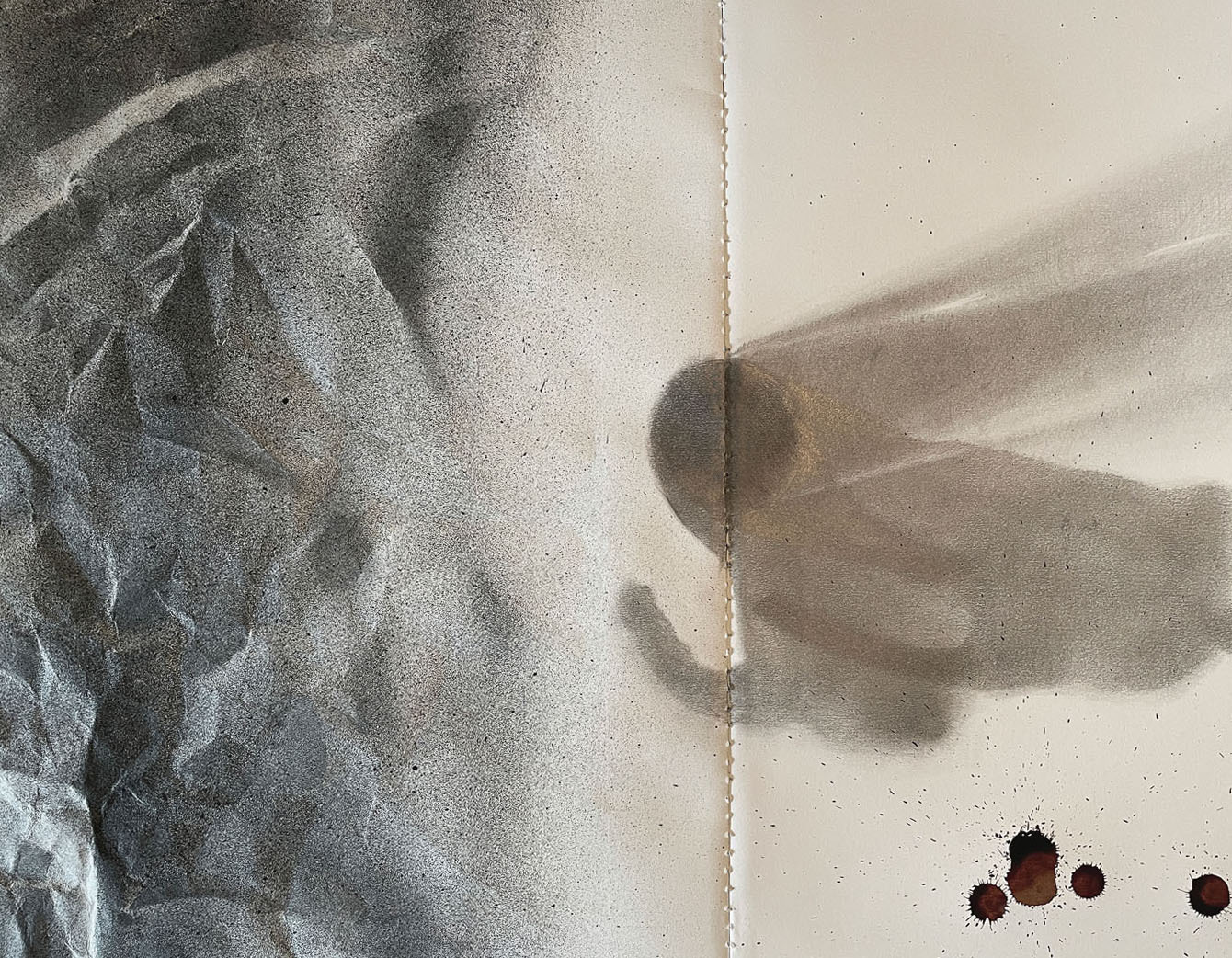

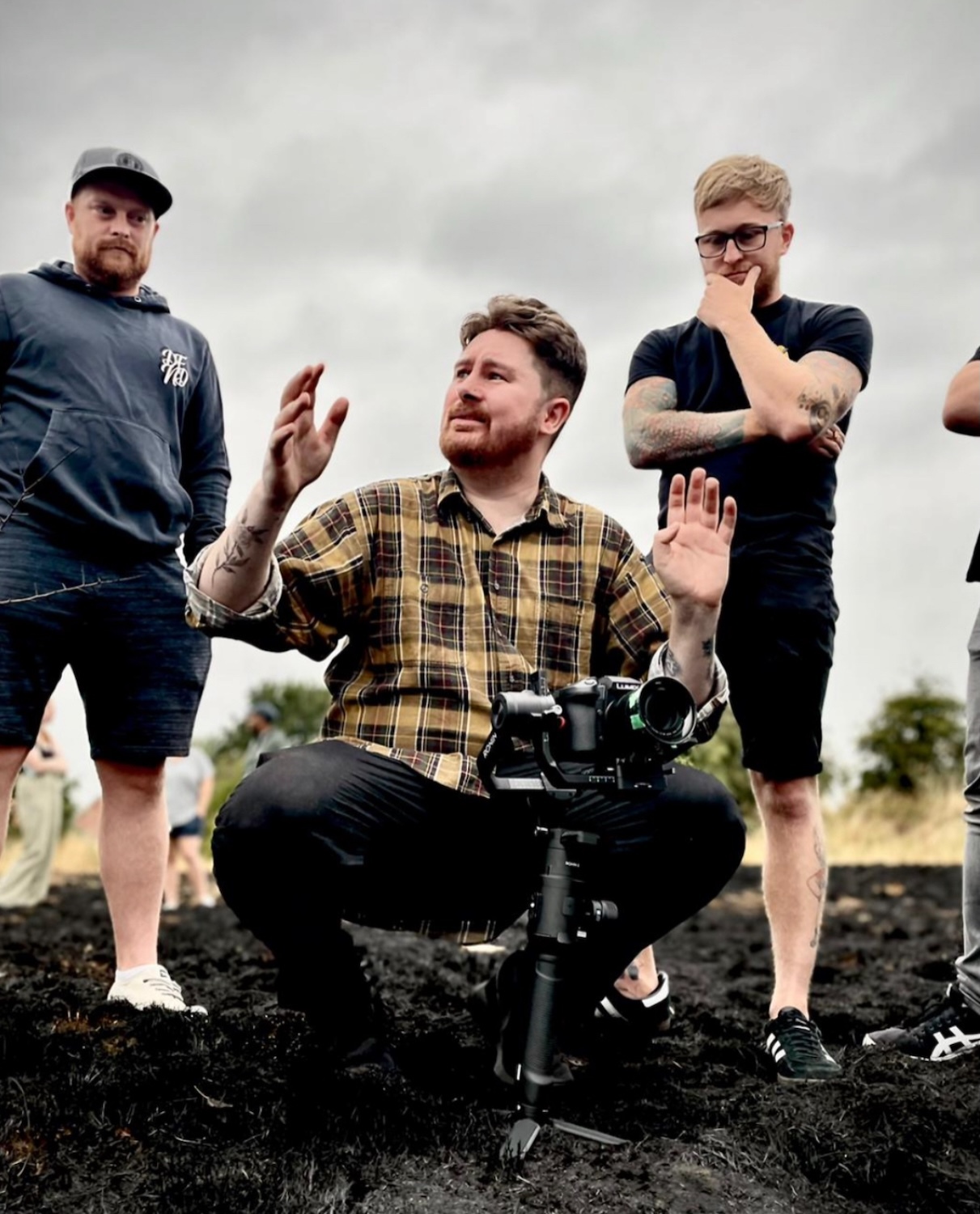
We catch up with Jonny White, a first-year student on AUB’s MA Film Practice (Online), following news that his short, Still Moving, has been selected for Leeds Screendance Competition, as well as the tenth edition of Dance Screen Festival in Austria.
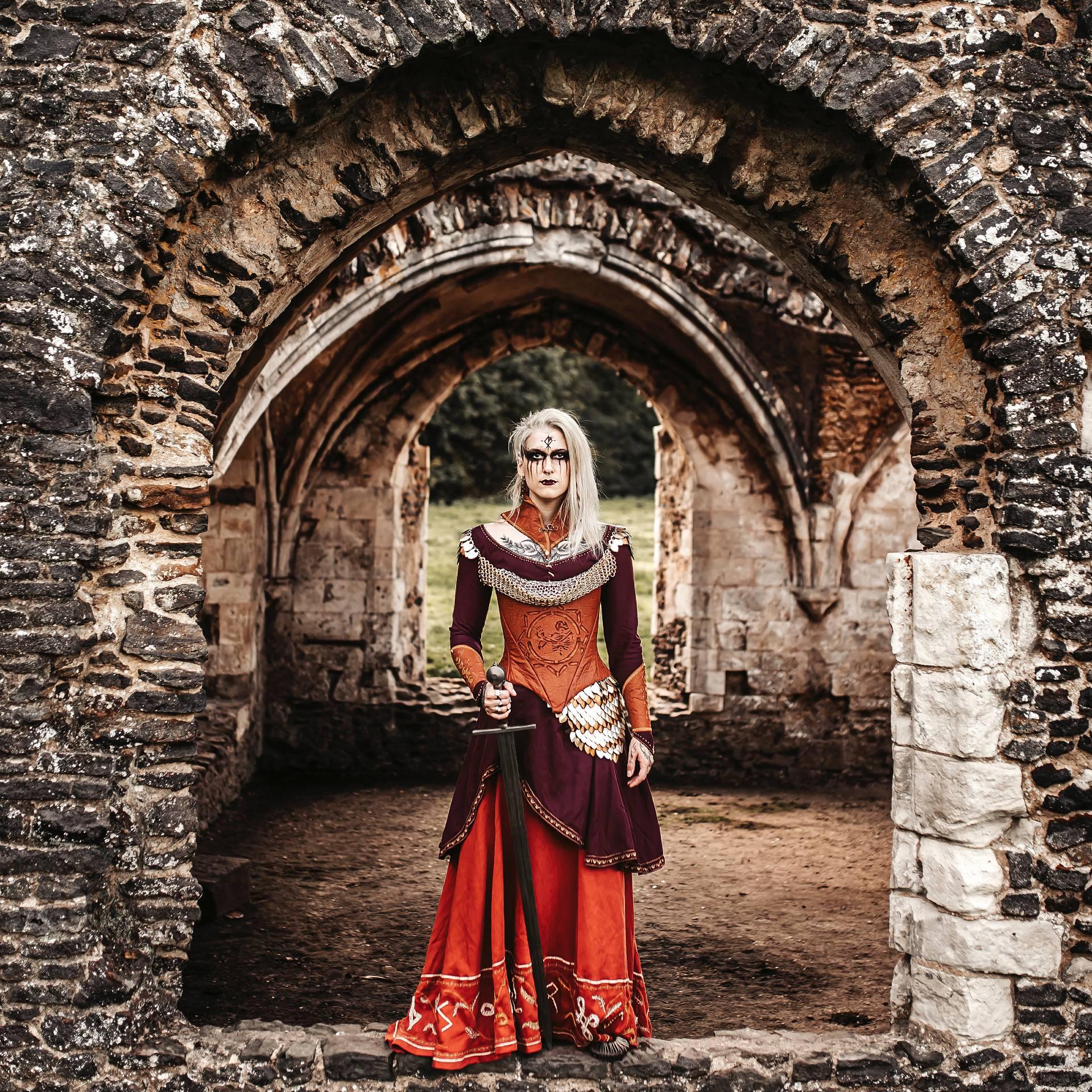
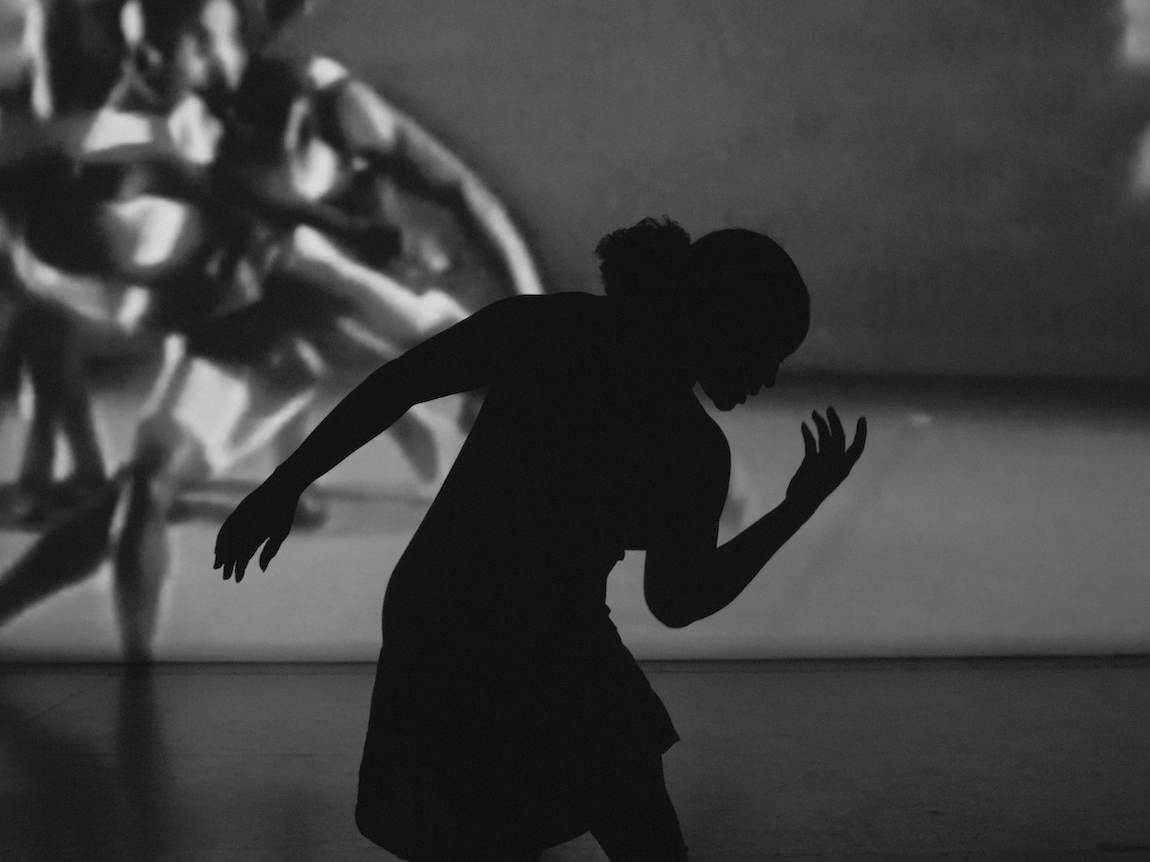
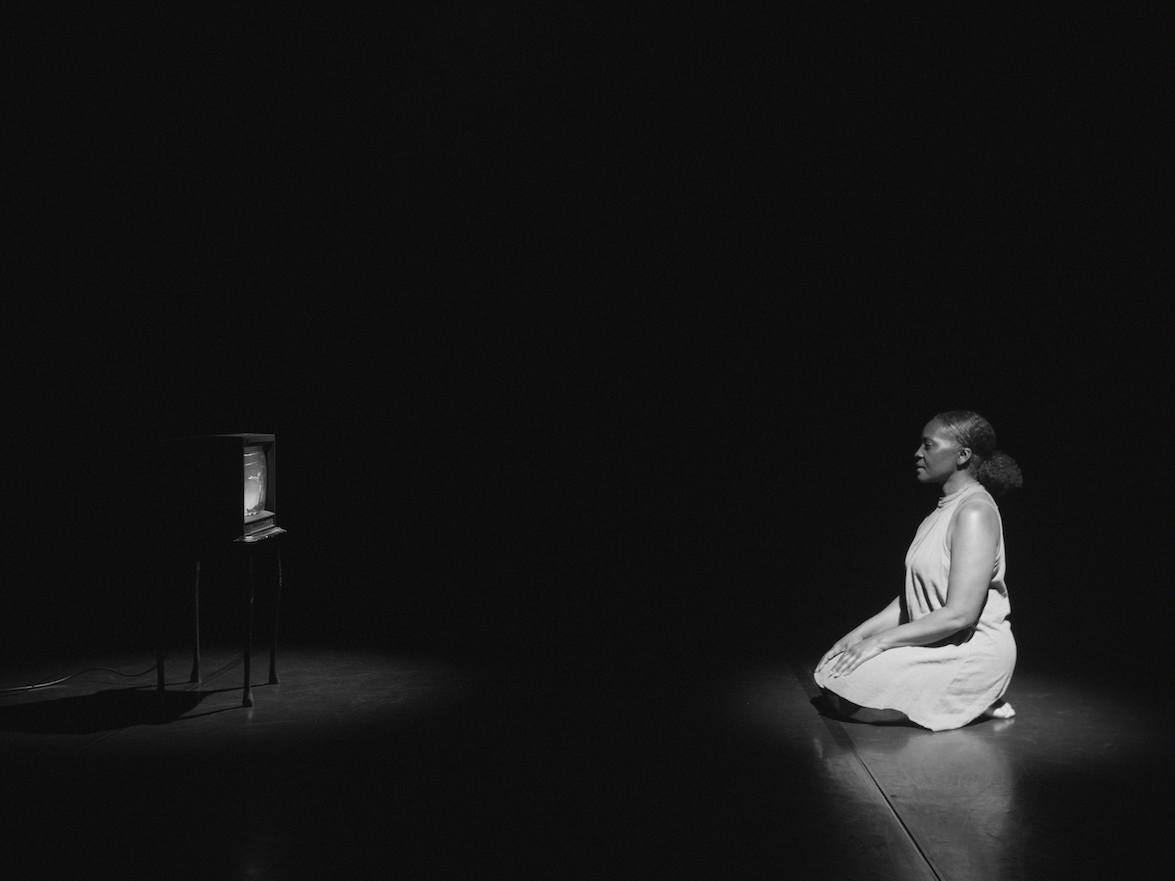
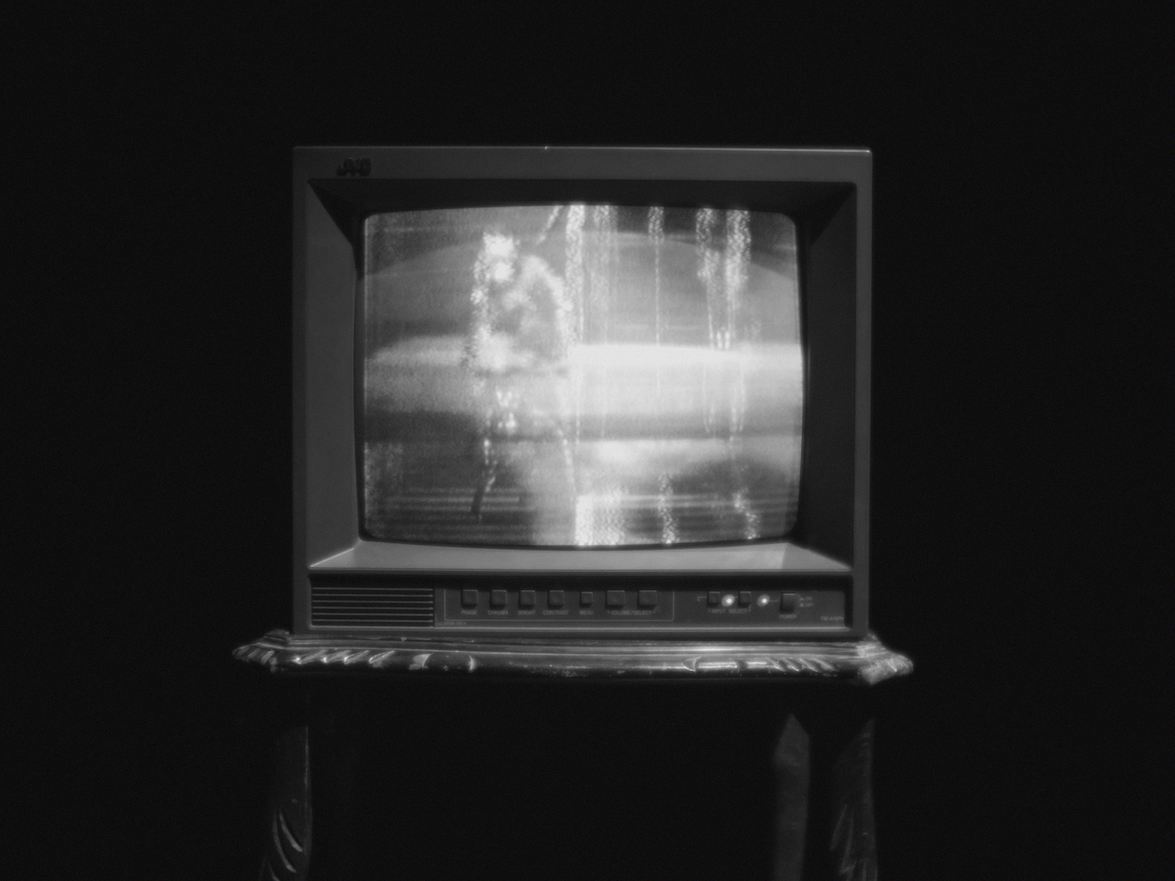
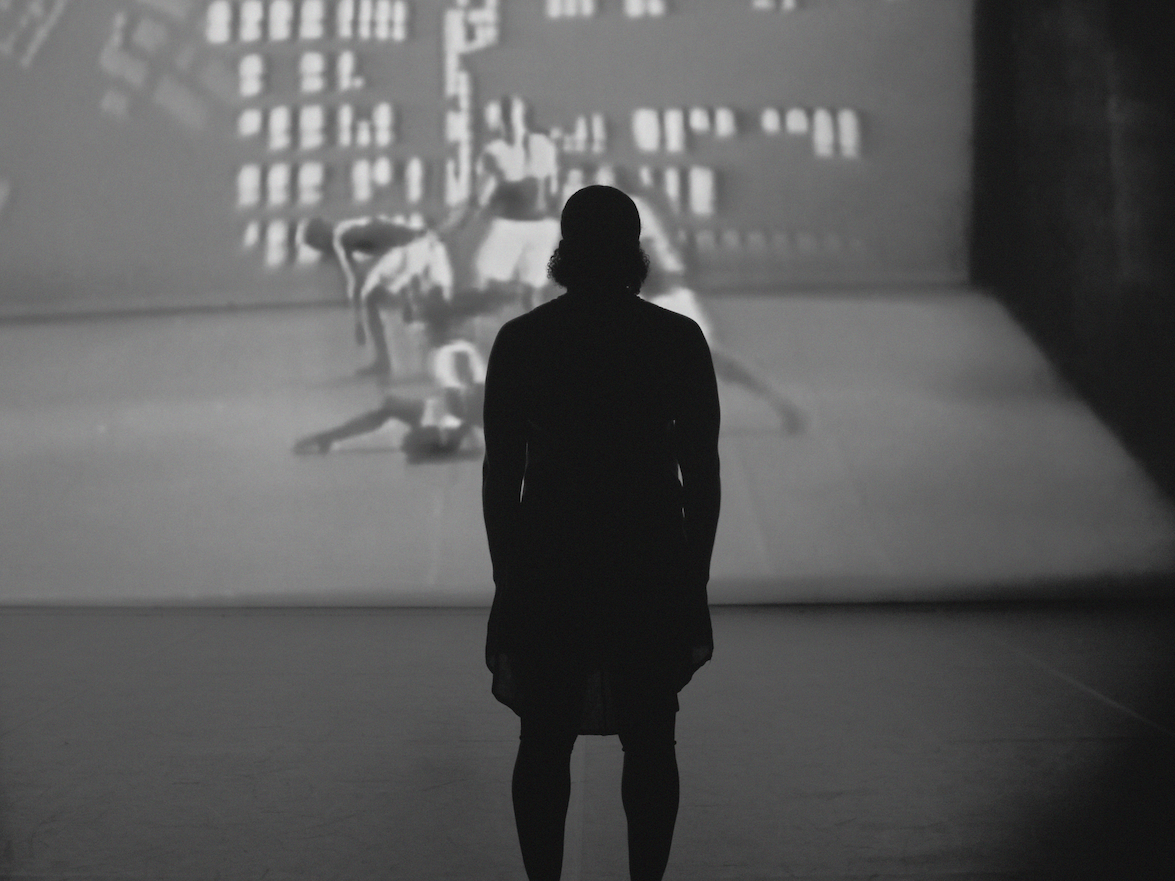
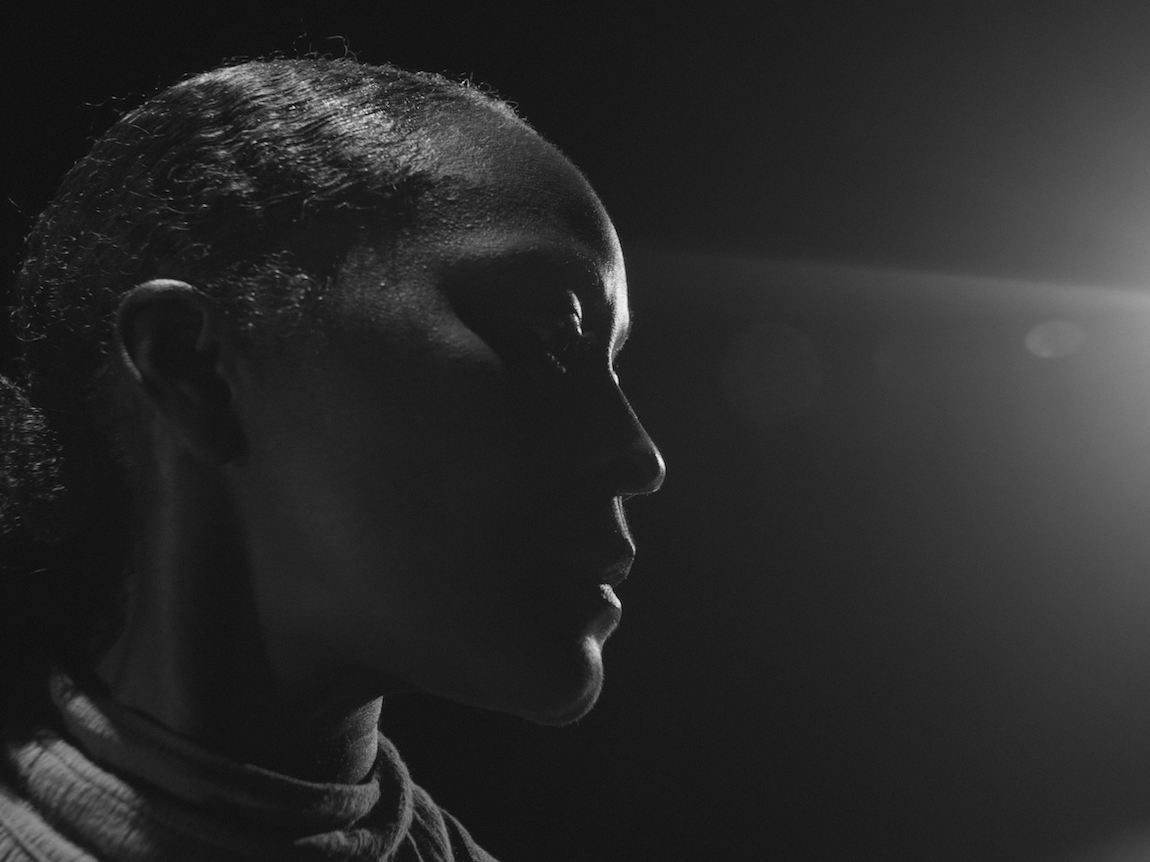
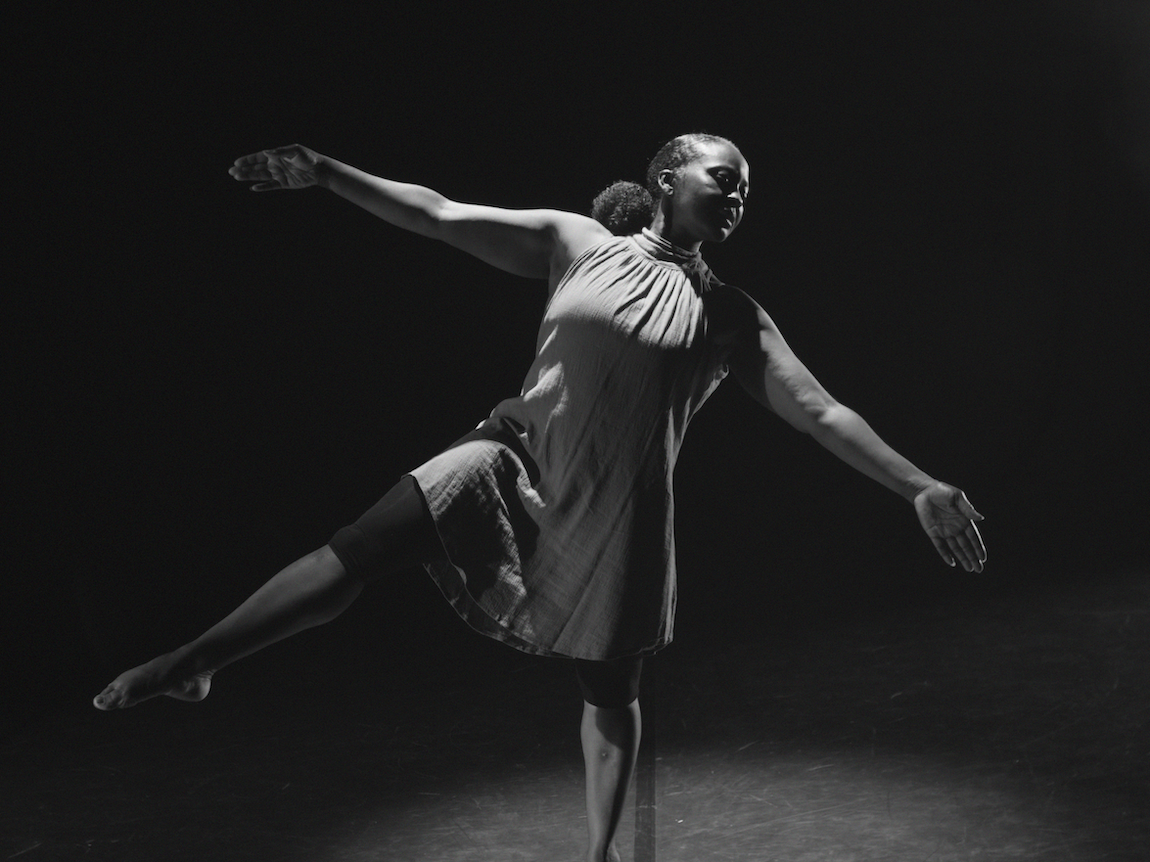
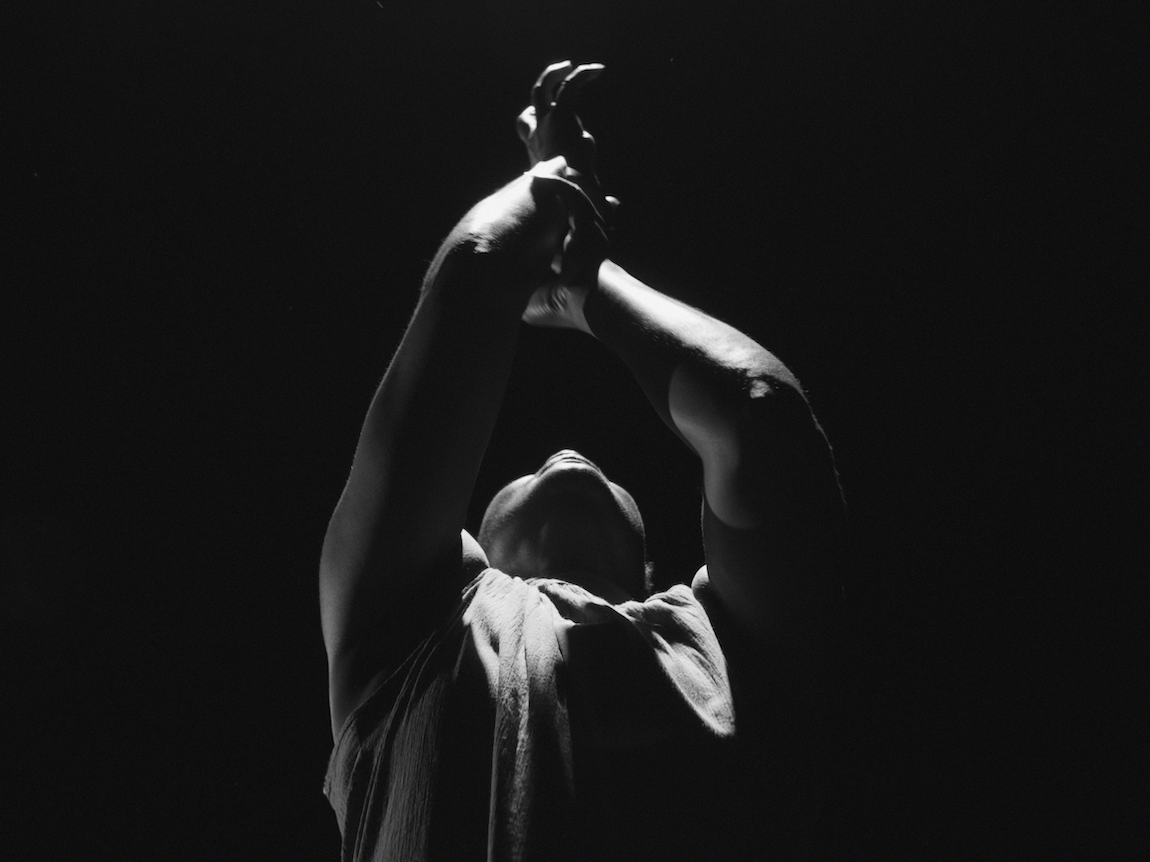
The four-minute film is shot through the eyes of a 60-year-old contemporary dancer and explores ageing and identity, embracing the echoes of who we were and the grace of who we're becoming.
How does it feel to be included at such high-profile film festivals?
It feels really rewarding to receive recognition for my work, as it means it has resonated with someone else in some capacity, and that is my goal as a filmmaker. I’m really looking forward to attending. Hopefully Still Moving continues to be accepted into these wonderful festivals.
Did you make the short while you were at AUB?
I made Still Moving as part of my Cinematic Voices module at AUB for MA Film Practice, with a focus on screen representation. This was a fantastic module, which gave me the opportunity to explore my practice further, with the confidence to try new things as I look to define what I want my practice to be. I want to give a lot of credit to my tutor, Aikaterini Gegisian, who was instrumental in the development of this film, and I really appreciated her feedback and encouragement.
What were you doing before starting your MA at AUB?
I was, and still am, in the process of making my first feature-length film, focused on men’s mental health. It’s been a long process, with anonymous interviews taking place over several years, but an incredibly rewarding one. MA Film Practice has helped massively with this process as well, as it has opened up new ideas, inspiration, and confidence in staying true to what I want my creative voice to be, not what I think others want it to be. I also have a passion for education and have worked with Northern Film School for over two years, as well as organisations such as the NHS, on a freelance basis, to produce films focused on serious mental illness.
A lot of your films are around mental health awareness – can you tell us what inspired you to go down this path?
Mental health is something I have struggled with for a long time, in peaks and troughs, and I’ve always found it helpful use my work as an opportunity to make a difference to others. When making my work, I always ask myself, is this something that someone else would be able to relate to, and is this something that could educate, inspire, and resonate with someone else? I’ve received many emails from viewers over the years who have said how much my films have helped them, and that is what keeps driving me.
Have any of your other films gone to festivals or won awards?
I’ve been very fortunate to have had some fantastic opportunities over the years. My graduate film, about 10 years ago, a documentary on sleep paralysis, won a Royal Television Society Student Award, and I have gone on to have work feature in partnership with Sheffield Doc Fest, Aesthetica Film Festival, Manchester Film Festival, Bolton Film Festival, Norwich Film Festival, and many other international festivals.
One of my short films, Ballet & I, won Best Mental Health Film at the Discover Film Awards in London, which was a great experience. The exciting thing about the contemporary distribution of content, is that there are also a lot of online platforms, with large, dedicated viewership, that consume short form content, such as BOOOOOOOM, Directors Notes, Film Shortage, all of which I have been very lucky to be included with.
What’s next for you as a filmmaker?
I just want to keep working on my feature-length documentary and complete that, maybe as part of my MA – I am unsure yet. I will always keep making work, but academia interests me, and I may explore avenues of lecturing, alongside my continuing practice. I have a few other ideas for future feature-length films, but I am very much just enjoying the present and trying not to get too ahead of myself.
What are you hoping to learn from the MA at AUB?
The great thing about any kind of art form, is that every time you work on a new project, you are learning something new, or developing skills further, building confidence and experience, and these are all things that MA Film Practice at AUB has brought me.
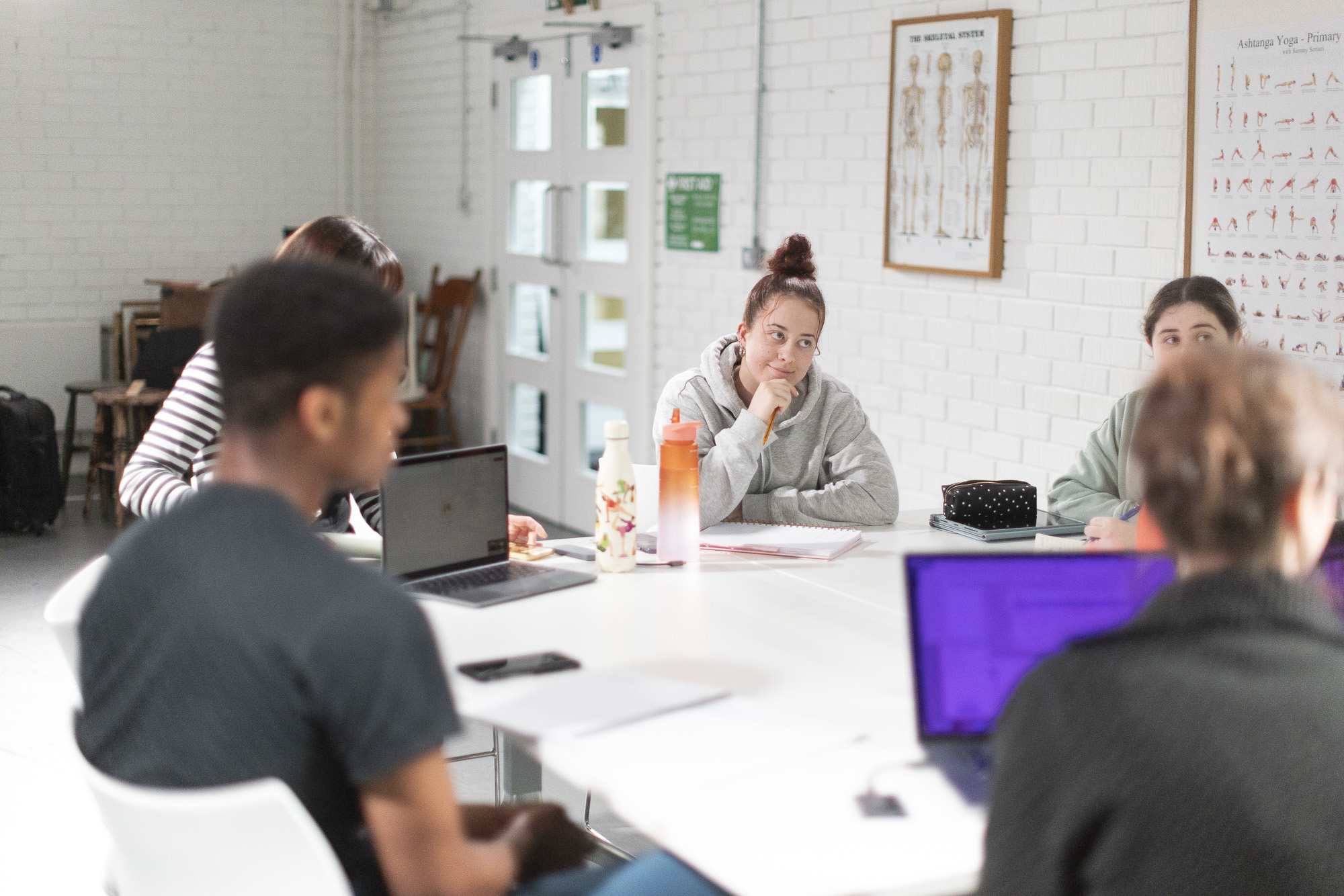
It is a friendly and supportive environment, where we are challenged, but supported in our freedom to experiment and discover what we want our practice to be. I lead a very busy personal and professional life, and the course has really accommodated that, and I am able to work through material at my own pace and comfort.
I am almost 12 months into the course, but already feel a sense of new found confidence, inspiration, and drive, as I have discovered new interests, avenues, new filmmakers that inspire me, new creative processes have changed my outlook and has given me a sense of validation in the direction I want to go with my practice.
What advice would you give to someone starting out in film?
Make work that you want to make for your own reasons and motivations. Don’t be swayed by the opinions of others or compromise your creative voice at the expense of what you think others want, or what you think will be successful. Define what success means to you. For me, it is making work that encourages audiences to think about something a little more deeply than first expected.
Hit what your success is, and you will feel fulfilled, and your work will be better for it. Also, equipment doesn’t matter. You don’t need to take out a bank loan for equipment to generate emotion amongst audiences. Don’t bog yourself down in “I need this camera, or that light”. Bog yourself down in, “How can I ensure the audience doesn’t forget this experience”.
Want to see more?
You can view Jonny’s work via his YouTube, @jonnywhite, and follow him on Instagram via @jxnnywhite.