


































Researchers at Arts University Bournemouth (AUB) have been awarded a £100,000 Curiosity Award Research Grant from UKRI Arts and Humanities Research Council (AHRC) for a groundbreaking one-year project aimed at revolutionising the conservation of museum plastic artefacts.
The project, Nano-Curation of Heritage Plastics: Solvent Cleaning and Ethical Conservation, will investigate the nanoscopic impact of cleaning solvents on plastic heritage items, providing much-needed scientific guidelines to prevent irreversible damage to cultural collections.
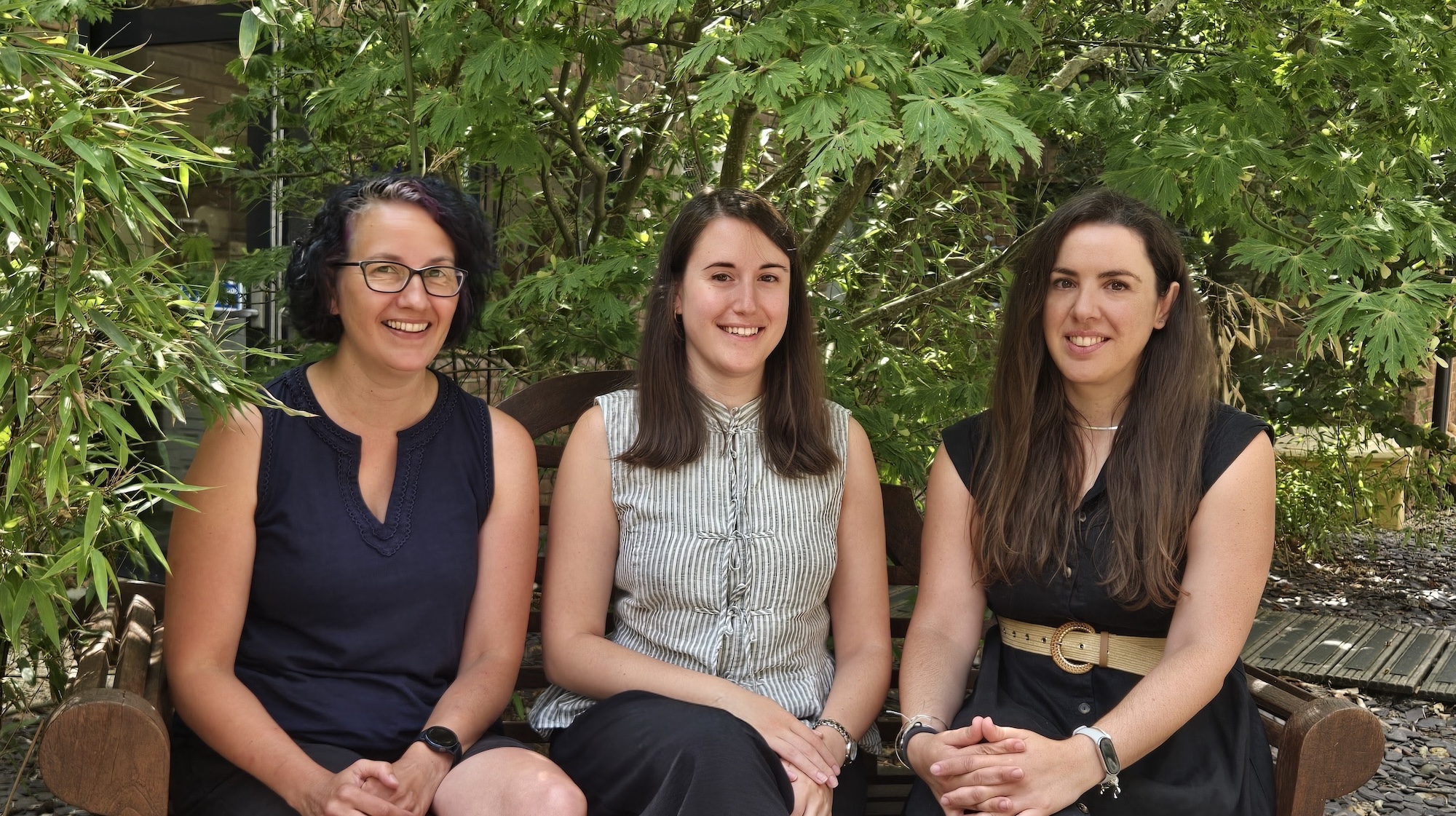
Led by Dr Erato Kartaki (principal investigator) and Dr Elena Castagnotto (co-investigator) from AUB’s E3-funded Plastics Innovation and Curation Research Centre (PlastIC), the study brings together cross-sector expertise.
The team will collaborate with Dr Louise Dennis from the Museum of Design in Plastics (MoDiP) and sub-contractor Dr Jesse Buijs from Netherlands-based nanotechnology specialist NanoMoi B.V.
Plastics form an essential part of modern cultural heritage, found everywhere from early synthetic designs to contemporary art objects. However, interventive conservation remains in its infancy due to the complex chemical compositions of these materials. Commonly used cleaning agents, such as ethanol or isopropanol, can leave unseen solvent residues or cause microscopic damage, accelerating deterioration over time.
“Surface cleaning is a critical step in preserving museum objects, but getting the balance right without harming the material is extraordinarily delicate,” explains Erato, who works as a Research Fellow in Heritage Science at PlastIC. “With this research, we are testing nanoscale analytical approaches on plastics for the first time. Our goal is to equip conservators with a robust, evidence-based tool that ensures plastic artefacts can be safely preserved for future generations.”
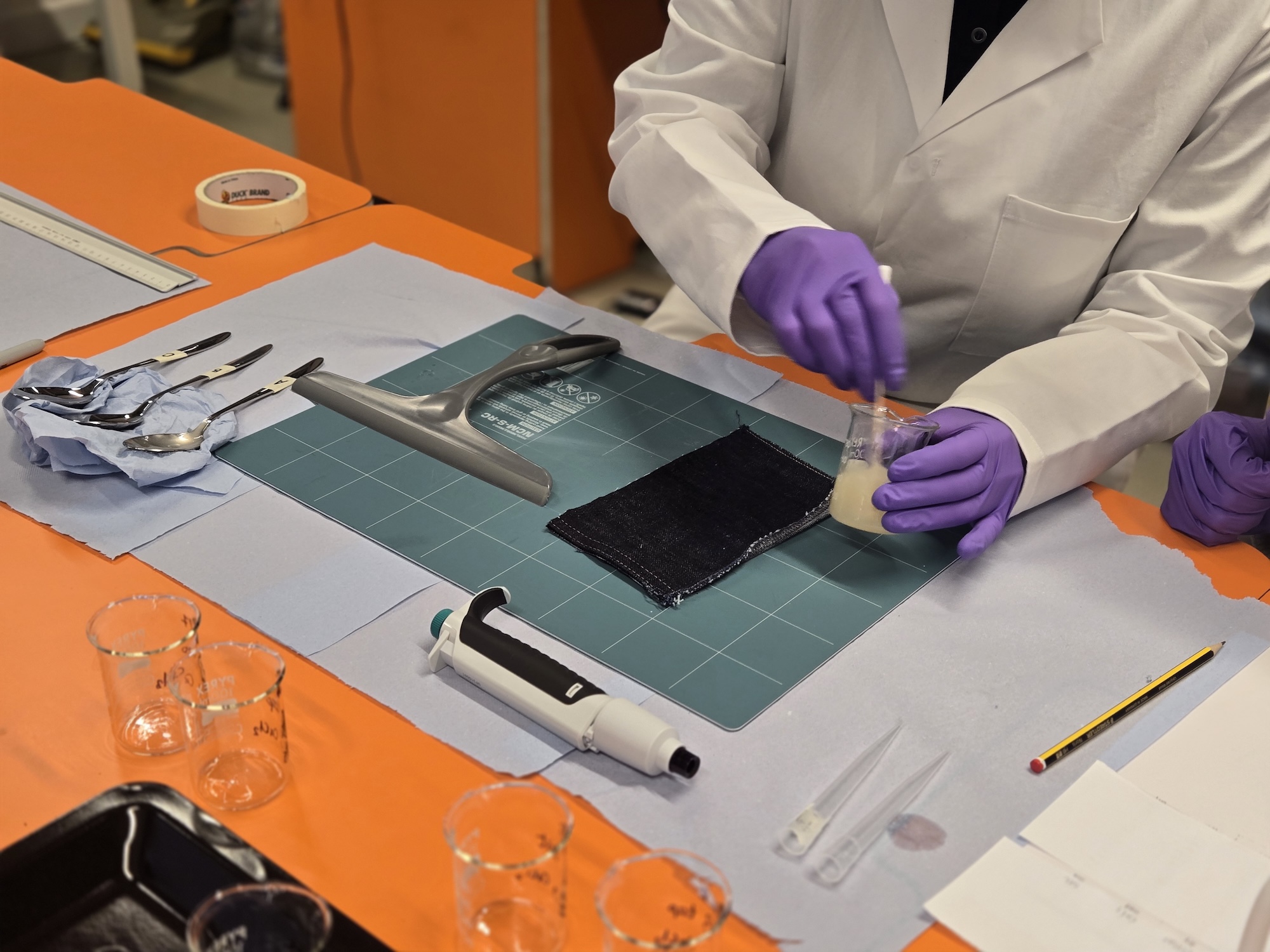
Using plastic samples from MoDiP’s collection, the project will combine NanoMoi’s advanced nanoscale imaging with PlastIC’s Fourier Transform Infrared Spectroscopy (FTIR) analysis. Together, the team will evaluate how solvent exposure alters the surface structure, chemistry, and visual appearance of the most common museum polymers.
The research aims to establish standardised protocols across the heritage sector, delivering practical guidelines, training, and knowledge-sharing opportunities for conservators worldwide.
For more information about research at the PlastIC Research Centre, visit their website.