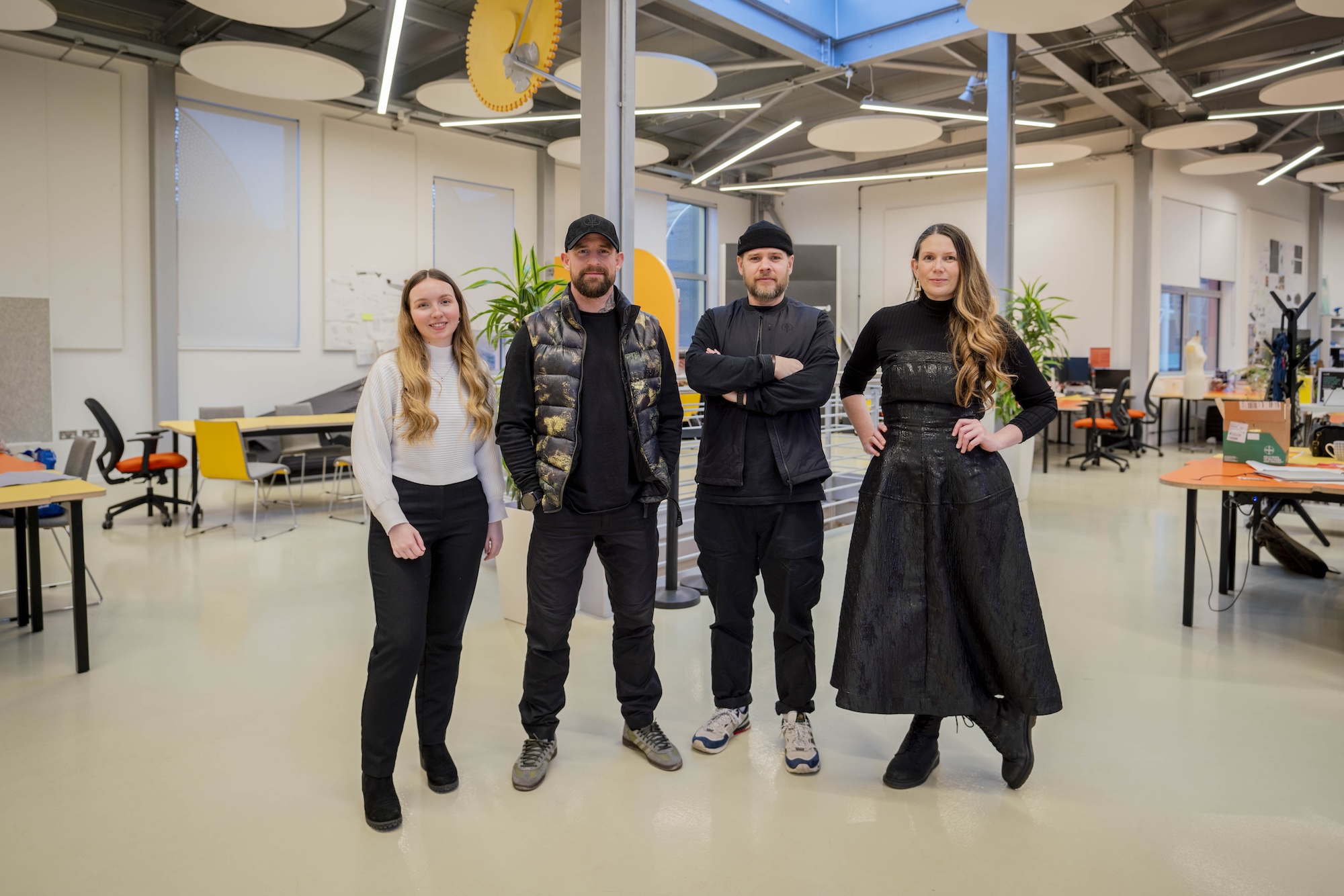


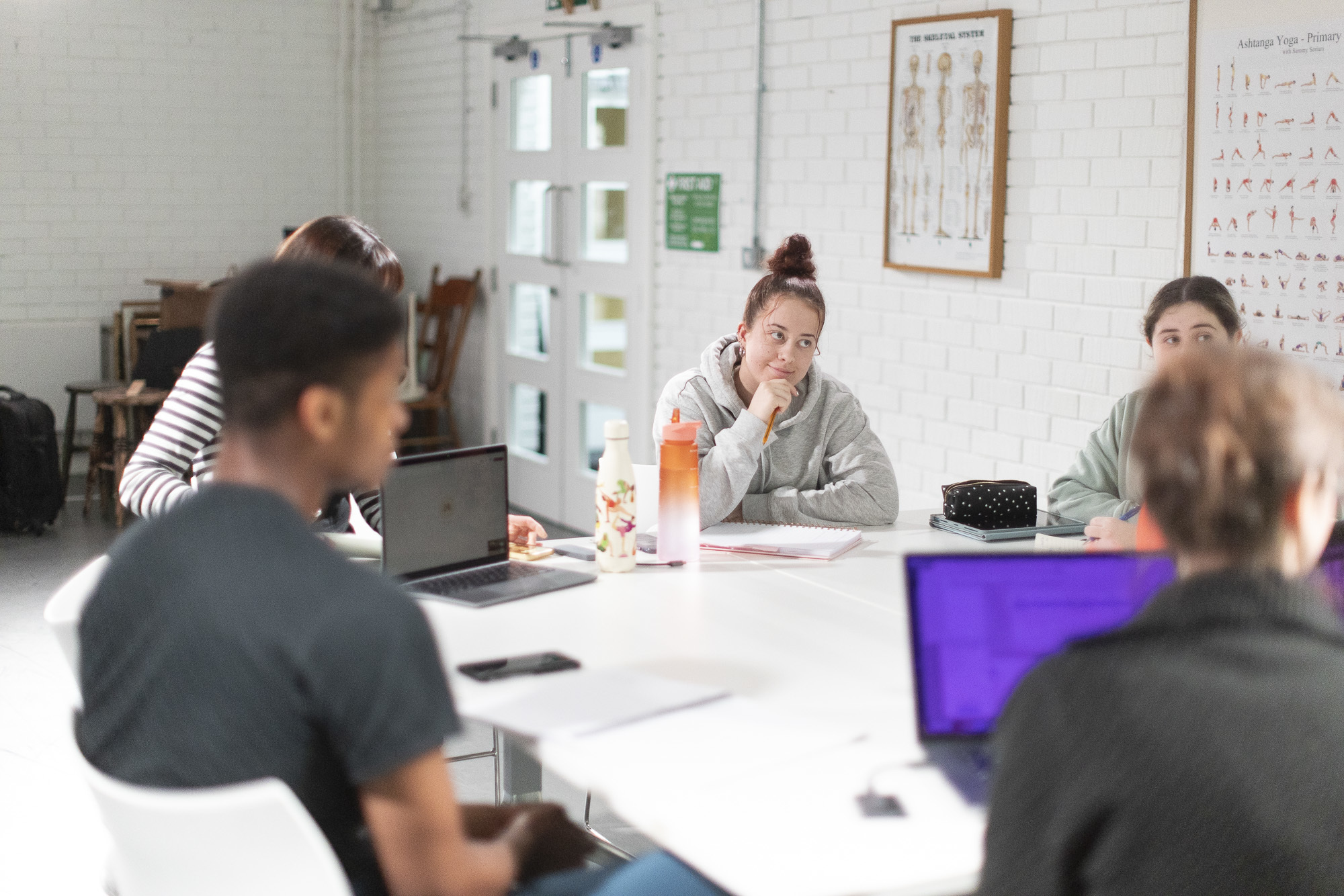
Arts University Bournemouth’s (AUB) Creative Technology Research Lab (CTRL), an interdisciplinary research group focused on the development, application, and critical exploration of creative technologies, is joining forces with the Creative and Applied Participatory research group (CAP) for an exciting series of collaborative sessions running across the next three months.
CTRL investigates how technologies such as immersive media, creative computing, digital fabrication, visualisation, AI and interactive systems can be used to generate knowledge, address real-world challenges and shape future experiences.
By working within and beyond traditional disciplinary boundaries to apply critical creative technologies to difficult problems, the partnership highlights how art, design, science and technology can unite to tackle pressing global challenges.
Recent highlights: Harry Meadows and the Organismo Fellowship
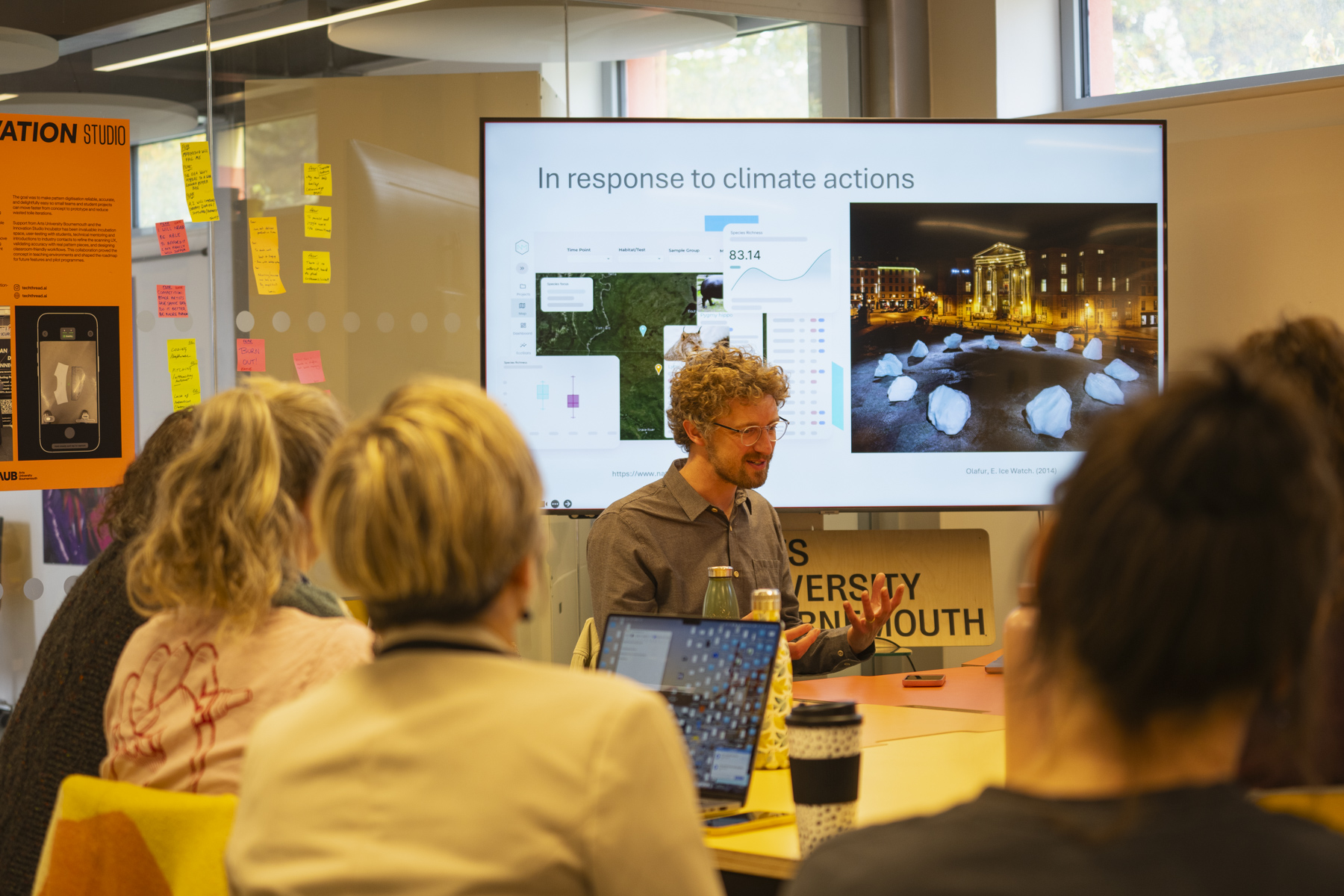
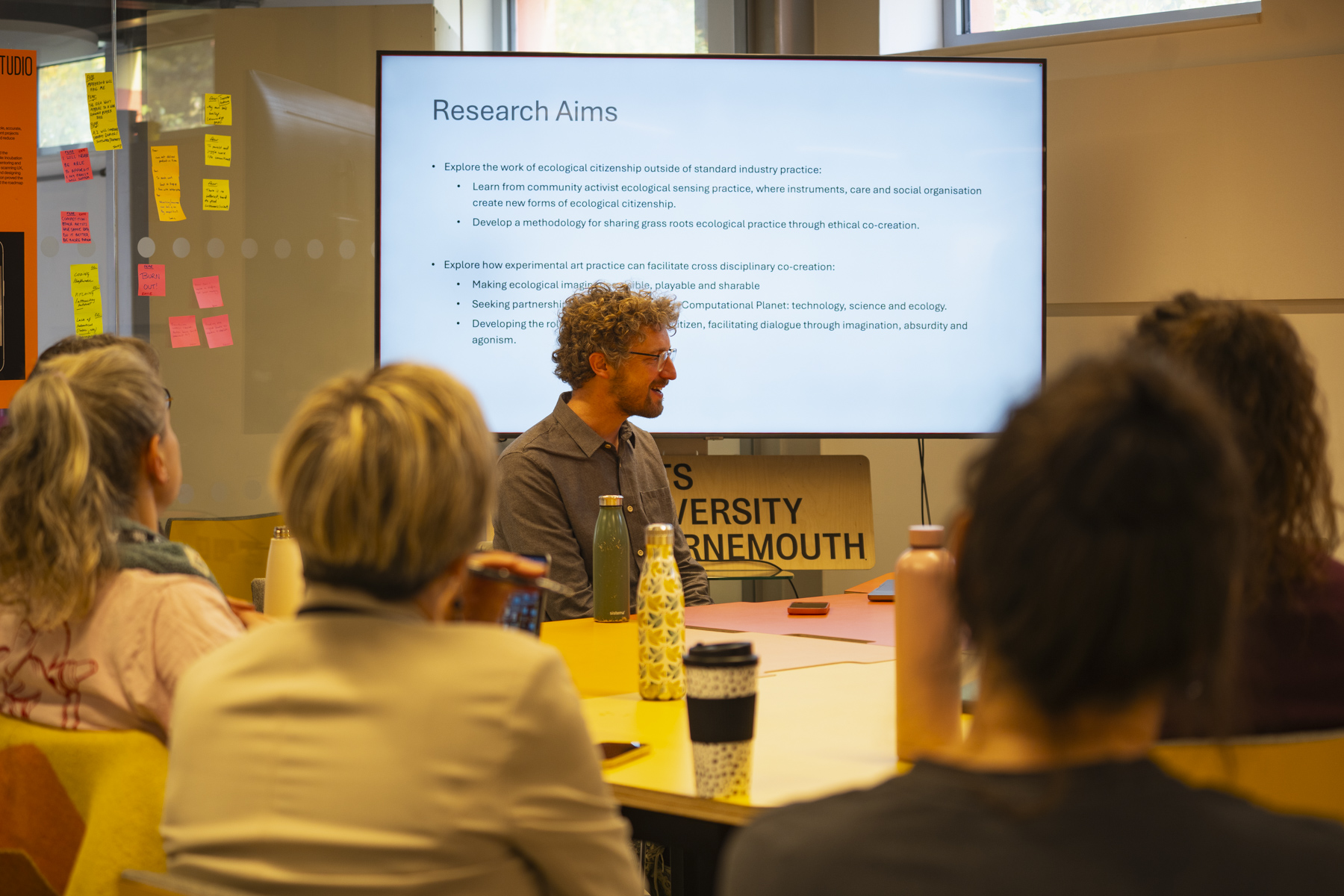
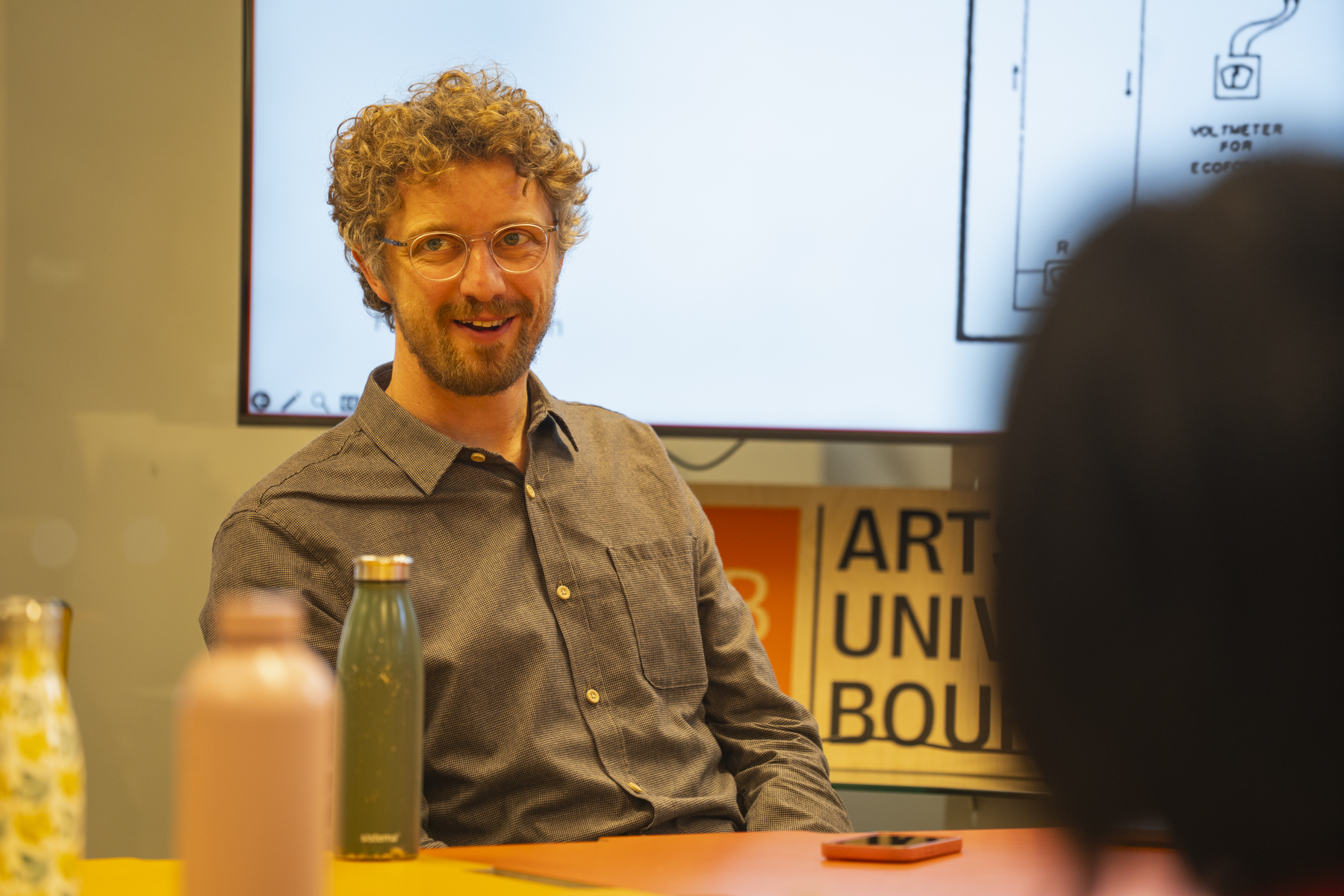
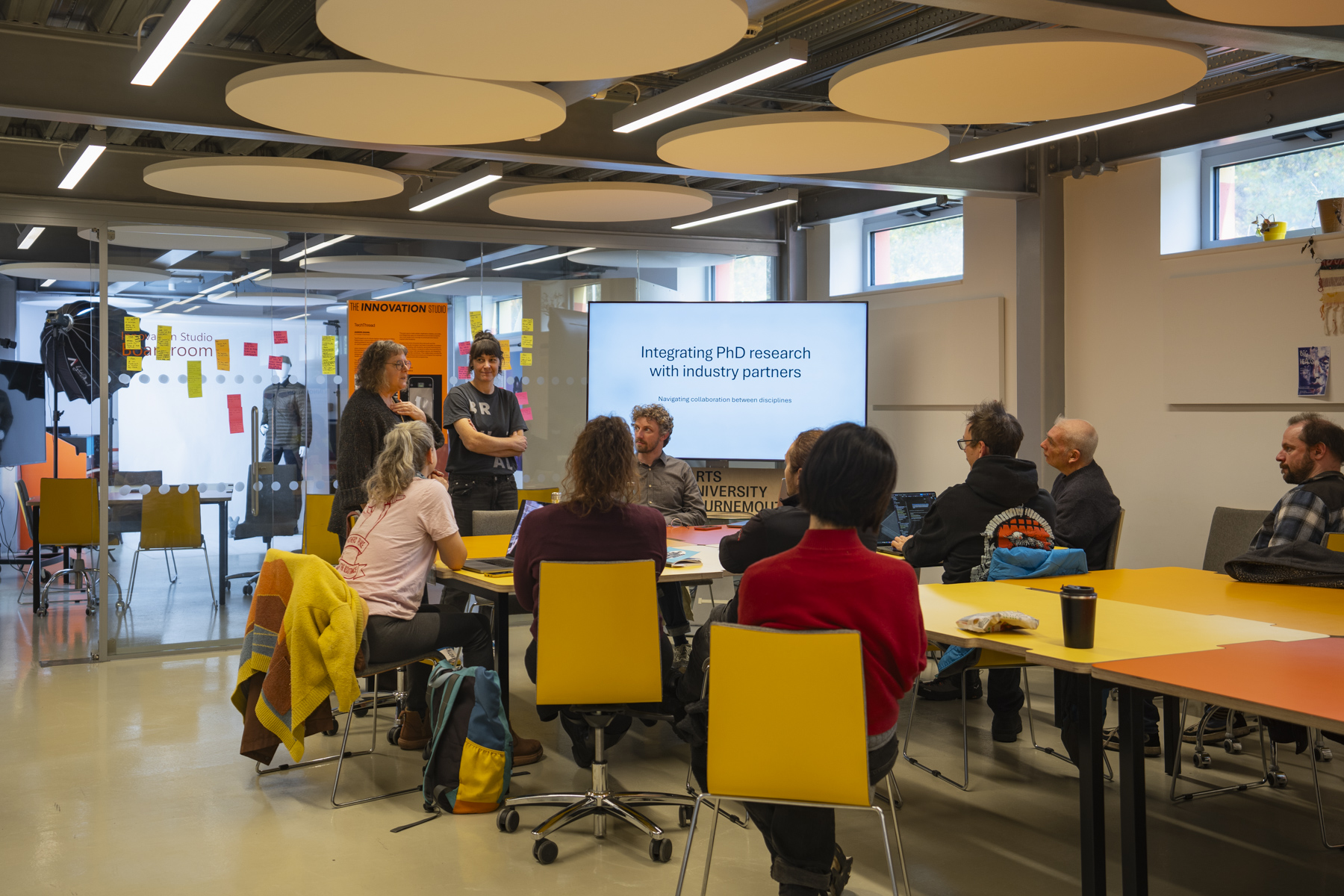
The collaborative programme started on Wednesday 18 November in AUB's Innovation Studio, with a presentation by Harry Meadows, Senior Lecturer in BA (Hons) Fine Art.
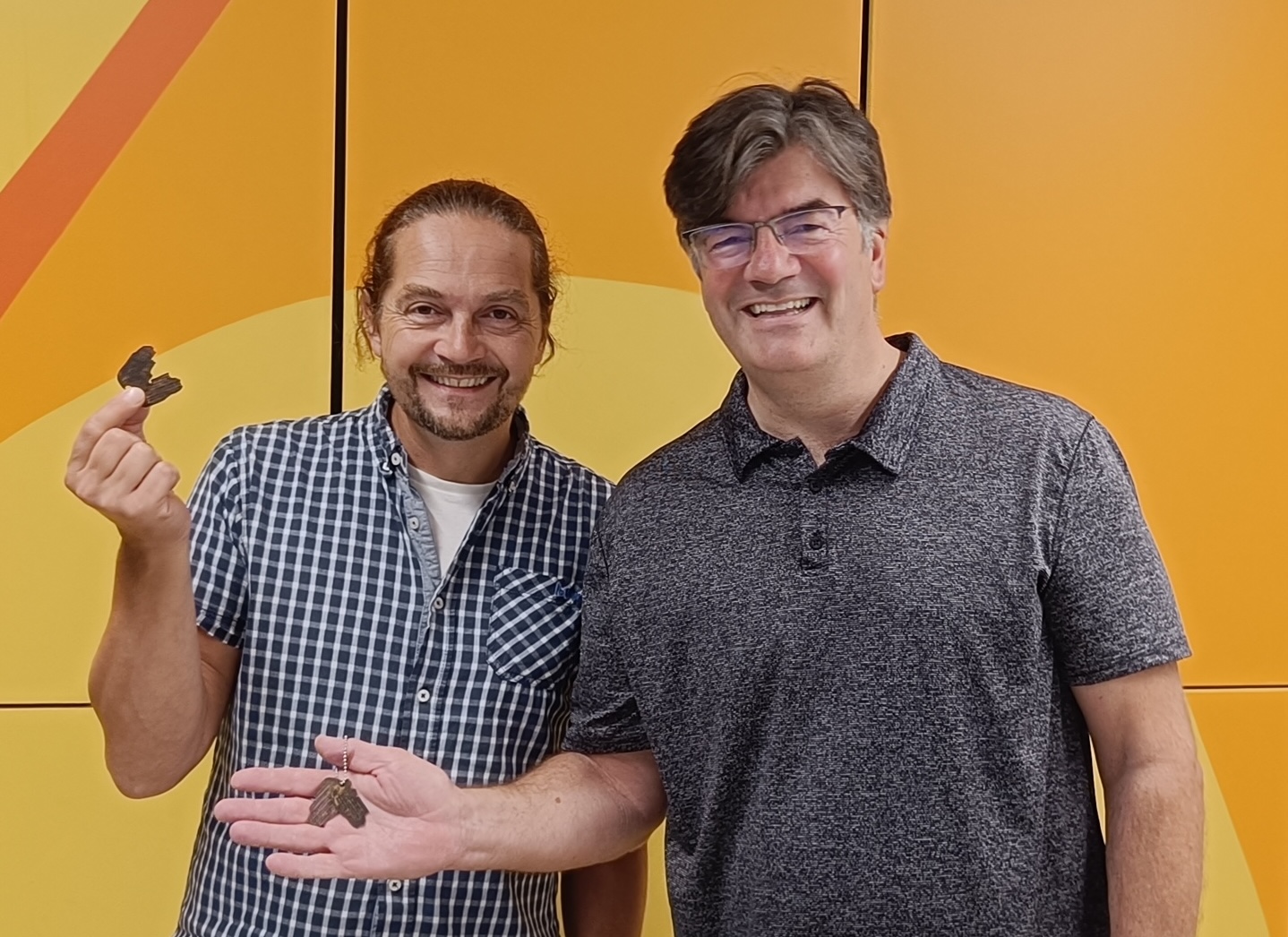
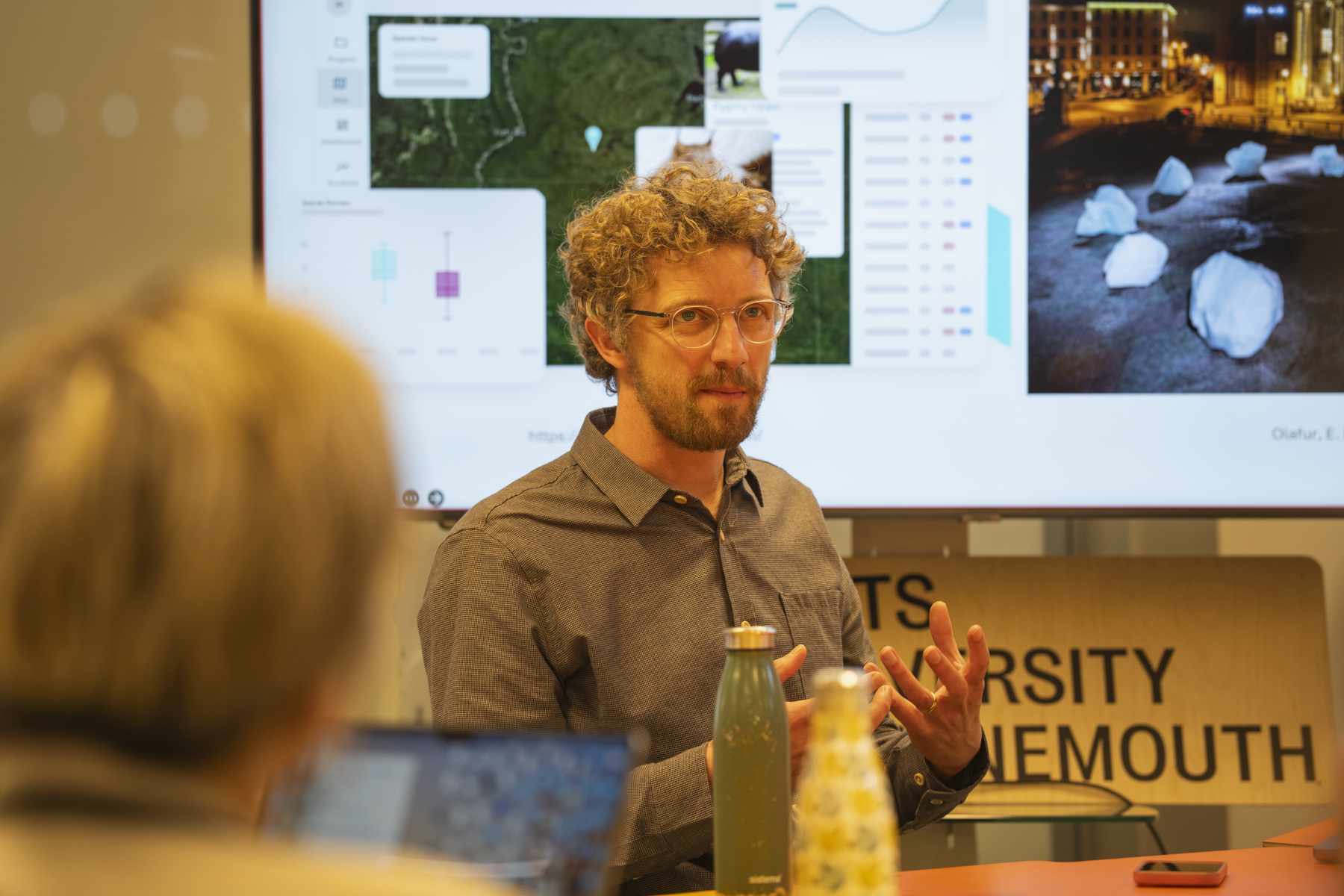
Harry discussed his transformative work as part of the Organismo Fellowship, an initiative facilitated by Spain’s TBA21 art foundation and Organismo, their academy of art in applied ecologies. Selected as part of an international multidisciplinary team, he’s been working alongside institutional partners including the Basque Centre for Climate Change (BC3).
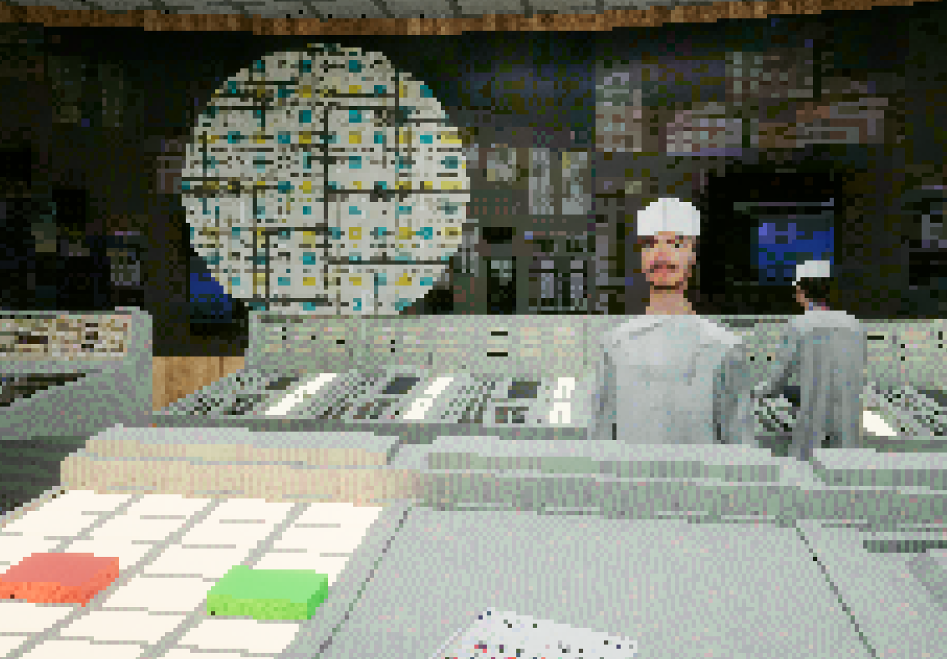
Harry’s research focuses on a live case study in Valencia, a region heavily impacted by severe flooding, agricultural challenges and complex re-insurance policy issues. By combining environmental mapping, 3D modelling and game engine design, Harry helped devise a virtual platform giving voice to local climate stories.
Following a successful prototype presentation at the Museo Nacional in Madrid in July, the project is now advancing to its pilot stage, integrating Harry’s co-creation methodology into BC3’s open-source, AI-powered ARIES (Artificial Intelligence for Environment & Sustainability) platform.
Reflecting on the work, Harry highlighted the power of transdisciplinary collaboration, “From working with policy-level organisations, it’s clear that finding places for creativity within computational systems is essential to engaging community support for wider policy making on climate change.”


Looking ahead: Professor Camille Baker in the New Year
The CAP and CTRL partnership will continue to expand in the New Year with a follow-up collaborative workshop, followed by a special guest speaker session on 7 January (14.00– 16.00) at AUB.
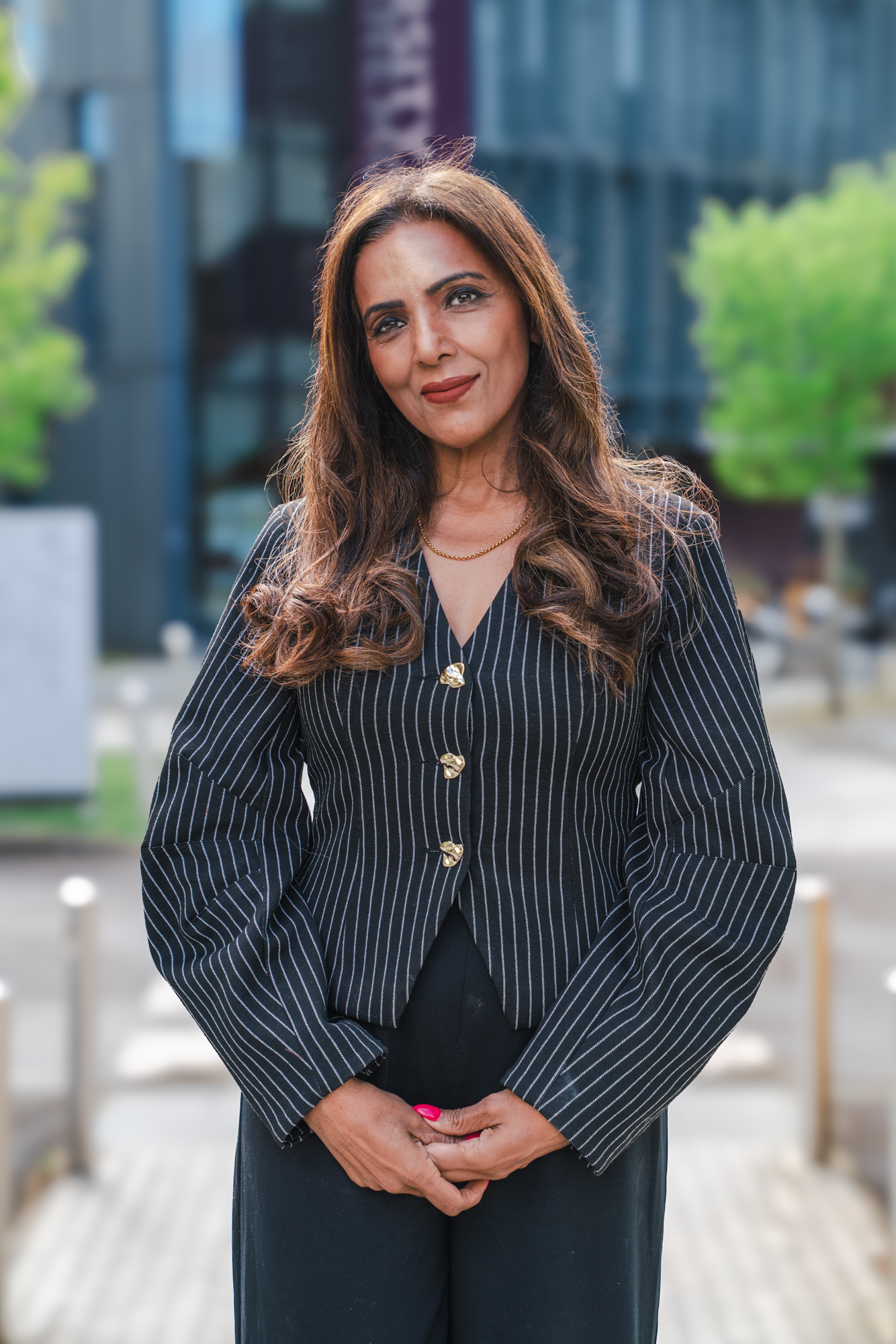
Professor Camille Baker from the Royal College of Art (RCA) will present insights from the EU Horizon-funded project VOICE (Valorising Artist-Led Innovation Through Citizen Engagement).
With future plans also underway to establish a dedicated web presence for CTRL and foster ongoing mentorship, peer learning and research impact across disciplines, these sessions mark a vibrant new chapter for practice-based research, digital innovation and community engagement at AUB.