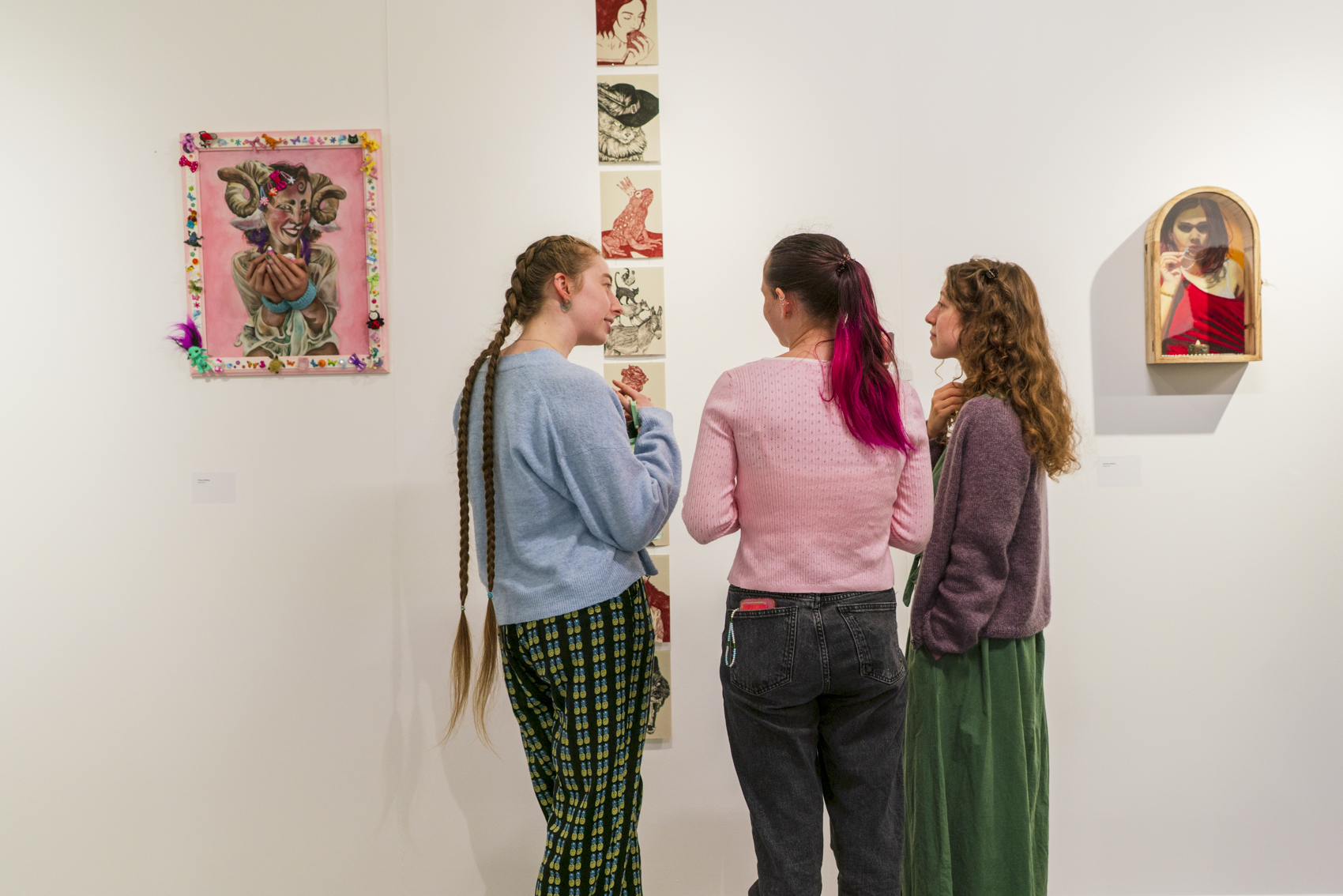
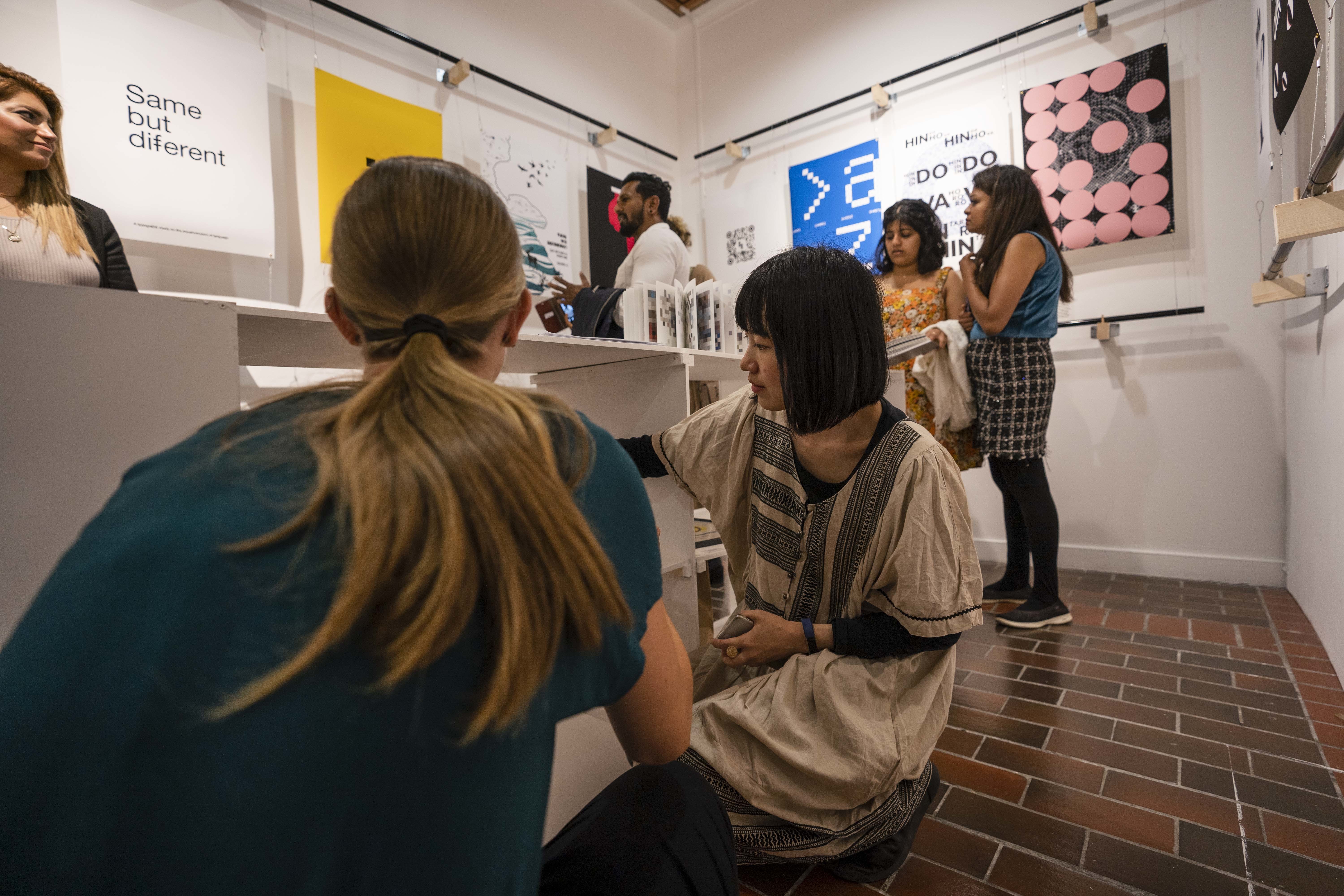

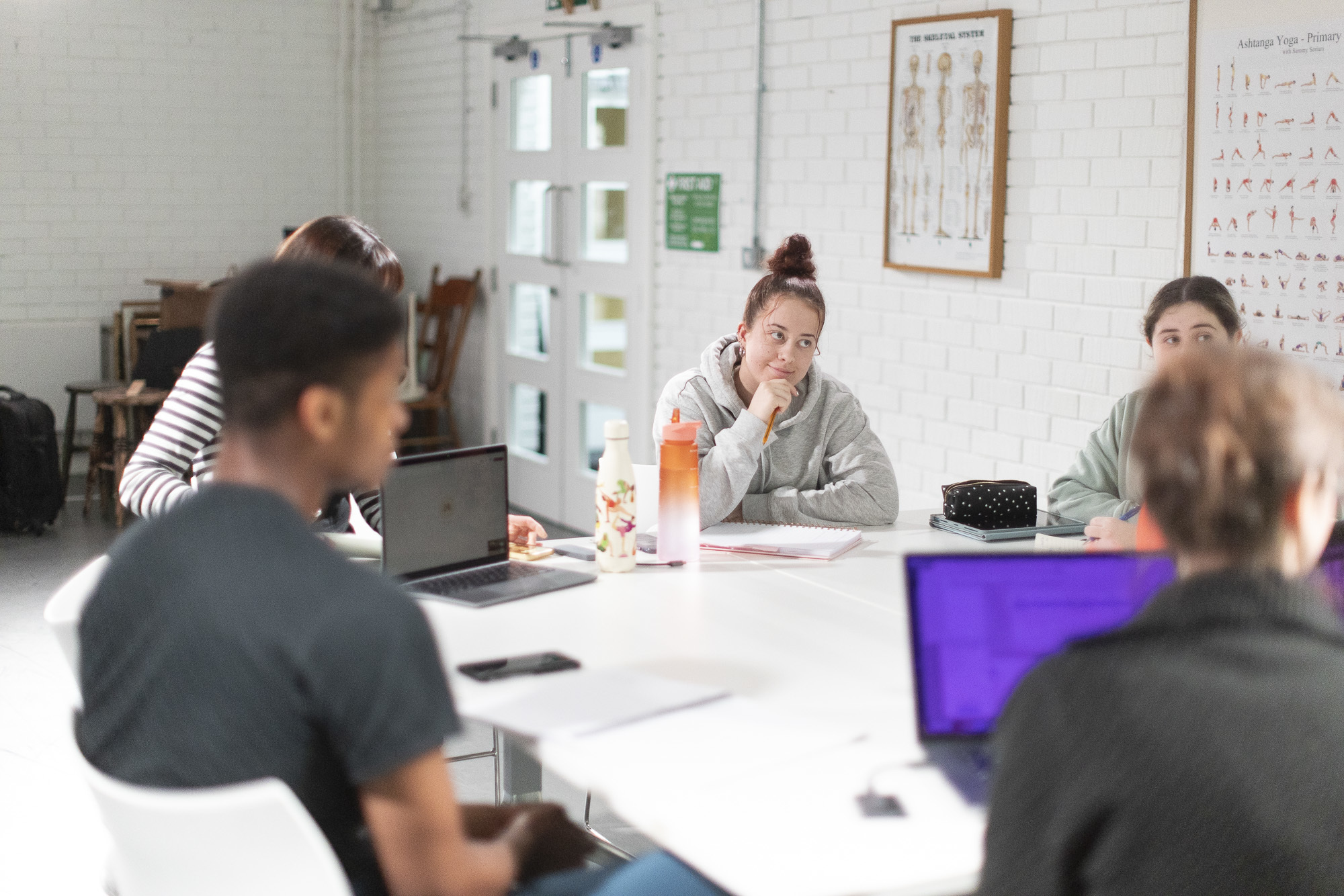
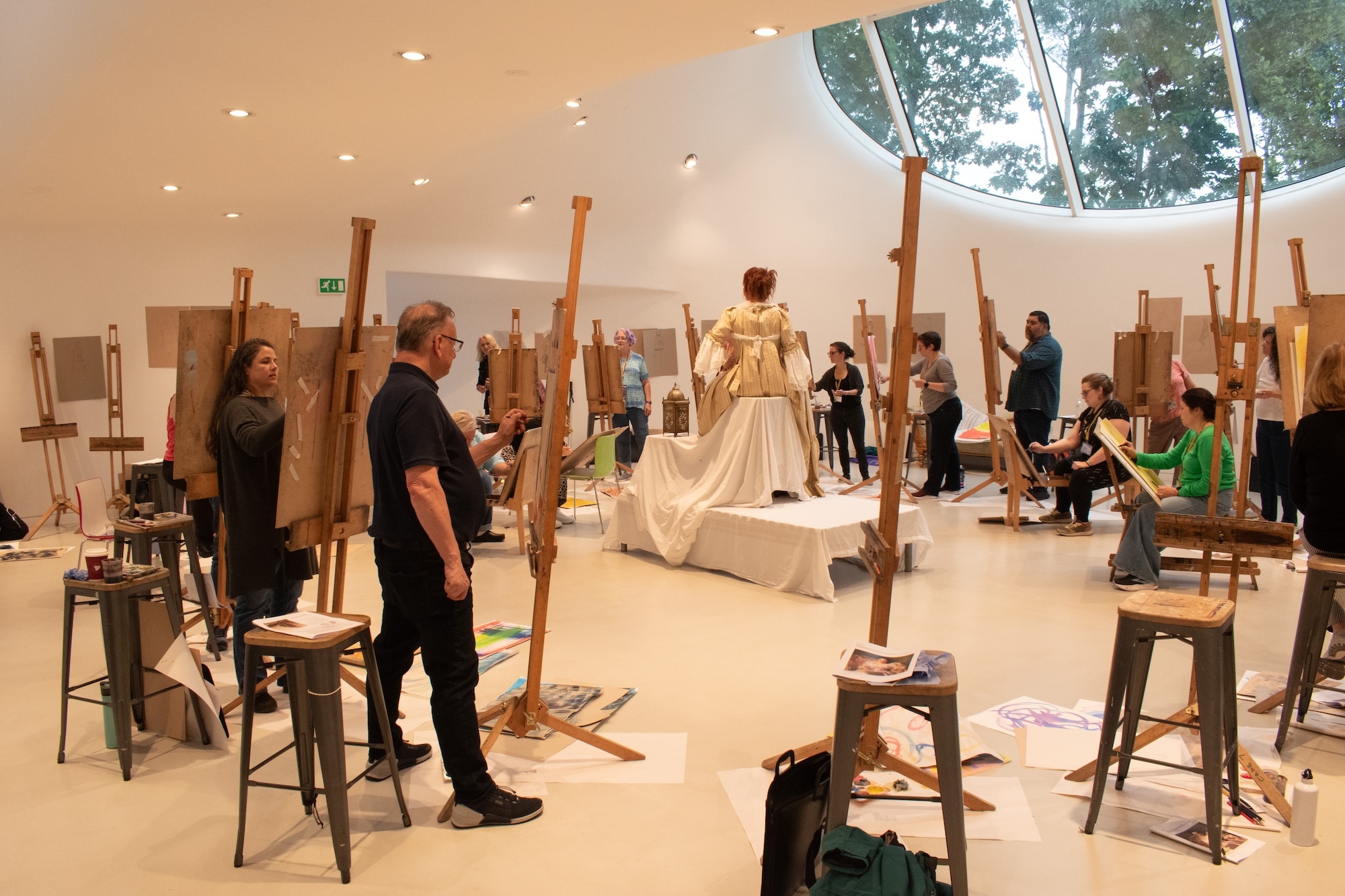
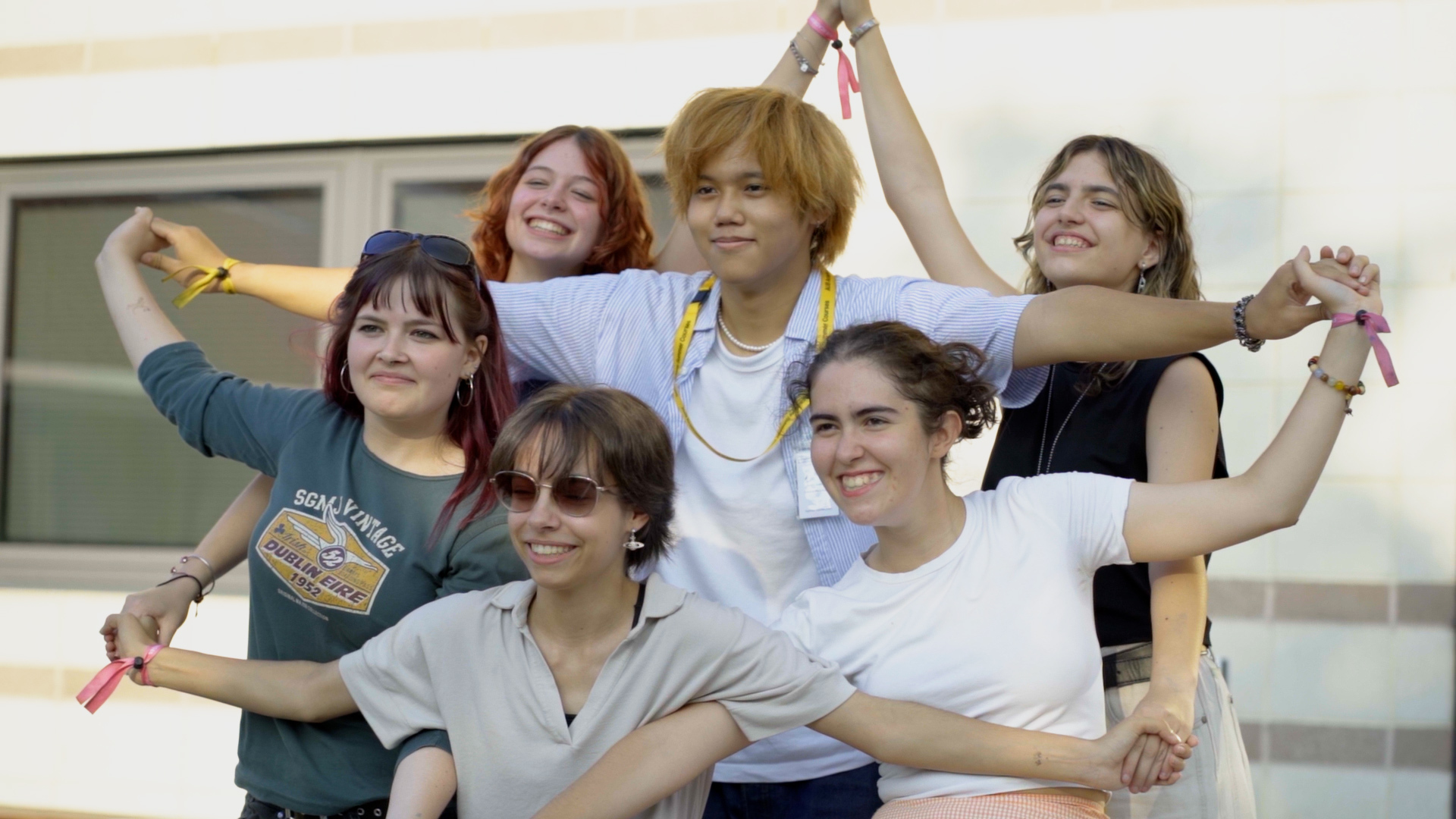
Postgraduate researchers from Arts University Bournemouth (AUB), University of the Arts London (UAL) and Guildhall School of Music and Drama came together during the summer at the UAL Doctoral School to present the Living Archive of London Encounters.
The project worked as an evolving archive that grew as people took part, combining photography, oral history and live mapping.
It brought together participants from across UAL colleges, other higher education and cultural institutions, an urban research consultancy, and the public sector to explore London’s rich, layered geographies.
Ayodeji Alaka, a PhD candidate at AUB and member of the University’s Creative and Applied Participatory Research Group, was a principal contributor, co-writing the proposal with Maria Andrews from UAL.
“My research explores embodied, participatory visual arts and design-thinking methodologies, notably critical cartography (counter-mapping), photo-walking, and photo-writing, for inclusive, citizen-led urban planning,” Ayo explains.
Counter-mapping is the practice of charting a place through the eyes of the people who live there, rather than relying on official maps.
“My thesis focuses on the legislated representation of Yoruba communities in Southwark,” says Ayo. “The Living Archive of London Encounters let me test these methods collaboratively.”


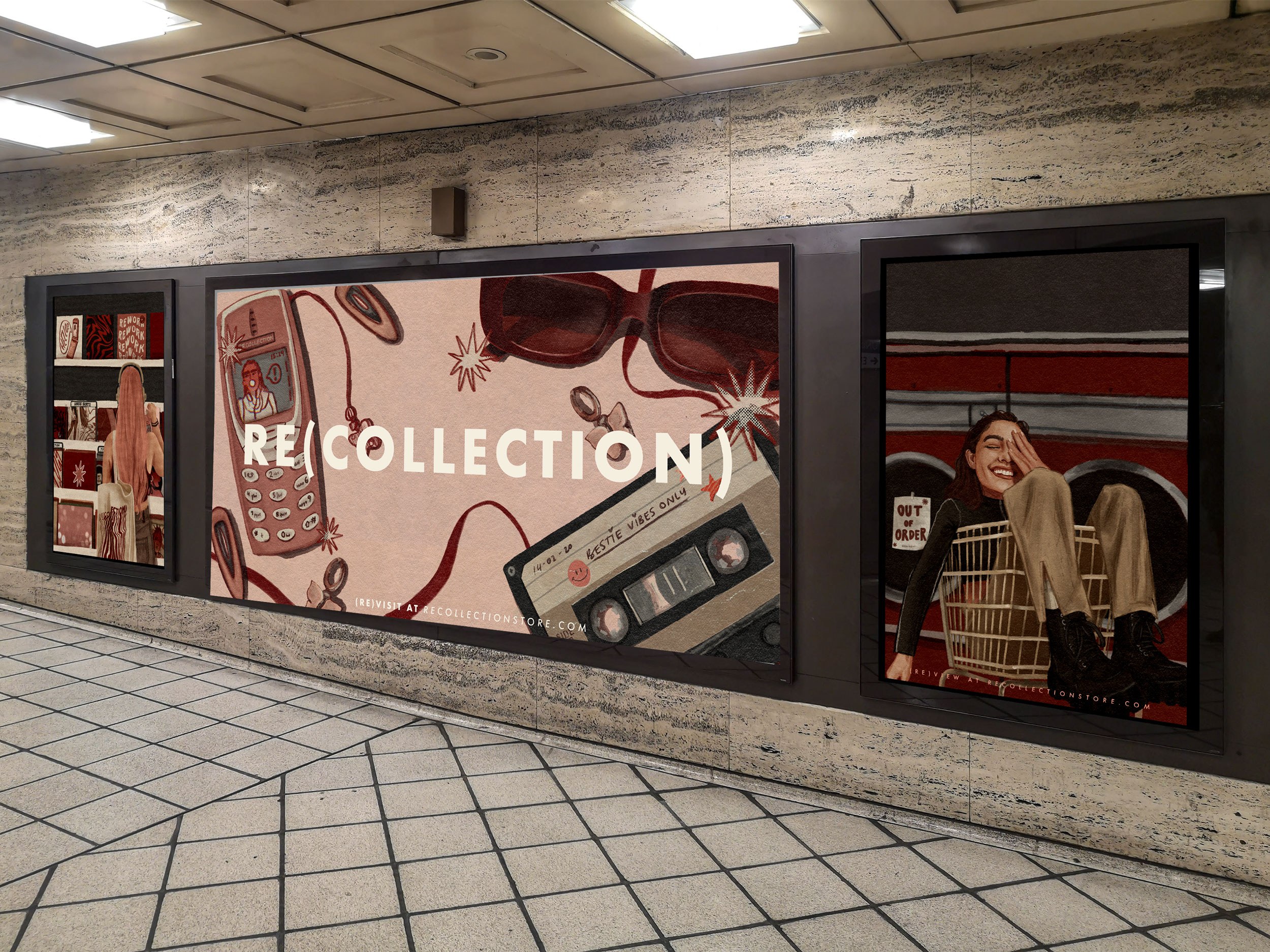
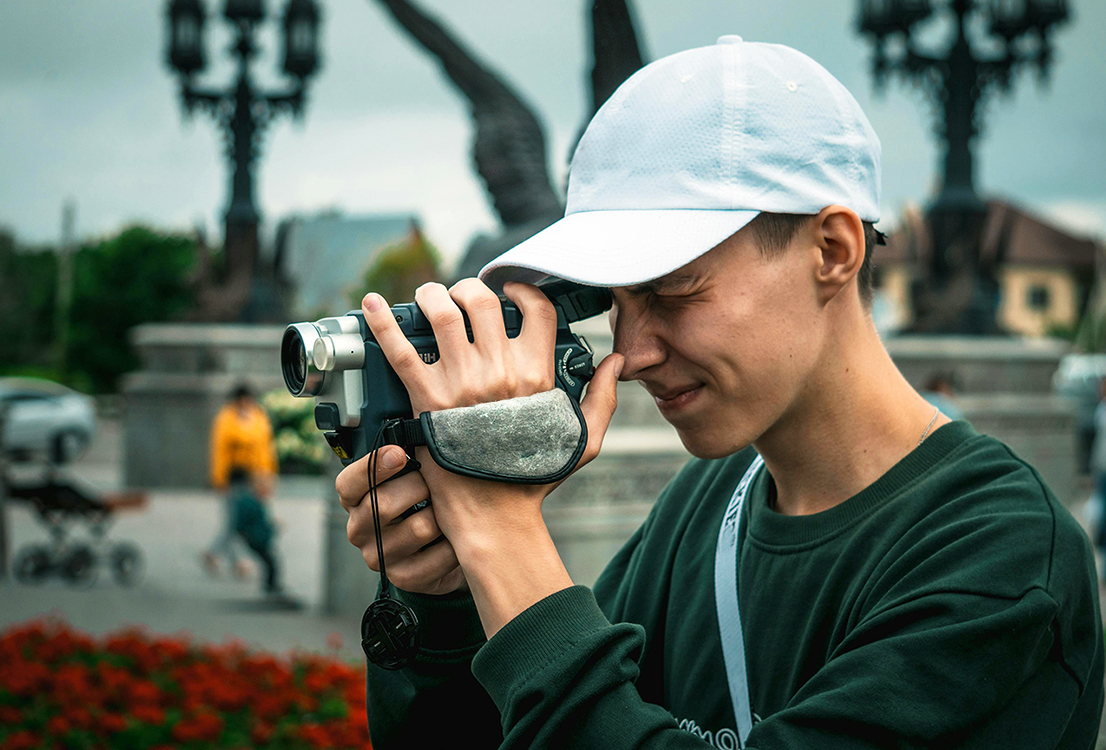
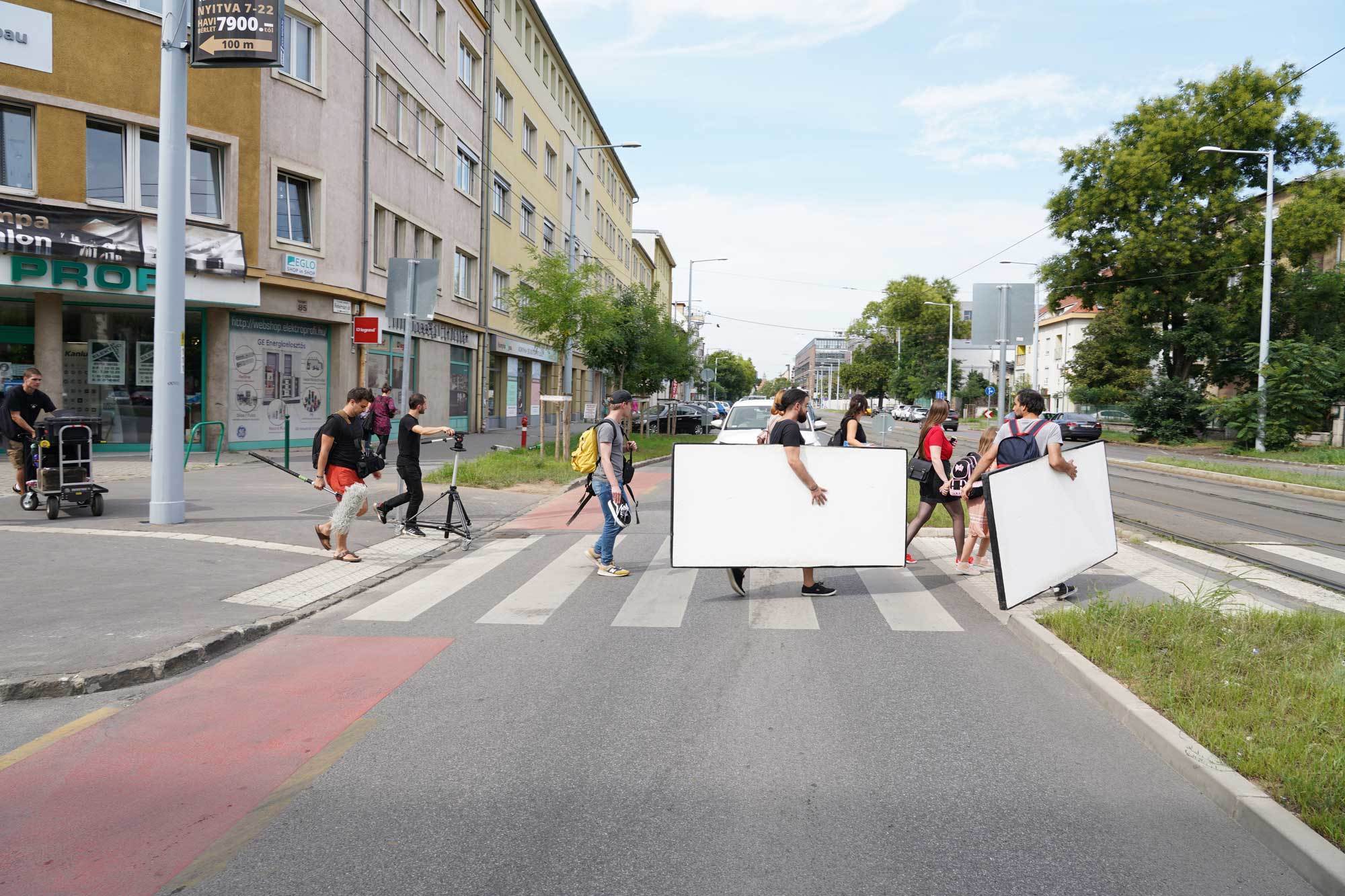
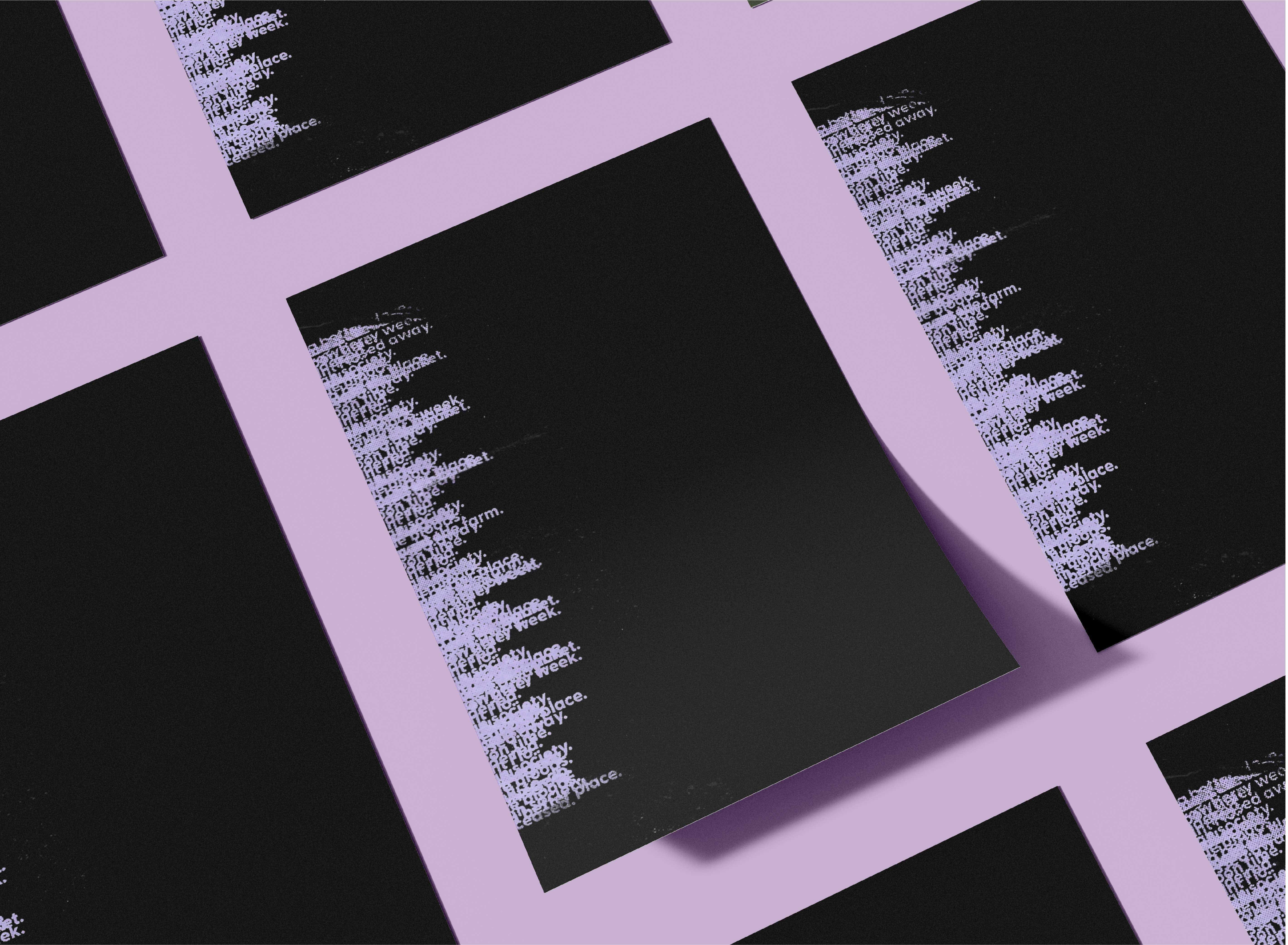
Ayo also acted as informal project manager, designing the participatory experience and scoping the site, as well as co-creating the poster and photographing the event from start to finish.
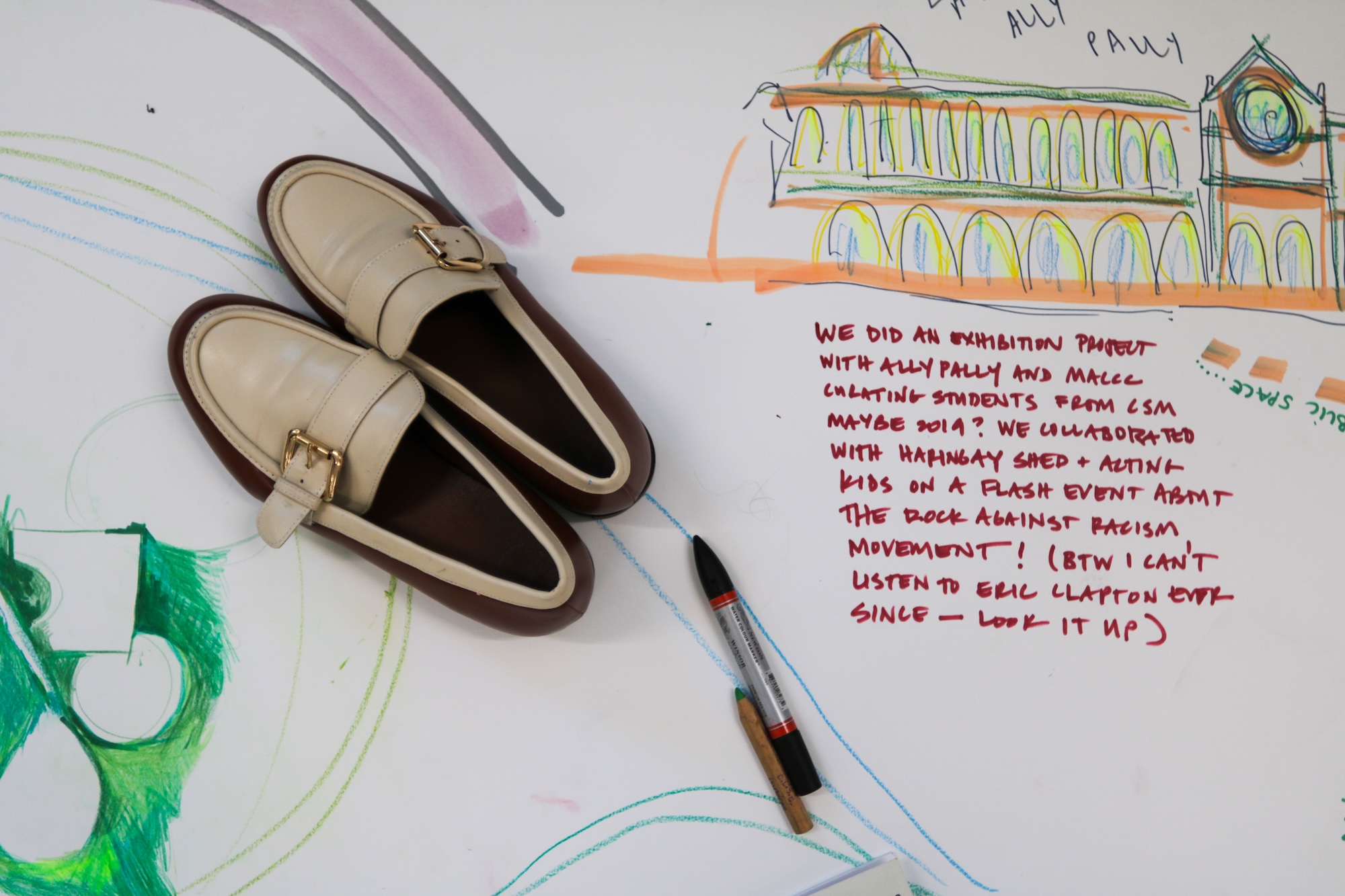
He says a highlight was “watching colleagues from different institutions and disciplines co-create one continuous map on the floor, layering personal and collective memory in a way no official map would capture.”
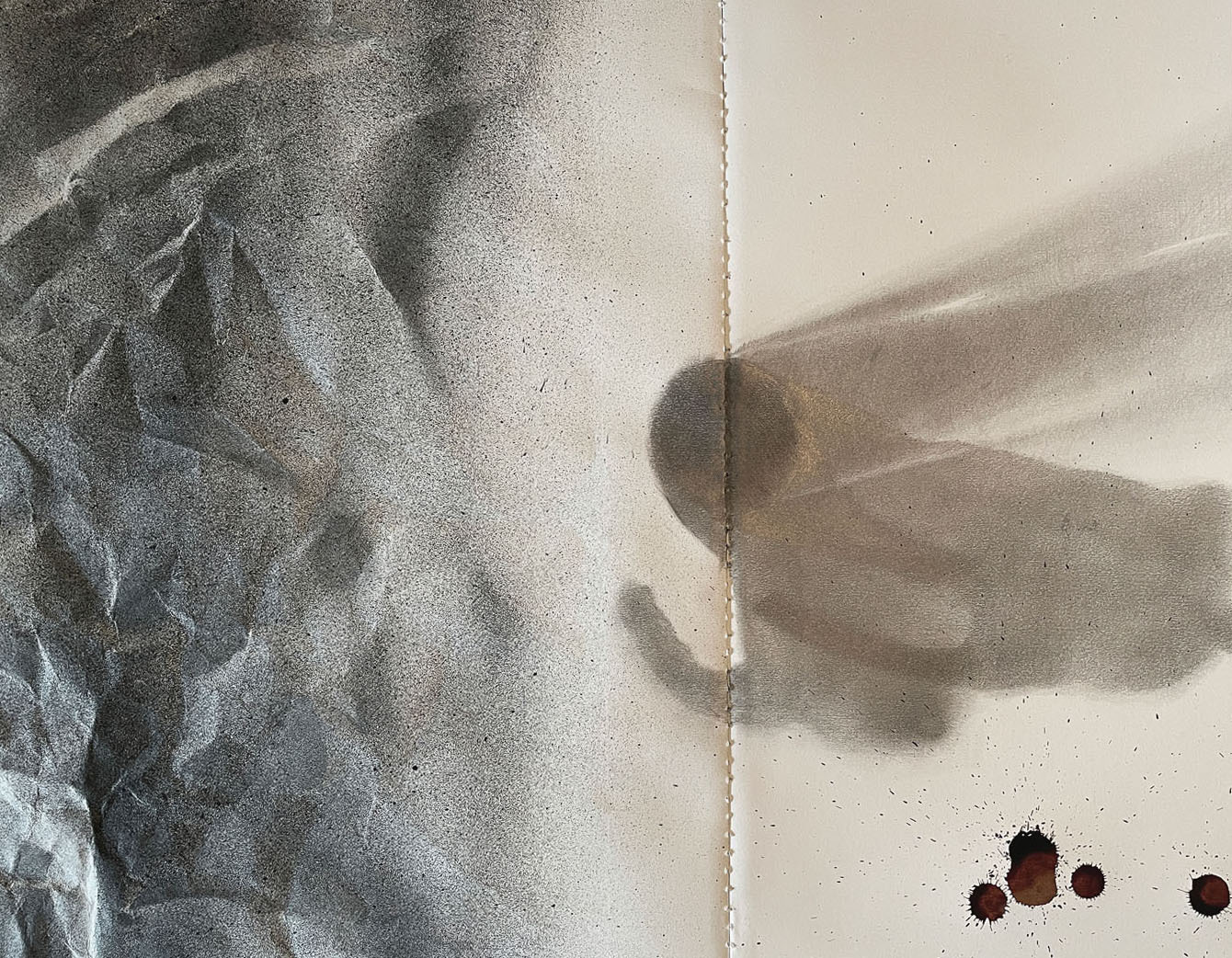
“Participants removed their shoes, stepped onto a floor-sized paper map, and surfaced unmapped urban knowledge through tactile prompts rather than questionnaires.
“The approach is non-extractive, and the photography documents the process as part of the archive itself. It also informs how I think about diasporic ecologies and transnational traces in London’s public spaces.”
In September, Ayo and Maria co-produced and presented the project at the ASLE-UKI Biennial Postgraduate Conference 2026 at the University of Chichester. The conference was titled No Futures? Hopeful Worldings in Haunted Times.
Unable to attend in person, Ayo contributed pre-recorded voiceovers across five slides, with Maria presenting live in between.
Translating this live, hands-on practice into a pre-recorded format was a key challenge, Ayo says, especially as he could not attend himself.
“The photographs became essential here,” he explains. “Each slide was anchored by a single image from the session, so the practice could be seen, not just described.”
Looking ahead, Ayo will soon discuss the AUB–UAL collaboration at the Guildhall School of Music and Drama’s upcoming Lab Night.
“Engaging with that audience to explore future collaborative frameworks is a timely opportunity to open doors between AUB, UAL and the Guildhall,” he says.