








As a lover of art, games, film, and 3D modelling, the choice to study games art became more and more obvious to me as the route to go down. The hard part? Picking a university.
The UK isn’t exactly spoiled for choice when it comes to games courses, however the larger names like Falmouth and Staffordshire were some of my first choices. That was before I took a year out to study an art and design foundation course, which gave me more time to re-evaluate my options, and in that time, I became aware of AUB’s new BA (Hons) Games Art and Design course.
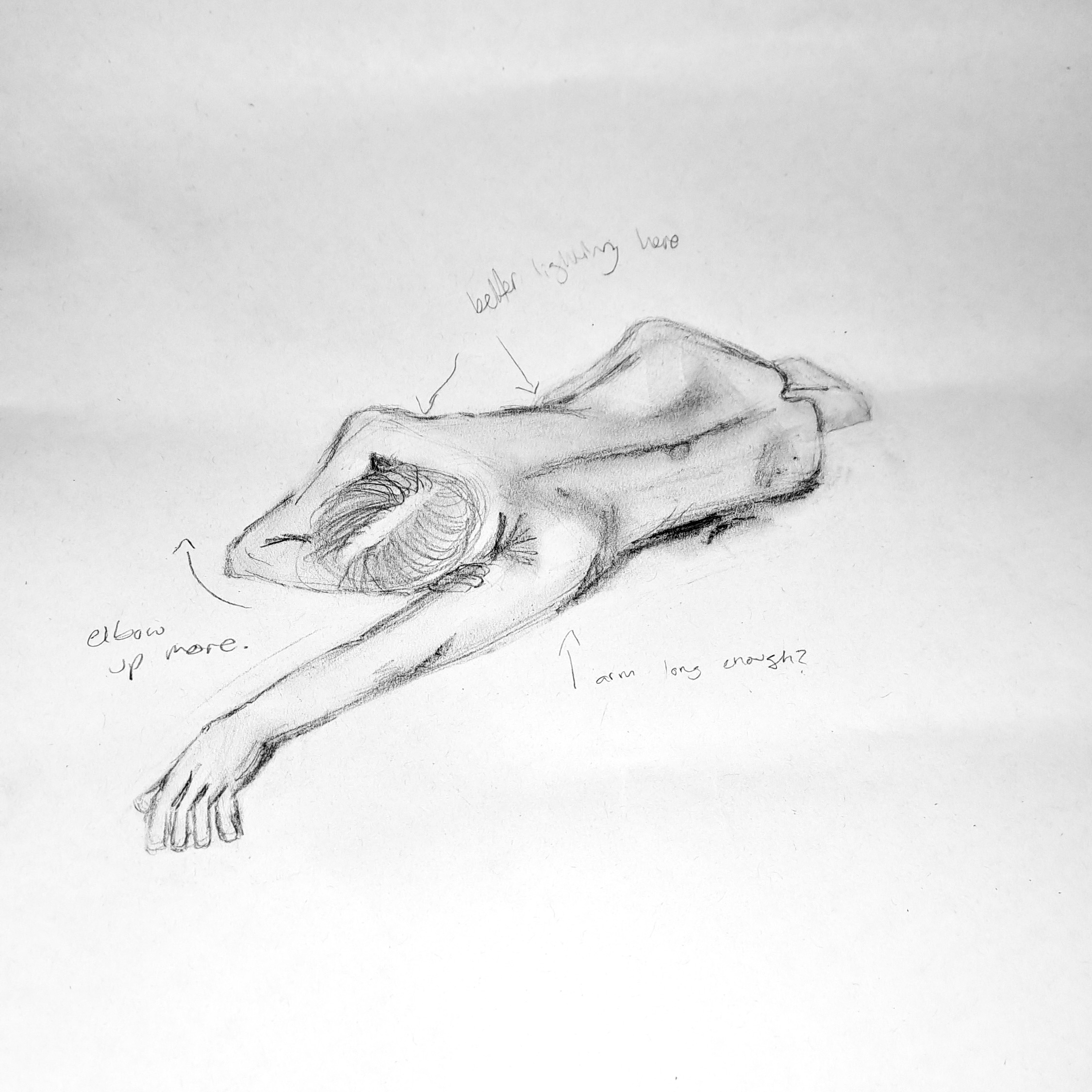
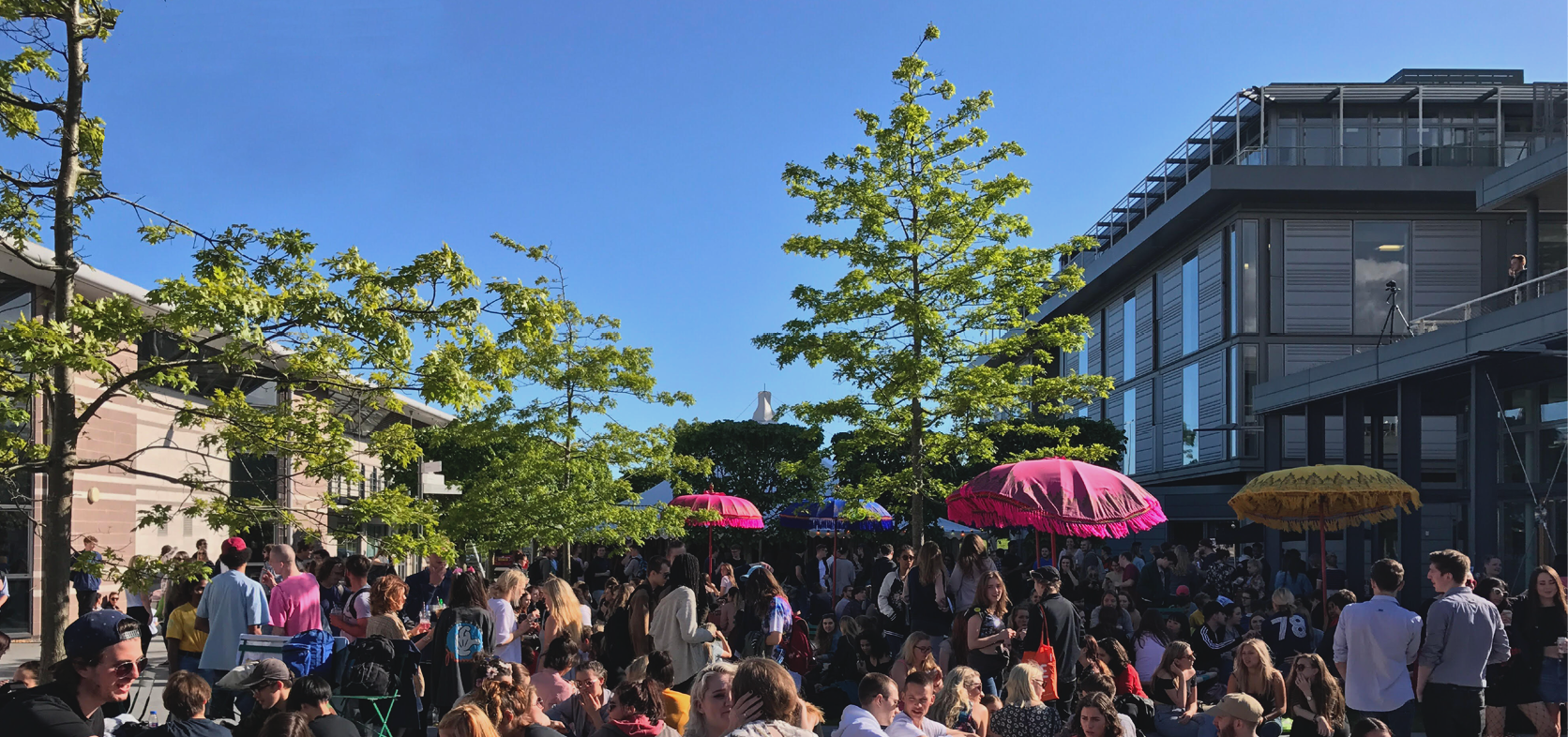
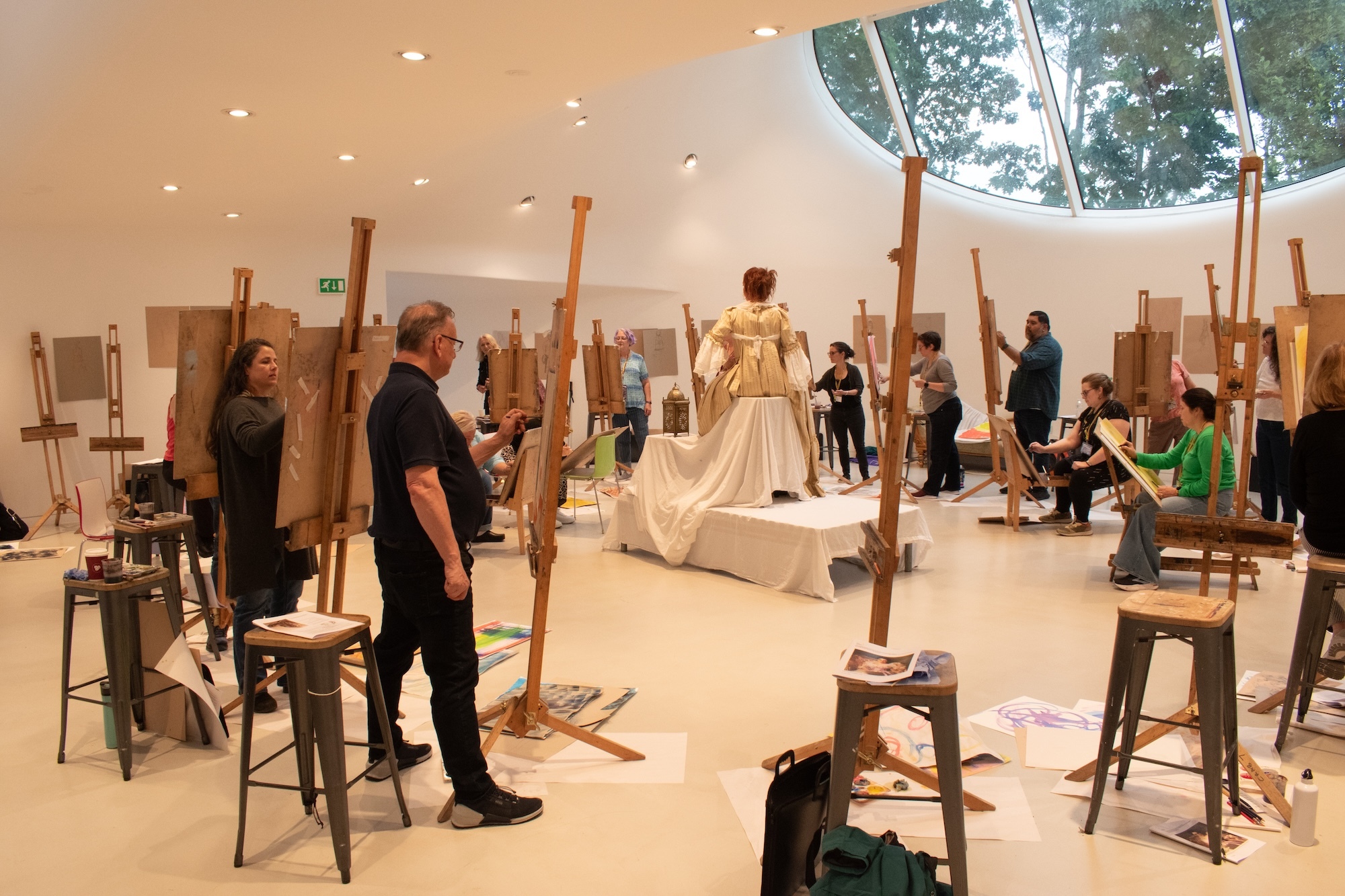
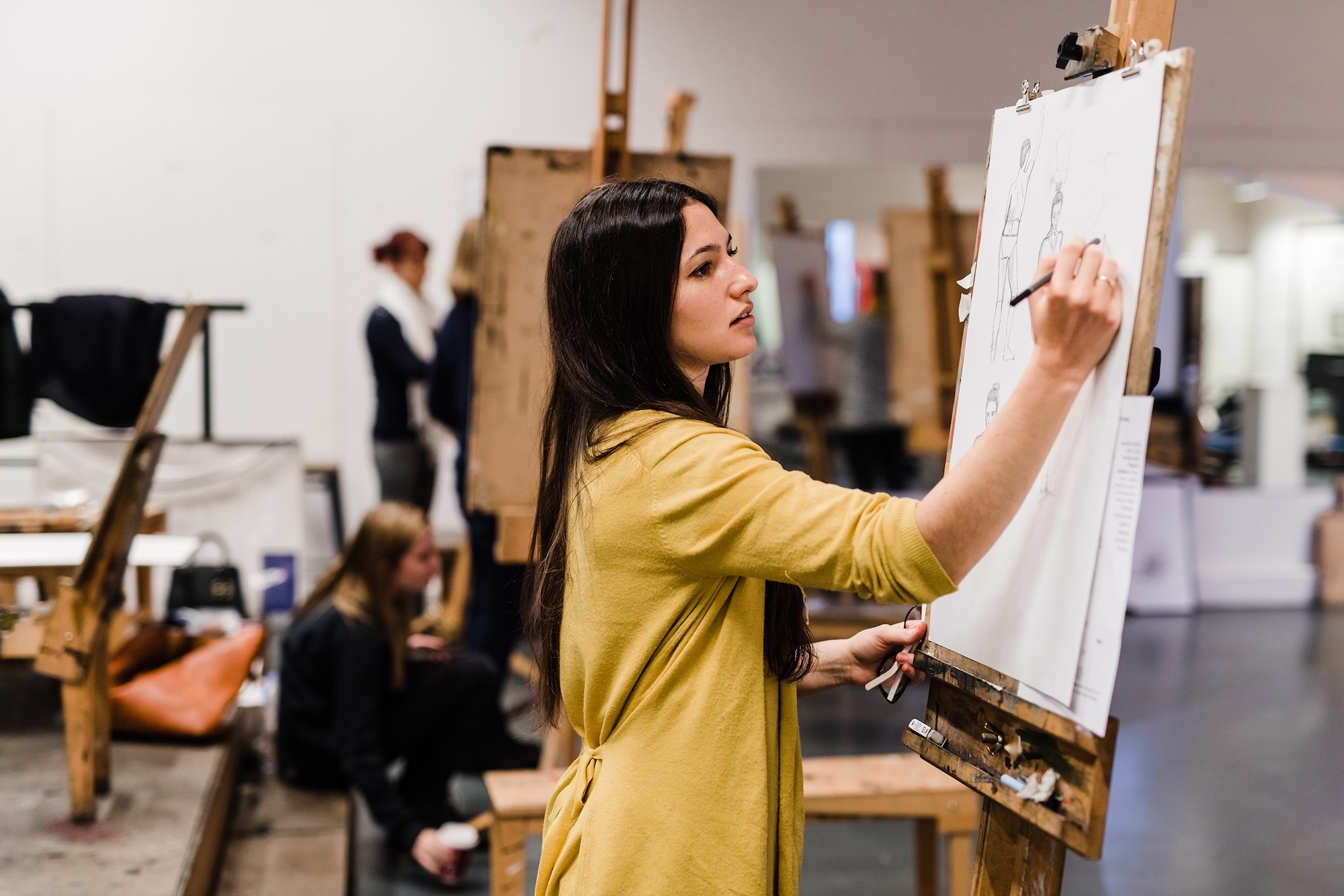
There were a few key parts to the course I was looking for: life drawing – tick; good mix of technical and artistic workload – tick; and coming to the campus for an Open Day had me sold.
The idea of a starting a brand-new course was definitely scary, but I also could see positives. If we were the ‘testing’ year, then I could see us being able to give valuable feedback and shape the course in the right direction for us. I became a student rep to help gather and direct this feedback, which allowed the course to take directions governed by the students.
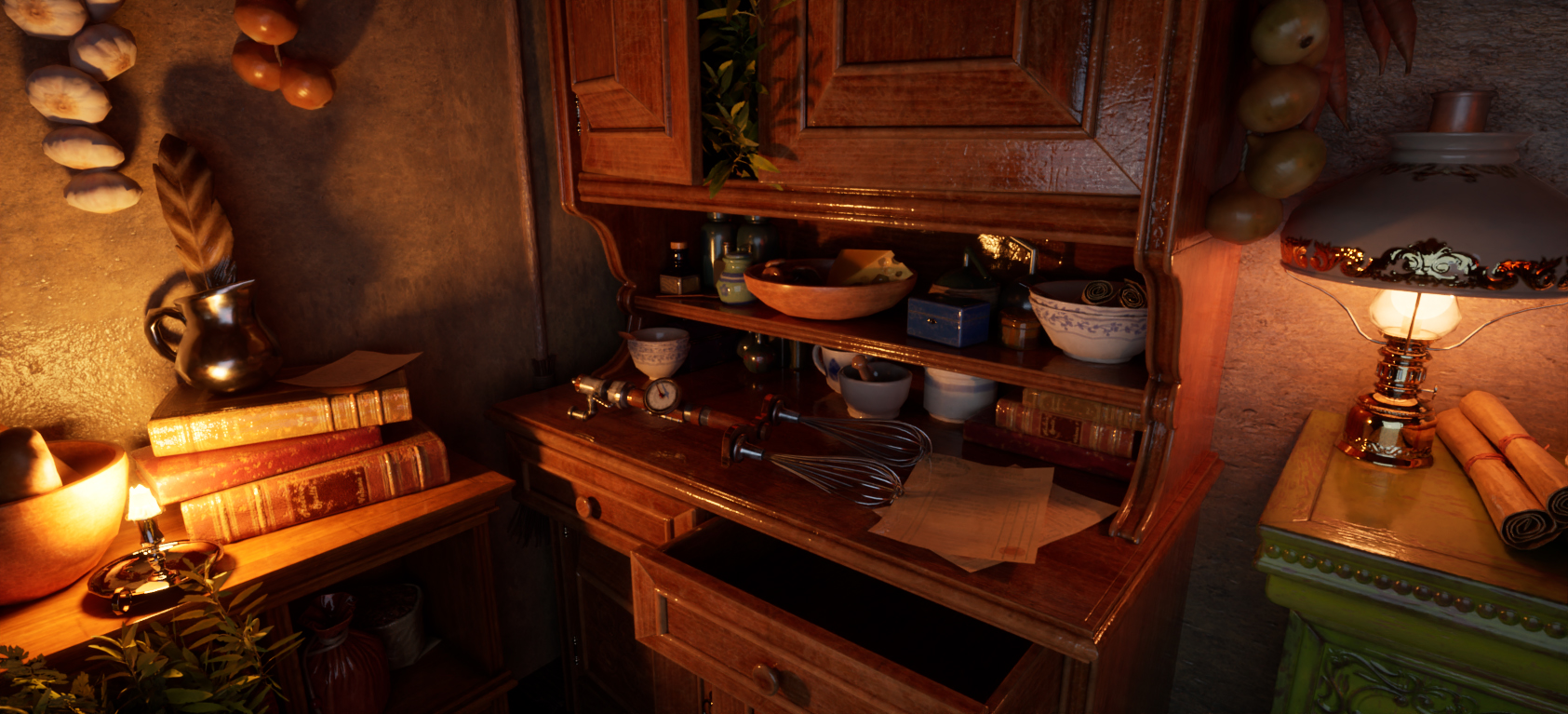
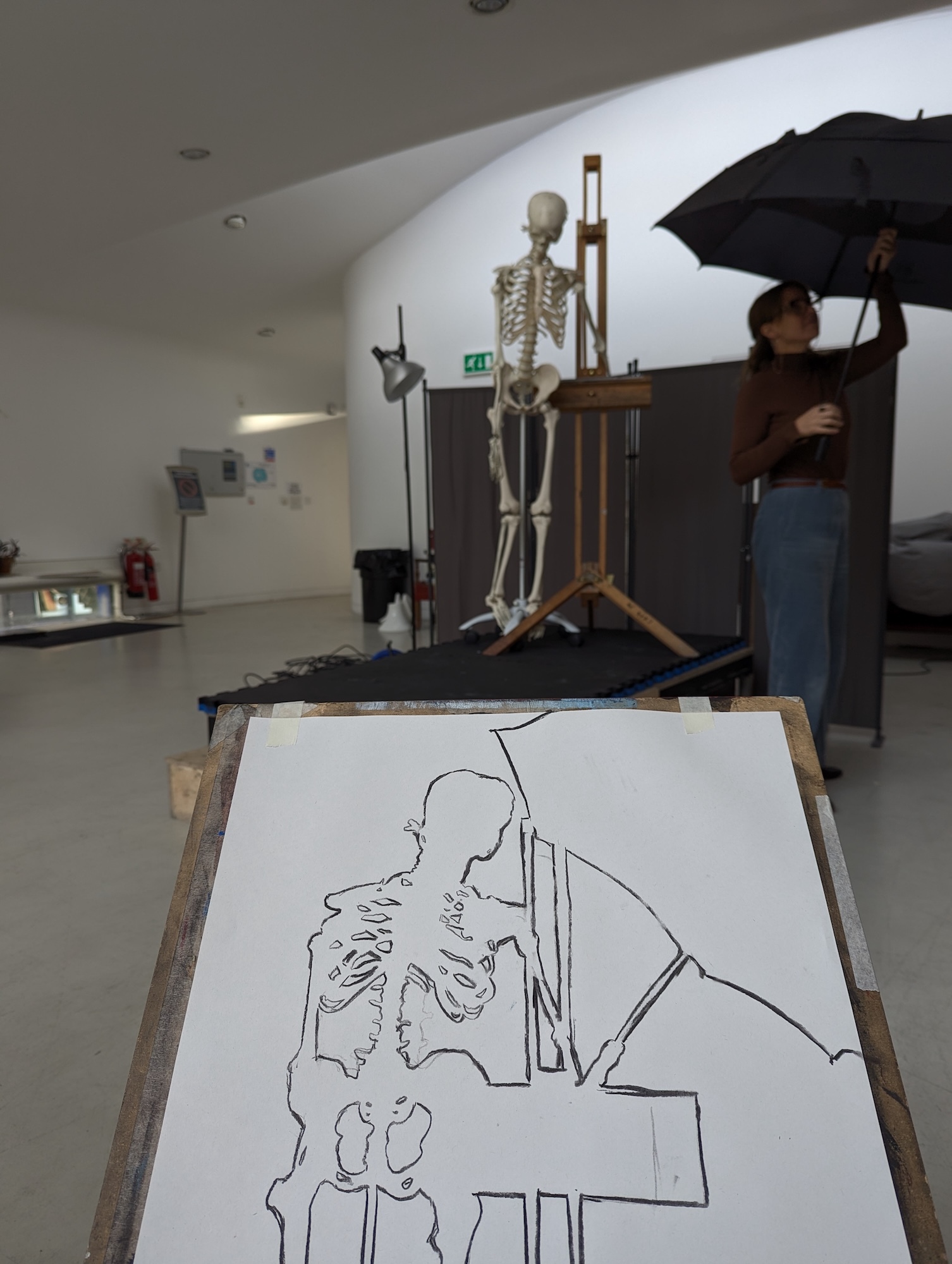
As I went through the year, I loved that we were getting more and more into the technical creation of games while also keeping traditional life drawing skills. By Term Two, we were collaborating in small groups to create a short ‘meaningful game’. In my group, we separated into roles for things like concept art, asset creation, and gameplay production, and we ended up with a fully playable short linear game following a mother badger through the wilderness. I loved getting to see what all the other groups got up to when we showcased each game to the class.
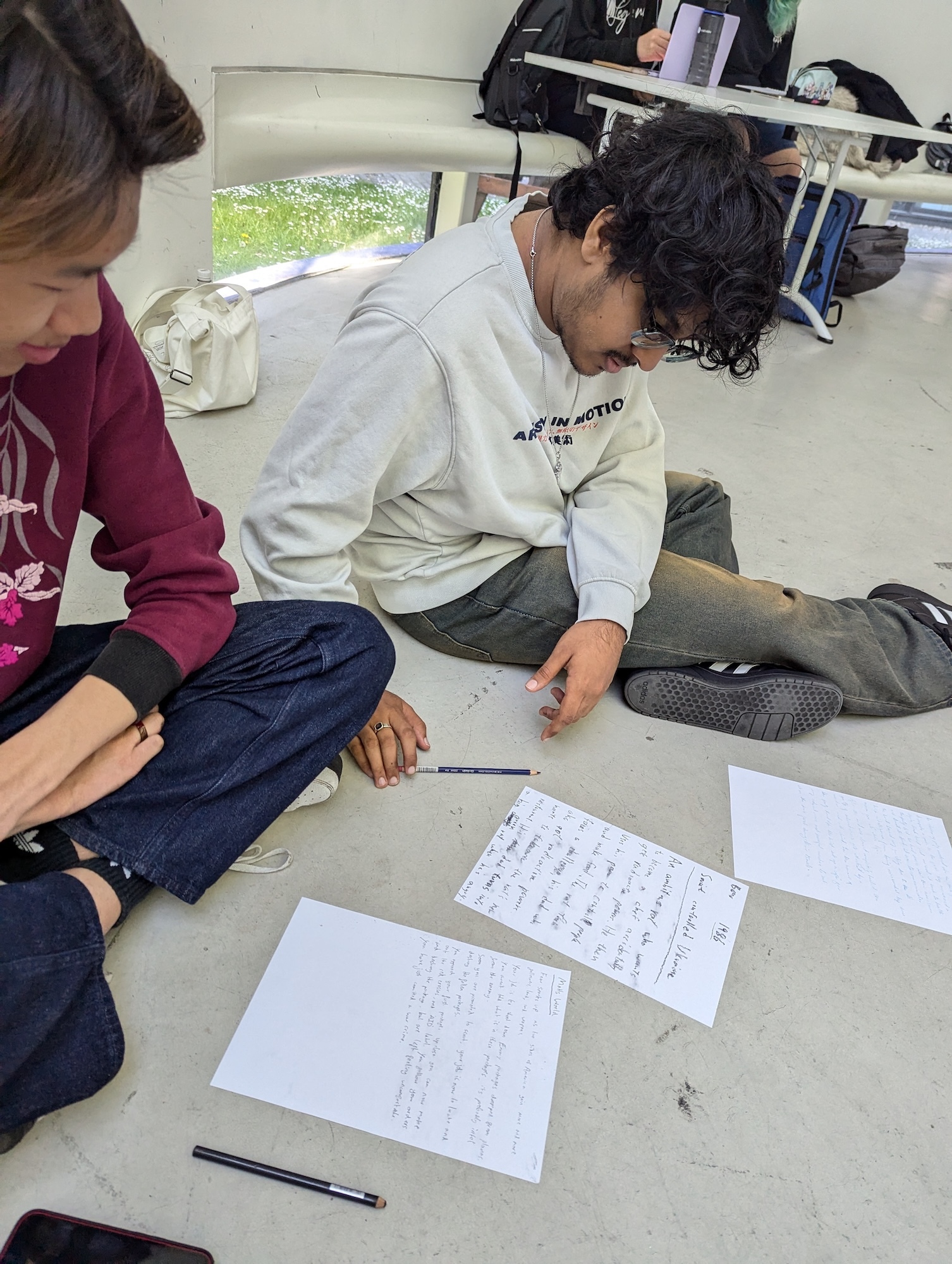
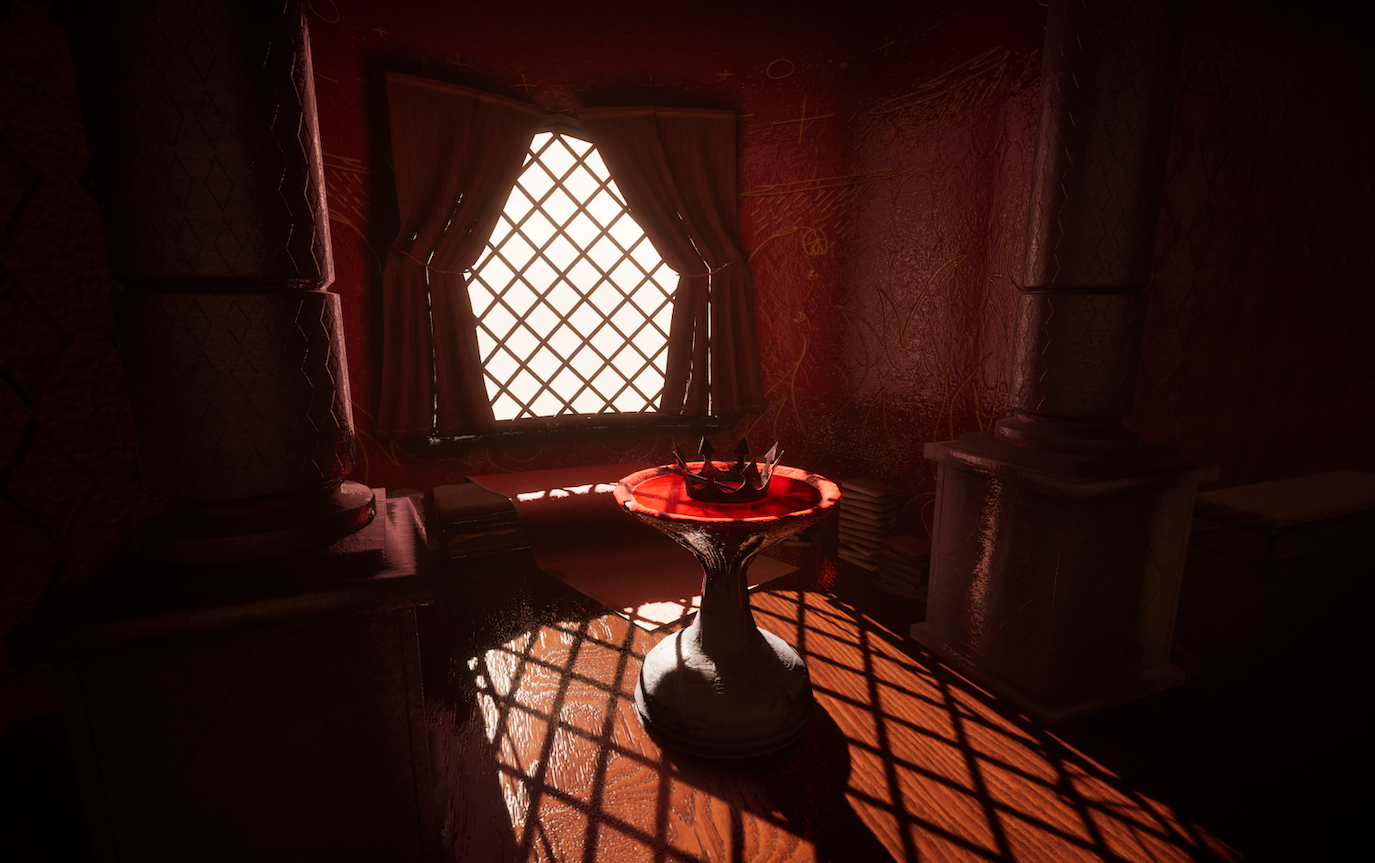
The third term is where things really picked up. The topic was ‘Storytelling Through Games’, and we had a visiting lecturer to guide us through the writing process for creating a compelling narrative. The difference this term is that we were creating a full game completely solo, to then display at an end of year exhibition.
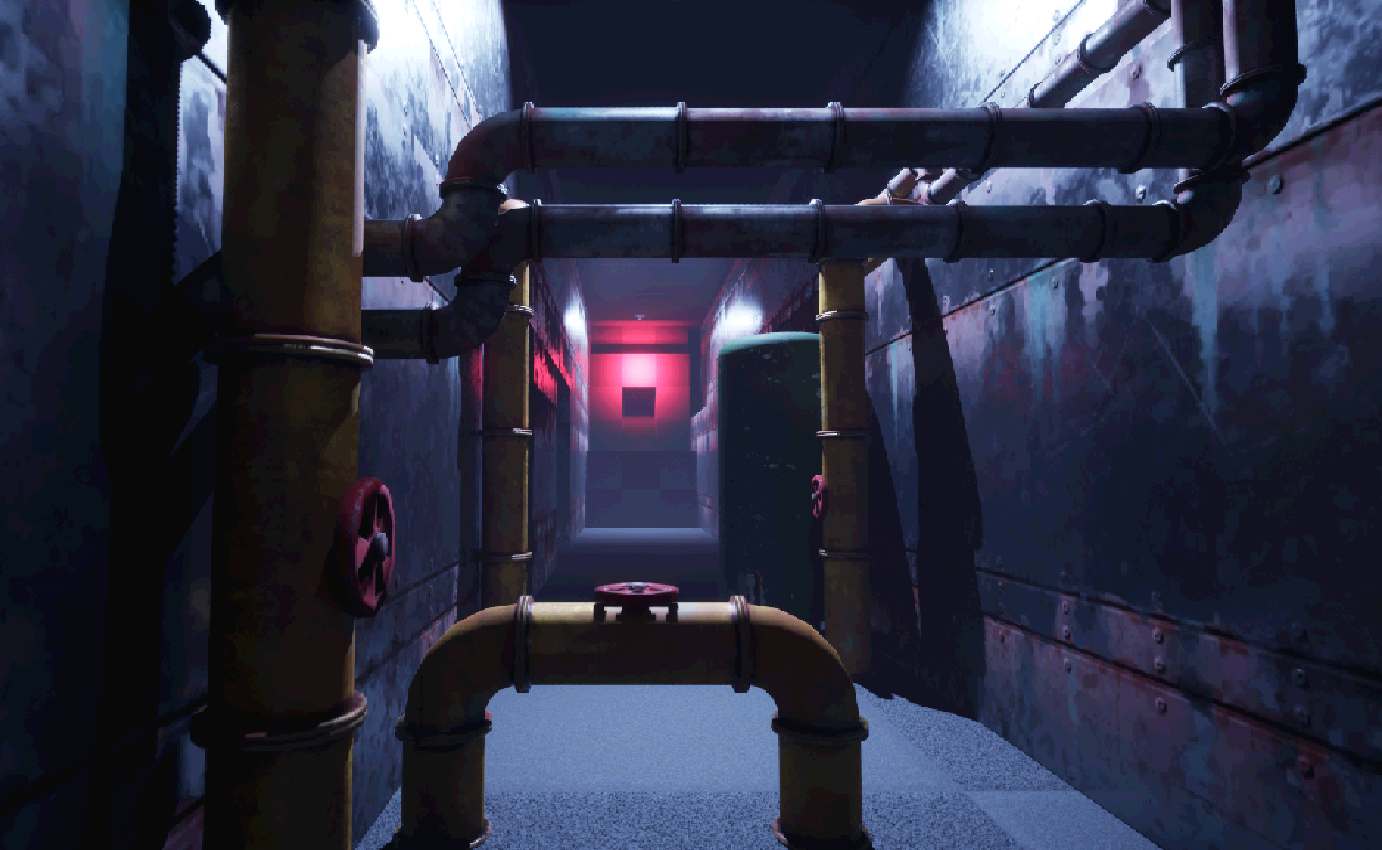
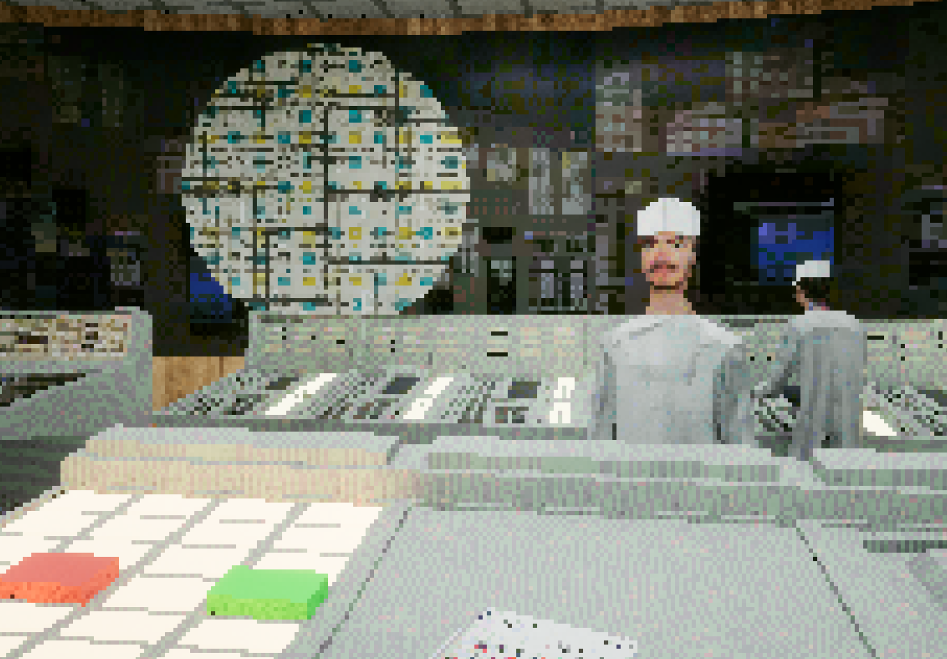
We only had a few weeks to create our games, so I got brainstorming as fast as possible, using the narrative of the Chernobyl nuclear disaster as the backbone for my game. I wasted no time in modelling out the sprawling corridor environment, which I knew would remain unchanged regardless of the gameplay mechanics or storyline, therefore allowing me to think of these in the background.
Towards the end of term, I really ramped up my workload to have a pretty polished playable game before the deadline, so that I could relax and focus on smaller details during the last few days. On top of the game production, we were also going on day trips around the Bournemouth area to practise our observational drawing.
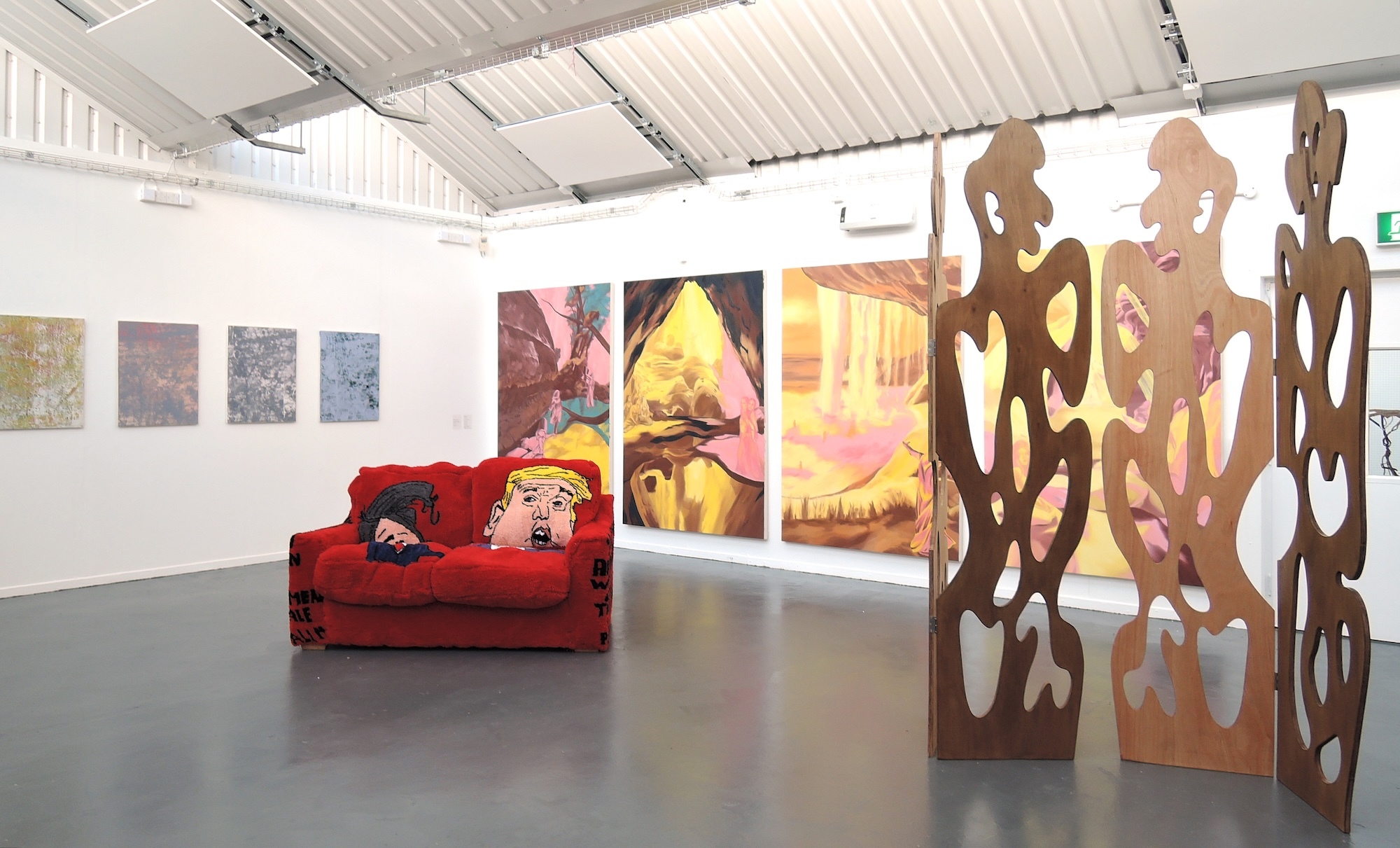
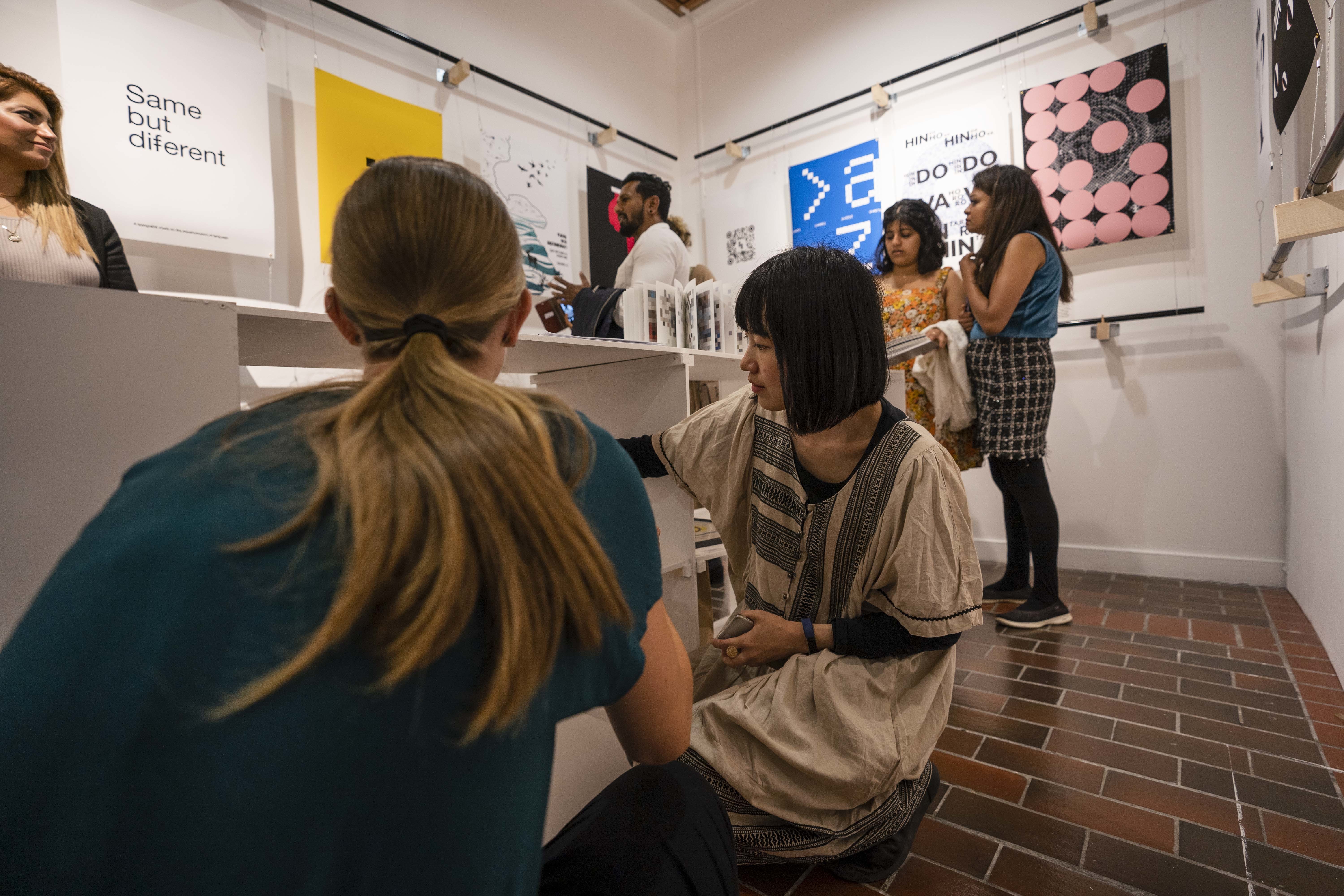
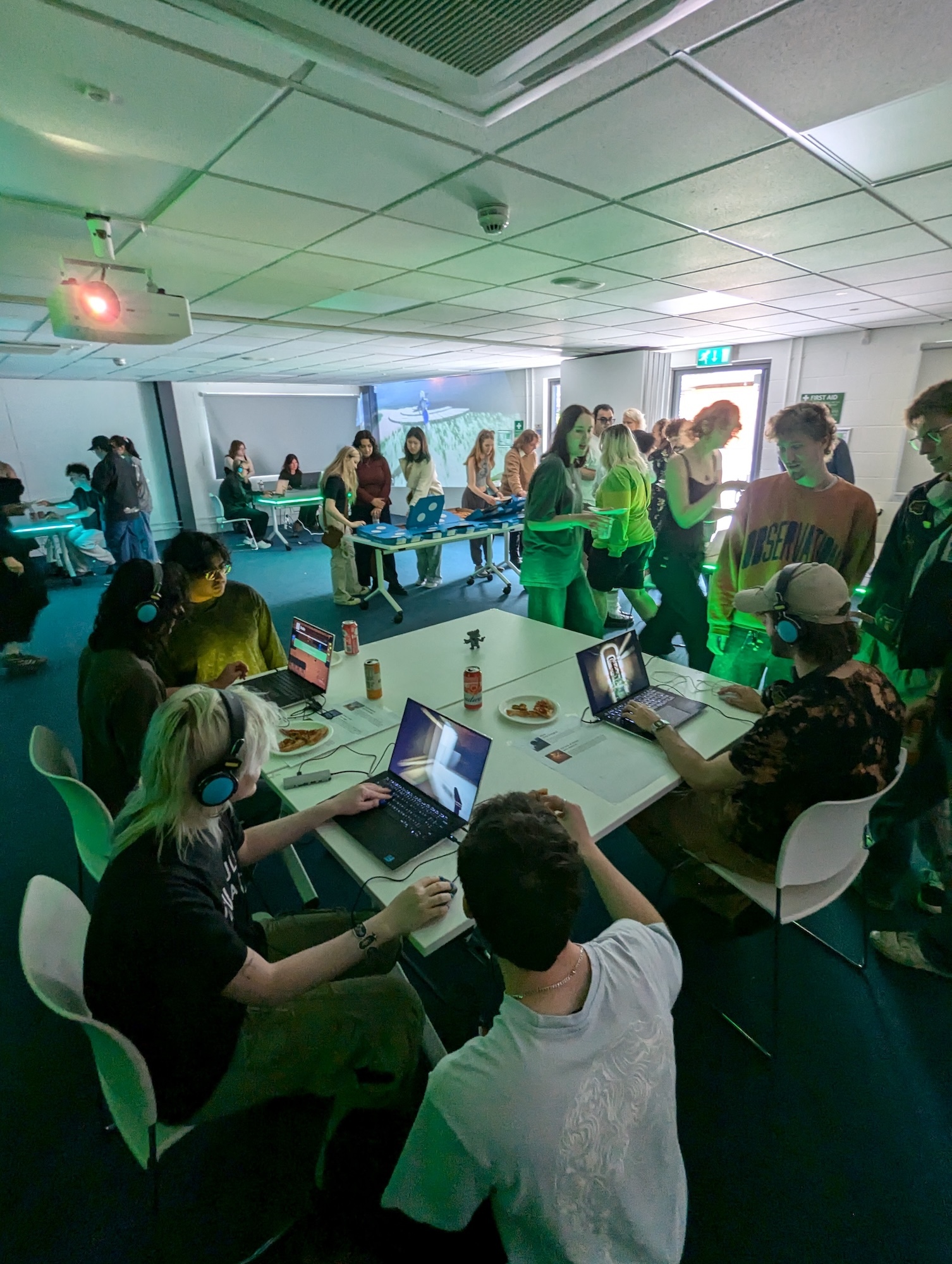
Thanks to the massive help from our course leader, lecturers, and technician, we were able to put on a very successful games exhibition at the end of the year, with multiple computers setup with our games running on them. Getting to see people play your game is fun, but the best part is seeing what everyone else had made in the time given, and there were some extremely unique and creative ideas.
The year ended on a high note with the exhibition, leaving us ready to come back after the summer and pick an area to specialize in.
I have a few pieces of advice for anyone looking to study BA (Hons) Games Art and Design:
- Love what you create – make stuff that you are absolutely passionate about, this passion will show in your work. It’s easier to stay on track when you really care about what you make.
- Stay curious – learning shouldn’t end when you leave the classroom! Have an interest in what you learn, ask lots of questions, watch videos on topics that interest you, go home and start a project of your own!
- Deadlines creeping up? – start your projects EARLY, I can’t stress this enough. Keep going at a steady pace with your work and you’ll always hit your deadlines. This links back to the first point too; if you love what you’re making then you’ll want to be working on it all the time.
- Experiment – don’t stress! Use this time to explore what parts of game design you like, and what you don’t like, you could have a complete change of preference, but you’ll never know if you don’t try so put yourself out there.