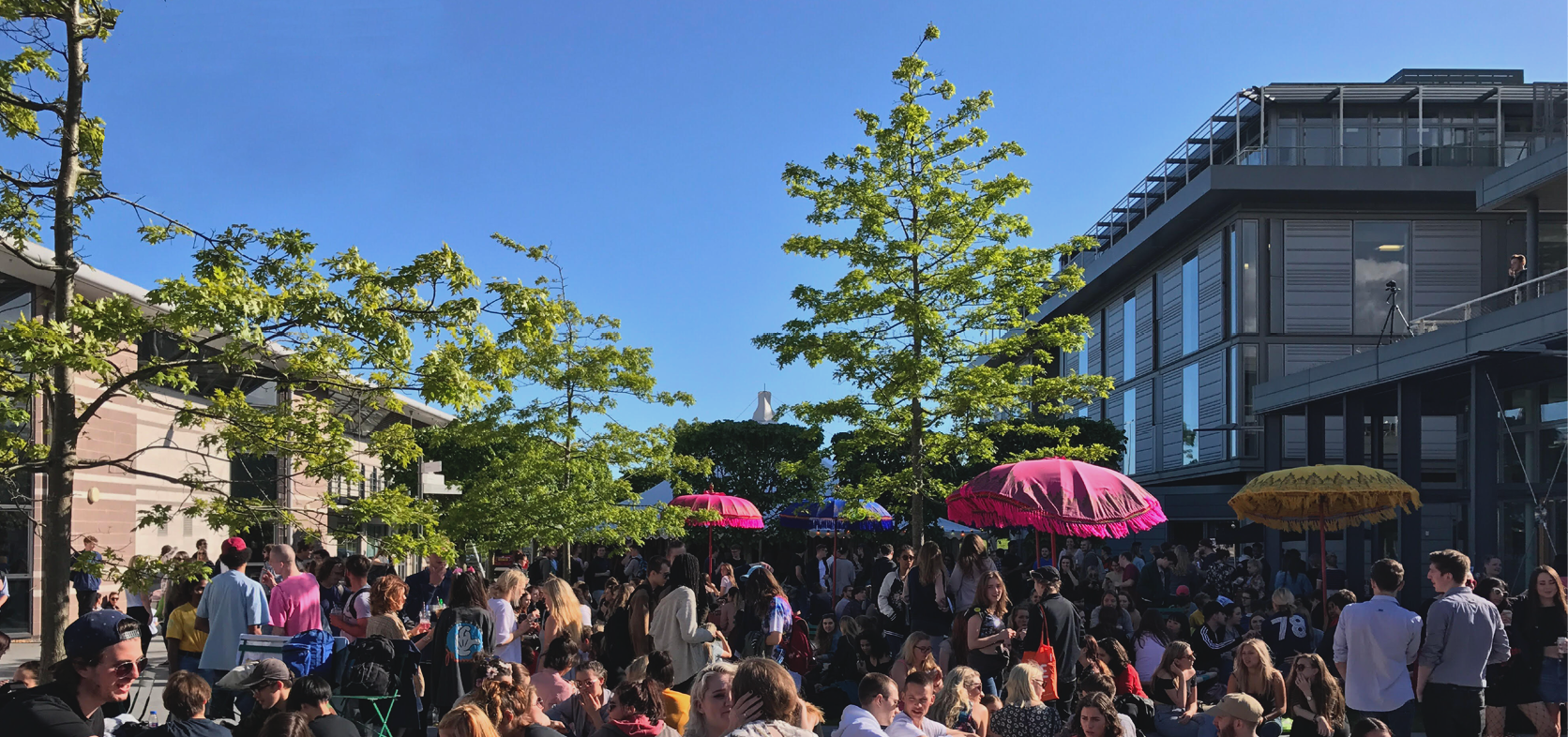
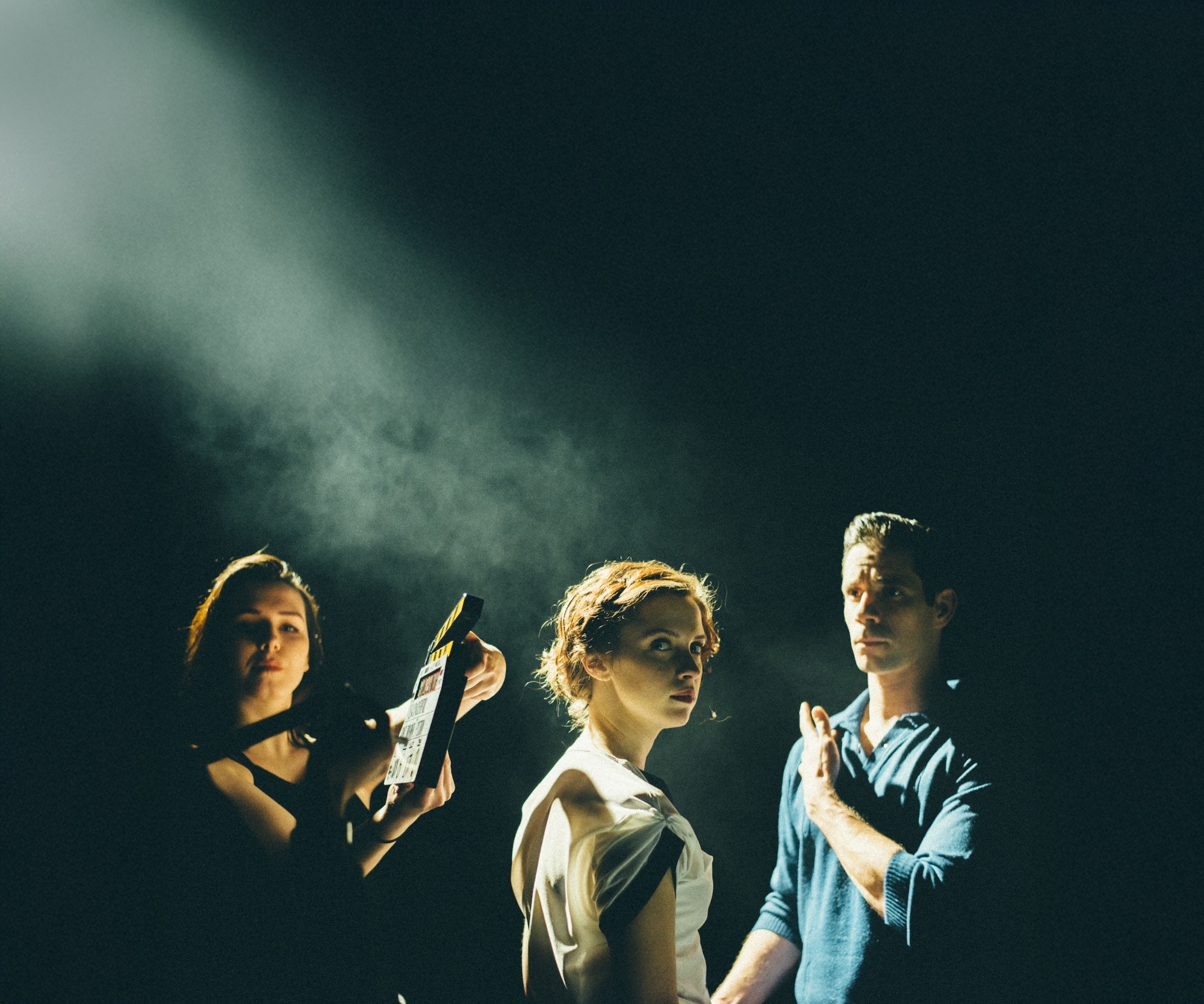



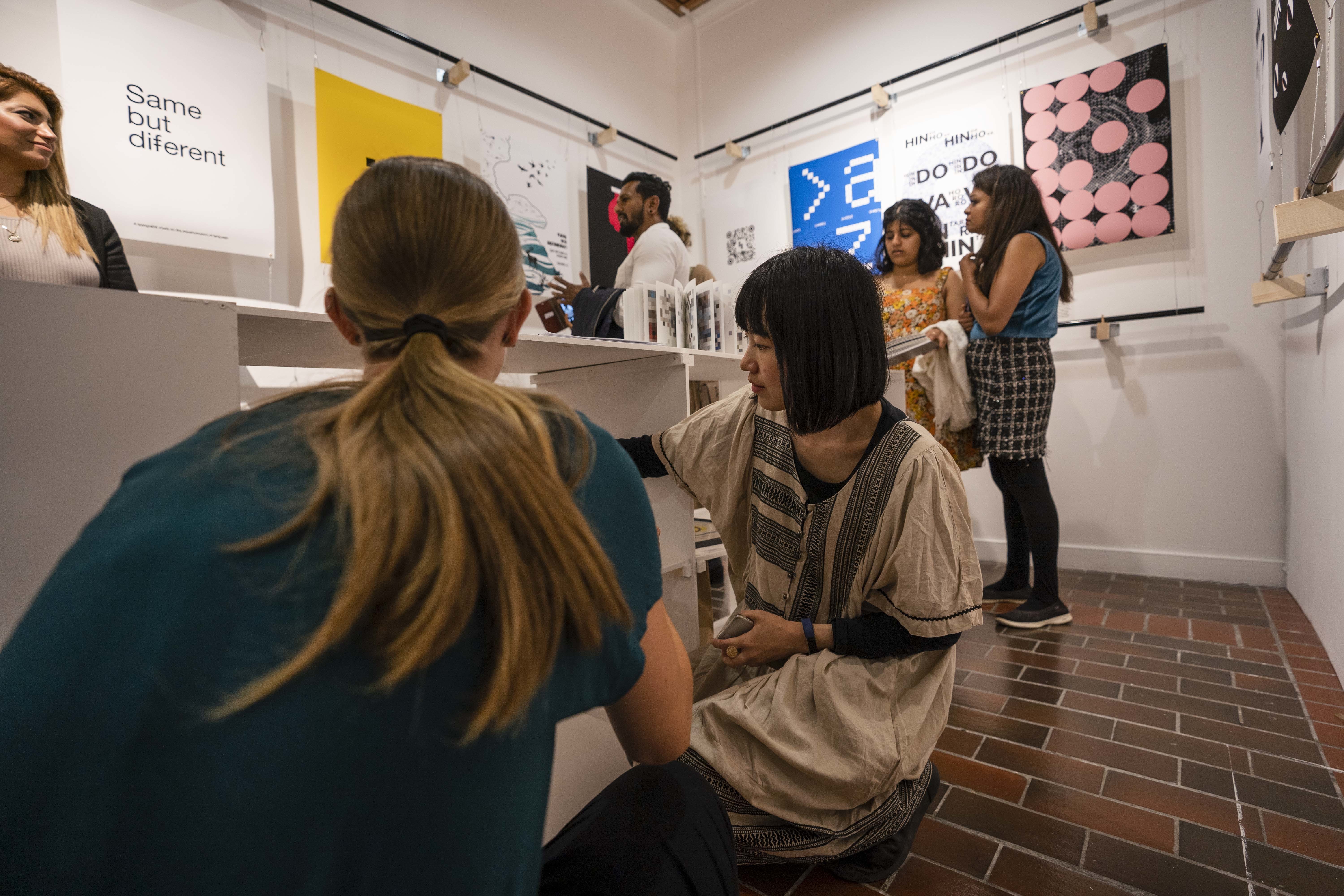



Audiences came together to celebrate the power of storytelling through film, craft, and textiles at AUB’s Palace Court Theatre.
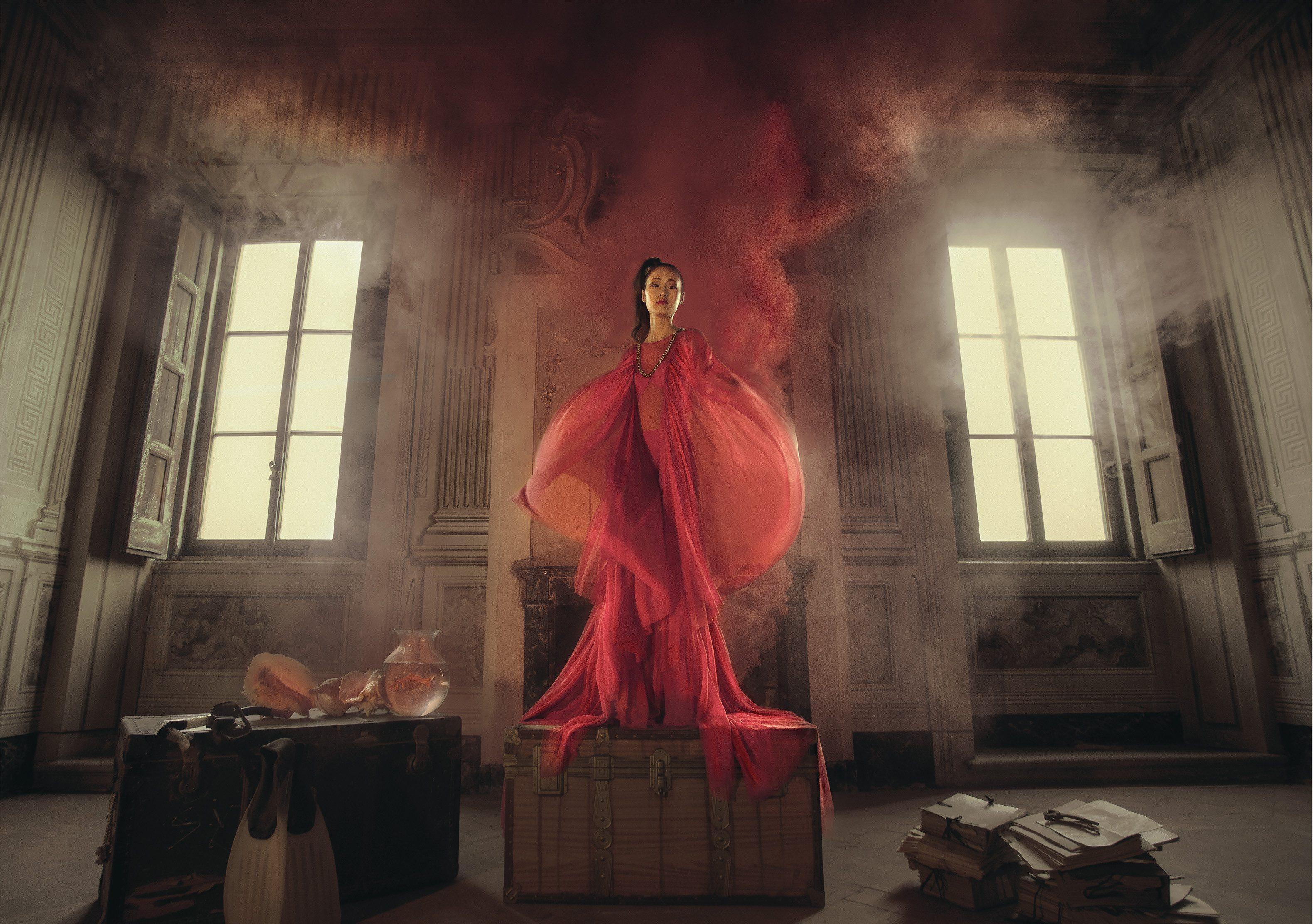
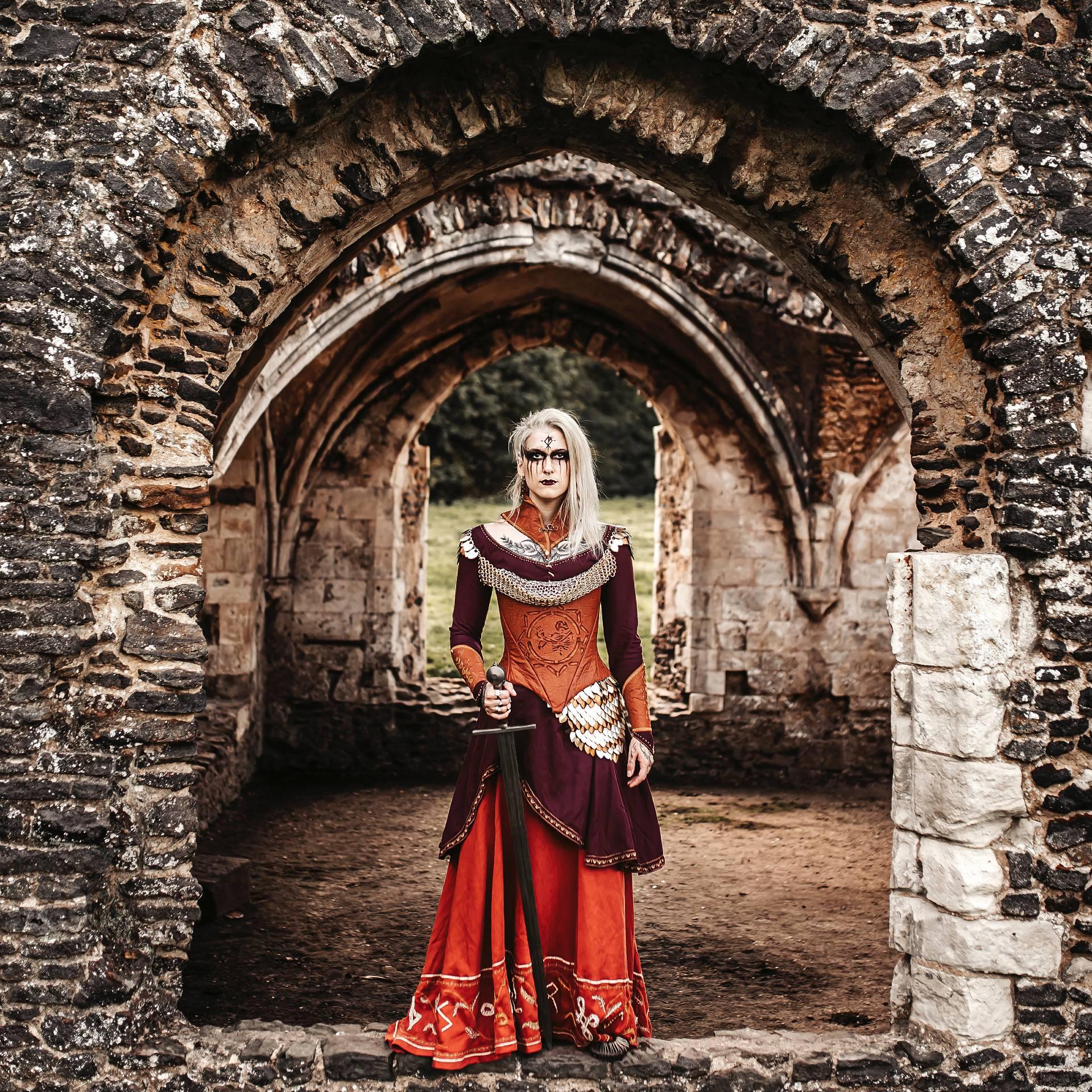
This special event, which took place on Saturday 18 October, brought together felted animations produced by Jessica Jacobs’ AHRC-funded Storytelling for All project, with Kirstie Macleod’s internationally acclaimed Red Dress project.
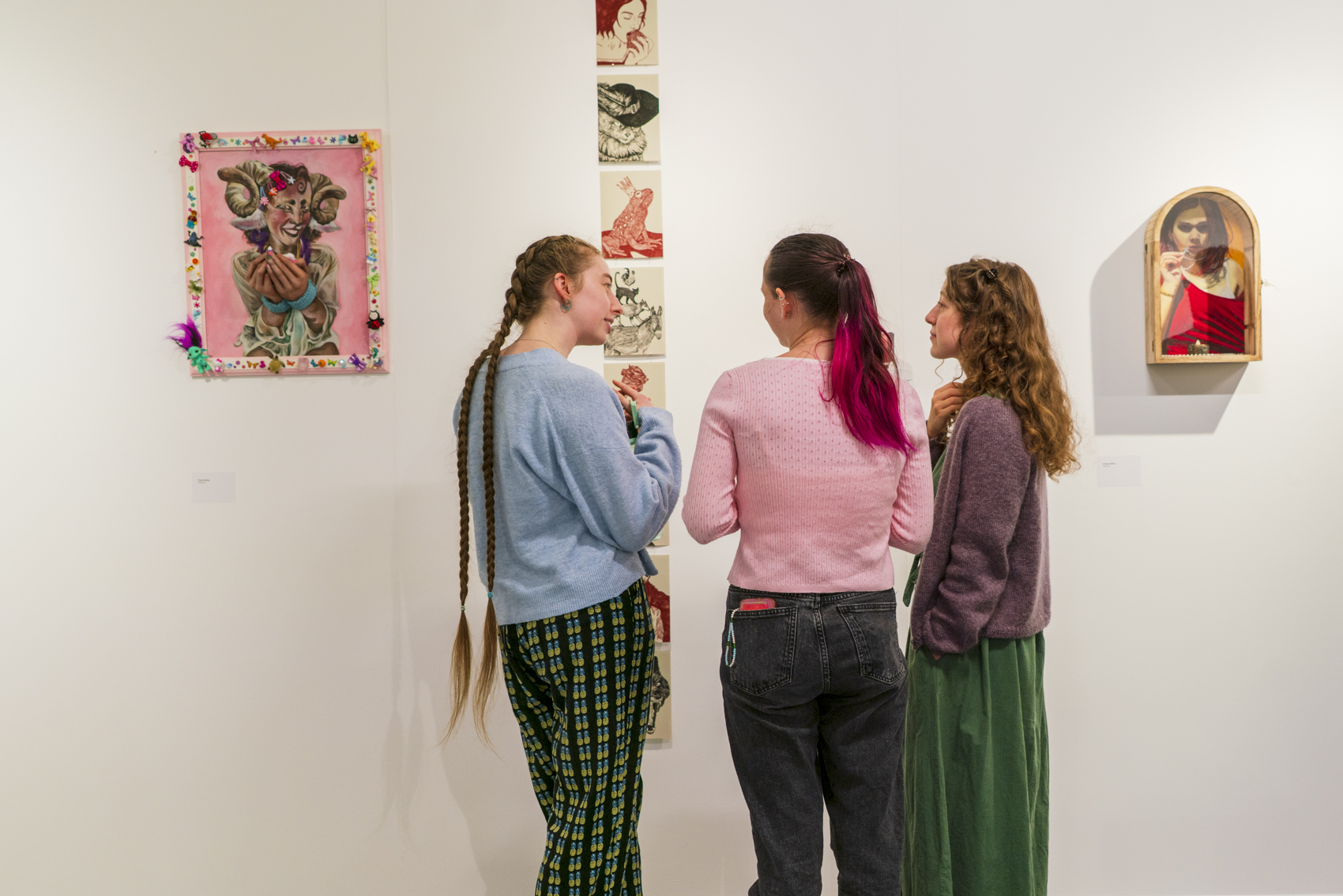
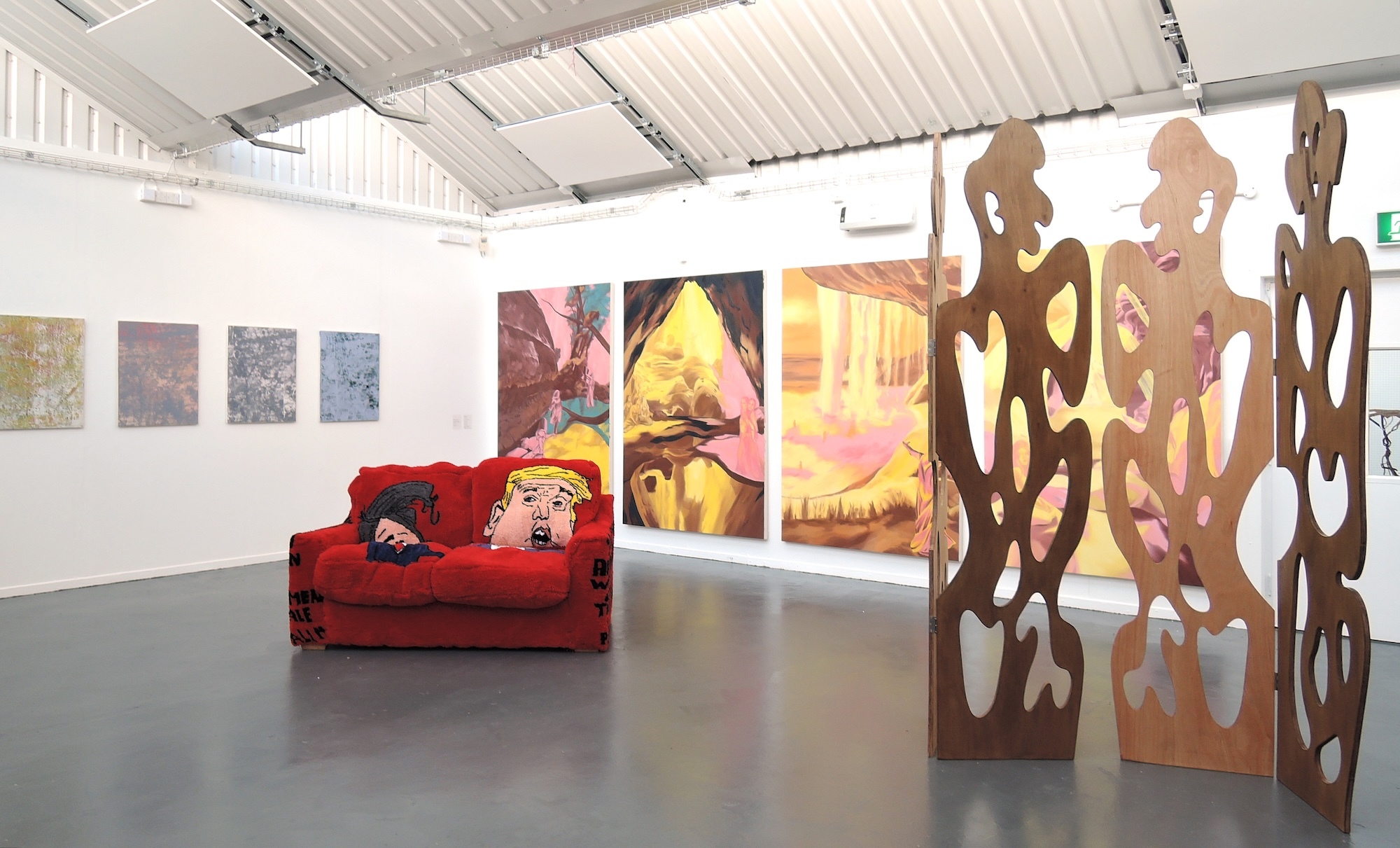
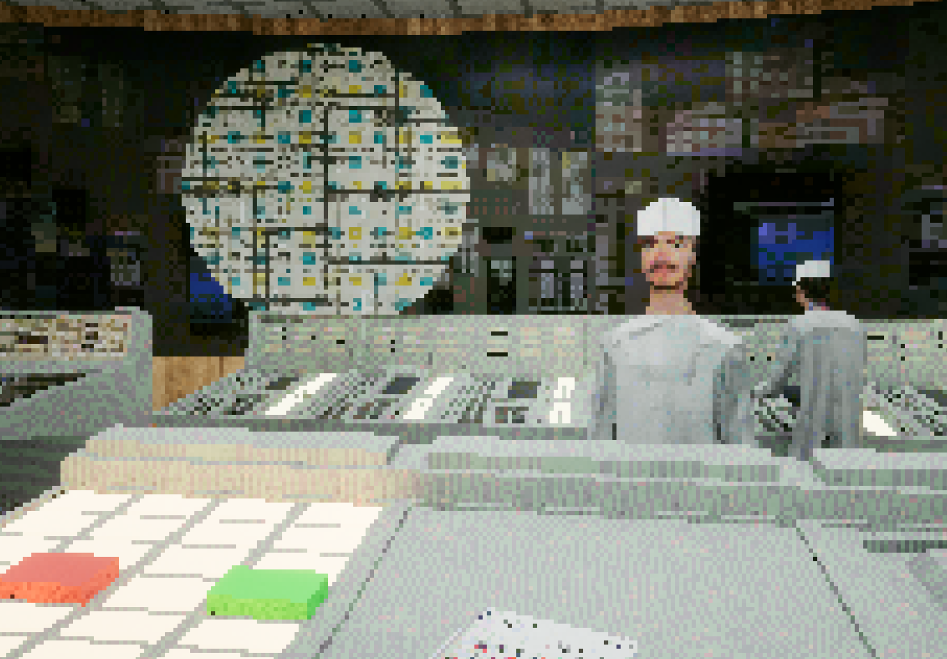
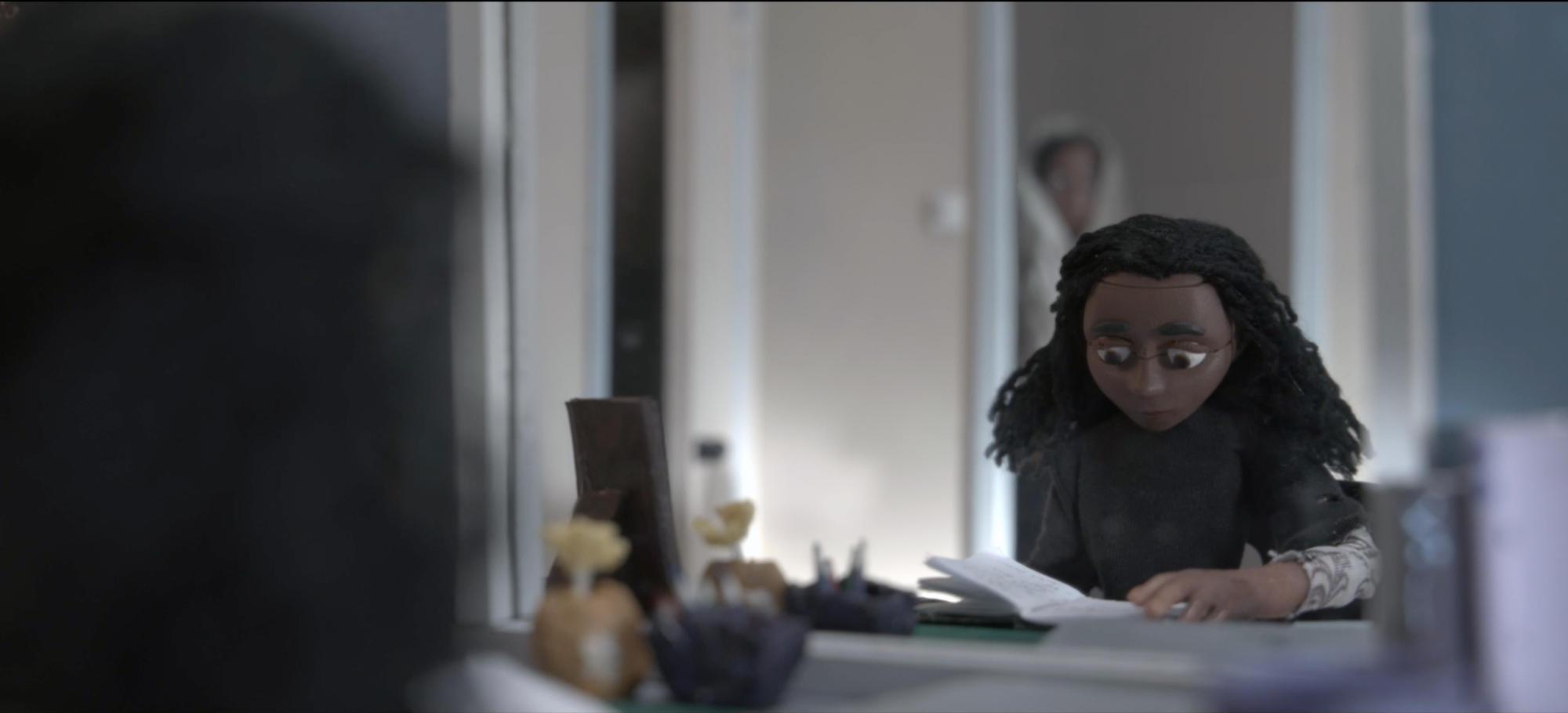
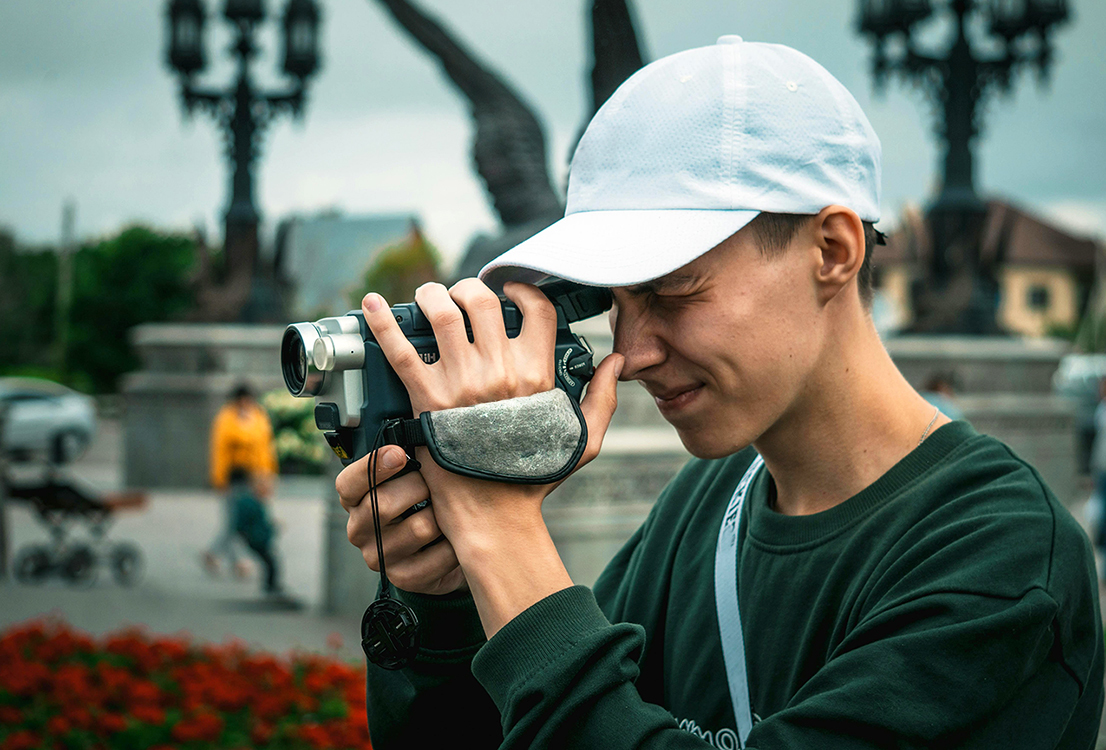
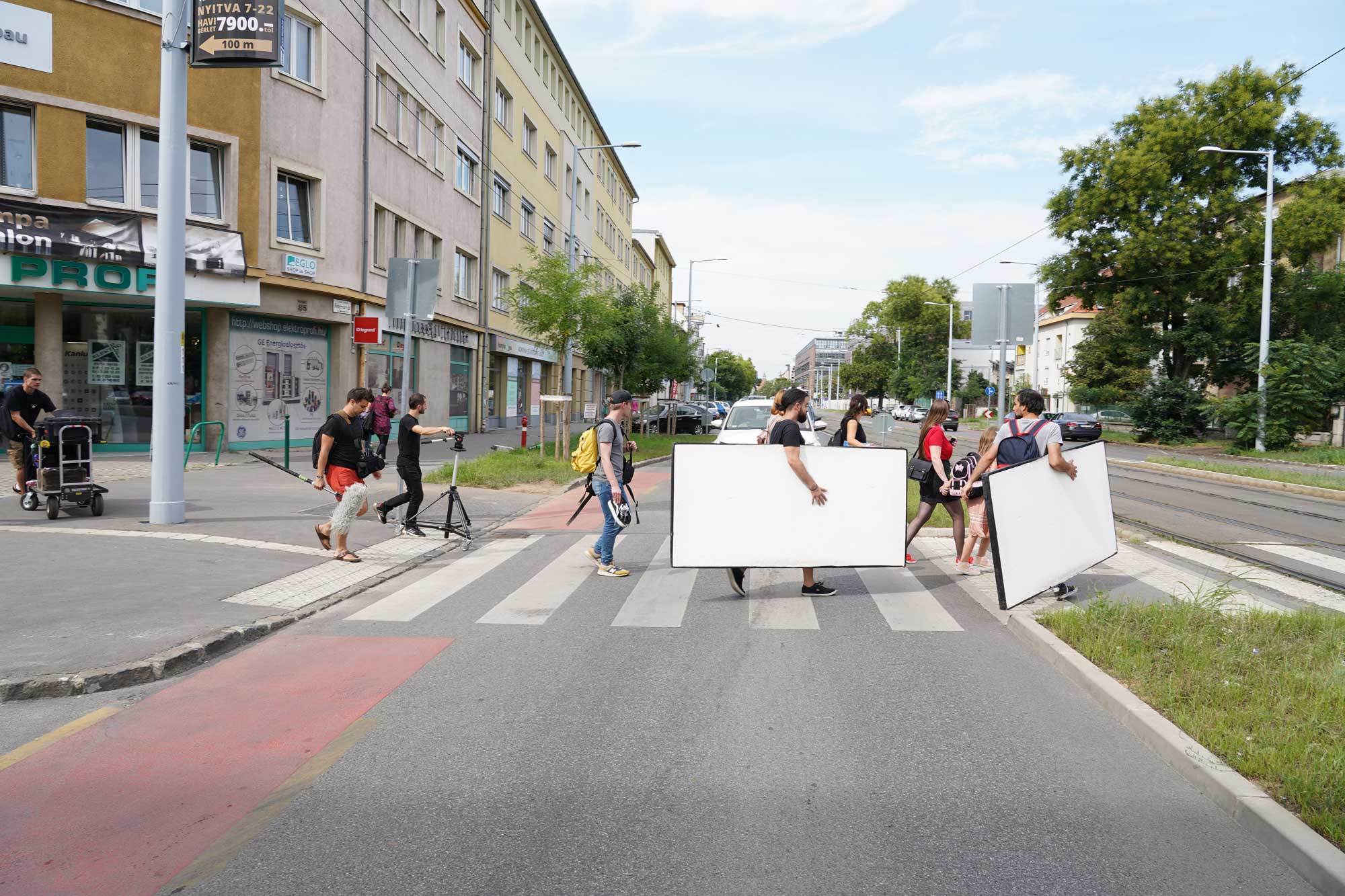
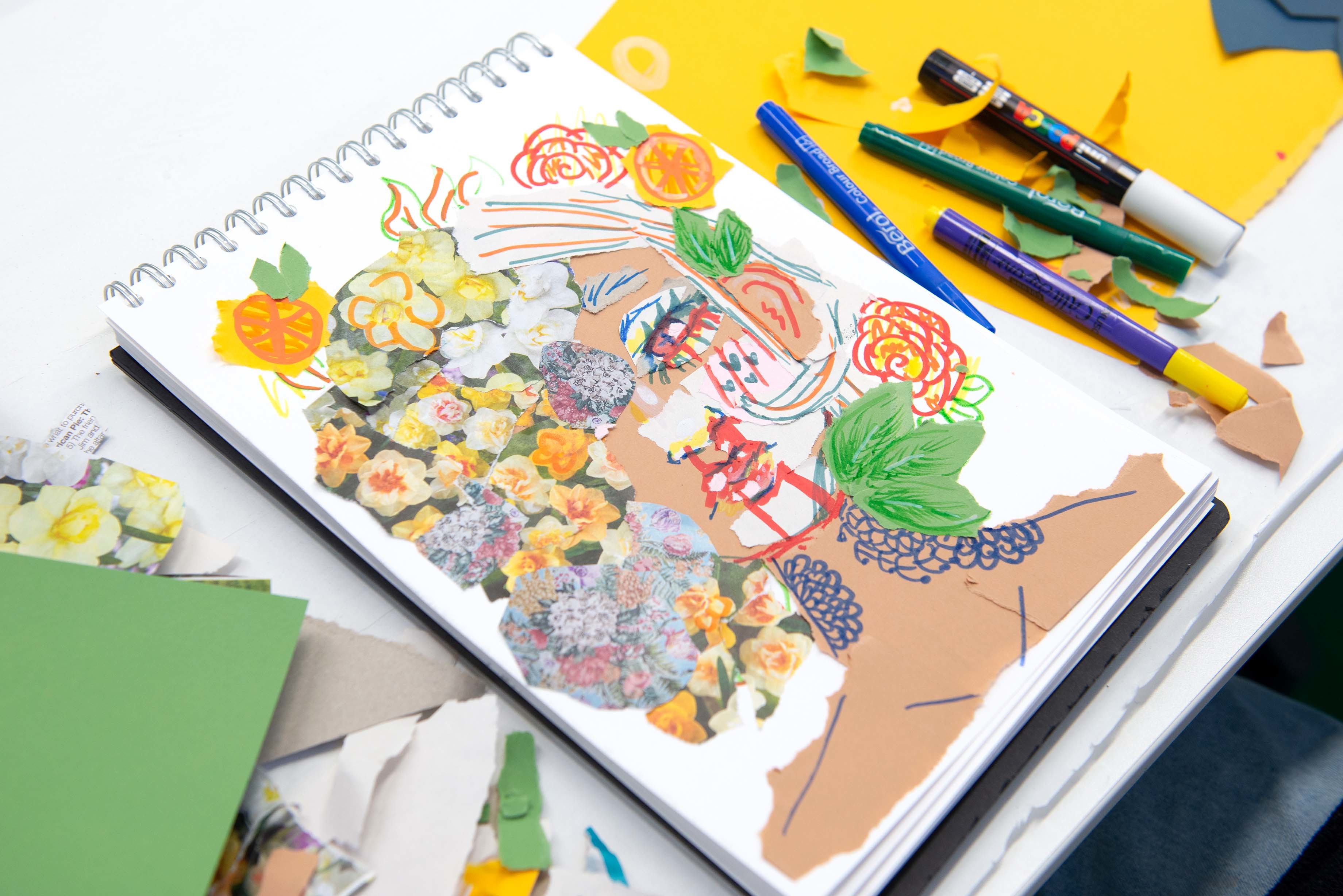
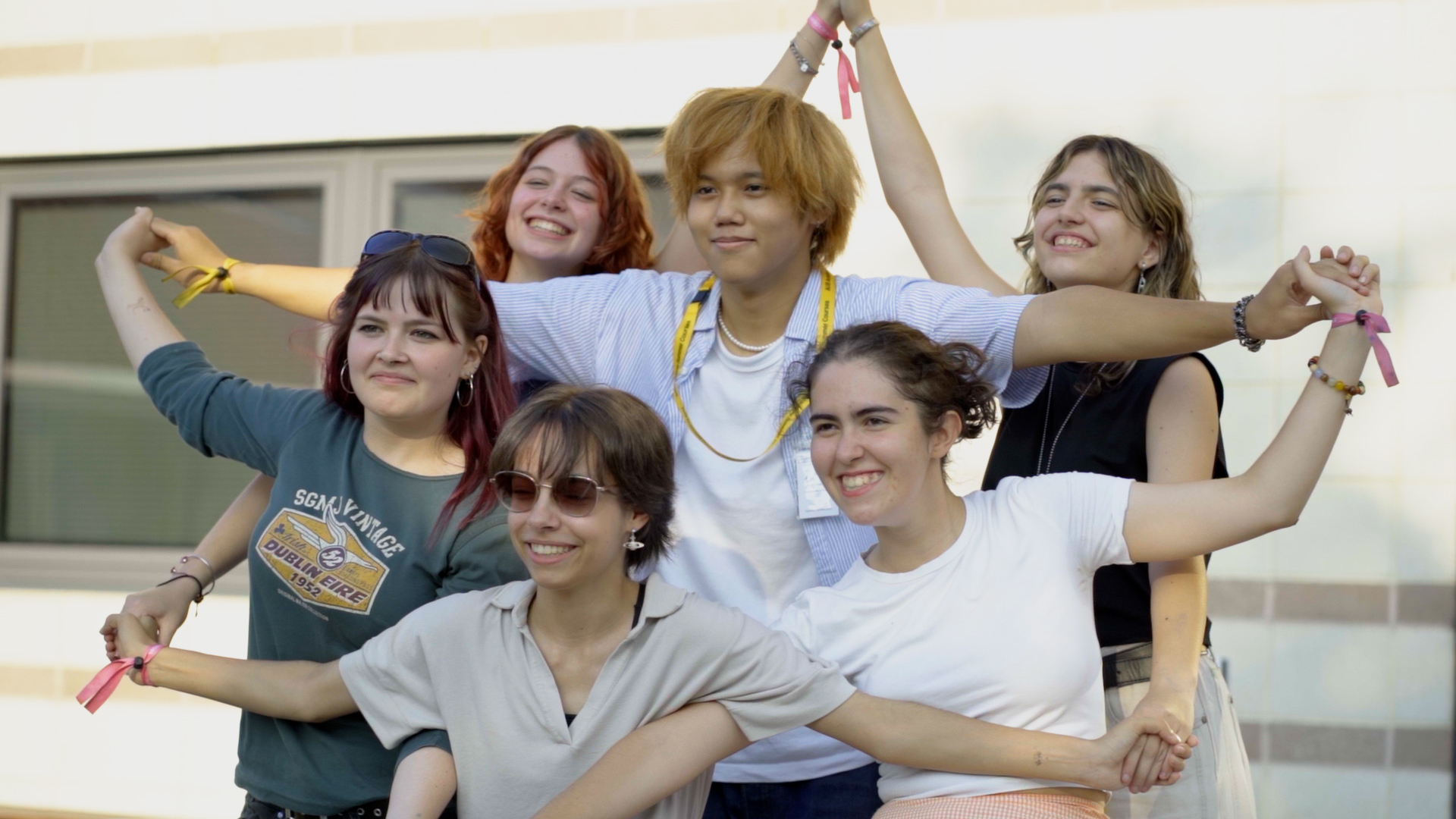
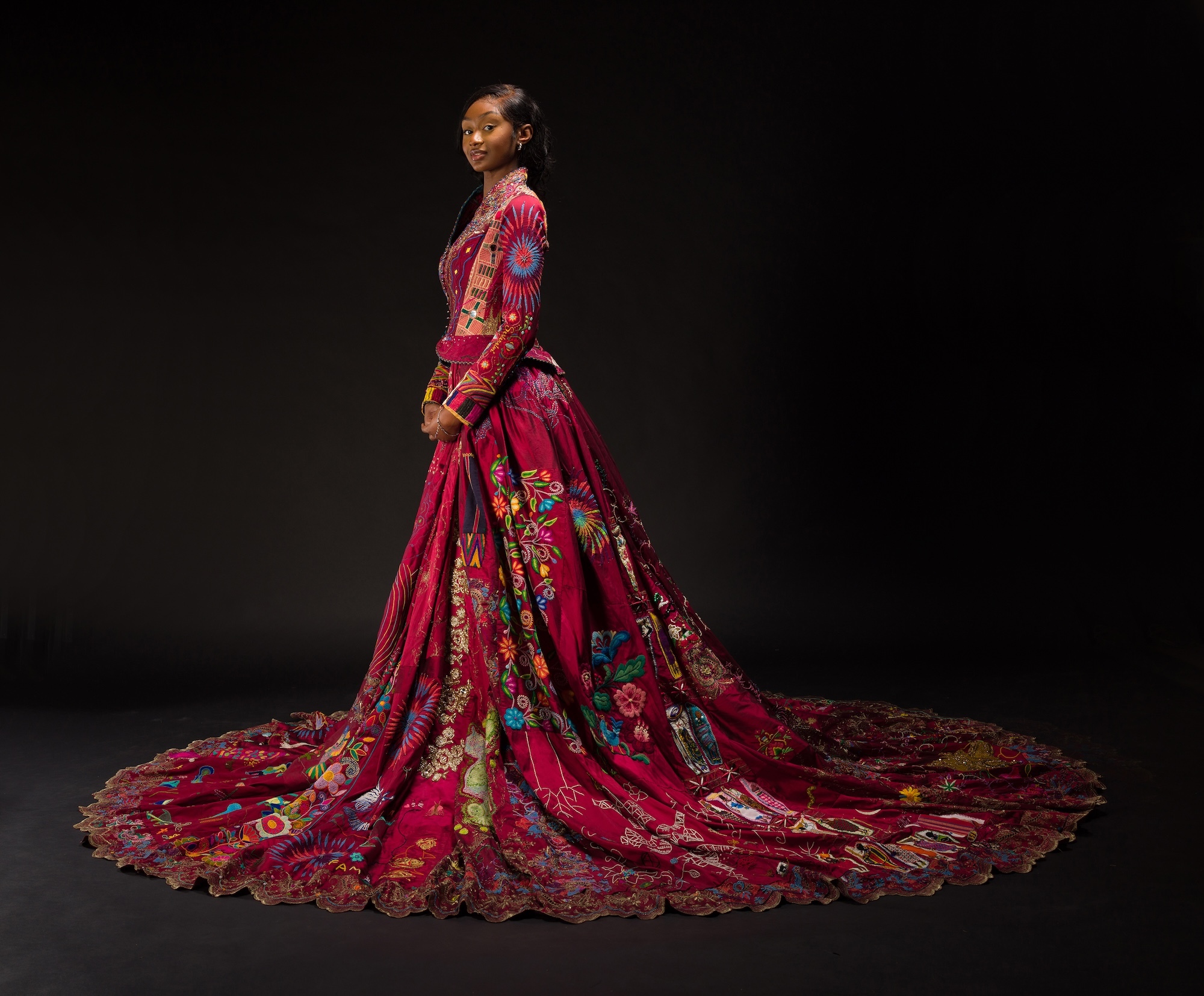
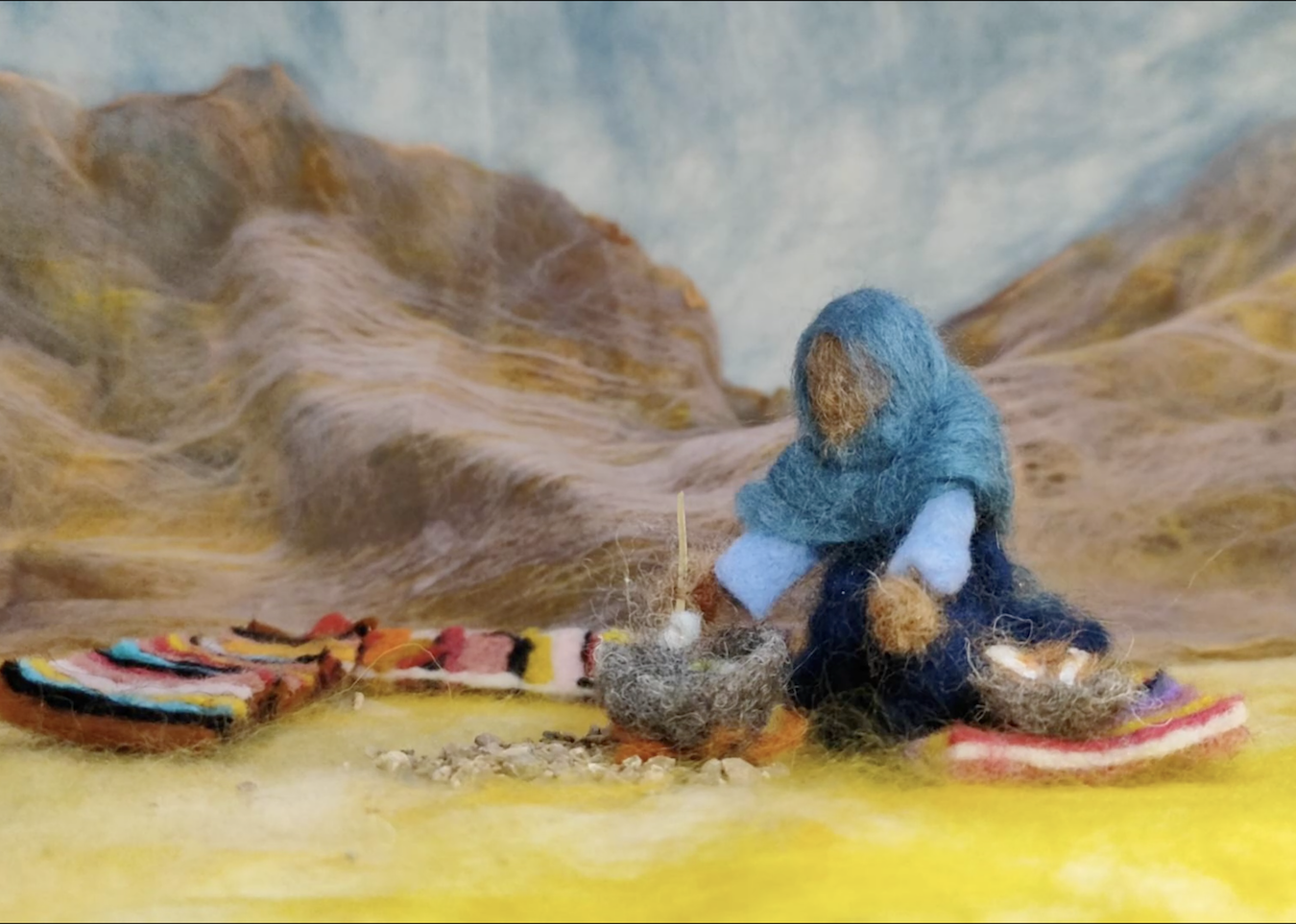
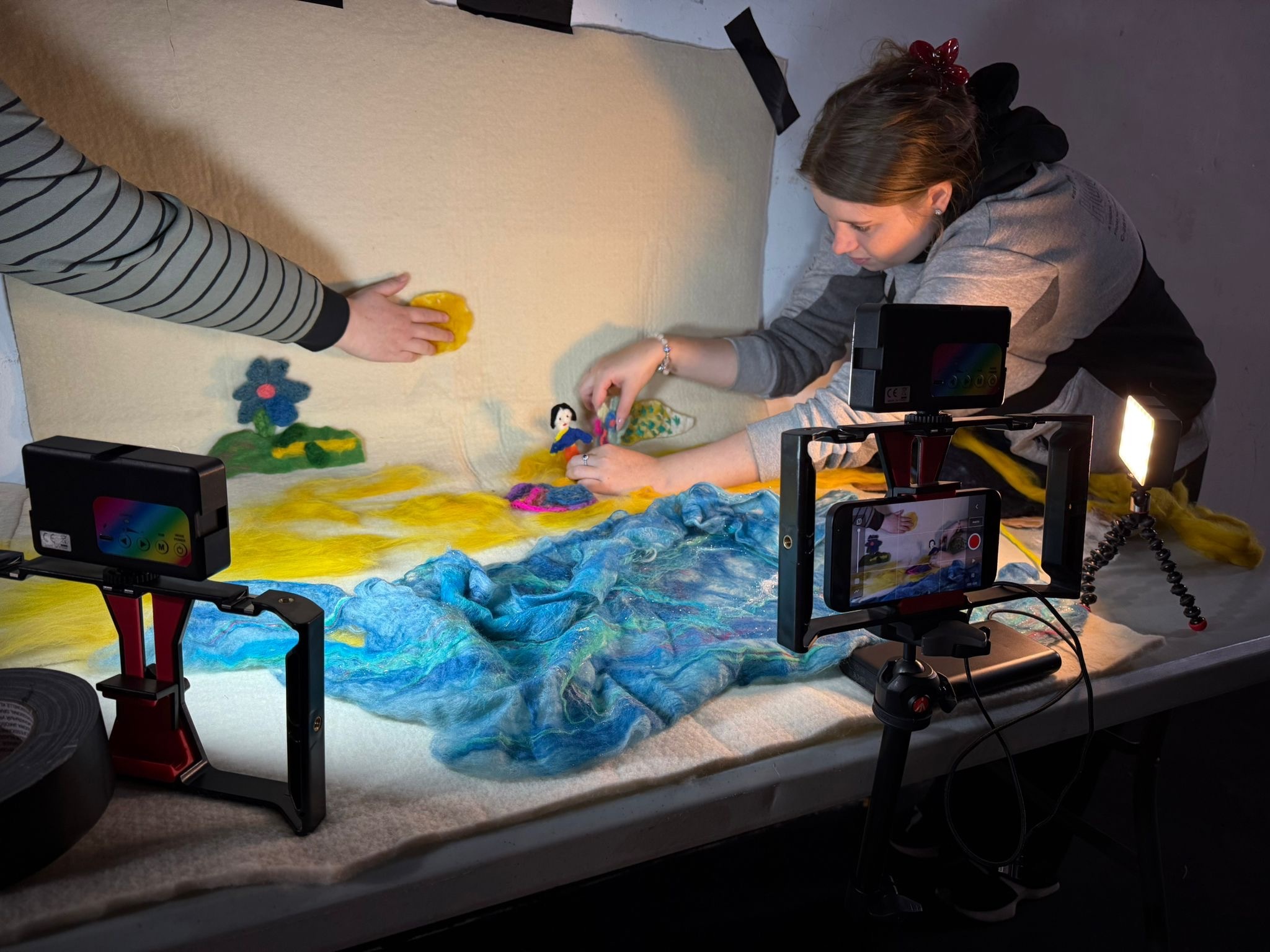
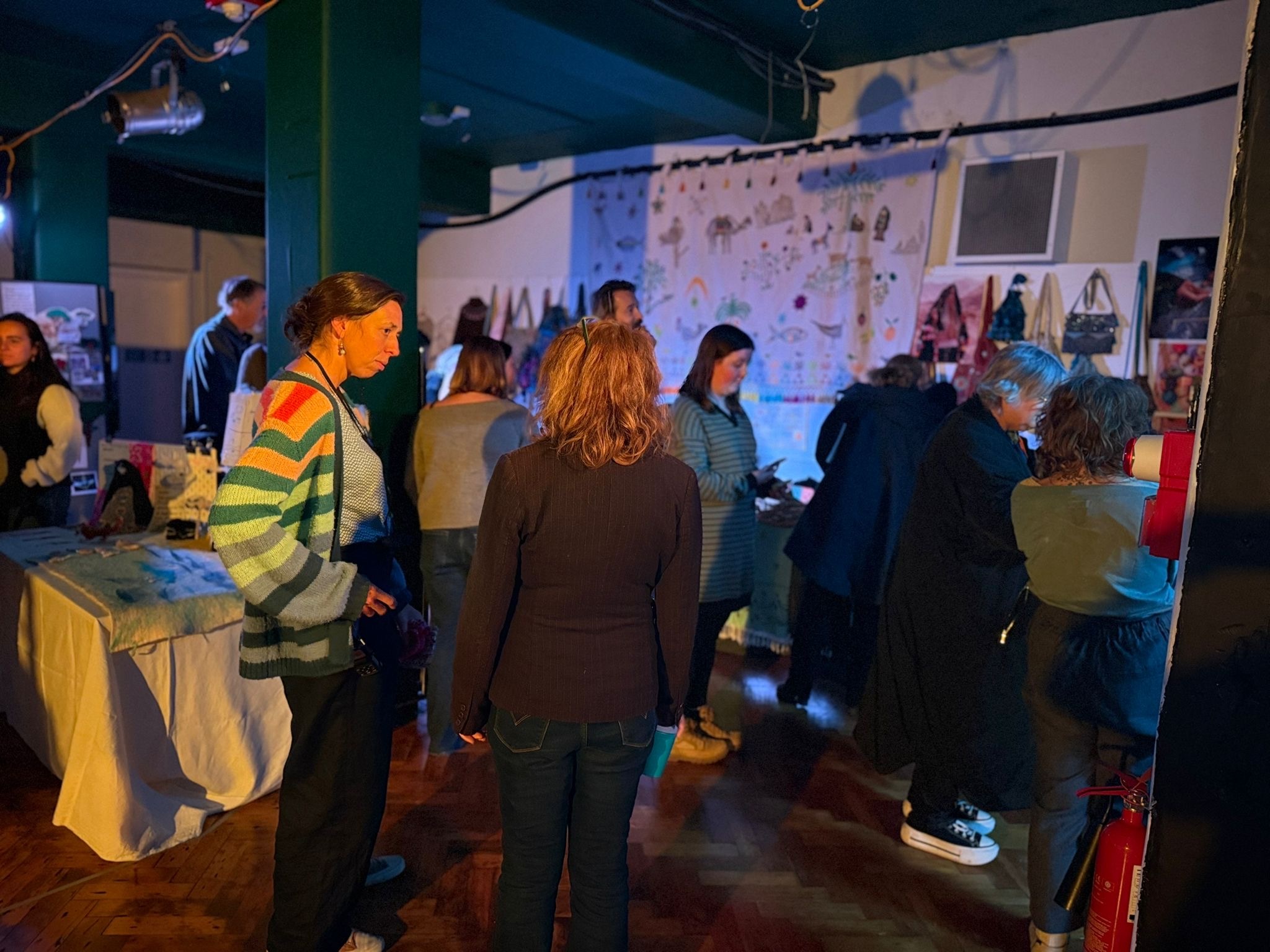
Throughout the day, visitors enjoyed a series of short films featuring stories of everyday life in the Sinai – told through felt by young Bedouin women in their own words – and a workshop, which offered visitors a chance to try out the film making process for themselves. This was alongside an exhibition showcasing the extraordinary Red Dress, the ‘making of’ the animated film shorts and the beautiful Fansina-embroidered products.
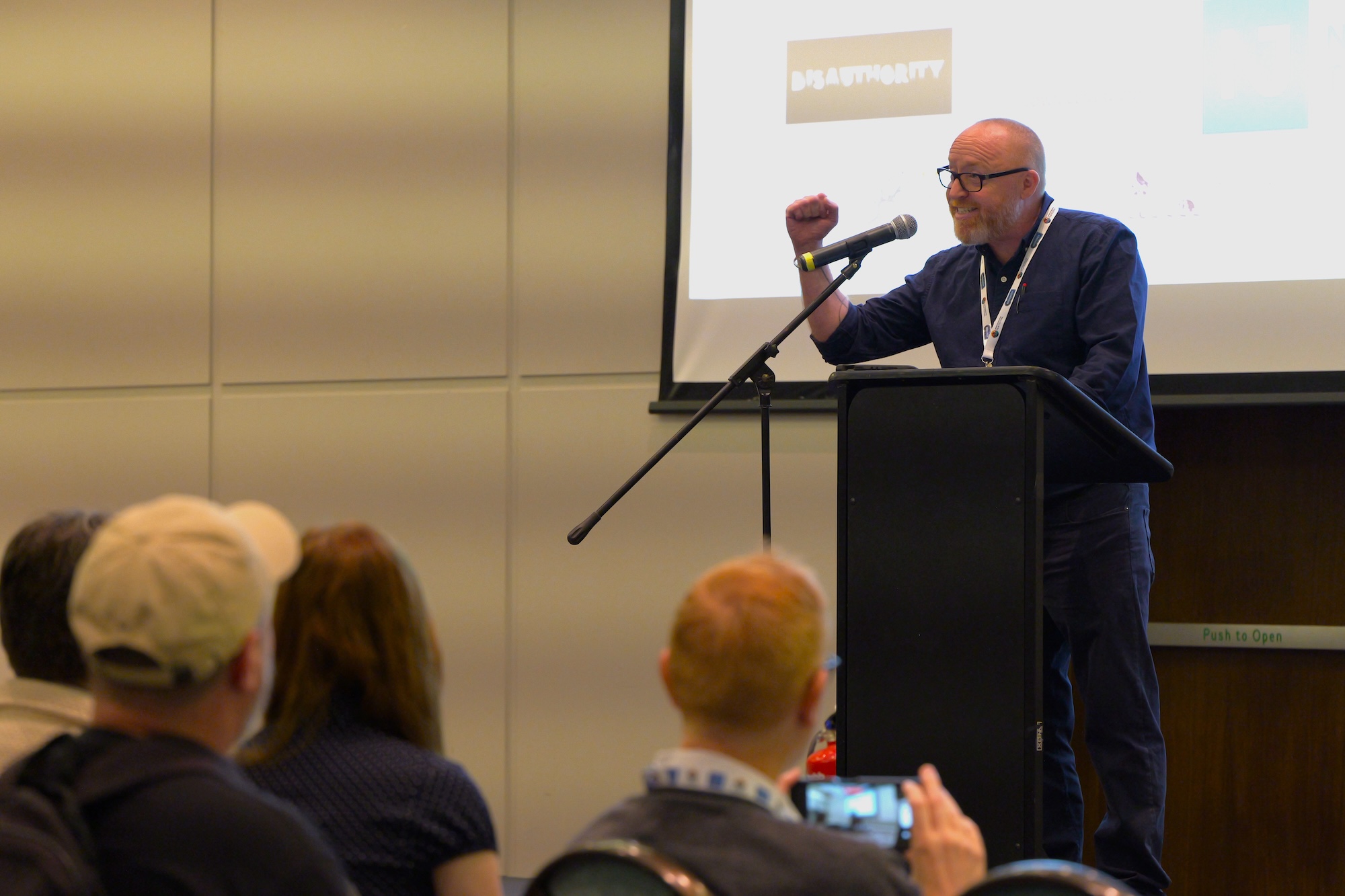
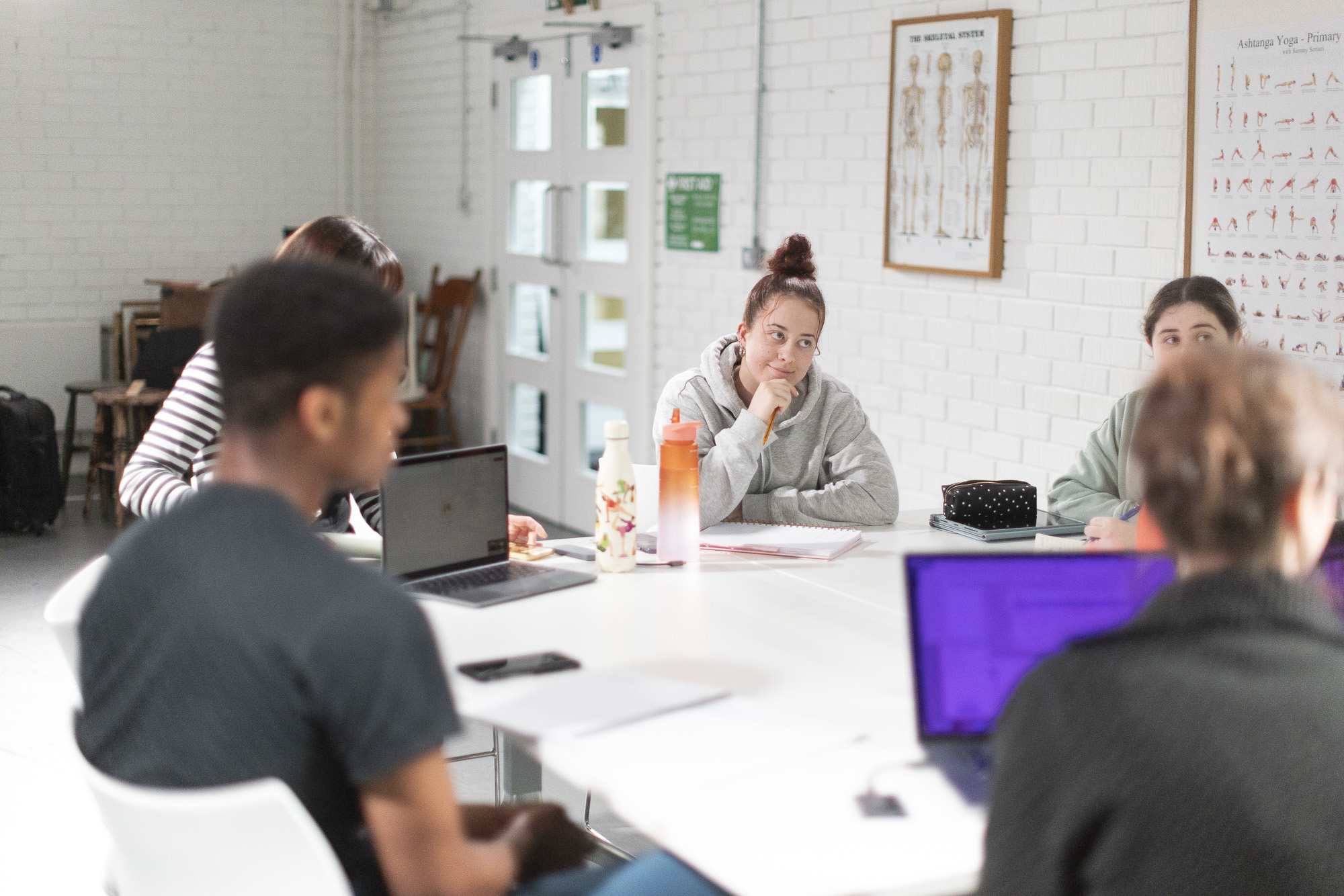
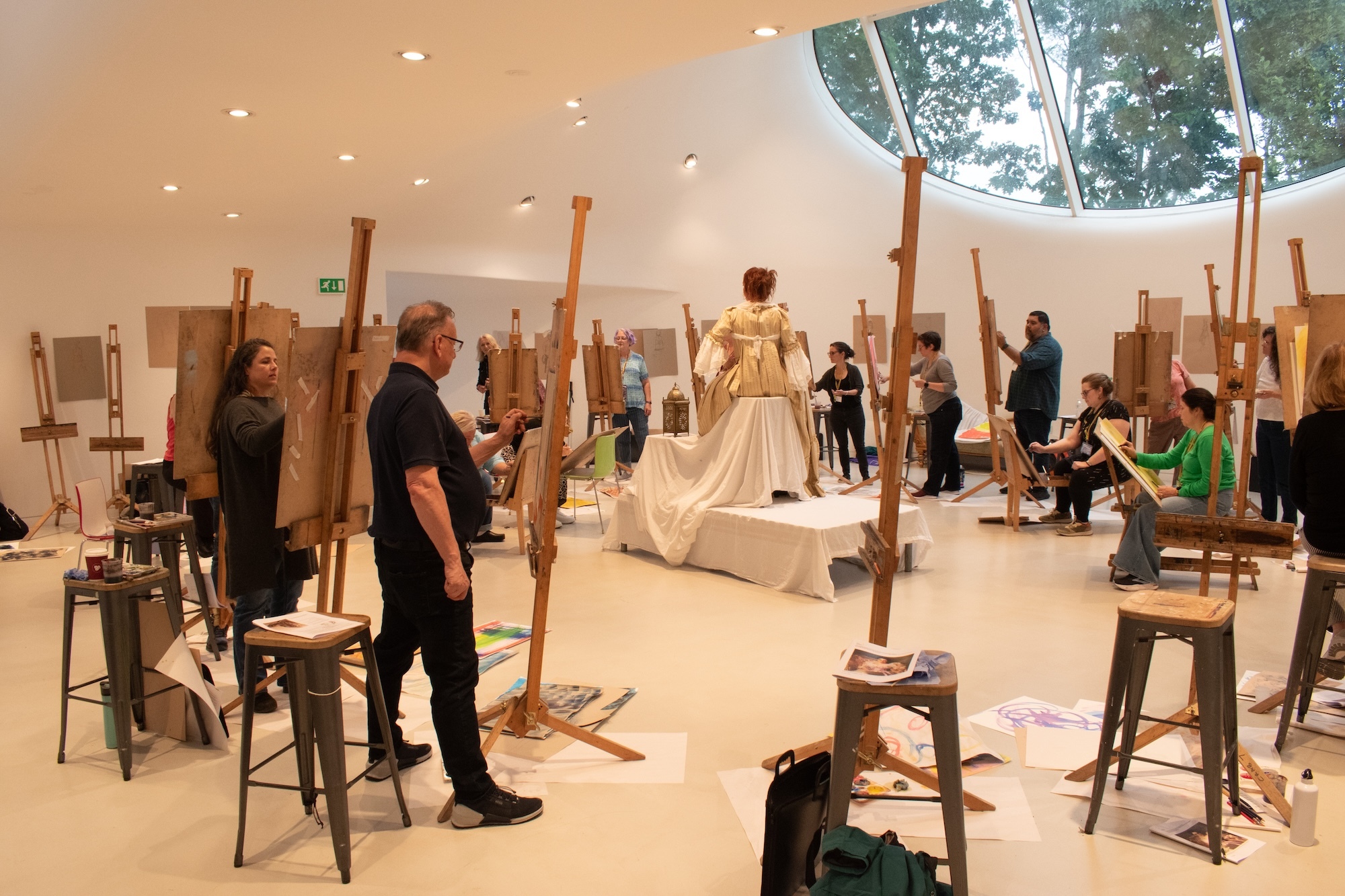
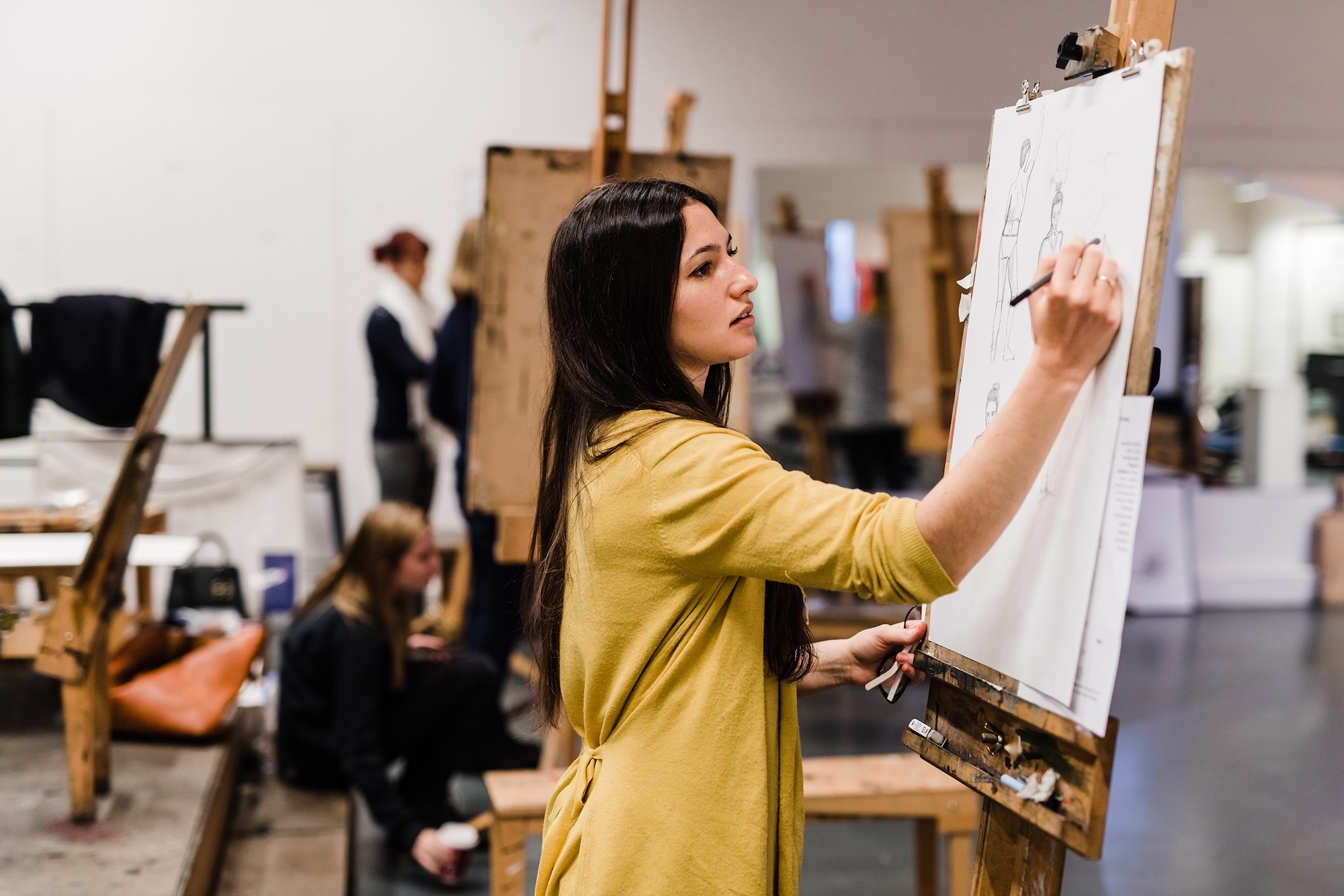
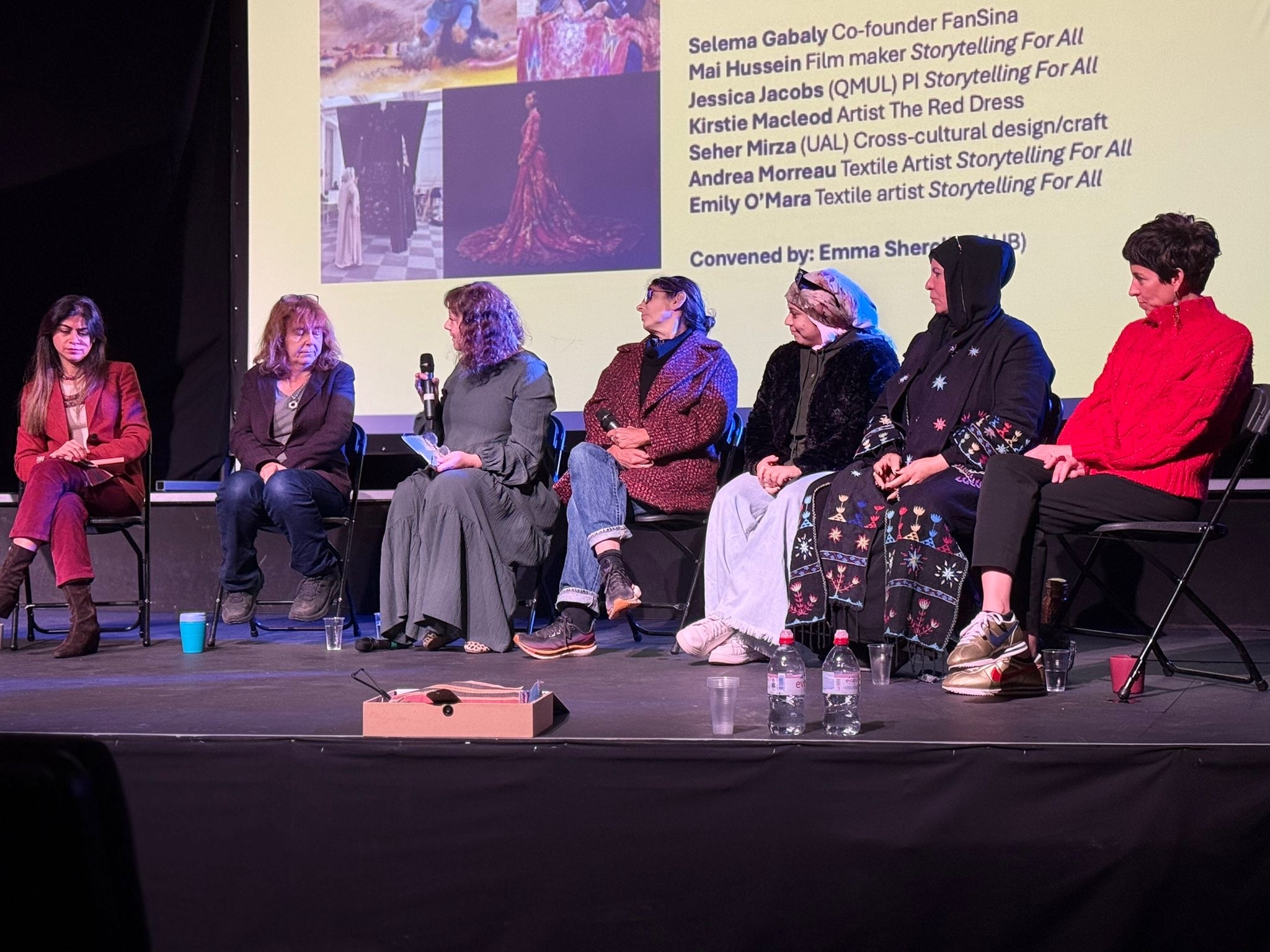
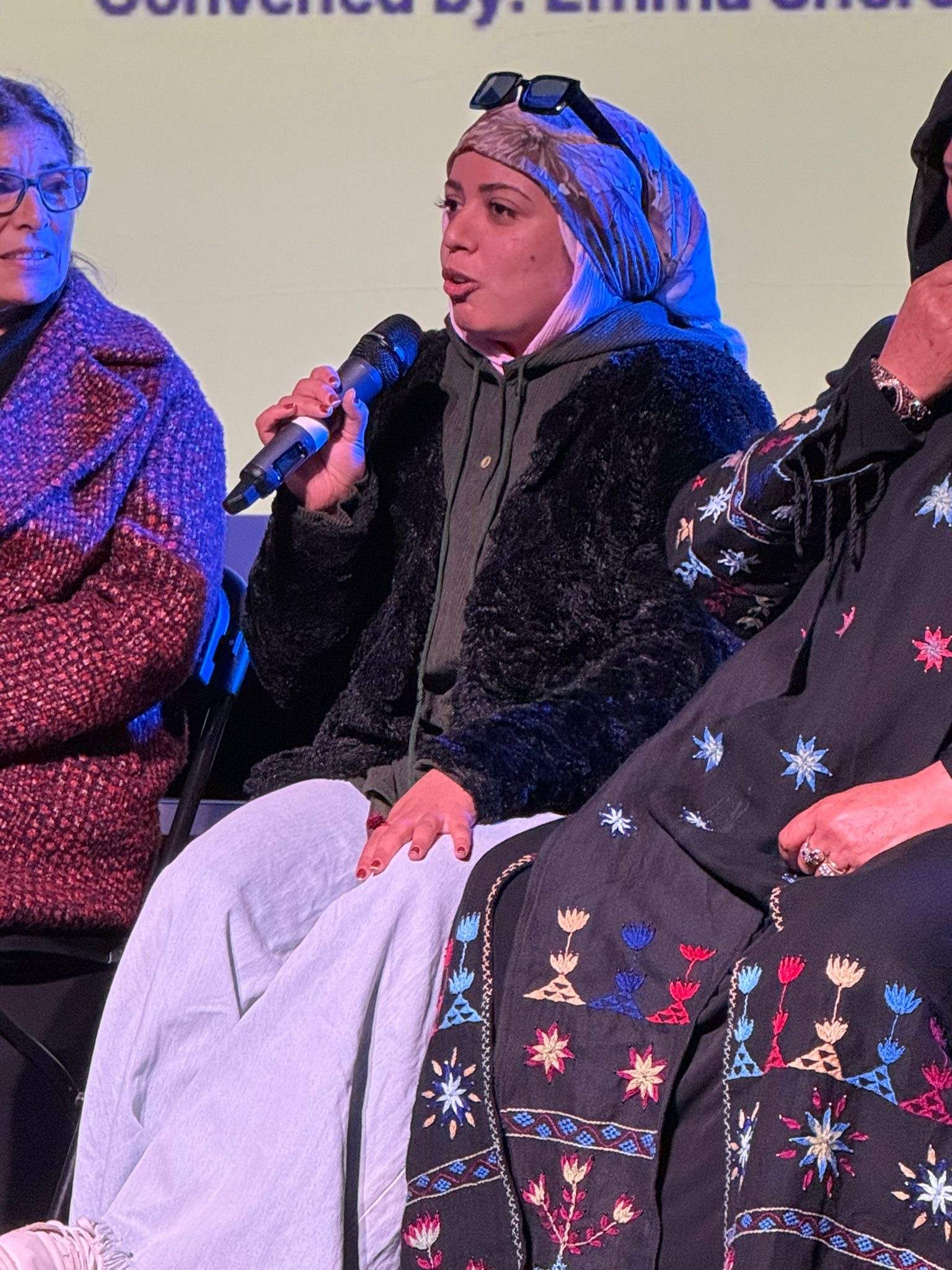
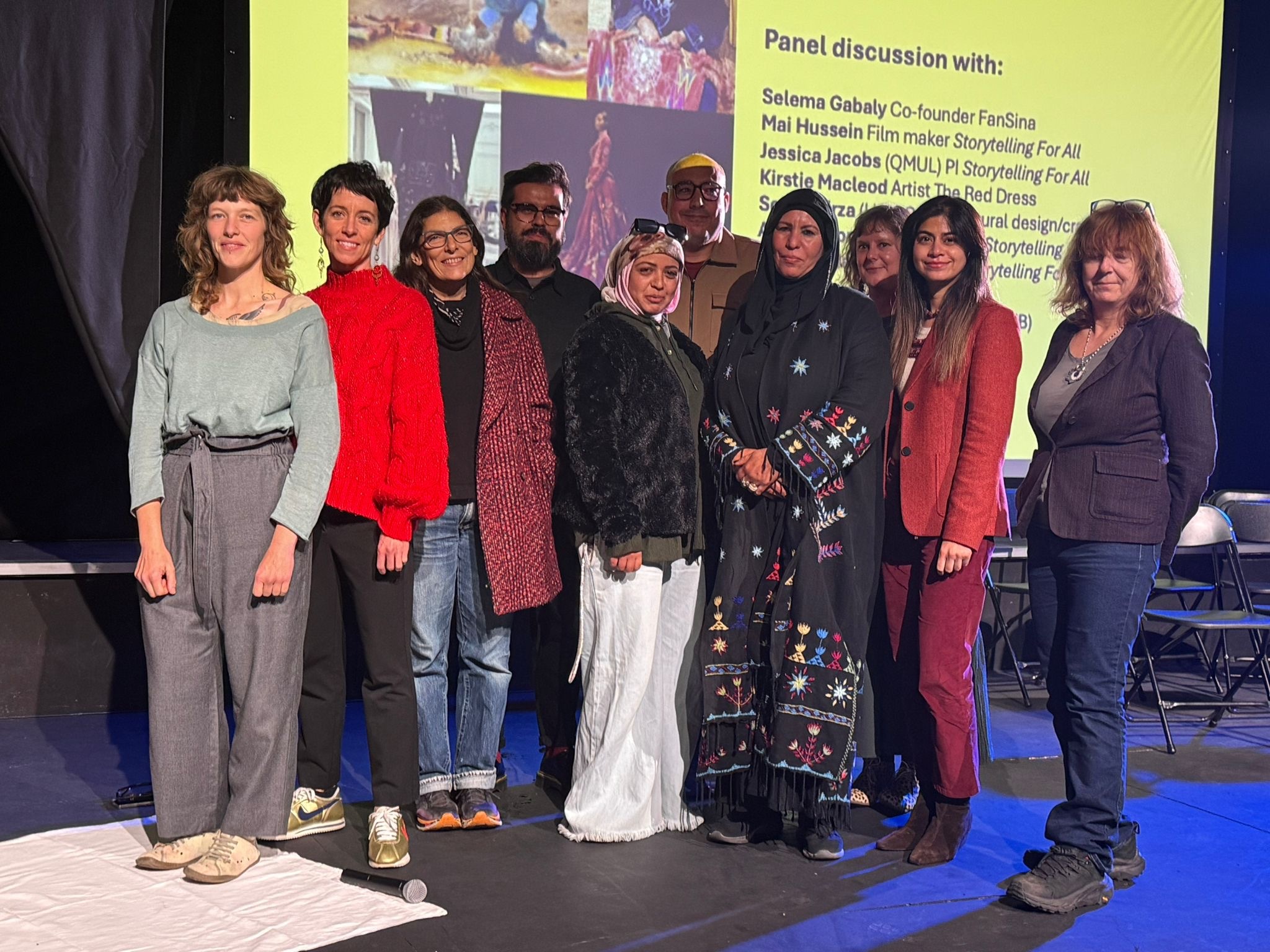
The event was convened by AUB’s Dr Emma Shercliff, supported by students from the BA (Hons) Textiles Design course. The day concluded with a lively panel discussion between Sinai Stories collaborators, artist Kirstie Macleod, and cross-cultural craft expert Dr Seher Mirza, all exploring powerful stories of life, labour, identity and knowledge sharing told through textiles from diverse perspectives, ranging from the Sinai in Egypt to the Democratic Republic of Congo to Ukraine and to Pakistan.
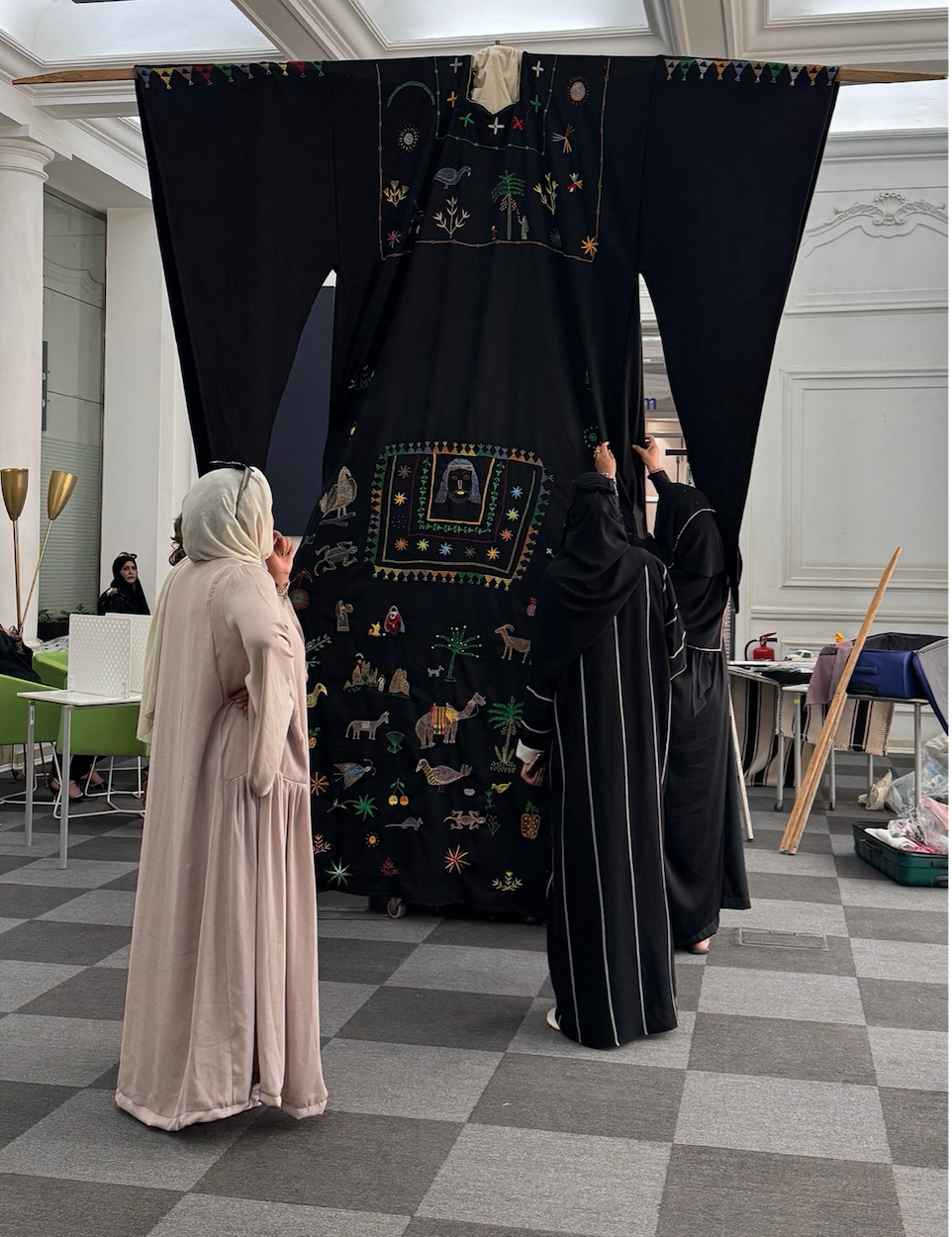
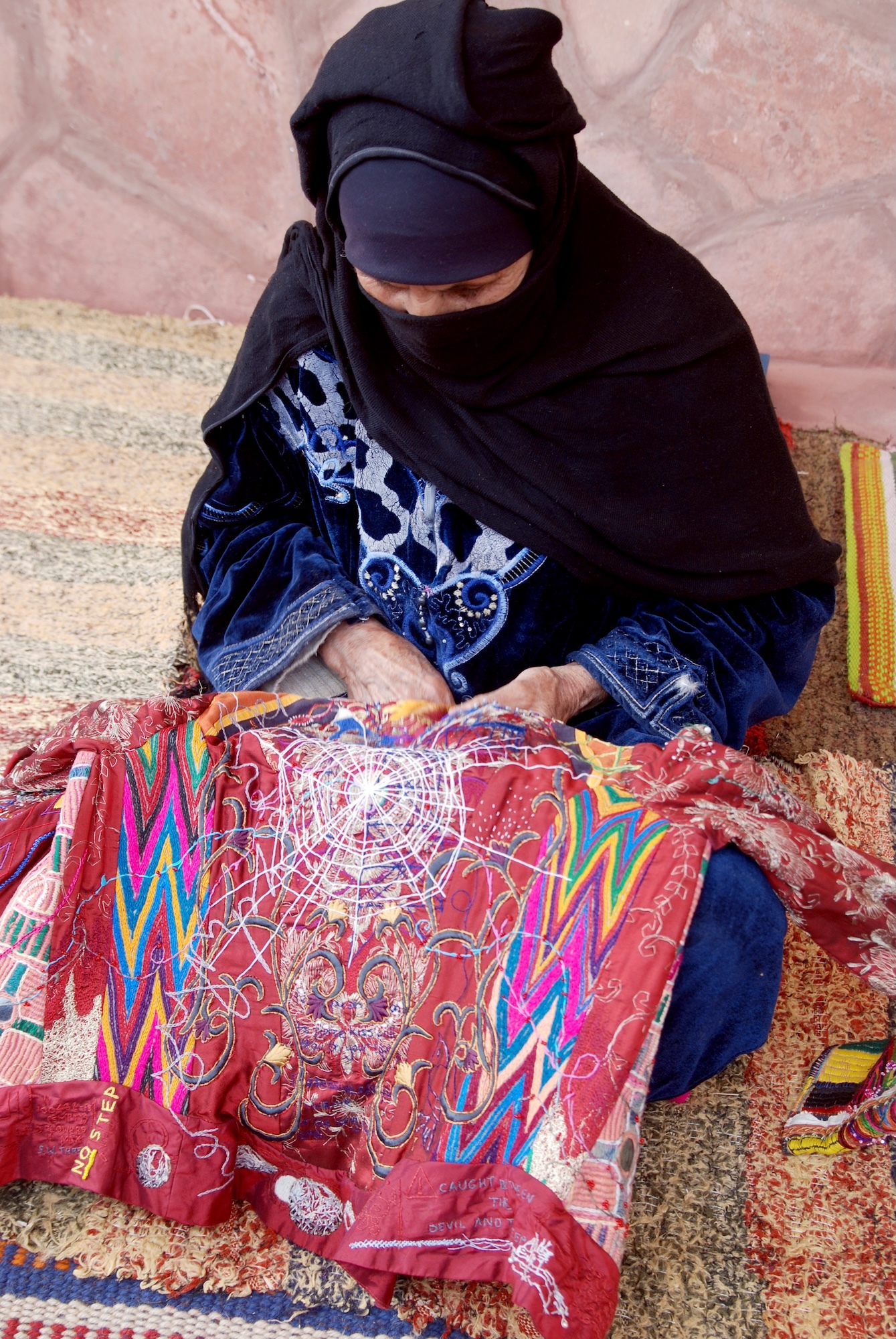
Over 14 years, from 2009–23, pieces of The Red Dress travelled the globe to be embroidered. Constructed from 87 pieces of burgundy silk dupion, the garment was worked on by 367 women and girls, 11 men and boys, and two non-binary artists from 51 countries.
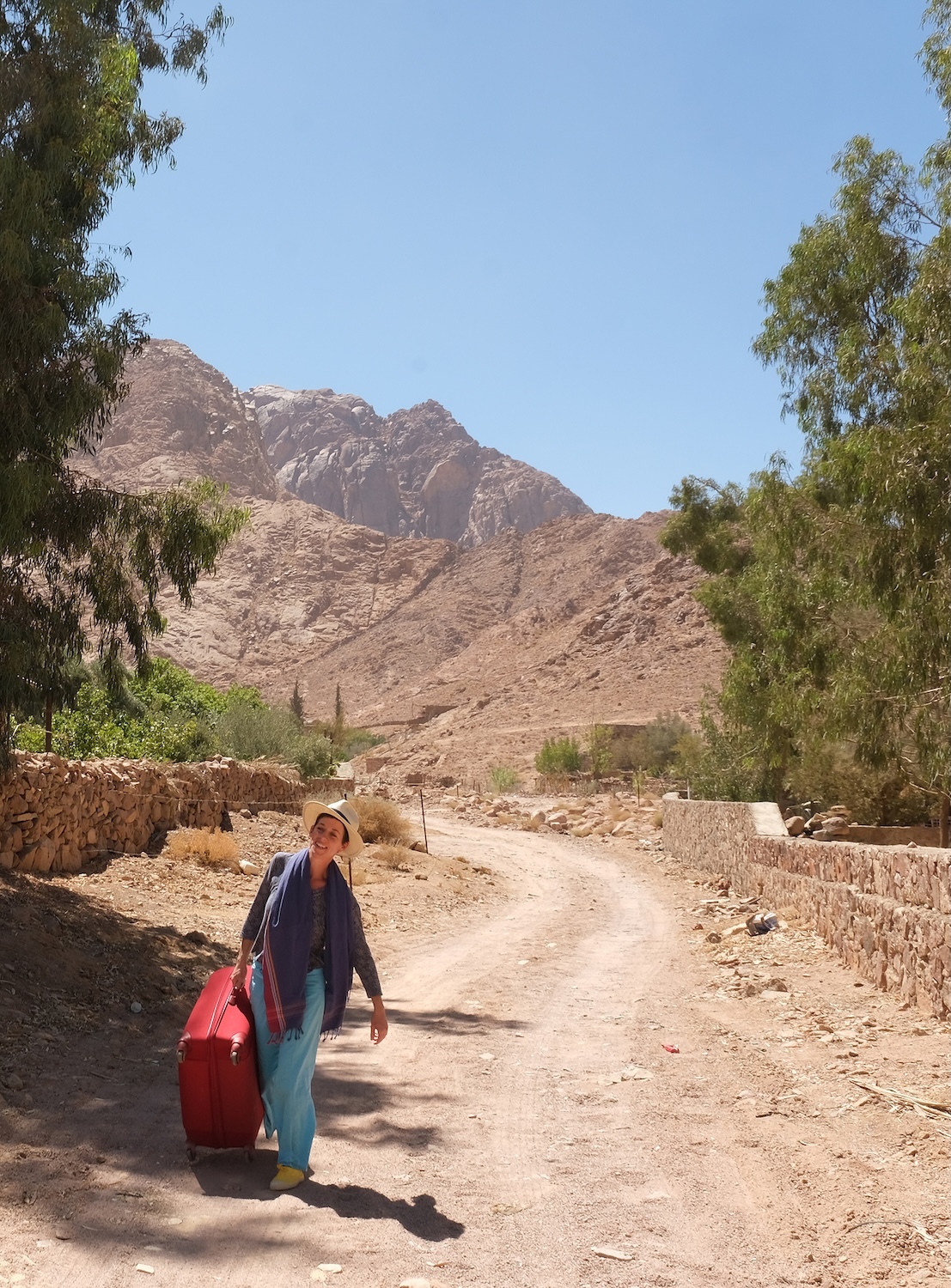
In 2015, Selema Gabaly and the Bedouin embroiderers of the FanSina social enterprise based in St Catherine’s, a small mountain village in South Sinai, completed the largest embroidery commission for the dress. This Storytelling for All event reunited The Red Dress and FanSina for the first time in the UK.
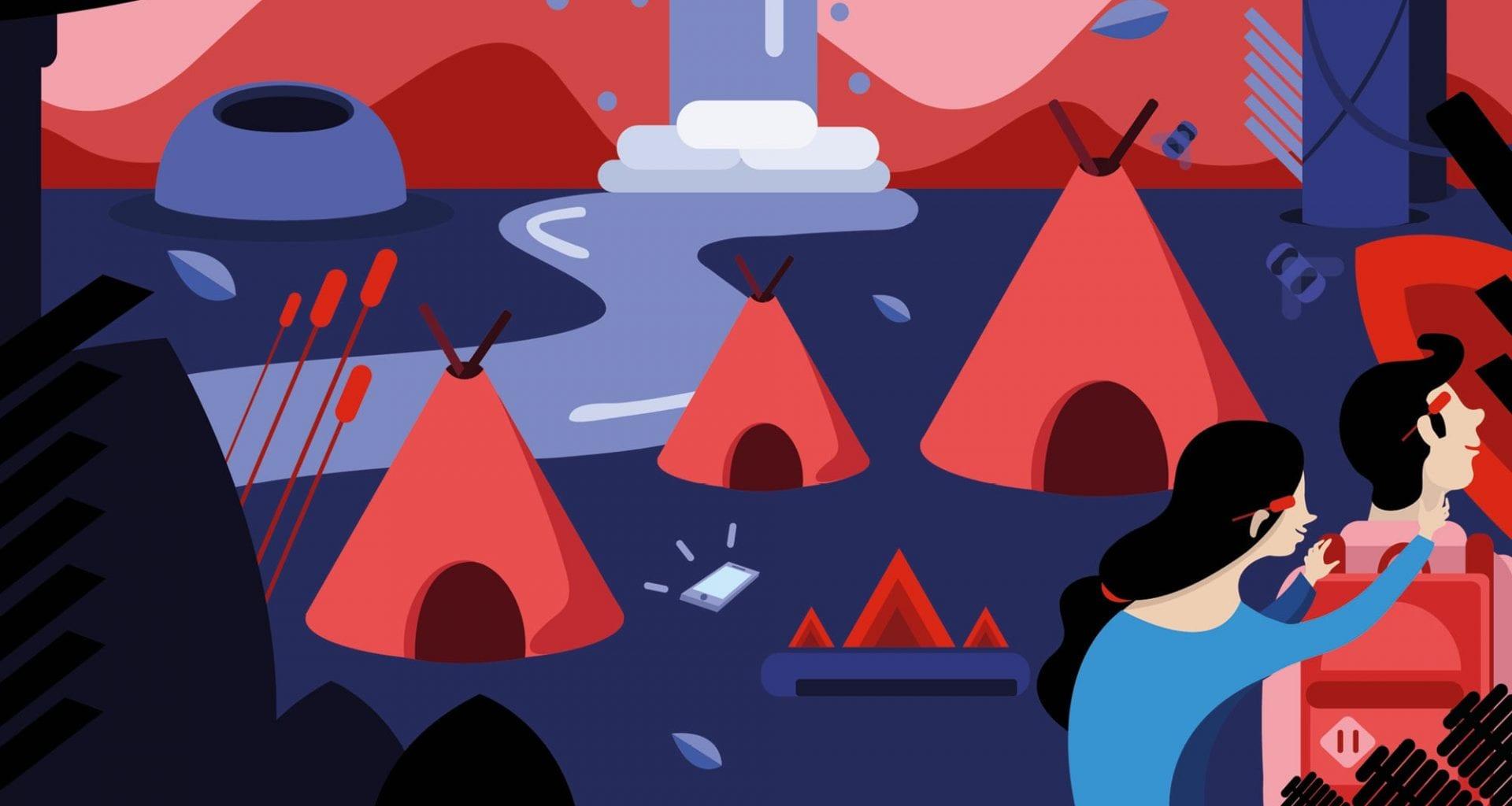
Storytelling for All (2023–2025) is a community-led research project that provided heritage-focused filmmaking workshops to Bedouin communities in South Sinai, Egypt. Working with Selema Gabaly and the FanSina embroiderers, as well as communities of Bedouin women from Dahab, the films were created during storytelling and animation workshops. They highlighted the value of cultural heritage held within textiles, embroidery and traditional knowledge as sustainable practices for climate change mitigation and emphasised the vital role of matrilineal intergenerational knowledge transfer in keeping this heritage alive. Each film offered a unique story of place, told by the people who lived there.
The Storytelling for All project is funded by the UK Arts and Humanities Research Council and is led by Dr Jessica Jacobs (Queen Mary University of London) in partnership with Selema Gabaly (FanSina Sinai Bedouin Handicrafts, St Catherine’s), UK artists Emily O’Mara and Andrea Morreau, and film director/editor Vitor Hugo Costa (Metafilmes). Dr Emma Shercliff joined the project as a consultant bringing research expertise relevant to textile making in communities.