











The centre for Plastics Innovation and Curation (PlastIC) at Arts University Bournemouth (AUB), has been working with the Bill Douglas Cinema Museum in Exeter to take a closer look at the plastics in their collection.
Holding a collection of over 94,000 items, the Bill Douglas Cinema Museum is home to the foremost collection on cinema and moving image history in Britain.
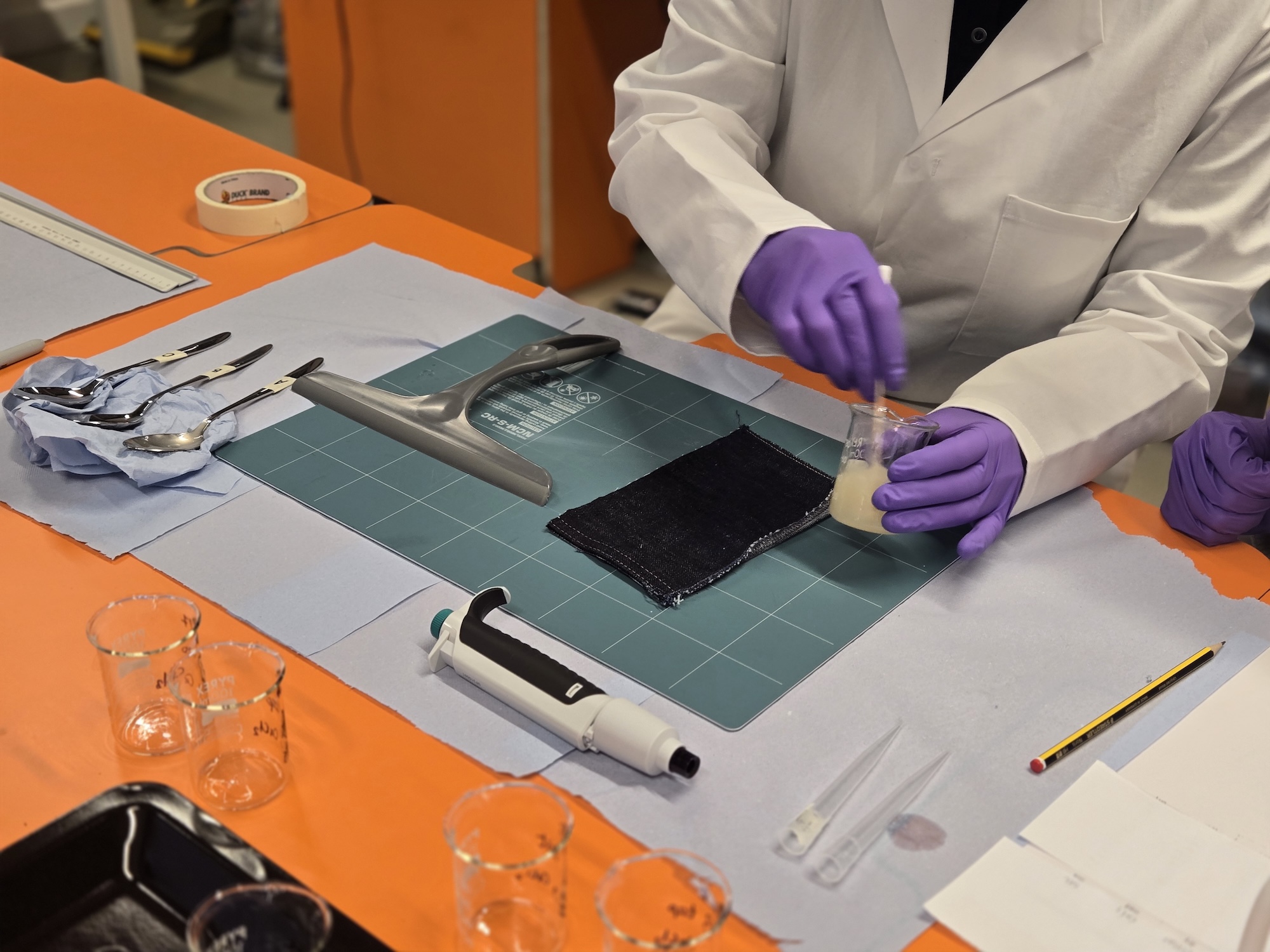
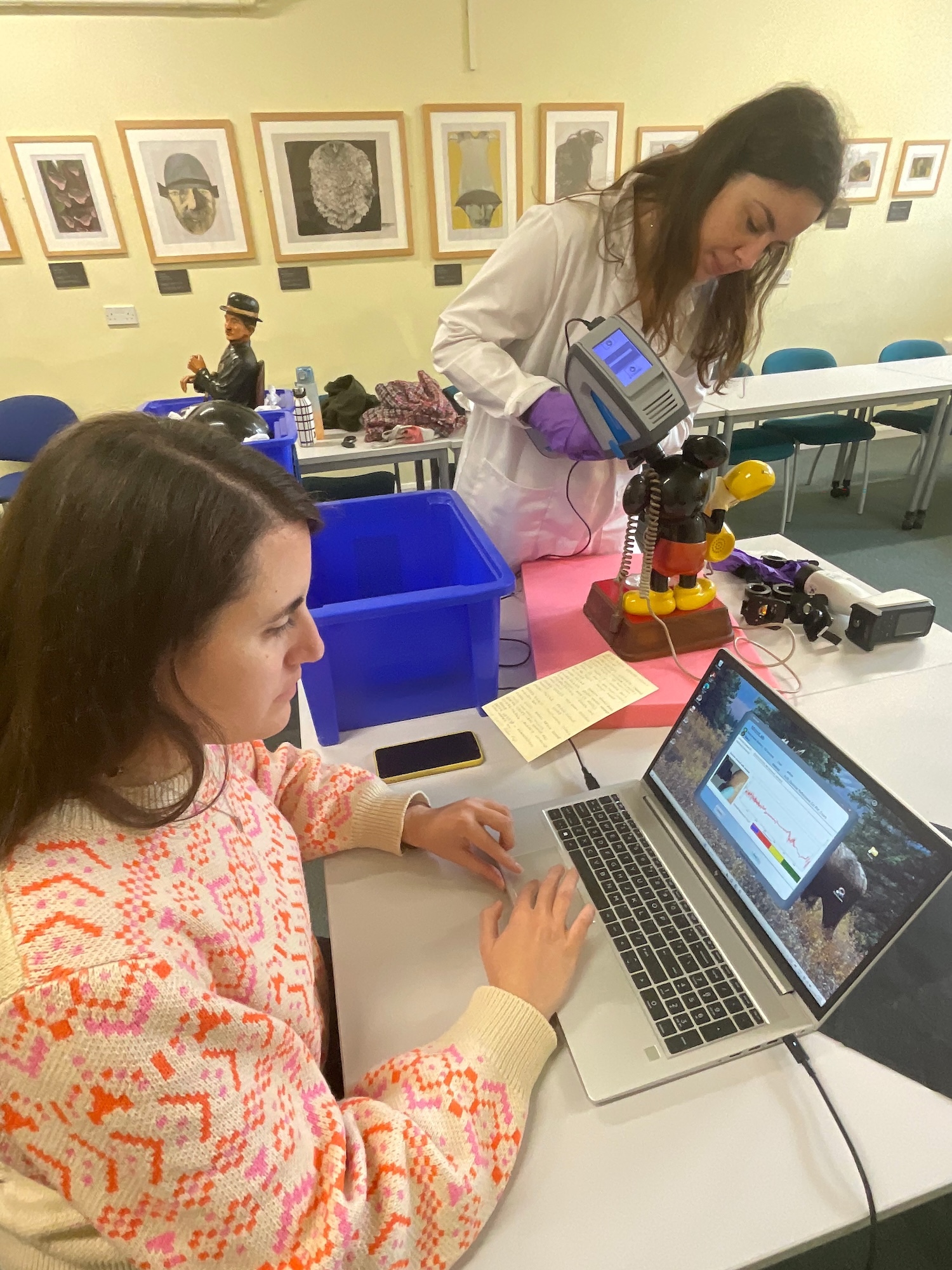
Two researchers from PlastIC, Dr Erato Kartaki and Dr Elena Castagnotto, have been using portable Fourier Transform Infrared (FTIR) Spectroscopy, a handheld analytical device, to identify the materials in a selection of objects at the museum.
The research has focused on characterising materials and helped to identify the type of polymers using portable FTIR, gaining surface insights by examining and documenting surface features with digital microscopy, measuring changes to colour and gloss tracking over time to monitor ageing. It also looks at conservation support by supplying detailed data to guide care, risk assessment, and display strategies.
Erato explains the importance behind this work:
“Understanding what these objects are made from – and how they’re ageing – helps the museum care for them properly, plan future displays, and make informed conservation decisions. It’s all about giving these pieces a longer life.
“The museum’s full of objects related to all sorts of aspects of cinema: old film reels, board games, figurines, plastic commercial objects, and even replicas of pre-film animation devices, such as zoetropes.
“Some of the objects we worked with were often things you don't even expect to end up in a museum, like male underwear from The Simpsons, or a Batmobile!”
“It was interesting to learn just how little the market was regulated when looking at these artefacts," Elena adds. "You just have no idea what you're working with until you take a closer look.
“Nowadays, we have stricter rules on keeping a record of what ingredients are included in the plastics, they must have a clear composition, and you must disclose what pigments, fillers, plasticisers, etc. are used in it; but many of these older objects, it was more like 'chuck anything in and see what happens’!
“This collaboration is a great example of how AUB blends design history, science, and innovation. PlastIC – anchored by MoDiP and our Innovation Studio – is actively helping to advance plastics preservation and sustainable practice, supporting both heritage and industry along the way.”
Dr Phil Wickham, Curator of The Bill Douglas Cinema Museum, says, “It was great working with PlastiC and the team at AUB to find out more about some of our holdings and how we might care for objects for future generations that were often not designed to last.”
Assistant Curator Matt Lee, who supervised the collaboration, adds, “This important heritage science research will help cultivate a deeper understanding of plastic objects in our collection, informing both future conservation and exhibition needs. We have already improved our Condition Checking and Technical Assessment form and are exploring new approaches to storage.”