


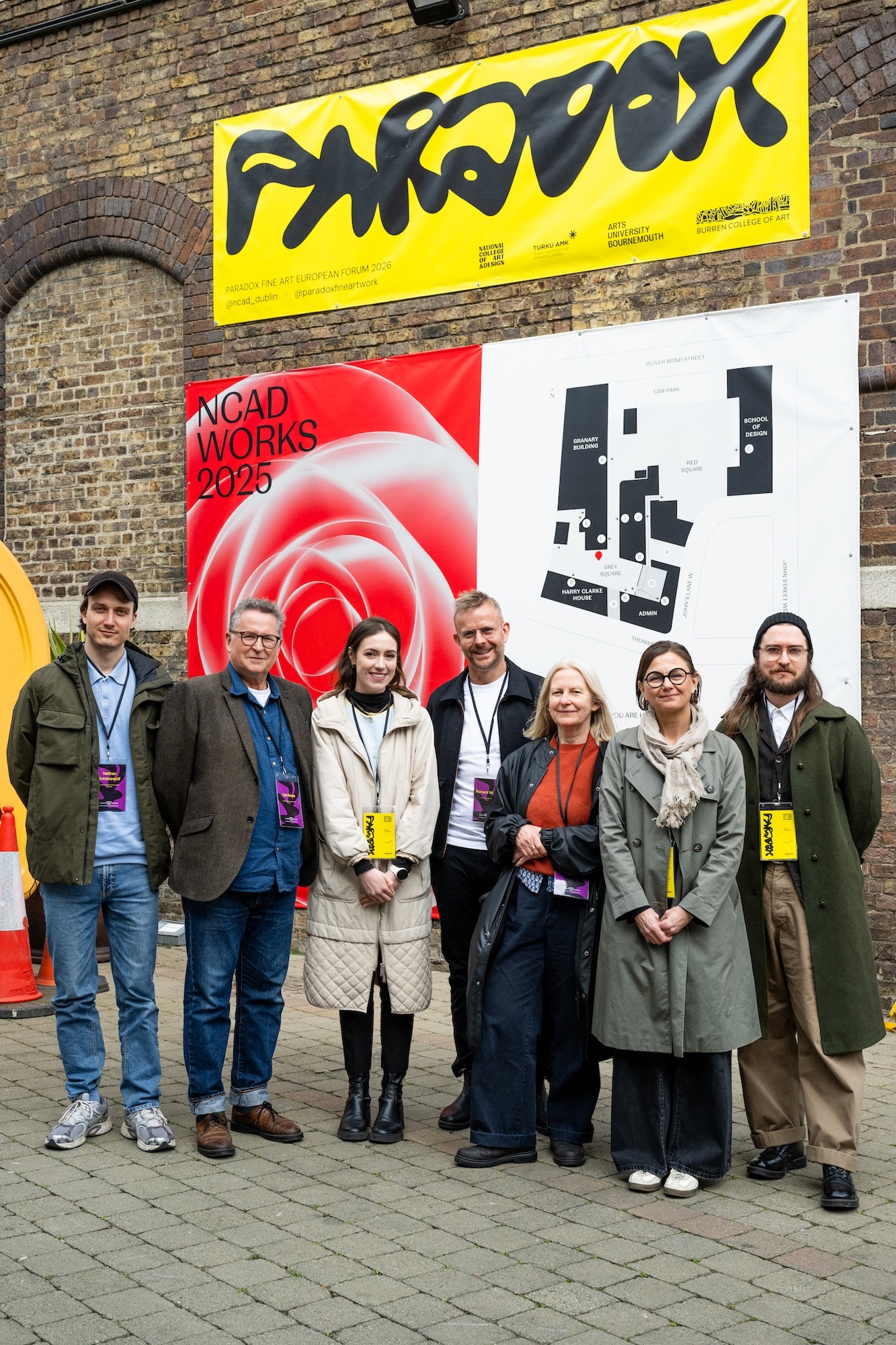
Dr Richard Waring, Course Leader for BA (Hons) Fine Art at Arts University Bournemouth (AUB), has played a key role with several other academics in co-organising the 10th PARADOX European Fine Art Forum.
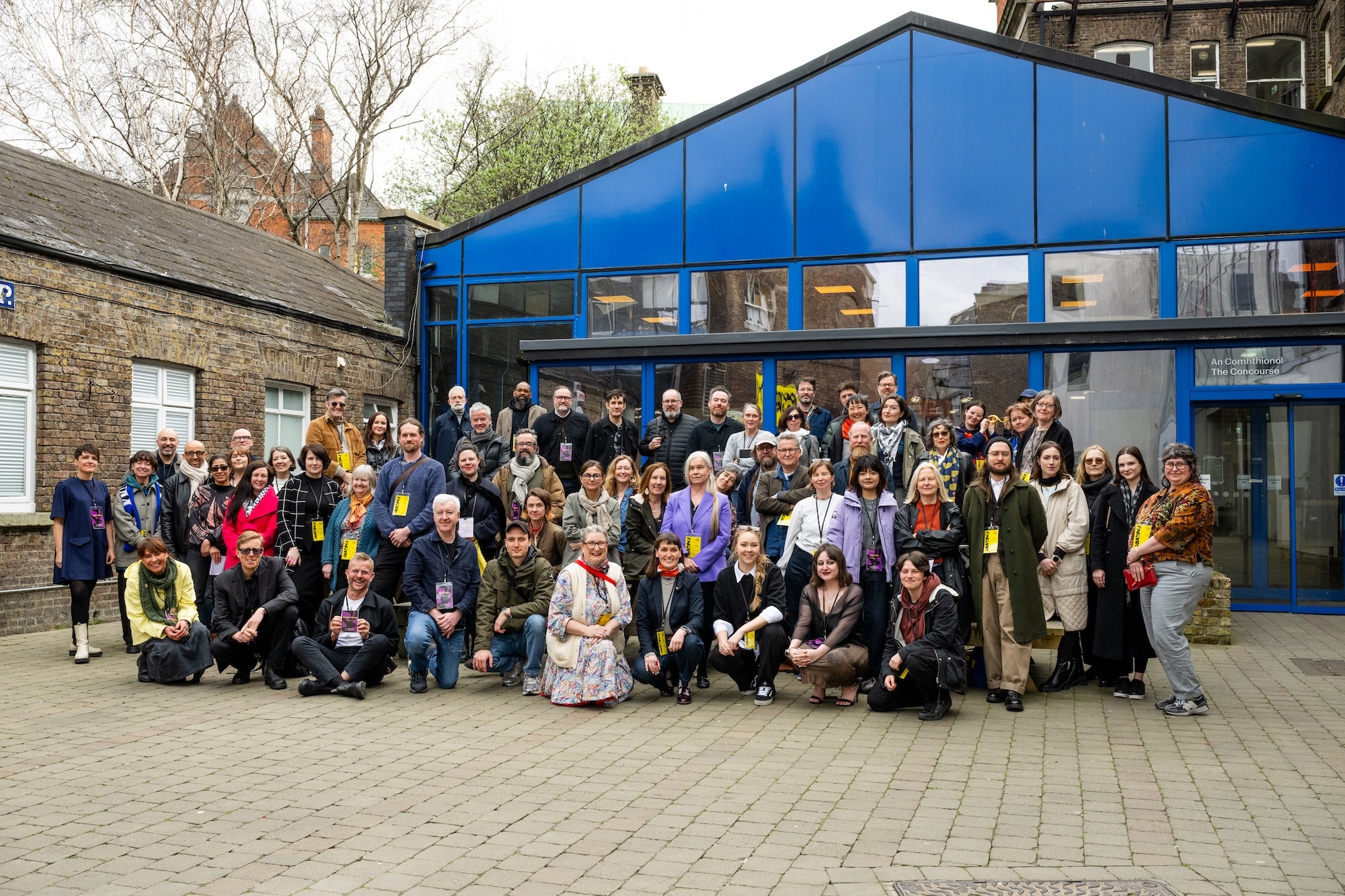
Held in Dublin between 30 March and 1 April, the PARADOX 2026 conference featured contributions from leading institutions including National College of Art and Design (NCAD) in Dublin, Turku University of Applied Sciences, and Burren College of Art.
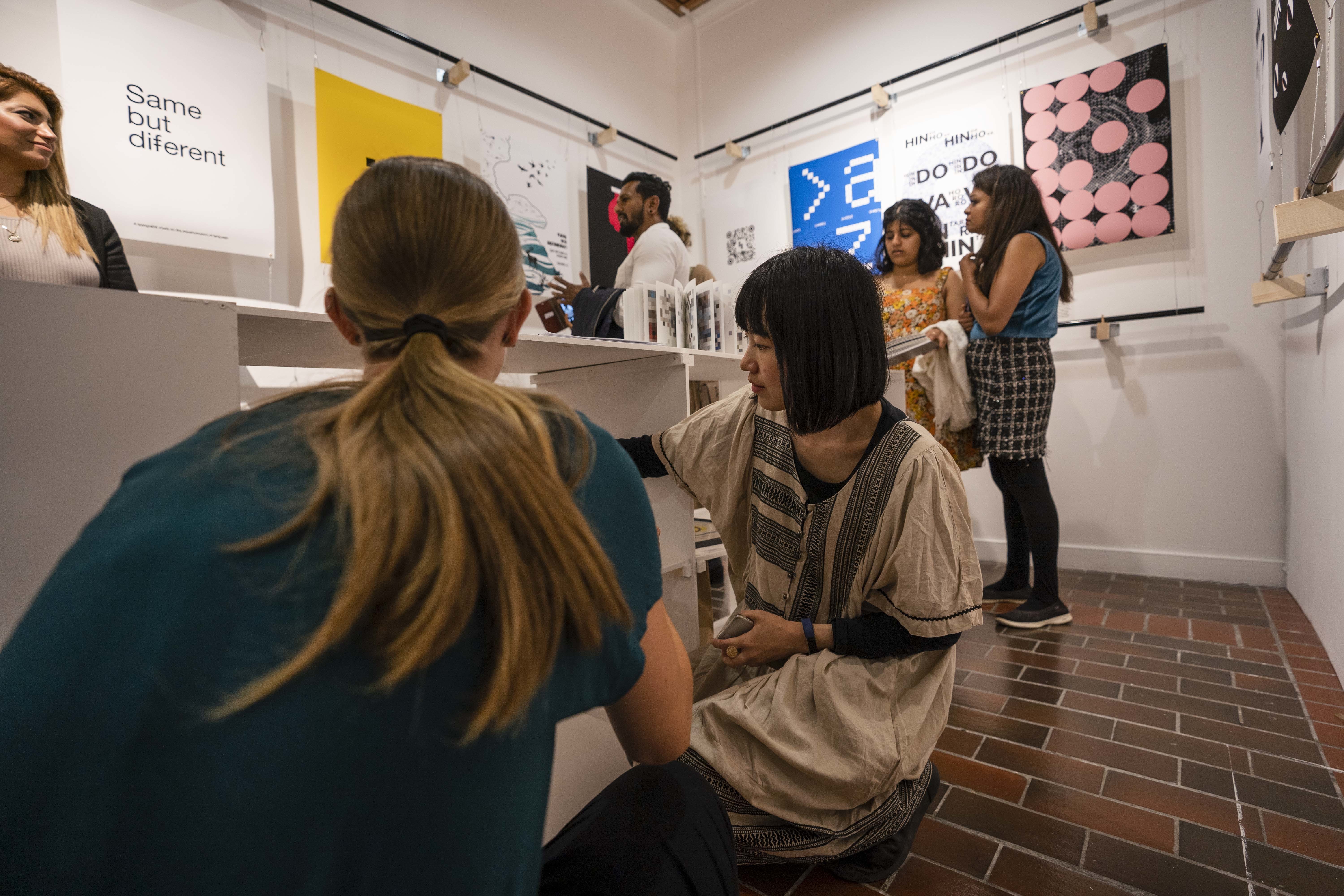
With attendees from many European universities and from the USA, the event explored the role of Fine Art education in civic life, critical thinking, and its intersection with new technologies.
As a member of the conference steering committee, Dr Waring helped launch the event, which brought together international educators, artists, and researchers to explore the theme, CCC: Connecting + Collaborating + Co-Creating – An Open Invitation to Come Together.
Hosted at the NCAD, the forum marked the first in-person gathering of the fine art community since 2019. It provided a platform for Richard to showcase how AUB is pioneering new ways of teaching through ‘micro-cultures of collaboration’.
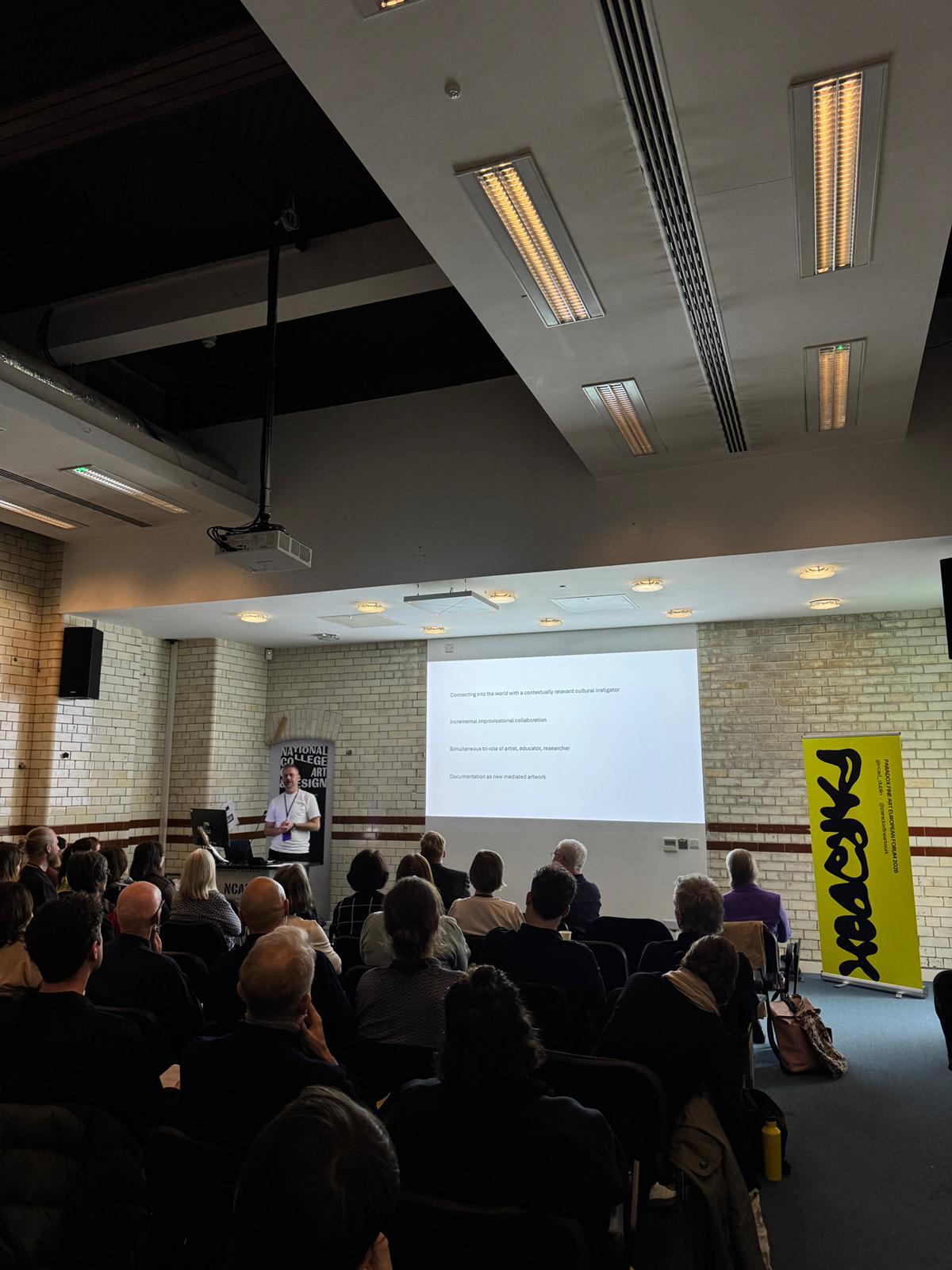
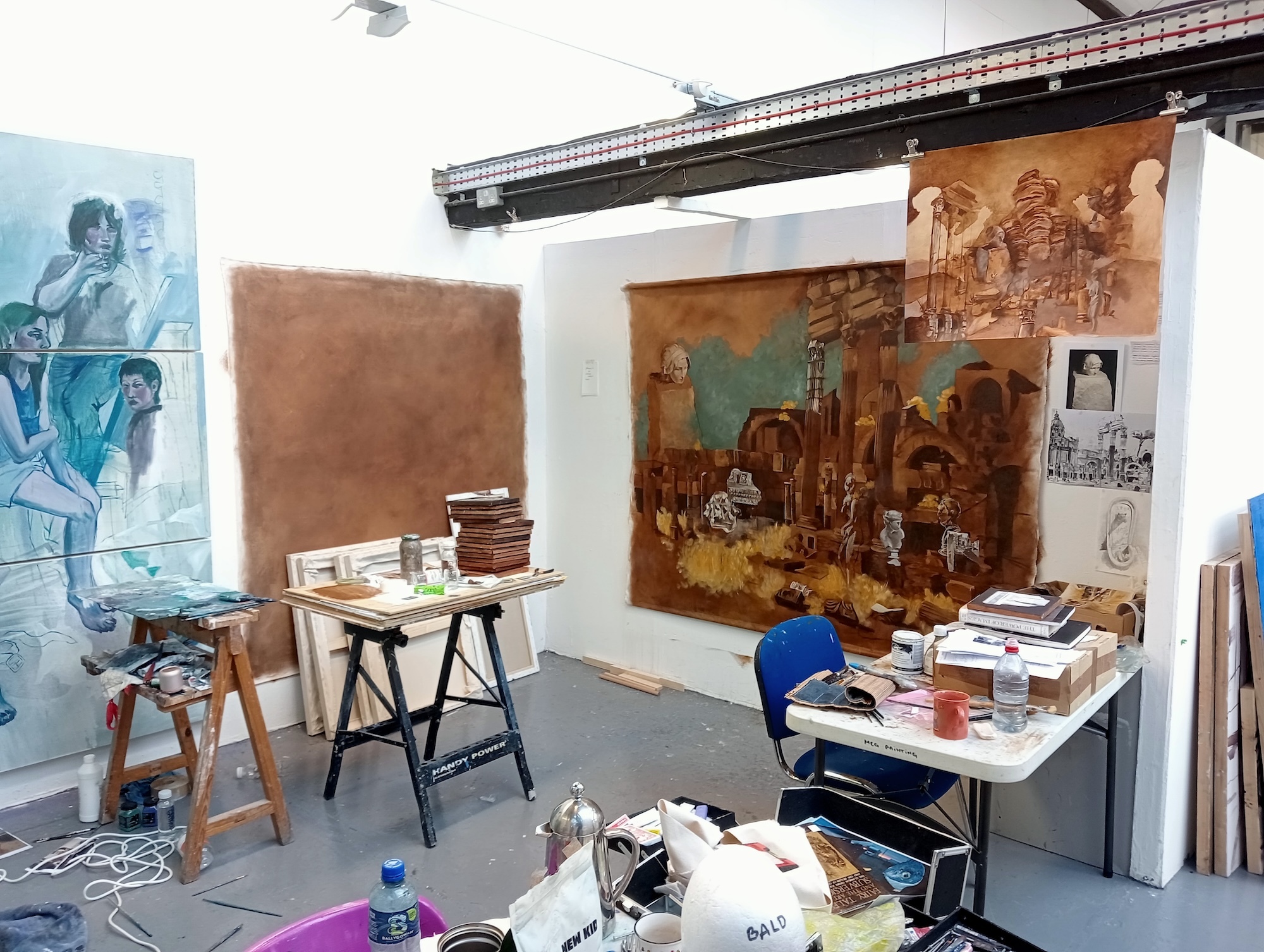
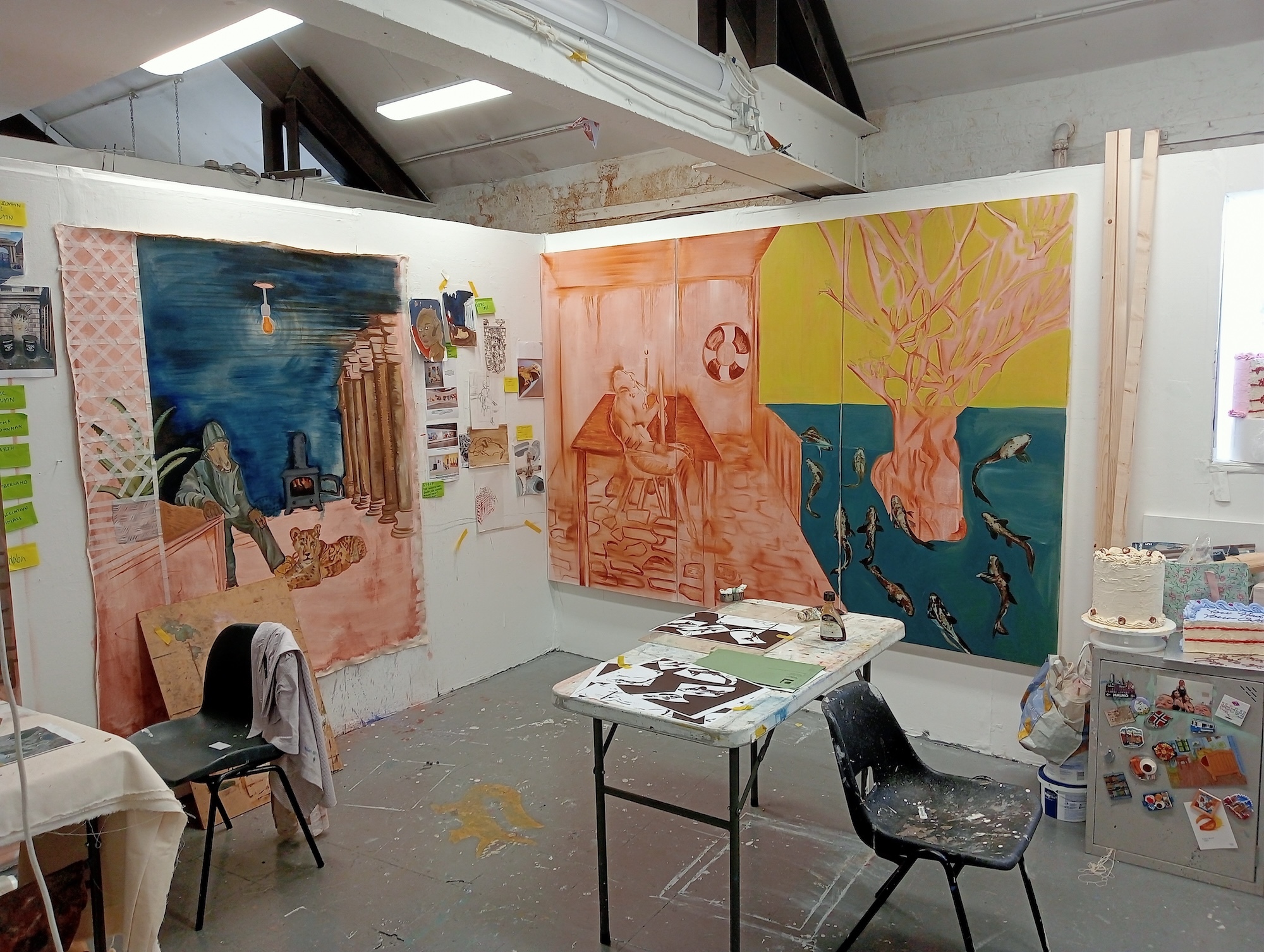
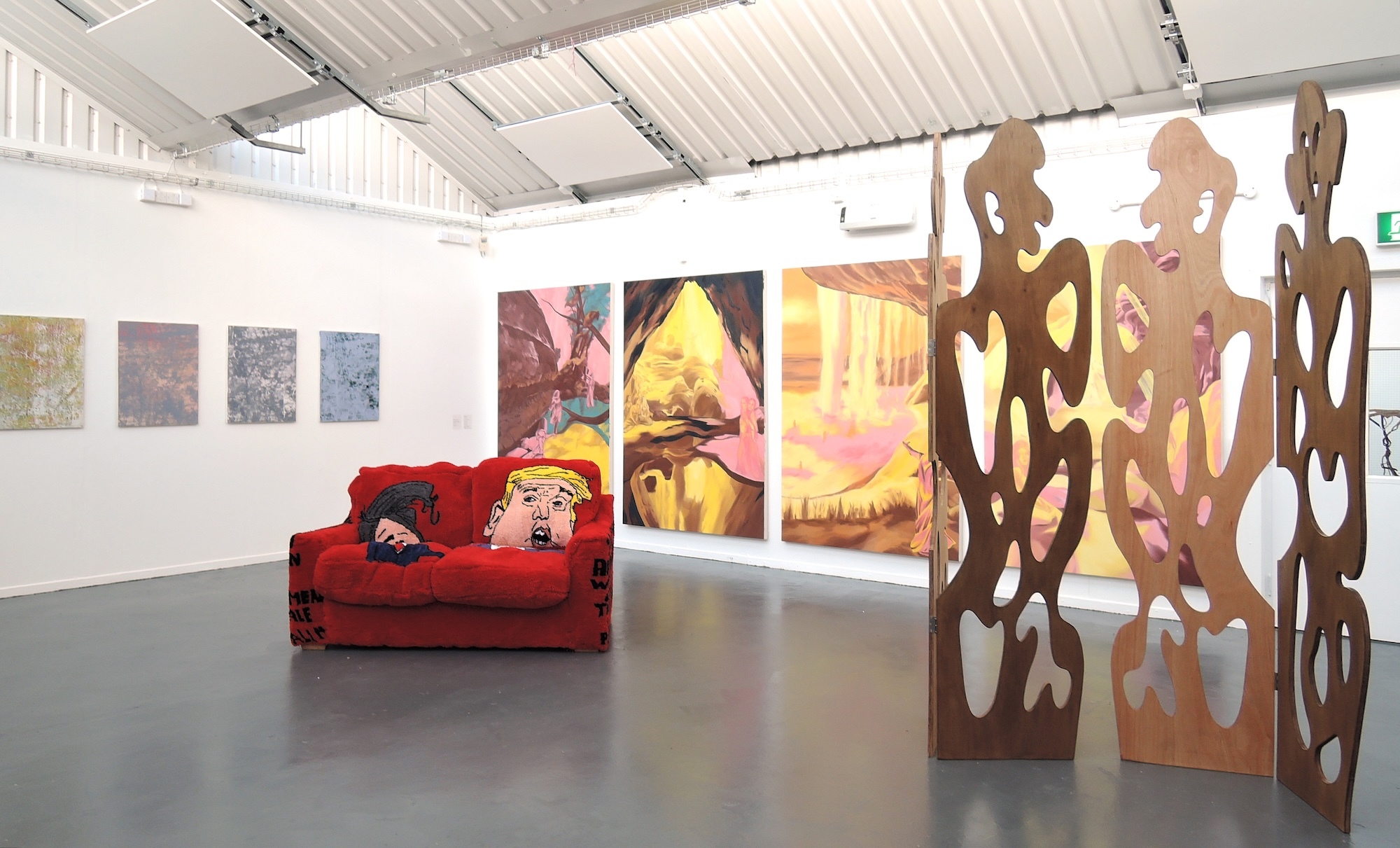
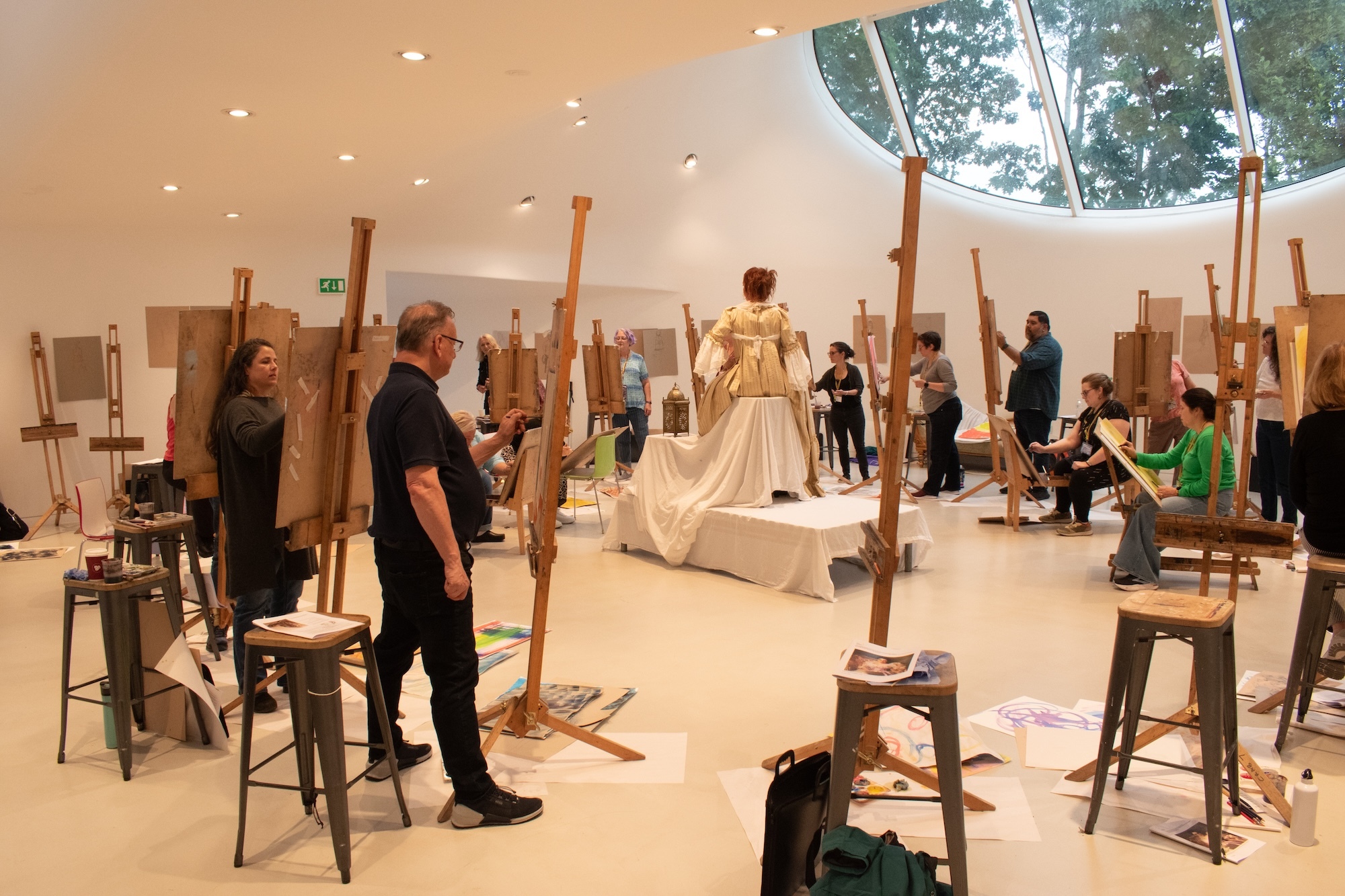
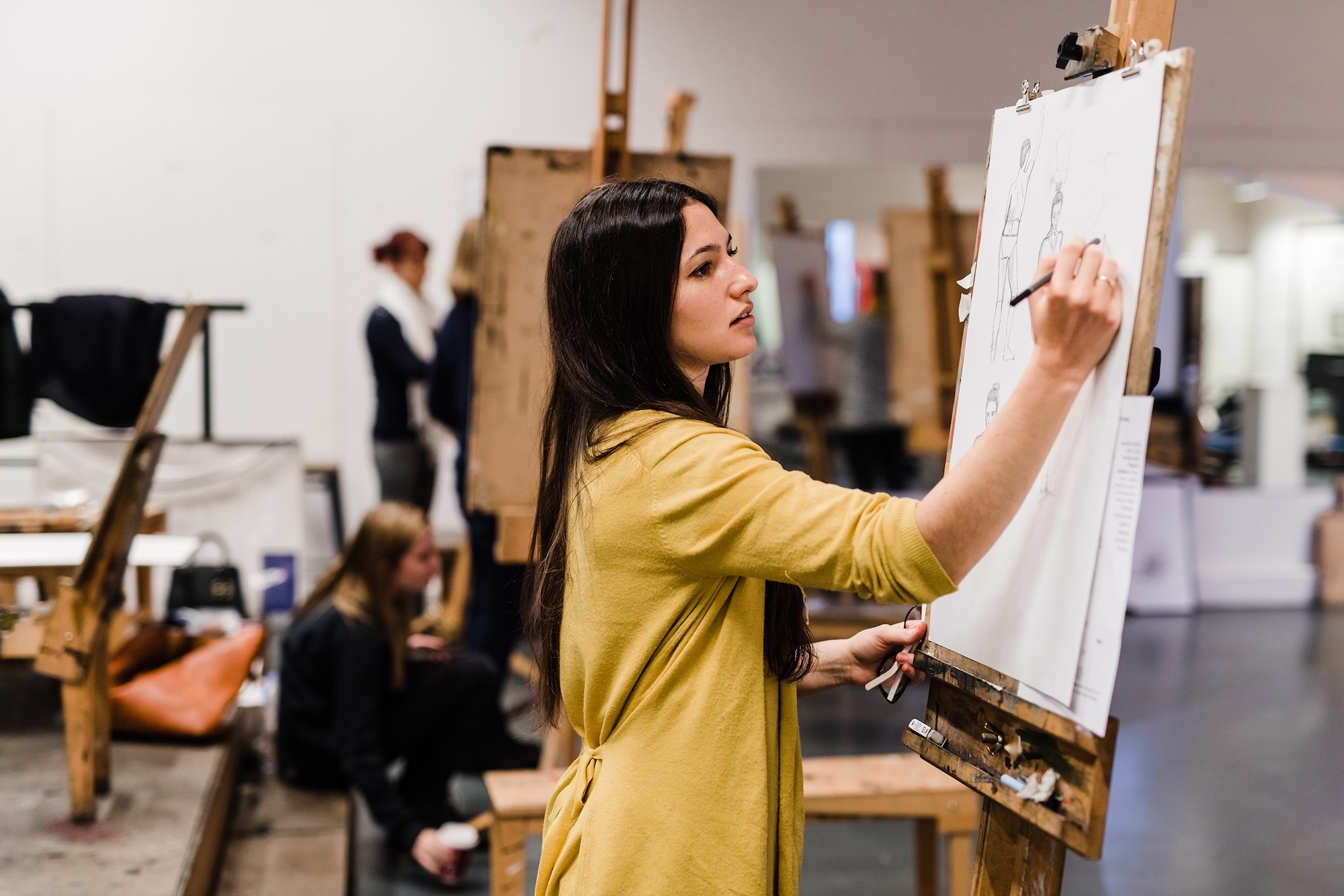
At the opening address of the conference, Richard discussed the radical redesign of the Fine Art learning spaces at AUB. By removing the traditional maze of individual studio cubicles, the course has transitioned to a more open-plan environment.
“We’ve re-designed the layout of our studios to allow students to learn more by seeing and hearing more,” he explains. “By moving away from isolated cubicles, we’ve created a space where students are naturally exposed to the creative conversations and processes of their peers. It transforms the studio from a collection of private desks into a truly collaborative ecosystem.”
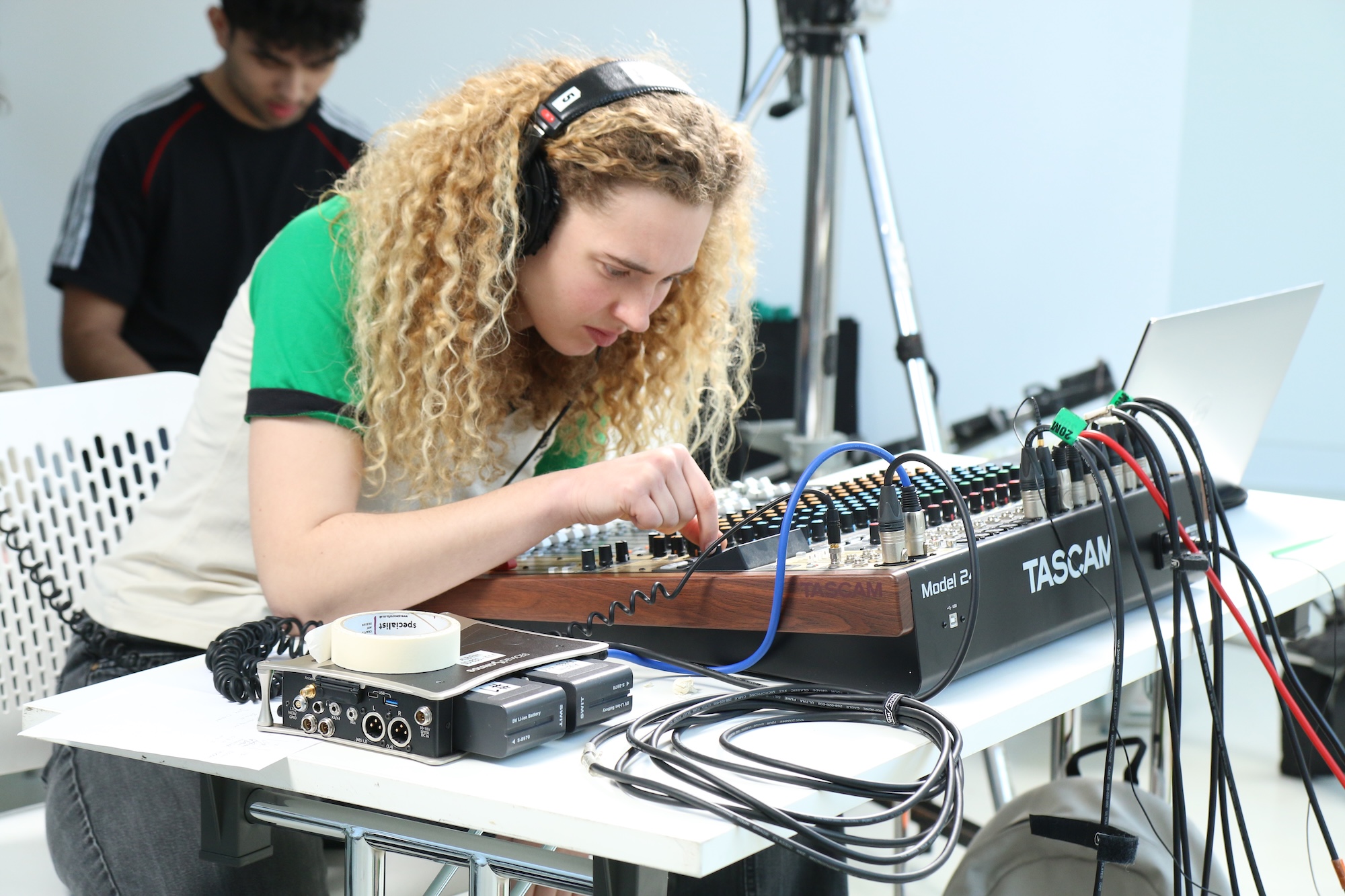
This architectural shift reflects Richards’s long-standing research into co-creation. His recent work, including the Sonic Camouflage project, investigates how entangled pedagogies – where tutors and students create work alongside one another – can empower emerging artists and build resilient creative communities.
Richard also highlighted AUB’s Global Networks initiative, which integrates collaborative projects into the degree. From sonic performance workshops in Greece to paint exchange projects with universities in New York and Manchester, these initiatives encourage students to view art as a social and collective act rather than a solitary pursuit.
For Richard, the success of the forum reinforces AUB’s commitment to innovative teaching.
“Being part of the steering committee for PARADOX allows us to keep AUB at the forefront of European art education," he says. "Our focus remains on creating environments – both physical and intellectual – where students can thrive through shared discovery and collaborative practice.”