




Film at AUB has given me a paradigm of industry-standard skills, productions, and a network of filmmakers who both challenge and inspire me. Although I was very uncertain on whether to choose film at all in the beginning, studying it here means I am leaving with no regrets.
I will share what I got up to during my course, focusing on the best parts: the end-of-year films.
Although selecting a creative course can be intimidating due to their inherent subjectivity, whether you came into AUB with a wealth of filmmaking experience, or nearly zero, it did not matter: BA (Hons) Film Production catered to all experience levels, and even the more-experienced had their own knowledge gaps.
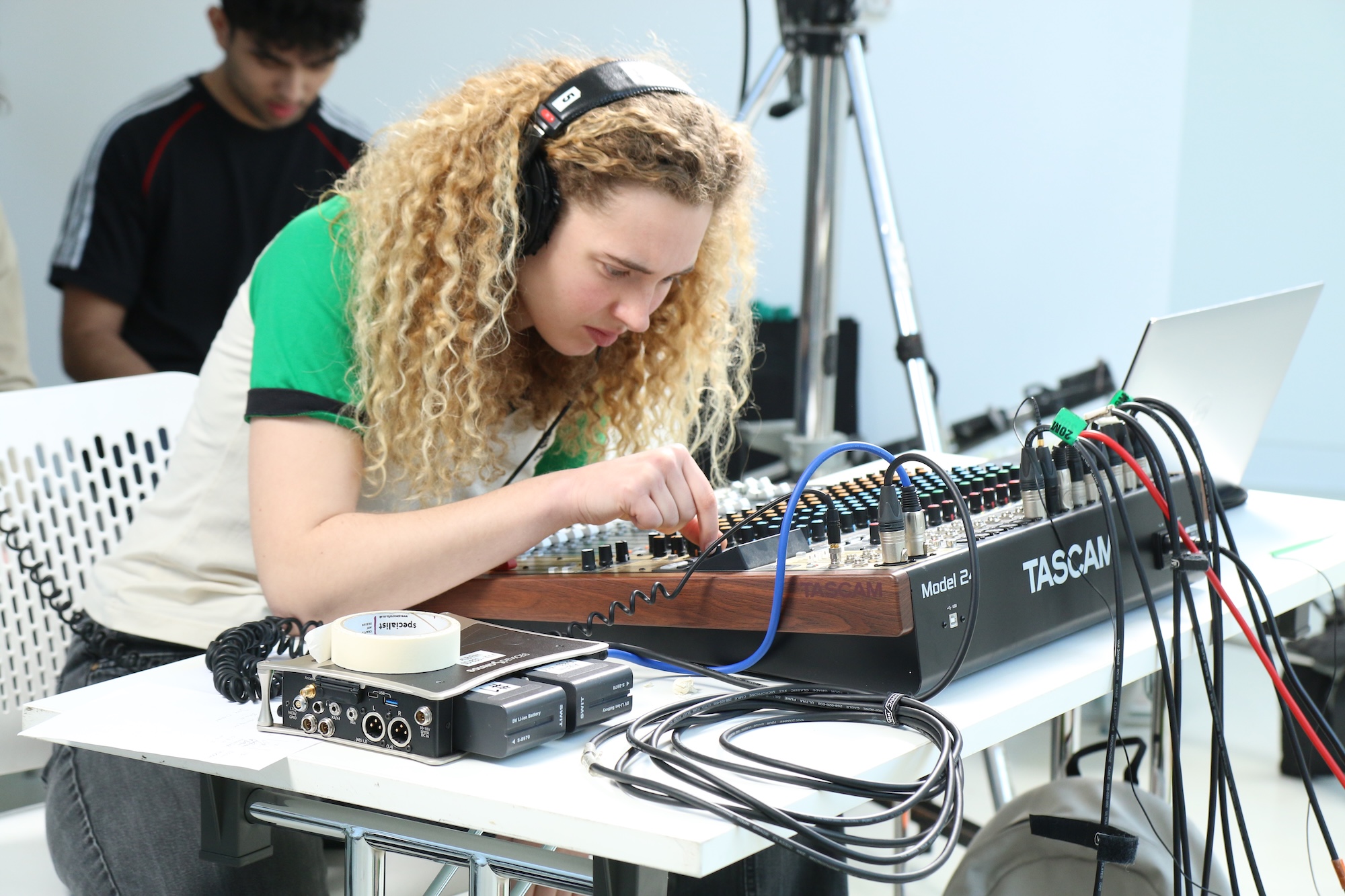
Training, classes, and research were concentrated on during the beginning of each year, while practice and implementation was the focus at the end, which allowed us to put our training and research into practice, and collaborate with one another. Each year, major productions unfolded to assess the acquisition of our learned skills. In the first year, the productions took place under the Storytelling unit; in the second, as part of the Production in Practice unit; and in the third, the Graduation Films unit.
For Storytelling, I decided to try out the role of a producer, but we were encouraged to explore any roles we wanted. The short film I produced for this unit was Five a Day (Szczyrba, 2023): a psychological horror about an experimental weight-loss drug called Orexostat, which had unexpected side effects… such as goading its user to consume inanimate objects.
That meant our crew had to figure out how to create functional props, like an edible table surface and chewable glass (which our production designer crafted by melting mints), which ended up being incredibly fun, yet challenging. In my experience, the film course brings together aspiring filmmakers who all have their own styles, so it was incredible how naturally I was able to find collaborators who wished to experiment with unorthodox, ambitious ideas. The course and assessments were flexible enough that we were able to gear our studies toward our own priorities, allowing us to explore, so long as we could find a way.
I also learned how to do risk assessments, make schedules, write contracts, and secure both cast and locations. There was a lot of creative freedom in how I approached the project – I got to plan my own meetings, run discussions, and come up with my own way of managing the filmmaking process.
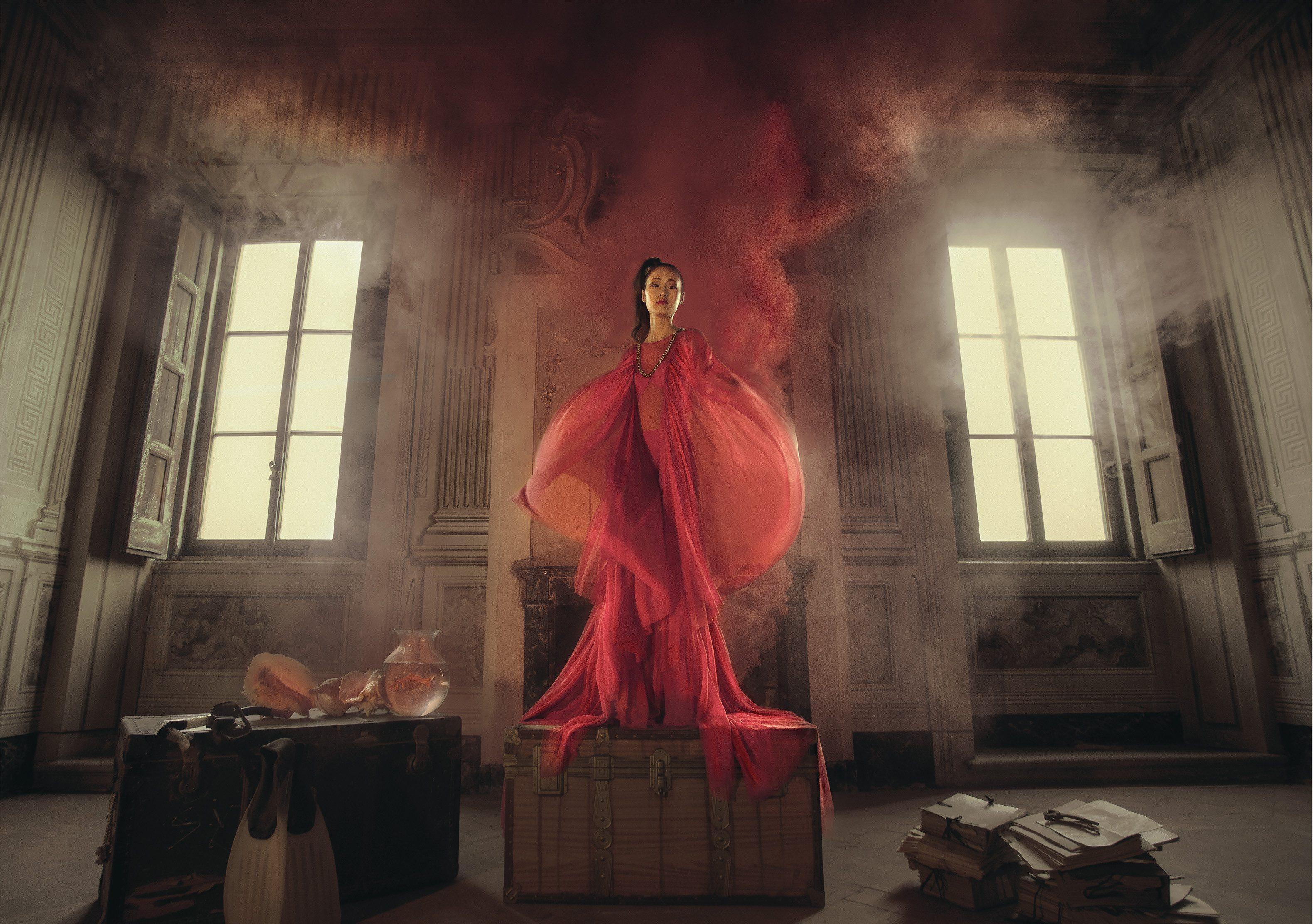
Film allowed us to use our practical achievements for real-world networking: We later submitted Five a Day to a film festival named Duemila30 and it got accepted and screened in Milan. This showcase meant we were later able to list the film on IMDb, quickly propelling us into the world of independent filmmaking.
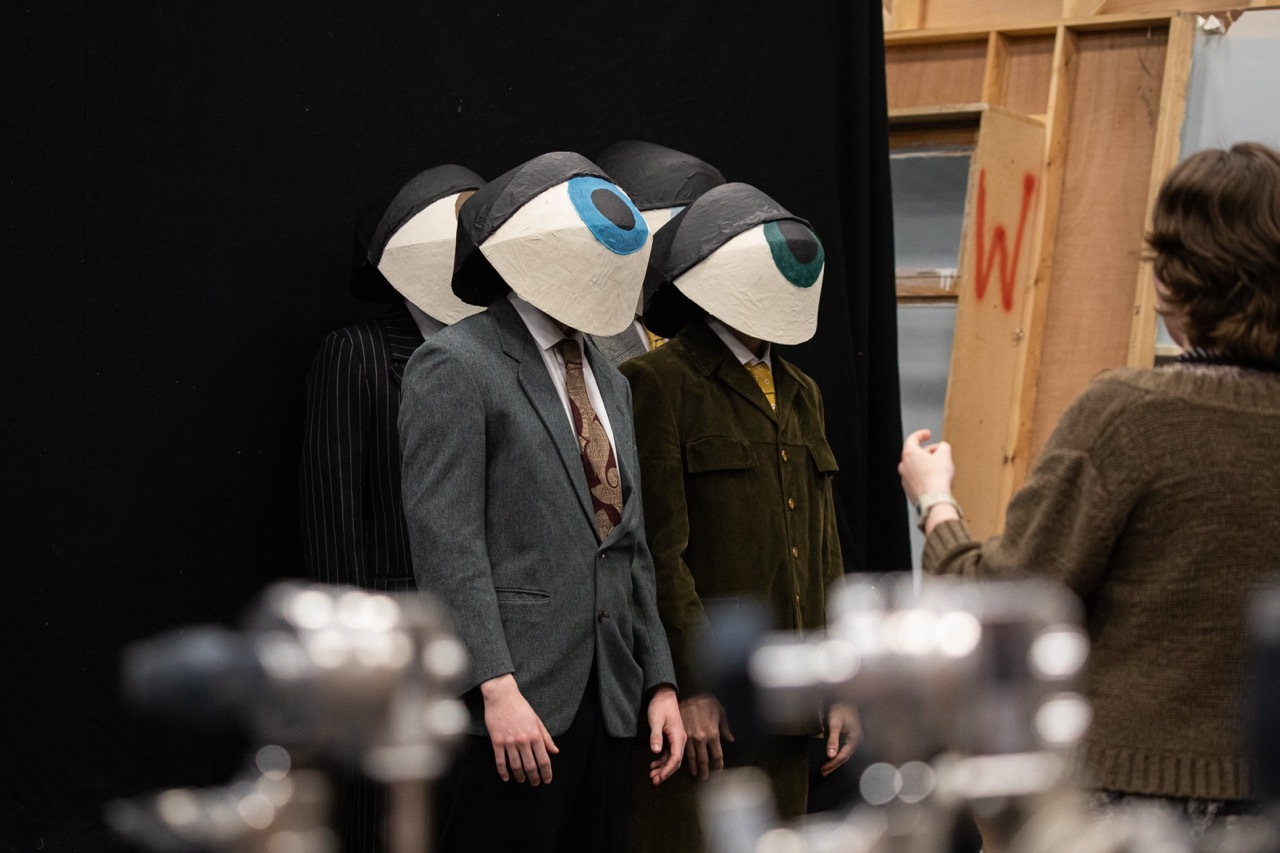
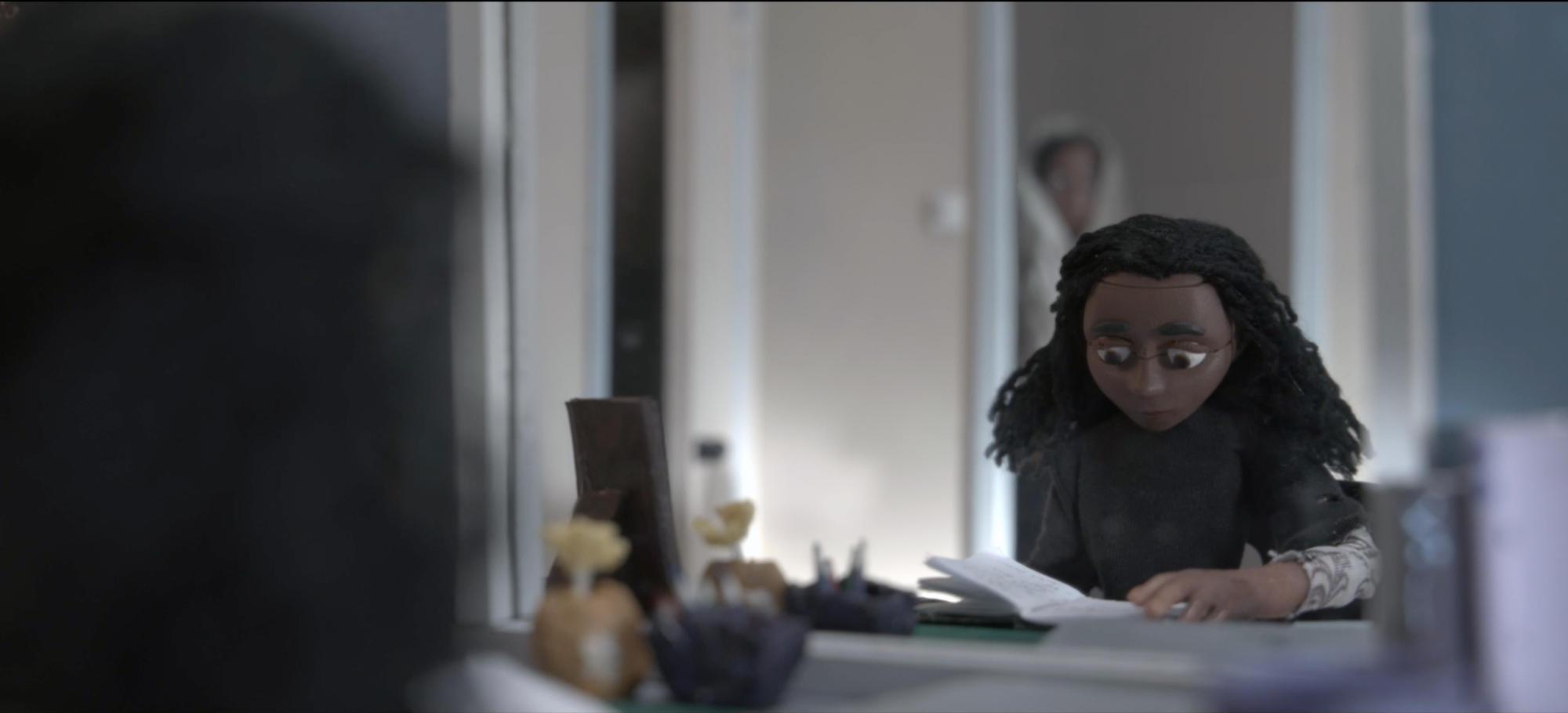
The Production in Practice (PiP) unit was situated at the end of year two. The project I produced was Sardined (Szczyrba, 2024): a fantastical horror that blended with musical elements. It was set in a furniture store and told the story of a surreal game of hide-and-seek.
One of the key creative challenges in producing Sardined was designing a musical sequence where a chair and a wardrobe had to sing, which involved creating huge puppets, and securing the rights to custom music. Furthermore, we expanded upon the scope of our network: collaborating with actors, illustrators, and creatives across different courses.
A memorable moment from Sardined was scouting locations around Dorset. I arranged a meeting with a location owner, which felt intimidating at first, but I managed to negotiate access at a low cost. We didn’t end up using the location, but the experience gave me confidence in handling professional conversations, and an incredible sense of reward once it was secured.
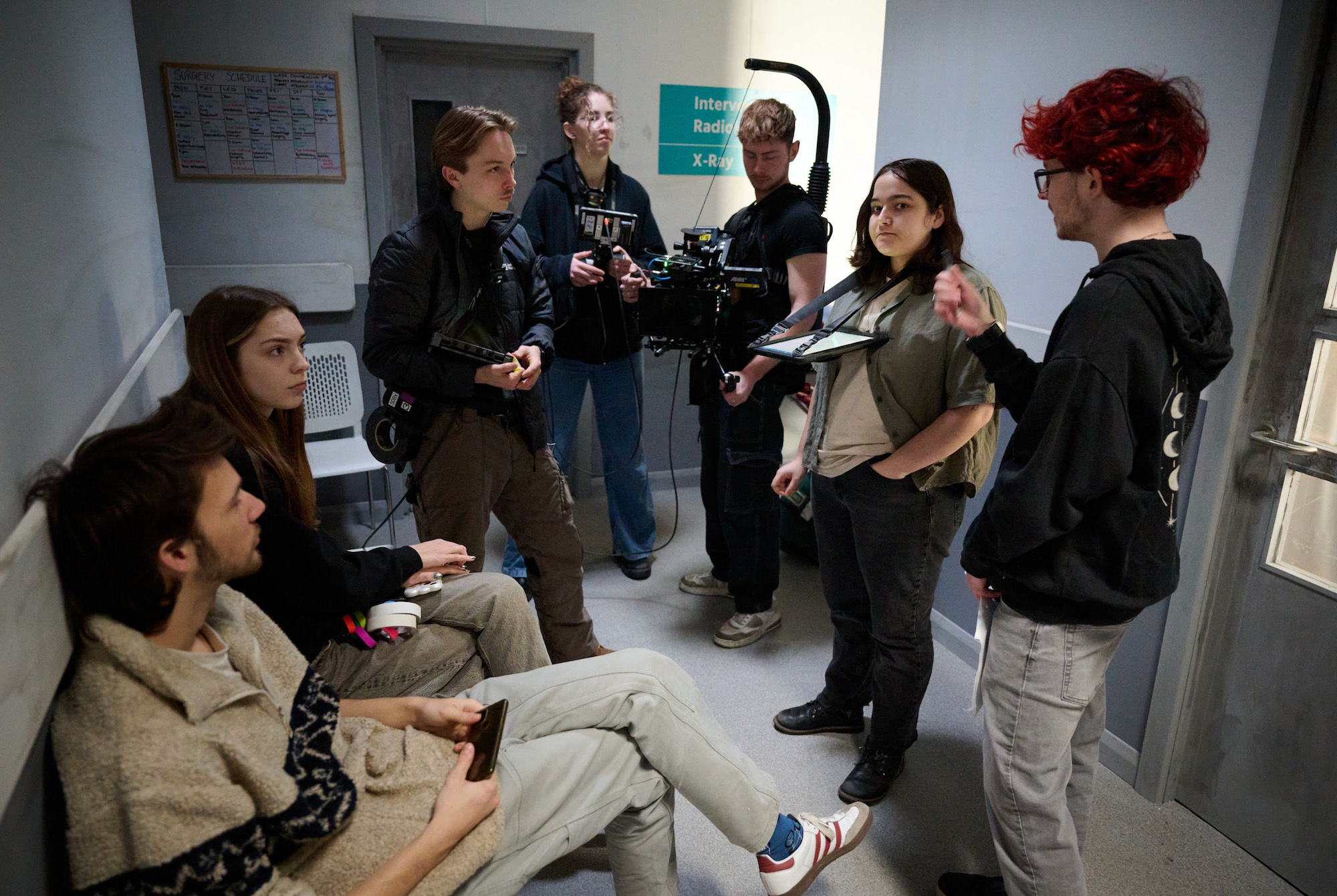
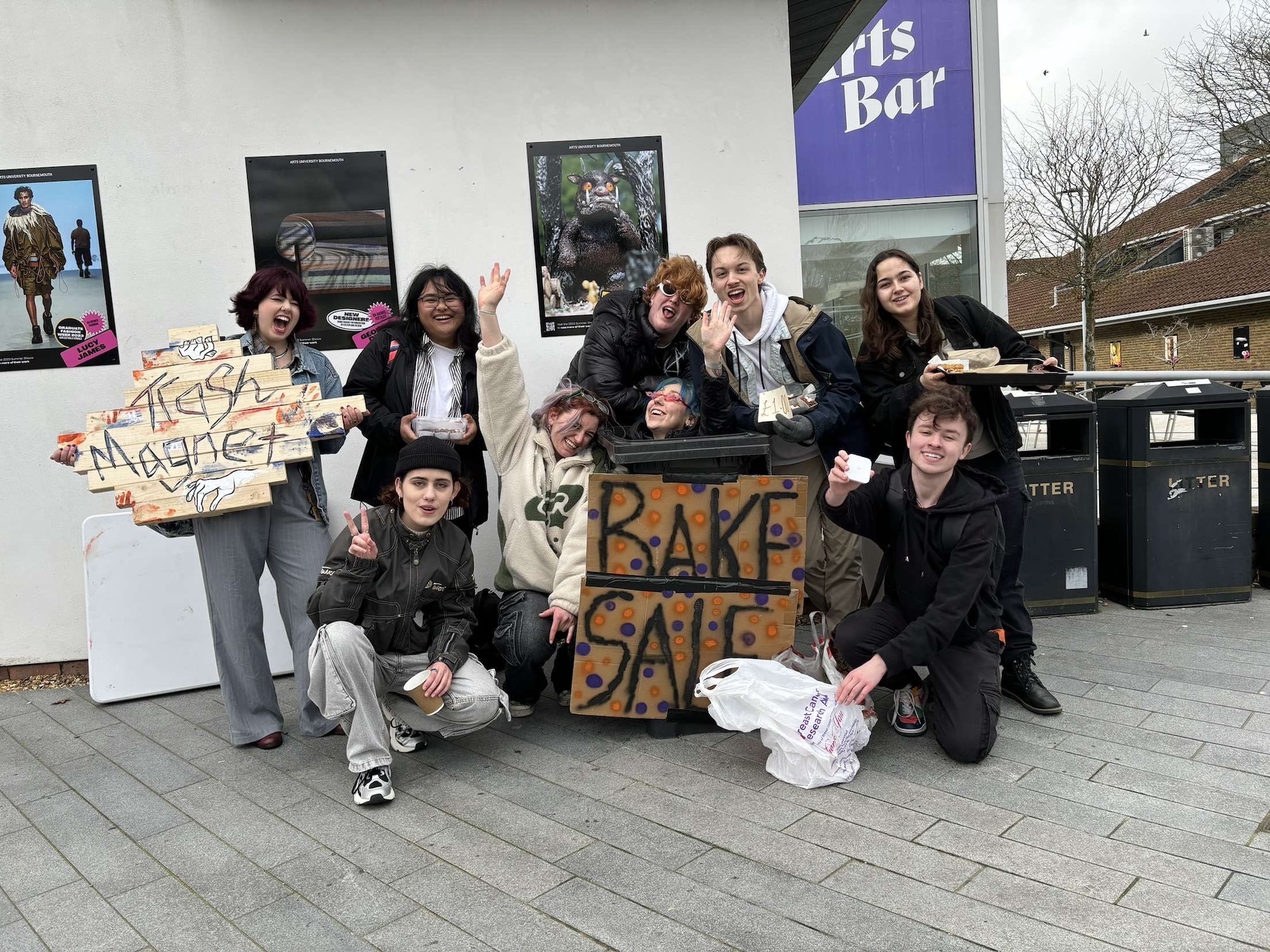
I found that BA (Hons) Film Production – in particular, the producing specialism headed by Clare Cahill – was highly effective in equipping me with the skills I needed to work safely and independently. For example, the location work that had been done on Sardined, prepared me for independent location work, when I developed and produced a short film alongside fellow course mates.
The short film, Trash Magnet (Szczyrba, 2025), is a gritty urban story made entirely with our own resources. Here, I discovered the course had given me the confidence to approach local hotels, business owners, film offices, and the council to discuss permissions and logistics.
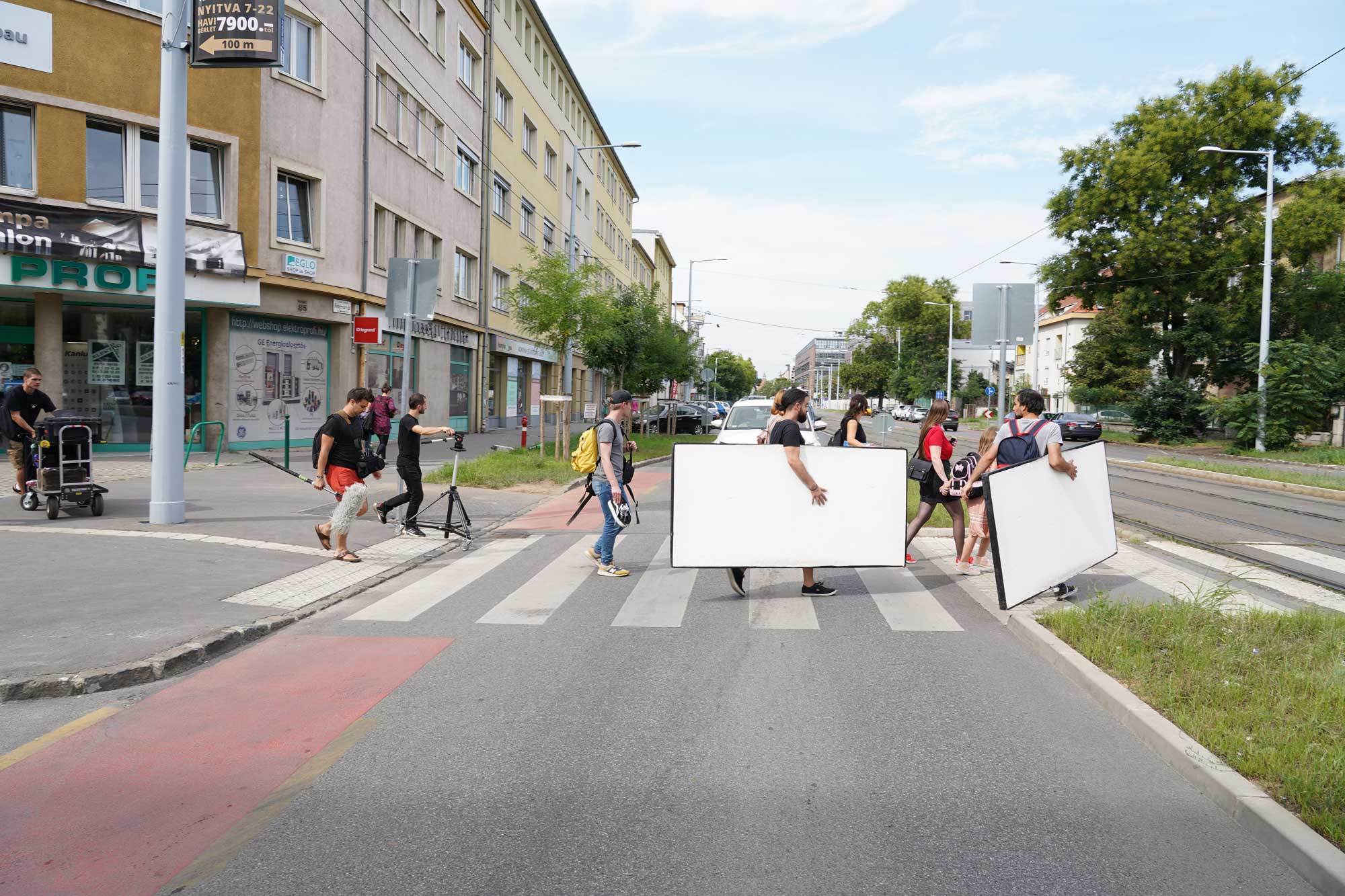
On a budget of £200 – raised through bake sales – we ran a 12-day shoot, in personal time, spread across the academic year. It was one of the most rewarding projects I’ve worked on. It pushed us to apply what we’d learned, strengthened our network, and allowed us to evidence to ourselves what we could achieve independently, from securing filming rights through the council, to arranging our own insurance, to completing our own film precisely as we envisioned it, without the pressure of examination.
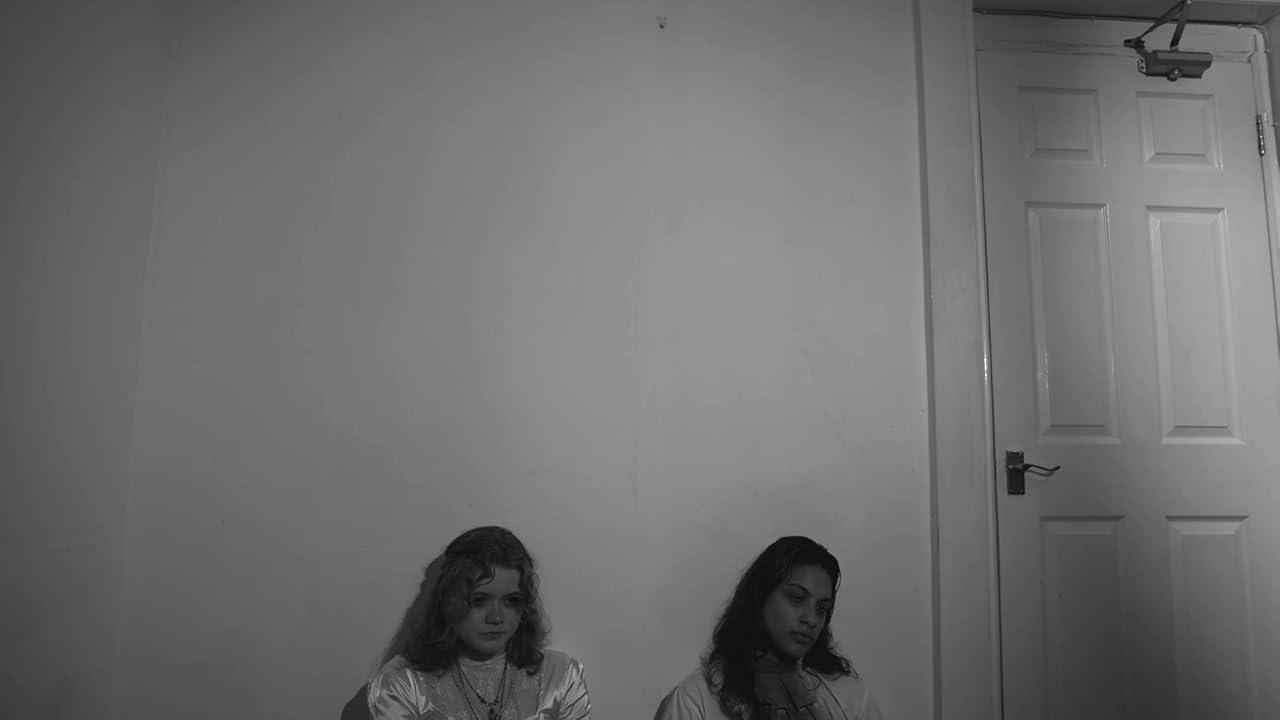
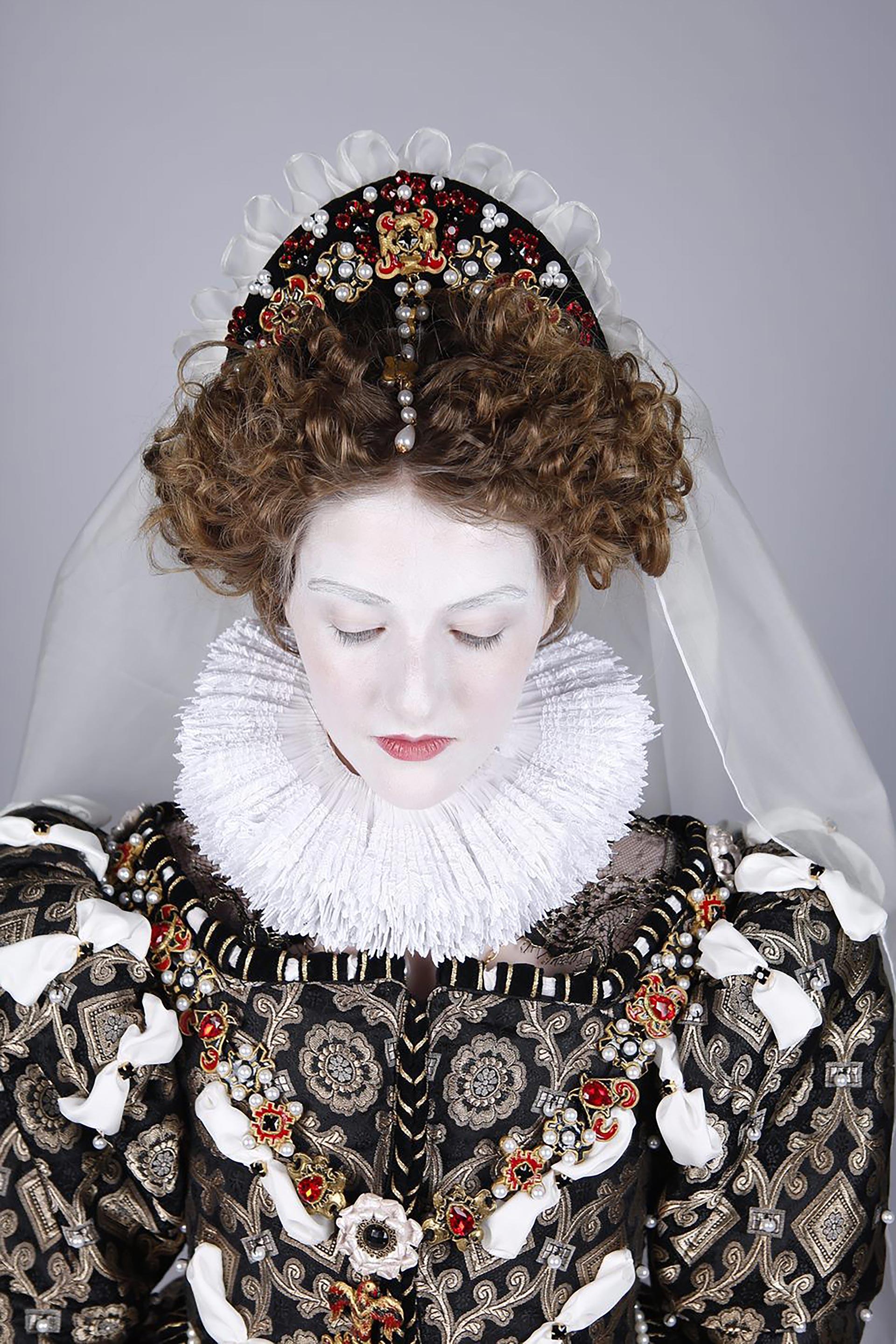
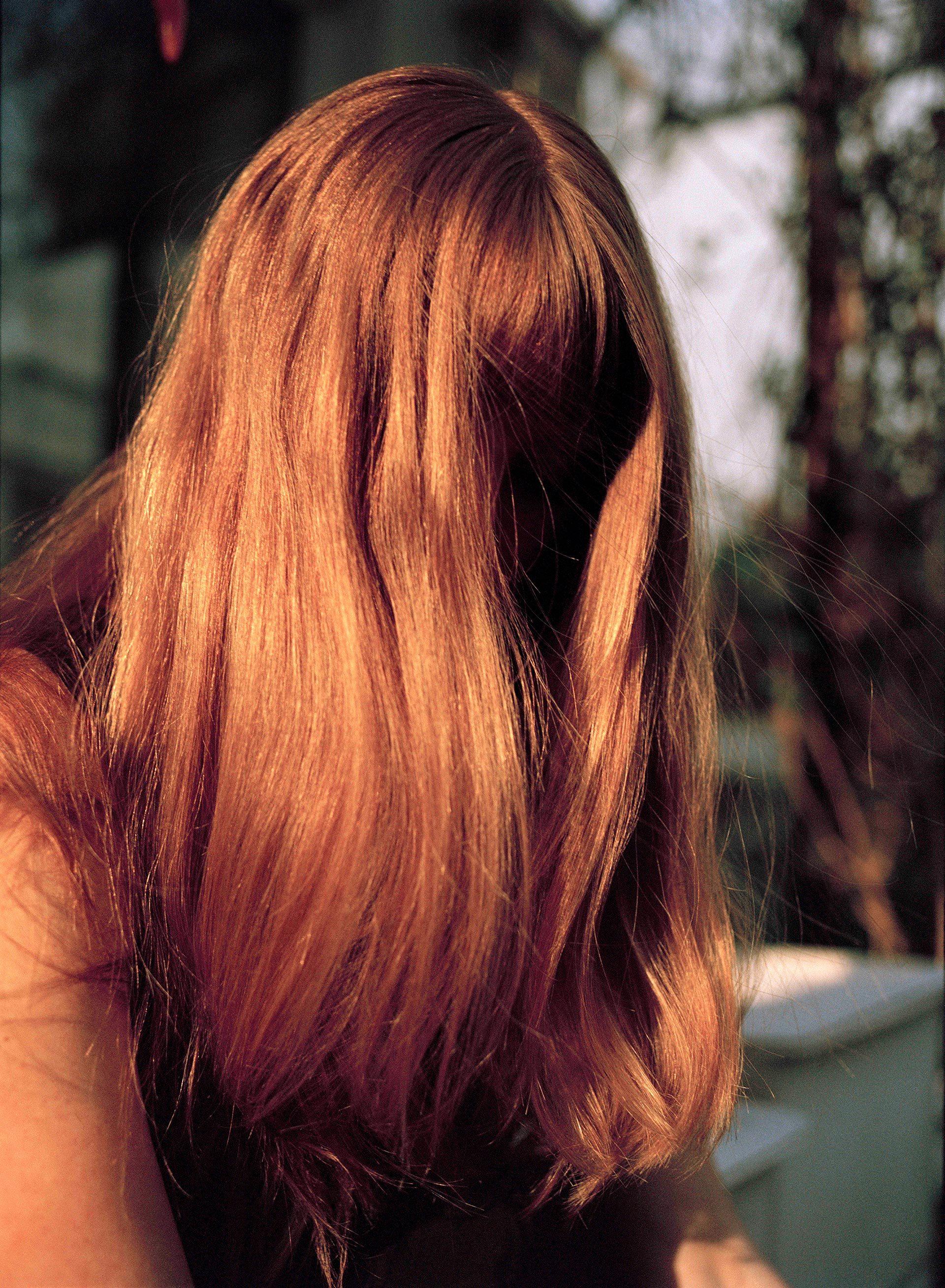
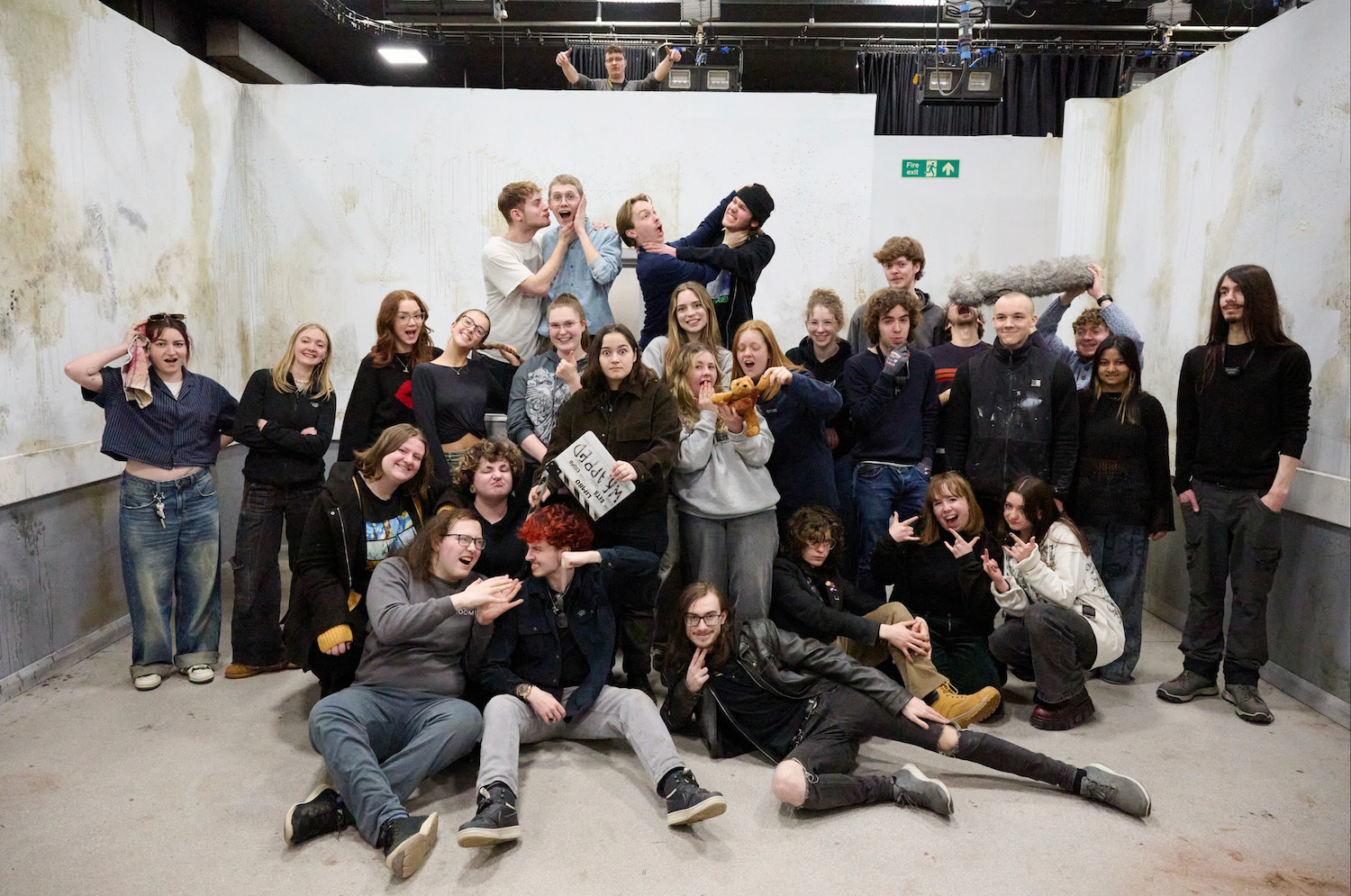
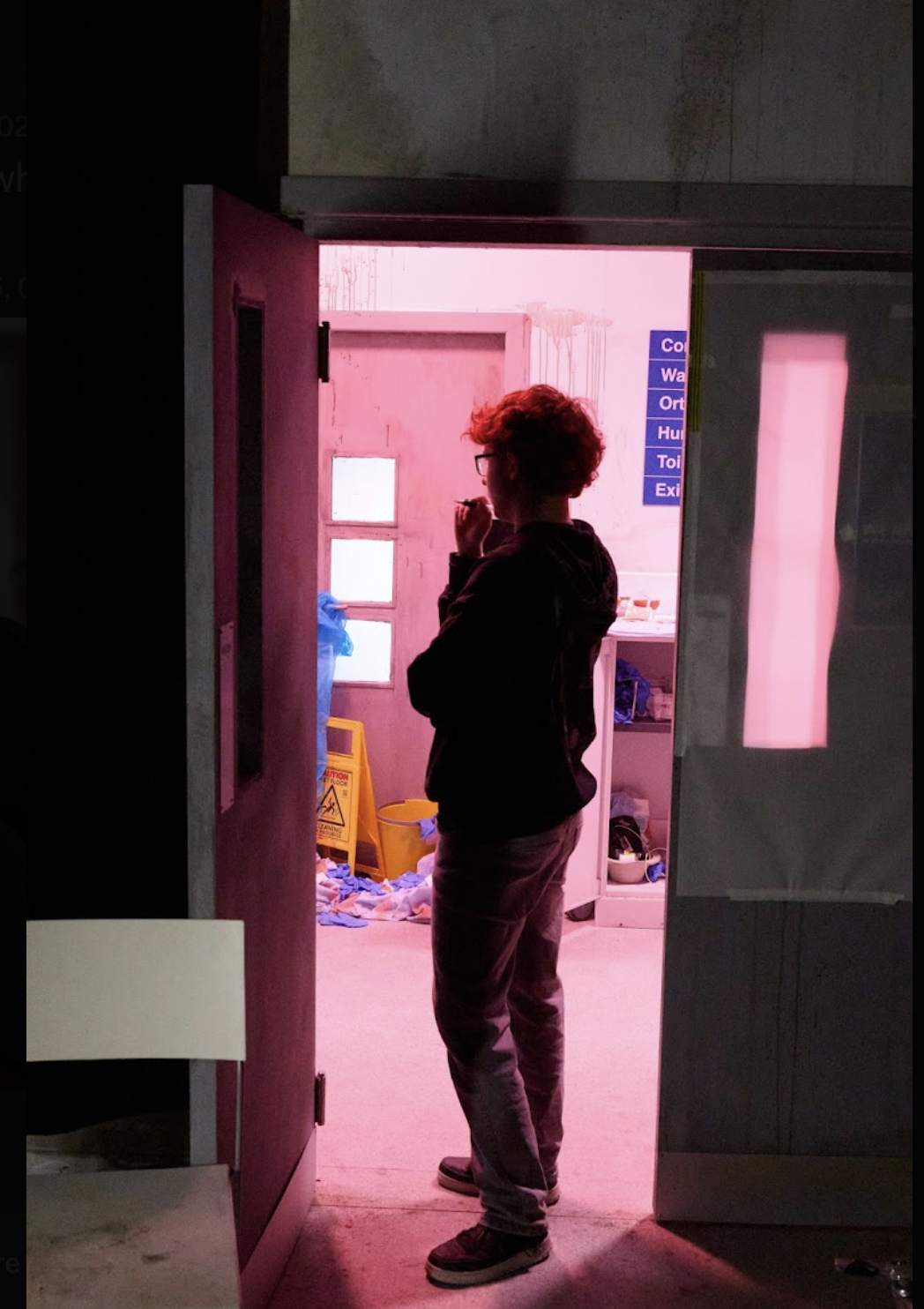
In year three, I took a step up by creating Limbo (Barr, 2025) – a graduation film – which I wrote, developed, produced, and first assistant directed. I worked closely with Bethany Barr and Violet Brew to produce a psychological drama inspired by my personal experiences with Graves’ disease and the struggle to access medical treatment and services. I pitched the idea to the year group for voting, and it was selected. This was a big personal milestone; back in first year, I would’ve been terrified to speak in front of others, but now I was confidently presenting my own story.
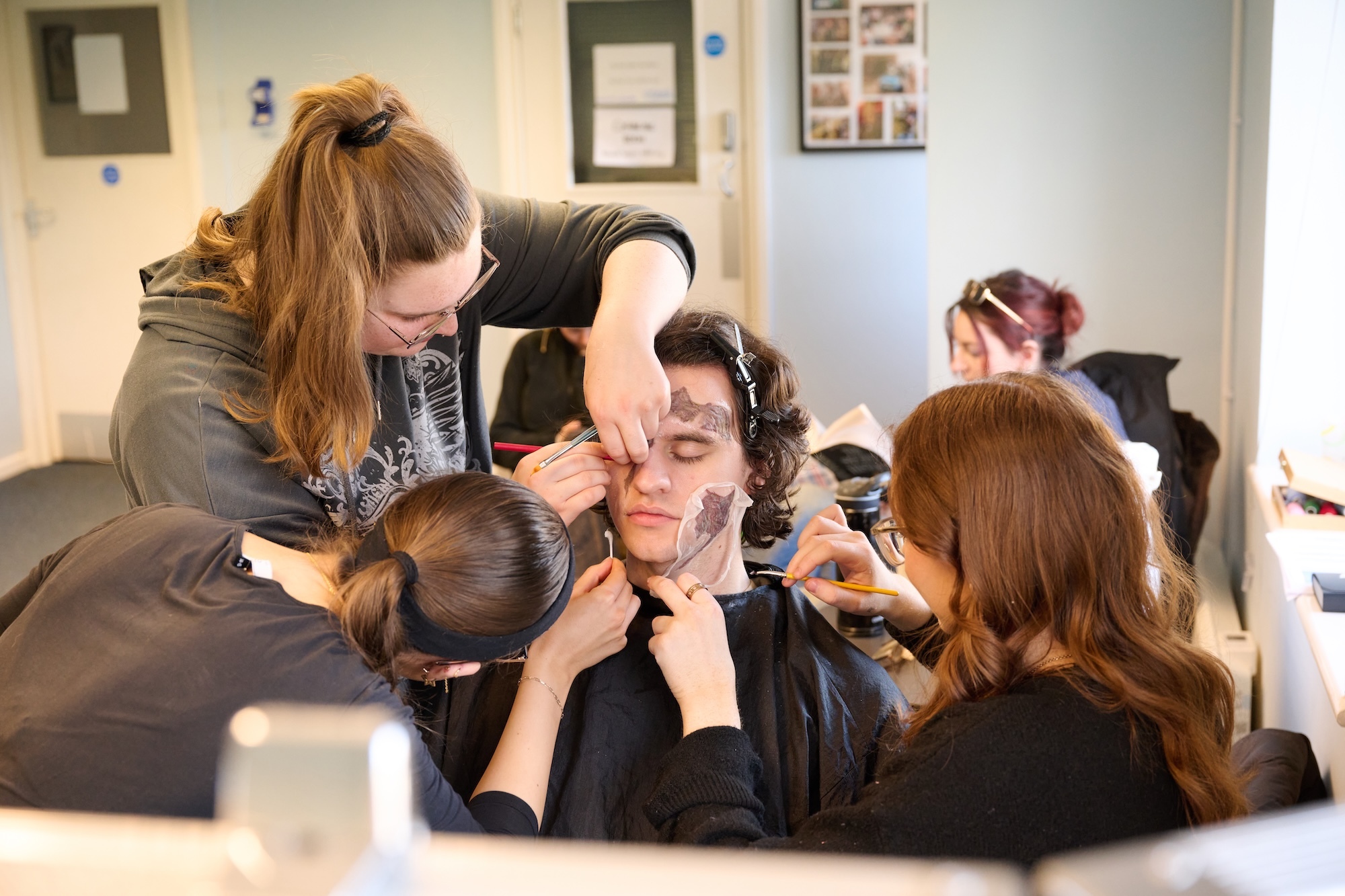
Limbo was the most ambitious project I’d ever worked on, with a final budget of around £9,000. It involved complex collaboration, bringing together a team of over 80 people. We worked with special effects make-up artists, and brought in professional actors from across the UK, such as Alfie Jameson, Jordan Walters, Lucy Greenhalgh, and Jack Hardwick.
The logistics were major for what I was used to, but so was the learning. We raised funds through crowd funder and put on several creative events to support it, like Noted and Quoted, a quiz show using our course’s archive of funny tutor quotes, and a murder mystery night. These events helped build our marketing and social media skills as we promoted everything through TikTok, Instagram, Facebook, and more.
The creative minds I had mixed with throughout the course allowed me to begin developing my own business opportunities. I launched Three of Hearts Productions alongside collaborators Paula Szczyrba and George Clarke, which has become a base for further exploration and collaboration, and we are excited to see where this leads us.
Although university has nearly come to an end for us, filmmaking has not. We have recently finished raising funds for Teddy Teeth, our upcoming horror/coming-of-age short, which blends dreamy, childlike aesthetics with a prosthetic bear-human hybrid to explore the turmoil and fear of puberty.
Before studying Film Production at AUB, I couldn’t have imagined knowing enough to even begin collaborating with others on audiovisual productions. Now, I am assured that I can enter the film or television industry and contribute practical value at a professional standard, and am leaving with excitement to see where making films takes me next!