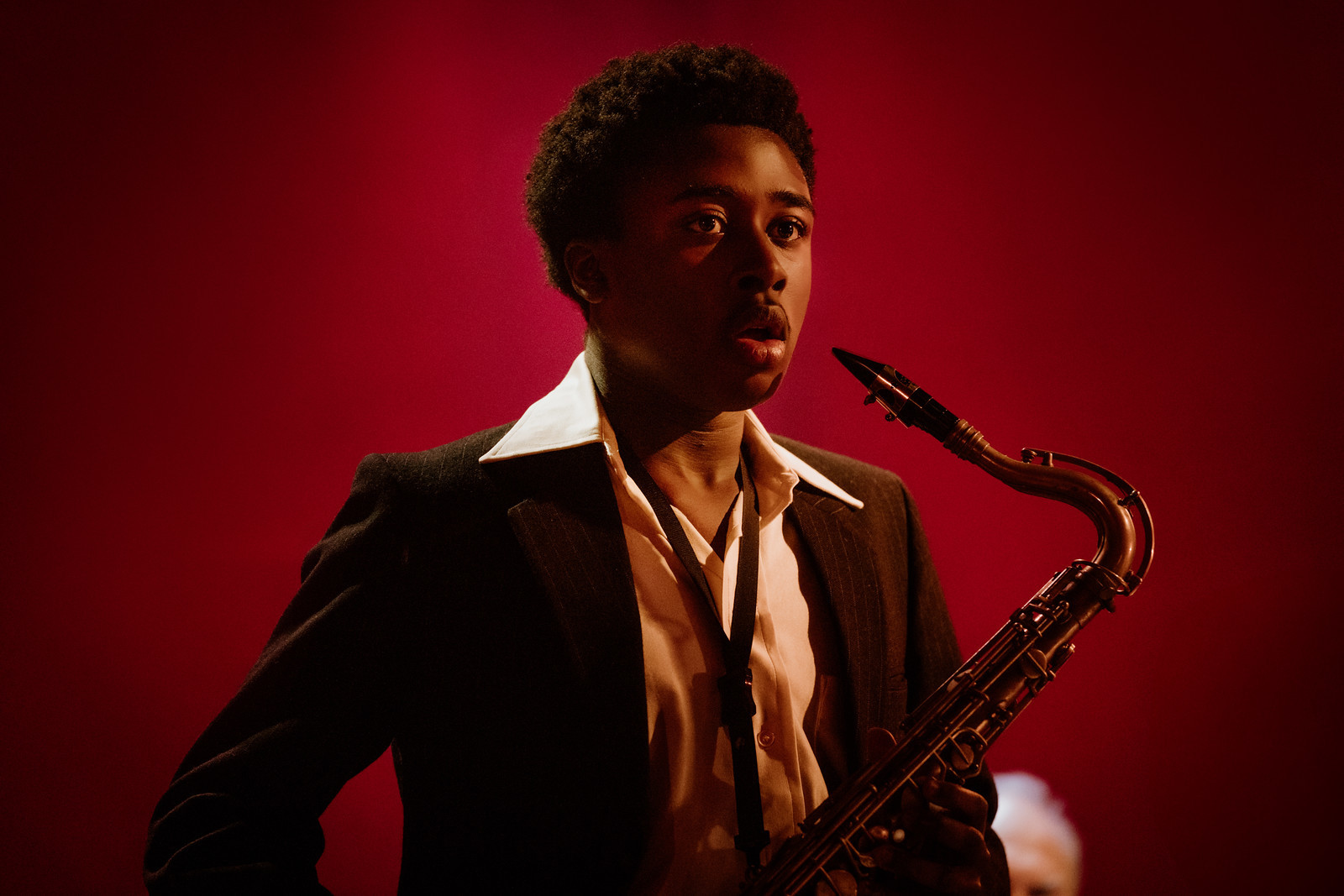
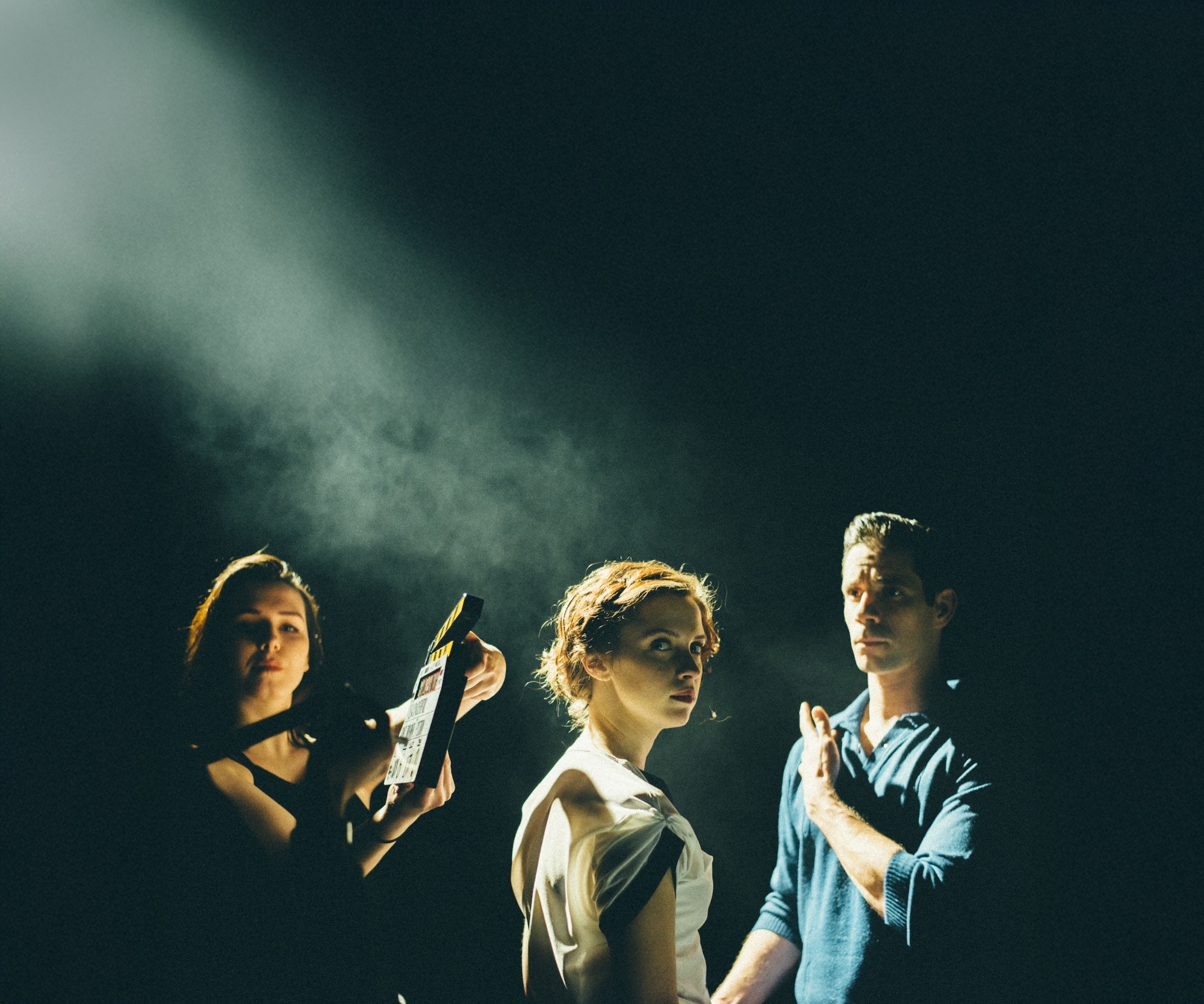
























As the Norwegian drama Sentimental Value racks up prizes on the awards circuit – not least nine Oscar and eight BAFTA nominations – we caught up with one of our graduates who’s been right at the heart of the production.
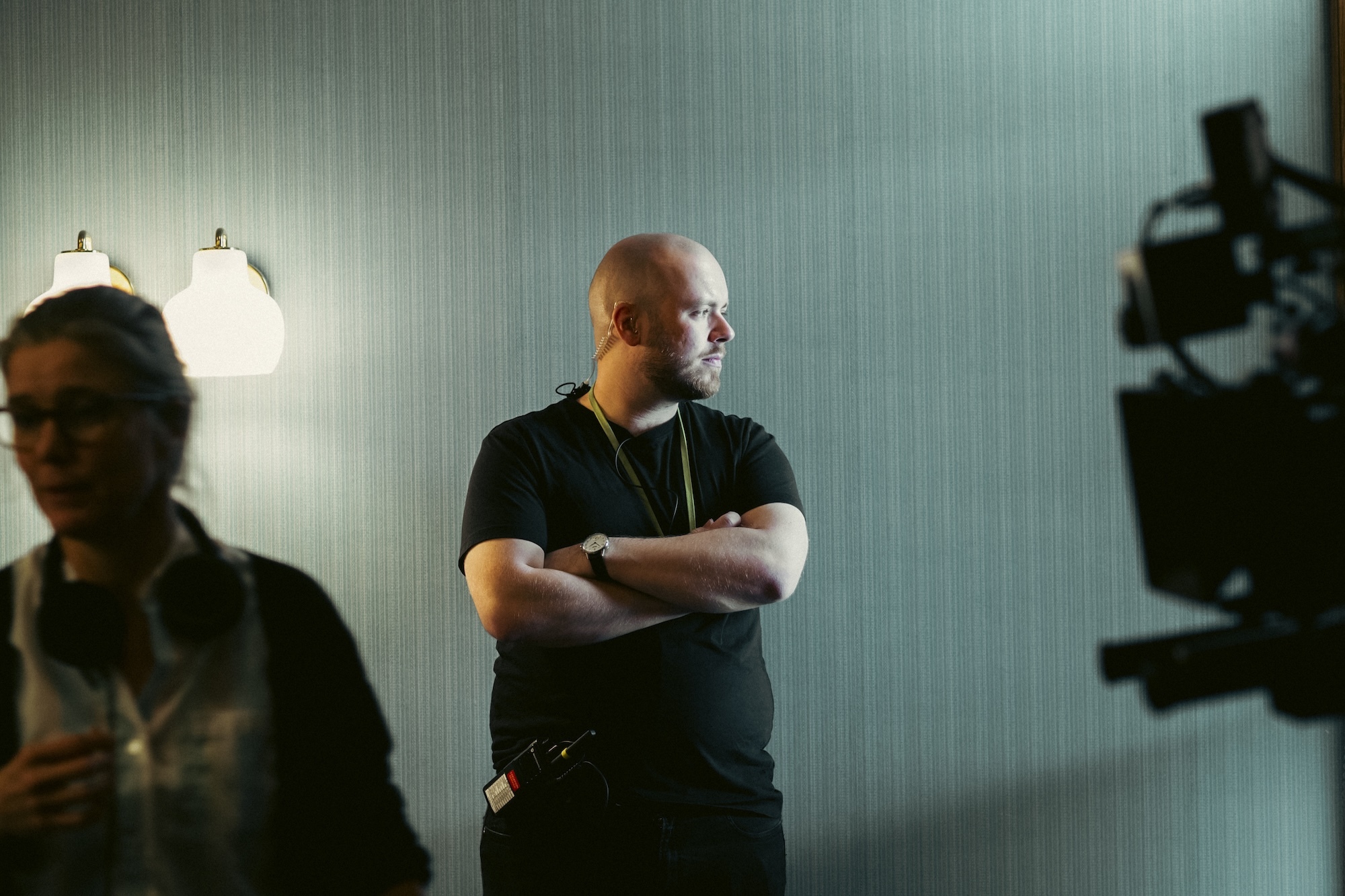
Lars Thomas Skare completed our BA (Hons) Film Production course in 2013, where he specialised in directing for his second and third years. Not that directing was the plan at the start – with a background in stills photography, he came to AUB hoping to study cinematography.
Fast-forward past graduation and Lars is based in Oslo, not writing or directing anything for the moment, but, as he admits, “at a good stage in my career with producing and First Assistant Directing [ADing].”
Norway is something of a fledgeling as a film nation, lacking the cinematic monoliths of Ingmar Bergman in Sweden and Lars von Trier in Denmark. However, around the time when Lars was at AUB, a new and exciting voice was emerging in Norwegian cinema in the form of Joachim Trier.
“His debut came out a few years before I started studying, and then his second film – Oslo, August 31st – released in the middle of my course, and I immediately figured out, there is something interesting happening in Norway.”
This realisation put an end to a debate between moving to London and returning to Oslo, where Lars has remained ever since. His first break was in commercials, getting “semi-attached” to a company doing production and location work – scouting, location managing, ultimately working his way up through to production management.
However, features were always the goal. Lars says his first major feature was the 2017 crime thriller, The Snowman, by Tomas Alfredson. “Sadly, the film itself was a bit of a failure,” he admits, “but it was a huge learning experience for me; first of all because it was the biggest production anyone had ever been on in Norway.
“Usually we worked on feature budgets of around $5 million, and this production was $50 million-plus. It was a huge game changer for much of the Norwegian industry, and the first big international production shooting fully in Norway.”
Alongside the learning curves, Lars says it was a privilege to work with a British AD team – Alex Oakley, Zoe Liang and Nick Laurence. “That was my second school in ADing, where I learned so much in a short amount of time, and figured out I really loved this.
“I’m a bit of a set junkie; I love being on set, and that mixture of creative spirit in ADing, while also being heavy on the organisation and logistical side, that created a passion in me.”
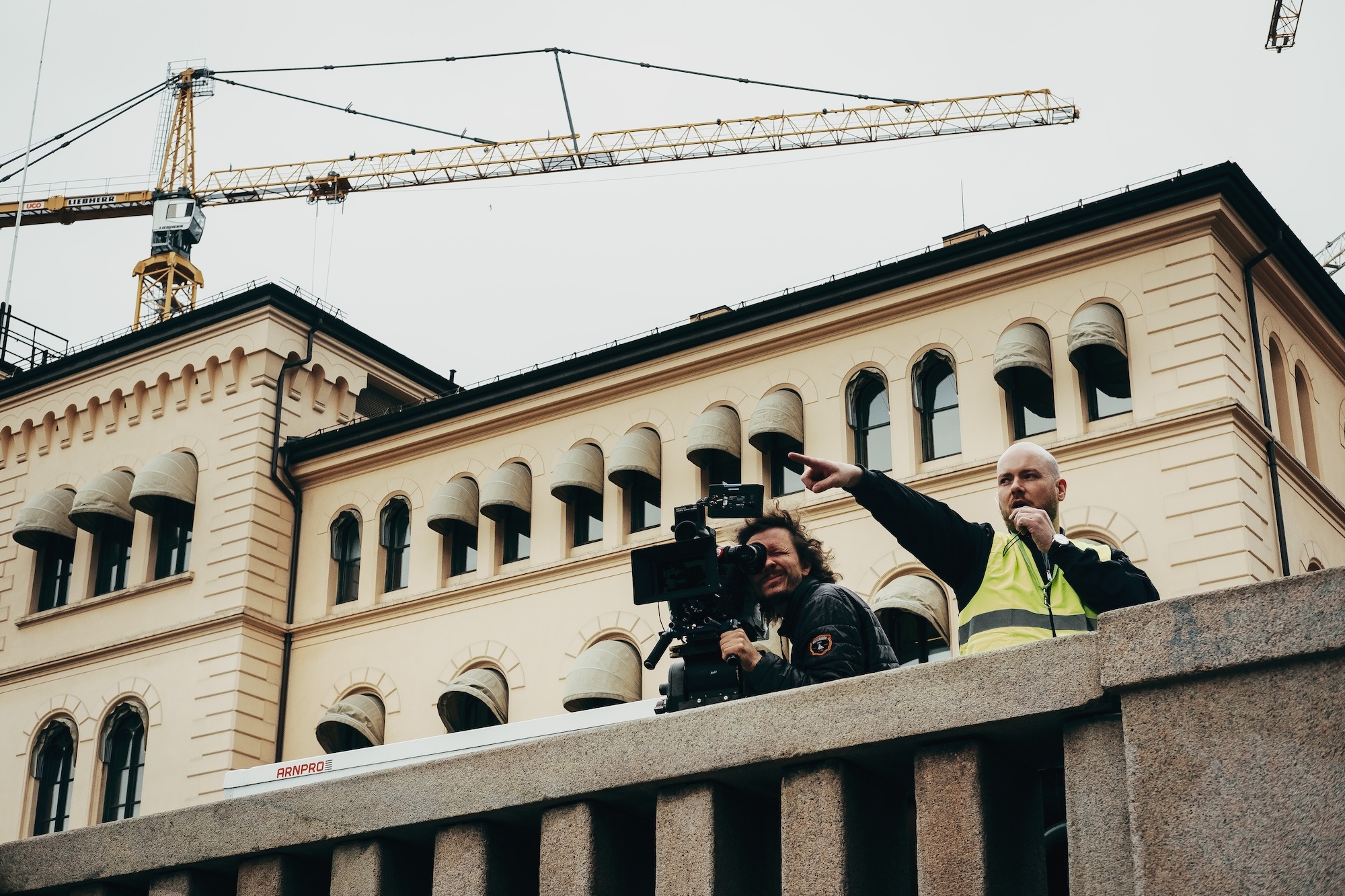

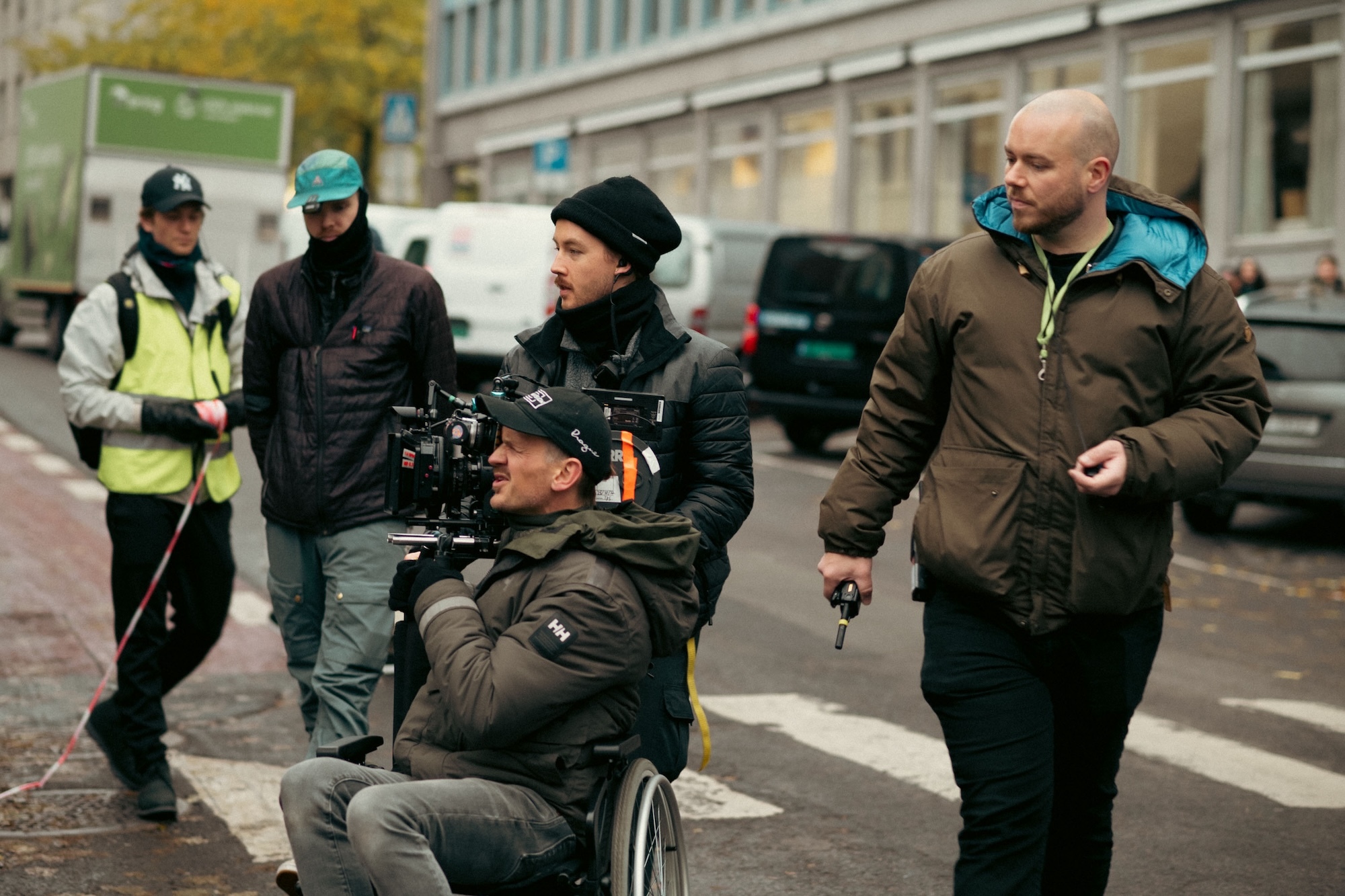

From this pivotal project, Lars began to phase out commercials and production work in favour of ADing full time, gaining a lot of international experience and working with some iconic First ADs such as David Webb and Chris Carreras, and directors like Paul Greengrass. And before long, he established himself as a Second AD – “more based behind the scenes, a spider-in-the-web role, where you handle everything the First AD can’t really do while on sets.”
He did this on a few large productions, including a film entitled The Worst Person in the World. Co-written and directed by one Joachim Trier.
"The Second AD is such a key role and it’s great to have had that experience,” Lars says. “Similar to the First AD, it’s quite an unknown role for people not working in film, but you have a huge influence on the whole production – especially the cast’s experience during the shoot, since you will usually have responsibility for the cast, as well as the daily call sheets for all the cast and crew.
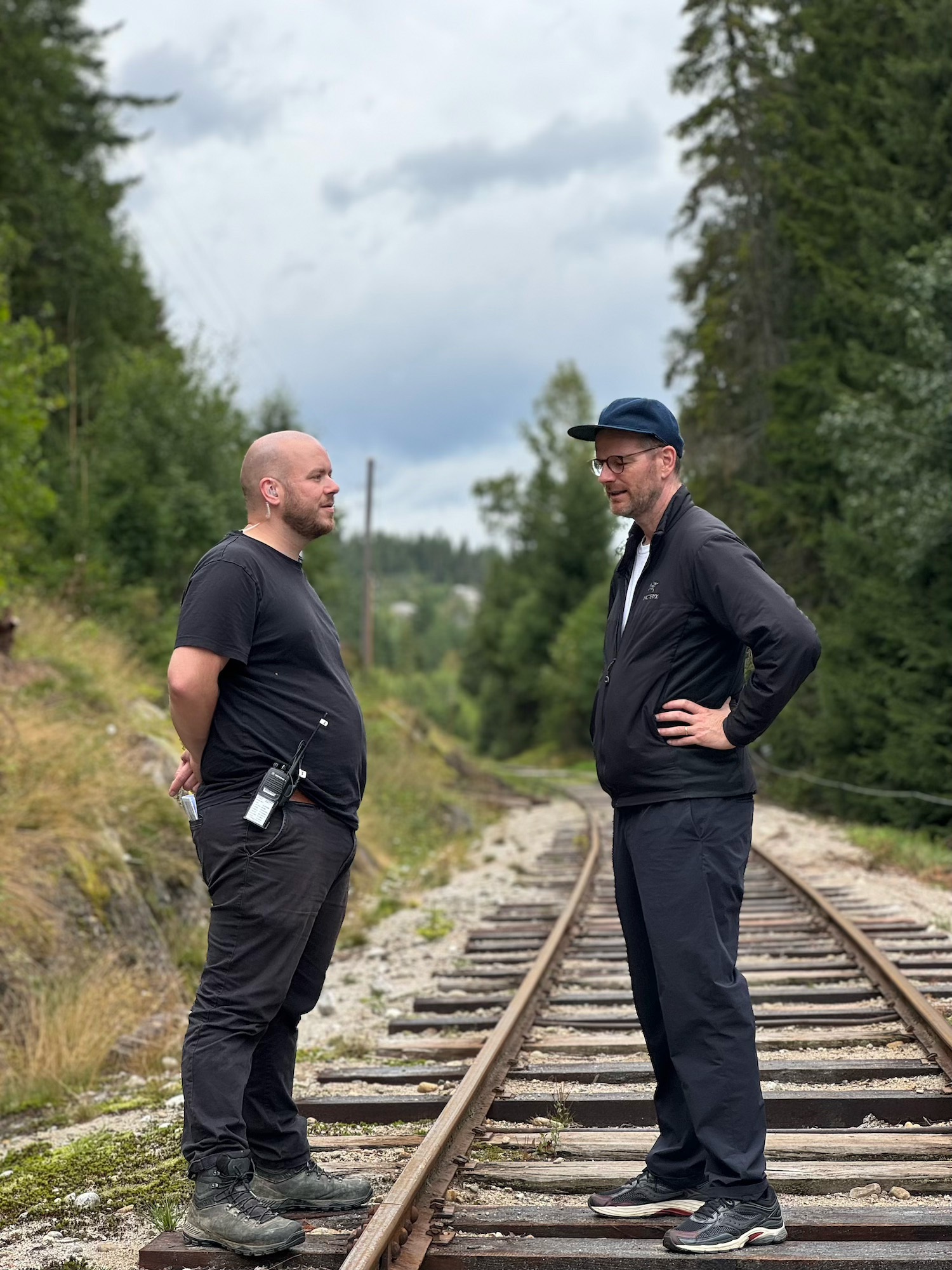
“On Joachim’s films, quite untraditionally, I was also heavily involved in the shot listing and floor planning for the film. We were usually five or six people walking around on every location, floor planning and shot listing the film ahead of time, a couple of months before shooting. Joachim is a very thorough planner, so he literally plans every shot on every single location. Even though the films feel quite loose, he plans very thoroughly and then he improvises a little on the set. That process made us very tight, because we were collaborating on these creative documents over many months – the shot lists, floor plans and photo boards – which were, in essence, the film shot-by-shot in paper form."
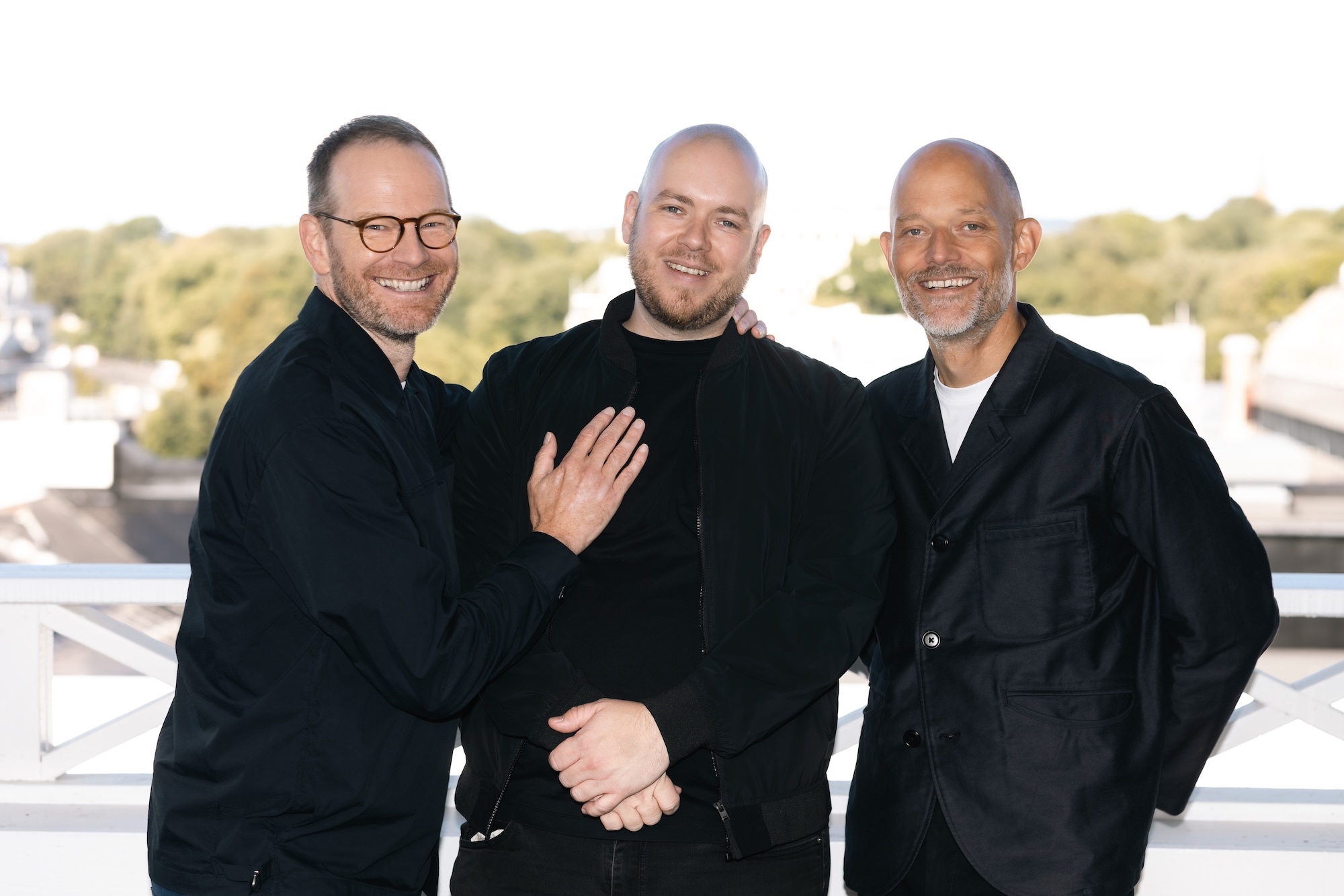
This collaboration cemented a working relationship that’s since continued on Trier’s most recent project, Sentimental Value, on which Lars served as First AD. Far from his debut in the role, as he First ADed a lot of commercials, as well as 10 out of 12 episodes of a series called Makta (Power Play), which went on to win at CannesSeries, the Cannes TV Awards.
He also First ADed on Armand, a production that went on to win the Camera D’Or at Cannes for Best Debut Film – directed by Halfdan Ullmann Tøndel, the grandson of Ingmar Bergman and actress Liv Ullmann.
Lars ranks the First AD in the top five roles that drive a film production. He explains, “Usually, you come on as early as possible, and you do an initial breakdown of the film, which is really one of the building blocks of the whole feature film. That’s the shooting schedule. It’s one of the two master documents that trickle down on the whole production, the other being the budget. Every other department will base all their work on the shooting schedule and the breakdown of what all the pieces of the film are.
“It’s a huge thing, and it’s also a continual process. Throughout the prep, which might be anything from three weeks to six months, depending on how much or how little time you get, the schedule is your main focus and what you’re constantly working on and tweaking according to new locations and new department demands. The production designer might have some things you might have to consider in the studio, or location availability, or cast members who can only do certain days or periods.”
When the shoot begins, the planning aspects of the role get handed over to the Second AD, while the First focuses on, quite simply, running the shoot. To be, as Lars puts it, the “circus master of the set.”
“In the public’s mind, a lot of the things they think a director does is actually the First AD,” Lars says. “It’s like that cliché of the director calling the shot and saying ‘Action!’ – usually that’s the First AD, unless the director insists for some reason.
“You’re responsible for executing every single shot of the whole shooting day, keeping the momentum, keeping time and creating the director’s vision. You’re his logical side of the brain; you’re there to help the director focus on what’s important during shooting, which is time with the actors and executing the creative vision and offloading all the other responsibilities.”
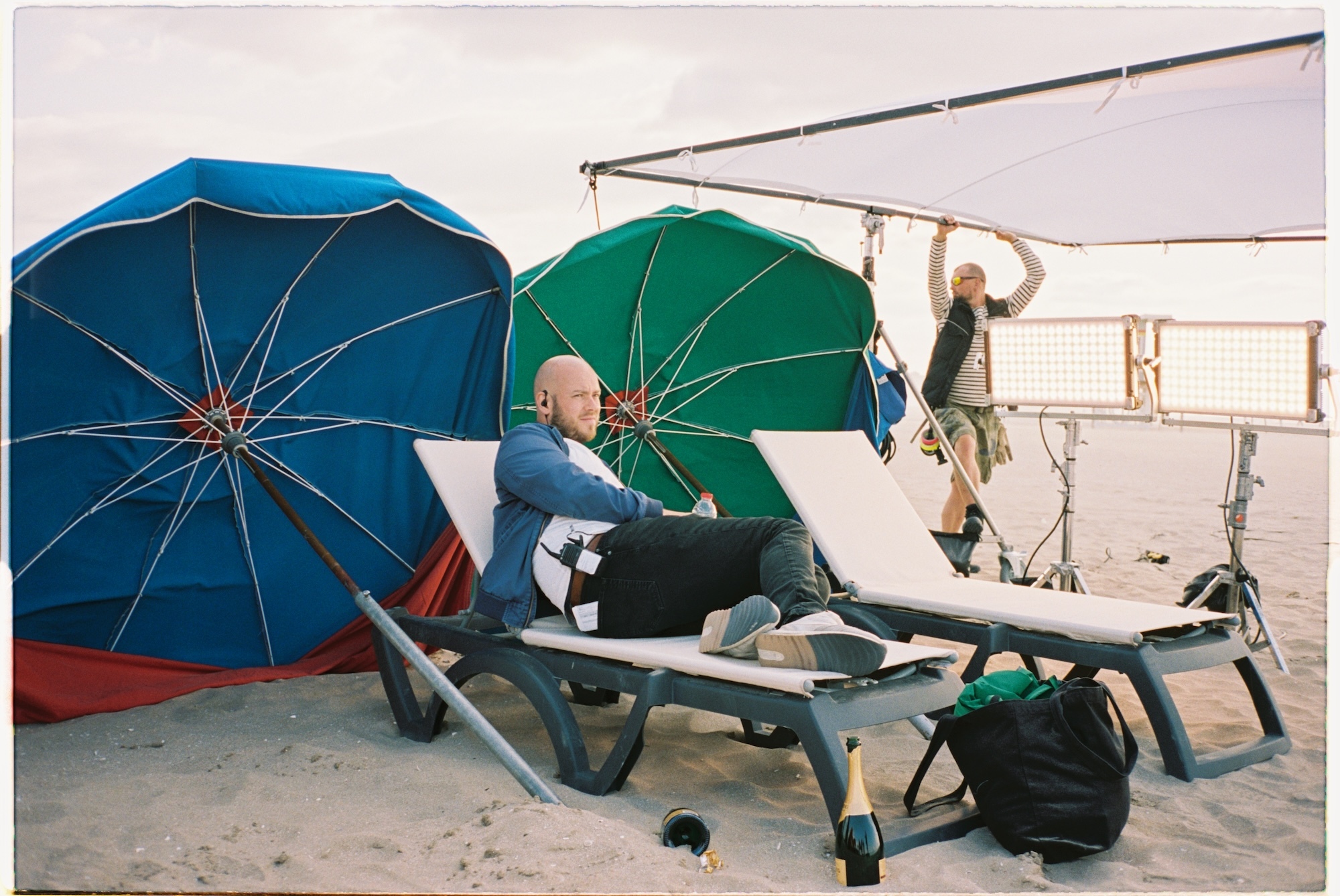
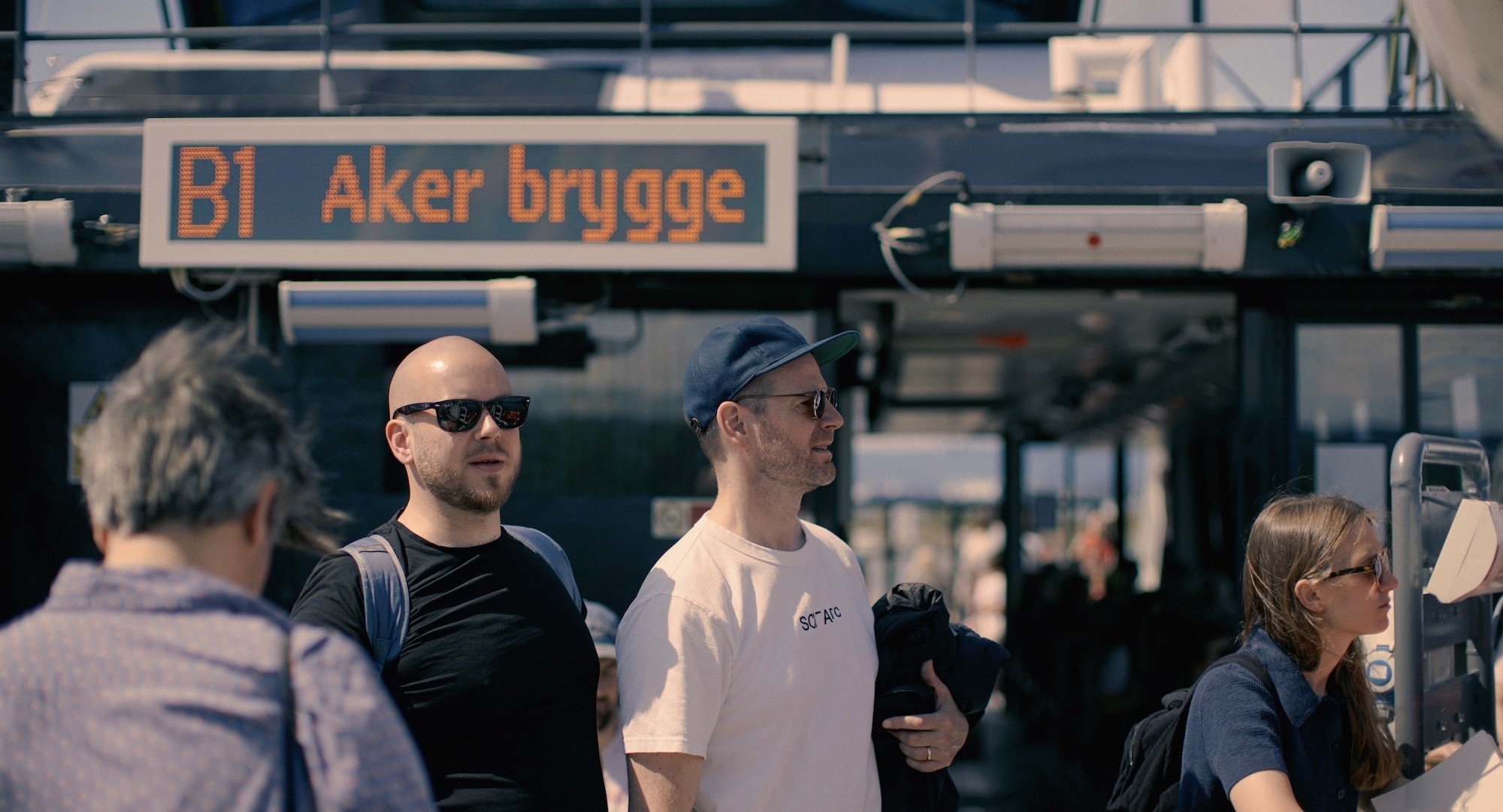


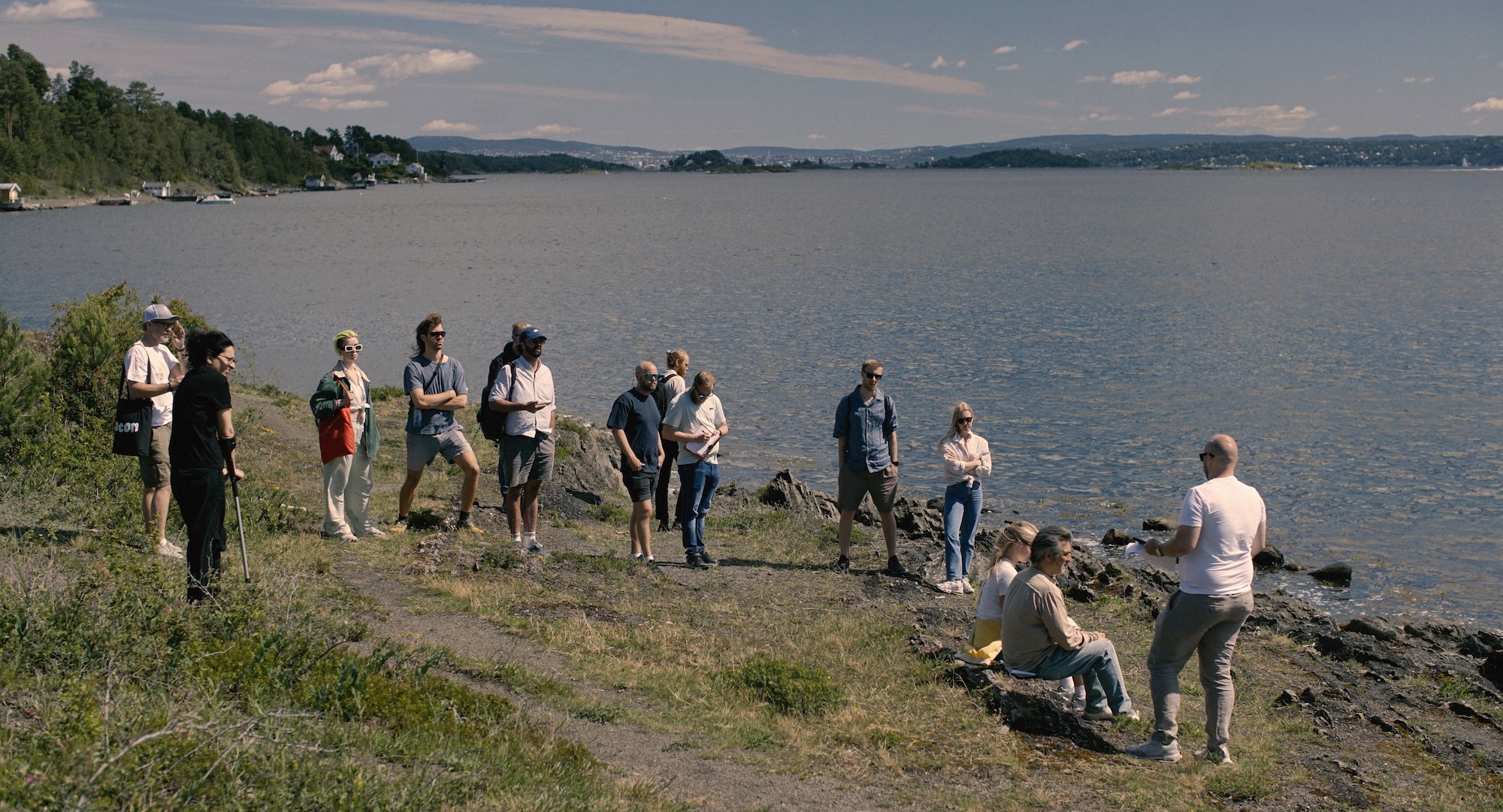
Sentimental Value, Lars’ second collaboration with Joachim Trier, offered a number of memorable moments, and “some really interesting exercises for an AD.” Notably, a sequence set on a beach in Deauville, France, which called for a sunset-for-sunrise shoot.
“Gustav – Stellan Skarsgård’s character – meets Elle Fanning’s character for the first time, while they’re at a film festival in Deauville,” Lars explains. “They agree to rendezvous on the beach in the night […] there are about five people, they get some umbrellas, set up this little makeshift camp, and they stay on the beach getting drunk and having fun until dawn rises.
“We knew we couldn’t shoot it during the sunrise, so we had to do it as, what we call, sunset for sunrise. Shooting the sunset as if the sun is rising.”
Lars recounts that the sequence was shot over four evenings and nights, proving complex, with a lot of actors out in the cold on an exposed beach. And additionally, they had to shoot everything backwards.
“We had three scenes that were all pieced up into 25 or 30 parts,” he explains, “and we had to shoot everything in reverse […] start with the morning scenes and work our way backwards […] end up at the night, which was really the beginning of the story. And we did this in such a complicated way, because we also had to account for the tide and where the sun was positioned.
“It was this complete matrix of scenes and shots that were all broken up into pieces that we had to guide everyone through during those nights. It was a huge AD challenge. It was one of the trickiest scheduling jobs I’ve ever done, but we pulled it off and it’s a beautiful sequence in the film.”
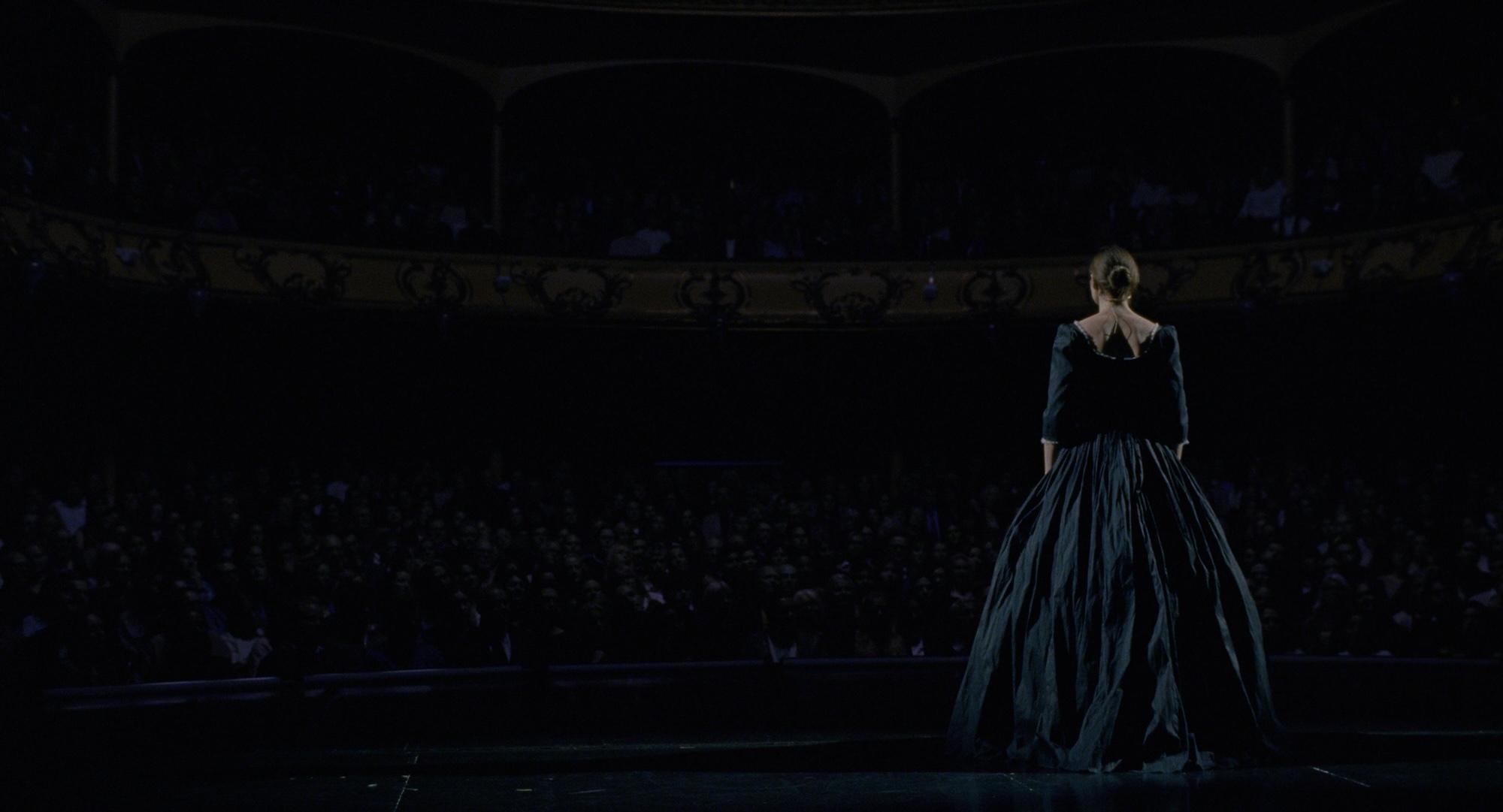
Another memorable sequence was shot at the National Theatre of Norway over the course of a full week, with 750 extras playing an audience. Lars explains that for the film, they worked with a theatre director and lighting crew to create two plays – Hamlet and an original work based on a Norwegian witch burning.
“We played them out in front of an audience and supplemented with a thousand shots away from stage on all the other days. We had one massive day of shooting every angle towards the audience and where they were sat. I had my parents there, which was nice. They get a little cameo.”
Alongside his First AD role, Lars was also co-producer in post-production and release for Sentimental Value. He explains that there can sometimes be a divide between the set and production worlds on a lot of projects, but he also emphasises the importance of working against that.
“On the projects I’m ADing, or the projects I’m producing or production managing, I always try to bridge that gap,” he says. “I think it’s super important to make sure that everyone fights for the same cause on a film production.”


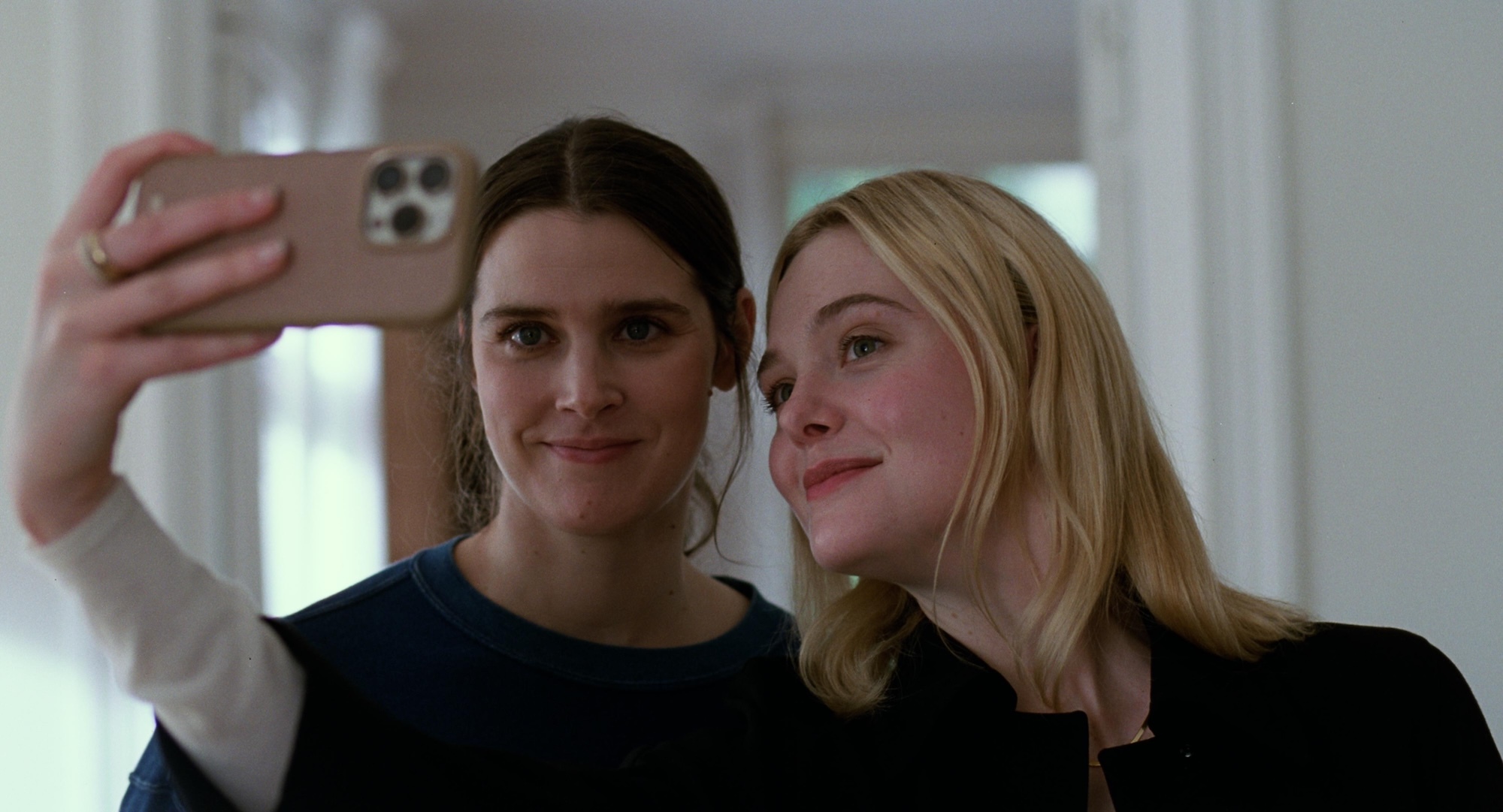

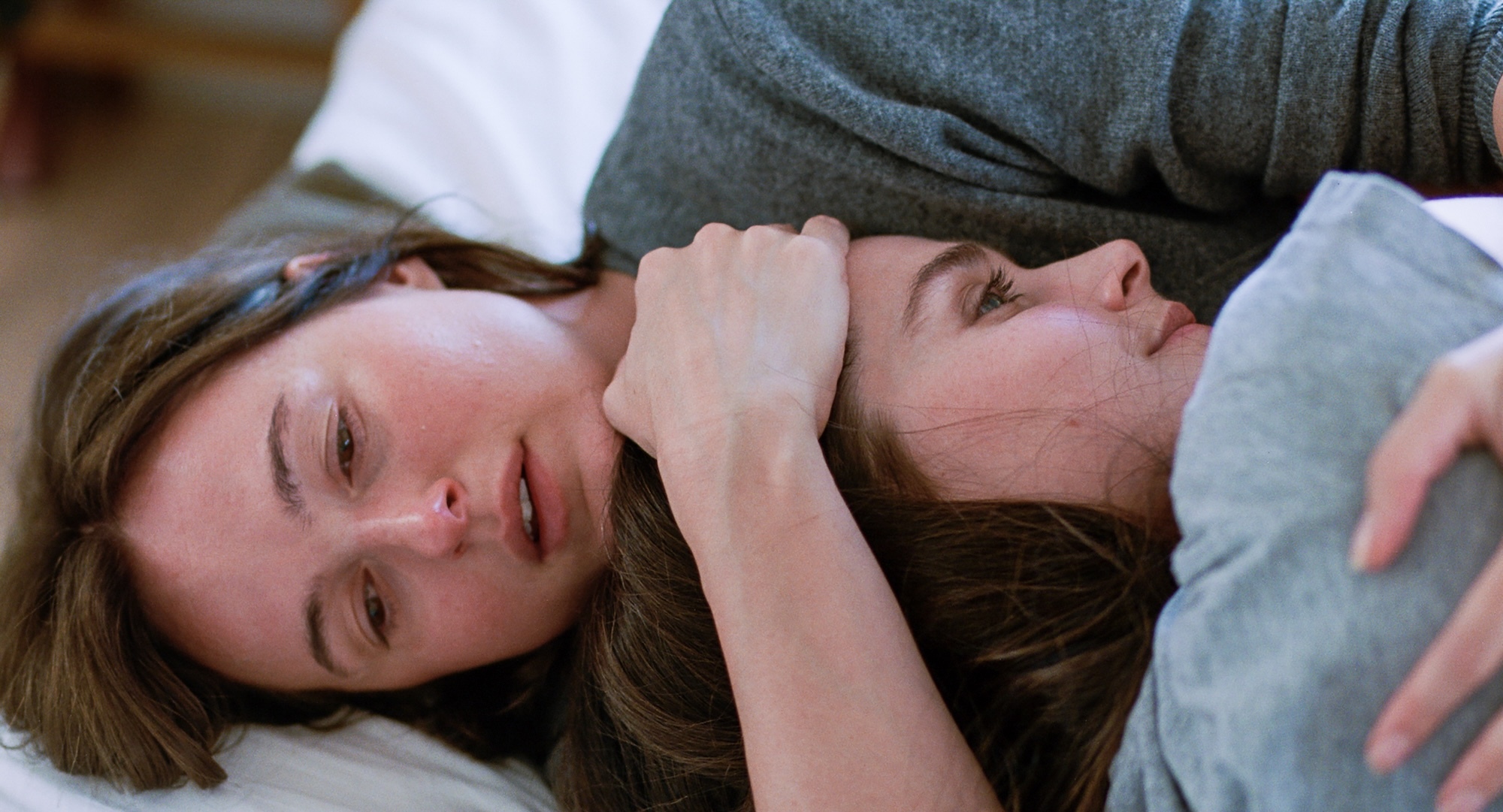
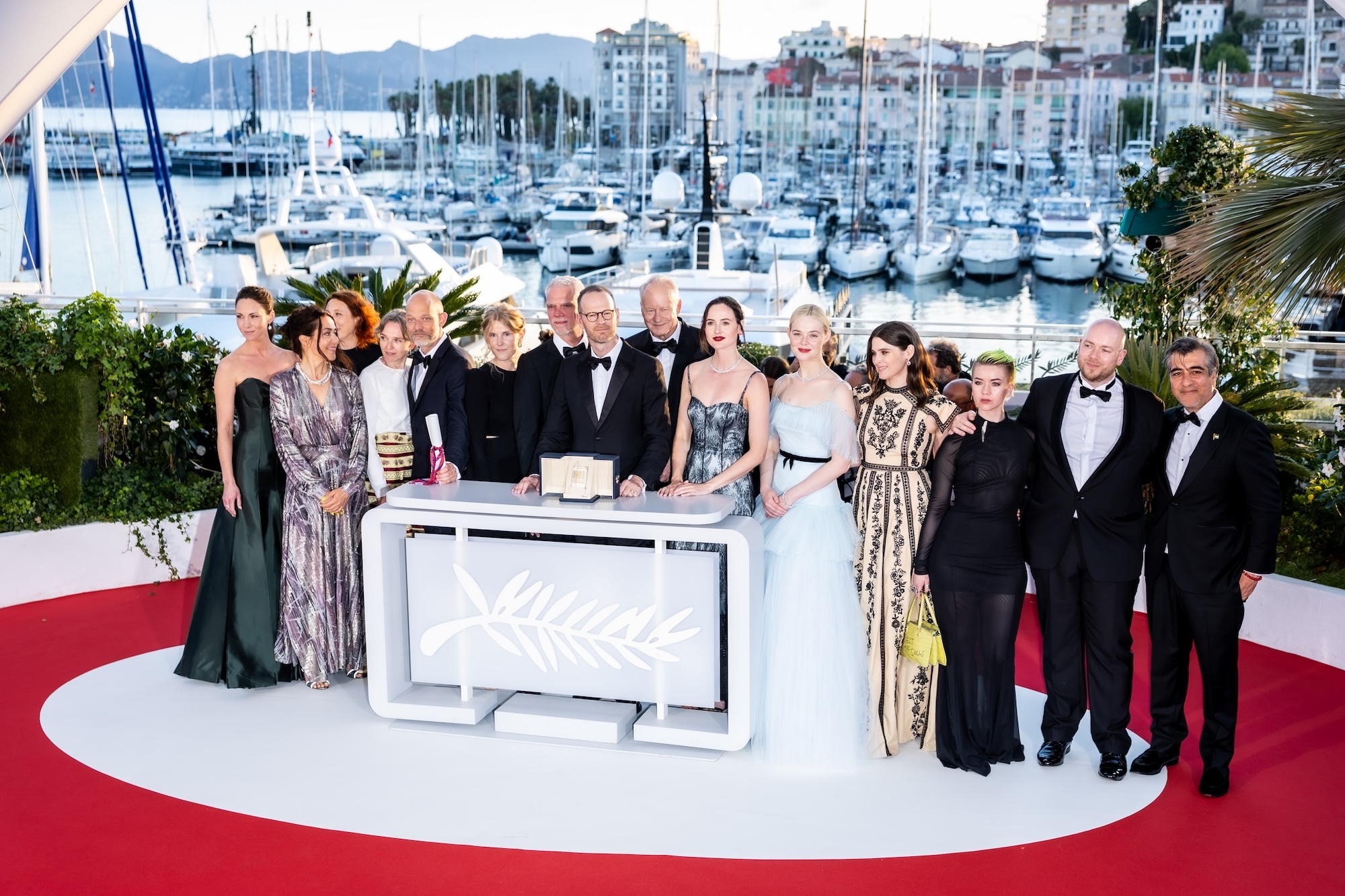
Sentimental Value has made a splash on the awards circuit, with Golden Globes and the Cannes Grand Prix to its name already. And now, nine Academy Award nods and eight BAFTA nominations. As a young cinema nation, Lars says it’s a first for a Norwegian film.
“The previous record for BAFTA and Oscar nominations was actually The Worst Person in the World – Joachim’s previous film. That had two in each; now we have eight and nine!
“It’s been quite a train that we’ve been on, because I remember around this time last year, when we were sitting and editing the film, our hope was always to premiere in Cannes. Joachim has a history in Cannes, and I think not premiering there would have been a bit of a disappointment. But that the film would turn into this big of a success awards-wise has been a pleasant surprise for us!”
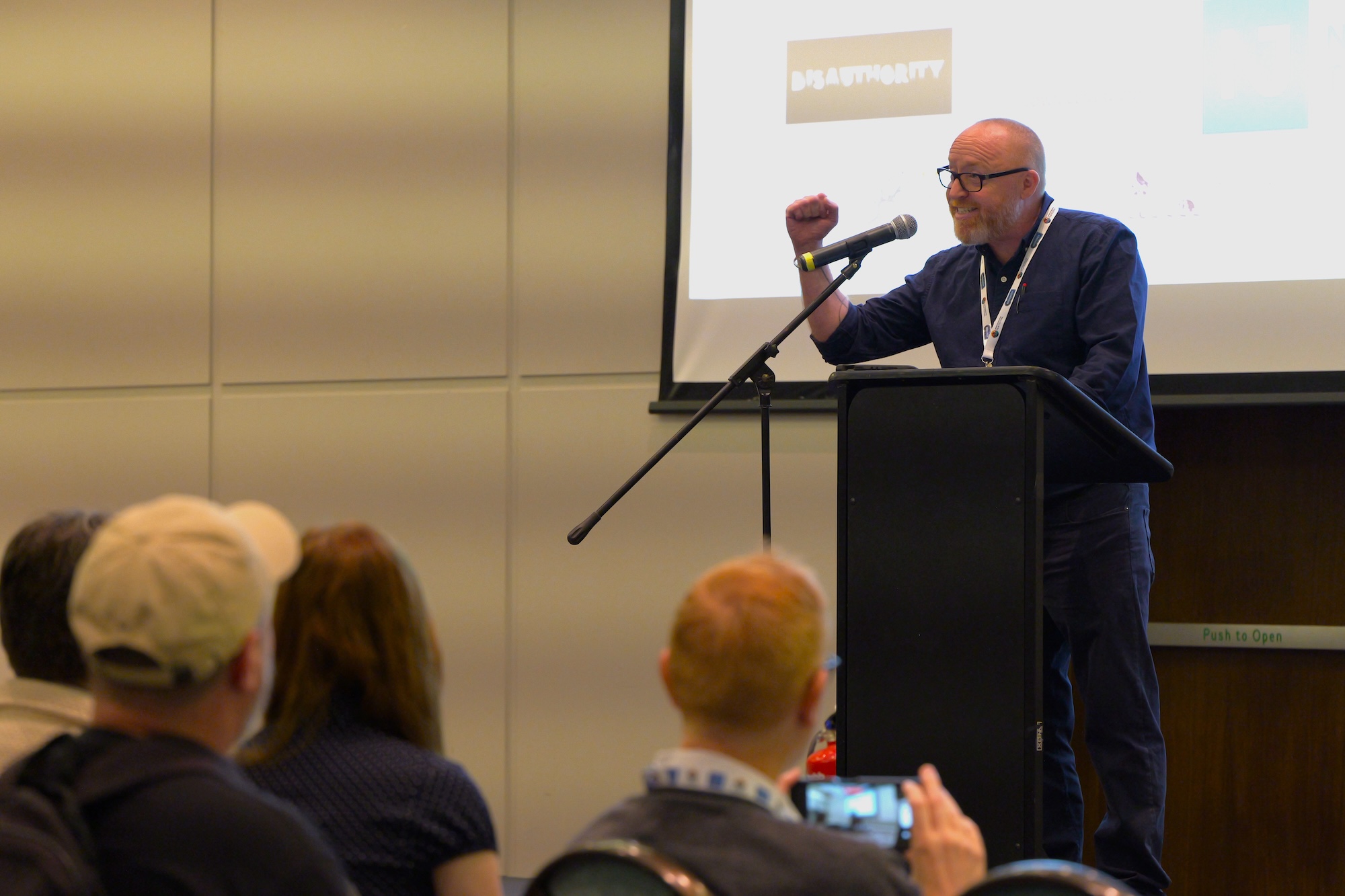
In terms of his advice for BA (Hons) Film Production graduates, Lars says, “Don’t expect to start at the top – that’s something I’ve found importance in. No matter if I studied directing and worked my way into having that authority at university of being a writer-director, I think everyone starts at the bottom after graduating. And I think there’s a beauty to that in working through the ranks, and I don’t think you should diminish that.
“As early career advice, I would say, always say ‘yes’ to everything (with some modification, of course – don’t let yourself be abused). But at that first stage, say ‘yes’ to any experience you can get, because you have no idea where it can take you. […] I was very keen to get experience, and I think the path has gradually guided me into something where I feel content and happy with where I’ve ended up.
“But I also think, never take your eye off the big prize. For me, I set a goal, early on at university, to work with Joachim Trier in my career, and here I am. It’s actually something that you can accomplish. You all have your favourite filmmakers, or favourite film style, where you might want to end up. Always have your eye on that ball, and don’t lose yourself in the daily grind of the industry. Have an ultimate goal of a filmmaker or a kind of film that you want to make, and have that in the back of your mind constantly.”