







The prestigious Costume Society announced its finalists for the Patterns of Fashion Awards and for the Patterns for Performance Awards with an impressive 50% of all finalists coming from Arts University Bournemouth (AUB).
The Costume Society is well-known in the industry for promoting the study and preservation of historic and contemporary dress, making a finalist spot in its awards much coveted.
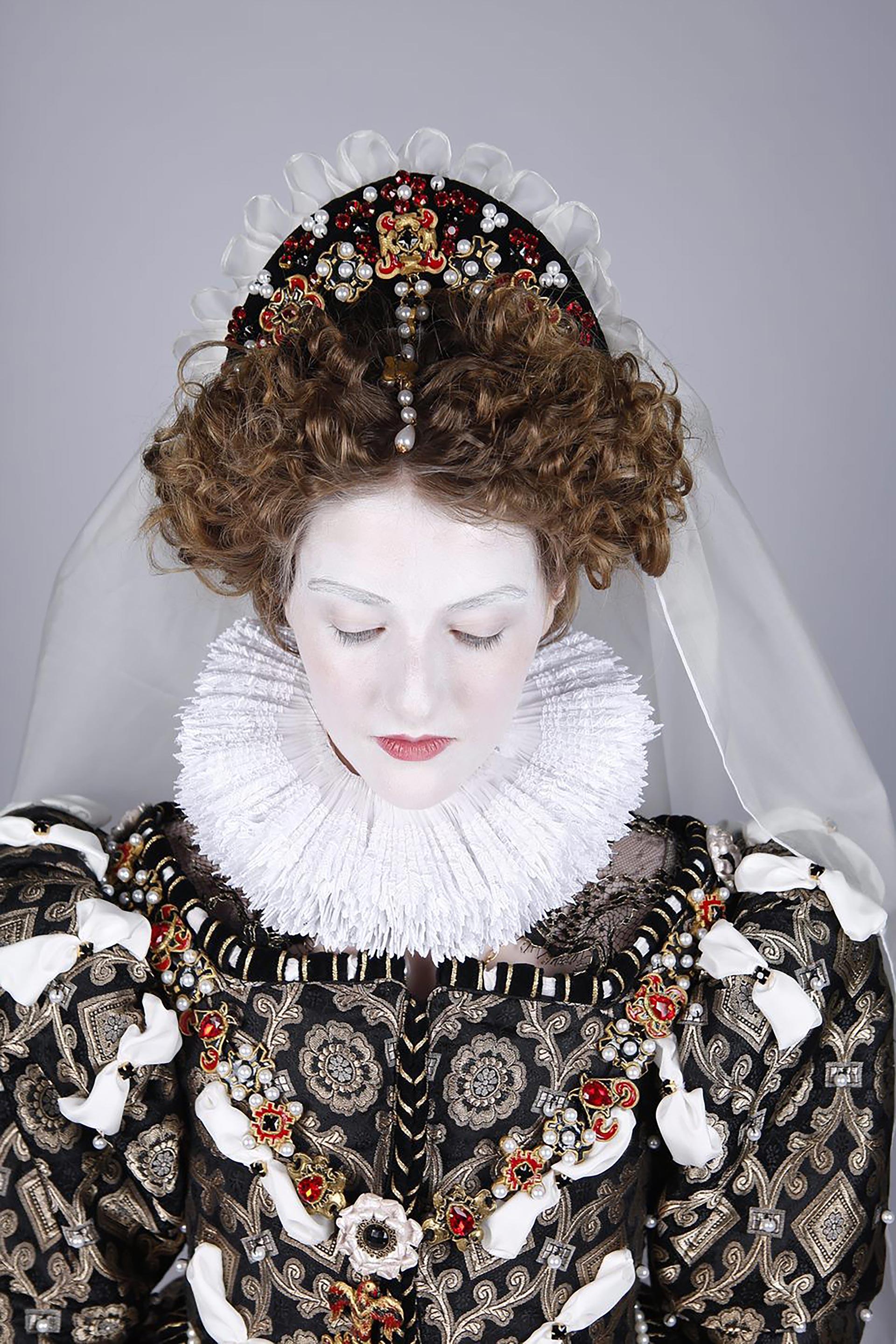
The final results were announced on 5 July, with MA Historical Costume student Verity Joy receiving Highly Commended for her work in the Patterns of Fashion Awards.
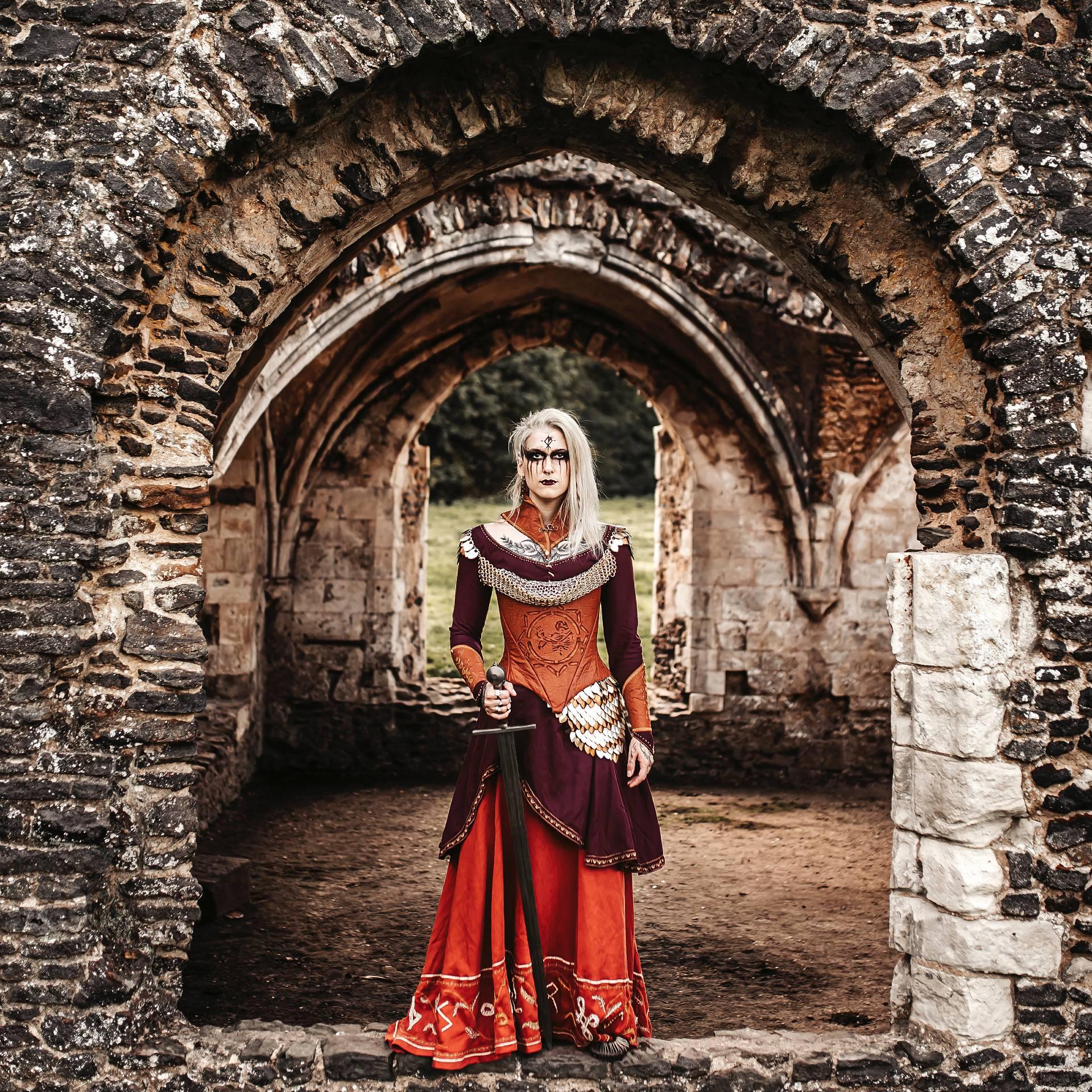
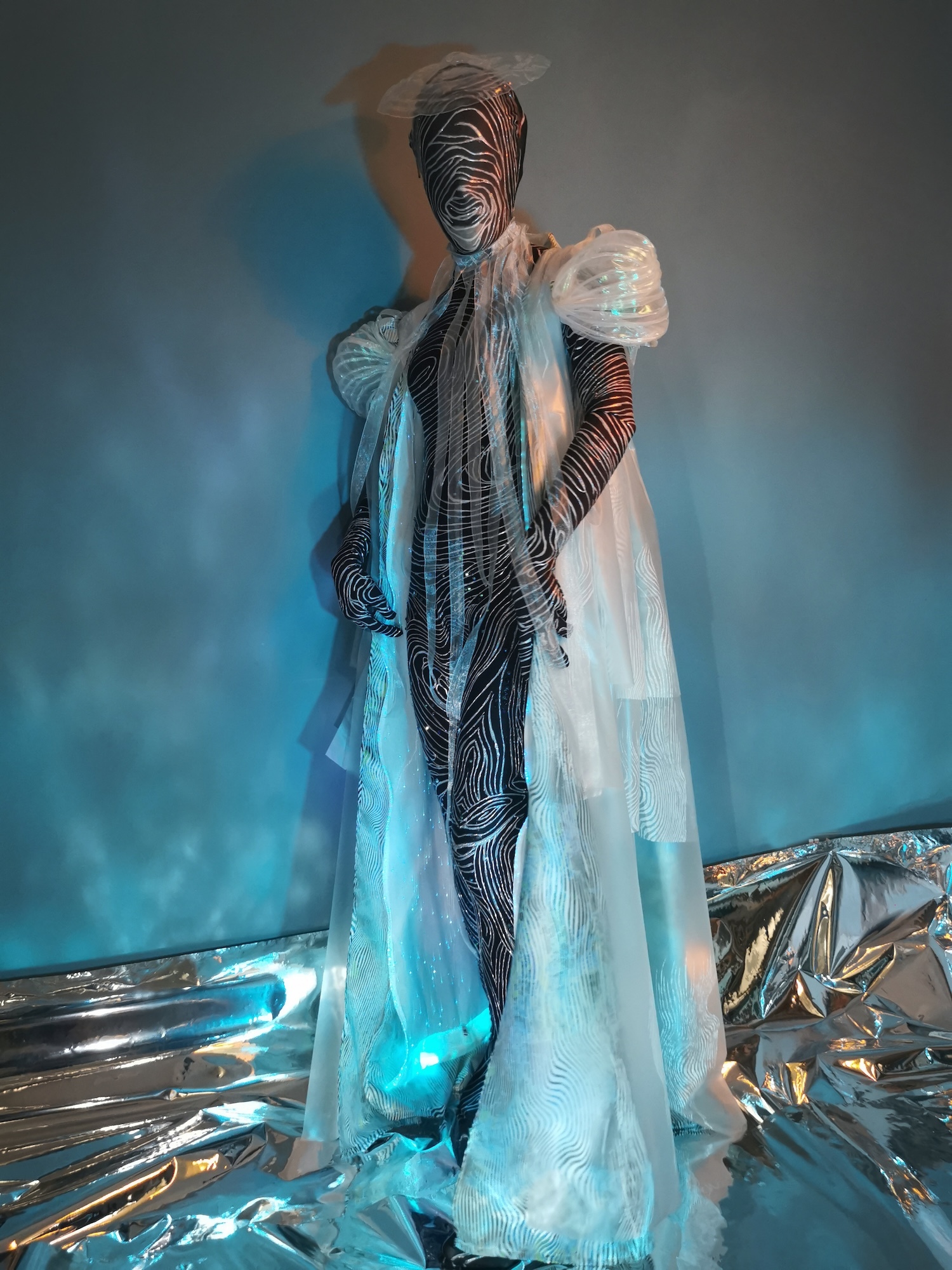
Meanwhile her classmate Parker Spear also received Highly Commended in the Patterns for Performance Awards. In the same award, PhD student Sophie Fretwell was named Runner-Up for her innovative costume for Prospero.
“My whole PhD is about the fact that to create something novel and new," Sophie explains. "You're going to have to remediate, taking past things and mashing them up with the kind of technology we have now to create something new, and that’s what I did with Prospero.
“Before my PhD at AUB, I did a Master's in Animation and before that a BA in Costume and Performance, all here at AUB. The costume for Prospero feels like the perfect amalgamation of everything I’ve learned here as well as a whole host of new technologies and techniques.
“For this competition, you had to base the design on an historical pattern to begin with. The Costume Society have these Janet Arnold books for historical patterns they want you to use. I chose a 17th century loose gown, which was Jacobean in style.
“From there, I abstracted it by adding all this digital tech and craft and mashing it all together. There were some techniques that I really wanted to use like the thermochromic ink around the mouth with kinetics on the staff and techniques with the fabric to give the illusion of rippling water.
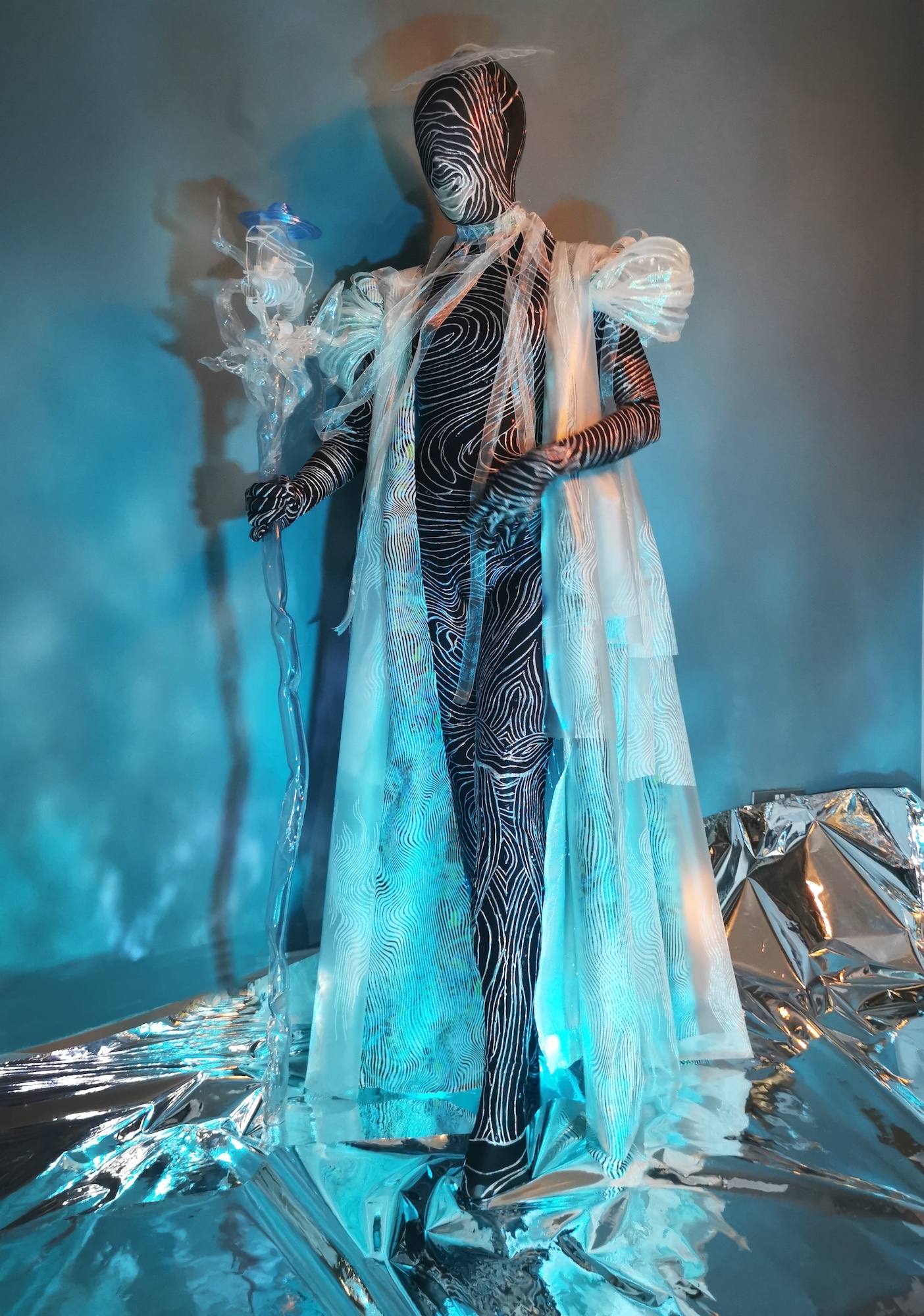
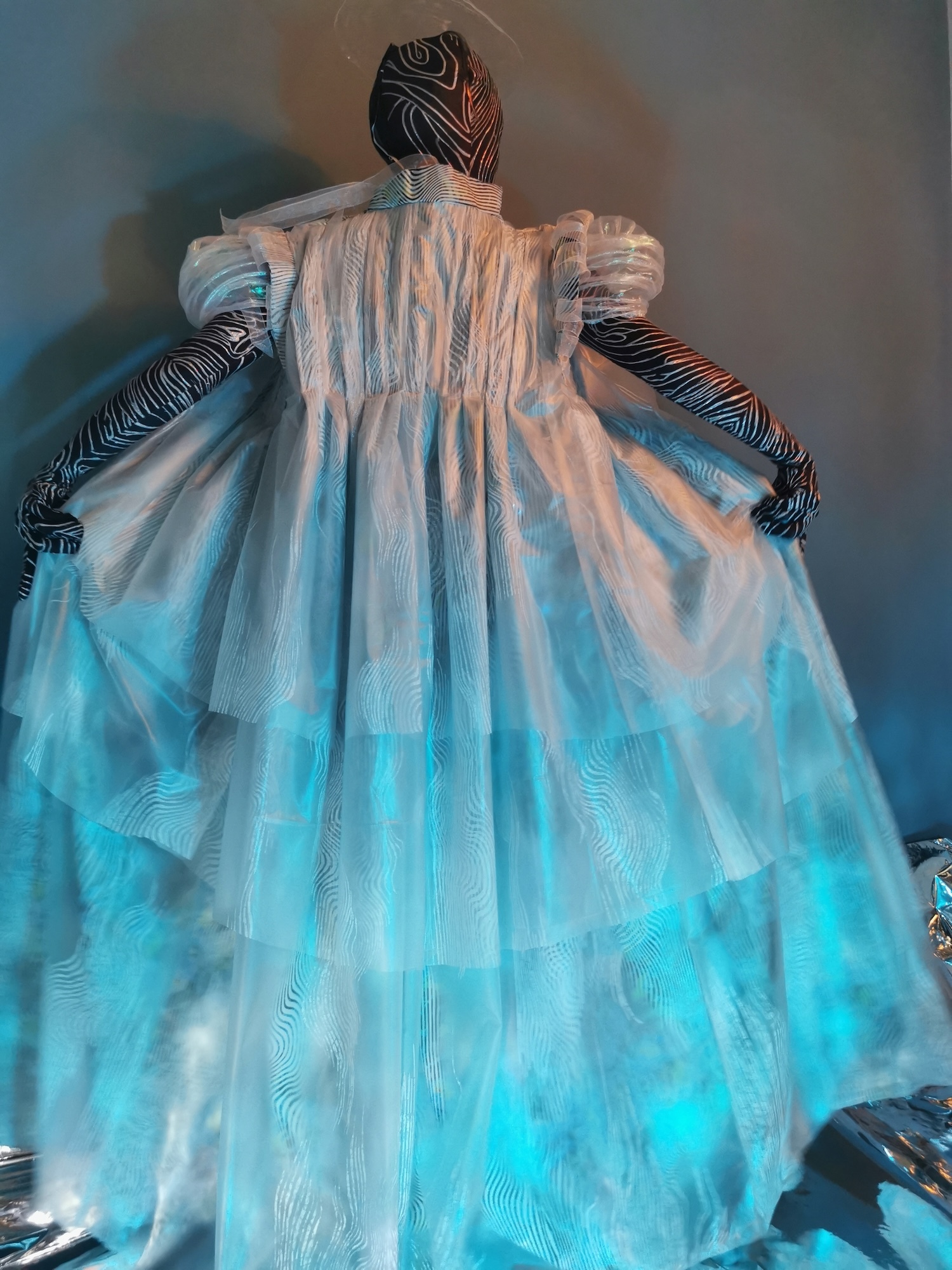
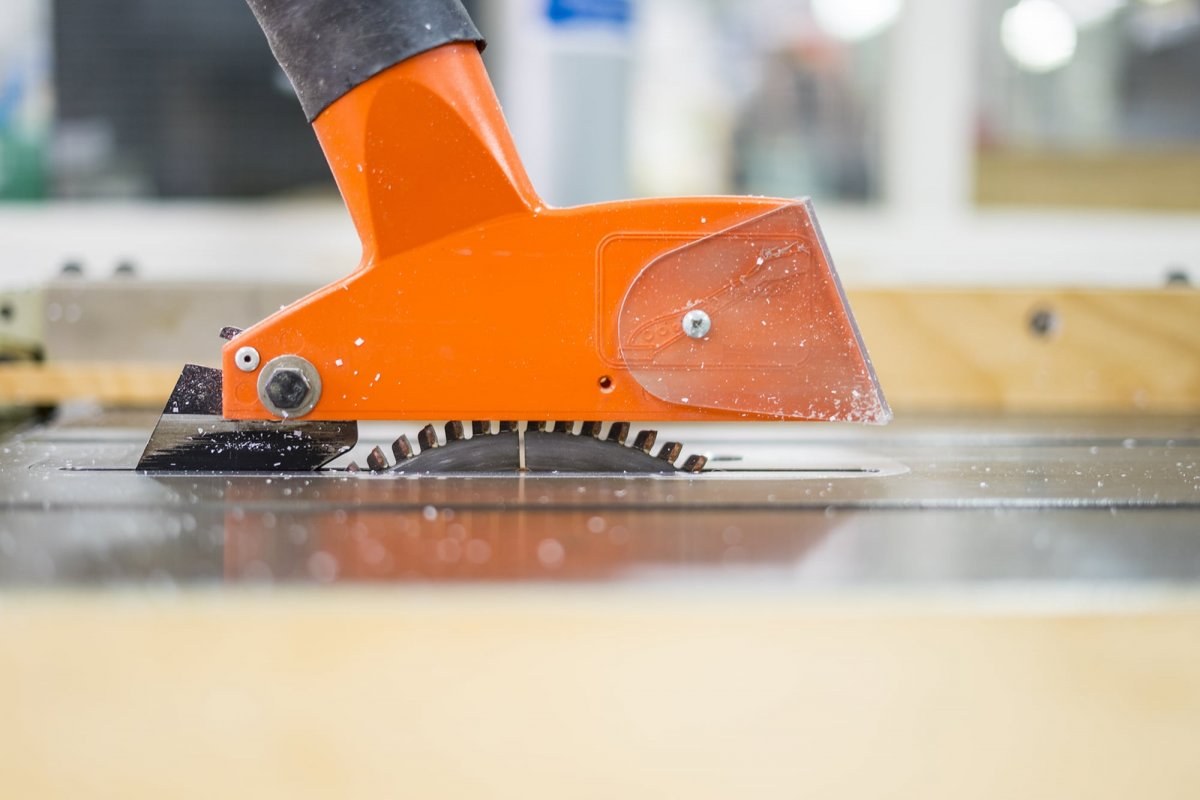
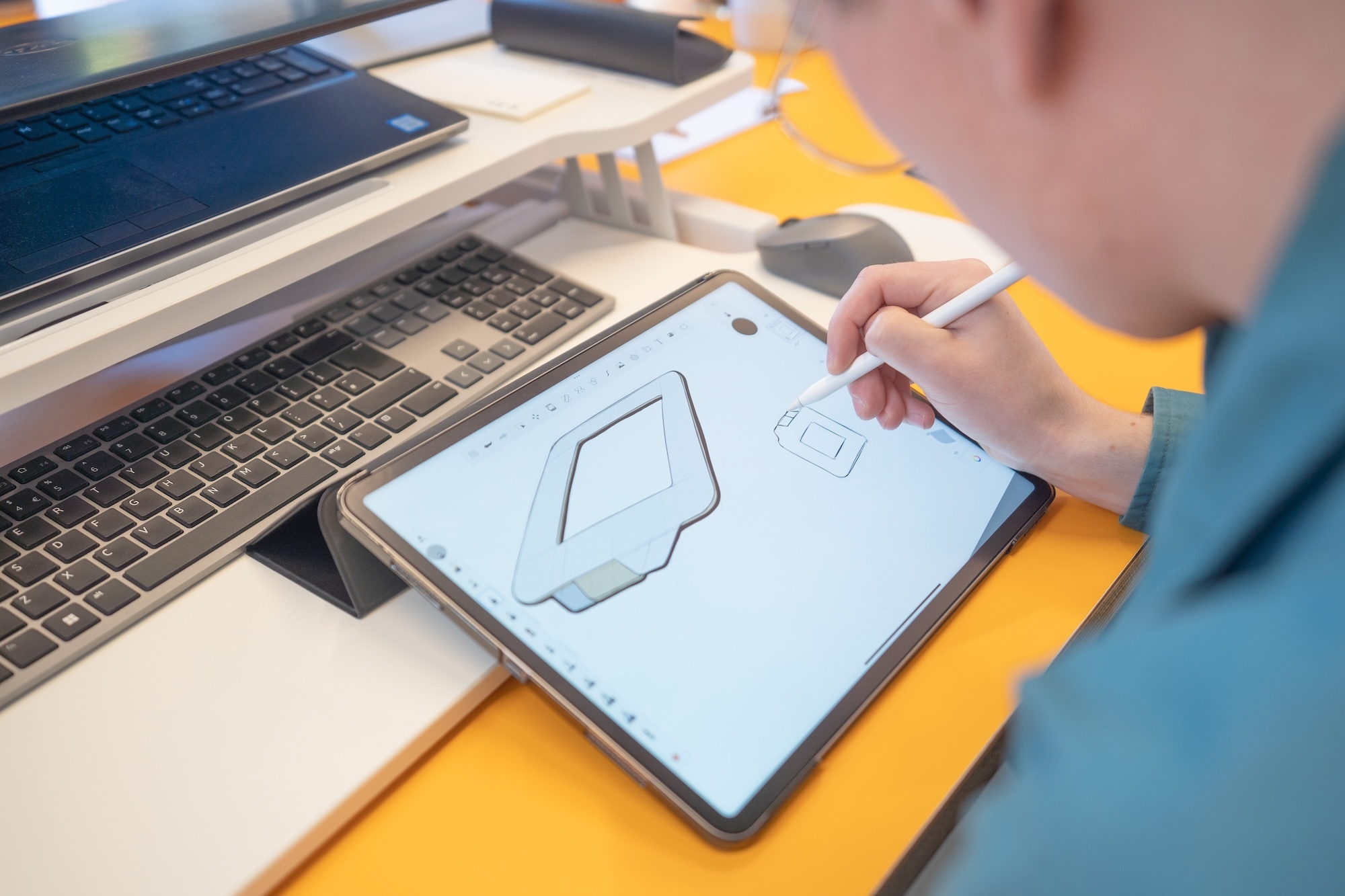
Sophie worked with the team in AUB’s Innovation Studio to learn fabrication techniques and to problem-solve the more complex aspects of the build. Sophie then applied those skills to produce elements like the kinetic staff mechanism.
“Anatol and Jon showed me how to use the machines and if something didn't work, they advised me on how to fix it," says Sophie. "They were so keen to help and were really great. We worked so well together that we're working together again now and entering as a team for the World of WearableArt competition in New Zealand.
Anatol Just, Senior Technician at AUB, who supported Sophie on the prototypes for Prospero’s staff, says of the process, “When the staff switches on, it creates a ripple effect as if a water drop has hit the water surface. To make this, we 3D printed a prototype that we experimented with in various ways to work out how the gears could work in the best way.
“We created the acrylic framework for it in the look and style that Sophie wanted and used 3D printing for connecting the different structures. We used metal pins to move the rings at various speeds in a series of cycles that gradually grew bigger and then each one could move up and down independently in a wavy motion. The little pins roll over a set of wheels that are slightly offset and sometimes have different spacings as they roll around. It looks a bit like a piano mechanic when you look inside.”
“It was really difficult,” Sophie reflects, “especially because I chose to make it transparent. I wanted the structure and the tendrils to be a kind of ice light. I was inspired by when lightning hits sand and it makes it into glass and these weird tendril-like forms.
“Housing all the circuitry, the batteries, and the server and trying to turn it transparent was a bit of a nightmare, but we managed it and I coded it! Before the PhD, I'd never known how to code, but I managed to code the movement and the server and do a little board and wire it up.
“I was amazed to be a finalist in the competition, I thought it would be too mad for them, a bit too abstract because they're quite historical. There's a whole lot of competition about historical accuracy and recreating something exactly how they would have made it. And this was very much non-traditional, definitely forward thinking and used digital technologies, so completely different!
“This was a fascinating project to work on, I’ve aimed it at the film world because as well as all the work I do as a theatre designer and outdoor artist, I also work for film. I’ve already worked for Marvel and Star Wars. I’ve had a book published on the costumes I’ve created for Deadpool & Wolverine, which you can see in the AUB Library, and I’m keen to do more.
“I want to show that costume designs made using CGI can actually be made in real life instead. I've yet to see costumes, especially in films, that incorporate kinetics. The idea that in these big blockbuster films, spectacular costumes are often replaced with CGI, just so that they can perform magical things like transform, move or glow. I want to show that you can do all that practically with the kind of technology we have now.”
The recognition for Sophie, as well as Verity and Parker, extends a lasting legacy of success for AUB students at the Costume Society awards.
Students have won the Patterns of Fashion Award five times since 2007; most recently BA (Hons) Costume's Beth Lacey took home the award in 2023, while her classmate Remi Gene Lever was Highly Commended.
Patterns of Fashion Award
- Beth Lacey (2023) – Winner
- Remi Gene Lever (2023) – Highly Commended
- Milly Whitefield (2022) – Winner
- Shelley Venables (2020) – Winner
- Matilda Tambini (2019) – Finalist
- Kayleigh Steel (2019) – Finalist
- Jennifer Miller (2018) – Highly Commended
- Katherine Betteridge (née Newbury) (2015) – Winner
- Caroline Hall (2012) – Finalist
- Caroline Lloyd (2007) – Winner