

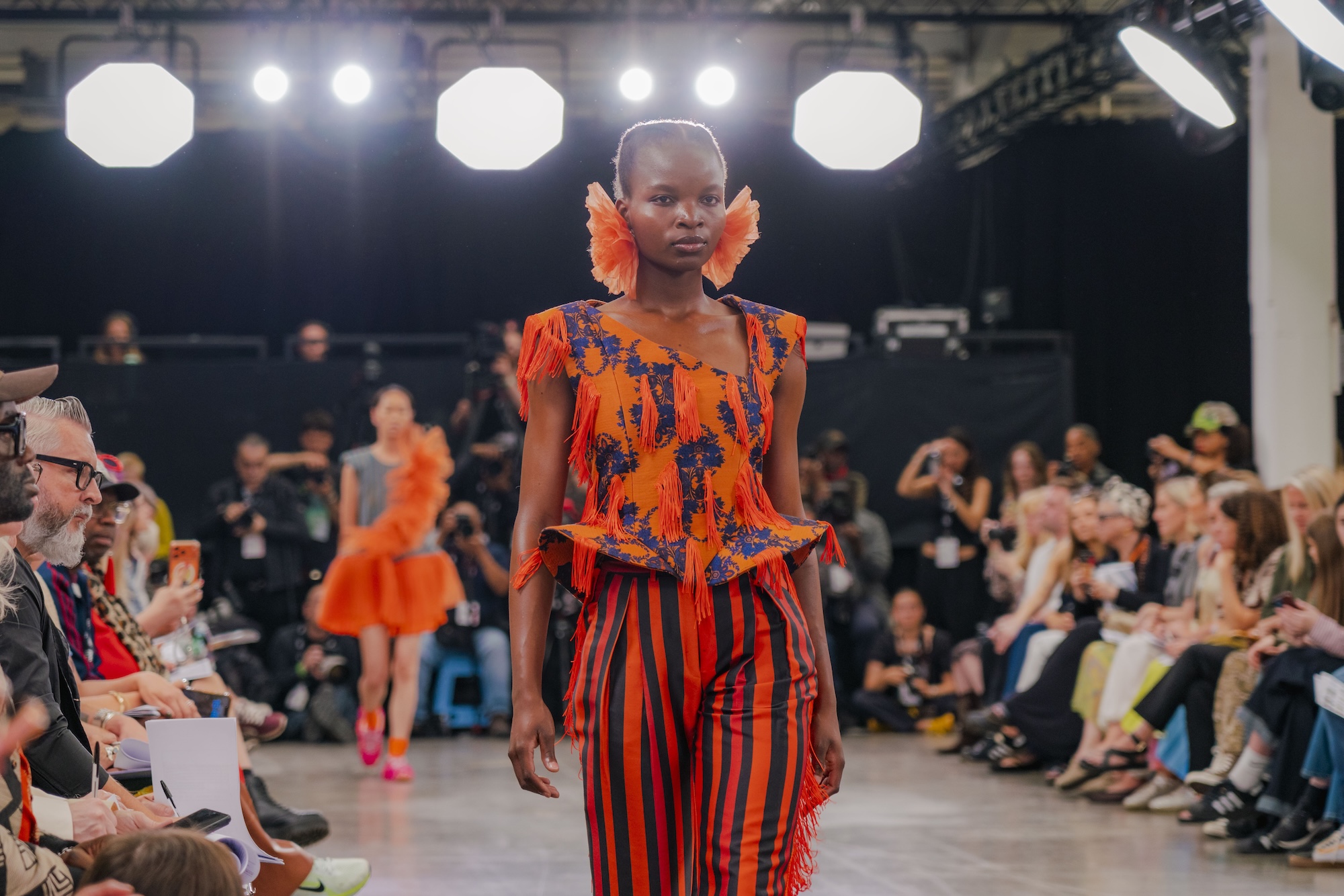

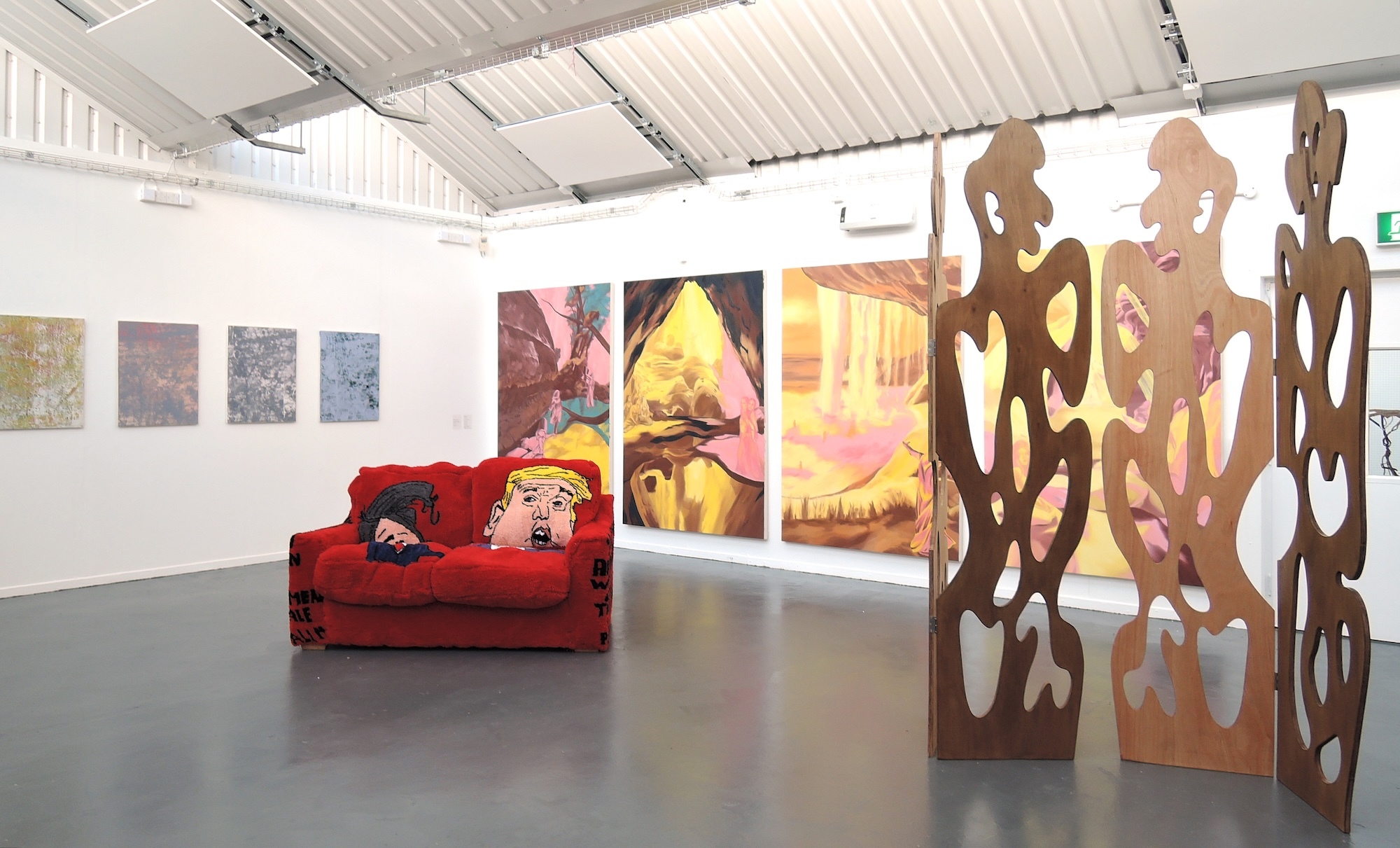











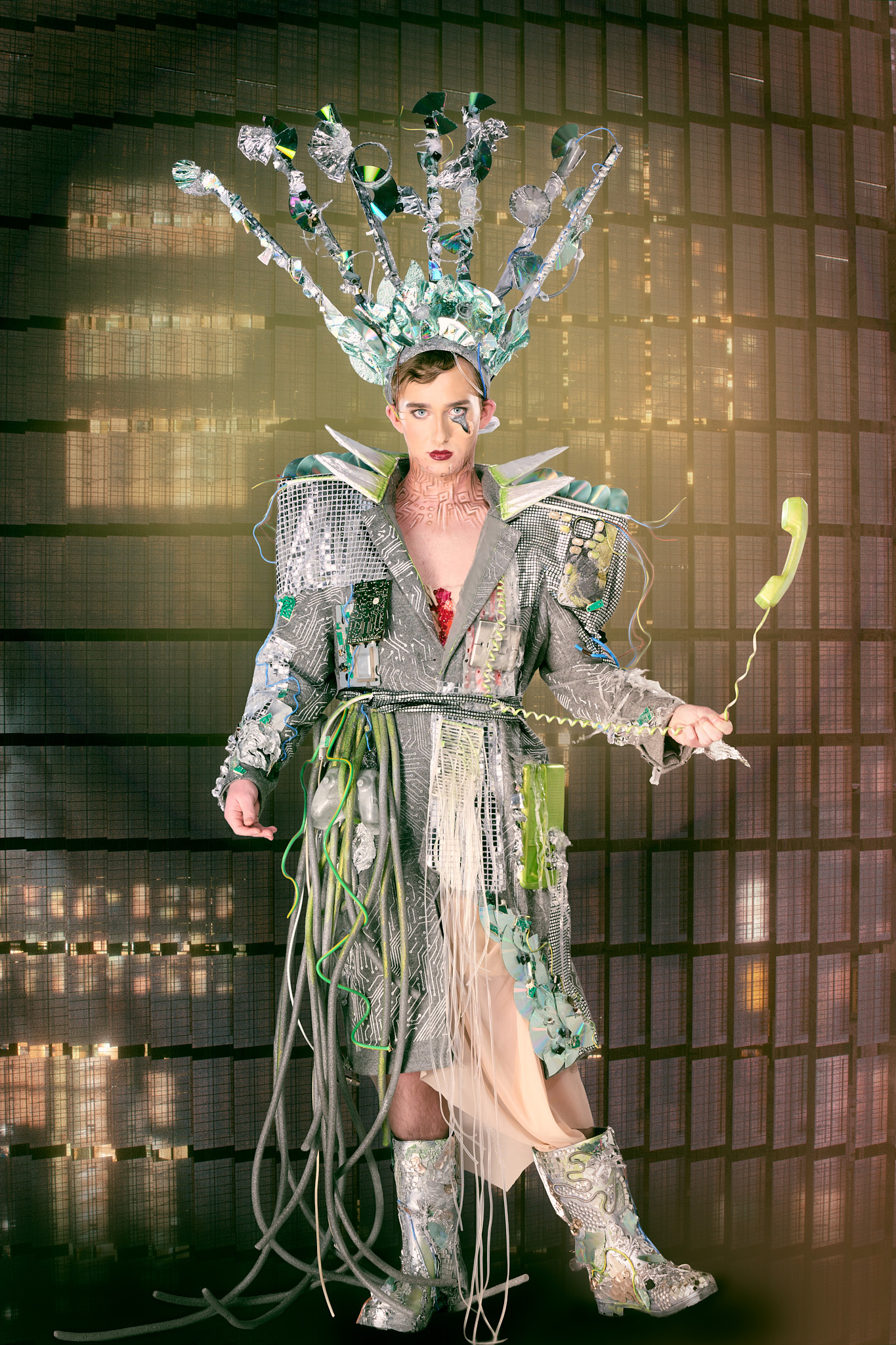
BA (Hons) Costume at Arts University Bournemouth (AUB) is celebrating its second year in educational partnership with BAFTA albert, through which the course delivers a core sustainability unit.
BAFTA albert is the leading screen industry organisation for environmental sustainability, which supports the film and TV industry to reduce the environmental impacts of production and to create content that supports a vision for a sustainable future.
Senior Lecturer on BA (Hons) Costume, Adele Keeley, explains how sustainability is already woven into the fabric of the course:
“All our students complete a sustainability statement for every unit. So, when we began working with albert, it felt completely intuitive to integrate it straight away.
“Because our students are already accustomed to thinking sustainably, not as an add-on, but as an essential part of the creative process, the first two albert assessments, focusing on climate science and understanding personal impact, fitted naturally within the course.”
In the final unit of second year, BA (Hons) Costume students develop a technical file that prepares them for third-year professional practice and industry engagement.
As part of this work, they use the albert production carbon calculator, available exclusively to Education Partners.
“By the time they begin their final year, our students are albert grads," says Adele, "equipped with the tools they need to complete their final projects sustainably, often as costume designers or makers on graduation films.”
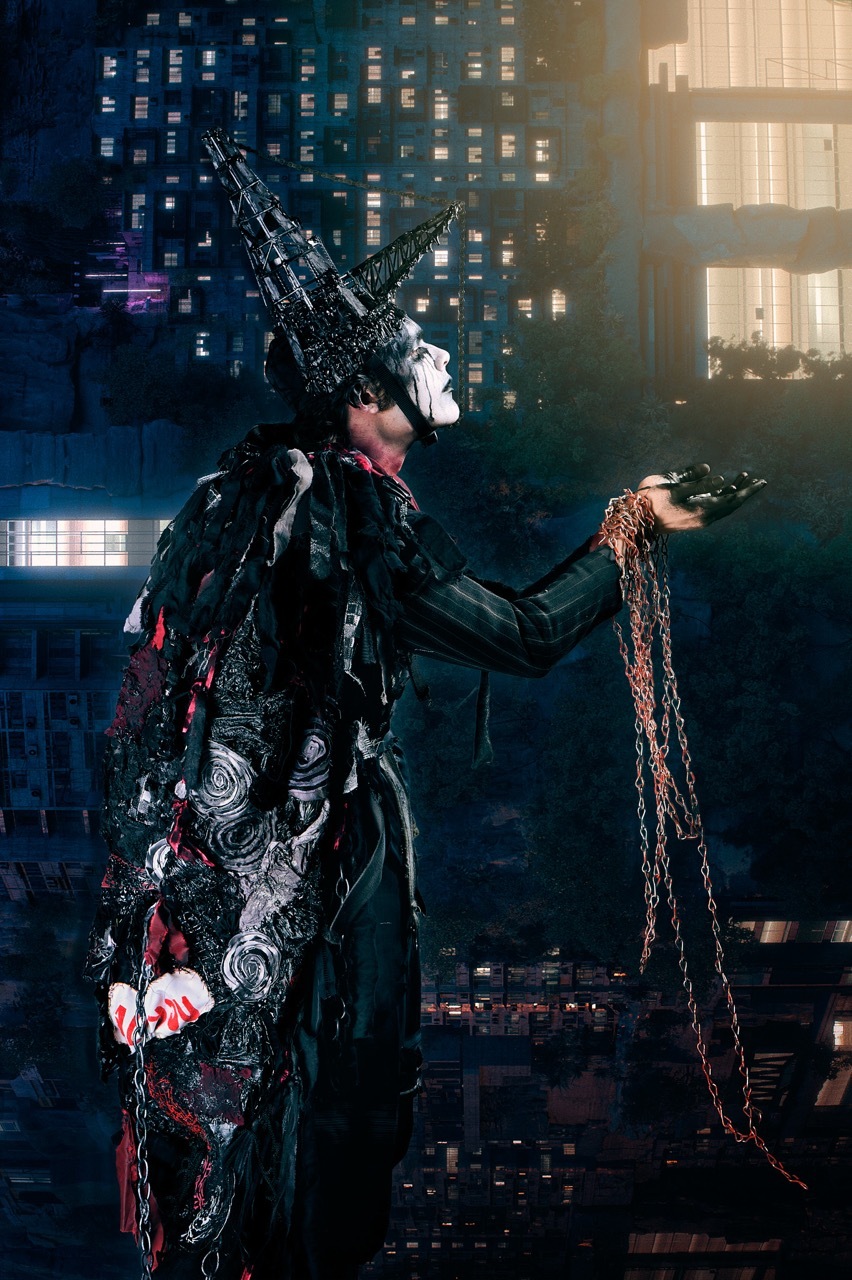
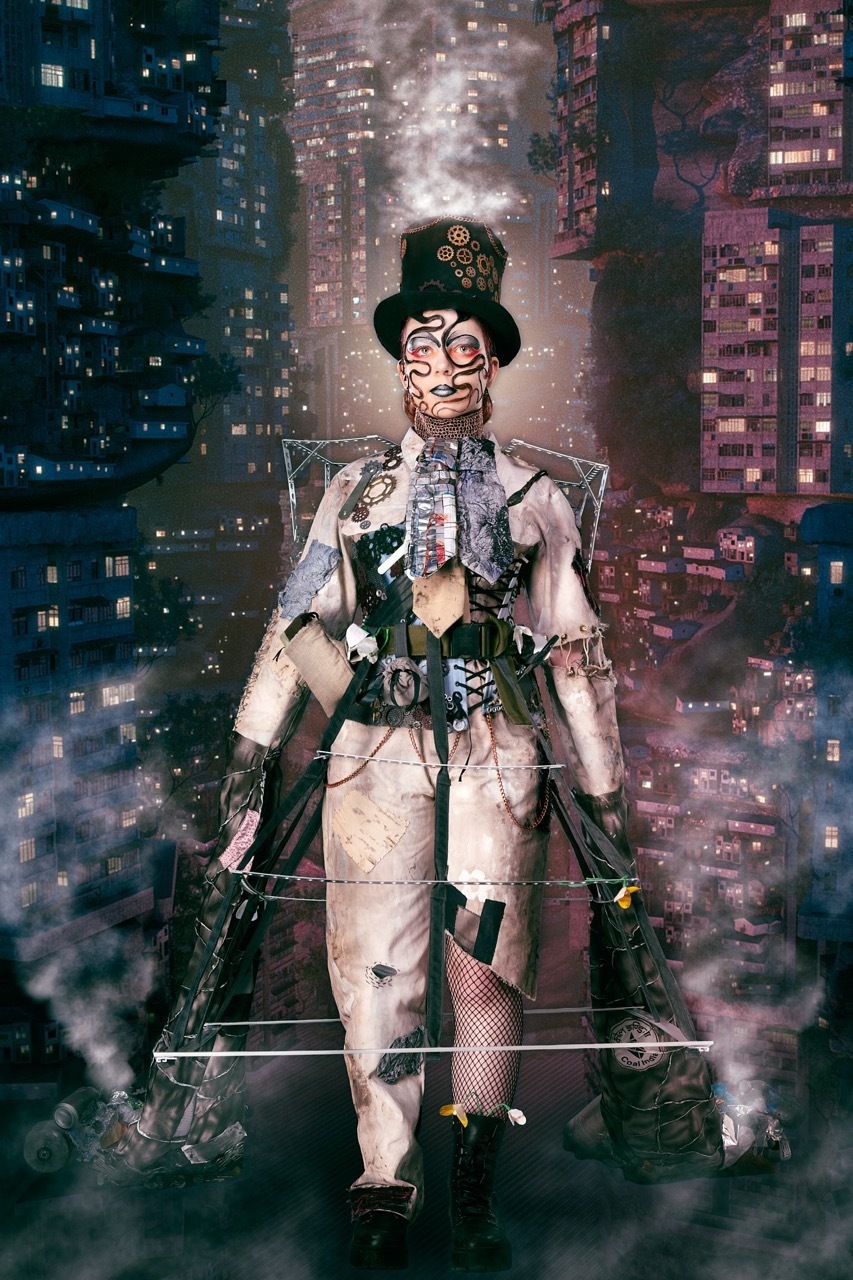
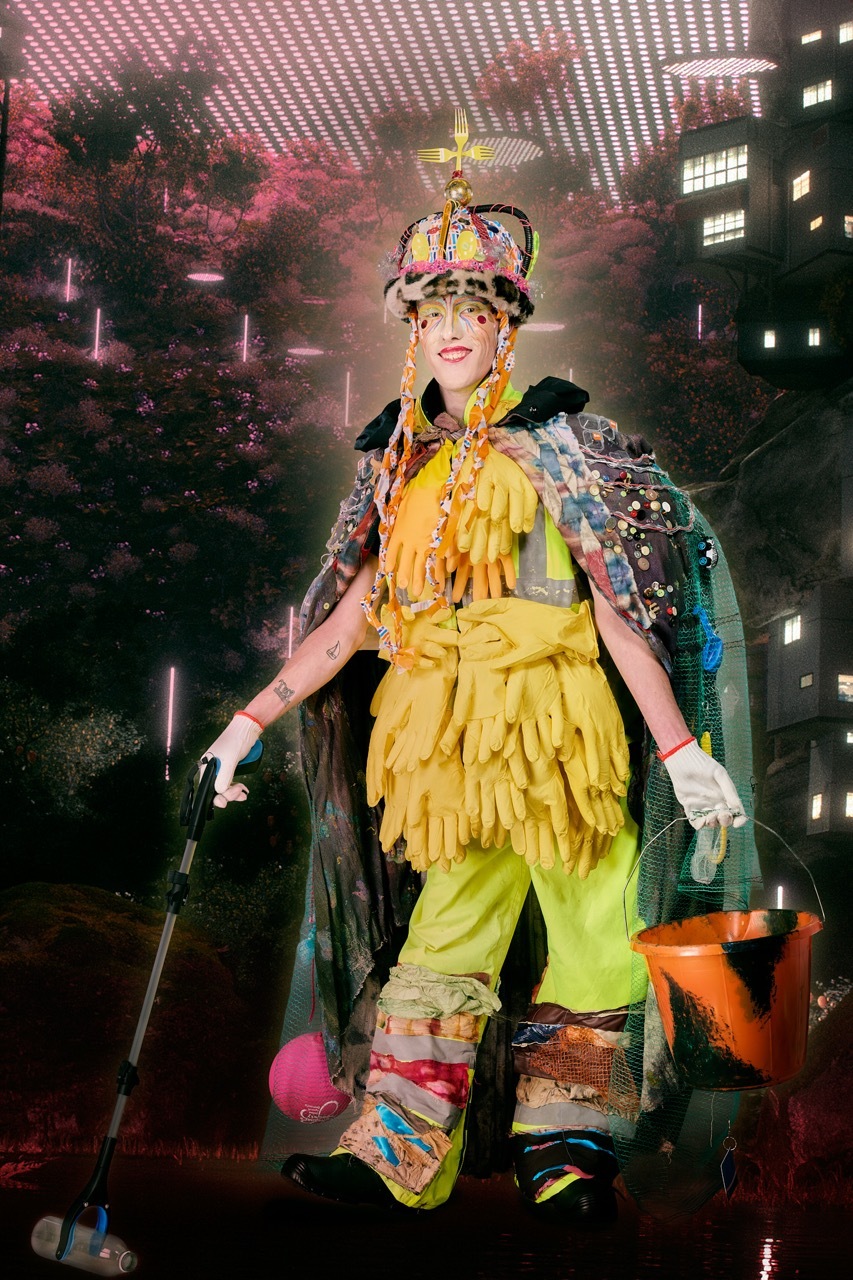
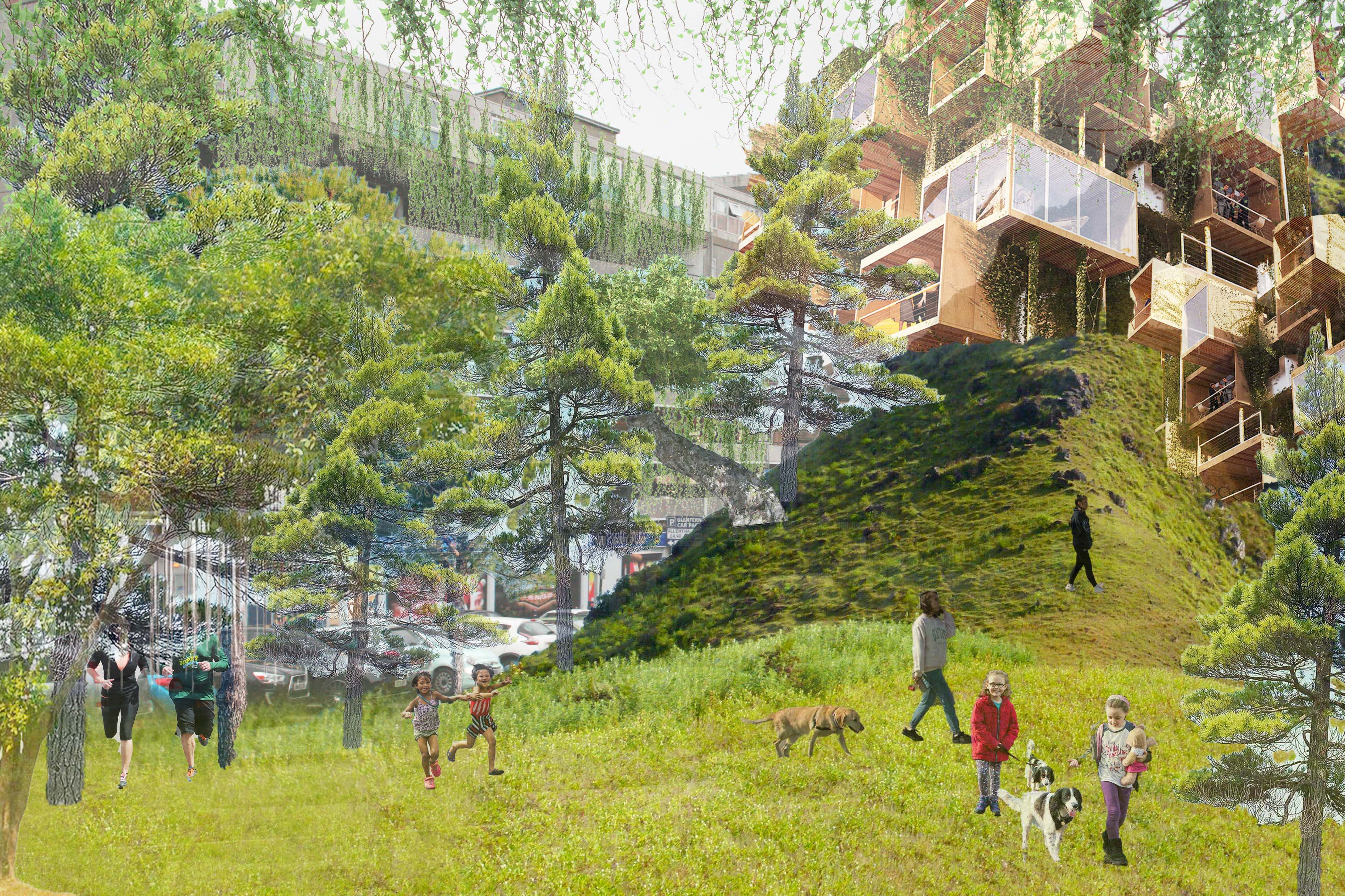
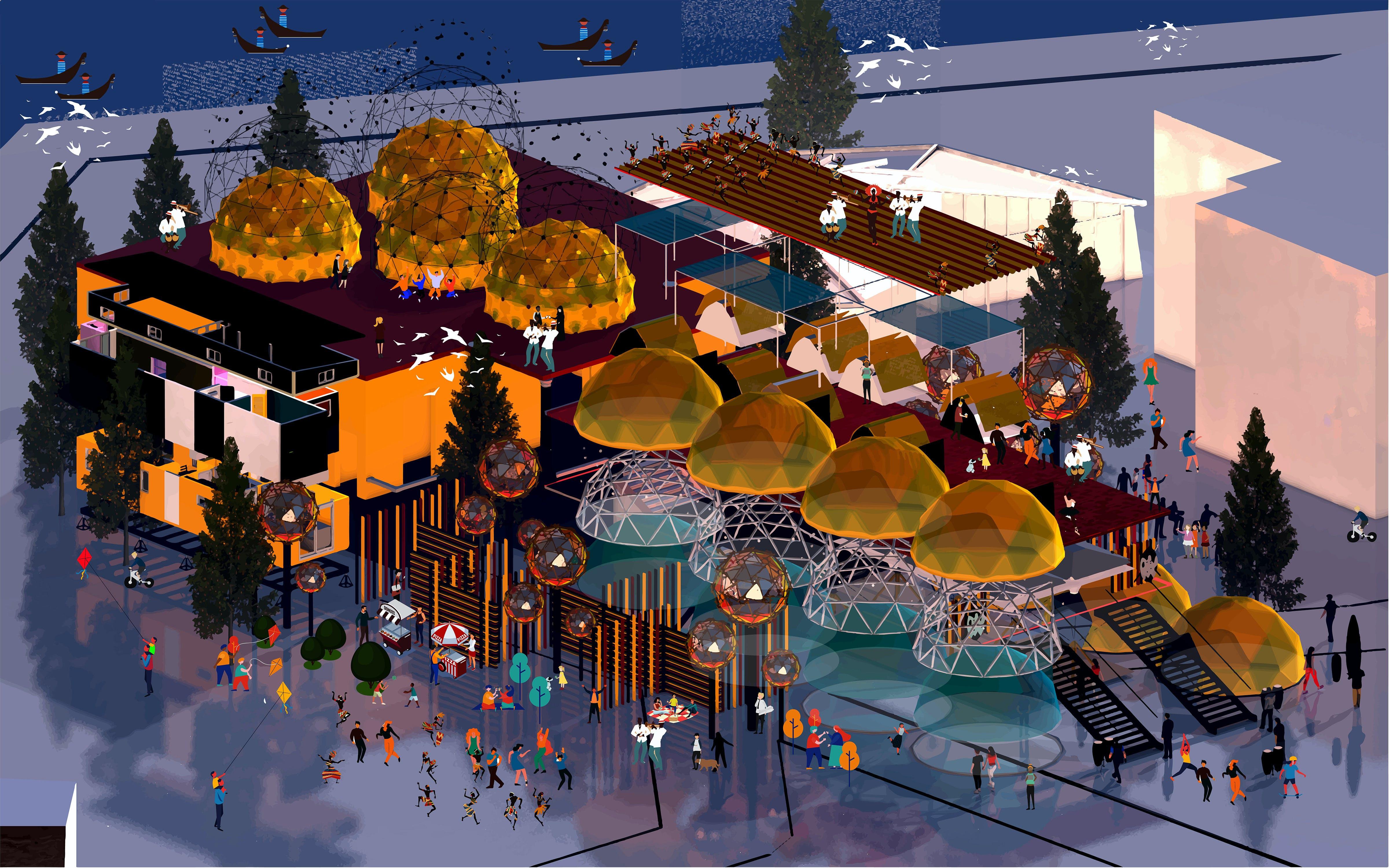
When it came to creatively applying these skills, Adele discovered a short film by director Liam Young, featuring work from Ana Crabtree, Costume Designer for The Handmaid’s Tale.
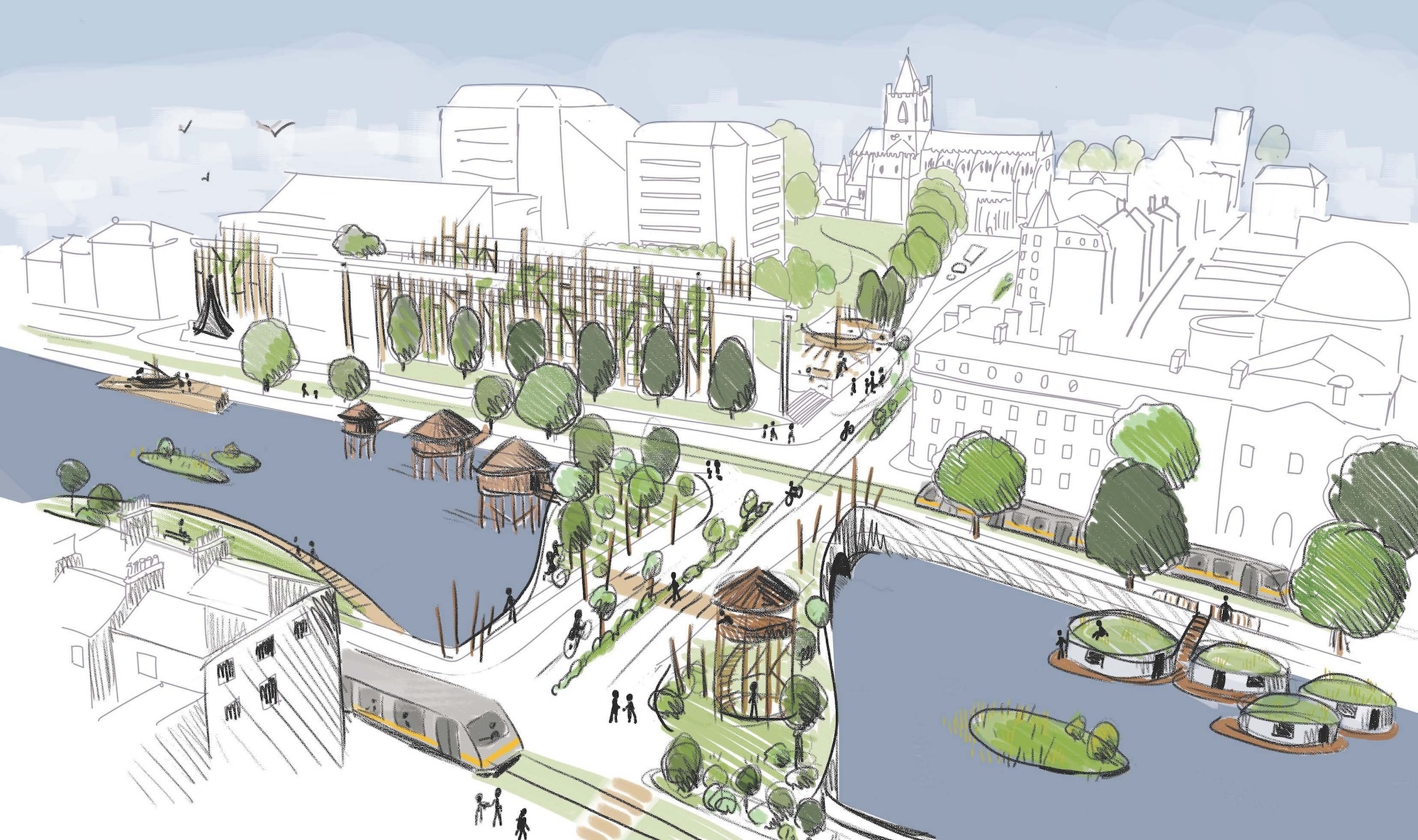
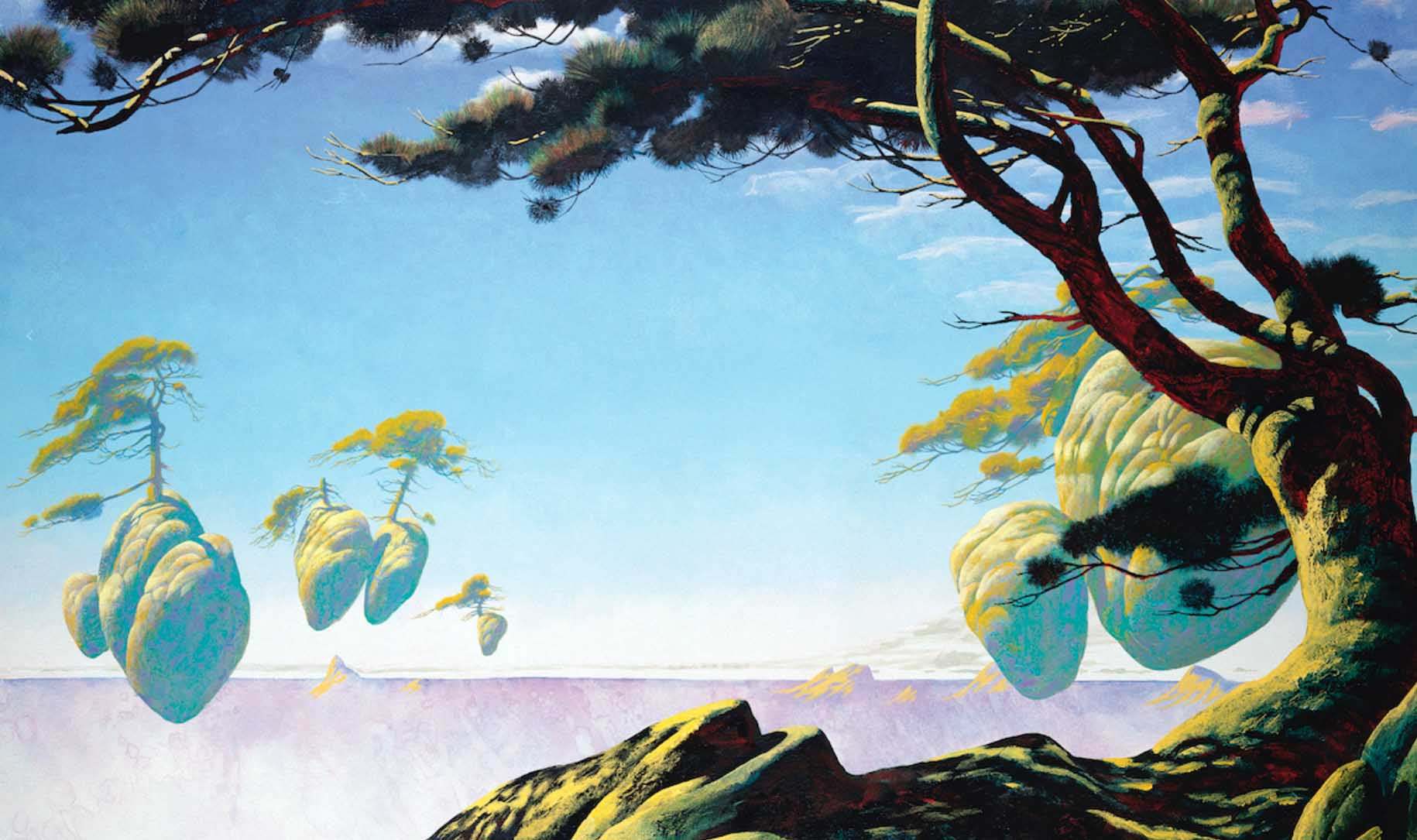
The film imagines a future mega-city surrounded by rewilding landscapes – a kind of climate-resolved utopia. After gaining permission to use the film and imagery within the unit, it became the foundation for students’ final visual work.
Lucy Murray, a third-year student on BA (Hons) Design for Costume and Performance, explains: “The city is being rebuilt into a new haven. The costumes are for ‘history-walkers,’ who warn people about the mistakes of the past.”
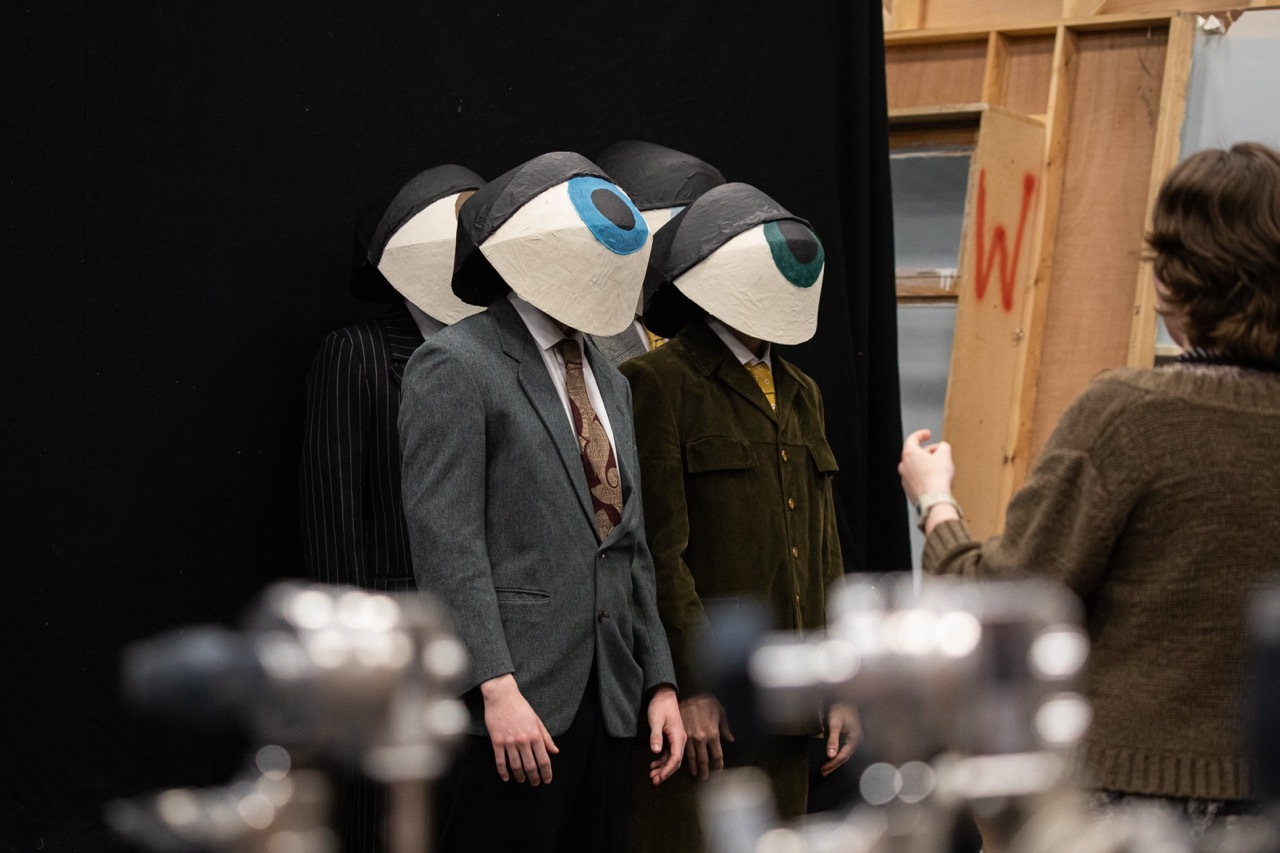
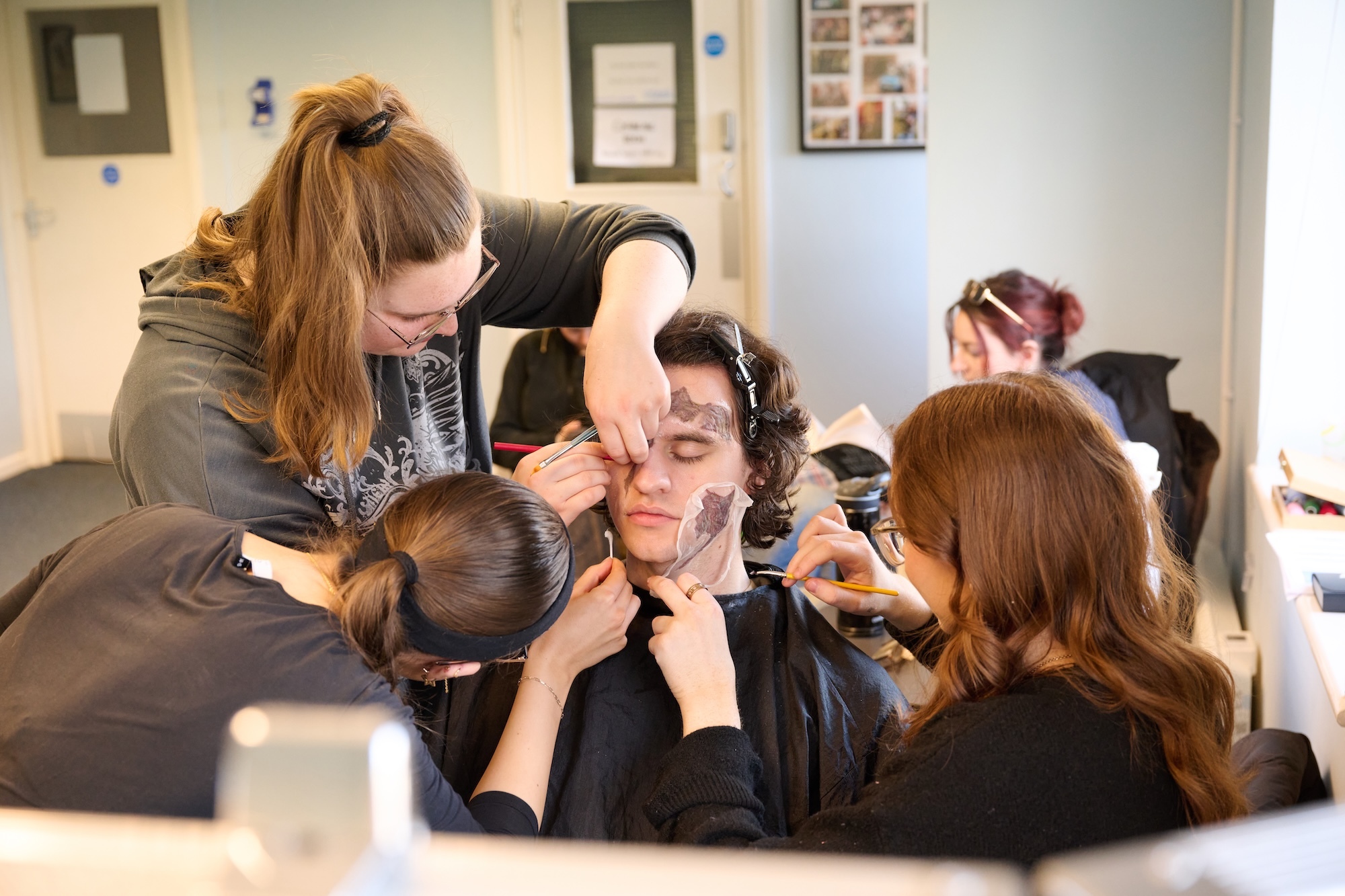
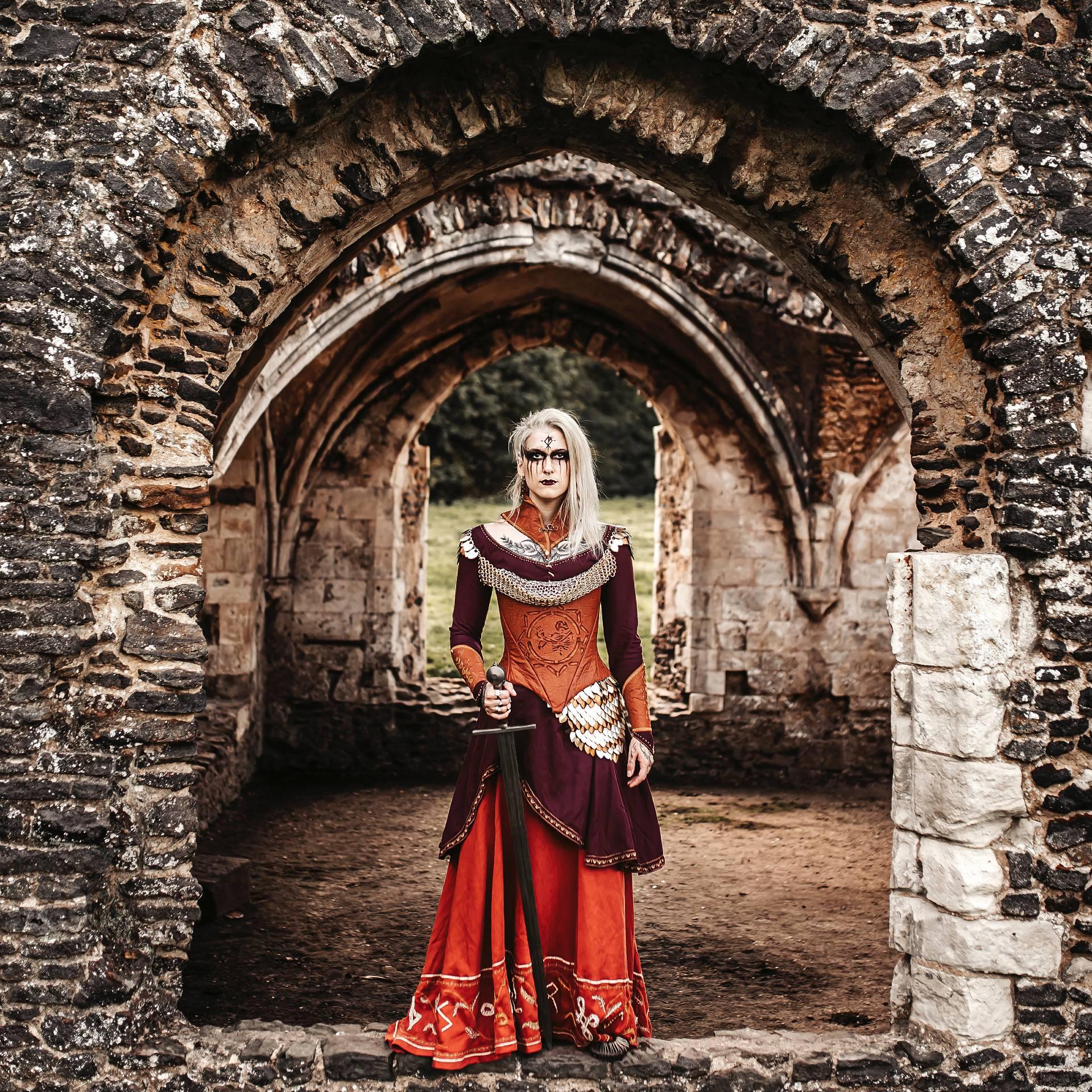
Working in groups, students developed concepts inspired by forest fires, rising sea levels, plastic pollution, overconsumption, and more. Lucy’s group designed a repentant oil-company CEO, sentenced to walk the city bearing the weight of their actions, complete with shackles and an oil rig-inspired headpiece.
Sofia Mols, fellow third-year student and a sustainability representative for the course, helped create a costume exploring overconsumption, combining natural and man-made materials into a decaying vision of waste and industrialisation.
Sustainability guided every stage from materials to construction. After practising with albert’s toolkit in earlier years, students have since applied them in real-world contexts, even visiting recycling centres to source materials that shaped their designs.
“Normally we start with drawings and samples," says Sofia, "but here it was more organic, you find something and weave it into the design.”
Adele adds, “Sometimes that sparks unexpected ideas. The oil rig headdress began as a lighthouse ornament found at a recycling centre.”
The finished costumes were showcased at this year's Green Party Conference in Bournemouth and at Dorset COP, where Adele spoke on how clothing can spark climate conversations.