
Overview
Find out everything you need to know to plan your student finances including tuition fees and living costs
Study Acting at Arts University Bournemouth. Find out about the course, fees, how to apply, and Open Days.
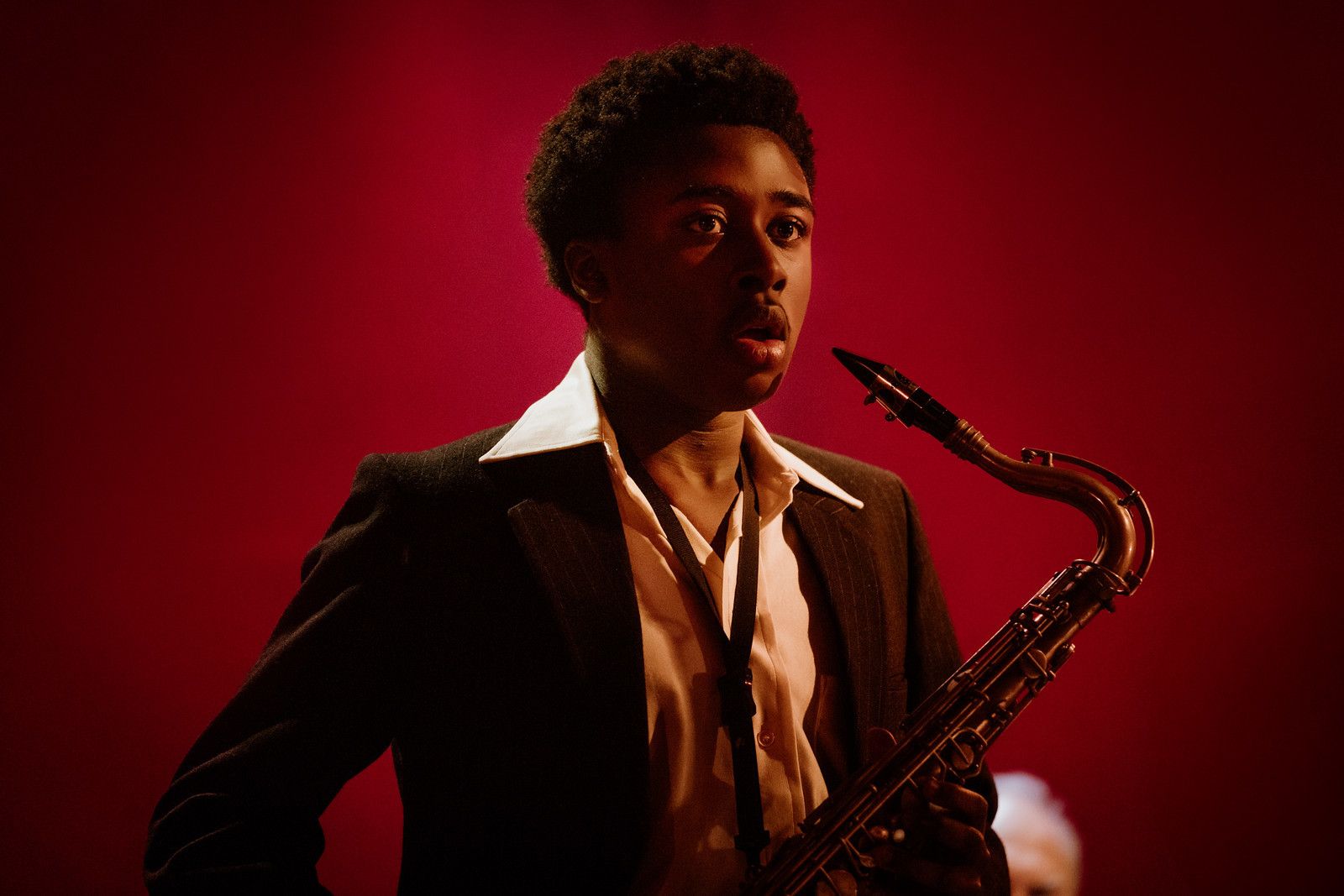
Study Acting for Screen at Arts University Bournemouth. Find out about the course, fees, how to apply, and Open Days.

Our Animation Production course explores the whole production process, and techniques from traditional 2D drawn animation to stop motion.
Study BA (Hons) Architecture at Arts University Bournemouth. Find out about the course, fees, how to apply, and Open Days.

Study Commercial Photography at Arts University Bournemouth. Find out about the course, fees, how to apply, and open days

Study Communication Design and Strategy at Arts University Bournemouth. Find out about the course, fees, how to apply, and Open Days...
Study Content Creation with Marketing at Arts University Bournemouth. Find out about the course, fees, how to apply, and open days

Master the skills you need to become a professional maker, tailor and costume supervisor for the film, theatre and events industries

Study Costume for Film at Arts University Bournemouth. Find out about the course, fees, how to apply, and Open Days.
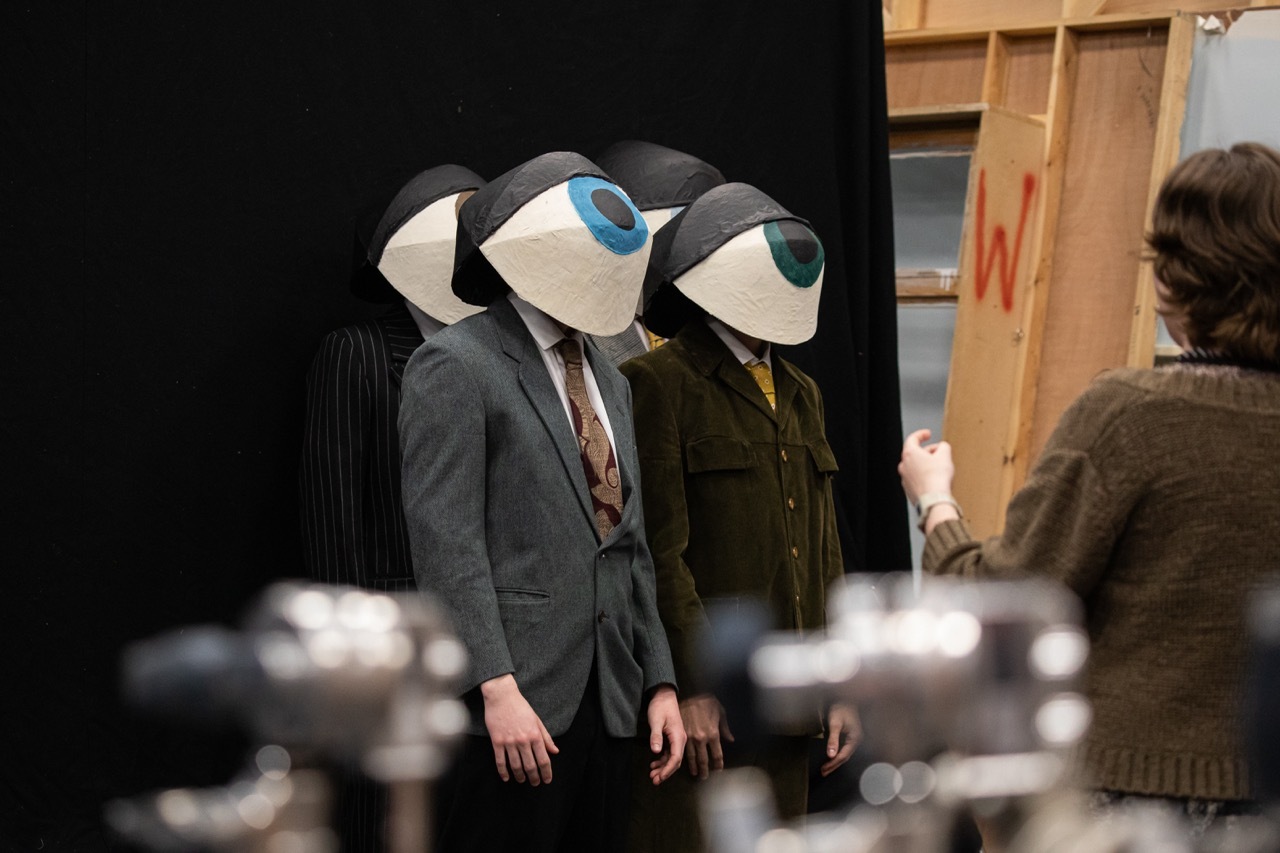
Study Creative Direction at Arts University Bournemouth. Find out about the course, fees, how to apply, and open days...

Study Creative Writing at Arts University Bournemouth. Find out about the course, fees, how to apply, and Open Days...

Study Creative Writing for Film at Arts University Bournemouth. Find out about the course, fees, how to apply, and Open Days...

Study Fashion at Arts University Bournemouth. Find out about the course, fees, how to apply, and Open Days...

Study Fashion Communication at Arts University Bournemouth. Find out about the course, fees, how to apply, and Open Days...

Study Film Production at Arts University Bournemouth. Find out about the course, fees, how to apply, and Open Days...

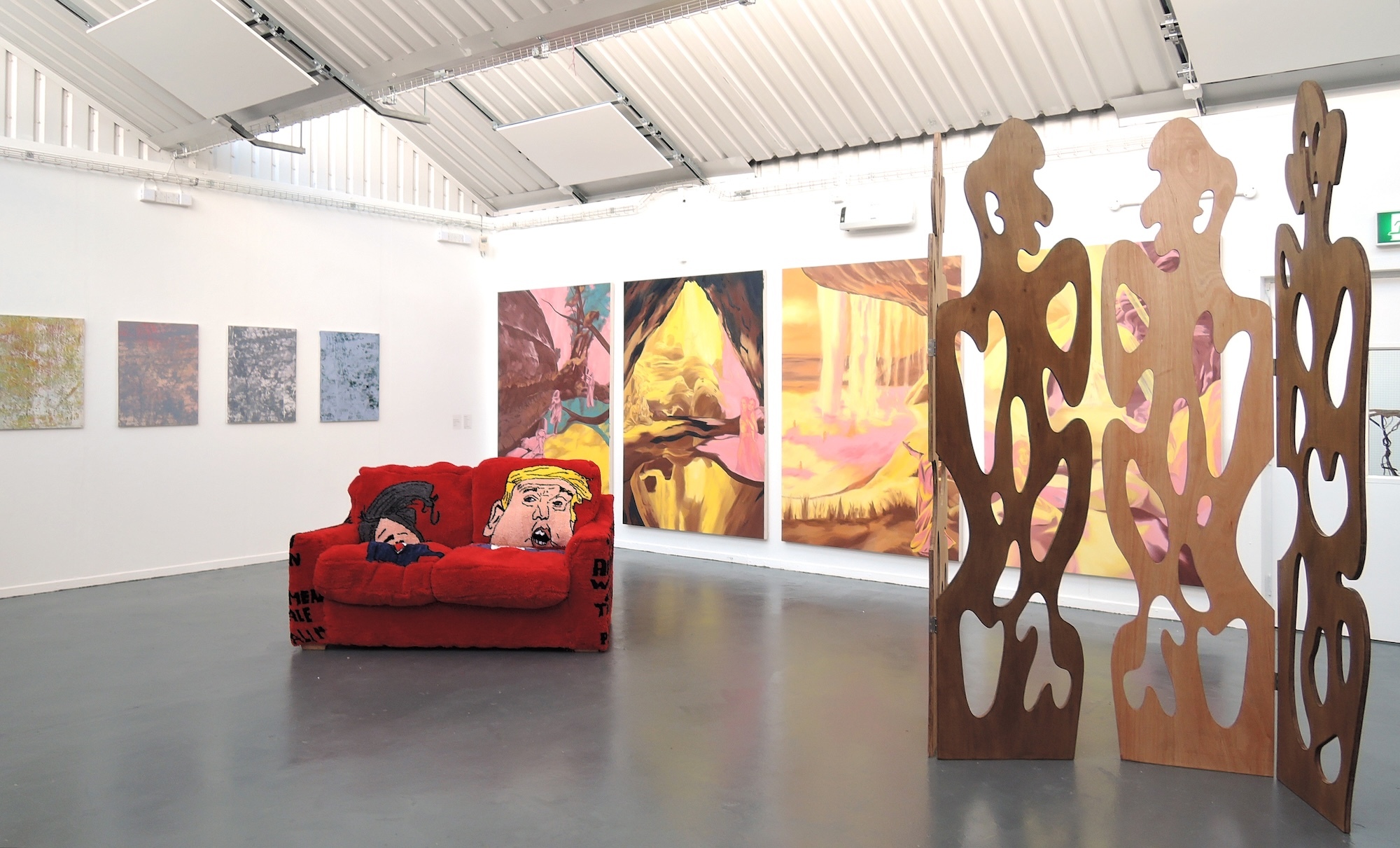
BA (Hons) Fine Art at AUB is an exciting, multidiscipline course, set within our dynamic culture of making in our purpose-built studios...
Study Games Art and Design at Arts University Bournemouth. Find out about the course, fees, how to apply, and Open Days...
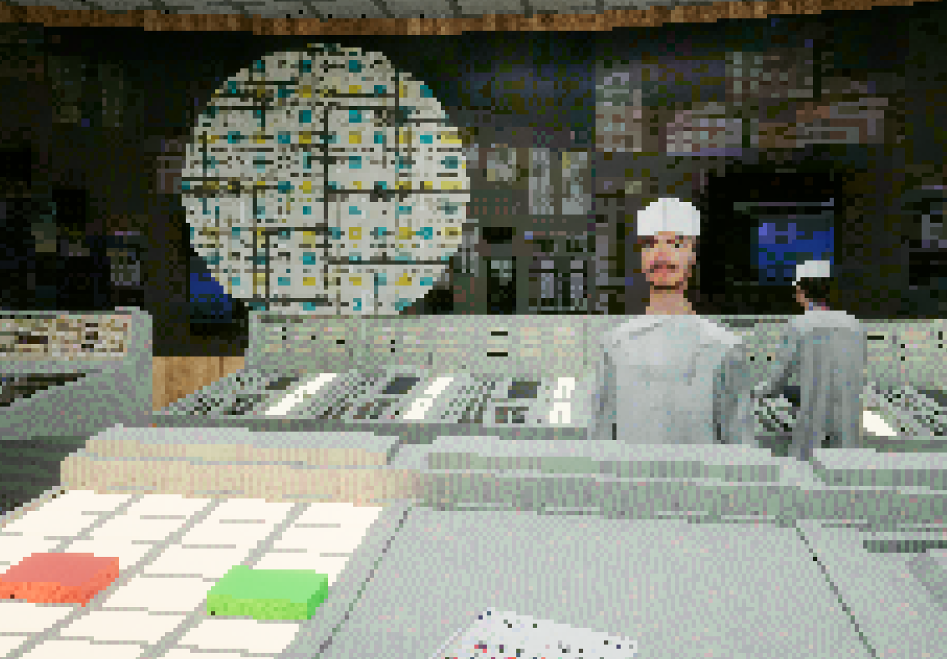
Study Graphic Design at Arts University Bournemouth. Find out about the course, fees, how to apply, and Open Days.
Study Illustration at Arts University Bournemouth. Find out about the course, fees, how to apply, and Open Days.

Study Illustration (Animation) at Arts University Bournemouth. Find out about the course, fees, how to apply, and Open Days.
Study Illustration (Comics) at Arts University Bournemouth. Find out about the course, fees, how to apply, and Open Days.
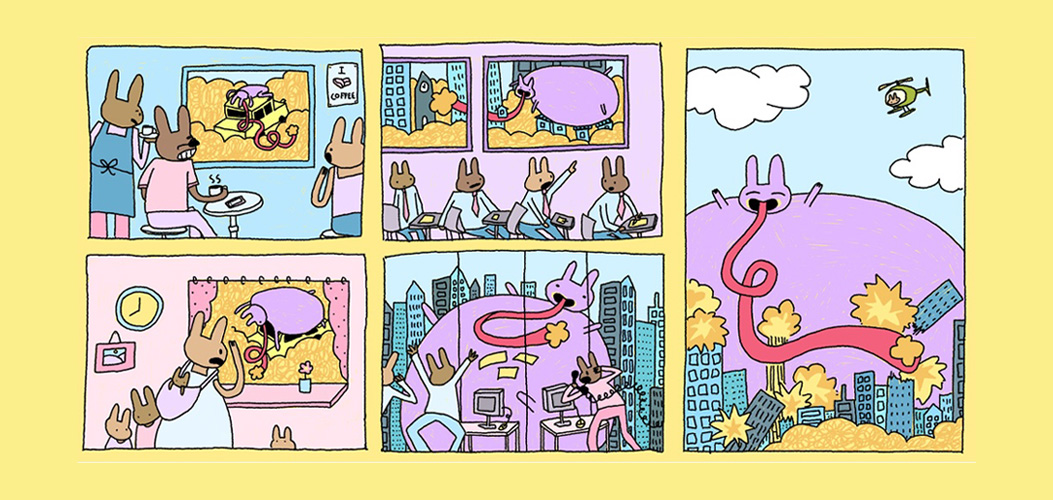
Study Interior Architecture at Arts University Bournemouth. Find out about the course, fees, how to apply, and Open Days...
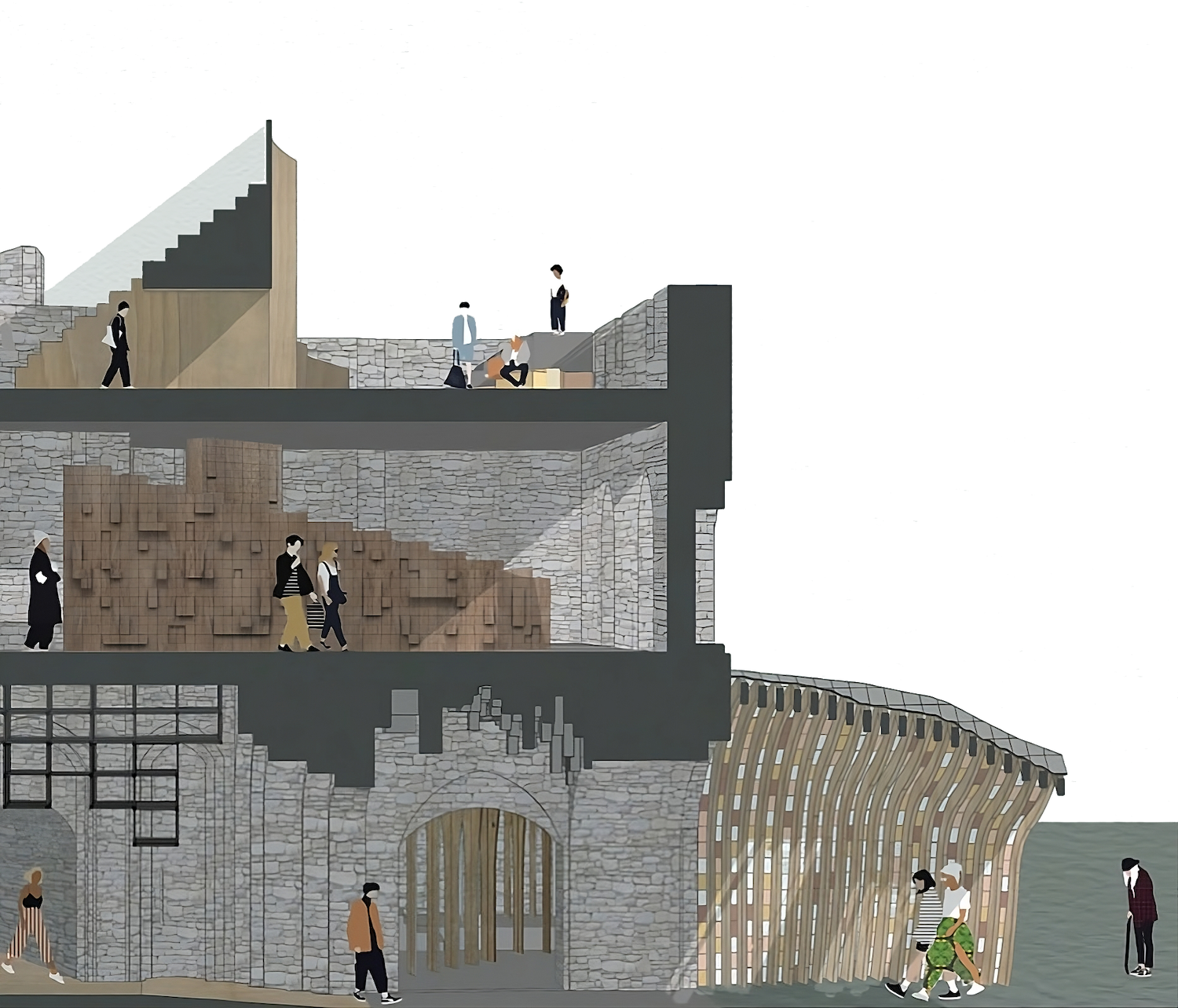
Study Interior Design at Arts University Bournemouth. Find out about the course, fees, how to apply, and Open Days.

Study Makeup, Hair and Prosthetics at Arts University Bournemouth. Find out about the course, fees, how to apply, and Open Days...

Study Makeup, Hair and Prosthetics for Film at Arts University Bournemouth. Find out about the course, fees, how to apply, and Open Days...

Study Media, Marketing and Advertising at Arts University Bournemouth. Find out about the course, fees, how to apply, and Open Days...

Study Modelmaking at Arts University Bournemouth. Find out about the course, fees, how to apply, and Open Days...
The BA (Hons) Modelmaking for Industry degree apprenticeship will introduce apprentices to all avenues of the modelmaking disciplines.

Study Music and Sound for Film, TV and Games at Arts University Bournemouth. Find out about the course, fees, how to apply, and Open Days.
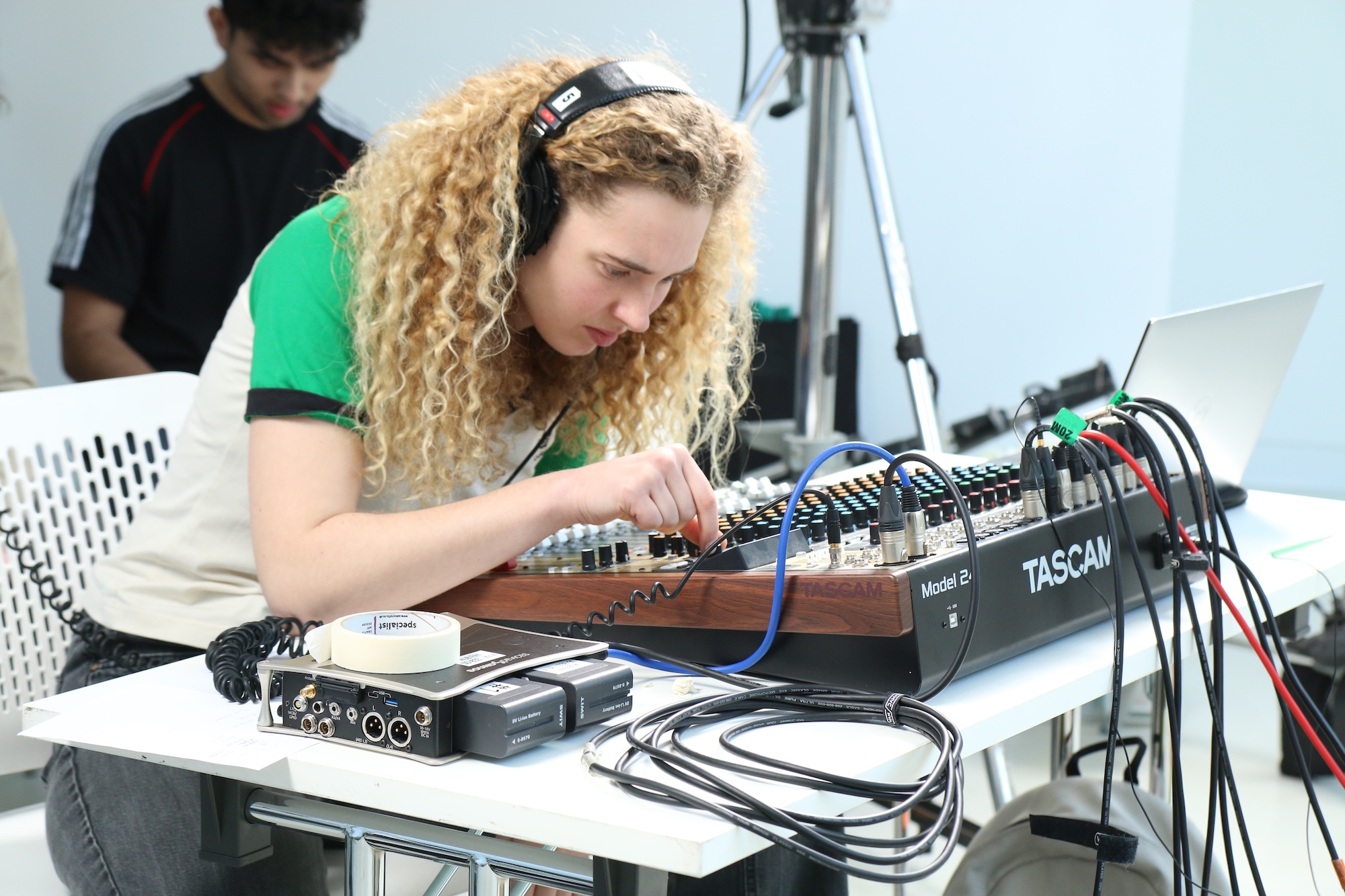
Study Photography at Arts University Bournemouth. Find out about the course, fees, how to apply, and Open Days...

Study Textiles Design at Arts University Bournemouth. Find out about the course, fees, how to apply, and open days

Study Arts, Media and Creative Industries Management at Arts University Bournemouth. Find out about the course, fees, and...
Study Fashion Management and Strategy at Arts University Bournemouth. Find out about the course, fees, how to apply, and Open Days...

At Arts University Bournemouth, you’ll have the option to undertake a specialised Foundation year in a subject area you’re interested in...

The MA Animation Production course focuses on practice, theory and professionalism and the ‘critical dialogue’ between them.

MA Creative Teaching and Learning Design prepares you to be a learning professional with the knowledge and skills to design, deliver...
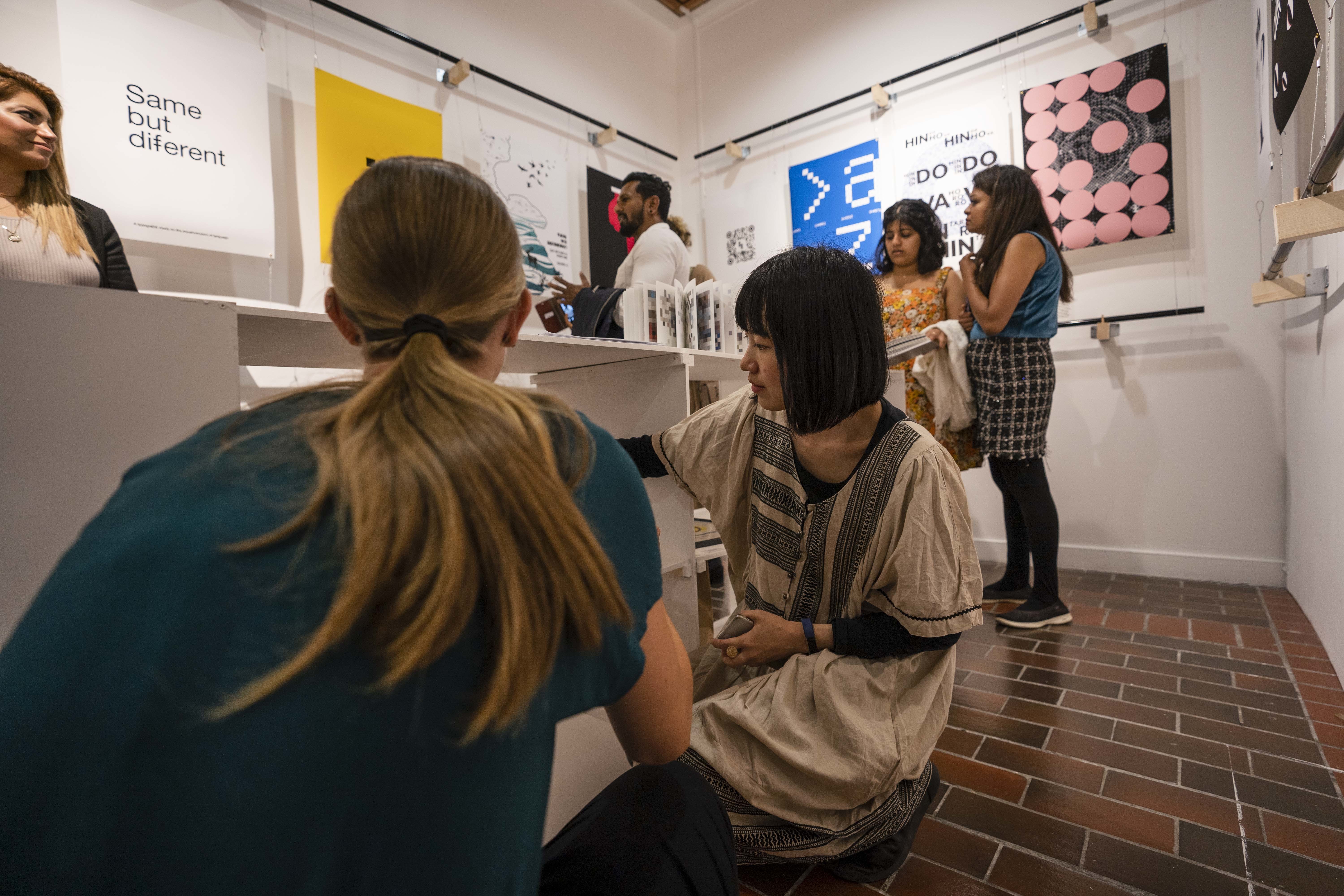
Our MA Creative Writing (Online) course will help you develop an array of transferable skills and elevate your skills as a writer...

Take your professional creative writing practice to the next level on the MA Creative Writing course at Arts University Bournemouth.

Our MA Fashion Innovation course challenges creative boundaries while embracing advanced digital technologies across multiple disciplines...

Our MA Film Practice (Online) course allows you to explore the possibilities of contemporary film and moving image practice...

Learn to navigate global film environments and markets on the MA Film course at Arts University Bournemouth...

MA Fine Art offers a distinct focus and reassessment of autobiography and the familiar, through differing understandings of creativity.
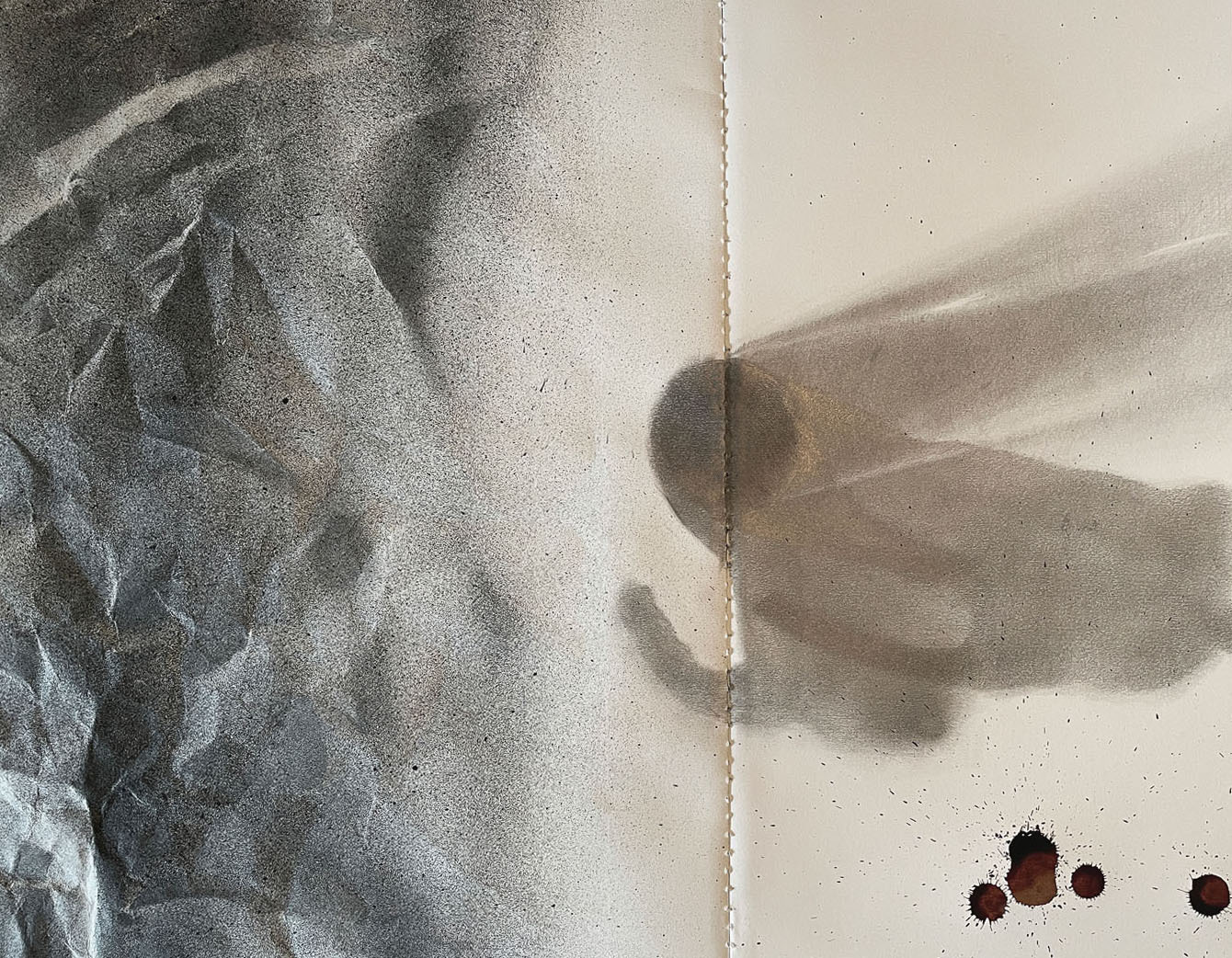
MA Graphic Design encourages designers to explore ways of developing understanding between co-communicators.

MA Graphic Design (Online) at Arts University Bournemouth gives you the freedom to develop innovative and future-facing projects...
Historical Costume supports and develops advanced practitioners who have the ambition to explore, challenge and redefine the relationship...

Our MA Illustration course encourages you to question the nature of your practice and its context and position relative to the creative...

MA Illustration (Online) at Arts University Bournemouth enables you to explore, refine and reflect on the practical aspects of your craft...

MA Innovation and Creative Entrepreneurship is for people who want to make a change; to found their own business, be part of a start-up...

Our MA Interior Design (Online) course will empower you to rise to the needs of contemporary living.
MA Landscape Architecture Studies (Online) at Arts University Bournemouth enables you to create inspiring places with a positive impact...
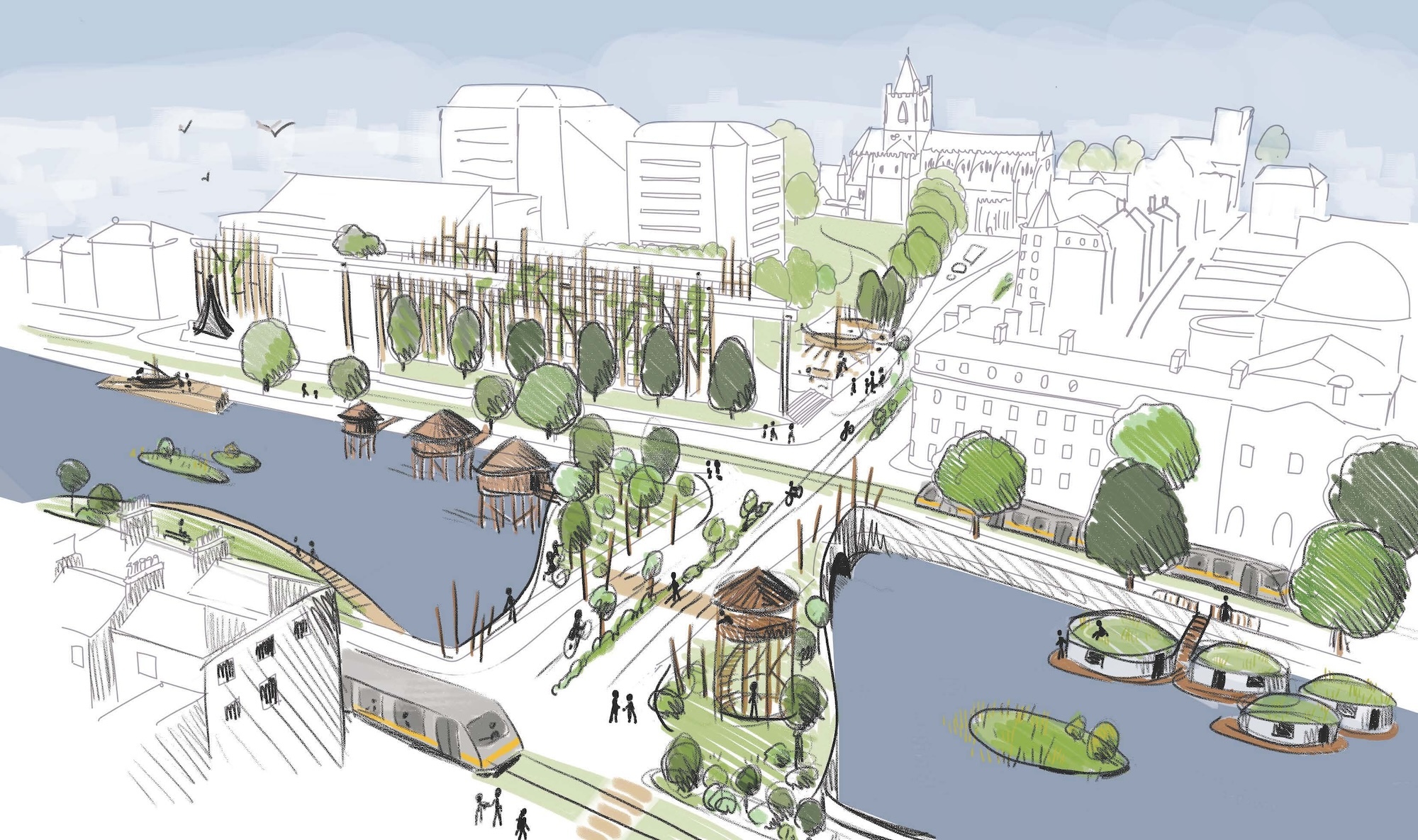
MA Painting will explore this innovative and expansive territory in depth, dedicating itself to specialist study at postgraduate level.
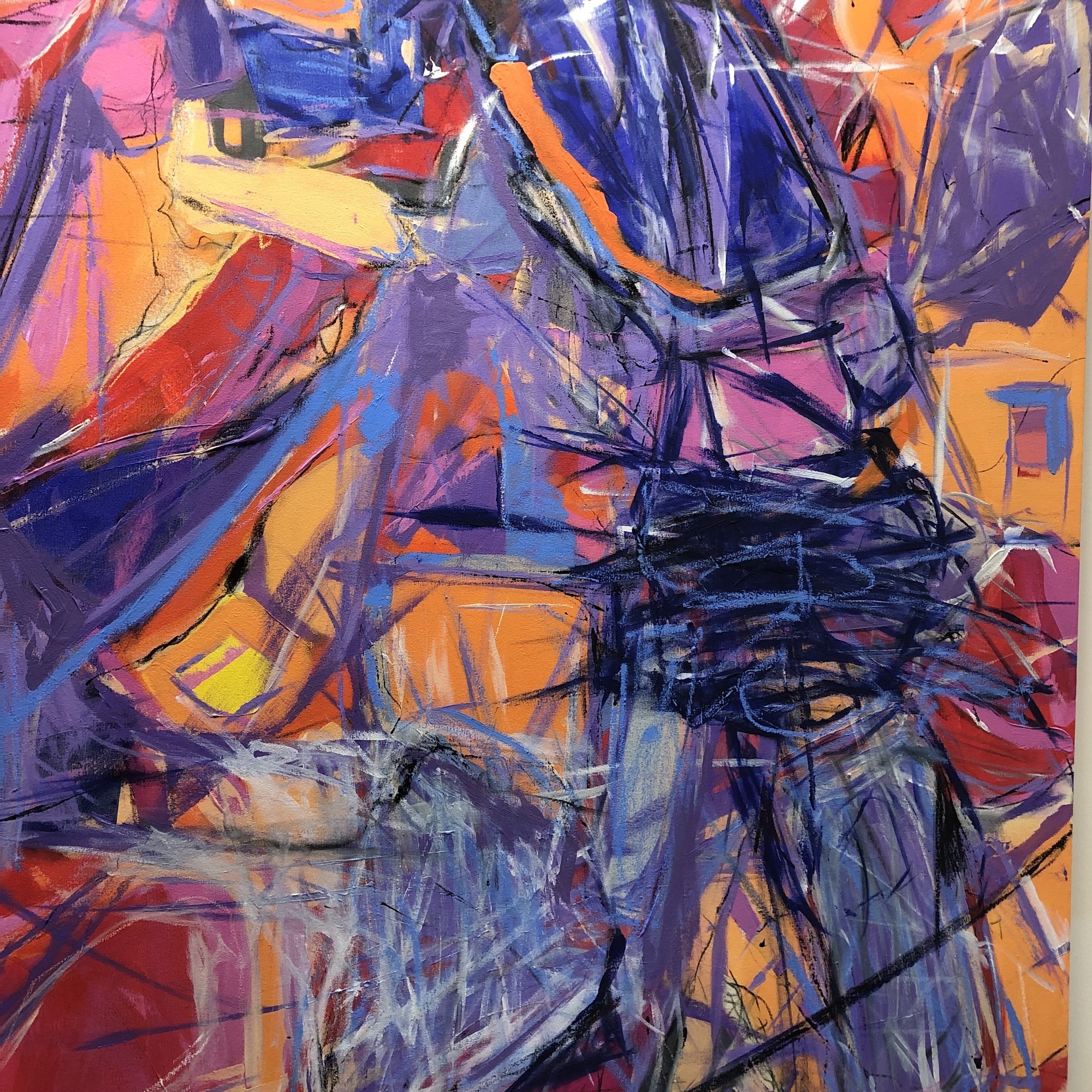
The MA Photography course is the perfect springboard for ambitious photographers wishing to become practitioners at the forefront...

MA Photography (Online) at Arts University Bournemouth equips you with an informed professional portfolio and online presence...
MA Transformative Learning offers a distinctive approach to postgraduate study, drawing on the tradition of holistic science to reimagine...

Strengthen your understanding of user-centred design with MA User Experience (UX/UI) at Arts University Bournemouth.

MA Visual Effects and Photorealistic Computer Graphics is designed to help you master the entire visual effects production pipeline...
The Master of Architecture course explores new approaches to architectural practice, through making, innovation and collaboration.

On PGCert Creative Teaching and Learning Design, you'll acquire the core knowledge and skills required to design engaging learning...

PGDip Learning Design Methods equips you with advanced skills for a career in the fast-moving world of learning design...

If you aspire to know your subject in greater depth or make a significant academic contribution, a research degree could be the answer.

We offer over 50 part-time courses that are delivered on-campus in the evenings and/or Saturdays – great for learning a new hobby.
Choosing a bespoke summer programme at AUB will provide a unique, inspirational and memorable learning experience.
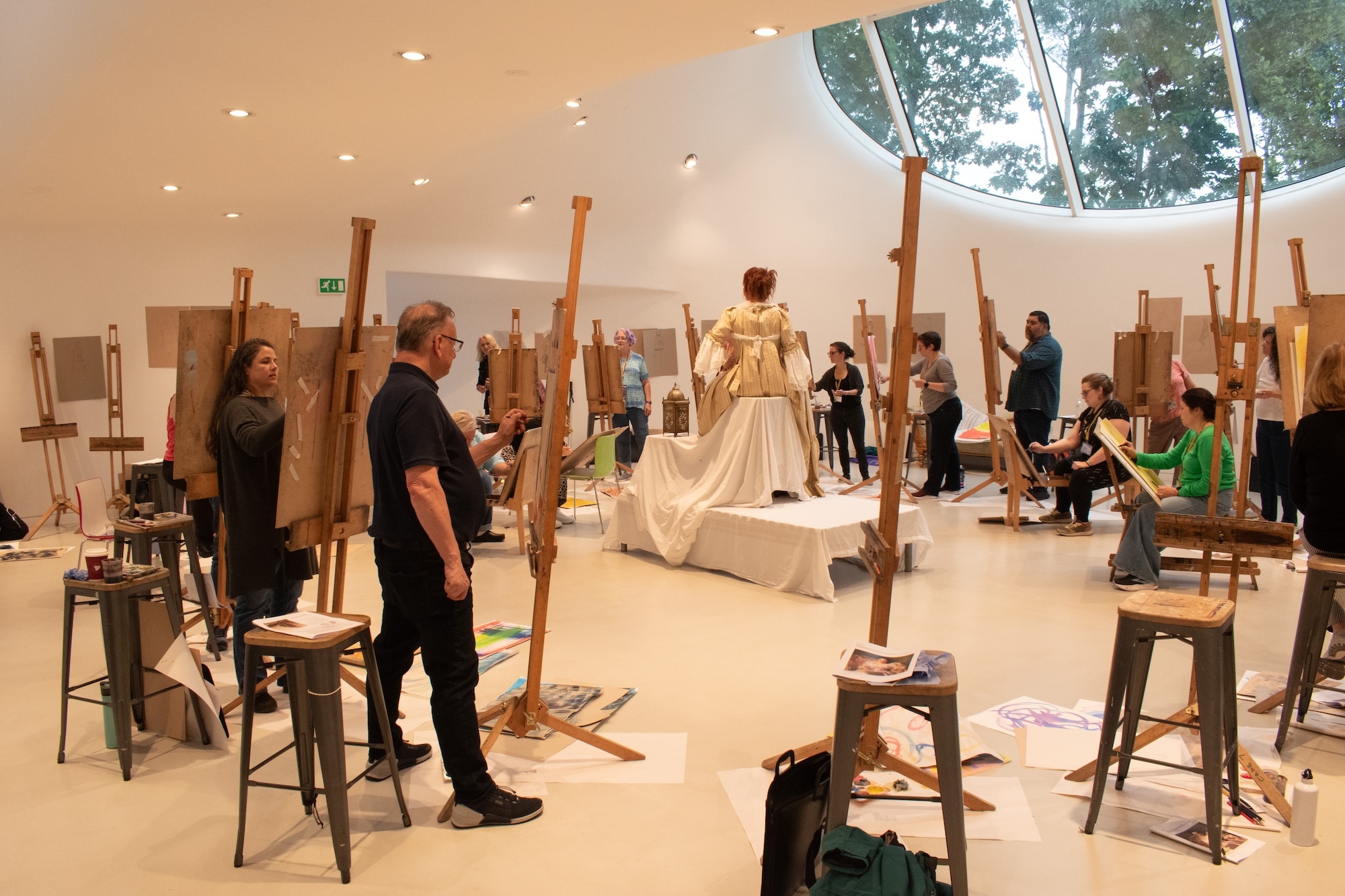
Our five-day inclusive, supportive, and vibrant courses for young learners encourage them find their creative voices.

Across 30 weeks, National Saturday Club will introduce you to a variety of art and design disciplines, setting you up...

Our Saturday Art School courses are designed to inspire and enable the creators of tomorrow – explore our full list of courses.

Our summer courses are a great way to polish your portfolio, experiment and learn new skills or simply have fun with your creativity.

If you feel like one of our creative courses is the right fit for you, you can start making your application.
Visit our campus and see creativity in action.
Experience a campus built for creativity and collaboration.
You are using an outdated browser. Most of this website should still work, but after upgrading your browser it will look and perform better.
Find out everything you need to know to plan your student finances including tuition fees and living costs
From January 2027, student finance in England is changing.
Instead of funding your studies in one go, with the Lifelong Learning Entitlement (LLE) you’ll have access to a flexible loan entitlement you can use at different points in your life. This means a new way to apply for funding for a degree or course, with more flexibility over time.
Explore our Frequently Asked Questions about the LLE for more information, or learn more on the GOV.UK website.
Please note: the information on the GOV.UK website currently shows information for students starting a degree between 1 January and 31 July 2027. The information for students starting AUB degrees in September 2027 should be available on the GOV.UK website by February 2027.
The LLE is a new way to fund higher education in England, starting from January 2027.
It gives you access to a single loan entitlement (£39,000 for students starting a degree between January and July 2027) that you can use to pay for tuition fees across your lifetime.
If your course starts before this, you’ll apply using the pre-January 2027 student finance system.
If your course starts in September 2027 then applications are expected to open by March 2027.
No. You'll still:
The main difference is how your funding is structured, not how you apply.
No. The LLE is for eligible UK (England-based) students only.
International students will continue to use existing fee arrangements.
No. At AUB, as with most universities, you'll:
The LLE simply changes how funding works behind the scenes.
Yes. You can study:
There's no requirement to study in smaller chunks or modules.
For AUB, the LLE covers:
It also covers integrated Master's programmes as well as some professional and technical qualifications offered elsewhere.
The LLE mainly covers Levels 4–6 (undergraduate level).
However, some exceptions apply (e.g. teacher training and certain professional courses), but most postgraduate degrees are funded separately.
You may be eligible if you:
Yes, in many cases.
Under the LLE:
However, your total funding will be reduced based on previous study.
You'll still be able to apply.
However, you’ll have a reduced entitlement. This is sometimes called your remaining or residual funding.
You can access up to £39,000 (for students starting a degree between January and July 2027). This is usually enough to cover a standard undergraduate degree.
Yes, your tuition fee loan will be paid directly to the University.
Yes. You may be eligible for a maintenance loan to help with:
You may also be able to access:
No. You don’t pay anything while you're studying.
You start repaying when you earn over £25,000 per year.
You repay 9% of what you earn above £25,000.
For example, if you earn £30,000, you'll repay about £37 per month.
You won’t make repayments until you start earning above the £25,000 threshold. Payments adjust automatically with your income.
Yes. Any remaining balance will be written off after 40 years.
Yes. That’s one of the main benefits!
You can study now, return later and use any remaining funding.
You keep any unused entitlement and can use it later in life for further study.
Yes, subject to available funding. This is designed to make it easier to:
You’ll have an online student finance account where you can:
Find out everything you need to know to plan your student finances including tuition fees and living costs

If you're applying to a Foundation course, here are all the fees you need to be aware of as a Home or International student

If you're applying to an Undergraduate course, here are all the fees you need to be aware of as a Home or International student

Applying to an AUB Postgraduate course? Here are all the fees you need to be aware of as a Home or International student...

Applying to an online AUB Postgraduate course? Here are all the fees you need to be aware of as a Home or International student...
Applying to an AUB Research degree? Here are all the fees you need to be aware of as a Home or International student