





























You are using an outdated browser. Most of this website should still work, but after upgrading your browser it will look and perform better.
Seng Hui Lee
Seng Hui Lee
Seng Hui Lee
Global warming has deeply impacted how people live across the globe. In recent years, extreme weather events, prolong heatwaves are being reported with increasing frequency. This research examines lifestyle adaptations of inhabitants living in high-rise apartment buildings in Southeast Asia, where the combination of high humidity, high temperature and Urban Heat Island (UHI) effect, has led to a heavy reliance on air-conditioning to achieve thermal comfort.
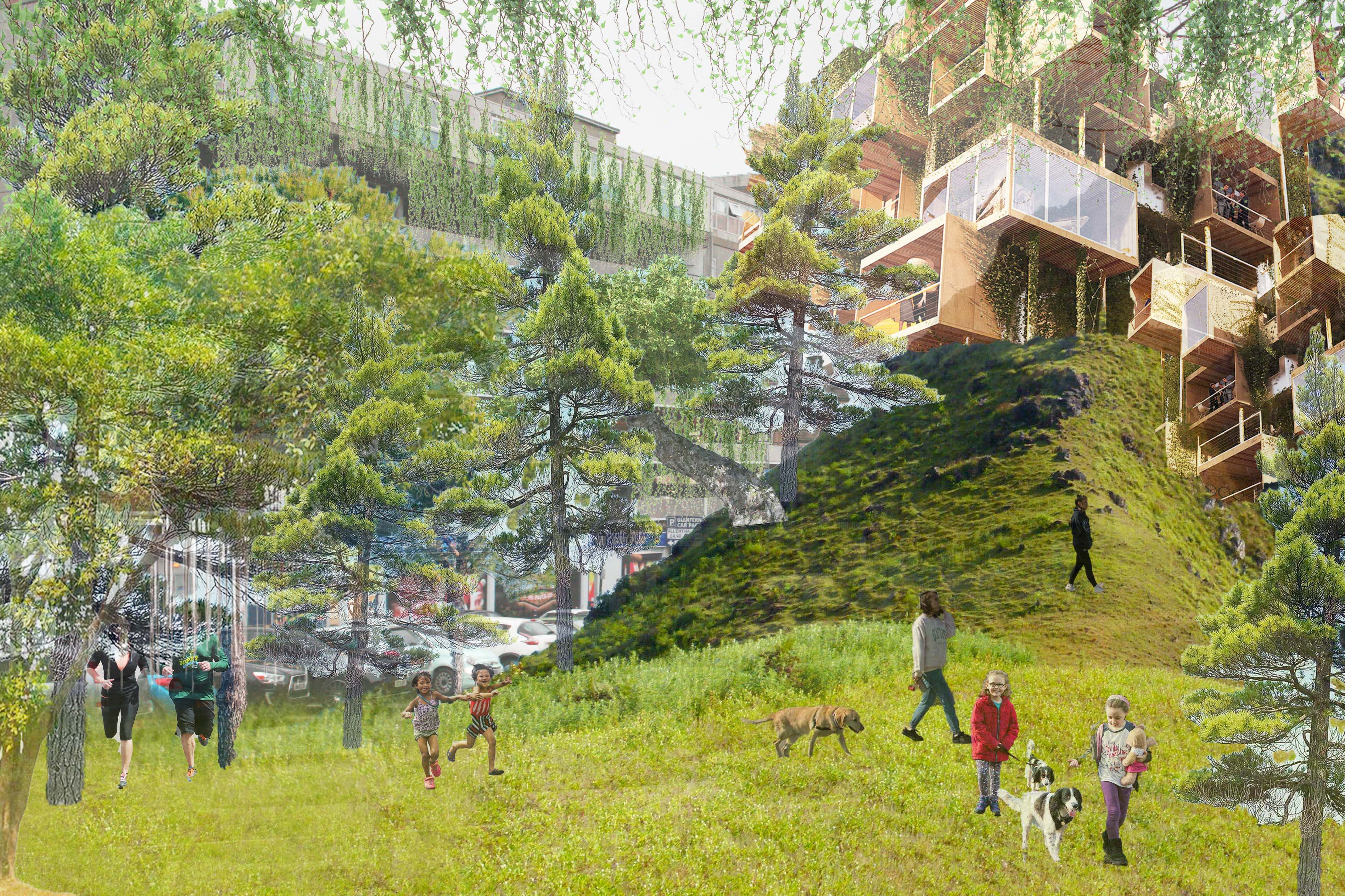
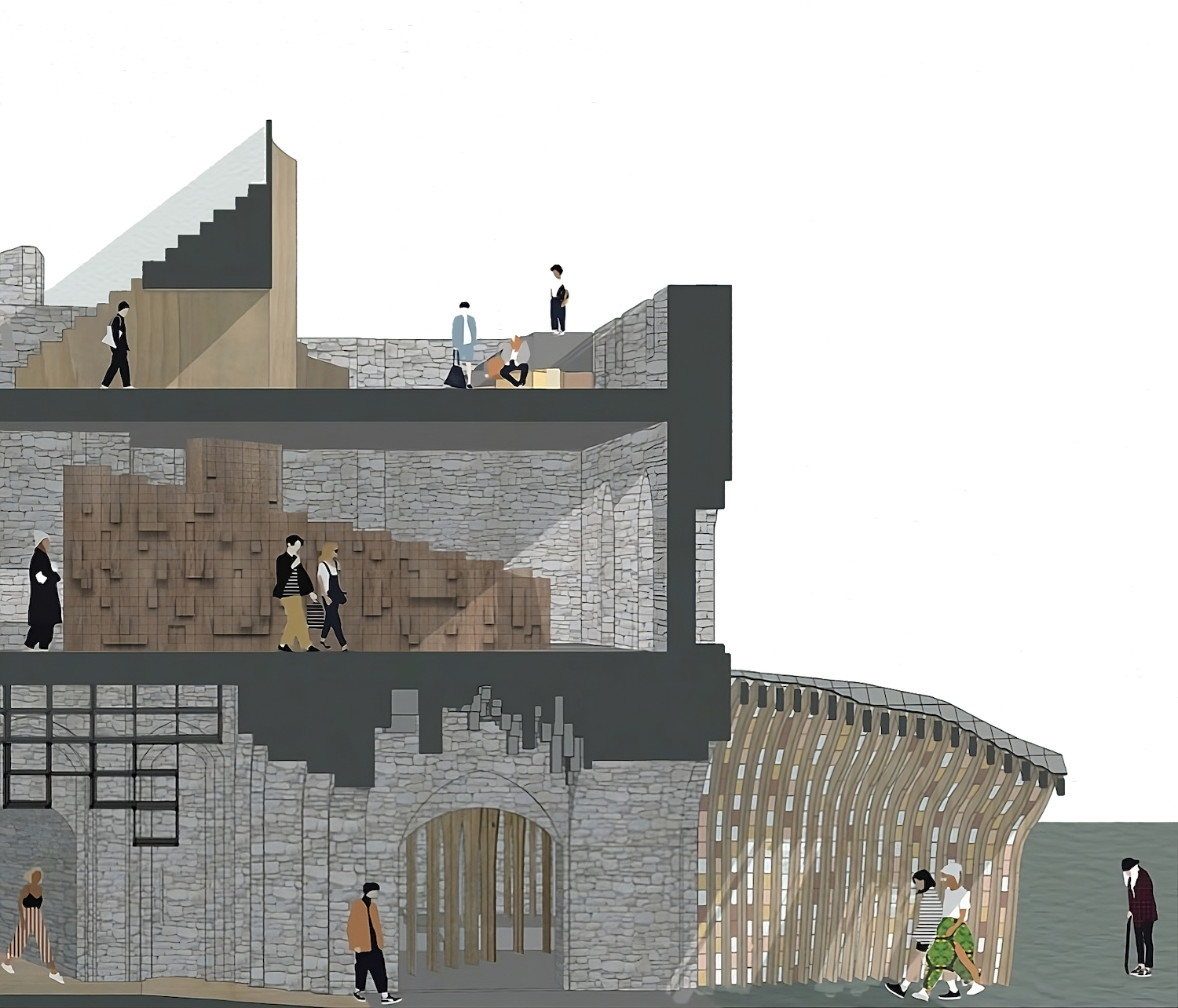
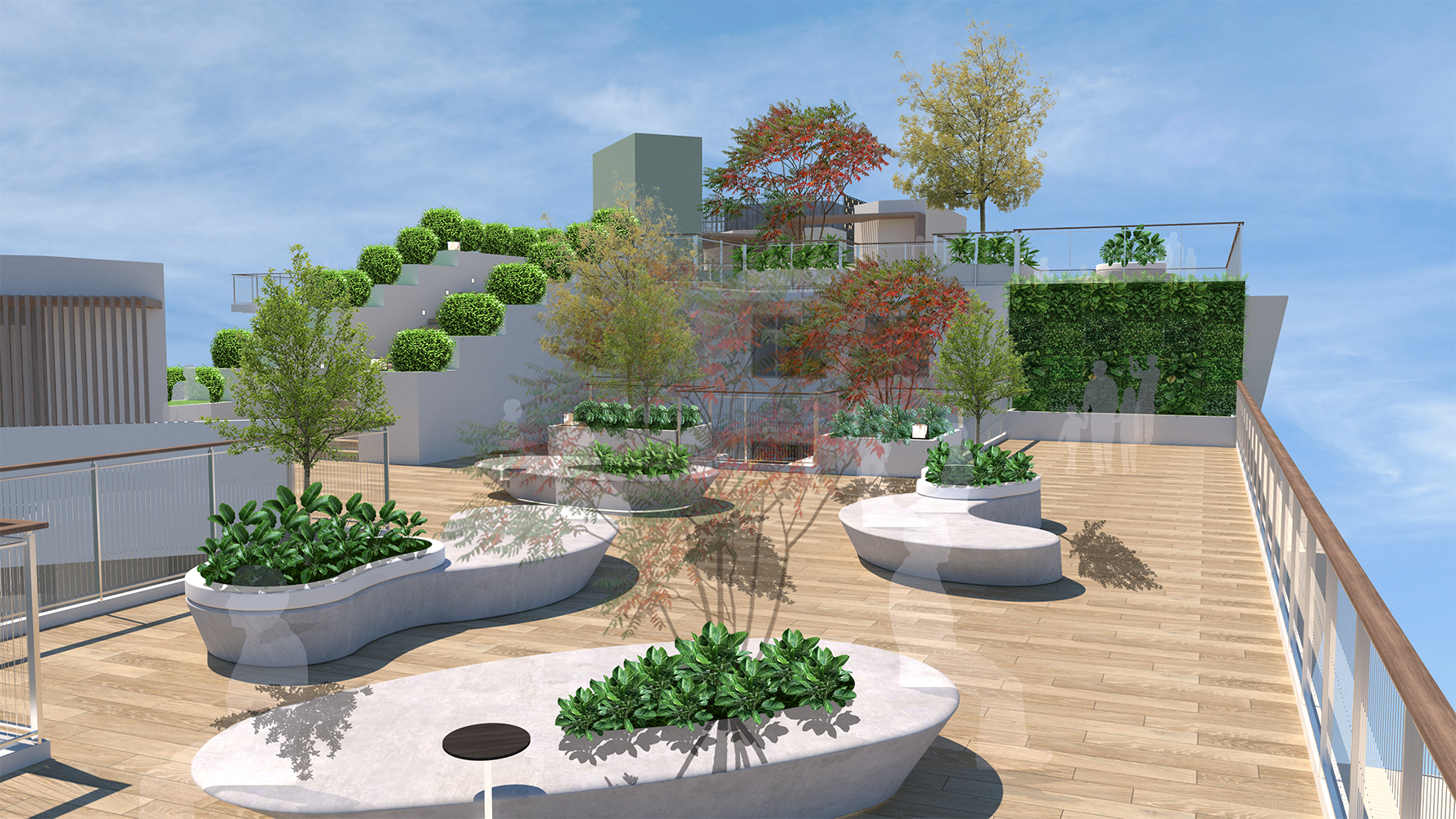
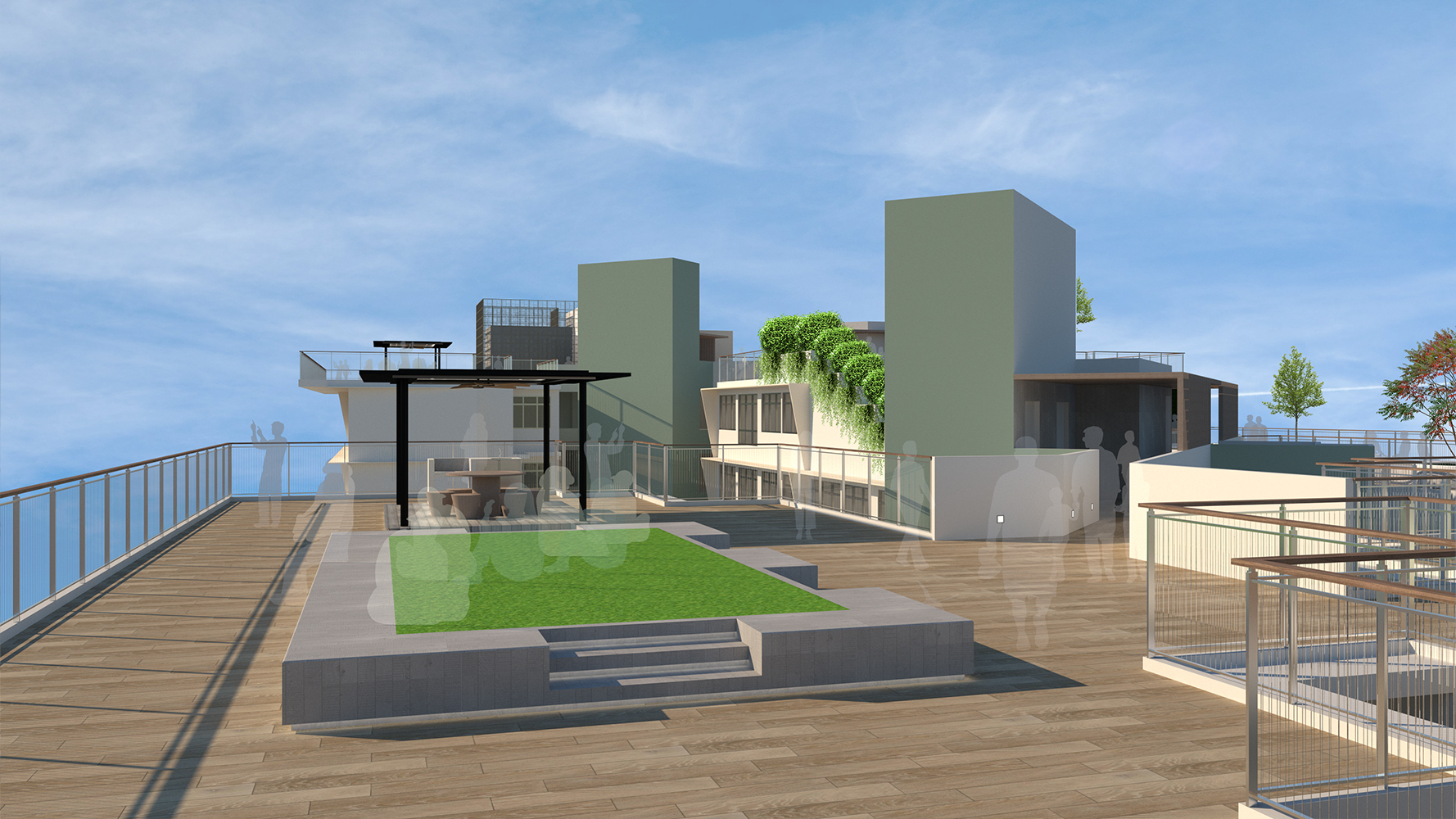
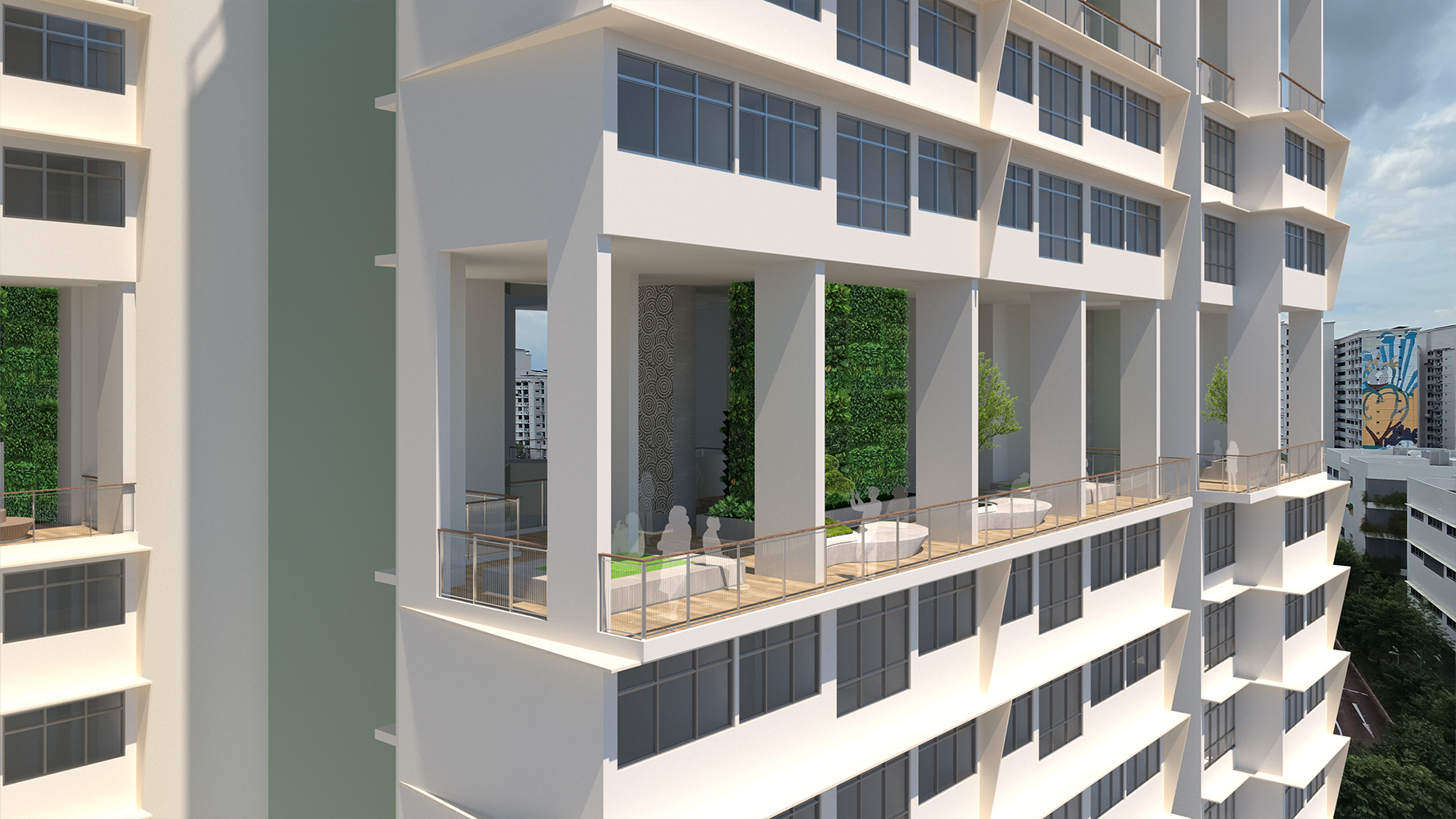
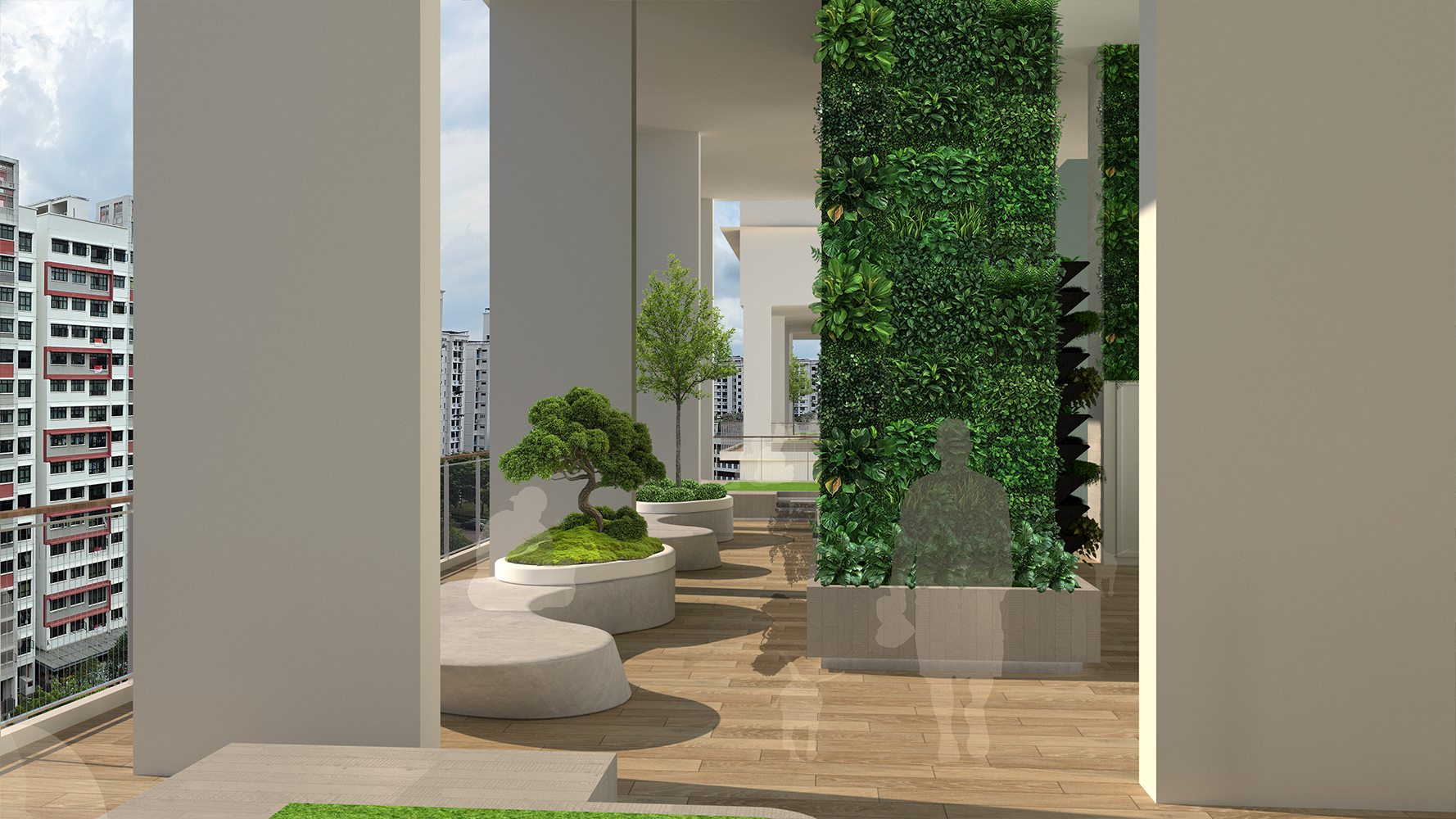
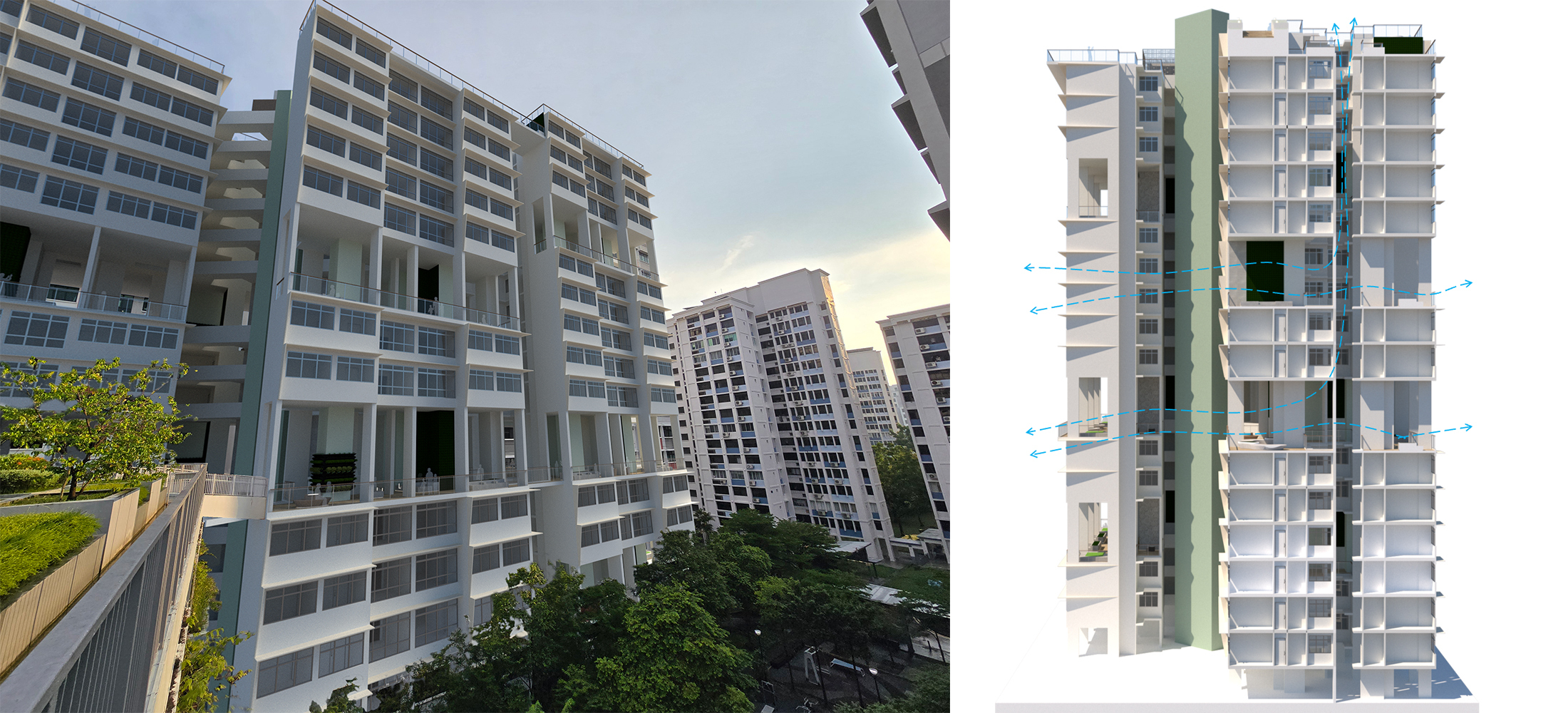
The project reimagines an existing high-rise apartment building, introducing voids to create a porous architecture, enhancing natural ventilation throughout the building to cool interior spaces. Biophilic elements are integrated into the void space, forming interactive communal areas and improving interior air quality. New material technologies such as heat reflective paint are also incorporated into the project, resulting in cooler homes. These strategies aim to reduce households’ reliance on air-conditioning, which according to research, accounts for 24% of typical household energy consumption.
In the face of rising global temperatures, it is pivotal to design sustainable, long-term solutions that reduce dependency on air-conditioning and mitigate carbon emission.
Plans after degree
Further my career in Interior Design, perhaps taking up professional certification in LEED or WELL.