

MA, Cert Ed, HND, FHEA




























If you feel like one of our creative courses is the right fit for you, you can start making your application.
Visit our campus and see creativity in action.
Experience a campus built for creativity and collaboration.
You are using an outdated browser. Most of this website should still work, but after upgrading your browser it will look and perform better.
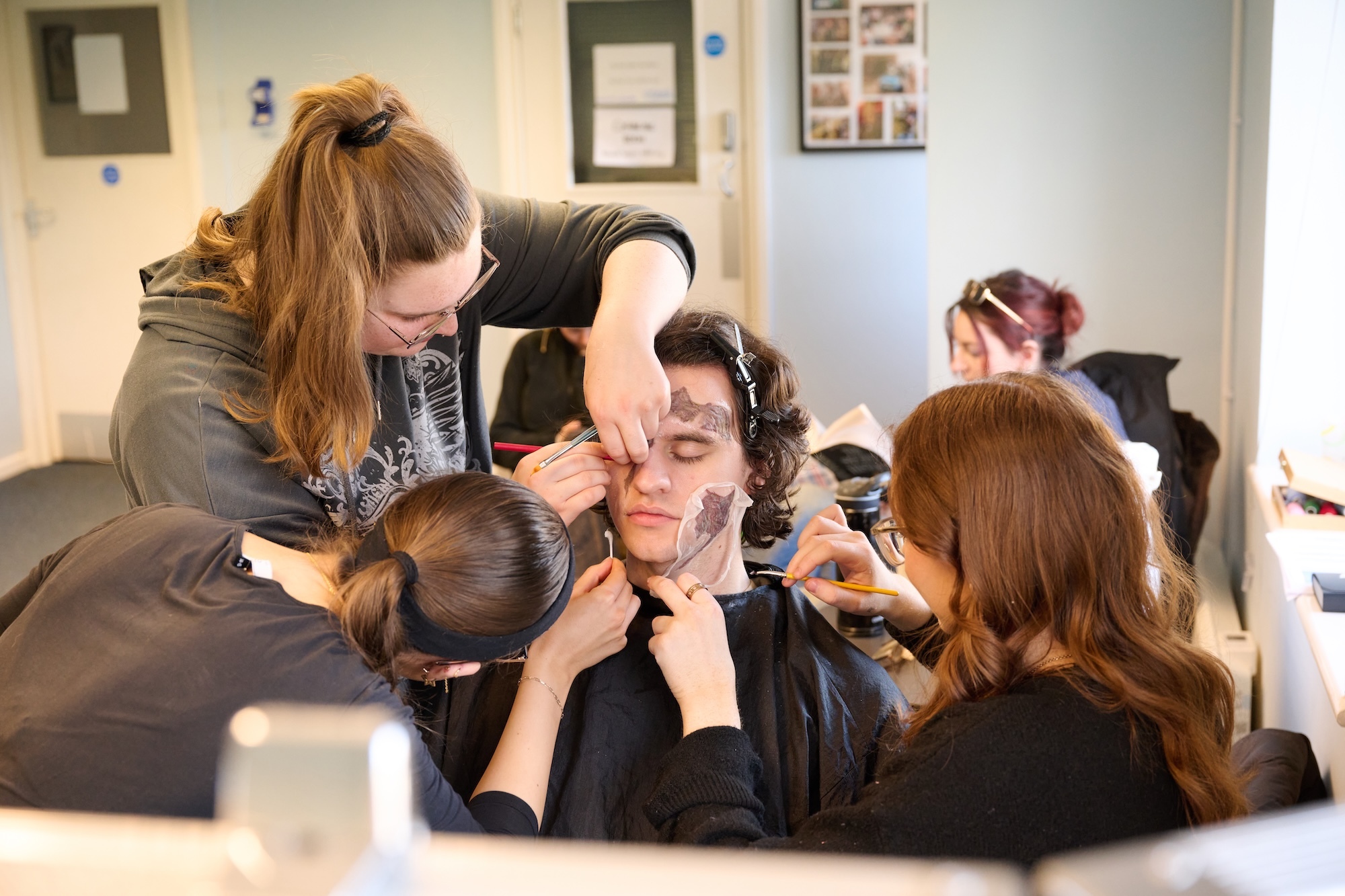
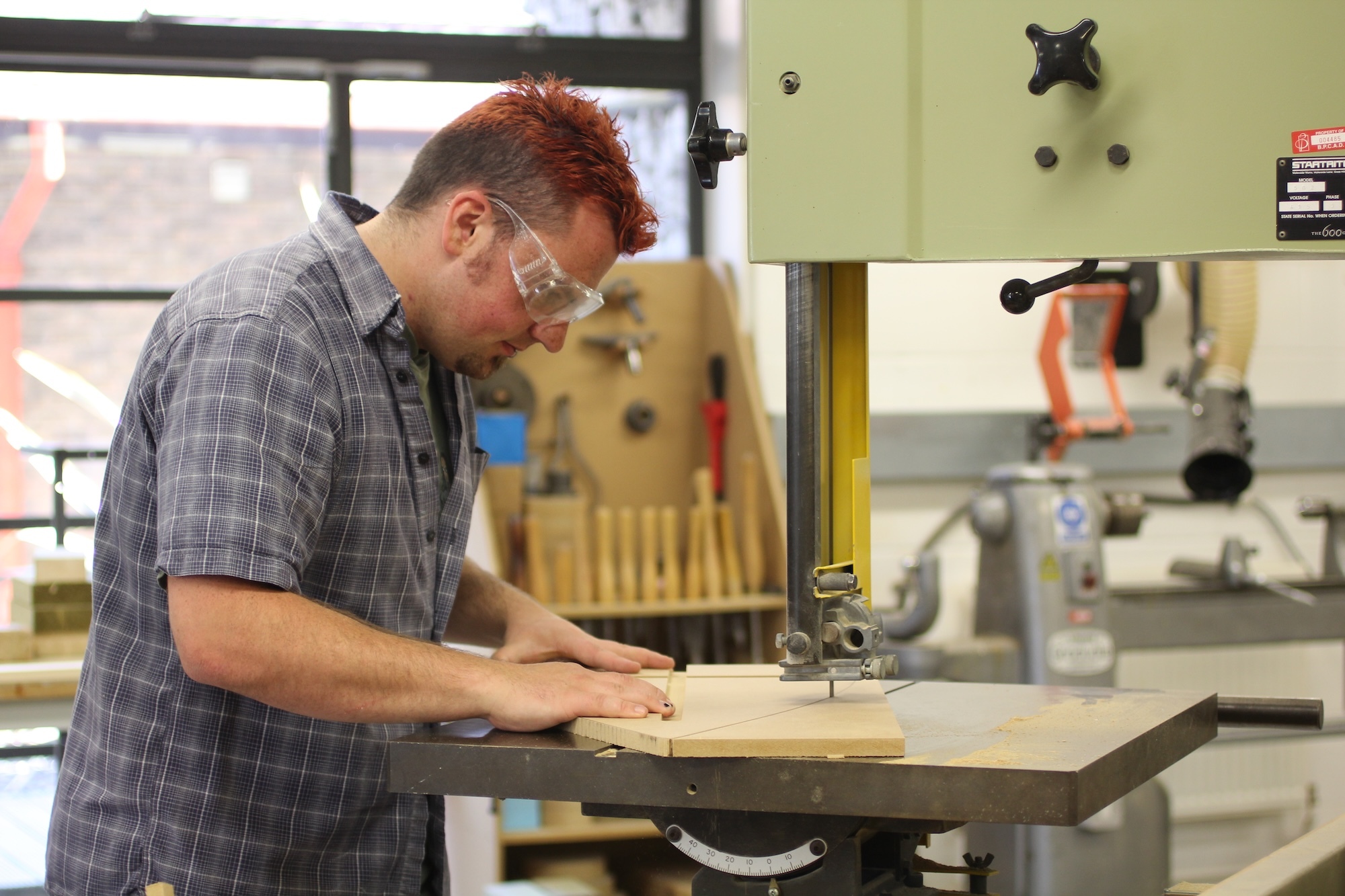
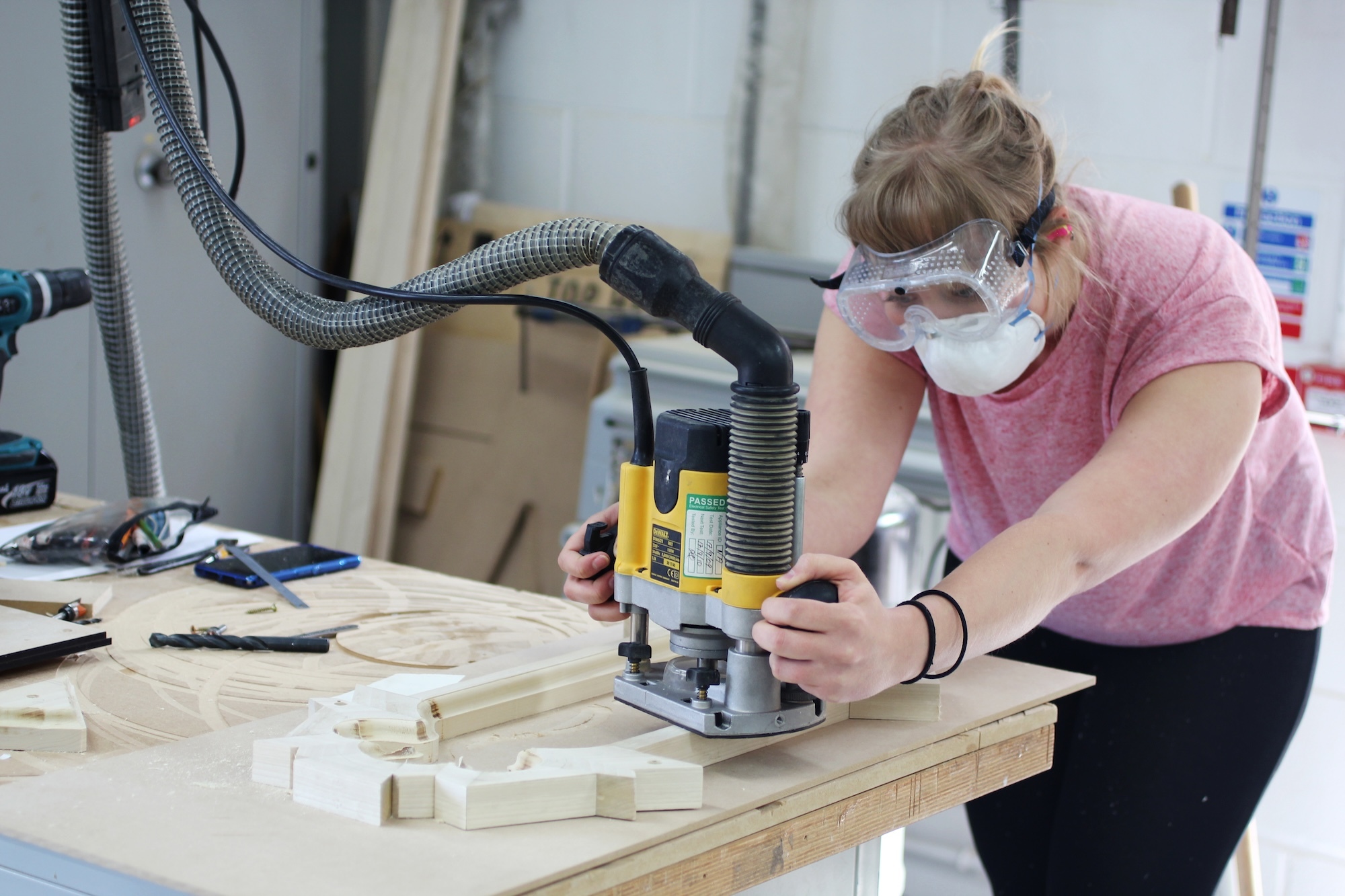
Modelmakers work in a very wide range of industries including architectural and building, product design, engineering, museums and exhibitions, film, TV, video games and digital media, props and costumes, advertising and sculpture. Employers vary in size from micro to large. The broad purpose of the occupation is to design, fabricate and assemble models of all scales, styles and complexities – from prototypes to finished products.
Bournemouth is home to one of the leading established and experienced multi-disciplined modelmaking courses in the UK. We have a 30-year record of quality education in the field, enabling our graduates to be leading figures in the industry.
The BA (Hons) Modelmaking for Industry course is delivered to the apprenticeship standard of ST1371 Model Maker. Apprentices and employers are supported in training to meet this standard through three years of study, each consisting of three units of study.
Fundamentals are introduced and practised at the start of the course and, as apprentices develop their abilities in the real-life context of an employer's modelmaking workshop, underpinning theories and ideas about making, business and the creative industries are introduced.
Course content follows a validated structure, but evidence of the apprentices’ learning is collected through real-world experience and a series of assignments that build a portfolio of work over time.
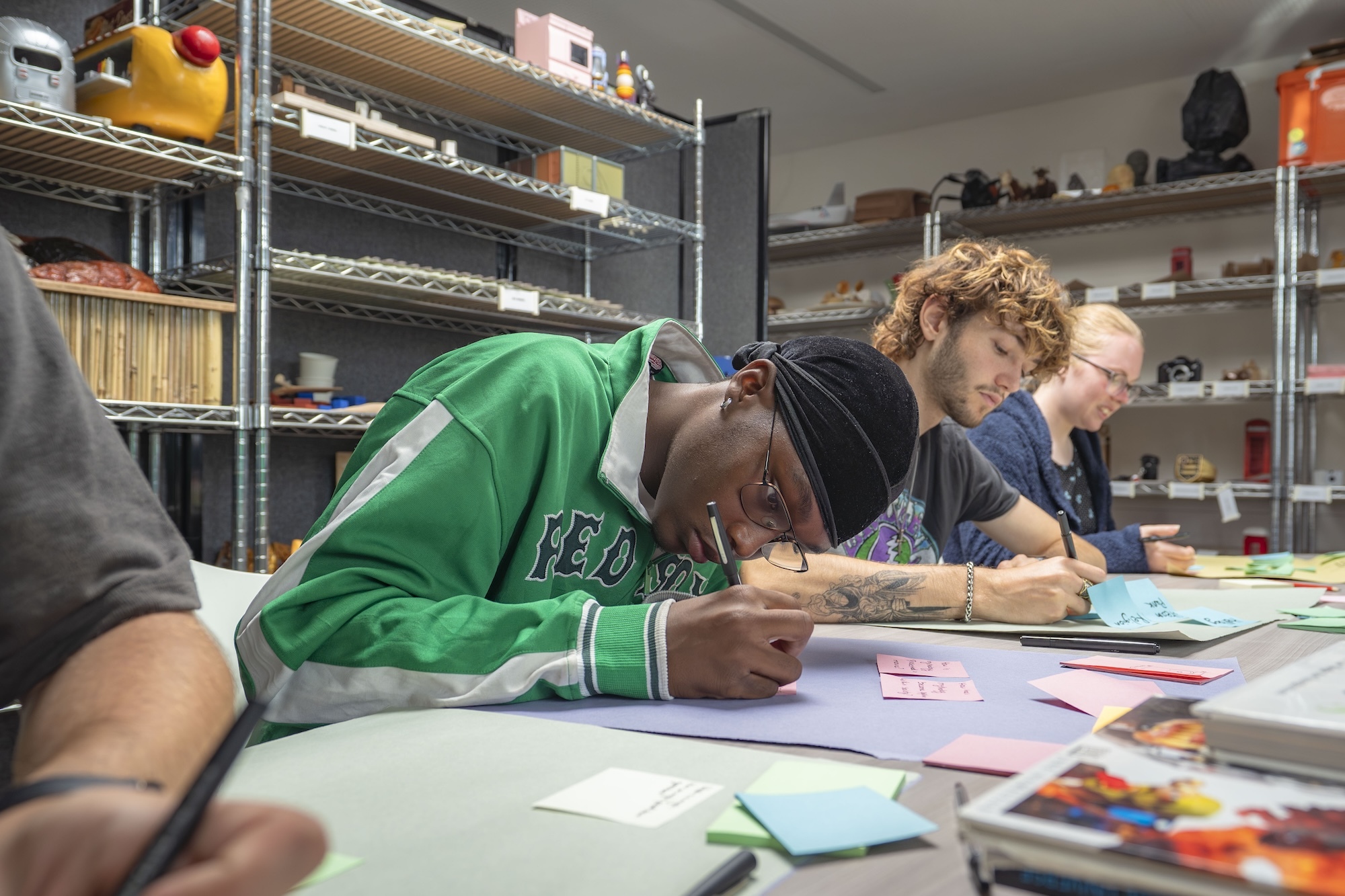
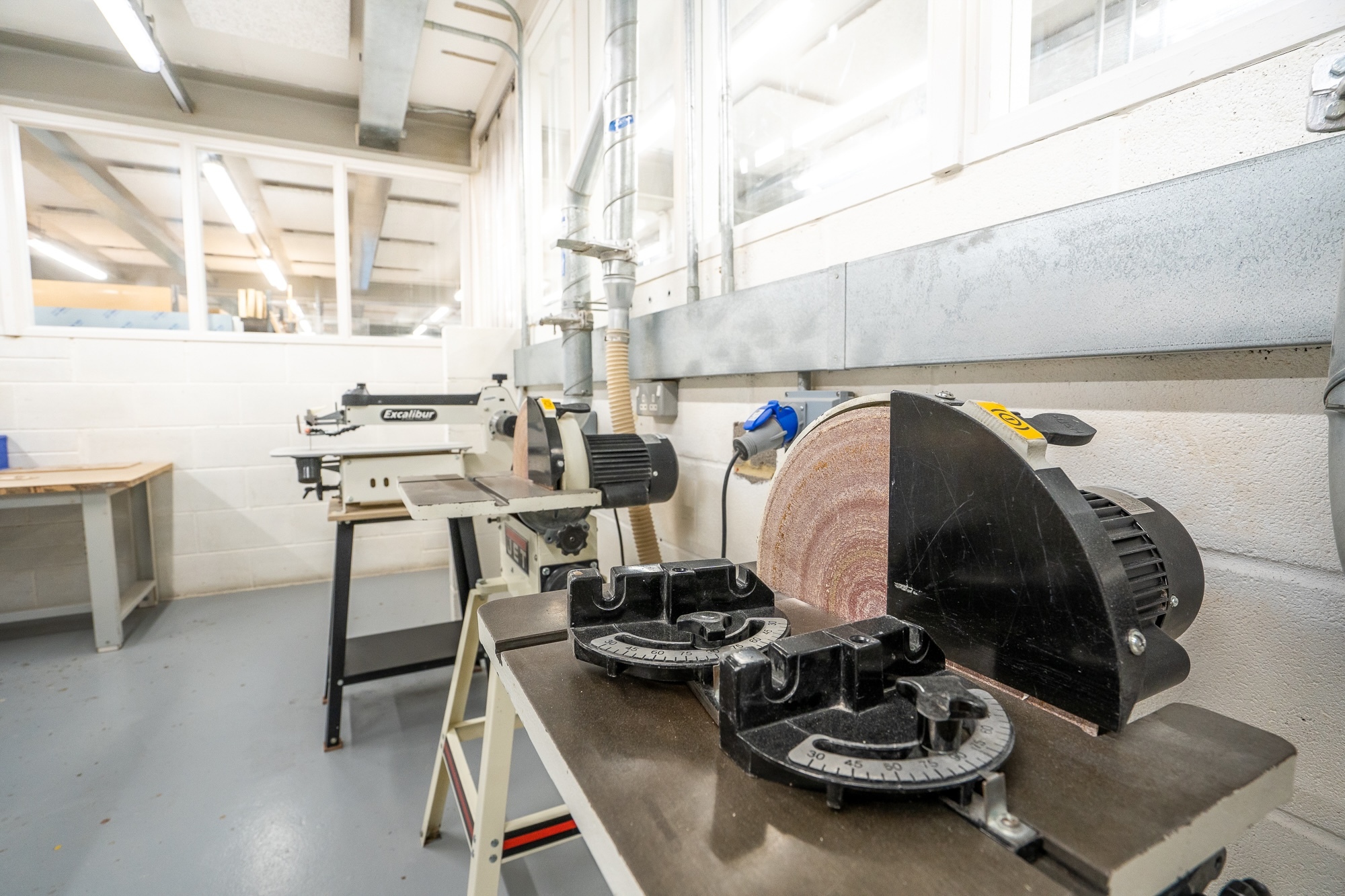
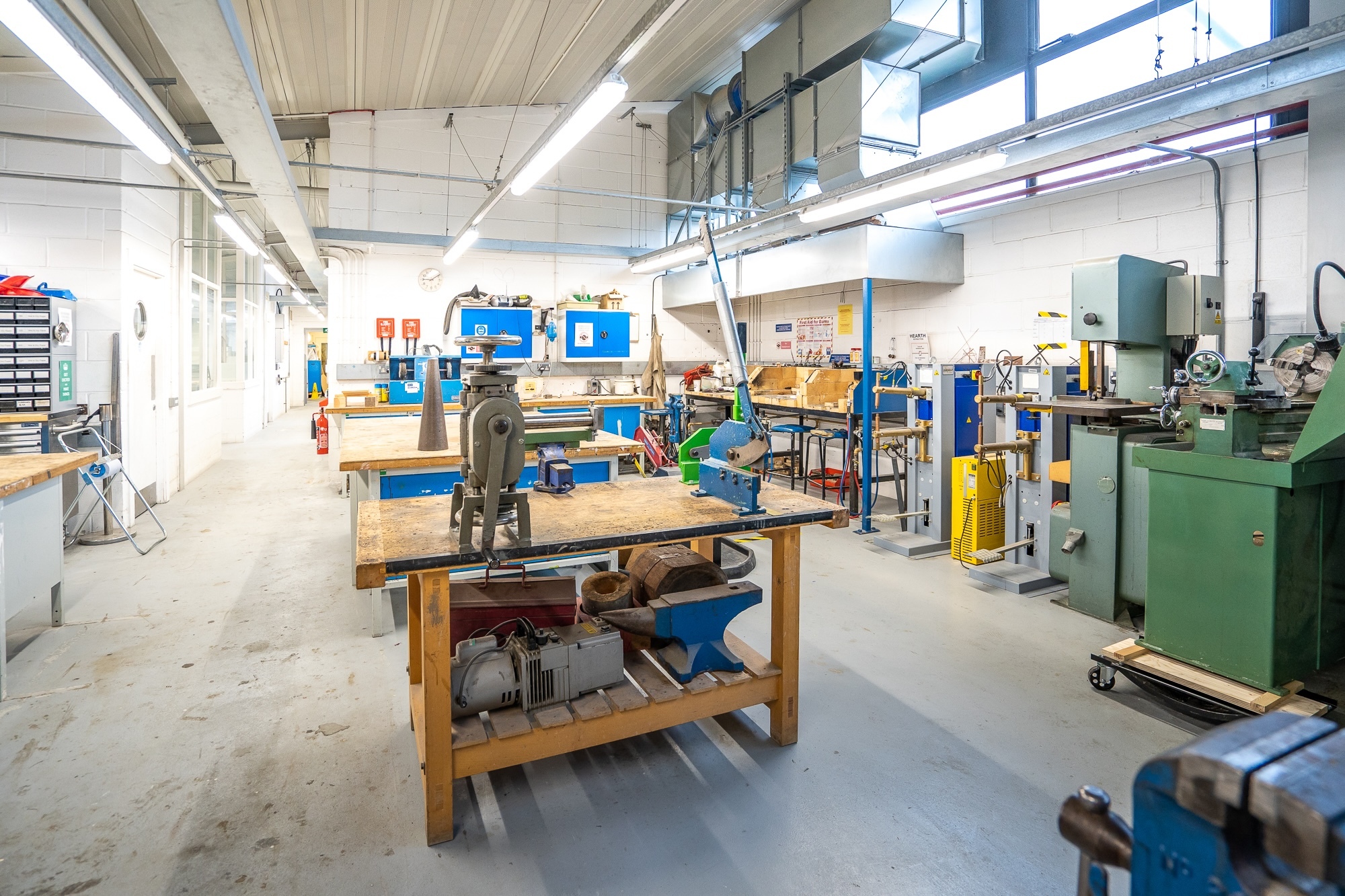
Regular meetings between apprentices, employers and tutors record progress and encourage effective progression and planning of studies. All apprentices, from all employer workshops, will come together for ‘residentials’ to learn together at the AUB campus in Dorset. Here, they'll benefit from sharing experiences with peers, access to AUB’s world-leading facilities, and a wider perspective on the industries in which they are working.
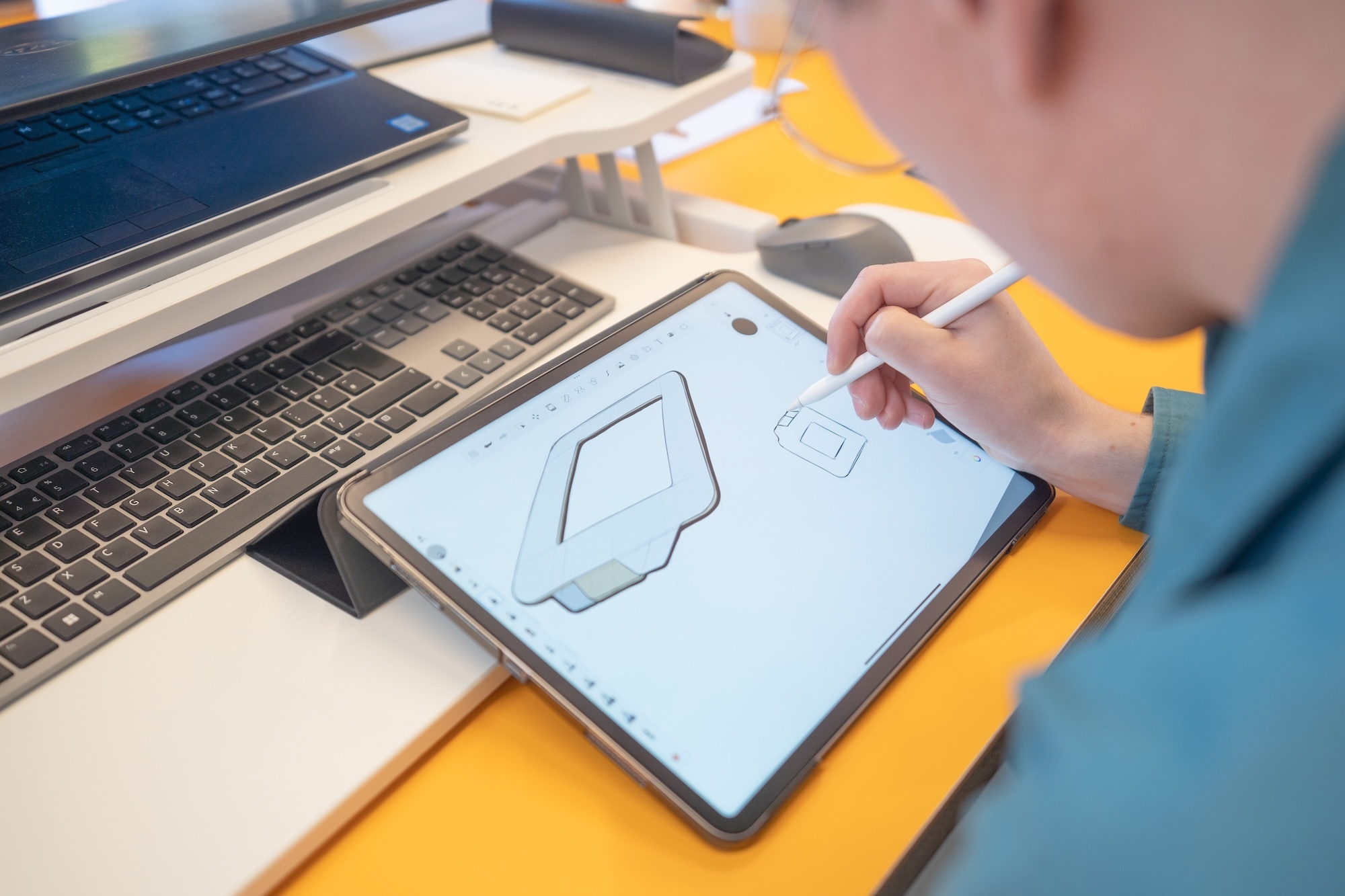
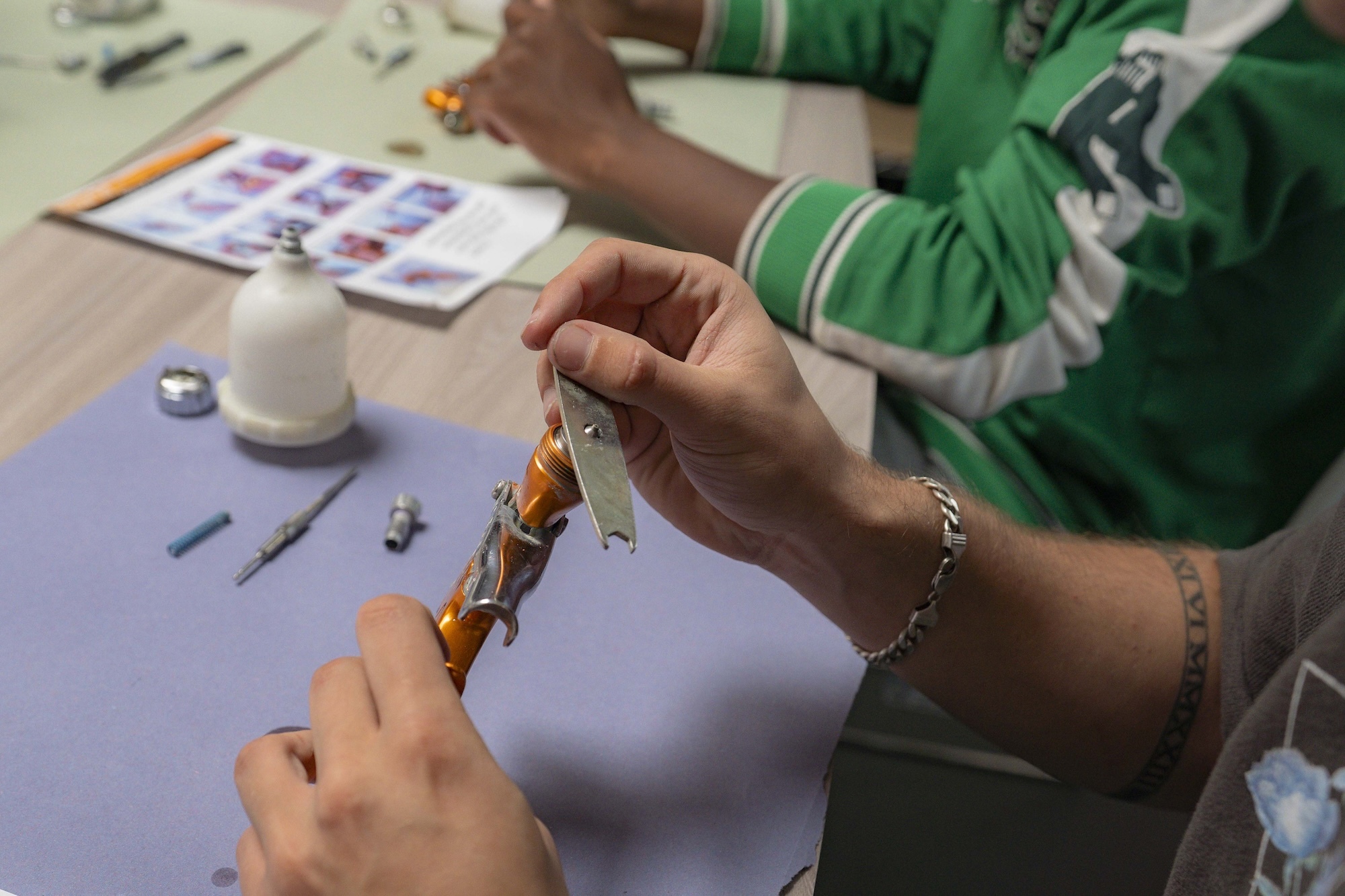
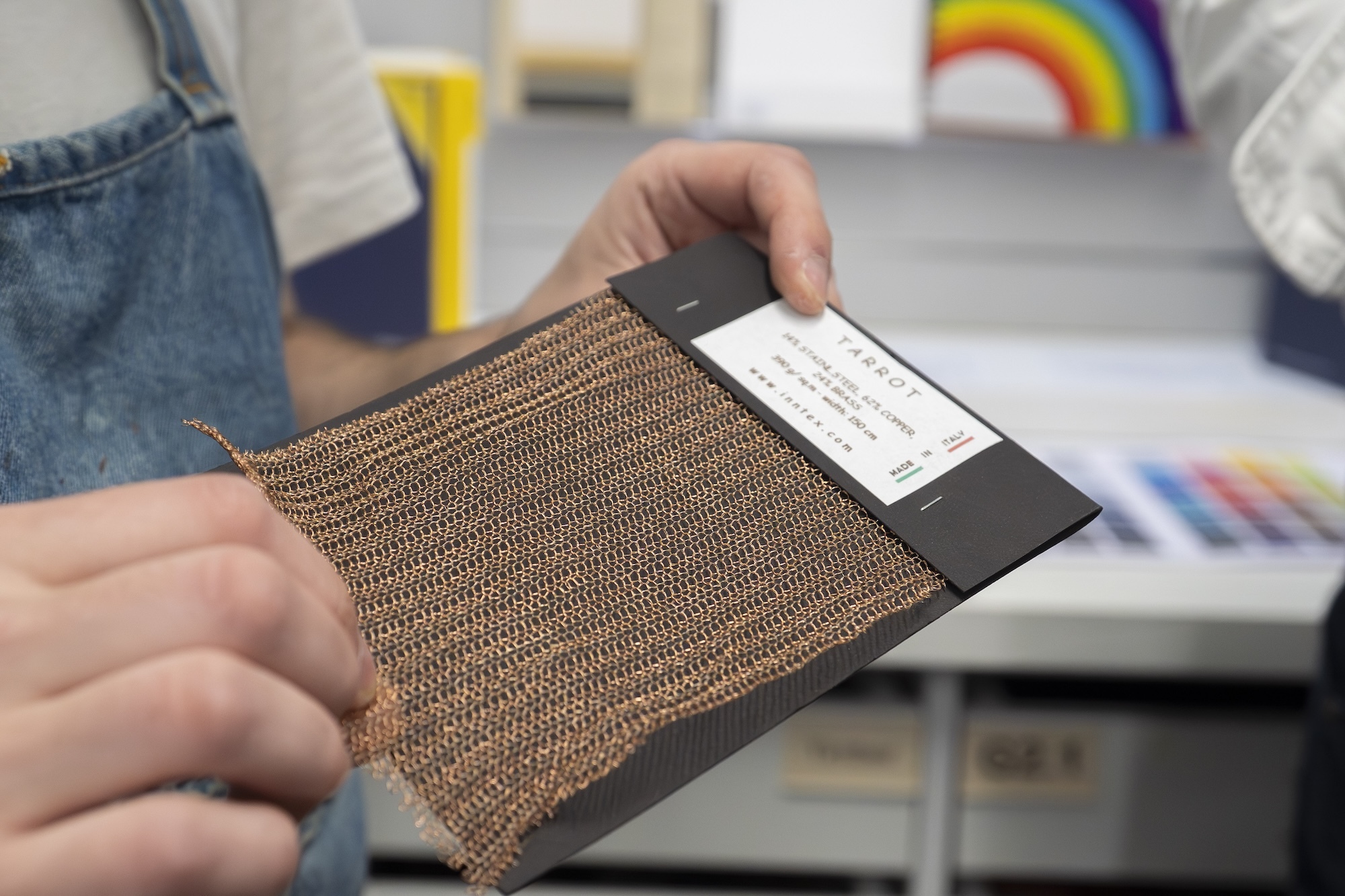
Innovative ‘Learning Boxes’ will be used to support online training. These packages of core materials will be shipped to apprentices in advance of "off-the-job" training sessions and will include sketching tools, design thinking aids, moulding/casting basics, and other resources needed for introductions to fundamental modelmaking processes.
Your apprentice will be a member of your team, learning through ‘on-the-job’ training while contributing to your company from day one. The BA (Hons) Modelmaking for Industry degree apprenticeship at AUB has the flexibility to align with your peak workflow when needed, enabling you to rely on your team. The curriculum is tightly aligned to you and your workflow, ensuring that you can control the work load and organisation of your workplace.
There's no age limit for apprentices applying, though other restrictions apply, and funding will vary depending on age and previous experience. Apprenticeships suit a range of organisations, from those with 100+ employees to small businesses with only a few staff.
The BA (Hons) Modelmaking for Industry degree apprenticeship programme at AUB is designed with the creative industries in mind, and the knowledge that individuals or small numbers will represent this apprenticeship.
As the employer, you'll need to support an apprentice in prioritising one day to learn online and to attend three short residential annually. You'll also need to support an apprentice for eight weeks, for them to produce work independently for their End Point Assessment.
Working with apprentices and AUB, puts your company at the heart of the development of new modelmaking talent, boosting opportunities for your company’s future, and that of the apprentices that you employ. By employing an apprentice, you'll nurture talent that wouldn't otherwise enter a creative industry, and positively impact the early career of a young person who may not have had access to a typical education route.
Having an eager apprentice in the workshop, keen to learn the ropes from industry professionals while also gaining their degree gives you the opportunity to integrate an employee into your way of working right from the start.
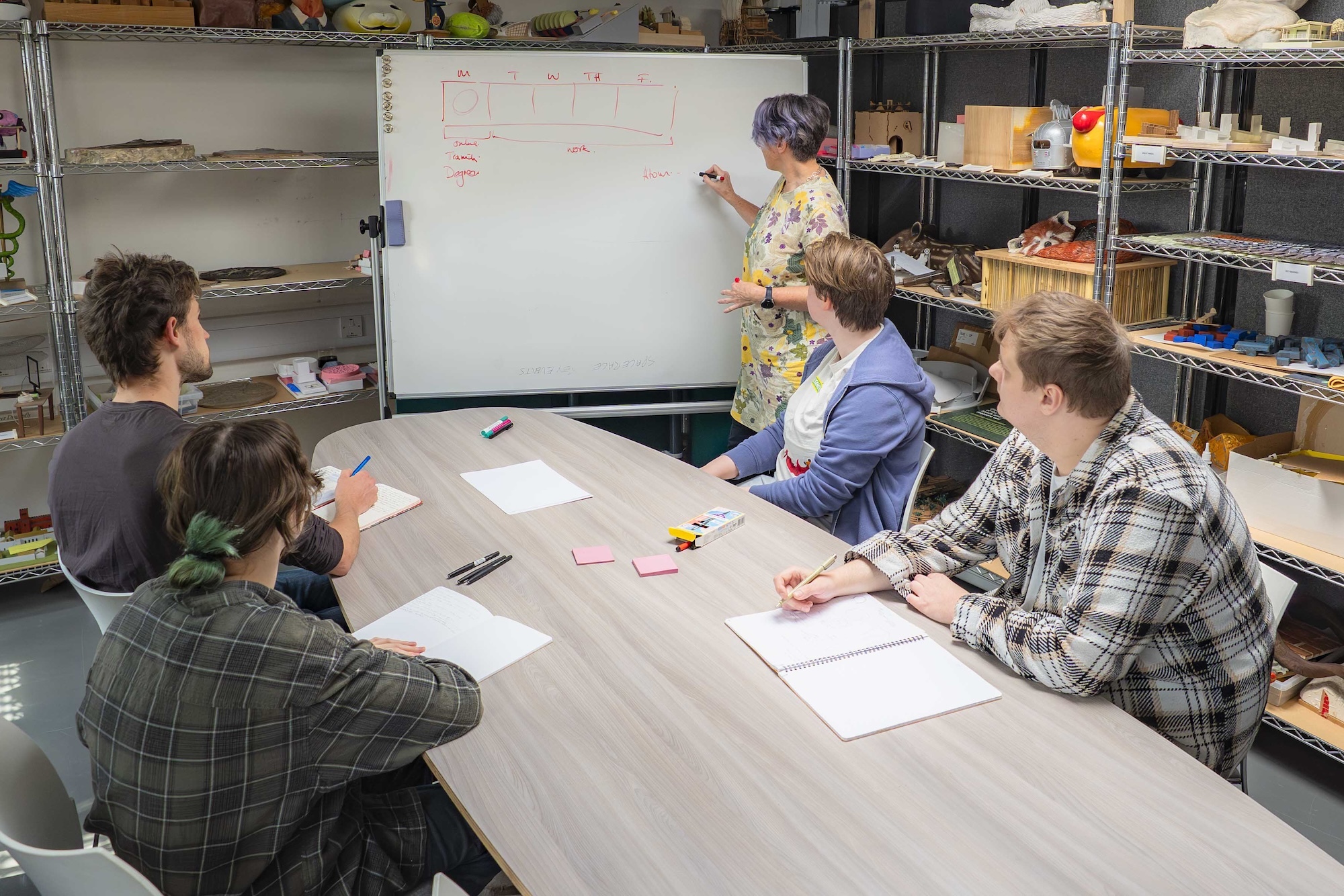
Each apprentice works on the job for 80% of the week, and 20% off the job in lessons. This is normally one day per week, but there'll also be blocks of time spent away from the workplace.
Lessons will take place online and in person, so the apprentice will need access to a computer to do their degree work. AUB will collaborate with you to ensure that the educational workload is balanced with your needs.
Apprentices will need to balance degree lectures, employment responsibilities, communication, and documentation – not an easy combination. It's important for you to ensure that pinch points are anticipated and reduced during throughout the apprenticeship.
MA, Cert Ed, HND, FHEA

BA (Hons)

PhD, BA (Hons), FHEA, FRHistS

MA, BA, HND, PGCE, FHEA.
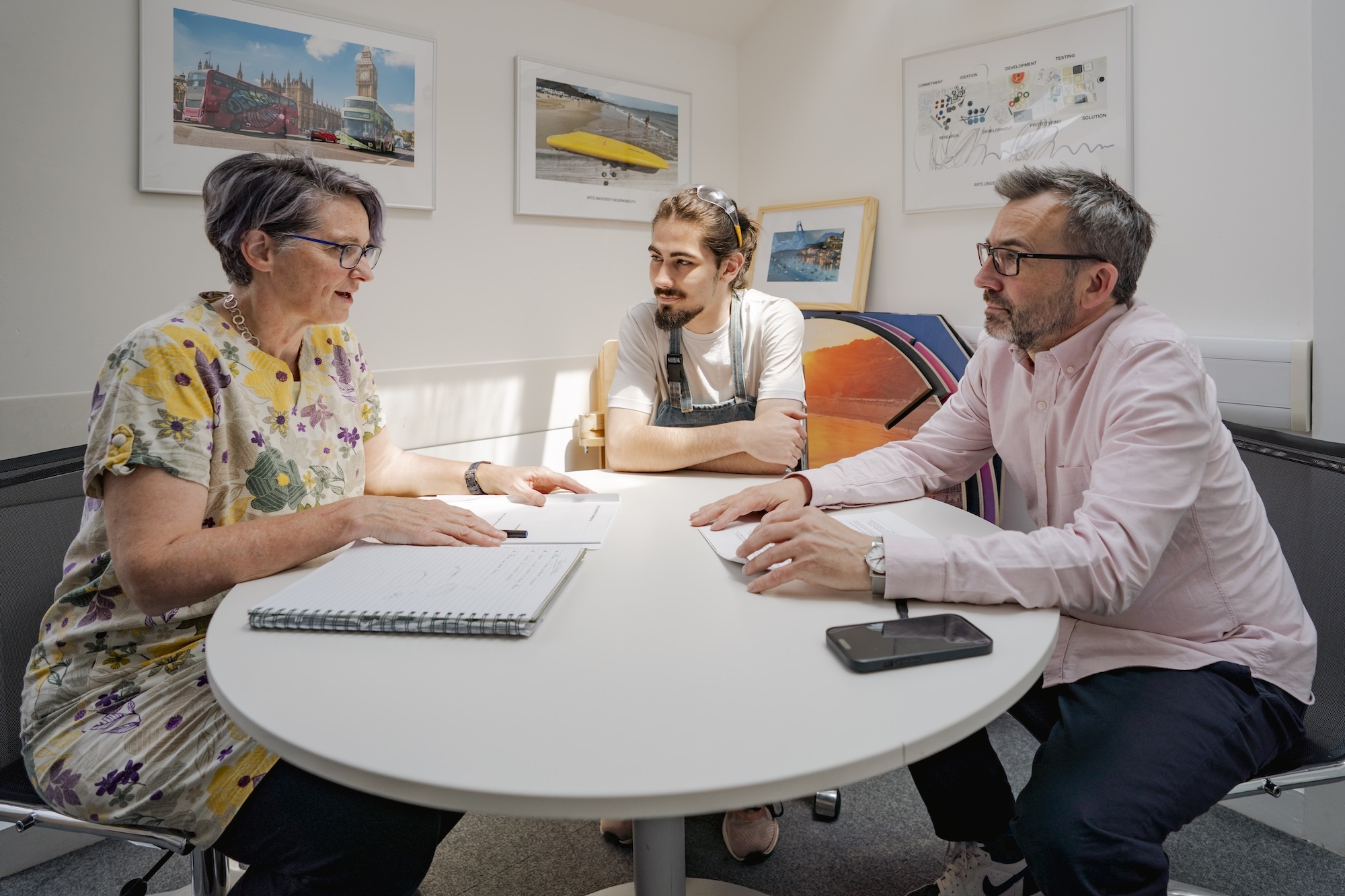

Contact us at apprenticeships@aub.ac.uk for more information about our BA (Hons) Modelmaking for Industry degree apprenticeship, or to arrange a meeting to discuss any questions you may have.
Discover more information about degree apprenticeships as employers on the UK government website.