
- Home
- Student Stories
- Sofia Mäkiniemi – "There was no test to ...
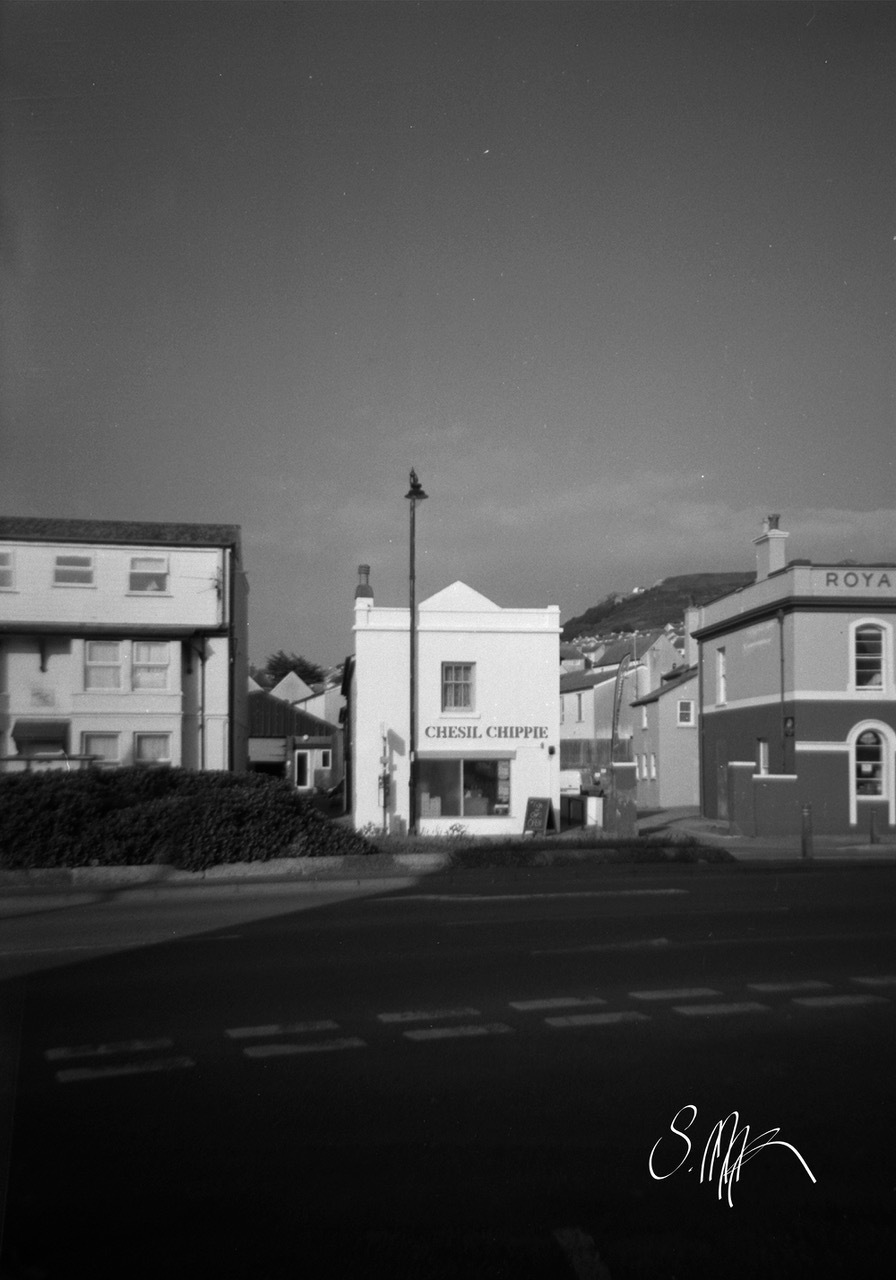
I flew from Stockholm to London and then onwards to Bournemouth on 18 September 2023. And to be totally honest, I was so scared and cried many tears. I had to call my mother and partner several times so they could push me to keep going. Today I am so thankful for that, because I don’t know who I would be today without this experience. My year at AUB made me realise things about myself, and that in turn helped me build and nurture a practice that I feel very proud of.
I had an idea when I arrived at AUB that I wanted to be political and provocative. I wanted to build installations using second-hand clothes and shoes, questioning the male gaze. I wanted to be loud and strong. So when the first term of MA Fine Art began I suddenly found myself with many ideas but no real plan on how to execute them. I had no practice. I was painting with acrylics, I had tried some sculpting in clay, I enjoyed drawing, but having a methodology? Never heard of it.
I never studied practical art, my background is in music, art history and curating, and making art was something that had to take a more peripheral role in my life, until now. And suddenly my creative choices were questioned. Why do I want to do this? Why is this material important? Who is my inspiration? Can I contextualise this? I realised I was more of an academic than I had thought. I was a little too square, not used to there being no right or wrong. There was no test to be taken, no thesis to be written. I had to create. So I started small, using the themes we got every other week. I listened to my course mates' experiences, my teachers' expertise, found confidants and role models. I started reflecting in a new way.
I knew I had a year's time, so I wanted to make the most of it. I took as many inductions at the workshops as I could, finding inspiration in processes I’ve never tried before: printing, woodwork, metal, bookbinding. Just meeting the technicians and seeing their passion made me inspired. I saw the possibilities, I could create whatever I put my mind to, and I had backup.
When the first term was coming to an end and I was piecing together my presentation, I realised something. I came to AUB wanting to be that rebellious artist, but when looking through the pieces I’d made I saw an introspective journey. There were drawings of myself looking in the mirror, a memorial for my grandmother, grief coming out in unexpected ways. And so I decided that term two was going to be the start of a conscious journey into myself and what I had to share. I realised that my experiences, my feelings and thoughts were relatable and that I could share them. I finished my presentation that first term by presenting term two’s work: The Grief Project. I introduced myself again, and along with me my grief from losing a sibling. It was time to let my inner world out. And that is when the actual construction of my practice began.
Content warning: some images contain nudity.
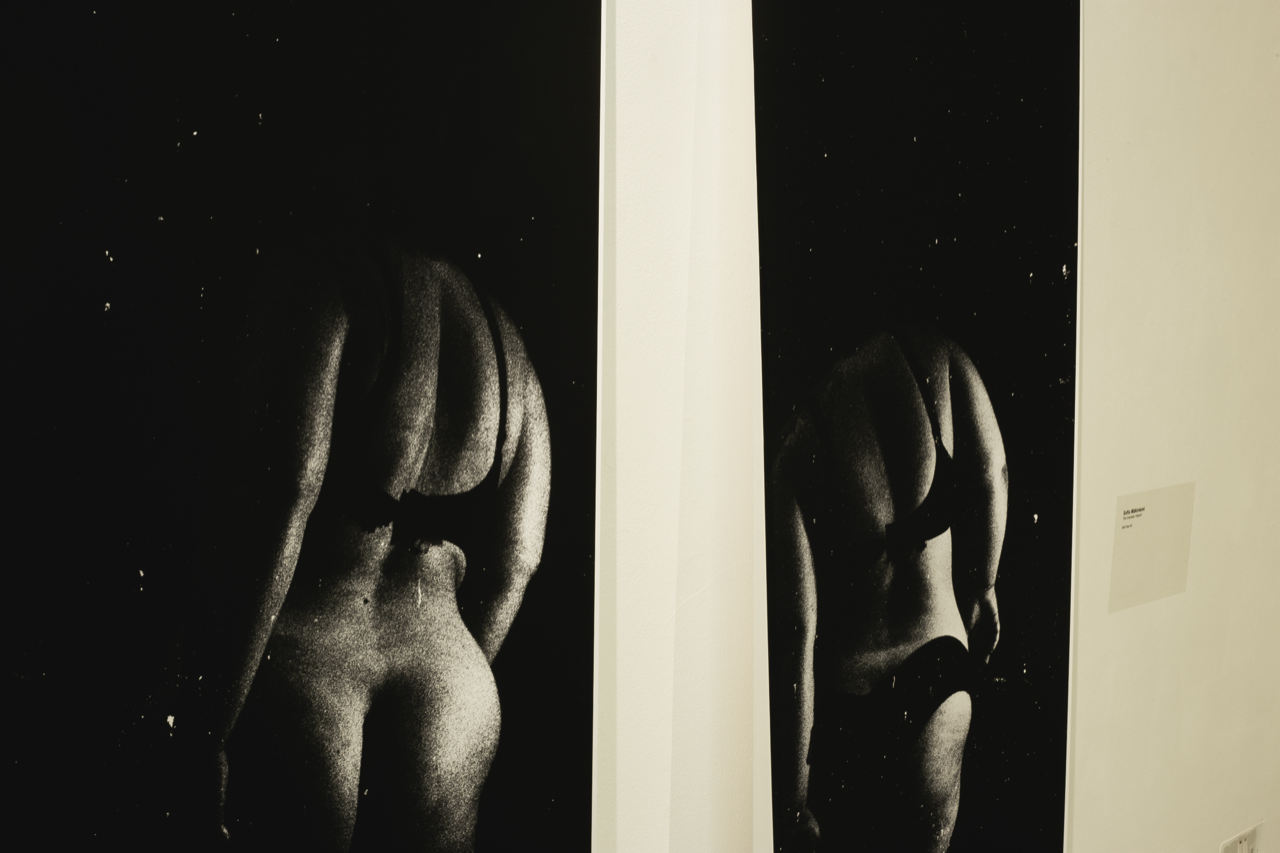
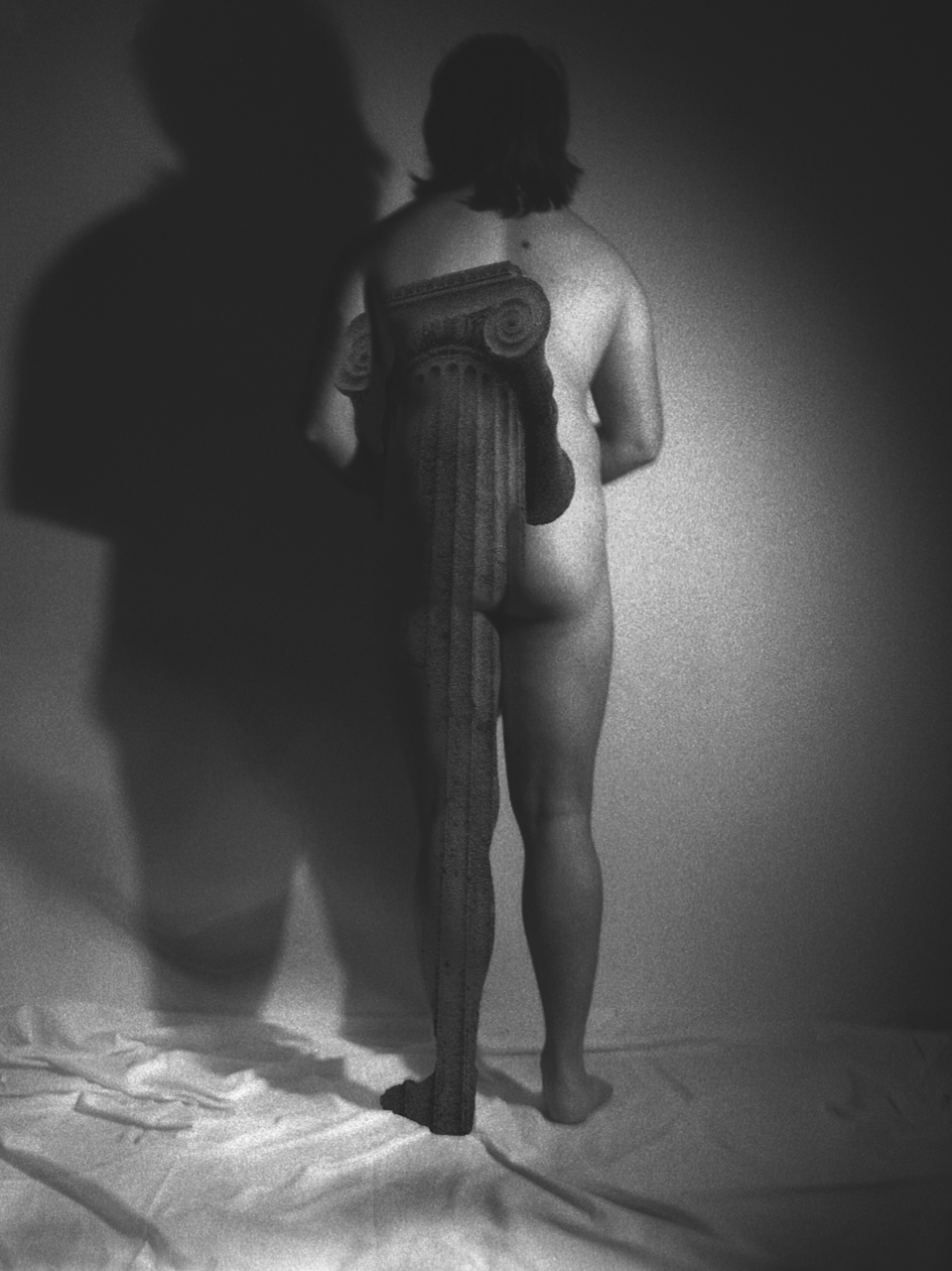
Getting to know myself was an integral part of getting to know my art. Maybe having the distance to my everyday life in Sweden was what was needed, but having the support from my course mates and newfound friends was what really drove me. As they were getting to know me, so was I, and not being alone in that journey was encouraging and inspiring. I know my practice would not be what it is today without some of those people, and I am eternally grateful.
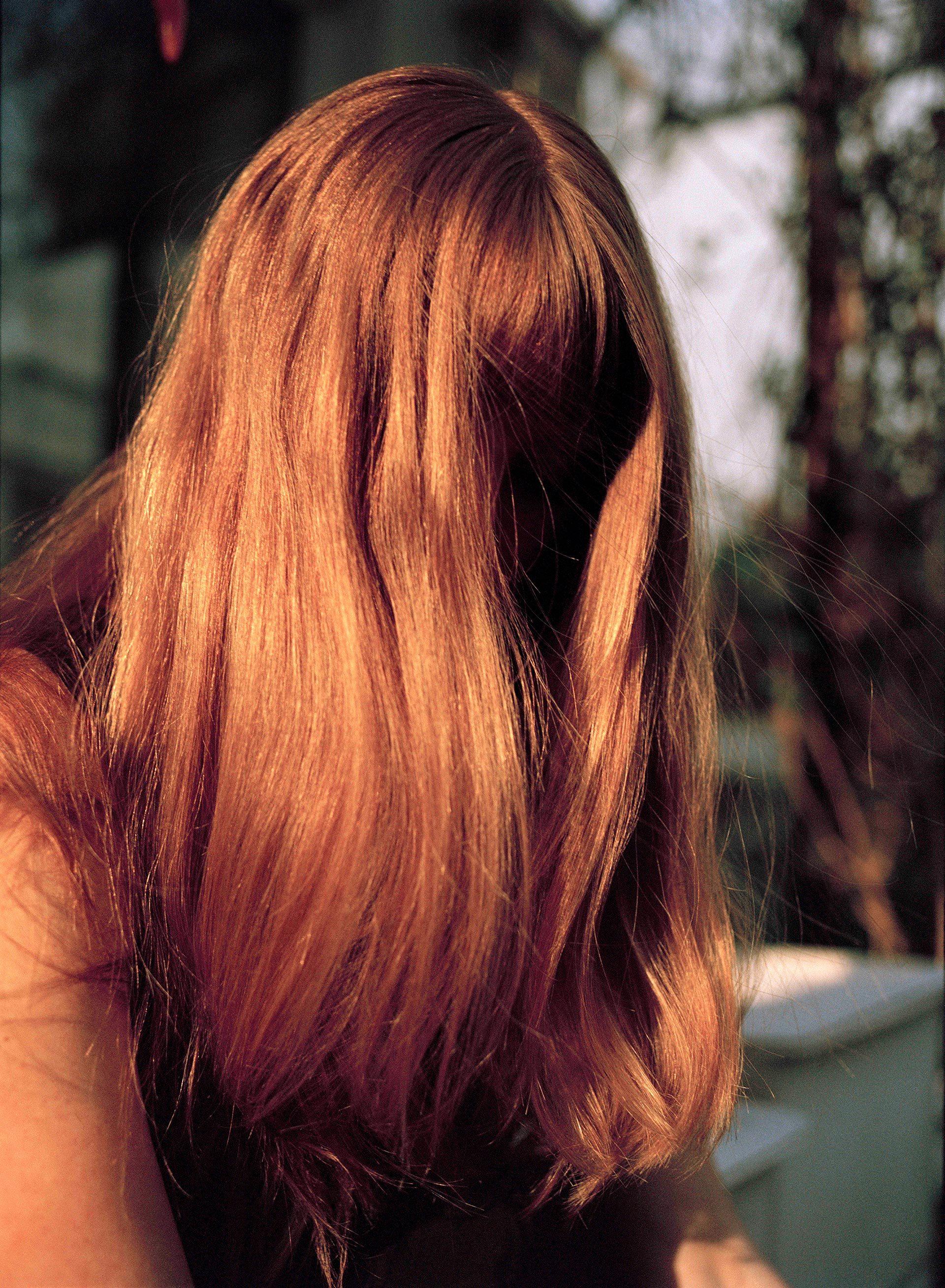
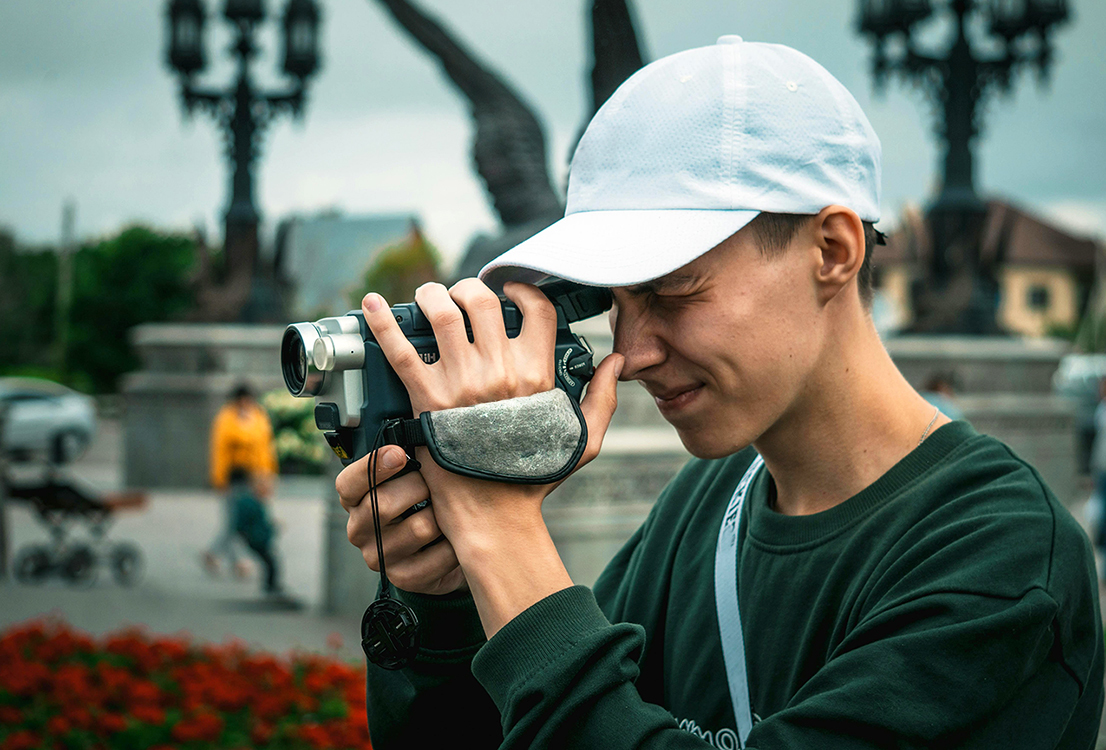
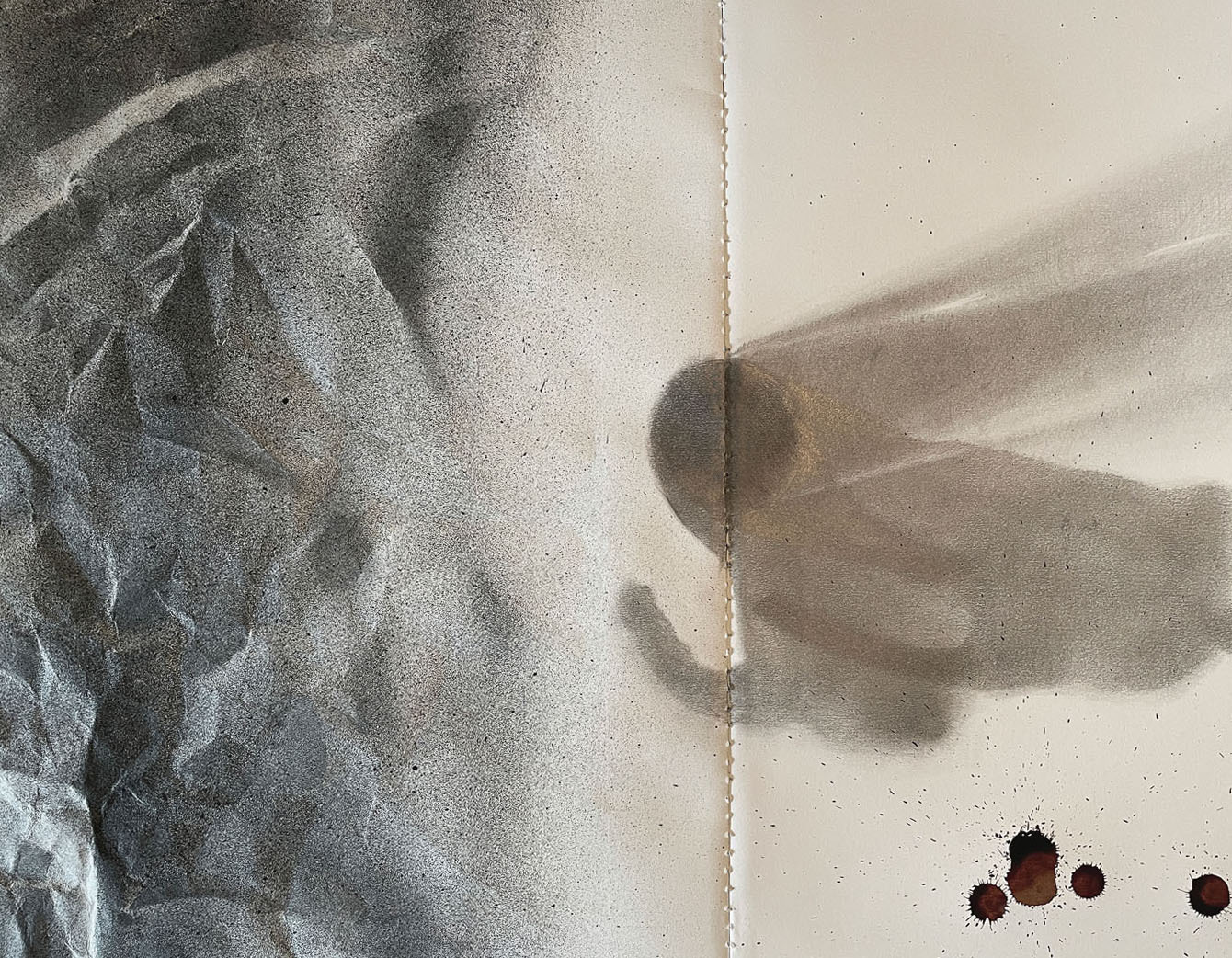
My third and last term really took the moulding of my practice to its peak. I started finding my feet and seeing my own strengths, and that, in turn, made me dare to take some risks. Having made a video piece and using photography in my second term, I found that medium really worked for my autoethnographic practice. I decided to take it a step further during term three and got into analogue photography, specifically 35 mm film. I bought a cheap camera at Boots (why does Boots even sell cameras?) and started bringing it with me everywhere. The photography department was so nice and patient with me as they taught me how to develop and use their scanners. And when I suddenly saw those black-and-white images on the screen for the first time, I just fell in love with the craft.
The long process of taking an image, rolling up the film, developing, scanning, etc. gave me a chance to pause, breathe and reflect upon my practice. Ideas could take shape whenever during the sequence of tasks, and it gave me the perfect balance between spontaneity and planning that makes my pieces a great imager of the everyday. Because Everyday is the fundamental word for my art. What is everyday and how does it differ between people? By using the camera in an organic way it allows me to show my everyday life, but editing these images and processing them allows me to give them some further depth.
I thought about this process just the other day, and realised that I’ve always romanticised being spontaneous, but I am terrible at it. I get anxious by not knowing what to expect; I am a nervous person. The analogue camera gives me an outlet for that romantic view of spontaneity while still giving me space to process and contextualise.
As my year at AUB came to an end and I looked back and saw all that personal growth, I saw an artist. Even taking the word in my mouth before felt uncomfortable, like I didn’t deserve it yet. After AUB, I am confident in myself being an artist, because I know I have a practice that is founded in hard work and it is true to who I am.
I see my practice as a living entity, something that continues growing and changing, because it is tied to me and my experiences. The more I learn, the more experiences I gather, the more my practice will continue to expand. I am an artist, I am my practice, and my practice is my everyday.