We had the opportunity to catch up with recent MA Painting graduate, Salma Adi. Originally from Syria, Salma reflects on The Year I Undid Myself, a large-scale installation and immersive self-portrait in three dimensions she exhibited at The Dolphin in Poole this summer.
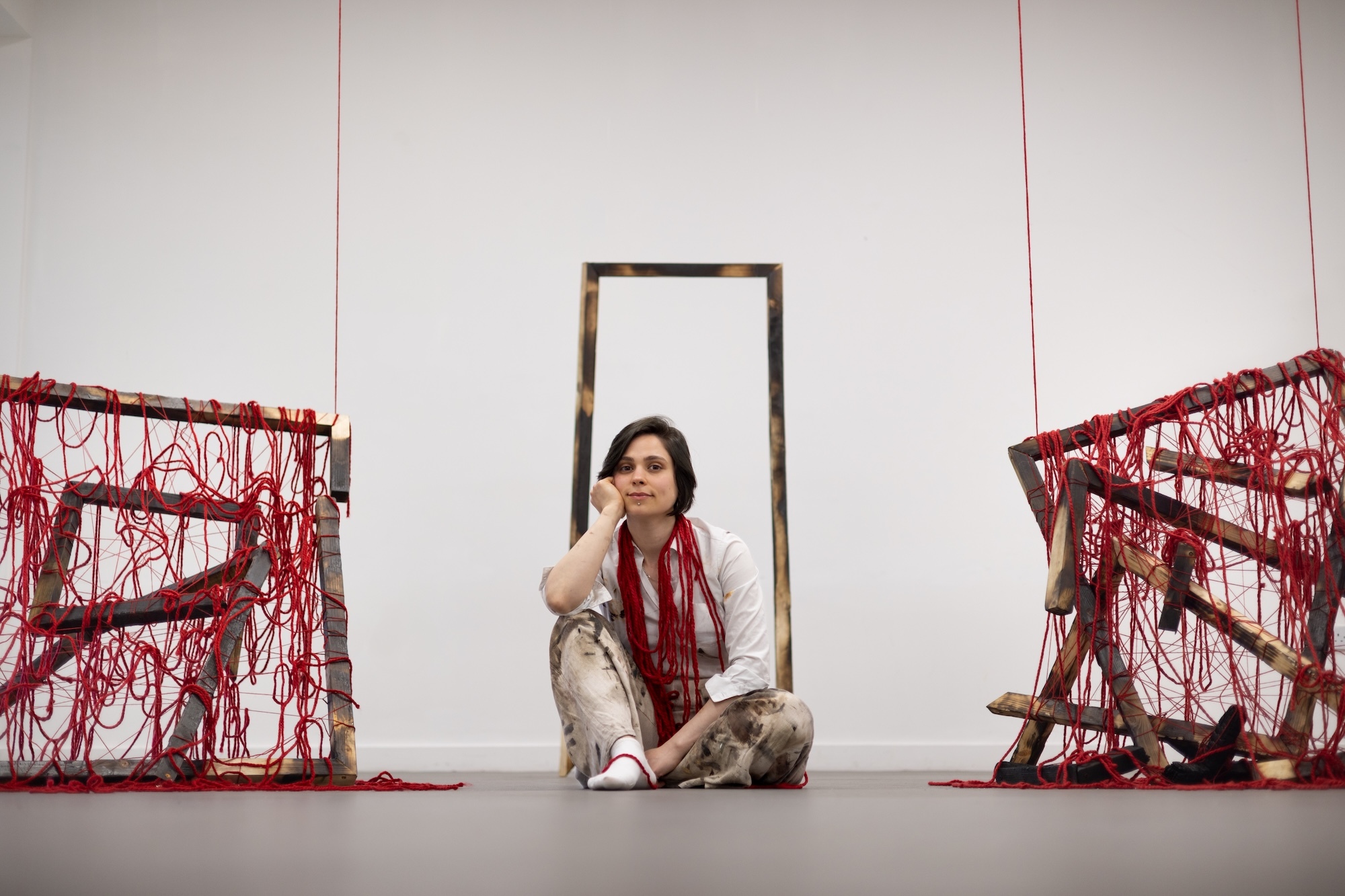
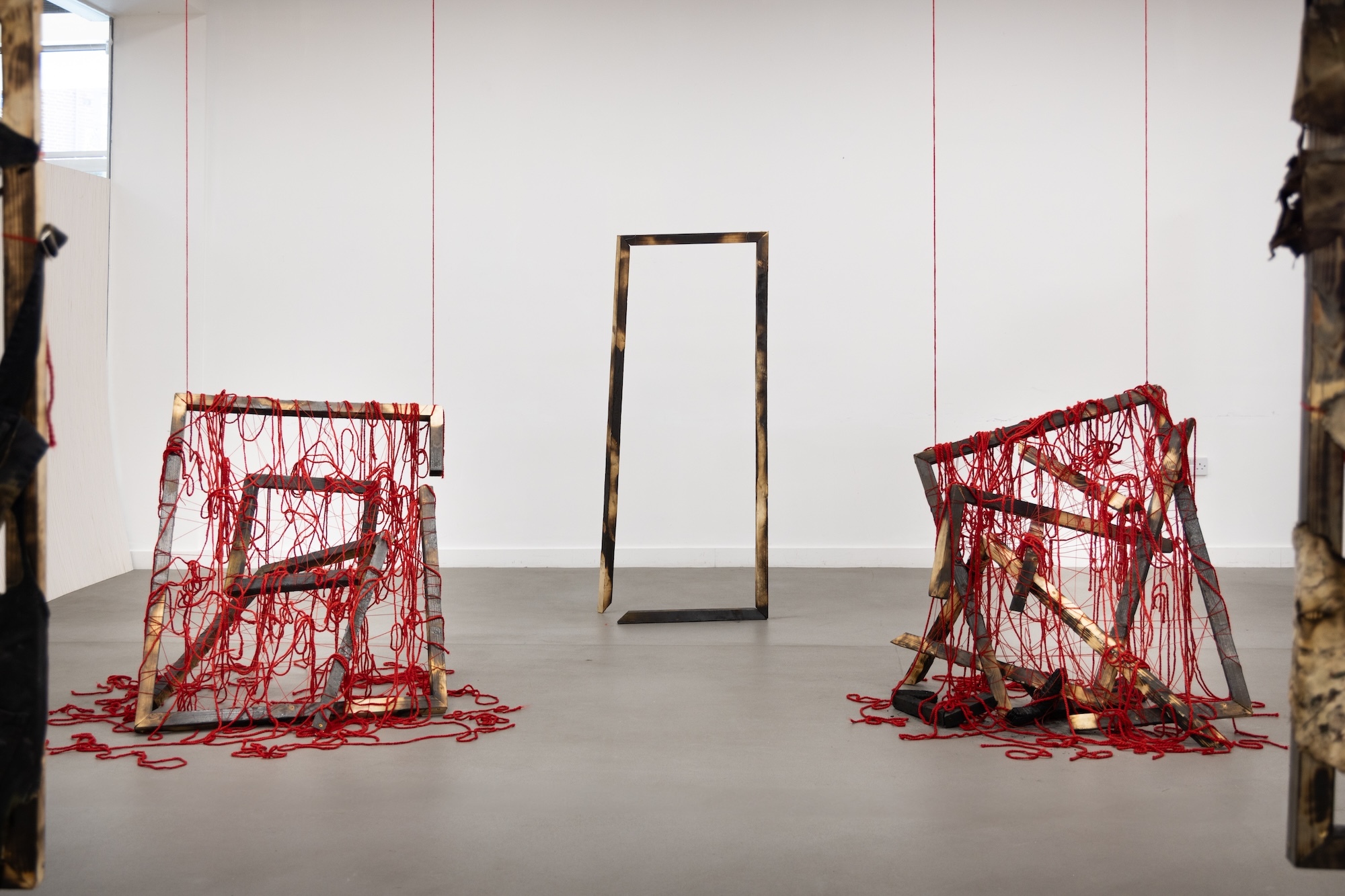
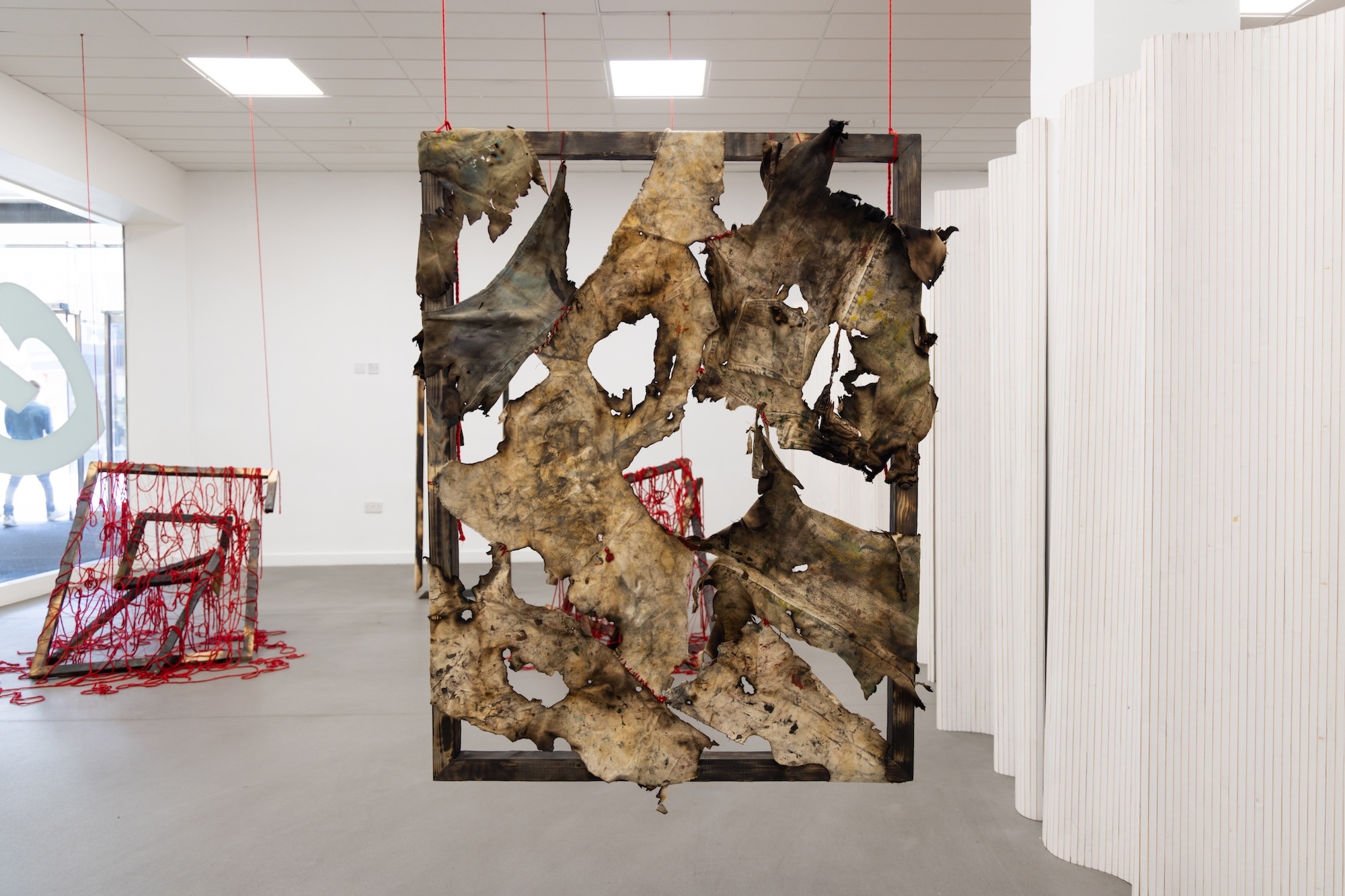
Marking a pivotal transformation in Salma’s life and art – a year of unravelling, letting go, and reawakening to her authenticity. This body of work is the physical residue of a profound inner shift: from painting illusion to inhabiting truth, from seeking approval to embracing vulnerability, from two-dimensional canvas to exposed structure.
Here, Salma talks through her artistic journey and reflections.
Firstly, congratulations on your incredible show – it looked amazing! Have you exhibited in a space like The Dolphin in Poole before?
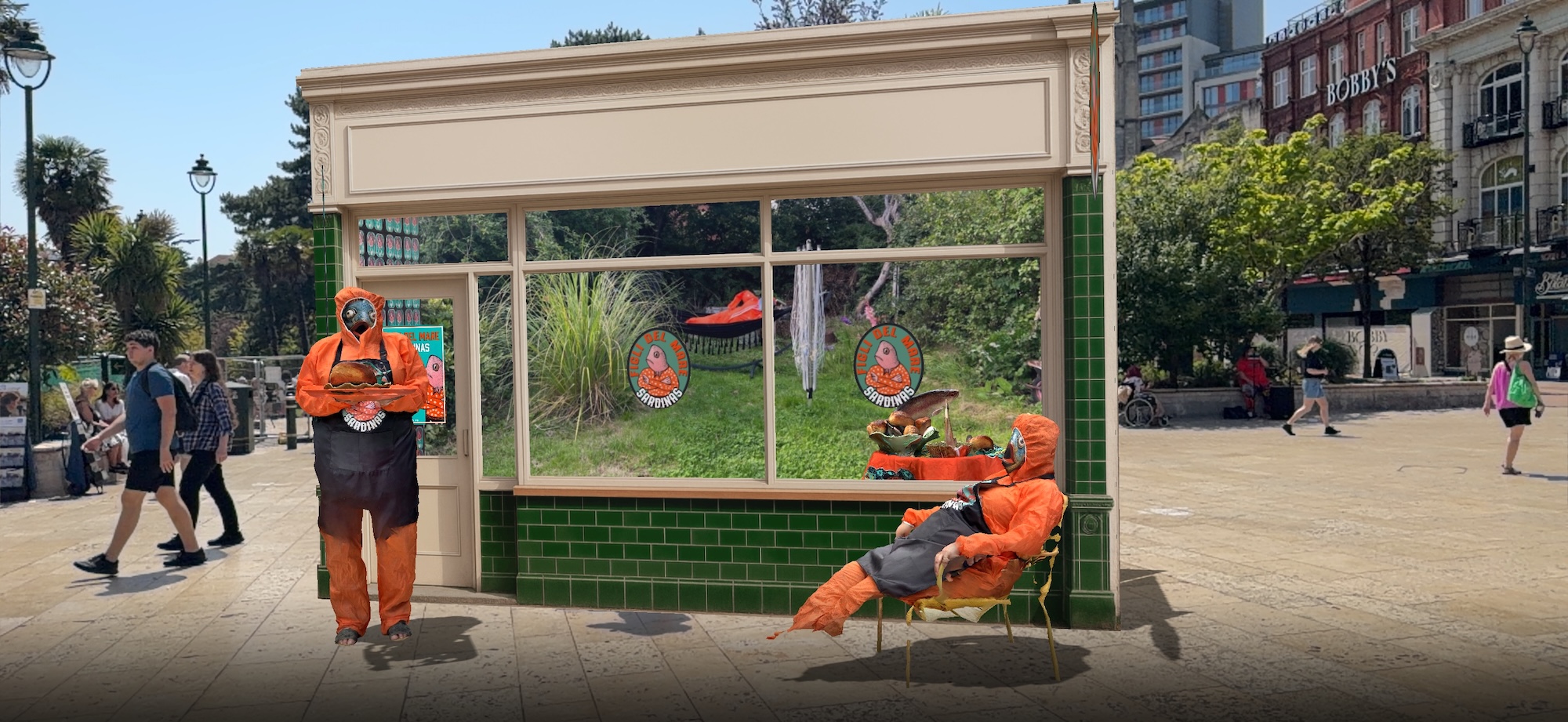
Actually, it was the first time I exhibited my work in a space like this. My work is usually shown in galleries and more traditional art settings, so this was a meaningful experience. It allowed me to explore how my work interacts with open, public environments and how to engage with people who might not have planned to see art that day.
Can you tell us about your inspiration and motivation behind the exhibition?
The idea for this exhibition emerged after I participated in a group show, where I felt quite strongly that my work didn’t belong in that environment. It was a moment of clarity… I realised I needed to take ownership of how my story was being told. I wanted to create something more personal, something that reflects the rawness and honesty of my journey. By placing it in a public space, I hoped to dissolve the distance that often exists between art and people… to make the experience more intimate, accessible, and real.
Were there any logistical challenges in creating such a large-scale installation and three-dimensional immersive experience?
Of course, moving from two-dimensional to three-dimensional work was a big leap for me, and it naturally came with its logistical challenges. But with the support of some wonderful people, we managed to transport the pieces safely to the exhibition space. And because of the organic nature of the piece, I continued to shape and adjust some elements within the exhibition space itself. That process felt important, as if the work needed to find its final form in dialogue with the place and the moment.
Can you tell us a bit about your pieces and how you made them?
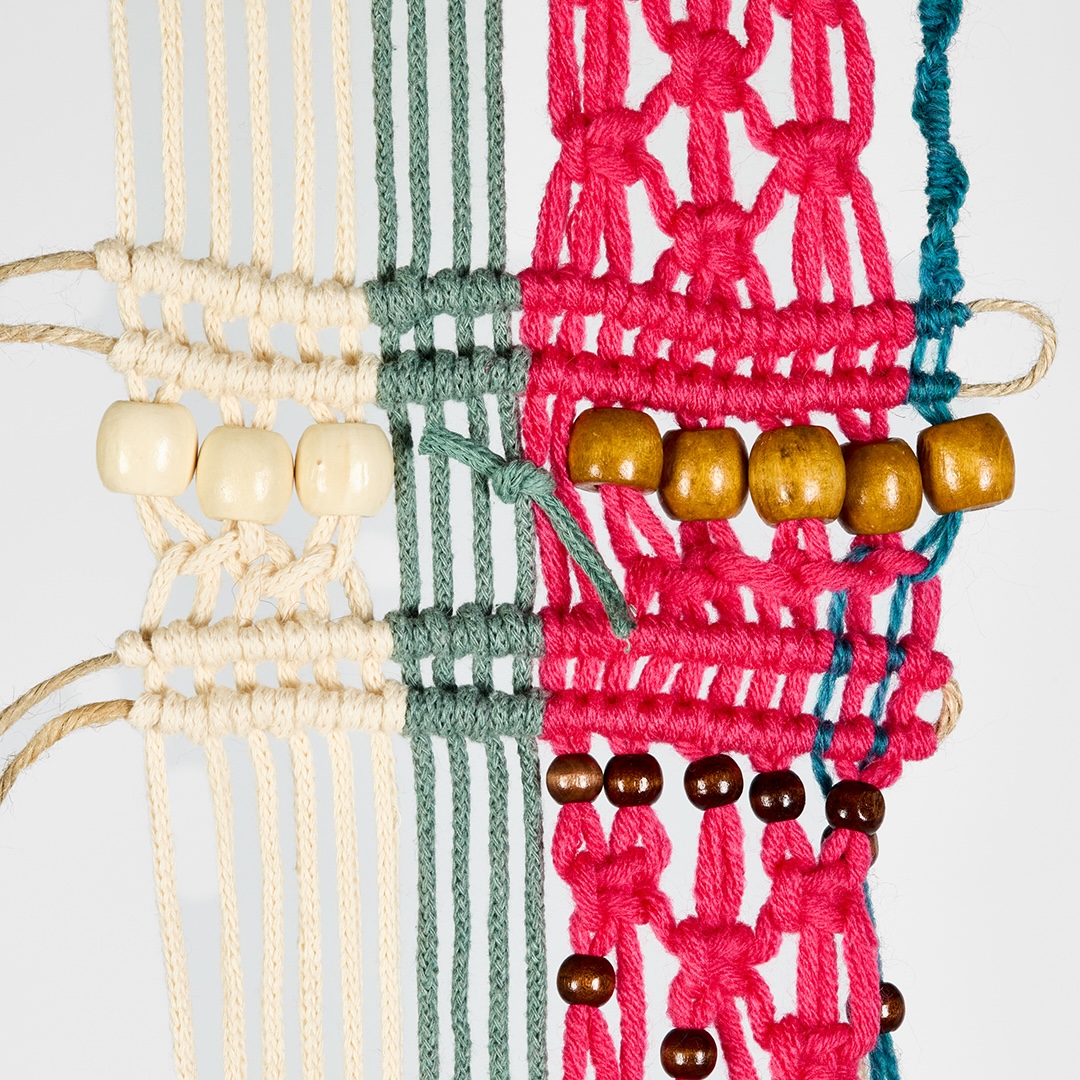
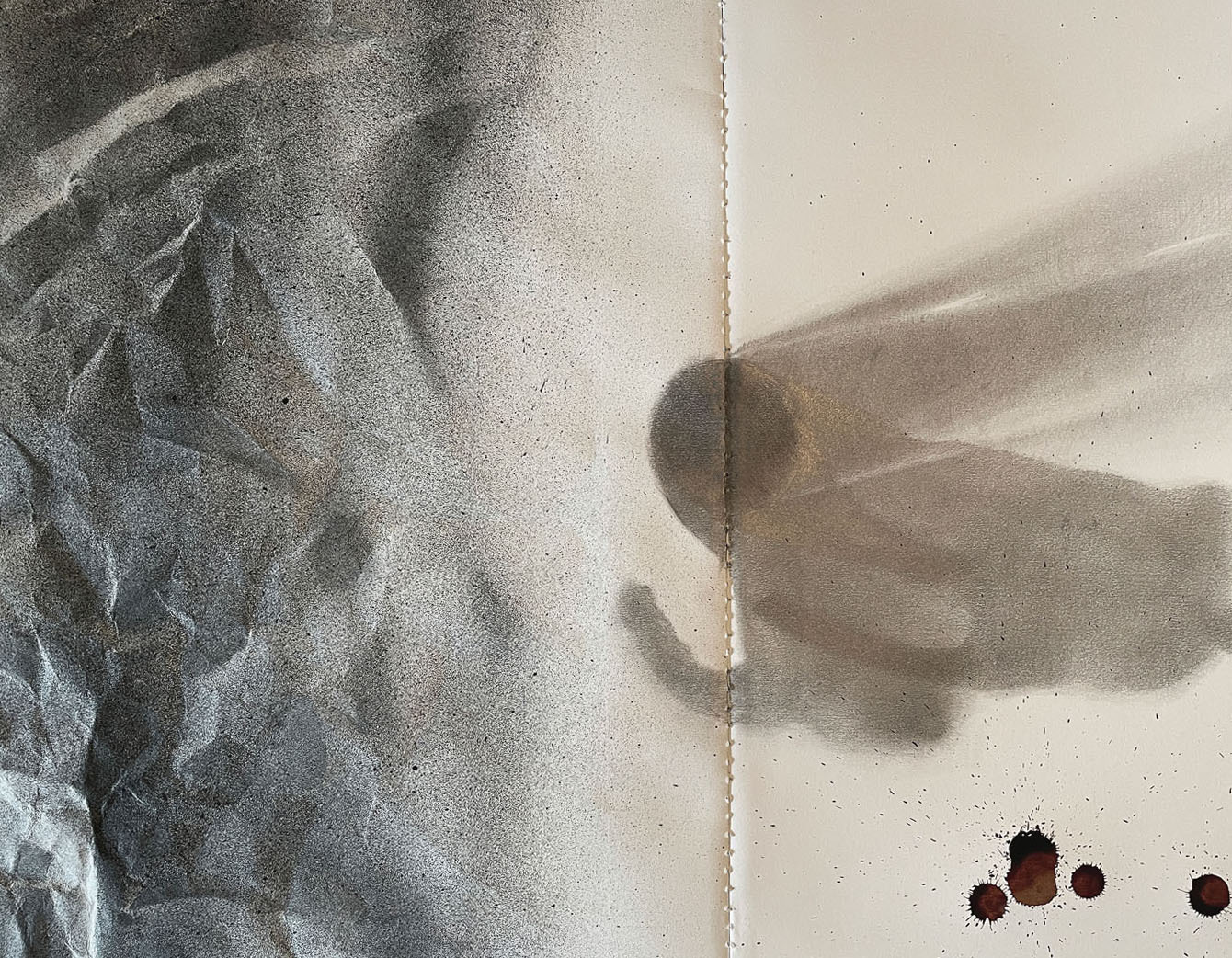
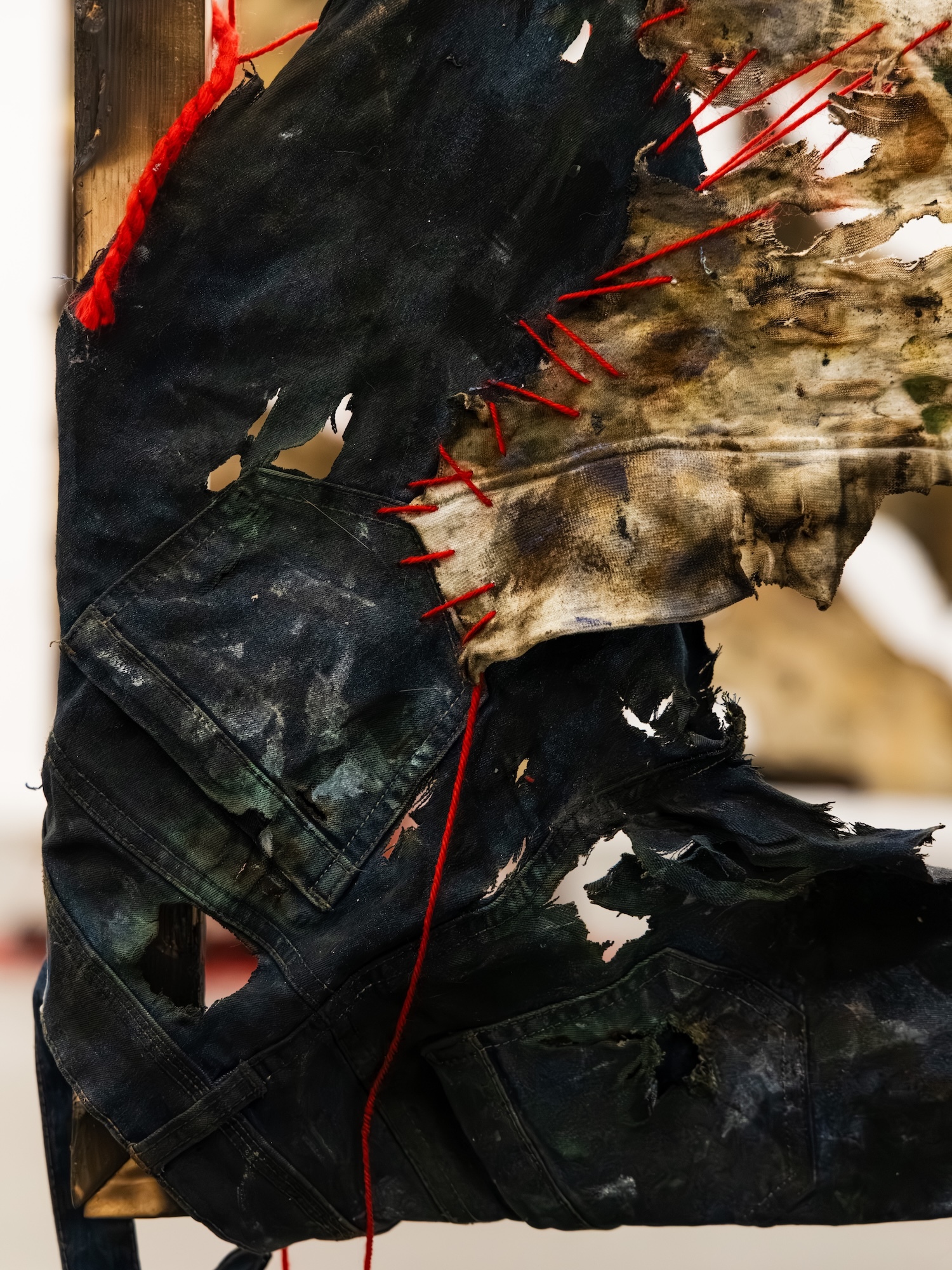
It’s deeply human. Every piece carries traces of a life lived in the studio... stretcher bars, fragments of canvas, painting rags, and my own painting clothes, which have been worn for over eight years. I burned them, tore them apart, then stitched them back together with red thread… a ritual of undoing and reassembling, of breaking open to find wholeness in the wreckage. The red thread runs through the broken structures like a lifeline. A quiet reminder of our capacity to mend, to endure, and to rise again.
I used no measurements tools, no machines. Everything was cut, tied, and hung by eye and hand. It was important to let the imperfections speak, to allow every uneven edge and fragile joint to carry the pulse of something human.
They are not landscapes. They are portraits… portraits of vulnerability, of imperfection, and of strength.
Your work asks viewers to slow down and reflect on their own transitions. Did you receive any feedback from people who'd done that through interacting with your work?
I was deeply grateful for the profoundly meaningful interactions I experienced with viewers. I’ve always wanted to create work that can touch people’s lives, and with this exhibition, I learned that when I don’t force a message, but simply share my own journey authentically, people resonate. Because we are all navigating this human experience together.
For me, the success of the exhibition wasn’t measured by attendance or critical reviews. It was measured in the moments when people shared their own stories with me. One man told me that he found his answer in the piece and felt encouraged to take a risk he had been hesitating. Another reflected on some personal challenges and left feeling inspired and empowered. A woman wept and embraced me after connecting with her journey of loss.
Those moments... fragile, intimate, transformative... reminded me of why I make art... to create a space where vulnerability, reflection, and courage can co-exist, and where we might see ourselves reflected in each other’s stories.
Are you able to tell us a bit more about your own transitions that influenced this collection?
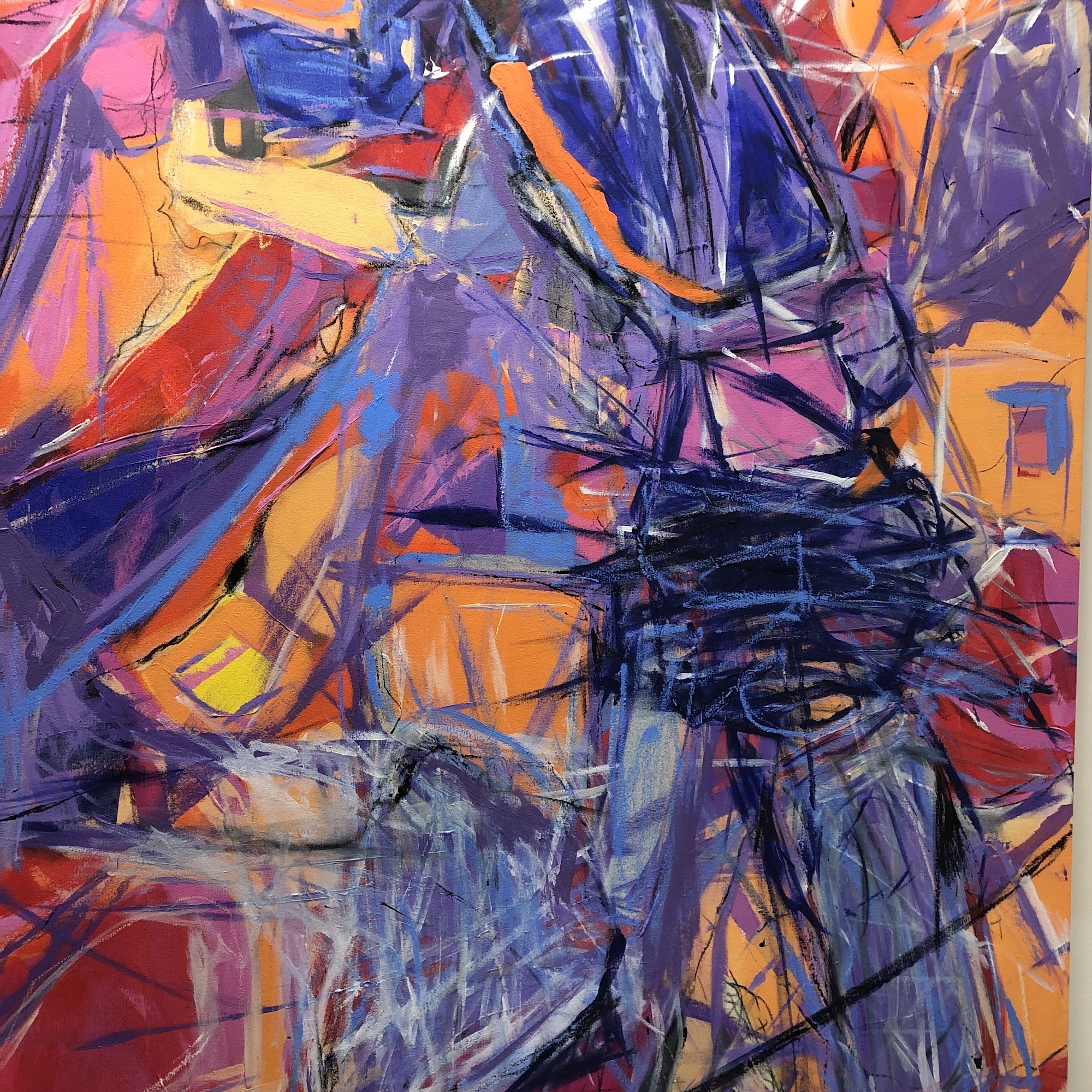
My own transitions have been at the heart of this work. Over the past year, I’ve moved away from traditional, figurative oil painting toward a freer, more instinctive way of working. A practice that celebrates the freedom of form and material.
A shift that mirrors a personal journey of letting go and trusting intuition over control.
Each step of this transformation felt like shedding old skins, embracing vulnerability, and discovering strength in what is fragile or imperfect. It allowed me to explore textures, shapes, and structures without constraint, and to allow the materials themselves to guide the process.
How would you describe your experience being the MA Show award-winner for 2025?
It was an incredibly humbling and affirming experience. It felt like a recognition not just of the work I created, but of the journey I’ve been on. The risks I’ve taken, the vulnerabilities I’ve embraced, and the freedom I’ve sought in my practice. It reminded me that staying true to myself, even with uncertainty, can resonate with others. Most of all, it was a moment of gratitude – for my tutors, peers, and everyone who supported me along the way – and a motivation to continue exploring, experimenting, and pushing my work into new and uncharted directions.
How would you describe your experience of being at AUB, and being in Bournemouth and the UK?
Studying at AUB was a profound transformation, shaping both my art and my personal growth. It became a safe space where I could let go of the familiar, take risks, and share my vulnerability. In that process, I learned to turn my weaknesses into strengths, to find empowerment in the very places I once felt fragile.
Being in Bournemouth and the UK during this time added its own quiet rhythm to the journey. A space that allowed reflection, experimentation, and the freedom to explore without boundaries. Looking back, that period was not just about developing my practice, but about learning to trust my own voice, my intuition, and the raw, human impulses that drive my work.
Do you have any advice to any other international artists thinking of studying abroad or in the UK?
My advice would be to fully embrace the journey, with all its challenges and discoveries. When I studied in the AUB, I learned that growth happens when you step outside your comfort zone. When you take risks, allow yourself to be imperfect, and trust your own intuition. Listen and learn from those around you, but don’t lose sight of your own voice. The experience can be transformative in ways you don’t expect. Not just in developing your art, but in understanding yourself, your strengths, and your capacity to create work that is truly authentic.
Tell us where we can see your work and find out what you do next?
I’m not always on top of my social media, but I do my best – you can see more of my work on Instagram (@salmaadi).
In November, I will take part in an immersive art experience F360 in Toronto, Canada. Moving forward, I’m excited to explore even more media, embracing the freedom I’ve recently discovered in my practice, and allowing each new work to guide me into more honest art.