

We had the opportunity to catch up with AUB BA (Hons) Fine Art graduate, Kinnari Saraiya, who, since graduating in 2020, has built an impressive dual practice as both an artist and curator. After apprenticing at the University’s gallery, she went on to work at the Baltic Centre for Contemporary Art and now serves as a Curator at Somerset House, London’s working arts centre and home to the UK’s largest creative community.
Alongside her curatorial work, Kinnari has developed a distinctive interdisciplinary artistic practice spanning film, immersive digital environments, and installation, with recent projects exhibited internationally.
We found out a bit more about her fascinating journey…
Tell us a bit more about who you are and how you came to be at AUB?
I am from Bombay and I have been drawn to the intricacies of art for as long as I can remember. I’m trained in classical and folk dance of India and gained a degree in it when I was 16. I then studied a Diploma in Fine Arts in Bombay, where I learned traditional techniques such as painting, printmaking, and sculpture. The foundation was valuable, but I felt limited by the strict rules of classical training, and I knew I needed a space where I could experiment more freely.
The idea that art could be about expansive contemporary practice, discursive approaches, and critical theory is what led me to AUB. It allowed me to merge all the things I cared about such as storytelling, technology, dance, and mythologies, into a practice that didn’t have to fit into one category.
How did you find your time at AUB?
I had an absolute blast at AUB. I lived in the studio and made the most of that time. Two close friends and I formed a small collective, as you often do in art school, and we still carry that into our creative practices today. We put on scrappy and ambitious shows in the BUMF Gallery, read together, shared critiques, and pushed each other into ways of working we wouldn’t have found alone.
Another classmate and I started a podcast during lockdown, mainly because we missed the long conversations that happened in the studio. We invited our friends to debate the politics of art making, questions of empire, lineage, responsibility, and all the messiness that surrounds what we do.
It was also a strange time to be at art school, because we graduated in 2020 (the pandemic), the year without a degree show, without the big goodbye. But the pandemic pushed me into working with virtual worlds, animation, and interactive systems for the first time, and fundamentally reshaped how I think about my practice now.
Can you tell us a bit about your artistic style and what you like to create?
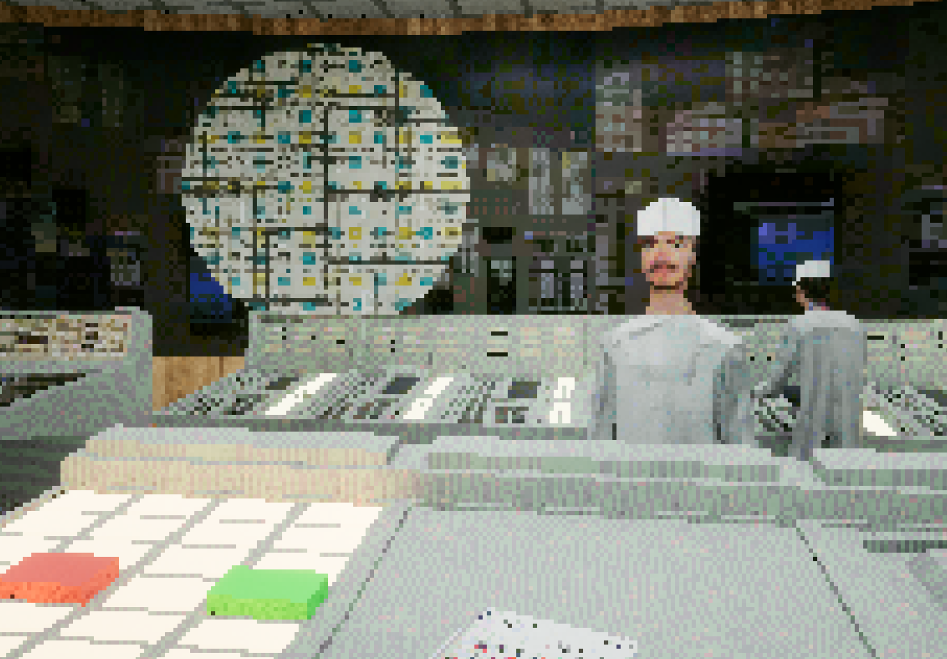
My practice is research-driven and interdisciplinary. I work across moving image, installation, and interactive systems, and I often think about how technology shapes perception, politics, and memory. I tend to bring together physical objects with digital processes, or archival histories with speculative worlds, because I’m interested in the infrastructures that quietly organise how we see, whether that’s photography, mapping, or early cinematic devices.
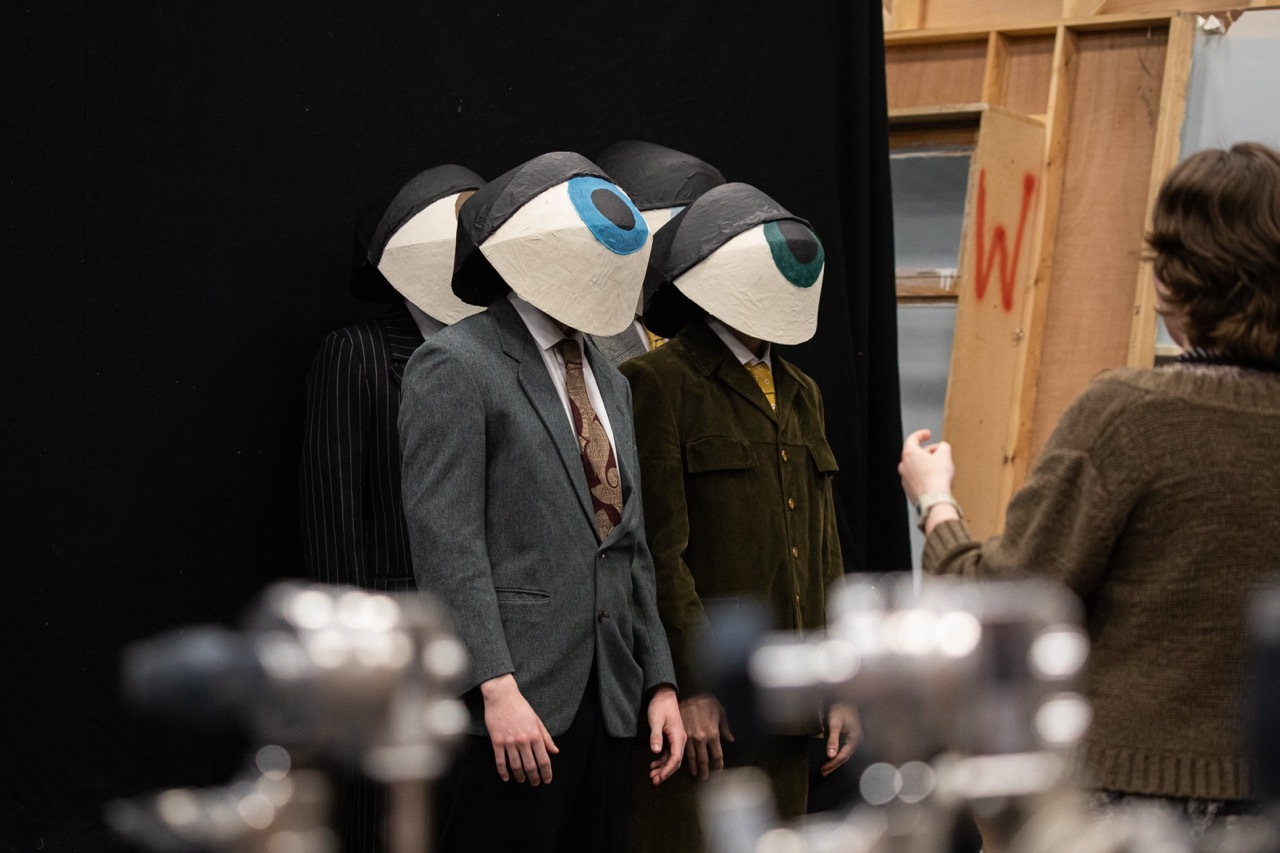
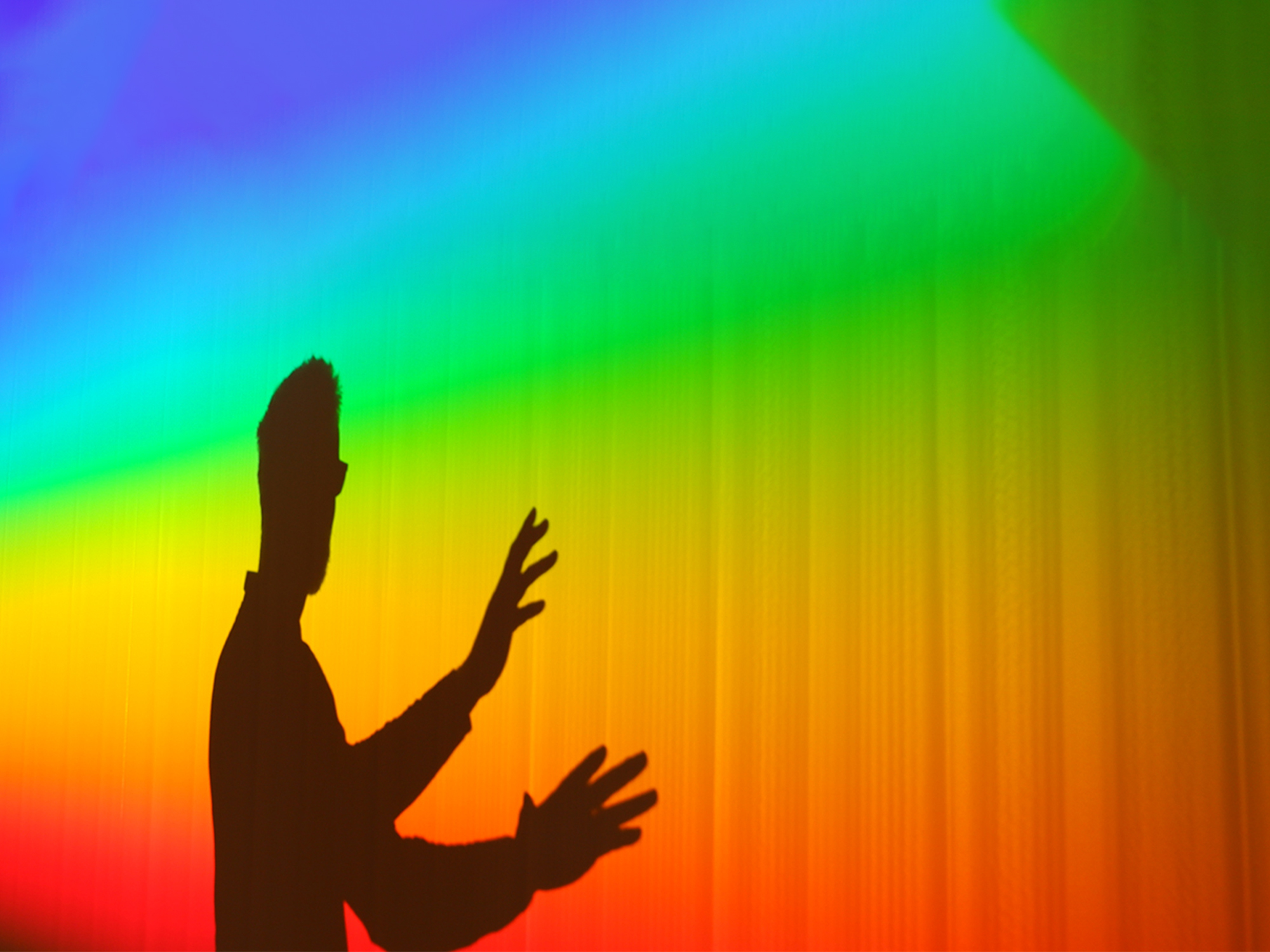
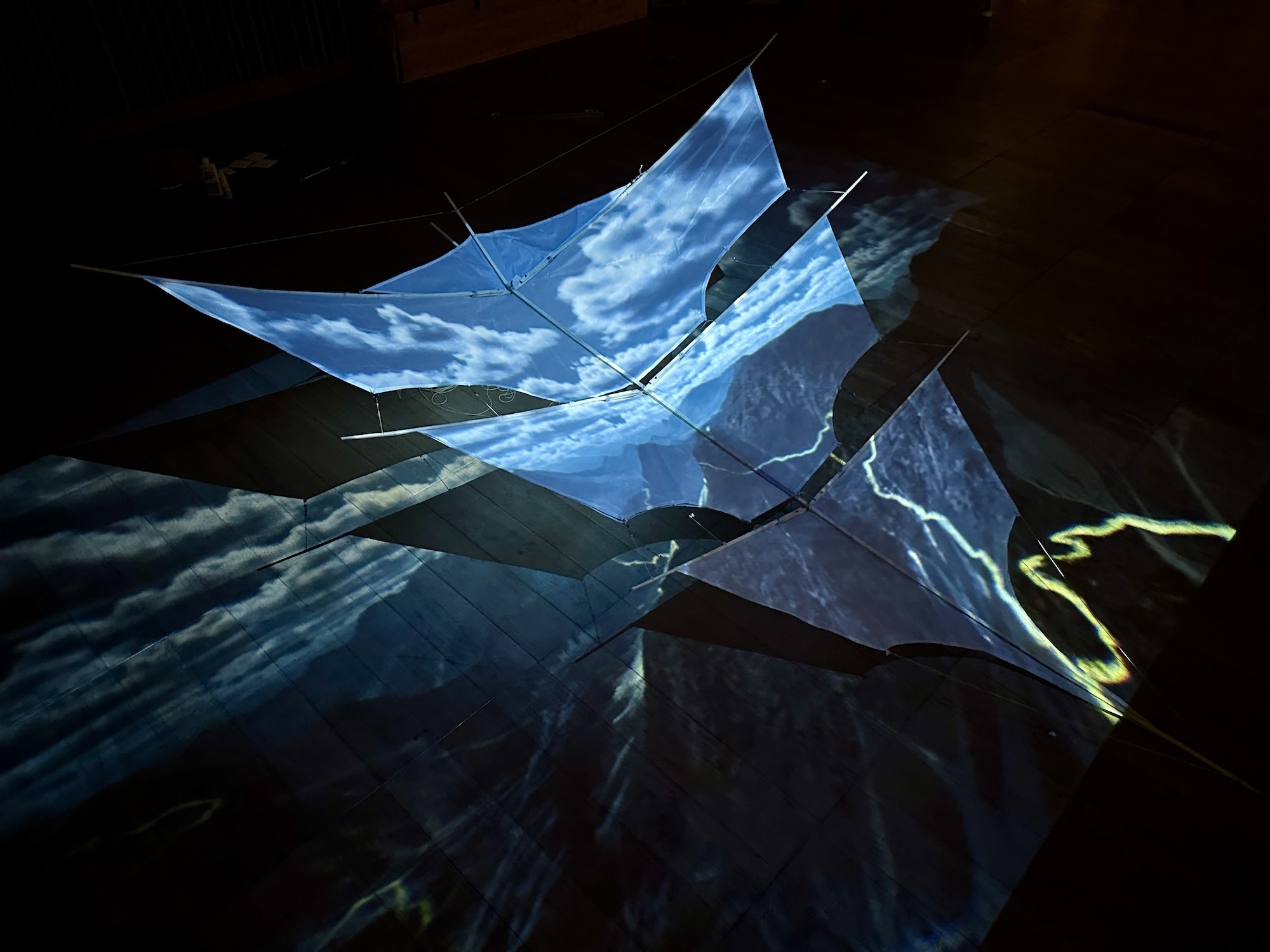
My recent solo show, In the Eye of a Dream, at Phoenix Art Space and the Brighton Festival, brought many of these threads together. It explored how colonial powers once surveyed and attempted to document indigenous dreamworlds, and how those histories persist in contemporary ways of imaging and classifying the world. The exhibition combined film, sculptural elements, and motion-captured dance to create a space where the boundaries between myth, surveillance, and memory could blur.
Across my practice, I’m drawn to that intersection where research meets sensory experience, and where systems that feel abstract or political can be made felt on a human level.
How did you know you wanted to be a curator?
It happened quite naturally. I come from a cultural context where oral storytelling, collective meaning-making, and shared space operate as primary forms of knowledge transmission. That shaped my instincts long before I had language for it. Curating offered a way to assemble practices, histories, and sensibilities in relation to one another and to produce meaning through encounter.
As my artistic practice began engaging more deeply with archives, infrastructures, and decolonial thought, curating became a methodological extension of those same concerns. Exhibitions have genealogies, power relations, and embedded worldviews.
To curate from the Global South, and to centre Global South artists within Western institutions, is to intervene in those structures. It is a way of unsettling dominant narratives, foregrounding epistemologies that are often marginalised, and creating conditions where multiplicity is structurally necessary.
I approach curating as a space for complexity, friction, and co-authorship, the same values that animate my artwork.
Do you prefer creating or curating?
I don’t separate them too much. My art practice informs how I curate, and curating informs how I make. Both are about constructing systems, one conceptual, one spatial. It’s all part of the same ecosystem.
Can you tell us a bit about your journey from graduation through to Somerset House?
After graduating from AUB with First Class Honours, I was awarded the Dean’s Prize for creative excellence. Around the same time, I received an endorsement from Arts Council England for the Global Talent visa, which gave me the stability to begin building a long-term practice in the UK.
My first major role was at Baltic Centre for Contemporary Art, where I joined as the Frieze x Deutsche Bank Curatorial Fellow. It was an incredibly formative period where I was supported to take risks, learn through doing, and develop an independent curatorial voice.
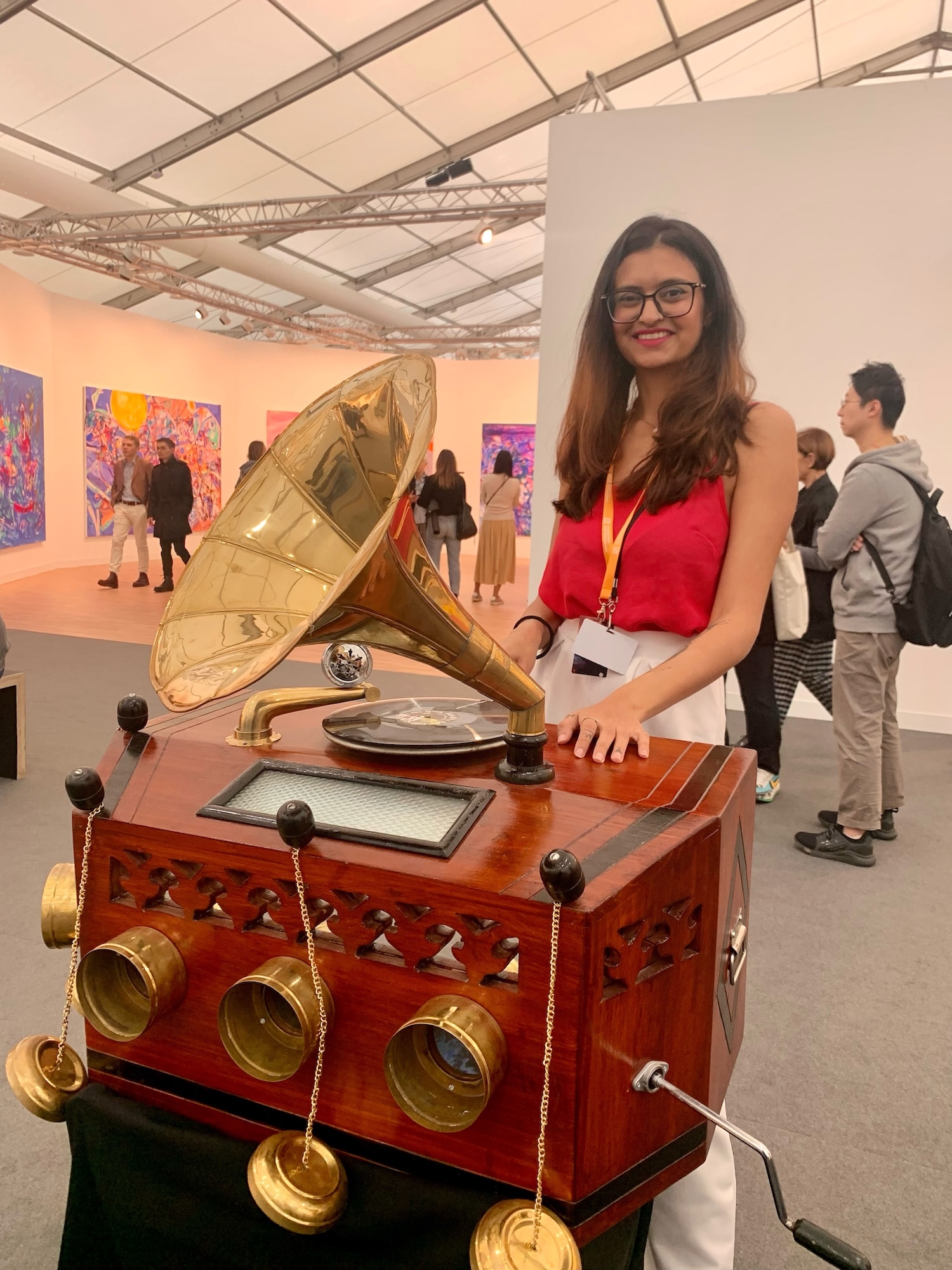
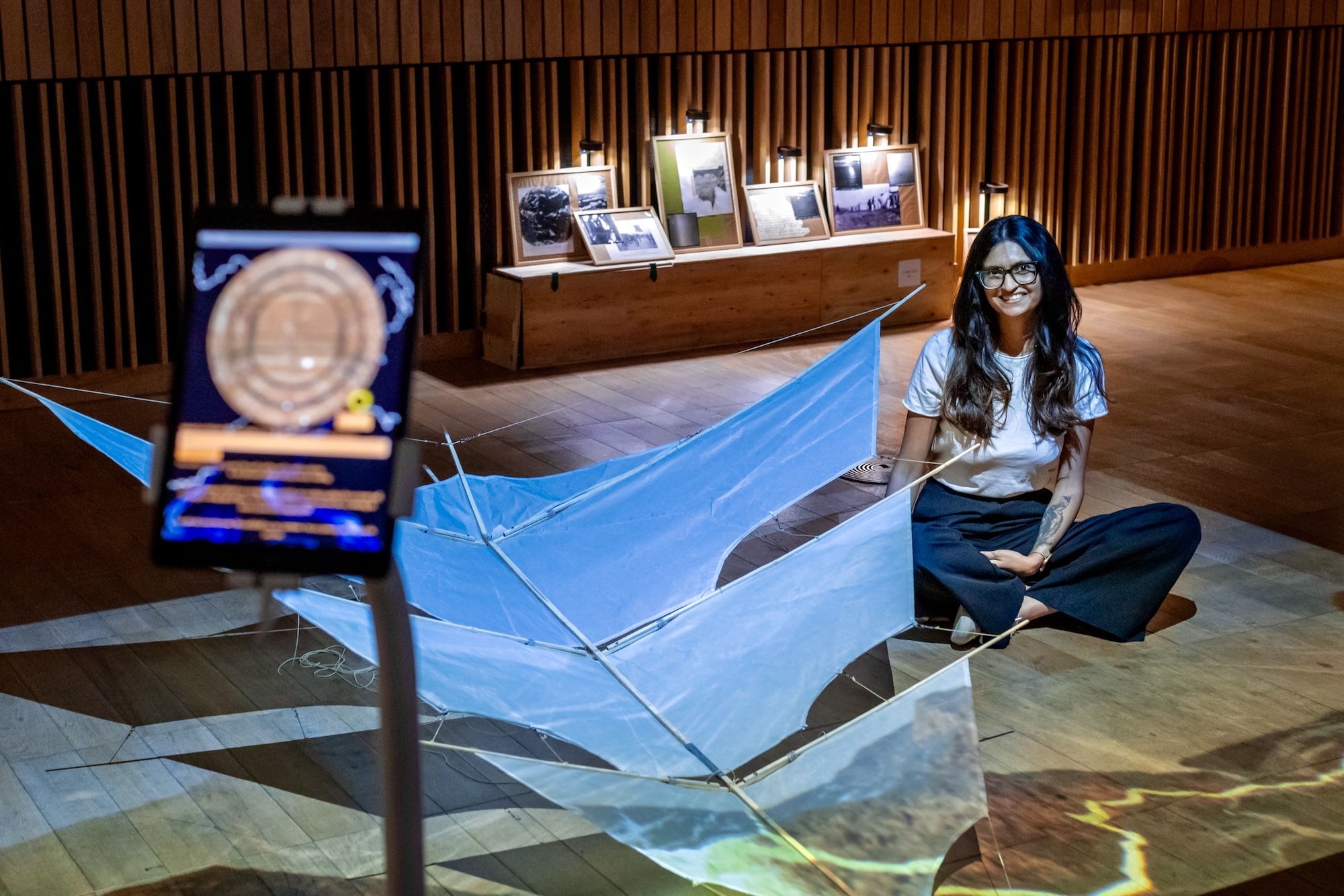
During my time at Baltic, I created The Bioscope, a project that brought together machine history, decolonial film archives, and interactive technology. It went on to tour Baltic, Frieze London, and The Bowes Museum, opening up collaborations across engineering, performance, and community storytelling.
Since then, my practice has expanded across institutions, festivals, and research-led commissions, including projects with Adobe, the University of Edinburgh, and the Royal Geographical Society. I’ve continued to develop my own moving-image and immersive work, most recently In the Eye of a Dream, which was nominated for the Annwn Prize, the first global award for excellence in immersive storytelling.
Last year, I joined Somerset House as Curator. In many ways, it feels like all the strands I’ve been working through such as interdisciplinary making, research, world building, and a commitment to decolonial and global perspectives, have converged into a role that allows me to support other artists while continuing to grow my own practice.
How does it feel to be a Curator at such an iconic and culturally significant London landmark?
It feels meaningful because Somerset House is a building shaped by centuries of state administration, from naval records and colonial bureaucracy to taxation and public archives. For someone whose practice is grounded in archives, contested histories, and research-based storytelling, being in a place with that kind of institutional memory is incredibly generative. You feel the weight of history in the architecture, but you also feel the possibility to rewrite, reinterpret, and rethink it.
Somerset House also positions itself as the Home of Cultural Innovators, which means it is not afraid of experimentation or of doing things differently. And the community is central. Somerset House is not only about presenting exhibitions; it is about supporting artists and producers over years, creating an ecosystem where practice can evolve with care and continuity. Working here feels less like stepping into a traditional institution and more like working inside a living, interconnected network. It is the kind of place where curating can be expansive, attentive to history, responsive to the present, and open to new ways of imagining the future.
What have been the most memorable exhibitions you’ve curated at Somerset House and why?
It has to be Salt Cosmologies, which I co-curated earlier this year. Because it directly engaged the building’s own history as the administrative centre of Britain’s taxation system, and as an Indian, I was entirely unaware of the history of salt tax monopoly under the British Empire. Curating an exhibition about the Indian Inland Customs Line, and the bureaucratic machinery of empire inside the very place where those policies were processed created a rare alignment between site and subject.
Hylozoic/Desires (Himali Singh Soin and David Soin Tappeser) developed a new installation that unfolded across both interior rooms and the courtyard. Inside, visitors encountered archival records, documents, ecological histories, and sculptural elements that examined the 2,500-mile-long Customs Line that divided communities and landscapes across India.
These materials were presented alongside films, sound works, and speculative maps that traced how the politics of extraction and border-making continue today. Outside, was a large sculptural intervention that reimagined the thorn barrier of the Customs Line as an architectural form.
For me, Salt Cosmologies was memorable because it demonstrated how contemporary art can re-enter institutional archives, unsettle them, and reveal the lingering structures of empire that shape our present.
What’s next? What are you excited about?
There’s plenty on the horizon that I can’t share publicly just yet, but it’s an exciting moment. I’m working on upcoming curated projects at Somerset House, and a couple of guest-curated exhibitions that dig into archival material and speculative futures in new ways. Alongside that, I’m developing a new body of work within my own artistic practice, which is taking shape through research, fieldwork, and some experiments with interactive systems. So, for now I’ll just say – look out, there’s lots to come.
What advice would you give to someone starting out, someone who was thinking of studying Fine Art or beginning their career in the art world?
Stay curious and stay interdisciplinary. Don’t rush to define your practice too early. Allow yourself to get lost, experiment, and work across fields. And build solid friendships while you do!