
As a documentary photographer, my key inspirations lie with the likes of Tim Hetherington and Walter Iooss Jr. and their ability to take advantage of their excellent photographic technique to tell real powerful stories of fascinating real people. It was photographers like this who influenced my most recent work in my second year of study at AUB.
Sustaining Britain
This project sprouted when I took an interest in the resilience of British farmers during the first farm Inheritance Tax Protests, which took place in November 2024. I was fascinated by the thousands of family farms that stopped their work to come together and make their voice heard. Each farm represented in the protests had its own individual story to tell and, as a photographer, I felt that I could use my craft to tell those narratives in a truthful yet creative manner.
I wanted to create a project that not only educated the public on what it takes to be a family farm in 2025, but also the trials and struggles that these farmers must face, including and beyond the recent Inheritance Tax issues.
So, I started contacting dozens of local farms in Dorset and beyond to tell them about my idea and how I wanted to get their voice heard through photography. Unfortunately, as is the nature of contacting potential subjects for a documentary project, many did not even reply, but more importantly two did: Berry Hill Farm and Rawston Farm. These two farms are located just 15 miles apart – Muscliff and Tarrant Rawston respectively – but could not be any more different. Both family-run farms face very different challenges and farm in much different ways.
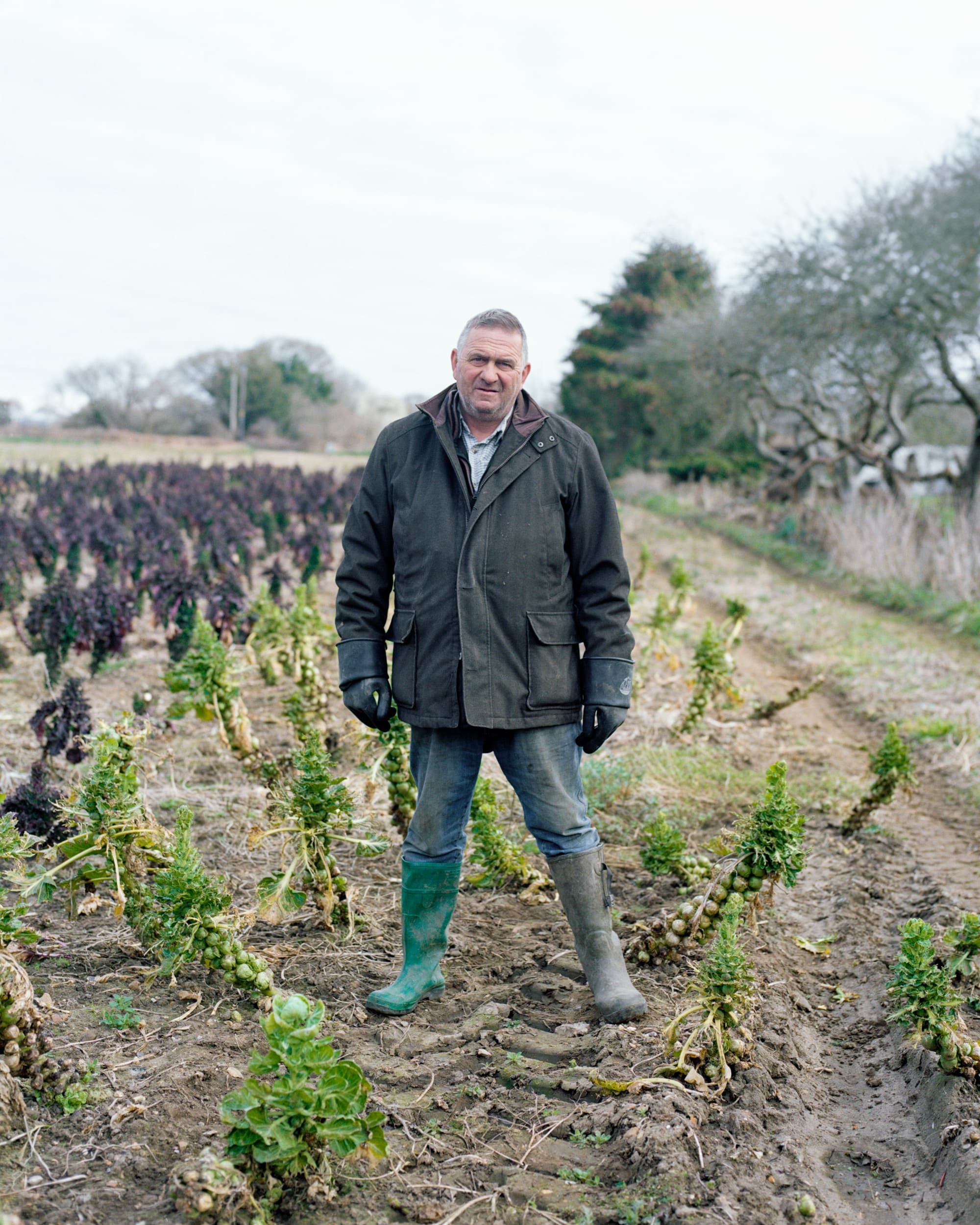
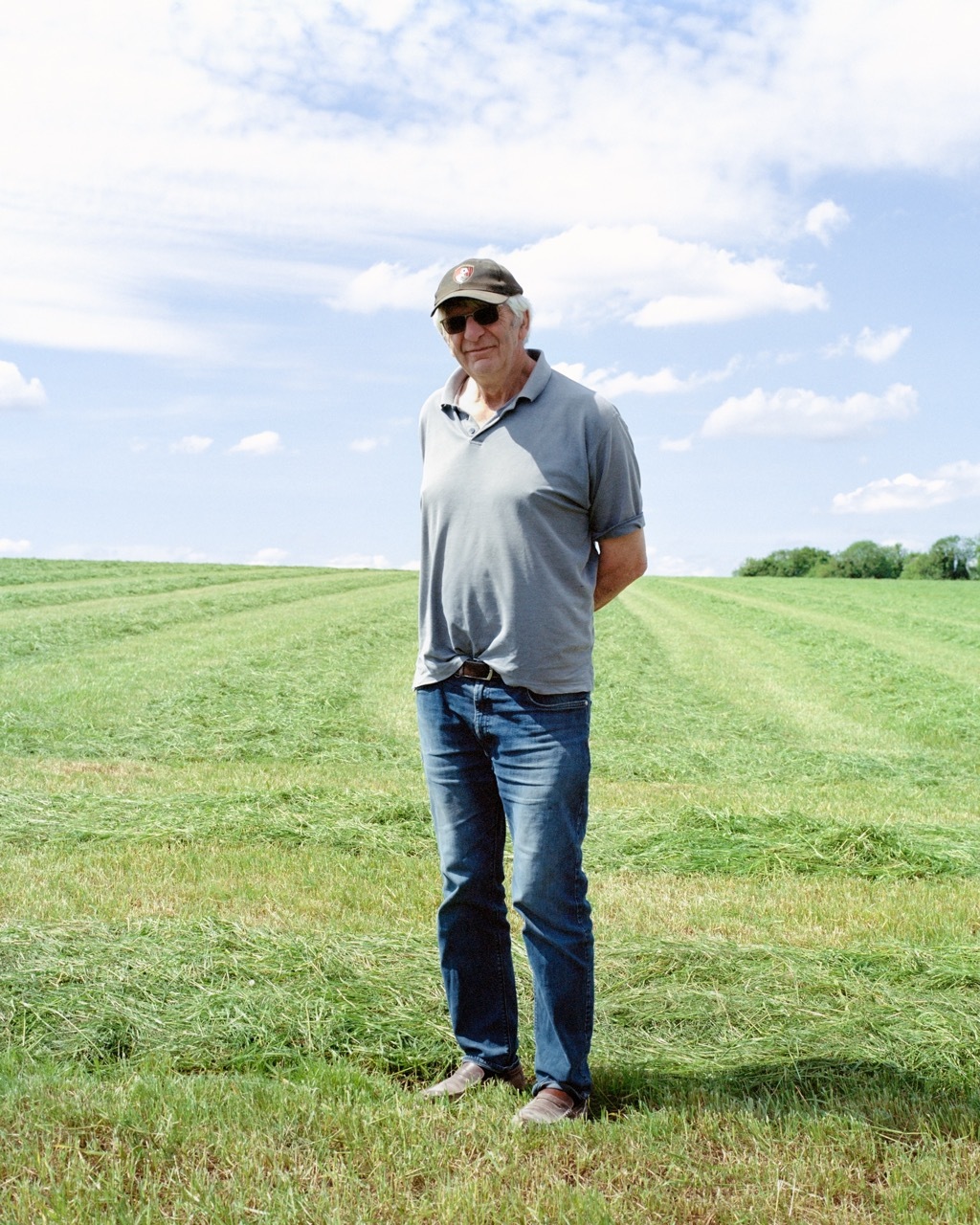
The photographic project would consist of an extended photo essay of the two farms, exploring the everyday realities of British farming and taking a closer look at the two farmers at the helm of each farm, Jim Hooper and James Cossins. To capture the two farmers, I wanted to shoot on medium format film to challenge my technical abilities to create portraits of the farmers and the rest of the project I shot on digital cameras. The hero shots of Jim and James help to add a personal element to the series of images.
I visited each farm about five times each. This allowed me time to capture a wide range of goings on at the farms and helped me see the differences between the two. Jim Hooper, a vegetable grower and third-generation farmer at Berry Hill Farm, spends each day doing mostly the same things. This includes hand-harvesting vegetables with his two workers on the 30 acres of land. This crop is then divided into veg boxes, which are home-delivered to local residents whilst the remaining is sold at farmers markets.
On the other hand, James Cossins, a fifth-generation farmer at Rawston Farm, oversees 2,500 acres of Dorset countryside alongside his son and seven other workers. The farm has a diversified crop and livestock portfolio, which includes rapeseed oil, wheat, milk from the dairy herd, honey and beef. The produce is sold at the farm shop, butchery and local village pub as well as being sold in large quantities to local, national and international customers.
Seeing this contrast in the farms, both family-owned, helped me realise that this project wasn’t about the photography but about telling the stories of these farmers, helping those unaware understand the realities of farming and educating the British public on the impact that family farms have on our lives, whether we realise it or not.
Through visiting the farms, I was able to learn a lot myself and this helped me know what to capture and when to capture it. I was able to understand the importance of what I was photographing through one-on-one conversations with Jim, James and their workers. I also got to add to my basic technical understanding of farming as I tagged along with the teams on each farm. I think that this added an extra layer of depth to the images for me at least, as I personally understood what these farms must do. I believe that I was able to show at least some of this understanding in the images.
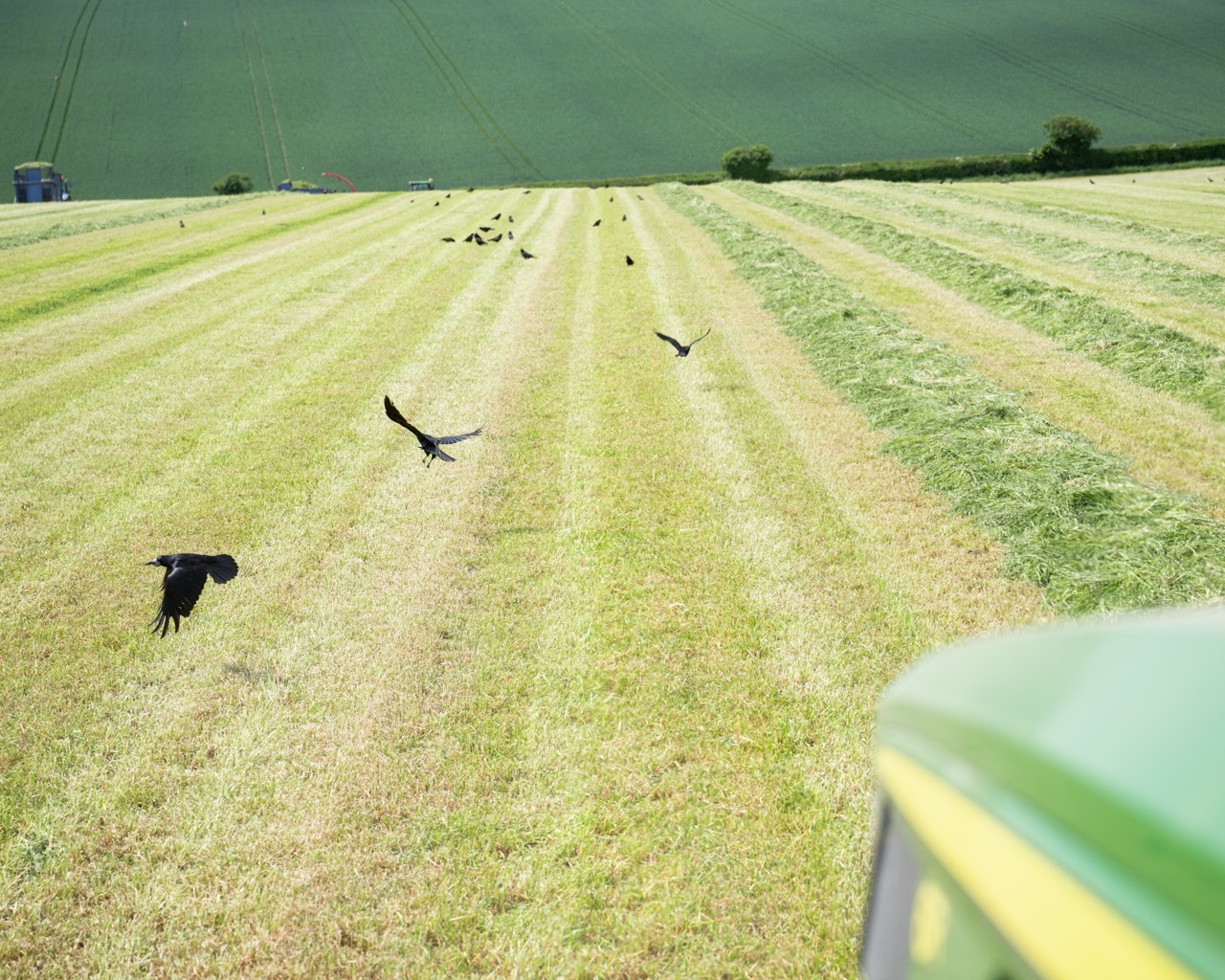
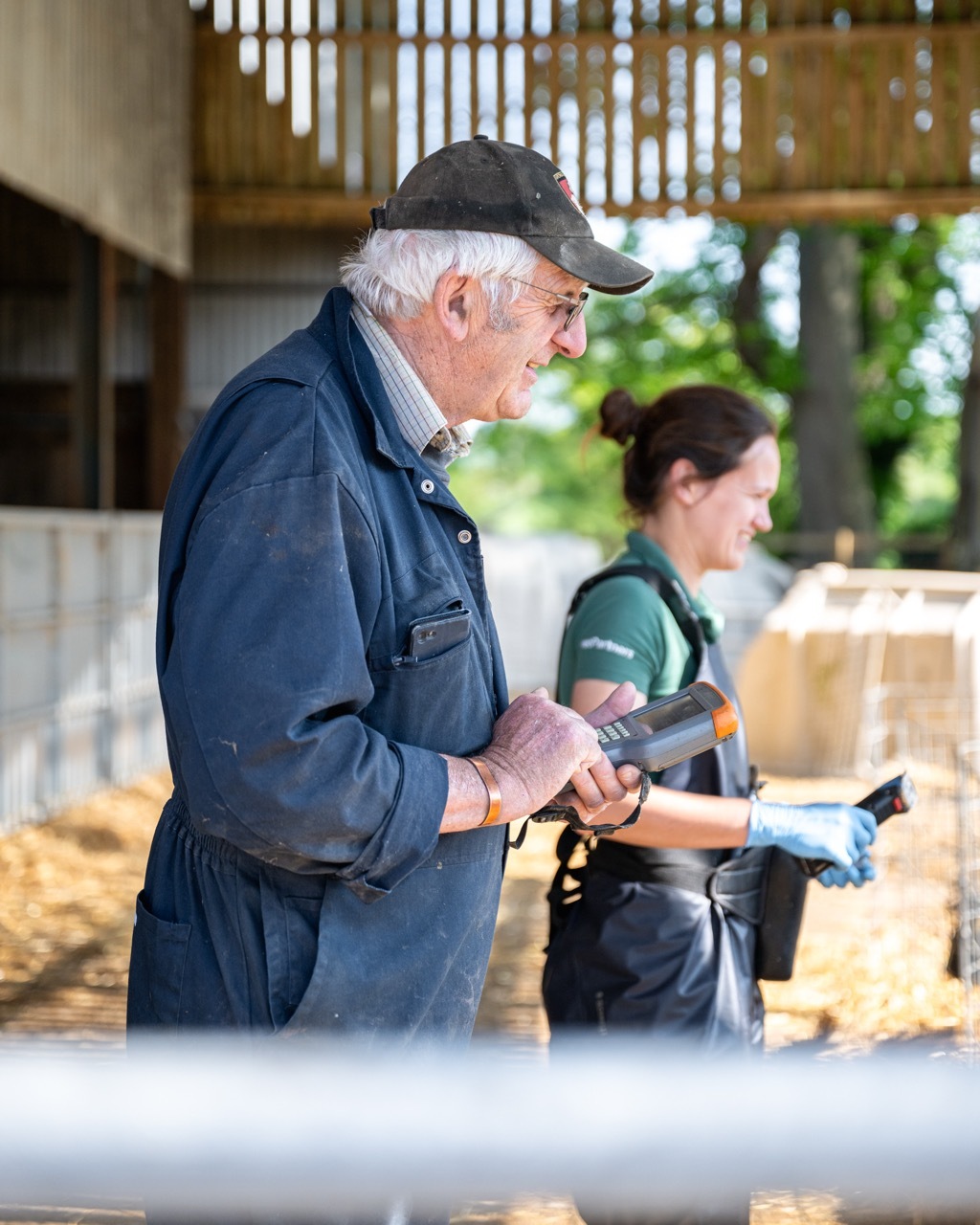
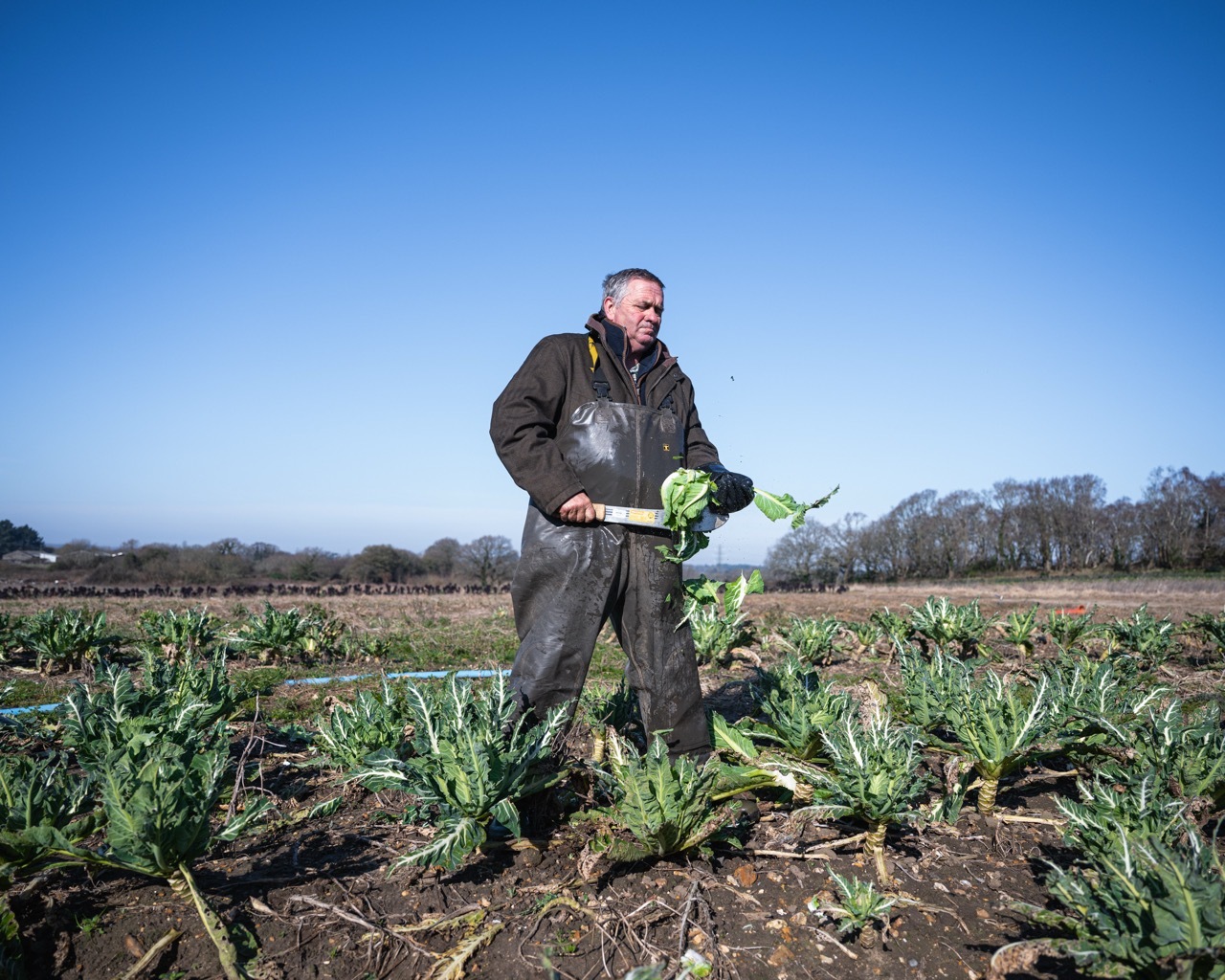
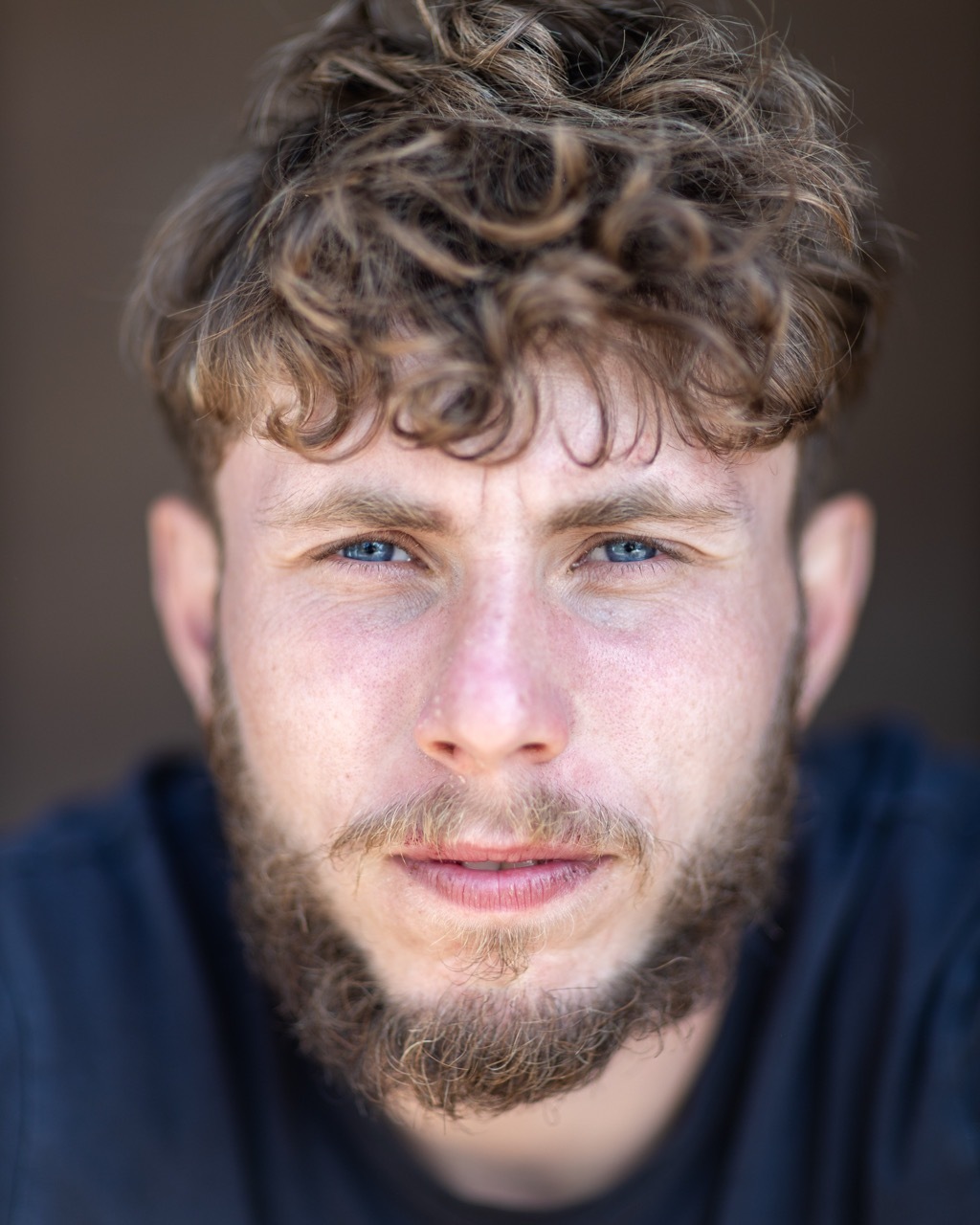
After capturing the images, I spent a long time narrowing down my selections to include in my final series of 20 images. I wanted the order of the images to play a part in the narrative. This led to what I think is a sequence of images that well represents each farm and the work they must do to continue farming in 2025 and beyond. In addition, I constructed the final sequence in a way that showed the contrast between the two farms, including similar images from each farm to show how they differ.
This completed what I think is a project that not only shows my photographic ability, as I soon start my final year of study as a commercial photographer, but also provides education on an important current issue and tells the story of two farms that contribute to our lives whether we realise it or not.
Want to see more of Jonathan's work?
The full series of images from Sustaining Britain can be found on his website.
To see images not included in the short sequence, head over to Jonathan's Instagram.