




















In the art and design industries, it is so crucial to stand out and be unique, that many of us feel the pressure to ‘be someone’ when really, all this does is make people drift further away from themselves. Personally, I thought I knew what made me stand out amongst my peers, but I soon discovered I had a lot more refining to do.
Finding your creative niche and likeminded peers is as important as the skills you learn in your lectures, workshops and seminars. They will help with growing your graduate prospects, as well as facilitating your present studies when you understand who you are as a designer, artist, performer, etc., and who you can become.
Discovering your niche – authenticity
Interests and strengths have high potential to evolve when experimenting through projects at university. But how do you do it?
Honestly, I’ve found that we should follow what makes us curious – delve into it. Even if it isn’t clear why it is so interesting, research or practise it anyway. It can become a valuable asset in your projects and your future career.
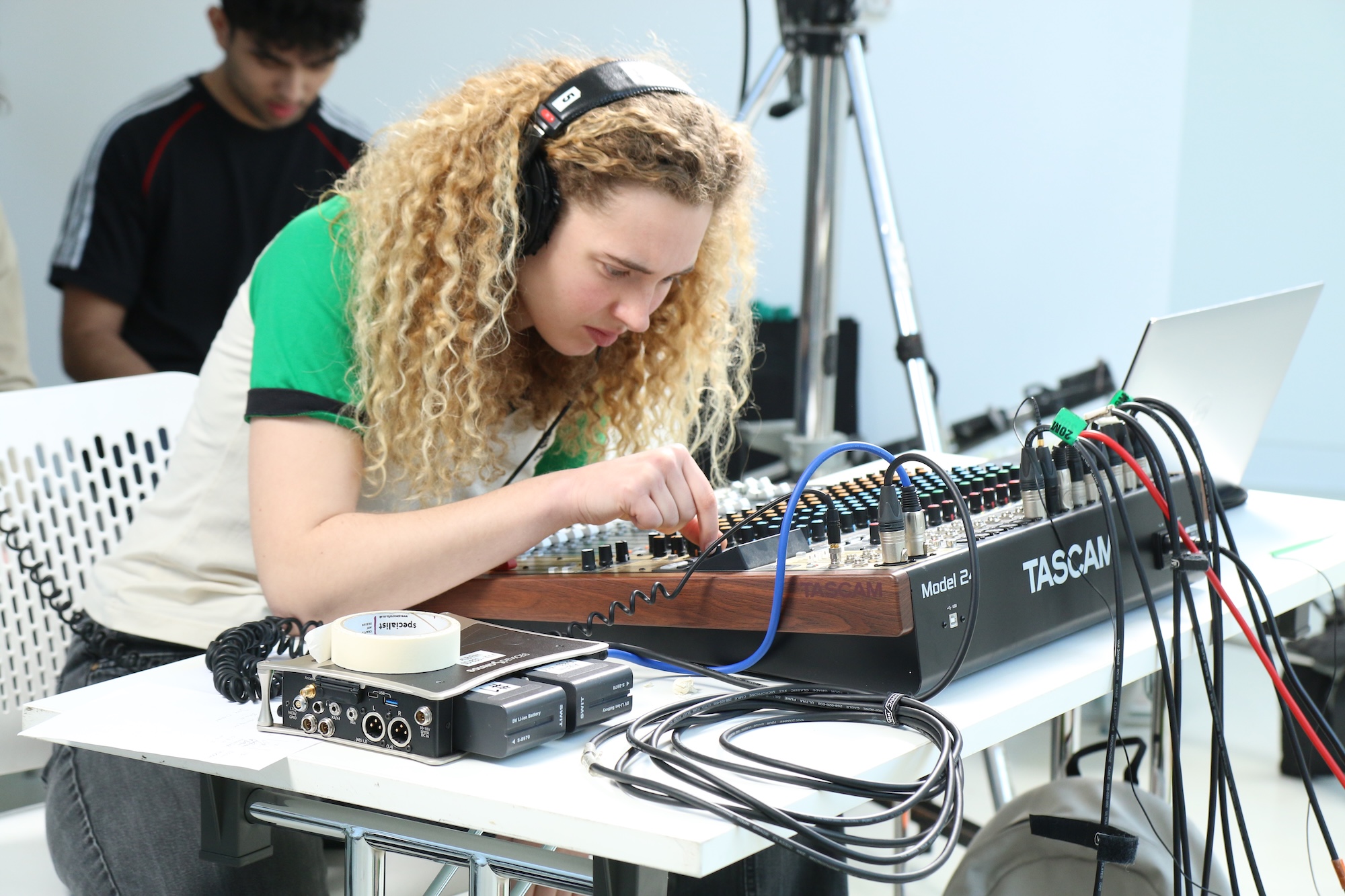
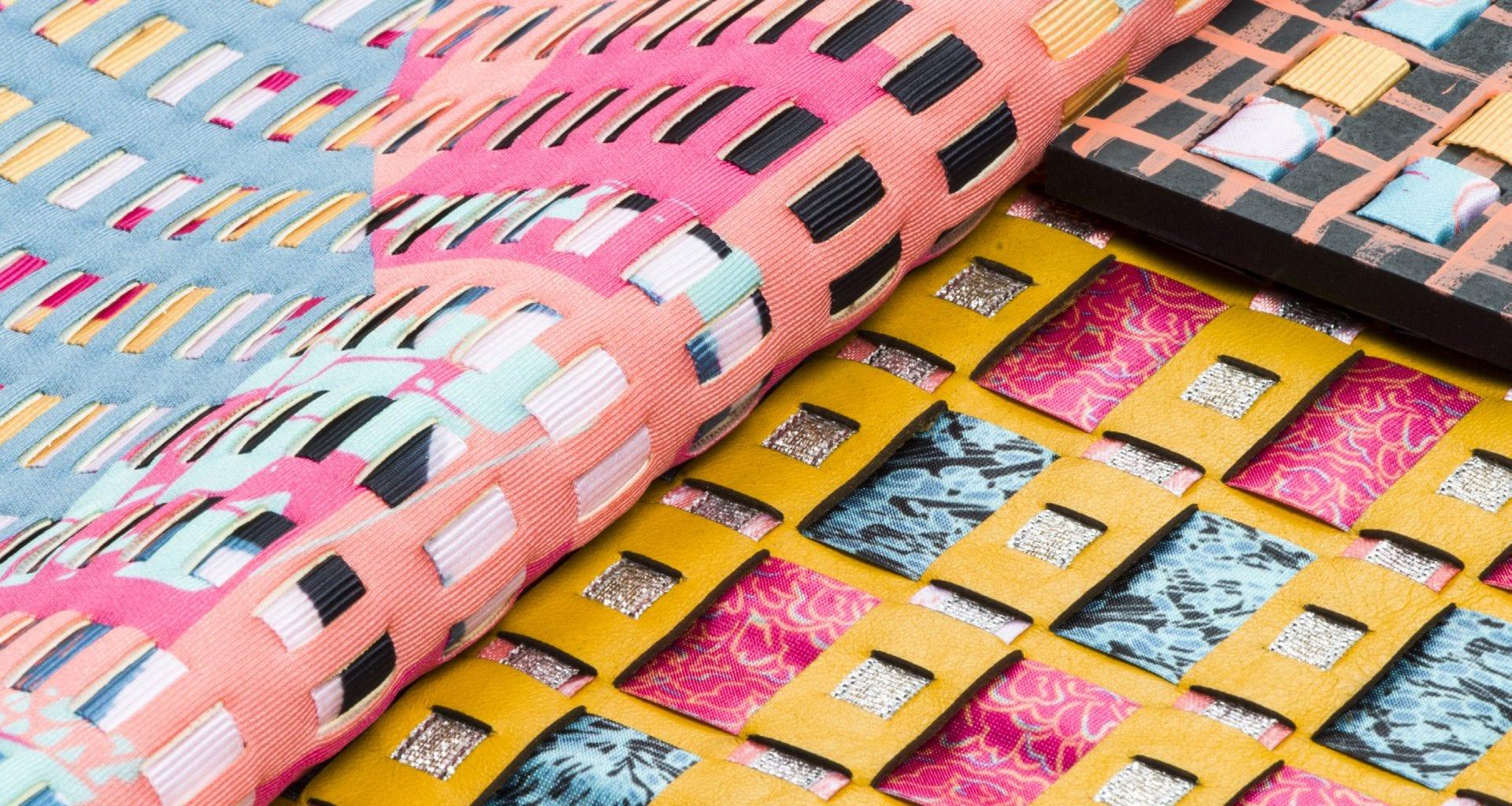
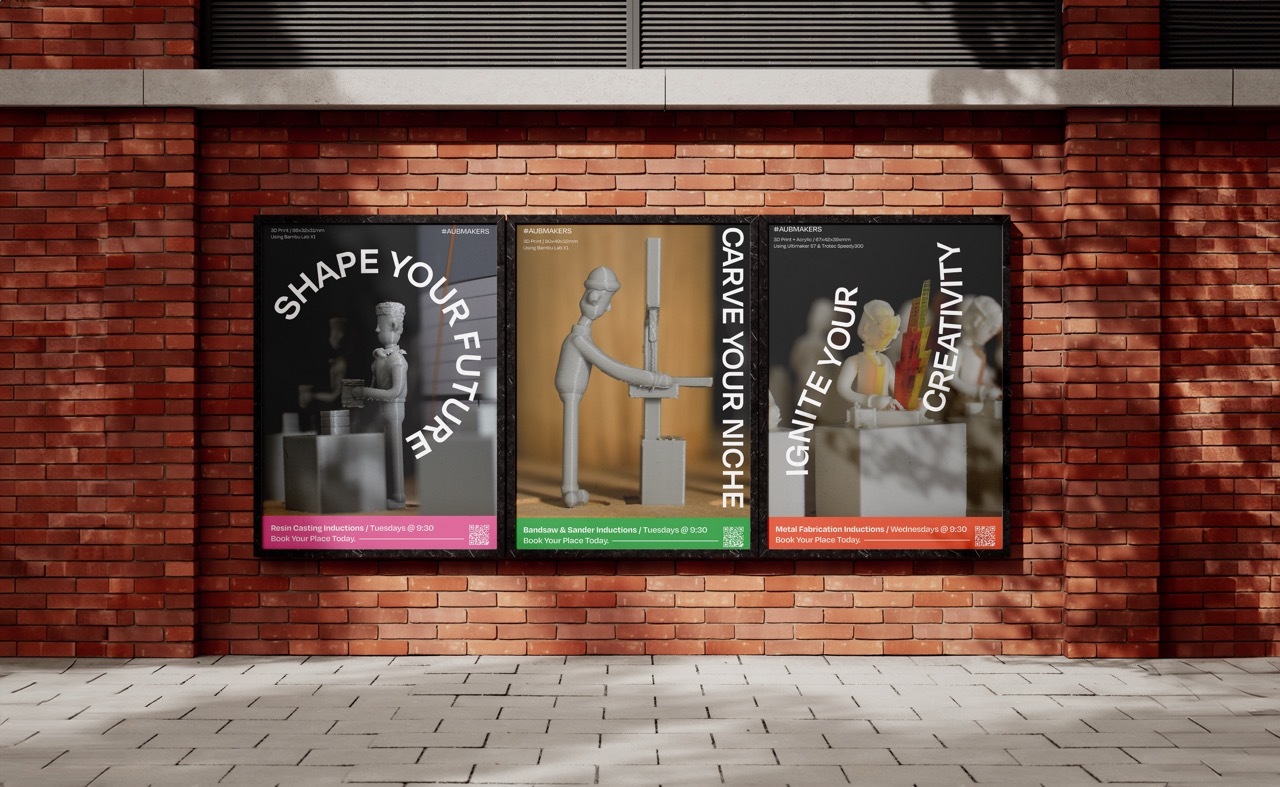
Also, be open to trying different mediums and methods. You’d be surprised how immersive certain practices can be, and wonder why you didn’t know it before! AUB offers free inductions for all students onto any machinery for printmaking, ceramics, etc., which are highly recommended for most courses, but can also be fun to have access to during your time at university, whatever your interests are.
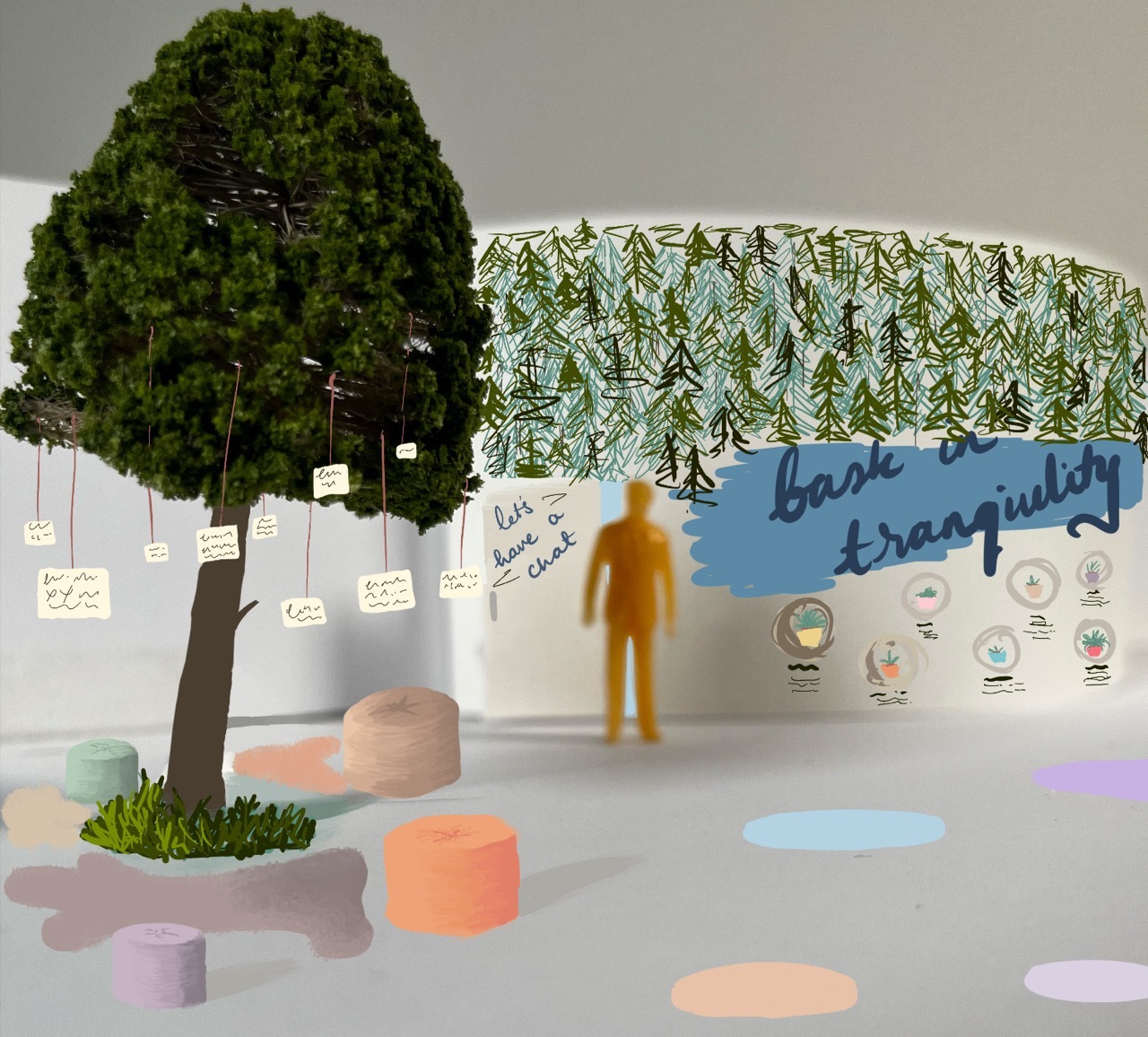
As you explore different things, you’ll gradually find what excites you most, or what makes the most sense to you. That is your niche – part of what will make you authentic. For example, my personal niche so far is designing places of calm and wellbeing, safe spaces, specifically with nostalgic elements. I didn’t realise how much fulfilment this would give me until a brief in first year on designing for the prevention of youth homelessness really made this niche stand out.
Building connections – finding your people
Friendships, study groups with peers, and tutorials with tutors – these are all ways through which you can build connections throughout your time at university. Experiencing these things will help you in the industry when making connections with colleagues or potential clients.
In first year, I made several friends through a shared interest for many things, including design styles and ethics of what it means to be a designer. I also found that tutorials helped shape me into a more capable second-year student. Learning from how others approached the brief and giving and receiving valuable feedback are important, and while for some of us it may feel like we aren’t doing enough, it can help us understand what we need to do to up-skill and improve ourselves and our projects to a professional level. Community is not just social – it fuels inspiration and growth too.
Challenges and growth
It takes time to find a niche, and sometimes to find your people too. It’s often a trial-and-error process, which requires flexibility and patience – everyone’s journey looks different. Some people will walk into class on their first day knowing exactly what makes them authentic, exactly what their niche is, and make likeminded friends and acquaintances rapidly. But some people take their time, and that’s okay.
University is paced so that after a few units or projects, you’ll pick up on something that meant a great deal to you perhaps, or something that intrigued you, and from there a niche is born. Throughout this, you might also recognise in a collaboration task or group discussion, you found someone who seemed to understand your process. Once you have recognised this, you’re guaranteed to feel much more confident and have more clarity on your approach, ethics and motivation.
In my own experience finding niche and community at AUB so far, I have broadened my horizons through project input from people of other courses or disciplines, enabling me to think more like a professional and embrace things I don’t yet understand. I have, through this, found more things that refine me and my design identity.
Think of it as forming a sculpture. You start with something formless yet full of potential, and slowly begin to chip or chisel away at it to form something more definitive and authentic. Occasionally, someone else may help shape this in a way you may not have considered before. So embrace the journey – explore new avenues of thought and ideas, and connect with your peers. After a few research tasks, mood-board creating or studio group pin-ups, you’ll find that you’ve naturally developed a close circle, or a specialism, that means something important to you. And I guarantee they’ll transform any dull brief into something exciting and worth pursuing.