













When I first came to AUB, I didn’t fully understand how differently my brain worked from those around me.
Before university, I had found a pattern in pushing myself really hard in school to hide how much I struggled to read words on a page, processing information as quickly as I wanted to, and socialising with others. Even though I wasn’t aware of what I was going through at the time, I chose to prioritise self-care and development during my time at university over embodying aspects of student life that simply didn’t suit me. It was through this journey that I began exploring the possibility of being neurodivergent, and soon received diagnoses of dyslexia and ADHD that changed my life.
For me, discovering my neurodiversity hasn’t been about finding flaws in the way my brain works, but understanding it well enough to support it and treat myself with more respect. It has allowed me to see that working differently doesn’t mean less effectively, and that some of my neurodivergent qualities are actually immense strengths. I don’t think neurodivergence should be reduced to a list of challenges, because there is something incredibly special about seeing and experiencing the world differently, particularly within a creative environment like AUB.
The strengths I’ve discovered
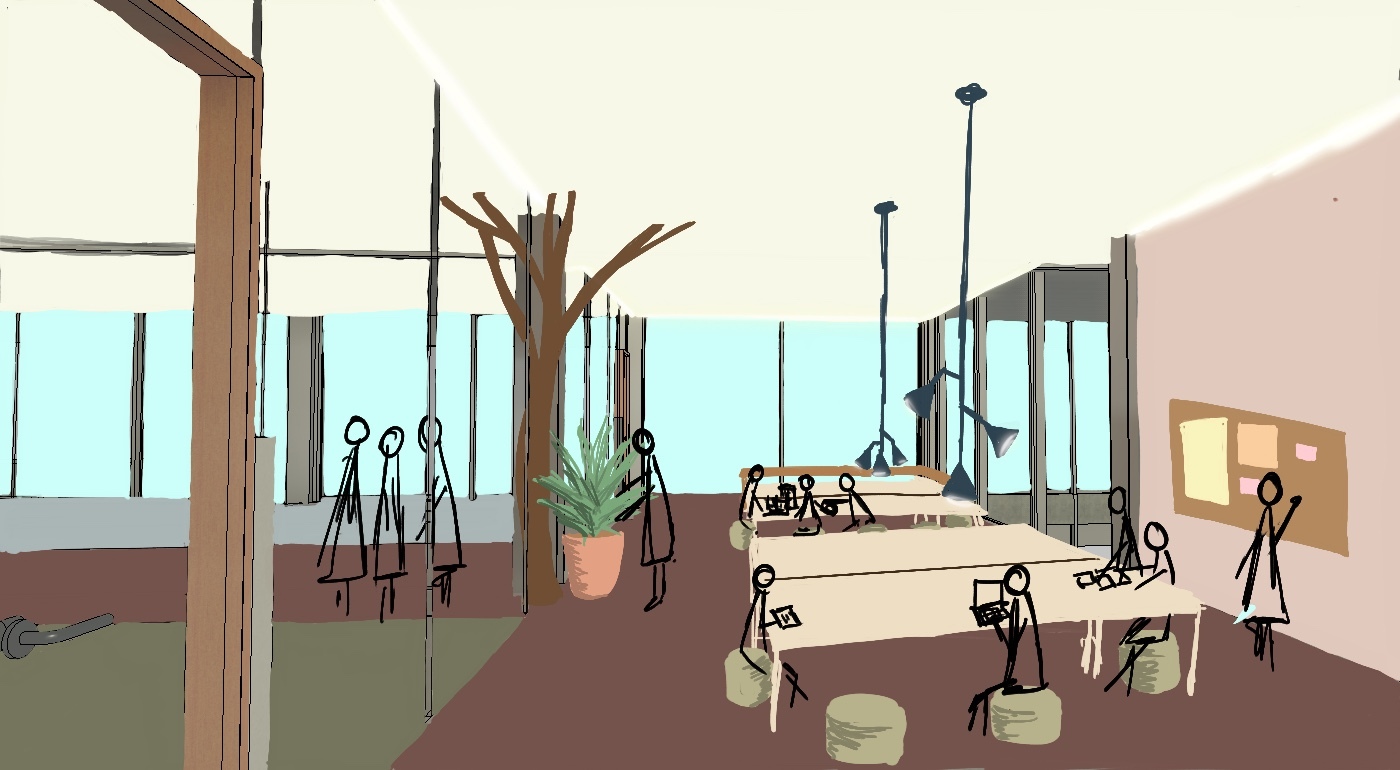
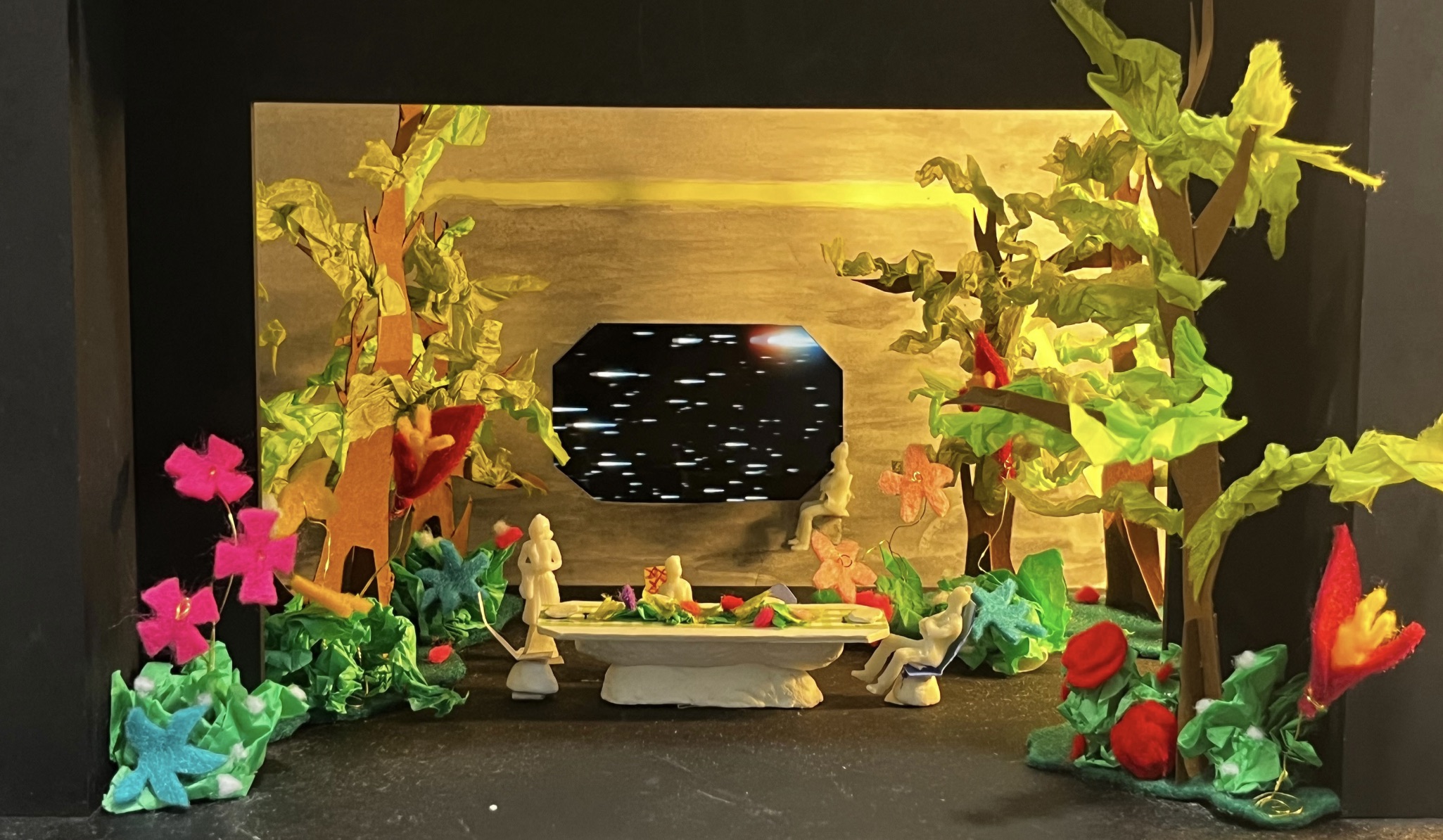
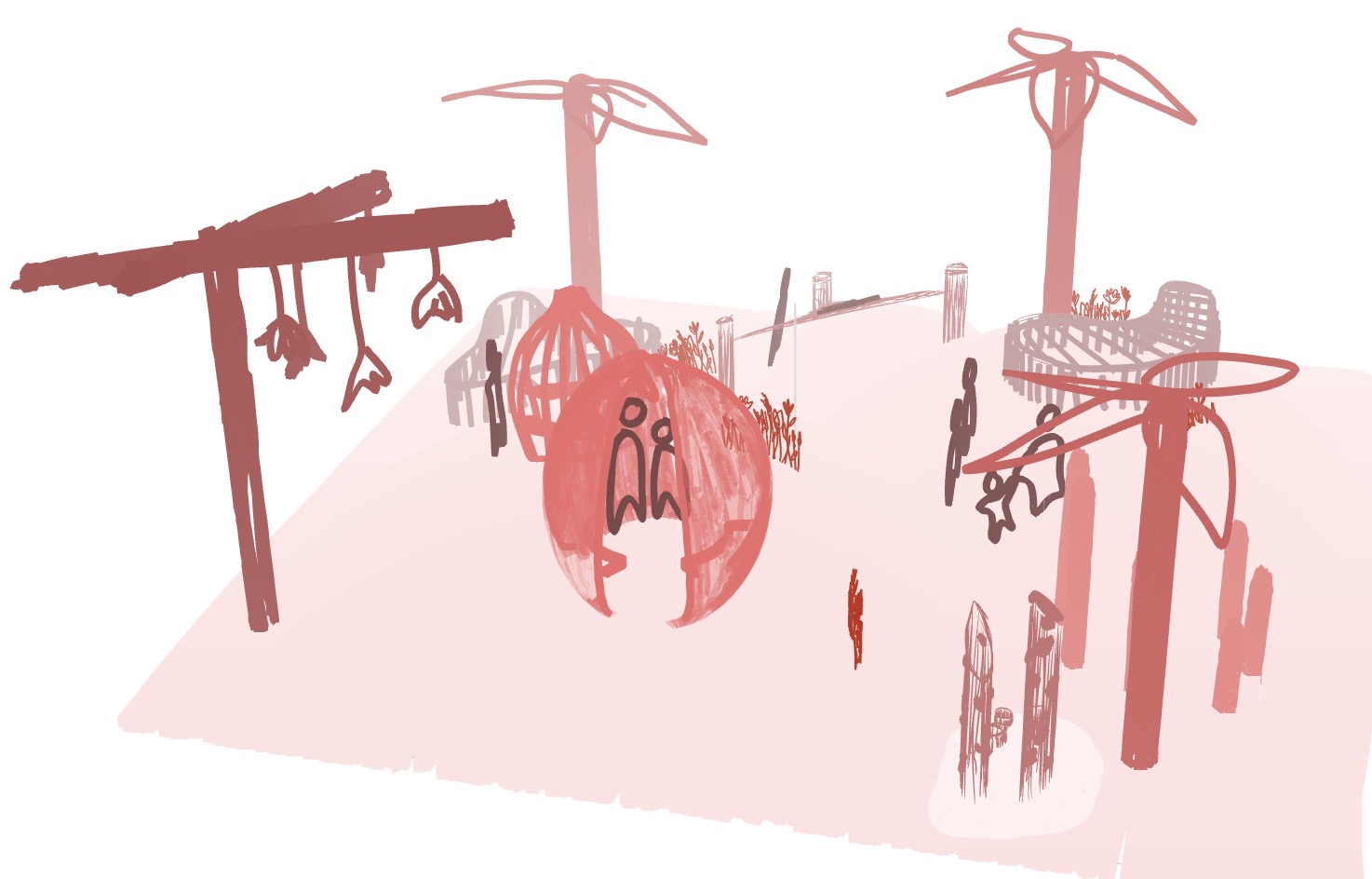
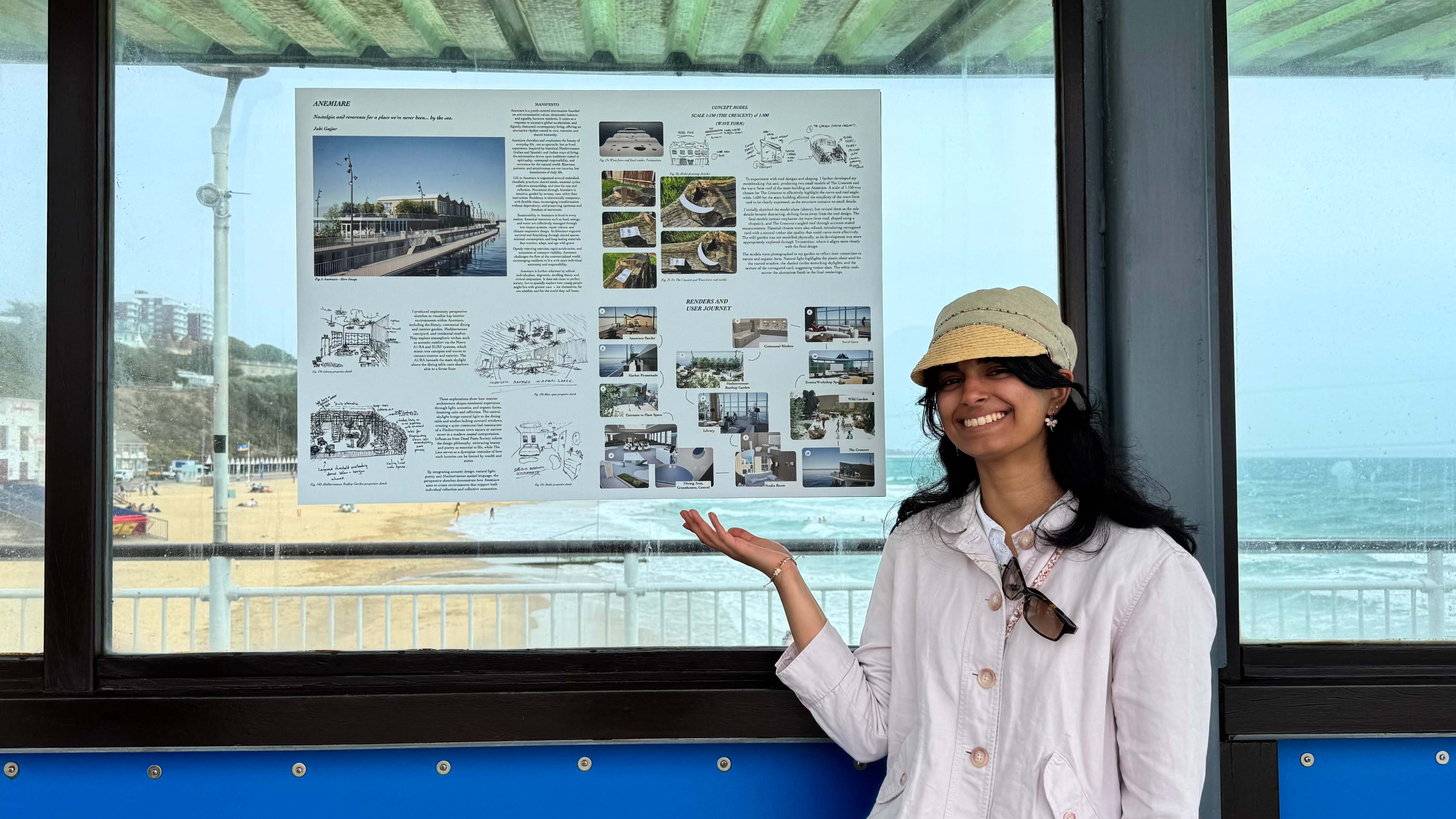
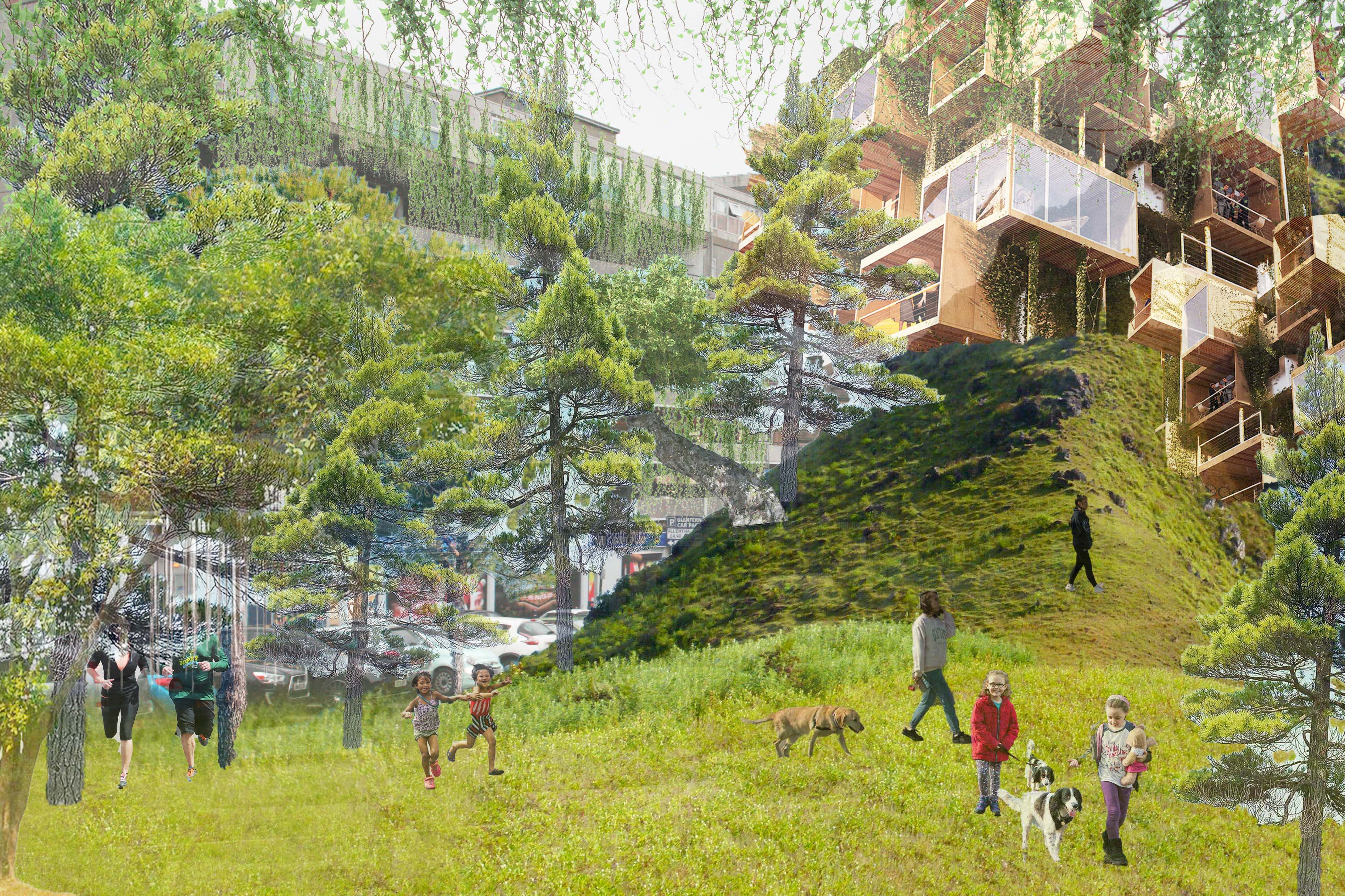
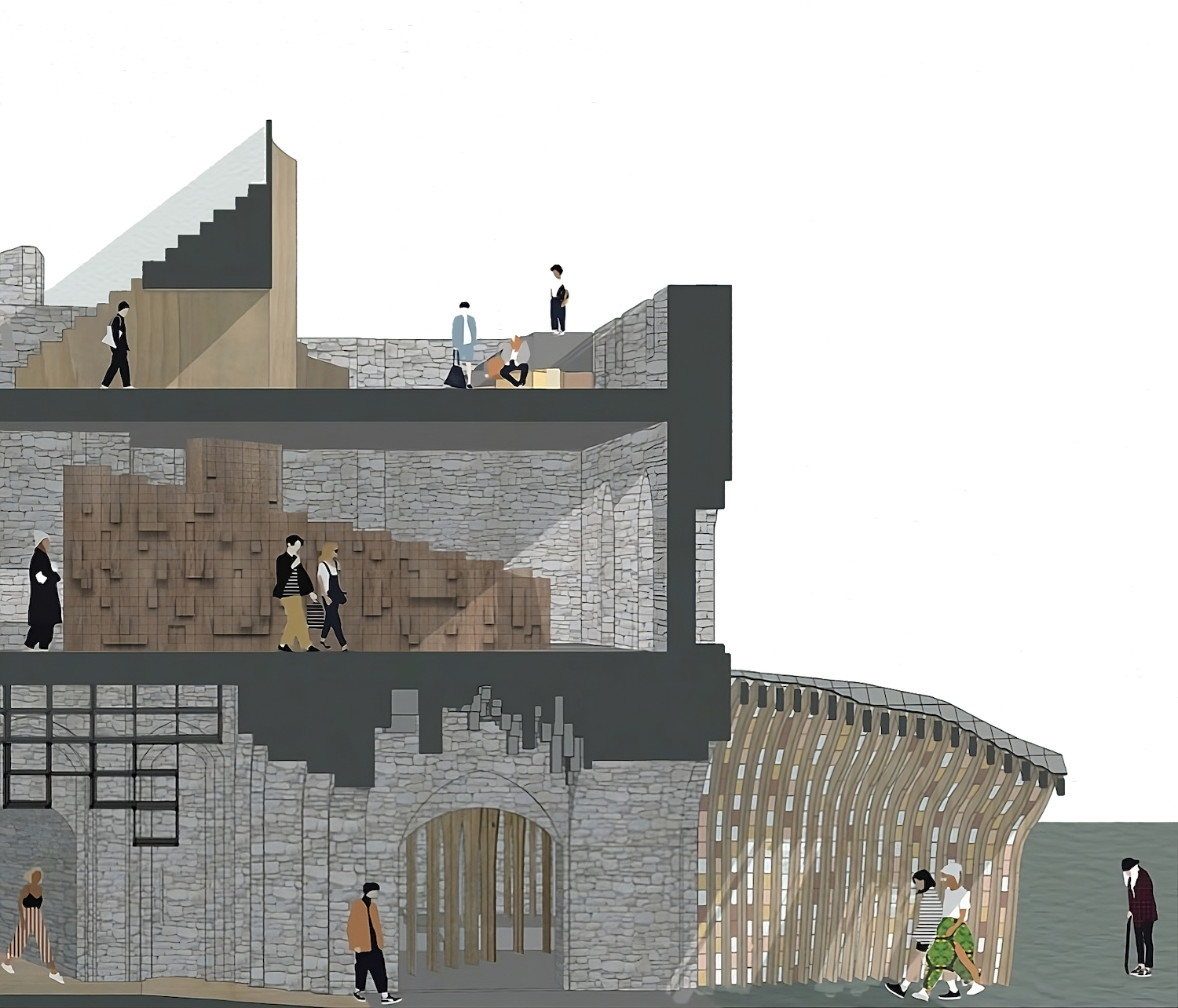
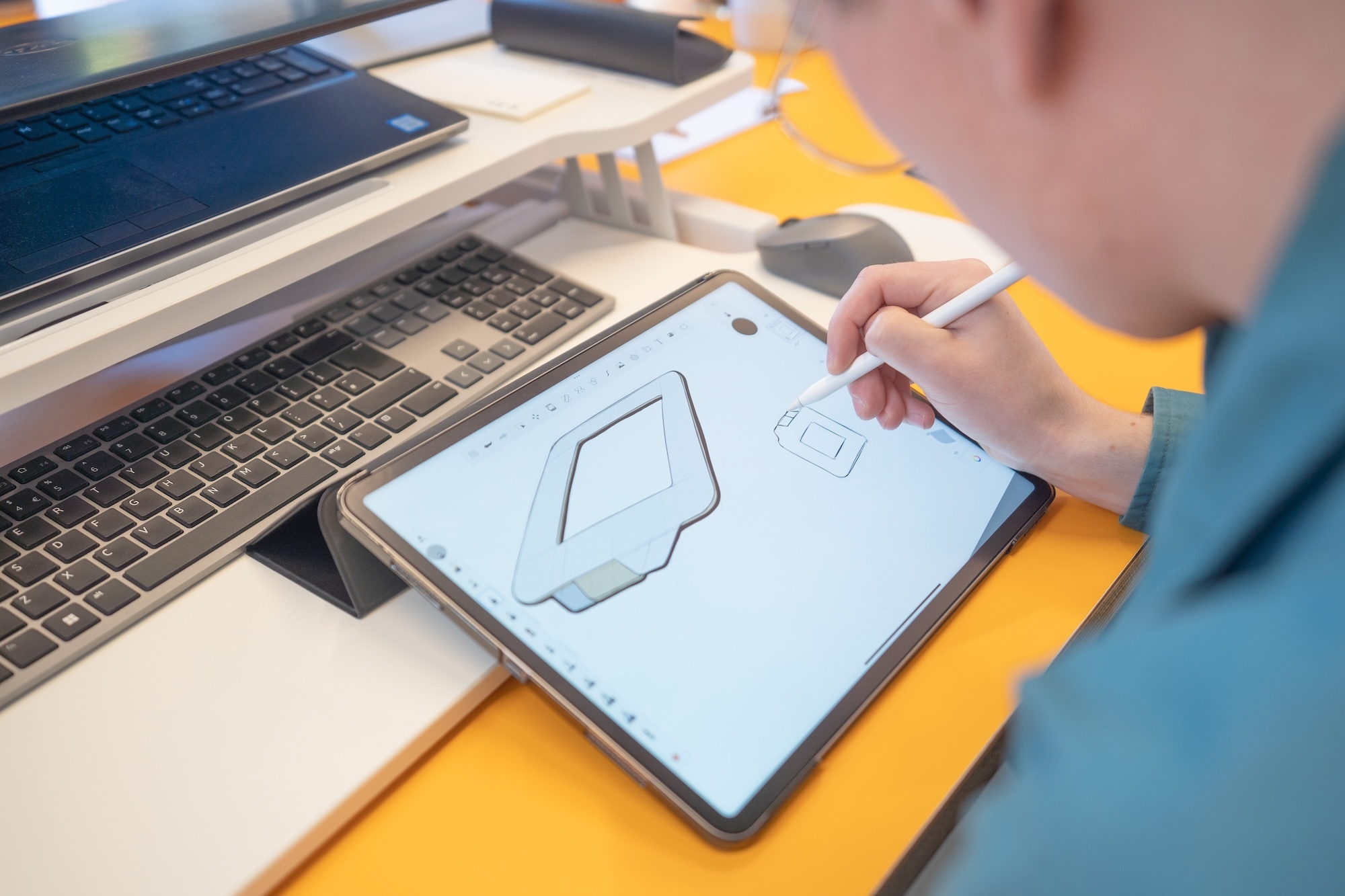
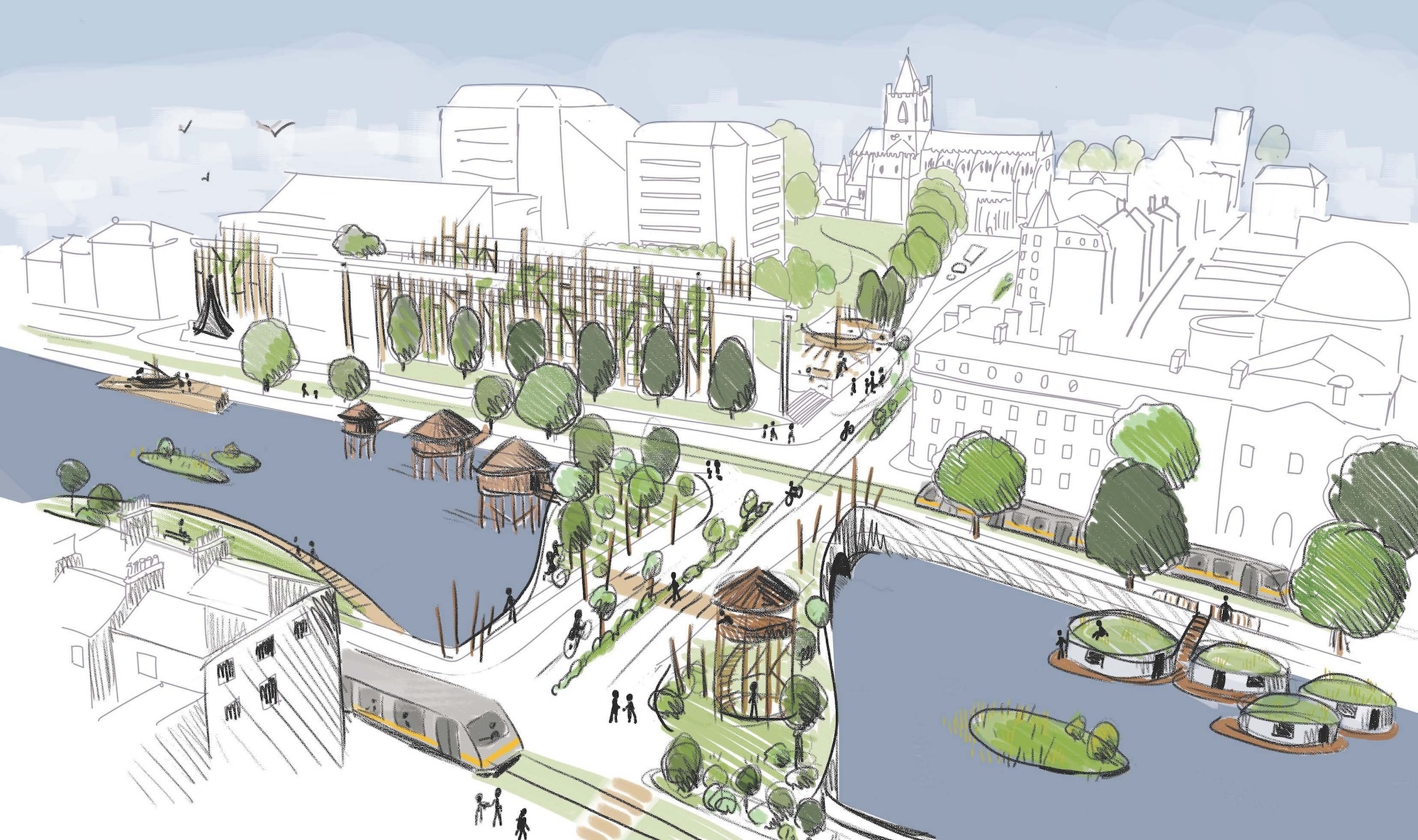
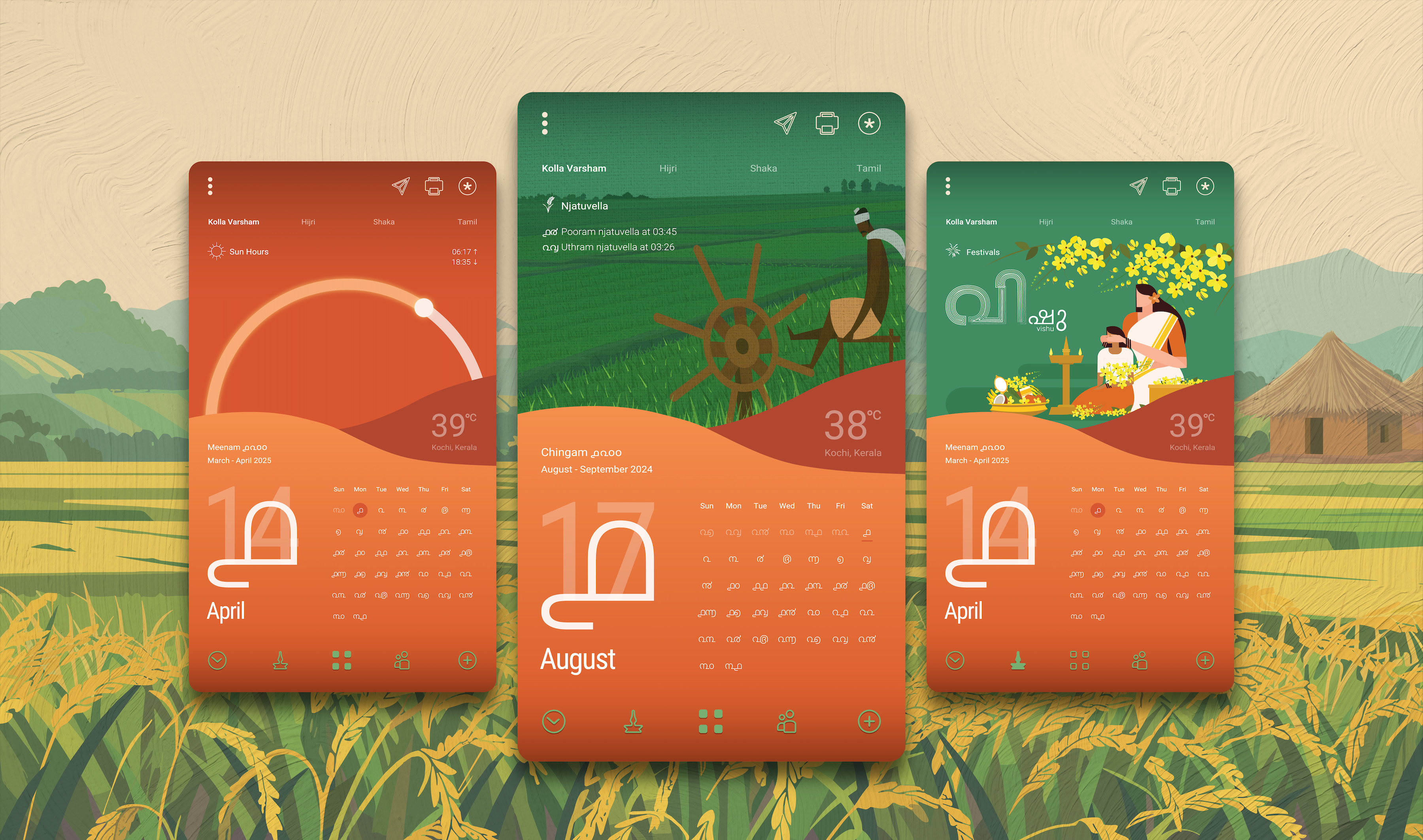
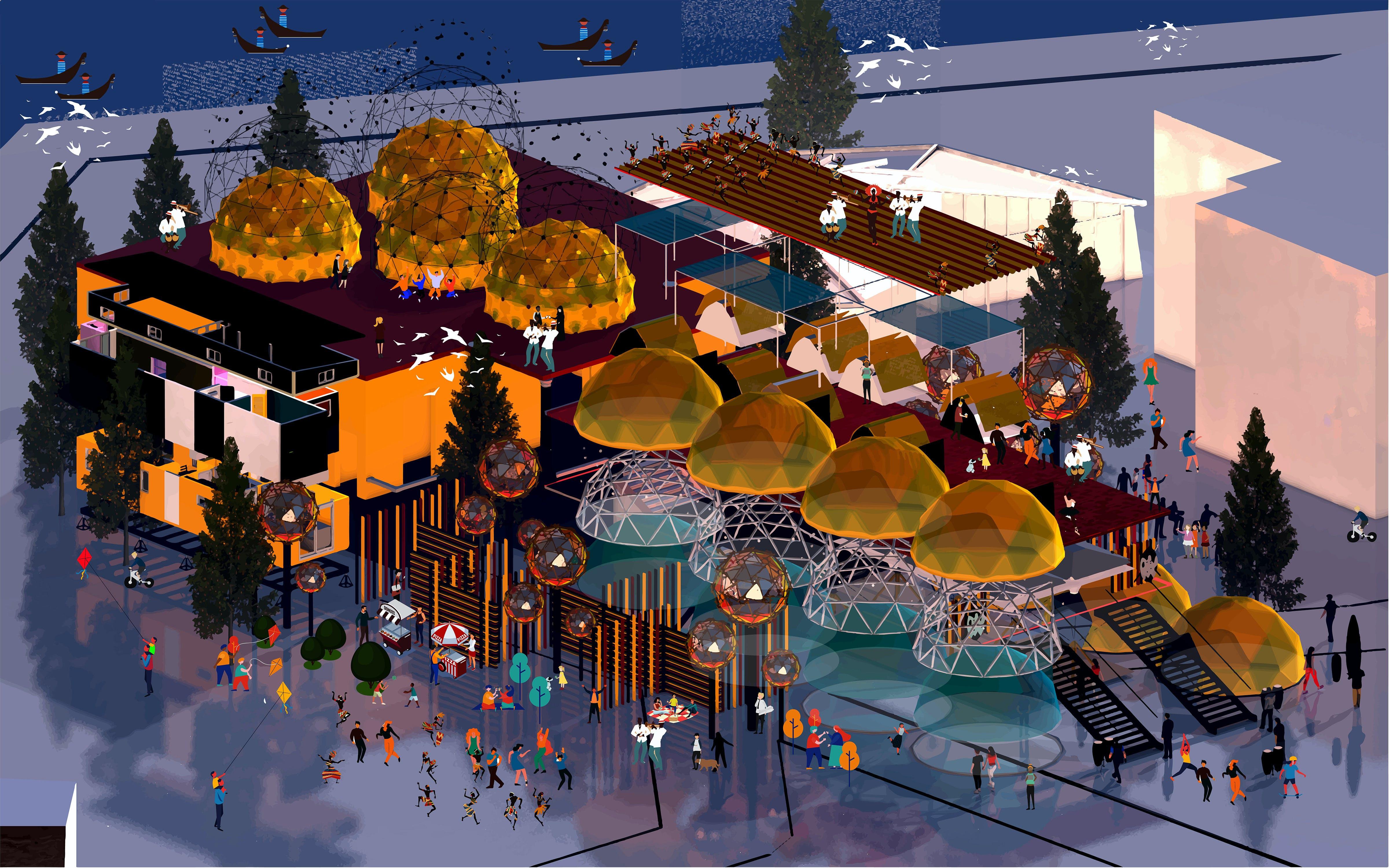
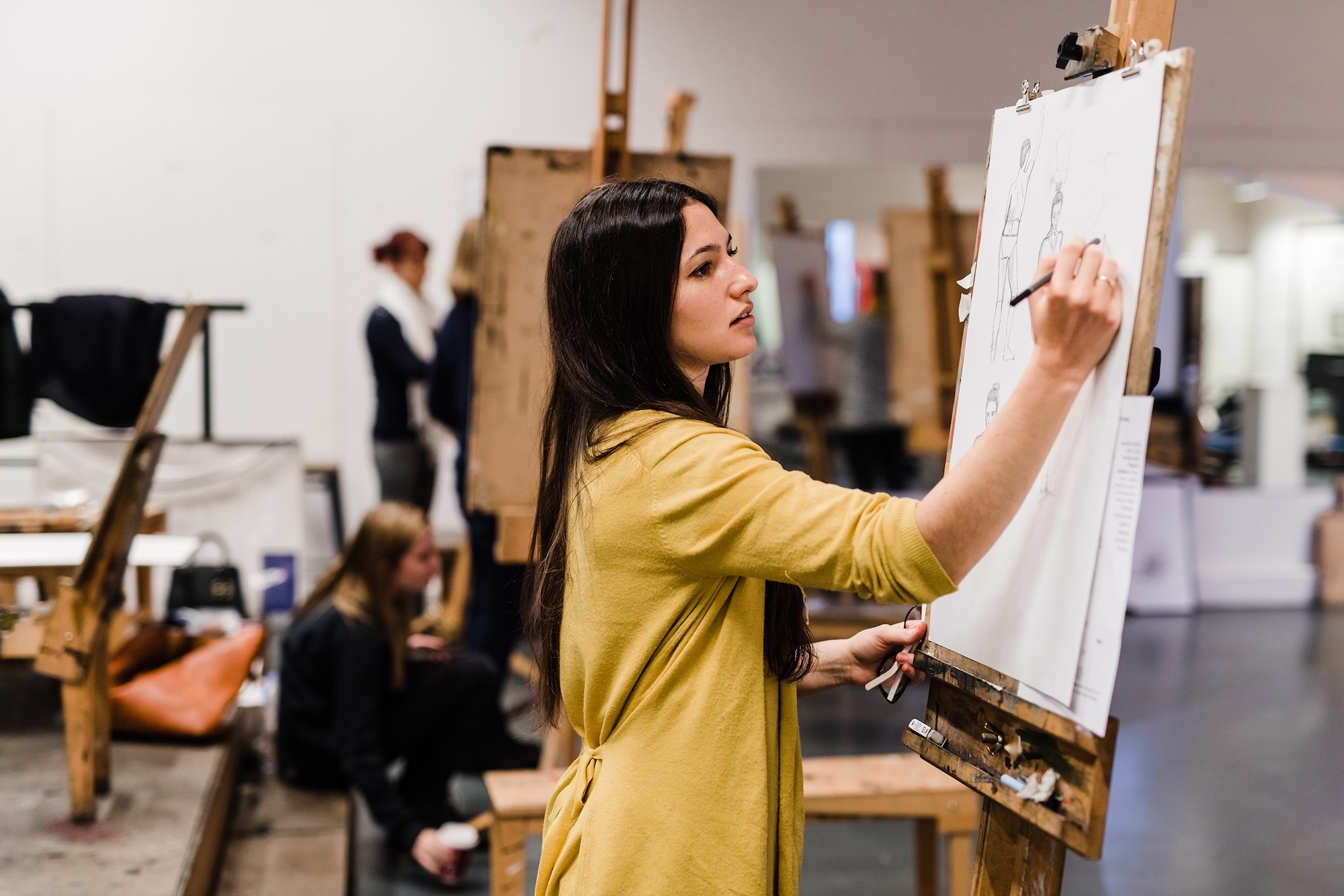
Studying BA (Hons) Interior Architecture and Design has given me plenty of opportunities to explore these strengths. I can make connections between ideas that might not initially seem related, or approach a design problem from an unconventional angle. Being able to think visually through vivid imagination has become an important part of my design process. I enjoy experimenting with ungrounded, whimsical ideas and, with the advice of tutors and the hand of realism, slowly tethering them to the foundations of an authentic, workable design.
Another incredible asset of my neurodiversity is my ability to hyper-focus on deep research for projects, becoming so absorbed that my mind begins making connections that strengthen the basis of my projects. When given the space to explore and be curious about creative processes in my own way, I’ve learnt to work with my incredible brain rather than forcing it into a mould it was never made for. For my final year at AUB, this particular skill will be of great importance to me.
Overcoming challenges over the years
Understanding my neurodiversity hasn’t magically erased the very real challenges. Timekeeping has been something I’ve had to address, particularly with projects involving lots of stages and deadlines. I sometimes need longer to process information than those around me, which can become especially challenging when tutorials contain heavy feedback or there are sudden changes to schedules and classroom activities.
I’ve gradually learned that my way of studying doesn’t have to look conventional to be successful. Despite facing challenges throughout my first two years of study, I am proud to have achieved firsts in the majority of my projects at AUB. This has shown me that learning to trust my own way of working, even when it is seen as ‘unconventional’, has been key to developing my confidence as a designer.

Finding support at AUB
The Disability and Neurodiversity Team at AUB has been an important source of support throughout my university journey. They helped me pursue diagnosis, disclose my needs to the university, and understand reasonable adjustments. Much of what I discovered from them was eye-opening – I had no idea I was entitled to some of the support I was offered.
I initially believed that many of my challenges were mine to handle alone; now I know there are designated people at AUB I can speak to when I feel overwhelmed or overstimulated. Sometimes that support has been as simple as a low-pressure conversation about tutorial feedback, breaking it down so it’s easier to process and less daunting. Other times, it’s been personalised input into helping me accommodate better for myself.
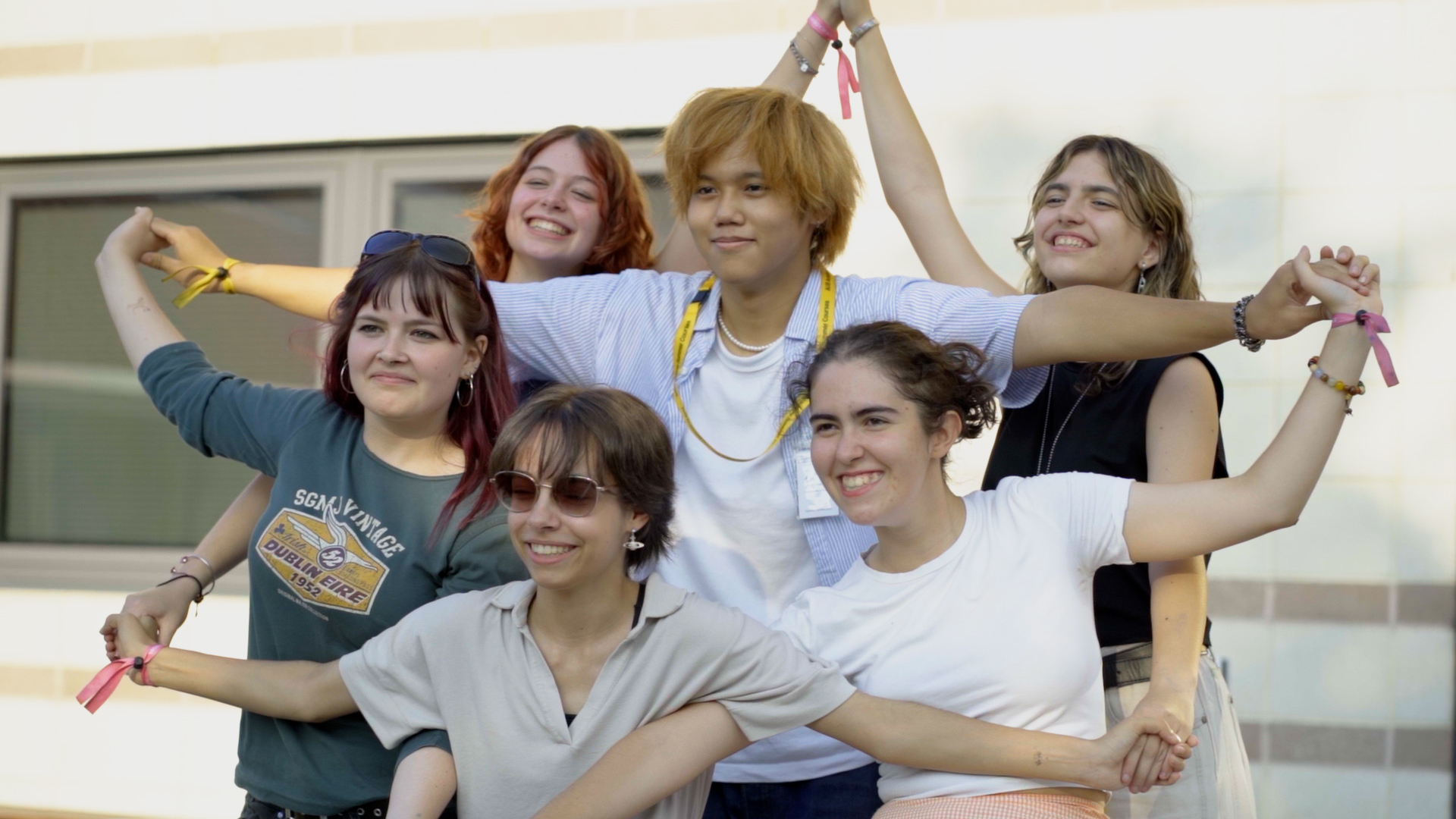
I’ve also really enjoyed AUB’s Neurodivergent Friday Friendly sessions. Being able to relax and occasionally meet other neurodivergent students has helped me feel more understood through shared experiences. It’s also given me the opportunity to chat more casually with members of the team about life as a neurodivergent student.
Learning to accommodate myself after diagnosis
Perhaps the biggest change hasn’t only been the support I’ve received from other people, but learning how to support myself. Methods I’d been trying for years were proving unsuitable for me. After diagnosis, my experiences felt more real, and I became more determined to find systems that worked for me. Sometimes, that’s meant making difficult decisions about my routines, my surroundings or the things I take on since coming to AUB. Rather than masking and forcing myself to tolerate studying or existing in ways that burnt me out, I have chosen to prioritise self-care by studying where it’s quieter, surrounding myself with calmer environments and people, and doing things slowly where possible, at my own pace.
Giving myself a break doesn’t mean giving up – it can be what allows me to come back with more energy and perspective, and sometimes change course for the better. Reasonable adjustments are, to me, about creating conditions where I can actually show what I’m capable of without overdoing it.
Looking ahead
Learning to unmask is a path I’m still discovering and trying to feel comfortable along. I’ve often found myself thinking, is it going to feel weird? How do I even begin? What does it look like? The truth is, starting to unwind years of hiding behind what looks ‘normal’ and ‘okay’ to others has exhausted me. I’ve felt so much freer in allowing myself time in the day to be alone, to be whimsical, and to be a dreamy child again, because that’s what unmasking means to me. Carving out pockets of time for myself reminds me that I don’t always have to be performing or pushing through in order to move forward.
The difference this coming year is that I’m no longer returning to AUB feeling confused or anxious about workloads, community or belonging. I know that, through better understanding and care for myself and by utilising the support the university has offered me, I can return with some confidence to face the final-year grind without the same fear. I’m beginning to decide what I want from my course, rather than simply trying to fit myself into what I think university is supposed to look like.
My experience of unmasking is still developing, and I’m learning what it means to give myself permission to exist in ways that feel natural. For me, creating that space has been a huge part of understanding my neurodiversity – and of beginning to see just how much strength can exist alongside the challenges.