



































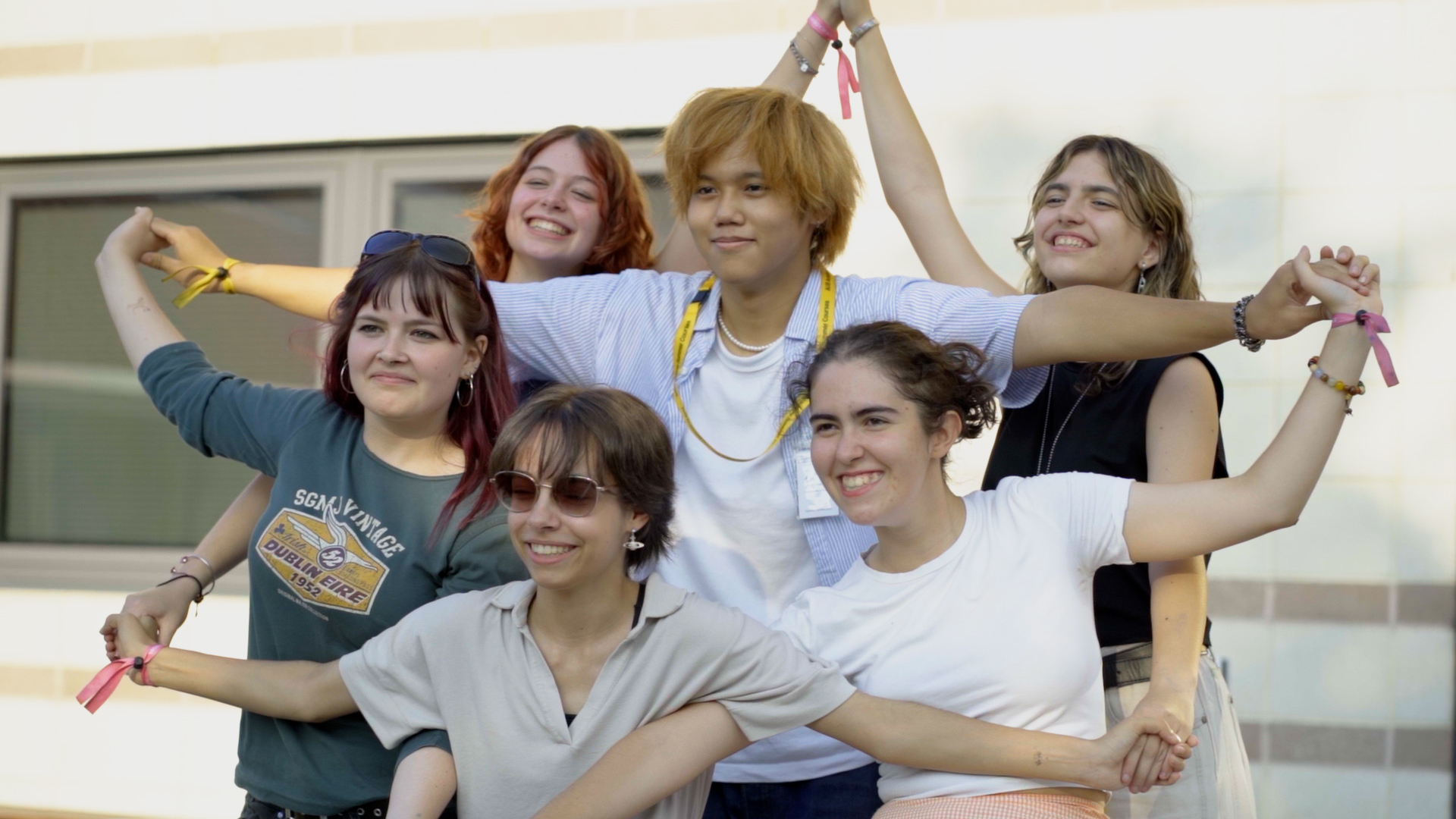
"How do I become the best graduate I can be?" "What makes a professional so good at what they do, when they started out like me?" Why can’t I get the hang of this course?"
Maybe these questions have passed your mind before, or maybe it’s got you thinking. If so, that’s totally okay – it’s all part of forming the "design mindset".
Making the shift from school to university is a transition that is already riddled with fears, excitement and new possibilities. Making that shift to an arts university, however, means that everything you learned in school is able to be reframed and thought about in a creative way, informing every next step you take as an undergraduate.
Actually doing that though, is challenging for some people – especially when it involves trying to develop a design mindset. On a personal note, moving from doing Geography, English Literature and Art for A-Levels, to immediately studying BA (Hons) Interior Architecture and Design in AUB, was a shift that has changed my design mindset forever. I feel I can safely say, entering my second year, I feel more confident that a design mindset is a transient thing that has the potential to change and grow in the favour of any creative who chooses to nurture it.
Experimenting and finding your voice
In school, we develop a structured mindset on having the right answers for an exam coming up at the end of term, or revising as much as we can on topics we don't really like or understand. But the brilliant truth of coming to an arts university to continue our education is that it enables us as students to change this mindset to be more open-ended and explorative of new ideas, practices and boundaries.
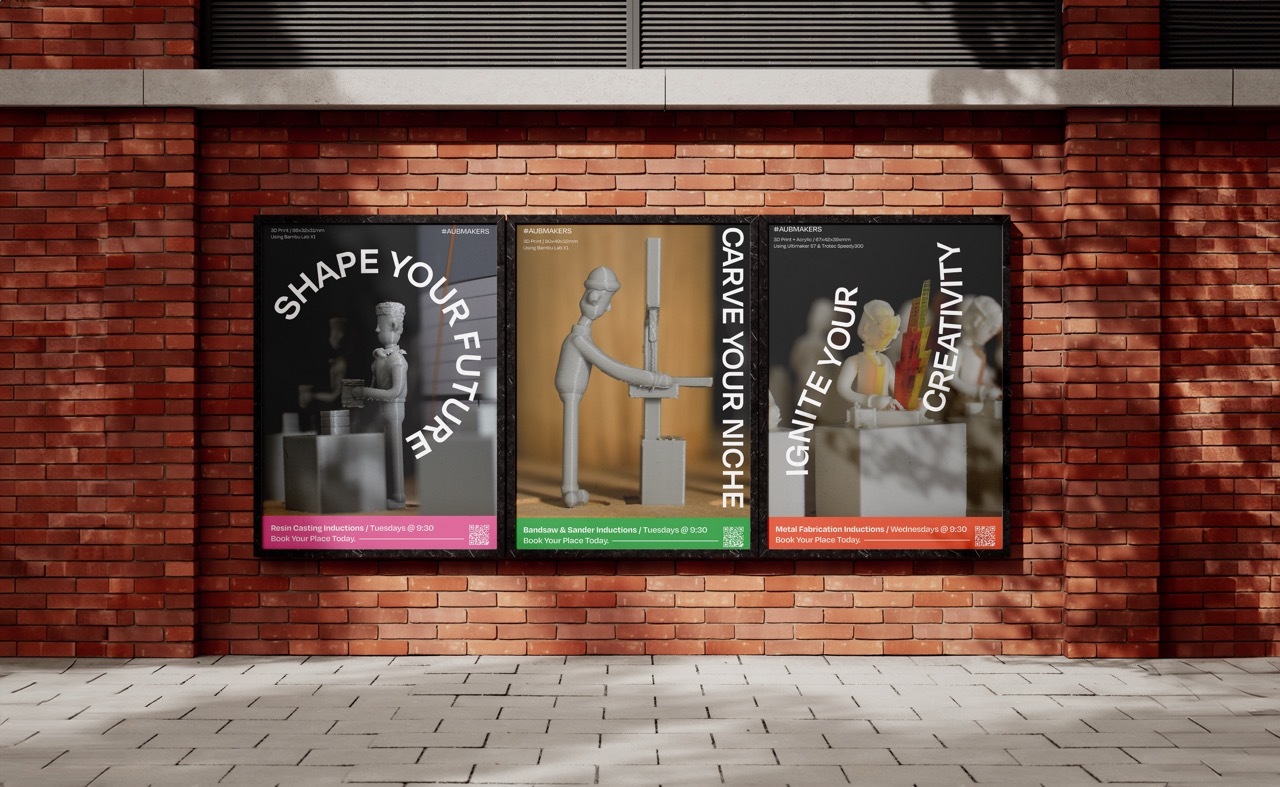
When given briefs that are quite open-ended and broad, for example, building the design mindset needed for the industry requires you to embrace the broadness of unit briefs, and think outside the box – a creative skill that many industries lack. This is what makes each designer unique – whichever route this imaginative thinking takes them down is entirely based on their experiences in life, framing their own design mindsets.
Authenticity is challenged in this era with the integration of AI into every crevice of creative life. It has become hard to tell at first glance whether something is genuine or created by a bot, yet given this, authentic work and effort is now valued more than ever. Authenticity is the key to growing your design mindset – stay open to other ideas, yes, but remember to root all your designs in what feels like it makes sense to you.
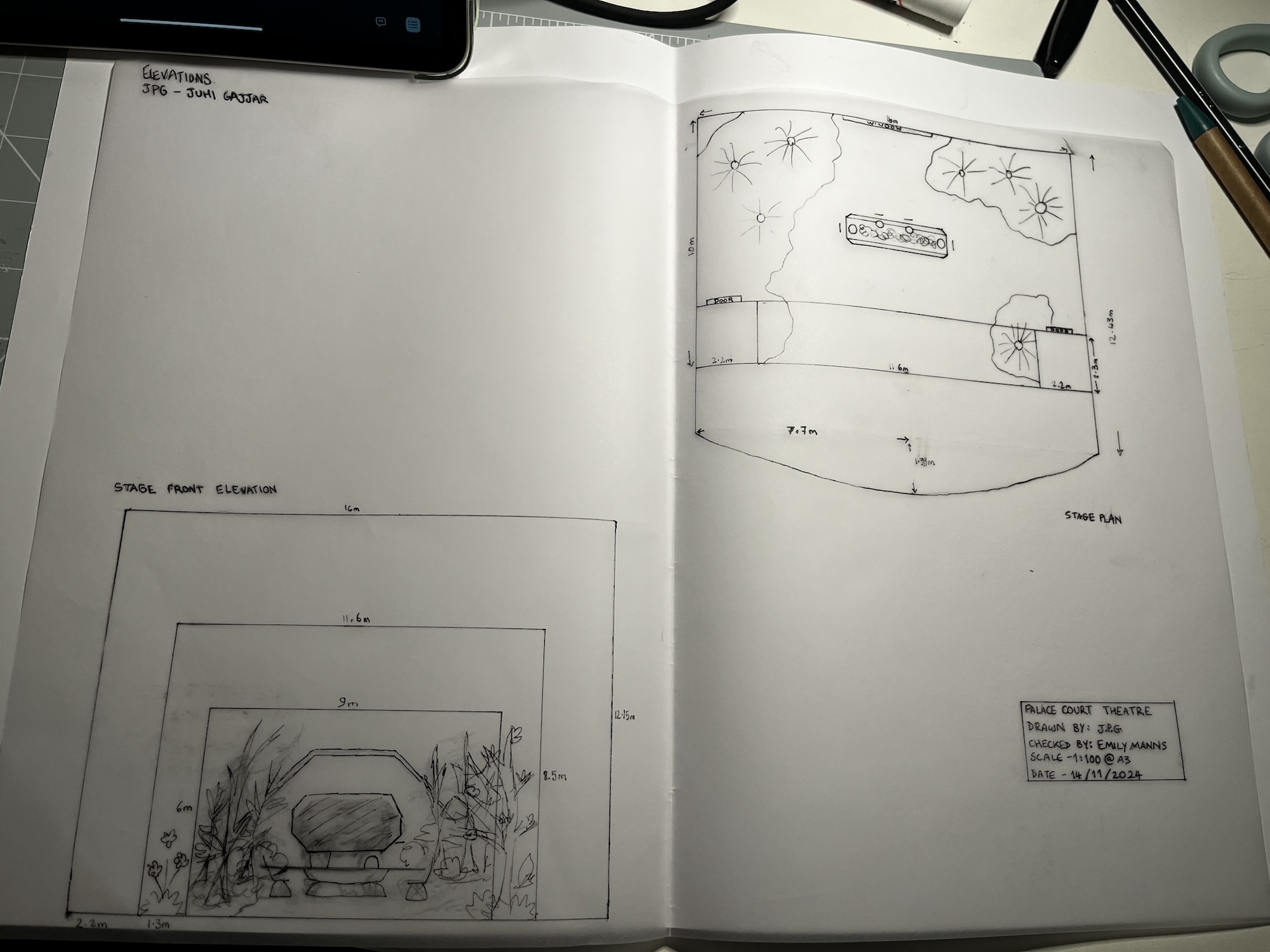
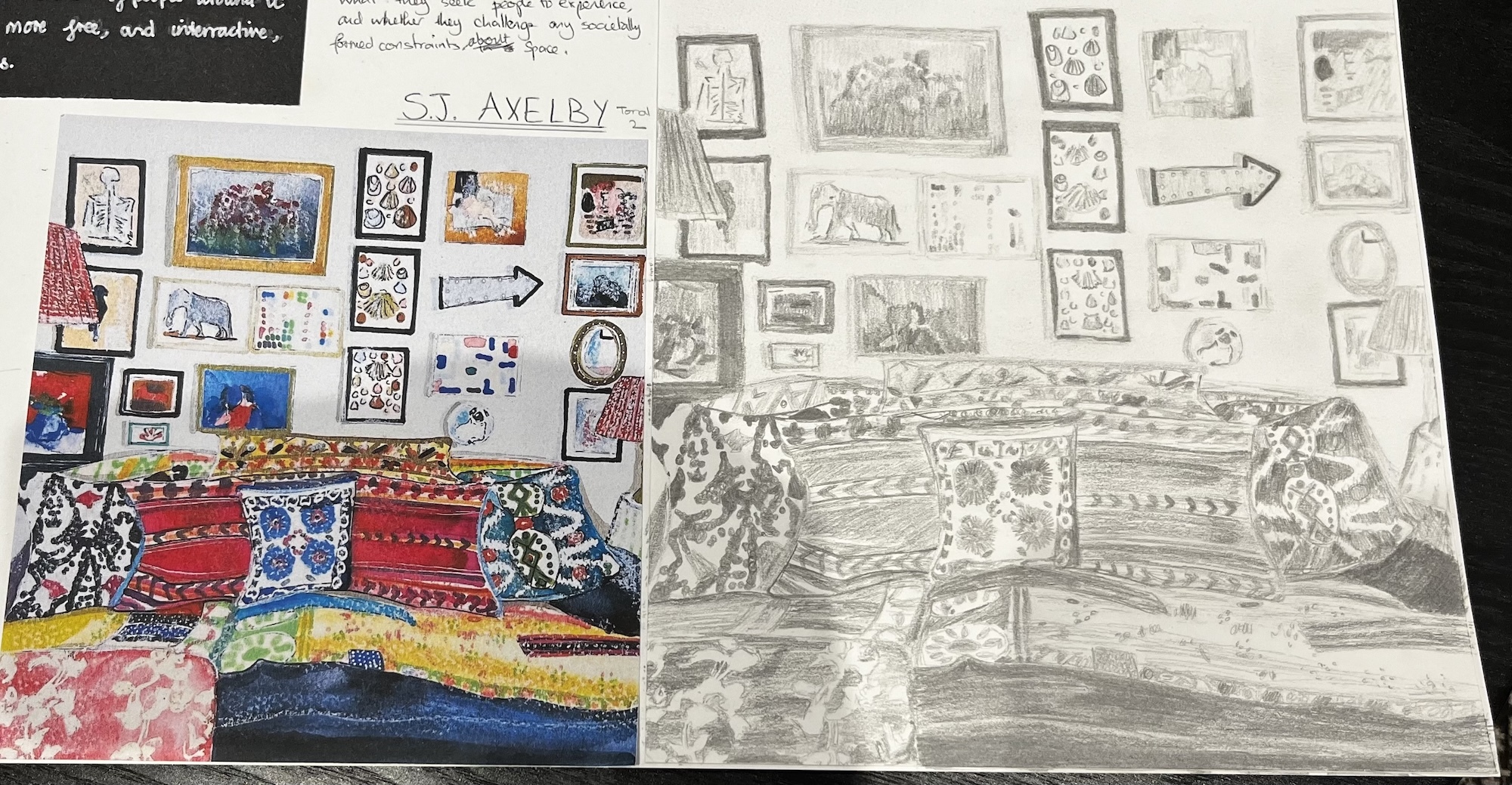
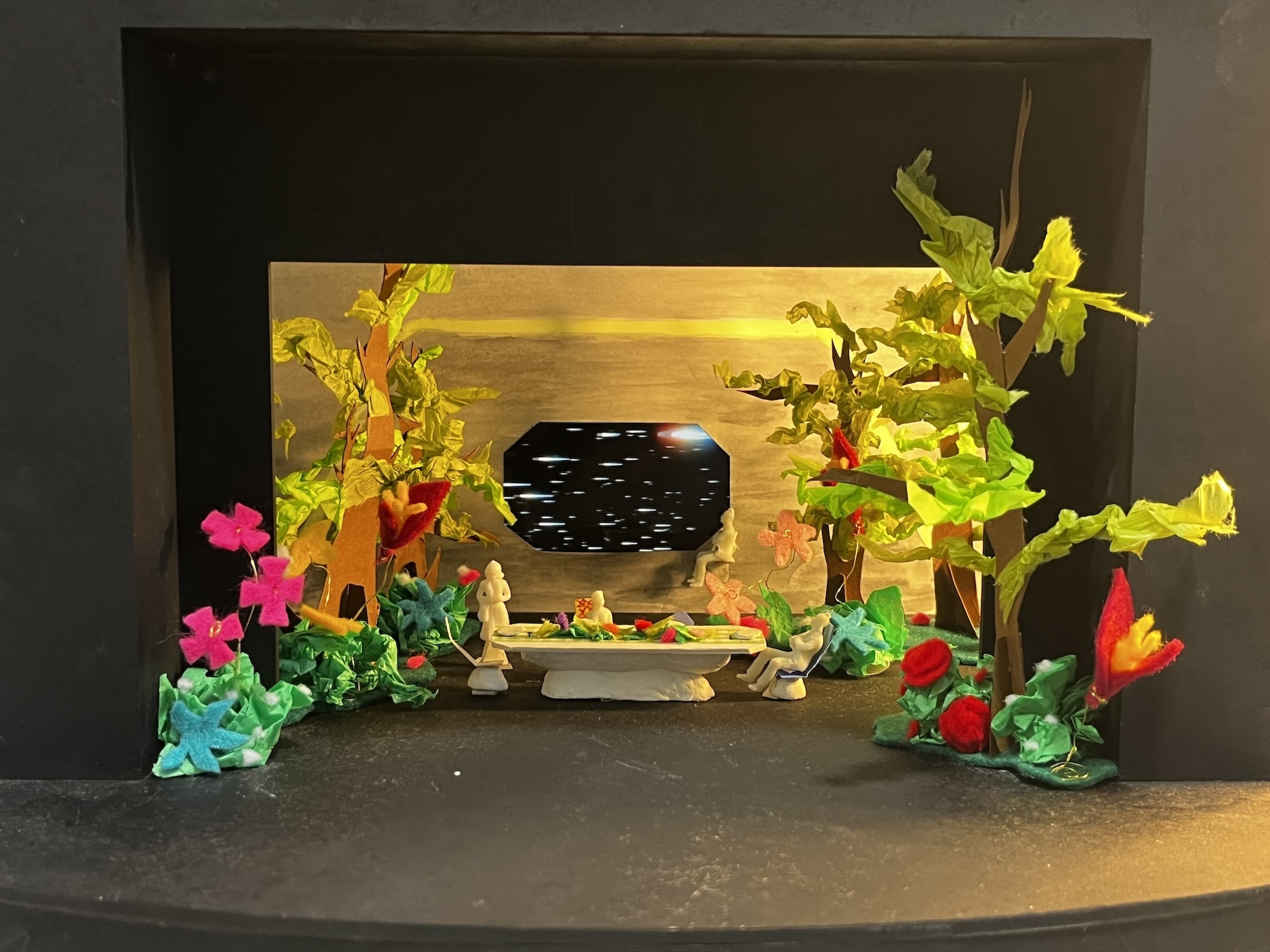
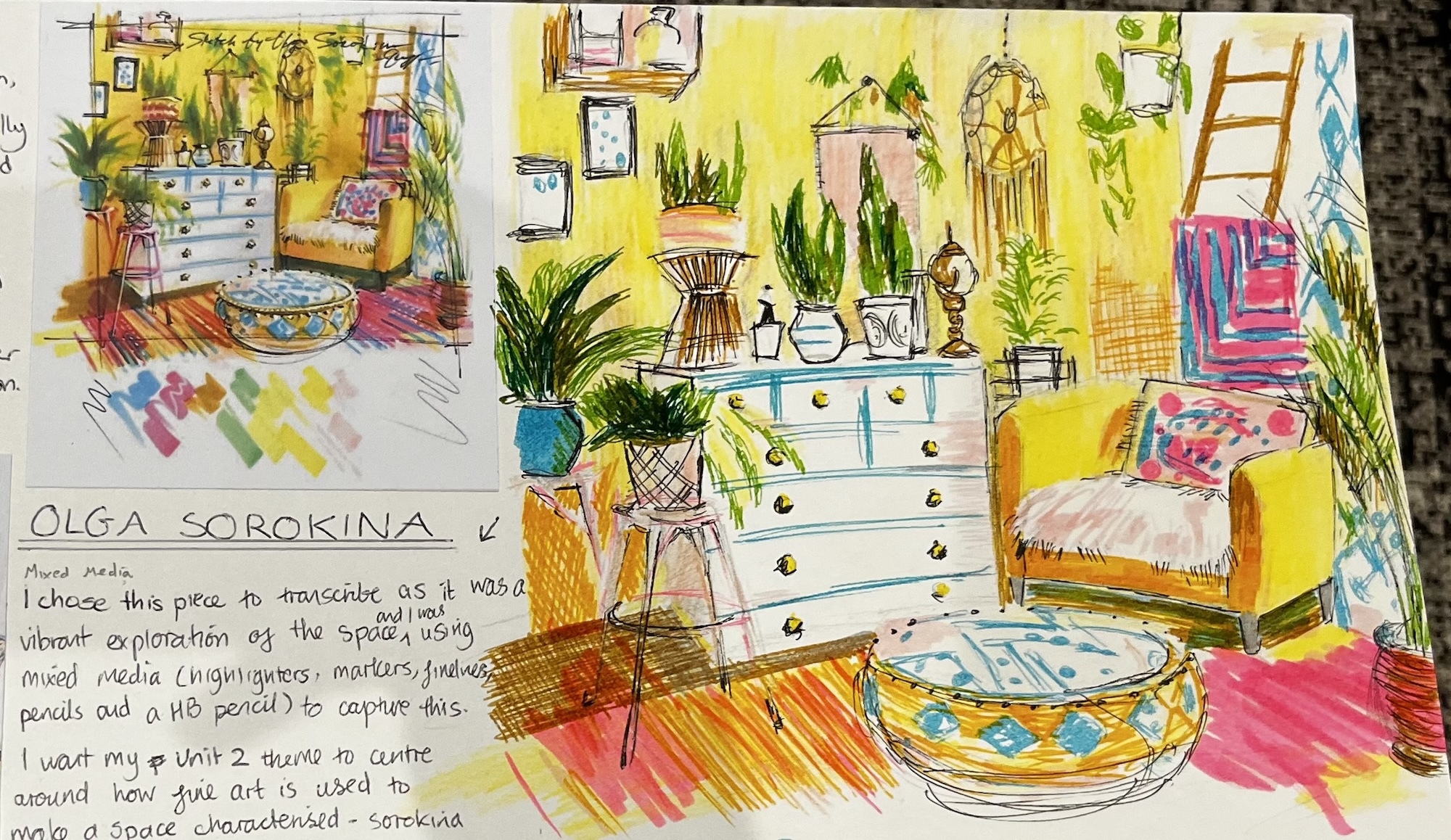
The studio community
Maturing the design mindset requires external input, i.e., the dreaded criticism we all fear in class when completing our work and hitting wall after wall with confusion. But it is crucial to forging a more professional way of thinking, enabling the ability to deal with challenging clients or structural limitations, budgetary constraints, etc., in the working world.
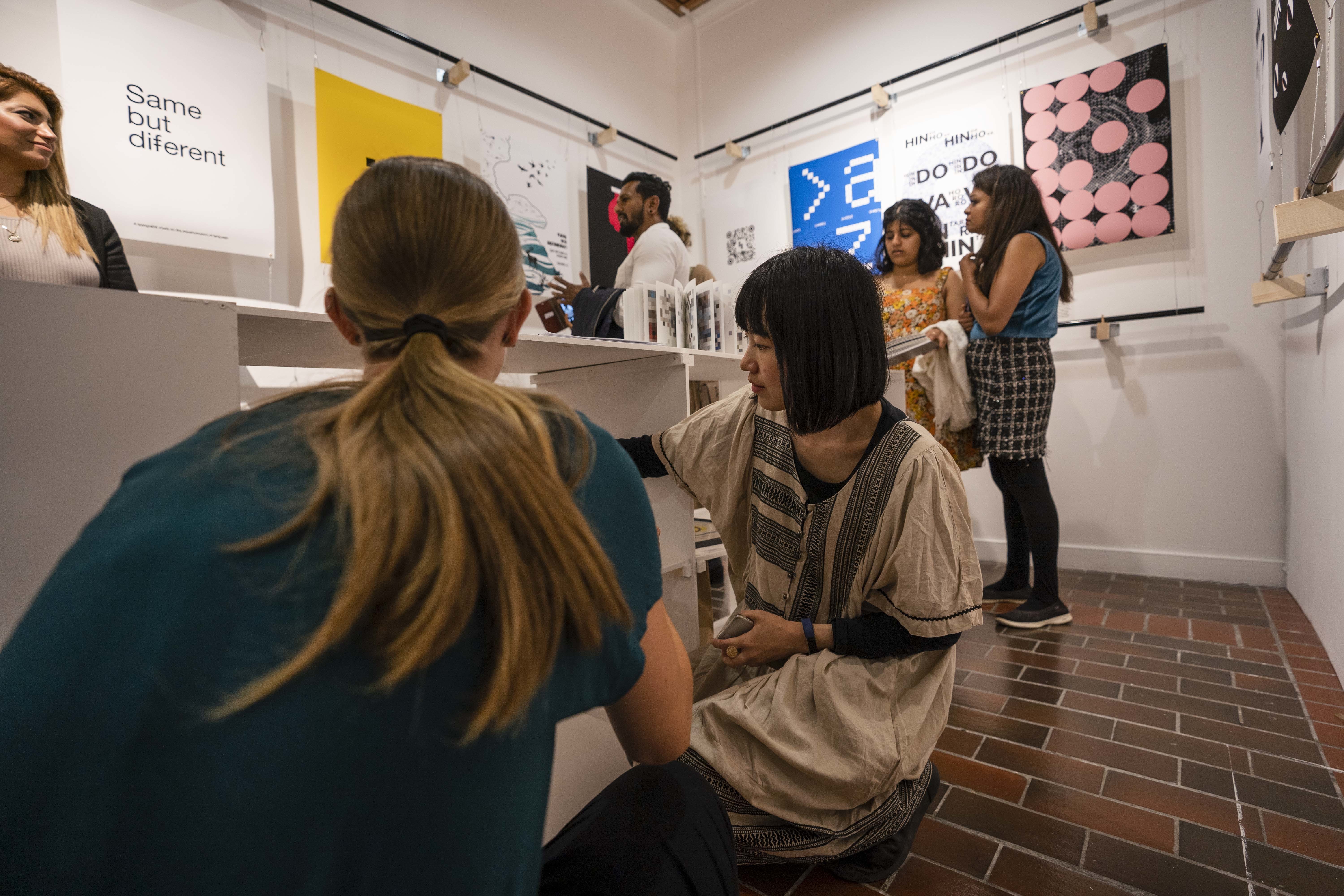
In "getting out of our own way", we can become much stronger at dealing with criticism and judgment, and even the feeling –sometimes illusion – that our peers are doing so much better than us. More constructively, collaboration with other designers in your discipline or another, can open the design mindset to possibilities and avenues of thought it has not explored yet. This could even be course friends, who all share enthusiasm but may lack the creative spark to get everyone going on their projects. Simply talking about the projects and each other’s intentions and inspirations can very quickly become useful to someone else, even to you, and this is the opening of the mindset that breaks us out of the restricted mindset of school.
It’s easy to think that the design mindset is too challenging to adopt so soon into university life. But with all the facilities at your disposal to develop your thinking and learn more creative skills than you thought possible, it can be much more possible to have a developing design mindset by first year. It will feel so liberating in comparison to school, where I know I was at times limited to the brief or exam specifications, and couldn't be more creative.
In personal experience, attending tutorials with my tutors, exploring new software and design tools, and talking to my peers has helped me grow my mindset to be more imaginative, inventive and professional by second year. And it only keeps growing, even post-graduation, as long as it keeps being fed incredible creative examples and advice. You’ll know your design mindset has developed a bit more when you realise you're doing certain things subconsciously in your projects where you once may have struggled. It takes time, and that’s the beauty of it. As time evolves, so does your mindset.