
- Home
- Student Stories
- Beverley Carter – “Don’t tell yourself y...
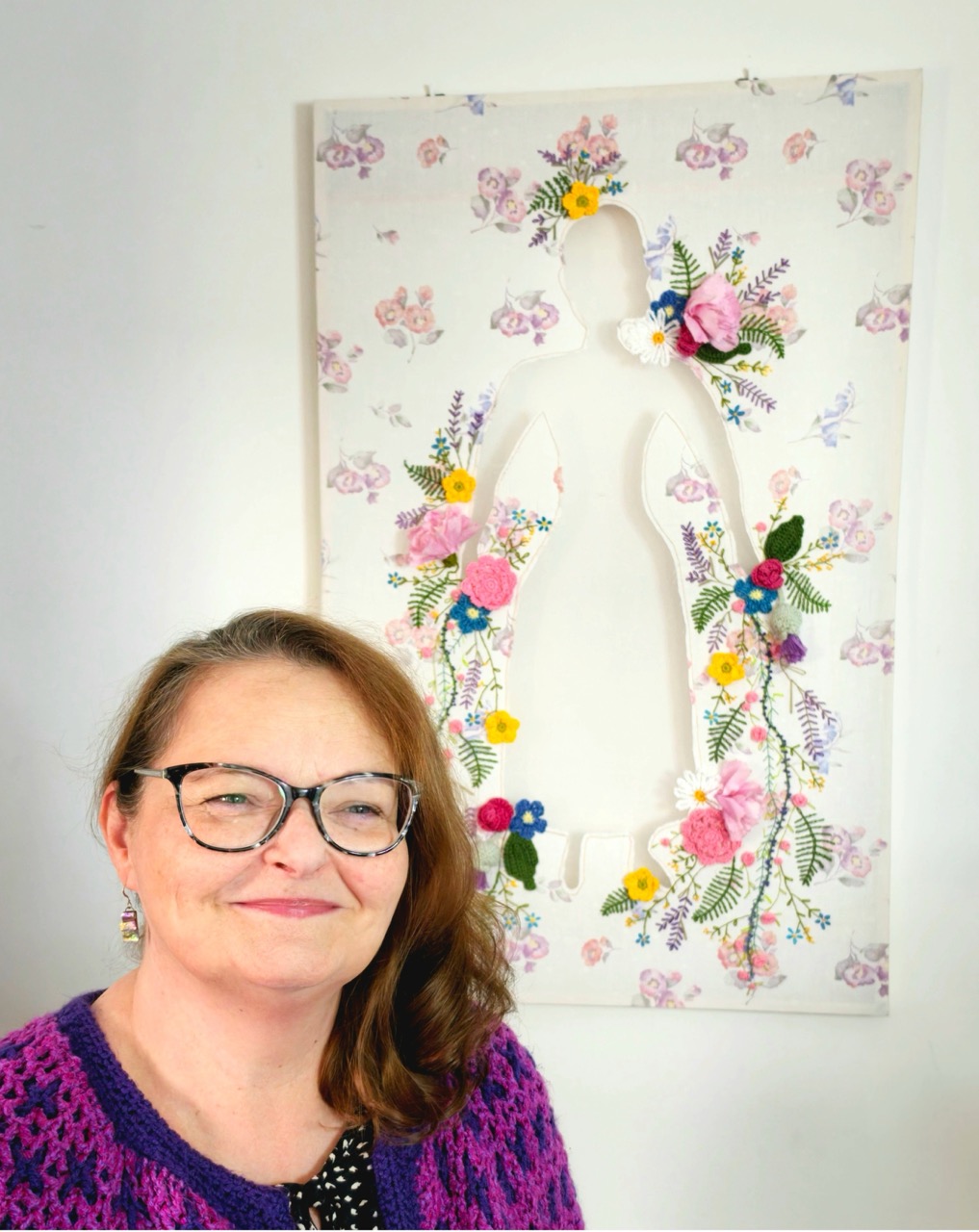
Being a mature student who hasn’t been in higher education for over 20 years, it took me a whole year to apply and enrol on the distance-learning MA Illustration (Online) course. I ruminated and almost talked myself out of it so many times, but I am so glad I didn’t!
I have learned so much, been challenged, grown and been supported by my tutors and peers over the last two years. I am disabled, have chronic health conditions and have been hospitalised three times during the course. It hasn’t been easy. I have taken time out and needed mitigation, but the university’s student support teams have helped me through this. I would advise anyone who needs it to make use of their services.
I initially felt at a disadvantage coming from a technical textiles background, as I hadn’t done any art since my teens. I come from a working-class background and was encouraged to get a “proper” job – blinkered, I know – but this was before the internet was a thing! Many years later, a life-threatening event led me to give up work, and I undertook a 12-week art therapy course with Artscape. It lifted my mood, calmed me and led to many more short courses with another charity, Artshape. They encouraged me and built up my confidence. Making art took my mind off the pain and my physical limitations.
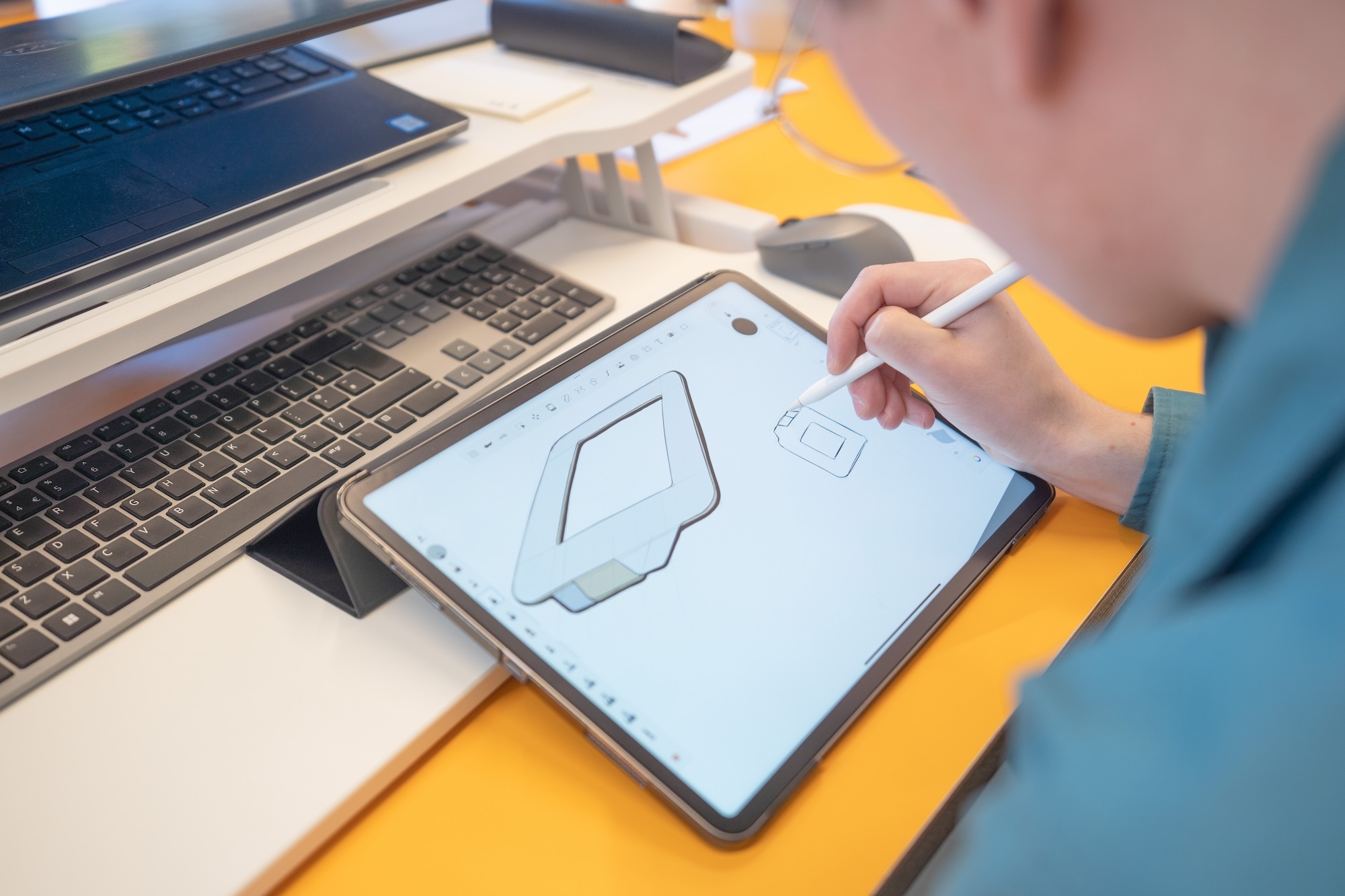
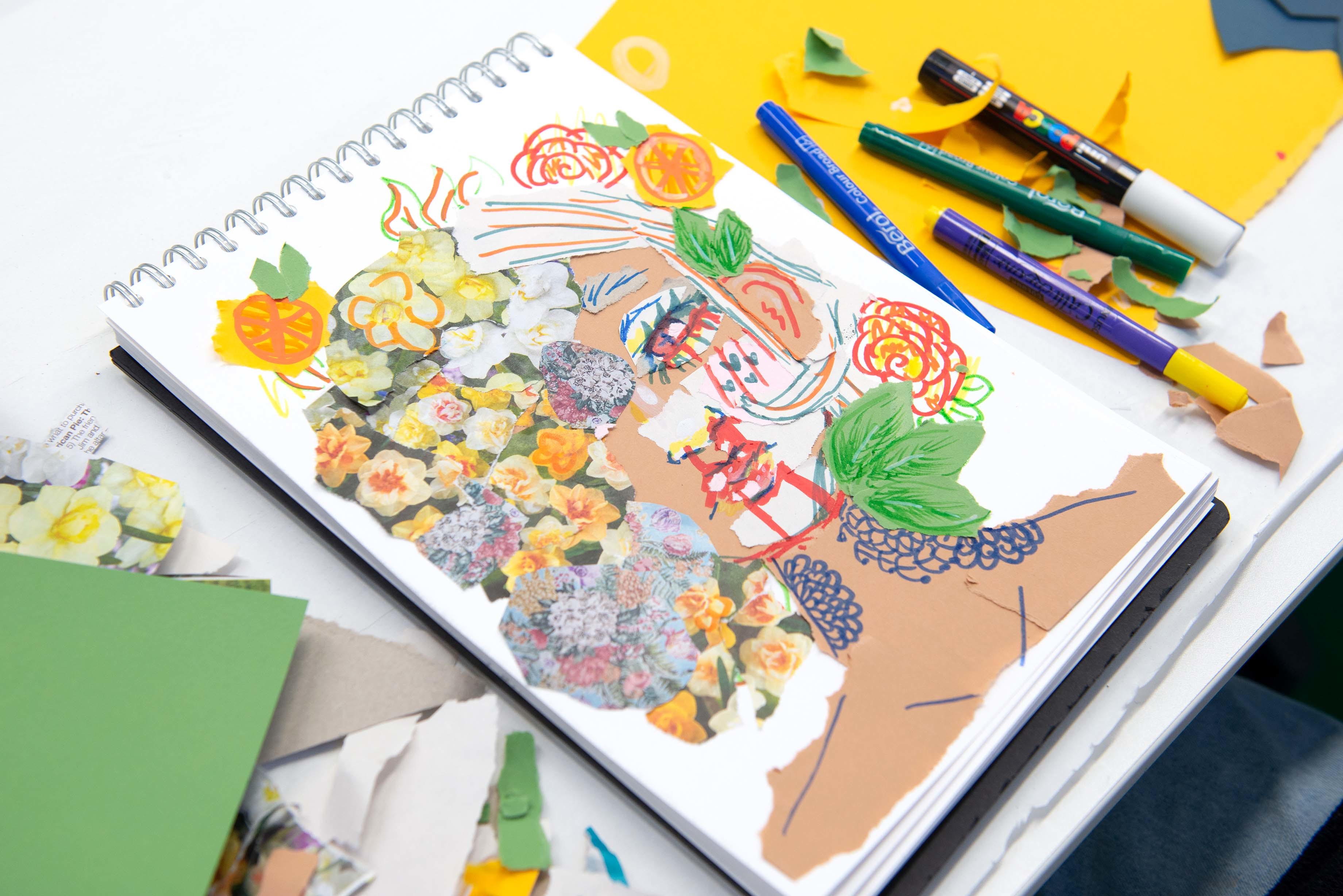
One tutor described my style as illustrative. I looked up what this meant – a little embarrassing, I know! – but I could see why he had said it. I realised that in much of my work, I was using visual language to tell a story. I had an idea: what if I could train as an illustrator and start a new career? I could work as a freelancer from home, where I could work when and how I liked, even from my bed in my pyjamas! The idea became a plan...
Starting the course was a steep learning curve. Everything from using Canva to understanding illustrative theory was a challenge. I was used to spreadsheets, root-cause analysis and action plans. I can now see the progression from my early creative outcomes and assignments to my most recent project proposal and final Master’s project.
Key learning came from case studies and assignments. Exploring AI in the Ideas and Ownership unit, I began to understand how it may have a place in idea generation and exploration. While I was concerned about copyright infringement and everything becoming too “beige” – rather like when you mix all the paints together and all you get is a sludgy brown – I realised that the human creative spark, the expression of experience and emotion, cannot be replicated, only imitated. So, while the illustration industry is undoubtedly being changed by the widespread use of AI, there is still very much a requirement for human visual expression and a need for training in the creative arts.
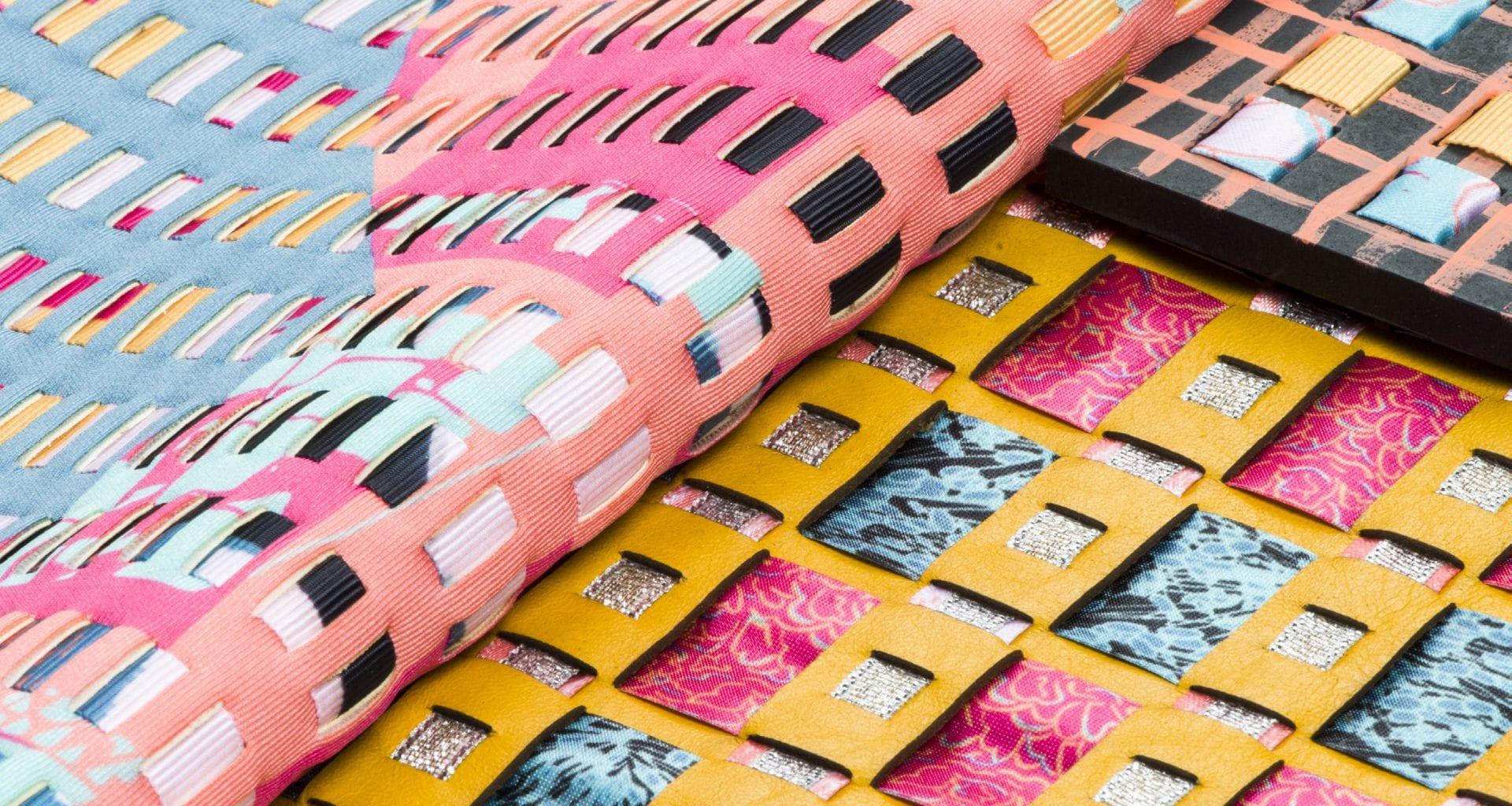
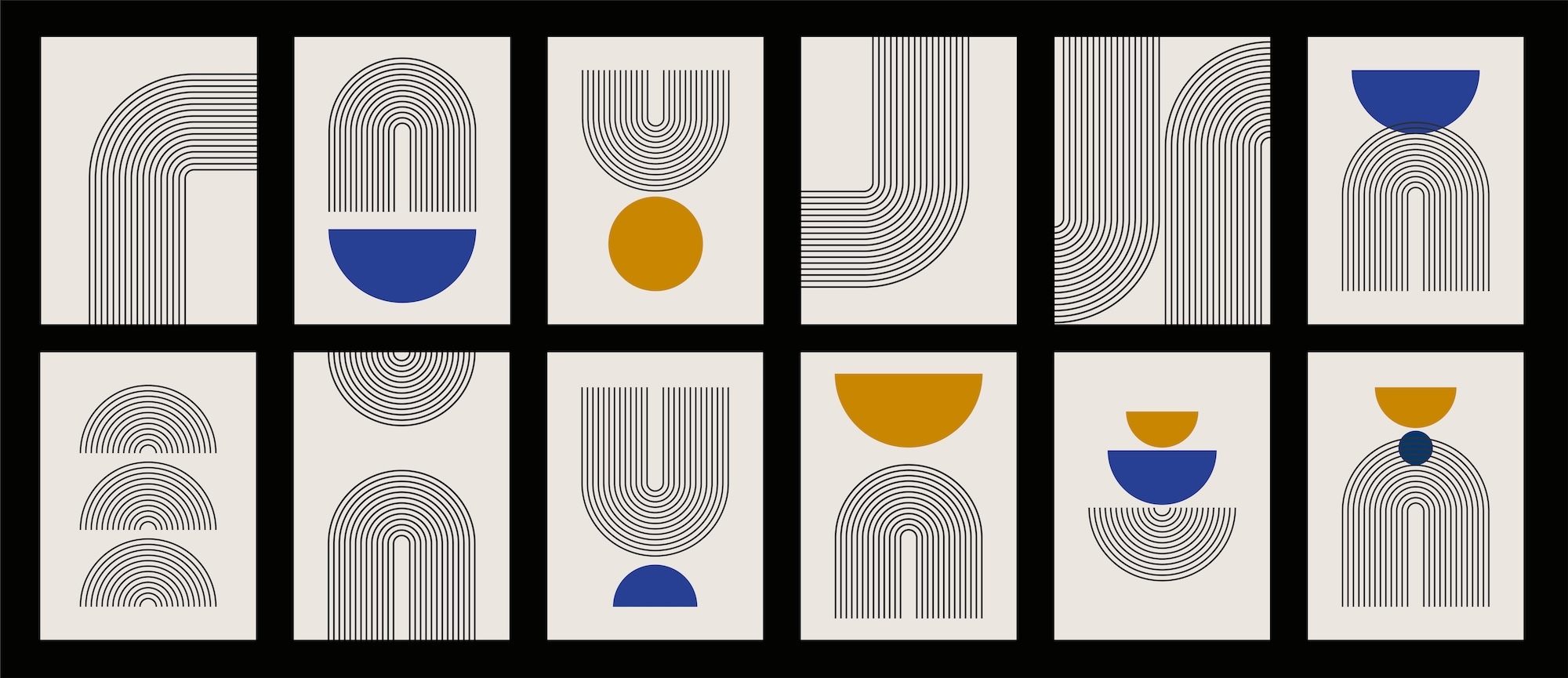
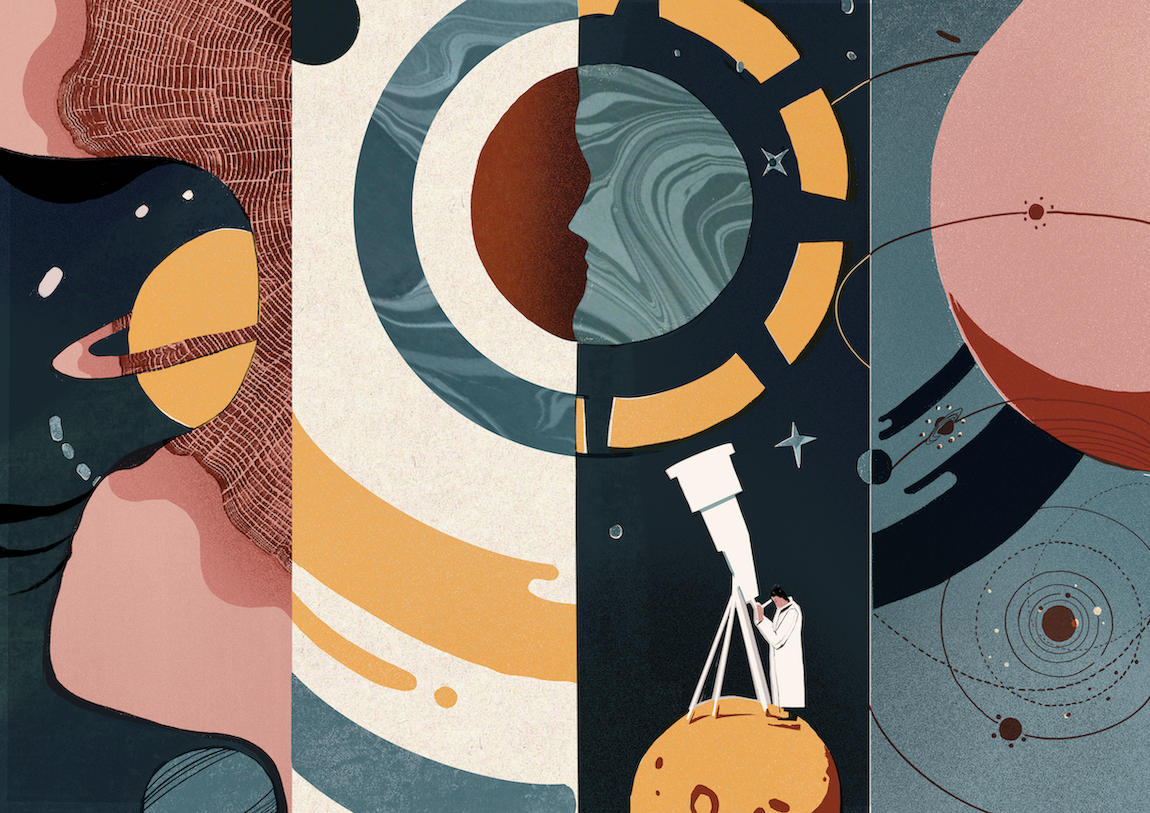
I did not enjoy exploring my skills and aspirations in Professional Practice, but it helped me refine my future career plan. I want to work in the fields of editorial illustration and surface pattern, the latter combining illustration with my previous experience in textiles. During my studies, I discovered I have a strength in research: taking a large amount of information, condensing it into headline stories and communicating these visually. This is something I hadn’t previously recognised in myself, and I am still exploring where this ability could be applied. It could prove particularly useful in historical or social science fields.
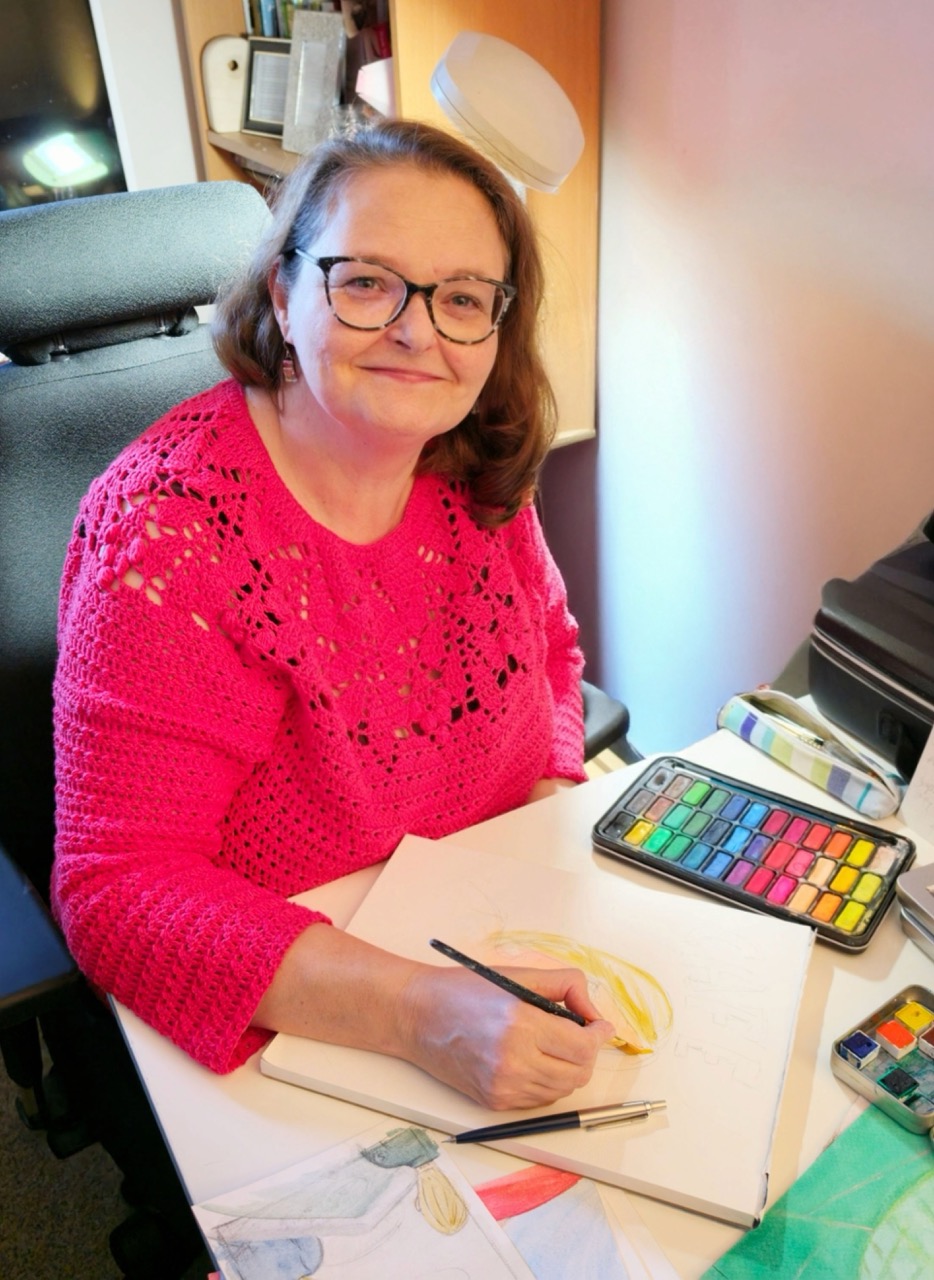
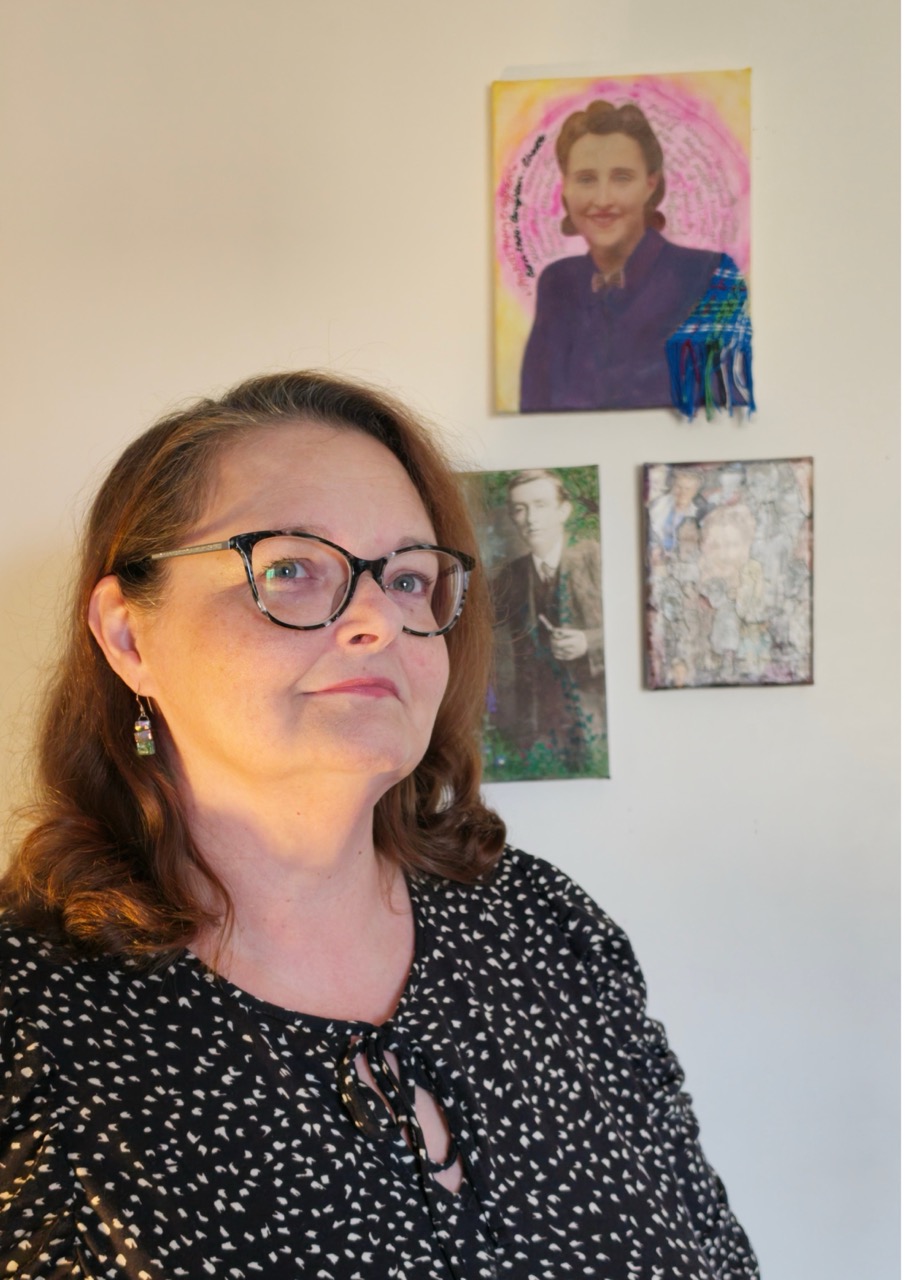
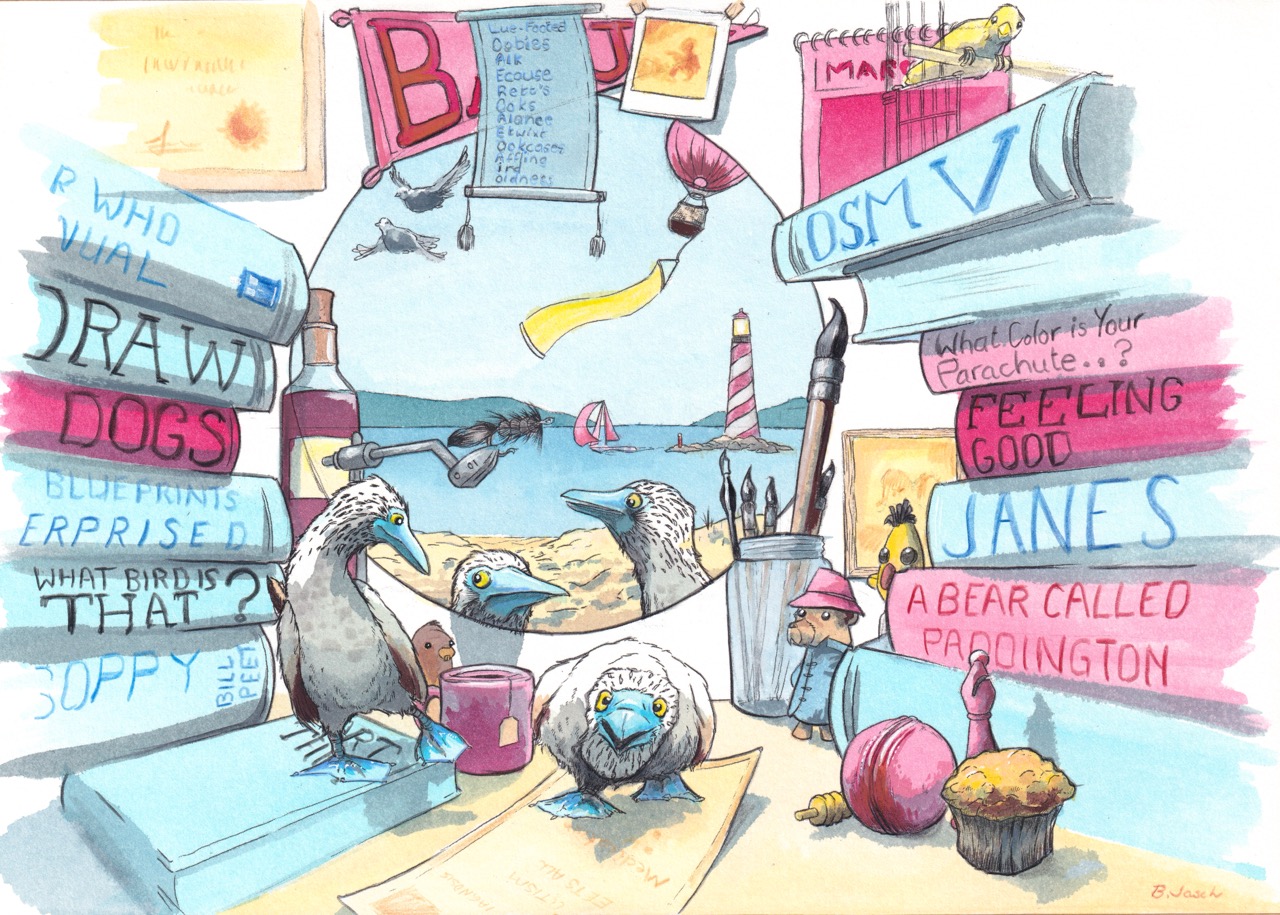
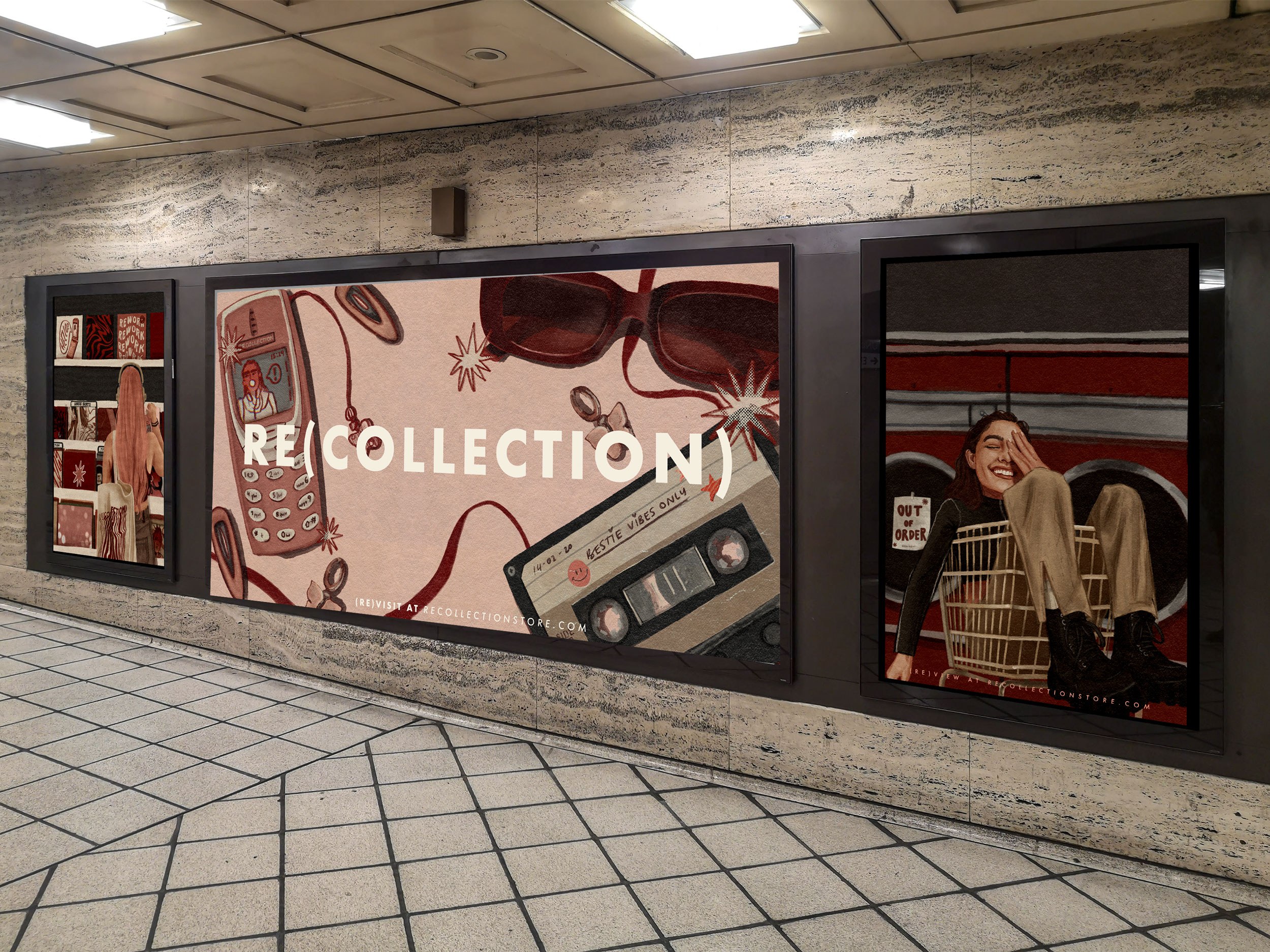
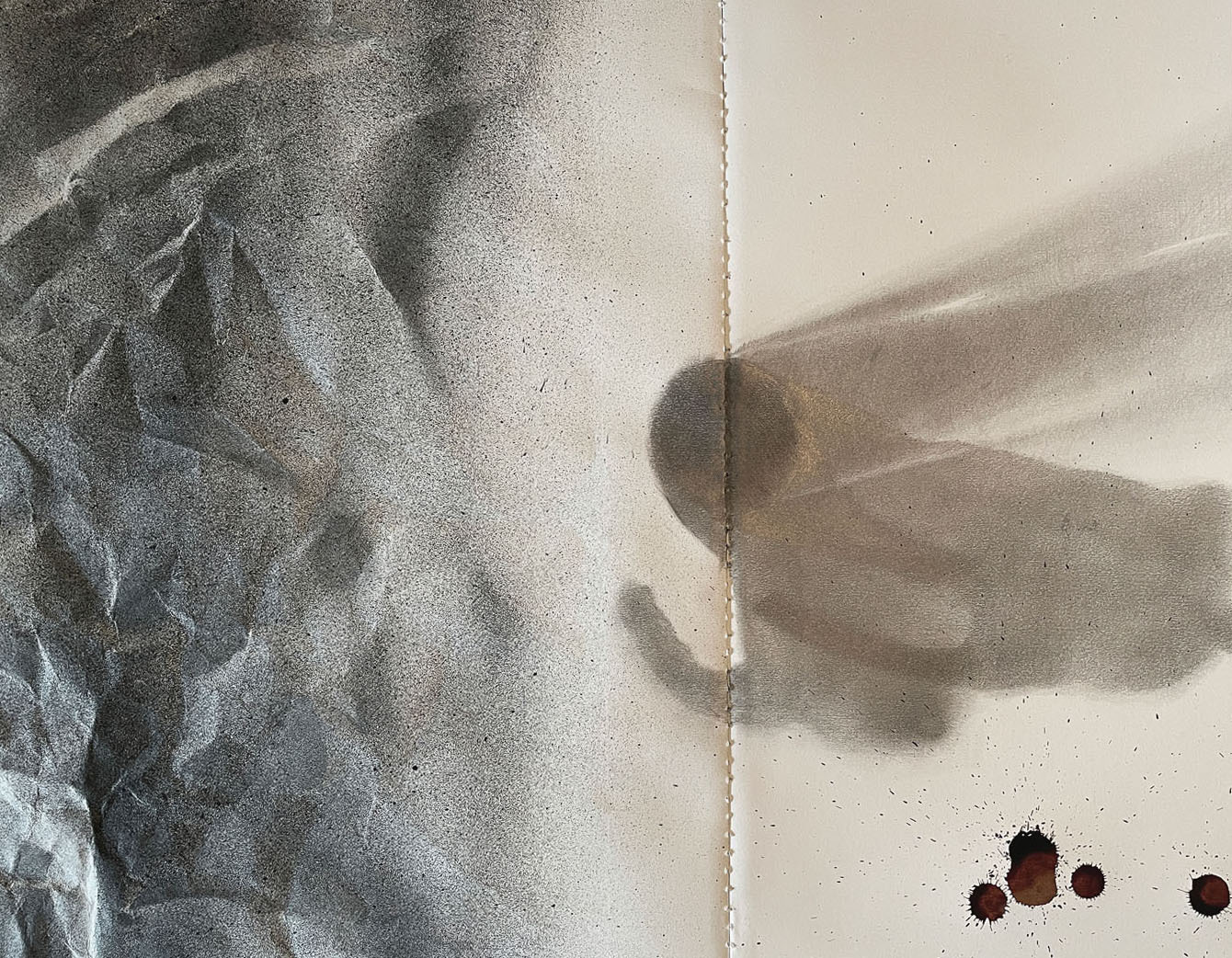
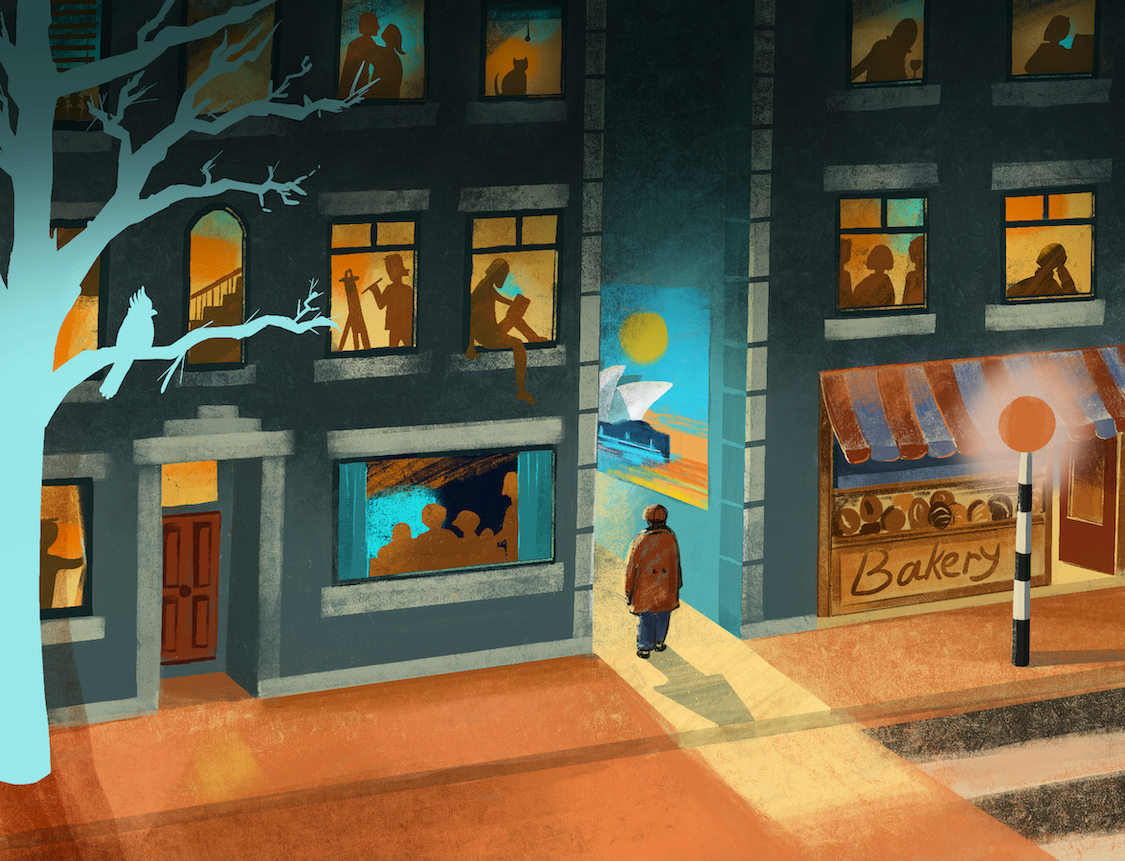
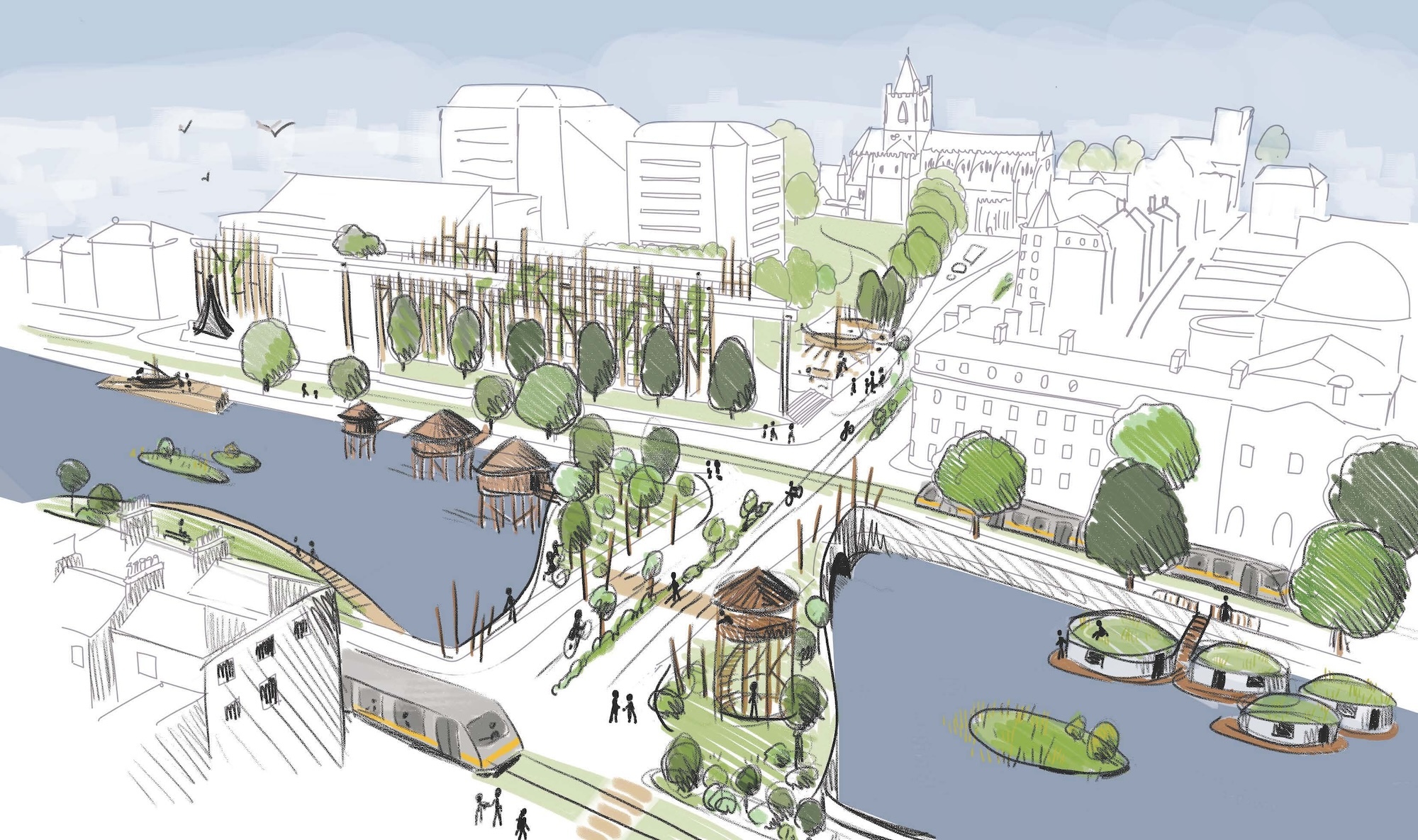
In previous assignments, I have illustrated roadworks located near a historical site, trauma and mental health, and I am currently working on my final project looking at women’s lives and labour. There seems to be a common thread running through much of this work: revealing what is hidden or obscured. This is something I plan to explore further, seeking grants to fund future work and bringing issues of social significance to a wider audience.
During many projects, I have reached out to experts. These connections have given me greater insight, helped me solve problems and, in some cases, we have inspired each other! Do not be afraid to do this. Most experts are happy to help students. Be polite and specific about what you are asking. Not everyone will have the time to help you at that particular moment, but that’s OK! Your subject librarians are experts in their fields – use them!
As a distance-learning student, my experience has been rather different from that of the majority of AUB students. I didn’t get to experience the physical location, the studios, daily interactions with my peers, the physical library, the Creative Hub exhibition centre, nor the glorious expanse of beach and sea! However, the connections I have made online through Teams, Messenger and social media have been invaluable. I have still felt very much part of AUB.
I look forward to visiting in-person for graduation. Bournemouth will now and forever be part of my story as I look towards building my brand, promoting myself and getting my work in print! My advice to future students is, don’t overthink it. Don’t tell yourself you are too old (or too young), too disabled, too ill, too broke or too anything! Do not let yourself believe that you aren’t experienced or talented enough to do this – that’s the fear talking, and it seems every creative person feels the same at some point.
Don’t listen to anyone who tells you to get a “real” job or go into a more secure field of work. You may look back in 20 or 30 years and regret not trying. If the creative arts are something that interests you, go for it! You will learn, develop and acquire the skills you need along the way. Just follow your dreams.
Want to see more? Check out Beverley’s Instagram, @bev_carter_creates