- Home
- Student Stories
- Megan Booth – AI isn't the end of creati...
If AI helps you create something extraordinary, does that make you any less creative?
It's a question that's becoming increasingly relevant for anyone working in the creative industries. As AI finds its way into everything from filmmaking to photography, we're having to rethink not just how we create things, but what it actually means to be creative.
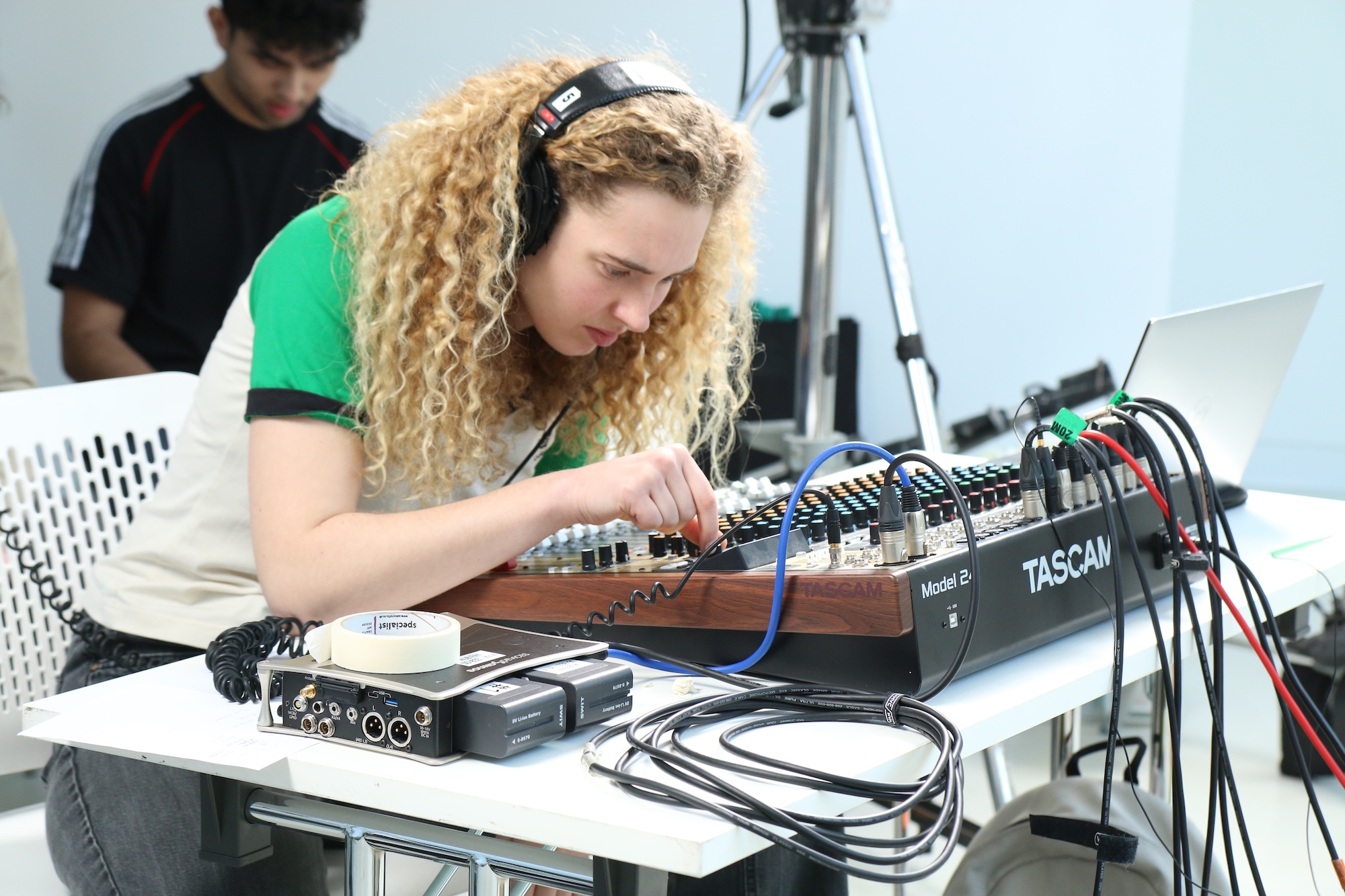
I'm a PhD student at Arts University Bournemouth (AUB), exploring how AI is changing the way people work in virtual production. But behind the academic title, my research is really about something quite simple: what happens when we introduce a new tool into a creative process, and how do we make sure people remain at the heart of it?
My background is in the creative and digital industries, where I've spent nearly two decades working with technology, exploring new ideas, and finding ways to do things differently.
One thing I've learned is that creativity never stands still. From photography and cinema to digital art and virtual production, creative people have always taken emerging technologies, experimented with them, and made things that previously weren't possible.
AI is the latest chapter in that story.
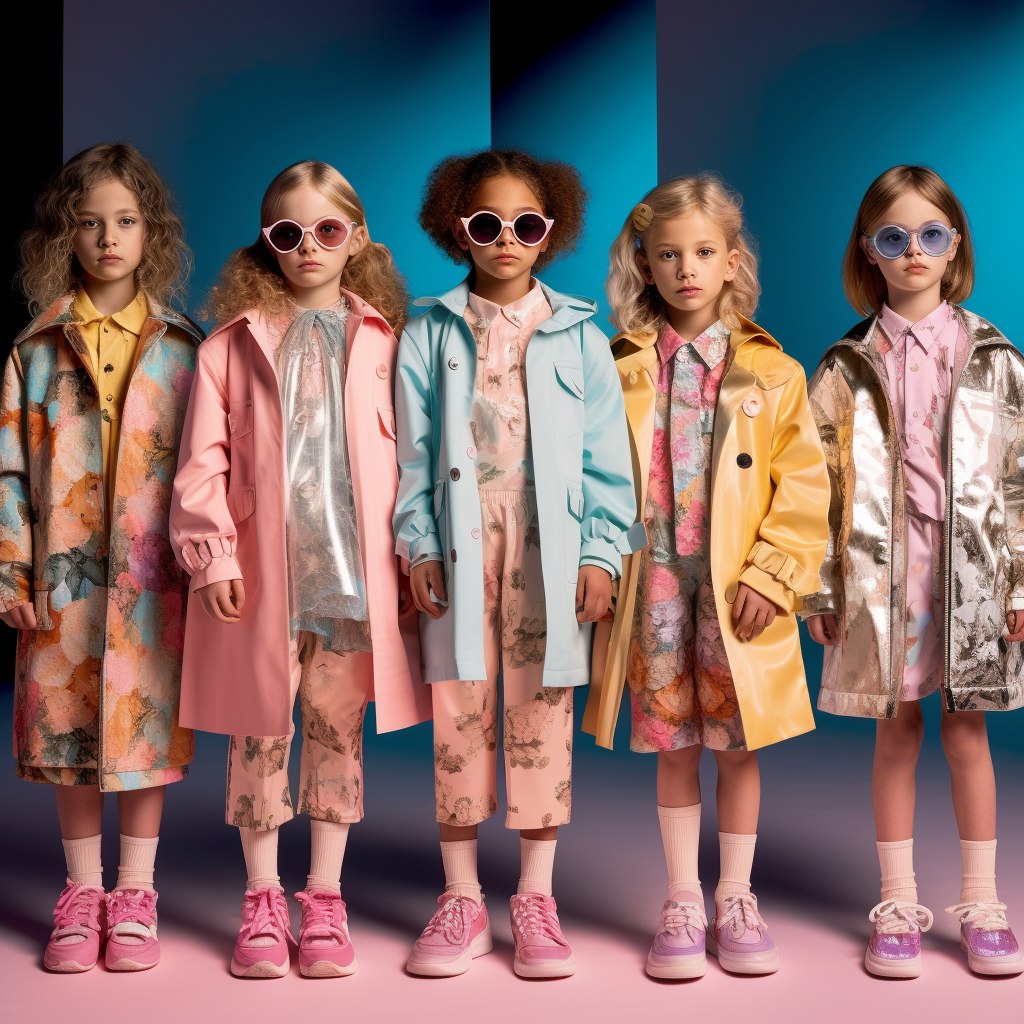
It's opening up new possibilities, from generating imagery and exploring ideas to accomplishing in seconds what once took hours. But who decides whether an AI-generated image is actually any good? Who determines whether it fits the creative vision? And when something doesn't quite work, who's responsible for putting it right?
Those questions led me towards my PhD research, Staging the Synthetic: AI and Creative Authority in Virtual Production.
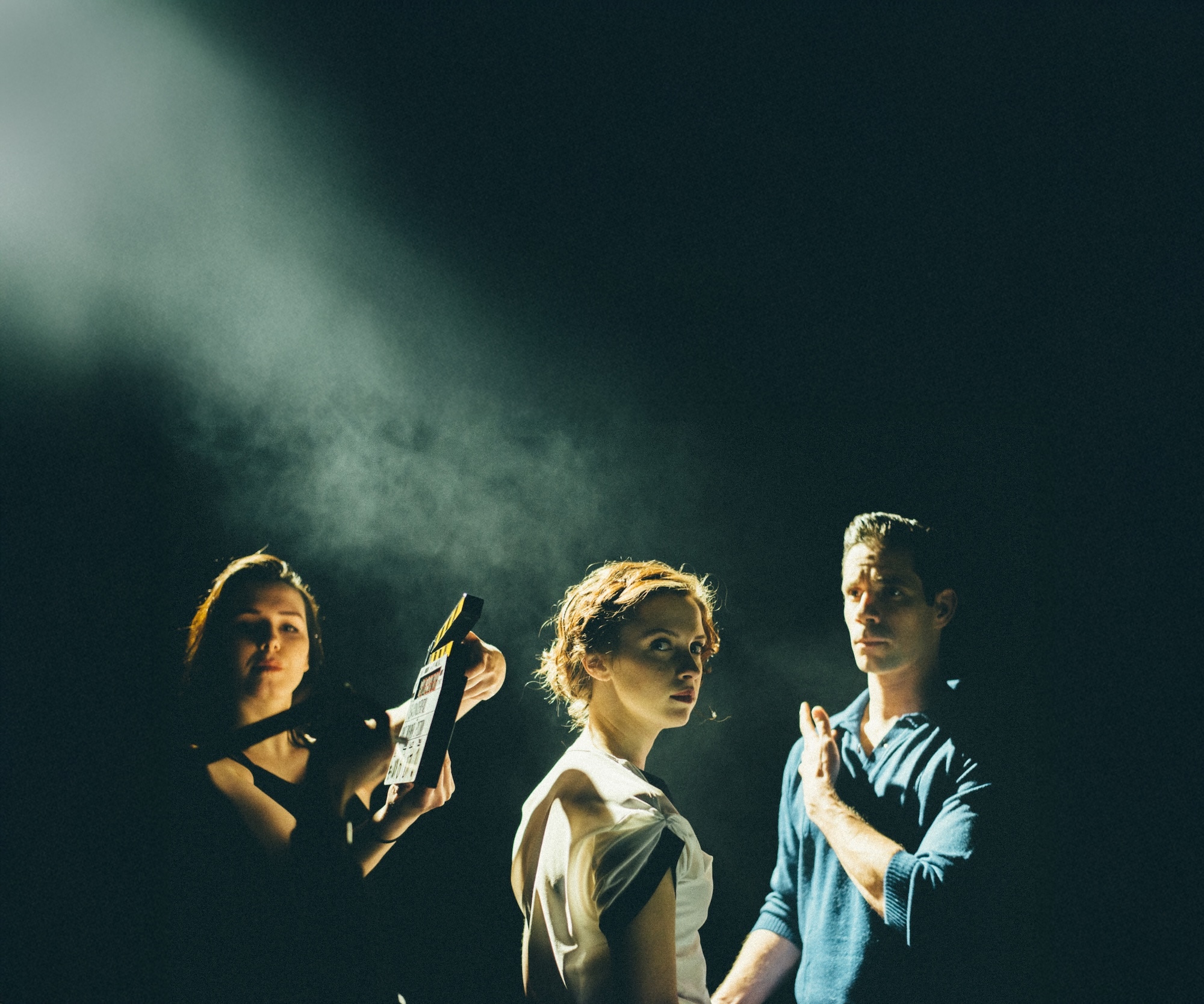
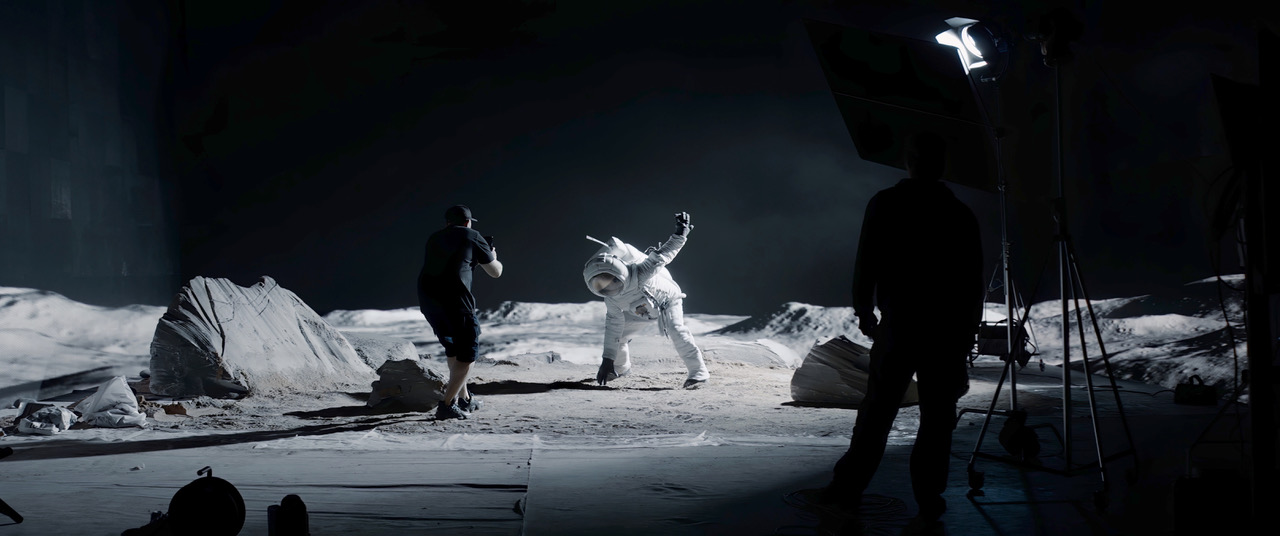
Virtual production brings together filmmaking, digital environments, real-time technology, and all sorts of creative and technical expertise. This makes it an ideal environment to explore what happens when AI becomes part of the creative team.
AI as a collaborator, not a replacement
One of the messages I particularly want to share with students is that using AI doesn't make you any less creative.
We don't question whether a photographer is creative because they use Photoshop, or whether an editor is talented because they use sophisticated editing software.
These tools expand what's possible, but they don't automatically provide the ideas, taste, or judgement that make the finished work meaningful.
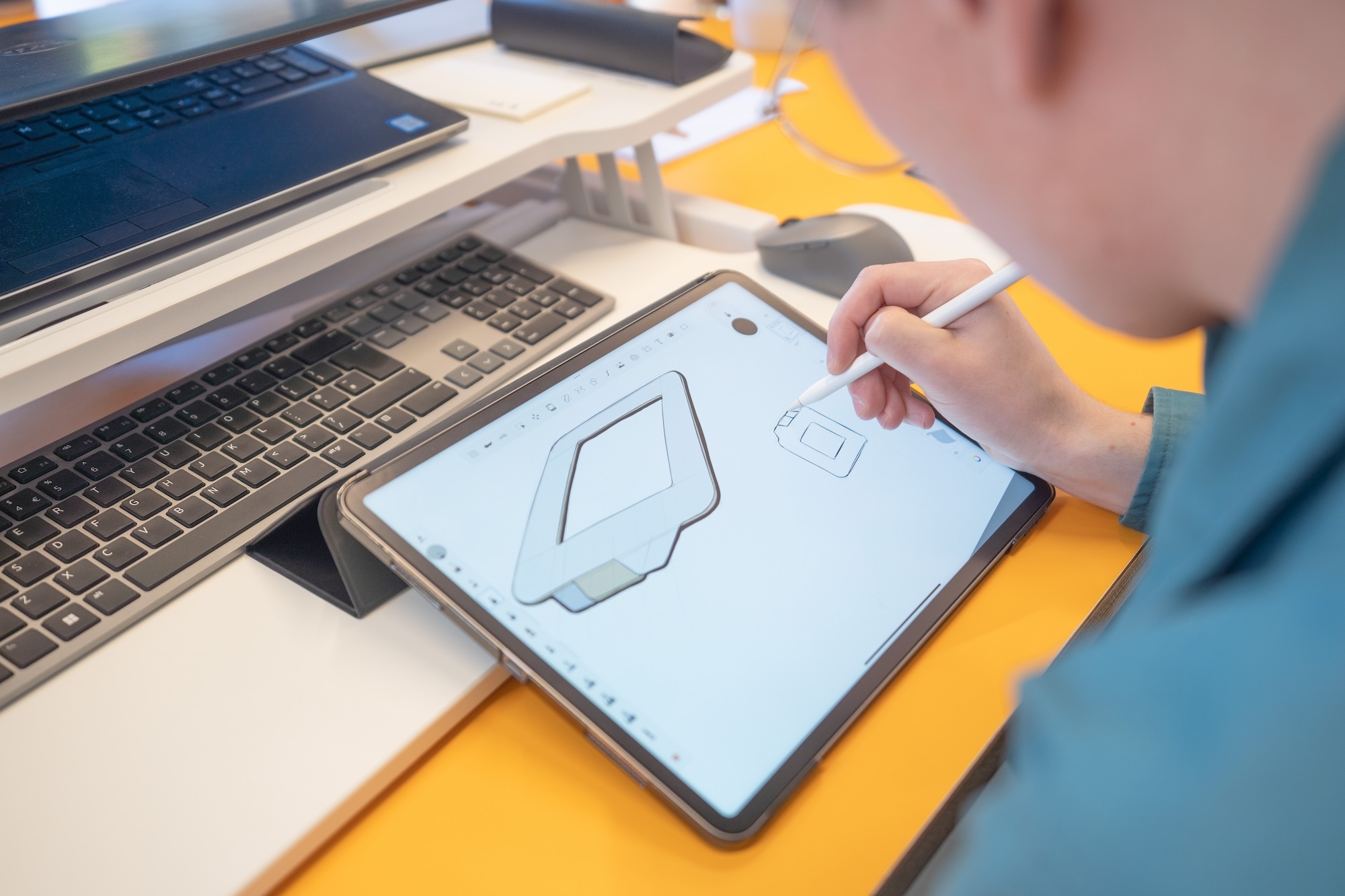
I think AI deserves a similar conversation, although it brings some new and important questions. It can be a collaborator, a way to experiment with ideas, or a tool for tackling repetitive tasks. Sometimes it produces something useful. Other times, it will confidently give you something completely ridiculous. Learning to recognise the difference is part of the skill.
As AI becomes more capable, our ability to ask good questions, evaluate results, and make considered creative decisions becomes increasingly important.
Of course, there are legitimate concerns about jobs, ownership, and the future of creative professions. They're part of what makes this research important.
But I don't think ignoring AI is the answer. These technologies are already influencing the industries many students hope to enter. Understanding where they help and where they fall short puts you in a much stronger position to shape how they're used.
Don't compete with a machine at being a machine. Learn to use it on your own terms.

From Bournemouth to Malaysia (without leaving my desk)
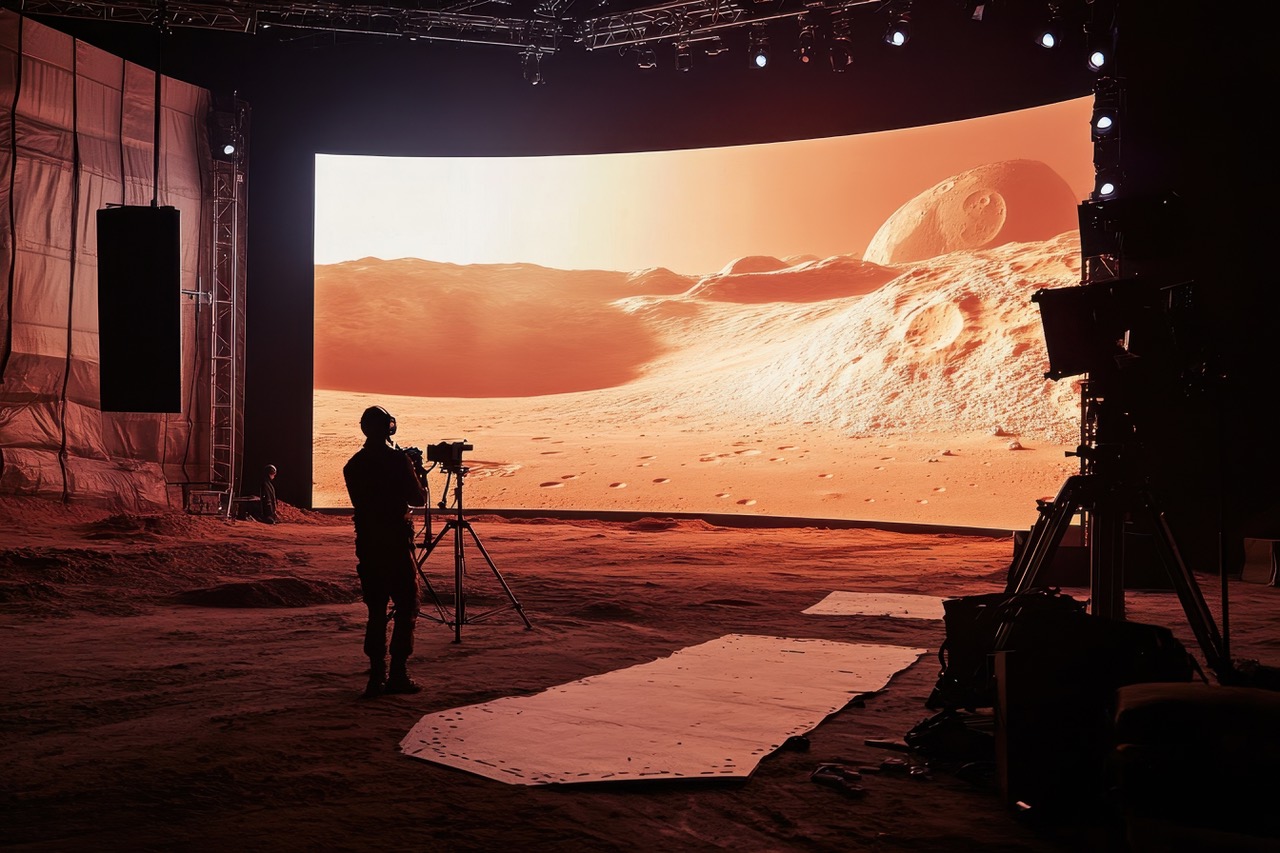
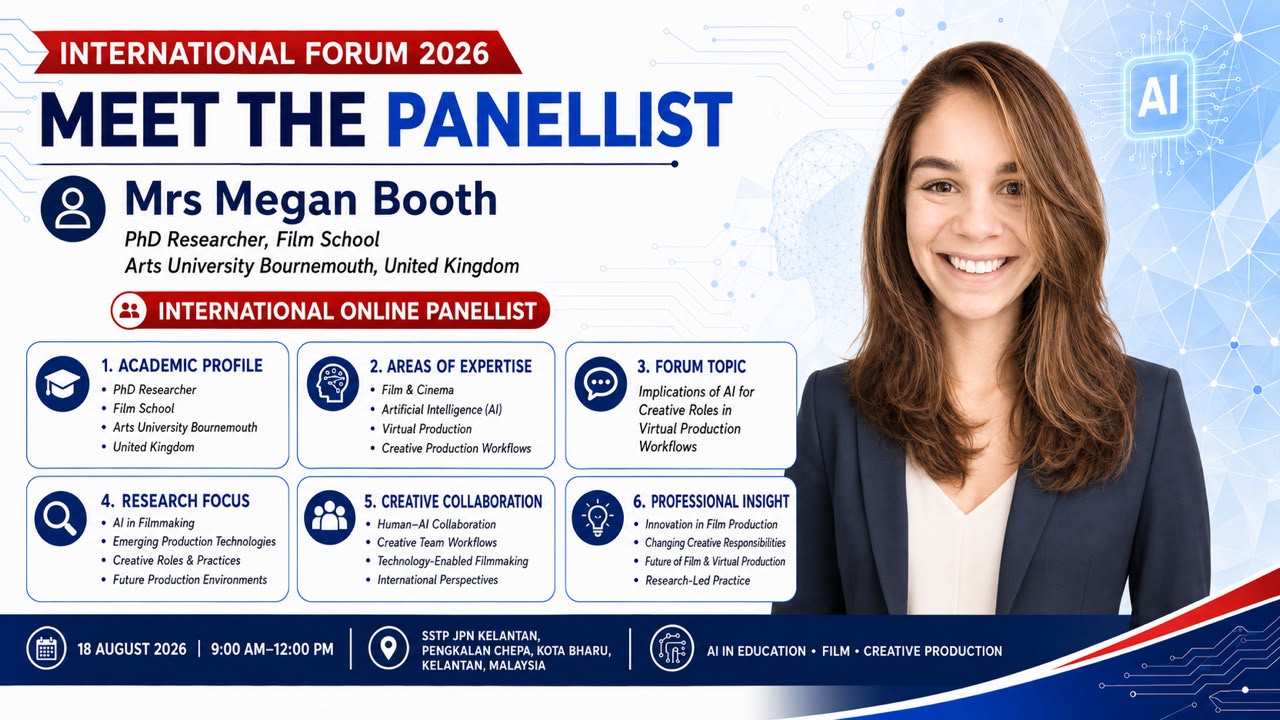
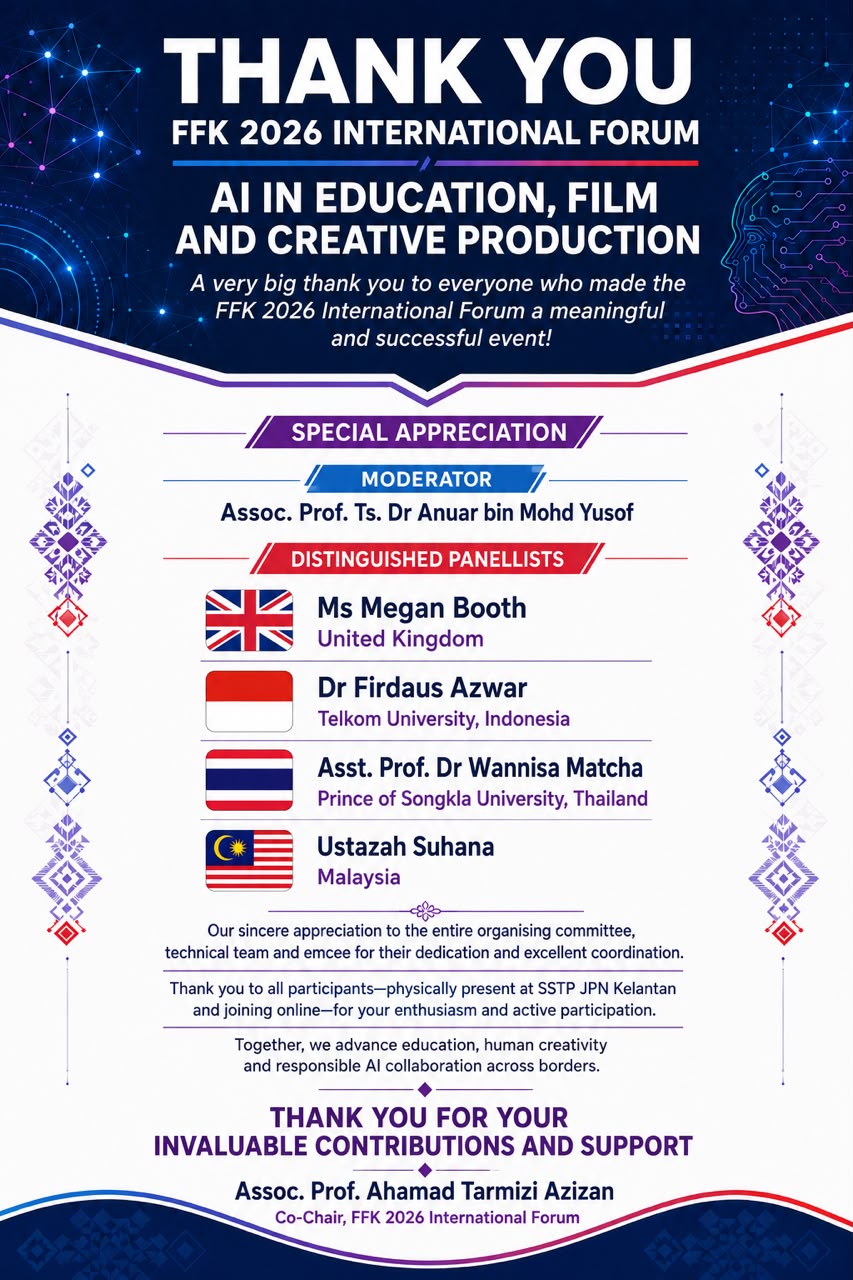
One of the highlights of my research journey so far was being invited to speak remotely at a film festival hosted by Universiti Malaysia Kelantan in August 2026.
It was an opportunity to discuss AI and its growing influence on creative production with an international audience, and to explore some of the ideas behind my research.
And while presenting at an international event from my living room at 02.00, wearing my PJs from the waist down, might not be quite as glamorous as travelling halfway around the world, it was a reminder of just how connected creative research has become.
My takeaway? AI might be a global conversation, but the way people experience and respond to it depends on their own creative practices, opportunities, and concerns.
For me, that's one of the best parts of research: discovering that a question you've been thinking about can open up conversations with people on the other side of the world.
Finding the right environment at AUB
That spirit of collaboration is also one of the things I value about studying at AUB. Its proximity to major film studios, industry connections, and opportunities to collaborate with institutions such as University of the Arts London (UAL) make it a great place to explore a subject like mine.
The people make a real difference, too. I've found the staff incredibly supportive, generous with their time and knowledge, and genuinely interested in contributing to my research.
For me, it's that combination of industry connections, academic experience, and a willingness to share ideas that makes AUB such a rewarding place to undertake a PhD. It also reinforces something I've come to appreciate throughout my career: some of the most interesting creative possibilities emerge when we're willing to experiment and learn from one another.
So, should creative students embrace AI?
I think the answer is yes, but thoughtfully.
Experiment with it. Challenge it. Find out what it's good at, what it's terrible at, and how it might fit into your own creative process. Most importantly, don't assume that using AI somehow diminishes your abilities. Being creative has never been about doing everything the hardest possible way. It's about having ideas, making choices, solving problems, and creating something that matters.
That's ultimately what I hope my research will help us understand: not just how AI changes creative workflows, but how we can shape those changes to support the people working within them.
And if there's one thing I'd encourage students to remember, it's this: your creativity isn't defined by the tools you use, but by what you choose to do with them.