















































An innovative research collaboration involving Arts University Bournemouth (AUB) has successfully explored a sustainable alternative to the fashion industry’s microplastic crisis by investigating seaweed-based coatings for denim.
Led by circular denim-washing innovators LaundRe, the two-month project ran from February to March 2026. The study marks the first UK Research and Innovation (UKRI) bid success for AUB's Plastics Innovation and Curation (PlastIC) research centre.
Traditional denim production often relies on synthetic plastic coatings to achieve specific finishes, performance traits, or durability. However, these polymer coatings are a major contributor to global microplastic pollution, shedding tiny synthetic particles during washing and wear.
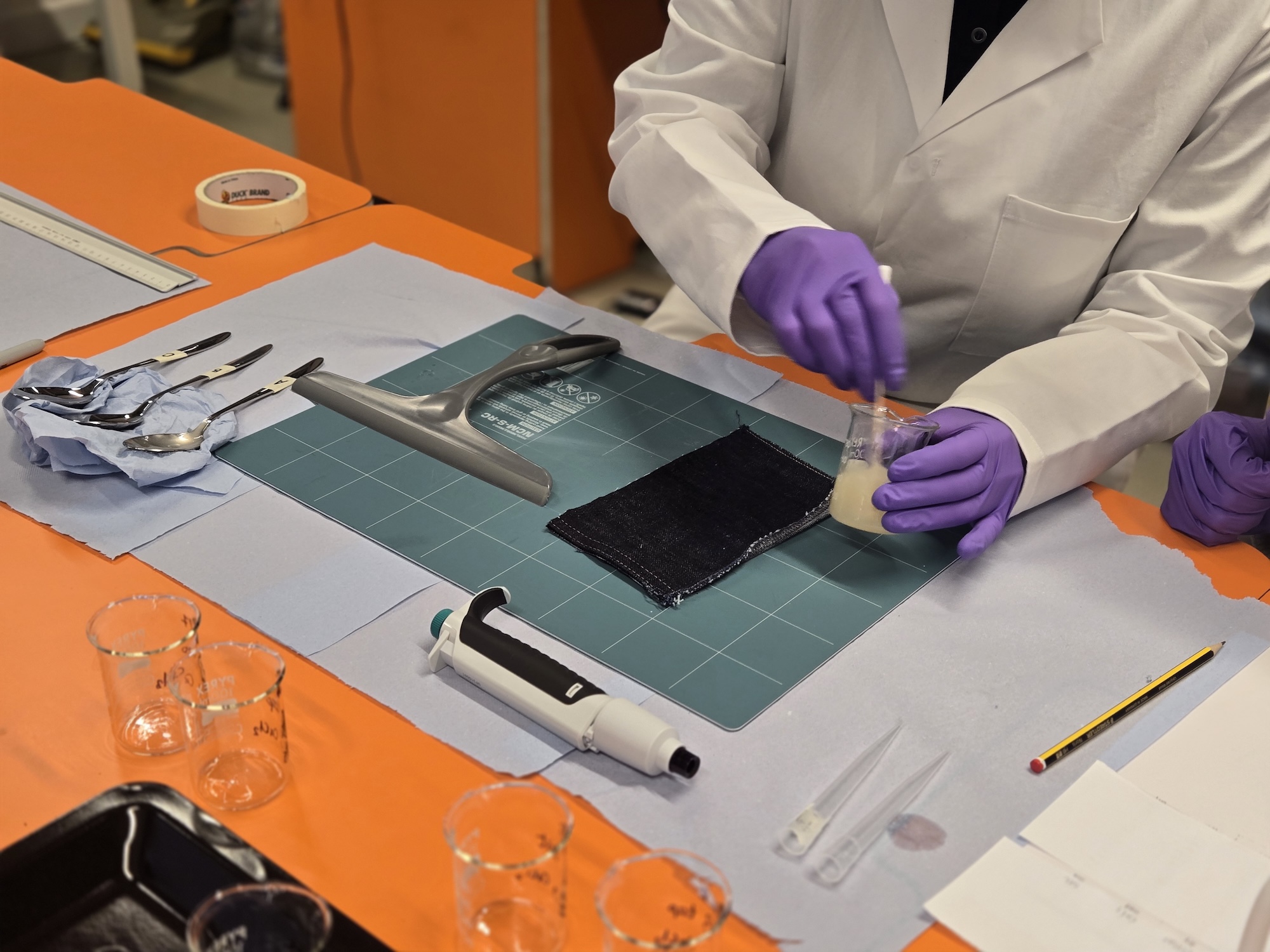
AUB PhD candidate Joanne Swift collaborated on the research to find an eco-friendly alternative. By utilising seaweed-derived bio-polymeric materials as a replacement for synthetic plastic coatings, the research aimed to evaluate how these sustainable alternatives can provide a functional solution without compromising the quality of the jeans.
“My PhD research at AUB focuses directly on the future of biodegradable fabric treatments, circular fashion, and reducing the fashion industry's environmental footprint," says Joanne. "This project provided an invaluable opportunity to apply those concepts to real-world textile applications.
“Traditional plastic coatings on clothing contribute to microplastic pollution, so we looked at how seaweed-derived materials can provide a functional, eco-friendly alternative without compromising the quality of the jeans.”
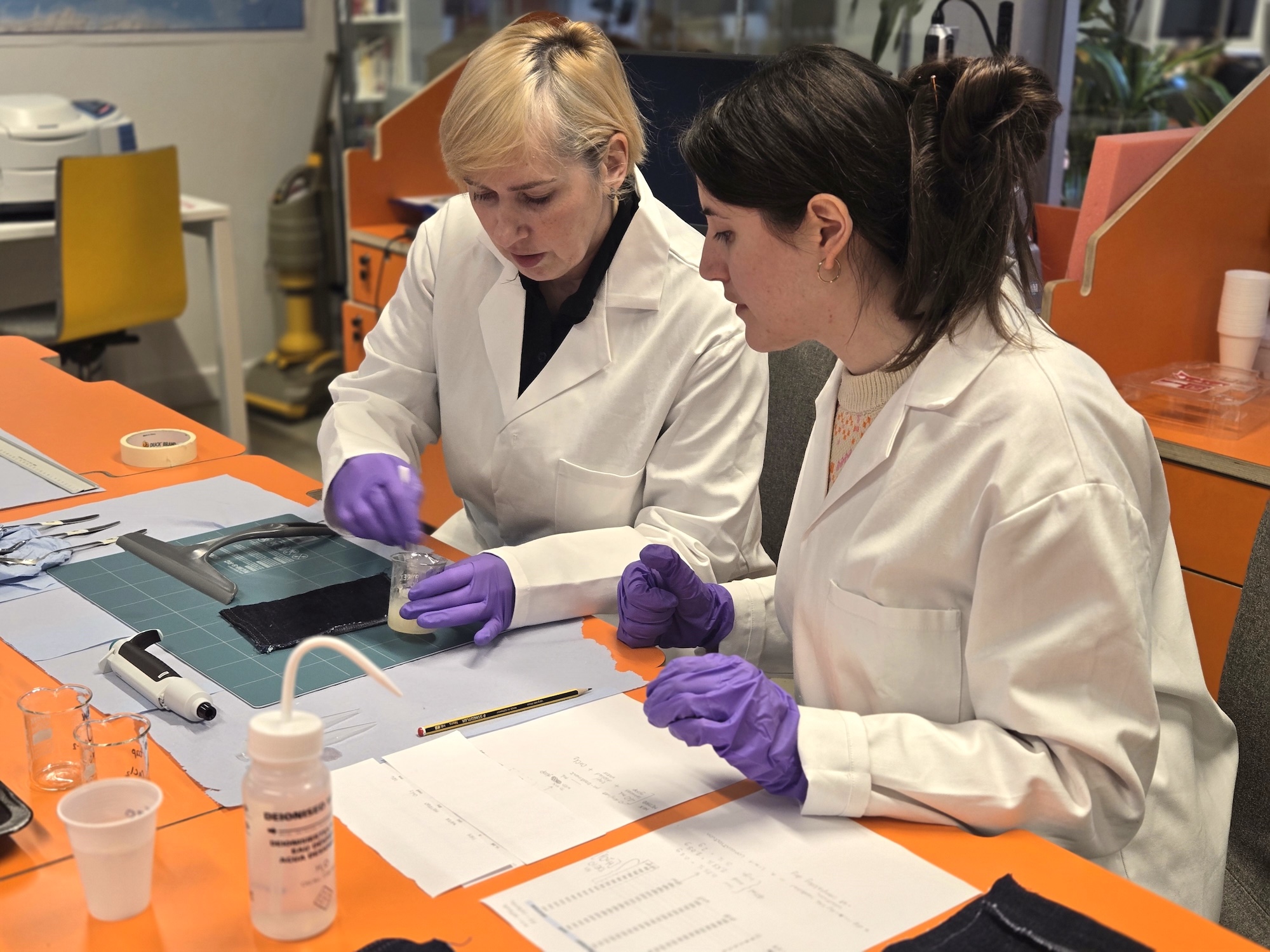
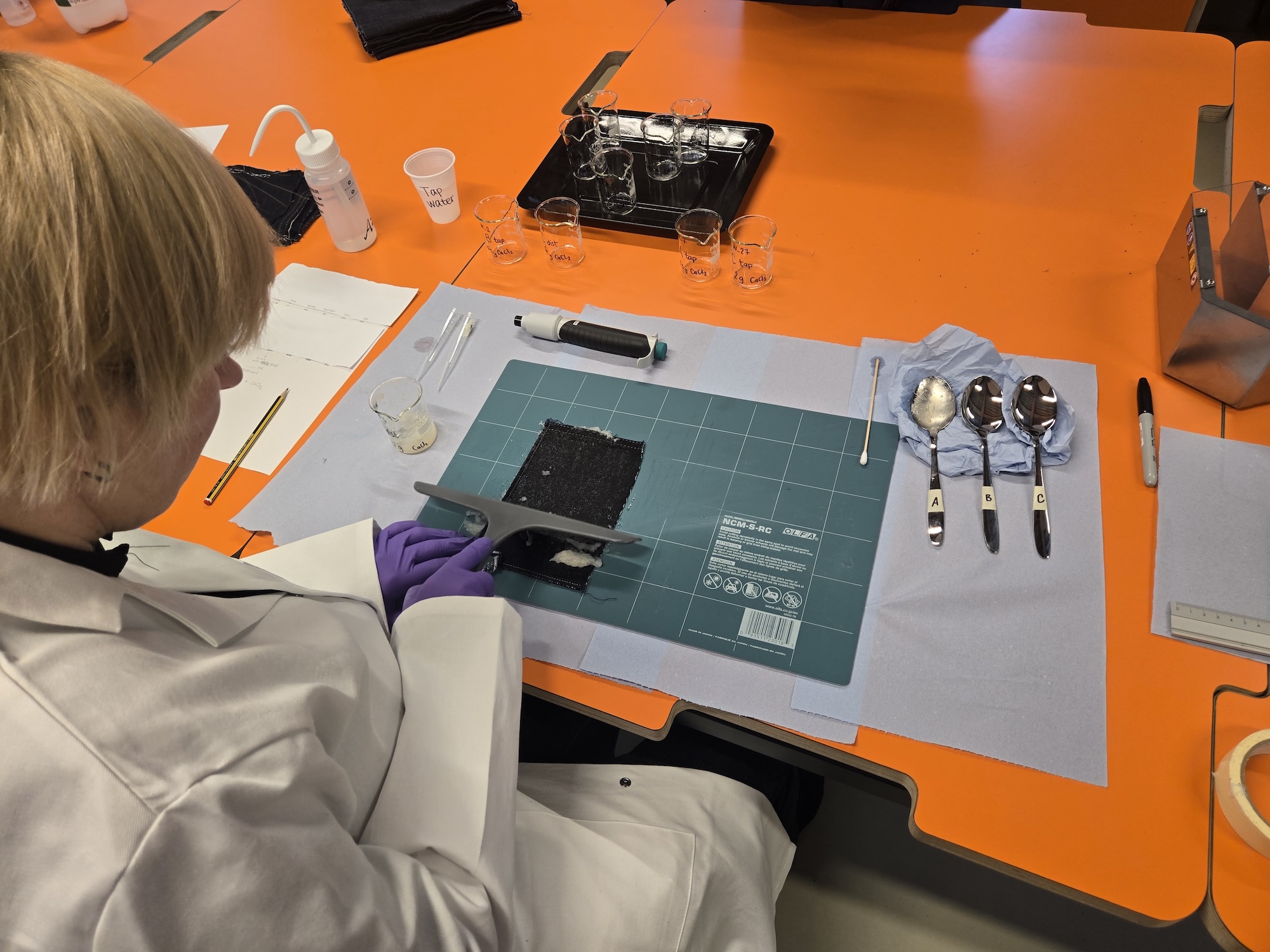
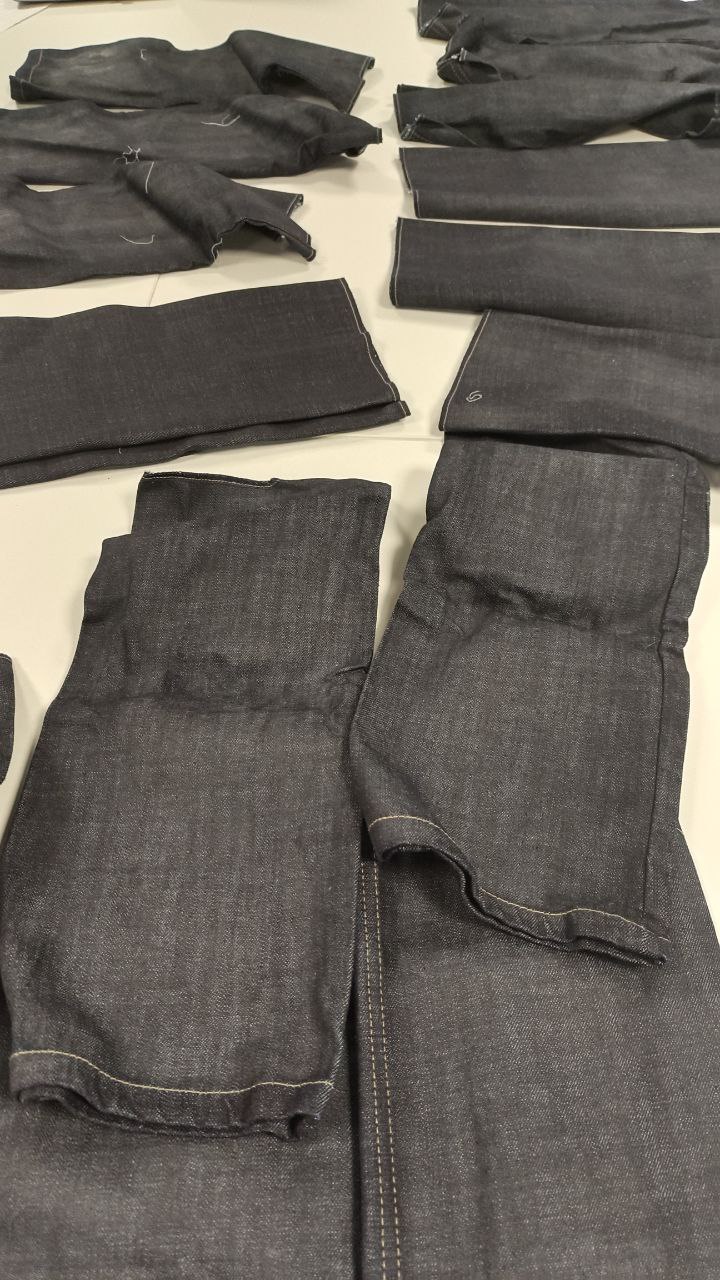
The project, which was fully delivered in March, bridges the gap between cutting-edge academic research and pioneering sustainable enterprises.
The successful bid brought together a strong collaborative network between LaundRe, PlastIC at AUB, and PlantSea, a specialist biotechnology firm focused on transforming seaweed into sustainable, bio-based material alternatives to synthetic polymers.
Joanne conducted the core research as a direct feed into her ongoing PhD studies, supported by her academic supervisors Jon Burgess and Elena Castagnotto, who provided research leadership and technical data analysis support.
The team is now analysing the gathered data to evaluate the impact and performance of the seaweed-derived coatings.
By proving how seaweed-based technology can step into the textile finishing space, the partnership has taken an important step toward creating a scalable, truly circular standard for the global fashion sector.
Further details on the project can be found on the PlastIC website.