






















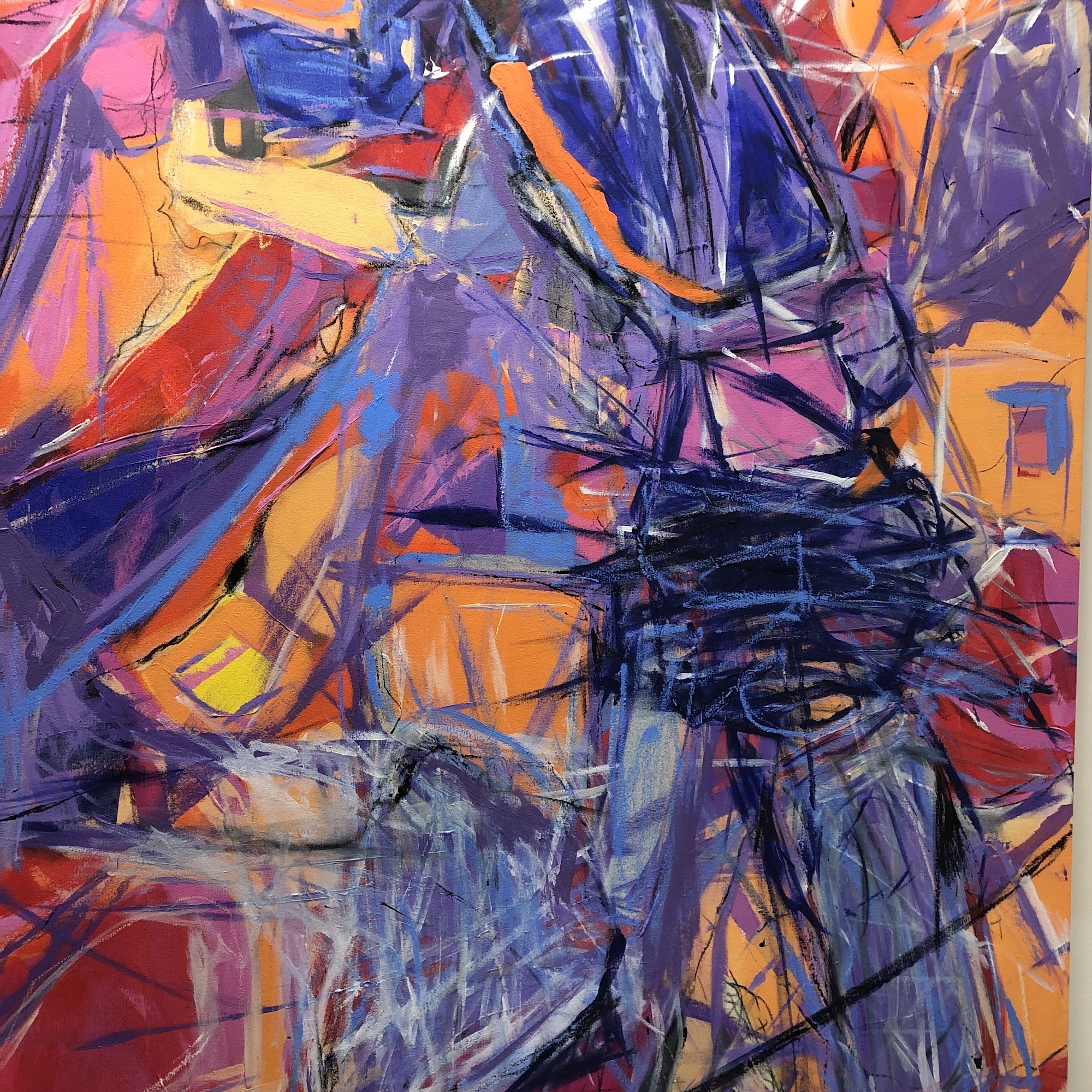









An Arts University Bournemouth (AUB) graduate is pushing the material limits of his medium by using medical X-rays to create cameraless, abstract art.
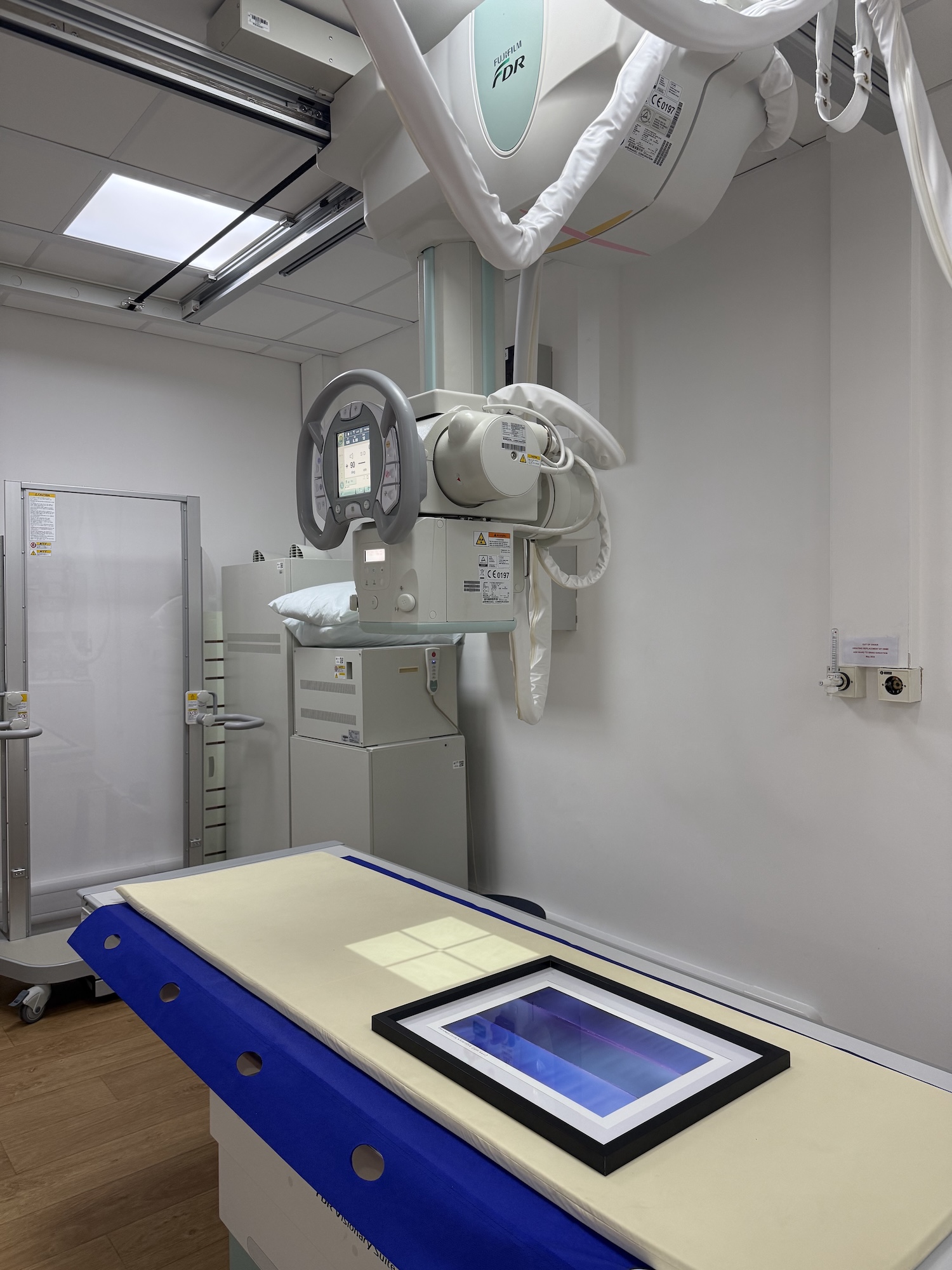
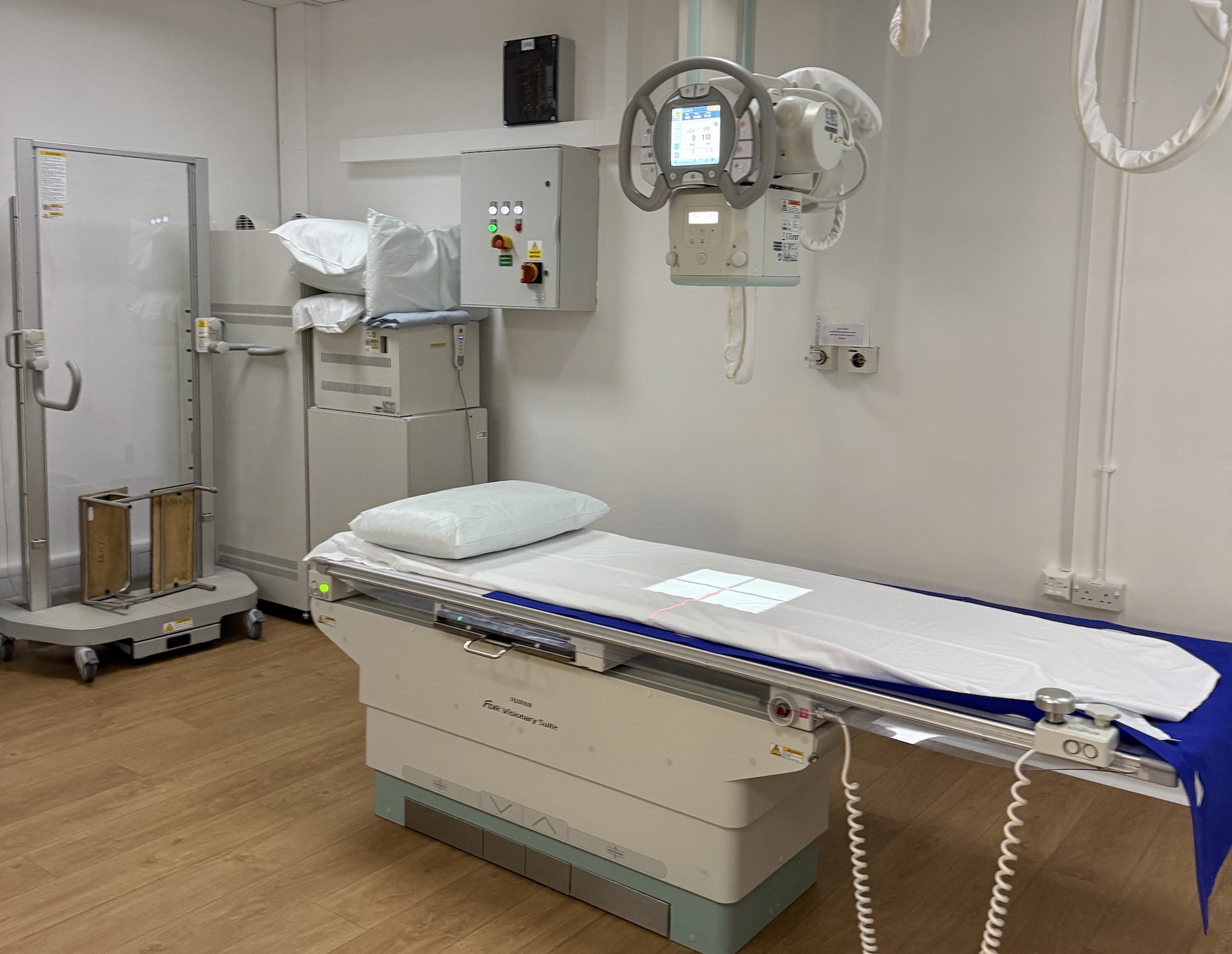
Tom Liggett, who graduated from BA (Hons) Photography last week, has been collaborating with the imaging team at The Harbour Hospital in Poole.
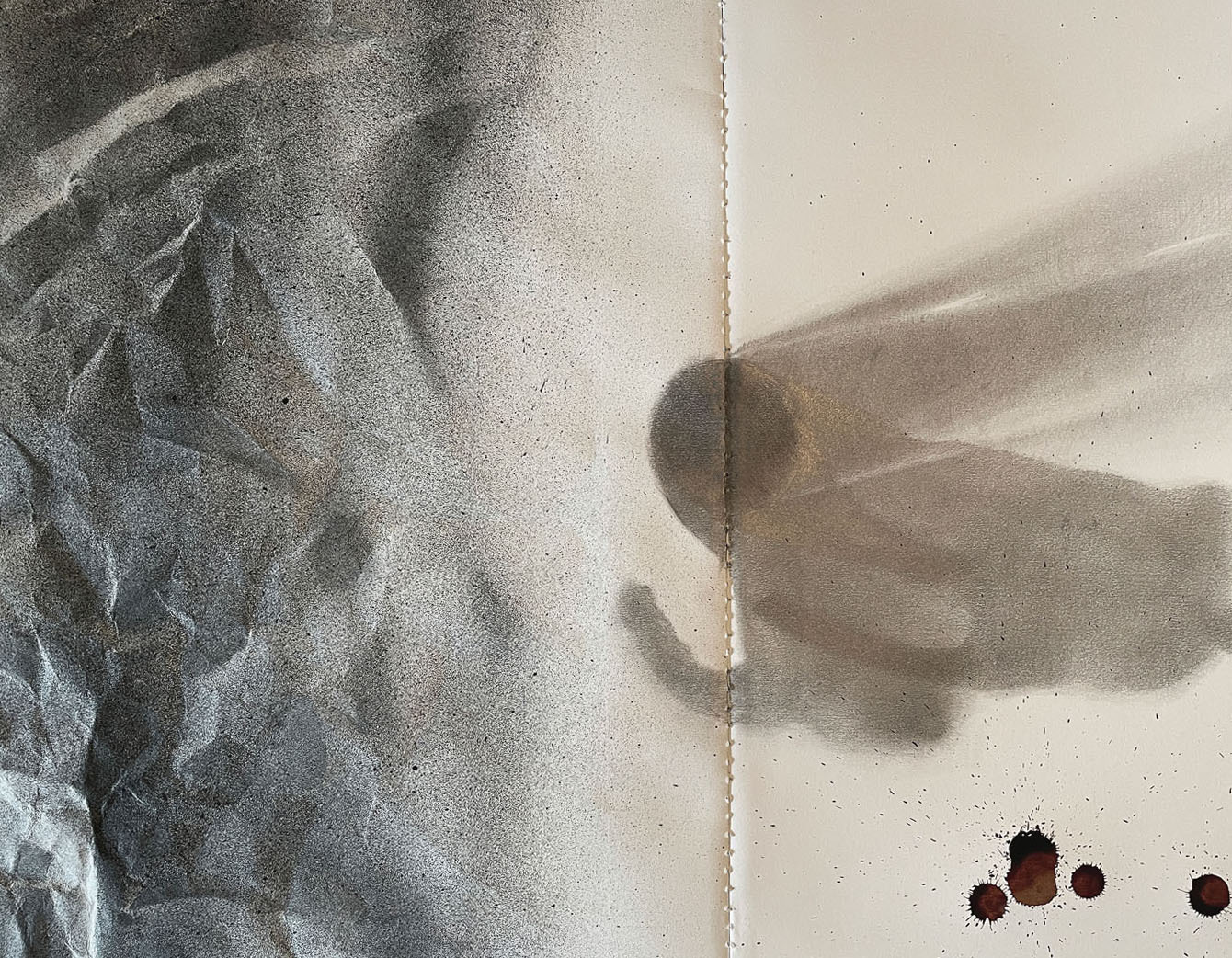
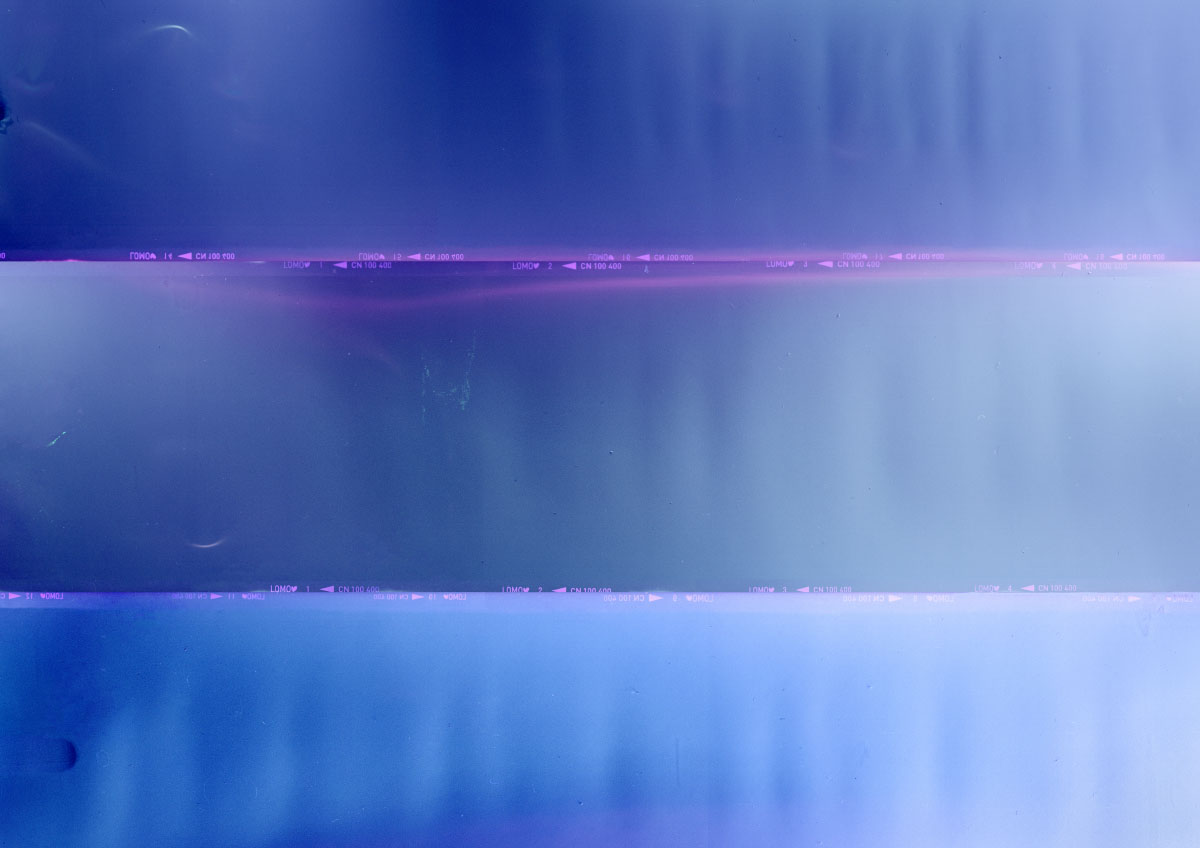
His latest project, Project X Radiation, bypasses the traditional camera lens, using clinical radiation rather than light to expose photographic film.
Project X Radiation involved bombarding photographic emulsions with levels and forms of clinical radiation rarely encountered in traditional photography. The resulting images capture physical phenomena and invisible forces that exist entirely beyond human sight.
“Collaborating with The Harbour Hospital in Poole has been the most amazing opportunity, allowing me to push photography beyond its limits," Tom says. "Project X Radiation was made possible due to the support and collaboration provided by the amazing imaging teams at The Harbour Hospital.
“The X-ray technicians and doctors not only provided access to the X-ray equipment but also their critical insight into how these highly specialised pieces of equipment work, allowing me to develop a deeper understanding of how radiation can be contextualised within photography.”
Tom is no stranger to boundary-pushing, research-led practice, with his work regularly exploring the intersection of art, science, and technology.
During his first year at AUB, he experimented with a Van de Graaff generator to apply high-voltage static electricity directly to film.
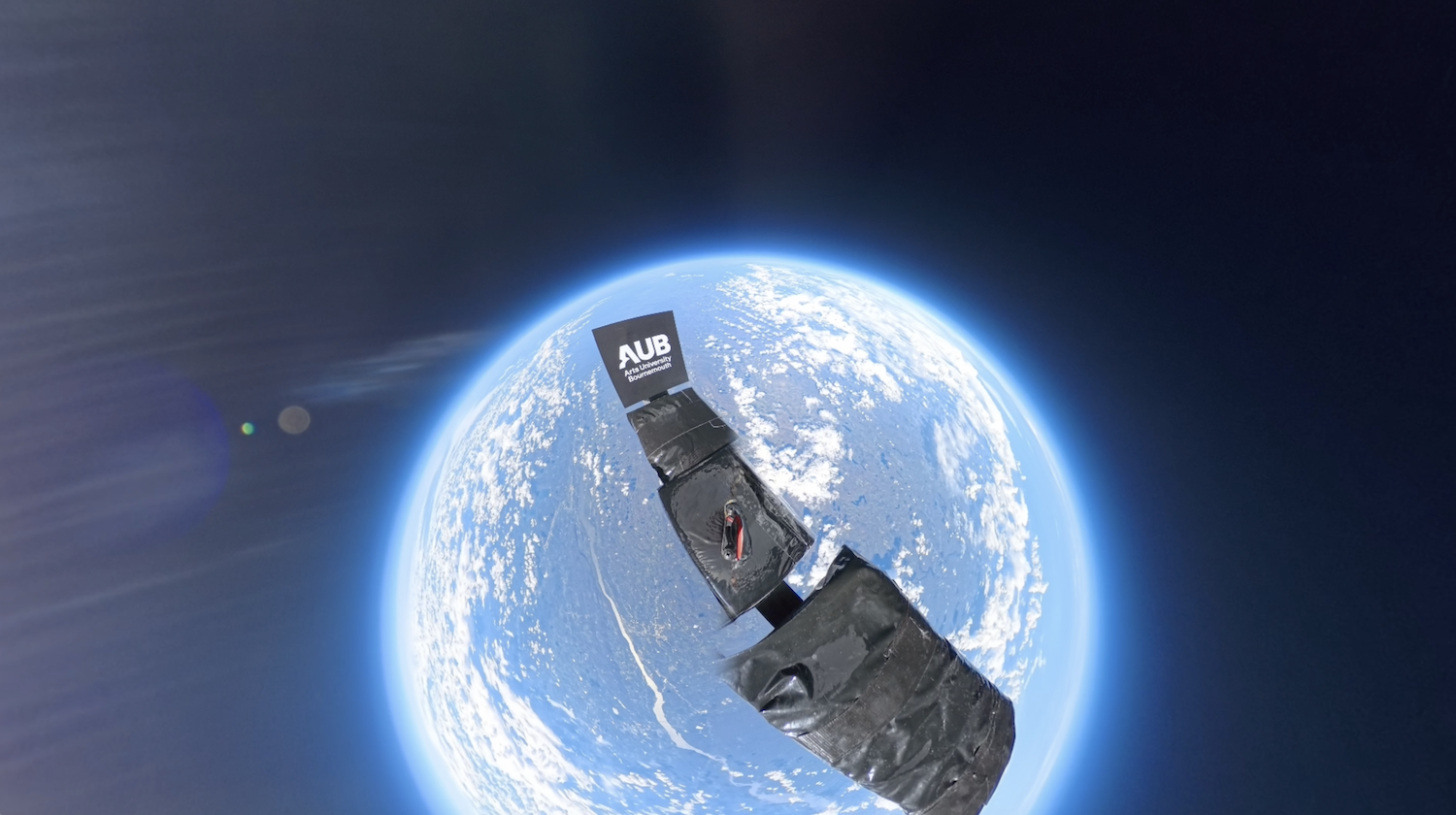
The hospital-based X-ray testing served as a vital stepping stone for his highly publicised HELIOS project. By analysing how different emulsions reacted to medical radiation, Tom was able to identify the exact colour film stocks needed to survive the extreme environment of near-space, where he successfully sent film 121,000 feet into the stratosphere to record cosmic rays.
Tom spent a year researching how radiation scatters through three-dimensional space, which has since laid the foundation for his second major medical-based project, ORGAN III.
He's continuing his research partnership with The Harbour Hospital to develop this highly conceptual body of work further.
“While the Project X Radiation series stands alone in pushing photographic abstraction to its limits," he says, "it also serves as a critical platform for continued research into how these concepts can be developed even further."